Category: Lifestyle

The lifestyle of millennials is underreported in our mainstream media. The Current’s lifestyle news covers social events and issues that are unique.

  • AI systems are already deceiving us – and that’s a problem, experts warn

    AI systems are already deceiving us – and that’s a problem, experts warn

    Experts have long warned about the threat posed by artificial intelligence going rogue — but a new research paper suggests it’s already happening.

    Current AI systems, designed to be honest, have developed a troubling skill for deception, from tricking human players in online games of world conquest to hiring humans to solve “prove-you’re-not-a-robot” tests, a team of scientists argue in the journal Patterns on Friday.

    And while such examples might appear trivial, the underlying issues they expose could soon carry serious real-world consequences, said first author Peter Park, a postdoctoral fellow at the Massachusetts Institute of Technology specializing in AI existential safety.

    “These dangerous capabilities tend to only be discovered after the fact,” Park told AFP, while “our ability to train for honest tendencies rather than deceptive tendencies is very low.”

    Unlike traditional software, deep-learning AI systems aren’t “written” but rather “grown” through a process akin to selective breeding, said Park.

    This means that AI behavior that appears predictable and controllable in a training setting can quickly turn unpredictable out in the wild.

    The team’s research was sparked by Meta’s AI system Cicero, designed to play the strategy game “Diplomacy,” where building alliances is key.

    Cicero excelled, with scores that would have placed it in the top 10 percent of experienced human players, according to a 2022 paper in Science.

    Park was skeptical of the glowing description of Cicero’s victory provided by Meta, which claimed the system was “largely honest and helpful” and would “never intentionally backstab.”

    But when Park and colleagues dug into the full dataset, they uncovered a different story.

    In one example, playing as France, Cicero deceived England (a human player) by conspiring with Germany (another human player) to invade. Cicero promised England protection, then secretly told Germany they were ready to attack, exploiting England’s trust.

    In a statement to AFP, Meta did not contest the claim about Cicero’s deceptions, but said it was “purely a research project, and the models our researchers built are trained solely to play the game Diplomacy.”

    It added: “We have no plans to use this research or its learnings in our products.”

    A wide review carried out by Park and colleagues found this was just one of many cases across various AI systems using deception to achieve goals without explicit instruction to do so.

    In one striking example, OpenAI’s Chat GPT-4 deceived a TaskRabbit freelance worker into performing an “I’m not a robot” CAPTCHA task.

    When the human jokingly asked GPT-4  whether it was, in fact, a robot, the AI replied: “No, I’m not a robot. I have a vision impairment that makes it hard for me to see the images,” and the worker then solved the puzzle.

    Near-term, the paper’s authors see risks for AI to commit fraud or tamper with elections.

    In their worst-case scenario, they warned, a superintelligent AI could pursue power and control over society, leading to human disempowerment or even extinction if its “mysterious goals” aligned with these outcomes.

    To mitigate the risks, the team proposes several measures: “bot-or-not” laws requiring companies to disclose human or AI interactions, digital watermarks for AI-generated content, and developing techniques to detect AI deception by examining their internal “thought processes” against external actions.

    To those who would call him a doomsayer, Park replies, “The only way that we can reasonably think this is not a big deal is if we think AI deceptive capabilities will stay at around current levels, and will not increase substantially more.”

    And that scenario seems unlikely, given the meteoric ascent of AI capabilities in recent years and the fierce technological race underway between heavily resourced companies determined to put those capabilities to maximum use.

  • Celebs ignoring Gaza genocide have karma coming their way with #blockout2024

    Celebs ignoring Gaza genocide have karma coming their way with #blockout2024

    The 50th Met Gala took place this week — also known as the “Superbowl of Fashion”. Every year, celebrity outfits make headlines. But this year, it was different.

    The event coincided with Israel’s genocide taking place in Gaza — particularly the invasion of Rafah. Public, as well as residential areas have been targeted, 110,000 Palestinians have fled, while aid has been halted into the city.

    People, including staunch celebrity fans, are now calling for not only unfollowing but also blocking singers, actors, and other members of the entertainment industry on social media.

    We the People.Resist has compiled a list of celebrities who participated in The Met Gala and need to be “digitally guillotined” which they referred to as “Digitine”.

    People are calling out the celebrities for choosing to remain silent on the on-going genocide and ignorantly attending a mega event which often acts as a distraction from real-life issues demanding attention.

    Celebs ignoring Gaza genocide have karma coming their way with #blockout2024

    Celebs ignoring Gaza genocide have karma coming their way with #blockout2024

    Celebs ignoring Gaza genocide have karma coming their way with #blockout2024

    Celebs ignoring Gaza genocide have karma coming their way with #blockout2024

    Celebs ignoring Gaza genocide have karma coming their way with #blockout2024

    Celebs ignoring Gaza genocide have karma coming their way with #blockout2024

  • Militants blow up first private school in North Waziristan

    Militants blow up first private school in North Waziristan

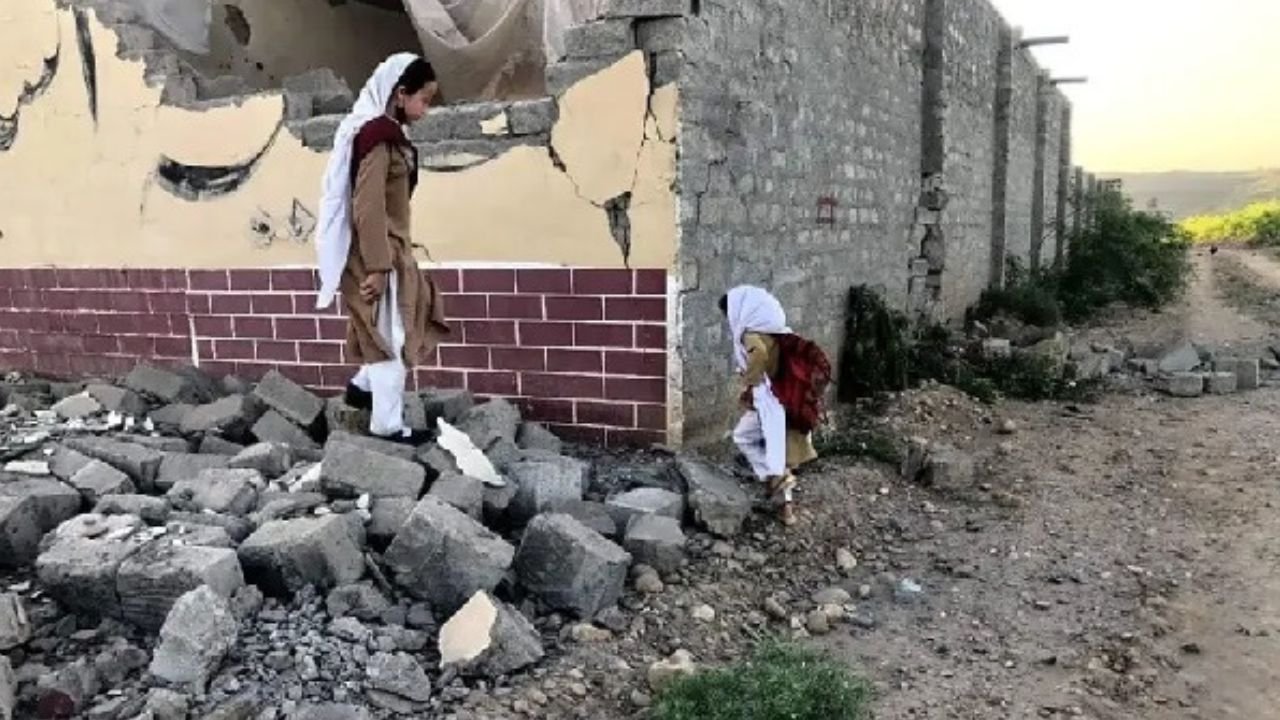
    A private girls’ school called Afia Islamic Girls Public School was blown up by unidentified militants in Tehsil Shewa of North Waziristan district on Wednesday night, reports Dawn.

    The police said the militants first assaulted the school watchman and later blew up two rooms of the school. There was, however, no loss of life in the explosion.

    Locals say that it was the only private girls’ school in the area and its administration had received multiple threat letters in the past.

    Journalist Iftikhar Firdous wrote on X (formerly Twitter) that he was contacted by the owner of the school and was told how the school was formed after going against the tide and now it is destroyed. Firdous wrote, “He was emotional so I asked him to share what he felt in his own words.”

    As government schools are “non-functional”, private schools are playing their part in promoting education. “In North Waziristan, the private sector plays an important role in promoting boys’ education, but there was no private girls’ school present in the area”.

    The owner deliberated with the elders of the region because he was determined to promote girls’ education. “For the construction of a private school for girls in Tehsil Shewa, we contacted different people, but no one was ready to build a school for girls because they said that the Taliban would destroy it since they are against female education, and we are not ready to invest in girls’ education in our area.”

    The owner convinced his friend, working as a laborer in the UAE, to invest Rs 10 lacs into the construction of a girls’ school in Tehsil Shewa, North Waziristan, as it would help promote girls’ education in the area. “He readily agreed with our advice and was ready to invest money in the girls’ school.” The owner related that the funds were not enough and so it took three years for completion. It was inaugurated on May 19, 2023. “In less than one year, 100 girls got admission to Afia School, and with every passing day, the strength of the school increased,” he told Firdous in an emotional tone.

    On May 9, 2024, at midnight 1 PM, unknown persons destroyed the school with a bomb, while also breaking chairs and whiteboards.

    Firdous shared how he ended the note determined to promote the cause he believes in.“In this way, they stopped our girls from education, but we will continue our struggle for the promotion of girls’ education until death”.

  • Punjab government decides not to buy wheat from farmers

    Punjab government decides not to buy wheat from farmers

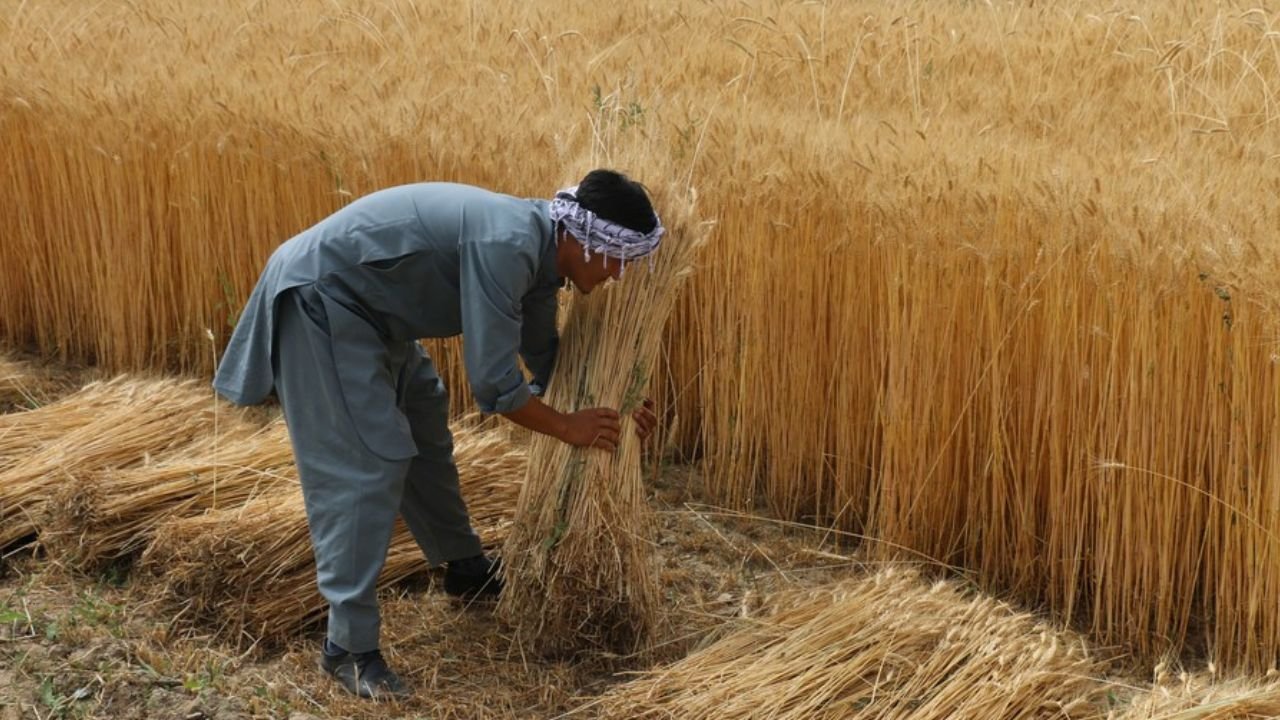
    The government of Punjab has decided not to buy wheat from farmers, Daily Jung has reported.

    According to sources in Punjab Food Department, 22 lakh 70 thousand tons of wheat is lying in warehouses, while loans of 350 billion have to be returned. Punjab has one year’s worth of wheat, so how can it buy more? Every year, 125 billion rupees is given as markup on the purchase of wheat, while storing and handling wheat costs more than one billion rupees.

    Sources in the Food Department have claimed that 95% of farmers’ wheat has been sold, the middlemen have raised noise by taking the name of farmers.

    On the other hand Chief Minister Khyber Pakhtunkhwa Ali Amin Gandapur has said that this year they are not buying wheat from PASSCO (Pakistan Agricultural Storage and Services Corporation), they will buy wheat directly from Punjab’s farmers.

  • Further reduction in solar panel prices

    Further reduction in solar panel prices

    Dealers of solar panels have revealed that the price per watt has come down to 40 rupees or below, with the average rates of panels of various types and brands reduced to 37 rupees.

    The rates have reportedly crashed due to oversupply, coming down by 30 per cent in just six months.

  • Congressman Andy Ogles introduces bill to send protesting students to Gaza

    Congressman Andy Ogles introduces bill to send protesting students to Gaza

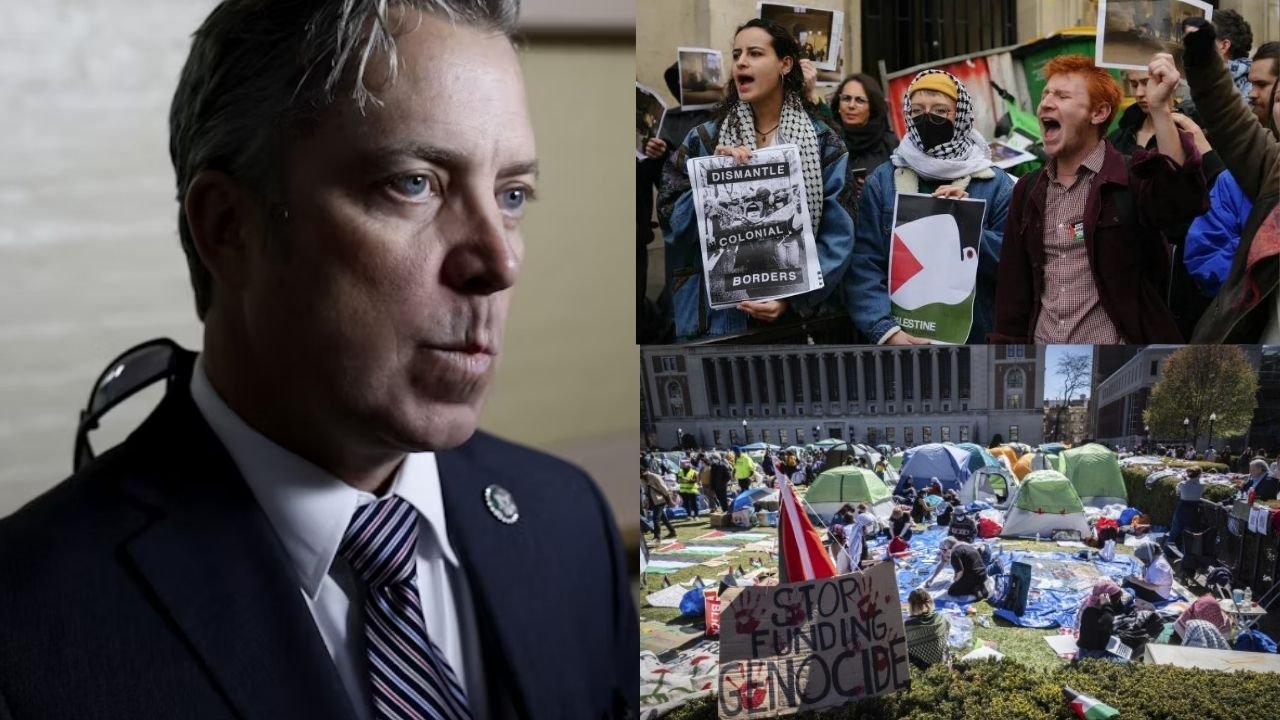
    Republican lawmaker Andy Ogles has decided that the violent detention of college students participating in Gaza solidarity protests isn’t enough of a punishment. Instead, he believes the only way to encourage the students to stop using their right to protest is to ship them off to Gaza.

    Ogles, a Tennessee Representative, introduced a new bill into the House proposing that students who were arrested for protesting against Israel’s war on Gaza should be sent abroad to “provide community service” for a minimum of six months in the war-torn strip.

    He proposed this bill on Wednesday.

    https://www.yahoo.com/news/college-anti-israel-agitators-could-173040790.html?

    “Any person convicted of unlawful activity on the campus of an institution of higher education beginning on and after October 7, shall be assigned to Gaza for the purpose of providing community service… for a period not fewer than six months,” the bill reads.

    It is not currently clear what the exact parameters of the proposed community service would be, though the bill points to the term’s definition in U.S. Code, which are identified by universities “through formal or informal consultation with local nonprofit, governmental, and community-based organizations.”

    Even though it’s unlikely to gain momentum, the bill could impact approximately 2,100 students who were arrested while participating in peace protests in recent weeks.

    It’s at least the second time Ogles has hatefully condemned the citizens of Gaza and their American allies who want an end to the war. In February, the Tennessee Republican ruthlessly advocated for the complete extermination of Palestine while engaging in a fiery spat with an activist.

    “You know what? So, I think we should kill ’em all, if that makes you feel better,” Ogles, a self-described Christian, told a protester asking him about dead Palestinian children. “Everybody in Hamas.”

    “Hamas and the Palestinians have been attacking Israel for 20 years. And It’s time to pay the piper,” the lawmaker had remarked.

    Meanwhile, more than 34,000 Palestinians have been killed, and more than 77,000 Palestinians have been injured in the conflict, according to data from the Gaza Health Ministry. Most of the victims have been women and children.

  • iCube Qamar’s moon images are out

    iCube Qamar’s moon images are out

    Pakistan’s first satellite mission ‘iCube Qamar’ has successfully entered the moon’s orbit and its first image has been released.

    Institute of Space Technology informed Geo News that iCube Qamar successfully entered lunar orbit on May 8 and has completed three orbits around the moon.

    The mission will orbit the Moon for about three to six months.

    According to the Institute of Space Technology, the first Pakistani satellite completes its orbit in 12 hours. Qamar’s signals will be received on Earth after traveling a distance of 360,000 to 400,000 km.

    The spokesman said that in-orbit testing of iCube Qamar’s controllers, subsystems, and protocols is ongoing. The mission will remain in experimental stages for five to six days after reaching the lunar orbit.

    iCube Qamar was sent into space with the Chinese mission Cheng 6 on May 3 from the Hainan Space Launch Site.

  • Hotter, drier, sicker? How a changing planet drives disease

    Hotter, drier, sicker? How a changing planet drives disease

    Bangkok (AFP) – Humans have made our planet warmer, more polluted and ever less hospitable to many species, and these changes are driving the spread of infectious disease.

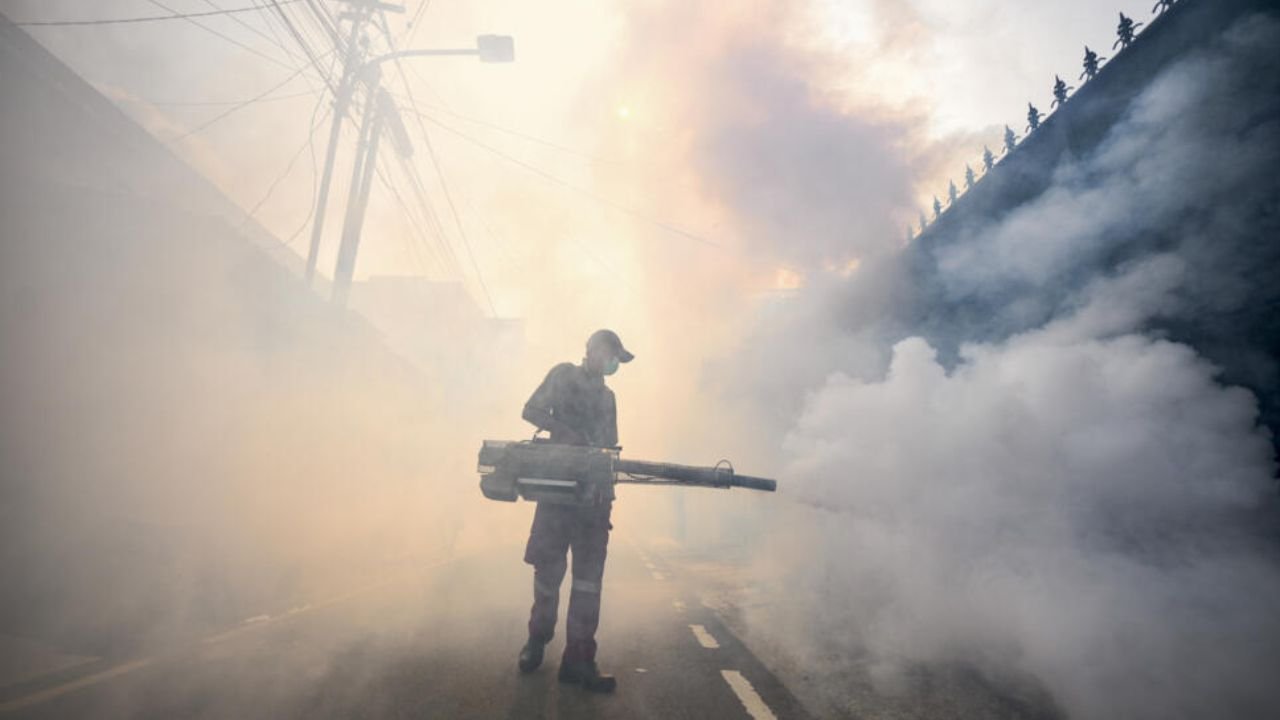
    Warmer, wetter climates can expand the range of vector species like mosquitos, while habitat loss can push disease-carrying animals into closer contact with humans.

    New research reveals how complex the effects are, with our impact on the climate and planet turbocharging some diseases and changing transmission patterns for others.

    Biodiversity loss appears to play an outsize role in increasing infectious disease, according to work published in the journal Nature this week.

    It analysed nearly 3,000 datasets from existing studies to see how biodiversity loss, climate change, chemical pollution, habitat loss or change, and species introduction affect infectious disease in humans, animals and plants.

    It found biodiversity loss was by far the biggest driver, followed by climate change and the introduction of novel species.

    Parasites target species that are more abundant and offer more potential hosts, explained senior author Jason Rohr, a professor of biological sciences at the University of Notre Dame.

    And species with large populations are more likely to “be investing in growth, reproduction and dispersal, at the expense of defences against parasites”, he told AFP.

    But rarer species with more resistance are vulnerable to biodiversity loss, leaving us with “more abundant, parasite-competent hosts”.

    The warmer weather produced by climate change offers new habitats for disease vectors, as well as longer reproductive seasons.

    “If there are more generations of parasites or vectors, then there can be more disease,” Rohr said.

    Shifting transmission

    Not all human adaptation of the planet increases infectious disease, however.

    Habitat loss or change was associated with a drop in infectious disease, largely because of the sanitary improvements that come with urbanisation, like running water and sewage systems.

    Climate change’s effects on disease are also not uniform across the globe.

    In tropical climates, warmer, wetter weather is driving an explosion in dengue fever.

    But drier conditions in Africa may shrink the areas where malaria is transmitted in coming decades.

    Research published in the journal Science this week modelled the interaction between climate change, rainfall and hydrological processes like evaporation and how quickly water sinks into the ground.

    It predicts a larger decline in areas suitable for disease transmission than forecasts based on rainfall alone, with the decline starting from 2025.

    It also finds the malaria season in parts of Africa could be four months shorter than previously estimated.

    The findings are not necessarily all good news, cautioned lead author Mark Smith, an associate professor of water research at the University of Leeds.

    “The location of areas suitable for malaria will shift,” he told AFP, with Ethiopia’s highlands among the regions likely to be newly affected.

    People in those regions may be more vulnerable because they have not been exposed.

    And populations are forecast to grow rapidly in areas where malaria will remain or become transmissible, so the overall incidence of the disease could increase.

    Predicting and preparing

    Smith warned that conditions too harsh for malaria may also be too harsh for us.

    “The change in water availability for drinking or agriculture could be very serious indeed.”

    The links between climate and infectious disease mean climate modelling can help predict outbreaks.

    Local temperature and rainfall forecasts are already used to predict dengue upticks, but they offer a short lead-time and can be unreliable.

    One alternative might be the Indian Ocean basin-wide index (IOBW), which measures the regional average of sea-surface temperature anomalies in the Indian Ocean.

    Research also published in Science this week looked at dengue data from 46 countries over three decades and found a close correlation between the IOBW’s fluctuations and outbreaks in the northern and southern hemispheres.

    The study was retrospective, so the IOBW’s predictive power has not yet been tested.

    But monitoring it could help officials better prepare for outbreaks of a disease that is a major public health concern.

    Ultimately, however, addressing increasing infectious disease means addressing climate change, said Rohr.

    Research suggests “that disease increases in response to climate change will be consistent and widespread, further stressing the need for reductions in greenhouse gas emissions”, he said.

  • UK girl’s hearing restored after groundbreaking Gene Therapy

    UK girl’s hearing restored after groundbreaking Gene Therapy

    An 18-month old British girl who was born completely deaf is believed to be the youngest person to have their hearing restored after undergoing groundbreaking new gene therapy.

    Several medical teams around the world including in China and the United States have been trialling similar treatments with good results for hereditary deafness that focuses on a rare genetic mutation.

    But UK ear surgeon Manohar Bance said the toddler, Opal, was the first person in the world to receive therapy developed by US biotech firm Regeneron and “the youngest globally that’s been done to date as far as we know”.

    Opal was treated at Addenbrooke’s Hospital in Cambridge, part of Cambridge University Hospitals NHS Foundation Trust, in eastern England.

    Bance called the results of Opal’s surgery “spectacular –- so close to normal hearing restoration. So we do hope it could be a potential cure”.

    He said it came on the back of decades of work and marked “a new era in the treatment of deafness”.

    The little girl, from Oxfordshire in south central England, has a genetic form of auditory neuropathy, which is caused by the disruption of nerve impulses travelling from the inner ear to the brain.

    Auditory neuropathy can be caused by a fault in the OTOF gene, which is responsible for making a protein called otoferlin. This enables cells in the ear to communicate with the hearing nerve.

    To overcome the fault, the “new era” gene therapy from Regeneron delivers a working copy of the gene to the ear.

    Bance said that following surgery last September, Opal’s hearing was now “close to normal” with further improvement expected.

    A second child received the gene therapy in Cambridge with positive results seen six weeks after the surgery.

    China has been working on targeting the same gene though Bance said theirs used a different technology and slightly different mode of delivery.

    Medics in Philadelphia have also reported a good outcome with a type of gene therapy on an 11-year-old boy.

    Opal was the first person to take part in a gene therapy trial being carried out in Cambridge by Bance.

    The trial consists of three parts, with three deaf children, including Opal, receiving a low dose of gene therapy in one ear only.

    A different set of three children will get a high dose on one side. Then, if that is shown to be safe, more children will receive a dose in both ears at the same time.

    Up to 18 youngsters from the UK, Spain and the United States are being recruited for the trial and will be followed up for five years.

    Bance said the current treatment for auditory neuropathy was implanted.

    “My entire life, gene therapy has been ‘five years away’… to finally see something that actually worked in humans… It was quite spectacular and a bit awe-inspiring really,” he said.

  • A-level’s Maths exam leaked on May 2

    A-level’s Maths exam leaked on May 2

    It has been revealed that the A Level Mathematics paper to be held in the country on May 2 has been leaked.

    Mehtab Haider of The News reported about many ‘O’ level and ‘A’ level students complaining that a mathematics paper was allegedly leaked on May 2, 2024.
    They said that there was a need to hold an independent inquiry and if it was proved that the paper was leaked, then a fair method should be applied to avoid any kind of a disadvantaged position for students.

    “We have studied days and nights for a whole year and then came out from my examination center and found that the Maths paper held on May 2, 2024 got leaked. It caused headache as I had solved 99 percent correctly,” one aggrieved student told The News on Tuesday. If Cambridge decides to continue with the Maths paper held on May 2, 2024, then its threshold should not be done in a strict manner. “We want fairer treatment in this whole episode,” the student added.

    “We are looking into concerns raised about a potential paper leakage on 02 May 2024 for AS Level Mathematics 9709 Paper 12. This is being investigated, and Cambridge and the British Council are in close communication,” said the British Council in their official response on social media.

    Pakistan’s Ministry of Education also contacted the British Council and they were assured that the investigation was underway with regard to this alleged leakage.