Category: Lifestyle

The lifestyle of millennials is underreported in our mainstream media. The Current’s lifestyle news covers social events and issues that are unique.

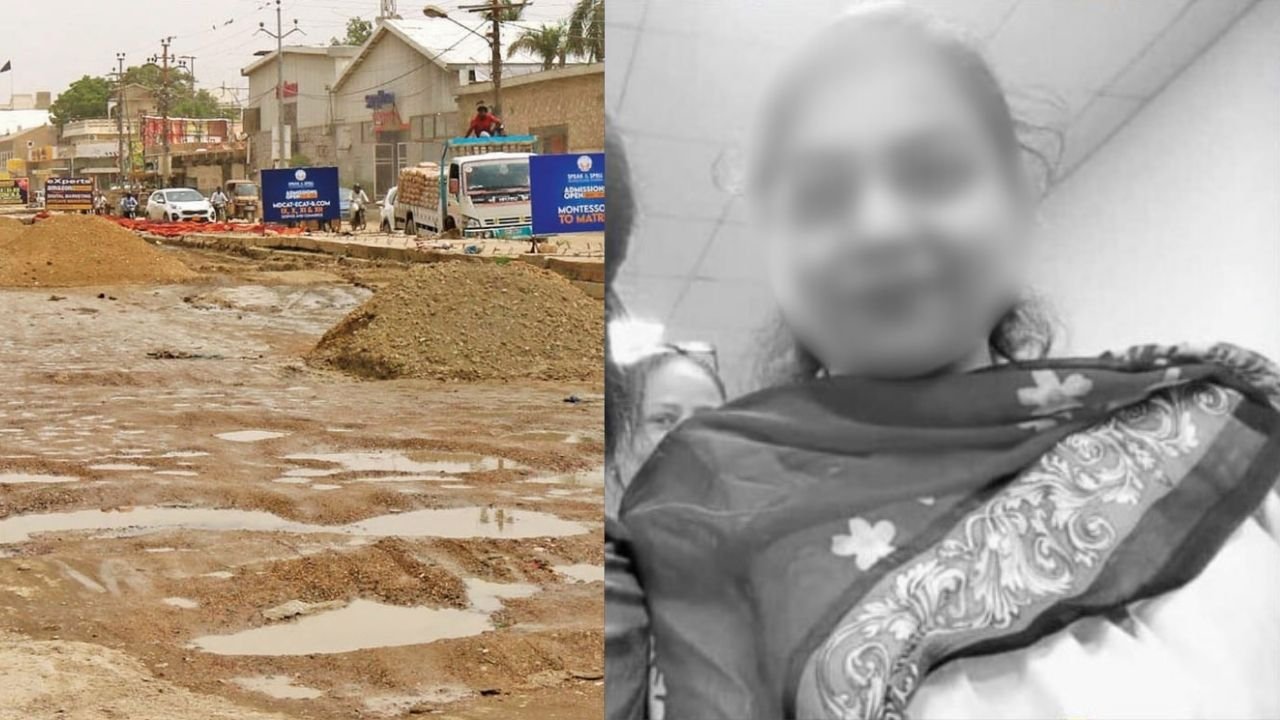
  • Did a doctor in Karachi die after falling into a road pit?

    Did a doctor in Karachi die after falling into a road pit?

    Social media was abuzz in the recent days with reports of a Karachi-based medic, Dr Hina dying after falling into a road pit.

    Geo News reports that a private university hospital has denied that the death was caused by a pit on a road.

    Dr Hina, reportedly an employee of Hamdard University Hospital, was said to have died when the motorcycle she was riding on bumped into a broken part of the road.

    However, Geo News quoted the spokesperson of the university, who said that Dr. Hina did not die by falling into a pit. Instead, she had a brain stroke.

    The spokesperson elaborated that Dr Hina was going from Model Colony along with her husband on a motorcycle when she suffered a brain stroke near Gulshan Iqbal. Consequently, she fell off the motorcycle, suffering severe head injuries. Other parts of her body were also injured. She was brought to the hospital, where she remained under treatment for two days.

    She later succumbed to the injuries and passed away.

  • Pakistan celebrates Eid Milad-un-Nabi

    Pakistan celebrates Eid Milad-un-Nabi

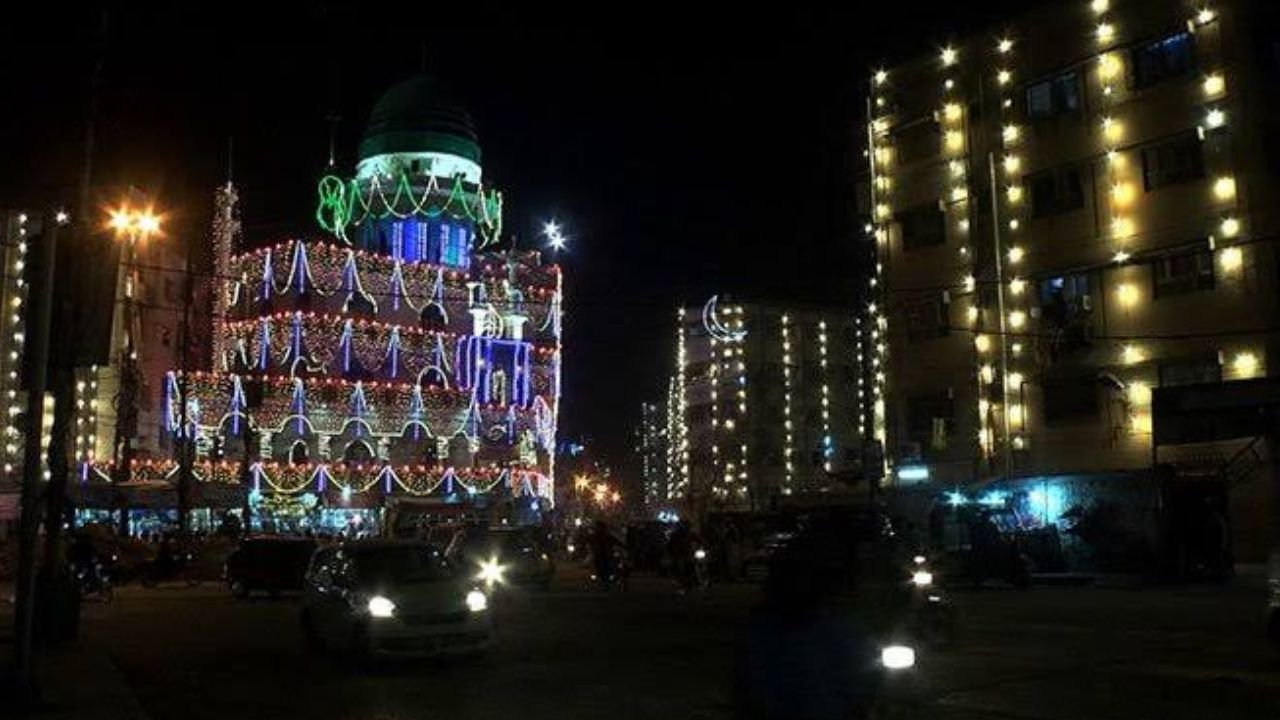
    Today, Pakistan celebrates Eid Milad Un Nabi, the 12th of Rabiul Awwal 1446 in the Islamic calendar, marking the birthday of Prophet Muhammad (PBUH).

    The streets, roads, buildings, mosques, and homes are adorned with green and white lights.

    The Government of Pakistan has instructed all government institutions to decorate their buildings with lights. Eid Milad Un Nabi processions are taking place in different cities, with scholars and religious leaders sharing insights into the Prophet’s life and teachings.

    On this special occasion, the President and Prime Minister of Pakistan have sent messages to the nation.

    “We have to put aside our differences and pledge to work for the development of the country and the nation. The 12th of Rabi ul Awal is an auspicious day when Allah Almighty bestowed upon humanity a perfect guidance,” Prime Minister Shahbaz Sharif said.

    President Asif Ali Zardari said, “Hazrat Muhammad ﷺ is the source of guidance for humanity to the rest of the world, in order to face the challenges faced in the present era, as a nation and as a Muslim Ummah, we have to make Uswa Tul Hassana a part of our lives.”

  • Climate finance: what you need to know ahead of COP29

    Climate finance: what you need to know ahead of COP29

    Developing countries will need trillions of dollars in the years ahead to deal with climate change- but exactly how much is needed, and who is going to pay for it?

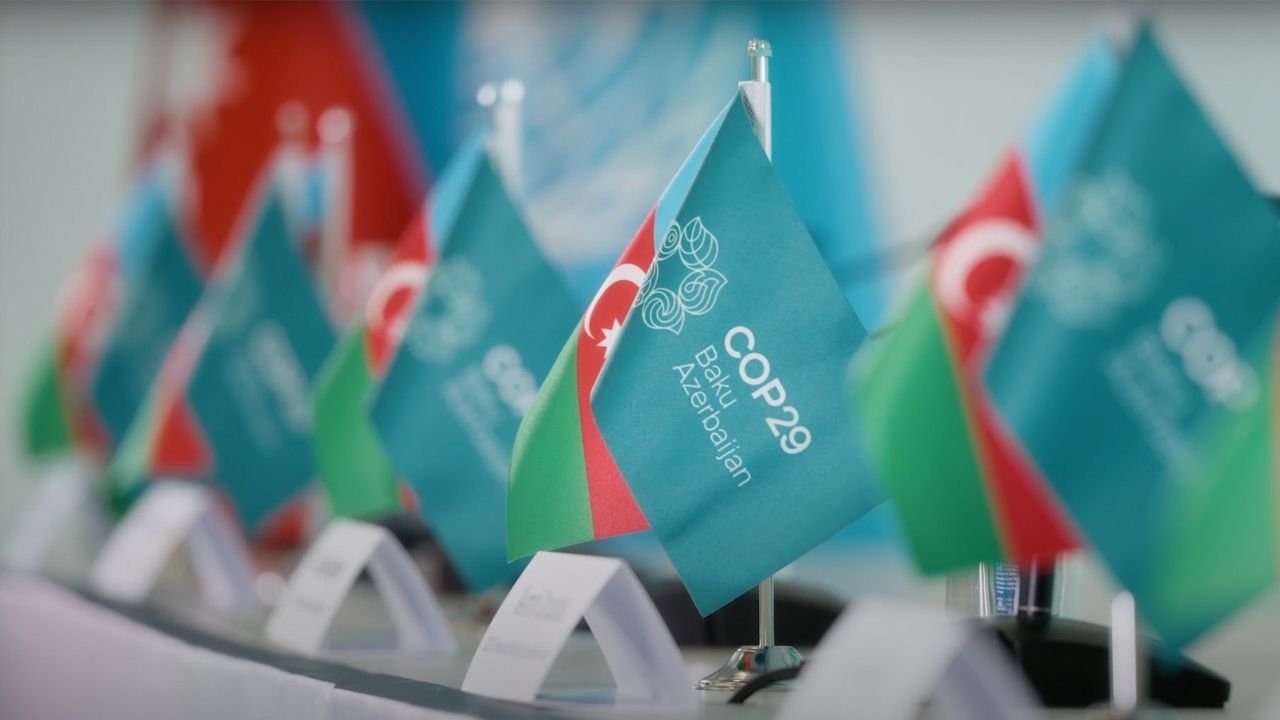
    These difficult questions will be wrestled at this year’s United Nations climate conference, known as COP29, being hosted in Azerbaijan in November.

    What is climate finance?

    It is the buzzword in this year’s negotiations, but there isn’t one agreed definition of “climate finance”.

    In general terms, it’s money spent in a manner “consistent with a pathway towards low greenhouse gas emissions and climate-resilient development”, as per phrasing used in the Paris Agreement.

    That includes government or private money channelled into low-carbon investments in clean energy like wind and solar, technology like electric vehicles, or adaptation measures like dikes to hold back rising seas.

    But could a subsidy for a new water-efficient hotel, for example, be included in climate finance?

    The COPs — the annual UN-sponsored climate summits — have never defined it.

    How much is needed?

    The Climate Policy Initiative, a nonprofit research group, estimates that $10 trillion per year in climate finance will be needed between 2030 and 2050.

    This compares to around $1.3 trillion spent in 2021-2022.

    But in the parlance of UN negotiations, climate finance has come to refer to something more specific — the difficulties that developing nations face getting the money they need to adapt to global warming.

    The line between climate finance and conventional development aid is sometimes blurred.

    But experts commissioned by the UN estimate that developing countries, excluding China, will need an estimated $2.4 trillion per year by 2030.

    Who will pay?

    Under a UN accord adopted in 1992, a handful of countries deemed wealthy, industrialised, and the most responsible for global warming were obligated to provide compensation to the rest of the world.

    In 2009, these countries — the United States, the European Union, Japan, the United Kingdom, Canada, Switzerland, Turkey, Norway, Iceland, New Zealand and Australia — committed to paying $100 billion per year by 2020.

    They only achieved this for the first time in 2022. The delay eroded trust and fuelled accusations that rich countries were shirking their responsibility.

    At COP29, nearly 200 nations are expected to agree on a new finance goal beyond 2025 — but deep divisions remain over how much should be paid, and who should pay it.

    India has called for $1 trillion annually, a ten-fold increase in the existing pledge, but countries on the hook to pay it want other major economies to chip in.

    They argue times have changed since 1992. Economies have grown, new powers have emerged, and today the big industrialised nations of the early 1990s represent just 30 percent of historic greenhouse gas emissions.

    In particular, there is a push for China — the world’s largest polluter today — and the Gulf countries to pay, a proposal they do not accept.

    Where will they find the money?

    Today, most climate finance aid goes through development banks or funds co-managed with the countries concerned, such as the Green Climate Fund and the Global Environment Facility.

    Campaigners are very critical of the $100 billion pledge because two-thirds of the money was distributed as loans, often at preferential rates, but seen as compounding debt woes for poorer nations.

    Even revised upwards, it is likely any future commitment will fall well short of what is needed.

    But it is viewed as highly symbolic nonetheless, and crucial to unlocking other sources of money, namely private capital.

    Financial diplomacy also plays out at the World Bank, the International Monetary Fund and the G20, where hosts Brazil want to craft a global tax on billionaires.

    The idea of new global taxes, for example on aviation or maritime transport, is also supported by France, Kenya and Barbados, with the backing of UN chief Antonio Guterres.

    Redirecting fossil fuel subsidies towards clean energy or wiping the debt of poor countries in exchange for climate investments are also among the options.

    Another proposal, from COP29 host Azerbaijan, has floated asking fossil fuel producers to contribute to a new fund that would channel money to developing countries.

    As for the “loss and damage” fund created at COP28 to support vulnerable nations cope with extreme weather events, it is still far from up and running, with just $661 million pledged so far.

  • KP discontinues testing service for hiring govt employees under scale 9

    KP discontinues testing service for hiring govt employees under scale 9

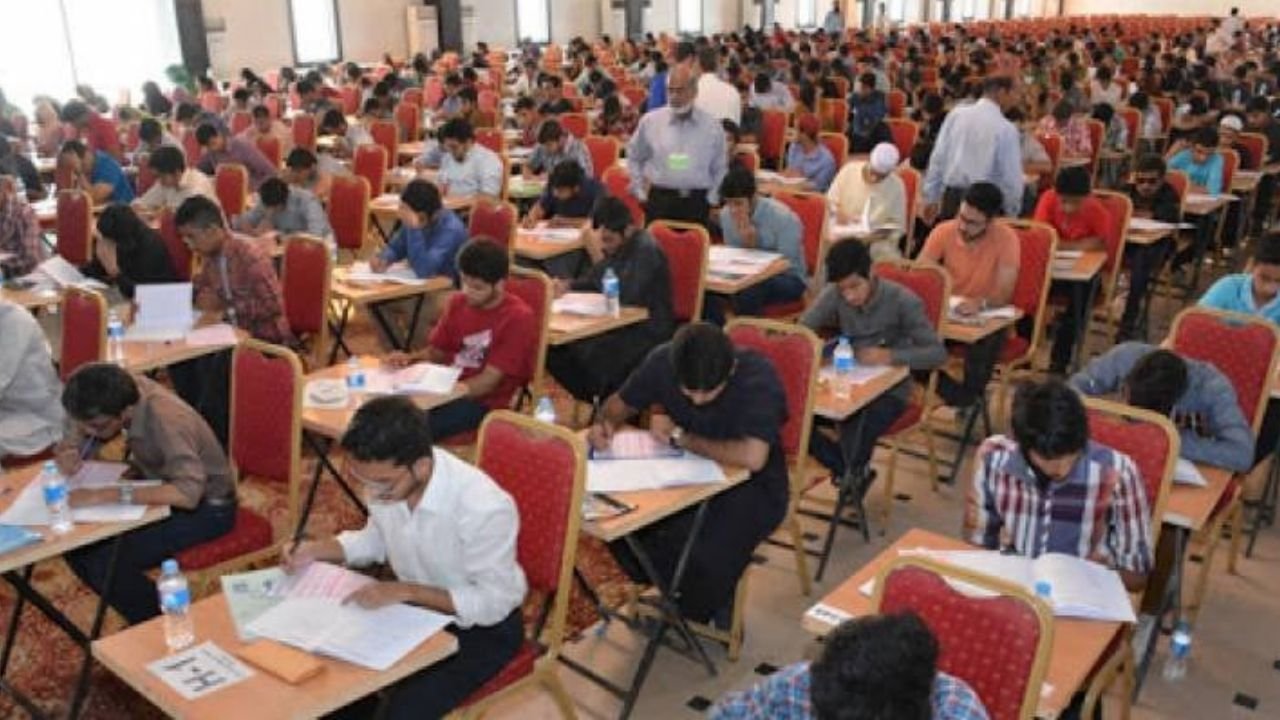
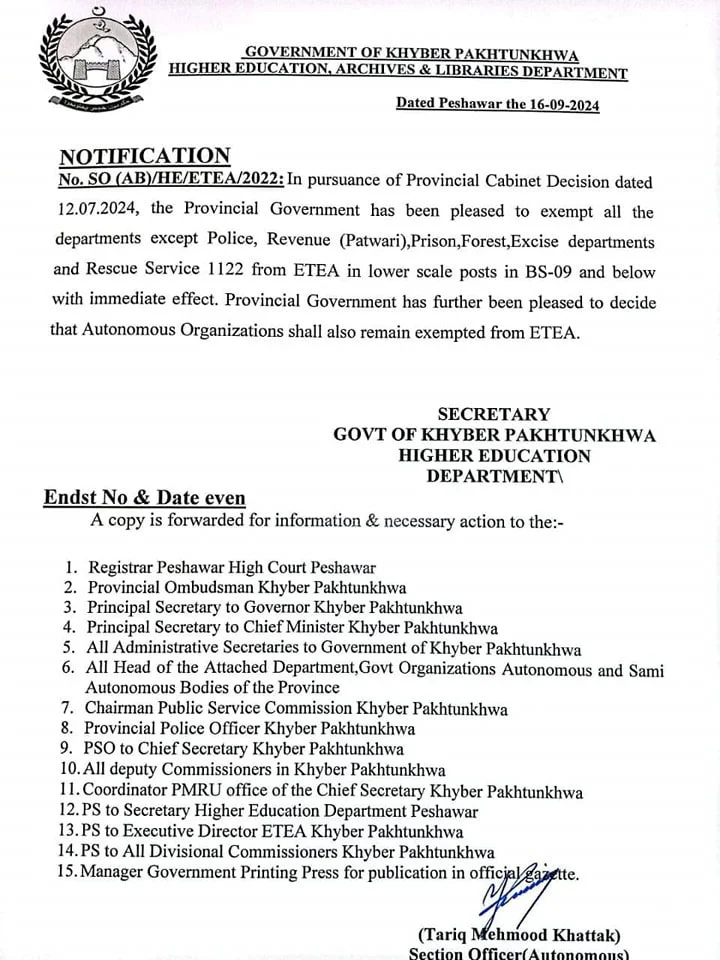
    The Khyber Pakhtunkhwa government has abolished the Educational Testing and Evolution Agency (ETA) test for jobs below Scale 9.

    The Higher Education, Archives and Libraries Department of Khyber Pakhtunkhwa issued a notification in light of the decision of the provincial cabinet.

    The notification says that except for Police, Finance Department, Jail, Forest, Excise and Rescue recruitment in other departments will not be done on ETA. Apart from these six departments, all other departments are authorized to make recruitments in Scale 9 on their own.

    The announcement further states that recruitments in autonomous institutions will also not be done through ETA.

  • Pakistani donkeys in high demand for Chinese cosmetic products

    Pakistani donkeys in high demand for Chinese cosmetic products

    The price of donkeys in Pakistan has reached as high as three lac rupees due to high demand from China, where donkey hides are used in the production of cosmetics and medicines.

    Express Tribune reports that this dramatic rise in prices has led to a scarcity of buyers in the local markets, especially in the Lehari donkey market in Karachi.

    Donkey sellers in the market said that China’s growing demand for donkey hides is the actual reason behind the surge in prices.

    Use of donkey hides

    Donkey hides are used to make various cosmetic products, and an original Chinese medicine known as “e jia”.

    Local customers are finding it hard to afford donkeys now.

    The rising cost also reflects the global demand for natural resources in cosmetics and pharmaceuticals, which has also trickled down to influence local markets in Pakistan.

    With no signs of the demand slowing down, prices are expected to remain high.

    During a Senate Standing Committee on Commerce meeting in 2022, it was said that China is interested in importing donkeys and dogs from Pakistan.

  • Man installs CCTV camera on daughter’s head for her ‘security’

    Man installs CCTV camera on daughter’s head for her ‘security’

    A video of a girl with a CCTV camera set on her head has gone viral on social media. She explains that her father did this to keep her safe.

    The video shows a girl being interviewed with a large CCTV camera mounted on her head.

    She explains that her father had installed a camera to monitor her activities and track her movements to ensure her safety.

    When an interviewer asked if she had any objections to this, she replied that she did not because she believes it is for her security.

    The girl told the interviewer that her father is her security guard, who monitors her everywhere through this camera.

    She added that her father took this step in light of the Karsaz accident in Karachi, where a woman driving her luxury car fatally ran over a father and daughter. She asserted that no one is safe and that the incident could repeat with her.

    “He has done this to protect me,” she said.

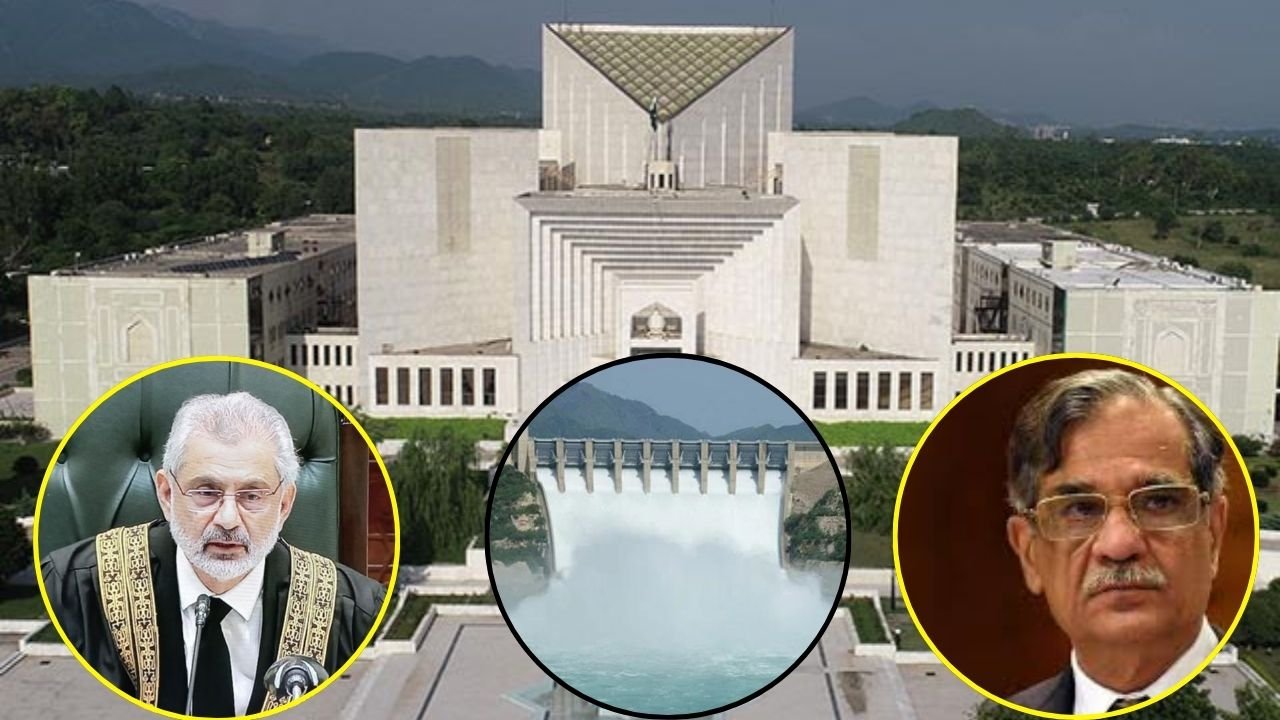
  • ‘Dam fund’ is back; Govt asks Supreme Court to release dam fund

    ‘Dam fund’ is back; Govt asks Supreme Court to release dam fund

    The federal government has asked the Supreme Court to transfer the dam fund to the public account.

    A case related to advertisement published by UBL and HBL for raising of funds for Diamar Bhasha and Mohmand Dam was heard by a four-member bench of the Supreme Court headed by the Chief Justice of Pakistan, Justice Qazi Faez Isa. The bench included Justice Naeem Akhtar Afghan, Justice Irfan Saadat and Justice Shahid Bilal.

    During the hearing, Additional Attorney General Aamir Rehman said, “We have filed a miscellaneous application seeking the release of the money of dams funds from the account that was opened by the State Bank under the supervision of the Supreme Court.” He argued that under law, money received by or deposited with the Supreme Court or any other court established under the authority of the federation shall be credited to the Public Account of the federation. Thus, this amount should be transferred to the federal government and WAPDA (Water and Power Development Authority).

    Chief Justice Qazi Faiz Isa inquired how much money is in dams funds, to which lawyer WAPDA Saad Rasool said that total money collected are Rs18.64 billion, out of that Rs9.56 billion were generated locally, while overseas Pakistanis contributed Rs1.9 billion, and profit earned on it is Rs7.1 billion.

    Chief Justice also inquired about how the case was initiated.

    The lawyer replied that the fund was initiated in 2018 following a suo motu notice taken by the then Chief Justice Saqib Nisar for the dams’ construction.

    The lawyer also said that Supreme Court’s implementation bench had held 17 hearings on the matter, and the progress reports on dams’ construction had been submitted in all of them.

    The Chief Justice asked as to why was this done because the main authorities responsible for the construction of dams are either Parliament or federal government.

    He told the court that this was done as per the order of the Supreme Court and the undertaking of WAPDA chairman.

    The Chief Justice of Pakistan asked WAPDA’s lawyer that there will be many other projects of WAPDA, does the Supreme Court supervise every project of WAPDA?

    The counsel then told the court that there were disputes between the private parties on the issue of dam construction. Thus the top court assigned the case to itself to hear the disputes of the private parties instead of the relevant courts.

    However, WAPDA’s lawyer requested that the disputes of all the private parties be referred to the relevant courts.

    Chief Justice wrote in the court order that in this case they will decide that the amount of dams funds should be kept in the account of the Supreme Court or not? Where is the power of the execution bench written in the constitution to decide the case?

    The Supreme Court has no power to enforce its order.

    The case was adjourned for three weeks. Additionally, the court remarked that it is appropriate to call former Attorney General Khalid Javed and Anwar Mansoor for Supreme Court’s assistance.

  • Labourer’s daughter tops inter exam in Rahim Yar Khan

    Labourer’s daughter tops inter exam in Rahim Yar Khan

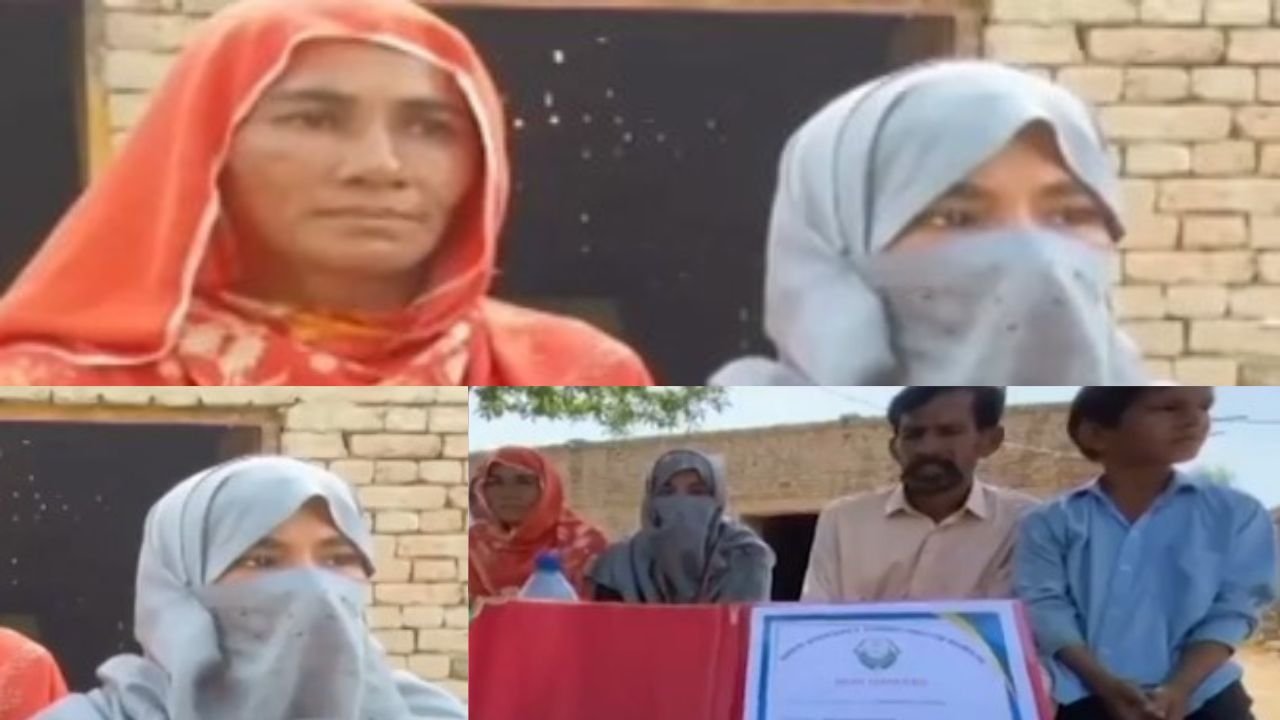
    Farkhunda Farooq, daughter of a labourer from Rahim Yar Khan, Punjab, topped the intermediate exams for the Bahawalpur Board.

    Farkhunda Farooq, the genius daughter of a labourer from Rahim Yar Khan, Punjab, stood first in the intermediate exams of Bahawalpur Board.

    Farkhunda, a resident of Toba 123, a town on the outskirts of Rahim Yar Khan, surpassed all the other students by securing 1084 marks in the Bahawalpur Intermediate Board’s Arts Group examination. She used to travel 25 km from Rawazana village to the city to seek education.

    In an interview with Geo News, Farkhunda said that she wants to become a police officer by taking the CSS exam in future.

    DPO Rahim Yar Khan invited Farkhanda and her family and entertained her with official protocol.

  • Earthquake hits in different cities across Pakistan

    Earthquake hits in different cities across Pakistan

    Severe earthquake shocks have been felt on Wednesday afternoon in various districts of Punjab, Khyber Pakhtunkhwa, and around the federal territory of Islamabad.

    The tremors were felt in Lahore, Multan, Faisalabad, Mianwali, Bhakkar, Kamalia, Khanewal, Bhalwal, Chiniot, Hafizabad, Toba Tek Singh, Gujarat, Sargodha and Jhang. Slight tremors were also felt in Sahiwal, Chichawatani, Borewala, Phulnagar, Hujra Shah Moqim, Shahkot, Sangla Hill, Talagang and Chakwal.

    In Khyber Pakhtunkhwa, tremors were felt in Peshawar, North Waziristan, DI Khan, Lakki Marwat, Swat, Shangla, Buner, Lower Dir, Malakand, Tank and Chitral.

    Seismological Centre informed Geo that the tremors of the earthquake were felt at 12:28 PM with a magnitude of 5.7 and a depth of 10 km. The epicentre was near DG Khan.

  • Pakistan joins Asia-wide protests against fossil fuels, demands climate action

    Pakistan joins Asia-wide protests against fossil fuels, demands climate action

    Pakistan will join a wave of protests across Asia on September 13, calling for an end to fossil fuels and a rapid transition to renewable energy. These demonstrations will urge world leaders to take immediate action on climate change ahead of the United Nations Summit of the Future and COP29.

    Pakistan Maholiati Tahaffuz Movement, Human Rights Commission of Pakistan and Pakistan Fisherfolk Forum will organize a protest at the Karachi Press Club, highlighting the impact of fossil fuels on coastal communities and the environment.

    The Policy Research Institute for Equitable Development (PRIED) and partners, including Indus Consortium, Alliance for Climate Justice and Clean Energy, and Alternative Law Collective (ALC), will protest at an ADB-funded coal site in Jamshoro, Sindh, demanding an end to coal expansion and a shift to sustainable energy sources.

    In Faisalabad, the Pakistan Labour Qaumi Movement, the Pakistan Kissan Rabita Committee, and the Labour Education Foundation will organize a protest at Aman Ghar, a labour training centre.

    These actions will show how important it is for Pakistan to stop coal expansion and rapidly phase out existing coal. They will also highlight the Global North’s continued support of coal projects in Asia despite its promise to move away from fossil fuels.