Category: Lifestyle

The lifestyle of millennials is underreported in our mainstream media. The Current’s lifestyle news covers social events and issues that are unique.

  • Bodies rotting in Khairpur Civil Hospital; Staff infected

    Bodies rotting in Khairpur Civil Hospital; Staff infected

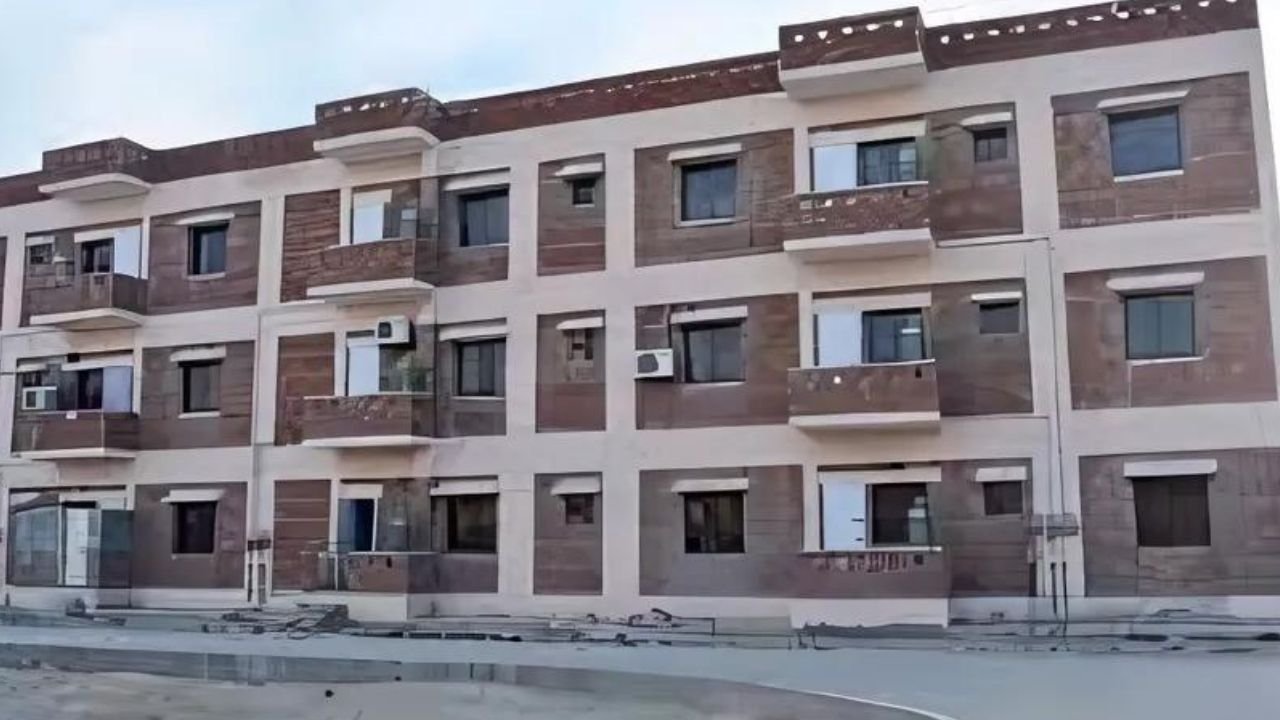
    Reports from Khairpur have revealed that employees posted in the morgue of Civil Hospital are getting infected amid three rotting dead bodies. The district administration has initiated an inquiry to find facts leading to the situation.

    Local journalists have reported that the air-conditioning system in the morgue went out of order, and the facility also ran out of preservers used to store the bodies for a short period before the burial.

    Some employees, on condition of anonymity, stated that the hospital’s administration was informed about the situation, but they did not take any action.

    The local journalists told Dawn that a visitor shared videos of the ill morgue workers being treated for the infectious disease. Victims reportedly got infected by handling three unclaimed bodies that were swollen and had started rotting.

    The morgue’s embalming machines, which prevent bodies from decaying, had reportedly been out-of-order for a long time now.

    In one of the videos, a morgue staffer complains that after their colleagues fell ill, they did not bathe and shroud the bodies, which were found infested with decomposing bacteria and insects.

    Commissioner Sukkur took notice and asked the medical superintendent (MS) of the Khairpur Civil Hospital to get the matter thoroughly investigated.

    A probe committee has been formed to investigate how the air-conditioning system, embalming machines, and other required equipment went out of order. The committee is to submit a report to the MS as soon as possible.

    The matter has also been brought to the attention of the provincial chief secretary, and the investigation is underway.

    Notably, in one of the recent studies, it was revealed that hospitals are some of the riskiest places to visit, as they are the biggest source of Hepatitis B, C, and HIV infections in Pakistan.

  • Non-bailable warrant issued for controversial speaker Sahil Adeem

    Non-bailable warrant issued for controversial speaker Sahil Adeem

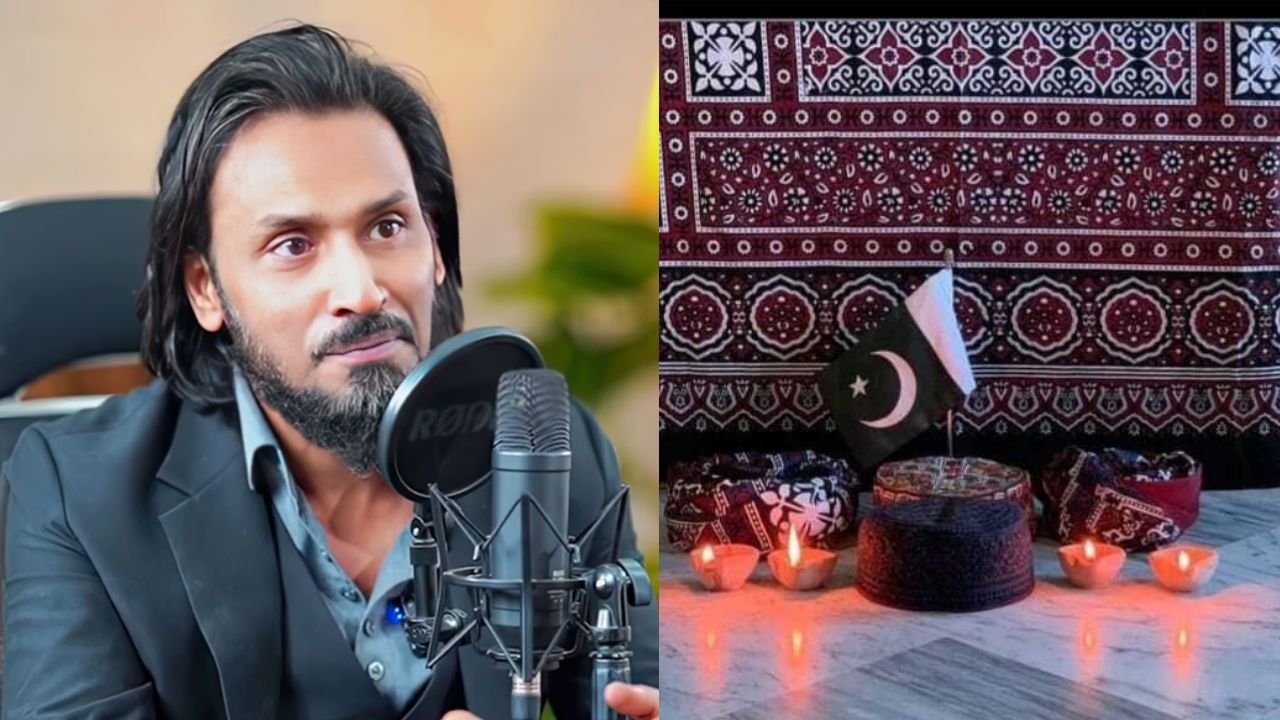
    A local court in Karachi has issued a non-bailable warrant for controversial motivational speaker Sahil Adeem in a case pertaining to allegedly making derogatory remarks about Sindhis.

    The News reported that Sahil Adeem was booked by the Karachi police on a complaint filed by lawyer Abdul Fatah in July 2024.

    The court directed the police to arrest and produce him before the court on September 24.

    The warrant has been issued over Adeem’s failure to surrender before the court.

    In the First Information Report (FIR) registered against Sahil Azaz Adeem, advocate Abdul Fatah stated that he was sitting outside the Edhi Barroom at the City Courts when he received a video on WhatsApp in which Sahil Adeem could be heard making derogatory remarks about Sindhis.

    He lodged the FIR on July 12, in which he further stated that in the video, the accused was heard saying that instead of Ghazwa-e-Hind, it should be Ghazwa-e-Sindh and that Sindhis gift their daughters to Chaudhries and Waderas (feudal lords). As per the lawyer, Sahil Adeem used many other objectionable words, hurting his sentiments and those of other Sindhis.

    The FIR include sections 153 (wantonly giving provocation with intent to cause riot), 505 (statements conducing to public mischief) and 500 (Punishment for defamation) of the Pakistan Penal Code.

    Notably, Adeem has issued a public apology for his remarks against the Sindhi community, stating he did not intend to hurt anybody.

  • Lahore High Court voids notification dismissing widow from govt job after second marriage

    Lahore High Court voids notification dismissing widow from govt job after second marriage

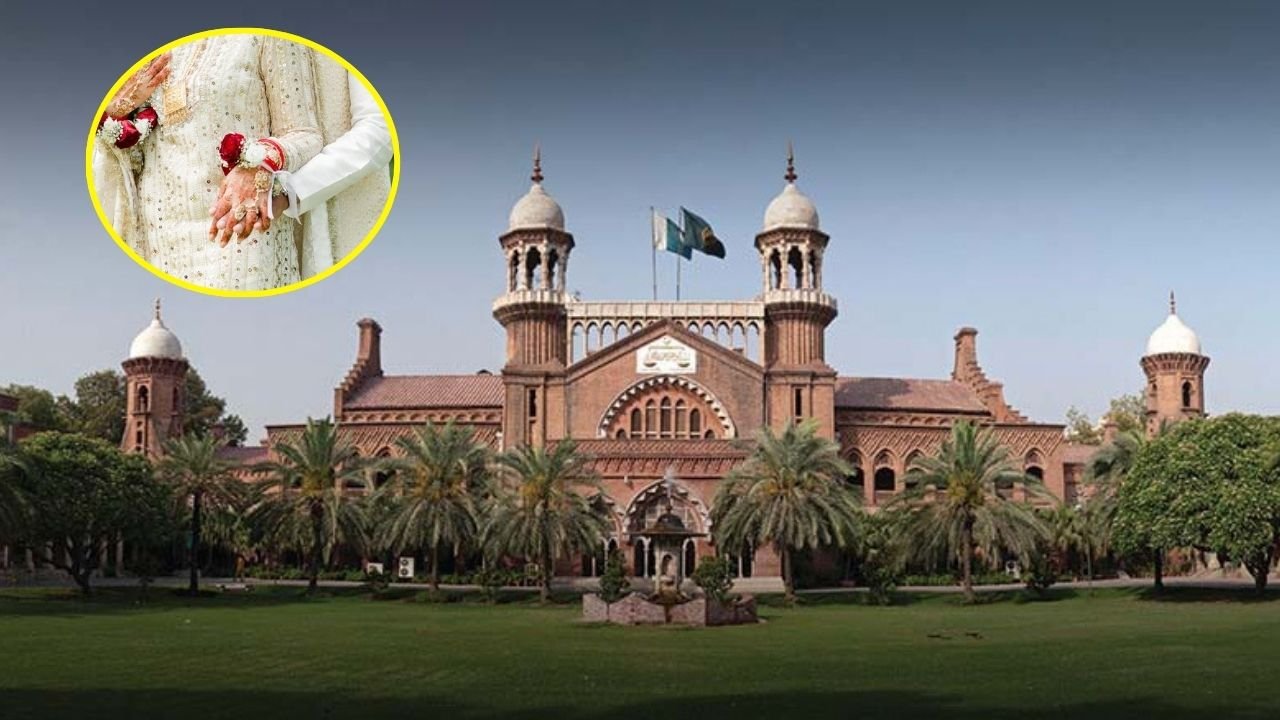
    The Lahore High Court invalidated a notification of the dismissal of a widow from her government job after she married again.

    A two-member bench of the provincial top court issued a written decision on Zoya Islam’s written appeal.

    The bench was headed by Justice Chaudhry Iqbal.

    The applicant argued that after the death of her husband, who was a government servant, she got the job of Naib Qasid in 2020. She married for the second time in 2021. However, on the basis of remarriage, she was dismissed from the job after being told that she was no longer eligible for the job.

    The court ruled that the job given to the widow of a government servant cannot be terminated after her second marriage. After the death of the husband, the widow will not be dismissed from the government job because the widow has the right to remarry.

    “This is the basic right of a woman given to her by our religion,” the court said in the written decision.

    The court further added that firing a widow from a job on the basis of second marriage is a violation of Sharia law.
    Lahore High Court quoted the Supreme Court’s decision asserting the unlawfulness of dismissing a widow from a job on account of remarriage.

    The court annulled the eviction notice given to Zoya Islam and allowed her to continue the job.

  • Quetta police officer forgiven by family of blasphemy suspect

    Quetta police officer forgiven by family of blasphemy suspect

    The family of slain blasphemy suspect Abdul Ali has forgiven the Quetta police constable who killed him last week while he was in custody.

    The police officer had accessed the police station by pretending he was his relative before opening fire on him.

    Abdul Ali’s family spoke to the media along with the chief of the Nourzai tribe Haji Faizullah Nourzai who stated, “The family and tribe have nothing to do with the dirty act of blasphemy committed by the suspect.”

    The family condemned the slain suspect for alleged blasphemy, saying, “We never hesitate to render our lives in the honour of the Holy Prophet (Peace be upon him).”

    “We have pardoned the police official Saad Muhammad Sarhadi in the name of Allah and unconditionally so,” the family said, adding that they would not fight a case against the police official in any court of law.

    Senator’s solidarity with the policeman

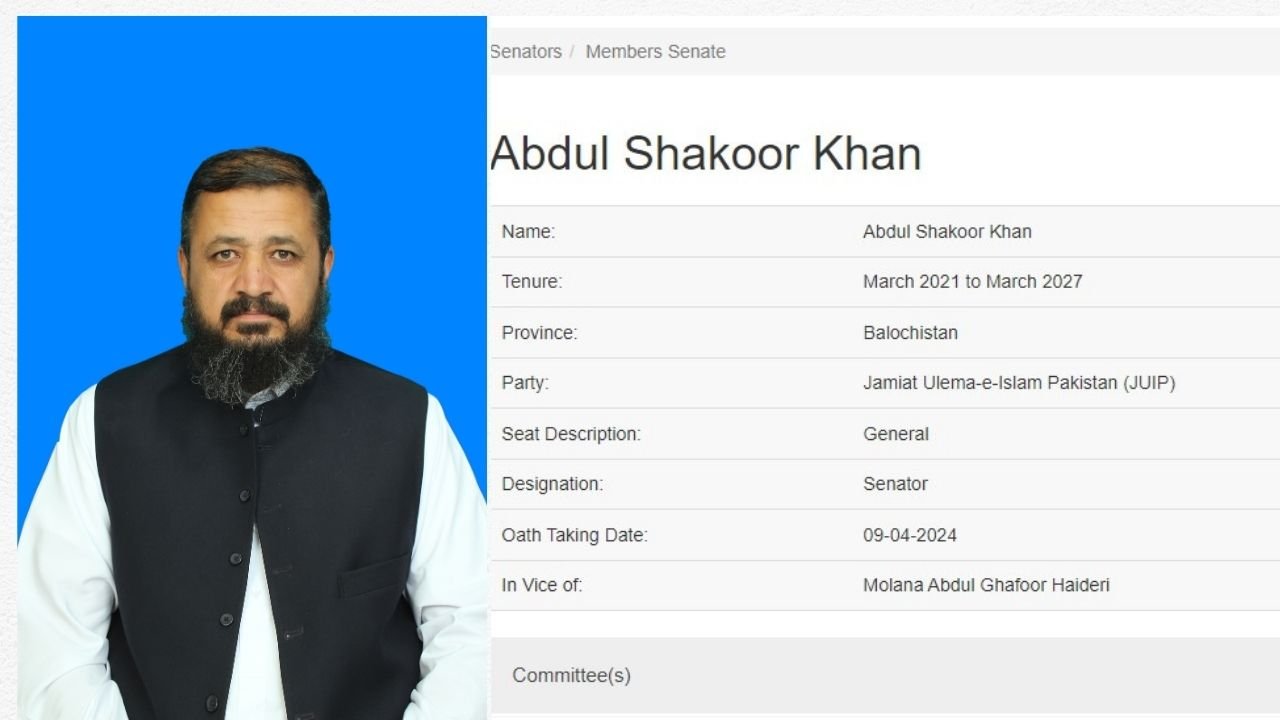
    Jamiat Ulama-e-Islam Pakistan’s senator Abdul Shakoor Khan expressed solidarity with the policeman during a Senate meeting, saying that he would bear all his legal expenses.

    “The police officer shot him because he expressed distrust in the legal system,” the senator said. “It is wrong in terms of Shariat and the law.”

    “I don’t blame the police official, I blame the legal system,” he said further adding that “we will not tolerate anyone issuing blasphemous remarks against the Holy Prophet”.

    Those accused, who should be hanged within 10 hours, undergo trials for months,” Senator Khan opined while speaking on the floor of the upper house.

    Previously, it was reported that a policeman in Quetta shot dead an elderly man accused of blasphemy inside a lockup of the Cantt police station.

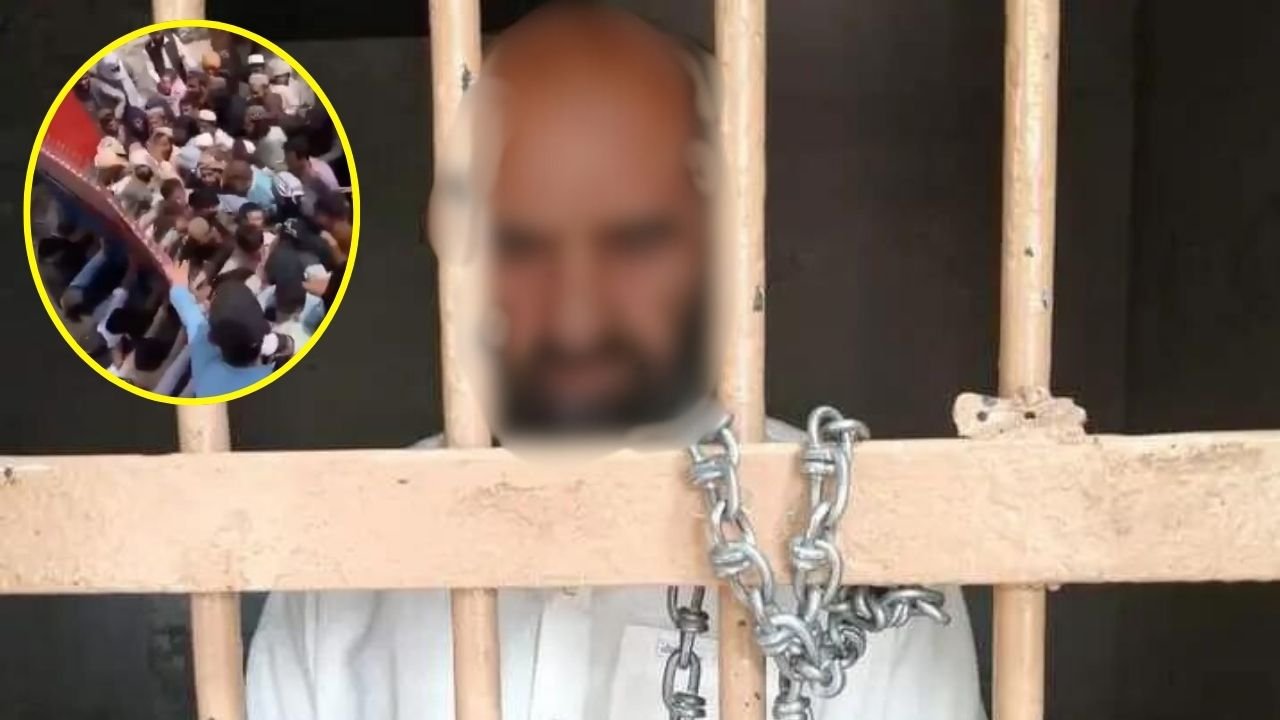
    Abdul Ali, a hotel owner, was detained by the Kharotabad Police after a video went viral on social media on Wednesday and a case was registered against him under Section 295C of the Pakistan Penal Code.

    As per the FIR shared by activist Faraz Pervaiz, Abdul Ali was seen speaking in his native language in the video, allegedly making objectionable remarks about Khatm-i-Nabuwwat (finality of prophethood) and the Holy Prophet (PBUH) went viral.

    A case was registered against him following the video’s circulation.

    Post his arrest, a large number mob gathered outside the Kharotabad police station, demanding that he be handed over to them. The videos of these clashes also went viral on social media.

    A senior Quetta police officer told the BBC, “Khorotabad police station was unsafe due to the presence of a large number of protesters, so the accused was transferred to Cantt police station.”

    There, a police constable fired at and killed Abdul Ali inside the station.

    The cop “suddenly opened fire on the suspect who was in the police lockup,” Inspector General Police Balochistan Moazzam Jah Ansari told Dawn, adding that he used his own pistol.

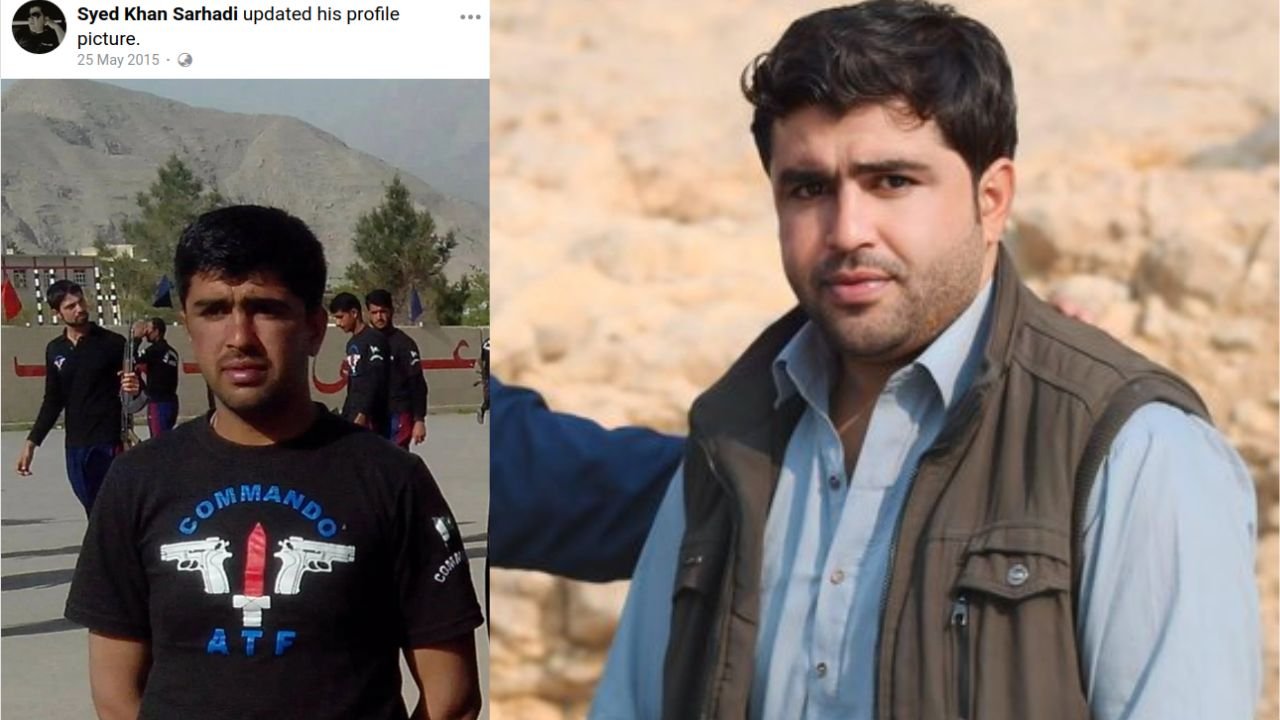
    Reports indicate that the police constable has been identified as Syed Khan Sarhadi by social media users but Dawn reports his name to be Saad Sarhadi, who was arrested, and an investigation is ongoing.

    The police stated that instead of transferring Abdul Ali’s body to the civil hospital, the concerned police surgeon had been called to a safe place for post-mortem.

    Social media is flooded with videos of locals not allowing the burial of the accused in the cemetry while also coming in to congratulate the father of the policeman who killed Abdul Ali.

    It is the first incident of its kind in Quetta, where a serving police officer gunned down a suspect of blasphemy charges while in custody.

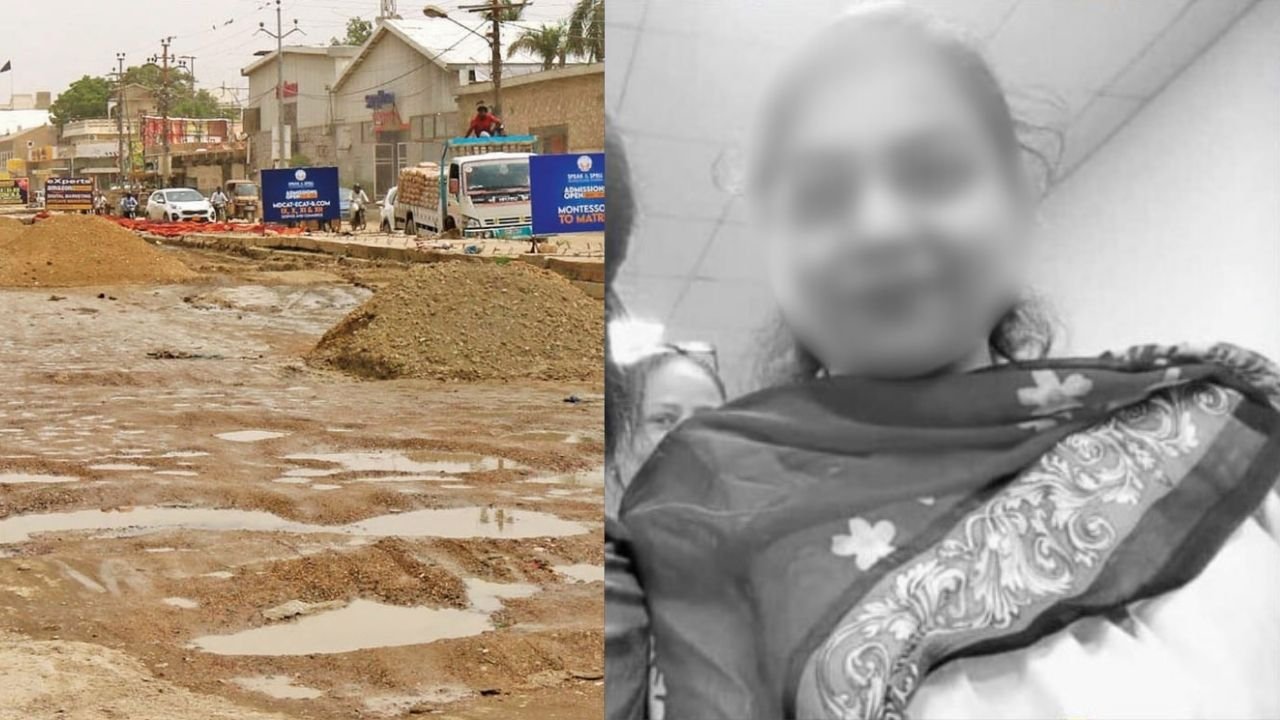
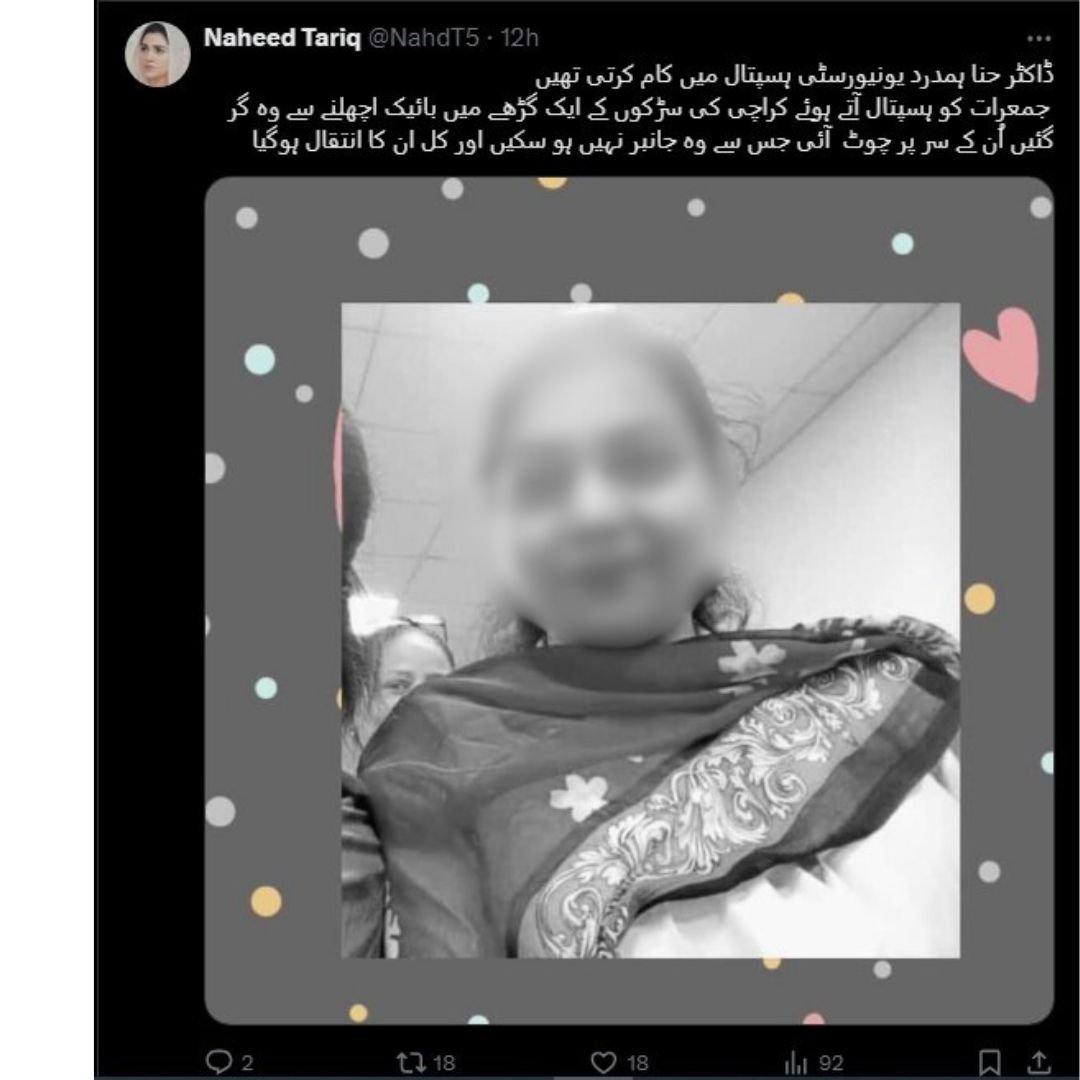
  • Did a doctor in Karachi die after falling into a road pit?

    Did a doctor in Karachi die after falling into a road pit?

    Social media was abuzz in the recent days with reports of a Karachi-based medic, Dr Hina dying after falling into a road pit.

    Geo News reports that a private university hospital has denied that the death was caused by a pit on a road.

    Dr Hina, reportedly an employee of Hamdard University Hospital, was said to have died when the motorcycle she was riding on bumped into a broken part of the road.

    However, Geo News quoted the spokesperson of the university, who said that Dr. Hina did not die by falling into a pit. Instead, she had a brain stroke.

    The spokesperson elaborated that Dr Hina was going from Model Colony along with her husband on a motorcycle when she suffered a brain stroke near Gulshan Iqbal. Consequently, she fell off the motorcycle, suffering severe head injuries. Other parts of her body were also injured. She was brought to the hospital, where she remained under treatment for two days.

    She later succumbed to the injuries and passed away.

  • Pakistan celebrates Eid Milad-un-Nabi

    Pakistan celebrates Eid Milad-un-Nabi

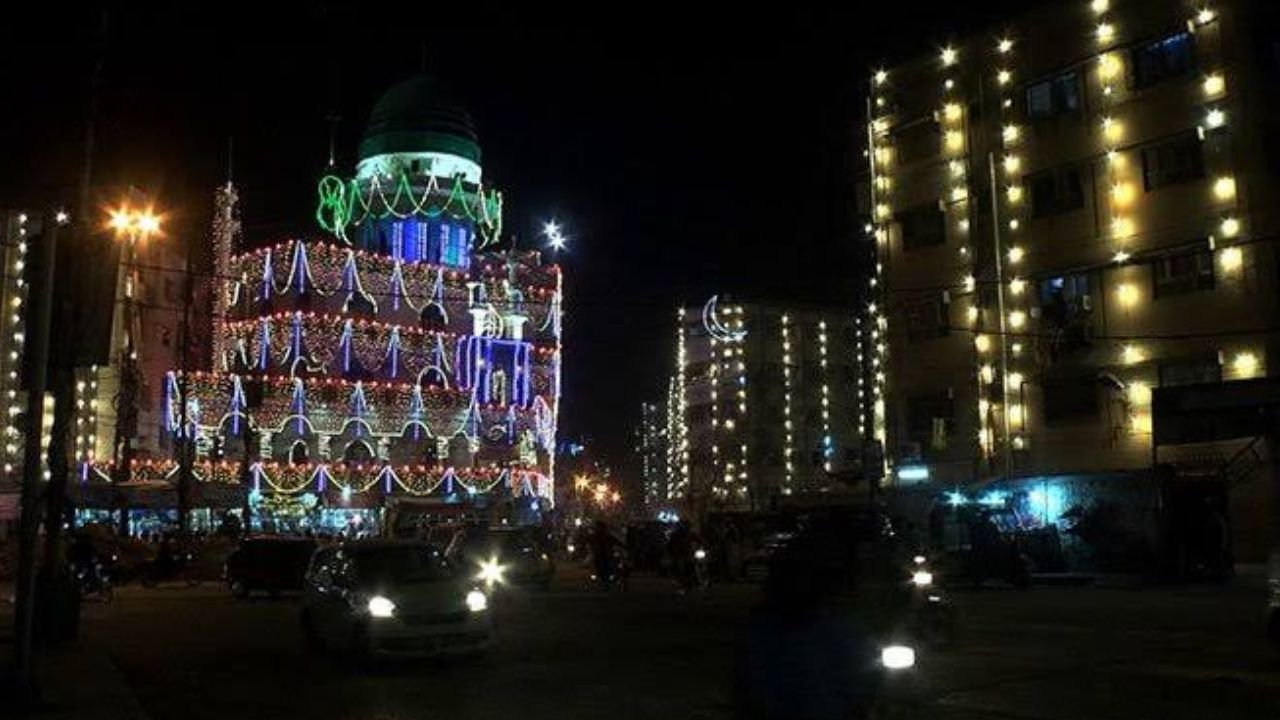
    Today, Pakistan celebrates Eid Milad Un Nabi, the 12th of Rabiul Awwal 1446 in the Islamic calendar, marking the birthday of Prophet Muhammad (PBUH).

    The streets, roads, buildings, mosques, and homes are adorned with green and white lights.

    The Government of Pakistan has instructed all government institutions to decorate their buildings with lights. Eid Milad Un Nabi processions are taking place in different cities, with scholars and religious leaders sharing insights into the Prophet’s life and teachings.

    On this special occasion, the President and Prime Minister of Pakistan have sent messages to the nation.

    “We have to put aside our differences and pledge to work for the development of the country and the nation. The 12th of Rabi ul Awal is an auspicious day when Allah Almighty bestowed upon humanity a perfect guidance,” Prime Minister Shahbaz Sharif said.

    President Asif Ali Zardari said, “Hazrat Muhammad ﷺ is the source of guidance for humanity to the rest of the world, in order to face the challenges faced in the present era, as a nation and as a Muslim Ummah, we have to make Uswa Tul Hassana a part of our lives.”

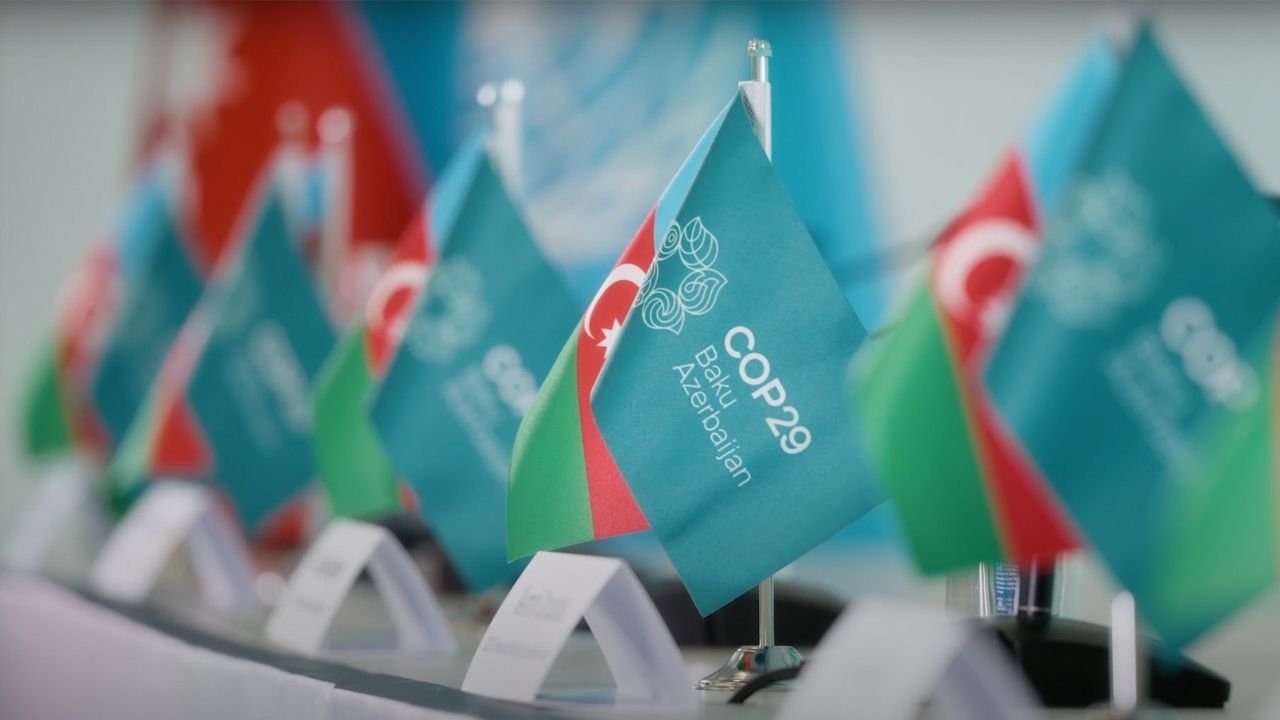
  • Climate finance: what you need to know ahead of COP29

    Climate finance: what you need to know ahead of COP29

    Developing countries will need trillions of dollars in the years ahead to deal with climate change- but exactly how much is needed, and who is going to pay for it?

    These difficult questions will be wrestled at this year’s United Nations climate conference, known as COP29, being hosted in Azerbaijan in November.

    What is climate finance?

    It is the buzzword in this year’s negotiations, but there isn’t one agreed definition of “climate finance”.

    In general terms, it’s money spent in a manner “consistent with a pathway towards low greenhouse gas emissions and climate-resilient development”, as per phrasing used in the Paris Agreement.

    That includes government or private money channelled into low-carbon investments in clean energy like wind and solar, technology like electric vehicles, or adaptation measures like dikes to hold back rising seas.

    But could a subsidy for a new water-efficient hotel, for example, be included in climate finance?

    The COPs — the annual UN-sponsored climate summits — have never defined it.

    How much is needed?

    The Climate Policy Initiative, a nonprofit research group, estimates that $10 trillion per year in climate finance will be needed between 2030 and 2050.

    This compares to around $1.3 trillion spent in 2021-2022.

    But in the parlance of UN negotiations, climate finance has come to refer to something more specific — the difficulties that developing nations face getting the money they need to adapt to global warming.

    The line between climate finance and conventional development aid is sometimes blurred.

    But experts commissioned by the UN estimate that developing countries, excluding China, will need an estimated $2.4 trillion per year by 2030.

    Who will pay?

    Under a UN accord adopted in 1992, a handful of countries deemed wealthy, industrialised, and the most responsible for global warming were obligated to provide compensation to the rest of the world.

    In 2009, these countries — the United States, the European Union, Japan, the United Kingdom, Canada, Switzerland, Turkey, Norway, Iceland, New Zealand and Australia — committed to paying $100 billion per year by 2020.

    They only achieved this for the first time in 2022. The delay eroded trust and fuelled accusations that rich countries were shirking their responsibility.

    At COP29, nearly 200 nations are expected to agree on a new finance goal beyond 2025 — but deep divisions remain over how much should be paid, and who should pay it.

    India has called for $1 trillion annually, a ten-fold increase in the existing pledge, but countries on the hook to pay it want other major economies to chip in.

    They argue times have changed since 1992. Economies have grown, new powers have emerged, and today the big industrialised nations of the early 1990s represent just 30 percent of historic greenhouse gas emissions.

    In particular, there is a push for China — the world’s largest polluter today — and the Gulf countries to pay, a proposal they do not accept.

    Where will they find the money?

    Today, most climate finance aid goes through development banks or funds co-managed with the countries concerned, such as the Green Climate Fund and the Global Environment Facility.

    Campaigners are very critical of the $100 billion pledge because two-thirds of the money was distributed as loans, often at preferential rates, but seen as compounding debt woes for poorer nations.

    Even revised upwards, it is likely any future commitment will fall well short of what is needed.

    But it is viewed as highly symbolic nonetheless, and crucial to unlocking other sources of money, namely private capital.

    Financial diplomacy also plays out at the World Bank, the International Monetary Fund and the G20, where hosts Brazil want to craft a global tax on billionaires.

    The idea of new global taxes, for example on aviation or maritime transport, is also supported by France, Kenya and Barbados, with the backing of UN chief Antonio Guterres.

    Redirecting fossil fuel subsidies towards clean energy or wiping the debt of poor countries in exchange for climate investments are also among the options.

    Another proposal, from COP29 host Azerbaijan, has floated asking fossil fuel producers to contribute to a new fund that would channel money to developing countries.

    As for the “loss and damage” fund created at COP28 to support vulnerable nations cope with extreme weather events, it is still far from up and running, with just $661 million pledged so far.
  • KP discontinues testing service for hiring govt employees under scale 9

    KP discontinues testing service for hiring govt employees under scale 9

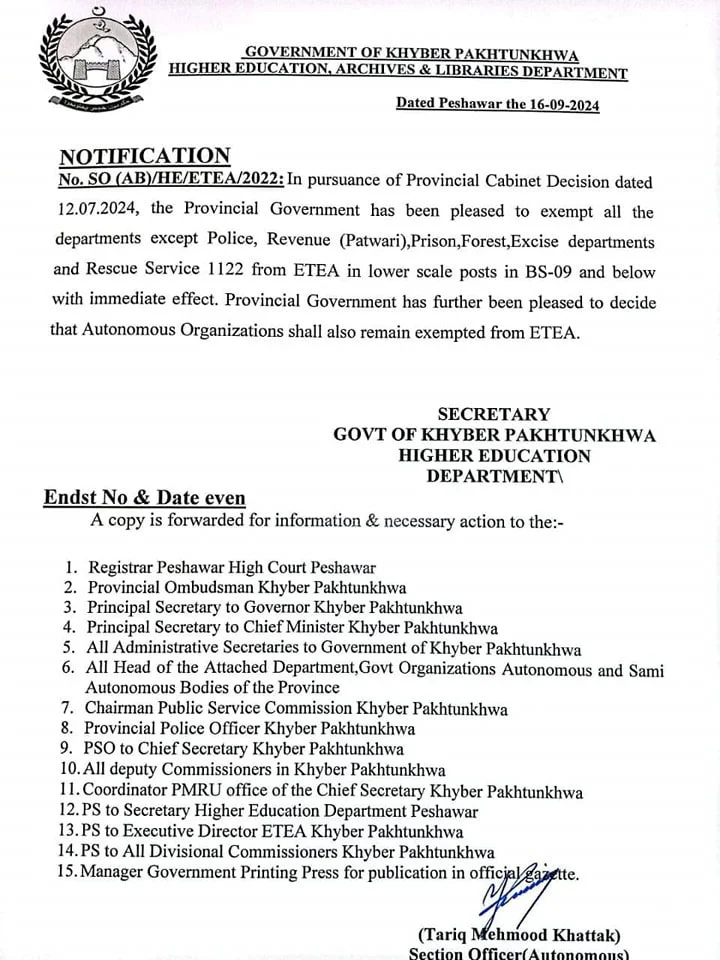
    The Khyber Pakhtunkhwa government has abolished the Educational Testing and Evolution Agency (ETA) test for jobs below Scale 9.

    The Higher Education, Archives and Libraries Department of Khyber Pakhtunkhwa issued a notification in light of the decision of the provincial cabinet.

    The notification says that except for Police, Finance Department, Jail, Forest, Excise and Rescue recruitment in other departments will not be done on ETA. Apart from these six departments, all other departments are authorized to make recruitments in Scale 9 on their own.

    The announcement further states that recruitments in autonomous institutions will also not be done through ETA.

  • Pakistani donkeys in high demand for Chinese cosmetic products

    Pakistani donkeys in high demand for Chinese cosmetic products

    The price of donkeys in Pakistan has reached as high as three lac rupees due to high demand from China, where donkey hides are used in the production of cosmetics and medicines.

    Express Tribune reports that this dramatic rise in prices has led to a scarcity of buyers in the local markets, especially in the Lehari donkey market in Karachi.

    Donkey sellers in the market said that China’s growing demand for donkey hides is the actual reason behind the surge in prices.

    Use of donkey hides

    Donkey hides are used to make various cosmetic products, and an original Chinese medicine known as “e jia”.

    Local customers are finding it hard to afford donkeys now.

    The rising cost also reflects the global demand for natural resources in cosmetics and pharmaceuticals, which has also trickled down to influence local markets in Pakistan.

    With no signs of the demand slowing down, prices are expected to remain high.

    During a Senate Standing Committee on Commerce meeting in 2022, it was said that China is interested in importing donkeys and dogs from Pakistan.

  • Man installs CCTV camera on daughter’s head for her ‘security’

    Man installs CCTV camera on daughter’s head for her ‘security’

    A video of a girl with a CCTV camera set on her head has gone viral on social media. She explains that her father did this to keep her safe.

    The video shows a girl being interviewed with a large CCTV camera mounted on her head.

    She explains that her father had installed a camera to monitor her activities and track her movements to ensure her safety.

    When an interviewer asked if she had any objections to this, she replied that she did not because she believes it is for her security.

    The girl told the interviewer that her father is her security guard, who monitors her everywhere through this camera.

    She added that her father took this step in light of the Karsaz accident in Karachi, where a woman driving her luxury car fatally ran over a father and daughter. She asserted that no one is safe and that the incident could repeat with her.

    “He has done this to protect me,” she said.