Category: Lifestyle

The lifestyle of millennials is underreported in our mainstream media. The Current’s lifestyle news covers social events and issues that are unique.

  • How Qari Muawiyah’s acquittal in attempted rape case is violation of Supreme Court orders

    How Qari Muawiyah’s acquittal in attempted rape case is violation of Supreme Court orders

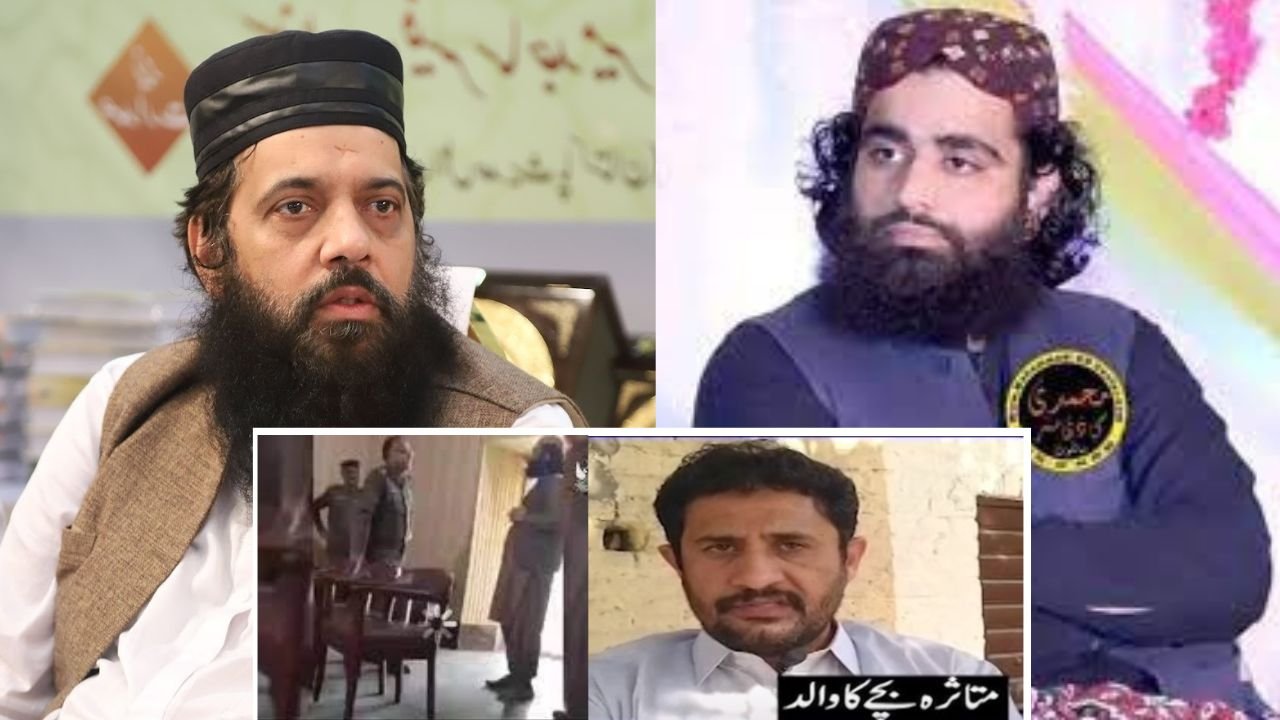
    A high-level police inquiry into the case of attempted rape of a 12-year-old boy in Tandlianwala, Faisalabad, has declared the acquittal of the suspect nominated in the initial FIR on the mediation of a ‘Jirga/Panchayat’ a sheer violation of the Supreme Court’s judgment.

    The legal status of the ‘council of elders’, ‘Panchayat’ or ‘kangaroo courts’ operating as alternative to the judicial system or for mediation in tribal belts of Khyber Pakhtunkhwa, and rural areas of Punjab, Sindh, and Balochistan was challenged in the Supreme Court’s landmark judgment that appeared in January 2019.

    The inquiry asked the police to challenge the acquittal of the suspect Qari Abubakar Muavia, by a magistrate after the father of the boy gave a statement in his favour.

    Pakistan Peoples Party’s Member of National Assembly Abdul Qadir Patel also spoke about the case. He asked the state to be a complainant in the case if the child’s father had forgiven the alleged perpetrator on the intervention of the clerics. He also sought a proper investigation into the case.

    Reinvestigation

    Dawn sources have said that reinvestigation into the case was launched on the order of Inspector General Punjab Dr. Usman Anwar when Chief Minister Maryam Nawaz took notice of the incident and directed him (the IGP) to hold an impartial inquiry to know on what grounds the suspect was discharged in the case and determine the role of the police.

    What happened in the court?

    Qari Abubakar was discharged from the case by Tandlianwala Judicial Magistrate Nauman Tahir on March 30 when the police presented him in the court, seeking further physical remand to continue interrogating him.

    The complainant along with his son also appeared and submitted a written statement that he got his FIR lodged on the basis of ‘suspicion’ against Mawiyah during the hearing. The magistrate’s decision mentioned that the complainant had submitted an affidavit too.

    “On query, the minor/victim also stated that the present accused didn’t commit the offence as mentioned in the FIR,” reads the magistrate’s decision.
    Additionally, the request of the remand of the police was turned down by the court.

    This complainant’s statement appeared to be the turning point that prompted the Punjab police high-ups to get the case reinvestigated as it mentioned the decision of a ‘Jirga Panchayat’, as per Dawn.

    Supreme Court’s judgment

    The supreme court judgment declares that the Jirgahs, Panchayats etc do not come under the Constitution or any other law whatsoever to the extent that they attempt to declare verdicts on civil or criminal matters.

    An official, privy to the development, said that during the inquiry, the legal branch of the police referred to the Supreme Court’s 2019 judgment when the matter of legality of Jirgas or Kangaroo courts was raised and so it recommended to the department high-ups to issue directions to challenge the magistrate’s decision of acquittal of the suspect.

    The IGP confirmed that the matter was investigated at a high level in light of the magistrate’ decision. He said he and the prosecutor general had met the victim boy and his father and discussed the issue of allegations levelled against the suspect, as per Asif Chaudhry’s report in Dawn.

    Read more: Cleric allegedly rapes a boy, ‘forgiven’ after religious scholar intervenes
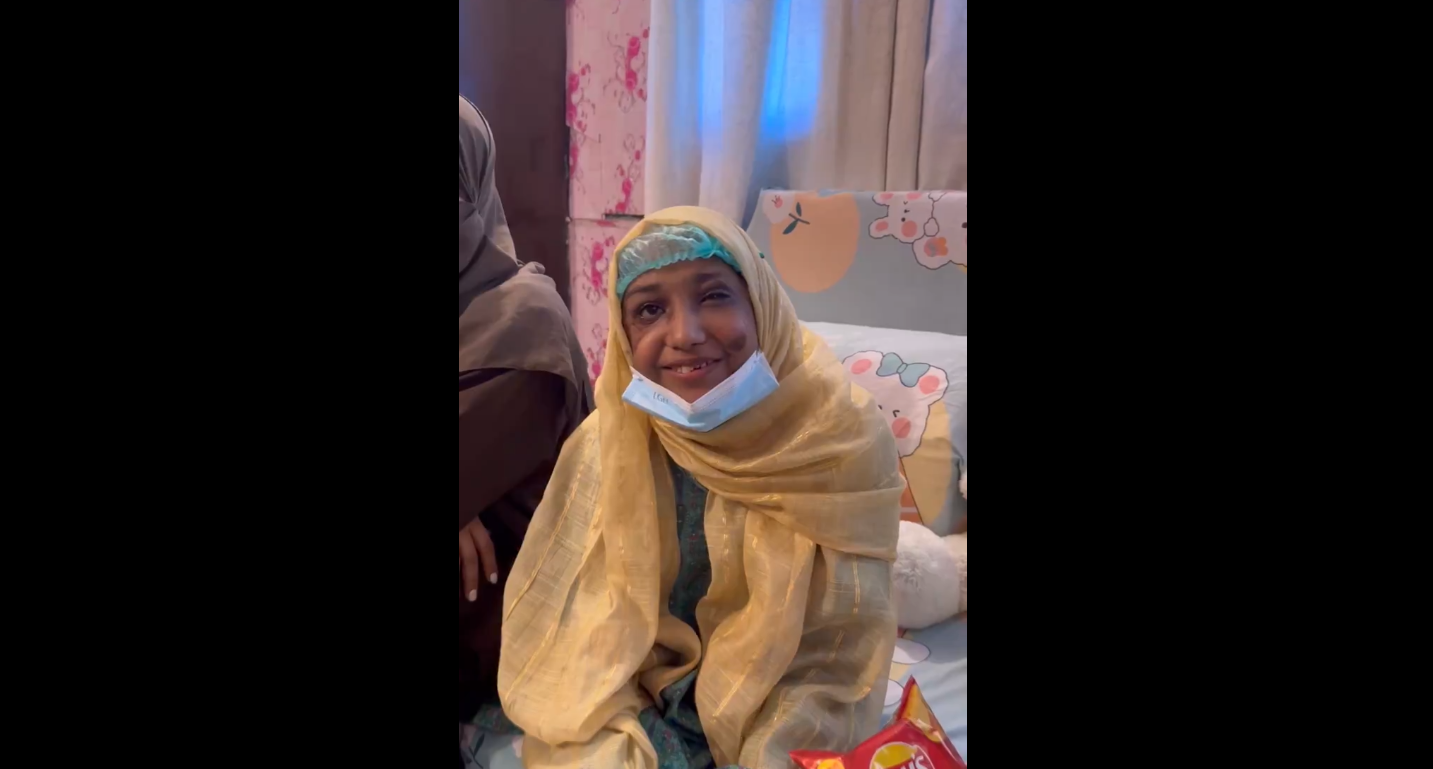
  • Rizwana is back from hospital after arm surgery

    Rizwana is back from hospital after arm surgery

    Rizwana, the minor girl who was subjected to violence at the house of a Civil Judge in Islamabad, has been discharged from General Hospital Lahore and returned to the Child Protection Bureau after a surgery was performed on her arm.

    Talking to Geo News in Lahore, Chairperson Child Protection Bureau Sarah Ahmed said that Rizwana was under treatment at the General Hospital for two months.

    Now Rizwana is able to walk normally and feels better than before, said Sara Ahmed.

    Doctors have told her to rest for ten days. Rizwana’s right arm had undergone surgery that involved removing a rib bone and inserting it into the injured arm. Rizwana will not be able to bend her arm until she recovers.

    Background

    Last year, in July, it was revealed that Rizwana, a young girl working at the house of a civil judge in Islamabad, was subjected to assault by her employers. The torture continued and when her condition worsened, the civil judge’s wife handed her over to her mother.

    Rizwana had torture marks all over her body. A wound on her head had rotted due to lack of treatment, becoming infected by worms.

  • Who is the richest man on the planet?

    The American magazine Forbes has released its list of the richest people in the world for 2024.

    The list indicates that the number of billionaires around the world has reached an all-time high and their wealth has increased significantly over the past one year.

    141 more people became billionaires during the year and a total 2781 people are included in the list. The total wealth of these people is around fourteen thousand and two hundred billion dollars, which in comparison to 2023 is two thousand billion dollars higher. Two-thirds of billionaires got richer, with the world’s 20 richest people earning a combined total of $700 billion a year, according to Forbes. The highest number of billionaires in the world reside in the United States with 813, followed by China with 473, and India with 200.

    France’s Bernard Arnault has been named the world’s richest person in the 2024 list with assets worth $233 billion. This is the second year in a row that he has received the title, having topped last year’s list with $211 billion, his assets having increased by $22 billion in one year.

    Tesla and SpaceX owner Elon Musk is second on the list with $195 billion.

    Amazon founder Jeff Bezos came in third with a net worth of $195 billion, while Meta’s CEO Mark Zuckerberg came in fourth with $177 billion.
    India’s Mukesh Ambani was declared the 9th richest person in the world and the richest person in Asia with 116 billion dollars.

    The richest woman in the world is Francoise Bettencourt Meyers of France, who owns 99.5 billion dollars, while she is on the 15th place in the list of the richest people in the world.

    Alice Walton is the second richest woman in the world (21st overall) with $72.3 billion, while Julia Koch is the third (23rd overall) richest woman with $64.3 billion.

  • World’s most powerful MRI scans first images of human brain

    World’s most powerful MRI scans first images of human brain

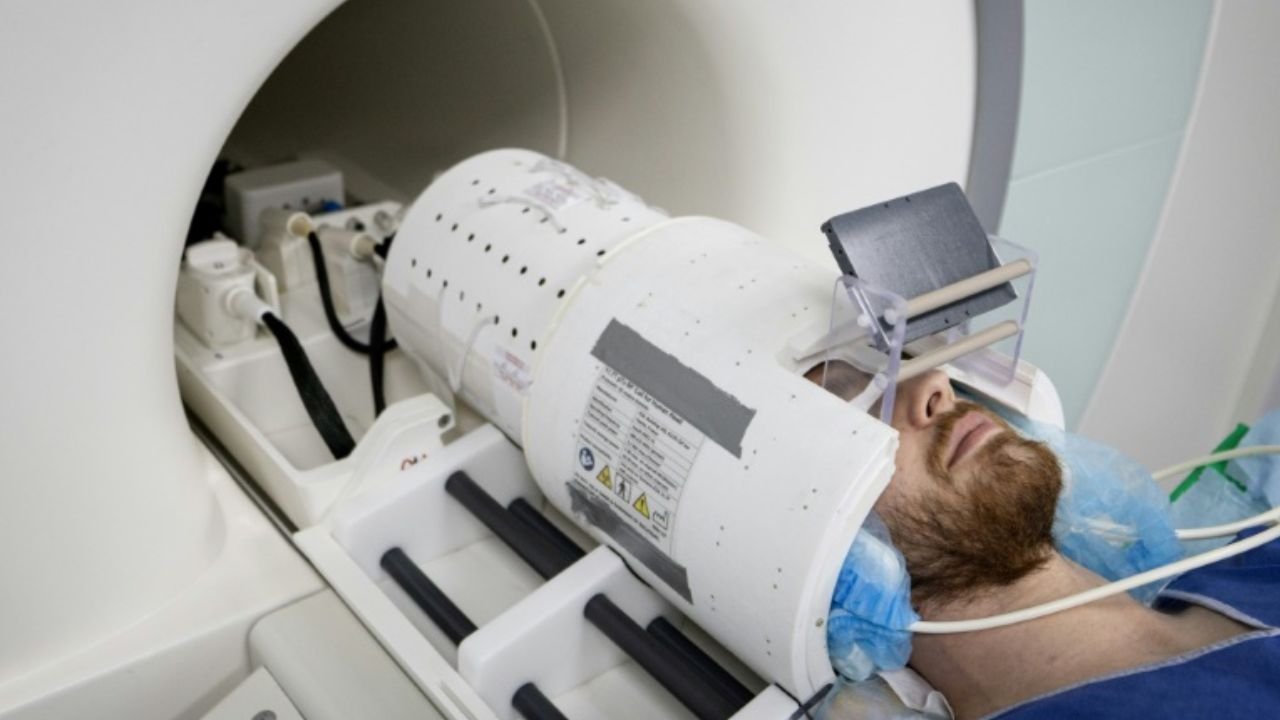
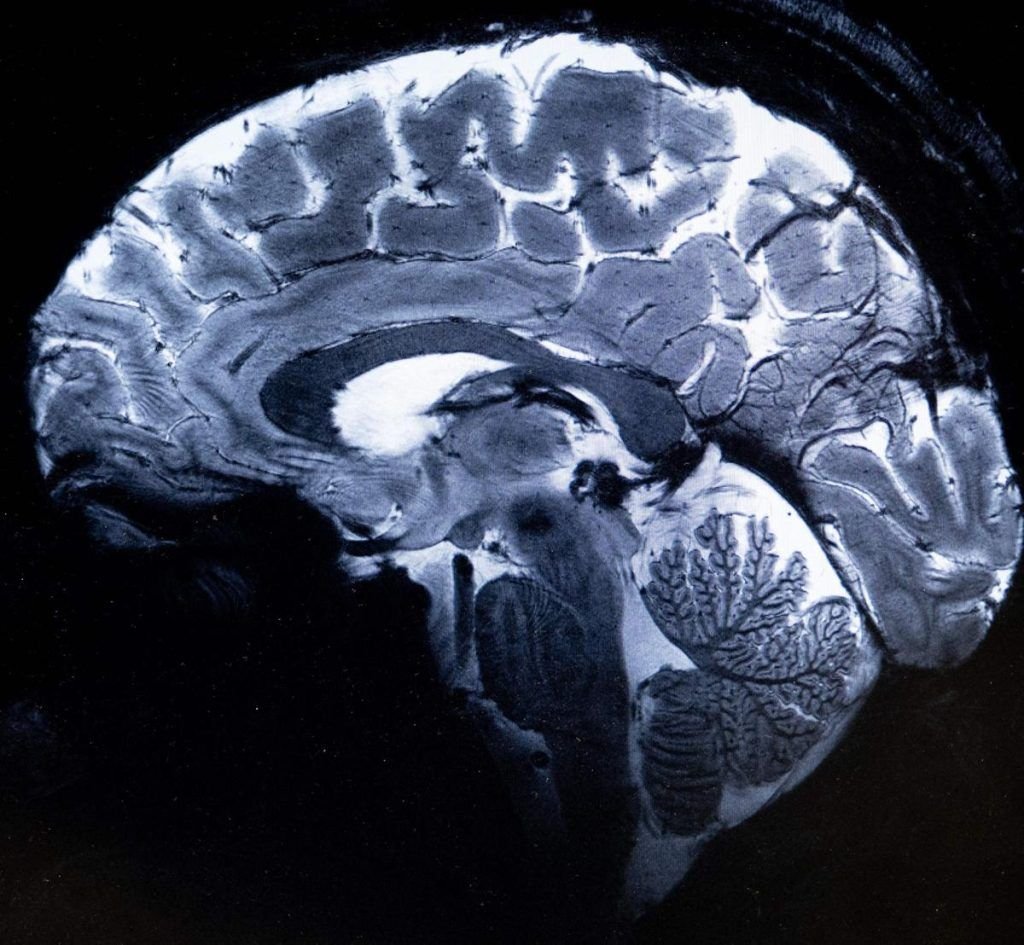
    The world’s most powerful MRI scanner has delivered its first images of human brains, reaching a new level of precision that is hoped will shed more light on our mysterious minds — and the illnesses that haunt them.

    Researchers at France’s Atomic Energy Commission (CEA) first used the machine to scan a pumpkin back in 2021. But health authorities recently gave them the green light to scan humans.

    Over the past few months, around 20 healthy volunteers have become the first to enter the maw of the magnetic resonance imaging (MRI) machine, which is located in the Plateau de Saclay area south of Paris, home to many technology companies and universities.

    “We have seen a level of precision never reached before at CEA,” said Alexandre Vignaud, a physicist working on the project.

    The magnetic field created by the scanner is a whopping 11.7 teslas, a unit of measurement named after inventor Nikola Tesla.

    This power allows the machine to scan images with 10 times more precision than the MRIs commonly used in hospitals, whose power does not normally exceed three teslas.

    On a computer screen, Vignaud compared images taken by this mighty scanner, dubbed Iseult, with those from a normal MRI.

    “With this machine, we can see the tiny vessels which feed the cerebral cortex, or details of the cerebellum which were almost invisible until now,” he said.

    France’s research minister Sylvie Retailleau, herself a physicist, said “the precision is hardly believable!”

    “This world-first will allow better detection and treatment for pathologies of the brain,” she said in a statement to AFP.

    Lighting up the brain’s regions

    Inside a cylinder that is fives metres (16 feet) long and tall, the machine houses a 132-tonne magnet powered by a coil carrying a current of 1,500 amps.

    There is a 90-centimetre (three-foot) opening for humans to slide into.

    The design is the result of two decades of research by a partnership between French and German engineers.

    The United States and South Korea are working on similarly powerful MRI machines, but have not yet started scanning images of humans.

    One of the main goals of such a powerful scanner is to refine our understanding of the anatomy of the brain and which areas are activated when it carries out particular tasks.

    Scientists have already used MRIs to show that when the brain recognises particular things — such as faces, places or words — distinct regions of the cerebral cortex kick into gear.

    Harnessing the power of 11.7 teslas will help Iseult to “better understand the relationship between the brain’s structure and cognitive functions, for example when we read a book or carry out a mental calculation,” said Nicolas Boulant, the project’s scientific director.

    On the trail of Alzheimer’s

    The researchers hope that the scanner’s power could also shed light on the elusive mechanisms behind neurodegenerative diseases such as Parkinson’s or Alzheimer’s — or psychological conditions like depression or schizophrenia.

    “For example, we know that a particular area of the brain — the hippocampus — is implicated in Alzheimer’s disease, so we hope to be able to find out how the cells work in this part of the cerebral cortex,” said CEA researcher Anne-Isabelle Etienvre.

    The scientists also hope to map out how certain drugs used to treat bipolar disorder, such as lithium, distribute through the brain.

    The strong magnetic field created by the MRI will give a clearer image of which parts of the brain are targeted by lithium. This could help identify which patients will respond better or worse to the drug.

    “If we can better understand these very harmful diseases, we should be able to diagnose them earlier — and therefore treat them better,” Etienvre said.

    For the foreseeable future, regular patients will not be able to use Iseult’s mighty power to see inside their own brains.

    Boulant said the machine “is not intended to become a clinical diagnostic tool, but we hope the knowledge learned can then be used in hospitals”.

    In the coming months, a new crop of healthy patients will be recruited to get their brains scanned.

    The machine will not be used on patients with conditions for several years.

  • Google to delete incognito search data to end privacy suit

    Google to delete incognito search data to end privacy suit

    San Francisco (AFP) – Google has agreed to delete a vast trove of search data to settle a suit that it tracked millions of US users who thought they were browsing the internet privately.

    If a proposed settlement filed Monday in San Francisco federal court is approved by a judge, Google must “delete and/or remediate billions of data records” linked to people using the Chrome browser’s incognito mode, according to court documents.

    “This settlement is an historic step in requiring dominant technology companies to be honest in their representations to users about how the companies collect and employ user data, and to delete and remediate data collected,” lawyer David Boies said in the filing.

    A hearing is slated for July 30 before Judge Yvonne Gonzalez Rogers, who is to decide whether to approve the deal that would let Google avoid a trial in the class-action suit.

    The settlement calls for no cash damages to be paid but leaves an option for Chrome users who feel they were wronged to sue Google separately to get money.

    The suit originally filed in June of 2020 sought at least $5 billion in damages.

    “We are pleased to settle this lawsuit, which we always believed was meritless,” Google spokesman Jorge Castaneda said in a statement.

    “We are happy to delete old technical data that was never associated with an individual and was never used for any form of personalization.”

    The object of the lawsuit was the “Incognito Mode” in the Chrome browser that plaintiffs said gave users a false sense that what they were surfing online was not being tracked by the Silicon Valley tech firm.

    But internal Google emails brought forward in the lawsuit demonstrated that users using incognito mode were being followed by the search and advertising behemoth for measuring web traffic and selling ads.

    The lawsuit, filed in a California court, claimed Google’s practices had infringed on users’ privacy by intentionally deceiving them with the incognito option.

    The original complaint alleged that Google had been given the “power to learn intimate details about individuals’ lives, interests, and internet usage.”

    “Google has made itself an unaccountable trove of information so detailed and expansive that George Orwell could never have dreamed it,” it added.

    The settlement requires Google, for the next five years, to block third-party tracking “cookies” by default in Incognito Mode.

    Third-party cookies are small files which are used to target advertising by tracking web navigation and are placed by visited sites and not by the browser itself.

    No cookies?

    Google earlier this year began limiting third-party cookies for some users of its Chrome browser, a first step towards eventually abandoning the files that have raised privacy concerns.

    Google announced in January 2020 that it would begin eliminating third-party cookies within two years, but the start has been delayed several times amid opposition from web media publishers.

    Cookies have recently been subject to greater regulation, including the European Union’s General Data Protection Regulation introduced in 2016 as well as regulations in California.

  • PPP’s Ali Madad Jattak caught mistreating female professors on video

    PPP’s Ali Madad Jattak caught mistreating female professors on video

    A video of Ali Madad Jattak, a senior politician from Quetta affiliated with Pakistan Peoples Party (PPP) has emerged online where he was seen talking to women protestors in a raised voice. The women were protesting against the government on the issue of delayed salaries.

    “That is why you can’t feel the pain,” the protesting professor sitting at the ground was seen saying as Ali related that his own mother and sister will never be sitting like this. As the woman argued, he says out loud, “Khabardar”. His assistant can also be seen admonishing the woman and asking her to behave herself.

    The incident happened during a protest demonstration organized by teachers and the staff of the university, who have been enduring a three-month delay in their salaries.

    The protesters, voicing their grievances outside the Balochistan Assembly on Monday, sought a resolution to the salary delays. The assembly speaker sent Ali Madad Jattak and other officials for negotiations. However, tensions erupted when Jattak reportedly adopted an aggressive attitude and resorted to using abusive language towards the protesting professor Tatara Achakzai.

    The distressing incident triggered outcry on social media platforms, prompting Chief Minister Mir Sarfaraz Bugti to intervene. In an effort to redeem the situation, Bugti extended apologies on behalf of Jattak and sought forgiveness from the aggrieved female teachers, reported Quetta Voice.

  • In a first, two First Ladies at presidential palace in a Senegal

    In a first, two First Ladies at presidential palace in a Senegal

    In the closing moments of the electoral campaign, Senegal’s president-elect Bassirou Diomaye Faye stepped onto the stage holding the hands of both his wives Marie and Absa.

    It was an unprecedented sight in the national politics of the West African country and a clear choice by the first-round winner who promises radical change.

    Polygamy is a traditional and religious practice firmly anchored in the culture of Senegal where the overwhelming majority is Muslim.

    Marie Khone, who until now had never been in the spotlight, comes from the same village as 44-year-old Faye. They married 15 years ago and have four children.

    He married his second wife Absa just over a year ago.

    “It’s the ultimate recognition of the tradition of polygamy at the top of the state, with a situation that will reflect Senegalese reality,” sociologist Djiby Diakhate said.

    Many men praise the practice while women tend to remain “mistrustful”, he added.

    Polygamy has long stirred controversy and the public appearance by BDF, as he is known, with his two wives at his side cheered on by thousands of his supporters has made it a top talking point in the media, online and at home, sparking diverse reaction.

    “Being a second wife suits me better than being a first,” well-known singer Mia Guisse said proudly in a video that recently went viral.

    Reputed sociologist Fatou Sow Sarr said on X, formerly Twitter, that “polygamy, monogamy, polyandry are matrimonial models determined by the history of every nation”.

    “These models are now in competition with homosexual marriage,” he added, in a country where homosexuality is punishable by between one and five years in jail.

    “I really think that the West has no legitimacy to judge our cultures,” Sarr added in a follow-up message on X.

    Nevertheless, many Senegalese women say they find polygamy hypocritical and unfair, while the UN Human Rights Committee said in a 2022 report that it amounted to discrimination against women and should be ended.

    – ‘Totally new’ situation –

    In her 1979 novel “So Long a Letter”, Senegalese author Mariama Ba was fiercely critical of polygamy, depicting the pain and loneliness of a woman after her husband took a second, younger wife.

    Many popular TV series in recent years, like “Mistress of a Married Man” or “Polygamy”, have explored the ups and downs of family life in polygamous households.

    Former culture minister and history professor Penda Mbow said the matrimonial situation at the presidential palace now is “totally new”.

    “Until now, there was only one First Lady. This means the entire protocol must be reviewed,” he added.

    Polygamy is widespread in Senegal particularly in rural areas and is considered a way of widening one’s family.

    Islam permits men to take up to four wives providing they have the financial means. In such a case, it calls for equal, alternating time spent with the wives, of between two and three days.

    – ‘Strong signal’ –

    Many marriages are not registered in Senegal, making it difficult to say exactly how many are polygamous.

    But according to a 2013 report by the national statistics and demographics agency, 32.5 percent of married Senegalese people were in a polygamous union.

    The average age of the women at the time of their marriage was 40.4 years old and 52.9 for men, the report said.

    Diakhate, the sociologist, said Faye had sent a “strong signal so that other men also accept their polgygamy and so that they demonstrate transparency like him”.

    He said there was “undoubtedly a will” to end hidden polygamy- known in the Wolof language as Takou Souf — which he added would be “a good thing for the economy of the country and for the matrimonial situation”.

    In response to detractors, the incoming president, who won 54.28 percent in the March 24 vote, shows nothing but pride in his family situation.

    “I have beautiful children because I have wonderful wives. They are very beautiful. I give thanks to God they are always fully behind me,” he said during the presidential race.

  • New initiatives to protect sensitive information, prevent cyber attacks

    New initiatives to protect sensitive information, prevent cyber attacks

    The federal government has formed the National Computer Emergency Response Team to protect sensitive information and prevent cyber attacks.

    NCERT will protect digital assets, sensitive information and critical infrastructure.

    According to a notification of the Ministry of IT, NCERT has been formed as per PECA and CERT rules. The Cyber Security for Digital Pakistan project was declared a National CERT, which had been running for several years.

    The NCERT will play a role in detecting and preventing cyber attacks. For this, along with the appointment of experts, the purchase of necessary software and hardware has already been done.

    NCERT will work on creating awareness, research and development related to cyber attacks while a separate website for National Cert has also been launched.

    The Cyber Security for Digital Pakistan project has been running for several years, and it was run by the National Telecommunication and Information Security Board.

  • Tigress injures two near Multan as it escapes during transportation

    Tigress injures two near Multan as it escapes during transportation

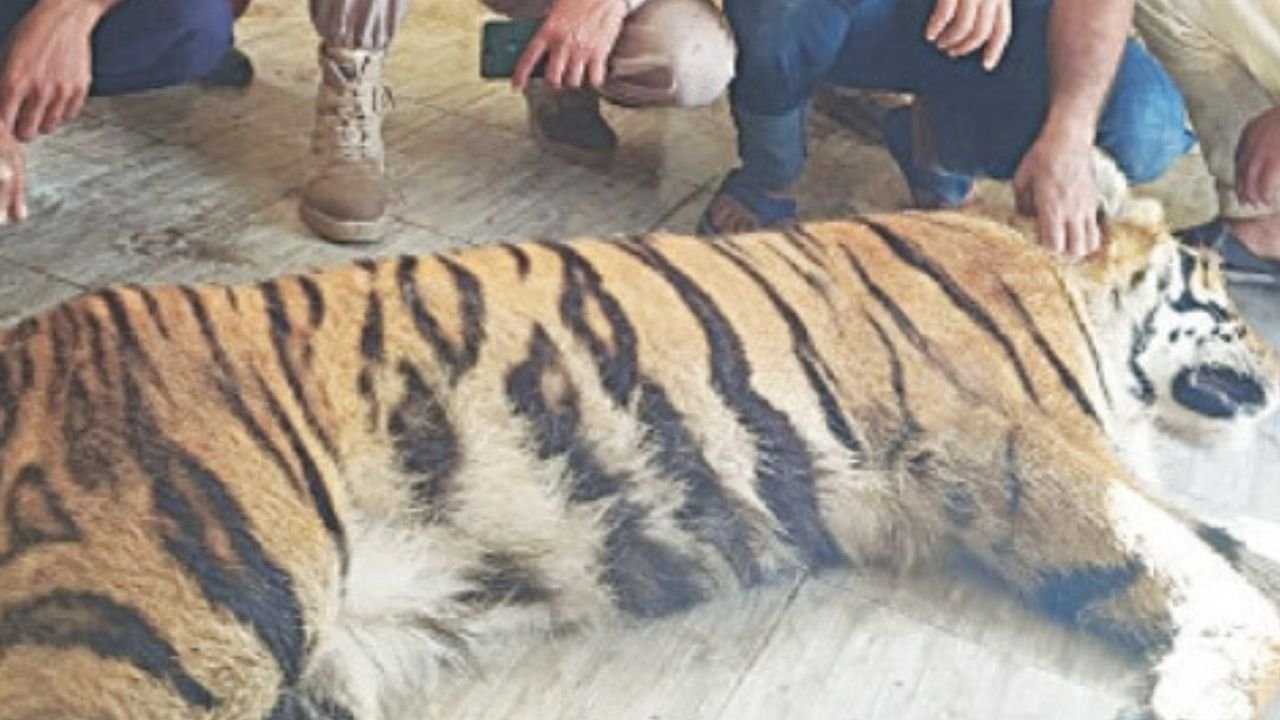
    A Bengal tigress which was being transported from Lahore to Multan by an animal dealer, Muhammad Adnan, ran away from its cage into the fields near Multan in the early hours of Sunday, DAWN has reported.

    The age of Bengal tigress is reportedly about two years and its value is Rs5-6 million.

    Punjab Wildlife Department Multan Deputy Director Sheikh Zahid told Dawn’s Shoaib Ahmed that the tigress was being carried in a pick-up in a cage. The incident happened when the pick-up got stuck in a muddy track on Bosan Road behind the Multan Public High School.

    The cage got opened when the vehicle jerked to get out of the mud. The owner, Muhammad Adnan, called 15 but the police told him to contact the wildlife department.

    The furious tigress ran into the fields and reportedly injured two persons, including a wildlife official. However, the injuries were mild. The Punjab Wildlife Department officials and a DHA Multan Zoo vet were involved in the operation to catch the tigress. It was tranquilised by a DHA Multan Zoo vet.

    Animal dealer Adnan was fined Rs221,000 by the wildlife department under the Punjab Wildlife Act 1974. The tigress has been returned to the owner on payment of the fine, told Sheikh Zahid.

    Punjab Wildlife and Parks Department Director General Mudassar Riaz Malik talked to the media. To a question why tigers and lions had not yet been categorised in Schedule 3 of the Punjab Wildlife Department, the DG said he had called a meeting on Monday (today) to set standards and regulate the issue of keeping tigers and lions in breeding farms and houses only. “Such animals fall in Schedule 3 and it is prohibited to keep them domestically,” he added.

    Malik was asked if these animals were put in Schedule 3, what would happen to the private breeding farms having a huge number of lions and tigers. To this he responded it’s a crucial issue that would be discussed in the meeting besides all other aspects and possible licensing of such animals. To yet another question, Mr Malik said the meeting would also discuss either a new schedule or a new law.

    The wildlife DG said the Captive Wildlife Management Committee had got rules approved by the cabinet and new law would be introduced under these rules.

  • Transgenders to be allotted separate rooms in KP hospitals

    Chief Minister Khyber Pakhtunkhwa Ali Amin Gandapur has decided to allocate separate rooms for transgenders in all the district headquarter hospitals of the province, reports Geo.

    Governor Ghulam Ali and Chief Minister Ali Amin Gandapur had a meeting in which the problems faced by transgenders were discussed. It was decided in the meeting that a separate cemetery will be allocated for their burials. Separate rooms for transgenders will be allocated in each district headquarters hospital .

    Gandapur said that further steps will also be taken to solve all other problems faced by transgenders.