Category: Lifestyle

The lifestyle of millennials is underreported in our mainstream media. The Current’s lifestyle news covers social events and issues that are unique.

  • Behind closed wallets; The cycle of financial abuse of house help in Pakistan

    Behind closed wallets; The cycle of financial abuse of house help in Pakistan

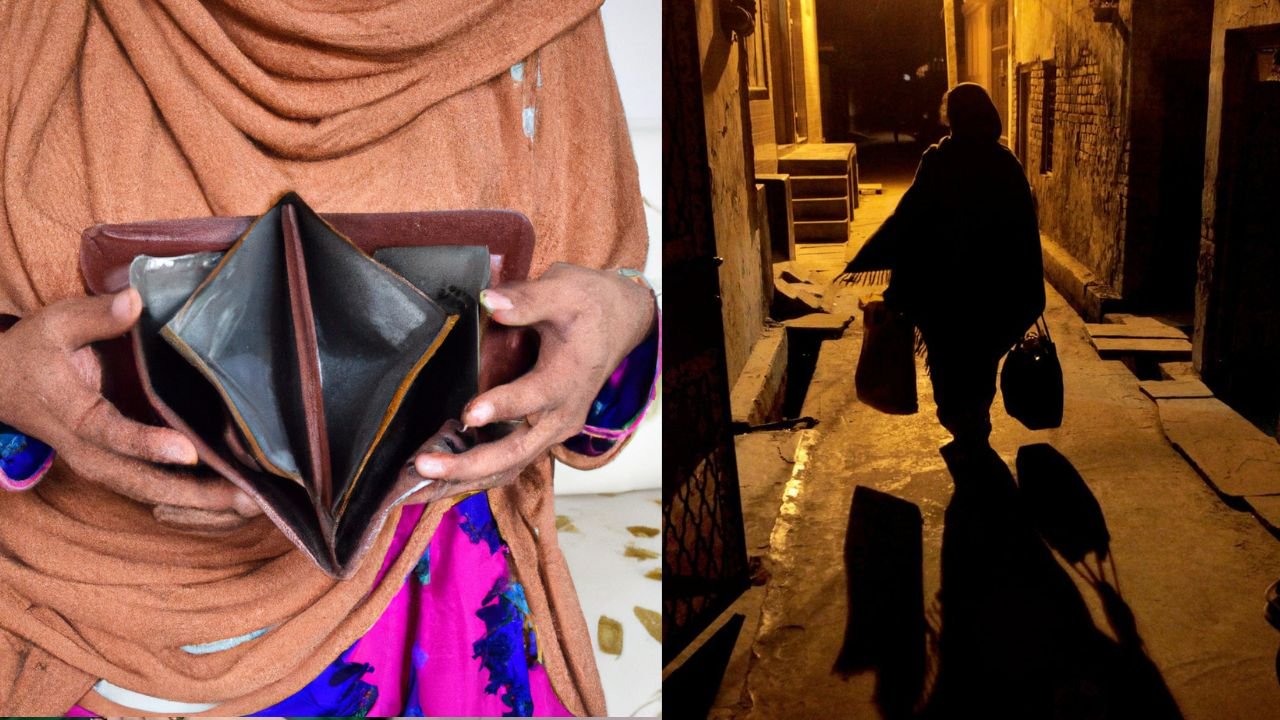
    Sonia, a 27-year-old woman, and mother of a 5-year-old daughter works as a house help. In eight years of married life, her husband has never had a stable job, nor does he bother to find work on a daily wage basis.

    Sonia has been paying off loans taken by her husband, Afzal, and her in-laws. In the initial months of her marriage, she sold whatever she had to buy a motor rickshaw for her husband so that they could have a source of daily income. Within no time Afzal sold the vehicle, taking additional loans to marry off Sonia’s sister-in-law.

    The debt piled up to 150,000 rupees. Sonia was working in two homes at that point, earning Rs20,000 from one for cooking food twice a day and Rs5,000 from the other for cleaning and washing the dishes. This was their sole family income in which they had to do grocery, pay the bills, feed their daughter and themselves, and look after the in-laws in addition to buying medicine for her mother-in-law.

    When she reminded her husband that he was supposed to work too if they wanted to get rid of the loans, she was beaten not only by Afzal but by his family too. From here started a never-ending cycle of financial exploitation and physical abuse. She endured two miscarriages due to the beatings and excessive work. She sometimes thinks that things would’ve been different if her father was alive.

    “I don’t blame my parents. This is what happens to people in our class. I just think that maybe if my father was alive, I would’ve had the option to tell him everything and he might have allowed me to take divorce and go back to my home. I don’t have that option anymore. I must live and survive here. I have a kid now. I can’t leave her,” she said while sobbing.

    Sonia is not the only one who goes through this cycle. I called up as many people as I could in different parts of Pakistan, family, friends, colleagues, acquaintances, and strangers to ask about their house help. Every woman had a similar story. A drug-addicted husband, an abusive husband, a husband who doesn’t work and keeps taking loans which the wife must pay. A never-ending circle of exploitation, harassment, and abuse.

    “There are very few people who respect us. It is not easy to clean someone’s dirt or wash their dishes with days-old rotten food. It is embarrassing to ask them for additional money to pay off loans. Sometimes I even have to take a loan from one person to pay off the previous one and the cycle goes on,” Sonia elaborated while talking about how draining her routine is as she does all the house chores and then works in the homes of other people too.

    She doesn’t want her daughter to end up like her. Instead she desires an education for her child, better career options. But whenever she brings the topic up, Afzal doesn’t take it seriously. He even spent the money they were given by different people to help finance their daughter’s education. Sometimes it was Eid gifts for sisters, other times it was a loan given to a friend. Sonia never got her money back.

    Doctor Ramish Fatima, who works in the periphery of Multan, details how such cases are quite normal and how these women suffer especially during their pregnancies. “These women keep working till the last month of their pregnancy and they must go back to work a few days after giving birth because they must pay off loans. If they fail to do so, they are beaten by their in-laws. In some cases, husbands work on minimum wages, but mostly don’t as they are drug addicts, and they physically abuse their wives after being intoxicated,” she explained.

    Ramish has been working in the periphery for over seven years now and most of the time she has dealt with such emergency cases. As a feminist and human rights activist, she believes that the solution to these problems is education and financial independence. She further emphasizes the importance of systemic upgrades and overall behavioral change in society towards women.

    Punjab Domestic Workers Act was enacted in 2019 throughout the province to regulate their terms of employment and working conditions of service, to provide them social protection and ensure their welfare, and to provide for the matters ancillary.
    The act states that “No child under the age of 15 years shall be allowed to work in a household in any capacity” while every other day we see cases of severe physical abuse and sexual exploitation against underage domestic workers.

    In the same manner, this act requires every employer to issue a letter of employment showing the terms and conditions of employment including nature of work and amount of wages.

    Regarding registration of Domestic Workers and Employers, this act states, “Every domestic worker, to benefit from the fund, shall make an application for registration in a manner as prescribed by the Governing Body, and every such domestic worker shall be provided by the Governing Body with a security number and identity card, which shall be renewable after completion of every three years. Provided that none of the domestic workers shall be eligible to get more than one security number and identity card. Every employer shall make an application for registration in a manner as prescribed by the Governing Body, and every such employer shall be provided with a registration number, which shall be renewable after completion of every three years.”

    Hiba Akbar, a lawyer who teaches at LMUS, believes that such laws are made to just get done with the binding of international treaties without any intention of implementing it.

    “Every time we see a shocking case of abuse of domestic workers we talk about laws but a law already exists. How many domestic workers are paid minimum wage? How many workers and employers are registered? Does anyone even know where they can register,” she questions. If the government was serious about implementation, she stresses, they would’ve made all the information public and ensured the safety and security of domestic workers.

    She further argues that financial abuse comes from employers too who believe that giving their house help food and clothes once in a while, that too of substandard quality, won’t help them in breaking the cycle of financial abuse and recurring loans.

    In 2023, Kashf Foundation, a registered Non-Banking Microfinance Company regulated by the Securities and Exchange Commission of Pakistan which started in 1996, gave 140,572 Easy Loans ranging from 10,000 to 35,000 rupees for short periods, as per their annual report.

    Their research in 2023 on low-income households highlighted that income spent on meeting food expenses has increased from 30% of their income in 2018 to 45% of their income in 2023 while earnings didn’t keep pace with the increase in food prices in real terms.

    Gender and Financial Inclusion expert Zainab Saeed explains that Pakistan has one of the lowest rates of financial inclusion in the world and only 7 percent of Pakistani women are financially included.

    She further says that most of the loans by microfinance institutions aren’t interest-free but have a service charge. Most microfinance institutions borrow money to lend money in addition to the cost of funds and running operations. Akhuwat, an interest-free loan program usually for small businesses, doesn’t solely focus on women but caters to women clients as well.

    “Turnaround times vary across institutions- for example Kashf is two days, you get the loan in two days. Other institutions have different turnarounds, like for Akhuwat, it is 10 to 30 days depending on what the set date for disbursement is in the month. Instant credit or nano loans like Jazz Cash have higher interest rates,” she says while emphasizing that a lot of women don’t even know how to use apps like Jazz Cash.

    As far as requirements are concerned, most of these institutions lend money to those who have their computerized national identity cards (CNIC), some require guarantors while others might demand post-dated cheques.

    When asked about how surety regarding on-time paybacks is made, Zainab said, “It is a trust-based environment so most people tend to pay back their loans on time. People don’t want to be blacklisted from Credit Information Bureau. Some institutions also go for appraisals like Kashf did a very detailed credit appraisal with household cash flows and that helped them to turn in the credibility of the loan.”

    For defaulters, there is legal recourse available but tending to civil courts given the judicial system of Pakistan is not the best solution. Generally, there are very few non-performing loans in the world of microfinance banks, as per Zainab. People end up paying back, some institutes take action to make an example out of it but they usually don’t end up taking that route.

    As these are not interest-free loans, ‘interest rate may vary from flat 25 to 30 percent’ which might seem high but, “the way the repayment is structured allows people to repay,” explains Zainab. “They Usually do monthly repayments. For instance, for a 10 thousand rupees loan, they are paying back 12 thousand 500 rupees. It is then 1000 to 1100 rupees a month. With microfinance institutions, there is a lot of transparency regarding installment dates and amounts which is lacking in other places,” she added.

    As a country with a low literacy rate and even lower financial inclusion of women in Pakistan, the path of loans, financial independence, and empowerment still seems like a far-fetched dream.

  • ‘Shame on you Biden’; Pro-Palestine protestors interrupt glamorous presidential fundraiser

    ‘Shame on you Biden’; Pro-Palestine protestors interrupt glamorous presidential fundraiser

    Pro-Palestine protesters interrupted President Joe Biden‘s conversation with his predecessors, Barack Obama and Bill Clinton, at a glamorous fundraiser in New York for the Presidential re-election campaign.

    The disruption isn’t surprising, given that many of Biden’s events have seen protestors calling for a ceasefire in the war on Gaza. This time, according to a pool report, one of the protesters was yelling obscenities about a nuclear war with Russia. Other protesters interrupted over the situation in Gaza.
    Once the show began, Biden, Obama, and Clinton were each interrupted multiple times by Gaza protesters inside the hall, laying bare the unrest within the Democratic Party that hangs over the election.

    “Blood on your hands,” some yelled, at one point prompting Obama to snap back. “You can’t just talk and not listen. That’s what the other side does.”

    Video clips show pro-Palestinian demonstrators accosting people on the street in New York City after they attended the reelection fundraiser for US President Joe Biden.

    Biden exclaimed, “There are too many innocent victims, Israeli and Palestinian. We’ve got to get more food and medicine, supplies into the Palestinians. But we can’t forget, Israel is in a position where its very existence is at stake. You have to have all those people. They weren’t killed. They were massacred. They were massacred.” This enraged the protestors as they started calling out the President.

    “How dare you talk about the innocent deaths of Palestinians. Palestinians are dying right now because of your actions,” a protestor was seen yelling as he was taken into custody by the security.

    Another woman was seen shouting, “Shame on you Joe Biden”.

    A leading New York pro-Palestinian group, Within Our Lifetime, was among those organizing protests, billed as the “Flood Manhattan For Gaza” rally.
    The group issued a call to supporters ahead of the fundraiser, writing on X: “GENOCIDE JOE HAS GOT TO GO! Protesting genocide Joe, Barack Obama, and Bill Clinton outside their democratic fundraiser at Radio City Music Hall!,” reports USA Today.

    In an interview with Al Jazeera, a protestor named Cheryl was seen saying, “I won’t be voting for Biden, for sure, I mean, even if he stopped the war right now, just for what the Palestinian people have suffered, I can’t”.

  • 14-year-old girl commits suicide after stressing about first period

    14-year-old girl commits suicide after stressing about first period

    A 14-year-old girl in Mumbai committed suicide as she was stressed about the pain due to her first period, according to Indian news platform India Today.
    The girl had no knowledge about the menstrual cycle due to which she was forced to take the extreme step, says the police report.

    The unfortunate incident took place late on March 26. The teenager informed her family members about her first period and said she was experiencing extreme pain.

    The young girl became restless as she could not bear the pain due to her period and subsequently hung herself in the room. The victim’s family took her to a nearby hospital, but she was declared dead upon her arrival.

    A post-mortem of the body was conducted and no foul play was found, according to media reports.

    The incident has raised concerns over the lack of awareness and information regarding the menstrual cycle especially among children.

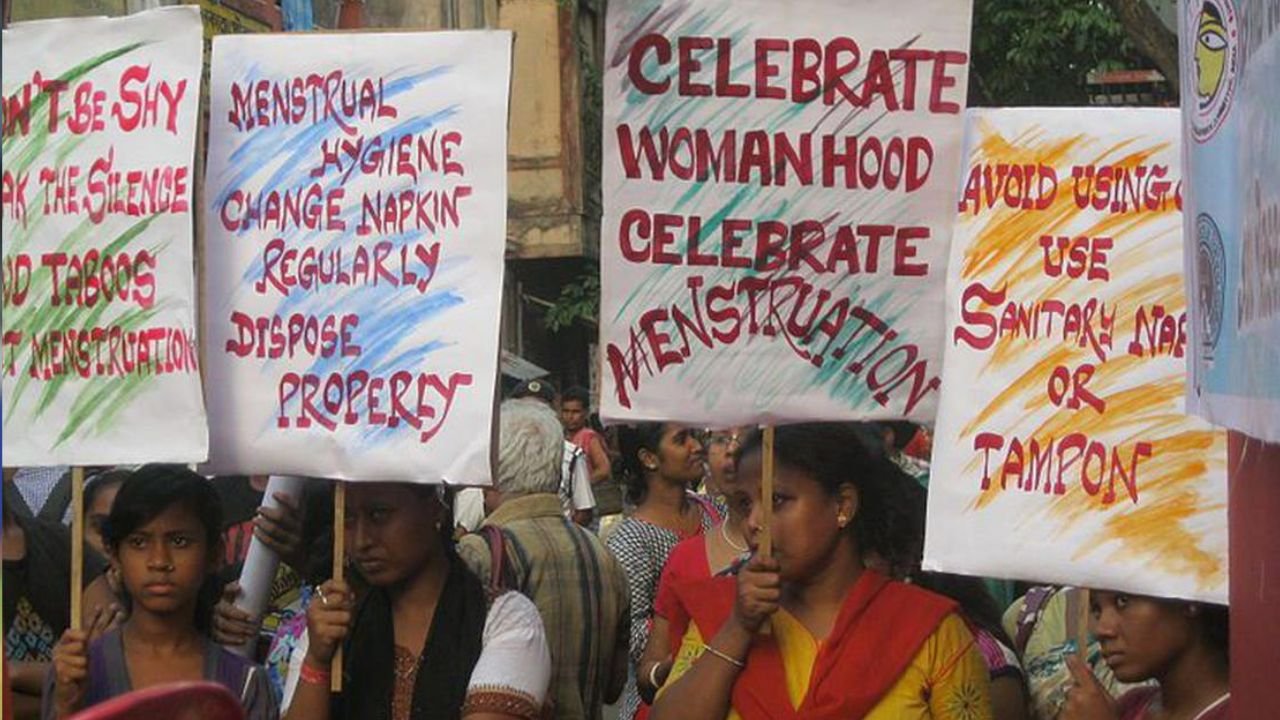
    In a survey by BeBadass.in, 60 percent of girls do not have prior knowledge about their menstrual cycle while 56 percent in India consider it a taboo. A shocking 38 percent believe the first occurrence to be an injury or a disease.

    This is not about India alone as menstrual hygiene and seeking knowledge about it is seen as a taboo across South Asia. Sad incidents like these stress the need to have proper counselling with teenagers on menstruation and how to deal with it.

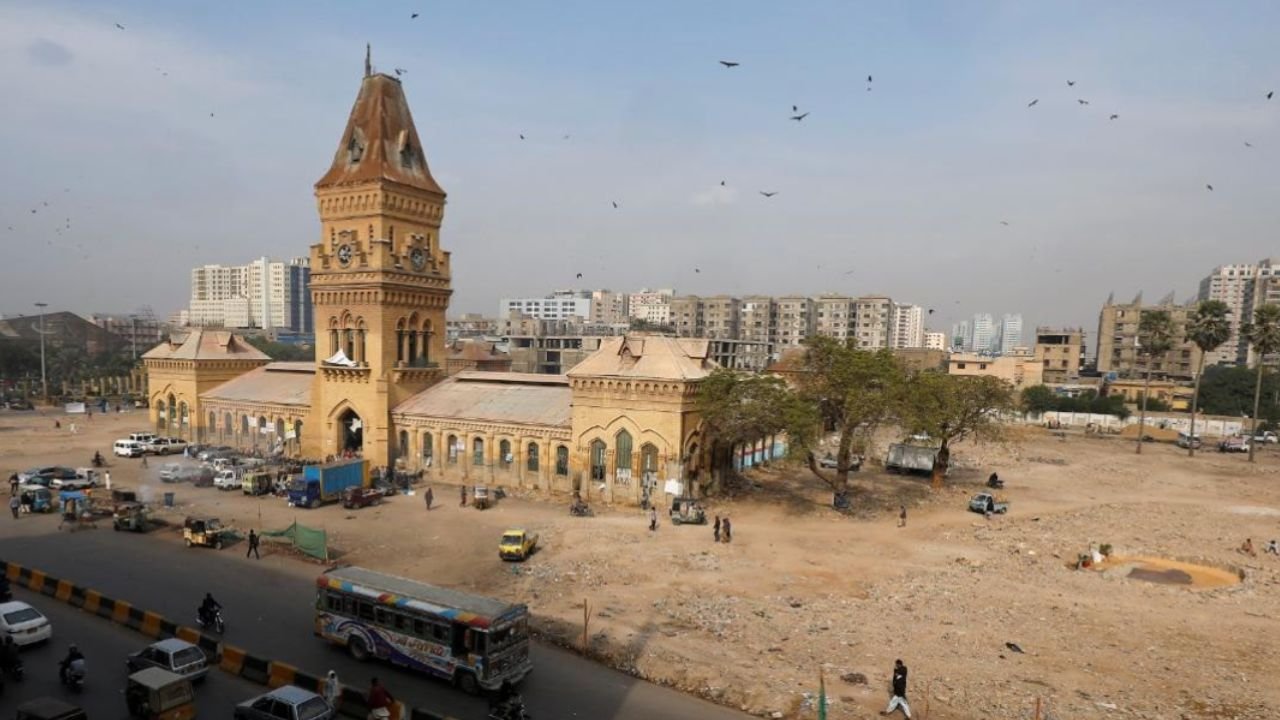
  • Two public holidays around the corner in Sindh

    Two public holidays around the corner in Sindh

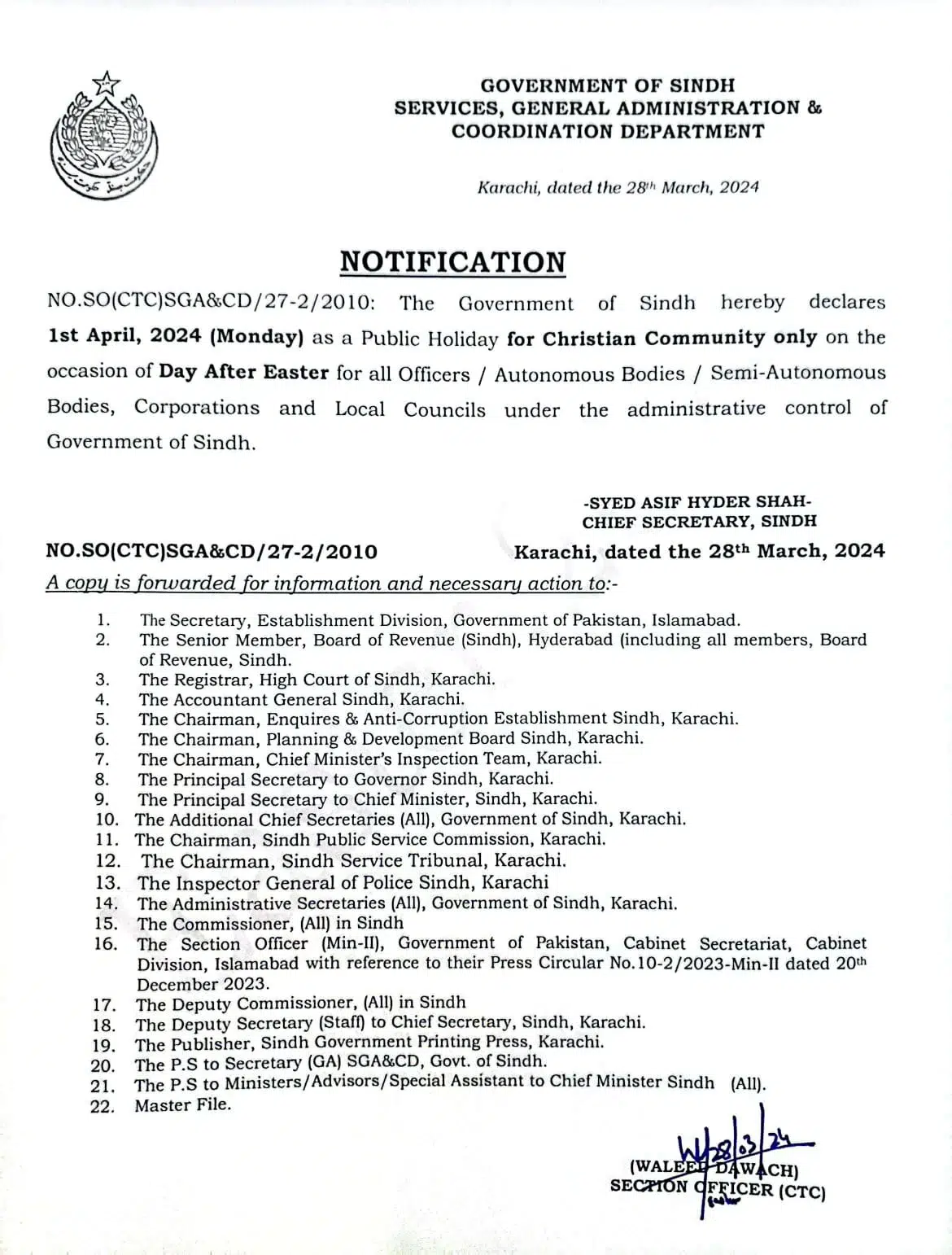
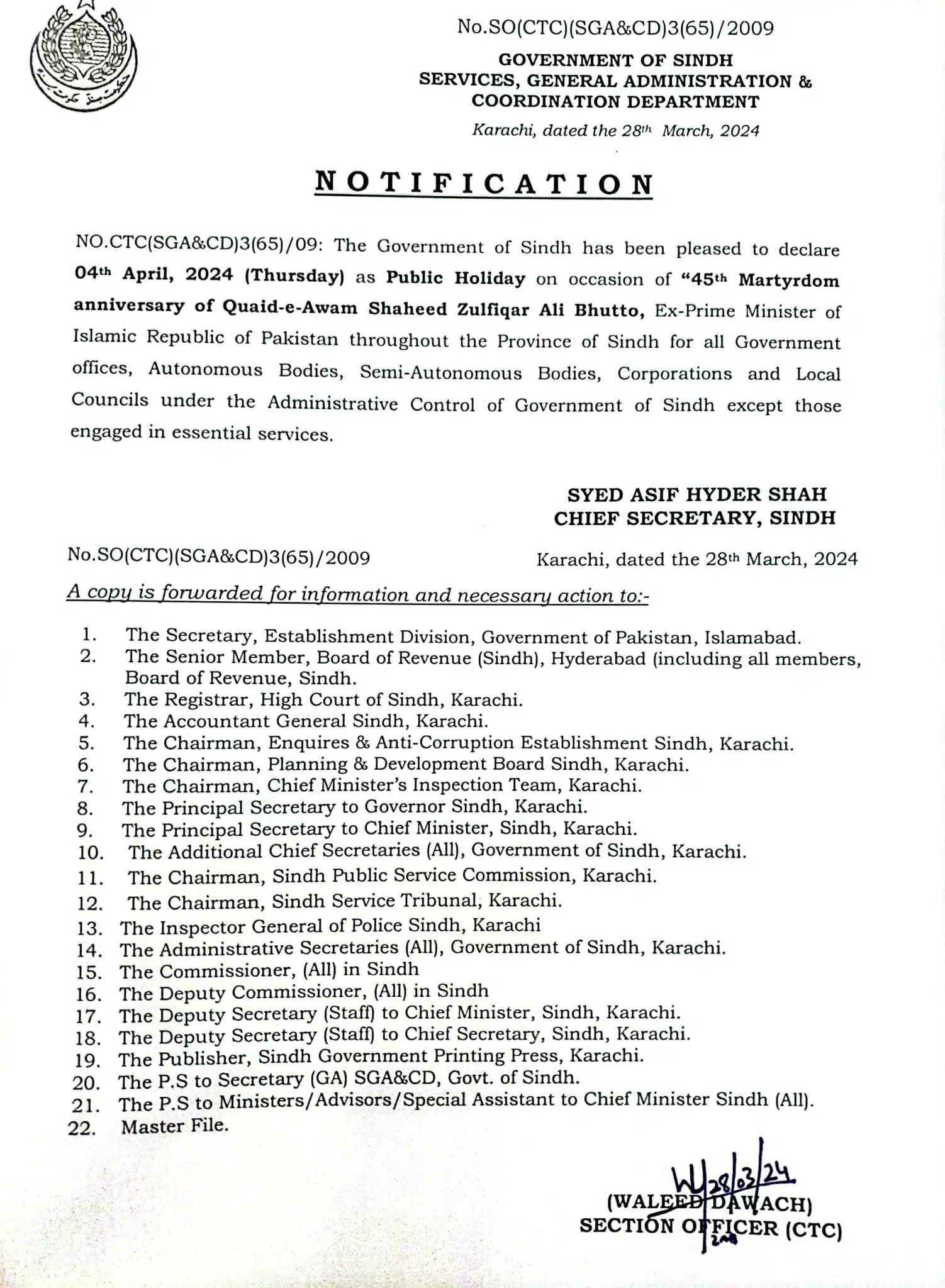
    The Sindh government has announced two public holidays in the coming month. One is on April 1 and the second is on April 4.

    The Sindh government has declared April 1st as a public holiday for members of the Christian community for the “Day After Easter” for all public and private offices, autonomous bodies, semi-autonomous bodies, and corporations under the administrative control of the provincial government.

    Additionally, the Sindh government on Thursday announced a public holiday on April 4 on the occasion of the death anniversary of former prime minister and late Pakistan Peoples Party founder (PPP) founder Zulfikar Ali Bhutto.

    In a notification, the provincial authorities said: “The Government of Sindh has been pleased to declare 4th April, 2024 (Thursday) as Public Holiday on the occasion of 45th Martyrdom anniversary of Quaid-e-Awam Shaheed Zulfiqar Ali Bhutto, Ex-Prime Minister of Islamic Republic of Pakistan throughout the Province of Sindh.”

    This is applicable for all government offices, autonomous and semi-autonomous bodies, corporations, and local councils under the administrative control of the provincial government except those engaged in essential services will remain closed.

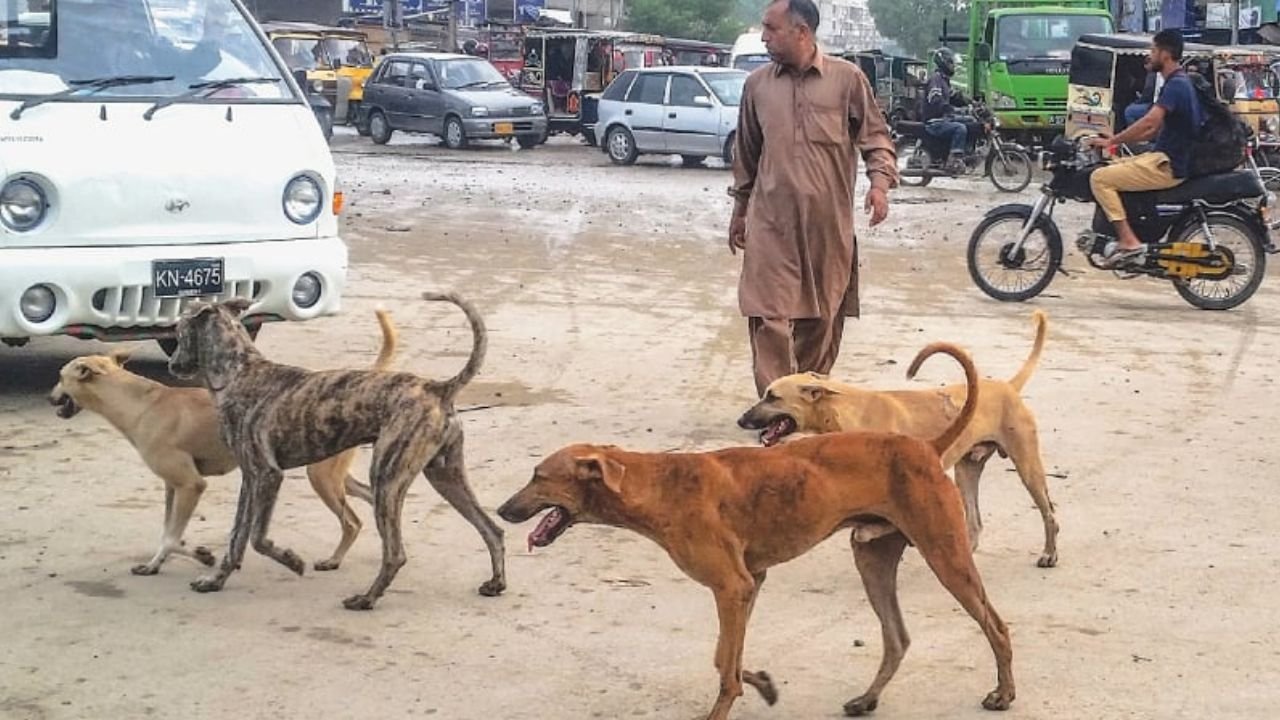
  • Stray dog helpline restored, app to be launched in Karachi

    Stray dog helpline restored, app to be launched in Karachi

    The Project Director of the Anti-Rabies Control Program has said that an app has been developed for the complaint of stray dogs in Karachi which will be launched after Ramzan. A helpline related to the same issue has been restored for the city.

    Geo’s Amin Anwar reports that a hearing was held in the Sindh High Court on action against stray dogs and non-supply of vaccines in the coastal city. The Project Director filed a reply in the court stating that the helpline 1093 for reporting dog bite incidents has been reinstated by the Anti-Rabies Control Program.

    The reply submitted in the court also stated that from January 2022 to March 2024, more than 19,000 dogs were vaccinated, rabies control centers were set up in four districts, and rules were made to control the growing population of stray dogs in the city.

    The program has aimed in the reply that dog population control centers will be established in every district of the province and a notification regarding that has already been issued on February 29.

    The project director of anti-rabies control program also said that a mobile app has been created for the complaint of stray dogs and bite incidents. This app will be launched for the public after Ramzan.

    Citizens can file complaints about stray dogs with photo and address through the app. Stray dogs will be vaccinated after that.

    The court adjourned till May 4.

  • Teenager muslim ‘hero’ credited for saving more than 100 in Moscow attack

    Teenager muslim ‘hero’ credited for saving more than 100 in Moscow attack

    A 15-year-old boy is being credited with saving over 100 people from the terrorist massacre at a Moscow concert hall on Friday.

    The teen, Islam Khalilov, who worked as a cloakroom attendant at the Crocus City Hall, quickly moved to open doors and provide exits when he saw a large crowd of people running from the besieged concert hall.

    “At first we heard some strange sounds on the first floor. We thought maybe some noisy group had come,” he explained later in an interview, according to the Daily Mail. “I understood that if I didn’t react, I would lose my life and the lives of many people,” he added.

    “We were shown and told where to send people if something happened. I knew where to take people to keep them safe,” Khalilov said.

    Islam recalled seeing one of the terrorists and how it scared him. “To be honest I don’t consider myself a hero. It was part of my job. It is better to sacrifice oneself than allow a hundred people to die,” the boy stated in a humble tone while talking to Al Jazeera.

    Russian children’s rights commissioner awarded Khalilov and 14-year-old Artyom Donskov-who was also working at the venue during the attack-with an official thank-you letter from the government.

    Russia’s Council of Muftis announced that it would award Khalilov with the Medal for Merit, the highest award of Russia’s Islamic community in the upcoming Friday prayer at Moscow’s Cathedral Mosque, reports The Moscow Times.

    At least 139 people were killed in last Friday’s attack. Russian authorities have arrested 11 suspects, four of whom they say were directly involved in the massacre.

  • Pregnant woman raped and killed in front of family by Israeli soldiers: Palestinian media reports

    Pregnant woman raped and killed in front of family by Israeli soldiers: Palestinian media reports

    A number of journalists from Gaza took to social media to report that Israeli forces conducting operations inside Al-Shifa hospital are torturing and raping women present inside.

    Photojournalist and videographer Wissam Nasser from Gaza said that a man and his wife taking shelter inside the hospital along with their two children had an alleged heinous encounter with the Israeli forces. “The preganant wife was forcibly undressed by Israeli forces despite informing them of her pregnancy; they continued to kick her. Then they assaulted and raped her in front of her family and other men,” Wissam shared.

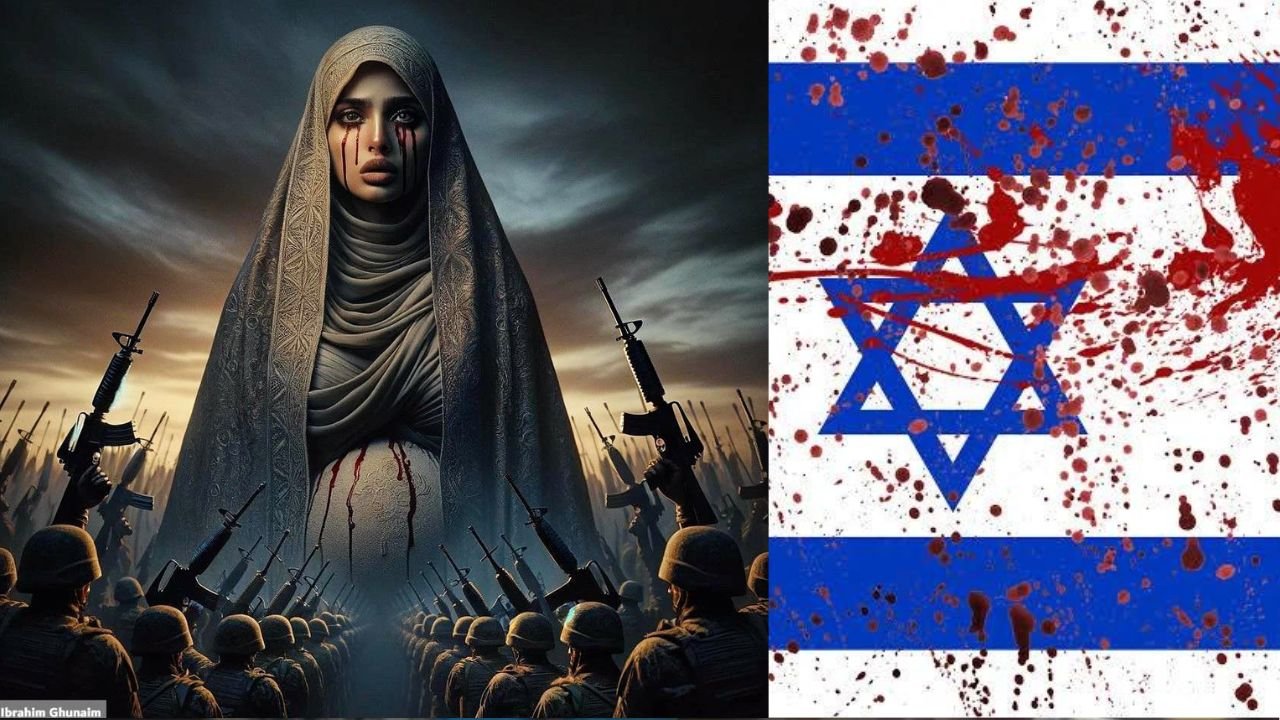
    He also shared a dark art work by the artist Ibrahim Ghunaim featuring a pregnant woman with tears of blood running down her eyes. He captioned it, “According to testimonies from inside Al shifa hospital, Israeli invading troops raped a Palestinian pregnant woman in front of her husband and other men then they killed her. This is happening situation the holy month of Ramadan while starving Palestinians are fasting. Absolutely shocking, disgusting and shows their evil nature‼‼”

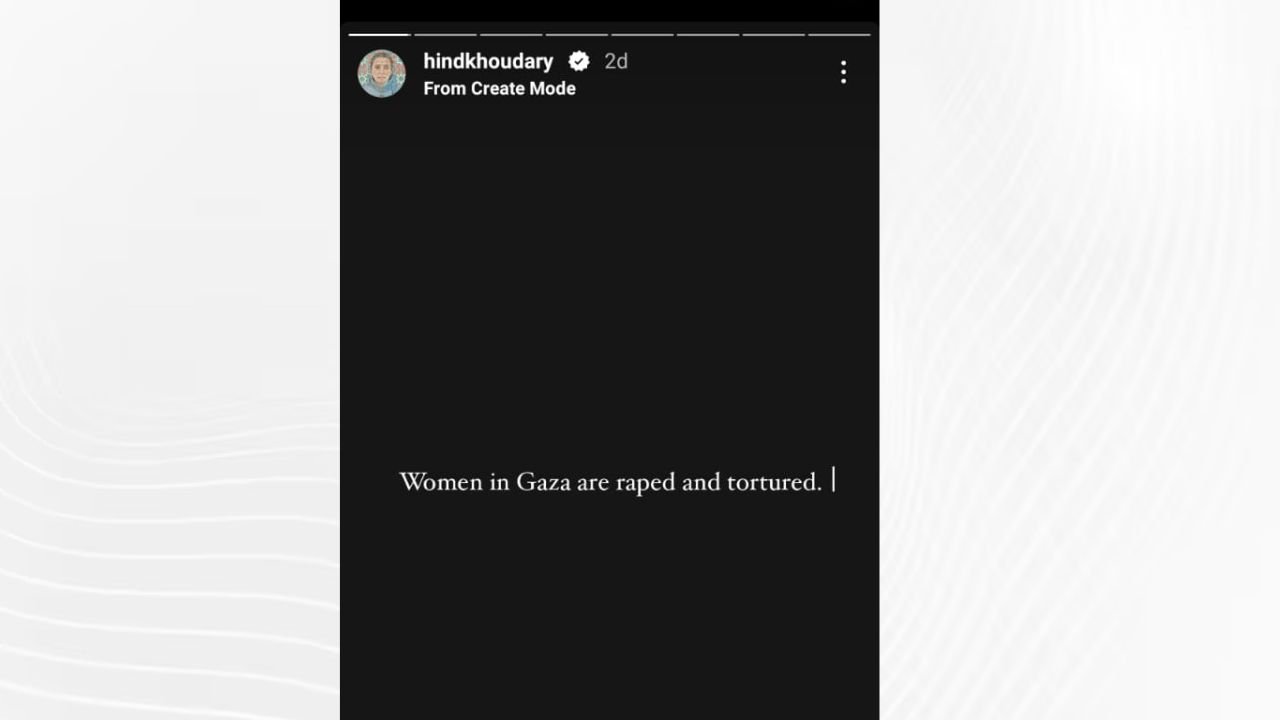
    Another Palestinian journalist Hind Khoudary took to Instagram stories and posted, “Women in Gaza are raped and tortured.”

    Various Palestinian media outlets have also confirmed the claims and presented eye-witness accounts.

    Middle East Eye reported a woman’s eye-witness account by Ms. Jamila al-Hissi as to what is happening inside Al-Sifa hospital. “They raped women, kidnapped women, executed women, and pulled dead bodies from under the rubble to unleash their dogs on them.” She further lamented, “Is there anything more horrifying than hearing women call for help, and when we try to reach them to provide assistance, they shoot at us.”

    Israeli forces have been attacking and laying siege to al-Shifa Hospital since Monday, March 18. The medical complex is the largest in the Gaza Strip, with some 30,000 people seeking refuge there prior to the current raid.

    Journalist Sami Alsultan shared a video testimony of a woman who was forcefully expelled from Al Shifa complex with her children while IDF took her husband, killed her husband’s uncle and grandfather.

    In another video shared by Middle East Eye, a woman named Nisreen was seen sharing how IDF barged into their home, stripped her naked and took all her belongings away.

    Doctor Aliyah Khan spoke to Middle East Monitor and shared testimonies from Canadian physicians serving in Gaza. They reported on a case where a woman was raped for two days until she lost the ability to speak. Another woman was stripped in front of her brother and husband. When they tried to cover her, they were killed by Israeli soldiers.

    Hind Khoudary in collaboration with Palestinian Feminists shared the disturbing surge of women victims of rape and torture in Gaza. It called out the deafening silence of Western feminists and mainstream media over the issue.

  • Women, contraceptives, and the troubled alleys of violence

    Women, contraceptives, and the troubled alleys of violence

    Shazia Khalid*, a 28-year-old housewife, was sitting on a bench in a small park in Lahore, looking at her five playing children when we met. She had a spark in her eyes but visibly looked tired, at least a decade older than her age. Seven years ago, when she got married, she was denied the authority to take a break from giving birth every year except one time which cost her everything.

    Shazia was in the final year of a Bachelor’s program when her family decided to marry her off. It was entirely their decision; she wasn’t even allowed to talk to her fiancé during the two months she was engaged to her future husband, a small general store owner.

    Akmam*, Shazia’s husband, is 42, and has been running the store for the past 20 years as this is his family business. Shazia feels like there is less mental compatibility between the two due to the 14-year age difference between them which also has an impact on family planning, “He keeps saying that he needs more off-spring before he gets older. We had four children in the first four years of our marriage. I wasn’t prepared for it at all. I kept asking him to think about a gap or family planning, but he never listened to me.”

    Teary-eyed, she explained how difficult her pregnancies were. Every time doctors advised her husband to wait for a year or two before the next pregnancy. “During my fourth child’s birth, my body almost collapsed. They had to give me a steroid shot to revive me. I was anemic and there was a lot of blood loss during childbirth. I went in shock and most things after that are blurry for me,” she said.

    After the near-death experience, she decided that she needed to think about her well-being and her children. Thoughts of what would happen if they were left alone in this world haunted her. The spectre of death during her next pregnancy seemed a real possibility. Her husband was still adamant that he needed another child because he had only one son, born after three daughters. Khalid talked to her gynecologist who strictly prohibited her from birthing again, advising her to give two years to her body before getting pregnant again.

    Since her husband wasn’t convinced, she secretly contacted her doctor to learn about contraceptives. After surety of discretion, she opted for an IUD (Intrauterine Contraceptive Device) which impacted her period cycle for two months but then everything was normal.

    Her husband was frustrated within six months that Shazia wasn’t getting pregnant. Her mother-in-law started talking about a second marriage for her son as she wanted more grandchildren. After almost a year, she was forced by the in-laws to visit another doctor of their choice and that’s when the truth was revealed.

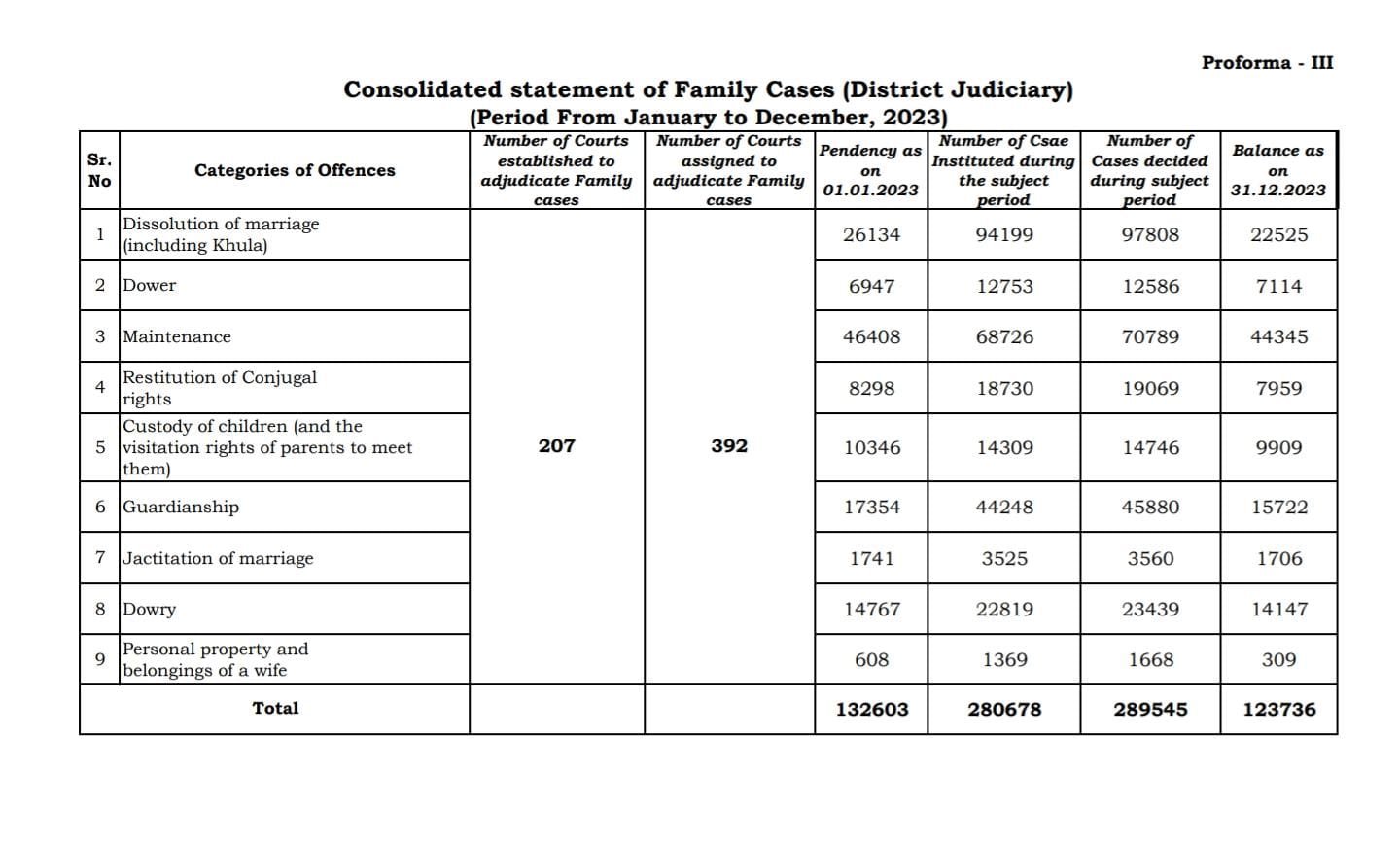
    Shazia was beaten by her husband, the gynecologist who helped her was attacked too, the staff in her clinic was assaulted and Akram didn’t hesitate in breaking things. Distraught and heartbroken, Shazia was sent back to her parents’ home where she received divorce papers soon after. Her kids are still with her husband and like 9909 people, as per data of consolidated statement of Family Cases in Lahore, she is also waiting for a verdict on custody and visitation rights.

    For gynecologist and physician Mehnaz Asim, who runs her practice in a lower socio-economic area of Lahore, these cases are a norm and to my surprise, religion is not the sole reason behind it. “Most of these people want more kids because they want them to be a part of the labor force and earn money from a young age. They don’t worry about their upbringing or education; they see their kids as a source of income.”

    As per the United Nations Population Fund (UNFPA) 2023 data, contraceptive prevalence rate for any method of contraception is only 26 percent among women aged between 15 and 49 while for modern methods it is only 20 percent.

    In a study conducted by the National Library of Medicine, the world’s largest biomedical library and a leader in research in computational health informatics, significant barriers to the adoption of IUDs in Pakistan were identified. These barriers include the reluctance of husbands, societal and cultural taboos, and heightened concerns regarding perceived side effects of IUD usage. Additionally, factors such as illiteracy, poverty, and low socioeconomic status were found to contribute to limited IUD utilization.

    Other important factors contributing to such a low modern contraceptive prevalence rate of 35.4% in Pakistan include the conservative society imposing restrictions on women’s self-determination and self-governance.

    Doctor Mehnaz thinks that it is important for people to know the pros and cons of every contraceptive method and there should be a strict rule implemented by the government regarding at least 2 years gap between children. “We are an overpopulous country with limited resources. Our government needs to implement this rule and penalize people who don’t follow it. This is not only important for the mother but for healthy childbirth too.”

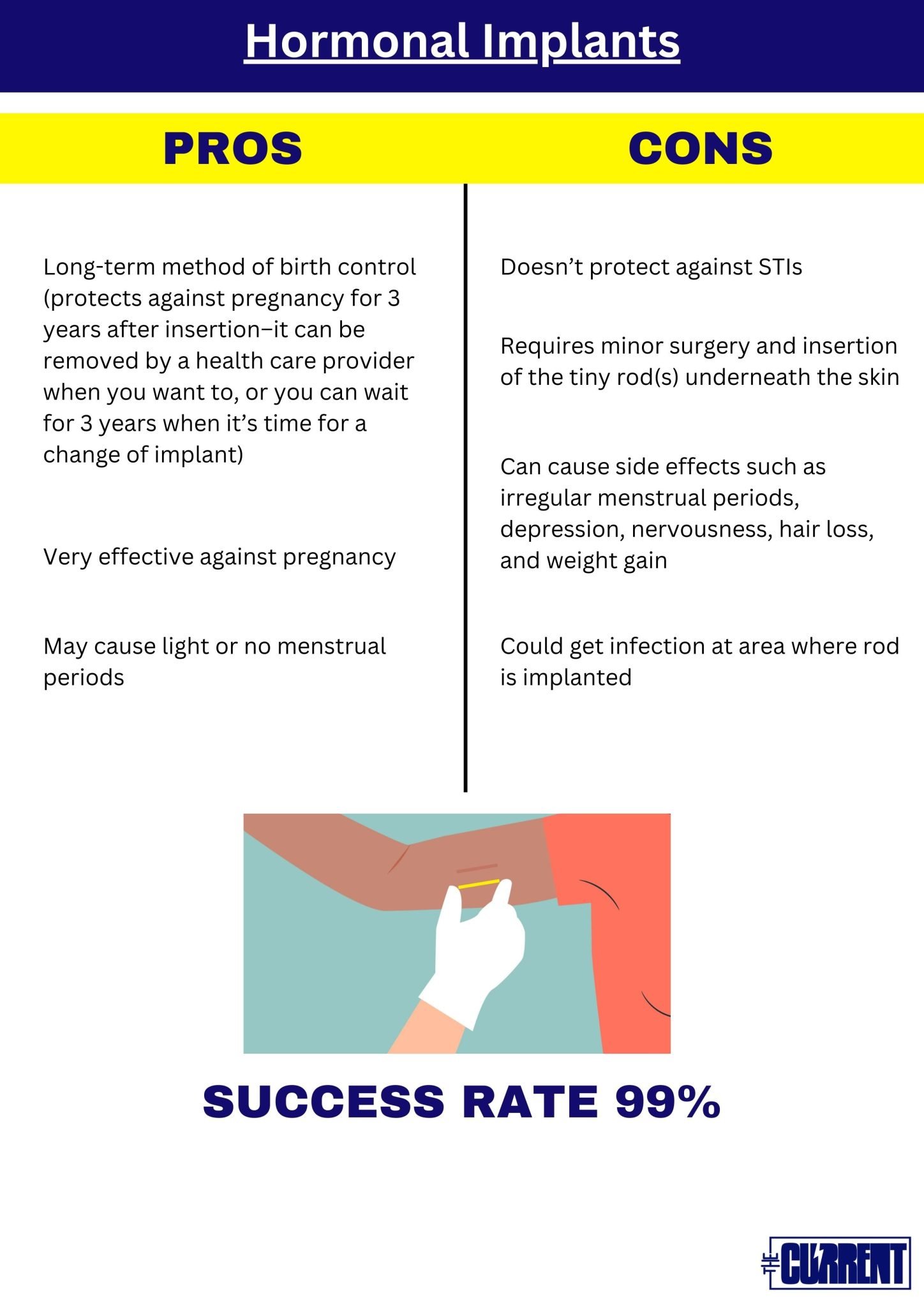
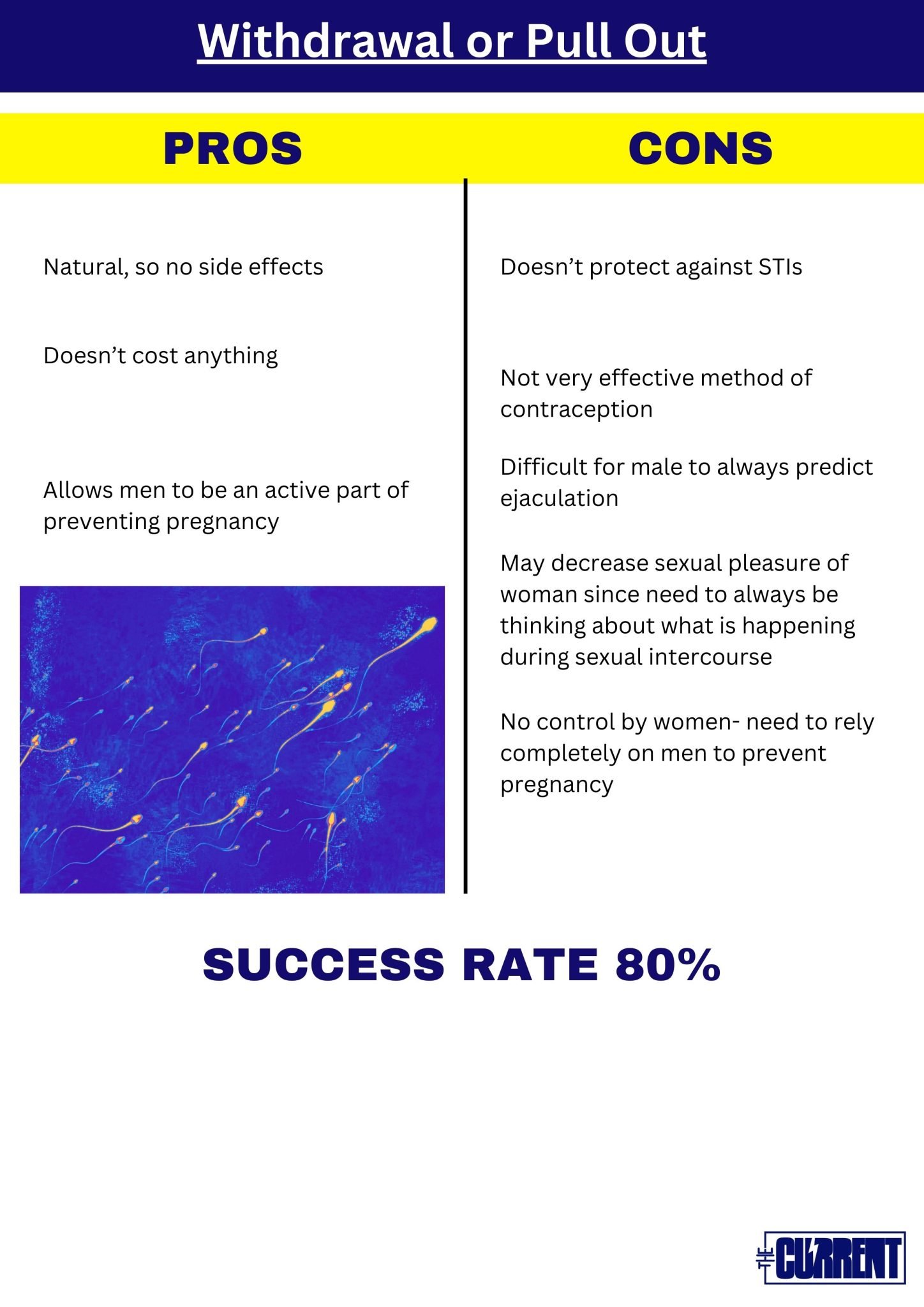
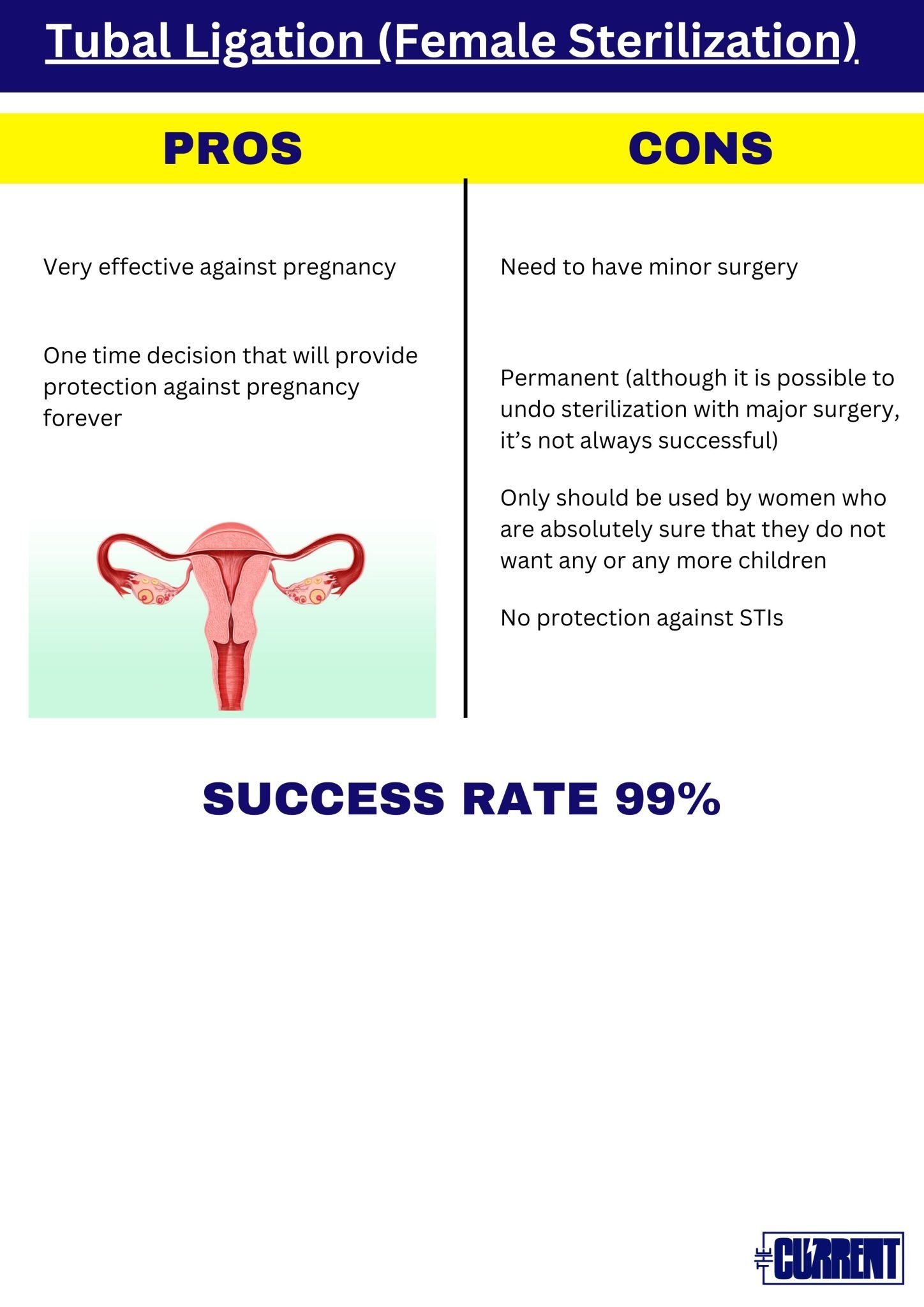
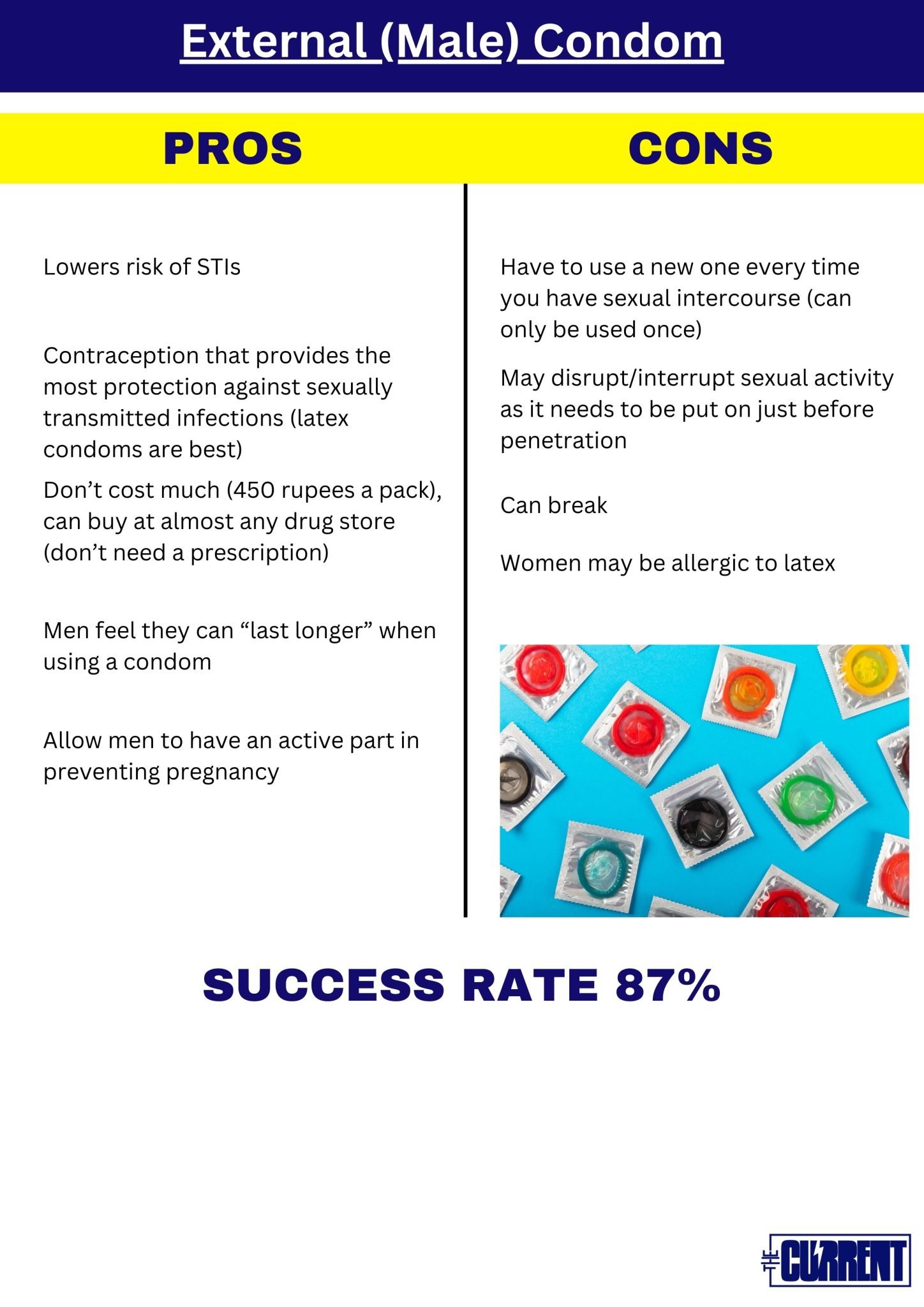
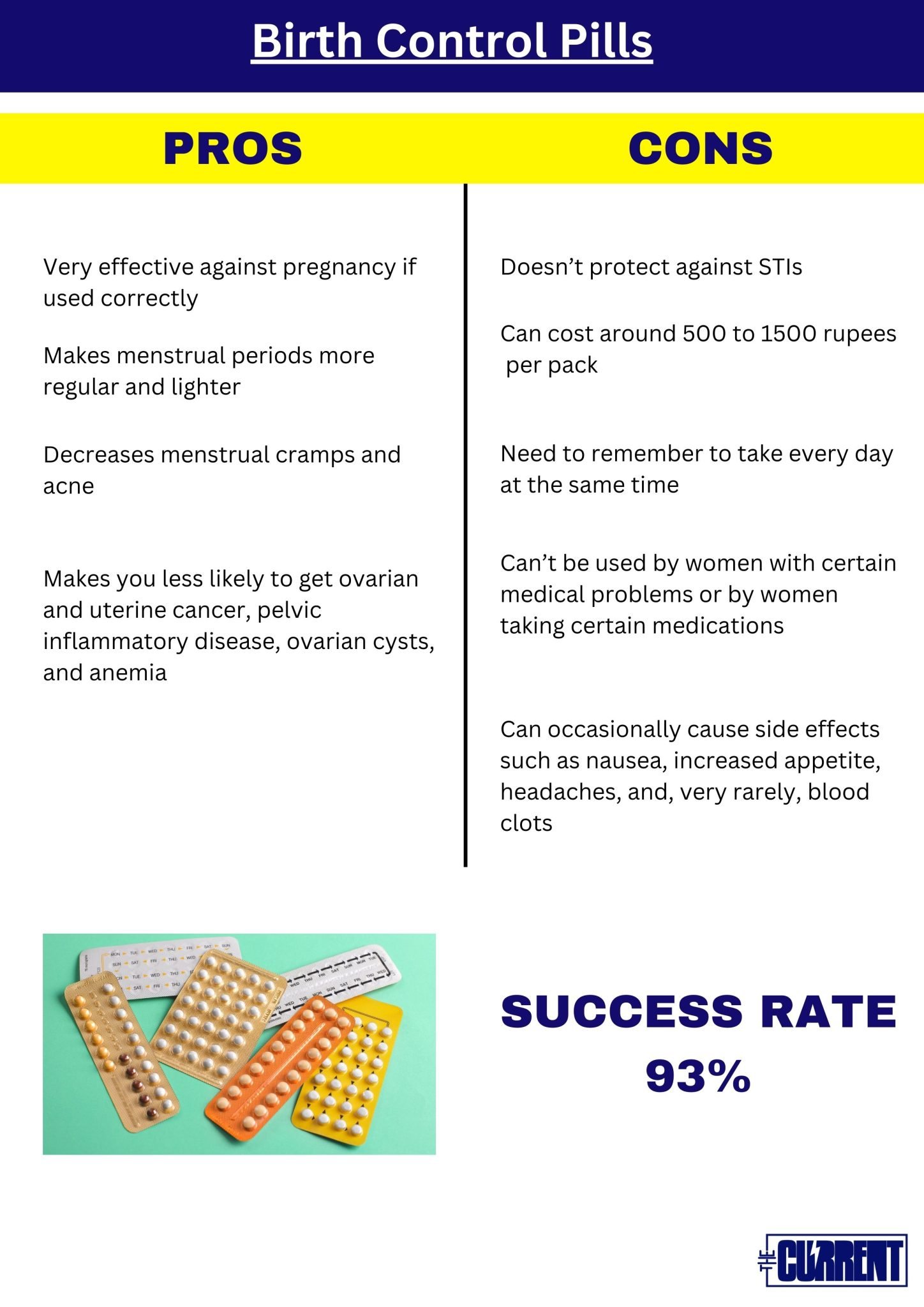
    Pros and Cons of Contraceptive Methods:

    The Center for Young Women’s Health (CYWH), a partnership between the Division of Adolescent/Young Adult Medicine and the Division of Gynecology, at Boston Children’s Hospital, has extensively researched on the pros and cons of different methods of contraception and their success rate.

    *Names have been changed to protect the privacy and confidentiality of the individual involved

  • Saudi model makes debut at Miss Universe 2024

    Saudi model makes debut at Miss Universe 2024

    Saudi Arabia will make its debut in the Miss Universe pageant with Rumy Alqahtani, a well-known figure in beauty pageants and social media. The fashion model announced on her Instagram account that she will represent the Kingdom in the global competition.

    Along with a photo dump, she wrote on Instagram, “I am honoured to participate in the Miss Universe 2024 competition. This is the first participation of Saudi Arabia in the Miss Universe competition.”

    In the pictures, Rumy was wearing a strapless and sequined gown.

    As per a Khaleej Times report, Riyadh resident Alqahtani is quite familiar with being in the public eye as she has participated in several international beauty pageants like Miss Arab Peace, Miss Asia, Miss Middle East, and many more.

    Rumy thanked his followers with another photo-shoot in a fuchsia silk gown.

    In 2023, Miss Universe was won by Sheynnis Palacios from Nicaragua, marking the first time a contestant from the country winning the title.

    The upcoming edition of the competition will take place in Mexico.

  • Pakistan ‘mapping’ resident Afghans before eviction push

    Pakistan ‘mapping’ resident Afghans before eviction push

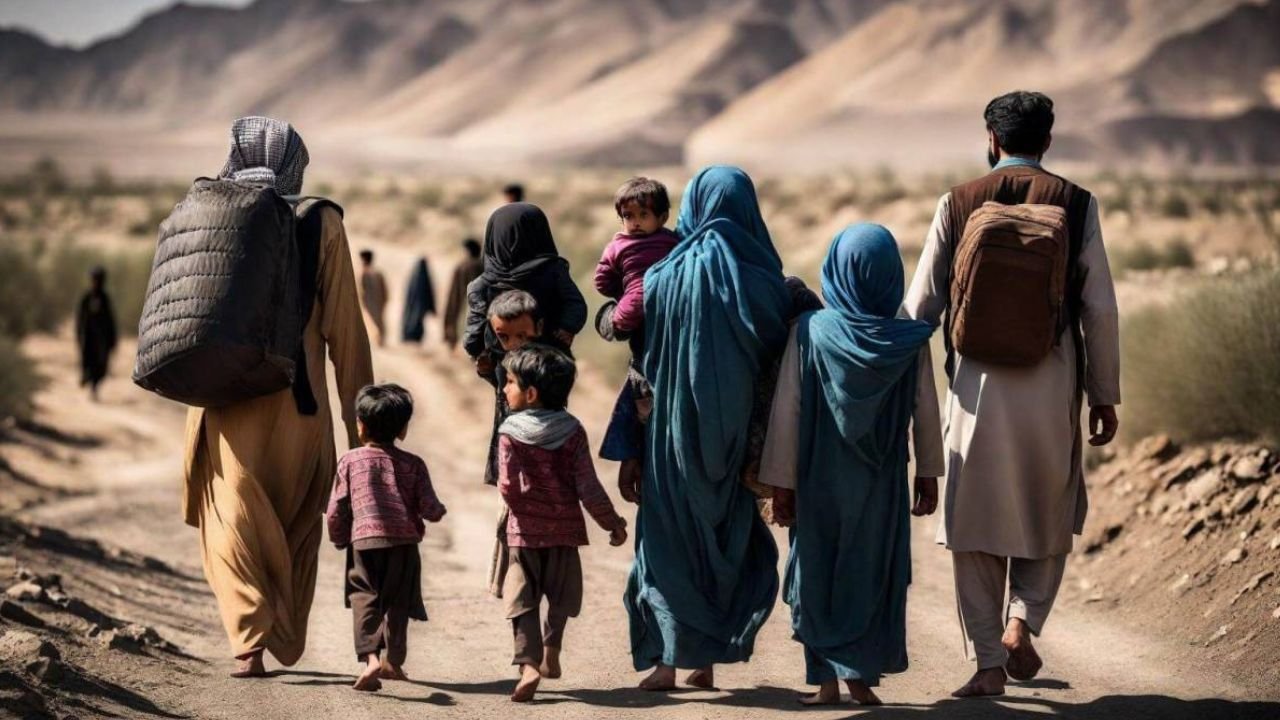
    Pakistan is gathering data on Afghan migrants – including those legally resident in the country – ahead of a renewed eviction push slated to start after Eid, official sources told AFP on Tuesday.

    More than half a million Afghans fled Pakistan last year after the former government ordered undocumented migrants to leave or face arrest, as Islamabad-Kabul relations soured over security.

    Islamabad initially set a November 2023 deadline, however two officials, who asked to remain anonymous, said evictions would resume in the coming weeks.

    “This time, instructions have been given to also collect data and conduct mapping of legally resident Afghan citizens,” said a top government official in Khyber Pakhtunkhwa province, bordering Afghanistan.

    A senior Khyber Pakhtunkhwa police official said whilst “a final decision” has not yet been taken by the government, “police have sprung into action regarding Afghan citizens”.

    “The federal government has directed to not only collect data of legal and illegal Afghan citizens but also to conduct their mapping,” he said.

    Two officials, who asked not to be named, previously told AFP the renewed push to evict migrants will begin after Eid, the holiday marking the end of the Muslim fasting month of Ramazan, set to be celebrated in April’s second week.

    Pakistan’s interior ministry did not respond to a request for comment.

    Islamabad has previously said the massive eviction scheme is justified by security concerns and its faltering economy.

    The Taliban government has consistently denied the allegations.

    Millions of Afghans have poured into Pakistan over the years, fleeing decades of cascading conflict.

    Afghans who left Pakistan last year were only allowed to cross the border with limited belongings and cash, and arrived in the midst of one of the world’s worst humanitarian crises.

    Some had never set foot in Afghanistan before, having been born in Pakistan to Afghan parents.

    An estimated 600,000 arrived since the Taliban government seized power in August 2021 and imposed its stark interpretation of Islamic law.

    Before the first wave of evictions began, Pakistan estimated there were 1.7 million Afghans living illegally in the country.

    The stand-off between Islamabad and Kabul worsened last week when eight civilians were killed in Pakistani air strikes in Afghanistan’s border regions, according to Taliban officials.