Category: Lifestyle

The lifestyle of millennials is underreported in our mainstream media. The Current’s lifestyle news covers social events and issues that are unique.

  • What is ‘preventive chemotherapy’ that Kate Middleton is getting?

    What is ‘preventive chemotherapy’ that Kate Middleton is getting?

    On Friday evening, Princess of Wales, Kate Middleton, shocked the world with a video announcement that she has cancer. As absurd rumors about her having died or being murdered by her husband Prince William, took hold on social media, the future Queen of England broke her silence and made a rare public appearance.

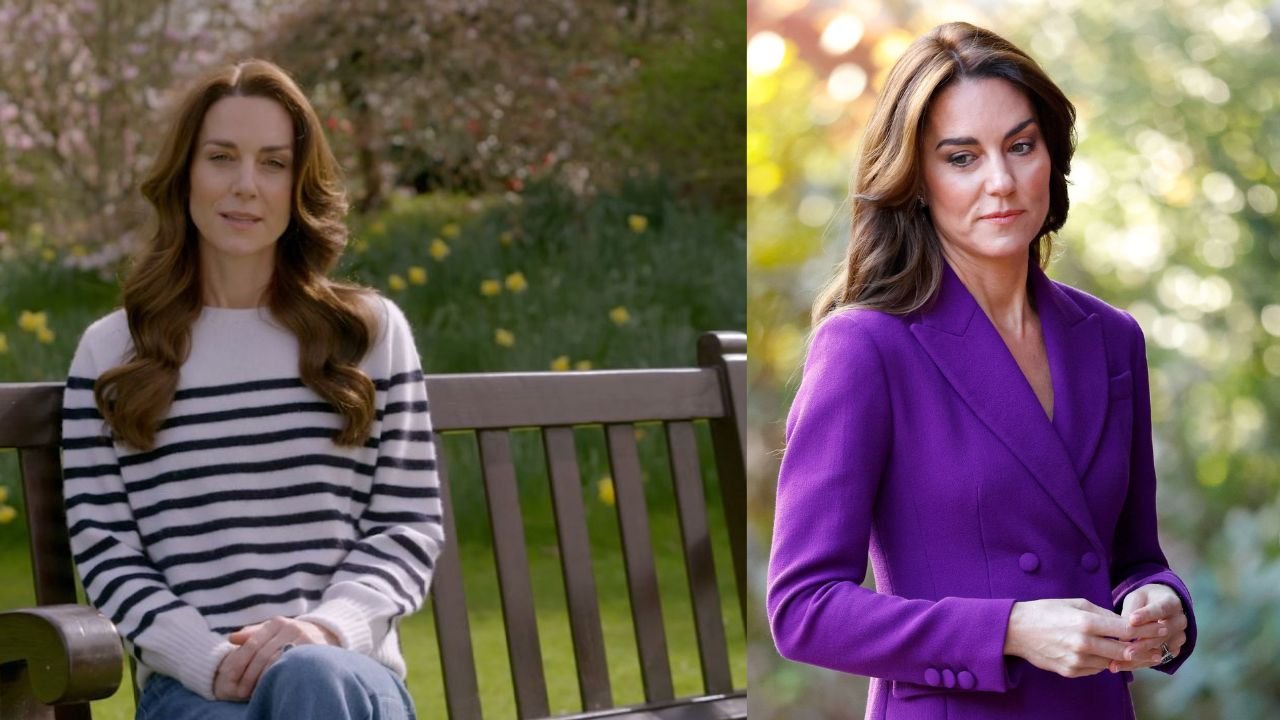
    Sitting on a bench, composed and calm, the Princess said that doctors found cancer after her “successful” abdominal surgery. She said she’s receiving “the early stages” of preventive chemotherapy. She did not offer more details about what type of cancer she has been diagnosed with or what stage her disease is at.

    But there are clues in her message. Let’s look at exactly what is ‘preventive chemotherapy’.

    Preventive chemotherapy, or chemoprevention, is the use of a medicine or a supplement to prevent cancer from developing in high-risk patients.

    The chemo in this instance can be used in a healthy person to stop cancer from developing, in a person who has pre-cancerous or stage 0 cancer to stop the cells from becoming malignant, or in a person who already has one form of cancer to stop another cancer from developing.

    Chemoprevention is primarily used in three types of cancer: breast, prostate (in men) and colon. However, it is also used, albeit less often, in lung, skin and neck cancers.

    Preventive chemotherapy is mostly delivered via IV tube or pills, usually in outpatient procedures. The patient does not need to be admitted to hospital.

    We hope that Princess Kate is able to beat her disease quickly and easily. Here’s wishing her and her family the best of luck on their journey.

  • Princess Kate announces that she has cancer

    Princess Kate announces that she has cancer

    In a shocking turn of events, Catherine, Princess of Wales, revealed on Friday, via a video message, that she has been diagnosed with cancer and is in the “early stages” of treatment.

    The announcement was described by the princess as a “huge shock”. It has been two months after she had stepped away from public life, following what Kensington Palace stated at the time was surgery for an abdominal condition.

    “In January, I underwent major abdominal surgery in London and at the time, it was thought that my condition was non-cancerous,” she said, laying to rest all rumours about her disappearance from public life.

    Apparently, the surgery was successful. However, tests after the operation found cancer was present. “My medical team therefore advised that I should undergo a course of preventative chemotherapy and I am now in the early stages of that treatment.”

    Kate explained that her diagnosis was “a huge shock” and that “William and I have been doing everything we can to process and manage this privately for the sake of our young family.”

    The princess added, “As you can imagine, this has taken time. It has taken me time to recover from major surgery in order to start my treatment. But, most importantly, it has taken us time to explain everything to George, Charlotte and Louis in a way that is appropriate for them, and to reassure them that I am going to be ok.”

    Kate said that she had told them she is “well and getting stronger every day by focusing on the things that will help me heal; in my mind, body and spirits.”

    She praised her husband, Prince William for being by her side as “a great source of comfort and reassurance” as well as the support she has received from the public.

    “We hope that you will understand that, as a family, we now need some time, space and privacy while I complete my treatment. My work has always brought me a deep sense of joy and I look forward to being back when I am able, but for now I must focus on making a full recovery,” she said.

    She ended her heartfelt message by saying that she was also keeping “all those whose lives have been affected by cancer” in her thoughts.

    “For everyone facing this disease, in whatever form, please do not lose faith or hope. You are not alone,” Kate concluded.

    Recently, King Charles has also been diagnosed for cancer and is also in chemotherapy.

  • Temperature to rise in Sindh; drop in Punjab, Khyber Pakhtunkhwa

    Temperature to rise in Sindh; drop in Punjab, Khyber Pakhtunkhwa

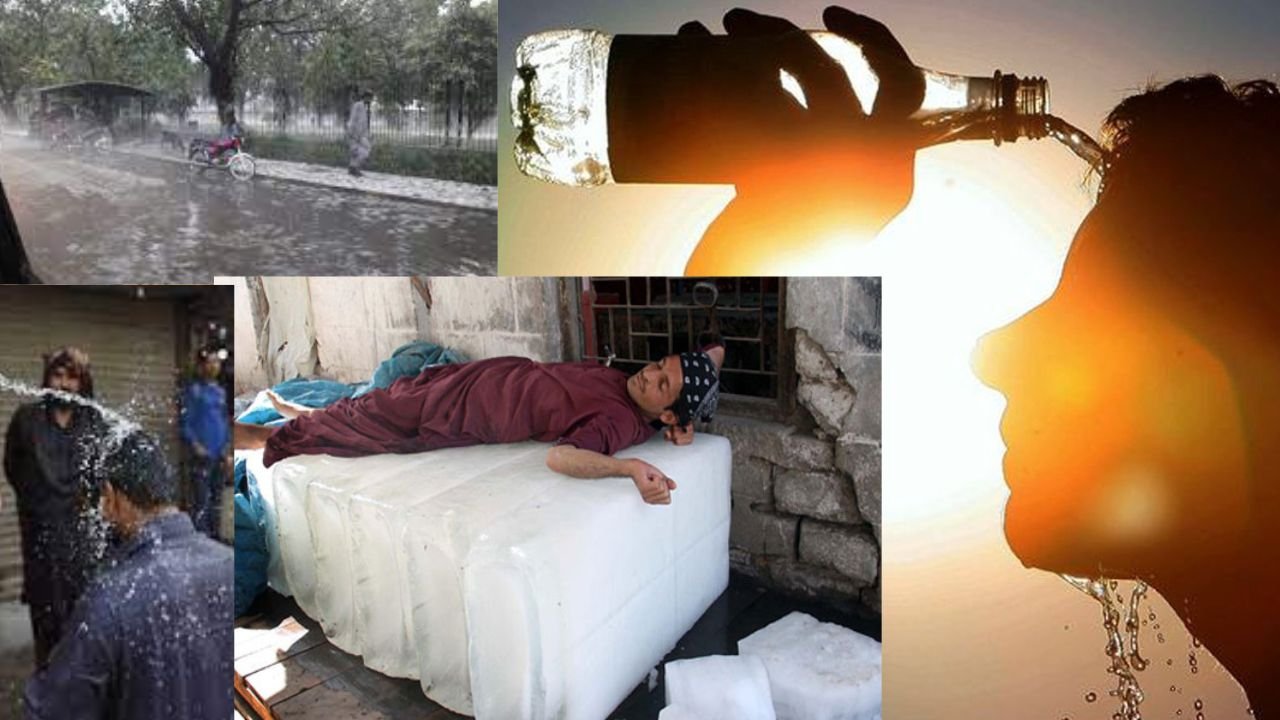
    The Department of Meteorology has indicated the possibility of an increase in hot temperatures in Sindh and Balochistan while hailstorms are expected in some parts of Punjab, reports Geo News.

    There is a possibility of a gradual increase in temperature during the day in the southern districts of Sindh and Balochistan, as per the Meteorological Department.

    However, in Karachi, there is a chance of clear weather in the upcoming weekend. The minimum temperature recorded was 24.4 degree celsius in the last 24 hours.

    The minimum temperature is expected to be 21 to 23 degrees Celsius and the maximum temperature is expected to be 33 to 35 degrees during the next 24 hours. Humidity is 76 percent while winds are blowing at a speed of 15 km per hour.

    Simultaneously, heavy rain was reported in Muzaffarabad city and its surroundings and snowfall on the mountains made the weather beautiful.

    The Meteorological Department says that there is a possibility of rain in various cities of Punjab, including Khushab, Jhelum Murree, Guliyat, Rawalpindi, Chakwal, Gujarat, Sialkot and Hafizabad. Meanwhile, there is a possibility of hailstorm in a few places.

    In Khyber Pakhtunkhwa, Chitral, Dir, Swat, Kohistan, Shangla, Buner, Malakand, Abbottabad, Mansehra and Haripur will experience thunder and lightning along with the rain.

    Light snowfall is expected in the mountains.

  • What is El Nino effect and how is it impacting global sea levels?

    What is El Nino effect and how is it impacting global sea levels?

    Global average sea levels rose by about 0.3 inches (one-third of an inch) from 2022 to 2023 — nearly four times the increase of the previous year — Nasa said on Thursday, attributing the “significant jump” to a strong El Nino and a warming climate.

    The Nasa-led analysis is based on more than 30 years of satellite observations, with the initial satellite launching in 1992 and the latest in 2020.

    Overall, sea levels have risen by around four inches since 1993. The rate of increase has also accelerated, more than doubling from 0.07 inches per year in 1993, to the current rate of 0.17 inches per year.

    “Current rates of acceleration mean that we are on track to add another 20 centimetres (eight inches) of global mean sea level by 2050,” said Nadya Vinogradova Shiffer, director for the Nasa sea level change team and the ocean physics programme in Washington.

    That would be double the amount of change in the next three decades compared to the previous century, she said, creating a future where flooding is far more frequent and catastrophic than today.

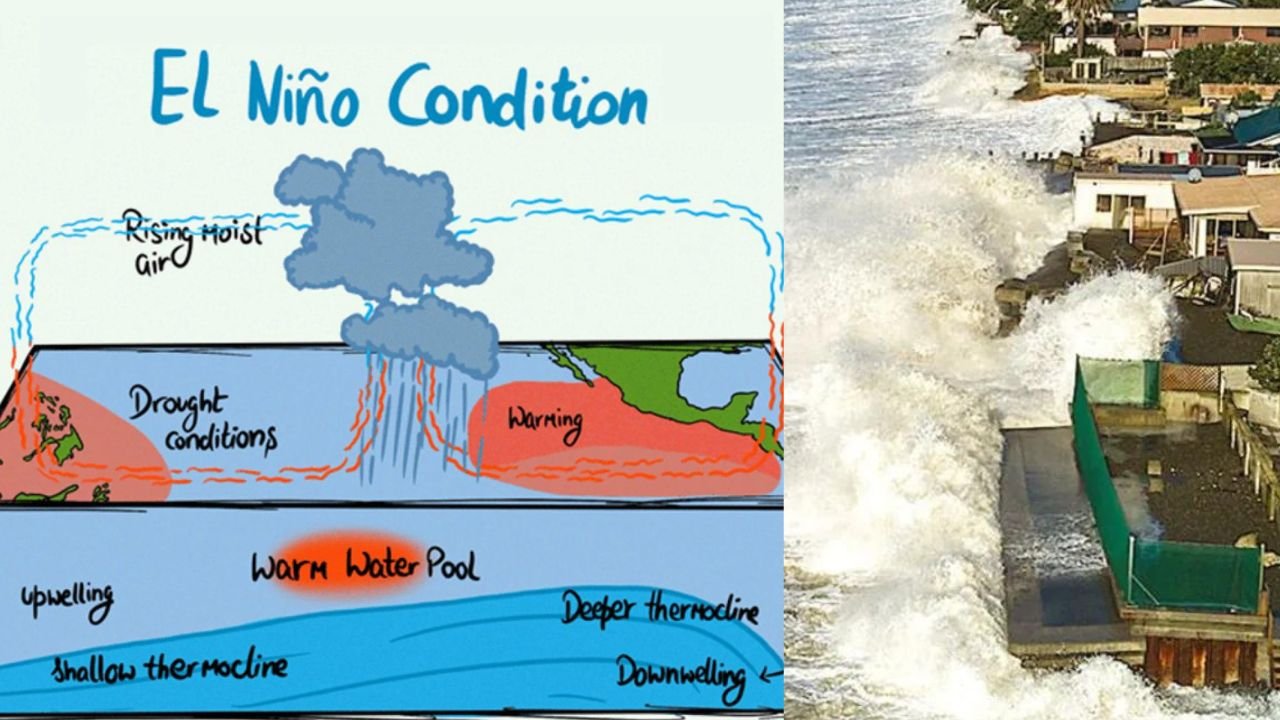
    The immediate cause of the spike is the El Nino weather effect, which replaced the La Nina from 2021 to 2022, when the sea level rose around 0.08 inches.

    El Nino involves warmer-than-average ocean temperatures in the equatorial Pacific.

    The term El Niño (Spanish for ‘the Christ Child’) refers to a warming of the ocean surface, or above-average sea surface temperatures, in the central and eastern tropical Pacific Ocean. The low-level surface winds, which normally blow from east to west along the equator (“easterly winds”), instead weaken or, in some cases, start blowing the other direction (from west to east or “westerly winds”). El Niño recurs irregularly, from two years to a decade, and no two events are exactly alike. El Niño events can disrupt normal weather patterns globally, asserts US Geological Survey.

  • Heavy snow leads to food shortage in Chitral

    Heavy snow leads to food shortage in Chitral

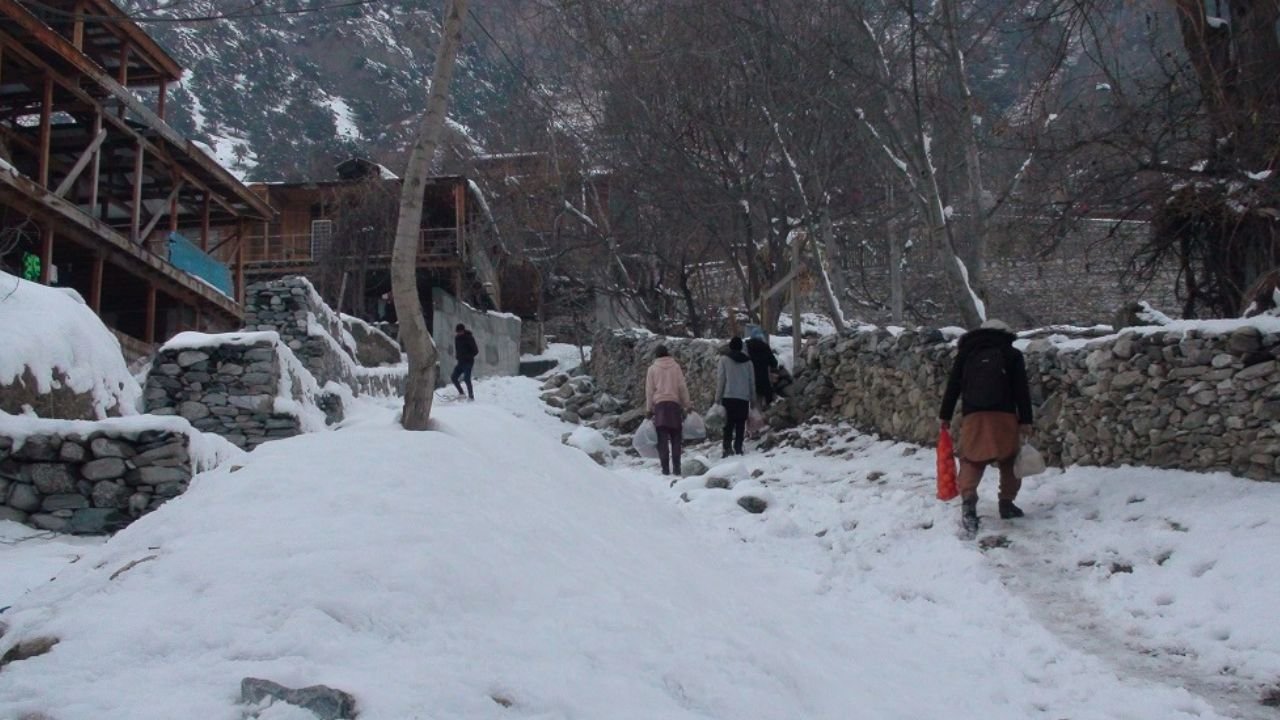
    Climate change is hitting home with heavy snow halting normal life, creating food insecurity in districts of upper and lower Chitral. The situation is dire, as MNA Abdul Akbar Chitrali has asserted that “It may result in a human tragedy”.

    The closure of roads to more than a dozen valleys in Chitral for the last three weeks has been creating countless issues for people.

    The most affected areas are the sub-valleys of Madaklasht, Susoom, Karimabad, and Gobor in Lower Chitral and Broghil, Yarkhoon, Upper Terich, Khot, Rech, Melp and Rech in Upper Chitral, says the report by Dawn. One has to wade through the snow for more than eight hours to reach there.

    The residents of the affected areas have said that food items and lifesaving drugs are running out while patients are taken on shoulder by villagers towards the road.

    Some minor work has been done by the government in the city but the roads leading to the sub-valleys are still unclear, leaving it up to the local people to do it on self-help basis.

    The former village nazim of Broghil, Amin Jan Tajik, said that there was a famine-like situation for people and their cattle after the valley received more than four feet snow while one had to walk for two days to reach Brep village to get a vehicle.

    He recalled that the last time the valley received such a heavy snowfall was in 1974, prompting the then government of Zulfiqar Ali Bhutto to airdrop ration for people as well as forage for their cattle, which formed their only source of sustenance.

    Mr Tajik said that to reopen the road by clearing snow and removing boulders and debris was beyond the capacity of locals as heavy machinery was required for the purpose.

    Former MNA Maulana Abdul Akbar Chitrali while talking to Dawn said that closure of roads gave birth to all kinds of issues and it was a pity that both federal and provincial governments neglected the ordeals of people.

    Talking to journalists here on Wednesday, he said that restoration of power supply to the affected villages would not be possible without reopening of roads. “More than three-fourth villages of Chitral have been without electricity after the heavy snowfall,” he added.

    He said that during the month of Ramazan, shortage of food was deplorable.

  • Global fertility rate to keep plummeting, major study warns

    Global fertility rate to keep plummeting, major study warns

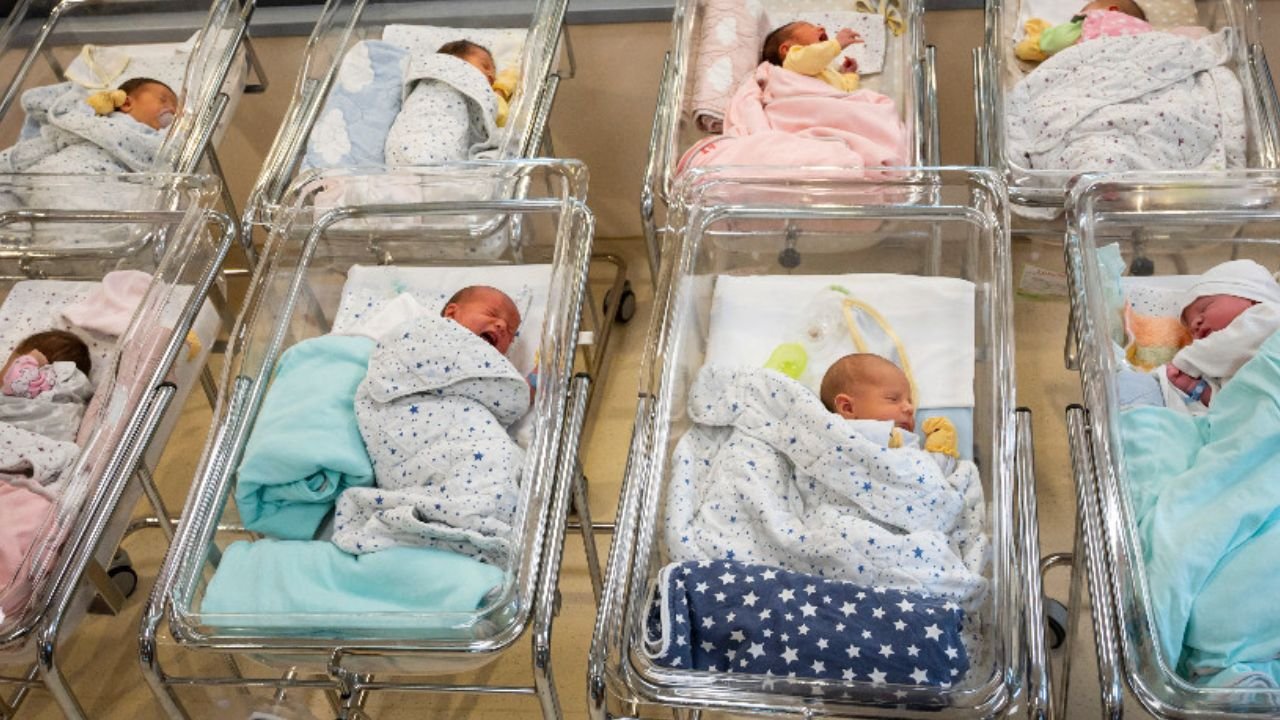
    Paris (AFP) – The population of almost every country will be shrinking by the end of the century, a major study said Wednesday, warning that baby booms in developing nations and busts in rich ones will drive massive social change.

    The fertility rate in half of all nations is already too low to maintain their population size, an international team of hundreds of researchers reported in The Lancet.

    Using a huge amount of global data on births, deaths and what drives fertility, the researchers tried to forecast the future for the world’s population.

    By 2050, the population of three quarters of all countries will be shrinking, according to the study by the US-based Institute For Health Metrics and Evaluation (IHME).

    At the end of the century, that will be true for 97 percent — or 198 out of 204 countries and territories, the researchers projected.

    Only Samoa, Somalia, Tonga, Niger, Chad and Tajikistan are expected to have fertility rates exceeding the replacement level of 2.1 births per female in 2100, the study estimated.

    During this century, fertility rates will continue to increase in developing countries, particularly those in sub-Saharan Africa, even as they tumble in wealthier, ageing nations.

    “The world will be simultaneously tackling a ‘baby boom’ in some countries and a ‘baby bust’ in others,” senior study author Stein Emil Vollset of the IHME said in a statement.

    ‘Implications are immense’

    “We are facing staggering social change through the 21st century,” he said in a statement.

    IHME researcher Natalia Bhattacharjee said the “implications are immense”.

    “These future trends in fertility rates and live births will completely reconfigure the global economy and the international balance of power and will necessitate reorganising societies,” she said.

    “Once nearly every country’s population is shrinking, reliance on open immigration will become necessary to sustain economic growth.”

    However World Health Organization experts urged caution for the projections.

    They pointed out several limitations of the models, particularly a lack of data from many developing nations.

    Communication about the figures “should not be sensationalised, but nuanced, balancing between gloom and optimism,” the WHO experts wrote in The Lancet.

    They also pointed out that there can be benefits of having a smaller population, such as for the environment and food security. But there are disadvantages for labour supply, social security and “nationalistic geopolitics”.

    Teresa Castro Martin, a researcher at the Spanish National Research Council not involved in the study, also emphasised that these are just projections.

    She pointed out that the Lancet study predicts the global fertility rate will fall below replacement levels around 2030, “whereas the UN predicts this to occur around 2050”.

    The study was an update of the IHME’s Global Burden of Disease study. The organisation, set up at the University of Washington by the Bill and Melinda Gates Foundation, has become a global reference for health statistics.

  • ‘Dr. Baloch’ and ‘Pinky Group’ involved in drug smuggling in Karachi’s educational institutes

    ‘Dr. Baloch’ and ‘Pinky Group’ involved in drug smuggling in Karachi’s educational institutes

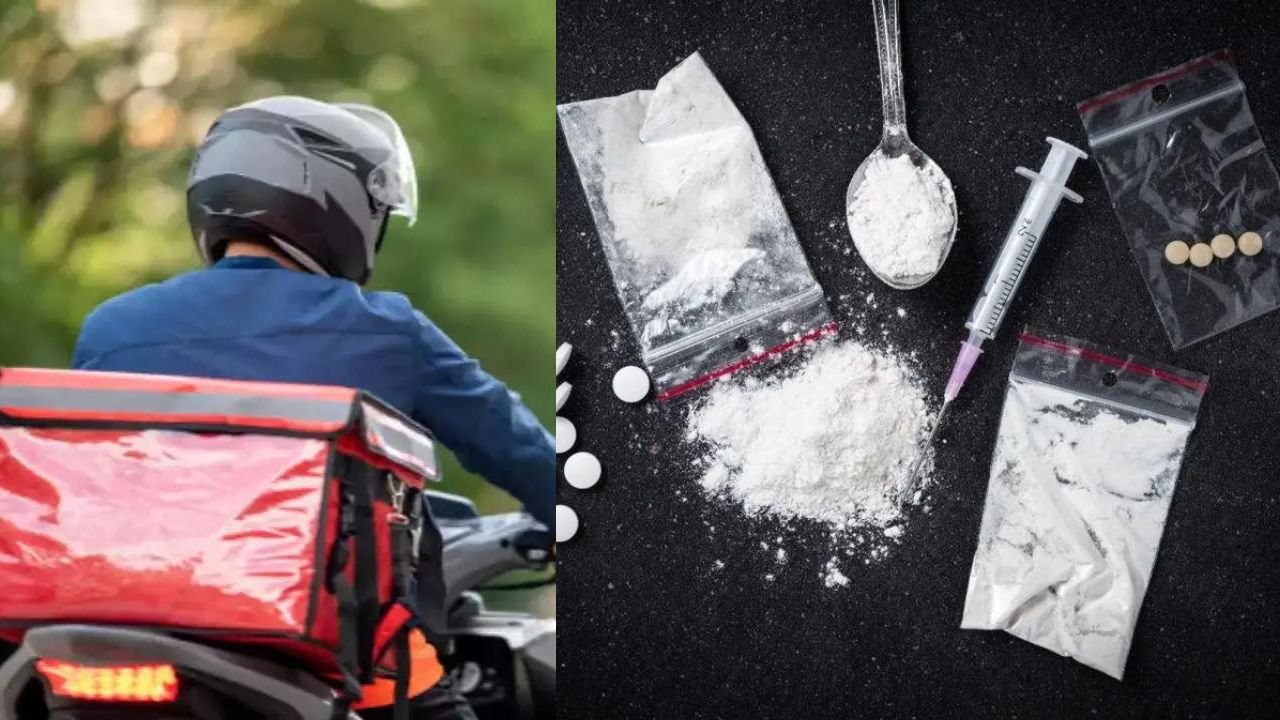
    An organized underground network of drug supply including women drug dealers has been operating in educational institutions of Karachi.

    Samaa’s Ahmer Rehman Khan has reported that drug orders are received from social media groups while the narcotics are delivered in packaging of pizza and burgers via delivery services.

    Earlier the drugs were supplied only in remote areas and slums but with time, smugglers spread their network to the educational institutions of Karachi.

    The reports reveal that cocaine and ice addiction have increased among the students of Karachi. Students who have completed their education at the university on condition of anonymity made surprising revelations about the delivery of drugs in the schools.

    These organized drug smuggling networks are run by ‘Dr. Baloch’ and ‘Pinky group’ in educational institutions of Karachi.

    Dr. Baloch Group is being operational from Nushki Balochistan while Pinky Group is run by a woman called ‘Anmol’ also known as Pinky — hailing from Rahim Yar Khan (RYK).

    How much does it cost?

    Cocaine costs Rs15,000 to Rs17,000 per gram while ice is fetching Rs2500 to Rs3500 per gram. A token of Rs5000 for hashish and Rs300 rupees for heroin is being given.

    Karachi Police is aware of the network and claims to have arrested over 25 suppliers of drugs in educational institutions. But still, the network of drug dealers could not be broken.

    Police officers said that they alone could not stop the use of drugs in educational institutions and urged teachers and parents also need to actively monitor their children.

  • Karachi woman takes loud hens to court

    Karachi woman takes loud hens to court

    A hearing was held in the Sindh High Court (SHC) on a petition against keeping chickens in homes filed by a Karachiite woman named Samira, reports Geo.

    SHC has sought responses from relevant institutions including the Cantonment Board on the petition against rearing chickens in residential urban areas.
    Chief Justice Aqeel Abbasi inquired whether the relevant institutions have received complaints about the hens.

    Samira said that the Cantonment Board is not doing anything whereas hens are not allowed according to their own rules. The petitioner said that the hens create noise that reaches the whole area.

    The Chief Justice remarked that chickens indeed are very mischievous and make a lot of noise.

    The court asserted that in earlier times, naughty boys used to slaughter chickens and eat them up but what can be done now to get these chickens.

    The next hearing is scheduled to be held on April 23.

  • Cleric involved in Icchra Bazar incident gets pre-arrest bail

    Cleric involved in Icchra Bazar incident gets pre-arrest bail

    An anti-terrorism court (ATC) granted pre-arrest bail to Maulana Aleemuddin Shakir on Tuesday — a cleric involved in the Icchra Bazar incident when a woman was harassed for wearing a shirt with Arabic alphabets printed on it.

    Accompanied by his lawyer, the cleric appeared before the court, promising to cooperate with the police investigation to demonstrate his innocence. However, he raised concerns about the possibility of his arrest by the police.

    The lawyer highlighted that the petitioner was among those who shielded the woman from the hostile crowd and noted the police’s acknowledgment of his role in the incident.

    Requesting pre-arrest bail, the lawyer stated that the petitioner was prepared to provide surety bonds.

    Judge Arshad Javed granted bail to the petitioner, holding back the police from arresting him until March 25.

    Background:

    A woman wearing a dress with Arabic writing printed on it was attacked by a violent mob in February, last month. Videos of the incident quickly spread online, showing the mob surrounding her while she was at a restaurant in Lahore’s Ichhra Market.

    Some people there accused her of having Quranic verses printed on her dress, which they found offensive. They were angry because of the Arabic writing on her dress, not knowing what it really meant. The dress actually has the word ‘sweet’ written on it.

  • 12 killed in Pakistan mine collapse: Officials

    12 killed in Pakistan mine collapse: Officials

    The bodies of ten more miners were pulled from a collapsed coal pit in southern Pakistan on Wednesday, officials said, bringing the death toll to 12 after the rescue bid ended.

    A gas explosion rocked the private coal pit in the mining region of Khost, about 80 kilometres (50 miles) east of Quetta, on Tuesday evening, trapping the miners hundreds of feet below ground.

    “The rescue effort has concluded with the recovery of all 12 dead bodies,” Abdul Ghani Baloch, chief inspector of mines for Balochistan province, told AFP.

    “Two bodies were recovered during the night, with the remaining 10 retrieved early in the morning.”

    Abdullah Shahwani, Balochistan’s director general of mining, also confirmed the death toll, while Prime Minister Shehbaz Sharif issued a statement expressing “profound sorrow and grief over the loss of precious lives”.