Category: Lifestyle

The lifestyle of millennials is underreported in our mainstream media. The Current’s lifestyle news covers social events and issues that are unique.

  • Planet ‘on the brink’ with new heat records likely in 2024: UN

    Planet ‘on the brink’ with new heat records likely in 2024: UN

    Global temperatures “smashed” heat records last year, as heatwaves stalked oceans and glaciers suffered record ice loss, the United Nations said Tuesday — warning 2024 was likely to be even hotter.

    The annual State of the Climate report by the UN weather and climate agency confirmed preliminary data showing 2023 was by far the hottest year ever recorded.

    And last year capped off “the warmest 10-year period on record”, the World Meteorological Organization said, with even hotter temperatures expected.

    “There is a high probability that 2024 will again break the record of 2023”, WMO climate monitoring chief Omar Baddour told reporters.

    Reacting to the report, UN chief Antonio Guterres said it showed “a planet on the brink”.

    “Earth’s issuing a distress call,” he said in a video message, pointing out that “fossil fuel pollution is sending climate chaos off the charts”, and warning that “changes are speeding up”.

    The WMO said that last year the average near-surface temperature was 1.45 degrees Celsius above pre-industrial levels — dangerously close to the critical 1.5-degree threshold that countries agreed to avoid passing in the 2015 Paris climate accords.

    “I am now sounding the red alert about the state of the climate,” Saulo told reporters, lamenting that “2023 set new records for every single climate indicator”.

    The organisation said many of the records were “smashed” and that the numbers “gave ominous new significance to the phrase ‘off the charts’.”

    “What we witnessed in 2023, especially with the unprecedented ocean warmth, glacier retreat and Antarctic sea ice loss, is cause for particular concern,” Saulo said.

    One especially worrying finding was that marine heatwaves gripped nearly a third of the global ocean on an average day last year.

    And by the end of 2023, more than 90 percent of the ocean had experienced heatwave conditions at some point during the year, the WMO said.

  • Another earthquake jolts Balochistan

    Another earthquake jolts Balochistan

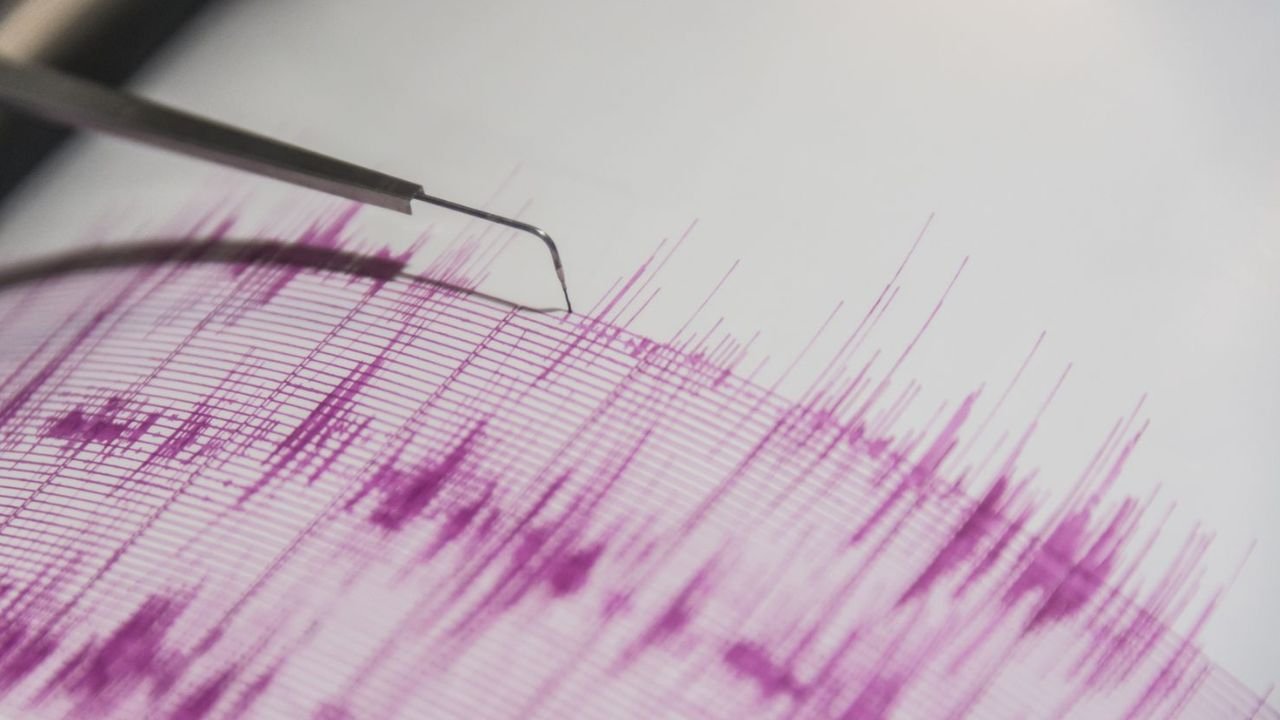
    Earthquake tremors once again jolted different regions in Balochistan, including Quetta, early this morning.

    The earthquake was also detected at the Pak-Iran border areas including Chaman, Qila Abdullah, Nushki, Pashin and Dalbandin.

    According to the Seismological Center, the magnitude of the earthquake was recorded at 5.6, and the epicentre was 166 kilometres southwest of Quetta.

    The depth of the earthquake was recorded at 30 kilometres.

    No loss of life or property was reported.

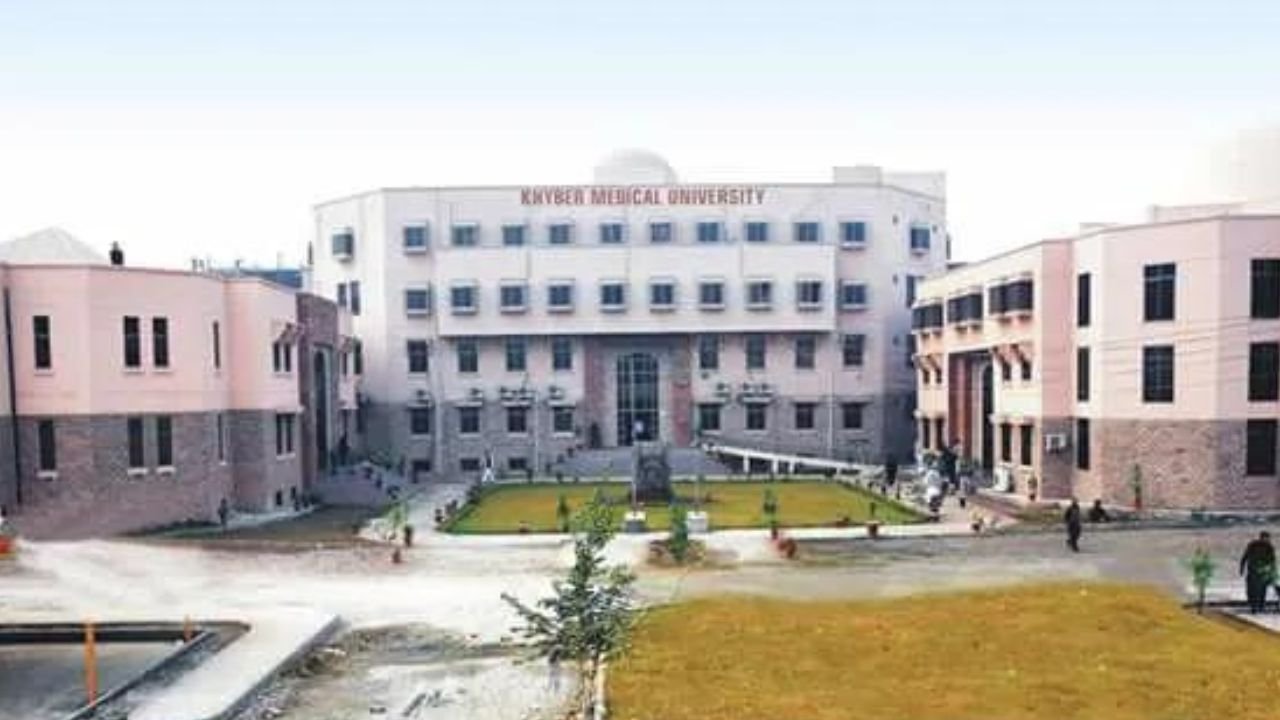
  • Khyber Medical University prohibits ‘intimate relationship’ between faculty, students to counter sexual harassment on campus

    Khyber Medical University prohibits ‘intimate relationship’ between faculty, students to counter sexual harassment on campus

    Khyber Medical University (KMU) has officially prohibited ‘intimate relationship’ between members of staff and students in accordance with the Higher Education Commission to put an end to harassment on campuses.

    Dr Brekhna Jamil, the chairperson of KMU’s harassment inquiry committee, issued the notification, stating that severe penalties will be implemented if the policy is violated along with a possible oral or written “reprimand, dismissal, suspension, expulsion, disciplinary probation, imposition of fine, withholding of degree, cancellation of professional licence, inclusion of decision in personal file and other related sanctions as deemed appropriate,” reports Dawn.

    “These relationships pose conflicts of interest, compromise professional judgment, and risk the credibility of the institution. The individuals involved in such relationships should declare it,” the notification read — titled ‘Prohibition of intimate or romantic relationships between faculty members, staff and students as per HEC’s policy on protection against sexual harassment in higher education institutions 2020,’ .

  • Fatima Bhutto becomes mother to baby boy

    Fatima Bhutto becomes mother to baby boy

    Fatima Bhutto, author and the granddaughter of former prime minister Zulfikar Ali Bhutto, announced the birth of her baby boy on Saturday. She has named her son Mir Murtaza Byra, after her father Mir Murtaza Bhutto.

    The writer shared the good news via her account on X and wrote, “Graham and I are so happy to share the news of the birth of our baby boy.”

    The internationally acclaimed writer also shared an elaborate social media post, revealing the name she picked for her son and explaining her reasons behind the choice.

    “We wanted to give our son a name that would bestow him with courage and kindness as he makes his way through the world. I wanted a name that would act as an inspiration to him in his life but also one that would cloak him in love and strength, a name that he could wear with the knowledge that it was given to him from deep within his mother’s heart and soul to protect him throughout his life, to give him in equal measure both grace and fearlessness, a sense of his homeland and of joy,” she wrote.

    Sharing her feelings regarding the naming her child, Fatima stated: “Every time I thought of what name might do that, I always came back to my beloved father’s name.”

    She also asked her fans and followers to pray for her family during this happy time.

  • Nadir Ali saved my life, reveals Sher Afzal Marwat

    Nadir Ali saved my life, reveals Sher Afzal Marwat

    Sher Afzal Marwat, the popular Pakistani politician and Pakistan Tehreek e Insaaf (PTI) lawyer has revealed that Nadir Ali saved his life through his pranks.

    In a YouTube show ‘Metatainment’ Sher Afzal Marwat discussed the difficult times he had faced in his life.

    “At a time in my life when I was a victim of problems, I used to think that strangers were harassing me. I was under mental stress. This was a period of one and a half or almost two years when I was in a lot of trouble. This was the time when there were peace issues in our area. My father was murdered, I was directly under attack, there was a lot of conflict in our tribe. There were many problems too.”

    Detailing his mental struggles, Marwat said, “I used to wonder why this life is so difficult. Many strange thoughts used to come into my mind, but Allah gave me courage.”

    Talking about Nadir Ali, he said, “These pranks, especially Nadir Ali who is a Pakistan famous prankster, I used to watch his pranks daily and I think his pranks saved my life. I used to watch his single video 10, 50 even 100 times.”

    “I am a big fan of his. I went to Karachi but didn’t get a chance to meet him or interact with him. If I am a fan of one person in my life, it is Nadir Ali.”

    Nadir Ali is a Pakistani famous prankster on YouTube who has four million subscribers.

  • Minor improvement in human development ranking for Pakistan: Report

    Minor improvement in human development ranking for Pakistan: Report

    Pakistan has been ranked 161st out of 191 countries on the UN Human Development Index, scoring 0.544 points. This marks a slight improvement from 2023, when Pakistan was ranked 164th with 0.540 points, three places below its 2022 ranking.

    The report also highlights that Pakistan’s HDI rank remained steady at 161st globally from 2019 to 2021. The index comprises health, education, and income indicators, each ranging from 0 to 1.

    In South Asia, Sri Lanka leads at 73rd place with 0.782 points, followed by Bangladesh at 129th with 0.661 points, and India at 132nd with 0.633 points. Nepal ranks 143rd, while Afghanistan trails at 180th with 0.478 points, although it’s slightly above the bottom 10.

    Globally, South Sudan ranks last at 191st with 0.385 points, while Switzerland tops the list at 0.962 points, followed by Norway at 0.961 points.

    The report observes that while global development has returned to pre-pandemic levels, a growing gap between rich and poor countries persists. This rebound follows two years of decline, primarily due to the COVID-19 crisis which reversed five years of progress.

    Despite overall positive trends, inequality persists, with the poorest nations falling behind, exacerbating global polarisation.

    “The result is a dangerous gridlock that must be urgently tackled through collective action,” the United Nations warned in a post on social media.

    The report also recognizes that “rich countries experienced unprecedented development, yet half of the world’s poorest nations continue to languish.”

    The United Nations’ Human Development Index (HDI) combines economic and non-economic factors to measure a country’s prosperity, including life expectancy, educational attainment, and gross national income per capita.

    The report underscores a reversal in the trend of reducing inequalities between wealthy and poor nations, emphasising the need for collective action to address shared challenges and ensure people’s aspirations are met.

    Additionally, the report identifies a “democracy paradox,” wherein support for democracy coexists with endorsement of leaders who may sabotage democratic principles, increasing political polarisation and inward-looking policy approaches.

  • Optimism among Pakistanis increases by 10 per cent

    Optimism among Pakistanis increases by 10 per cent

    The number of people in Pakistan expecting financial conditions to improve in the country has increased by 10 per cent compared to the previous quarter.

    A survey conducted by Ipsos Pakistan’s Consumer Confidence Survey – a global market research and public opinion specialist – laid out the latest figures.

    The survey revealed that 35 per cent of Pakistanis expressed hope for improvement in their own financial conditions in the future as the financial conditions in the country improve.

    On the other hand, 35 per cent of Pakistanis are disappointed and believe that the financial conditions will become weaker.

    The rate of Pakistanis expressing disappointment has reportedly increased by two per cent i.e. 43 per cent.

    Pakistanis also expressed concern regarding the overall economic situation of the country. This ratio, however, remains at the same level as of November 2023.

    On the other hand, 88 per cent believe that the country is heading towards a wrong direction, while 60 per cent of Pakistanis said the current state of the country’s economy is weak.

    The percentage of Pakistanis who expect the country’s economy to improve in the future has decreased by six per cent i.e. to 27 per cent.

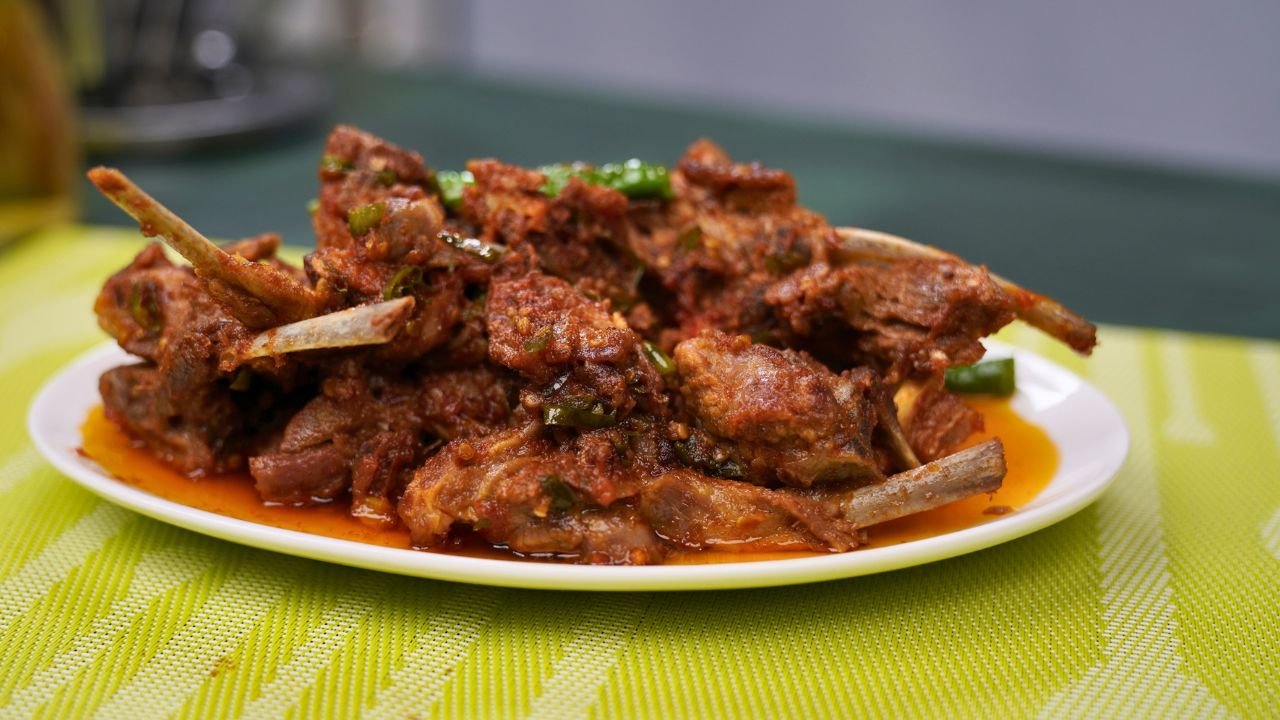
  • Move over chicken; mutton is Pakistan’s favourite meat

    Move over chicken; mutton is Pakistan’s favourite meat

    In a recent survey conducted by Gallup & Gilani Pakistan, people across the country were asked about their favorite type of meat.
    The survey revealed the following preferences:
    • 41 percent of respondents chose goat meat as their favorite.
    • 25 percent favored beef.
    • 23 percent preferred chicken.
    • 11 percent either didn’t know or didn’t answer.

    Gallup & Gilani Pakistan conducted the survey to gather information about people’s food preferences. Understanding what people like helps businesses and policymakers make decisions.

    We agree that nothing beats a good mutton karahi. Or a good mutton pulao. Or a good mutton haandi. Or paai.

    As you can tell, The Current too is a mutton fan.

  • PIA instructs pilots and cabin crew not to fast while flying

    PIA instructs pilots and cabin crew not to fast while flying

    A new advisory issued by Pakistan International Airlines (PIA) has instructed pilots and the cabin crew to not observe fast in the month of Ramzan during flights, reports The Express Tribune.

    The directive issued by the manager of the flight safety department at PIA outlined guidelines regarding fasting during the flights.

    It said that fasting can potentially decrease alertness and impair decision-making abilities, which could lead to serious consequences in the emergencies. It also said that even though it is technically feasible, this may reduce the margin of safety, as per corporate safety management and the aircrew medical center’s advice.

    The official circular emphasised that although fasting is a highly important practice in Islam, it disrupts the normal routine and can lead to dehydration, a drop in glucose level, and other physiological changes.

    The directive clearly instructed all fasting cockpit and cabin crew members to abstain from operating flights, highlighting that self-exemptions cannot be claimed even under state law. It emphasised compliance with rules and regulations to ensure the safety of passengers and crew.