Category: Lifestyle

The lifestyle of millennials is underreported in our mainstream media. The Current’s lifestyle news covers social events and issues that are unique.

  • Unveiling the issues for women around ‘Mardana Kamzoori’

    Unveiling the issues for women around ‘Mardana Kamzoori’

    Fraeeha never had an issue with her blood pressure in her 27 years of life, but things changed after she got married. She has been married for a year and it was her parent’s choice with whom she’ll spend the rest of her life.

    She always visited a homeopathic doctor for any medical issues before her marriage and continued to do so till the physician told her to get her husband tested for infertility issue. Her husband got tested in June 2023 and that’s when everything changed for her.

    Faizan’s sperm count was low, so the doctor recommended they take medicines. Even before a month passed, her periods got delayed. “I took the test, it was negative. There was nothing in the ultrasound, but the doctor still gave me medicines for growth,” she said while lamenting how this made her hypertensive and she never recovered from it. She was taken to the emergency room in a nearby hospital as her blood pressure was high. She fainted once she reached there.

    As much as medical science has advanced, there is still a lot to be researched and taken into consideration regarding women’s bodies and the impact of different medications on them. Her husband ordered her not to tell anyone about his fertility issues and Fareeha was the one who took the brunt of its impact. She and her brother got married in the same month. When the other couple got pregnant within a month, everyone started asking her why she wasn’t pregnant yet.

    Male infertility is characterized by a man’s inability to initiate a pregnancy with his female partner. Various factors can contribute to male infertility, such as insufficient sperm production or the presence of unhealthy sperm. Genetic issues, like cystic fibrosis, or a blockage in the genital tract, may also be underlying causes.

    Certain predisposing factors, such as a history of genital infections, testicular injuries, or experiencing early or late puberty, may increase the likelihood of male infertility.

    Treatment strategies are tailored to address the specific cause of infertility. Options may include artificial insemination, the use of medications, or surgical interventions, depending on the identified factors contributing to the fertility challenges.

    Doctor Zarina Ashraf, a gynecologist by profession, recommends that a couple should wait for two years at least before starting medicines in case there is no issue of fertility in one of them. But this case was different. Fareeha and Faizan’s case was not something she hadn’t dealt with before but she still felt upset when she got to know that Faizan was not taking the medicines properly.

    Fareeha said, “I sometimes have to treat him like a child. I must convince him to take medicines. He sometimes needs extra pampering to keep taking the pills. It is exhausting but I keep my spirits high.”

    She is still among the ‘lucky ones’ whose spouse got tested and believes in treatment. Alina was not that lucky. She was married to Salman for nine years and she terms them a ‘nightmare’.

    “Salman used to beat me up, he told me multiple times that I am a useless woman since I can’t bear a child. All my tests were normal while he never agreed to get tested as he believed that fertility can never be a problem for men,” she stated in a shaking voice with tears in her eyes.

    Unlike Fareeha, who only got the chance to get an education till the intermediate level, Aleena got a master’s degree before getting married. She succeeded in her career but gave in to family pressure on marriage and still regrets it.

    “I have forgotten the number of medicines I’ve taken. Doctors always said that there was no issue with me, but my husband forced them to give me medicines. He used to beat me black and blue if I ever missed a pill and, in the end, all I am left with is hypertension, irregular periods, body fat, trauma, and a divorce,” she said.

    Aleena’s husband remarried and due to the wealthy background and influence of the girl’s family, he eventually got tested and doctors declared that he was infertile. The girl took Khula and left him, but this hasn’t given Aleena any closure. She is just relieved that the world eventually got to know the truth but the marks on her body and mental trauma are still there for her to deal with.

    “I have been practicing for more than 20 years and I have barely seen men who are easily convinced to get tested let alone seek treatment in case of infertility,” explains Zarina. She further added that societal pressure is also usually on women and men easily get away with it. She has now set a rule that in case of infertility treatment, the couple must sit together in her office and get counseling. Zarina believes that this has helped in changing the dynamics a bit but there is still a long way to go.

    Doctor Mehboob ur Rehman Asif runs a hospital in Lahore and often sees men with fertility issues. “They usually go for Hakims first instead of a professional doctor. Along with fertility issues we also see patients who have erectile dysfunction (ED), but they come to us after they have tried things like salajeet or other herbs,” he said.

    He further stated that a lot of such men usually know inherently that the fault lies in them but barely acknowledge it in from of their wives. Her life partner, Doctor Rabia Nisa, who is also a gynecologist by profession, makes sure to recommend such patients to her in case the husband refuses to get tested or seek treatment.

    The couple has been treating and counseling such cases for years but Rabia still thinks that in the end women are impacted more in such situations. “We see mothers-in-law and other family members verbally or even sometimes physically abusing the woman for not being pregnant. When we initially tell the patient that their husband needs to get tested, the first reaction is a no and that is primarily out of fear,” she said.

    Asif also agrees that such behavior exists adding that sometimes the husbands get aggressive too. “In most of the cases, their immediate reaction is anger or denial. Even if they know before their marriage that they have ED or any other issue, men rarely admit immediately that they have an issue. Mostly it is their ego and sometimes shame which become a reason behind this behavior,” he adds.

    Male Infertility in Pakistan

    According to a study conducted by the Pakistan Journal of Public Health, approximately 21% of couples in Pakistan face infertility issues. Furthermore, the same study found that male factors contributed to infertility in 37% of cases, female factors in 51%, and both male and female factors in 12% of cases.

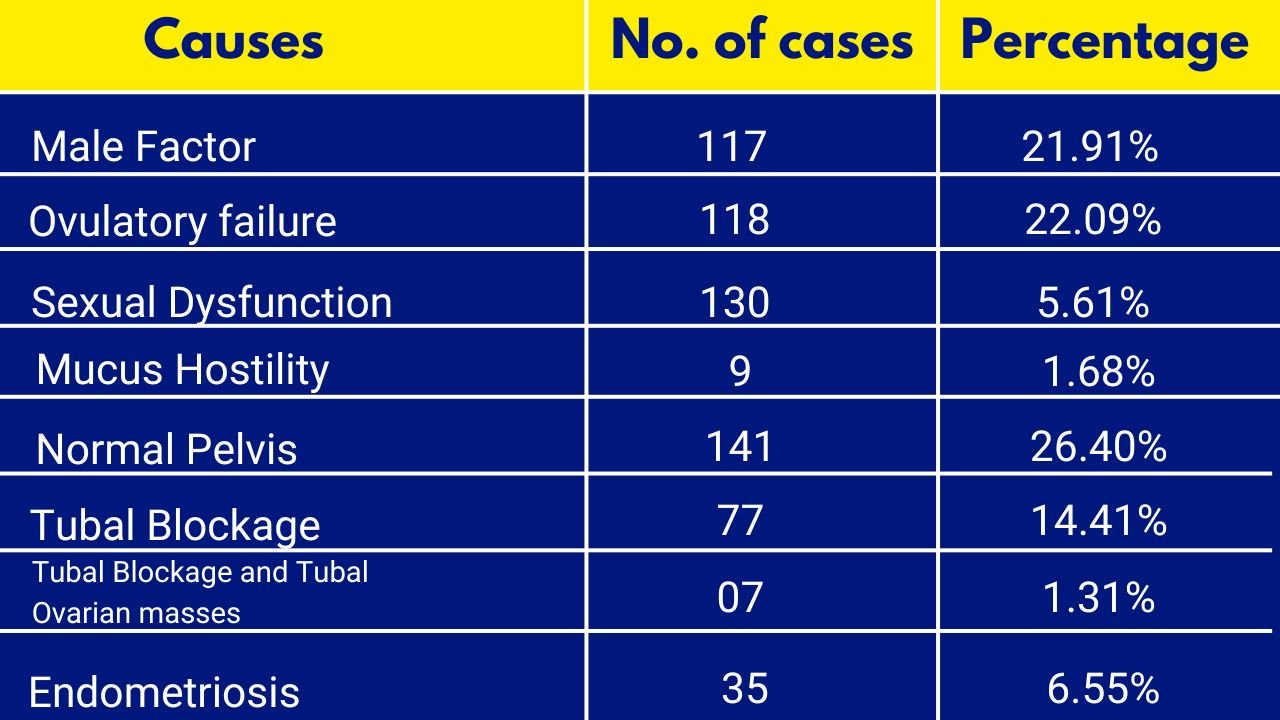
    According to a study, “Prevalence of Infertility in a Cross Section of Pakistani Population” by Riffat Shaheen, Fazli Subhan, Sikandar Sultan, Khaula Subhan, and Faheem Tahir from the Department of Obstetrics and Gynaecology, Federal Government Services Hospital, Islamabad, Pakistan (RS), and Department of Reproductive Physiology/Health, Public Health Laboratories Division, National Institute of Health, Islamabad, Pakistan, during the three years of their research out of 534 women presented for inability to conceive, indicating frequency of infertility in this population as 7%.

    A standard protocol of investigations revealed several causes for fertility deprivation.

    In the examined study, conducted at a public sector tertiary care hospital in the capital, it was observed that, over a three-year period, only 534 patients sought consultation with a history of infertility.

    This pattern reflects the prevailing socio-cultural dynamics in Pakistan, where individuals with financial means typically opt for private medical practitioners, leaving public facilities mainly utilized by the economically middle and lower classes.

    Despite being a significant portion of the Pakistani population, this demographic lacks awareness regarding available health facilities for investigating and treating infertility.
    The study states, that to address this issue, there is a need to raise awareness among this segment of the population, leveraging the network of lady health workers. By facilitating referrals to major hospitals equipped with units for managing infertility cases, couples can undergo investigation and receive necessary treatment or counseling.

    The data generated from these interactions could contribute to a consolidated national database by integrating it into the existing Health Management Information System (HMIS). This integration would enable the government to estimate the prevalence of both primary and secondary infertility cases, facilitating the development of targeted strategies for the welfare of individuals affected by infertility.

    How is male infertility diagnosed?

    Diagnosing male infertility involves a comprehensive approach by your healthcare provider.

    The process typically includes a review of your health history and a physical examination. Various tests are conducted, such as:

    1. Sperm Count (Semen Analysis): Your provider will collect at least two semen samples on different days to assess several factors. This includes the volume and uniformity of the semen, its acidity, as well as the quantity, motility, and morphology (shape) of the sperm.
    2. Blood Tests: Hormone levels are evaluated through blood tests to identify any abnormalities and rule out other potential issues contributing to infertility.
    3. Other Tests: Additional tests are performed to pinpoint the cause of sperm defects or reproductive system health problems. Imaging tests, like ultrasound, may be employed to examine the testicles, blood vessels, and structures within the scrotum.
    4. Testicular Biopsy: If the semen analysis indicates a low sperm count or absence of sperm, your healthcare provider may conduct a testicular biopsy. This involves the removal of a small tissue sample from each testicle, which is then examined under a microscope to determine the root cause of the fertility issues.

    Asif recommends that mandatory sex education in the early years of a child and constant sensitization among the public can change things. “The government needs to take a lead on this. Our society needs to stop shaming men for infertility and till the time men don’t stop making it an ego issue, this is not going to get better. We, as a society, need to be more accepting and at the same time be kinder and more empathetic towards women,” he adds.
  • ‘Getting teary-eyed upon mention of my mother is my trauma response’, Bilawal opens up about mental health

    ‘Getting teary-eyed upon mention of my mother is my trauma response’, Bilawal opens up about mental health

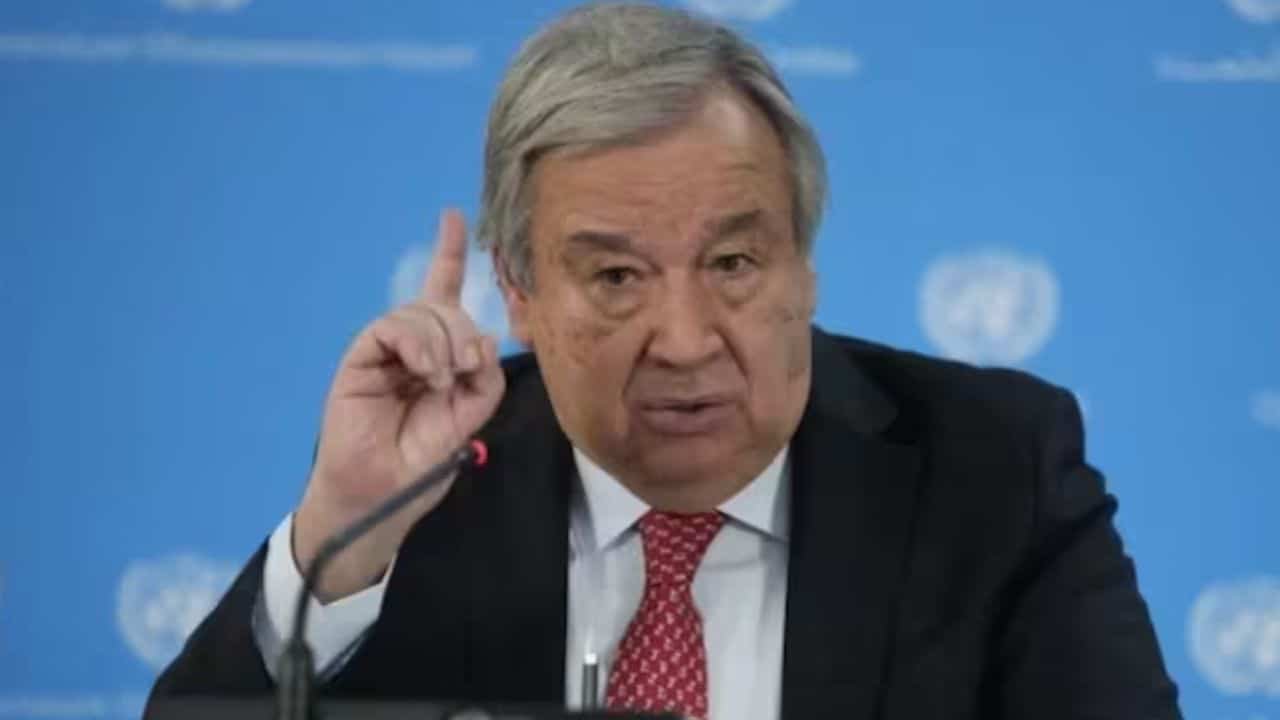
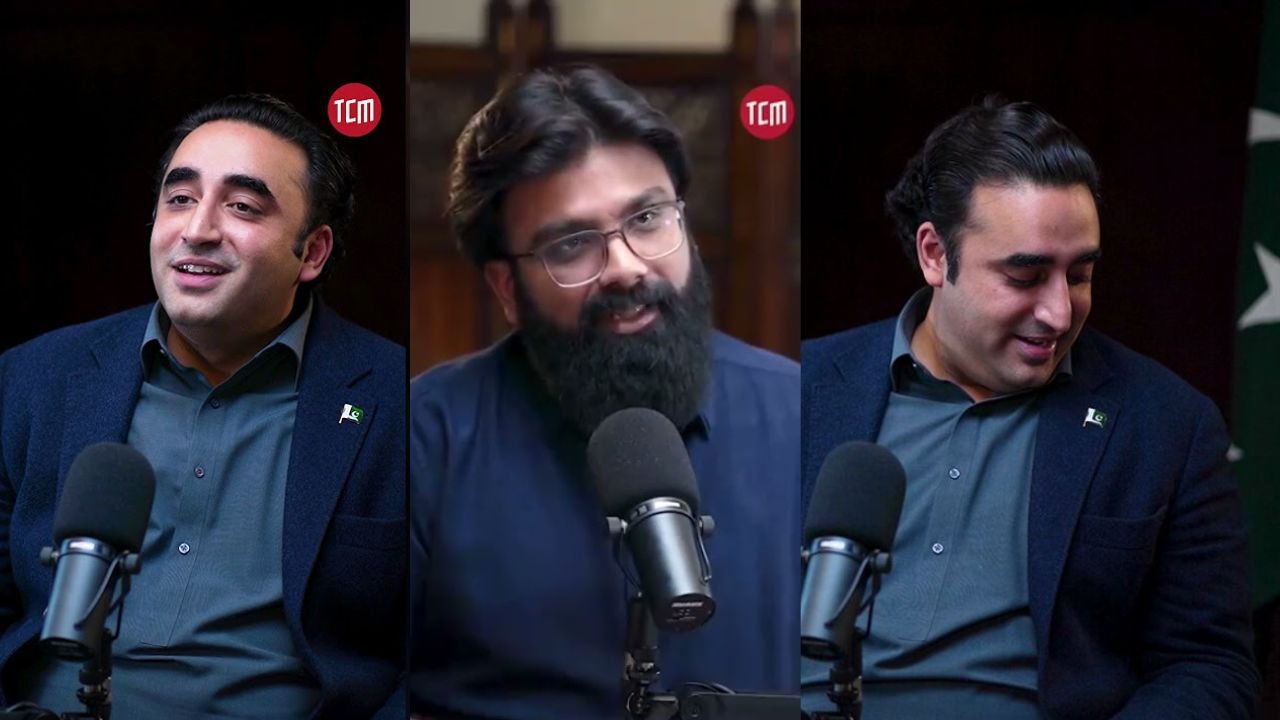
    Chairman Pakistan People’s Party (PPP) Bilawal Bhutto-Zardari talked about mental health, climate change, politics and other issues in The Centrum Media’s podcast with Talha Ahad. Bilawal’s conversation about mental health and climate change was the most relatable by any Pakistani politician.

    When asked how he copes with the trauma of losing so much, especially his mother Benazir Bhutto who was assassinated, and if it has had any impact on his mental health, Bilawal responded candidly. He related the events that unfolded on December 27, 2007. He was in Dubai for his winter break from Oxford when his mother went to Pakistan for the election campaign. He was in Dubai with his father Asif Ali Zardari and his siblings when he heard the news about the attack on television. He was shocked and afraid. It was traumatic. He said he doesn’t even remember the conversation he had with his sisters about this.

    Bilawal Bhutto said that mental issue is a real issue but we do not take it seriously like we do with other diseases. “Your mind is just like any other part of your body,” he emphasised.

    Bilawal said he never went to seek therapy or even talked to a counsellor after having lost so much. He moved on from it like a traditional Pakistani, thinking he should just ‘man-up’ and face it without seeking help. He acknowledged that it was years later that he started reading and understood what he was going through. It was partially because of the “macho” attitude of a typical Pakistani.

    Bilawal admitted he feels the loss of his mother every day but he has learned to make this feeling of loss his strength instead of a shortcoming.

    Bilawal went on to explain his vision for dealing with mental health issues in Pakistan. He wants an “update” in the system. He wants to set up facilities through public-private partnership if he comes in power after elections.

    When asked if he meditates, Bilawal admitted that he tried it but hasn’t done it consistently because he lacks consistency. He watches Netflix shows in his free time. When asked when was the last time he cried, Bilawal said he does not remember.

  • Hey Swifties, can you guess Taylor Swift songs like Bilal does?

    Hey Swifties, can you guess Taylor Swift songs like Bilal does?

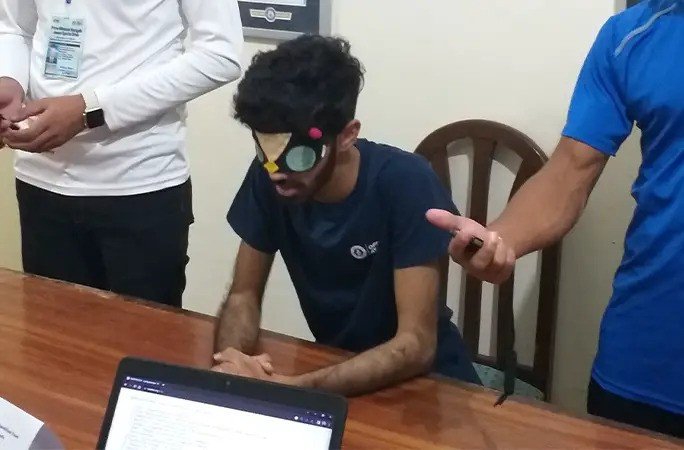
    Setting the bar a bit too high for all Swifties around the globe, Pakistani boy Bilal Ilyas Jhandir (20) has officially secured a place in the Guinness World Records for identifying the most songs sung by the superstar from their lyrics in just one minute. The self-proclaimed “die-hard fan” broke the previous record of 27 by naming an impressive 34 songs, reported

    .

    “I have been listening to Taylor Swift since my childhood. I have listened to each and every song of hers. I can identify almost any song of hers from the lyrics,” Bilal shared with Guinness World Records.

    To achieve the remarkable accomplishment, Bilal had to recognise Swift’s songs from their opening lyrics, read aloud without any accompanying music. Despite already being well-versed in the lyrics of all her songs, he dedicated 13 weeks to extensive preparation, even going so far as to recite them in his sleep.

    Bilal characterised his record-breaking attempt as “an easy task,” acknowledging, however, that the complexity increased as the lyrics were spoken aloud by a man, rather than being sung by Swift.

    Bilal had already broken three other world records earlier, including identifying the most animals from the sounds they make under one minute in 2021, and last year, identifying the most Justin Bieber songs from their lyrics in one minute.

    “This record is my favorite of all of them. Being called a ‘Certified Swiftie’ or ‘Officially Amazing Swiftie’ is such an incredible feeling,” the fan expressed, adding that he considers this accomplishment his chart-topper, reports The Express Tribune.

    Notably, Bilal, a college student pursuing a bachelor’s degree in computer science, has been listening to the Red artist since the age of 13 and declared Folklore to be an “absolute masterpiece,” easily naming it as his favourite album.

  • ‘Mujhay shouq hai kawwon se batein karne ka’; Man calling crows goes viral

    ‘Mujhay shouq hai kawwon se batein karne ka’; Man calling crows goes viral

    Heartthrob actor Ahsan Khan recently shared a video of a guard who is fond of calling out to crows and it will be the most baffling thing you will ever see.

    In the video, Ahsan showed a clear sky to indicate that there are no crows flying about in the sky nor are they perched on trees. He then lets the man do magic with his voice. The man shouts out as if he is cawing. Within seconds, the sky gets filled with a large number of crows, all gearing up to settle on the trees around.

    Ahsan expressed amazement after seeing the crows. To this, the security guard humbly says, “Mujhay shouq hai inn say baatein karne ka”, implying that he loves talking to the birds.

  • After Ayodhya, Hindutva leaders now targeting muslim dargah in Mumbai

    After Ayodhya, Hindutva leaders now targeting muslim dargah in Mumbai

    Maharashtra Chief Minister Eknath Shinde has ignited controversy by announcing his intent to “liberate” the 700-year-old Haji Malang dargah, a historic Muslim shrine situated on the outskirts of Mumbai, exclusively for Hindus. The shrine, known for its Sufi heritage and cultural significance, has become the focal point of a heated religious dispute.

    After the inauguration of Ram Mandir in Ayodhya, Prime Minister Narendra Modi has invoked a significant amount of “divine” support from his followers for upcoming elections. The next target to double the effect is the Sufi shrine. This is aimed to polarize the voters even more.

    CM Shinde while speaking at the annual Malang-gad Harinam Mahotsav in Thane distinct, broke away from the late Bal Thackeray’s Shiv Sena to lead a BJP-backed coalition, said he is “committed to liberate Malang-gad”, adding he would not rest till he has fulfilled the promise.

    Malang-gad (’gad’ means a fort in Marathi) is famous for its 12th-century shrine of Sufi saint Haji Abdul Rahman, popularly known as ‘Haji Malang’. According to Kashmir Media Service, Haji Malang dargah, atop a hill, is believed to house the tomb of an Arab missionary who arrived in India over seven centuries ago. On the contrary, Hindus believe the place holds the samadhi of Machindranath, a revered deity in the Nathpanthi sect, which was later converted into a dargah.

    An article published in The Times of India on Feb 14, 1993 reveals the arrest of Thane’s top Shiv Sena leader late Anand Dighe while leading an agitation demanding the renaming of Malang-gad as Shri Malang. Dighe was Mr Shinde’s mentor and the promise to liberate Malang-gad is a logical political move on the chief minister’s part to claim his master’s legacy, quotes Dawn.

    Nasir Khan, chairman of the Peer Haji Malang Saheb Trust, refers to the Gazetteer of Bombay Presidency which mentions the structure as the shrine built in honour of Arab missionary Haji Abd-ul-Rahman. “It is only in the 1980s that the Shiv Sena began making claims of it being a Hindu temple. If it was a Hindu temple, why did the Peshwa kings send gifts to the shrine?” asks Mr Khan.
    According to the chairman of the Trust, Haji Malang is equally revered by Hindu and Muslims. He says that even Christians and Parsis visit the shrine to seek blessings.

  • Mona Lisa gets souped as protest

    Mona Lisa gets souped as protest

    During a protest in the French capital Paris, two demonstrators threw soup at the famous painting of the Mona Lisa, preserved in glass, and demanded that French citizens be given the “right to healthy food”.

    According to the Louvre Museum, the painting was not damaged, the protective glass in front of it taking the brunt of the impact. A viral video shows two female protesters, wearing T-shirts, throwing soup on the painting.

    The protestors then stood in front of the painting and said, “What is more important? Art or the right to healthy and sustainable food?, Your agricultural system is sick, our farmers are dying”.

    A group called Food Counter-Attack later claimed responsibility for the stunt, saying in a statement on X (formerly Twitter) that the protest was part of efforts to provide general social protection for food.

    The group also called for a food card worth 150 euros to be provided to citizens every month to be used for food.

    Meanwhile, French Culture Minister Richida Dati said that “no reason” can justify targeting the Mona Lisa, calling France’s historical heritage.

  • Passenger opens emergency exit and walks to wing of aeroplane

    Passenger opens emergency exit and walks to wing of aeroplane

    A Guatemala-bound flight from Mexico City faced an unusual twist when a passenger, frustrated by a lengthy delay and hot weather, opened the emergency door and walked onto the wing.

    The Aeromexico flight, scheduled to depart at 8:30 am, was grounded on the tarmac for three hours due to a maintenance issue. With no air conditioning or water available, tempers flared high among passengers.

    In a dramatic turn of events, one unidentified passenger took matters in his own hands, opening the emergency door and stepping onto the wing to register his protest. While the Mexico International Airport authorities confirmed no harm was caused, the man was detained by police.

    The airport said in a statement, “Yesterday a passenger on a flight to Guatemala opened an emergency door on a plane while it was stationary at a remote position, stood on a wing, and then re-entered the cabin, without affecting the aircraft or anyone else.” The statement added that in line with international security regulations, this person turned himself over to the authorities.

    However, dozens of passengers signed a written statement protesting the airport’s decision to turn the man over to the authorities. At least 77 passengers onboard the aircraft signed the statement demanding the passenger’s immediate release. They said the man’s outburst was ”to protect everyone, with the support of everyone.”

    “He saved our lives,” the note declared, emphasizing the dangerous conditions caused by the delay and lack of air. The passengers expressed their support for the man’s actions, arguing they were taken for everyone’s protection.

    A report on the incident said that a change of plane had become necessary after the passenger’s dramatic move. It was not clear whether the man was still in custody, or what charges he may face.

  • Social media campaigns for general elections; Hit or miss?

    Social media is heavily flooded with election-related content as the country is heading towards poll in less than two weeks. All the major political parties and even independent candidates have released songs and campaigns on social media to impress the audience with catchy tunes.

    For us, the Haqooq-e-Khalq Party takes the trophy. Ammar Ali Jan’s “Loudspeaker” is riveting and hits all the right chords. “Haqooq-e-Khalq hai awaz muzdooron aur kisanaon ki” ticks the boxes of aims and ambitions needed to be a part of a manifesto.

    Ammar’s social media team is also venturing into using popular songs as they put famous Punjabi song like “Teer te taj” as a background score to appeal the voters of all backgrounds.

    Using the pun of “Tera Mera hai Pyar Amar” is quirky and smart on their part.

    Using Inqilab by Waqas Akram Chaudhary is a win in every possible way.

    Following Ammar Jan’s effort is the PTI, the party without a symbol. Their campaign is screaming creativity as they have got their songs made separately for the symbols allotted to them be it a fork (kaanta) or a radio.

    Saif ur Rehman is a contesting election from NA 235. He incorporated a Bollywood song ‘Kaanta laga’ for his campaign. It is hilarious and attention-grabbing at the same time.

    Khurram Sher Zaman’s dhool from NA-241 incorporates Bollywood’s ‘Mohabbatein’ in a creative way.

    Usman Dar’s mother Rehana Dar is contesting on PTI’s ticket under the symbol of baby cot for which they have twisted Arif Lohar’s party song, “Aa tenon mouj karawan” seamlessly as “Maan tujhe Salam”.

    Former Chief Minister Pervaiz Elahi’s wife Qaisera Ilahi is now contesting in his place for which Mazhar Rahi has sung an upbeat song.

    Folk singer Malko’s ‘Nak da Koka’ went viral for his one verse about “Qaidi 804”. This prompted him to sing part two, titled ‘Murshid’, dedicating it to Imran Khan. This went on to create a spree of songs, all dedicated to PTI, acquiring millions of views.

    The popularity of this song influenced PML-N to make a rip-off for their party’s election campaign.

    https://youtu.be/sJGK1aPfmYs?si=kpnrImL1ANlPXIhk

    ‘Umeed se Yakeen Tak’ is slowly growing on the people.

    Another rip-off of Malko’s ‘Chas Bari Aye Ae’ is groovy all thanks to the original song.

    https://youtu.be/xiqx-wjnBaE?si=8N2-IjE_UnnkhMc-

    N-League deserves the credit of having an integrated campaign as a YouTube channel is dedicated to songs but most are just rip-offs.

    Pakistan People’s Party has recently released a newer version of their widely popular ‘Utho Utho’.

    ‘Chuno Nayi Soch Ko’ has all there needs to be to appeal to gen-z audience and all the elements of a catchy election campaign.

    PPP is not using this song in jalsas anymore but we found a hidden gem with the name of ‘Jiyalay Teer Chala’ on YouTube. It is not just uber-cool but has all the potential for mass appeal.

    In a nutshell, the campaigns are in full swing and all the parties are trying their best to have more reach but our observation says that the one that explores more mediums and does not hesitate in experimenting manages to gather more ears and eyeballs.

  • Twins stolen at birth reunited by TikTok

    Twins stolen at birth reunited by TikTok

    A pair of twin girls, taken from their mother right after birth and sold to different families, have been reunited dramatically thanks to TikTok.

    Years after they were stolen at birth, Amy and Ano from Georgia have met again after watching a TikTok video, BBC reported.

    As the two delved into their past, they realised they were among thousands of babies in Georgia stolen from hospitals and sold, some as recently as 2005.

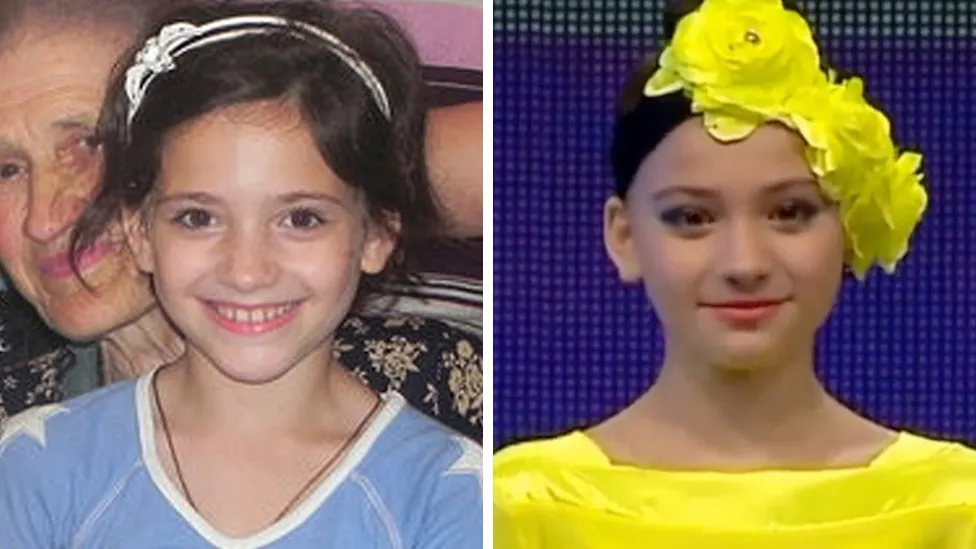
    The twins discovered each other when they were 12 years of age. This was when Amy was watching her favorite TV show Georgia’s Got Talent where Ano was performing as a young artist. She even got calls from acquaintances asking if she was the one performing with another name but the family brushed it off, thinking everyone has a doppelganger.

    Amy (L) aged 12 and Ano (R) also aged 12 during her performance on Georgia’s Got Talent

    Seven years later Ano was sent a TikTok video by a friend of Amy’s in a fresh haircut and eye-brows piercing. She thought the resemblance “cool” and the two got connected on Facebook.

    Amy instantly knew Ano was the girl she had seen all those years ago on Georgia’s Got Talent.

    “I have been looking for you for so long!” she messaged. “Me too,” replied Ano.

    Over time, they discovered several commonalities between them but not all of it made sense. The biggest of all was that they had the same genetic disease, a bone disorder called dysplasia. Both were born in the same hospital but according to their birth certificates, they were born a few weeks apart.

    It felt like they were unraveling a mystery together. “Every time I learned something new about Ano, things got stranger,” Amy relates.

    They decided to meet and when they did it was like “looking in a mirror”.

    Ano (L) and Amy (R) met for the first time at Rustaveli metro station – they have often chosen similar hairstyles

    They confronted their families and found out they were adopted in 2002.

    Unable to have children, Amy’s mother says a friend told her there was an unwanted baby at the local hospital. She would need to pay the doctors but she could take her home and raise her as her own.

    Ano’s mother was told the same story.

    Neither of the adoptive families knew the girls were twins and despite paying a lot of money to adopt their daughters, they say they hadn’t realised it was illegal. Georgia was going through a period of turmoil and as hospital staff were involved, they thought it was legitimate.

    The two went online and posted their story in a Facebook group called Vedzeb, which means “I’m searching” in Georgian.

    A girl from Germany replied to them stating her mother had given birth to twin girls in Kirtskhi Maternity Hospital in 2002 and that despite being told they had died, she now had some doubts.

    DNA tests revealed that the girl from the Facebook group was their sister, and was living with their birth mother, Aza, in Germany. Sceptical, they met their birth mother in Leipzig, Germany. She explained to them how she went into a coma after giving birth and upon waking she was told that her children had died.

    Ano (L), Aza (C) and Amy (R) meet for the first time in Leipzig, Germany where Aza now live

    The group was made by journalist Tamuna Museridze in 2021 after she discovered she was adopted. She has helped to reunite hundreds of families, but has not yet tracked down her own.

    Tamuna discovered a black market in adoption that stretched across Georgia and went on from the early 1950s to 2005. “The scale is unimaginable, up to 100,000 babies were stolen. It was systemic,” she says.

    In 2022, the Georgian government launched an investigation into historic child trafficking, telling BBC that it has spoken to more than 40 people but the cases were “very old and historic data has been lost”. Journalist Tamuna Museridze says she has shared information but the government hasn’t said when it will release its report.

  • Dijikot: Man murders wife and step-daughter with axe over land dispute

    Dijikot: Man murders wife and step-daughter with axe over land dispute

    In a shocking incident of a domestic dispute, a man, accompanied by his brother, brutally murdered his wife and stepdaughter using an axe, reports The Express Tribune.

    City Police Officer Captain (retd) Muhammad Ali Zia directed Superintendent Police (SP) Iqbal Town to provide a detailed report. He formed teams led by District Superintendent Police(DSP) Factory Area to apprehend the accused. Consequently, aids are being conducted actively.

    The incident unfolded in Chak 133 GB Niwan of Dijkot police station, where Zulfiqar Ali found himself entangled in a land dispute with his 47-year-old wife, Rukhsana Bibi.

    The dispute escalated into a violent quarrel, leading to Zulfiqar and his brother Iftikhar attacking Rukhsana and her 12-year-old stepdaughter, Iman Fatimah, with axes before fleeing the scene.

    Both mother and daughter succumbed to their injuries, losing their lives on the spot. In response to the double murder, SP Iqbal Town Usman Munir Safi, DSP Factory Area Rana Attaur Rehman, SHO Dijkot Moazzam Gujjar, and other law enforcement officers reached the scene promptly. They took the bodies, transported them to the hospital, and initiated a thorough investigation.

    DSP Factory Area, Rana Attaur Rahman, revealed that Rukhsana Bibi had been married to Zulfiqar for ten years, with two children from the union.
    Iman Fatima was the daughter of her ex-husband and fell victim to the axe attack by Zulfiqar and his brother Iftikhar. The couple had a history of frequent domestic disputes. The police are actively pursuing the accused in their efforts to bring them to justice.