Category: Lifestyle

The lifestyle of millennials is underreported in our mainstream media. The Current’s lifestyle news covers social events and issues that are unique.

  • Here’s how you can apply for the Three Step E-visa policy for Turkey

    Here’s how you can apply for the Three Step E-visa policy for Turkey

    Turkey has launched an e-visa service, allowing tourists and business travelers to obtain their visas without visiting Turkish embassies.

    The service is available for ordinary passport holders with valid Schengen, USA, UK, Ireland visas, or residence permits.

    Three-step process

    To apply for a visit visa to Turkey, Pakistani applicants can follow a straightforward three-step process:

    Step-I: Apply

    Visit the official website at https://www.evisa.gov.tr/en/ to initiate the application.

    Step II- Pay fee

    After entering the required information, applicants can make the necessary payments using a credit or debit card (Mastercard, Visa, or UnionPay).

    Step III-Download

    Upon successful completion of the application, the applicant will receive a link to download their e-Visa. This link will also be emailed to them for convenience.

    It is advised to keep a copy of the e-Visa, either in electronic format (on a tablet, smartphone, etc.) or as a hard copy in case of any system issues at the entry points.

    Visit visa fee

    Applicants can obtain their Turkey visit visas electronically after making the required payments.

    The visit visa fee for Pakistani nationals is set at $60. This affordable fee opens the doors to explore Turkey.

    Other financial requirements

    In addition to the visa fee, applicants must fulfill specific financial requirements, including providing proof of a return ticket and hotel reservation.
    Official guidelines stipulate that a tourist should have a minimum of $50 for each day of their stay in Turkey.

    Therefore, a Pakistani tourist planning to spend 30 days in Turkey must demonstrate a bank statement with a balance of at least $1,500 to meet this requirement.

  • Israeli soldiers killed by their own bombs

    Israeli soldiers killed by their own bombs

    In a huge setback to Israel, 24 of its soldiers were killed in the biggest single-day losses since the start of its ground war in Gaza.

    The soldiers were killed on Monday, with the army saying 21 of them were reserve soldiers who got killed when rocket-propelled grenade fire hit a tank and two buildings they were trying to blow up.

    Prime Minister Benjamin Netanyahu said an investigation was launched into the “disaster” and that Israel “must learn the necessary lessons”. Defence Minister Yoav Gallant said the “Deaths of 24 of our fighters, our best sons…is a heavy blow”.

    On the ground, fighting raged in Khan Yunis, the biggest city in southern Gaza, which the army said it had “encircled”.

    Witnesses said powerful explosions rocked Khan Yunis, as well as Deir al-Balah in north Gaza and Rafah in the south.

    Gaza’s Ministry of Health said Nasser Hospital and El Amal City Hospital in Khan Younis, among the few partially functioning hospitals in the territory, were under “extreme danger” from Israeli bombardment.

    “The buildings of the Nasser Medical Complex are exposed to shrapnel, endangering the lives of patients, staff and displaced people,” the ministry said on its Telegram channel on Tuesday.

    “The Israeli occupation places Nasser Medical Complex and El Amal Hospital in Khan Younis in extreme danger,” it said, calling for “urgent intervention” to safeguard both facilities.

    Moreover, Al-Jazeera just released a video compilation of Israeli soldiers filming themselves enjoying and being insensitive to the Palestinian properties.

  • 12-year-old beats Einstein and Stephen Hawking in IQ test

    12-year-old beats Einstein and Stephen Hawking in IQ test

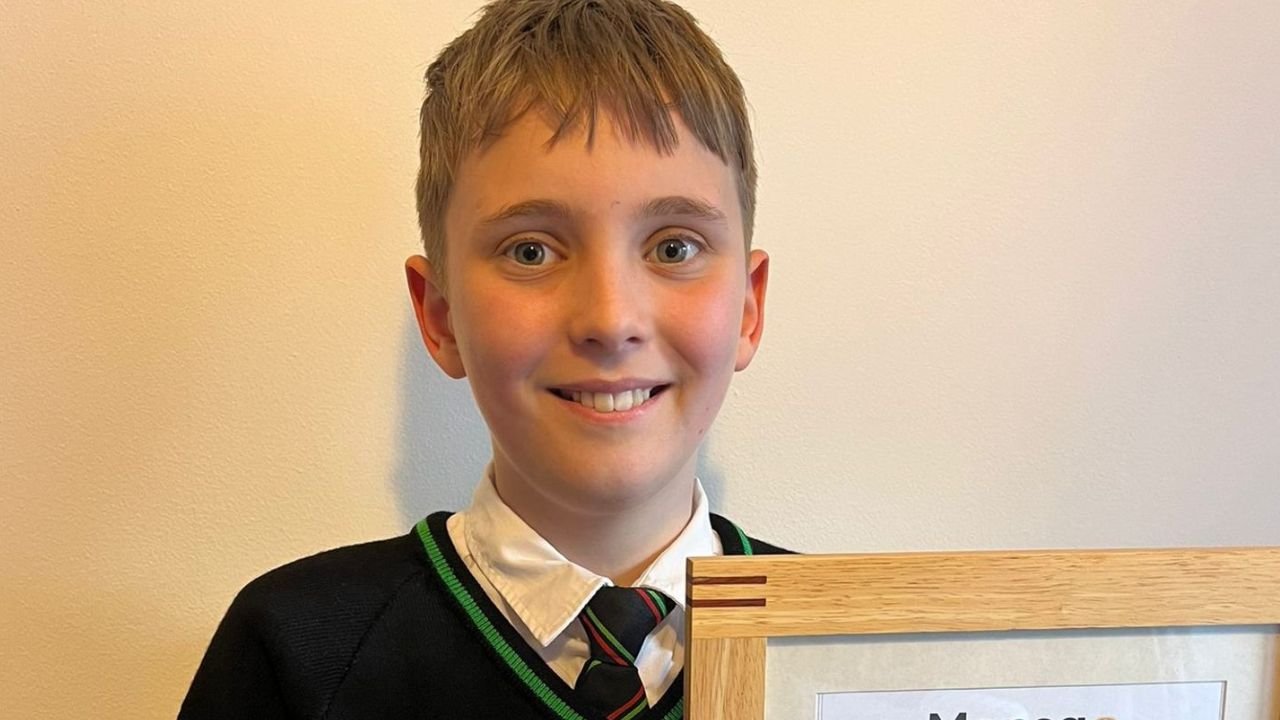
    A 12-year-old British student has surpassed famous scientists Albert Einstein and Stephen Hawking in intelligence, scoring more than the two in an IQ test.

    Devon schoolboy Rory Bidwell achieved the maximum score of 162 on the Cattell III-B test – despite not having prepared for it.

    Both Einstein and Stephen Hawking are said to have scores around 160.

    Rory found the test “pretty easy,” his dad said, and had no problem finishing it in the time limit.

    Abby Bidwell, the British student’s mother, said her son was very calm during the test and even took a leisurely stroll to the toilet during one section.

    His father, James Bidwell, told Sky News the family’s first reaction to the score was “That’s a big number – what does that actually mean?”.

    A bit of Googling revealed Einstein and Stephen Hawking are both said to have had IQs of around 160. That was when it started to sink in that it was “really quite impressive,” Mr Bidwell said.

    “We’ve always known he’s an incredibly bright lad. This just puts it in context.”

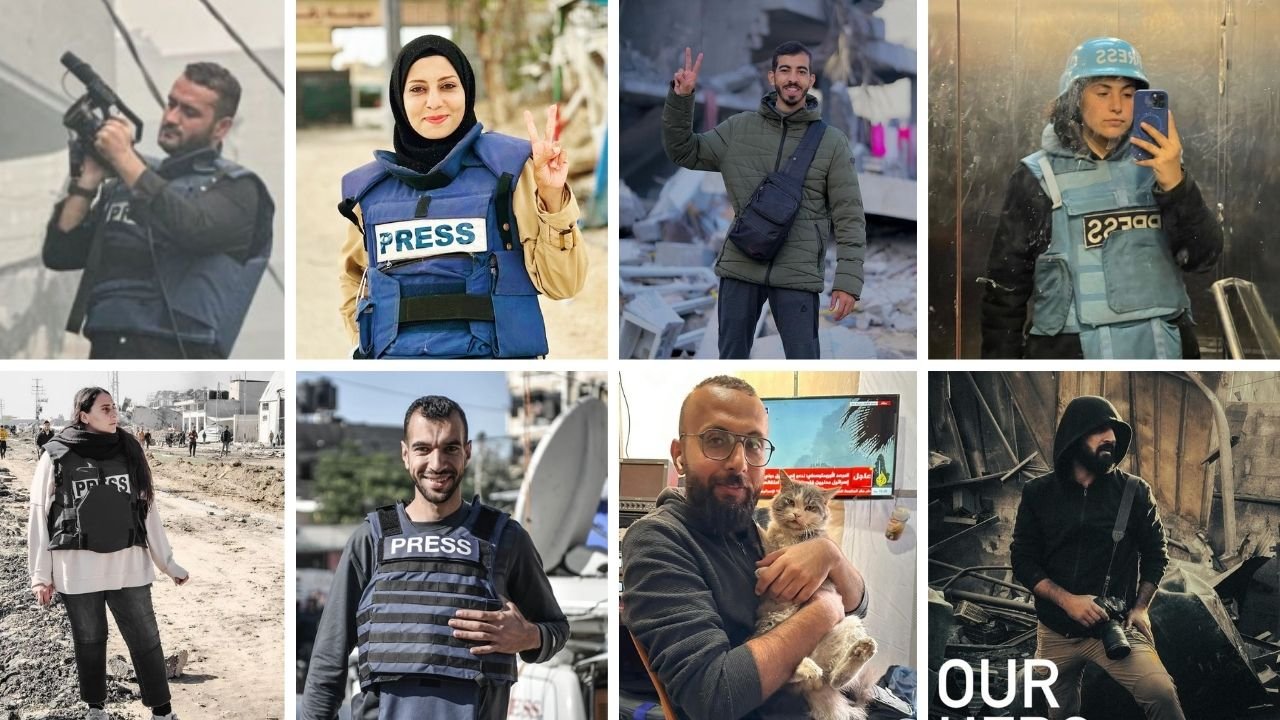
  • Motaz is now in Qatar but others are still in Gaza. Here is who you should follow for updates on the genocide

    Motaz is now in Qatar but others are still in Gaza. Here is who you should follow for updates on the genocide

    Motaz Azaiza, the photojournalist called “The Eye of Gaza”, has evacuated the besieged strip after showing the world the reality of living in Palestine. He has landed in Qatar and has kickstarted the mission of taking the cause of advocating for the plight of Palestineans forward by participating in talk shows for Al-Jazeera. His absence on ground is missed.

    There are plenty of journalists on ground who are risking their lives to show the world the war crimes being committed by Israeli forces and the genocide of poor Gazans.

    Bisan is the leading journalist after Motaz. She is working with leading news portals and has shown daily life in Gaza since October 7. In her own words, she has been displaced more than thrice in the course of the last 100 days but is determined to keep documenting the genocide that is taking place in Gaza.

    Hind Khoudary, a reporter who has worked closely with Motaz and is still in Gaza, is taking refuge in Motaz’s home reporting the havoc inflicted upon Gaza by Israel.

    Hamdan Dahdouh is also one such journalist who is directly reporting from the ground showing through his camera lens what the seige has done.

    Roba Khaled is a TRT Arabi journalist and has been reporting from the ground while being a mother to an ailing daughter.

    Motasem Mortaja is a journalist working for different platforms and his Instagram account is a video library of the more than 100 days of war in Gaza.

    Saleh Aljafarawi is a young content creator and influencer from Gaza who is showing the world the horrors of war.

    Ali Jadallah is an award-winning photojournalist capturing raw emotions from the strip.

    Wael abo Omar is another journalist now sick with a cold, but not letting the mission of informing the world slip until he is alive.

    Belal Khaled has been reporting from day one and documenting the genocide up close.

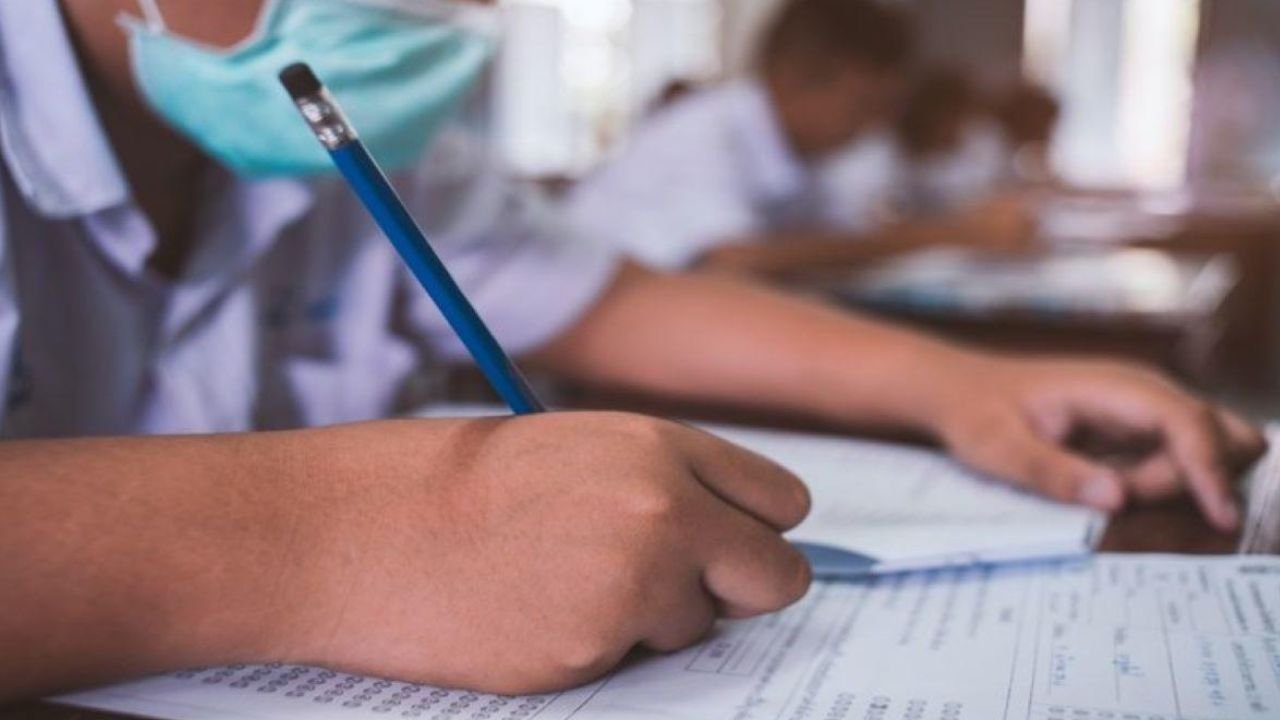
  • Only 20 per cent students passed Inter Arts 1st year

    Only 20 per cent students passed Inter Arts 1st year

    The results for first-year (Part-I) examination announced by the Board of Intermediate Education Karachi (BIEK) raises concerns as more than 50 per cent of the students have failed.

    According to the inter board spokesperson, 72 per cent of the candidates failed in arts first year (private) and 80 per cent in arts (regular).

    He added that 11,046 candidates participated in the Arts (regular) exams in which only 2,298 candidates were successful while 2,795 candidates participated in the Arts private exams in which 792 candidates passed all the papers.

    Additionally, 63 per cent of the candidates failed in Commerce (private) as 1,986 candidates participated in the exams, out of which 744 candidates passed all the papers.

  • What is Canada’s new visa policy for students?

    What is Canada’s new visa policy for students?

    As per official data, last year Canada issued nearly one million study permits, about three times that of a decade ago, and now they are changing their policy.

    In response to a housing shortage aggravated by explosive growth in foreign student numbers, Canada has announced a temporary two-year cap on the intake of international students.

    Last year, the country issued nearly one million study permits, triple the figures from a decade ago, according to government data. The new proposal aims to reduce the intake by almost a third.

    Canada’s Immigration Minister, Marc Miller, revealed that the Liberal government will implement a two-year cap on student visas, resulting in the issuance of approximately 364,000 visas in 2024.

    The plan also includes limitations on post-graduate work permits for foreign students, potentially encouraging them to return to their home countries.

    Previously viewed as a straightforward path to permanent residency, these permits will now be subject to stricter regulations.

    However, those pursuing master’s or post-doctorate programs will still be eligible for a three-year work permit.

    Additionally, spouses of international students enrolled in undergraduate and college programs will no longer be eligible for permits, Miller stated.

    The acceptance of new study permit applications in 2025 will be reassessed at the end of the current year.

    The government’s decision comes in response to the surge in international students, creating a housing crisis and driving up rents across the country.

    December 2023 saw a 7.7 per cent year-on-year increase in rents nationwide, according to Statscan. Prime Minister Justin Trudeau’s popularity has been dented mainly due to the affordability crisis, and opposition Conservative Party leader Pierre Poilievre has taken a commanding lead over Trudeau in opinion polls ahead of an election next year.

    Concerns about the quality of education provided by some institutions have also prompted the government to reevaluate its immigration policies.

    The move will not only affect the housing market but will also have economic implications. International students contribute approximately C$22 billion ($16.4 billion) annually to the Canadian economy.

    This decision will likely impact educational institutions that expanded their campuses in anticipation of a continuous influx of students.

    Ontario, the most populous province, has been the primary recipient of international students. Some businesses, including restaurants and the retail sector, have warned of potential labor shortages due to the cap on foreign students.

    Canada’s move will have repercussions for Canadian banks, as international students are required to have Guaranteed Investment Certificates (GICs) of over C$20,000, covering living expenses.

    Most foreign students, approximately 40%, hail from India, with China coming in second at around 12%, based on official data from 2022.

    In response to these changes, the University of Toronto has expressed its readiness to collaborate with all levels of government to ensure that the allocation of study permits considers institutions like U of T and addresses challenges in the system.

  • Palestinian faith gives rise to Islamic belief system around the globe

    Palestinian faith gives rise to Islamic belief system around the globe

    It has been more than 100 days since Israel began the genocide in Gaza. Not just for people in the West but also for Muslims at large, this period has been a time of self-realization and a strengthening of their beliefs. Yakeen Institute for Islamic Research, surveyed 1800+ English-speaking Muslims to gauge the change of attitude in their religiosity and the results are astounding.

    Demographics of the Yakeen sample include 74 per cent female; 61 per cent live in North America, 13 per cent live in Europe, 18 per cent live in Asia, and 6 per cent live in Africa; 41 per cent are under 35 years of age; 50 per cent were South Asian, 17 per cent Arab, and 10 per cent black/African.

    70 per cent of people in Yakeen’s sample believe that the liberation of Palestine is a religious issue. Consequently, 93 per cent believe that Palestine is ‘very’ or ‘extremely’ important to them personally, and 97 per cent believe its liberation is a high priority for the Muslim world, with 70 per cent saying it is the highest priority for the Muslim world. The people are also in agreement that Muslim nations should not normalize relations with Israel, with 96 per cent stating they are opposed to normalization and feel that it would cause additional harm to the people of Palestine.

    78 per cent of those surveyed reported that their relationship with Allah has improved since the assault on Gaza began. Yakeen Institute said that this is likely because people were reminded of death but the most important factor is the unshakeable faith of the people of Gaza, elevating the ummah’s religiosity and consciousness.

    There are many videos from the besieged strip but one, of a little boy thanking Allah Almighty even in the most dire circumstances where 8 of his family members have been martyred, is particularly hard-hitting.

    Witnessing this has caused 91 per cent of respondents to state that the people of Gaza have given them ‘quite a bit’ or ‘a lot’ of religious inspiration, with 97 per cent reporting being ‘quite’ or ‘extremely’ proud of the people of Gaza.

    Many have started opening the Qur’an to understand the divine message that instills messages of resilience in the people of Gaza. Famous TikToker Meghan B Rice is one such example. 85 per cent of Muslims reported feeling ‘quite a bit’ or ‘a lot’ of comfort in the Qur’an, and 80 per cent found similar levels of comfort in the biography (seerah) of Prophet Muhammad ﷺ. The Qur’an has come to life in new ways for Muslims.

    The details of the afterlife found in the Qur’an and Sunnah have also brought tremendous comfort and clarity to Muslims worldwide. For example, 96 per cent reported that knowing that our brothers and sisters who were martyred are alive in paradise brought ‘quite a bit’ or ‘a lot’ of comfort.

    Almost 30 Australian women accepted Islam seeing the steadfastness of Gazans.

    TikTok is the budding platform promoting such voices as the famous pro-Palestine Instagram account palestineonaplate posted, “The faith of the Palestinians in Gaza has woken up the world. Not just in support against the genocide that is happening but also towards Islam. Atheists, Christians, non-believers, reverts, everyone has been inspired by the faith the Gazans have in Allah and more and more people are converting to Islam because of this.”

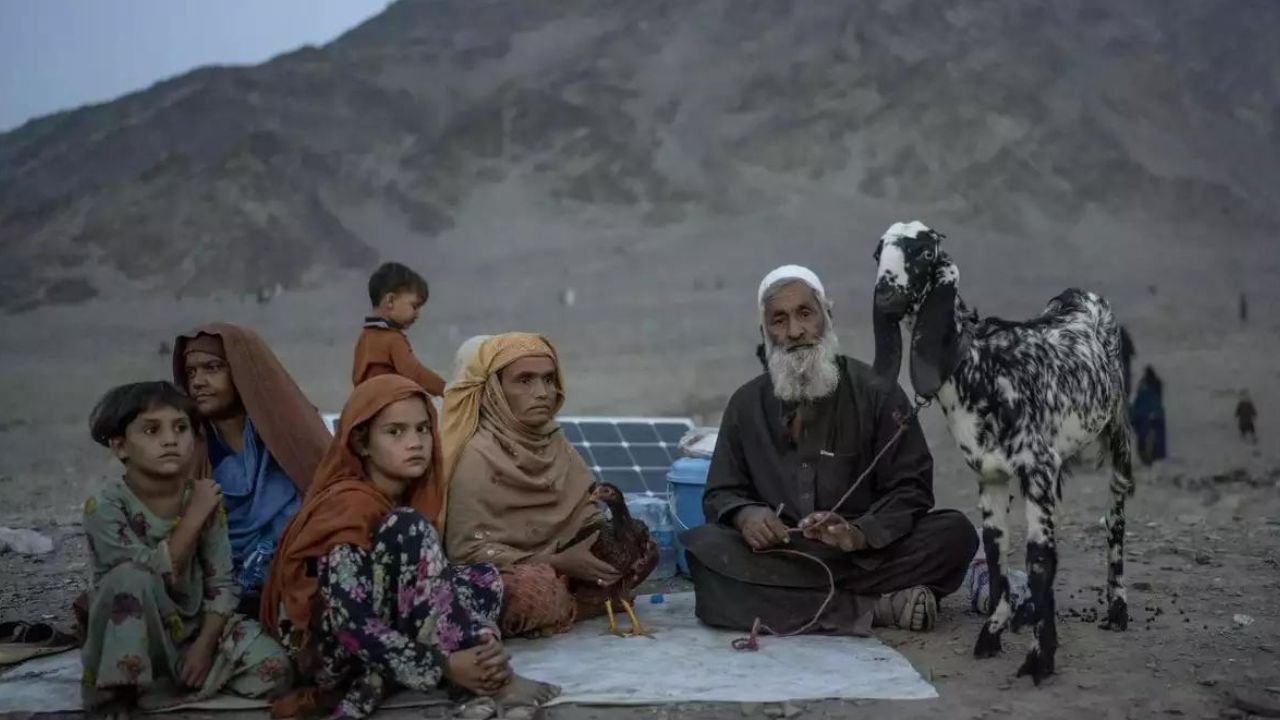
  • More than half a million Afghans return from Pakistan

    More than half a million Afghans return from Pakistan

    More than 500,000 Afghans have fled Pakistan in the four months since Islamabad ordered undocumented migrants to leave or face arrest, the International Organization for Migration (IOM) said Monday.

    According to the latest figures reported by the UN migration agency, 500,200 Afghans left Pakistan between September 15, 2023 and January 13, 2024.

    Most rushed to the border in the days leading up to a November 1 exit deadline Islamabad set for the 1.7 million Afghans it said were living illegally in Pakistan, and as police opened dozens of holding centres.

    “Since the initial peak around November 1, the number of individuals crossing these official border points have consistently decreased but remains higher than pre-September 15th,” an IOM statement said.

    Pakistan defended the crackdown by pointing to security concerns in its regions bordering Afghanistan and pressure on its struggling economy.

    “Some Afghans forced to return may be at risk of persecution, arbitrary arrest and detention and/or torture or ill-treatment,” the UN’s Afghan mission said in a report on Monday.

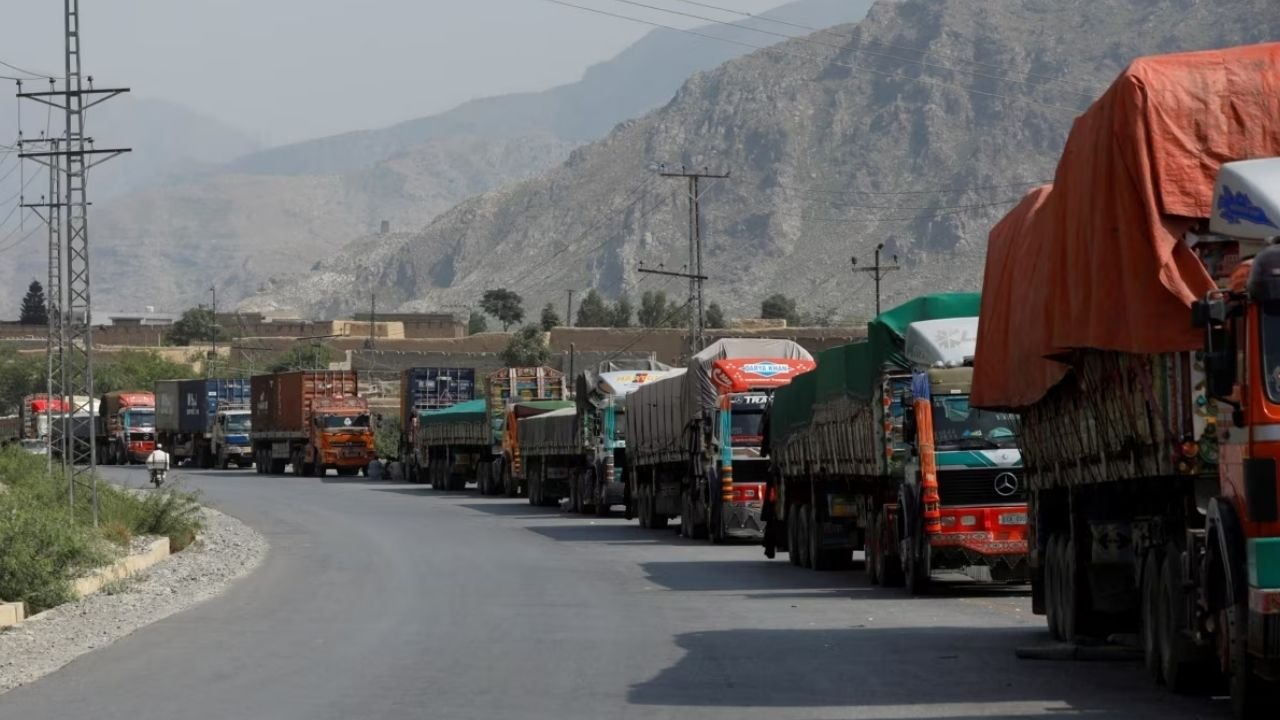
    Meanwhile, the busiest border crossing between the two countries remained closed for the tenth day running in a dispute over document rules for commercial drivers.

    The row centres on demands for drivers from both sides to have visas and passports — documents many Afghans do not have — as Pakistan cracks down on cross-border movements.

    More than 400 trucks were stranded on the Pakistan side of the Torkham crossing on Monday, according to a border official who asked not to be named.

    Relations between Pakistan and Afghanistan have grown increasingly fraught in recent months, with Islamabad accusing the Taliban government of failing to root out militants staging attacks in Pakistan from their soil.

    Kabul has always rejected the allegations.

    Millions of Afghans fleeing conflict have poured into Pakistan over the past four decades, including some 600,000 since the Taliban ousted the US-backed government and imposed its harsh interpretation of Islamic law.

    Some of the Afghans crossing into Afghanistan as a result of Islamabad’s eviction scheme were entering the country for the first time, having lived their whole lives in Pakistan.

    Upon arrival, migrants have received modest assistance from the government and NGOs in a country contending with one of the worst humanitarian crises in the world.

  • Baloch protestors call off Islamabad sit-in after a month

    Baloch protestors call off Islamabad sit-in after a month

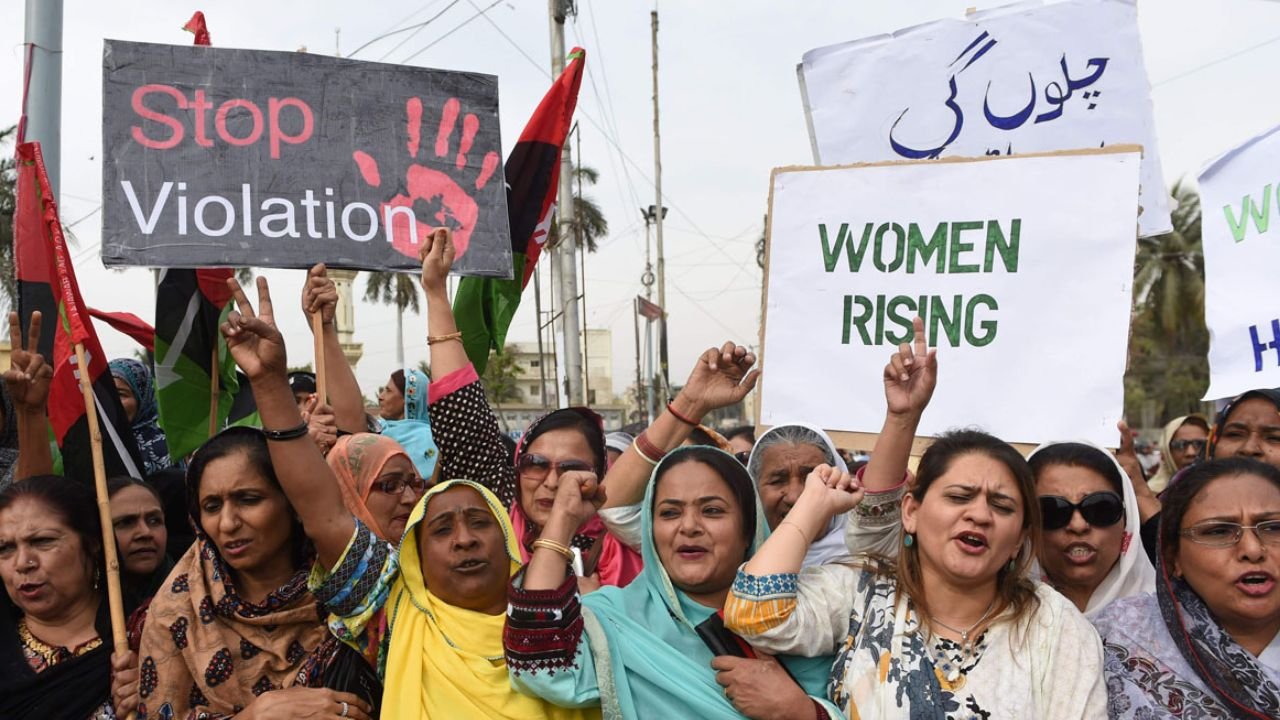
    The Baloch Yakjehti Committee (BYC) led by Dr Mahrang Baloch, has on Tuesday called off their over 30 day-long sit-in outside the National Press Club (NPC) in Islamabad, Geo News has reported.

    Baloch protesters had been protesting in the federal capital since December 20, 2023, against “enforced disappearances and extra-judicial killings”.
    Activist Dr Mahrang Baloch said they are returning to Balochistan from Islamabad.

    “We will hold a rally in Balochistan on January 27,” she added.

    The development comes a day after NPC Islamabad on Monday lodged a complaint with the Kohsar Police Station requesting to remove the Baloch protesters from the open park in front of the NPC.

    According to The News, the club’s administration, in its complaint, felt a security threat due to certain reasons as many political and social personalities of national stature visit the NPC to attend different functions.

    The NPC administration said that the protesters’ sit-in had been going on for over two months, causing financial loss as the people belonging to political and social sectors, avoided holding press conferences and other political and social functions at the NPC. However, it is also important to note that the security situation in Islamabad raised concerns when several educational institutes located in Islamabad reportedly were closed until further notice amid security concerns.

    Earlier this month, the Islamabad High Court (IHC) had ordered local authorities and police to refrain from creating any hindrance or using force to remove the Baloch marchers.

    Moreover, Justice Mohsin Akhtar Kayani had issued orders on a petition filed by a Baloch activist Sammi Deen Baloch, who was also among the protesting families in Islamabad, against harassment and attempts to remove marchers by force.

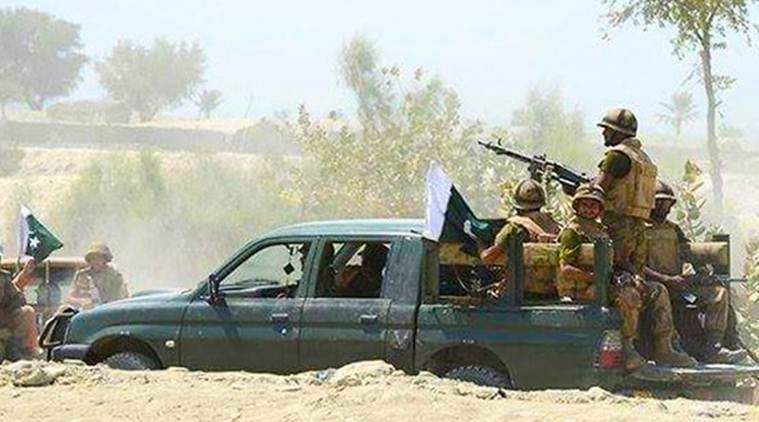
  • Pakistan-Afghan Border Crossing Reopens After Negotiations

    Pakistan-Afghan Border Crossing Reopens After Negotiations

    Pakistan and Afghanistan reopened a key trade crossing on Tuesday, officials on both sides said, after a row over travel papers as Islamabad cracks down on cross-border movements.

    The Torkham border closure since 12 January came after Islamabad imposed tighter controls requiring drivers from both sides to have visas and passports — documents many Afghans do not have.

    Ties between the two countries have increasingly frayed in recent months, with Islamabad accusing the Taliban government of failing to root out militants staging attacks in Pakistan from their soil.

    Kabul has always rejected the allegations.

    A Pakistan border official, who asked not to be named, confirmed the reopening to AFP after negotiations between Islamabad and Kabul, allowing hundreds of waiting trucks to cross.

    “It was agreed during the discussions that until 31 March, Pakistani and Afghan drivers can cross the border without a visa and passport,” he said.

    “However, starting on 1 April, both a visa and passport will be mandatory.”

    Afghan Torkham official Abdul Jabbar Hikmat confirmed lorries were allowed to cross again on Tuesday “without the need for passports and visas”.

    Pakistan’s casualties from armed groups hit a six-year high in 2023 with more than 1,500 civilians, security forces and militants killed, according to Islamabad’s Center for Research and Security Studies.

    The biggest militant threat to Pakistan is its domestic chapter of the Taliban movement, known as Tehreek-e-Taliban Pakistan (TTP).

    Pakistan officials said tighter restrictions on trade and on-off border closures are a pressure tactic to get the Taliban government to work with Pakistan on security.

    “Pakistan desires Afghanistan to adopt a tough stance against the TTP,” a senior provincial government official in Peshawar city who asked not to be named told AFP.

    “If they do not, the trade route will be intermittently closed for various reasons.”

    Islamabad has also recently forced out hundreds of thousands of undocumented Afghans living in Pakistan.

    More than 500,000 Afghans fled in the four months since Islamabad imposed a deadline ordering 1.7 million Afghans it says are living in the country illegally to leave or risk arrest and deportation.

    Millions of Afghans escaping conflict poured into Pakistan in past decades, including around 600,000 since the Taliban ousted the US-backed government and imposed its harsh interpretation of Islamic law.

    Some of the Afghans crossing into Afghanistan as a result of Islamabad’s eviction scheme were entering the country for the first time, having lived their whole lives in Pakistan.

    Upon arrival, migrants have received only modest assistance from the government and NGOs in a country contending with one of the worst humanitarian crises in the world.