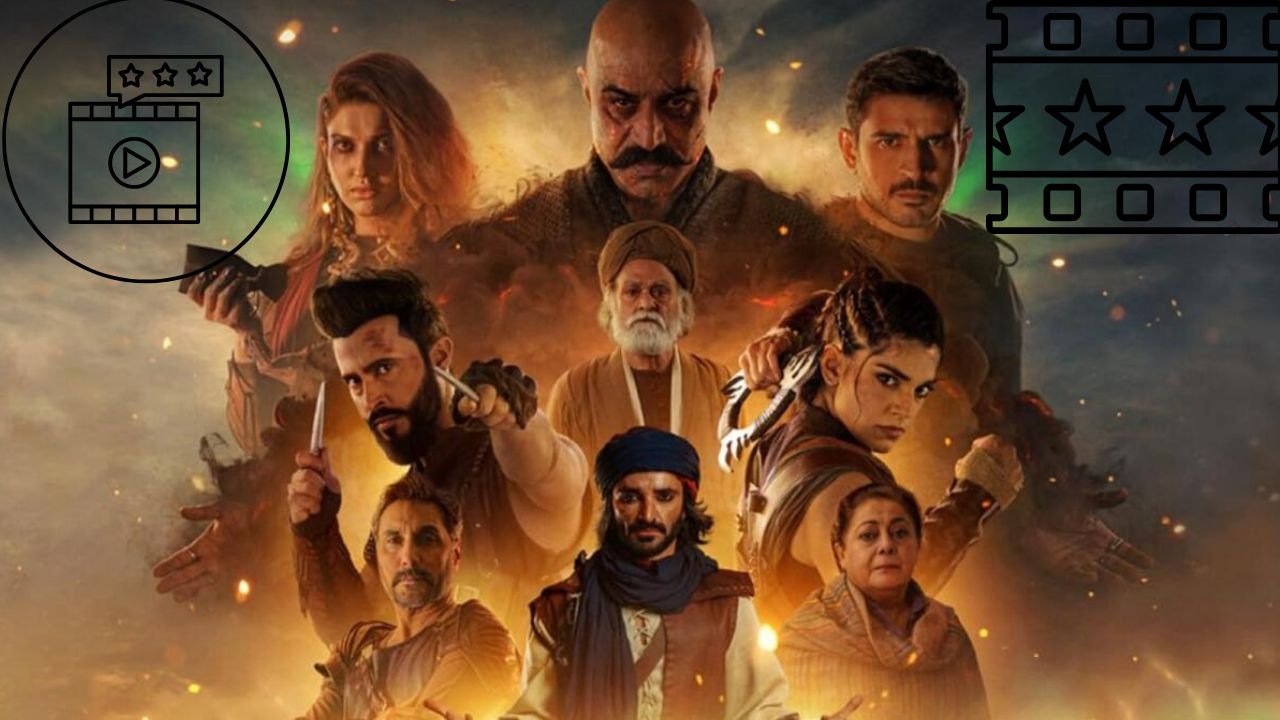
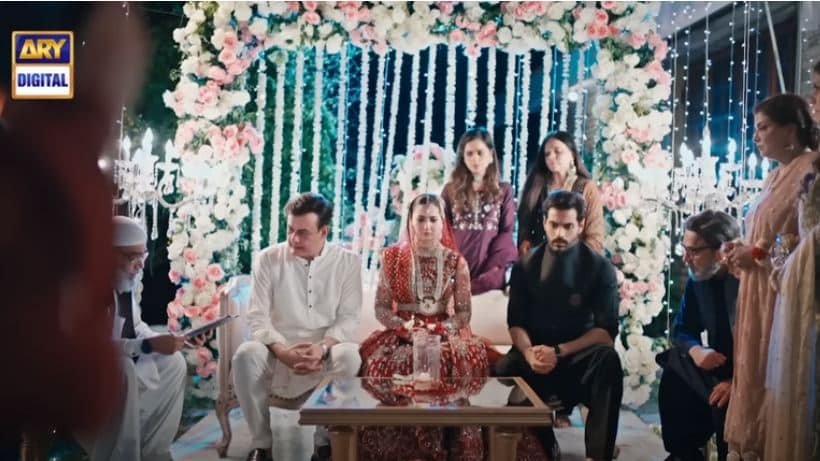
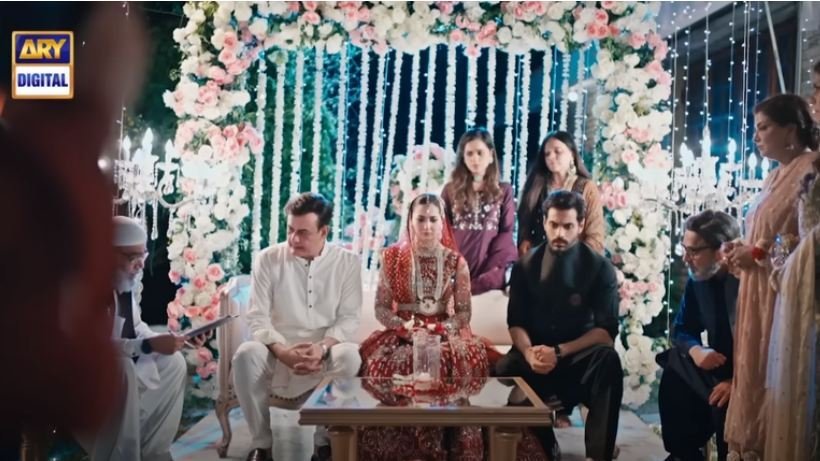
This week’s episode of Gentleman and the one preceding it have become the turning point for the drama that explored Karachi’s underbelly.
The narrative now belongs to Zarnab. With her brilliant acting skills, Yumna Zaidi aced the emotional scenes as Zarnab praying for Muna at the Hospital. Zarnab’s father stays beside her and the bonding between father and daughter is outstanding.
Dilbar sticks with Muna even in the most difficult times. Here we cannot ignore Zulmi’s love for Muna as well. Muna is the luckiest person because he has got some true friends. The conversation between Dilbar and Zarnab impressed the viewers of Gentlemen. People also enjoyed the joke session between Zarnab’s father, Zulmi, and Dilbar.
Waqar Sahib, Zarnab’s father, has admitted by staying at the hospital that Muna is a good man. Faris, however, came across as a narcissist, more concerned about his career with no space for Mifra.
It is surprising to see that Mifra pretends to know a lot about Faris. During episode 13, her dialogues were on point, and I was really impressed by the conversation between her and Faris when she said, “You neither knew how to love her (Zarnab) nor how to be unfaithful; what will you do with me? If tomorrow that gangster (Muna) survives and Zarnab says she has fallen in love with him, will you come to me with your wounds?”
The scene depicts the reality of most men in our society and their approach towards women.
Zarnab’s performance made fans feel emotional in the scene where she was talking with Muna and the dialogue really went viral. “Tum marna mat Muna, mein tumhay jeeta huwa dekhna chahti hu”. Even I can Muna’s hope for a new life.
At the end of episode 14, Waqar Sahab did a great job. He ended Zarnab’s engagement with Faris, admitting that he is not a suitable man for his daughter. The way he called Faris a “Thug” caught viewers’ attention.
Waqar Sahab added that anyone in uniform who takes bribes is also a thug. Zarnab’s father completely supported her decision, highlighting the importance of a supportive father in a daughter’s life.
Let’s see what happens in the remaining episodes of Gentleman. Will Zarnab gradually fall in love with Muna in the upcoming episodes?
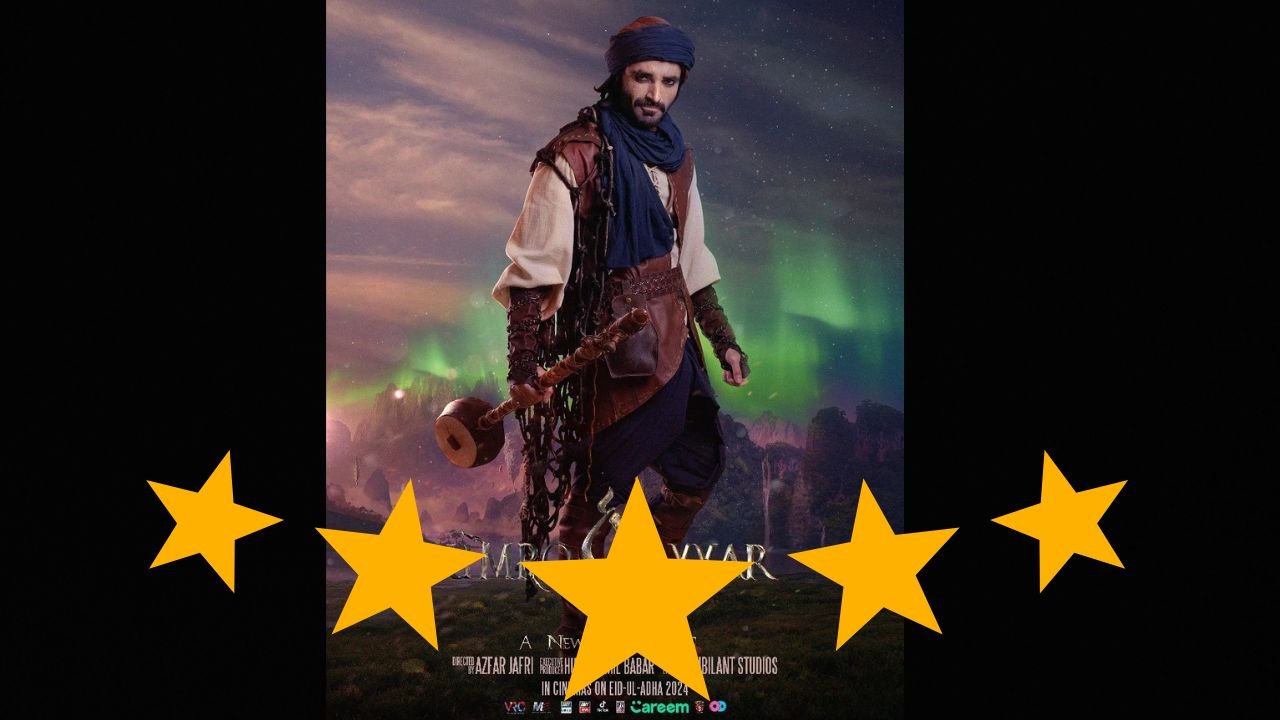
Umr-o-Ayyar is everything I could not have imagined: badly written fanfic and a thrilling display of VFX-laden action unknown to Pakistani films.
Invited to the premier on behalf of The Current, I recalled all I had ever known about the character of Umr-o-Ayyar. Having been an avid reader of the legendary series of Dastaan-e-Ameer-i-Hamza and Talism Hoshruba, I was a fan of the conniving, quirky character of Umr-o-Ayyar, a friend and close confidant of the protagonist, Ameer-i-Hamza, but a legend in himself. The expectations were a little too high. The reality was a bit of a downer.
It was a marriage of convenience between the magical world of Harry Potter and the legendary period drama of Ertugrul.
My father, a master in Arabic language and literature, always told me that the name’s correct pronunciation was Ammar-Ayyar and not Umr-o-Ayyar, as per the rules of the Arabic language. Ammar, the protagonist played by Usman Mukhtar, really marked the right box with the name, but unfortunately, that’s about it.
His portrayal of the ‘clueless chosen one’ who remained true to character till the end made him look stupid more than likeable. Just like it was said about Harry Potter that magic still surprised him, Usman embodied the same traits, keeping his quintessential baffled expression intact whether it was his Schrodinger phase or him as an Ayyar.
The hero’s entourage, comprised of Ali Kazmi Salman Shaukat and Sanam Saeed, did leave their mark. It was the story that let them down. Manzar Sehbai’s Guru is there to mentally prepare the chosen, pure-blood Ammar Ayyar just like Master Shifu did with Po in Kung Fu Panda, but his styling, like that of Ertugrul’s Ibn Arabi, seemed out of place in the uber-cool setting. His verbose speeches and boasting of the power to know it all led to an all too predictable ending.
Director Azfar Jafri, known for family entertainers like Janaan and Heer Maan Ja falls short on this period cum super-hero cum action genre. Despite the fact that the two legends featuring the titular character are quite internalised in our language and culture, the movie comes across as an adaption of foreign celluloid. It has elements of Harry Potter’s pure-bloodedness, Voldemort’s black magic, inconsequential mention of physics, a motor-bike chase, Marvel’s VFX, fight sequences, and a world of supernatural elements ironically being dealt with both guns and knives. Consequently, the original plot, if there was any, got lost.
A sign of a flawed storyline is that the movie does not reflect much on the very conflict of the plot as to why the two parties are at war with each other. Ayyars, weak enough to get possessed, riding on bikes, and combating magic with internal powers, guns, and daggers made it all funny, even funnier than the comic reliefs in the film.
The best thing about the movie was the villains. The plot was driven by Sana’s Cheno, inspired by Bellatrix Lestrange, and Laqqa-a desi Voldemort- played by Faran Tahir. They were visibly ominous, and however flawed their dialogues were, their actions made more sense as they acted their part well. At one point in the film, Laqqa, the villain, has his first showdown with Ammar Ayyar, the hero, where the former says to the latter, “I am extremely disappointed after meeting you.” As an audience, you agree with him because such is the extent of Ammar’s incorrigibility. While it is not a well-written character, it performed even worse.
Hamza Ali Abbasi’s styling and acting take the cake. During those five minutes of his guest appearance, you are reminded of the beauty of the original tale. His portrayal of the OG, vivacious and witty Umr-o-Ayyar, who has especially come to knock some sense in the hero, made me reminisce about the accessories he owned, such as “zanbeel,” a satchel he used to carry everywhere that contained all the things under the sun, including the jinns he had entrapped. Alas! Its a lost opportunity.
While the storyline keeps boggling the mind, VFX in the final showdown really gives that larger-than-life experience. It deserves all the praise for being groundbreaking in Pakistani cinema. It’s the story which is the hamartia, a fatal flaw of this presumed epic of a film. The title, Umr-o-Ayyar-A New Beginning, indicates that the makers intend to make a series under the same banner. The next effort should not be as frivolous as this one. Overall, the movie is a good one-time watch that really lacks originality.
Ebrahim Raisi is no more. Newspapers and various other outlets have published countless obituaries both coming from the tainted western lens and that of religiously coloured frame. I, on the other hand, want to present an account of listening to Raisi’s speech once and was inspired by the depth of his words and the resolution in his tone.
“If Israel violates the sovereignty of the Iranian state again, the reaction will be different and who knows the Zionist regime will not exist,” the one who said these words is now buried in a freshly dug grave in Mashhad but certainly not forgotten.
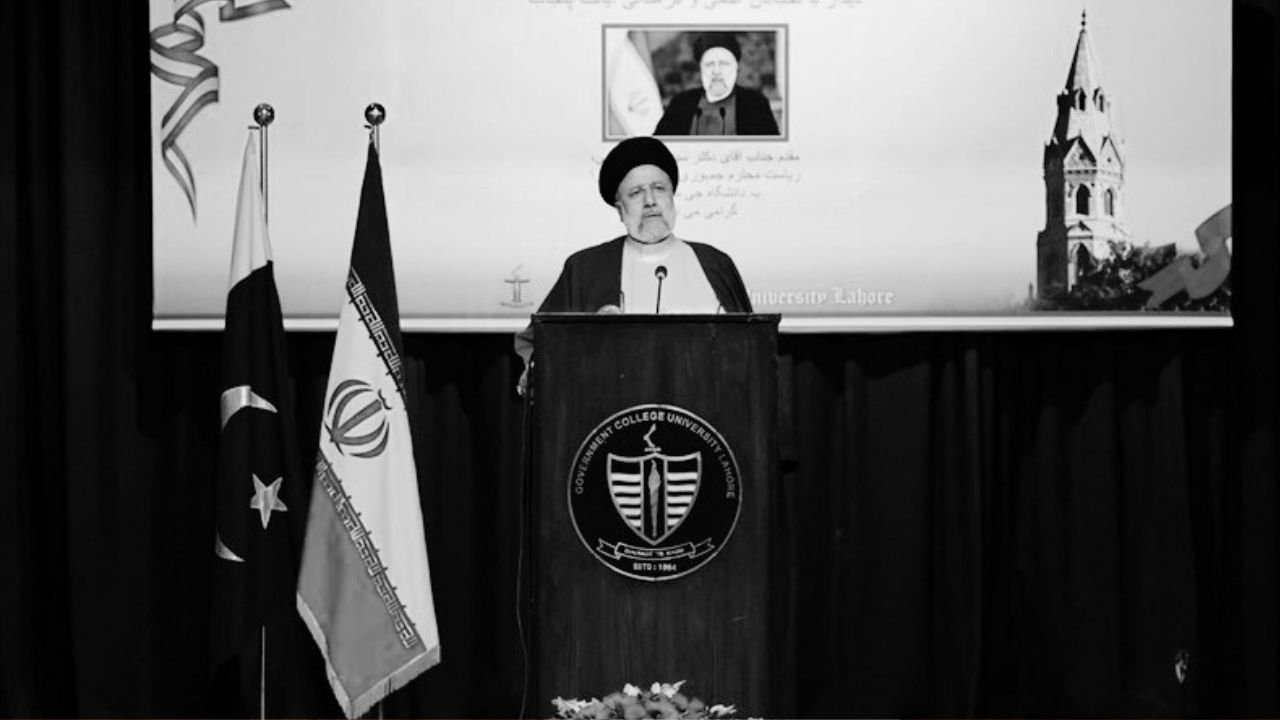
Ebrahim Raisi (1960-2024) said these words in front of the students and teachers at Government College University Lahore, my alma mater. It was surreal, to witness a head-of-state speak in the prestigious Bukhari Auditorium. While the security and arrangements made it all very unapproachable, when he arrived it was warm and almost palpable.
APP41-230424
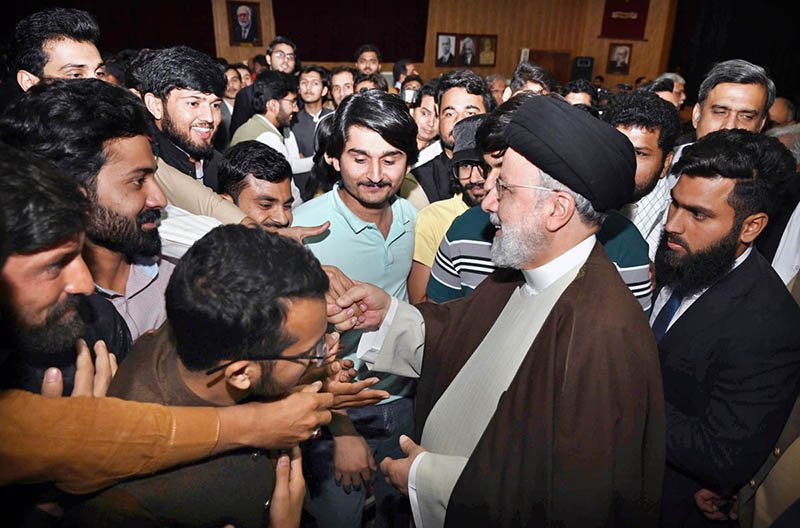
LAHORE: April 23 – President of the Islamic Republic of Iran Dr. Seyyed Ebrahim Raisi shaking hand with students during his visit the Government College University (GC) Lahore. APP/MTF/MAF/TZD
April 23 was the day I went to the university after a long time, not just to attend an esteemed ceremony but also covering it for The Current. The day was bright and because it was a public holiday in the city, I reached GCU Lahore almost gliding through the air early in the day at 8:30 am.
A crowd of selected people, all ready to bear witness to history in the making could be seen under the gothic lady.
Although no gadget was allowed inside, I managed to grab a pen and paper and took notes of the speech which is a piece of literature in true sense of the word. References of Iqbal’s poetry with the messages of the reawakening of youth made it worth lending an ear to.
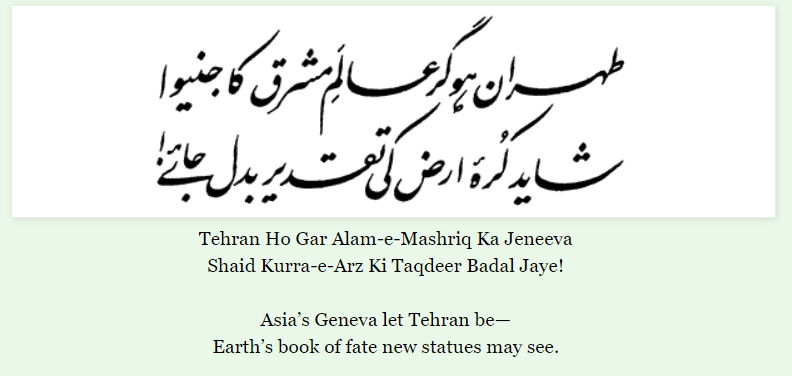
The Vice Chancellor started her address paying tribute to the resilient power and the great potential held by the land of Persians. In Allama Iqbal’s words. “Tehran ho gar Alam e Mahriq ka Geneva, Shayed Kurra-e-Arz ki Taqdeer badal jaye.” The verse implies that if Tehran becomes the Geneva of the East, the fate of the world will surely change.
It turned out that Iranian President Raisi was not just fully familiar with the work of our national poet but remembered him as Iqbal Lahori for his work in Persian. He was pleased to be present in the institution where Iqbal studied and taught; and to be in Lahore, the city from where the revolution against oppressive colonial rule started.
While he stressed about the hybridization of knowledge and faith as the key to success in life, he stressed on Iqbal being the best example as someone who combined both excellently. As he moved on, like an expert orator, he felt the pulse of the audience and drew a comparison between the East and West. We believe the people of the East are higher than that of the West because of how they understand the “creation of knowledge”, Raisi quoted the Supreme Leader of Iran, Ayatollah Ali Khamenei.
He laid out his vision by saying, “The West is somehow trying to have a monopoly in the field of knowledge and Science, but we the people of East can change that.” He emphasised the role of universities in imparting a deeper understanding of the current situation and the pivotal role of faith along with seeking knowledge.
He substantiated his argument by pointing out how the West claims to have championed freedom of speech and human rights but the brutal ways with which University students setting up protests and encampments in Europe and America against Israeli occupation of Gaza are dealt with is a testimony to the innate contradiction between the claim and the practice.
“Today the liberation of Palestine is not just an issue of the Islamic world but of the world as well,” he said in a passionate tone and with this the audience was totally invested and they were applauding him even before the interpreter translated his words. Raisi predicted that hate is brewing in the hearts of people against United States and this Zionist regime in Palestinian territory and this will take revenge from them.
We are usually so used to of seeing leaders just chanting out popular things and hardly something literary Raisi gave the audience a minor jolt as he quoted 12th-century Muslim philosopher Ibn Arabi precisely from the text Fusus ul Hikam where he brought up the killing of children by Pharaoh only to prevent the birth of Prophet Moses. However, Allah was with Moses. Meanwhile, the nation of Moses was being created. He said that the same will be translated with Israel killing Palestinian children relentlessly.
He spoke like a warrior, someone who has stayed resilient in the worst of pressure. “If you stand against our nation, we will stand against yours”, Raisi said affirmatively. As he moved towards the end he put an emphasis on the support of Palestine as the common point of relation between Pakistan and Iran.
Coming full circle, Raisi left his mark with his final words which I quoted in the beginning. There are problems and issues of governance in every state of the world but what stands out is the resilience and the will to face opposition with head held high. With his words, Raisi inspired students to stand tall in the worst of situations and stand on the right side of history. The memory will forever be etched in my mind.
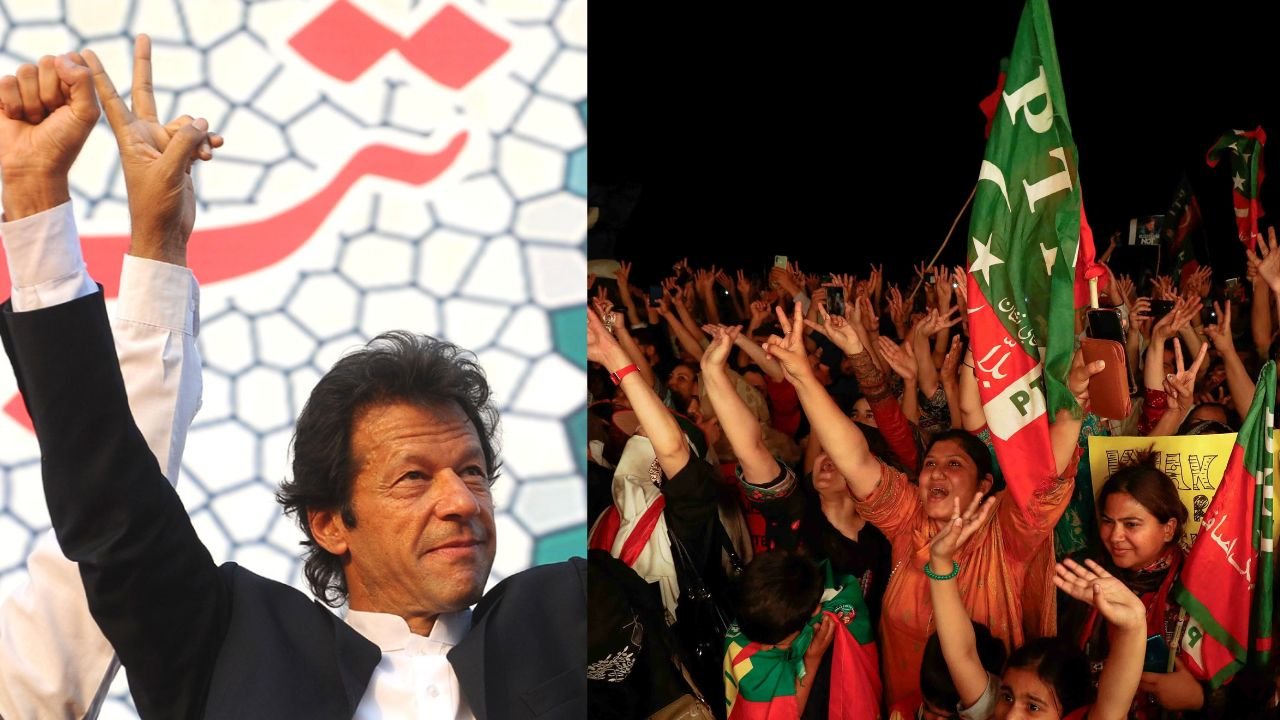
Being young adults, we never participated actively in politics. PTI’s election 2018 campaign was so effective that it captivated the attention of young people and encouraged them to get involved in politics.
The voter turnout among young people was incredibly high, with an estimated 20 to 30 percent of people voting for the first time in the 2018 elections. Imran Khan and his team ensured that the youth became the driving force of his campaign.
The 2018 manifesto’s major part was dedicated to youth. Another element for targeting the youth was the ratio of youth in Pakistan and how they actively use digital platforms, and Khan and his team, made sure to persuade us to make the most of it.
In 2018, Pakistan was filled with excitement and hope for a new political tradition, with new leadership promising a better Pakistan. PTI’s anti-corruption narrative inspired young people to participate in the election. The urban middle class, which had historically been excluded from family dynasties, saw an opportunity to rebuild the country’s political structure through a merit-based reward system.
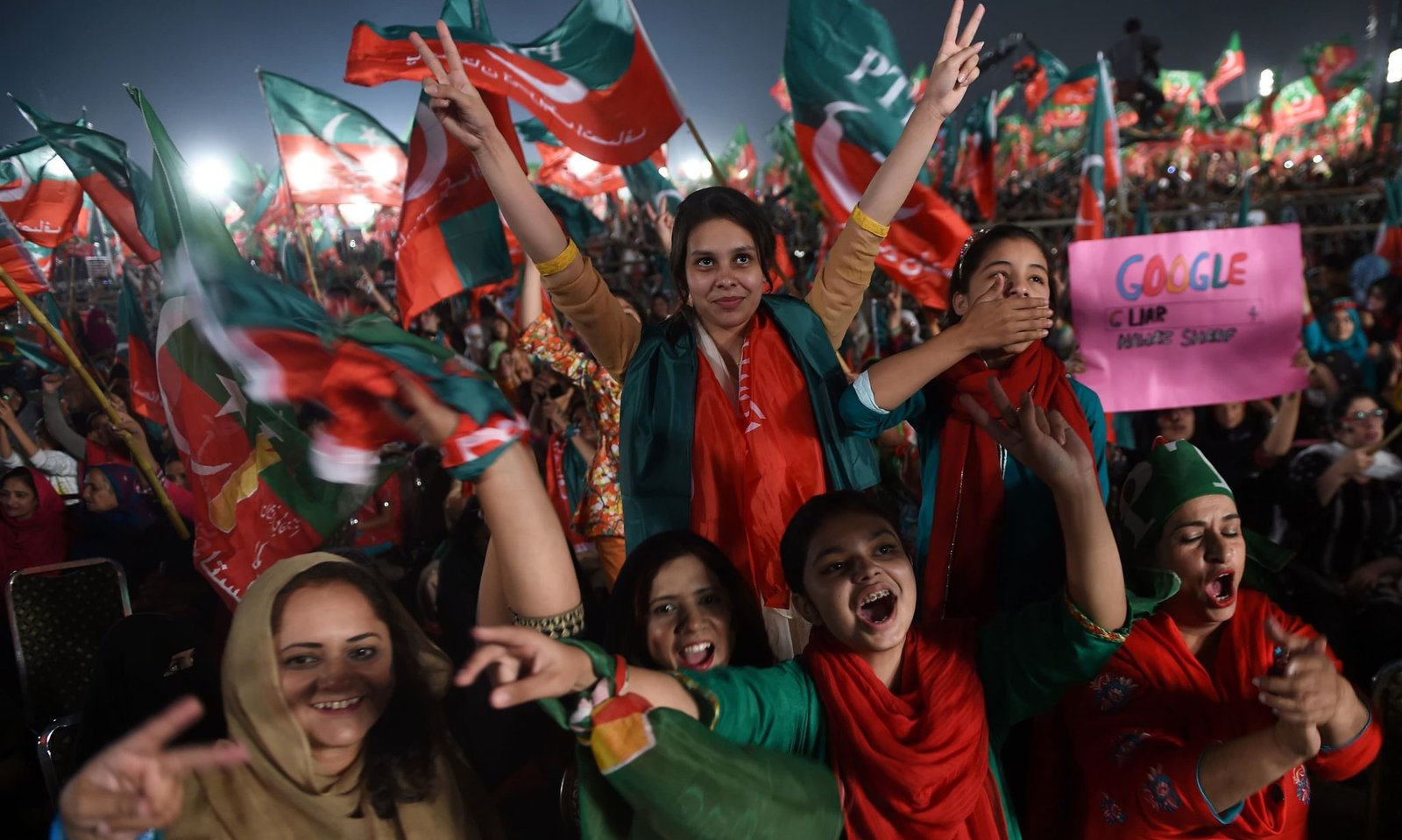
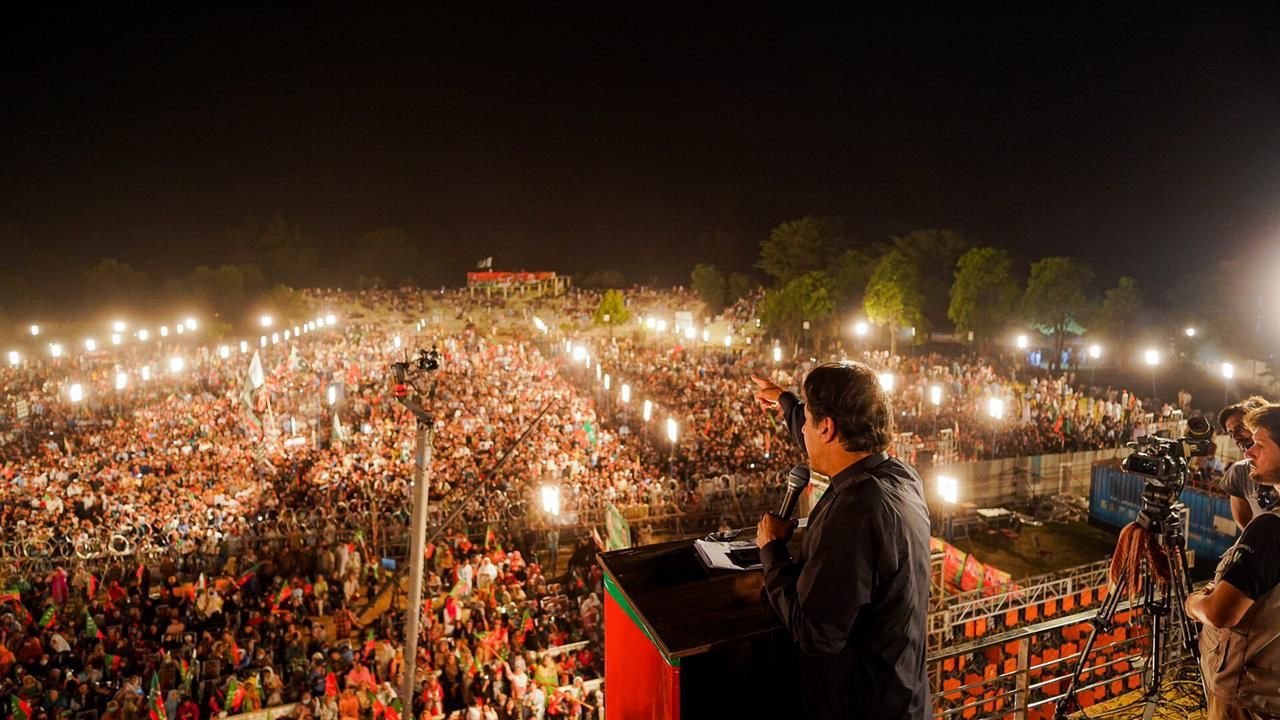
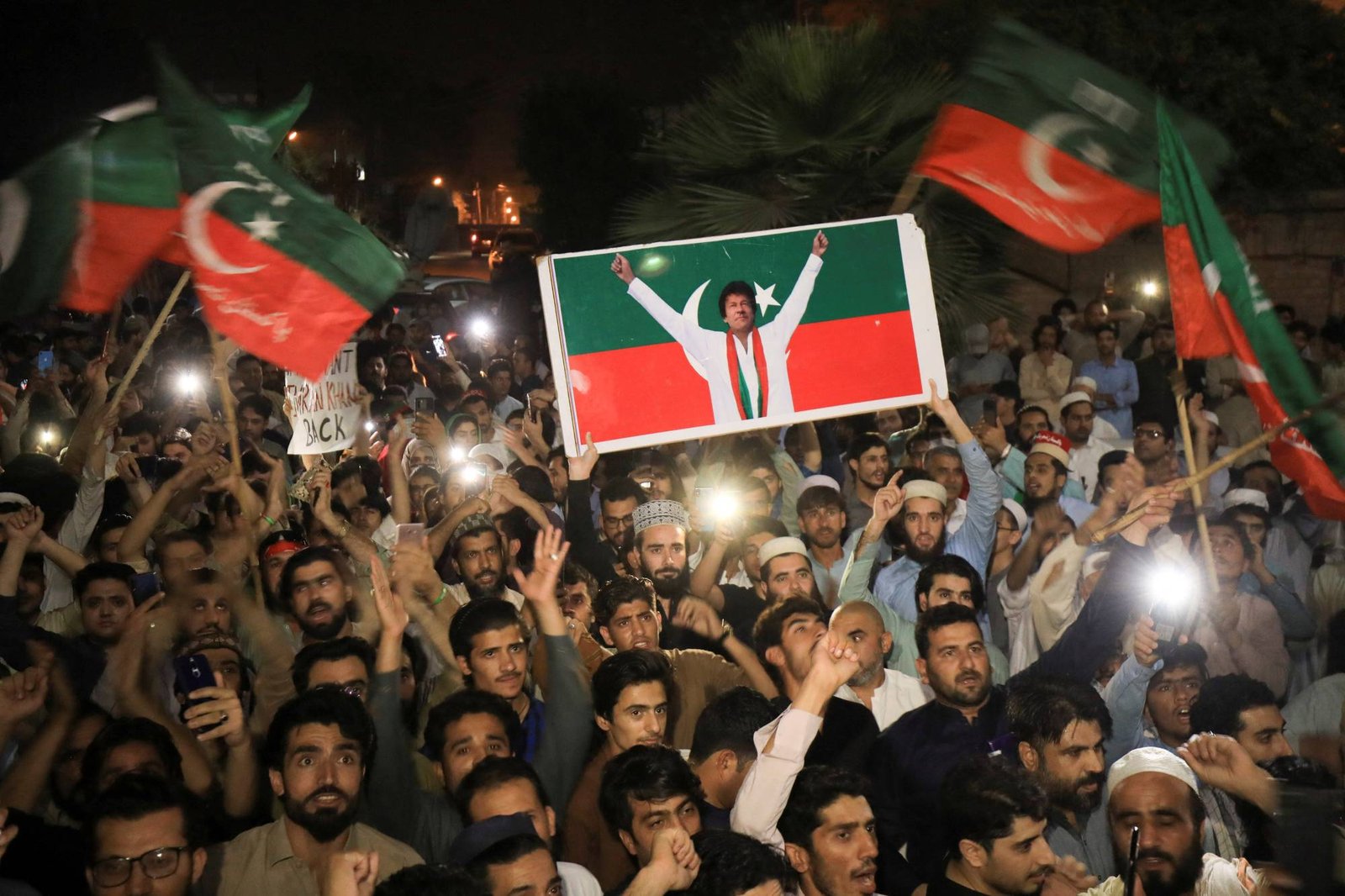
Activists of Imran Khan party Pakistan Tehreek-i-Insaf (PTI) enjoy at the thanksgiving day rally in Islamabad on November 2, 2016.
A Pakistani opposition party has abruptly called off a planned “lockdown” of the capital after the Supreme Court paved the way for an investigation into allegations of corruption against the prime minister’s family.
A Pakistani opposition party has abruptly called off a planned “lockdown” of the capital after the Supreme Court paved the way for an investigation into allegations of corruption against the prime minister’s family. / AFP PHOTO / ASIF HASSAN
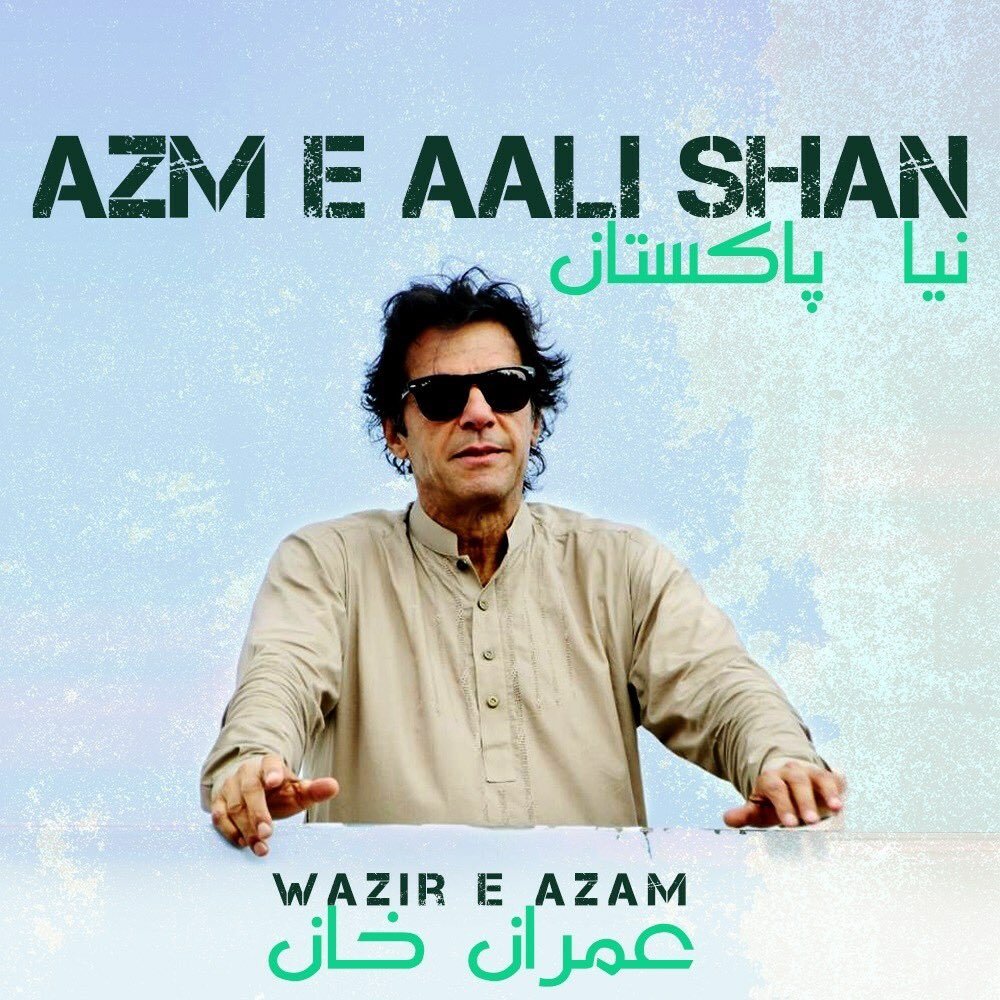
The phrase ‘Naya Pakistan’ resonated with educated youth. There were two categories of people who joined the PTI: those who wanted a meritocratic, inclusive, and successful Pakistan, and those who were disillusioned with previous leaders.
After winning in 2018, Khan announced big plans for the benefit of the youth. PTI’s government launched various revolutionary projects to empower and advance the youth.
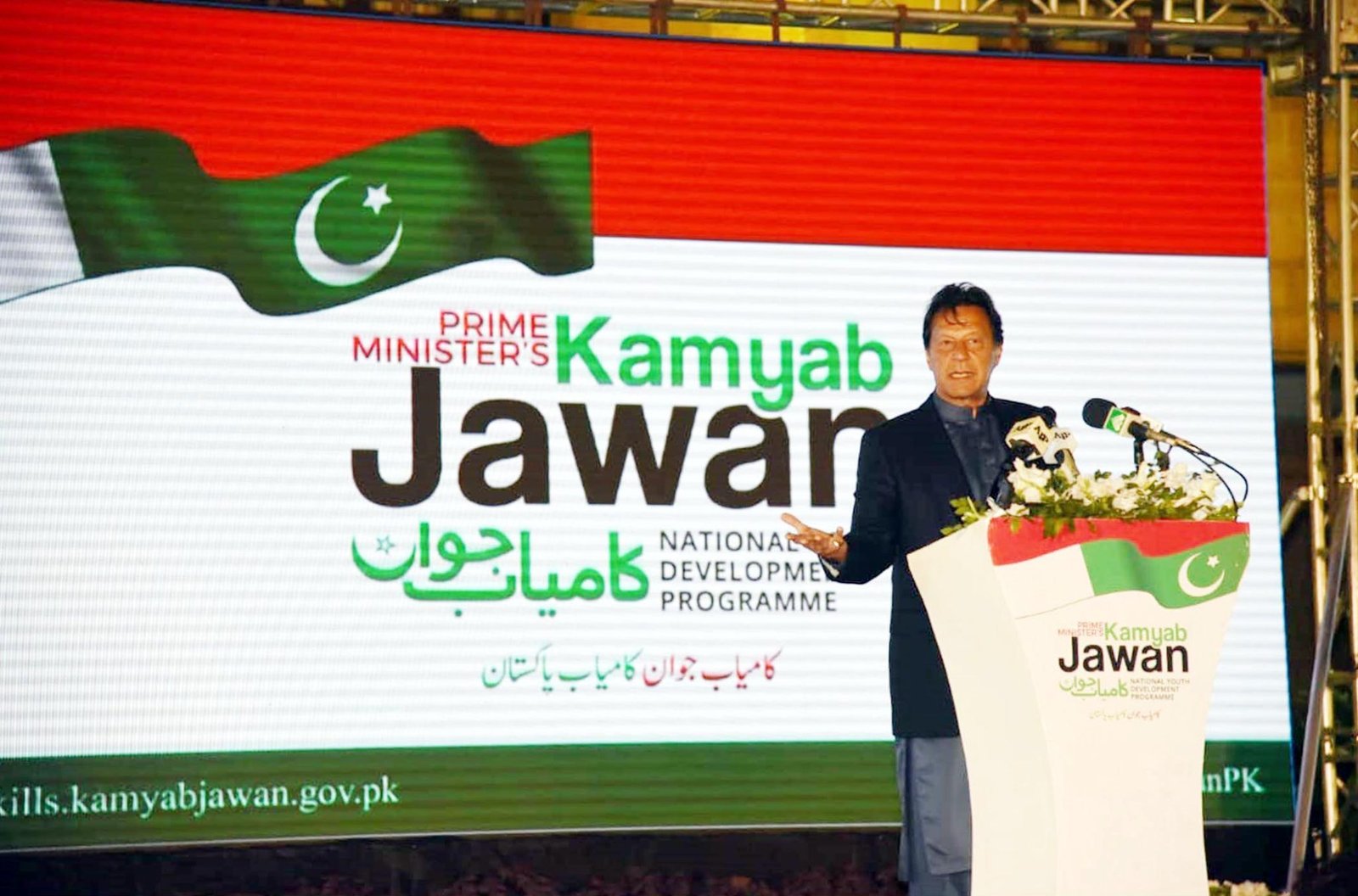
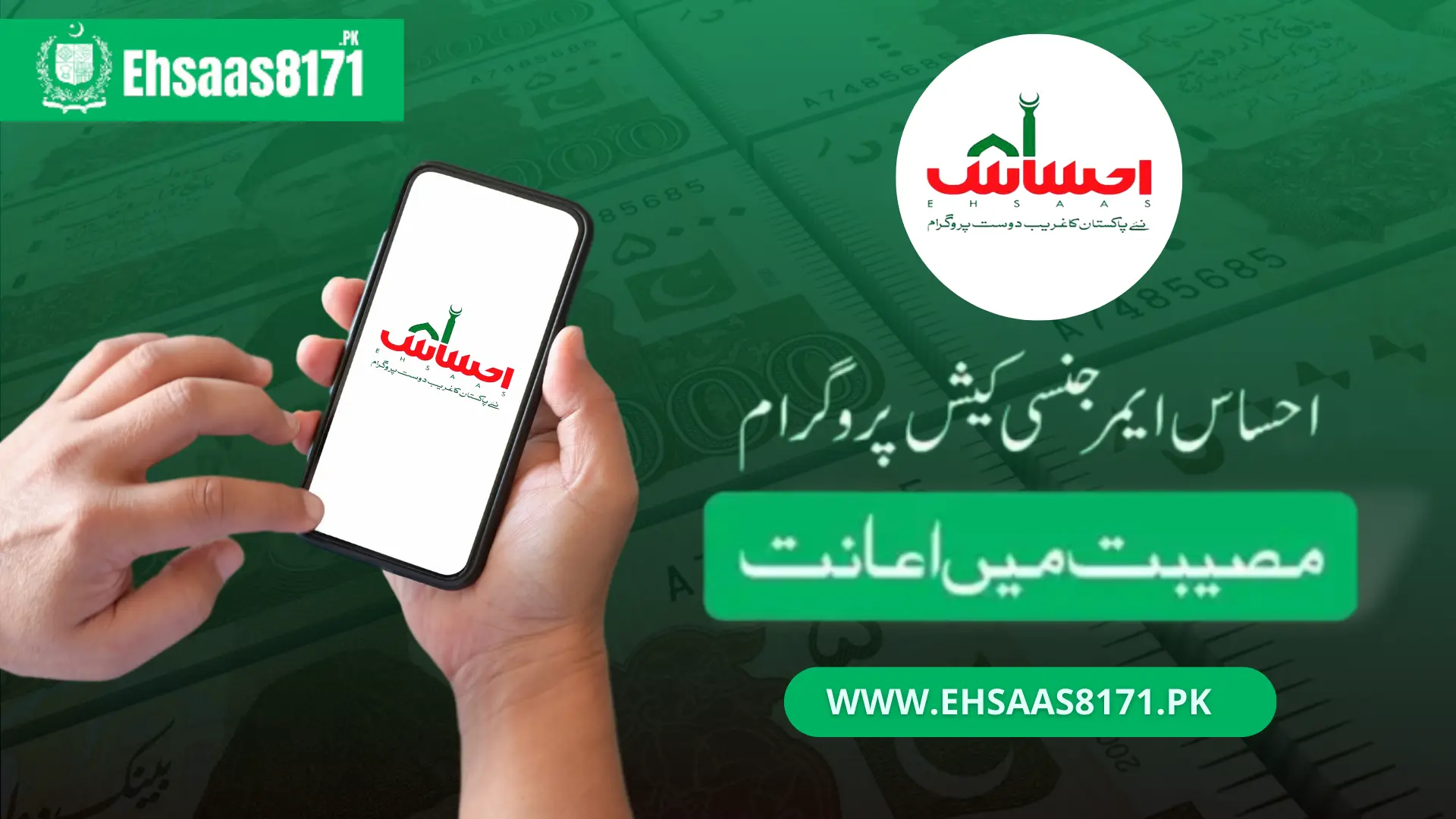
Khan initiated the “Kamiyaab Jawan” Program on 11th July 2019 for the youth’s betterment and another initiative was the inclusion of vulnerable groups in the “Ehsaas Programme.”
Prime Minister Imran Khan addressing after distribution of Cheques at a Ceremony under “Kamyab Jawan Program” in Karachi on January 27, 2020
From 2018 to 2022, Khan actively worked for the welfare and involvement of the youth and the poor. He never surrendered his state’s sovereignty, and when a no-confidence motion was launched against him, he became extremely active on social media, encouraging youth involvement and participation to support him on digital platforms.
After the no-confidence motion, the youth were devastated and out on the streets for their leader.
Imran Khan received widespread support, both nationally and internationally. Digital campaigns were launched to support the injustices committed against the PTI. PTI launched campaigns involving peaceful protests around the country. But the opposition was outraged by the enormous support for the PTI and launched a crackdown.
In spite of all the cases and propaganda against Khan, we are still standing behind him. The youth continue to provide him with unmatched support. His youth-oriented ideology is the motivation behind his support. Despite the chaos, supporters do not back down or fear anything.
We, as young adults, continue to support Imran Khan and will always do so. No matter what happens, we will vote for him.
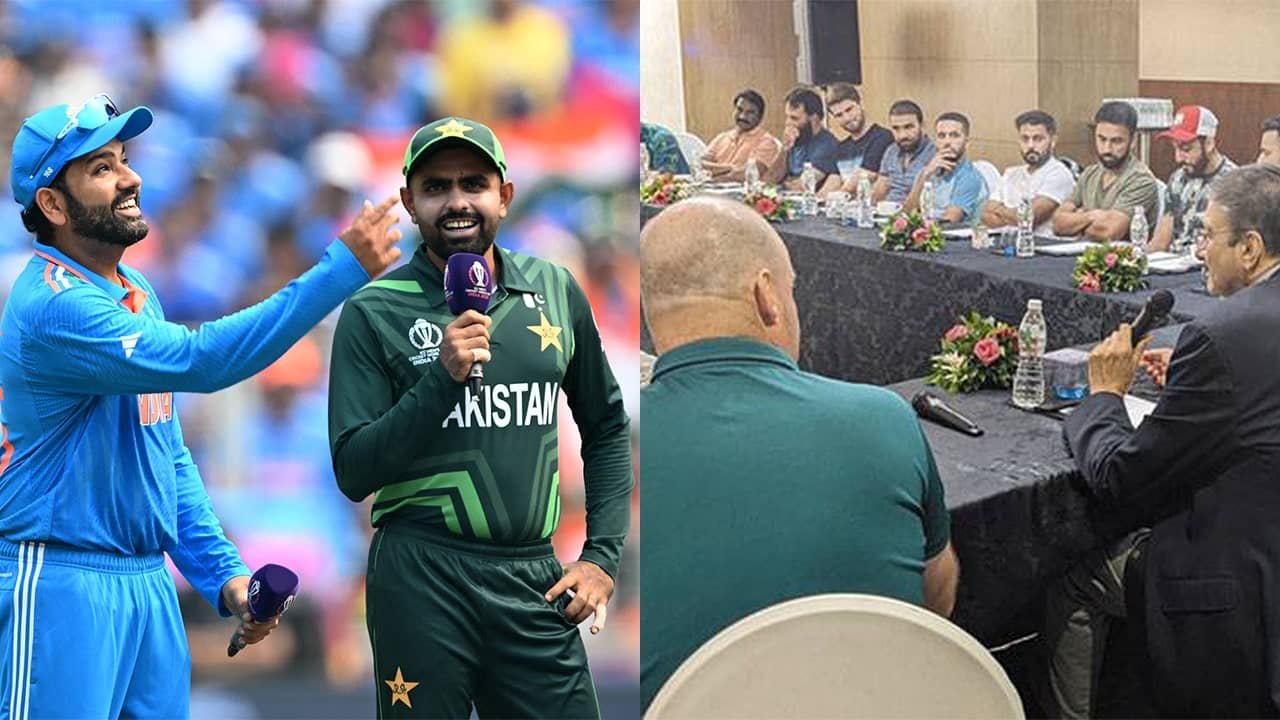
India defeated Pakistan by seven wickets in the 12th ICC Cricket World Cup match played on October 14 in Ahmedabad’s Narinder Modi Stadium in India.
The Indian captain Rohit Sharma won the toss and decided to bowl first. Pakistan started collapsing after 155/2 when Babar Azam was bowled out after scoring 50 runs. The remaining eight players returned to the pavilion while adding only 36 runs to the total. Pakistan set a total of 191 runs that India achieved in 30.3 overs while losing only three wickets.
Fans started blaming the whole team and raising questions about Babar Azam’s captaincy, but no one talked about all the other issues that played a major role in this defeat.
1: Lack of psychological training
Pakistan cricket board hired psychologist Maqbool Babri before the Asia Cup 2023 to provide counseling to the Pakistani men’s cricket team. The duty of a sports psychologist is to improve stress management, effective teamwork, visualization, and many other psychological problems that an athlete faces during the game.
First of all, we should ask PCB management what type of psychological training has been provided to our players to play the biggest match of cricket in India, our arch-rival. What type of training do they get to control their stress amidst a hostile crowd of 132,000? They should be asked about what type of training session is given for mental strength and how to use biofeedback and neurofeedback.
2: Lack of bowling variations
Pakistani bowlers were conceiving runs during the power play and also during the middle overs. They were not getting wickets in middle overs. A question should be asked of bowling coaches, whether they are unaware of Indian conditions which are similar to Pakistani conditions? Why were our bowlers unable to introduce more variations when the same is being done by their Indian counterparts?
3: Defensive approach in batting
ODI (One Day International) cricket is not a game of 250 or 260 runs anymore, now every team aims to score 300+ runs from the very beginning. Other teams have attacking opening pairs that score 60+ runs in power play and give very good momentum to the middle order. If we look at our openers they play defensively from the start of the match and due to their defensive batting style, get out early and leave the load on the middle order. Openers should have an attacking mindset and put pressure on the opponent’s bowlers.
4: Zero support in the stadium
Pakistan cricket team was playing with almost zero support from fans in the stadium because India had not issued any visa for Pakistan spectators.
5: Chanting and booing by Indian fans
Indian fans started booing at the start of the match when Pakistan captain Babar Azam came out for the toss.
Another incident occurred when Muhammad Rizwan was returning to the pavilion and Indian spectators started chanting “Jai Shree Ram”.
Kuch nahin bhai kutay har mulak me paye jatay hein or ye waly Kuty India k hein. Note: not criticizing their chanting__ but they started chanting when they saw Rizwan. #ShameOnBCCI#PCB#ICCRankingspic.twitter.com/uQsS6so8xF
Remember that before this match Pakistan’s team received support from fans in Hyderabad. Pakistani cricketers also shared on social media that Heydrabad’s people were loving and amazing hosts.
6: Harassing Pakistan player Muhammad Rizwan
Indian lawyer Vineet Jindal, who has filed a complaint against Pakistani cricket presenter Zainab Abbas for old tweets, has now filed a complaint to the ICC (Internation Cricket Council) against Pakistan wicket-keeper batsman Muhammad Rizwan for his tweet in support of Palestinians and praying in the stadium.
Last month, a 24-year-old woman was gang-raped at gun point by two men in Islamabad’s F9 park. The First Information Report (FIR) filed by the victim stated that after she was raped, the assailants gave her Rs1,000 and told her that she should not have been in the park at night.
How did the federal Minister for Human Rights react to this heinous crime? Almost three weeks later, in a televised interview with Nadir Guramani, on the topic of the F9 rape case, Mian Riaz Hussain Pirzada said that mothers of ‘tarbiyat’ (good upbringing) do not let their children go out at night. In one breath, Mr Pirzada not only victim-shamed the victim of the rape but he also blamed her mother for not having “properly reared” her daughter.
Clearly, Mr Pirzada has no understanding of what his job entails as the federal Minister for Human Rights. Here is a tailor-made letter of resignation he can sign on his way out.
TO: Prime Minister Shehbaz Sharif FROM: Mian Riaz Hussain Pirzada RE: Letter of Resignation (Federal Minister for Human Rights)
Dear Excellency,
I write to you with the heavy weight of self-awareness on my shoulders. I have come to see that I am a misogynist and therefore I cannot represent fairly and equally the rights of all the citizens of Pakistan.
The term “misogyny” is often linked to woman-hating. The problem with this outdated view of misogyny is that, when it is used like this, it is a circuitous nonsense. As soon as I tell you that I love my mother and my wife, which I do, I have proven to you that I simply cannot be a misogynist.
What I have come to learn is that misogyny is an enforcement system that keeps women in gendered roles. A woman who carves out her own path, or steps outside the role of being a well-behaved, supportive, giving woman, is disrespectable in the eyes of a misogynist and he (or she) is then entitled to put that woman back in “her place” to ensure she complies with the norms and expectations of patriarchy.
In my interview with Mr Guramani, I concurred with the F9 rapists: the woman who got raped had it coming because good girls do not venture out at night. I went one step further and I also blamed the victim’s mother because, clearly, she has not raised a good girl. This justification of rape makes me a misogynist. I wonder if the rapists’ criminal defence will quote my words and use my line of reasoning?
As the Minister for Human Rights, I should have known that Chapter 1 (Fundamental Rights) of the Constitution of Pakistan provides for equality of citizens and “no discrimination on the basis of sex” (Article 25) and that security of person entails that no person shall be deprived of life or liberty (Article 9).
As the Minister for Human Rights, I should have demanded that my own government (and the police) do more to protect our citizens, who have every right to enjoy their liberties, which include taking in the night air, free of fear and discrimination, whether man or woman.
As the Minister for Human Rights, I should have made clear that the rapists are the real and only culprits of the F9 rape and that I stand firmly with the victims, enraged at the violation of their human rights.
I am an embarrassment to the Ministry of Human Rights and I hereby resign, with immediate effect.
Bannistan: the name that keeps circulating every now and then on social media, because it defines what it means to be a resident of Pakistan.
In an era of inflation, robberies, the never ending rise of lynch mobs and rape cases, rather than looking for ways to encourage joy and laughter, we’ve pointed our pitchforks towards anything and anyone celebrating to their own beat. Whether it is women dancing in the streets, a bride dancing the night away on her wedding, the most simplest forms of affection and love will irk and anger us because after all, the most important rule in the land of Bannistan is to never let joy prevail.
In the darkest times of humanity, it is our films and dramas that have sustained us and provided us with a glimmer of joy. Like when the Covid-19 pandemic shut down our lifestyles, we turned to films and movies to cope with the fear of surviving this deadly disease. Another poignant example is shown in the documentary ‘The Romantics’ when Aditya Chopra recalls how when there were a few weeks left before the release of his rom-com ‘Rab Nay Banadi Jodi’, the 26/11 attacks in Mumbai took place which wrecked destruction and fear across India. Terrified of the anticipated backlash, Chopra narrated how despite many of his colleagues insisting him to push the film’s release forward, he refused. Because as he declared: this was a more critical time than ever that people had a reason to find joy.
Films aren’t just a form of entertainment, but a powerful medium to give solace to those struggling to find joy. It is also a powerful tool that can reach across masses beyond than politicians to spread messages about social issues. In this time more than ever, we need our films to teach empathy and love to their audiences, but the rules are completely opposite in the land of Bannistan. Because here, what gets the most ratings is divorces, crying bahus, slaps, incest and anything that involves fear and oppression.
A scene from a Pakistani drama ‘Tere Bin’ has been going viral since yesterday because it featured a couple sleeping in the same bed together, along with the caption “Censor board is sleeping?” Because in the land of Bannistan, nothing makes us clutch our pearls more than a man and a woman being happy with each other.
Mind you, this is the first time this drama began circulating widely among national discourse for literally a five minute scene where the two are soundly sleeping next to each other, but several other instances of violence depicted in the same drama had not received the same amount of rage. In the last 30 episodes of the same show, we watch a woman being forcibly married to her cousin, placed under house arrest and barred from meeting her foster parents, slapped by her fiance, slapped by her mother in law, tried to commit suicide. Did you ever hear about such scenes? Nope, because this consistent oppression and cruel manner of stamping out joy is what keeps Pakistanis happy. We hate joy. We hate watching women in consensual, happy relationships. What is a tragedy in this mess is this limited, but moving scene from Tere Bin is just a drop in the thousands of dramas Pakistanis celebrate and champion to promote family values everyday, which are littered with misogynist messages and scenes depicting violence and abuse.
Our censor board sent several notices to ‘Dil Na Umeed Tou Nahi’ because apparently, it is a sin to depict how vulnerable children from lower class families are easy targets for sex trafficking, but a drama like ‘Mere Pass Tum Ho’ get’s a theatrical screening across Pakistan because it shows us for who we really are, a women-hating nation whose biggest nightmare is a woman getting financially independent and wanting a comfortable lifestyle. Any time there has been an attempt to tell moving stories that championed voices of the oppressed, or tried to encourage dialogues about empathy or love, we stamp it out because it’s alien to us. Label them as ‘un-islamic’ and vulgar because we’re a nation of soul suckers, who can’t thrive properly unless we’re watching the misery of others before us.
It’s imperative now more than ever that we re-think the success formulae of our dramas and movies, especially the kind of messages they are sending to their audiences. Because if a five minute scene featuring a brief intimate moment between a couple is enough to create a national storm, what does it reveal about the way men and women view each other in Pakistan. Pakistani women deserve better stories than what Pakistani audiences are providing them. Our younger generation doesn’t deserve to grow up knowing that a happy couple is a sinful couple, but should remember that like Chopra said, it’s essential that in times of tragedy we try to look for ways to uplift each other.
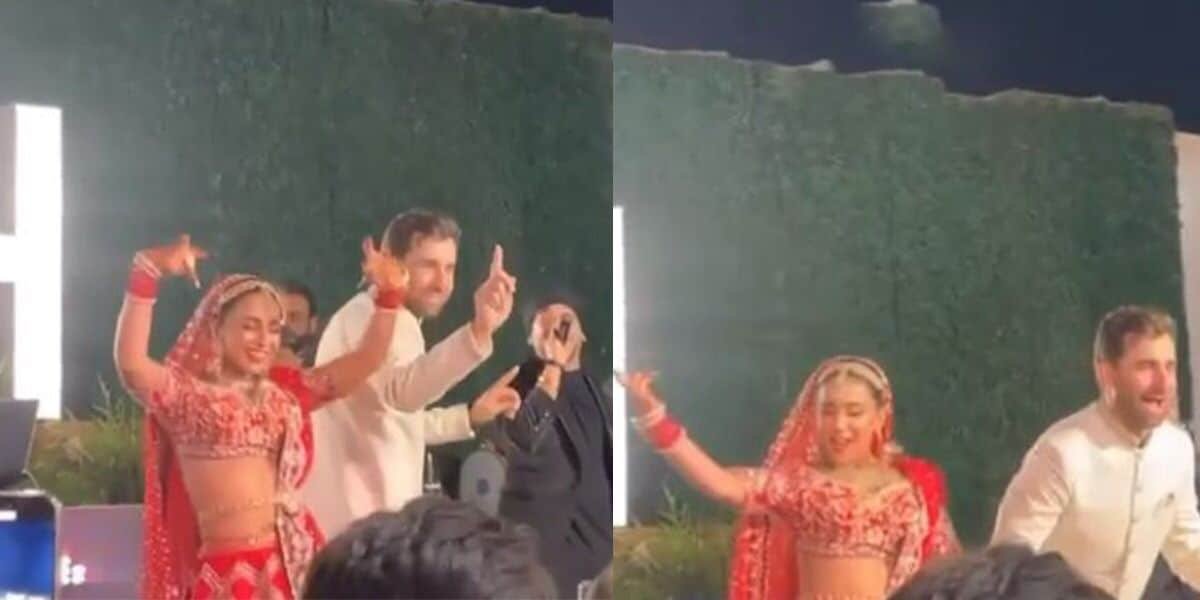
Was there an earthquake on our Instagram account last night? We found some distressing comments bunched under the old war cry of ‘Is This The Islamic Republic Of Pakistan?!’. Some people declared that they will unfollow our account for posting such content. At first, naturally we thought this was in reaction to a murder story, or regarding the number of rape cases we post everyday. But surprise, surprise, it wasn’t. No other post got this kind of attention or criticism like a video of actress Ushna Shah dancing at her wedding did. Pakistani women walk a tightrope everyday. They can’t declare to the world that they want to remain childless and single for the rest of their lives; not without attracting criticism for “hurting the sentiments of millions”. Or if they do choose to marry and remain happily in love with one man for the rest of their lives, they’re criticized for being extremely vulgar, refusing to confide with traditions of our society, and even promoting Western values. Because for Pakistan, a happy woman is a sinful woman. And any woman enjoying her life and living it to her own terms is what will trigger an already joy-less nation. Nothing else will attract this much hostility and negative backlash the way a woman dancing away on her wedding will. Like here is someone declaring that the reason for earthquakes striking Pakistan is because of a bride dancing the night away in a red dress?
Ma’am, what sort of crime did Shah commit by spending her own money on her own wedding, and then happily dancing because she was in love? Did this massive earthquake over look the rise of poverty, corruption, terrorism and murder cases and clutch it’s pearls because of a woman being happy and in love? Or like this azeem shakhs who declared Shah was a kafir for dancing away in a ‘shameless’ dress which showed her bare midriff.
Did you get invited to her wedding, or even pay for the events and more specifically her dress? No! Then keep your nose out of it. Women don’t need to mold their lives according to how people’s expectations matter. It’s her dress, she decides what to wear. And we haven’t forgotten the pile of hateful content that specifically targetted Ushna Shah’s dress, insulting her with terms like ‘Indian’ like this commentor is.
Because color me pink, red was solely a color that Indian brides have worn. Anyone familiar with the history of Pakistan knows our culture and wedding practices are no different from Indian ones. Many Pakistani brides have worn wedding dresses made by popular Indian designers like Sabyasachi, while the same happens across the border. Besides that, Shah, or any other woman, has the right to choose what dresse she wants to wear on her own wedding. Ushna Shah had herself stepped in to silence the critics by reminding them that by the end of the day, it’s her choice to wear what she wants and celebrate in any way that makes her happy.
“To those who have a problem with my dress:
You weren’t invited, nor did you pay for my shade of red.
My jewelery, my jora: purely Pakistani.”
And that extends to every woman in Pakistan. They can celebrate the happiest day of their lives without paying attention to the negative voices in the shadows.
The year is 2023. The Pakistani entertainment industry is as terrified of a woman who exercises her own free will and independence, as it was in 1973. After encouraging the bitch and bechari trope, the gold digger, the women fighting over a man trope, here comes another interesting plot device to keep viewers entertained: humiliation nikkahs.
What is this term and why do we bring this up? Humiliation nikkahs is a trope that are apparently suppose to make the enmity to lovers story even more spicier, simply by pressurizing the girl to marry the man for the sake of keeping her izzat intact. Bring up an excuse like the man the woman was suppose to marry bailed, and what could be more precious for a woman than diamonds, jewelry or a worthwhile lifestyle? Her honor! Because dear children, if a woman has no honor, punish her by marrying her off instantly to a stranger, popping out a ready made husband good to go!
Recently, the drama Mujhe Pyar Hua Tha has been gaining a lot of attention on social media because of Wahaj Ali’s brilliant performance, but his smolder and Nice Boy™️ vibes isn’t enough to divert us from the regressive story line. A love affair is stopped because women do not appreciate caring and nice boys apparently. From the start, the drama keeps us invested in the love story between two cousins (not enough coffee on this planet to get in to how messed up this is). The male lead, Saad (excellent name choice, five points for the writer) is the good boy next door. He’s the one who has always listened to your problems, is only a call away when you need to go out, but not the one you want to fall in love with. . He’s Devdas without the dimples or the long hair strand in front of the face, but the slouch who moans about no one liking him.
Then there’s the girl, Meerab, who is vain, self-centered, and consistently ignoring Nice Boy’s™️ kindness. She also taunts him for not doing enough when in the first episode, she chastises Saad for not owning a nice enough car and making her late to her cousin’s wedding. Meerab falls in love with a rich man Areeb, for which she is repeatedly condemned by her family, because she begs them not to force her to marry Saad, the man she had literally grown up next to. She and her mother are painted as villains in the drama because of their aspirations to marry above their station.
But what possible flaw could Saad have, aside from the fact that he is literally her blood relative? He’s the Nice Boy™️! Could it be perhaps that she doesn’t owe to him that she gives up her independence simply because he loves her? Or perhaps she has different desires than what Saad is offering her, and would like to have a wealthy and luxurious lifestyle? But by the end of the day, Meerub is a selfish, manipulating bitch for wanting more than just a mere home, and Saad is the Sad Boy who got played with because for once, a woman reminded him that she doesn’t owe him anything.
And then we come to the part that has inspired this rant: the shotgun wedding that is apparently the genius twist used to put two enemies together. Apparently the writer thought they were one-upping the great minds of writers like Agatha Christie or Emily Henry, who couldn’t write a better love triangle than forcing a woman to quickly marry her cousin because log baatien kar rahay hain? One would have to question why do television shows still presume that a woman’s honor and respect is completely destroyed when they are raped or assualted, but there is never a question about the man’s sense of respect. Especially in a country where more women are beaten or murdered by family relatives because they made videos on Tik Tok or even rejected a man’s proposal, this kind of message actively perpetuates the ever present misogyny women in Pakistan still deal with.
‘Log Kya Kahengee’ is a mantra women have been sacrificing their dreams and existence to, and it’s shameful that to this day, drama creators cannot recognize how damaging their depictions can be for women trying to survive in Pakistan.
The humiliation nikkah isn’t brand new, but a beloved trope. Popular dramas like Chupke Chupke abruptly put the opposing lovers together without any proper chemistry because it was another great idea hatched by respectable elders. Dear children, marriage is the magic wand that magically evaporates any anonymity or prejudice two people who never have interacted before in their lives might have, and then suddenly they’re the new Majnu Laila in town. Chupke Chupke executed this trope in a brilliant manner. Faaz and Meenu, the opposites in the Hum Tv Ramzan drama, had never interacted before, and were also STUDENT and TEACHER before this happened. Meenu tragically happened to have been engaged to a con-man, who was quickly caught by the brilliance of family members who were pushing her to get married in the first place. In a stroke of brilliance, they quickly decide that Meenu must marry her cousin, and teacher, Faaz Ibrahim, to save her respect. Before Faaz can even interject with some logic, Meenu’s brother quickly shushes him by reminding him ‘Meenu ki izzat ka sawal hai.’
Because worse than marrying the wrong man or even being abused and humiliated in a toxic relationship, is getting bailed on your wedding day.
What’s more worrying to witness is how the humiliation nikkah trope is supposed to be a way writers are trying to convince the audience that a toxic male lead, who repeatedly stalks, harasses and crosses boundaries with a woman, is actually truly in love with her. Taking an example of the ever green Ishq Hai where Danish Taimoor”s character is driven to madness when he realizes that the woman he loves (played by Minal Khan) is getting married to someone else. So he kidnaps her, drives her to an isolated home, where he holds a gun to his head and threatens this woman that she must marry him, or he will kill himself.
Swoon, right? Shah Rukh Khan should take notes. He only gently reminded his female lead that he wouldn’t force her to run away with him, because he loved her too much, and would never want her to live a life of shame and cut off from her loved ones.
But what’s going to change by shouting our frustrations in the air this way because by the end of the day, this is the same entertainment industry willing to demonize Aurat March as a Western agenda movement, designed to break apart the family system.
The family system, that is maintained because women have kept quiet for centuries about being abused, mistreated, cut off from their family members, forced to clean and cook for the entire household, will suddenly collapse overnight because one girl made the choice to marry according to her own free will.
We sincerely hope that Pakistani drama creators would maybe stop chasing their own tales and spinning out the same regressive storylines, and maybe for once, listen to the women living in Pakistan, who deserve much better than consistently being denied their humanity and self worth.
We’ve heard sleazy men behind anonymous accounts push back against this. We’ve seen boomers roll their eyes every time they see this happen. Now, recently, we’ve had to listen to the unsolicited opinion of Behroze Sabzwari on this issue. Can you guess what causes these men to go into frenzied anger? It’s the ability of a woman to choose independence by taking public transport.
It is amusing how this country won’t revolt in a political or economic crisis, however, our mard hazarat will unleash hell when a Pakistani woman is walking down the street without a dupatta or even riding a bike. The consistent way women have to fight away unsolicited opinions that drag her in to a box, unable to express her individuality and bound away from walking outside is a by-product of centuries of male entitlement and patriarchal oppression that consider women as inferior beings.
A few days ago, women had to witness a mansplaining Behroze Sabzwari expressing anger that women shouldn’t wear tight-fitted clothes while riding bikes. “The clothes are not only see through but usually are very tight, women should be fully covered,” said the television veteran who owes his career mostly to women’s writing. It’s shocking that not only does Mr Sabzwari encourage drivers to spend more time oogling women while driving, but also does not take into account how dupattas or abayas can get caught in wheels, potentially causing a dangerous accident.
Yeah and then the flaps of abayas get caught in the wheels causing accidents just admit you want women to be killed and go, boomer. https://t.co/BHjqqVu2Yw
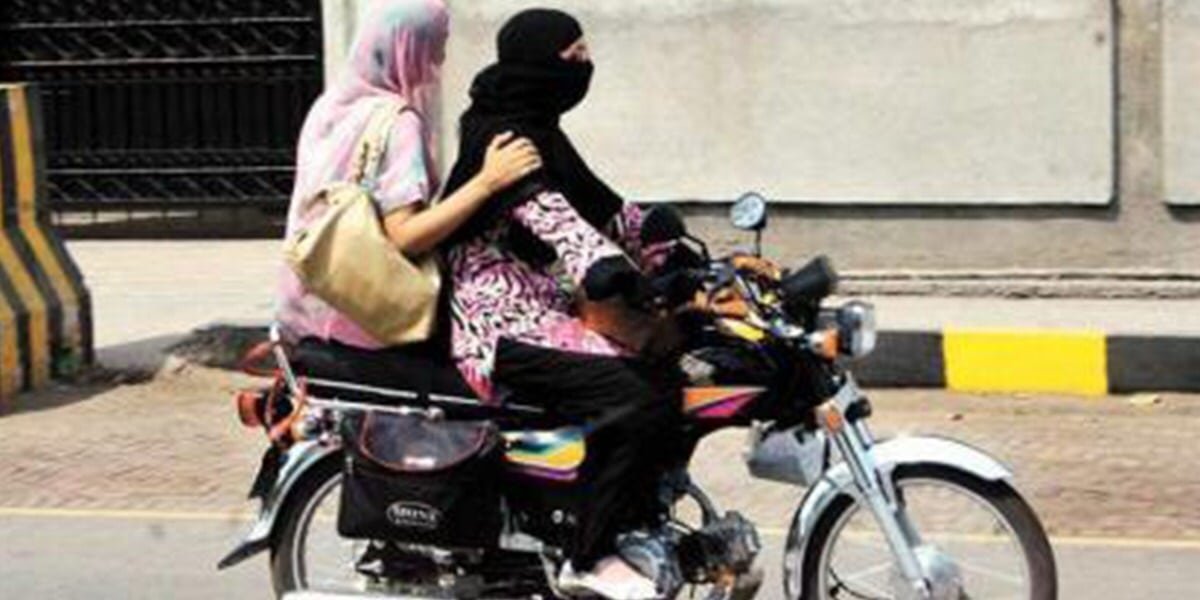
Founder of Soul Sisters Pakistan, Kanwal Ahmed, has now jumped in to take back the narrative from men and allow women to express their own choices whether that includes driving motorbikes wearing abayas or refusing to sit sideways. The film maker has posted on Twitter that she wishes for women to stop feeding in to misogynist policing that is making them neglect proper safety while riding bikes on roads, and shared how today she had seen a woman suffer because her dupatta had gotten entangled in the tire of her bike.
Why are most women in Pakistan made to sit sideways on bikes as passengers? Just saw a young woman fall off AND her shawl getting entangled in the tire on main Sh-Faisal. This absurd expectation is a major safety hazard! But of course, perceived honor>a woman’s safety.
Women soon began to flood the comments with instances of how they had to counter sexism and shame when choosing to ride motorbikes .
This user shared how even in situations of life and death, a man’s honor is considered more important than a woman’s safety because of how little regard is given to the way women are sitting on motorbikes.
Women can’t sit on bikes with their legs open because it is against honour. No one cares about their safety. Even traffic police cannot stop them n ask them to sit like that because their men would not allow it. In Pakistan a man’s honour is more important than a woman’s life. https://t.co/HdbV8V3DSE
the amount of awkward glances, weird groping attempts (?) and overall lack of men acting like animals i have experienced because i sit on a bike how you’re supposed to is insane https://t.co/9v8Rc72F24
This tweet reminded me of a painting I saw in a school in Chungi Amar Sidhu. The boy is sitting normally but the girl is supposed to sit sideways EVEN ON A PENCIL? Says a lot about how shame is normalised more than safety. https://t.co/QvOMmrGCWapic.twitter.com/HnaCsCXYun
We need to stop validating male honor and giving it preference to the point that women have to risk the chance of an accident rather than riding motorbikes safely. Women should not be forced into molding themselves according to what men think, and it’s about time the anonymous Bashir’s of the internet back off, let women reclaim the streets wearing whatever they want and ride any vehicle of their choice.