Category: Opinion

Diverse opinion by the best people from society, on politics, social issues, economy, sports and issues that directly affect Pakistan.

  • Ken Rosenthal lays bare Manfred’s thin skin

    Calling a spade a spade is one of the cardinal virtues of journalism and is what all journalists are meant to do. The broader challenge, however, is when it comes to having the gall to speak up against those in the upper echelons of power and it is then when impartial journalism can congeal into a baptism of fire. When 59-year-old Ken Rosenthal, one of baseball’s highly regarded and acclaimed baseball journalists, dared to dip his toes in that fire, he had to pay a heavy price in the form of abrupt termination of his 12-year association with the MLB Network.

    It may not have been the start Ken Rosenthal would have wanted for the new year. Way back in 2020, when all industries and organisations moiled to stay afloat amidst the deadly coronavirus pandemic, Ken Rosenthal penned dismissive columns in The Athletic in which he launched scathing attacks on Major League Baseball’s commissioner Rob Manfred and brought his mishandling of the situation into focus.

    “He (Manfred) and the owners, supposed stewards of the game, are turning the national pastime into a national punch line, effectively threatening to take their ball and go home while the country struggles with medical, economic and societal concerns,” Rosenthal wrote in his column.

    Questioning Manfred’s abilities to do his job properly, Rosenthal further wrote: “Manfred and the owners keep sinking lower. Unless making dead-on-arrival proposals, tone-deaf public remarks and other assorted blunders is your idea of negotiating savvy.”

    Unable to digest the vitriol hurled at him, Manfred flexed his muscles and Ken was taken off the air. On January 4, 2022, Andrew Marchand, senior sports writer for the New York Post, broke the unfortunate news that the MLB Network had let go of Ken Rosenthal. Manfred’s decision invited severe backlash from journalists and deservedly so. The Athletic’s senior MLB writer Britt Ghiroli tweeted that Ken cares about the truth and doing things the right way even if it’s uncomfortable.

    Former American professional baseball player and television sports commentator Ken Singleton, an Orioles Hall of Famer, called the decision terribly shortsighted and stated that it reduces the credibility of the whole product. MLB has long grumbled about how it strives to offer quality journalism to its viewers.

    However, if it thinks that a bit of criticism is a fireable offence, it would be foolish to hope that impartial journalism can thrive in the baseball industry. As a matter of fact, Major League Baseball has historically been dictatorial and authoritarian. Prior to firing Rosenthal, MLB surprisingly ended much-loved Intentional Talk’s co-host Chris Rose’s contract at the end of 2020. Rewind to September 1964, New York Yankees terminated Mel Allen’s contract before the start of the World Series for reasons unbeknownst to all save Yankees themselves.

    Luckily for baseball fans, Ken Rosenthal, a seasoned journalist and author of “Best of the Best: 35 Major League Superstars” and “Dean Smith: A Tribute”, hasn’t been completely consigned to the scrapheaps and would still be plying his trade for multiple widely-followed platforms like Fox Sports and The Athletic. Still, whichever way you look at it, it cannot be disregarded that the dictatorial firing of Ken from the MLB Network epitomises thin-skinned MLB’s hubris syndrome and their attempts to divest the sport of impartial journalism, which sets an extremely wrong precedent for up-and-coming journalists that they should not dare to speak up against those in power.

  • Asif Ali rises to the occasion

    Asif Ali rises to the occasion

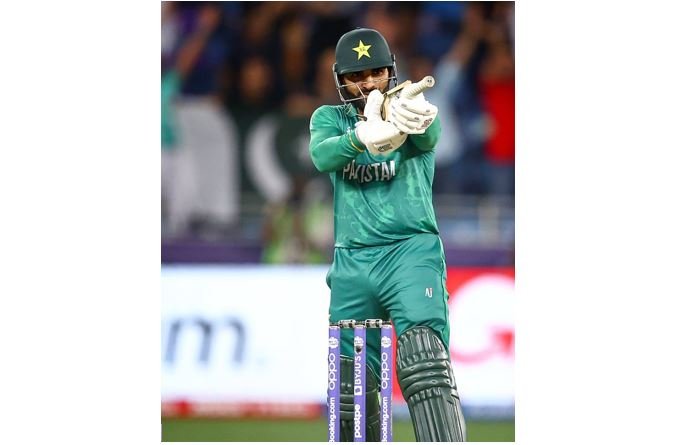
    When, on the last ball of the 18th over, Asif Ali refused to take a single, rather than adding a run to Pakistan’s score with the required run rate almost touching the 12-run mark, it was obvious that he was confident enough in his abilities to take his team over the line. Or so it seemed. Two nights before, his quickfire cameo had helped Pakistan cruise to victory in a grudge match against New Zealand. Against Afghanistan, he picked up from where he had left off against New Zealand and pulled it off with aplomb to ensure that Pakistan’s record in this tournament remains unsullied.

    Heretofore, Asif’s selection in the World Cup squad drew a massive outcry. Many were of the view that he lacked the tools to translate his domestic exploits to the international stage and gratuitously touted him as a tulla, laparoo and fraudiya even though he had shown glimpses of his hard-hitting prowess multiple times for his PSL side. An average of 16 and strike rate below 125 – Asif’s sorry set of batting stats in T20Is prior to the tournament – are without a doubt dismal and not remotely redolent of someone who can thrive at the highest level. Steadfastly determined to prove that he is not a flash in the pan, Asif navigated the choppy waters and chose the biggest stage to rehabilitate himself.

    In both the matches, Asif strode out to the middle in unnerving and high-pressure situations. When he walked out to bat against New Zealand in the 15th over, Pakistan was teetering at 87 for 5 in pursuit of 135 and the required run-rate had shot past nine an over. After kicking off his World Cup campaign with a four-off Trent Boult over the third man region, he took a liking to Tim Southee and whacked him for back-to-back sixes before pulling Trent Boult for a maximum and scoring a brace off him to clinch Pakistan’s second win in the tournament.

    Against Afghanistan, when he came to bat, his side was 122 for 4 and the required run rate had crept up to more than eight with 26 runs required from the last three overs. Asif, however, only needed seven balls to get the job done. After opening his account with a single off Naveen-ul-Haq, he mercilessly dispatched seamer Karim Janat for four majestic maximums in an over to maintain Pakistan’s perfect record in the tournament. Fittingly, it was his bat from which the winning runs flowed in both the games.

    To put into context how good Asif’s six-hitting has been and how hard sixes are to come by in this tournament, take a look at this stat: Asif took 19 deliveries for these seven sixes. On the other hand, Indian batsmen took 250 balls for seven sixes, New Zealand batsmen took 240 balls for seven sixes while West Indian batsmen took 147 balls to hit seven sixes.

    More crucially, none of the seven sixes Asif struck against Afghanistan or New Zealand were mishits or mis-timed slogs. His pyrotechnics featured meaty blows over long-off, midwicket, extra cover and wide long-on — an indicator of his expansive hitting arc.

    Although Pakistan has got world number one and world number 4 T20I batters at the top of the order, they need someone who can put the finishing touches and up the ante down the order. At the biggest stage, Asif has advertised his credentials, repaid the faith of those who had faith in him, and made a telling statement that Pakistan have found the right man in him to do that job.

  • Roads for a truck driver

    Roads for a truck driver

    I am from a country where public transport has been in shambles since the time of dinosaurs. The sitting prime minister of my country won the elections by practically convincing the people that building roads and public transport was not important. So you can well imagine moving around the cities would be some sort of hell for most of us. Being a vehicle owner myself and driving for the past 15 years, I cannot explain the amount of hate I have for driving. But I was always fascinated by the traffic post-midnight that consisted mostly of trucks. It was a different time. A different world altogether. A big giant never-ending trucks, on to a long journey, a journey not particularly entertained by what you call “human companionship”. Probably it is the very lack of human interaction that made truck driving a very fascinating world for me. I couldn’t explore it the way I wanted to because I am a woman stuck in a country where being a woman is your first crime. The rest of the crimes follow automatically but are all committed by others. Despite never truly knowing what it’s like to be a truck driver or their problems, I continued to be fascinated by the expansive and isolated journeys, the tuck shops, tarkay wali chai, and desi breakfast on a chorpoi at some deserted dhaba. Romantic, no?

    This romantic trance was however broken by the movie “Milestone”. A ‘daish-drohi’ (traitor) like myself indulged in Indian cinema at the recommendation of a very dear friend. I didn’t know what I was getting into. “Milestone” reintroduced me to the word ‘melancholy’ in a way that no other tragedy of my life had. I didn’t realise I had that many feelings that I simply refused to acknowledge or feel. I often felt that even the abyss I looked into didn’t reciprocate and I kind of felt unwanted even by the abyss. Till I watched “Milestone”. This movie saw through me like no other thing or person. 

    Ghalib, the protagonist of “Milestone”, plays the role of a truck driver. In the quietest opening scenes of the movie, the resignation in the face of Ghalib, the expansive emptiness of his eyes, and his lingering backache, everything got me hooked to the movie in the first few minutes. Ghalib’s story slowly unrolls and makes the audience acquainted with his loneliness, not only in his personal life but professionally too. His loneliness has been depicted brilliantly through the vast emptiness of the roads, his empty apartment, and his lonely driving duties at night accompanied by nothing but melancholy. The film drops hints here and there about the circumstances of his wife’s death but mostly remains focused on Ghalib’s long journey to nowhere. But even those hints suggest that he blames his aloofness, which made his relationship bitter and then nonexistent. The feeling of homelessness that instills in the opening scenes remains with you throughout the movie. 

    Ghalib, a man of few words, can be witnessed getting further worn down in the movie as a young recruit threatens Ghalib’s job. The young intern was zealous about perfecting the art of truck driving but Ghalib was desperate to save the only enduring relationship he had, which was his relationship with the truck. A lot of people would comment on the commodification of labour class or discuss how capitalism traps you, especially when it comes to the labour class but for me, Ghalib saying: “I do this job because it is who I am. My misery lies in the fact that this is all I am,” was a punch in the gut. This was his entirety of life, a long road, a never-ending journey, the misery of being who he was, and the lingering feeling of being disposable. 

    Director Ivan Ayer has encapsulated the predicament faced by the labour class with so much melancholy. The attention to detail and the long uninterrupted scenes with fewer words keep you going as you explore layers and layers of emotions such as despair, paranoia, and loneliness. Ivan has done a tremendous job in portraying the diminishing value of human life by walking the audience through the protagonist’s life. 

    You might wonder if my fascination ended with the life of truck drivers? I don’t think so. I might never be able to romanticise it again but I have to say that the loneliness it offered was at the same frequency as mine. And I couldn’t thank Ivan enough for making this absolute masterpiece and giving such deep projection to the intricate emotions.

  • Judicial reforms and the question of representation

    What could have been a historic moment in the history of Pakistan was lost to politics of deflection by the Bar and the placement of arbitrary power for the process of judicial appointments in the hands of the Chief Justice(s) and the members of the Judicial Commission of Pakistan (JCP) on September 9, 2021, when the possibility of Judicial Commission of Pakistan (JCP appointing its first-ever female to the apex court in the 74 years since Pakistan’s independence failed to achieve the requisite majority for Justice Ayesha A. Malik’s nomination as a judge of the Supreme Court. As a result, Pakistan to date has had no female representation or voice at the highest forum of justice in the country and remains the only country in the region to hold this unfortunate record.

    Given that the courts invariably deal with matters of public policy and adjudicate on fundamental rights that are to be accessed by the most marginalised groups, communities, and persons, including women and minorities, it is vital for there to be more inclusion, transparency, and representation to promote access to justice and build public confidence and trust in the justice system of the country.

    What transpired on September 9, however, must be viewed in the context of the historical issues surrounding the judicial nominations and appointments process, the rather unhelpful digression into the seniority versus merit, junior versus senior debate, and the overall state of representation of women and minorities in the justice sector. The larger socio-political concerns and overarching considerations of patriarchal structures can also not be divorced from the controversy the system and its stakeholders find themselves in.

    Every few years, the question of judicial appointments goes through a similar cycle of division and deflection and is placed within the larger political context of its time. Prior to the 18th Amendment, the process of judicial nominations was centered around the recommendation of a panel by the Chief Justice to the president who selected a suitable candidate from therein. Even though the president had immense discretion to select a candidate from the panel, the central role, however, remained of the Chief Justice of a given court who alone had the power to recommend the panel up to the president for such appointments. This was further cemented in the Al-Jehad Trust Case 1996 in which the courts held that the recommendations of the Chief Justice would ordinarily be binding on the president, except where the president departed from the recommendations, in which case the reasons for his decision would be justiciable. The executive discretion of the president was, therefore, curtailed to a point where it was rendered practically ineffectual. This was done on the grounds of maintaining the independence of the judiciary from political influence.

    After the 18th Amendment to the Constitution of Pakistan, the process for appointments of the higher judiciary was further amended and appointments via a Judicial Commission plus Parliamentary Committee was envisaged instead. The Commission, it was believed, would have a wider composition and representation of stakeholders from both Bench and Bar, including ex-officio members such as the Attorney General of Pakistan, Federal Minister for Law and Justice, senior judges, former judges, and senior advocate of the Supreme Court nominated by the Pakistan Bar Council to promote greater consensus among the stakeholders within the legal profession.  However, no criteria or principles were formulated to base the nominations on. Instead, Rule 3 of Judicial Commission of Pakistan Rules, 2010, placed the power to initiate nominations for consideration by the JCP in the hands of the Chief Justice of the respective court in what is critiqued to be an absolute discretion devoid of any content and objective standards making the entire exercise an arbitrary and non-transparent exercise of power. Even the deliberations within the JCP and the eventual reasons of decision for accepting or rejecting a given nominee are not disclosed.

    Over the years, this lack of transparency in the process on the whole and arbitrary power to initiate nominations has resulted in increased speculation and tension between the Bench and the Bar, especially within the circles that find themselves underrepresented within the current structure and system.

    The calls for greater democratisation of the process once again became louder and relevant when Justice Muhammad Ali Mazhar, the then judge of the Sindh High Court, was nominated for appointment as a judge of the Supreme Court in July 2021. Being fifth in seniority, the assertions for ‘overlooking’ the senior-most judges, i.e. the then Chief Justice of the Sindh High Court, Justice Ahmed Sheikh, came to the fore by the Sindh Bar. Whilst critiquing the process as arbitrary and calling for its reform, they also persisted in demanding that seniority be applied as an interim measure until an objective criterion was formulated. Implications of ethnic tensions were also raised as was the possibility of judicial engineering for political engineering, which led to a massive and organised campaign of the bar against the JCP. The situation on the ground became more complicated when the Chief Justice of Pakistan put forth the name of a female judge, fourth in seniority from the Lahore High Court, for appointment as a judge of the Supreme Court. It was alleged that her gender was being used to neutralise the sentiment against the appointment of junior judges and to justify the earlier nomination of the then Justice Ali Mazhar of Sindh High Court, which was being resisted.

    Several distinct issues appear to have been conflated, which is what led to one of the most intensive and intellectually vigorous legal debates within the community in years. Several notable scholars, and senior lawyers including Salman Akram Raja, Feisal Naqvi, Salahuddin Ahmed, Hamid Khan, and Justice (R) Nasira Iqbal, engaged with this debate in public and shared their respective and divided opinions on the matter.

    The division appeared to be more in relation to specific strategies and interim solutions that the Bar had proposed re-adopting the seniority principle as opposed to the actual need for reform in the process on which there was largely a consensus. Most stakeholders — even with an alternative point of view — agreed that the arbitrary process needs to be retired in favour of greater transparency but disagreed that the seniority principle is that measure of transparency even in the interim. They based this on the grounds that there was no seniority principle that was being violated, to begin with, because the Constitution under Articles 177 and 193 and the Supreme Court judgement PLD 2002 939 SC makes no reference to the right of senior-most judge for such nominations. The appointments to the Supreme Court are in any case to be viewed as fresh appointments and not as ‘elevations’ — therefore, the question of continuing on basis of age and seniority does not arise. They were also of the view that while the process needed reforms to promote transparency and representation, the seniority principle would still not be the guarantee of representation or inclusion. They highlighted the dangers of entrenching seniority as a principle as that would make ‘elevation’ to the Supreme Court a matter of right for senior-most judges which, once established, would be very difficult to reform in favour of inclusion and representation at the Bench. In this way, insistence on seniority could self-defeat the entire ethos and momentum for actual reforms that were supposed to be based on the objective of achieving greater transparency and representation.

    The bar eventually organised to create pressure on the JCP and held several meetings to adopt a collective way forward to challenge the arbitrary exercise of power and to insist the stakeholders work towards developing the criteria for nominations. Strangely, they also held a primarily all-male lawyers convention in Karachi in August to collectively oppose the existing nominees even though there was no irregularity as they had been nominated in line with the existing process in place at the time.

    Justice Ali Mazhar, fifth in seniority, was nevertheless appointed as a judge of the Supreme Court. Justice Ayesha A. Malik’s nomination, fourth in seniority, however, could not be so approved as the JCP also remained divided.

    This dichotomy further brought to fore the need for developing the criteria for judicial nominations as Justice Ayesha Malik’s loss was pinned on the unfettered discretion of the JCP to appoint or not to appoint judges as per their whims in absence of clearly defined and scrutable criteria.

    The issue, however, was never as simple as a matter of seniority versus merit. The lack of representation in the profession at both Bench and Bar is a much more complex challenge that requires a complete overhaul of the entire system. Reforms are required at multiple levels.

    For instance, the JCP itself lacks the inclusivity and representation in its composition, as do the Bar Councils, the Attorney General office, the office of Federal Ministry of Law and Justice, senior and former judges and advocates of Supreme Court that have the support of the Pakistan Bar Council. This lack of diversity is indicative of the structural barriers that have led to the marginalisation of women and minorities in the justice system. It is a lot like the pot calling the kettle black.

    With only 4 women out of 205 members represented in the provincial Bar Councils with none at the Pakistan Bar Council, the Bar needs to do better to be more inclusive — at least when arranging conferences on matters that impact all members of the legal community, including women. However, we do not see a similar rage for reforms in that case. In fact, the years of practice for eligibility to run as candidates was increased by five years via the Legal Practitioners and Bar Councils Amendment in 2018, which had a disproportionate impact on women and their prospect of candidacy in Bar elections held in 2020. This, in turn, had an impact on eligibility for candidacy as members of the Pakistan Bar Council, the apex body of lawyers with a say in the JCP as the candidates are elected indirectly by the electoral college composed of members of provincial Bar Councils. There has been no female Attorney General or a female Federal Minister of Law and Justice since 2010 when the JCP was first established. Despite there being seats for appointing former judges to JCP, in the past 10 years, none of the former female judges have been a part of the composition of JCP in that capacity either and neither has any female advocate Supreme Court been supported by the Pakistan Bar Council as their representative at the JCP.

    If we take an even larger spectrum, the marginalisation of women begins much earlier. It could start as early as from homes, to law schools where female students have been discouraged from pursuing litigation and other ‘hard’ fields citing the non-suitability of those areas for their gender. Most female law graduates were not encouraged to go to courts even though this is now changing and so it would often be years before they would obtain their license to practice. This delay had an impact on their seniority as well as in the time it takes to complete the list of cases in which the counsel has represented clients, which is needed for advancement in the profession for instance, as an advocate of the Supreme Court.

    Any reforms based on the underlying objective of transparency and restoring public confidence in the legal system must, therefore, be holistic and representative at all levels. In this regard, the letter by Attorney General for Pakistan dated September 9, 2021, is a welcome initiative as he has expressed willingness to engage with the legal community on the issue of developing the criteria for judicial appointments and has proposed that affirmative action be taken for representation of women at the Supreme Court. This would be a welcome first step and be in line with Article 25 of the Constitution of Pakistan.
  • Rahimullah Yusufzai: A giant in the profession

    Rahimullah Yusufzai: A giant in the profession

    The death of Rahimullah Yusufzai is a terrible blow to journalism – not just in this region, but at a global level. He was one of the best-known and most well-respected journalists on the subject of the Afghan conflict and considered an authority on the Taliban and Al-Qaeda. With his passing we have lost not just an important source of context and information, we have lost a master practitioner of this craft, somebody who was dedicated to truth and accuracy, and who was always ready to go into the field, talk to people, find the story, understand the context.

    Despite his considerable fame, Rahimullah sahab, as we always called him, remained modest about his achievements and very down to earth about everything.  What I most remember about him was his enthusiasm for his work and the professionalism with which he did it. In the three decades, I knew him, he never turned down a request for an interview or a story – even if this was a very short notice.

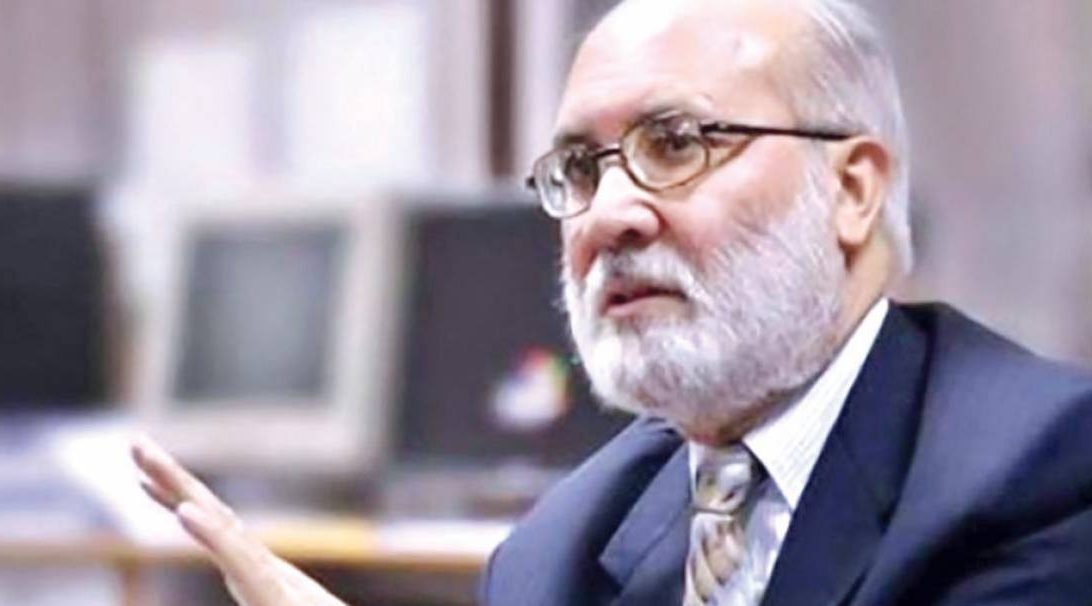
    In this picture, late Rahimullah sahab, Resident Editor of The News is seen working in his office

    Rahimullah sahab was recommended to Newsline in 1989 by another journalist (I think it was Aziz Siddiqui, then editor of the Frontier Post). At that time, he worked for the Frontier Post in Peshawar and Rahimullah sahab would file the monthly political roundup from the province for us. His copy was impeccable and his political insights sound but what was also very interesting was his readiness to write on other subjects. We would ask about possible writers or reporters for sports and culture stories and he would offer to do everything himself. I remember a few responses like: “Sports – that’s my first love! I can do that for you,” and “Culture, I can cover that for you.” And he really could. He was extremely versatile; a story he did on Pashto cinema was one of Newsline’s greatest hits.

    Newsline, founded by Razia Bhatti, was an independent, journalist-owned venture and we often struggled with finances but Rahimullah sahab was a great supporter in those early years and he remained so throughout his life. In March this year – just six months ago – he was a guest speaker at the IBA Centre for Excellence in Journalism’s  Razia Bhatti Memorial lecture. It was indeed a privilege to have him deliver the lecture in which he spoke specifically about his 1998 interview with Osama bin Laden (OBL) and more generally about reporting on the Taliban and Al-Qaeda.

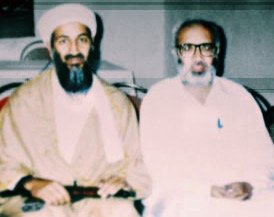
    Earlier press briefing with OBL 1998

    The event was titled ‘Tea with Osama bin Laden’, and despite being a virtual event, it was extremely well attended. After Kamal Siddiqui of CEJ, Akbar Zaidi of IBA and I had said a few introductory words, Rahimullah sahab began his talk by saying how “humbled and honoured” he was by what had been said. We had only stated facts and talked about his achievements and reputation. I had also spoken about his great sense of professional solidarity, but the fact that he was so touched by what we said showed how modest he remained about his achievements.

    The talk itself was extremely interesting and full of detail. His account of a 1998 presser with OBL was fascinating. He recalled that he asked OBL a number of awkward questions, one of which was how wealthy was he. In response, OBL had put his hand on his heart and said he was rich (‘ghani’)  in there and thus deflected the enquiry. There was a lot of interesting detail in his account of the OBL interview, which took place a few months after the press briefing — how it was arranged, what constraints there were, how he was asked to destroy a photo he took of OBL entering the tent because Osama bin Laden was walking with the aid of a stick and the organisation “didn’t want him to look weak”.

    In the Q&A session after the talk, Rahimullah sahab also spoke about a number of other experiences and issues. When asked about any advice he wanted to remind journalism students of, he said the most important issues were just “hard work and honesty”. He emphasised the need for proper preparation and research (tayari). He also said laughingly that he was perhaps the person who had taken the most photographs of OBL but that in the early years, he had sold them to various outlets, not for very much money. That sounds right, Rahimullah sahab was very much a person who wanted to get on with his work rather than promote his own persona or negotiate lucrative deals for his work.

    We also talked about the Sharbat Gula matter. Sharbat Gula was the green-eyed Afghan girl whose photograph had appeared on the cover of National Geographic in 1984, and who was featured again by the publication more than a decade later (and who Pakistan, rather pointlessly, deported in 2016 despite her having lived in the country for decades). Rahimullah sahab was the person who traced her for National Geographic after all those years and he spoke about that and how he was able to negotiate with the publication on her behalf. He needn’t have done that — many journalists would have looked only to their own interests but Rahimullah sahab made sure to help Sharbat Gula’s family to get something from the magazine (medical aid, Hajj expenses, and a small monthly stipend). He said he had never mentioned all of this publicly before but now he was putting it into his book. When asked when we might see this book completed, he lamented he wasn’t able to give enough time to this because the misfortune of a working journalist like himself was he was always so involved with various deadlines on a daily basis. He also mentioned the financial pressures journalists in Pakistan were facing and how his employers had not paid their staff for months.

    He recalled that a CNN producer who had once interviewed OBL had managed to produce two books based just on that one meeting and how so many others who had met Osama had managed to get so much mileage out of the experience. He said somehow the fascination with the man and the movement continued, yet he himself had not really taken advantage of this, but that he would record such experiences in his book.

    But now Rahimullah sahab is gone. We don’t know if any part of his book is complete or whether it was in notes and planning form. But he does leave behind a vast body of work in journalism. He is now invariably described as a ‘veteran’ journalist, which is apt: he covered the Afghan conflict for years and interviewed nearly every Afghan leader of consequence, including Dr Najeebullah and several leading mujahideen. He had a rare insight and understanding of the politics of his own country and province. He leaves behind a tremendous void – not just was he an experienced reporter and an informed analyst, he was an invaluable source of information and one of the people still practising the craft of journalism with integrity and commitment.

    Apart from his enthusiasm for his work, his meticulous attention to detail and fact-checking, and his ability to present a balanced and factual picture, what I shall remember also about Rahimullah sahab is the tremendous grace and dignity with which he always conducted himself – whether on reporting assignments, in international conferences or in small villages. He was never one to curry favour or be impressed by pomp or power. He always remained essentially a journalist: looking for stories, talking to people, ascertaining the facts, and abiding by the basic principles of journalism.

    Rahimullah sahab towered above most of his colleagues physically in his life but professionally too, he was a giant of the profession. We shall all miss him very much.

  • Is Ramiz Raja a good fit for PCB?

    Is Ramiz Raja a good fit for PCB?

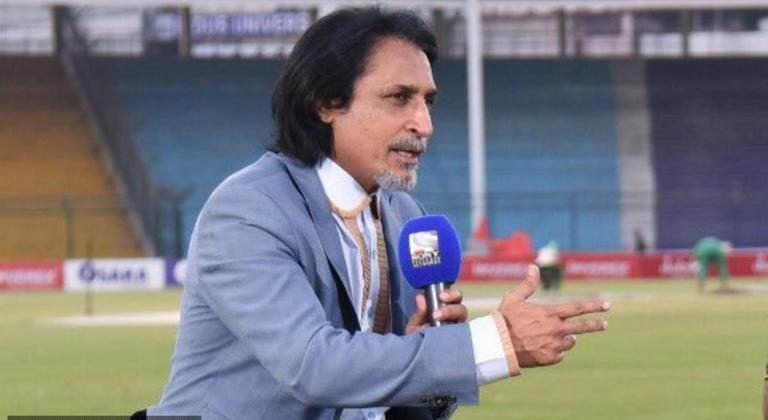
    “My aim is to reset Pakistan cricket’s GPS,” Ramiz Raja was quoted as saying after being nominated to succeed Ehsan Mani as Chairman Pakistan Cricket Board (PCB). As it sits, long-time commentator and former Pakistan captain Ramiz is primed to edge past Asad Ali Khan in the Board of Governors (BoG) meeting on September 13 and seems to be the front-runner to nab the slot of the chairman. To ascertain whether or not he is a good fit for this role, one needs to examine his administerial credentials and how he fared in his previous reign when he served PCB in a similar capacity.

    A grand total of just more than a year (July 2003 to August 2004) is all the administerial experience that Ramiz has under his belt when he replaced Chishty Mujahid as PCB’s chief executive. This ephemeral reign was nothing short of a colossal debacle in more ways than one and peppered with controversies, ultimately forcing Ramiz to tender resignation from the role, which begs the question: why has he accepted the role in the first place?

    To begin with, Ramiz had an acrimonious relationship with several players throughout his tenure. While on the one hand, he was cutting his teeth as the chief executive, on the other hand, he was criticising the national team in his commentary at the same time, which did not go down well with the players who lambasted him for dual standards.

    Things kept going sideways for Ramiz and India’s tour of Pakistan in 2004 proved to be the final nail in the coffin of his administerial career. A multitude of controversies popped up in this woeful series where Pakistan lost the 3-match Test series 2-1 and 5-match ODI series 3-2; players were alleged to be involved in match-fixing against India in the fourth ODI, Shoaib Akhtar’s injury saga was handled irresponsibly and the media ripped the team to shreds and lamented the disastrous showing.

    In his column ‘Pakistan cricket’s blackest day’, Omar Kureishi wrote that Pakistan’s batsmen competed against one another on who was more irresponsible.

    “It was a sad day as the last rites of Pakistan cricket was performed at Pindi Cricket Stadium. Indian spinner Anil Kumble and paceman Laxmipathy Balaji nailed the coffin in front of handful mourners,” Dawn’s match report read.

    Agha Akbar, in his column ‘Pakistan was overawed and outplayed’ for The Nation, wrote: “It might hurt the pride of the Pakistanis, but the fact is that this Indian team has shown them the way they once used to play cricket.”

    “Pakistan just threw in the towel. It is for the PCB to find out what went wrong, for something went horribly wrong,” Akbar added.

    As if that was not enough to demonstrate his inability to deliver the goods, Ramiz’s reputation suffered a blow when several board officials and players also filed a case against him after he was convicted by the National Accountability Bureau (NAB) for marketing match tickets in black.

    Nevertheless, one can argue that Ramiz has been commentating on Pakistan cricket for about two decades and probably knows the ins and outs of Pakistan cricket but it is worth bearing in mind that commentating on a game and administering it requires an entirely different set of skills.

    The chairman role requires one to be well-versed with business administration. Although Ramiz received his master’s degree in business administration, his credentials in that field are not impressive enough to warrant him a chairman role if you compare them to the qualifications of chairpersons of other teams. Also, if his previous stint is anything to go by, it is safe to say that Ramiz Raja is not a good fit for the role of Chairman PCB.

  • چیختے چلاتے مرد اور ان کی انا کا برج خلیفہ

    چیختے چلاتے مرد اور ان کی انا کا برج خلیفہ

    میرے خیال سے دو مہینے  ہو گئے ہیں ۔ میں روز جاگتی ہوں ،روز ایک عورت سے متعلق دل دہلا دینے والی خبر ہوتی ہے  ۔ میں اس خبر کے خوف میں رہتی ہوں ، واویلا مچتا ہے  ، بحث ہوتی ہے ، گرفتاری ہوتی ہے ، اور  اس کے ساتھ ہی سارا الزام عورت پر ہی  لگ جاتا ہے  ۔ اس پوری روٹین میں ایک دن بھی فرق نہیں  آیا ۔ میں اس پورے سلسلے میں ایک ہی چیز پر حیران ہوتی ہوں اور وہ ہے مرد کا چیخنا چلانا ۔  مطلب تشدد بھی عورت پر ہوا ، قتل بھی عورت ہوئی ، عزت بھی  عورت  کی لٹی ، لیکن واویلا صرف مرد مچا رہے ہوتے ہیں ۔ عورتوں کو ایک عورت کے بارے میں ہی بات کرنے کی اجازت نہیں کیونکہ وہ اجازت بھی شاید مرد ہی دینا چاہتے ہیں ۔ مرد کی چونکہ عزت کے خلاف ہے اپنی غلطی ماننا تو یہ قدرتی بات ہے کہ وہ روئے گا ، چلائے  گا ، اور عجیب وغریب دلیلیں بھی دے گا ۔ جہاں تک میں نے دیکھا ہے ، مرد کی برداشت کے 5 مرحلے ہیں۔ آپ چاہیں تو اس میں اضافہ بھی کر سکتے ہیں ۔

    پہلا مرحلہ ہوتا ہے جہاں مرد کہتے ہیں “دنیا میں پاکستان سے زیادہ عورت کی عزت کہیں نہیں ہوتی “۔ یہ ہمارے وزیرِ اعظم بھی کہتے ہیں ۔ جب ہم عورتیں یہ کہتی ہیں کہ کہاں کی عزت جب روز کسی عورت کی عزت لٹتی ہے یا عورت کا قتل ہوتا ہے تو  اس پر مرد کہتے ہیں ” ہم  اتنی عزت کرتے ہیں آپ کی  ۔ تندور پر جو قطار بنی ہوتی ہے ، ادھر ہم عورتوں کو پہلے روٹی دیتے ہیں “۔ یا پھر” جب عورت  اے ٹی ایم پر جاتی ہے  تو ہم اسے پہلے پیسے لینے دیتے ہیں ” اتنی تو  عزت دیتے ہیں ، تو  کیا ہوا اگر تھوڑا مار لیا یا قتل کر دیا؟ اور کیا چاہتی ہیں آپ، اور کیا حقوق  چاہئیں ہیں آپ کو ؟

    پھر مرد آتا ہے دوسرے مرحلے کی جانب ۔ اس میں وہ کہتا ہے پوری دنیا کے مقابلے میں پاکستانی عورت پاکستان میں محفوظ ہے ۔ جب عورتیں کہتی ہیں کہ کہاں محفوظ ہیں ؟ کبھی عورت کو کوئی ہاتھ مار جاتا ہے ، کبھی عورت پر 400 مرد حملہ کر دیتے ہیں ، کبھی عورت کے پیچھے گاڑی  لگ جاتی ہے ، کہاں محفوظ ہے؟ اس پر مرد حضرات کا جواب ہوتا ہے ” تو نہ جائیں باہر ” یا پھر وہ کہتے ہیں “ہاں  تو کچھ کیا  ہوگا ، کپڑے ٹھیک نہیں ہوں گے ، یہ نہیں ہوگا ، وہ نہیں ہوگا ” ۔ مرد اِس بات کو سمجھ ہی نہیں پاتے کہ عورت میں کچھ نہیں ہوتا ،ساری غلاظت ان کے ذہن میں ہوتی ہے ۔ سارا کا سارا  گند ان کے دماغ میں ہروقت رچا بسا رہتا ہے  جس کی وجہ سے نہ وہ سیدھا  سوچ پاتے ہیں اور نہ ہی کچھ سیدھا کر پاتے ہیں ۔

    پھر آتا ہے تیسرا مر حلہ  جس میں وہ کہتے ہیں کہ عورت نے خود کروایا ہے تاکہ وہ ملک سے باہر جا سکے ۔ یا پھر انڈیا نے فلاں فلاں کو پیسے دے کر یہ کروایا ہے تاکہ پاکستان کو بدنام کیا جا سکے ۔اور اس مرحلے پر مرد کی آواز کافی اونچی ہو جاتی ہے ، صبر کا پیمانہ لبریز ہورہا ہوتا ہے ، وہ سارا غصہ جو ان کو عورت کے “ہونے ” پر ہے، وہ اندر کھولنے لگتا ہے ۔ یہ کہنا غلط نہ ہوگا کہ “مرد ایک نازک موڑ سے گزر رہا ہوتا ہے” جدھر اسے ہارٹ اٹیک ہو سکتا ہے یا پھر گردے بھی فیل ہو  سکتے ہیں کیونکہ خدا نخواستہ وہ کیسے مان لے کہ غلطی مردوں کی ہے ؟

    چوتھا مرحلہ وہ ہوتا ہے جس میں وہ آپ کو یاد کرواتے ہیں کہ آپ کے ابو آپ کا بھائی یا آپ کا خاوند بھی مرد ہے ۔ صبر کا زہر پی کر  وہ آپ کو  کہتے ہیں کہ “اگر مرد اتنا برا لگتا ہے تو ابو کو بھی مار دو ” خدا کی قسم ، اس نکتے پر میری  اپنی ہنسی نکل جاتی ہے کہ آخر یہ مرد کیوں اتنا مجبور ہے  اپنی انا کےہاتھوں، آخر مسئلہ کیا ہے؟

    پھر آتا ہے پانچواں اور آخری مرحلہ جس میں مرد کہتا ہے  ” میری ہو گئی ہے بس کاٹ دے میری کوئی نس “۔ اس مرحلے میں اسے پہلے دو مرحلے جس میں وہ عورت کے محفوظ ہونے اور عورت کو عزت دینے کے نعرے کو بھول جاتا ہے ۔ اس کے اندر کا وہی درندہ جاگ جاتا ہے جو نور کے قاتل ظاہر میں ہے ، ان 400 مردوں میں ہے جو عورت پر جھپٹ پڑتے ہیں ، اوران  مولویوں میں ہے جو مدرسوں میں بچوں کو بھی  نہیں چھوڑتے ۔ مرد آپ کو ایسی گالیاں دے گا کہ آپ کو یا تو سمجھ نہیں آئے گی کہ یہ کہا کیا  ہے  یا پھر آپ صدمے میں چلی جائیں گی یہ زبان ہے عورت کو “عزت ” دینے والے کی ۔ ان 5 مرحلوں میں آپ عورت ہوتے ہوئے محسوس  کریں گی کہ  مرد خاموش نہیں ہوگا ، ایک سیکینڈ کے لیے بھی منہ بند نہیں کرے گا ۔ وہ آپ کو بات کرنے ہی نہیں دے گا ۔ کیونکہ وہ جانتا ہے کہ اگر اس نے خدا نخواستہ سن لیا ، تو وہ سوچنے لگ جائے گا ۔ اگر اس نے سوچ لیا ، تو شاید اس کو عورت کی بات ٹھیک لگنے لگے گی ۔   اس ٹھیک لگنے پراسے شاید  شرم بھی آ جائے ، اور شاید اسے معافی بھی مانگنی پڑے ۔ جیسے ہی معافی کا لفظ ذہن میں آئے گا مرد پھر سے  وہی درندہ بن جائے گا !

    اس لیے میری بہنوں ! آپ کی جنگ جائز ہے ۔ آ پ کا بار بار آواز اٹھانا جائز ہے ۔  لیکن  یہ مت بھولیں کہ اگلے کے لیے غلطی ماننا ناجائز ہے !

  • All traitors great and small

    Among the myriad promises the current federal government has failed to deliver is one pledge that the government did not commit to but has delivered in spades. I am talking about the federal administration providing us with therapy, albeit in the form of laughter. Whenever we, the people, have been at the edge of bucking under crippling inflation, the government has provided us with a moment of undiluted merriment, always at its own expense.

    In times of crisis, and what is Pakistan in if not a deep existential, democratic and economic crisis, comedians come to the rescue of their people, providing much needed merriment to take away our troubles for a moment or two. The government, however, decided to step in and provide laughter itself, in the process promoting harmony among citizens, taking away jobs from comedians as it has from nearly everyone else. We may have neither faith nor discipline but damned if we are not united in our misery.

    Last year, Faisal Vawda selflessly decided to make us laugh when he accused Dr Musadik Malik, a PhD, of being a physician to a Gulf royal family. Where else but in a social welfare state will a prominent ruling party member prove himself to be a clown just to help his people out of depression. This is not Mr Vawda’s first attempt at comedy. After elite forces had successfully thwarted an attack on the Chinese consulate in Karachi, Vawda showed up in a bulletproof vest and armed with what he said was a Glock to “defend his country”. A more unpunctual, but well-meaning, well-dressed and well-to-do vigilante had not been seen before. Take that, Batman.

    In another incident, a hilarious government announcement of Pakistan being one of the cheapest countries tied in with yet another fuel price hike. We all laughed our way to the shady hospitals where we had made deals to sell our kidneys in order to keep our bikes and cars running.

    Never one to let tradition slide, PTI has earlier this week launched a hilarious report on digital trends, just as it finalised deals on the costliest purchase of LNG. In three years, PTI has provided us with plenty of laughter but this, ladies and gentlemen, was the jewel in the crown. Compiled by what we can only assume are people with the IQ of a cabbage, the report went on to report the origins and details of “anti-state” trends. The “deep analysis” had about as much depth as the puddle a newborn would create without a diaper. Oh PTI, how do we laugh at thee? Let me count the ways.

    First off, were the graphs. Leave aside that they had probably been lifted straight off Tweepsmap, where the data was compiled from. Forget about the fact that they seemed to have been copy pasted by someone who wielded the mouse with a hoof instead of a hand. Pay attention to the fact that the content too seemed to have been finalised by someone who is getting the pay of a grade 22 officer but does not have the ability to read what has been put before him/her. The gender graph featured men, women and businesses/groups. The mind boggles at the possibilities the unveiling of this new gender has unleashed. Will we have toilets for businesses right alongside men’s and women’s? Will weddings be segregated into three sections? Will we have to issue new ID cards and passports? Will rishta aunties recalibrate their trade?

    The age graph had a section for a group aged “10-23”. Let’s concentrate on the ludicrous assertion that tweens of the country are engaging in digital warfare under the behest of anti-state elements. It’s the perfect script for a horror movie.

    Another infographic informs us that most of these anti-state handles also follow ICC. This is a win, whichever way we look at it. All traitors, great and small, gathered together at the altar of cricket with patriots, all united in their hopelessness. Brings a tear to the eye.

    Finally, the report shows us page upon page of….. screenshots. Dozens of them. Spare a thought for the poor intern or low-paid individual who slaved away at his system, gathering tweets from known pro-PTI accounts and copy pasting away. Even Prime Minister Imran Khan’s ex-wife Reham Khan was not spared from the relentlessness of his dexterous fingers and numb mind.

    Now, you may be inclined to think of this report as a loss. Our simple minds and lack of perception are to blame for this unimaginative conclusion. Remember the old adage, to think not of what the country can do for you but what you can do for the country. In this case, think not of how someone gets highly paid to embarrass the government, but that you too can get highly paid to embarrass the government, given the right connections.

    And a sufficient lack of grey matter.

  • Change of Pace: Revolutionising Pakistan’s cricket commentary

    Be it Nasser Hussain’s “one minute down, next minute up” or David Lloyd’s “Big man, Big game; it’s a leg bye who cares” moment, there are some iconic commentary lines seared into our hippocampus. To keep the listeners engaged, a blend of analysis and wit is the sine qua non for commentators. Richie Benaud, one of the finest commentators ever, once said that commentators should shut up if they cannot add anything to what’s written on the screen.

    Much of the commentary on Pakistan cricket by current local commentators, instead of invaluable insights or tactful analysis, lacks substance and predominantly revolves around repeating banal cliches and reading numbers emblazoned on the screen — something which someone with even a cursory understanding of the game can also do.

    The era when Munir Hussain, Omar Kureishi, and Chishty Mujahid used to take the commentary mic is considered by cricket historians as the golden era of Pakistan’s cricket commentary. The void these three have left is a big one to fill. Launched before the 2019 edition of the Pakistan Super League (PSL), Change of Pace has been a breath of fresh air for fans who wanted to listen to the quality commentary.

    Pioneered by a bunch of avid cricket fans, the commentary team — comprising Musad Afzal, AZ Khawaja, Ahmed Hassan, Sarkhail Khan, Ahmad Afzal alongside producer Sarfaraz Ali — is a clear-cut upgrade over many of the seasoned local commentators.

    Although there is still a long way to go for Change of Pace commentators to be at par with the troika of Chishty, Munir, and Omar, credit must be given to them for revitalising Pakistan’s cricket commentary. From starting off with ball-by-ball commentary of just 20-over matches, they have now come a long way.

    Not only have they commentated on entire ODI and Test matches, but they have also managed to rope in cricketers and eminent names in the cricketing world like Cricviz’s Freddie Wilde, Islamabad United’s Strategy Manager Hassan Cheema and Multan Sultan’s chief operating officer (COO) Haider Azhar to come on their podcast.

    Outspoken and quality in-depth analysis of the match? Check. Good sense of humour that can tickle your fancy? Check. Discussion of other topics like music, culture, and movies alongside cricket? Check. Change of Pace’s unique style of commentary has unsurprisingly received an extremely positive response from Pakistan’s cricket community and has garnered more than 132,000 listeners.

    There is also an interactive chat box alongside audio ball-by-ball commentary paving the way for fans to share their thoughts and engage in discussion with the commentary team and other listeners. On top of all that, in a long-term partnership with The Citizens Foundation (TCF) in the UAE on their Baghbaan programme, they are also helping raise funds for the development and operations of their schools.

    The journey from inception to this point has not been all smooth for Change of Pace but instead of getting bogged down, their commitment did not flinch. Talking about their journey on The Padded Room podcast, Musad admitted that there were times when listeners plummeted to an ‘embarrassing’ level. To fill me in about their journey, I reached out to AZ Khawaja, one of the members of their commentary team.

    “It was surprising how quickly we have developed a committed listener base,” Khawaja said. “We wanted to create a space where genuine fans can offer their views, and where the coverage celebrated Pakistan cricket rather than denigrate it.”

    He further added that the in-game chat has developed into a safe space for discussion and it is quite remarkable in this social media era that they had to face almost zero negativity or toxicity.

    So, if you want to watch a Pakistan cricket match where commentary does not just revolve around banalities and clichés, make sure that you tune into changeofpacelive.com whenever Pakistan plays its next game.