Category: Opinion

Diverse opinion by the best people from society, on politics, social issues, economy, sports and issues that directly affect Pakistan.

  • King of Hearts

    King of Hearts

    Bollywood actor Dilip Kumar, who died last week, was many things to many people. He was a Bollywood legend, a screen hero, a public figure who spoke out for minority communities, a good and thoughtful human being, a great thespian. But while many fans will look at the entirety of his work during a career spanning over a half-century, my most cherished memories of it are from his early films – particularly Andaz.

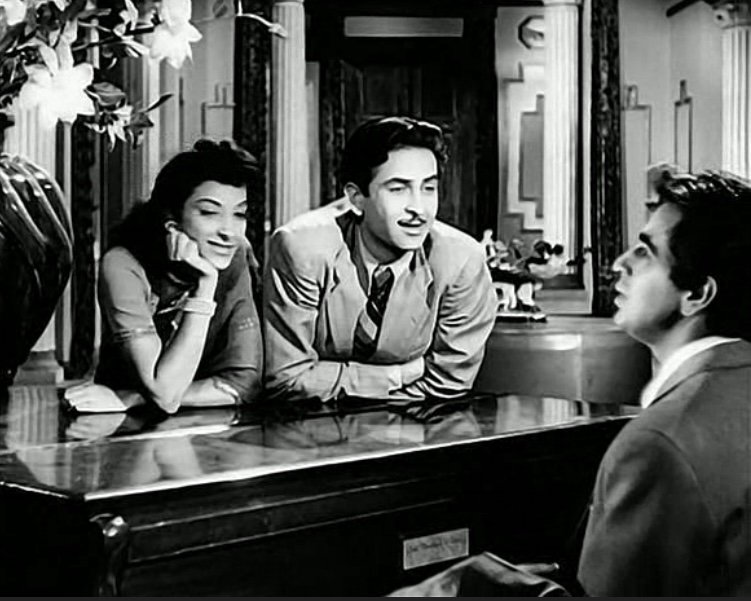
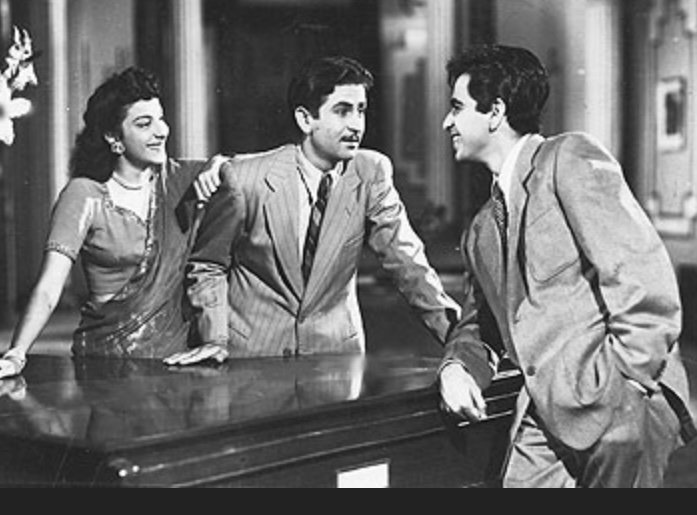
    My favourite image of Dilip Kumar will always remain of him seated at the piano singing in Mehboob Khan’s 1949 film Andaz. As he mouthed the songs (sung by the maestro Mukesh), his soulful eyes would surely have had many swooning: first as he ‘sang’ the optimistic ‘Hum aaj kahin dil kho baithay’ after he has fallen in love with the girl he thinks reciprocates his feelings and then, later, the tragic ‘Tootay naa dil toote na’ when he is heartbroken after the realisation that she regards him merely as a friend and is engaged to somebody else.

    Andaz was an interesting film in that, despite a highly melodramatic and preachy ending, it addressed important post-colonial questions of identity and tradition in a newly independent nation. The love triangle – played by Dilip Kumar, Nargis and Raj Kapoor – comes about largely because of Dilip (Dilip Kumar) misconstruing Neena’s (Nargis) friendly behaviour as romantic love. The film seems to regard this as a result of modernity and westernised behaviour and the social message is spelt out clearly in the pedantic monologue delivered by Rajan (Raj Kapoor) at the end of the film. But despite this rather oppressive message and the film’s completely tragic ending, I remember Andaz fondly both for its songs and for being the vehicle to unite three such fabulous actors on the screen (this was the only film Dilip Kumar and Raj Kapoor did together).

    Andaz also fuelled my interest in searching out more of Dilip Kumar’s films from this early period and so I landed on his Daagh (Amiya Chakravarty’s 1952 film) in which again the beautiful songs (sung by Talat Mahmood) did much to complement the tragic nuances of Dilip Kumar’s expressions. Another old film I sought out eagerly was Jugnu as it starred Dilip Kumar opposite our own Nur Jehan. Well, that was certainly disappointing: Jugnu was made in 1947, so I had assumed both young actors would look amazing on-screen and would make a great romantic screen couple. However, in Shaukat Hussain Rizvi’s film, there is absolutely no screen chemistry between the pair and while Dilip Kumar does look quite beautiful, Nur Jehan looks almost old enough to be his mother. Even the youthful two long braids hairstyle and a lineup of very plain (and oppressed looking) female extras as her ‘sahelis’ does nothing to make her look stunning.

    In K Asif’s epic Mughal e Azam, Dilip Kumar played Shahzada Salim, the prince whose love for the courtesan Anarkali is thwarted by his father, the Mughal emperor Akbar. Here Dilip Kumar appeared puffier and played a far less endearing personality than in previous tragedies: his Prince Salim was a slimy sort of a character and fairly dislikeable. The on-screen chemistry with Madhu Bhala may have been sizzling and the film’s songs and cinematography memorable but this on-screen Dilip was not one I wanted to remember.

    So, I have to say I never really followed Dilip Kumar’s later films as I preferred to stay stuck with the image of him singing ‘Tootay naa dil’ and ‘Ai mere dil kahin aur chaletc, but I did follow news of him. His connection to my city, Karachi, was that he was a cousin or kinsman of the well-known orthopaedic surgeon Dr Rahim. His connection to Pakistan was that Peshawar was his ancestral city and he was much loved by many on this side of the border. But when he was awarded the Nishan-e-Imtiaz by Pakistan in 1998, a furious backlash followed in an outcry, which was led by the RSS (Rashtriya Swayamsevak Sangh) and the BJP (Bharatiya Janata Party). The actor seems to have handled this with great dignity but he stated quite clearly in subsequent interviews that he believed he was being targeted because of being a Muslim and a member of a minority community. And it was possibly this episode that led him to a stint in politics as a Congress party member of the legislative assembly. To his credit, he refused to succumb to the pressure generated by right-wing hysteria and he refused to return the award.

    They are all gone now, those stylish leading men from the early post-partition era of Bollywood cinema. We remember Dev Anand and Raj Kapoor and Kishore Kumar and so many of their contemporaries in many different and completely personal ways. I choose to remember Dilip Kumar always through those black and white images of him in Andaz: so young and beautiful and moving with such easy grace, mesmerising us with his nuanced and sensitive facial expressions.

    Toote naa dil tootay naa

    Saath humara chootay naa

    Thank you for the memories, Dilip Kumar aka Yusuf sahib

  • What went wrong for Lahore Qalandars?

    What went wrong for Lahore Qalandars?

    Positioned at top of the points table after five wins in six matches, Lahore Qalandars seemed strong frontrunners to clinch the elusive PSL trophy. At one stage, it even appeared that the sixth time might finally be the charm for them. Even Aqib Javed, Qalandars’ head coach, went a step further and billed Qalandars as the favourites to win the tournament in an interview with Cricket Pakistan.

    Much to the chagrin of their fans, Qalandars squandered the impressive start and it all went downhill for them from there onwards. In the next four matches, they suffered four losses, which saw them getting stormed out of the playoffs for the fifth time in six editions.

    This column attempts to shed light on and assess what went wrong for Qalandars this time around

    1. Misfiring top order

    Irrespective of whether a team is batting first or second, the top order holds the onus to provide a solid foundation. While Qalandars’ top 3 batsmen fared decently during the home games, they could not get going in the Abu Dhabi leg of the tournament. Before the tournament had to be moved from Pakistan to Abu Dhabi, Qalandars had played four games where their top 3 batsmen scored a total of 356 runs averaging 89 runs per game. In the Abu Dhabi leg of the tournament, Qalandars’ top 3 could muster a meager 289 across six innings averaging just over 48 runs per game.

    2. Decisions at the toss

    It cannot be denied that toss plays a crucial role in the outcome of a match. In the Pakistan leg of the tournament, Qalandars registered three wins in four games with all of the wins coming when Qalandars opted to bowl first after winning the toss. In the match against Multan Sultans where they batted first, they ended up losing by seven wickets, which indicates that chasing is not their strong suit. However, with the change in conditions from Pakistan to Abu Dhabi, Qalandars’ batsmen found even chasing par scores an uphill task. In the three consecutive losses against Islamabad United, Quetta Gladiators, and Karachi Kings, Lahore Qalandars batted second. Inexplicably, in their last league game against Multan Sultans where a win would have ensured Qalandars a spot in the playoffs, skipper Sohail Akhtar opted to chase again. The move backfired again as Qalandars were bundled out for 89 in reply to Sultan’s 169.

    3. Shoddy death bowling

    While Shaheen and Faulkner regularly provided good starts with the new ball, Qalandar’s death bowling was not up to the mark in the Abu Dhabi leg of the tournament. In overs 16-20 in losses against Islamabad, Quetta, Karachi, and Multan, Qalandars conceded 36 (9 runs per over), 38 (9.5 runs per over), 44 (11 runs per over), and 38 (9.5 runs per over) respectively. While it is their batting that is the main headache, Qalandars need to make sure that their bowlers continue their good impact from the powerplay and middle overs into the death overs heading into the next edition. Every cloud goes the saying, has a silver lining. Similarly, despite not being able to advance into the playoffs, Qalandars can take some positives particularly from the individual performances of the quartet of Rashid Khan, Tim David, James Faulkner, and Shaheen Afridi who gave a good account of themselves. Not being able to make it into the playoffs for five times in six editions despite having eminent T20 players in the ranks cries out for sweeping changes on multiple fronts and Qalandars need to ensure that they make these sweeping changes in their system before the seventh edition kicks off if they want the seventh time to be a charm for them.

  • Sympathising with the rapist

    Sympathising with the rapist

    My first introduction to the concept of victim blaming came about through an American TV show. Watching it on Star Network in the late 90s, I saw an episode where a lawyer struts about court carrying a slinky black dress a rape victim had been wearing when she was assaulted, blaming her choice of attire for being attacked. He wins the case. By the end of the episode, the victim had committed suicide, the assaulter was honing in on another girl and the lawyer was in deep remorse.

    If only real life was as neatly wrapped up as fiction is.

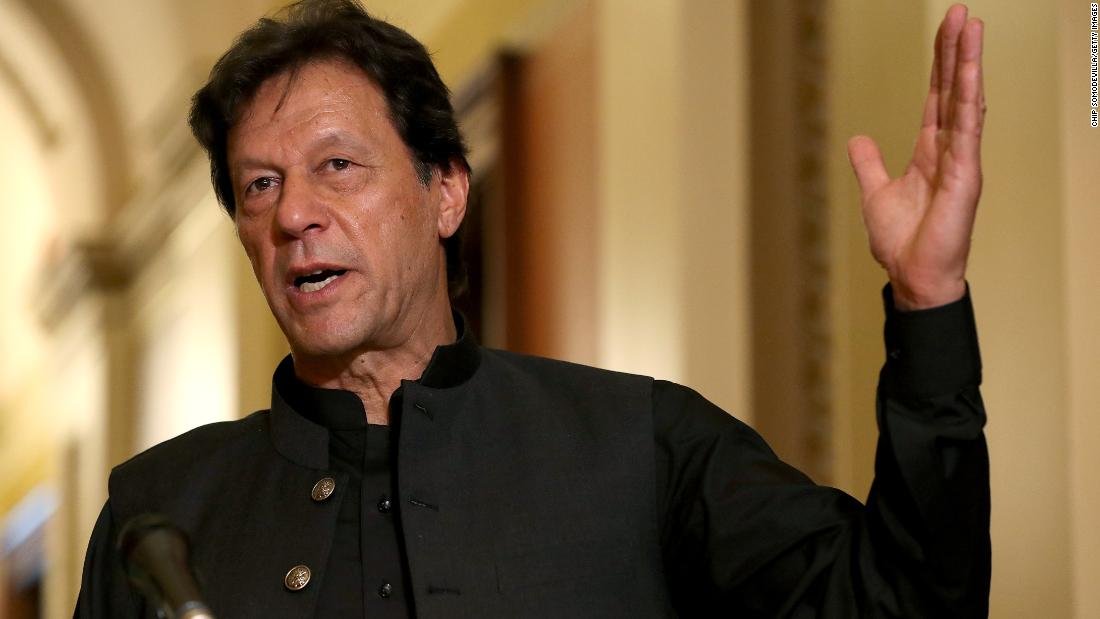
    Remorse is a feeling alien to Prime Minister Imran Khan. He is the ultimate alpha male, the kind that hunkers down on his beliefs, however much to the contrary the evidence may be. For such men, defending their statements becomes a matter of pride. Any admission that they were wrong or are better informed now would be a blow to their self-respect. Steadfastness to the wrong ideas is problematic even for a layman. For the prime minister of a country where sexual assault is almost endemic, it is disastrous.

    This stubbornness to continue to talk about what women wear stems from a deeper problem.

    Victim blaming is the easy way out for a national leader. He or she blames the victim for not being careful enough, or for not wearing the right clothes or flaunting their wealth, thus placing the onus of in ensuring a crime free society on the people. It absolves the ruler form the messier business of actually preventing crime. In Pakistan, that would have entailed wrangling in the mud with uncaring law enforcing agencies such as the police, the mine-trapped reckoning with the judiciary on inability to convict rapists, the stressful task of finding more funds for medical kits and trained personnel in public hospitals and the bureaucratic nightmare of somehow ensuring that all victims get legal representation. This is just too much work.

    Much more difficult than selling the utopian fantasy of a just and fair society where the consequences of your actions carry retribution from your fellow citizens.

    A less discussed aspect of Imran Khan’s statement is that in talking about women’s attire, he perhaps unintentionally but most assuredly displays empathy for the perpetrators. In effect, we are asked to examine the rapist’s feelings. We are required to take a deeper look at how he is not a “robot”. We are expected to understand how he was overwhelmed by his desires. We are called upon to reflect upon the society in which he lives. We must think of what compels that man to attack. The rapist almost becomes a victim himself, a casualty of the fierce desires that overtook him.

    There is no other way of putting this: we are being asked to be sympathetic to the rapist’s predicament.

    The whole saga of rape then becomes the simple matter of attributing blame to a man’s characteristics. External matters such as ensuring justice and punishment, well within the prime minister’s powers, simply fall to the wayside. The government is not responsible if a man could not control himself. But Bollywood and Hollywood surely are.

    Too often, assault turns into an inquisition about the victim. What they were wearing, what time they had ventured out, what they were doing on that particular day and how they had lived their life till then. From the most developed countries to the least , the conversation about a high-profile rape or assault centres around a victim’s personal life. The personal choices that led them to this point, if you may.

    We saw this when former CCPO Lahore, Umer Sheikh, blamed the victim of the motorway rape for not checking the fuel in her car and for selecting a deserted highway to drive home. After much uproar, Umer Sheikh apologised for his comments. Imran Khan has yet to do so. Anyone waiting for “I am sorry” from the prime minister will wait in vain.

    Alpha males do not apologise.

  • تنخواہ مانگ کر شرمندہ نہ کریں

    تنخواہ مانگ کر شرمندہ نہ کریں

    دوررِ حاظر میں نوکری کے بغیر گزارہ نہیں ۔سار ا دن انسٹا گرام پہ برگر اور پیزے دیکھ دیکھ کر یا تو بھوک لگی رہتی ہے یا پھر خوبصورت کپڑے دیکھ کر عجیب احساسِ محرومی سا رہتا ہے کہ آخر یہ میرے پاس کیوں نہیں ۔  اس سے پہلے کہ آپ غصہ میں آئیں ، میں واضح کرنا چاہتی ہوں کہ مجھے نوکری صرف انہی چیزوں کے لیے چاہئے ۔ لیکن جو نوکری دینے والے ہیں ، وہ آ پ سے کیا چاہتے ہیں ، آپ کو اندازہ بھی نہیں ہو پاتا ۔ آپ کے  گھر کی چائے کی پتی کے علاوہ ، انہیں آپ سے ہر چیز چاہئے ۔ اور اس کا مجھے شدت سے احساس ہوا  جب میں نے نوکری ڈھونڈنی شروع کی ۔

     سال 2020 میں میرے پاس نوکری نہ رہی تو میں نے سوچا کہ کچھ عرصہ آرام کروں ۔ میں پچھلے 12 سال سے لگاتار کام کر رہی ہوں تو سوچا کہ چلو تھوڑی عیاشی کر لیتے ہیں ۔ شروع کے دو مہینے تو فلمیں اور ٹی وی دیکھ کر گزار دیئے ۔  نیندیں بھی پوری کر لیں ۔ پھر وہ وقت جلد ہی آ گیا جب میں نے دیواروں کو گھورنا شروع کر دیا اور اتنا گھورا کہ دیواروں نے بھی کہہ دیا 

    ” سوری بہن ہمارا بوائے فرینڈ ہے ۔ ہم پر لائن نہ مارو” ۔ ان دیواروں اور برگر پیزوں سے مجبور ہوکر نوکری دوبارہ ڈھونڈنی پڑ ی ۔ اور یقین مانیں ایک دو ہفتوں میں ہی دوبارہ کام کرنے کا ارادہ ترک کر دیا ۔

    چونکہ میں نے زیادہ عرصہ کام سوشل میڈیا مارکیٹنگ میں کیا ہے تو میں نے اسی حوالے سے نوکریاں دیکھنی شروع کیں ۔ نوکری کی تفصیل دیکھی جس میں صرف انہوں نے یہ نہیں لکھا ہوا تھا کہ “آپ کو دنیا دوبارہ بنانی آنی چاہیئے “۔ نوکری میں ذمہ داریاں شامل کرتے ہوئے کمپنیز شاید بھول جاتی ہیں کہ وہ انسان کو نوکری دے رہے ہیں ، سپر مین کو نہیں ۔ نوکری کی تفصیل کچھ ایسے شروع ہوتی ہے۔

    “آپ کو سوشل میڈیا کے اکاؤنٹس چلانے آنے چاہیئے ، آپ کو پلان تیار کرنا  آنا چاہیئے ، آپ کو ہر ٹرینڈ کا پتا ہونا چاہئے ” اور اس کے بعد شروع ہوتا ہے وہ حصہ جس کا آپ نے سوچا بھی نہیں ہوتا  ” آپ کو ڈیزائننگ آنی چاہئے ، آپ کو فوٹو شاپ آنا چاہئے ، آپ کو کوڈنگ آنی چاہئے ، آپ کو ایک ہی ٹائم پر دس اکاونٹ چلانے آنے چاہئیں، آپ کو ایک ہی وقت پر ایک ہاتھ سے انگریزی اور ایک ہاتھ سے اردو لکھنی آنی چاہئے ۔ آپ کے پاس اتنی قابلیت ہونی چاہئے کہ آپ ایک ٹانگ پر کھڑے ہو کرٹویٹر پر  لوگوں کو جواب  دے سکیں ، آپ کے پاس اتنی قابلیت ہونی چاہئے کہ آپ  ایک دونی دو  دو  دونی  چار کو ایک سکینڈ میں 100 بار کہہ سکیں، آپ کو بیڈ شیٹ ٹھیک کرنی آنی چاہئے، آپ کو مردوں کی قمیضیں استری کرنی آنی چاہئے ، آپ کو انڈے کی زردی الگ کرنی آنی چاہئے ، آپ کو آلو گوشت کا شوربہ گاڑھا  کرنا آنا چاہئے، آپ کو اگر صوفے پر بیٹھنا آتا ہے تو آپ کو صوفے کے نیچے بیٹھنا بھی آنا چاہئے کیوں کہ کبھی بھی ضرورت پڑ سکتی ہے ۔ اس کے ساتھ ہی اگر آپ اپنا گردہ پھیپھڑےکی جگہ کر  سکیں تو  کیا ہی بات ہو جائے۔ ” اس کے ساتھ ہی ایک چھوٹے سے جملے میں لکھا  ہوتا ہے کہ “آپ کے پاس  20سال کا تجربہ ہونا چاہئے “، یہ جانتے ہوئے بھی کہ سوشل میڈیا کو ابھی 20 سال ہوئے بھی نہیں ۔ اس سب کے بعد ایک جملے میں یہ بھی لکھا ہوتا ہے کہ “باہر سے پڑھے ہوئے انسان کو ترجیح دی جائے گی۔ وہ لوگ جو ایک دن میں 48 گھنٹے کام کر سکیں ، صرف وہ اس نوکری کے لیے سی وی بھیجیں” ۔

    اس کے بعد اگر تو آپ کو ترجیح دی جاتی ہے اور انٹرویوپر بلایا جاتا ہے  تو سارے کاموں کی تنخواہ پوچھیں تو  50  ہزار سے اوپر کوئی نہیں  جائے گا ۔ اور اگر آپ 70 ہزار کی بات کریں تو وہ ساتھ ہی وہ آپ کے کام میں ایک اور ذمہ داری کا اضافہ کر دیں گے اور وہ ذمہ داری ان کے کپڑے دھونے کی بھی ہو سکتی ہے کیونکہ  وہ آپ سے کچھ بھی مانگ سکتے ہیں ۔اور وہ اس امید سے مانگتے ہیں کہ آپ آگے سے نہ کچھ مانگیں ، نہ کہیں۔ بلکہ اگر آپ نے یہ کہا کہ “پیار کیویں کراں ، تنخواہ بڑی تھوڑی اے “، تو وہ الٹا آپ کو کہیں گے

     ” آپ کے نخرے بہت ہیں “۔

    میرا ان کمپنیز سے سوال ہے کہ آخر آپ کس بات کا غصہ نکالنا چاہتے ہیں ملازم پر؟  ایک  انسان حالات کا شکار ہو کر نوکری کے لیے مارا مارا  پھر رہا ہے اور آپ اس کو نوکری کے نام پر موت کے سفر کا پمفلٹ کیوں تھما  دیتے ہیں ؟ کیا آپ ایک سکینڈ کے لیے بھی نہیں سوچتے کہ اگلا انسان ہے ، اس نے سونا ہے ، کھانا ہے ، پینا ہے ، زندگی کی باقی چیزوں کو دیکھنا ہے ۔  لوگوں کی مجبوریوں سے مت کھیلیں تاکہ آپ زندگی کے کارخانے چلا سکیں ۔ ایک بار نوکری کی ذمہ داریاں لکھتے ہوئے سوچ لیں کہ انسان چاہئے یا روبوٹ ۔

  • Did the BBC kill Diana?

    Did the BBC kill Diana?

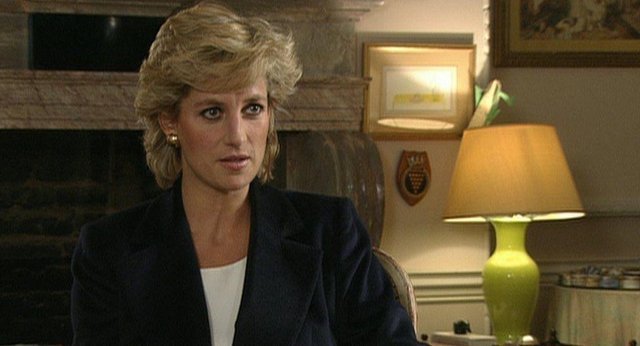
    It has now been established that the huge 1995 TV scoop that was the BBC interview with Princess Diana was actually obtained under false pretences. In that interview, which was watched all around the world, Diana shocked the world with her damning statements about her estranged husband and the royal family as well as her own admission of adultery.

    What has now emerged, following an independent inquiry report by former Supreme Court judge Lord Dyson, is that BBC Panorama’s reporter, Martin Bashir, secured the interview through lies and manipulation. Bashir got a BBC graphic designer to create false bank documents which appeared to show that certain people on both Princess Diana’s and her brother’s staff were being paid to spy on her. Bashir shared these (fake) documents with Diana’s brother Lord Spencer. Spencer told the Dyson Inquiry that in retrospect he realised that Bashir had in fact been ‘grooming’ him, getting him to believe these lies so that he would share them with his sister – which he did. But it was not just Bashir’s deceitful and unethical behaviour that has been criticised in this report: perhaps even more damning is the way the BBC dealt with allegations about the fake documents and basically did nothing, except penalise the whistleblower, i.e. the graphic designer who had approached senior managers with misgivings about what he had been commissioned to do.

    These revelations have considerably damaged the credibility and the reputation of the BBC; its detractors have been busy BBC bashing ever since the report’s findings were made public. The events in question – the interview and the BBC internal inquiry – took place a quarter of a century ago, yet they are now being discussed as if they were major catalysts of change and the triggers that unleashed the events that resulted in the tragic death of the Princess in a car crash in 1997.

    This narrative is reinforced by the statements released by both of Princess Diana’s sons, who were aged just 15 and 13 at the time of their mother’s death. Prince Harry’s statement was not surprising since now that he has left the fold of the family firm and lives in the US, he shares his views and opinions freely via social media and TV but Prince William’s statement certainly was. Prince William made his statement on camera and expressed his “sadness” at knowing that BBC failings over the Panorama interview “contributed significantly to her fear, paranoia and isolation that I remember from those final years with her”. He also said that “the interview was a major contribution to making my parents’ relationship worse”.

    These claims are somewhat exaggerated. Charles and Diana separated in 1992 , the book ‘Diana: Her True Story’ in which she had told her story (in great secrecy) to Andrew Morton was published in 1992 and in 1994, the year before Princess Diana did the Panorama interview, Prince Charles had already done a similar ‘my side of the story’ TV interview with Jonathan Dimbleby in which he admitted to adultery adding that he had only strayed when his marriage “had irrevocably broken down”. Given this chronology, it is hardly as if it was the Panorama interview that destroyed their marriage. What it did do, however, is result in a downgrade of the Princess’s status and hence her security ­– once the interview aired, the Queen instructed the couple that if things were so bad, they needed to get a divorce. (The Queen didn’t issue a statement but presumably she thought that this endless washing of dirty linen in public needed to stop).

    The Wales’s marriage was already on a course set for irreconcilable differences, so their son’s indictment of the interview in this regard seems unfounded. No matter how reprehensible and unethical Bashir’s tactics were in securing this scoop, he cannot be held solely responsible for Diana’s paranoia and isolation – he cannot be a whipping boy for the misery or insecurity of the Princess.

    But as disturbing as the forgery and lying of the reporter is, even more disturbing is the behaviour of those BBC professionals who should have taken action. Even though Princess Diana put it in writing that she had consented to give the interview “without any undue pressure” and that Bashir “did not show me any documents, nor give me any information that I was not previously aware of”, BBC editors and managers knew that all was not okay as they had been alerted to the matter and their resulting inquiry was completely inadequate. In fact, it was like nearly all BBC inquiries are: the matter is ‘dealt with’ so that at the end of the day culprits are not penalised; in fact they are usually rewarded. That inquiry was from 1990s but here is an example from 2015: a young BBC journalist, Ahmen Khwaja, tweeted that the Queen had died. Word spread like wildfire internationally, the tweet was picked up by news outlets all over the world (after all it was coming from a BBC staffer). It turns out that Khwaja had seen the news on screens prepped for a routine royal obituary rehearsal and tweeted it without bothering to check or confirm it. Although the BBC Trust decided that the death tweet was a “serious breach of guidelines”, the staffer responsible was moved to a better position working in TV news. Serious breach? The mind boggles.

    Today, the BBC is in the dock and its journalism is being discredited – the Beeb’s detractors are having a field day. But even though there were failings in this particular case and the management of the BBC has a lot to answer for in the way it has betrayed its hardworking journalists over the decades, it must be said that the BBC was not responsible either for the death of Princess Diana or for the woes of the royal family. And for those worried about the state of journalism in general: please reflect on the implications of Prince William saying that he thought that “this Panorama programme should never be aired again”.

    Sounds a lot like censorship to me. Rather disturbing.

  • اپنا اپنا چاند

    اپنا اپنا چاند

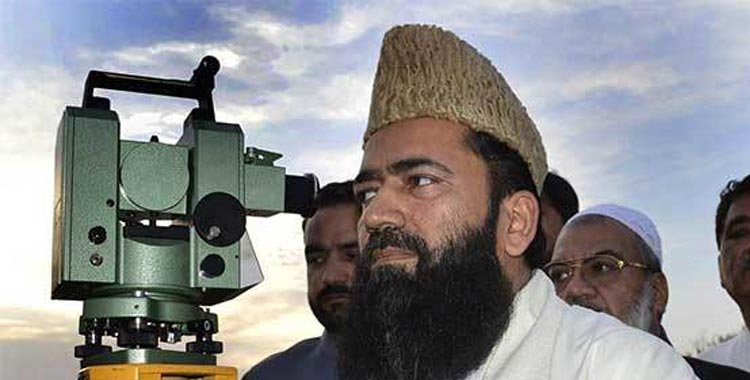
    اللہ کا شکر ہے اس برس بھی ہم نے روایت کی پاسداری کرتے ہوئے عید کے چاند کو ایک بار پھر غیر متنازعہ بننے سے بچا لیا۔ ‘چن’ چڑھانے میں ویسے بھی ہمیں ملکہ حاصل ہے اس لئے سب سے پہلے پشاور والے پوپلزئی صاحب نے رویت ہلال کمیٹی کے اعلان سے قبل ہی چاند کی نوید سنا دی دوسری جانب کیونکہ نئے چئیرمین صاحب نام میں بھی آزاد واقع ہوئے ہیں تو اس بار کی رویت کا اعلان کرنے میں بھی وہ آزاد خیال ہی رہے بھلا ہو شاید کسی نے یاد کروایا کہ حضرت سحری کا وقت ہوا چاہتا ہے بتا دیں کہ سویاں پکانی ہیں یا سحری کا پراٹھا تو رات گئے رویت ہلال کمیٹی بھی آسمان سے چاند توڑ کر لے آئی اور  قوم کے قدموں میں نچھاور  کر دیا بجائے شکرگزار ہونے کے یار لوگ الٹا چاند ہونے نہ ہونے پر بحث کر نے لگ گئے بڑی ہی نا شکری قوم ہے بھئی کبھی اسے ‘تبدیلی’ ہضم نہیں ہوتی تو کبھی پانی سے چلنے والی گاڑی جیسے سائنسی انقلاب کو رد کر دیتی ہے۔ سائنس سے ویسے بھی ہمیں کو پرخاش ہے کیونکہ برصغیر میں جب لاؤڈ اسپیکر  نیا نیا آیا تو اس بیچارے پر بھی حرام ہونے کے فتوے لگ گئے ٹی وی تصویر وغیرہ وغیرہ سے مخاصمت کی کہانیاں بھی کوئی زیادہ پرانی نہیں۔

    خیر بات کہاں سے کہاں نکل گئی واپس آتے ہیں بےچارے چاند کی درگت بننے کے واقعہ پر جب یہ سارا معاملہ چل ہی رہا تھا تو اسی  اثناء میں ایک عدد آڈیو لیک بھی سامنے آ گئی جس میں ایک ممبر رویت ہلال کمیٹی کچھ اور ہی کہانی سنا رہے تھے اگرچہ ‘سافٹ وئیر’ اپڈیٹ ہونے کے بعد انکی وضاحت بھی سامنے آ گئی تھی۔ اور تو اور کیونکہ وزارت سائنس و ٹیکنالوجی فواد چودھری جیسوں سے پاک ہو چکی تھی اس لئے سائنس کی حقیقتوں کو لہرا لہرا کر کوئی چیلنج کرنے والا بھی موجود نہیں تھا لیکن وزارت اطلاعات میں ہونے کے باوجود بھی انہوں نے اپنے دور وزارت میں بنائی ایپ کے زریعے چاند کے حوالے سے بیان جاری کر دیا لیکن کیونکہ ہر کوئی اپنا اپنا چاند لے کر پھر رہا تھا تو انکی سائنسی دلیل کو کسی نے کوئی خاص گھاس نہیں ڈالی۔ قصہ مختصر یہ عید میٹھی ہونے کے ساتھ ساتھ چٹخارے دار بھی رہی کیونکہ عید کے دن ہر گھر کی محفل کا گرما گرم موضوع گفتگو ‘چاند’ ہی تھا سوشل میڈیا اور واٹس ایپ وغیرہ پر بھی  کوئی سائنسدان تھا کوئی ماہرفلکیات اور کوئی دینی عالم کی ذمہ داریاں نبھا رہا تھا۔

    مسئلہ بڑا سادہ سا ہے کہ کیا چاند کی رویت ایک خالص دینی مسئلہ ہے یا سائنسی؟ کیا اس کا کوئی درمیانی راستہ نکالا جا سکتا ہے جس کے تحت ملک اس افراتفری اور بدتمیزی کا شکار نہ ہو۔ اگر نظر ڈالی جائے تو مختلف اسلامی ممالک اس مسئلے کے حل کے لئے مختلف حکمت عملی اختیار کرتے ہیں ملائشیا،  ترکی مصر اور دیگر مسلم ممالک نے اپنا اپنا طریقہ کار بنا رکھا ہے کوئی خالص سائنسی بنیادوں پر رویت ہلال کرتا ہے تو کوئی سائنس اور انسانی آنکھ سے دیکھنے کو ملا کر ہم بھی دوسرے طریقہ پر ہیں لیکن بات کچھ بنتی نظر نہیں آ رہی اور اس بار کی عید پر تو معاملات اور ہی بگاڑ کی جانب چل پڑے تھے لیکن یہاں جہاں آپ نے سائنس کی بات کی نہیں وہاں ہمارے لوگوں کا مذہب خطرے میں پڑا نہیں۔ جہاں سائنس مذہب کی مددگار ثابت ہو رہی ہو تو پھر اس پر ہی یہ معاملہ کیوں نہیں چھوڑ دیا جاتا۔ آخر دیگر دینی معاملات بھی تو وقت کے ساتھ ساتھ سائنسی بنیادوں پر حل کئیے جا ہی رہے ہیں اور ماضی میں چھوڑے گئے بھی ہیں۔

    افسوس کا مقام ہے کہ آج جب سائنس اتنی ترقی کر چکی ہے کہ دنیا تو چھوڑ مریخ کے دو چاندوں کے بھی طلوع اور غروب کا وقت بتا دے تو ہم ایک خاندان میں دو دو عیدیں منا رہے ہوتے ہیں۔ پاکستان کے علما اور فقہا اور سائنسدانوں کی ایک کمیٹی بنا کر اس مسئلہ کو ایک ہی دفعہ کیوں نہیں حل کر لیا جاتا اور اس میں پشاور کے مفتی پوپلزئی صاحب کو بھی ہونا چاہئے تاکہ تمام اختلافی آراء کو ایک جگہ جمع کر کے ایک قومی اتفاق کی فضا بنا دی جائے یہ لوگ چاہیں تو دیگر مسلم ممالک سے رابطے کر کے انکے طریقہ کار پر رہنمائی بھی لے سکتے ہیں۔ قوم جو ایک انتشار اور ہیجان میں مبتلا رہتی ہے اور  اس قسم کی باتیں سننے میں آتی ہیں کہ جی روزہ تو قضا ہو گیا یا دیکھا آج تو چاند دوسری کا لگ رہا ہےسے یہ میٹھی عیدیں کھٹی کرنے کی کیا تک ہے۔

  • Is Jake Paul as good as he claims?

    Is Jake Paul as good as he claims?

    Three matches. Three wins. Three knockouts. These impressive numbers — renowned American YouTuber Jake Paul’s boxing record thus far — indicate a promising start to his career. Although his boxing career is still in its infancy, the 24-year-old has not steered clear from making a flutter of outlandish claims including comparing himself to the legendary Floyd Mayweather and tossing up challenges to veteran combat fighters to take him on in in the ring, which beggars the question if he is really as good as he claims to be.

    The 6-foot-1-inch tall Ohioan faced barely any resistance from Saudi-born YouTuber AnEsonGib on his pro-boxing debut, which lasted only two minutes and 18 seconds of the first round as a handful of combination punches threw AnEsonGib off his balance before Jake wrapped up the lopsided game with a left punch followed by a right hook.

    In his second bout, Jake faced off against former NBA player Nate Robinson. Although Jake was a heavy favourite because of Nate’s inexperience, Nate’s brute athleticism stood him a chance. Coming into the game, Paul said that he would dribble Robinson’s head off the campus like a basketball. The former NBA point guard kicked off the proceedings by slipping aggressive punches on his opponent but his defence was anemic and beleaguered. Paul pressed home that advantage and floored him with a vicious powerbomb of the right hand in the second round, which required emergency treatment from ringside doctors and enabled him to register his second win in as many matches. As per a computerised punches scoring system, Paul managed to land 21 per cent of punches whilst Robinson could land only 10 punches out of the 56 punches he threw at Paul.

    Knowing that he can only ascend the boxing ranks and assert his authority in combat sports if he takes on established fighters instead of a YouTuber or an NBA superstar, Paul’s next fight was the stiffest challenge of his career as he was pitted against Bellator and welterweight champion Ben Askren. Paul put up another clinical showing and needed just a little over a minute to obliterate Askren who was all at sea after being at the receiving end of a vicious right hand from Paul.

    From a tactical point of view, Paul has a variety of punches in his arsenal. As his three fights have shown, he has genuinely good right and left jabs and hooks in his repertoire complemented with an assured defense and composed footwork.

    Plenty of boxing purists have already written him off because they take the view that pitting half-baked boxers like YouTubers or athletes from different sports against veteran fighters strip boxing of its quality. It is tough to not concur with them but if someone like Jake Paul is proving his mettle, there is no reason why he does not deserve a bout against whoever he challenges. Many of them are also irked by his trash-talking but as long as he lets his performance do the talking, he would not slip from the radar of boxing fans. Unlike other sports where trash-talking is considered unsportsmanlike, trash-talking is often used in combat sports to generate hype and entertainment around the contest.  

    To quote from a 2013 column by Nigel Collins, boxing writer for ESPN and former editor-in-chief of Ring Magazine, “When it comes to trash-talk, boxing is a natural.”

    Collins, part of the 2015 class for the International Boxing Hall of Fame, added that there are two parts to trash-talking: content and delivery. So far, Jake Paul has delivered on both the fronts.

    More importantly, Paul is sweating out in training and is determined to get more wins under his belt and that’s all that matters if he wants his aspirations of ascending the boxing ranks to become a reality.

  • A hero for our times

    A hero for our times

    Just a few days before I. A. Rehman left us, we had been speaking about him at a journalism event – the second Razia Bhatti Memorial lecture at the IBA’s Centre for Excellence in Journalism (CEJ). Rehman sahab had been the very first speaker in this series – he spoke at the inaugural event, in 2019, and at this year’s lecture he was mentioned not just in that specific context but also as a beacon of hope in a country that is becoming increasingly intolerant and authoritarian. In his opening remarks, the IBA’s head Dr Akbar Zaidi called Rehman sahab “one of the greatest pillars of journalism, democracy, human rights that we have in Pakistan today.”

    And then, as Akbar Zaidi continued, he articulated the unspoken fear all of us had: the fear of Rehman sahab no longer being there – “One of the greatest pillars of journalism, democracy, human rights that we have in Pakistan today …and hopefully we’ll have for some years to go.”  Alas, that was not to be, because two days later Rehman sahab had exited with his usual quiet dignity.

    Two weeks later we are still having the memorial meetings and the tributes for him because, for so many people, the passing of I. A. Rehman is a devastating loss. This sense of immense bereavement is due to the fact that he was one of the sanest and bravest people working for the cause of democracy and social justice in Pakistan. 

    During his years as a journalist, he stood firm on principles and was part of the team of which set up and ran the Independent Azad in 1970-71. Then there was Viewpoint and then there was his support for Newsline — a journalist-owned publication, Newsline was headed by first Razia Bhatti and then Rehana Hakim and was founded by the team of journalists who left The Herald in 1988 when PHPL management asked Bhatti to leave. Rehman sahab was a staunch supporter and a regular contributor to the new magazine unlike some other contributors (unnamed here, but you know who you are) who didn’t want to risk the wrath of the Dawn group by writing for us. Mohammed Hanif who joined the magazine in 1989 summed it up succinctly in a recent tweet recalling: “When Razia Bhatti sent I.A. Rehman a cheque for his first contribution to Newsline, he mailed it back with a note: You can start paying me when you make your first million. Newline never made a million and Rehman sb never stopped writing.”

    At the Human Rights Commission of Pakistan (HRCP), he continued to fight against oppression and along with Asma Jahangir, Aziz Siddiqui and so many other lesser-known heroes, he was able to create a credible organisation that documented and raised awareness of human rights violations in the country.

    Much has been written about Rehman sahab over the past fortnight and the shared grieving has been somewhat cathartic yet the sense of loss persists. The void he leaves behind him is very great. Rehman sahab was a key part of the bulwark protecting rational and democratic thought in Pakistan – and indeed in South Asia. His passing has weakened the fortification that helped movements for social justice, human rights and constitutional reform to survive. He led the way in these efforts and he was so highly respected because he also walked the talk: he lived life simply and treated others, regardless of their social class or age, with consideration and generosity. He never wavered from the pursuit of peace and reason and his writings are truly remarkable for their clarity and intellectual depth. 

    He was one of the Titans who kept the flame of social justice movements alive, a flagbearer and a key leader in the fight against dictatorship and tyranny. Over the decades he stayed the course and continued the struggle despite all the tragedies and losses along the way, some of them very close to home. One that I remember was the murder of his nephew — the heroic lawyer and human rights activist Rashid Rehman in Multan in 2014; Rashid Rehman had been the defence lawyer for a young academic accused of blasphemy and he was shot and killed in his office after he had refused to give up the case despite receiving death threats from militant groups. 

    But despite all the losses, the injustices and the cruelty all around, Rehman sahab remained steadfast in his attempts to make the world a more just and compassionate place. 

    Truly he fought the good fight.

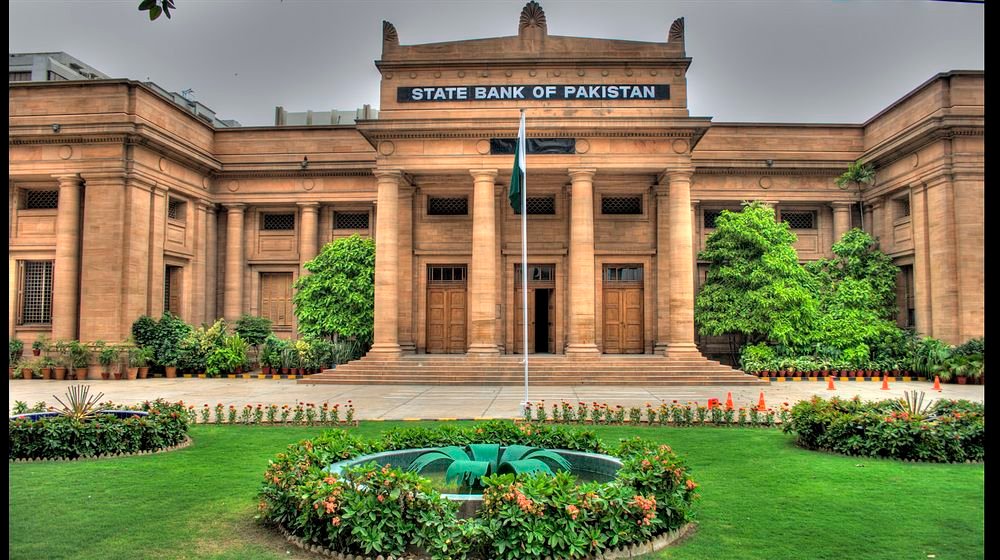
  • The great debate on State Bank autonomy

    The great debate on State Bank autonomy

    “We must understand that we do need to make SBP autonomous, or else it would continue to get exploited by the government to gain political advantages through expansionary fiscal policies.”

    If you have wondered in recent days what’s the real deal with the proposed changes in the State Bank of Pakistan law but have failed to understand the issue, perhaps this is just the right piece for you.

    Lately, there has been a lot of noise in the media about this issue. Many leading economists have claimed that this would mean compromising on government’s independence. Others have equated it to a deep conspiracy against Pakistan. But there are many contrarian voices as well, claiming that these amendments are justified and well needed. It’s time to put this debate to rest. Let’s objectively look at both sides of the argument and come to an independent conclusion.

    Firstly, why is there so much mistrust about the proposed amendments in the SBP Act?

    While there is always noise in the media, motivated by vested interests, it is hard to attribute all criticism to political motivations when it’s coming from multiple credible economists. There has to be a deeper reason for why so many people are apprehensive about it. There are a few cogent reasons. Pakistan is facing a fifth-generation war, and anything out of the ordinary is bound to raise eyebrows. Given our geostrategic location, it is not a farfetched idea that international powers could have a clandestine agenda. The fact that the current Governor State Bank is a former IMF employee has also not helped, given our eternal mistrust about the Bretton Woods institutions. People have confused two different issues: choice of the Governor and autonomy of the State Bank. Merely because the current governor is a former IMF employee, it’s a bit of a stretch to say that the proposed law will make the SBP subservient to the IMF. Lastly and most importantly, many economists have taken a clue from the recent past, when there was a hyper-reaction by the SBP to the headline inflation, which slowed down the economy. A legitimate question is what would prevent the State Bank from over-reacting in the future if Pakistan were to face similar circumstances.

    The second question is that where these amendments came from and why they are required.

    Pakistan has witnessed repeated boom-and-bust cycles that have taken a toll on national economic health. Many previous governments have spent generously to appease their voters and then got the State Bank to finance the ballooning budget deficits (by literally printing money). Under the government’s pressure, the central bank had kept the interest rates low and exchange rate overvalued to stimulate demand and drive growth. By the time the import-led consumption led to a crisis, it was the next government’s turn to run to the IMF yet again.  No one can deny that this pattern had to break.

    How can this cycle be broken?

    The IMF reports from 2008, 2013 and 2018 all highlighted SBP’s continued financing of large fiscal deficits and currency support operations draining external reserves and recommended enhanced autonomy for SBP with domestic price stability as the primary objective, flexible exchange rate policies and an end to direct lending to the government. Those who criticise the proposed amendments, unfortunately, have not come up with a better practical alternative.

    But the devil is always in the details. So what exactly has the IMF proposed?

    The IMF ran a safeguards assessment, which recommended ensuring full operational independence of SBP, making price stability the primary objective of the central bank, prohibiting monetary financing of public sector debt, and removing quasi-fiscal operations. It also suggested improving SBP’s governance, including creating a firewall between management and oversight functions, establishment of the Executive Board and protecting personal autonomy of members of SBP Board and Monetary Policy Committee. In addition, IMF also proposed strengthening legal provisions for audit and statutory mechanisms for sufficient capitalisation and profit retention.

    Let’s translate these proposed changes into simpler terms. What is the change that we actually need, which should not be unduly criticised?

    Putting an end to government’s direct borrowing from SBP, dissolution of Monetary and Fiscal Policies Coordination Board and removal of Secretary Finance from SBP’s Board, all aimed at cutting the cord between MoF and SBP. This is essential if we intend to remove the government’s influence on the State Bank to take politically motivated decisions.

    The tenure of the Governor also needs to be increased to delink his appointment from electoral cycle, depoliticise the Governor’s role and ensure policy continuity. The proposed tenure of five years is in line with other central banks including India. Some have criticised the provision for reappointment of the Governor, which is actually not new and was also present in the previous draft, albeit with a shorter tenure of three years.

    Then there has been a lot of criticism on proposing domestic price stability as the primary objective and ‘supporting general economic policies’ as a tertiary objective. No one has bothered to check that even the existing law does not mention supporting economic policies or growth as objectives of the SBP, and instead focuses on supporting the regulation and growth of monetary and credit systems. Moreover, putting price stability as a primary objective is not a novel concept and has been embraced by many countries. In fact, macro-economic stabilisation is critical for sustained economic growth and for preventing the boom-and-bust cycles – the kind we have repeatedly experienced.

    Nevertheless, the new law should mention sustainable growth as the ultimate objective. The Indian Reserve Bank Act also mentions price stability as its primary objective but keeping in view the objective of growth. But this would be a semantic change. The central bank cannot operate in isolation from the rest of the economy and ignore the growth considerations altogether.

    The proposed amendments also have a provision for the SBP to support growth. The end to quasi-fiscal operations would not mean the discontinuation of re-financing facilities, at least in the foreseeable future. These schemes have much lesser risk since the credit allocation decisions rest with the commercial banks, which in turn remain accountable for asset quality indicators, like non-performing loans, while the SBP steers clear of the credit risk.

    Another misunderstanding is about inflation targeting. Inflation targeting does not necessarily mean that SBP alone would be able to control inflation, especially if the country is facing supply-driven and cost-pushed inflation, and in the wake of weak monetary policy transmission mechanisms. But even in that situation, SBP’s interventions are required to mitigate the second-round effects of supply-driven inflation. However, given the track record, the SBP will also have to be cautious and not get carried away by inflationary concerns.

    There has also been much criticism about the new accountability clauses, especially the provision of getting prior permission of the SBP Board before NAB or FIA can initiate an investigation. But this is not an unusual concept in Pakistan. Securities and Exchange Commission enjoys the exact same protection under Section 41 (b) of the SECP Act. Why then fear it for the SBP?

    Moreover, a new accountability clause has been proposed to be added whereby the Governor will have to appear in person before the parliament, which wasn’t there earlier. Other than these, no accountability provision has been taken out from the existing law. 

    Furthermore, all SBP officials continue to be considered public servants and therefore subjected to Pakistan Penal Code’s stipulated offences for public servants (sections 161-171) including corruption. Similarly, the SBP’s accounts will continue to be audited by the Auditor General of Pakistan, besides two external auditors. In addition, the law now includes a conflict-of-interest clause, which will ensure transparency.

    Does this mean that all the proposed amendments are good, and nothing really needs to change? Not really. There are a number of proposed amendments that need reconsideration.

    For instance, the new law is not clear on who will set the inflation target. It should be made clear that National Economic Council is the legitimate forum to provide the target range.

    Similarly, the independent directors will now be appointed by the President, but on recommendation of the federal government. The only problem here is that the government will need to base its recommendations on list of candidates proposed by SBP’s Board itself, which seems cyclical and does not make sense. The federal government should be free to propose members who meet the requisite criteria.

    The section on removal of Governor has also been diluted, where previously they could be removed on breach of trust, but not anymore. Even the ground of serious misconduct has to be determined now by the court, which is ridiculous and needs to be fixed.

    Lastly, if the SECP Act is to be considered a benchmark for accountability clauses, then it should also be followed for other provisions. One can see that the newly inserted conflict of interest provision and the amended provision for removal of governor in the SBP Act are quite weak and must be strengthened in light of how these have been provisioned in the SECP Act.

    Most importantly, the question that we all need to ask is if there is anything for us to worry about the new SBP Act. Perhaps not as much as the media has portrayed.

    Many are confusing the issue of who occupies the seat of the governor with whether the central bank should be autonomous. The current governor might be from IMF, but that’s not always the case. So autonomy should not mean IMF controlling the central bank.

    Then, no matter what we write in the law, the parliament will always have the right to amend it. If we can change it once, we can always do that again. The President can even change it overnight through an ordinance if the parliament is not in session.

    Most importantly, there is a big difference between de jure and de facto power. By merely amending the law, the SBP cannot ignore the Prime Minister, the cabinet and the whole federal government.

    Lastly, before criticising the change and fearing the ‘new’, we must ask how the ‘old’ has delivered. We do know that it has not worked in the past, given our economic situation. So something must change.

    In short, we must understand that we do need to make SBP autonomous, or else it would continue to get exploited by the government to gain political advantages through expansionary fiscal policies. But we should not do it in a hush-hush manner and instead debate the proposed amendments in the parliament and only then pass them into law.
  • تاریخ کا قرض

    تاریخ کا قرض

    مجھے یاد پڑتا ہے کہ اکثر تحریک پاکستان کا مضمون اسکولوں میں اساتذہ کچھ اس طرح شروع کروایا کرتے تھے کہ ‘تحریک پاکستان کی بنیاد اس دن پڑی جب برصغیر میں پہلا مسلمان آیا۔۔۔’ ویسے ہمارے اس خطے کے لوگ بھی عجیب ہیں وہ محمد بن قاسم سے تو اپنی تاریخ شروع کرنے پر فخر محسوس کرتے ہیں لیکن اپنے اس خطے کی قدیم تاریخ سے اپنے آپ کو پرے پرے رکھتے ہیں نہ جانے یہ شرم ہے یا ارادی عمل۔

    ہم مسلمان ہیں اور اس پر ہمیں فخر ہے لیکن جس خطے میں ہم رہتے ہیں اس کی بنا پر ہمارا یہاں کی قدیم و جدید تاریخ سے بھی ایک رشتہ ہے اور جب تک ہم اس رشتے کی ملکیت نہیں لیتے اور اپنی آنے والی نسلوں کو نہیں پڑھائیں گے تب تک ہم کیسے اس کو یقینی بنا سکتے ہیں کہ ہم کہاں سے آئے اور کہاں جا رہے ہیں۔ گندھارا تہذیب کا گہوارہ ہونے کے باوجود ہمارے بچے مغل بادشاہوں کے نام رٹ رہے ہوتے ہیں اعتراض اس پر نہیں ہے افسوس اس پر ہے کہ اس خطے کی تاریخ کو ایک خاص نظر سے دیکھنے اور ایک خاص رنگ میں رنگنے کی کوشش کی گئی ہے۔ راجہ پورس کا سکندر اعظم کے تصادم ہو یا بھگت سنگھ کا برطانوی استعمار کے خلاف اقدام۔ ہمیں تو فخر کرنا چاہئے کہ اس خطے میں رہنے والے استعماری قوتوں کے خلاف لڑنے میں، اپنے حق آزادی کو حاصل کرنے میں اس خطے کے باسی ایک تاریخ رکھتے ہیں۔ تحریک پاکستان ایک حادثہ نہیں ہے بلکہ برصغیر کی جنگ آزادی میں ایک روشن مینار ہے یہ تاریخ کے تسلسل میں ایک واقعہ ہے ایک سوچا سمجھا ارادہ!! اس خطے کی جنگ آزادی کی تاریخ میں بھی ہماری ‘پک اینڈ چوز’ کی پالیسی رہی ہے اور ایک ایسا خطہ جو ہمیشہ اپنے اندر تنوعات کو جذب کر کے ایک نیا رنگ پیدا کرنے کی صلاحیت رکھتا تھا اسے ہم ایک خاص عینک چڑھا کر دیکھتے ہیں اور اپنی آنے والی نسلوں کو بھی ایسے ہی دولے شاہ کے چوہے بنانے پر مصر ہیں۔ قومیت ایک اچھی چیز ہے لیکن جب جارحانہ اور شدت پسند قومیت بزور بازو مسلط کرنے کی کوشش کی جائے گی تو حاصل جمع ملغوبہ ہی ہو گا۔

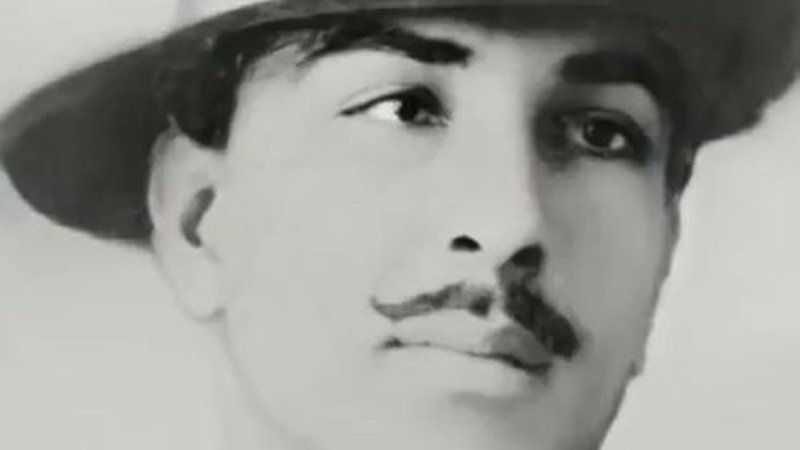
    ابھی 23 مارچ کا دن گزرا اور یوم پاکستان ہونے کے ساتھ ساتھ یہ بھگت سنگھ کی پھانسی کا دن بھی تھا لیکن اس کی بھی ہم نے ملکیت نہ لی حالانکہ بھگت سنگھ کو پھانسی لاہور میں ہی لگی تھی مزے کی بات یہ ہے کہ 23 مارچ کا دن ابتدائی برسوں میں یوم جمہوریہ کے طور پر منایا جاتا تھا کیونکہ 23 مارچ 1956کو پاکستان ایک جمہوریہ قرار پاتے ہوئے برطانوی عملداری سے مکمل چھٹکارا حاصل کر لیا تھا اور بھگت سنگھ بھی تاج برطانیہ سے مکمل آزادی کی جدوجہد کی علامت ہے۔

    بھگت سنگھ کو آپ مذہب کی عینک سے ہی کیوں دیکھتے ہیں یہ آزادی کی اس جنگ کا ایک سپاہی ہے جس نے اس خطے میں استعمار کو للکارا اور لاہور میں شادمان فوارہ چوک پر پھانسی چڑھ گیا لیکن ہم نے اس چوک کا نام اس آزادی کے ہیرو کو خراج تحسین پیش کرنے کی کوشش کو بھی ایک مذہبی معاملہ بنا دیا۔ پاکستان اور بھارت میں امن کا راستہ بھی ہماری مشترکہ تاریخ سے ہو کر نکلتا ہے جب دونوں طرف ہم اپنے اختلافات کے بجائے مشترکات کو مقدم رکھیں گے جب دونوں طرف اس مشترکہ تاریخ پر فخر کیا جائے گا۔ آج لاہور پر ہی صرف نظر دوڑائیں تو ایک ستم ظریفی سامنے آتی ہی کہ سر گنگا رام کے کئے گئے کام سے فیض تو اٹھاتے ہیں لیکن اپنی تاریخ میں انہیں وہ جگہ دینے پر تیار نہیں جس کے وہ متقاضی ہیں۔ ہماری سائنس کی کتابوں میں جابر بن حیان اور ابن الہیشم کو تو پڑھایا جاتا ہے لیکن ماہر طبیعات سبرامنین چندراشیکھر کو نہیں جو لاہور میں پیدا ہوئے اور پھر علم طبیعات اور فلکیات میں ایسا نام پیدا کیا کہ خلا میں Chandra X Ray Observatory انکے نام سے منسوب ہے میں سوچتا ہوں کہ یہ آبزرویٹری جب خلا میں لاہور پر سے گزرتی ہو گی تو چندرا شیکھر بھی ضرور اپنی جائے پیدائش کو دیکھ کر مسکراتے ہوں گے ویسے ہی جیسے برصغیر کی آزادی کا ذکر ہوتا ہے اور اس میں لاہور کا نام آتا ہے تو بھگت سنگھ بھی مسکراتا ہو گا۔ یہ خطہ اپنی تاریخ میں بہت زرخیز ہے بس ضرورت اسکی ملکیت لینے کی ہے۔