News stories of Politics, for the topics that matter the most to young professionals and college students, political news reported with a different angle.
Polling is over for perhaps the most contentious elections in Pakistan’s history, and now the nation is waiting for the results for Pakistan’s general elections.
But when will we know who their next Prime Minister will be?
Not anytime soon, unfortunately.
Here’s how it works. The results as yet are unofficial. Official results are being compiled by ECP and will take a while to tabulate. Once the votes are counted, the parliament will take oath. Then the house will hold election for Prime Minister and the candidate who has the majority of legislators behind him, he wins.
We know that PML-N candidate for Prime Minister is Nawaz Sharif while for PPP its Bilawal Bhutto-Zardari.
Could a dark horse become our Premier? We’ll know in a few short days.
In a controversial move, the Interior Ministry of Pakistan has shut down mobile internet and phones across the country. The move was made minutes before polling stations opened Thursday morning at 8 am.
To find out what voters could do to find out what their polling information is, since they can no longer send a text message to 8300, The Current contacted Caretaker Information Minister Murtaza Solangi.
“A serious voter will know all the details already,” he told us on the phone, using WiFi for the call. “Serious voters find out a day before what their polling information is like I did. I messaged 8300 the night before and wrote all my information.”
When we asked if a voter wasn’t able to before, or wasn’t a ‘serious voter’ but was still a ‘voter’ what can they do? “Well, a voter should know his constituency number. They can go to any polling station in their area and might be able to find it,” he said.
When asked that some people can’t find their polling stations easily, and now that the internet is down, what can they do? He recommended that “for those who want to get to their polling station via Google maps, they should print the map at home and then take it and follow it. I used to do this when I was in America, and it’s very easy to do.”
Solangi also said that people used to vote before mobiles existed and can now as well.
But if a voter has issues finding their information, PTI is offering an alternative. You can send your ID card number to Imran Khan’s Facebook page and they will reply, with your block number, polling station. Even if you are not a PTI voter, you will still be able to get your relevant information.
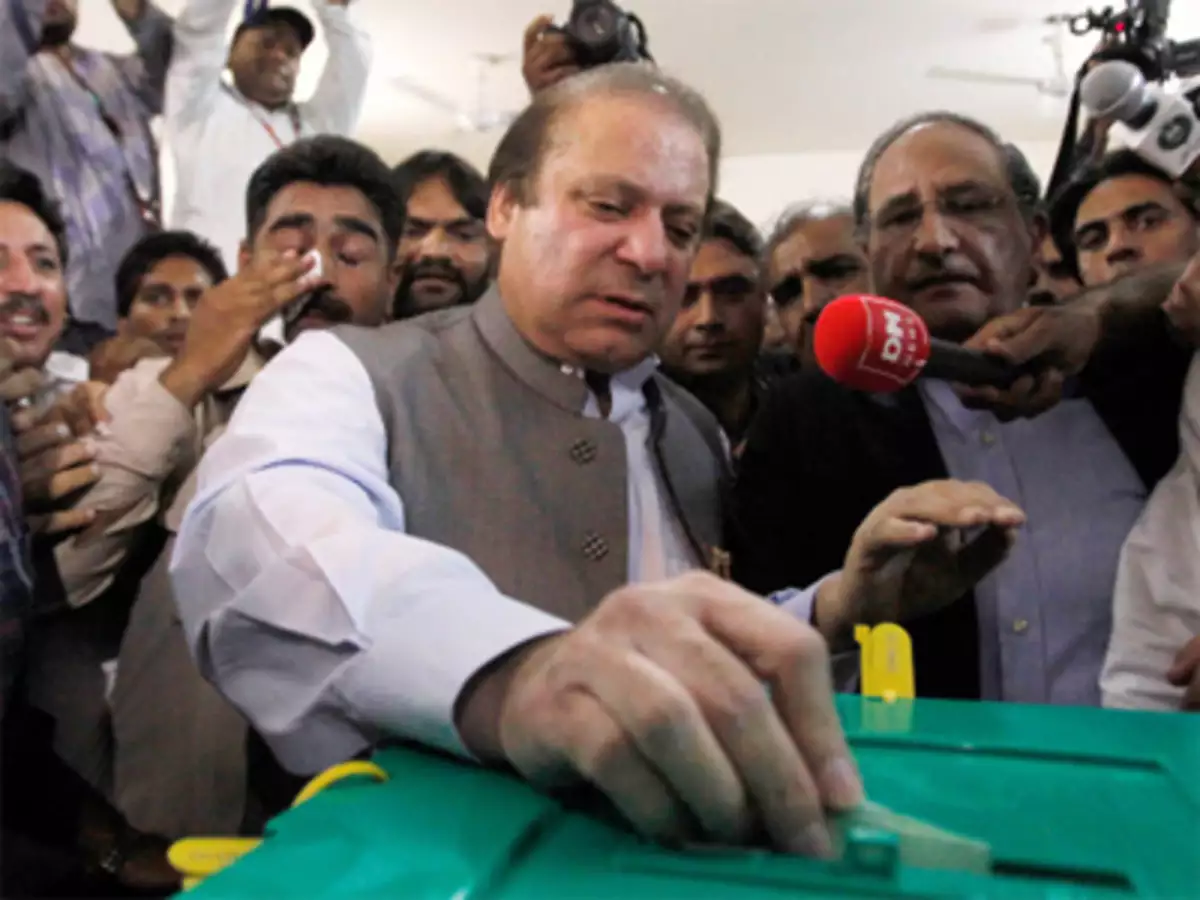
Pakistan Muslim League-Nawaz (PML-N) head Nawaz Sharif has cast his vote in NA-128 Lahore along with his daughter Maryam Nawaz. Nawaz Sharif cast his vote for the first time in nearly six years.
Pakistan Peoples Party (PPP) Chairman Bilawal Bhutto Zardari wants the mobile service across the country to be restored. The former foreign minister wrote a post on X (previously Twitter) saying, “Mobile phone services must be restored immediately across the country. I have asked my party to approach both ECP and the courts for this purpose.”
Other politicians are also agreeing with BBZ, including Independent candidate and former PPP minister, Mustafa Nawaz Khokhar.
The federal Ministry of Interior has confirmed on Thursday morning that internet services on mobile data across the country have been suspended after a dramatic surge of terror attacks just a day before the country goes to polls.
“Recent surge in terrorist activities resulting in precious lives have stirred security environment in the country. In the light of deteriorating security situation and to mitigate potential security threats, need has risen to take by measures to safeguard against it. Therefore, it has been decided to temporarily suspend the mobile services across the country,” a statement issued by the ministry said.
However, WiFi services have not been suspended and remain operational.
The news has been met by dismay on social media as users say it hinders the voting process and blocks candidates from communicating with their polling staff.
On Wednesday, two attacks just a short while apart from each other, killed 27 people in Balochistan while more than 50 people were injured. A grenade attack in Karachi got foiled when the ammo detonated in the hands of the motorcyclist carrying it, while JUI-F’s Hafiz Hamdullah was attacked by gunfire in an assassination attempt that failed.
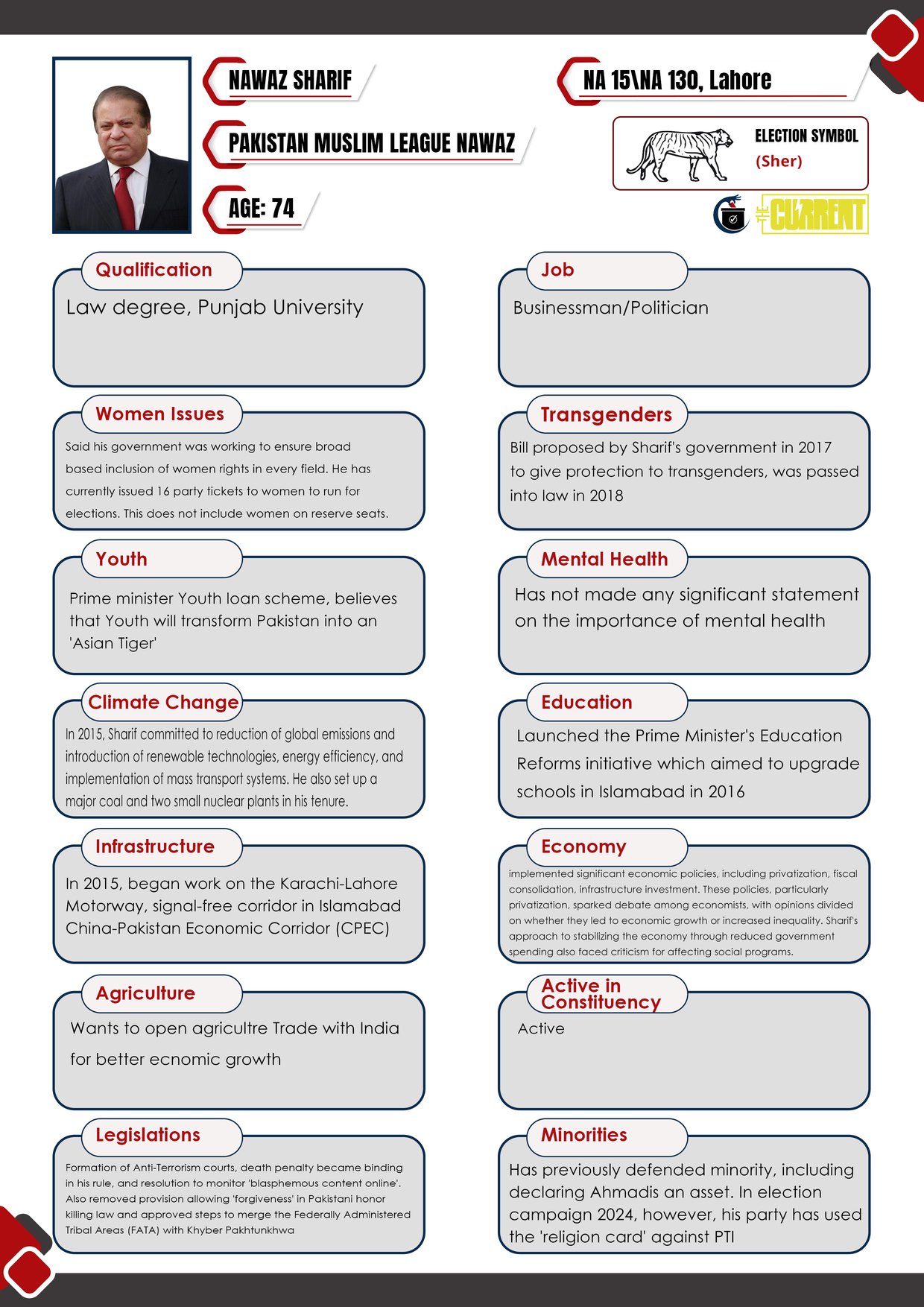
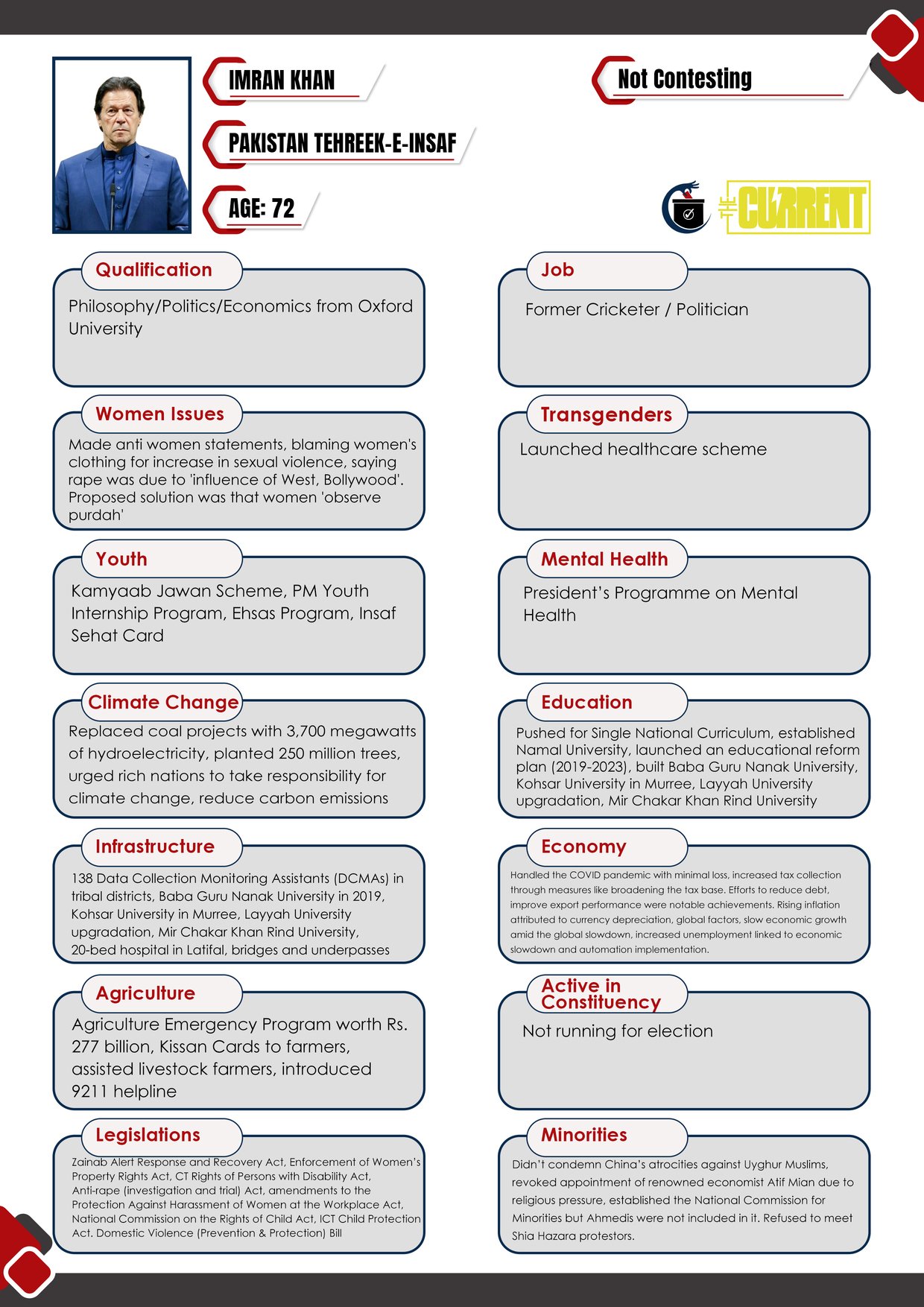
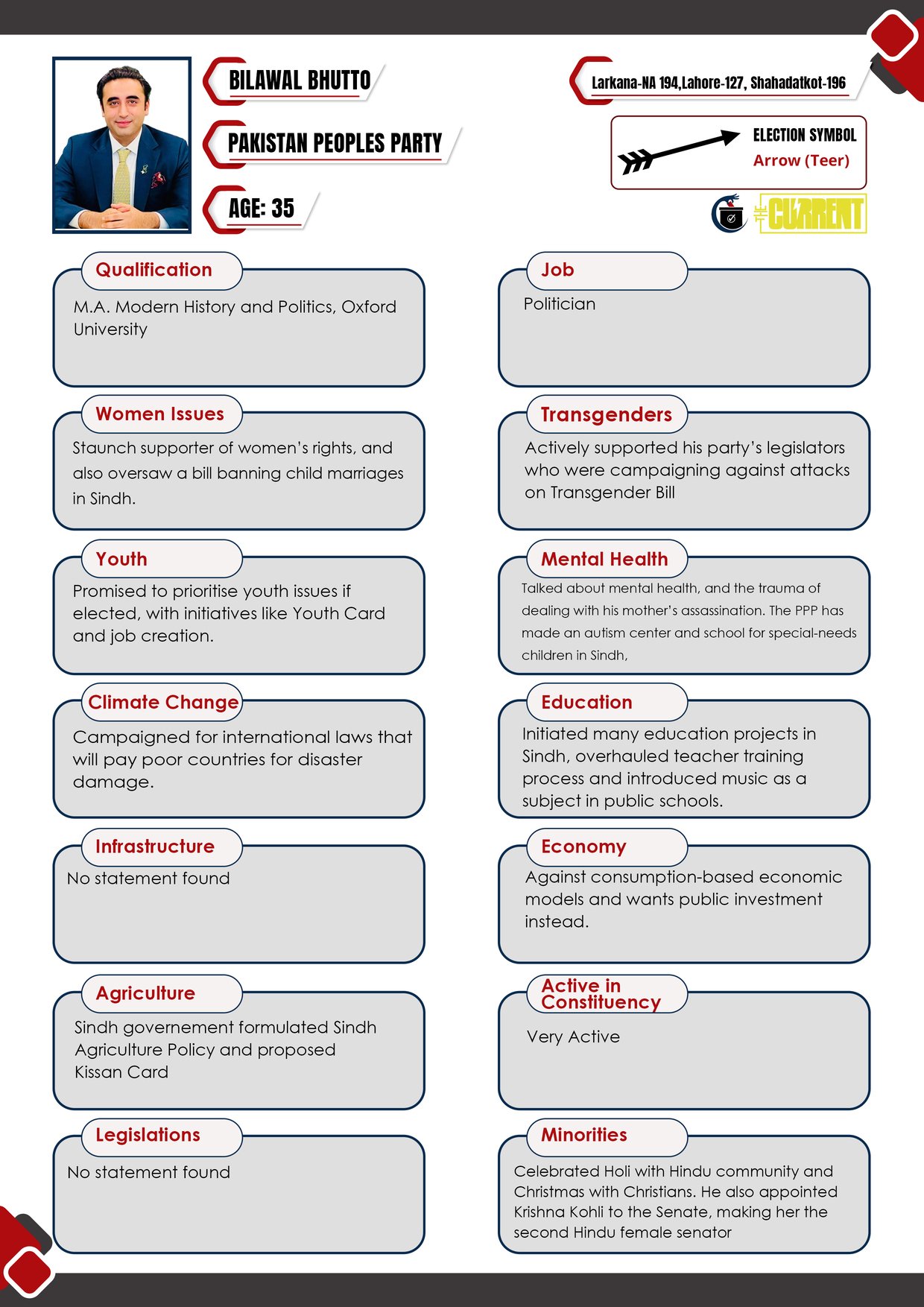
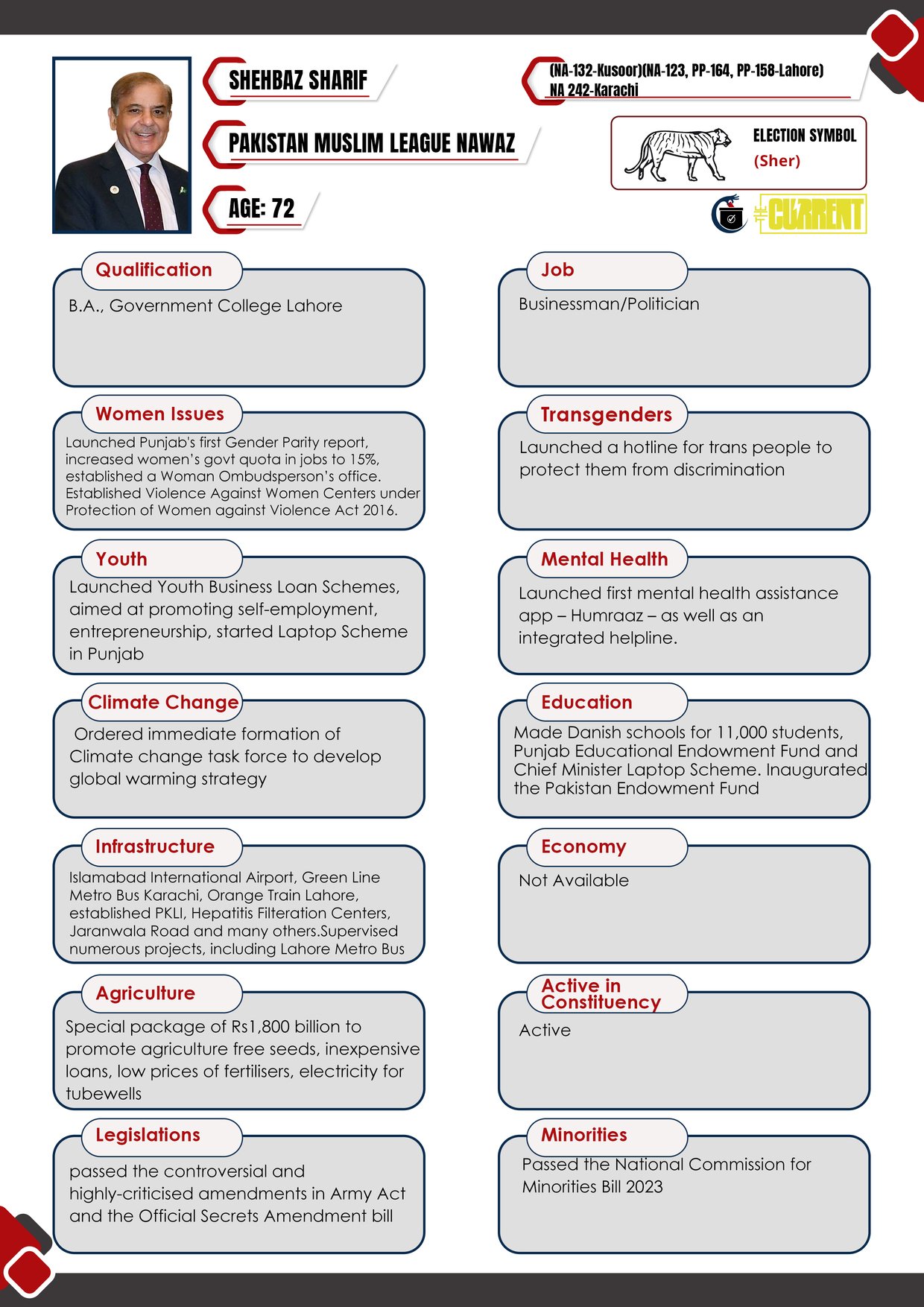
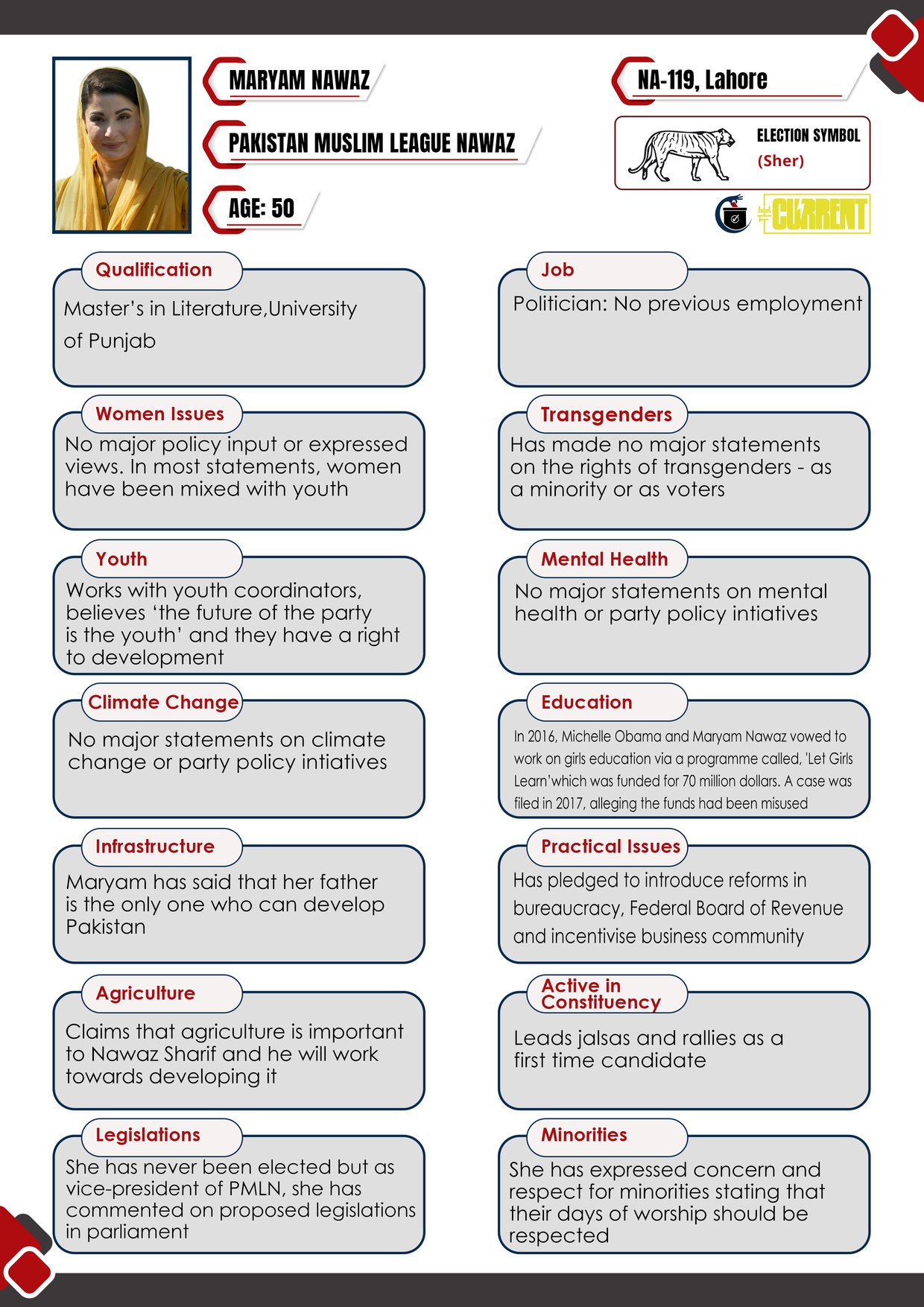
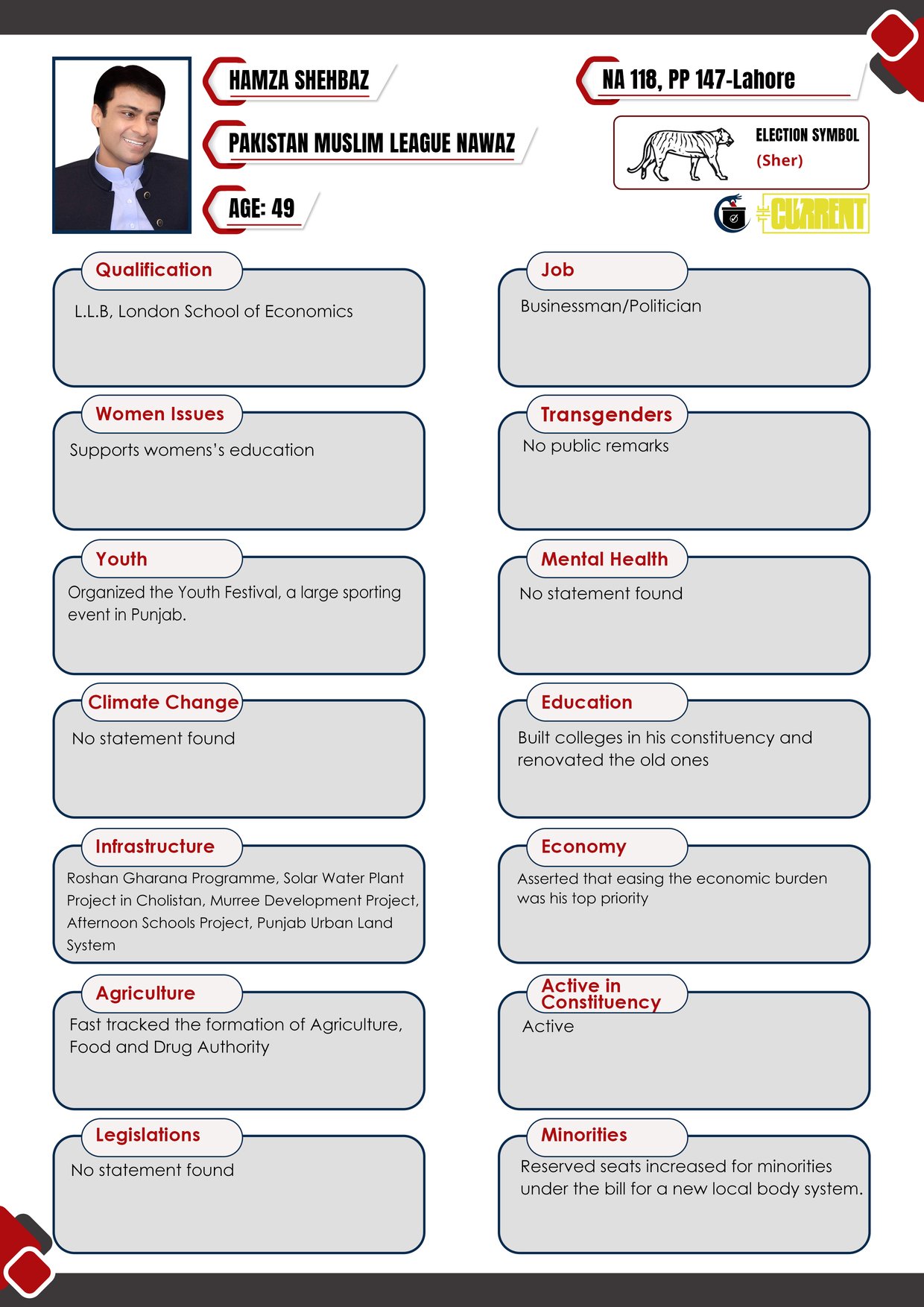
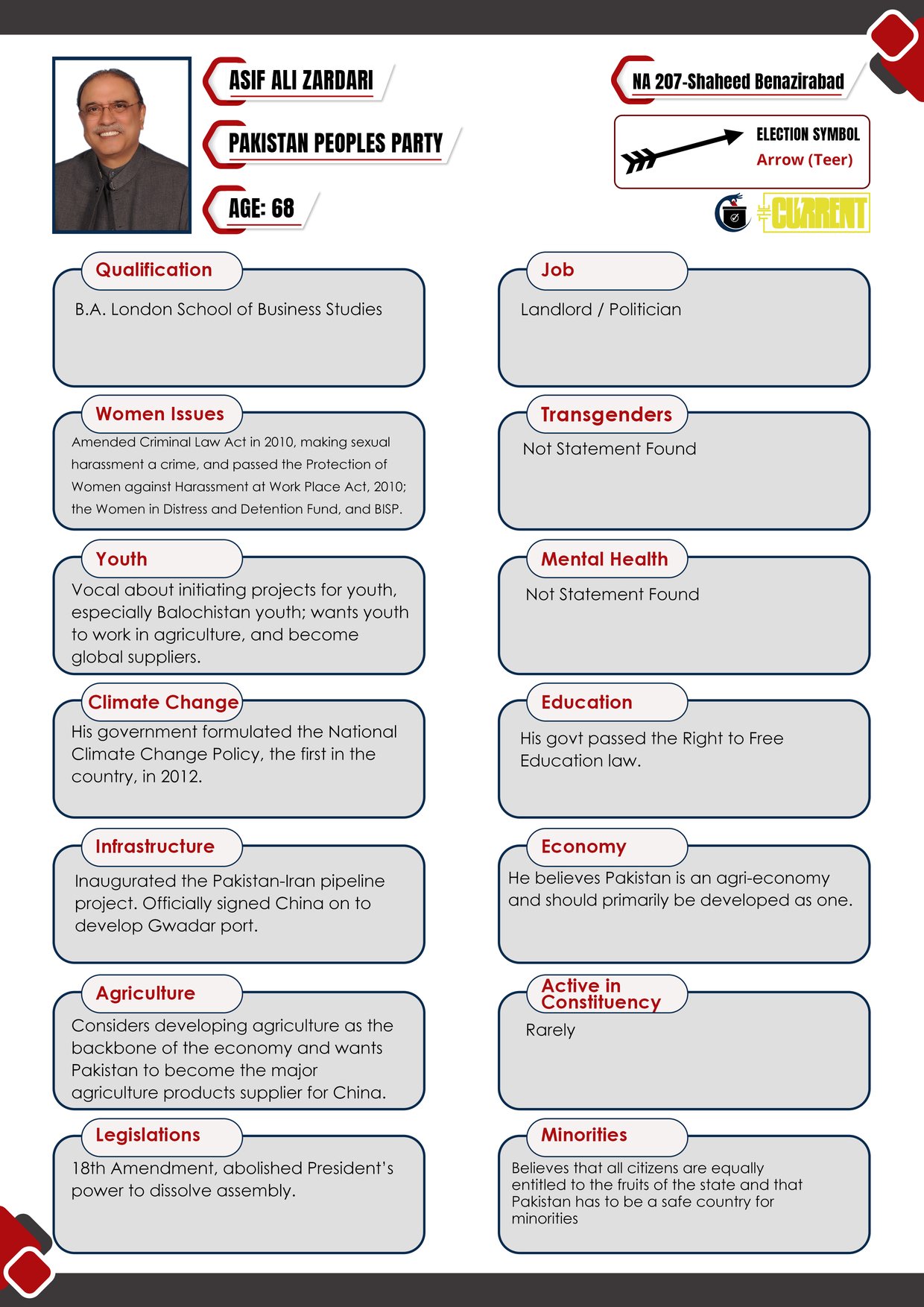
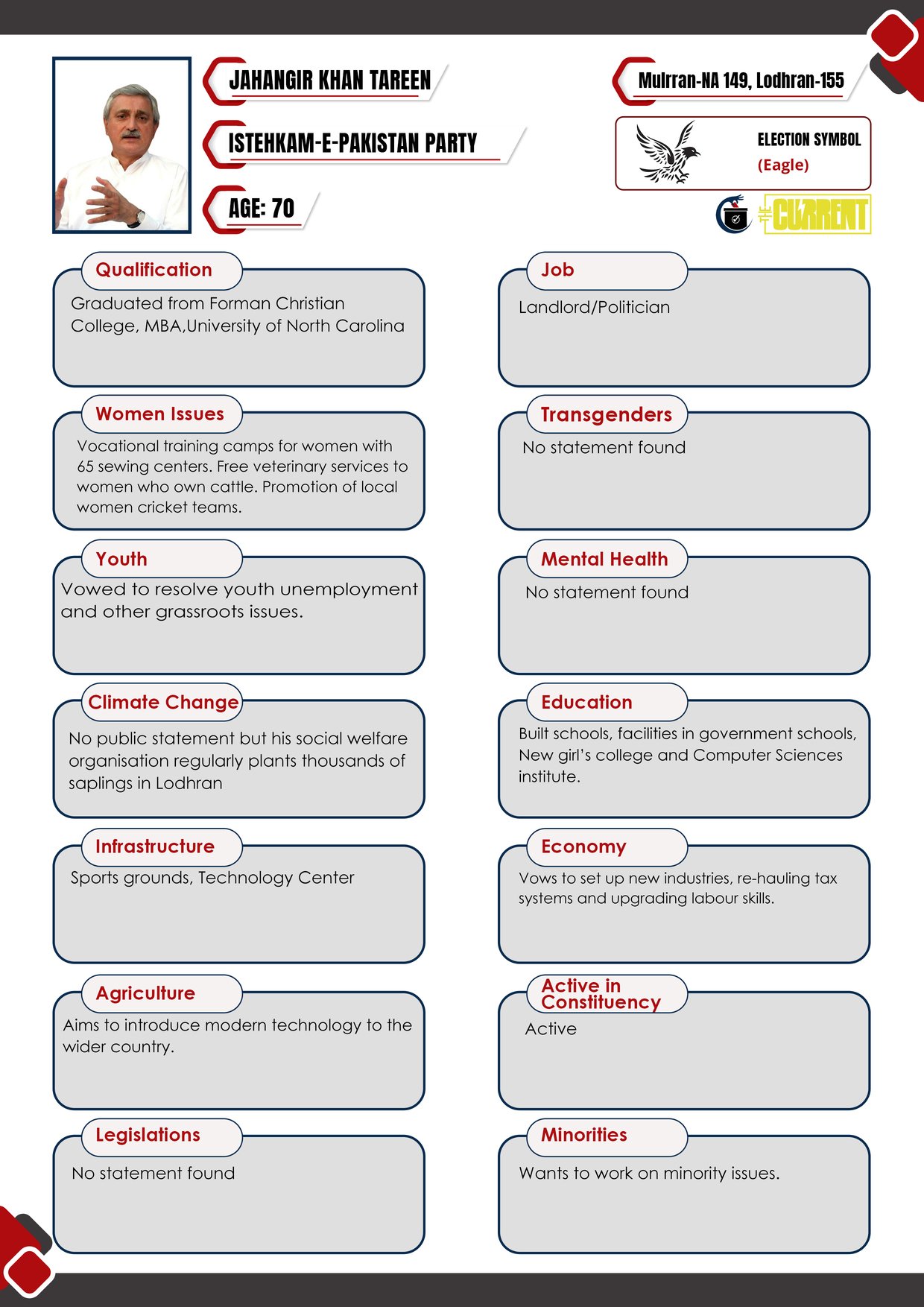
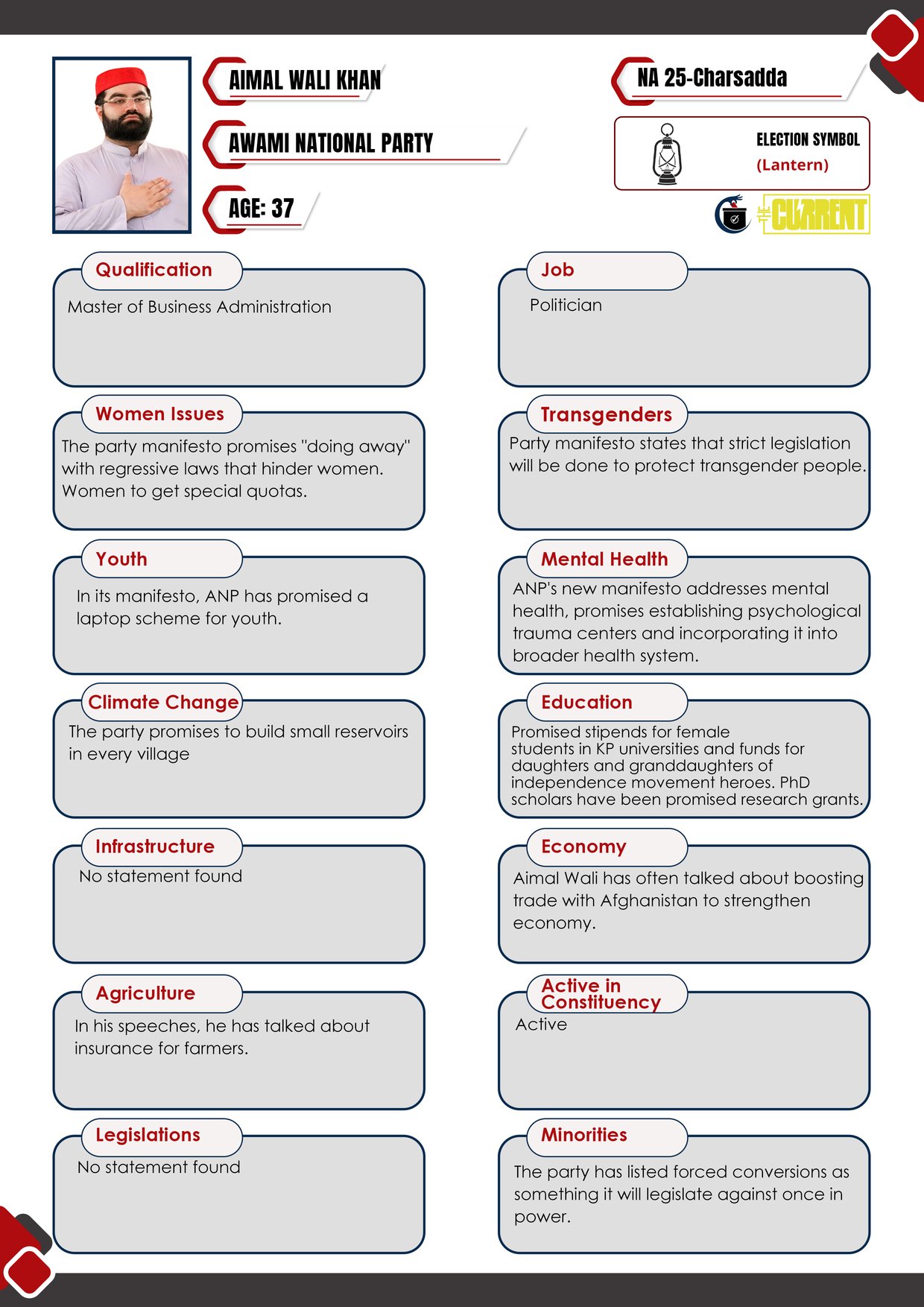
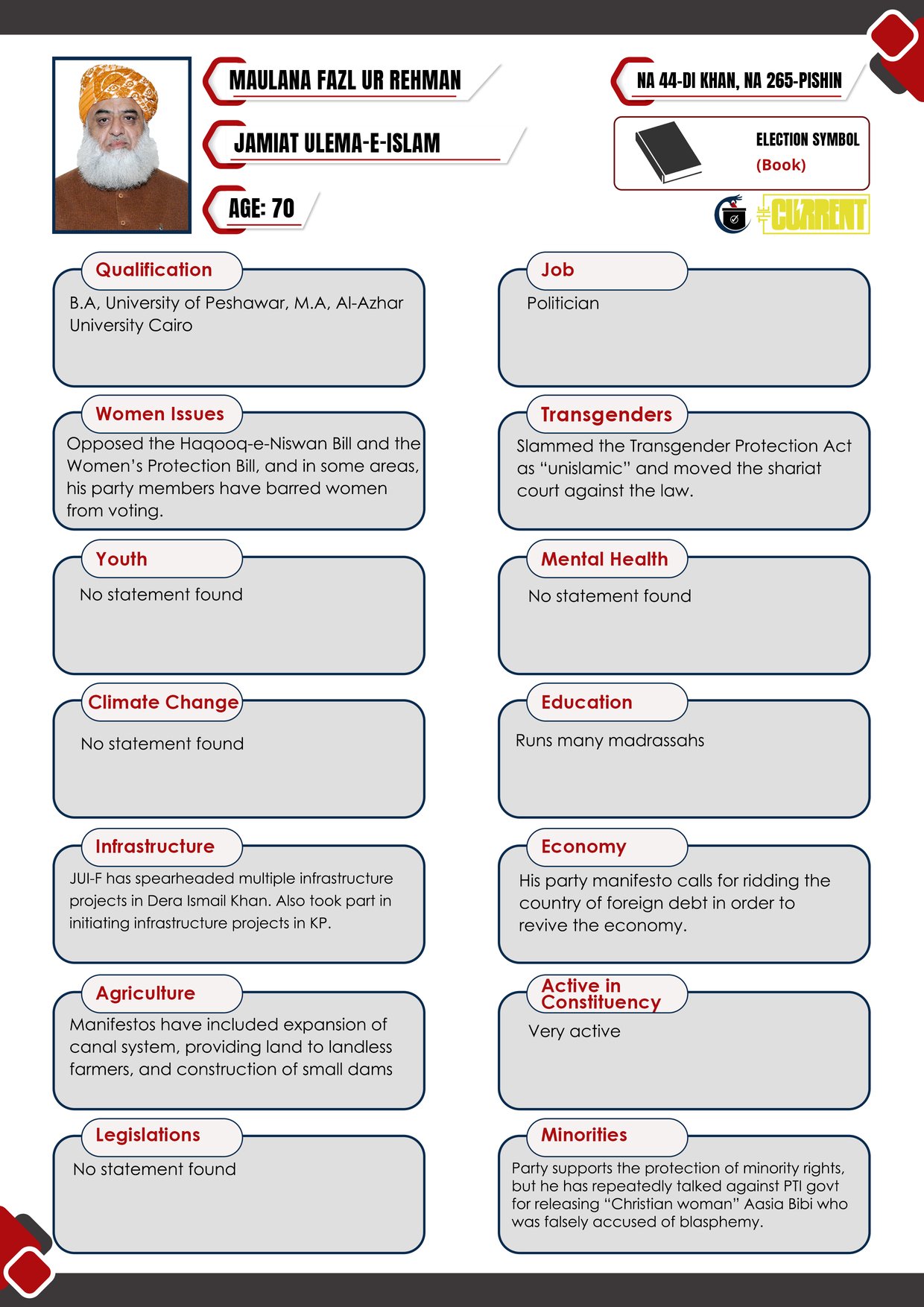
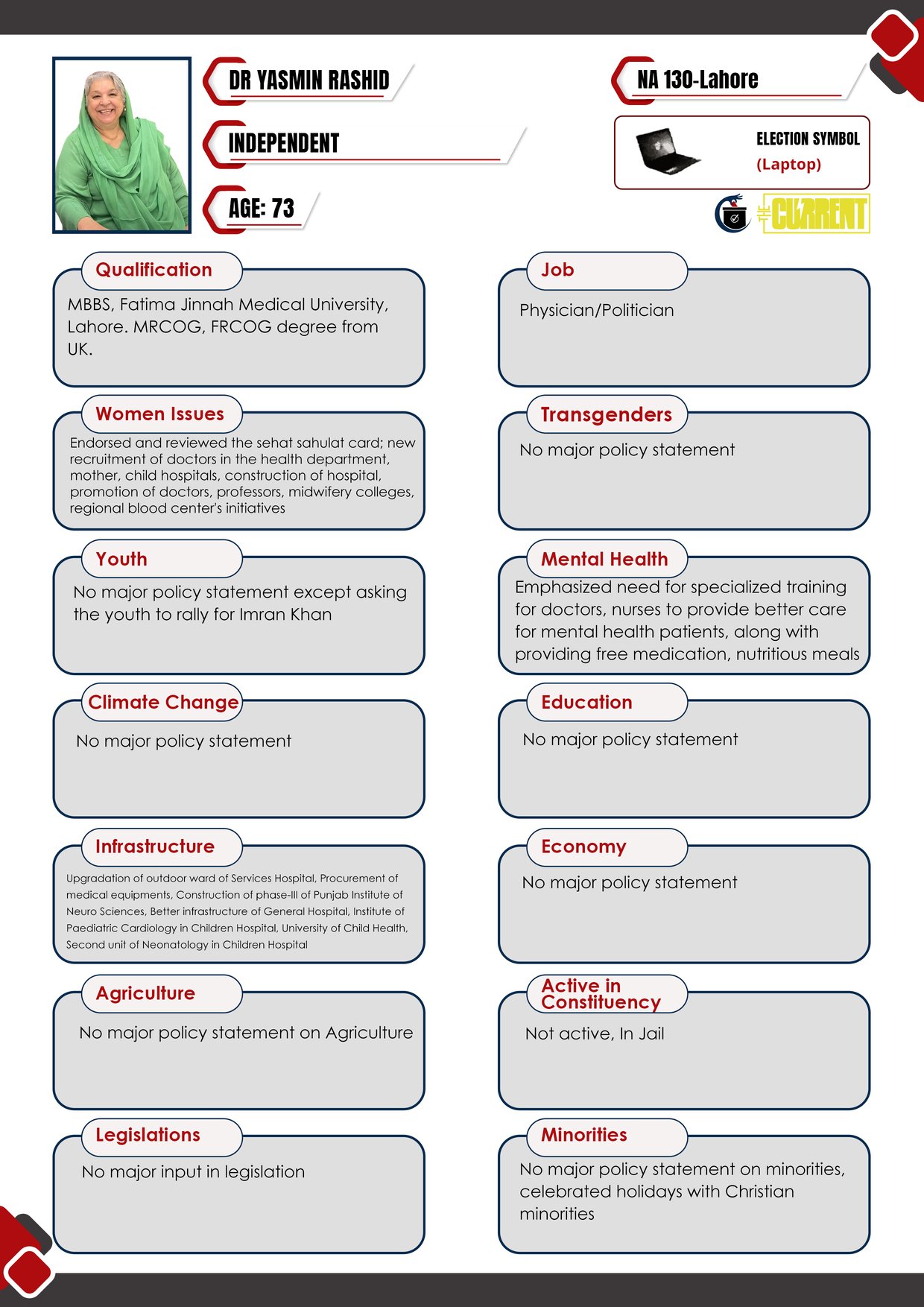
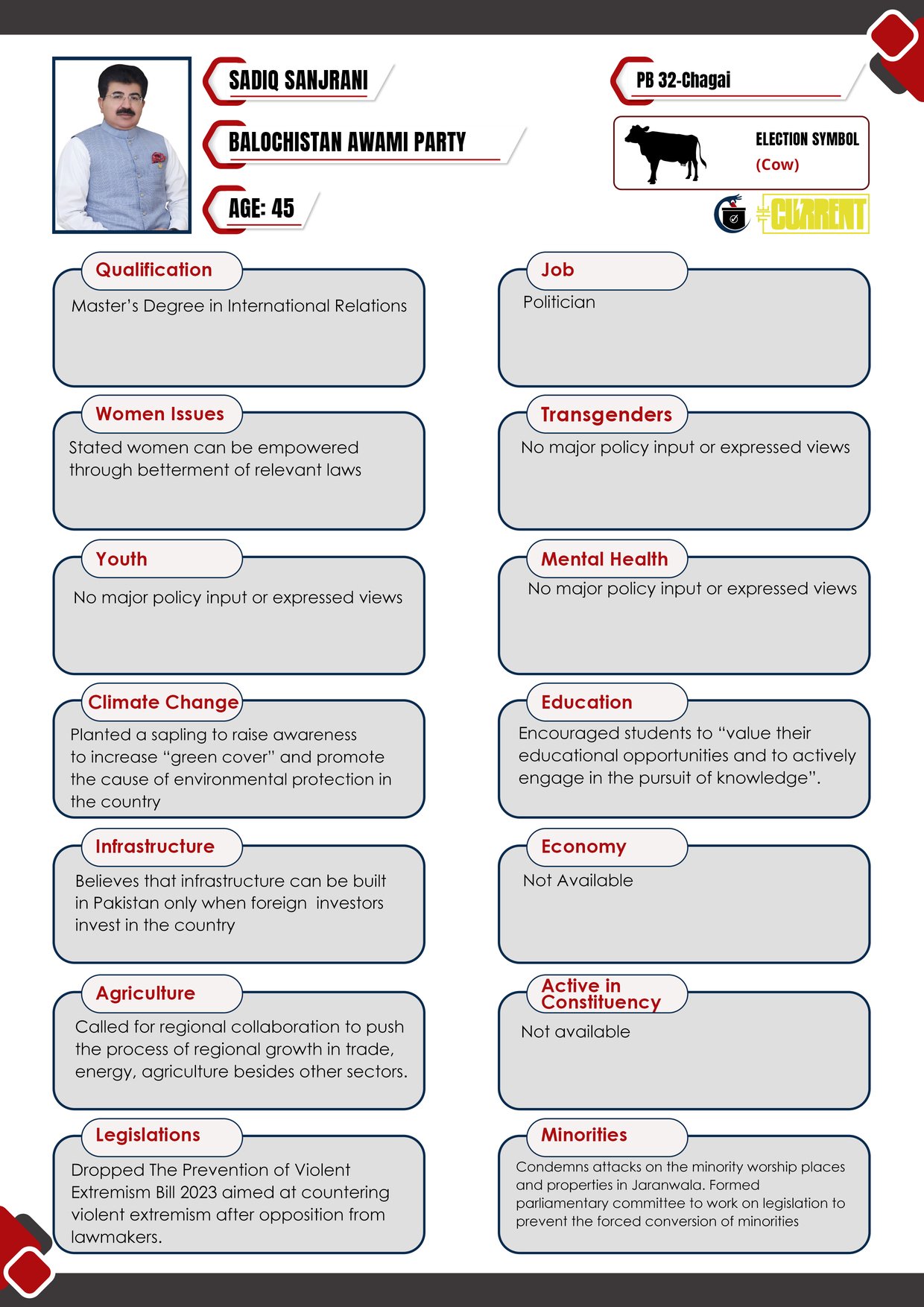
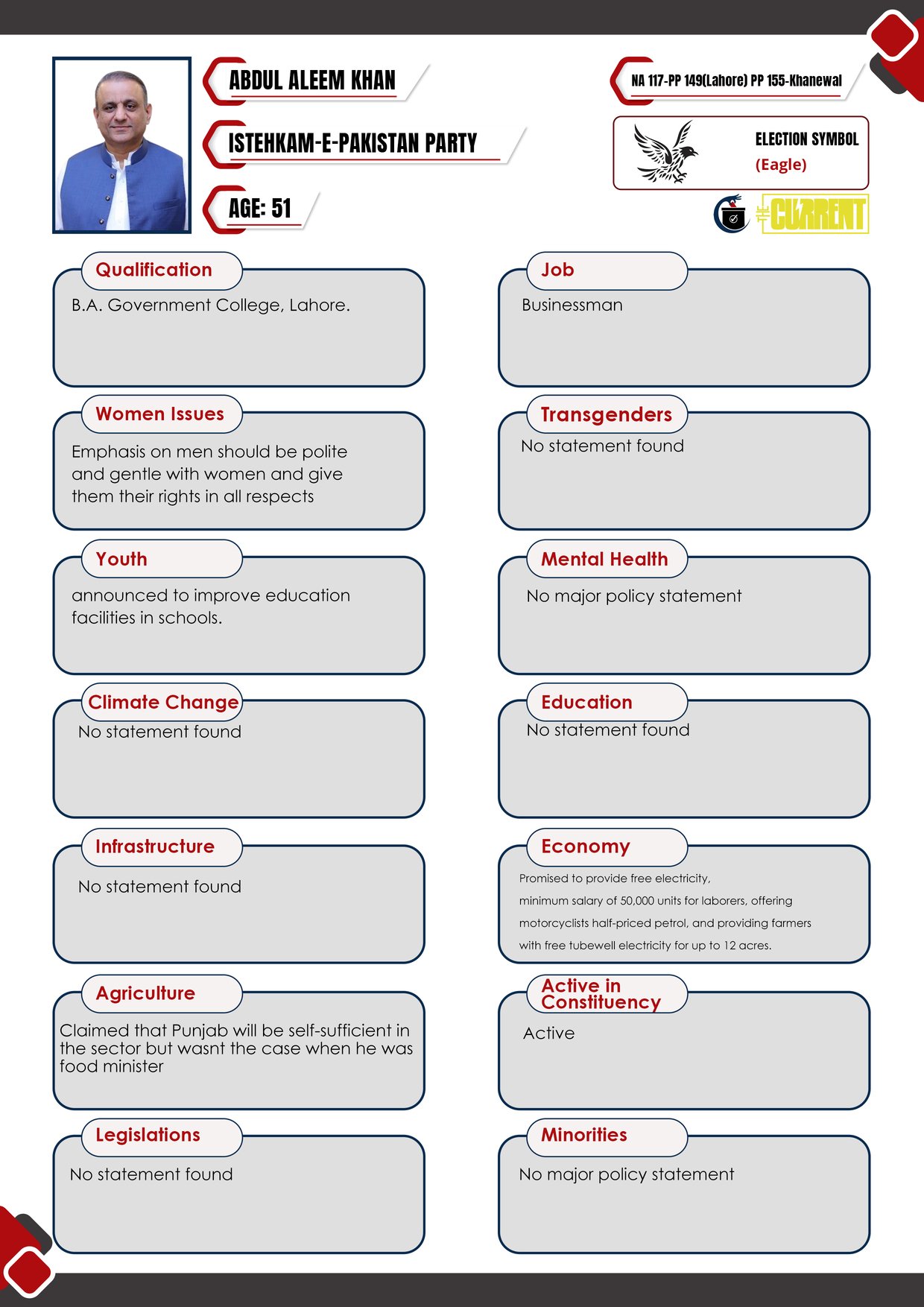
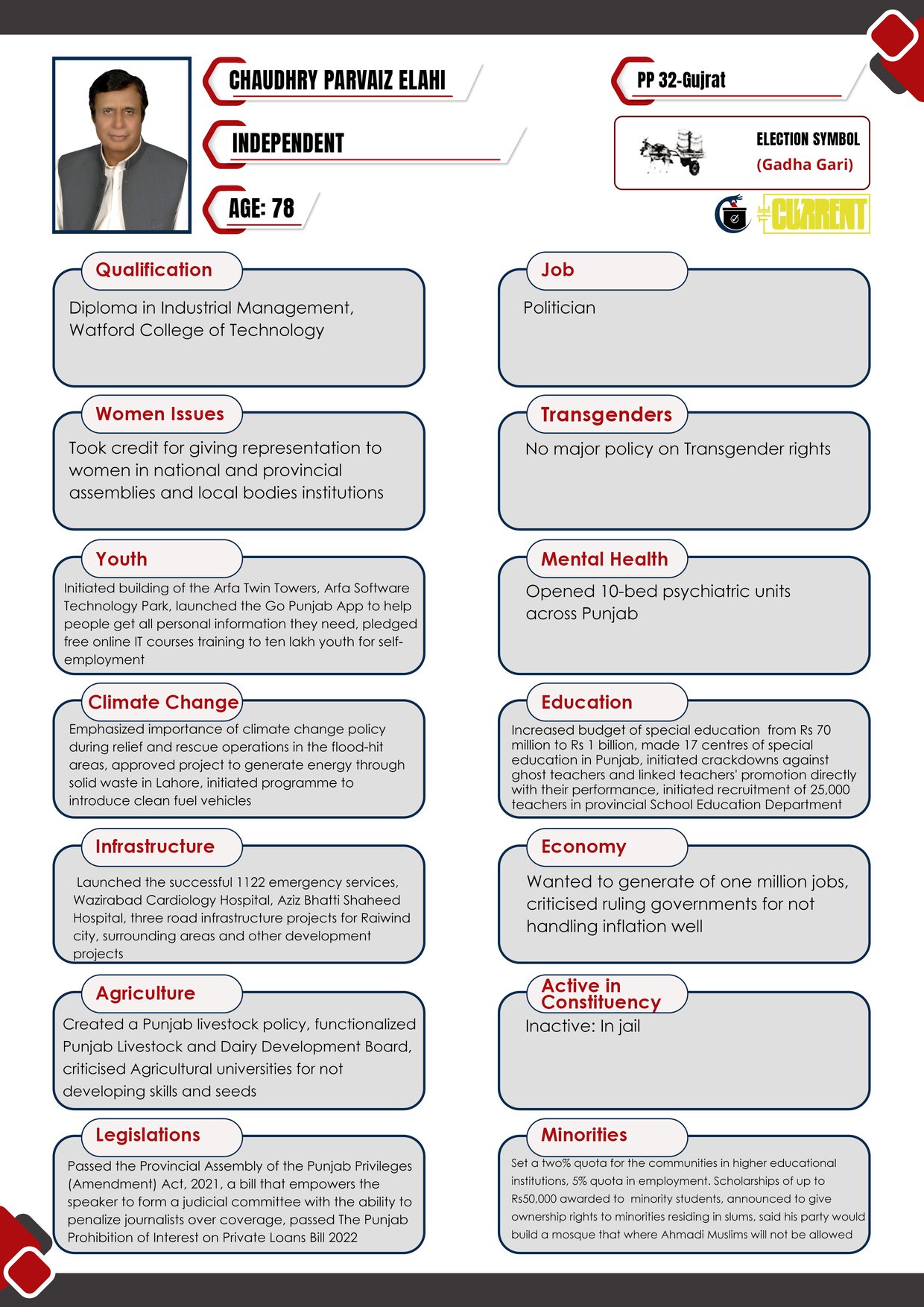
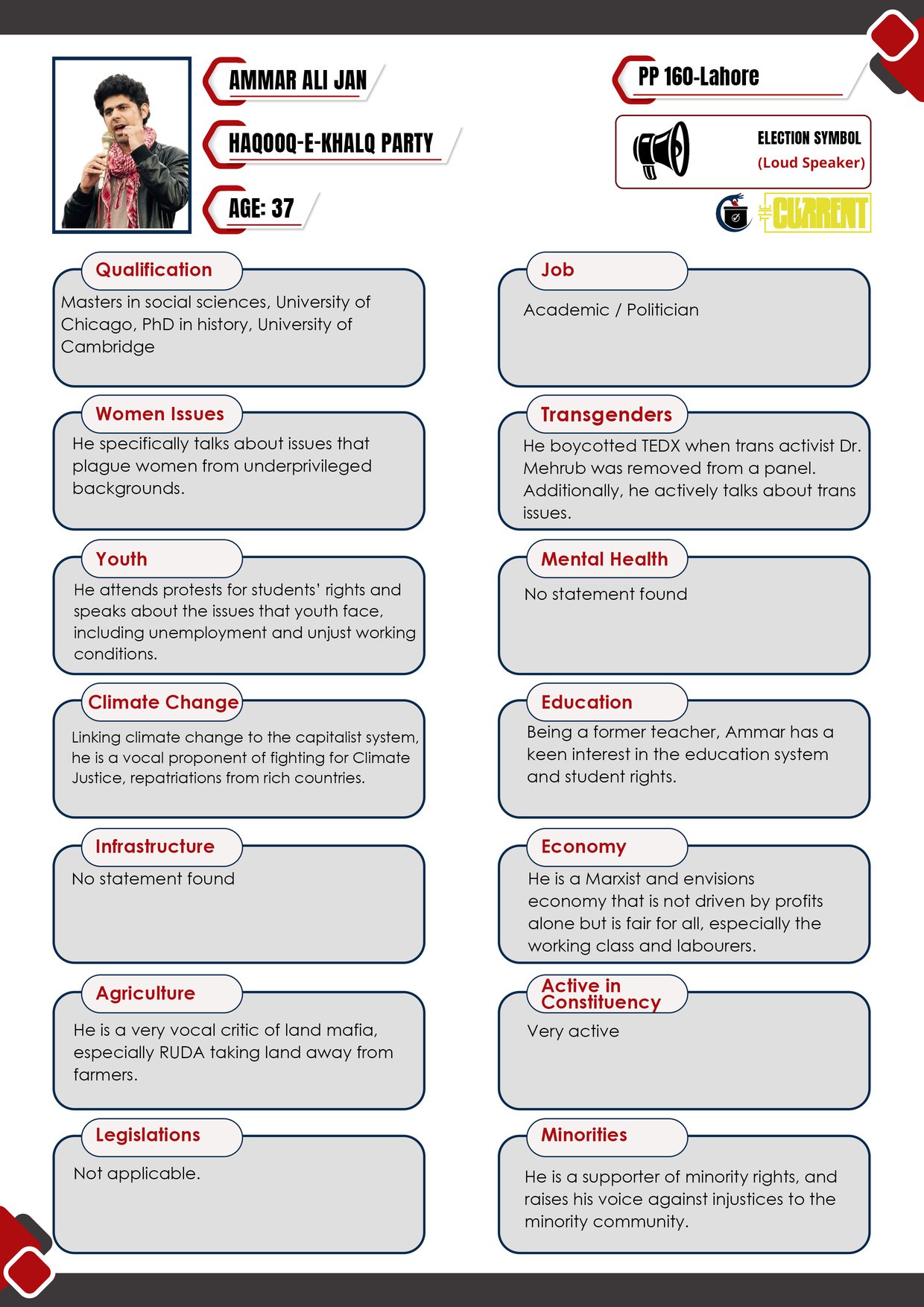
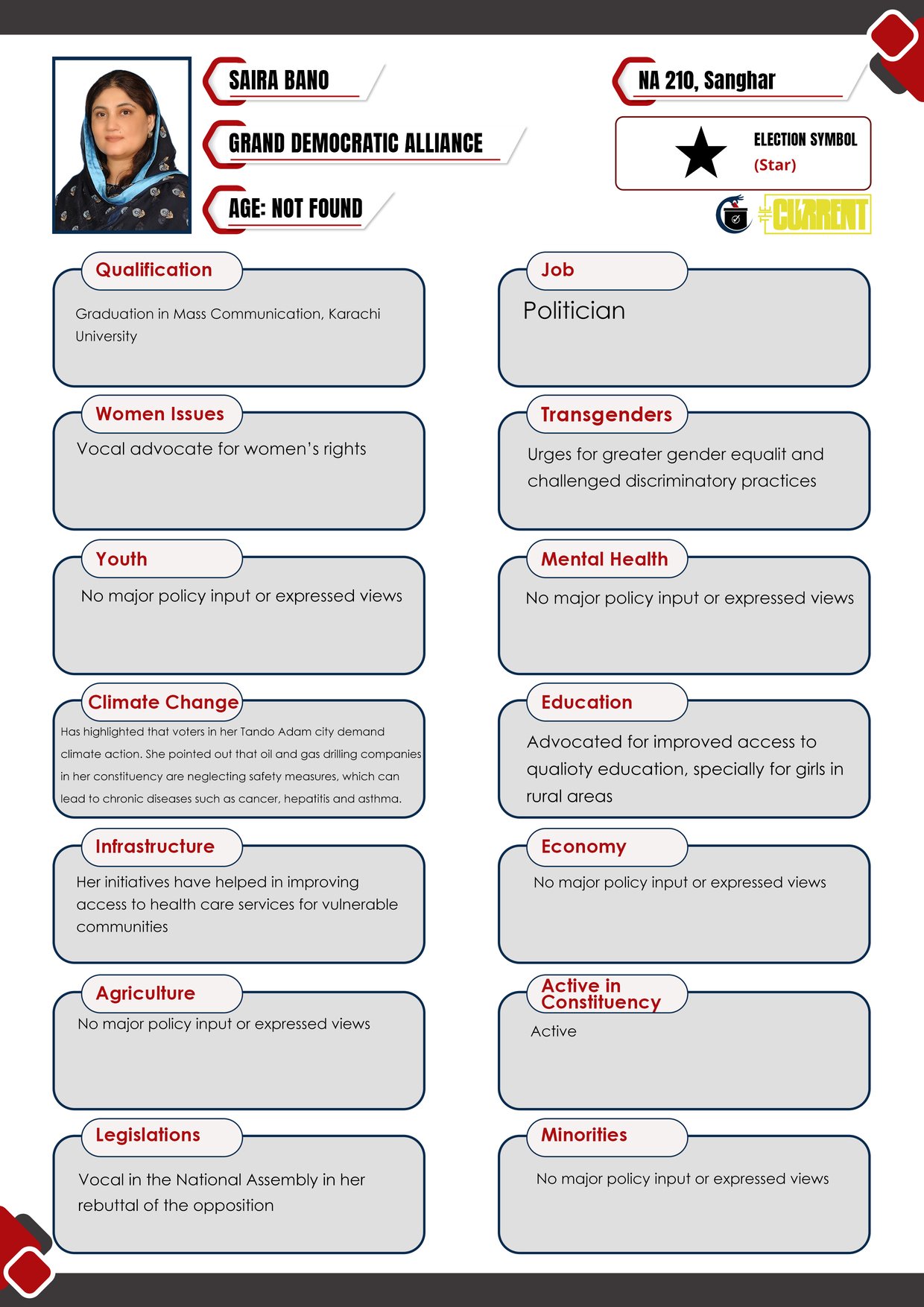
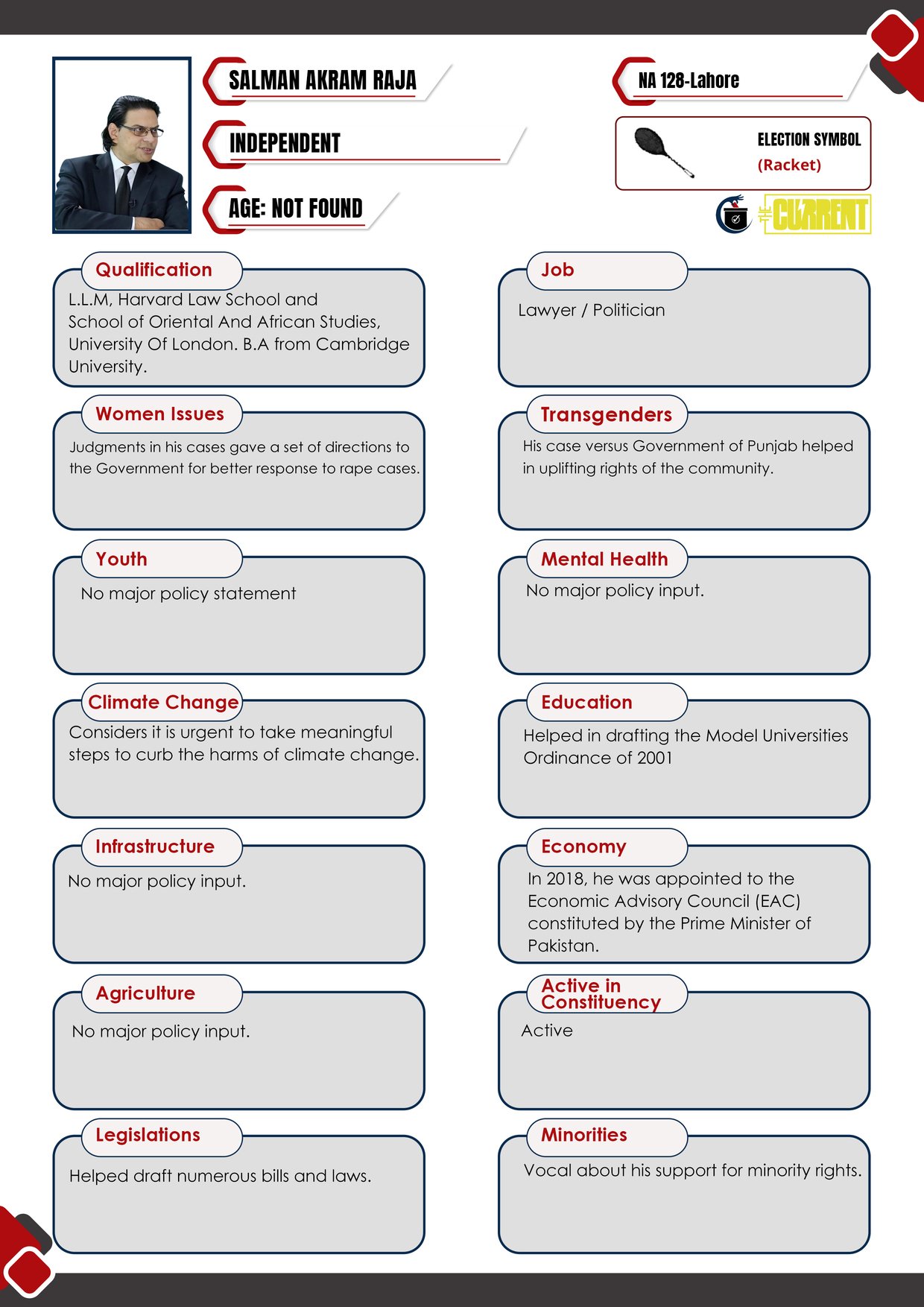
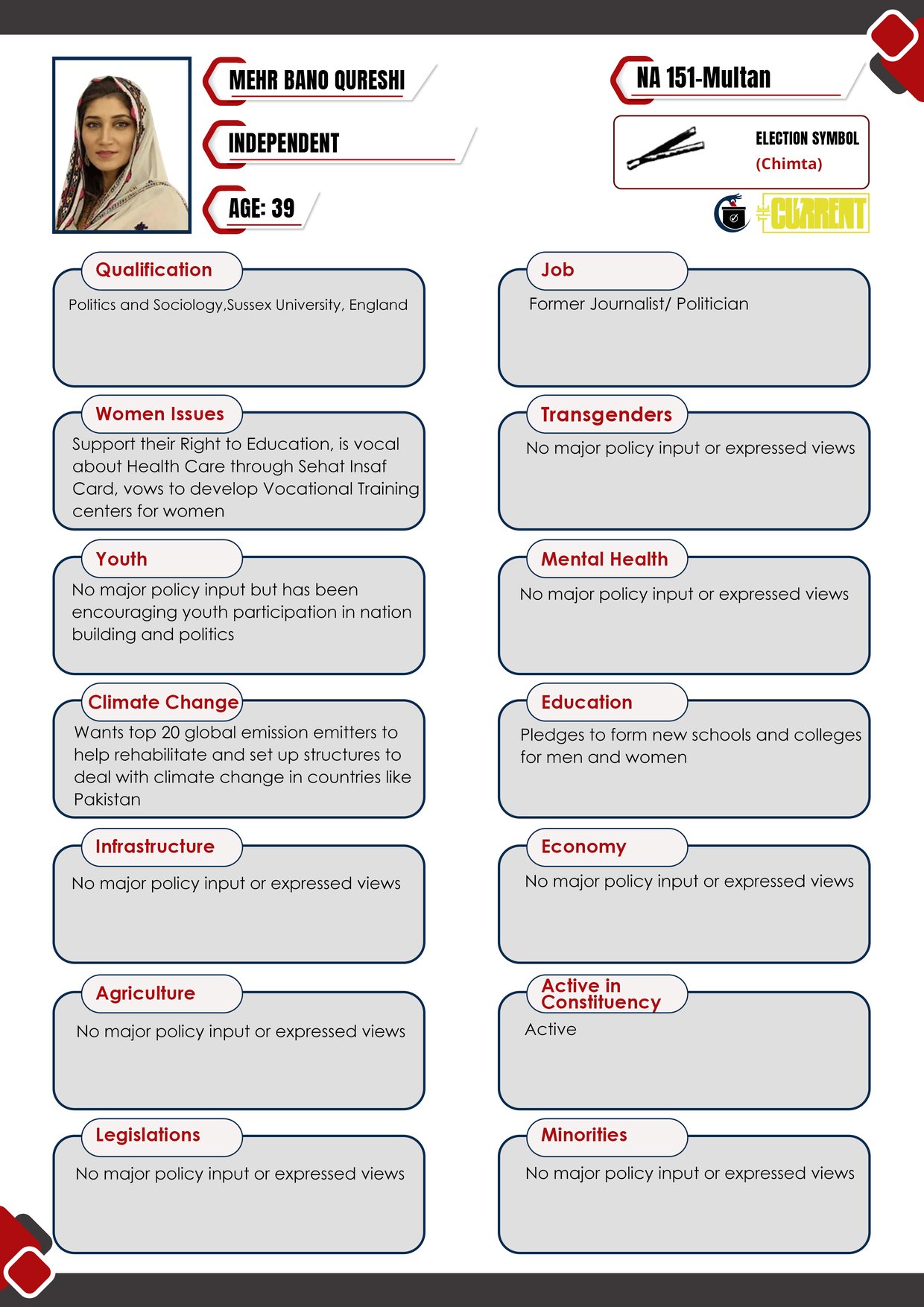
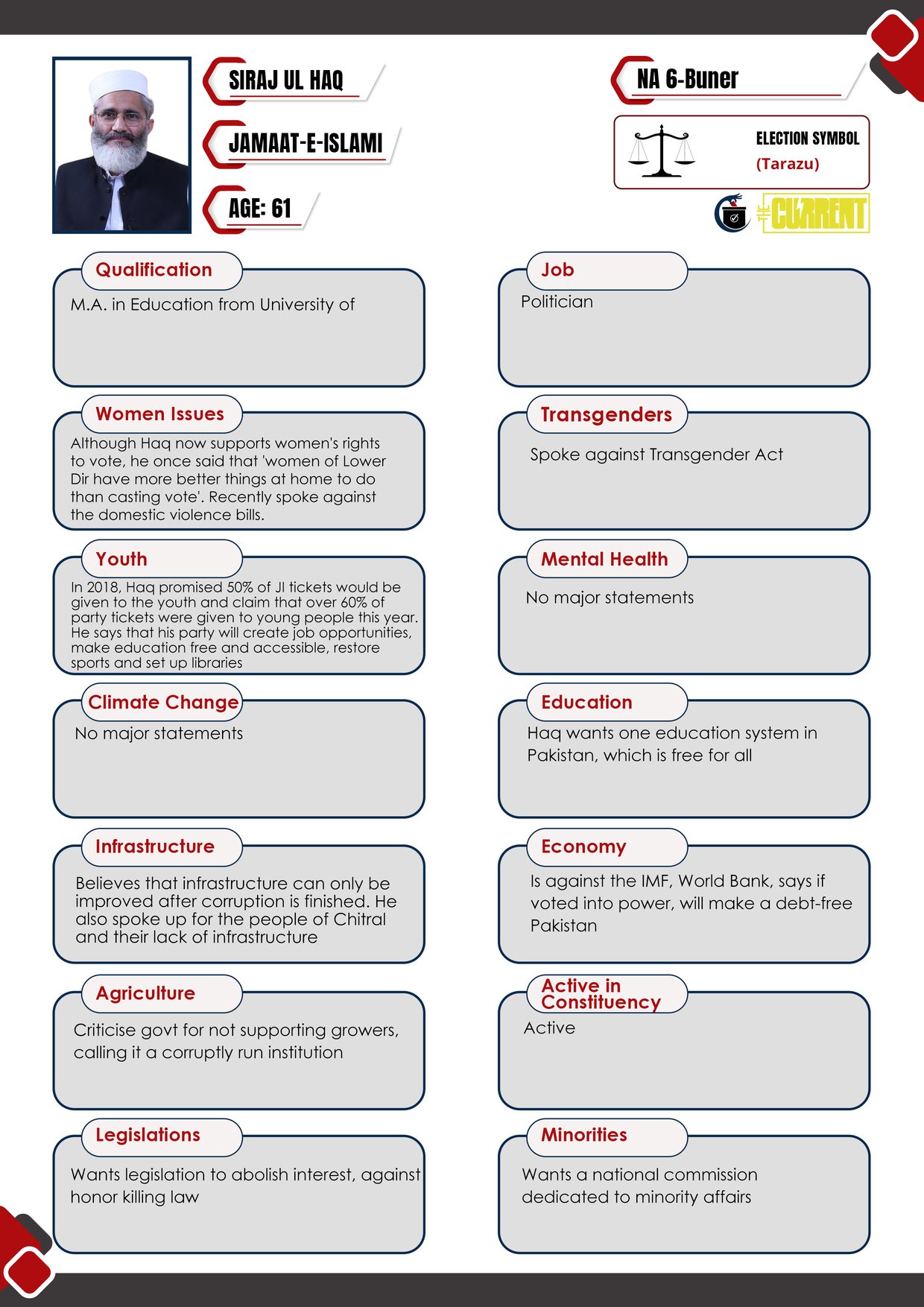
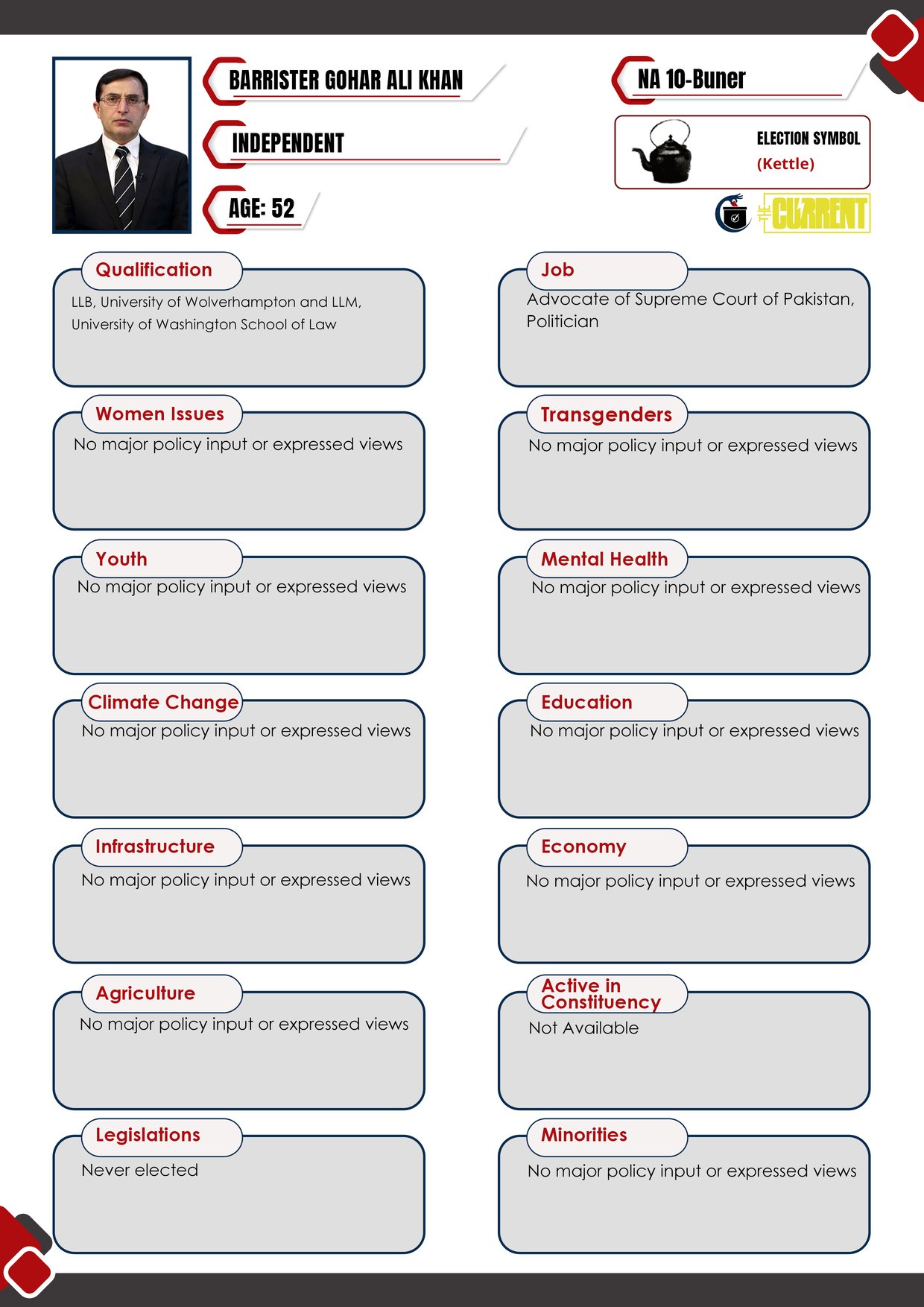
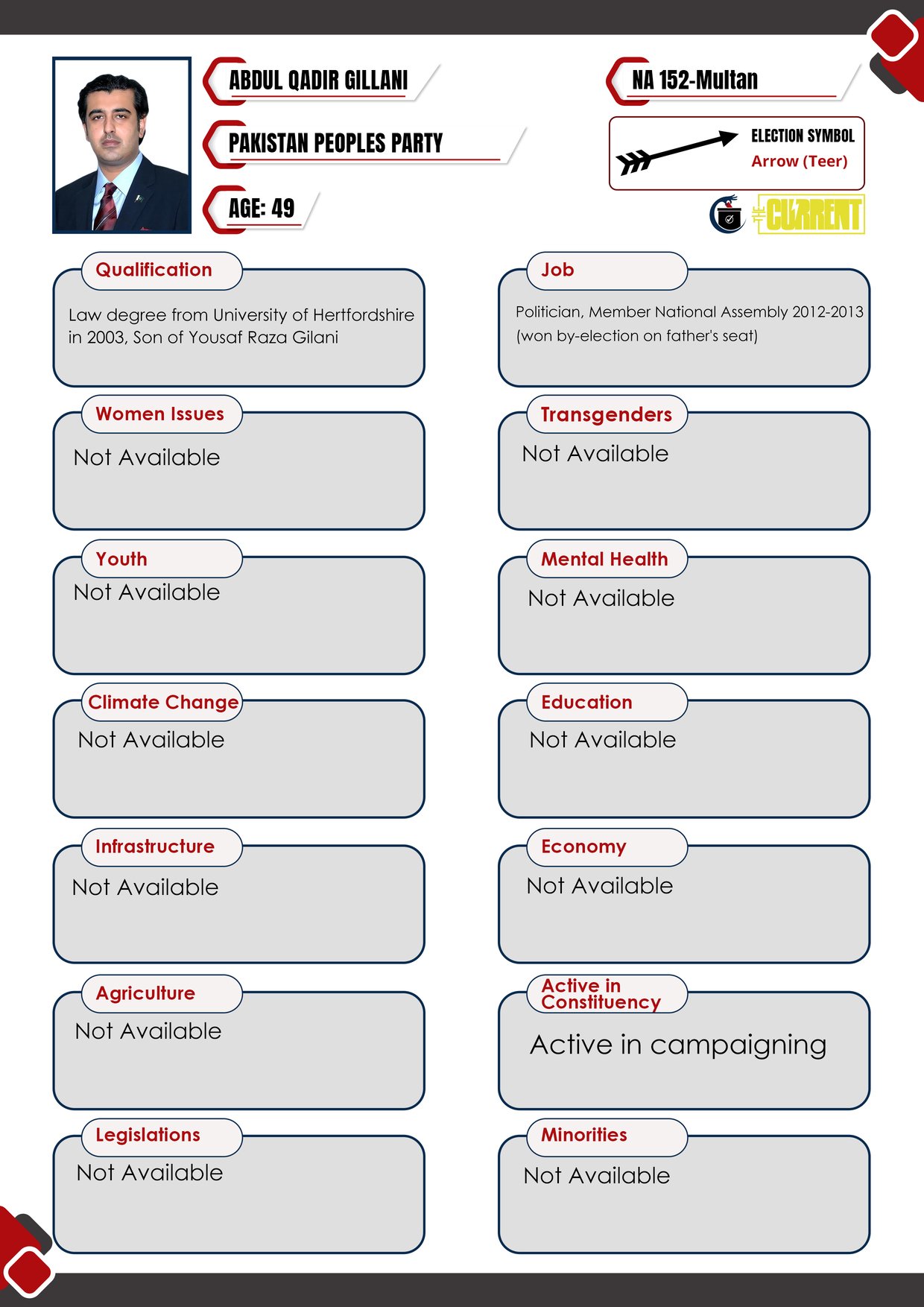
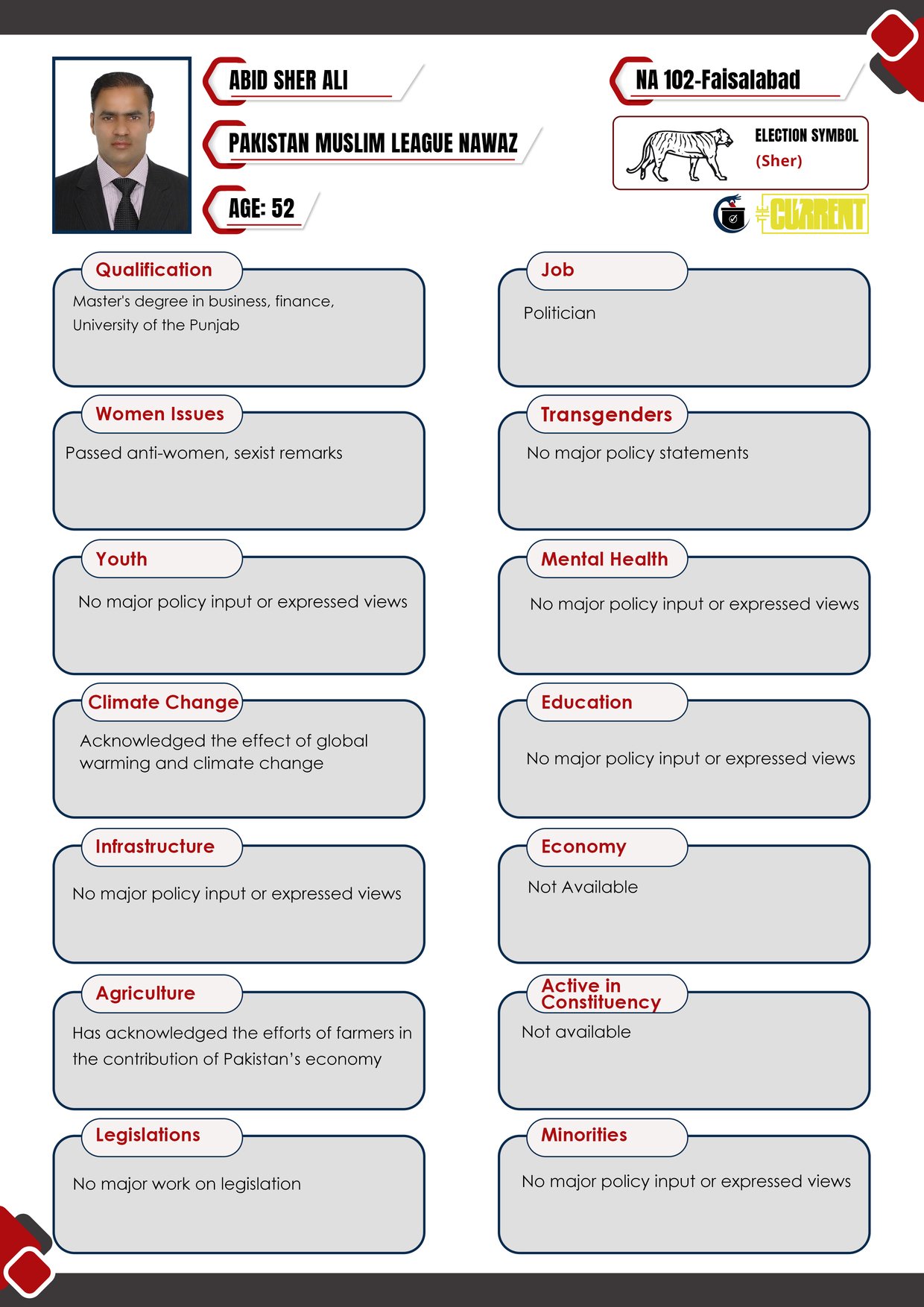
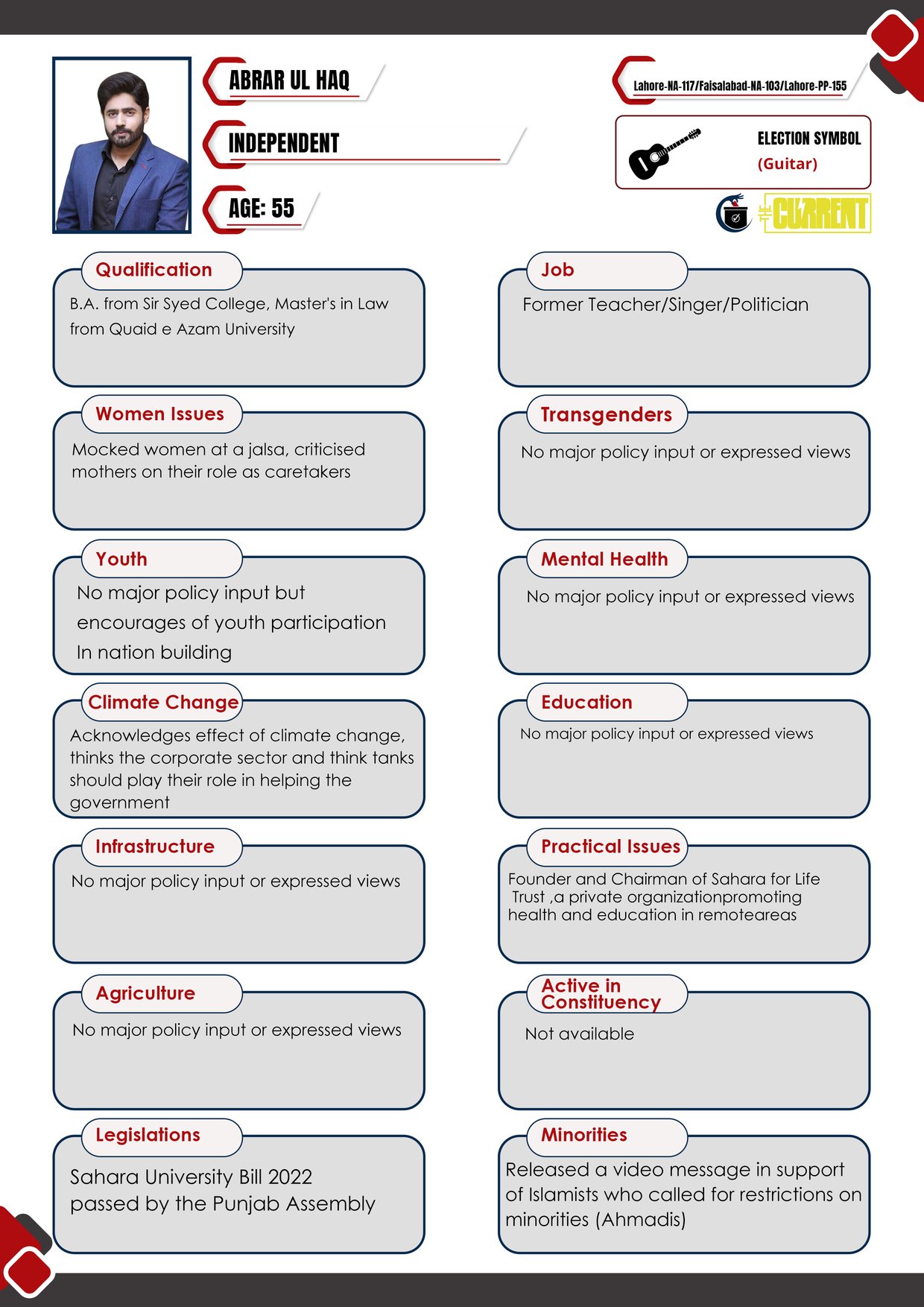
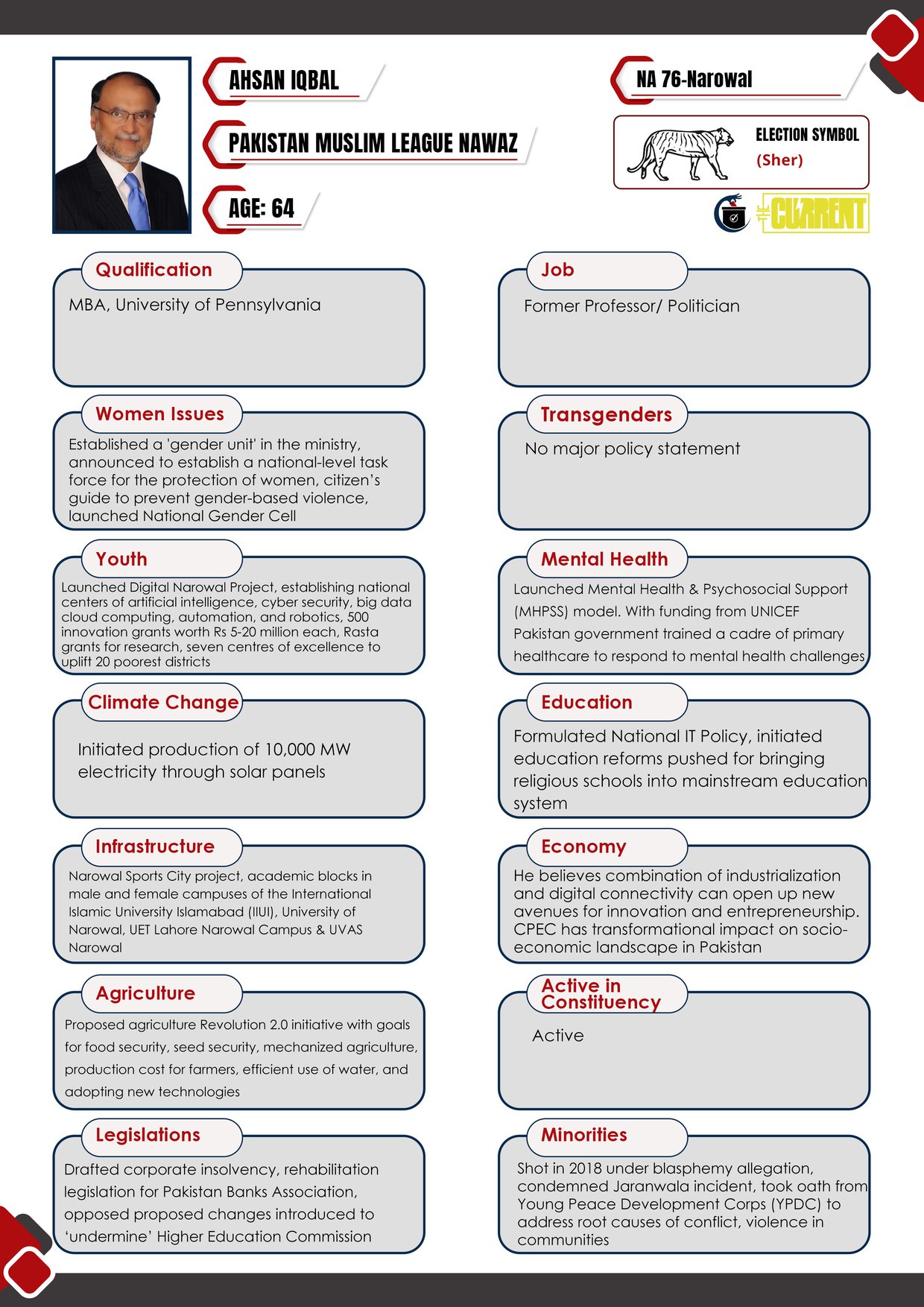
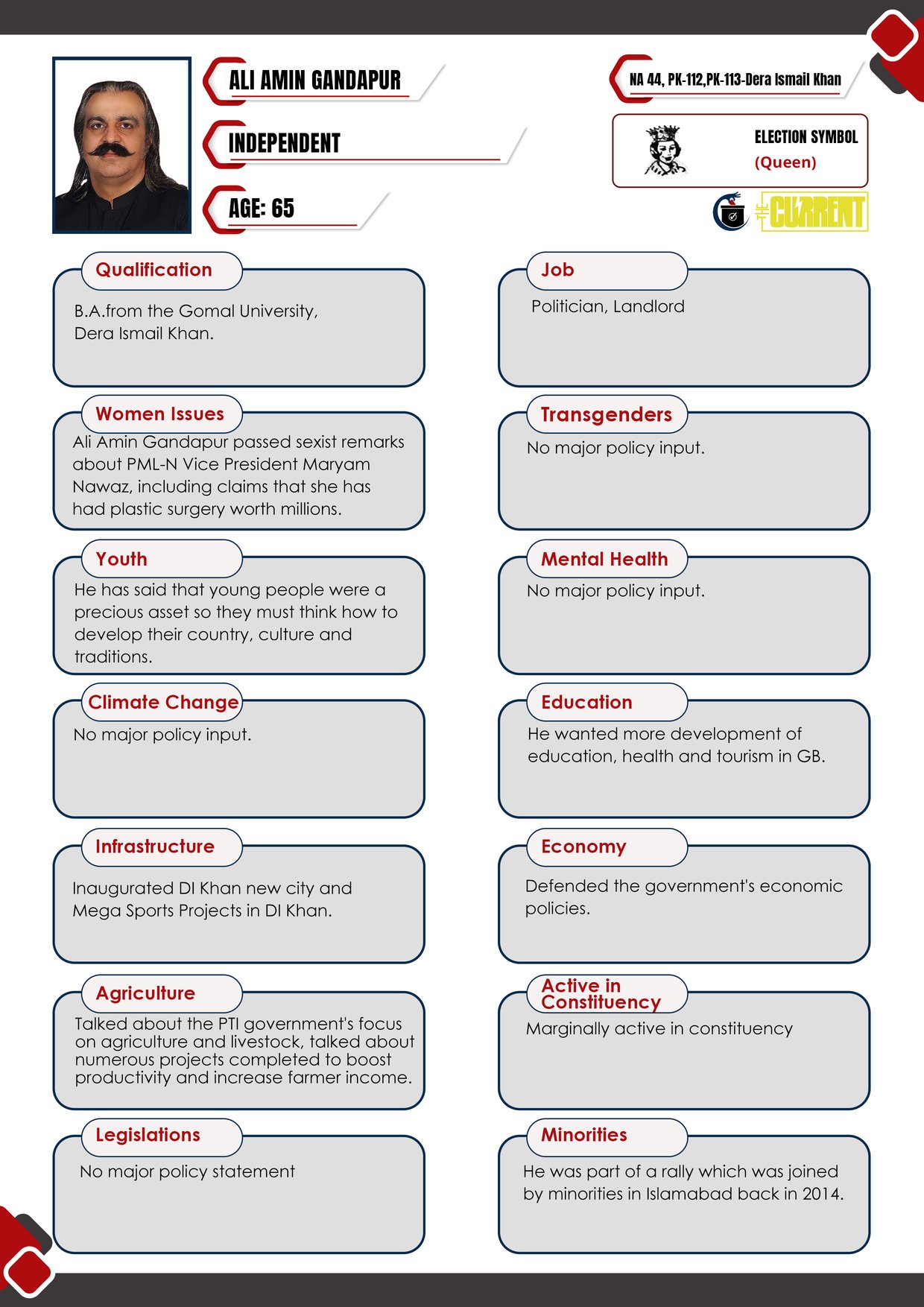
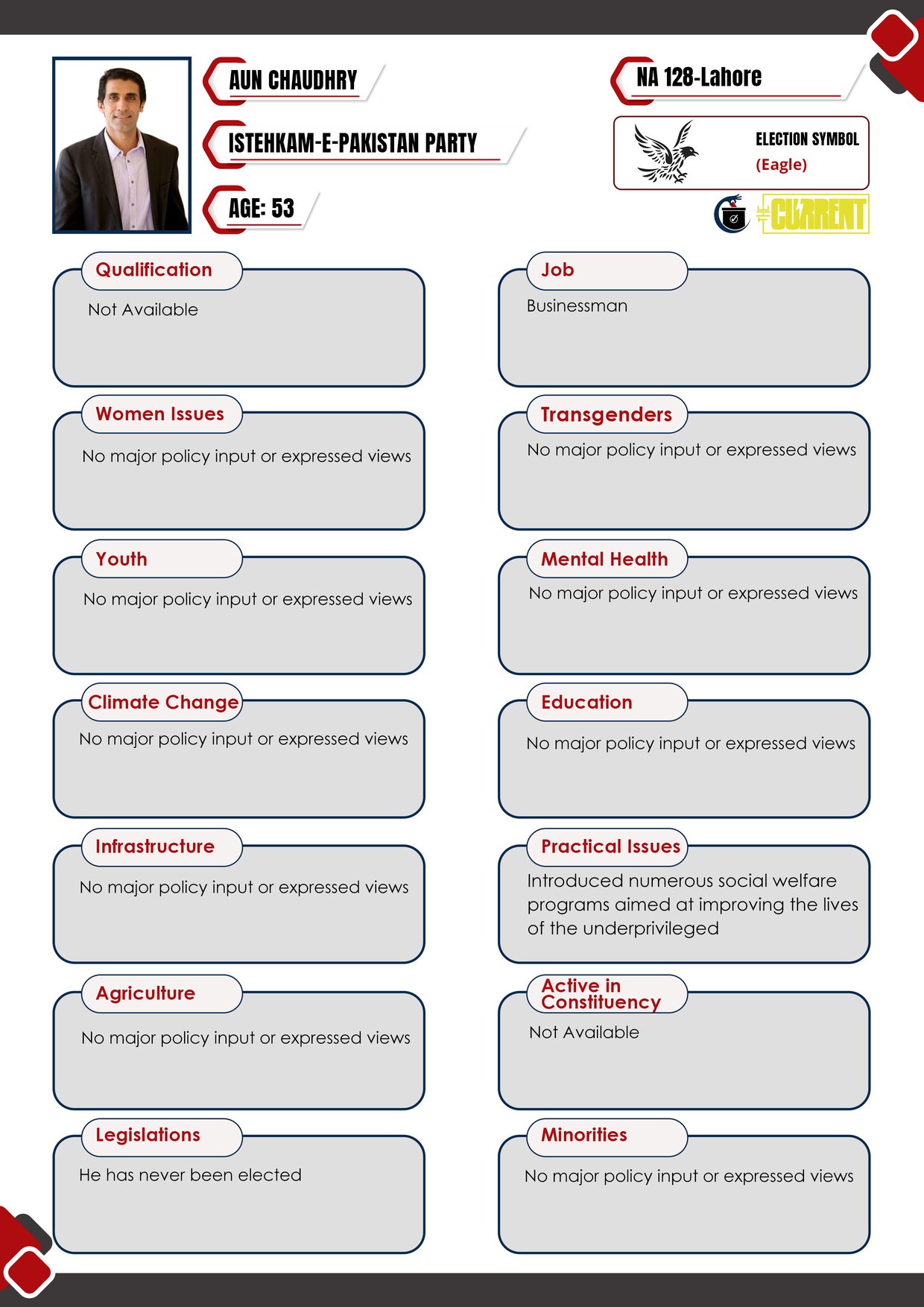
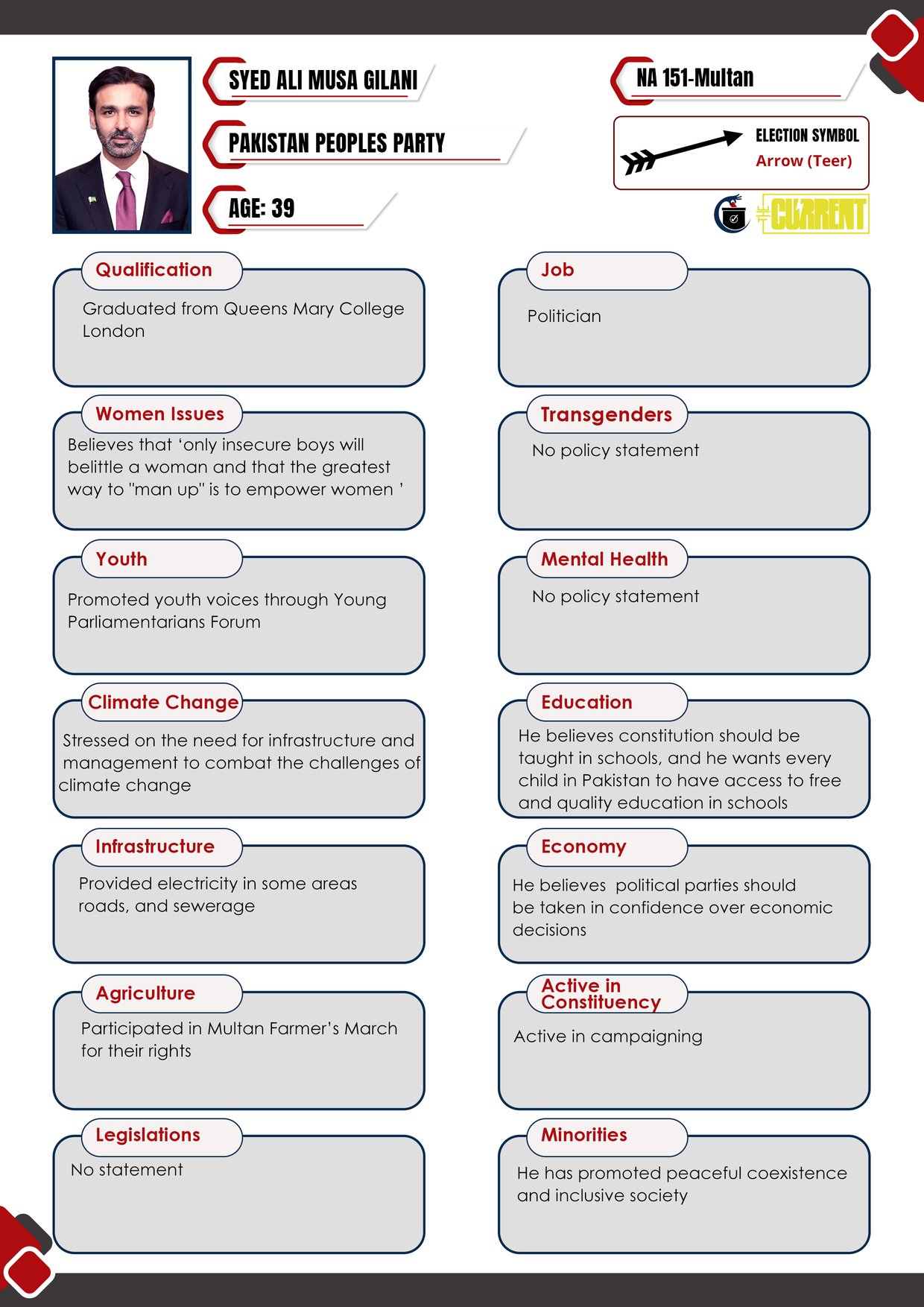
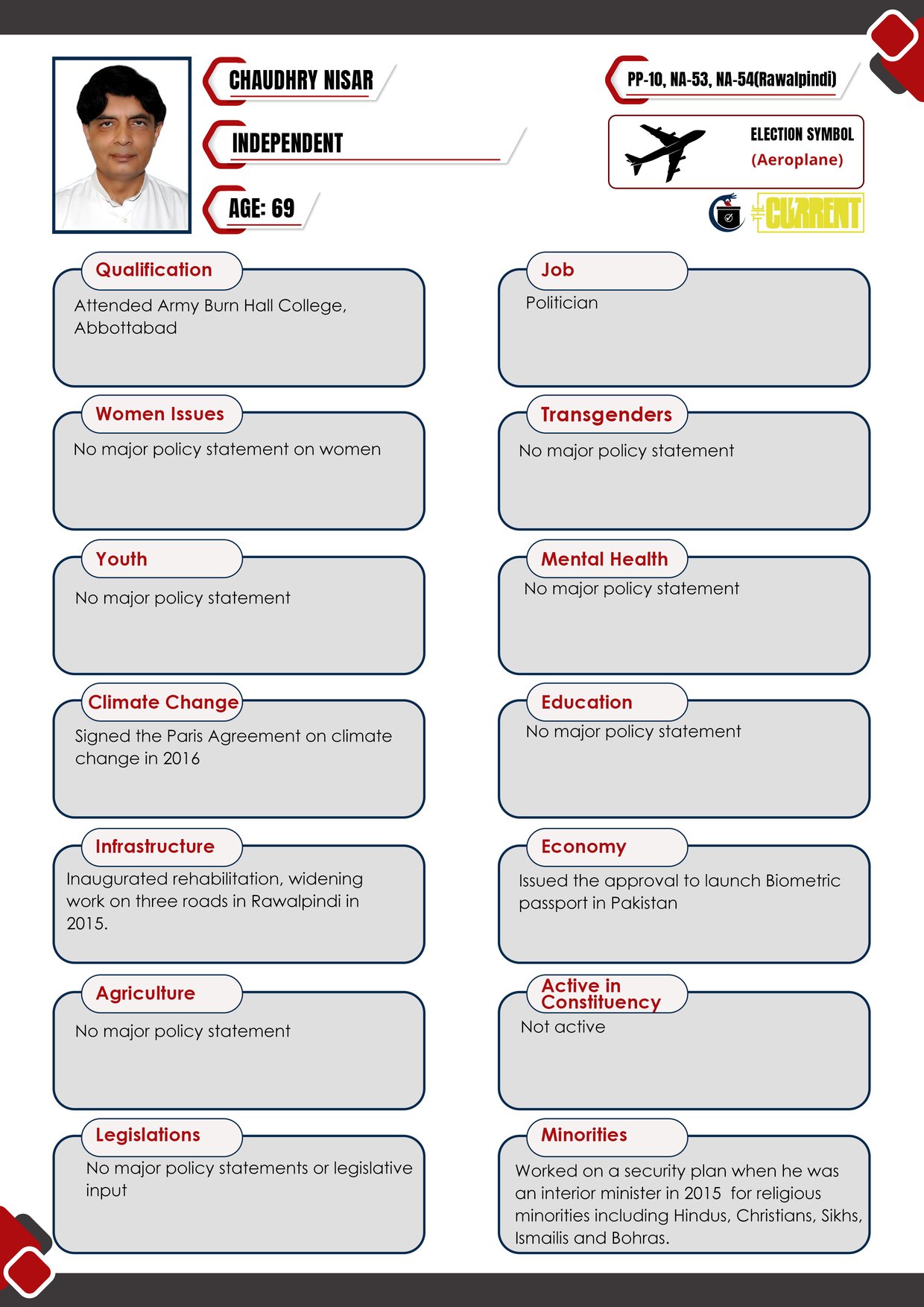
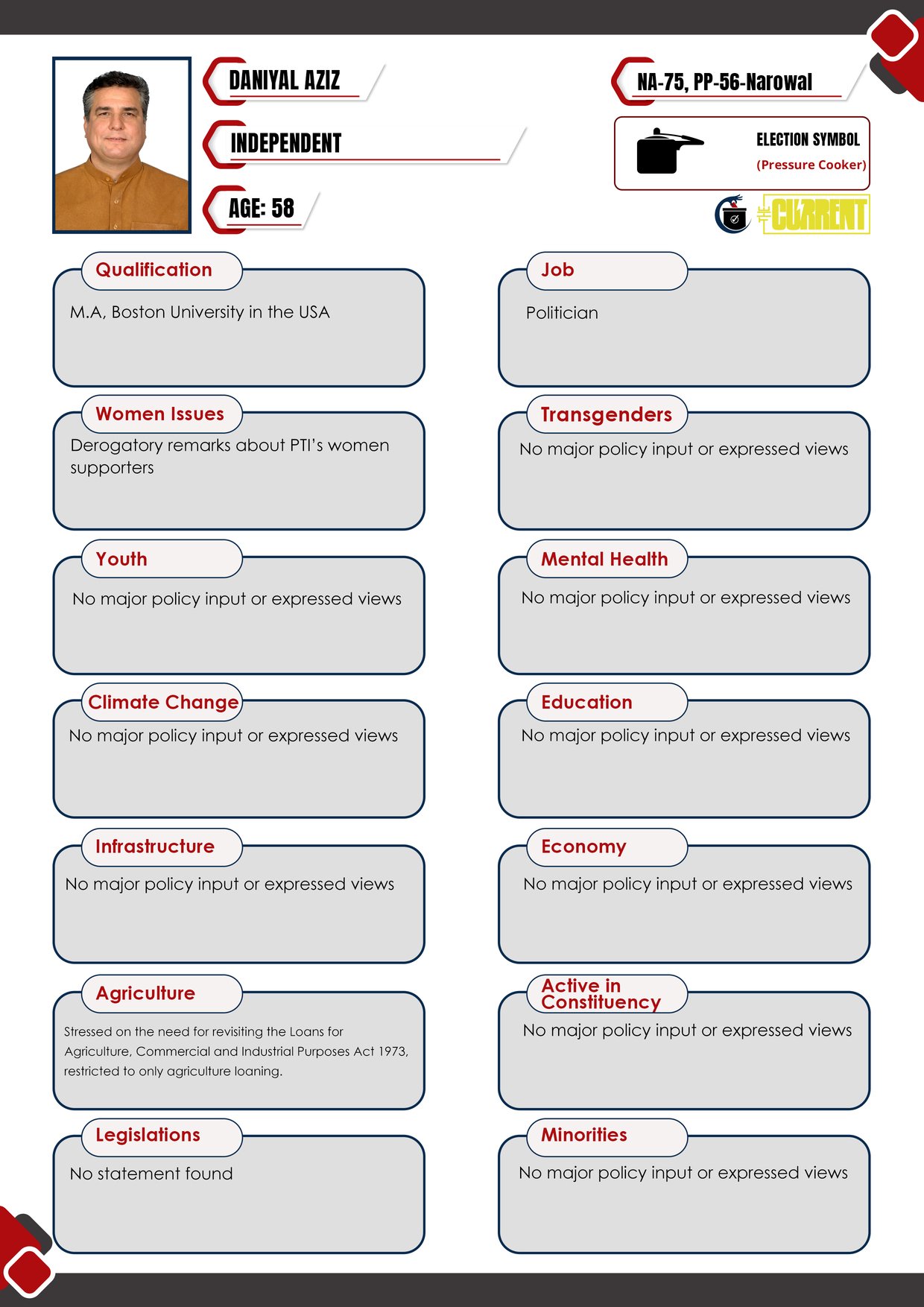
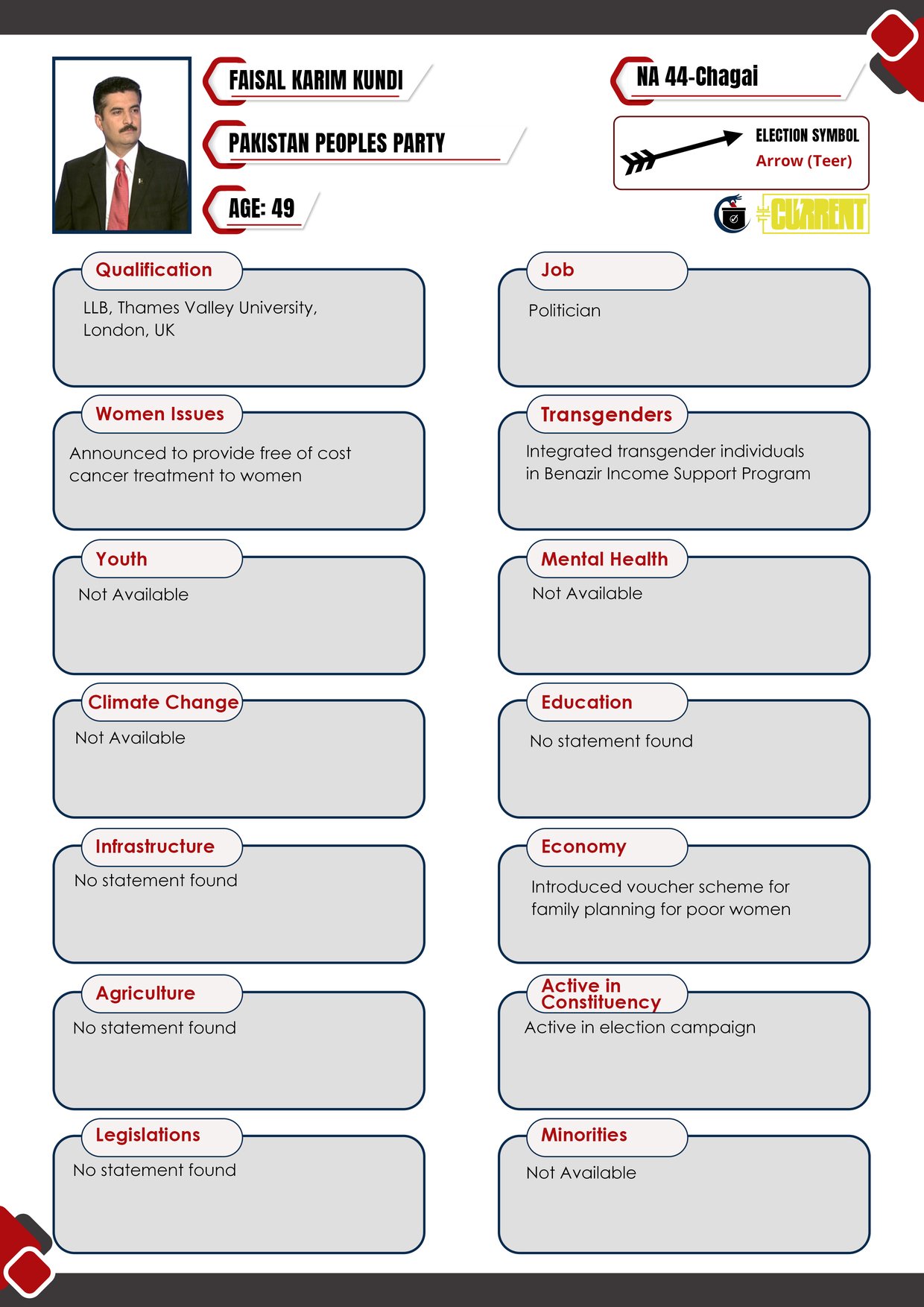
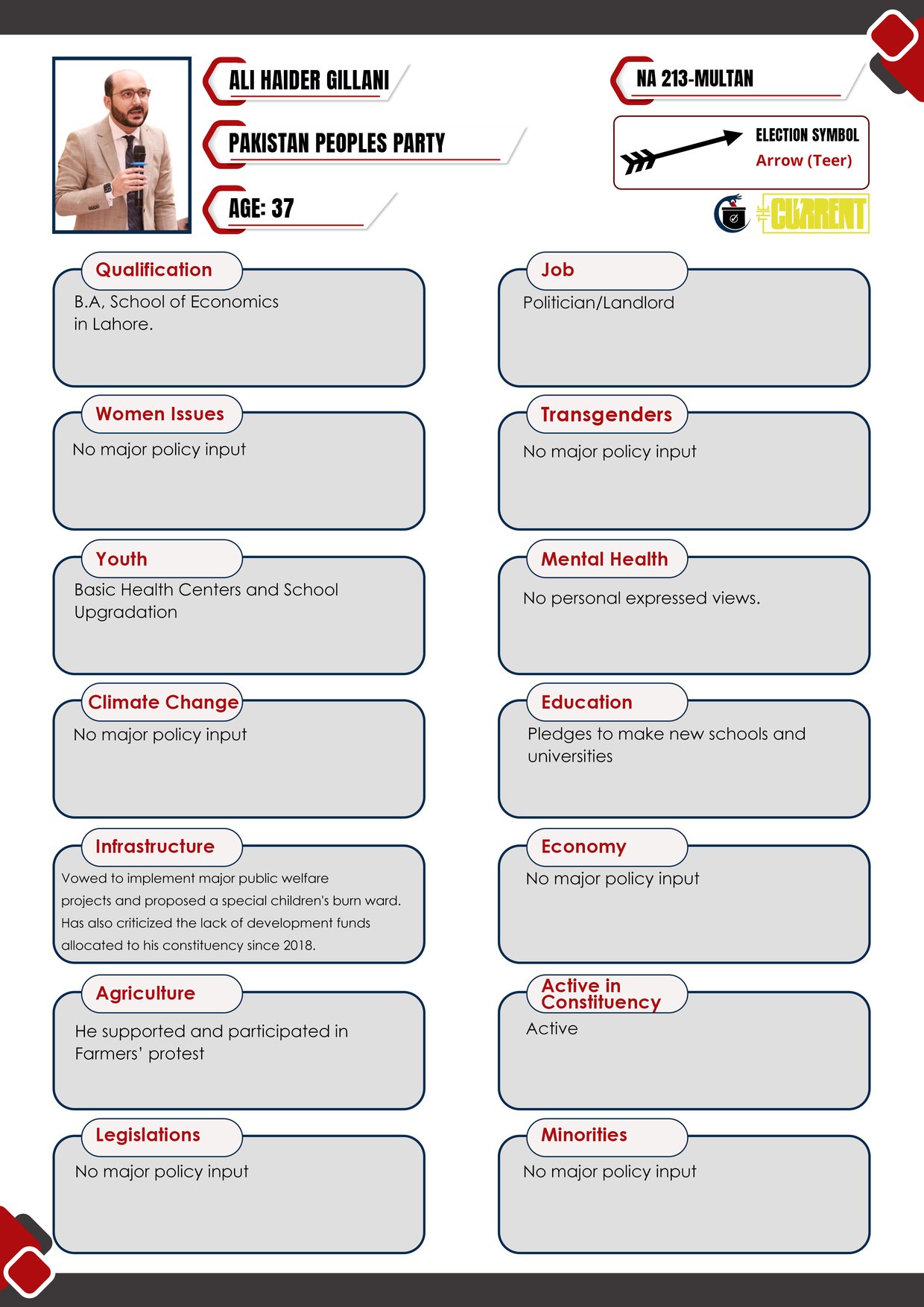
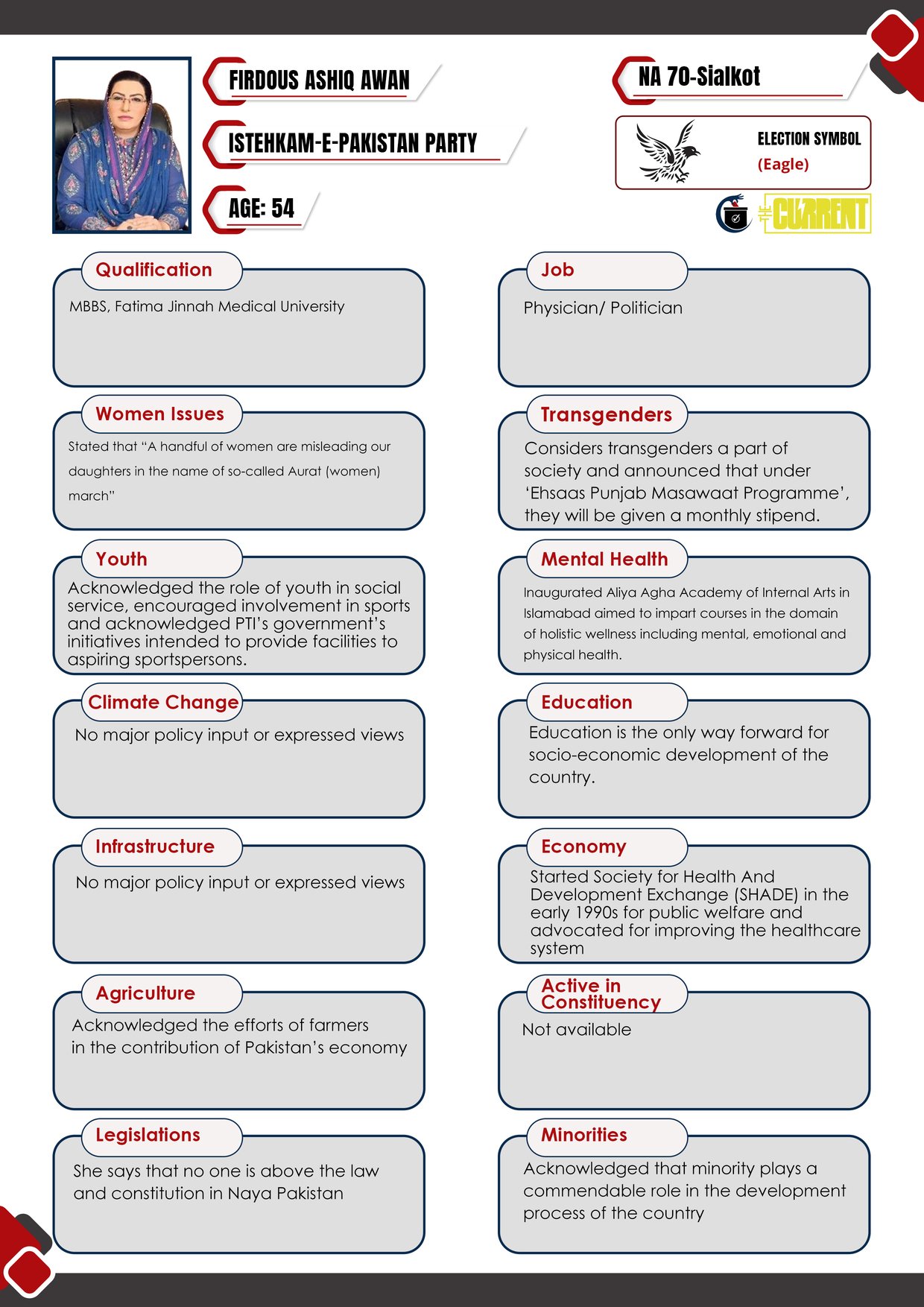
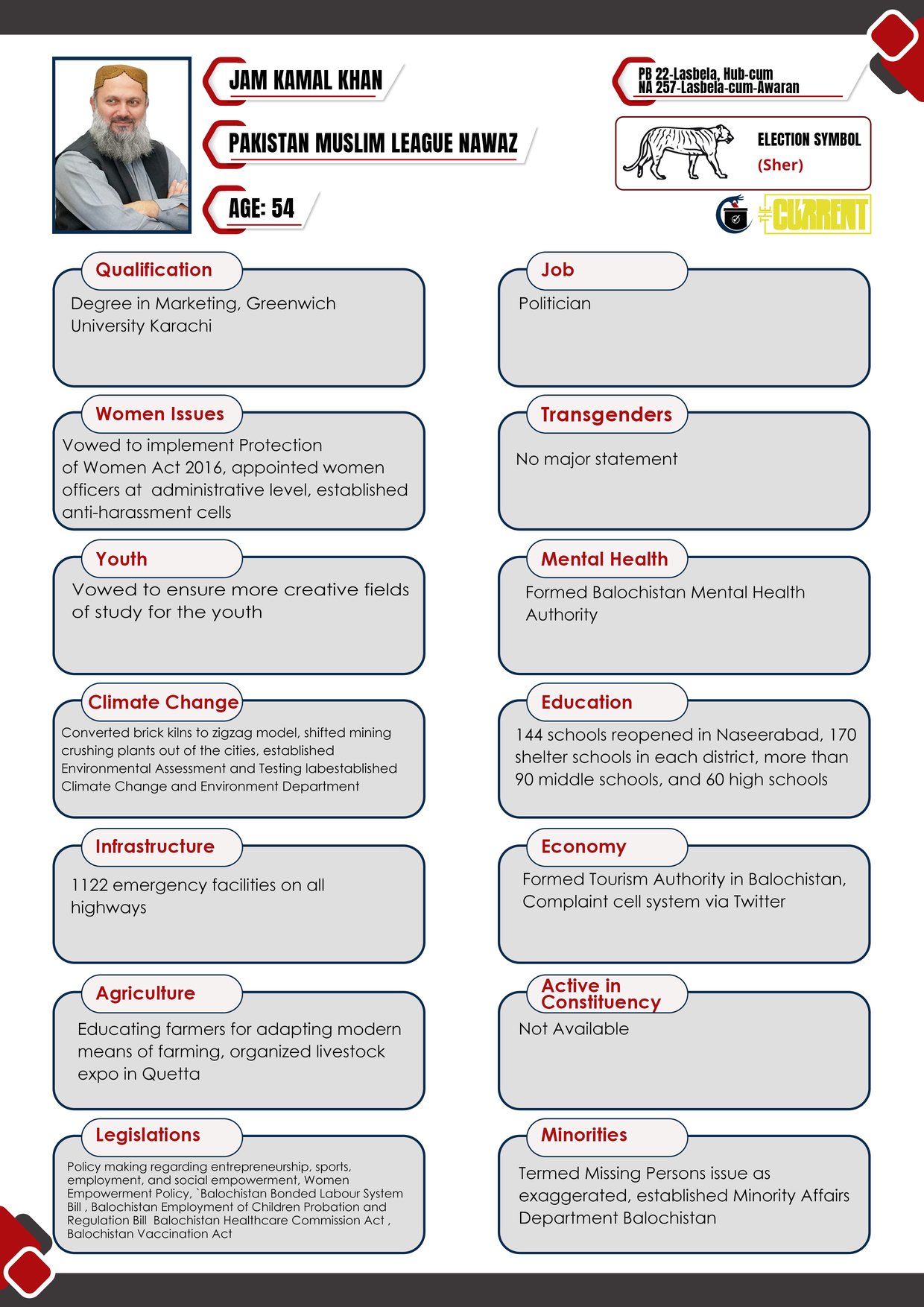
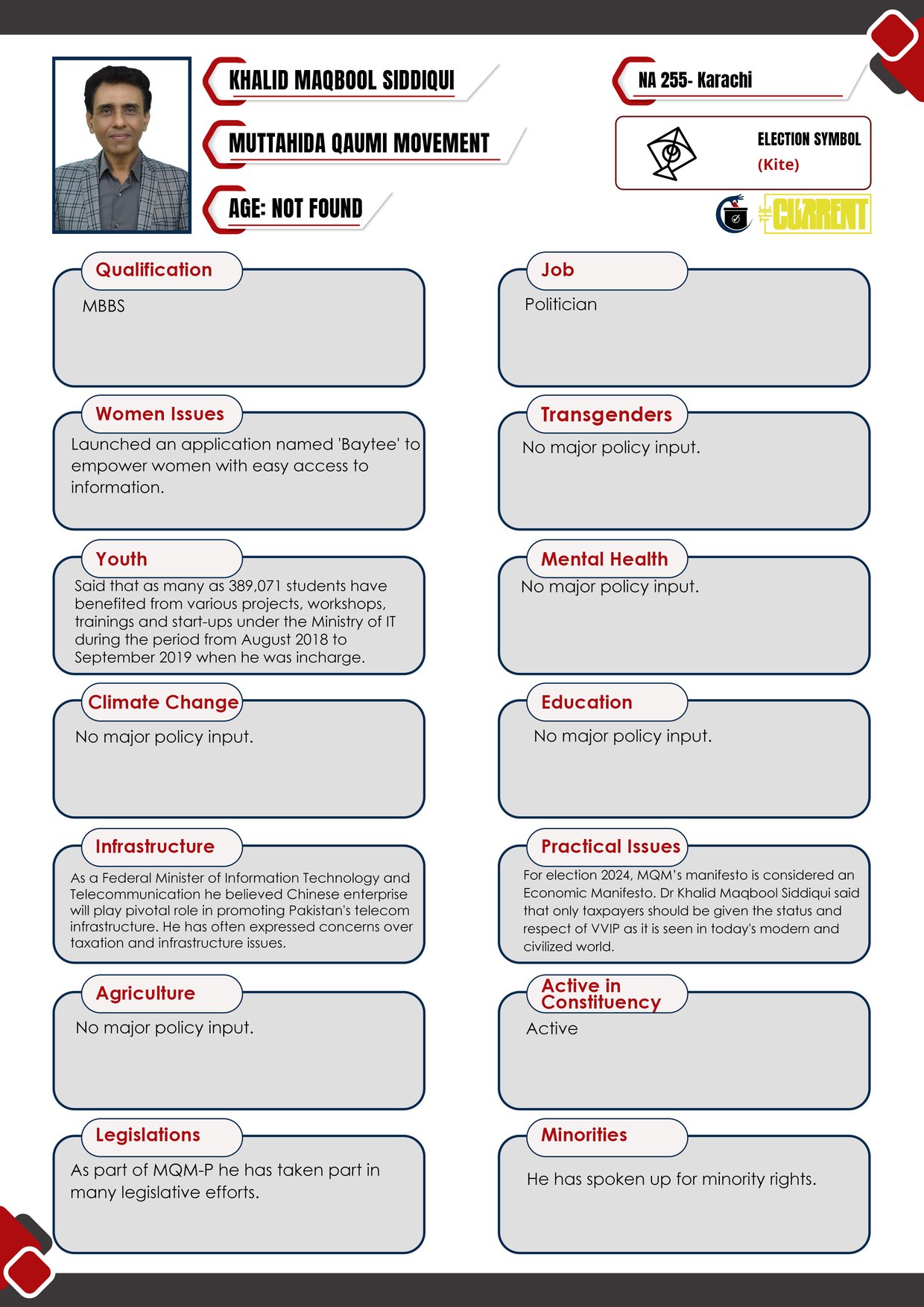
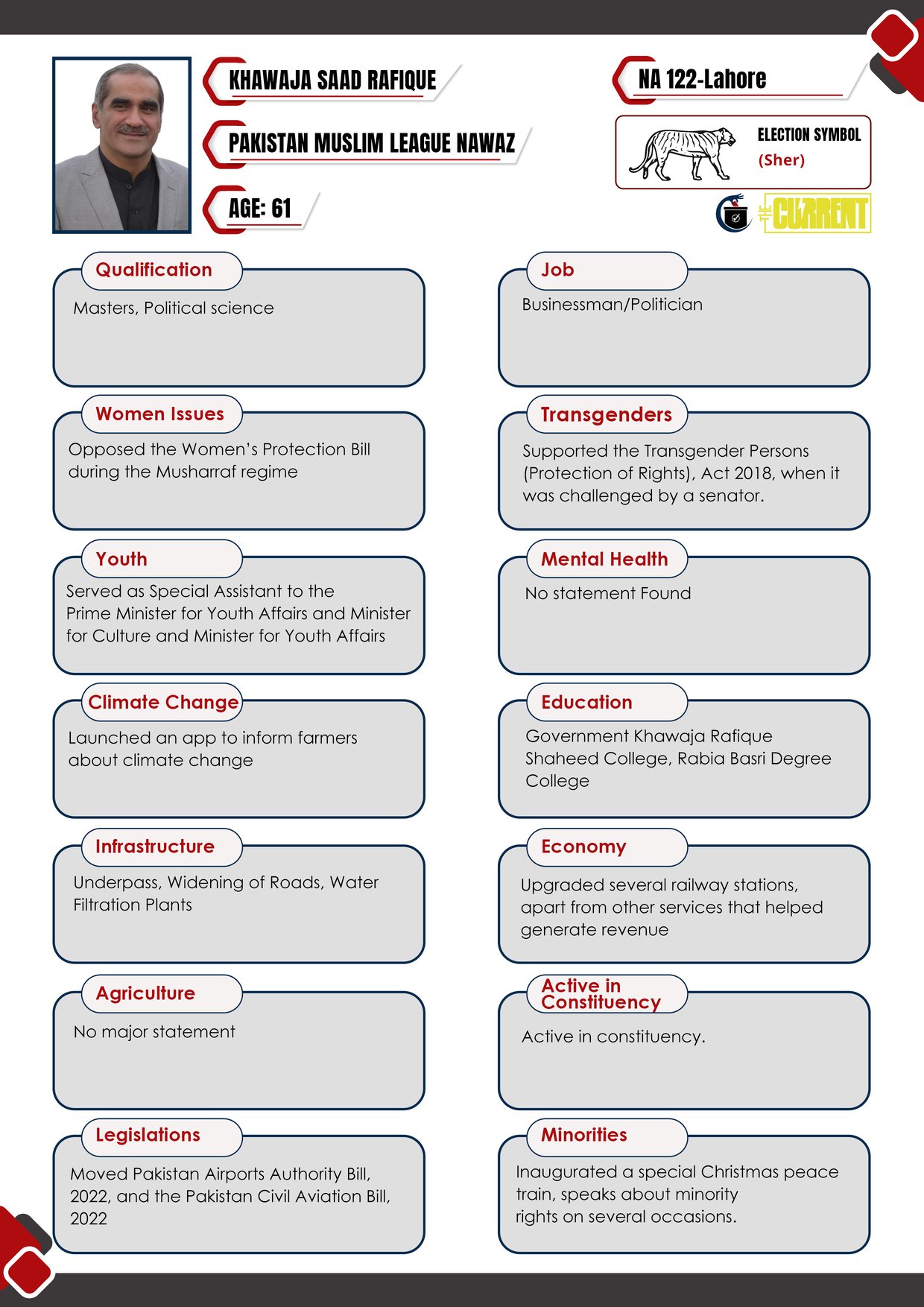
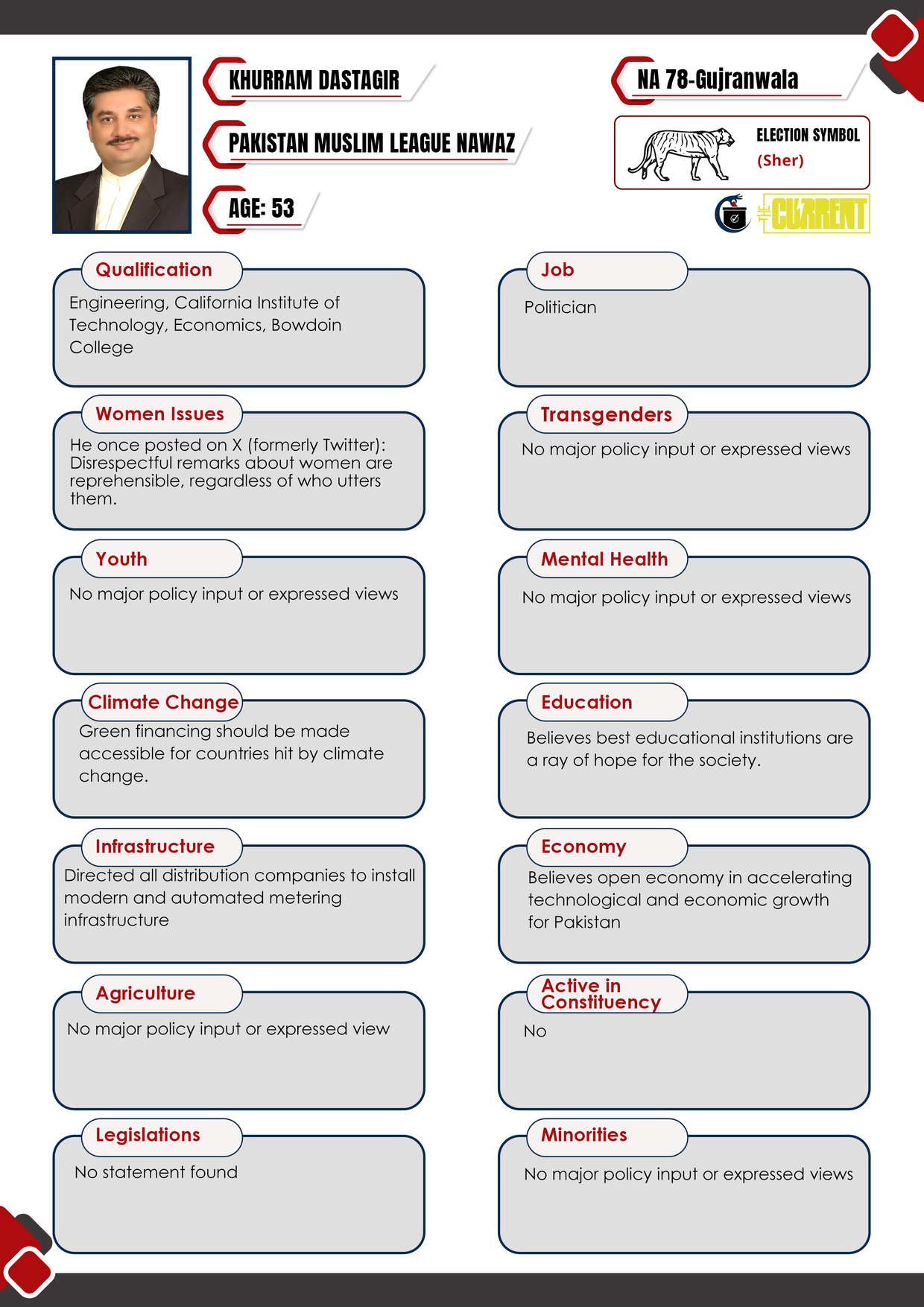
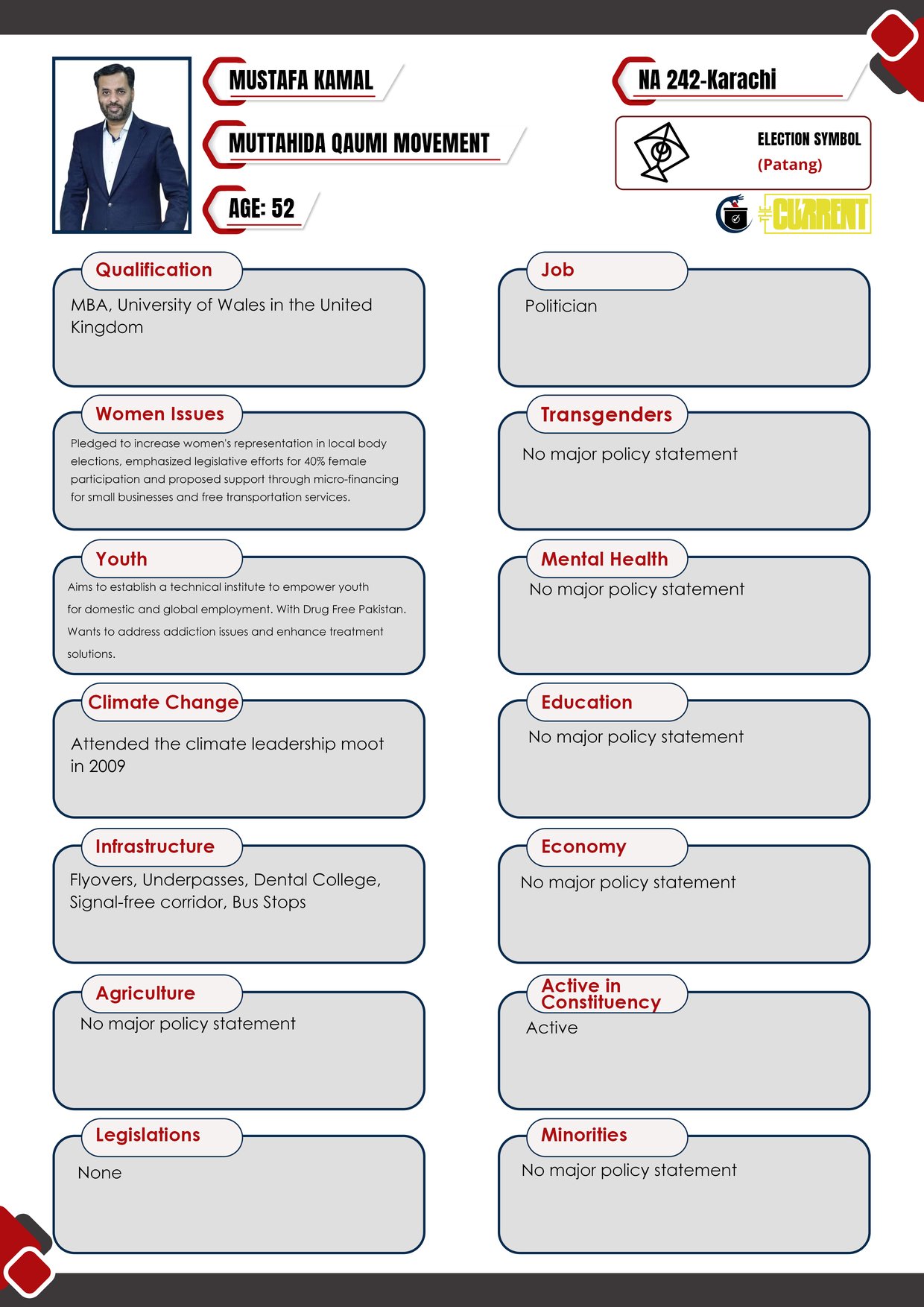
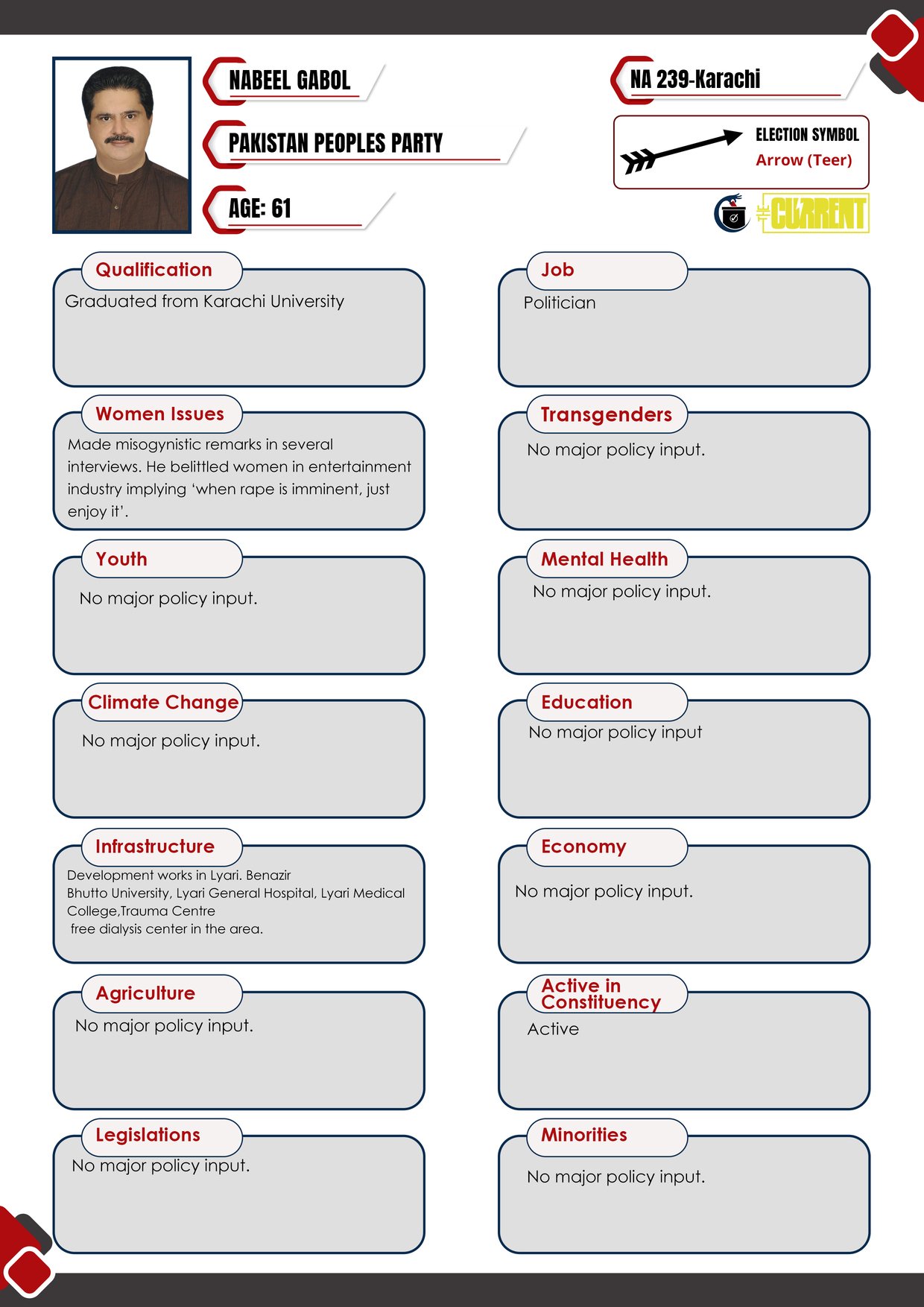
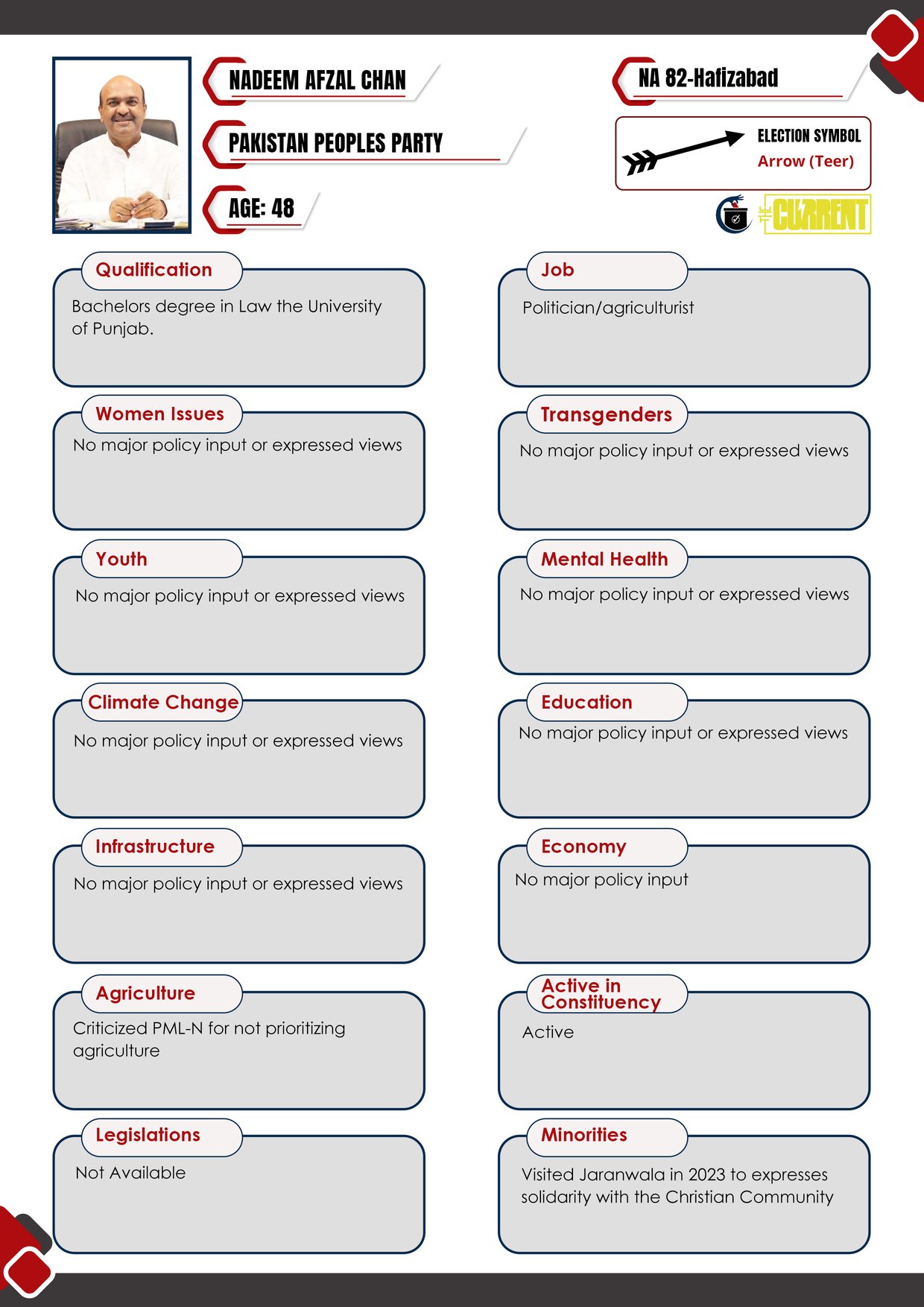
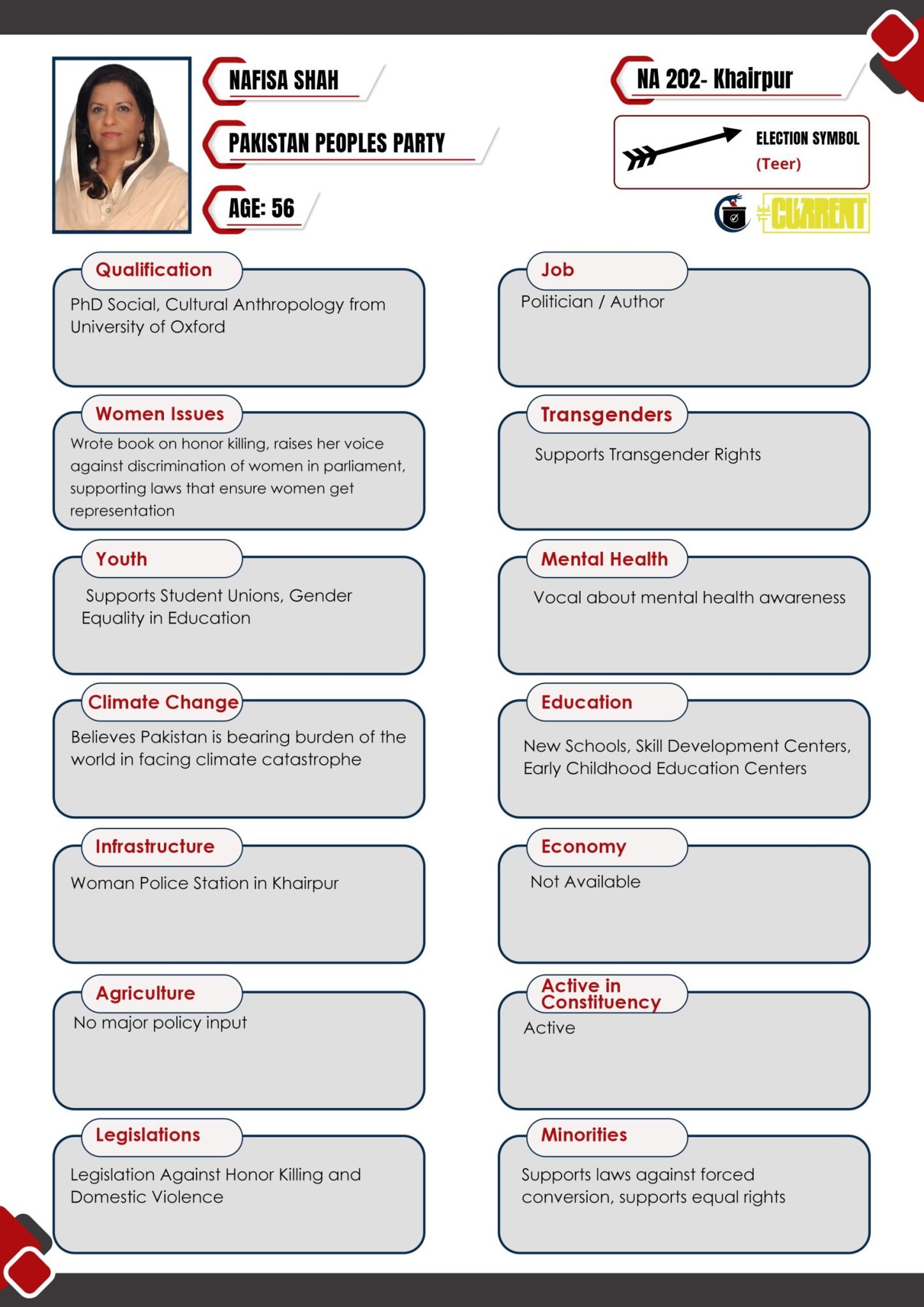
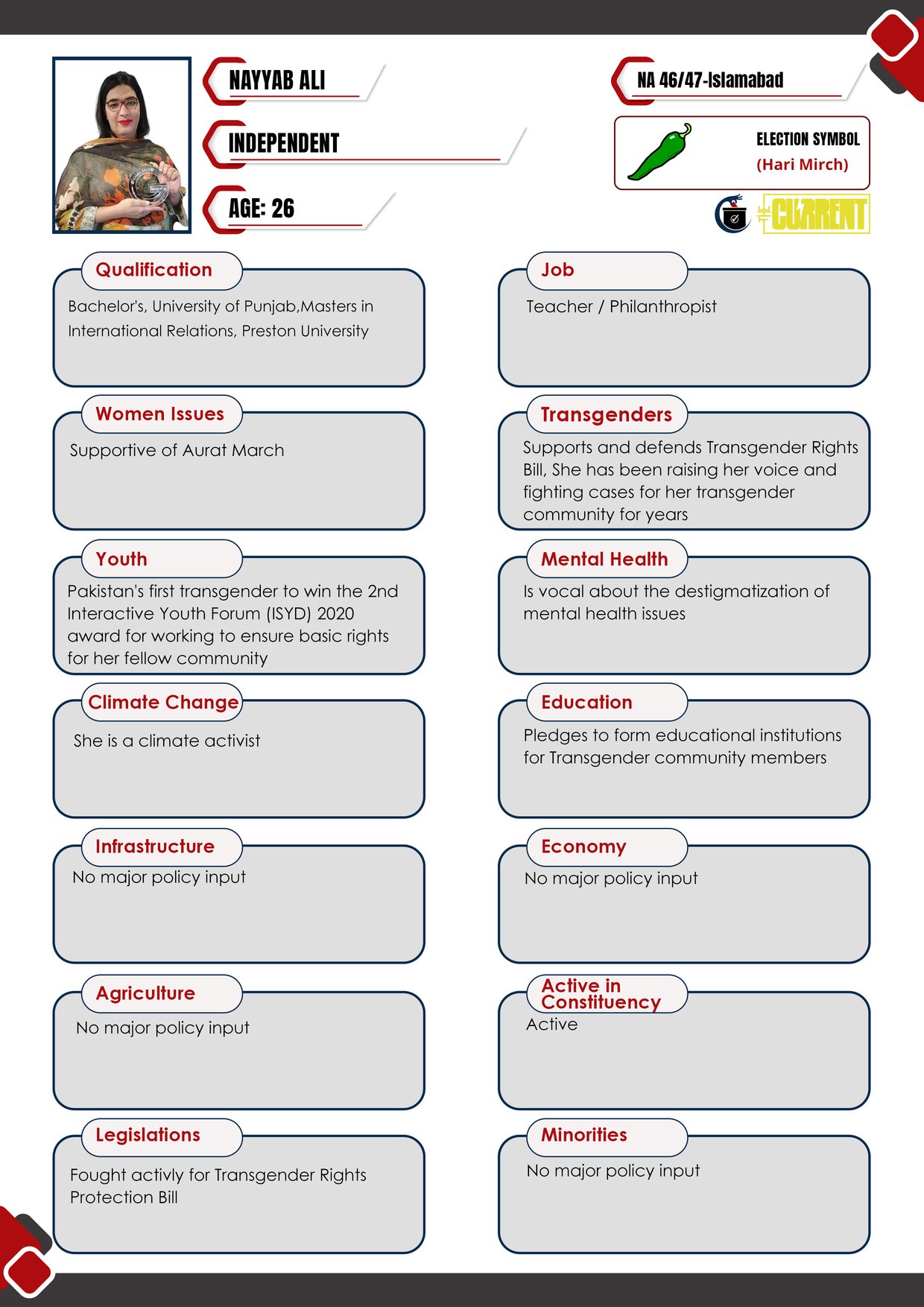
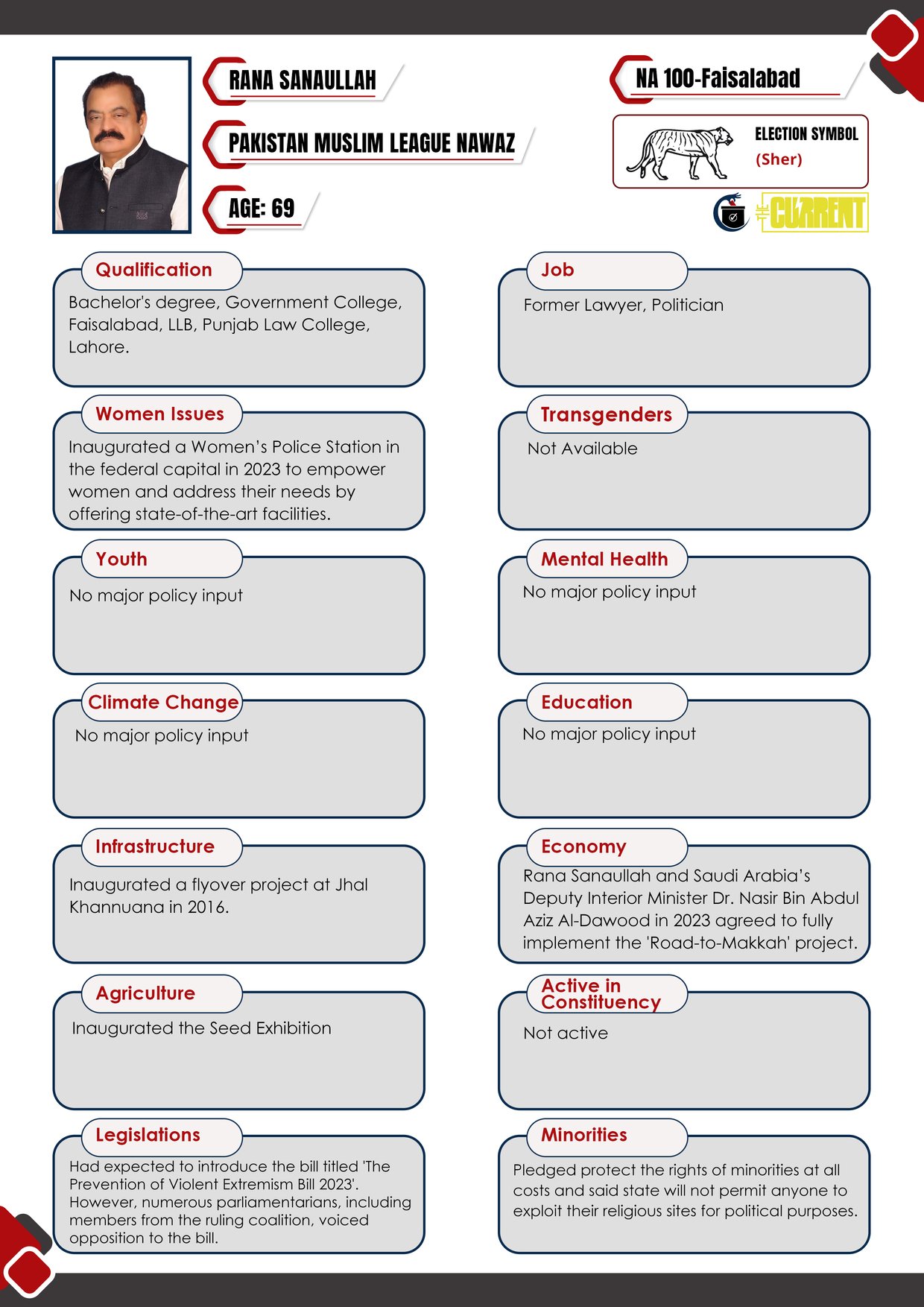
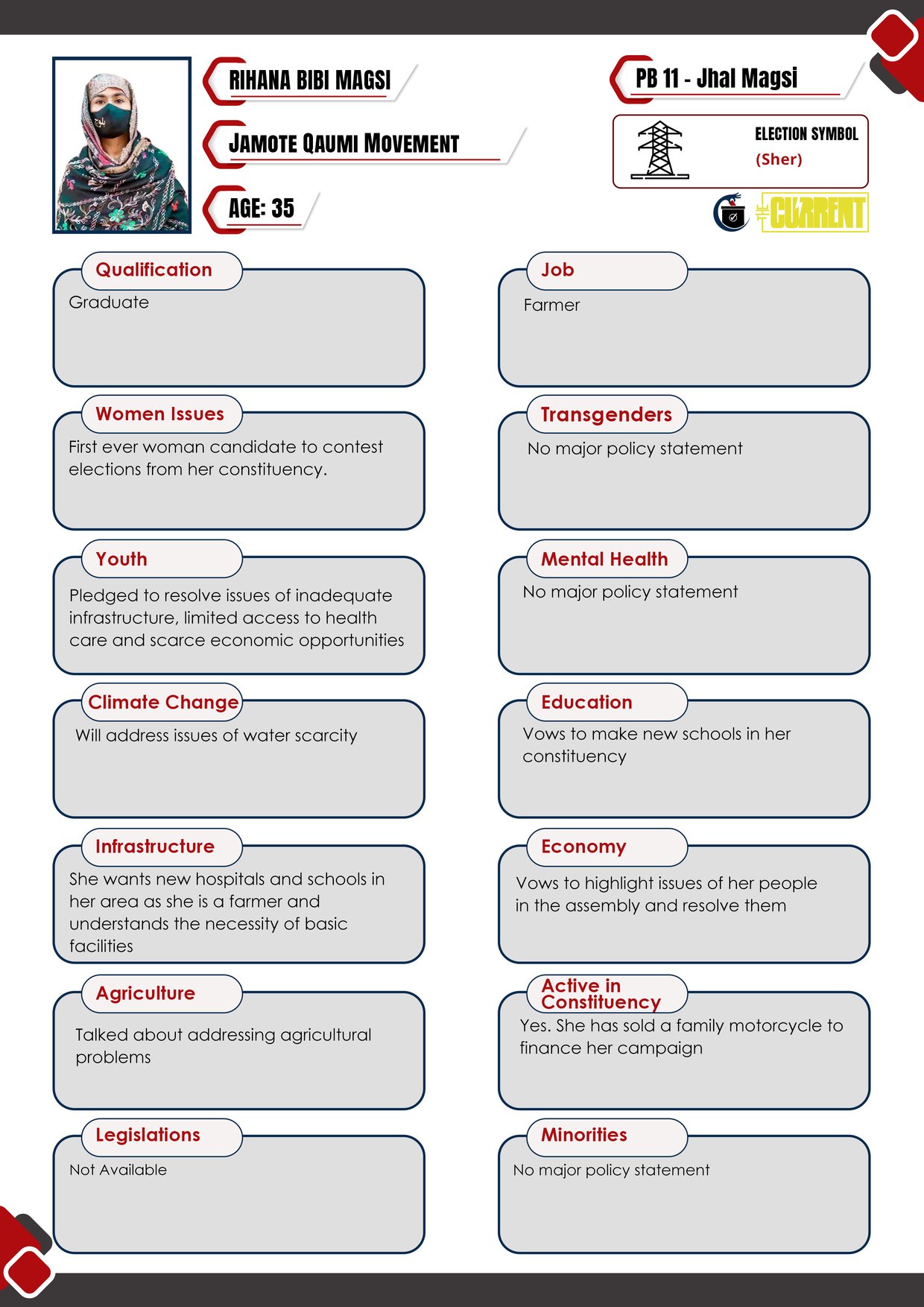
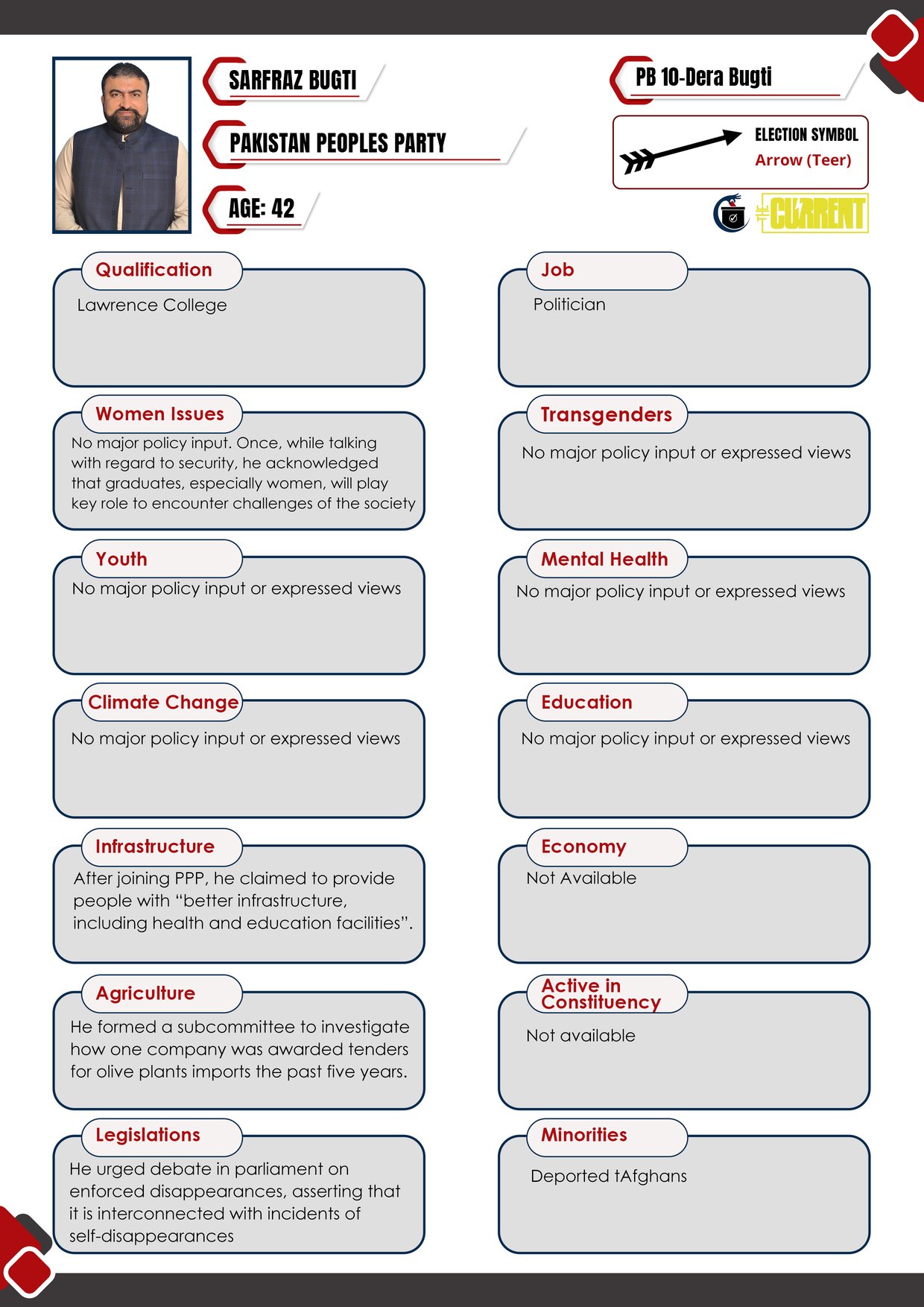
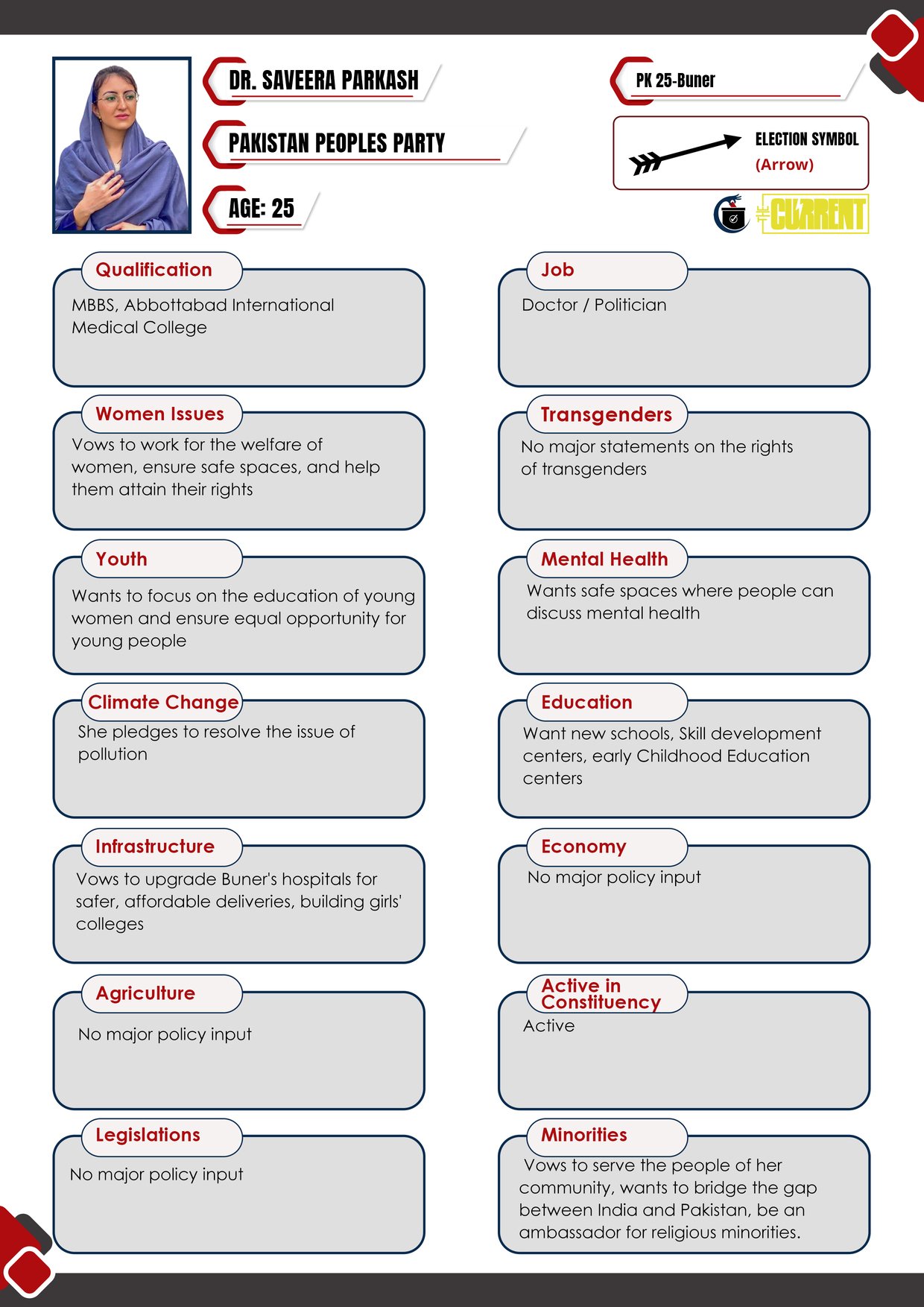
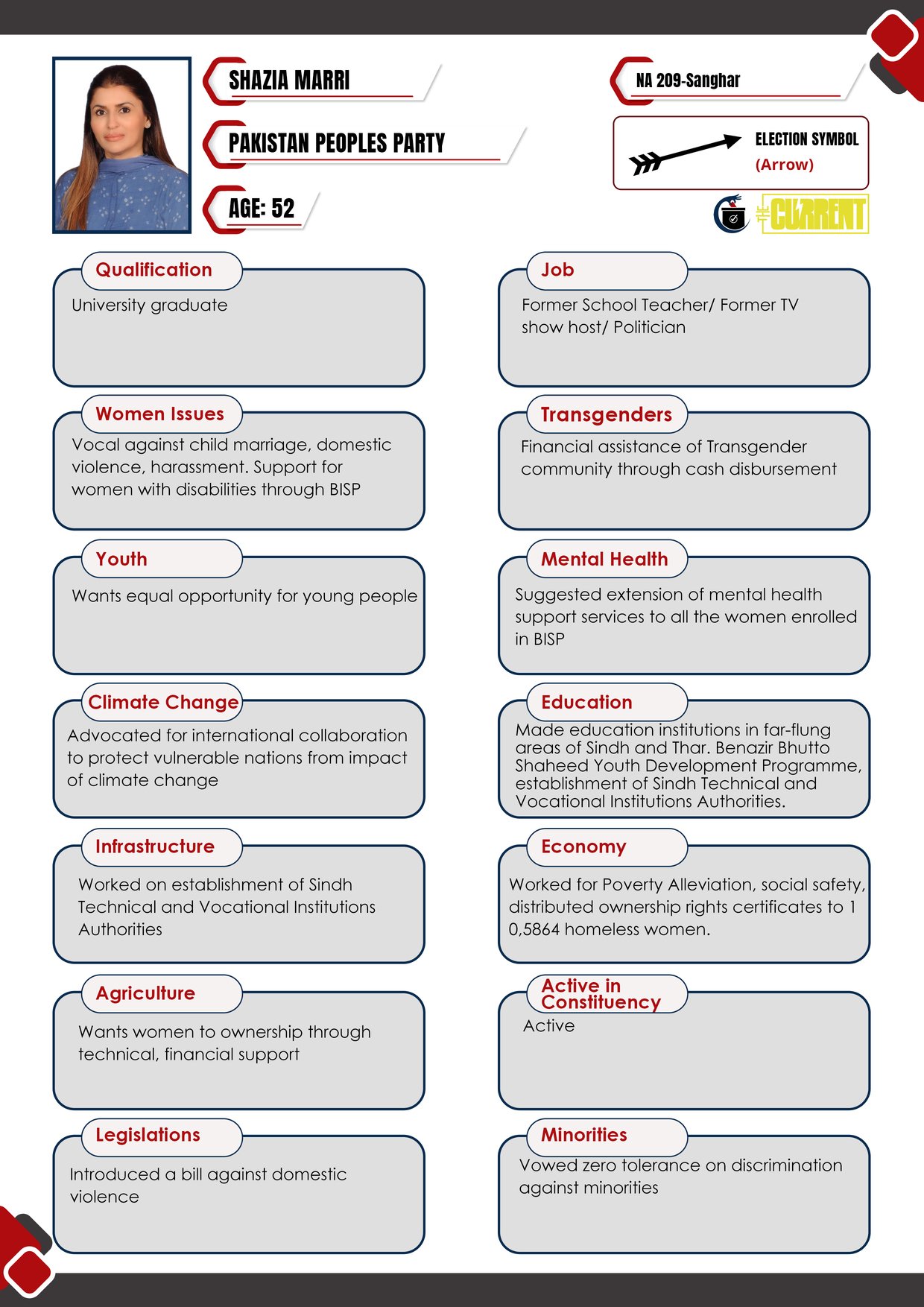
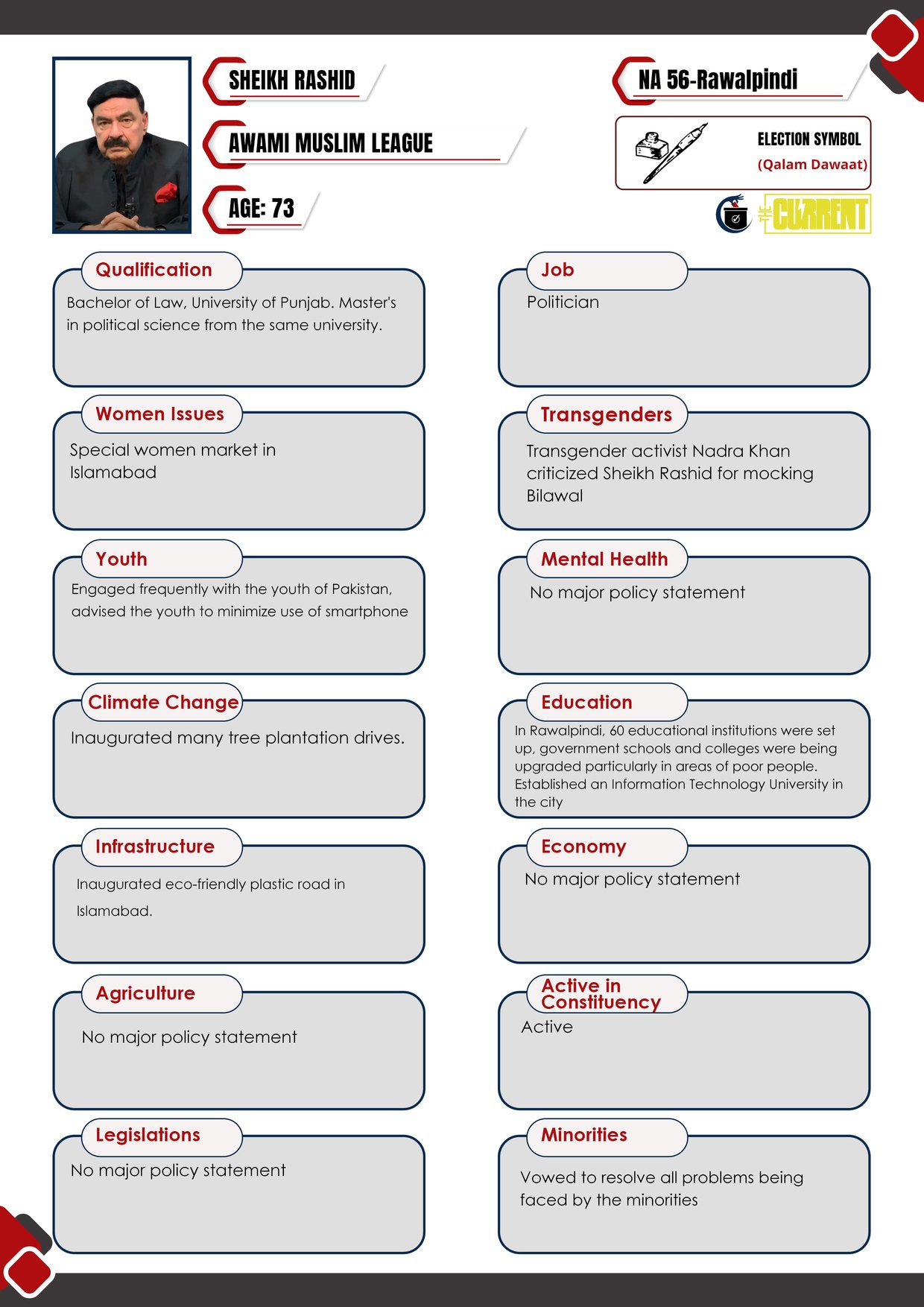
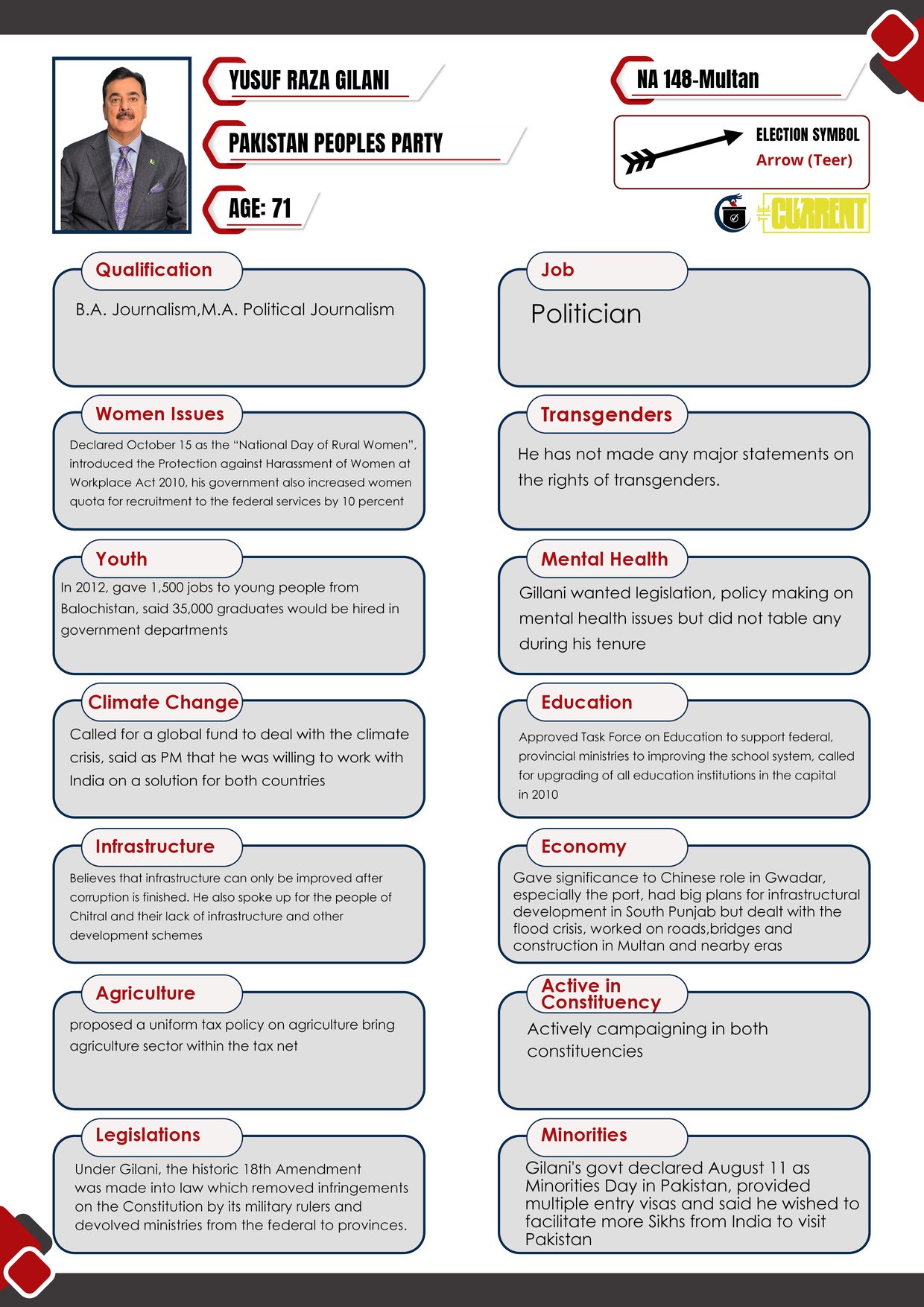
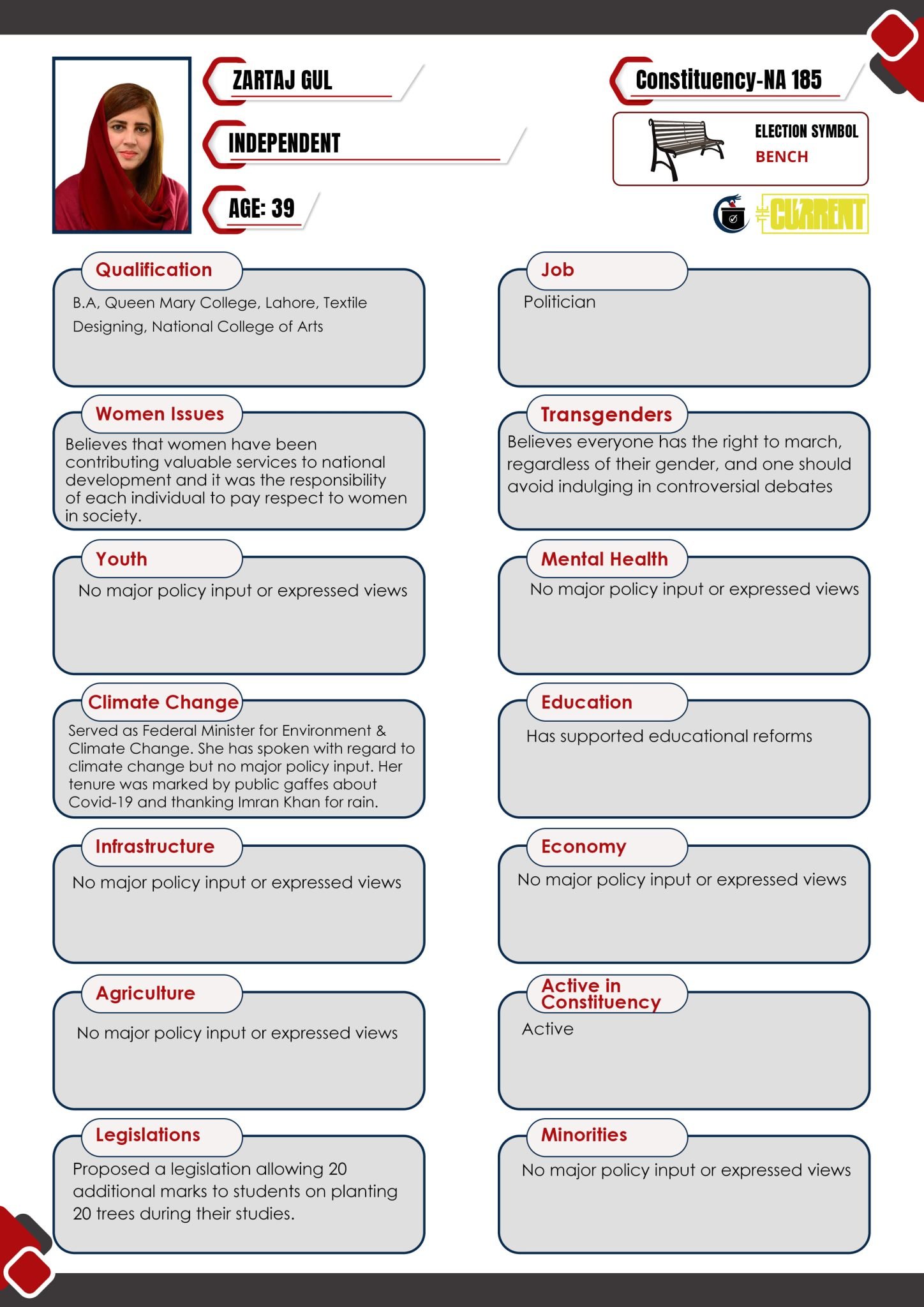
It’s been a long journey filled with tears, sweat, and countless sleepless nights (quite literally) as we meticulously researched your candidate.
Do you know what your candidate thinks about women’s rights, transgender rights, climate change, and minority issues? We looked through official government and party websites, news articles, news videos to find information on what your candidate thinks about issues that matter to you. We only had the manpower to do 50 candidates and hope it helps you make the decision on who to vote for in your city. The handbook is added, page by page, below but if you rather download it, here is the link:
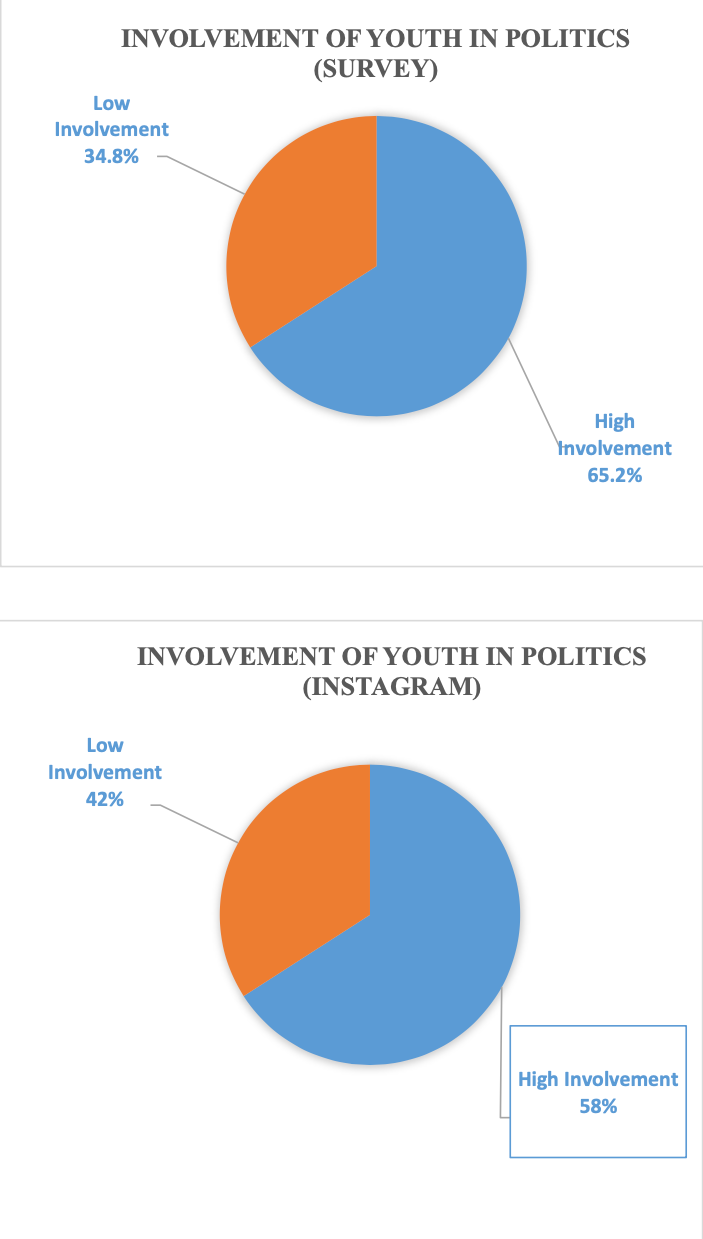
Pakistan’s political landscape is undergoing a significant transformation as the country prepares for critical elections. The young, energetic youth, a demographic powerhouse, holds significant potential to shape the country’s political future, making their thoughts, worries, and aspirations crucial.
Youth Voter Turnout 2018:
According to empirical Analysis of Elections in Pakistan done by Gallup Pakistan, average Youth voter turnout estimates are a mere 31.5% compared to 40% for women voter turnout and 53% for average national voter turnout during the last two elections in 2013 and 2018.
Youth Driven Digital Democracy:
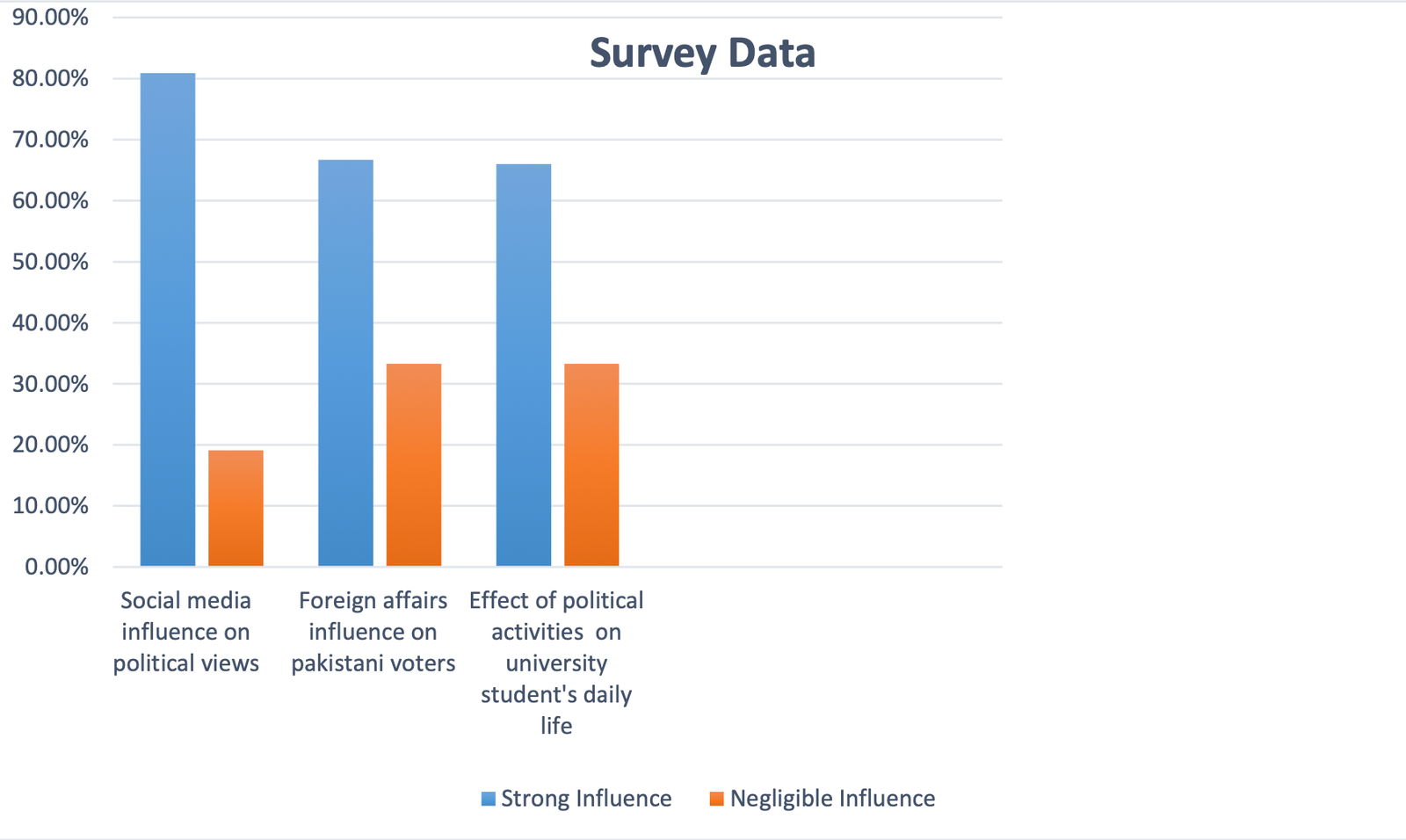
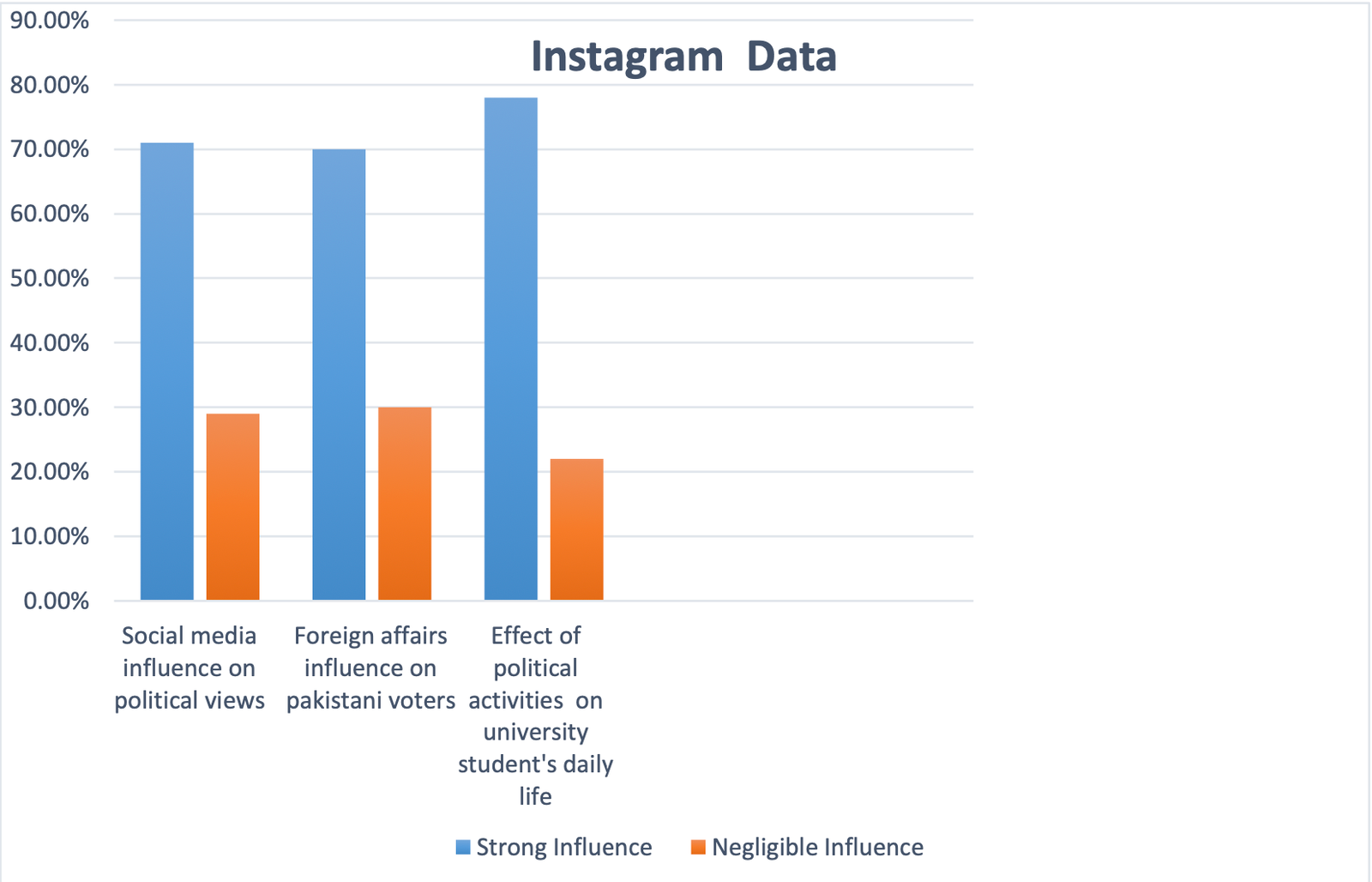
To help the voices of the future, we also need to explore the influence of social media on political opinions and decisions driven by the youth. In the diverse society we are living in, social media is the strongest tool at the disposal of Pakistani political parties which can have a profound effect on youth’s minds and political parties and vice versa. Social media platforms enable young people to participate in conversations, express their opinions, and contribute to an active online political dialogue. Hashtags and trending topics frequently serve as vehicles for political speech, emphasizing certain concerns and establishing a virtual arena for political discourse.
Critical issues for upcoming 2024 election:
The 2024 elections survey by The Current Forum in Pakistan raised important concerns: 51.8% prioritized economic stability, 32.6% emphasized governance and accountability, 8.5%% focused on social services such as education and healthcare, 3.5% were conscious of climate change, and 3.5% were concerned about national security. Instagram polls echoed similar sentiments: 45% prioritized governance and accountability, 42% emphasized economic stability, 11% supported education and healthcare, and 2% were concerned about climate change. These findings highlight the different electorate objectives, emphasizing the necessity for policymakers to develop comprehensive policies that meet several issues
Request for political candidates for immediate impact on universities and student bodies:
The Current Forum’s 2024 elections survey found a wide range of student demands: 40.4% emphasized active engagement in decision-making for inclusive governance, 32.6% requested immediate financial assistance, and 24.8% increased funding for education. Notably, 2.1% prioritized increased campus security. According to Instagram surveys, 43% priorities student assistance, 34% advocate for student involvement in decision-making, 19% demand increased education financing, and 4% emphasize enhanced campus security.
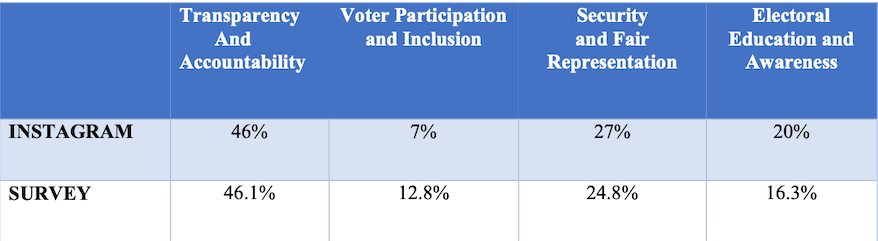
Concerns about the electoral process in Pakistan that need attention and improvement:
Initiatives or strategies that could encourage greater political awareness and participation among the youth in Pakistan:
The study indicates a variety of opinions on improving political engagement among Pakistani young. Notably, 29.8% prefer youth-focused political participation events, while 30.5% support greater young representation. 18.4% favor expanding civic education programs, while 21.3% support easily available information platforms.
According to Instagram polls, 25% prefer greater civic education, while 24% support youth-focused engagement activities. A majority (35%) advocate for expanded youth representation, while 16% support accessible information platforms.
Immediate Priorities for Universities and Students: Requests toPolitical Candidates in Pakistan’s 2024 Elections
The survey responses highlight a range of concerns and requests from students in Pakistan for political candidates to address in the 2024 elections. Key issues include the restoration of student unions, regulation of private institution fees, compulsory on-campus jobs, and student policies that positively impact the student body. The lack of governance in certain regions, particularly in Balochistan, is also a concern. Students advocate for changes in grading systems, tackling harassment issues, ensure affordable fees, and creating job opportunities post-graduation. They also advocate for free education, scholarships, and support for those unable to afford fees. The survey participants urged candidates to address the specific needs and concerns voiced by the student community, fostering a more responsive and accountable approach to policymaking.
A review report of a government organization has revealed that in the general elections to be held on February 8, Pakistan Muslim League-Nawaz (PML-N) will emerge as the largest party, followed by the Pakistan Peoples Party (PPP). The third in line is Pakistan Tehreek-e-Insaf (PTI) while other parties will follow.
Geo’s Umar Cheema reported an official who spoke to The News on the condition of anonymity and said that the government body came up with the analysis based on information gathered through interviews with police sources, revenue department, labor unions and professionals in various sectors.
He explained that the review has been carried out at the police station and union council level. The survey has been done scientifically to remove the possibility of wrong estimates, although the popularity rate of PML-N has been lower in the surveys conducted so far. An optimistic estimate has been made as the party has recorded an increase in popularity since the return of Nawaz Sharif, but no one has so far given an estimate of how many seats the party can win.
International media has also presented Nawaz Sharif as the future prime minister, but whether he will be able to get a simple majority or not is not clear. According to this official assessment, the PML-N will bag between 115 and 132 seats in the National Assembly.
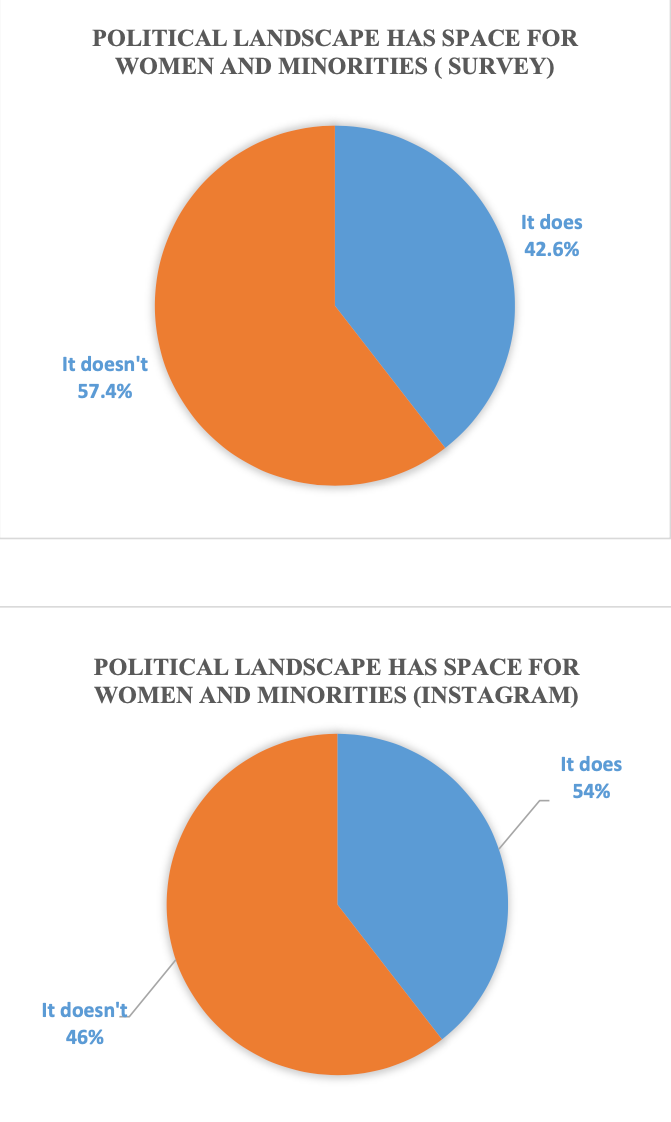
The inclusion of reserved seats for women and minorities would mean that the party would have a chance to form a government alone with a simple majority. It can get close seats, which means PML-N can get a complete majority in the provincial assembly.
PML-N can make a clean sweep in Punjab except for a few districts, says the survey.
According to the estimate, PML-N will form a government with a possible two-thirds majority in Punjab, PML-N will succeed in forming coalition governments in Khyber Pakhtunkhwa and Balochistan, while the PPP has the possibility of forming a government only in Sindh.
The review report says that PPP can get 35 to 40 seats at the center while the independent candidates of PTI can get between 23 to 29 seats. MQM may get 12 to 14 seats, JUI six to eight seats, Q-League and Satwat Pakistan Party are expected to get two to three seats in the National Assembly.
Former Prime Minister Imran Khan is among the candidates being considered to be elected the next Chancellor of Oxford University following the resignation of Chris Patten. The seat is vacant after 80-year-old Patten, who held the post for 21 years, resigned.
The position of Chancellor is largely ceremonial and is typically awarded to a former politician. Patten was the governor of Hong Kong and a Tory deputy prime minister.
For the first time, elections for the chancellor will be held online compared to the traditional process in which graduates were required to attend the process in full academic dress. The prestigious chancellorship goes to graduates of the university, usually politicians.
Among the candidates competing for the position is Imran Khan who studied Economics and Politics at Kelbe College, Oxford in 1972. He captained Oxford’s cricket team in 1974, and previously served as the chancellor of Braddford University for eight years before stepping down in November 2014.
Oxford University is looking for a chancellor. One wild card name being suggested is Imran Khan. And then there is Pakistan the country he loves, lived for and is willing to die for…they made up tons of cases and put him into jail because he threatened their lifestyles! pic.twitter.com/LVaympWaQ1