Category: Politics

News stories of Politics, for the topics that matter the most to young professionals and college students, political news reported with a different angle.

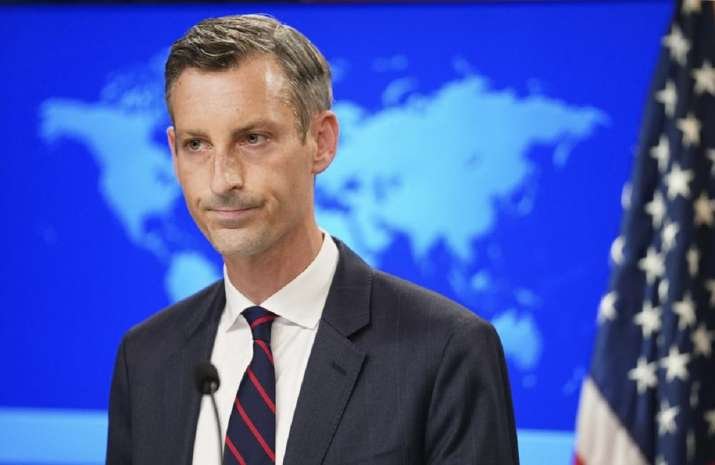
  • ‘You heard from me last week’, US repeats stand on Pakistan political situation

    ‘You heard from me last week’, US repeats stand on Pakistan political situation

    The US State Department on Tuesday once again rejected Prime Minister (PM) Imran Khan’s allegations that the United States of America (USA) has aided and abetted the Pakistani opposition in tabling a no-confidence motion in the National Assembly to topple the PTI government.

    US State Department spokesperson Ned Price said that there is absolutely no truth in that allegations as “you heard from me last week.” “We [US] support the peaceful upholding of constitutional democratic principles in Pakistan.”

    “We do not support one political party over another, we support the broader principles, the principles of rule of law, and equal justice under the law,” he added.

    Last week, Washington reacted to the allegations levelled by Imran Khan. White House Communications Director Kate Bedingfield said, “There is absolutely no truth in these allegations.”

    At the time, US Department of State Spokesperson Ned Price also seconded Kate’s statement saying, “We are closely following developments in Pakistan. We respect and support Pakistan’s constitutional process and the rule of law. But when it comes to those allegations, there is no any truth.”

    On March 27, Khan accused the US of interfering in Pakistan’s politics and plotting to oust him through a no-confidence motion in the National Assembly (NA). In a public gathering, he also brandished a ‘threat letter’ [which he claimed is from the US].

    Following this, based on this ‘threat letter’, the deputy speaker Qasim Suri rejected the no-trust motion against the PM. Later, acting on the PM’s advice, President Arif Alvi dissolved the National Assembly.

    This act of the government, however, plunged Pakistan into a constitutional crisis as the matter is being heard by the Supreme Court (SC) currently.

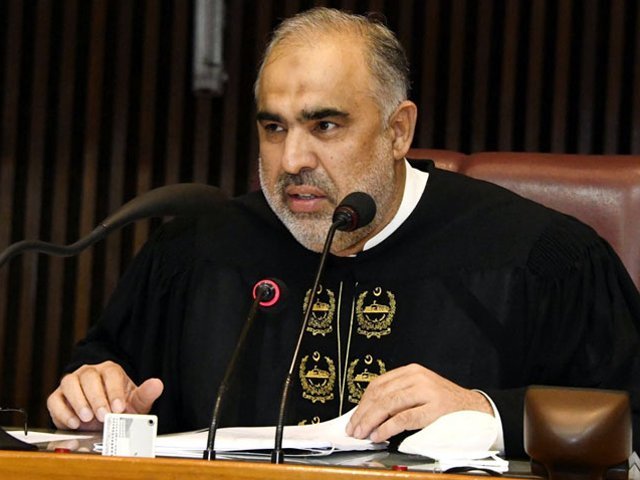
  • ‘Didn’t show up because of the no-confidence motion against me’: Speaker Asad Qaiser clarifies stance

    ‘Didn’t show up because of the no-confidence motion against me’: Speaker Asad Qaiser clarifies stance

    National Assembly (NA) Secretariat in a statement has refuted all rumours circulating in the media in relevance to Speaker (NA) Asad Qaiser refusing to endorse the assembly dismissal on Sunday, April 3.

    “Qaiser decided not to preside over the meeting due to a no-confidence motion against him”, read the statement.

    Speaker Asad Qaiser had resisted the Pakistan Tehreek-e-Insaf (PTI) leadership’s script of rejecting the vote of no-confidence against Prime Minister (PM) Imran Khan under Article 5 of the Constitution, reports Geo News.

    On the day of voting, Qaiser did not preside over the lower house session. Instead, Deputy Speaker NA Qasim Suri conducted the session.

    Geo reports that sources privy to the matter have revealed that Qaiser reportedly was not ready to give a ruling under Article 5 of the Constitution to reject the no-trust motion against PM. The news outlet further reveals that the premier’s legal team tried hard to pursue Qaiser to foil the trust motion; however, he disagreed and refrained from attending the NA session.

    Qaiser responded with “no comments” on Geo News’ attempt to get his version. “The matter is in the Supreme Court of Pakistan, therefore I cannot talk on this,” he said.

    However, Qaiser tweeted the detailed ruling of the dismissal of the no-trust motion.

    It is pertinent to mention here that Pakistan is in a state of political chaos as the no-confidence motion against Khan was dismissed abruptly on Sunday. The move came after Suri termed it “unconstitutional”, saying that it was backed by “foreign powers”.

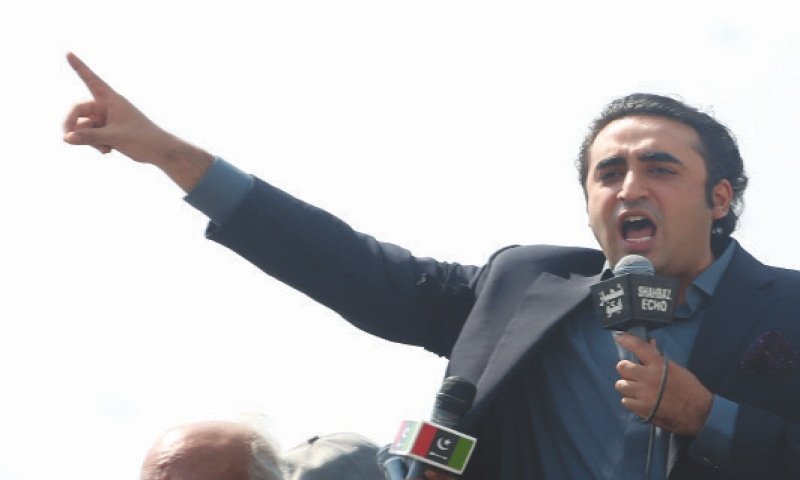
  • ‘Did National Security Committee declare197 National Assembly members as traitors?’ Bilawal asks ISPR

    ‘Did National Security Committee declare197 National Assembly members as traitors?’ Bilawal asks ISPR

    Pakistan People’s Party (PPP) Chairperson Bilawal Bhutto-Zardari has demanded a clarification from Director-General (DG) Inter-Services Public Relations (ISPR) Babar Iftikhar, asking if the National Security Committee (NSC) meeting declared 197 Members of the National Assembly (MNA) as traitors.

    Bilawal tweeted, “Will @OfficialDGISPR clarify did NSC meeting declare the 197 members of NA traitors and part of a foreign plot? Can the foreign office or defense ministry produce any official correspondence between 7-27th on foreign sazish.”

    “A plot of this scale would have been uncovered by our own intelligence agencies and other institutions, not just an ambassadors cable?” questioned Bilawal.

    “Imran’s ego is not more important than Pakistan,” said Bilawal hitting at the prime minister.

  • US official Khan named behind ‘foreign conspiracy’ key person in IMF deals last year

    US official Khan named behind ‘foreign conspiracy’ key person in IMF deals last year

    Prime Minister (PM) Imran Khan has named Assistant Secretary of State for South and Central Asian Affairs Donald Lu as the United States (US) representative who had the a meeting with Pakistan’s Ambassador in the US, which led to the ‘threatening’ diplomatic cable.

    Khan said that the US had sent a threatening message through Pakistan’s Ambassador Asad Majeed Khan. He was quoted as saying that Donald Lu had reportedly in a meeting with Majeed warned that there could be implications if he survived the Opposition’s no-confidence motion tabled against him in the National Assembly.

    We are following developments in Pakistan and we respect and support Pakistan’s constitutional process and the rule of law: Lu

    Indian newspaper, The Hindustan Timesinterviewed Lu in Washington this Friday and asked him about reports that he was the US official to warn the Pakistani ambassador of the consequences if Imran Khan stays in power.

    Hindustan Times: “Let me move to the rest of the region and start with Pakistan. Imran Khan seems to suggest that you had a conversation with the Pakistani ambassador in the US and told him that if Imran Khan survives the no-confidence motion, Pakistan is in trouble and the US won’t forgive Pakistan. Any response?”

    Donald Lu said, “We are following developments in Pakistan and we respect and support Pakistan’s constitutional process and the rule of law.”

    The assistant secretary was asked, “Did you have such a conversation?” Lu replied, “That’s all I have for you on that question.”

    Who is Donald Lu?

    Donald Lu became Assistant Secretary of State for the Bureau of South and Central Asian Affairs on September 15, 2021. Prior to this assignment, Assistant Secretary Lu served as the US Ambassador to the Kyrgyz Republic from 2018 to 2021.

    Lu is a Foreign Service Officer with more than 30 years of US government service.

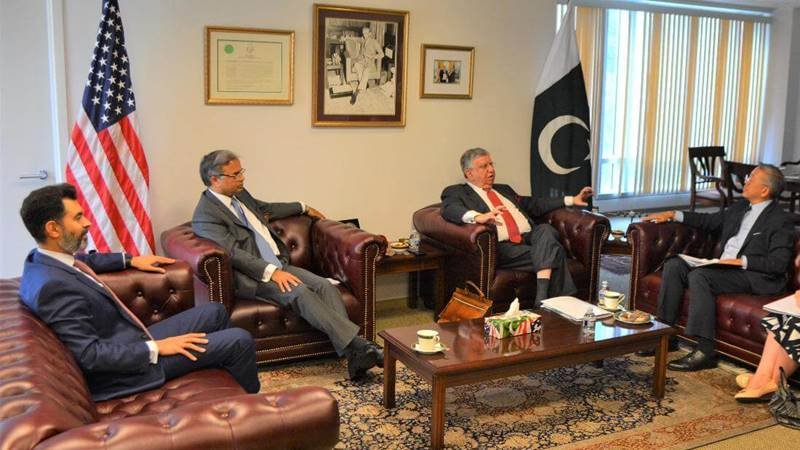
    Samaa News reported, “Donald Lu’s last major interaction with a Pakistani official came in October 2021 when a Pakistani finance ministry delegation was holding talks with the International Monetary Fund (IMF) in Washington.”

    On October 15, Shaukat Tarin and Donald Lu held talks at the Pakistan embassy in Washington and the finance minister assured the US official that the PTI government would live up to its promise of economic reforms.

    Pakistan embassy also issued a statement on the meeting between Donald Lu and Shaukat Tarin.

    Ten days after the March 7 meeting, the date on which the government alleges to have received the threatening communique, Lu attended an event organised by the Pakistan Embassy on March 16 to recognise and appreciate prominent women who are leading in their respective fields.

    He addressed the event along with Representative Sheila Jackson Lee. In his tweet, Ambassador Majeed thanked Lu and Lee for sharing their perspectives.

  • 57 dead bodies found in mass grave in Ukraine town

    57 dead bodies were found buried in a mass grave in a town in Ukraine called Bucha. It is situated in the west of the city of Kyiv. The mass grave was found at the back of the church in the town center. Ukrainian troops recaptured the area from Russian forces on Sunday, reports Khaleej Times.

    According to the head of rescue services, Serhii Kaplychnyi, “Here in this long grave, 57 people are buried.” Kaplychnyi is also responsible for organising the recovery of the bodies.

    Some dead bodies were either partially covered by the earth or unburied completely. Some bodies were found in black zip-up bags while some were in civilian clothing.

    Russian forces were accused of a ‘deliberate massacre’ in the town by Ukraine authorities.

    A French media reporter claimed that he saw almost 20 dead bodies in civilian clothing which were scattered across the streets in town. One make dead body identified had his hands behind his back tied with a white piece of cloth.

    Germany also called for new European Union (EU) sanctions against Russia for killing innocent civilians in Bucha and called it a ‘war crime.’ The United Kingdom also called for an investigation of these brutal war crimes committed by Russia.

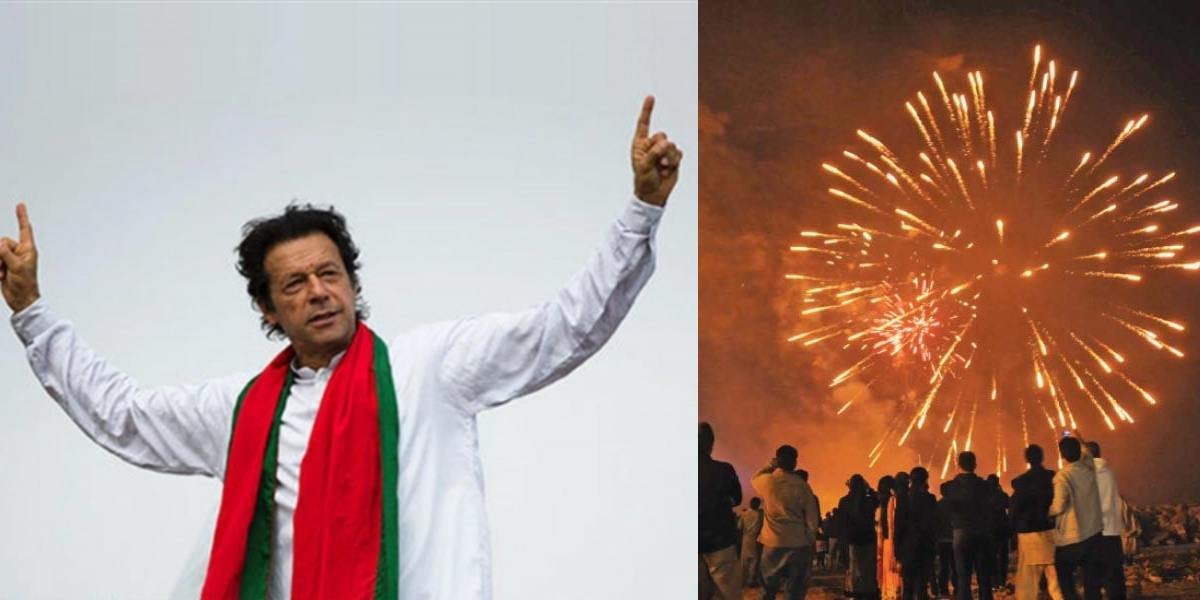
  • ‘Mubarak ho Pakistan’: PTI celebrates dismissal of no-confidence motion, festivities will continue for a week

    ‘Mubarak ho Pakistan’: PTI celebrates dismissal of no-confidence motion, festivities will continue for a week

    Senator Faisal Javed Khan has announced that Pakistan Tehreek-i-Insaf (PTI) will start celebrations near the Red zone area of Islamabad. The celebrations will continue for a week.

    He said that celebrations will start from today after Iftar. He also invited the party workers and their families.

    Faisal added that fireworks will also be part of the program.

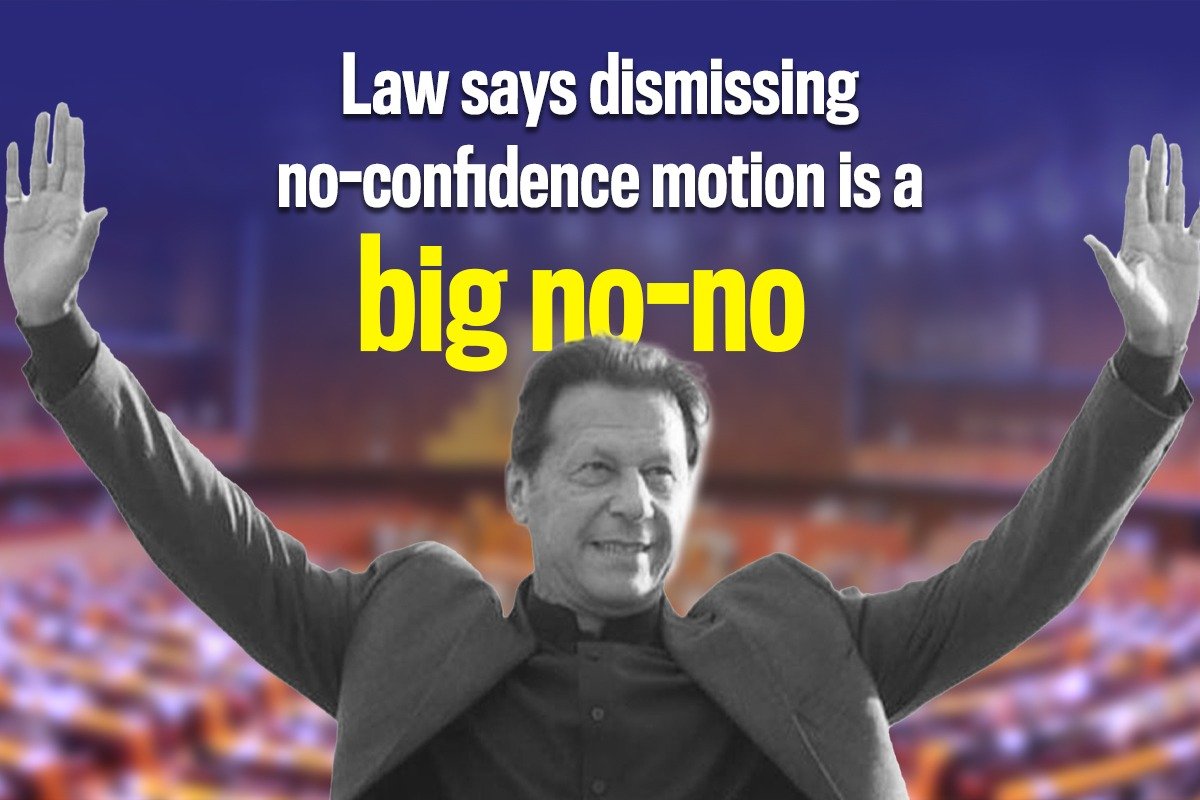
    Read more Explainer: Law says dismissing no-confidence motion is a big no-no

    The National Assembly (NA) Deputy Speaker Qasim Khan Suri on Sunday “dismissed” the no-confidence motion against Prime Minister (PM) Imran Khan, terming it against Article 5 of the Constitution, the legal war began. PM Khan then addressed the nation, saying he had advised the President to dissolve the National Assembly, which the President approved.

  • Explainer: Law says dismissing no-confidence motion is a big no-no

    Explainer: Law says dismissing no-confidence motion is a big no-no

    Pakistan is in a state of political chaos as the no-confidence motion against Prime Minister (PM) Imran Khan was dismissed abruptly on Sunday. The move came after National Assembly (NA) Deputy Speaker Qasim Suri termed it “unconstitutional”, saying that it was backed by “foreign powers”.

    Suri then quickly disallowed voting on the no-confidence motion and adjourned the session. Later, on PM Khan’s advice, President Arif Alvi dissolved the National Assembly, with the premier asking the nation to get ready for fresh polls.

    After the nation was left in shock, there was much talk about the “unconstitutional trump card” used by PM Khan.What everyone wants to know is: did Khan subvert the constitution of Pakistan?

    Lawyer Salaar Khan tweeted a brief comprehension of the constitutional premise of what happened on Sunday, April 3, which went viral on Twitter.

    “Instead of allowing the vote to proceed against the Prime Minister, the Deputy Speaker dismissed the resolution. After this, the President was able to dissolve the National Assembly on the PM’s advice,” tweeted Salaar.

    “Under Article 58 of the Constitution, the President may dissolve the National Assembly on the PM’s advice. However, a PM against whom a vote of no confidence ‘has not been voted upon’ cannot ask the President to dissolve the house,” wrote Salaar.

    “To get around this, the Deputy Speaker first ‘dismissed’ the no-confidence resolution submitted against the PM. He did this on the basis of a personal interpretation of Article 5, which provides for loyalty to the state.”

    “The rather feeble argument here was that because the letter that Pakistan had received from the US suggested a regime change would improve relations, the vote of the no-confidence motion, itself, was against anti-state,” said the lawyer.

    “The irony, of course, is that Article 5 also provides for obedience to the Constitution – which was arguably violated in the process of the dismissal of the no-confidence motion.”

    “Procedurally, a ‘motion’ for no-confidence is first moved and, if leave is granted, it becomes a ‘resolution’. Under the Rules of Business in the National Assembly, there is no provision that actually allows a Speaker or Deputy Speaker to dismiss a resolution.”

    “In fact, the role of the Speaker is very clearly defined in Schedule 2 of the Rules of Business in the NA, and is essentially limited, in a VoNC, to announcing the result.”

    “And so, because the Speaker can’t dismiss a resolution for a VoNC, there is still a VoNC that has not been ‘voted upon’ by the Prime Minister. Consequently, the PM could not have advised that the assembly be dissolved under Article 58.”

    “In fact, in doing so, it may even be argued that he not only violated Article 5, by not obeying the Constitution but also subverted the Constitution under Article 6. It is, however, important to note that Article 6 is often used rather flippantly in common parlance.”

    “Finally, is the question of what the SC may do in all of this. One provision of the Constitution that has been mentioned a lot is Article 69, which bars courts from interfering in certain Parliamentary proceedings.”

    “However, the SC has laid out exceptions to this bar. Courts can interfere where there is not an ‘irregularity’ but a ‘patent illegality’, where there is clear mala fide, or where the matter in question affects the composition of the house, itself (such as in Farzand Ali).”

    “But while the SC may well find that it can interfere, how far it will go is another question. In theory, the SC could find the dissolution to be without legal effect and even order voting to resume on the VoNC. But given recent precedent, that may be a long shot.”

    The Supreme Court of Pakistan took suo moto notice of the Assembly proceedings on Sunday, April 3, and restrained the state institutions as well as the political parties from taking any unconstitutional acts and exploiting the situation.

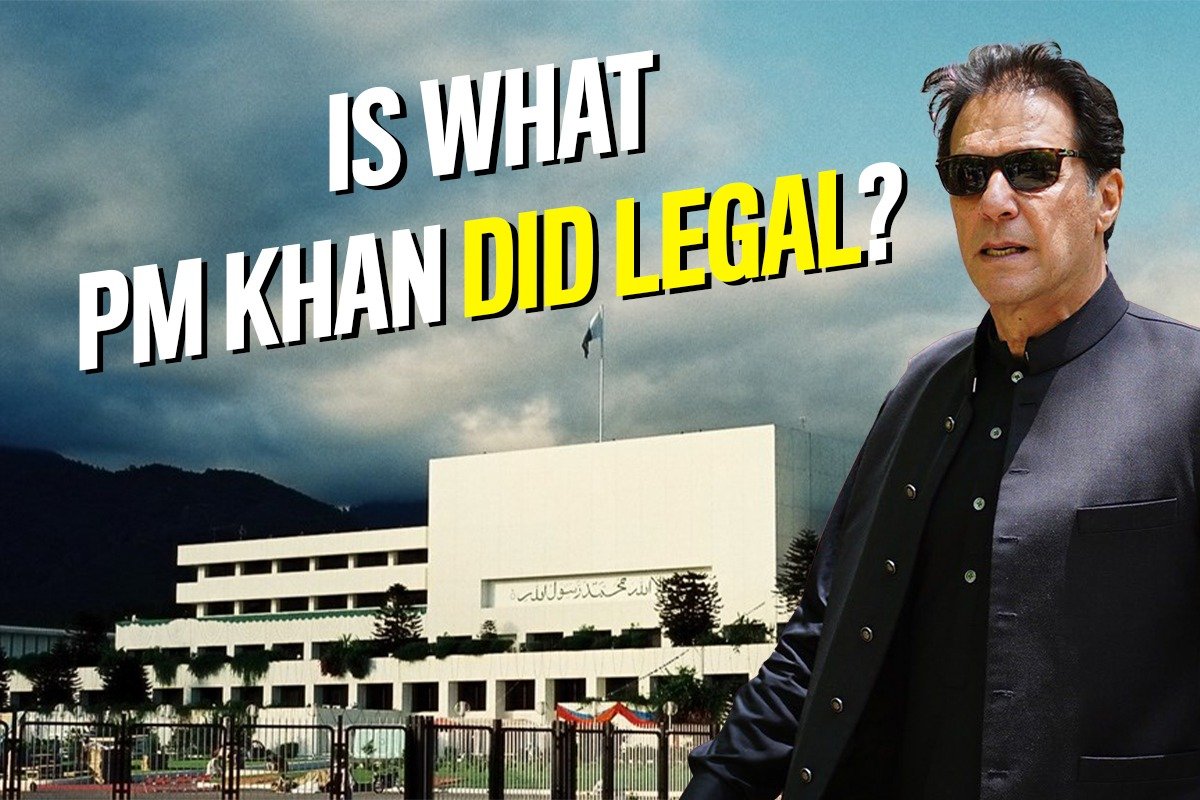
  • Legal Battle: Is what Prime Minister Imran Khan did today, legal?

    Legal Battle: Is what Prime Minister Imran Khan did today, legal?

    After the National Assembly (NA) Deputy Speaker Qasim Khan Suri on Sunday “dismissed” the no-confidence motion against Prime Minister (PM) Imran Khan, terming it against Article 5 of the Constitution, the legal war began. PM Khan then addressed the nation, saying he had advised the President to dissolve the National Assembly, which the President approved. The country is in a state of shock and the main question is: Is what is going on, legal?

    BUT FIRST, WHAT HAPPENED IN THE ASSEMBLY SESSION?

    Loyalty to the state is the basic duty of every citizen under Article 5: Fawad Chaudhry

    The much-awaited and crucial NA session started after a delay to hold the vote on the no-confidence motion against Khan.

    Information Minister Fawad Chaudhry said, “On March 7, our official ambassador was invited to a meeting attended by the representatives of other countries. The meeting was informed that a motion against PM Imran was being presented,” he said, adding that this happened a day before the Opposition filed the no-trust move.

    “We were told that relations with Pakistan were dependent on the success of the no-confidence motion. We were told that if the motion fails, then Pakistan’s path would be very difficult. This is an operation for a regime change by a foreign government,” he alleged.

    NA speaker dismisses no-confidence motion against PM Imran, terms it contradictory to Article 5

    After Fawad Chaudhry spoke, Deputy Speaker Suri agreed with Fawad and said that the no-confidence motion was presented on March 8 and should be according to the law and the Constitution. “No foreign power shall be allowed to topple an elected government through a conspiracy,” he said, adding that the points raised by the minister were “valid”.

    He dismissed the motion, ruling that it was “contradictory” to the law, the Constitution, and the rules. The session ended and the government representatives walked out.

    LET’S GET LEGAL: What is Article 5?

    According to Article 5, “Loyalty to the State is the basic duty of every citizen.”

    “Obedience to the Constitution and law is the [inviolable] obligation of every citizen wherever he may be and of every other person for the time being within Pakistan.”

    THEN WHAT HAPPENED: On PM Imran Khan’s advice, President Arif Alvi approved the dissolution of the assembly

    In a surprise move, the premier on Sunday said that he has advised President Alvi to dissolve all the assemblies.

    President Dr Arif Alvi dissolved the National Assembly on the proposal of PM Khan.

    In a brief address to the nation after the no-confidence motion was rejected, the premier congratulated the nation and said that he had sent a proposal to the President to dissolve the NA and the nation should prepare for the next election.

    WAS WHAT HAPPENED LEGAL?

    What do the legal experts have to say?

    The Current reached out to legal experts to understand and get better clarity on the constitutional process in relevance to dismissing the no-trust move against PM Khan.

    Senior Lawyer and Journalist Muneeb Farooq terming the dismissal of the no-trust move “absolute nonsense” said, “The court will decide if what the speaker did is illegal and the no-confidence motion will likely move on. Today the court is closed, they [the Opposition] will take it to the court tomorrow.”

    Farooq further said, “Article 69 says that the court cannot question parliament proceedings, but there are exceptions,” adding that certain things were taken to court and the Supreme Court has ruled on them.

    WHAT’S FAROOQ’S MAIN POINT?

    Farooq said that the Prime Minister does not have the right to ask the President to dissolve the national assembly when there is a motion of no-confidence against him. He also added that the Speaker cannot dismiss a motion against the PM when the motion is already a part of the agenda. He added that Article 5 cannot be used in this situation, the way the government has used it.

    THE OTHER SIDE:

    Supreme Court Lawyer Chaudhry Faisal Hussain said, “The Deputy Speaker gave the ruling to dismiss the no-confidence motion. It is in his power to discard the no-confidence motion against the prime minister. Hence the motion gets dismissed and PM Khan still remains the prime minister.”

    WHAT’S HUSSAIN’S MAIN POINT?

    “Since Imran Khan is still Prime Minister, he can call for fresh elections, after dissolving the assembly, which he has done. The issue now will be that PM Khan has already moved past the no-confidence motion. If the assembly had not been dissolved, then perhaps the Supreme Court could make a ruling on the no-confidence issue.”

    ANOTHER POINT OF VIEW

    Advocate Supreme Court of Pakistan (SCP) Salman Akram Raja speaking to Geo News said that what happened in the National Assembly today was “highly unconstitutional”.

    He further said that SCP will look into the ruling given by the deputy speaker and could decide on allowing early elections or letting the no-confidence motion vote happen.

    The Joint Opposition had submitted the no-confidence motion to kick out PM Khan on March 8. According to reports, Chief Justice Umar Bandial has called his fellow justices to his place to discuss what is going on in the country.

    Meanwhile, sources say the Supreme Court may hold special proceedings today as well.
  • Punjab Governor Sarwar removed early in the morning: What really happened?

    Punjab Governor Sarwar removed early in the morning: What really happened?

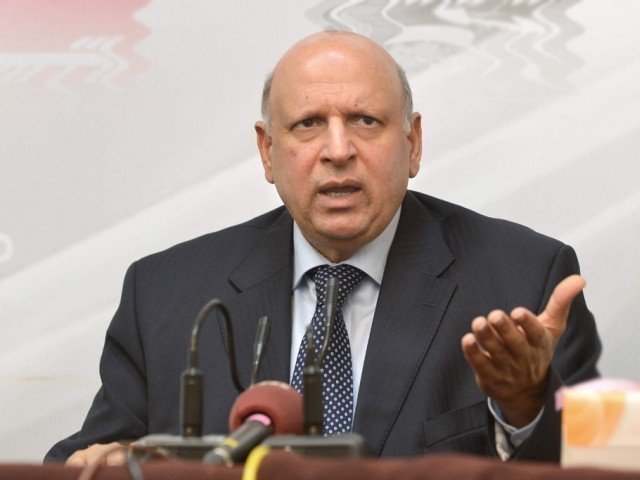
    Federal Information and Law Minister Fawad Chaudhry tweeted in the morning around 9am that Governor Punjab Chaudhry Mohammad Sarwar has been removed from his position. “A new governor will be announced later. According to the Constitution, the Deputy Speaker will be the acting Governor.”

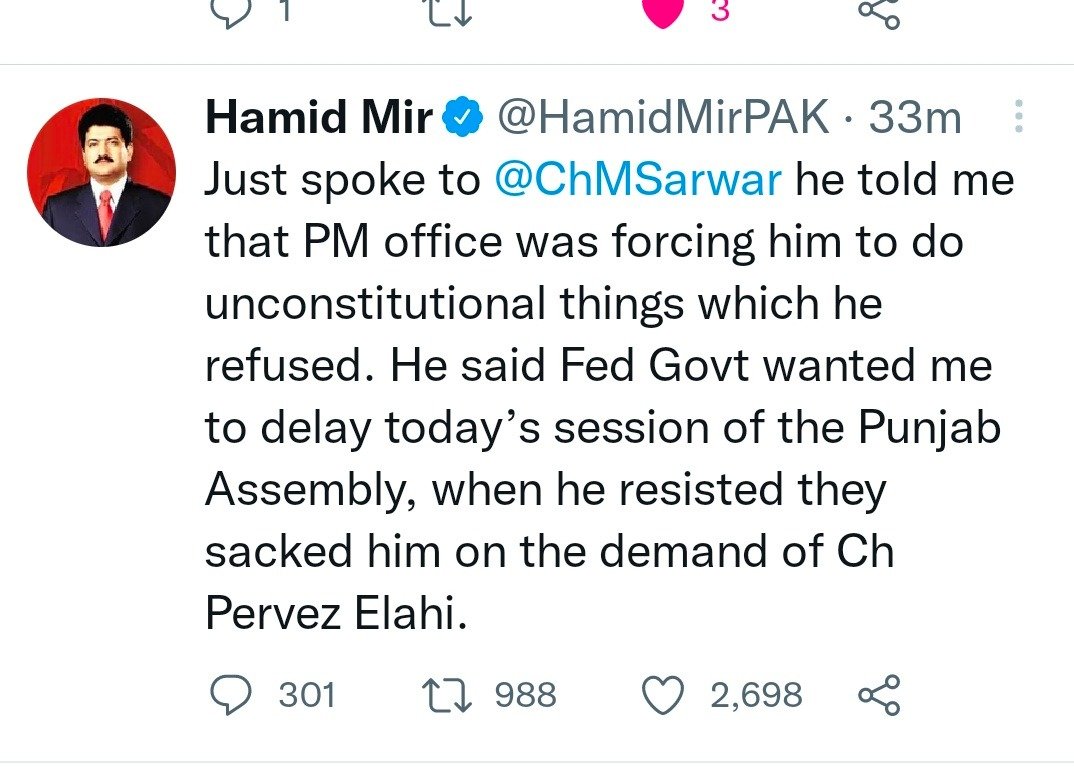
    Senior journalist Hamid Mir tweeted that he spoke to Chaudhry Sarwar, who told him that the Prime Minister’s Office was forcing him to do unconstitutional things that he refused. “He said Fed Govt wanted me to delay today’s session of the Punjab Assembly when he resisted they sacked him on the demand of Ch Pervez Elahi,” added Mir.

    However, Mir deleted his tweet and later tweeted a new one saying, “Governor @ChMSarwar called me and said he is still governor.”

    Rumour has it that Governor Sarwar was allegedly helping Hamza Shehbaz in today’s chief minister elections in Punjab.

    In November 2018, a video surfaced in which Chaudhry Pervaiz Elahi and Tariq Bashir Cheema could be seen complaining to Pakistan Tehreek-e-Insaf (PTI) leader Jahangir Khan Tareen that Chaudhry Sarwar should be controlled as he was not letting Usman Buzdar work.

    “Sir, control Sarwar! He will not let your chief minister continue,” Cheema could be heard telling Tareen.

    https://twitter.com/PakPressWatch/status/1061957553251405824
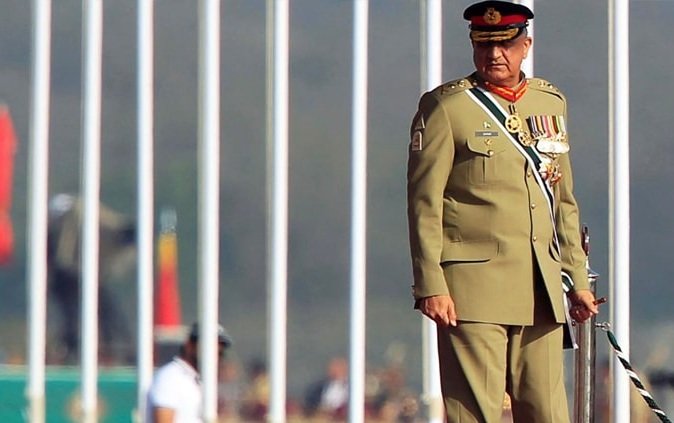
  • ‘Ready to move forward on Kashmir if India agrees’: General Bajwa

    ‘Ready to move forward on Kashmir if India agrees’: General Bajwa

    Chief of Army Staff (COAS) General Qamar Javed Bajwa on Saturday said that Pakistan continues to believe in using dialogue and diplomacy to resolve all outstanding issues, including the Kashmir dispute.

    “Pakistan is ready to move forward on this front if India also agrees to do so,” the COAS said.

    “I believe it is time for the political leadership of the region to rise above their emotional and perceptional biases and break the shackles of history to bring peace and prosperity to almost three billion people of the region.”

    Khanewal Indian Missile incident

    Gen Bajwa termed India’s “accidental” launching of a supersonic missile into Pakistan on March 9 a matter of “serious concern”.

    “We expect India to provide evidence to assure Pakistan and the world that their weapons are safe and secure.”

    “Unlike other incidents involving strategic weapons systems, this is the first time in history that a supersonic cruise missile from one nuclear-armed nation has landed in another,” he said.

    Relationship with the US

    “Pakistan does not believe in camp politics and our bilateral relations with our partners are not at the expense of our relationships with other countries.”

    He said that Pakistan sought to broaden and expand relations with both China and the US “without impacting our relations with [either]”.

    In addition, relations with the European Union, the United Kingdom, Gulf countries, South East Asia and Japan were also important for Pakistan’s progress, the COAS said.

    Pakistan enjoyed a close strategic relationship with China, which was demonstrated by the country’s commitment towards the China Pakistan Economic Corridor (CPEC), he said, adding, “Equally, we share a long and excellent strategic relationship with the US, which remains our largest export market.”

    Afghanistan situation

    “Pakistan recognises that it is the regions and not countries that grow. This is why we believe that peace and stability in our wider region are prerequisites for achieving shared regional prosperity and development. In this regard, our doors are open for all our neighbours,” the COAS said.

    The army chief cautioned that an inability to address the issues would “not only lead to a refugee crisis but will again make Afghanistan an epicentre of terrorism where [the Islamic State] with its global agenda flourishes [and] may result in more than one 9/11”.

    Gen Bajwa stressed the need for the international community to support the Afghan government. “The performance of present Afghan government is not satisfactory, to say the least, but we have to be patient and accommodative.”

    “While Pakistan shares some of the concerns of the international community, we believe disengagement with Afghanistan is not an option,” he stressed.