Category: Politics

News stories of Politics, for the topics that matter the most to young professionals and college students, political news reported with a different angle.

  • Shehbaz Sharif proposes new names for vacant ECP posts

    Shehbaz Sharif proposes new names for vacant ECP posts

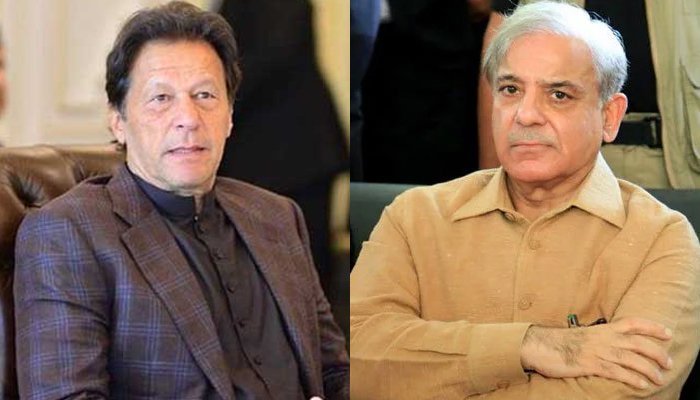
    Pakistan Muslim League-Nawaz (PML-N) President and Leader of the Opposition in the National Assembly Shehbaz Sharif proposed names for the appointment of new provincial members in the Election Commission of Pakistan (ECP), in response to Prime Minister Imran Khan’s letter suggesting names for the ECP members.

    Shehbaz suggested the names of Justice (retd) Tariq Iftikhar Ahmed, Justice (retd) Mushtaq Ahmed, Muhammad Javed Anwar, Khalid Masood Chaudhry, Irfan Qadir, and Irfan Ali for Punjab.

    While the names of Syed Afsar Shah, Sardar Hussain Shah, and Sohail Altaf have been suggested for the Khyber Pakhtunkhwa province, by the Opposition leader.

    Earlier on August 27, Federal Minister for Information Fawad Chaudhry had said that Prime Minister Imran Khan wrote a letter to Shehbaz Sharif for the appointment of members to the ECP.

  • India spied on Pakistan and China, says US-based  intelligence company

    India spied on Pakistan and China, says US-based intelligence company

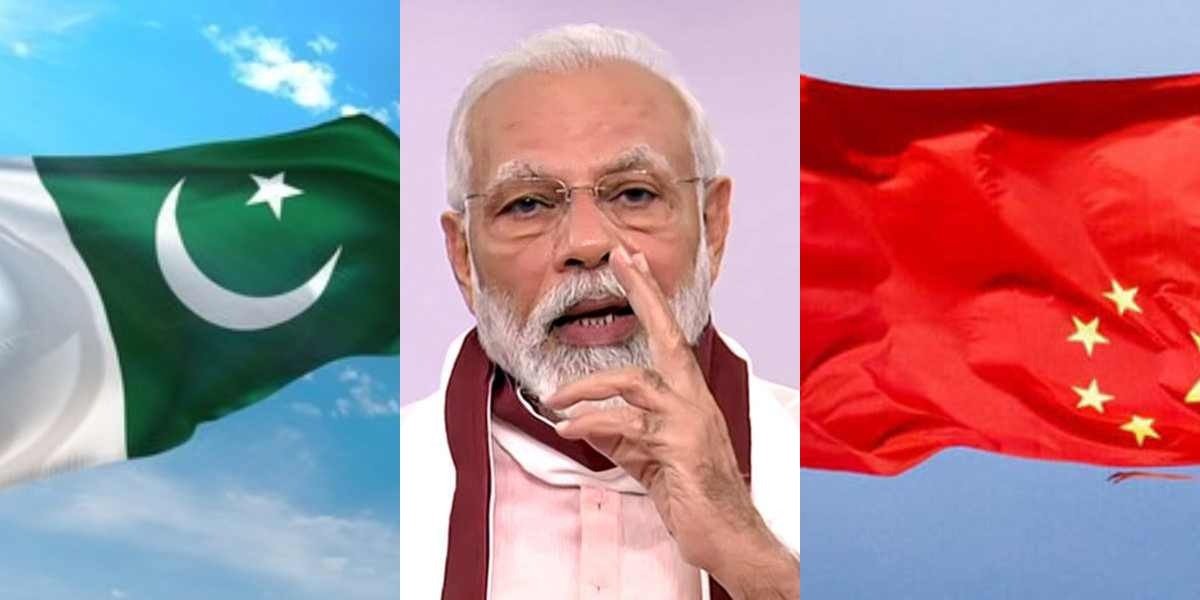
    Texas-based Exodus Intelligence believes India used its “zero-day” security vulnerabilities, which hackers can use to attack systems, to spy on Pakistan and China, according to a report published in Forbes.

    Exodus Chief Executive Officer (CEO) and co-founder Logan Brown said that after an investigation, he believes India handpicked one of the Windows vulnerabilities from the feed—allowing deep access to Microsoft’s operating system—and Indian government personnel or a contractor adapted it for malicious means.

    The Exodus CEO maintained that India was subsequently cut off from buying new zero-day research from his company in April and it has worked with Microsoft to patch the vulnerabilities.

    Earlier this year, researchers at Russian cybersecurity firm Kaspersky witnessed a cyberespionage campaign targeting Microsoft Windows PCs at government and telecom entities in China and Pakistan.

    Aspects of the code looked like some the Moscow antivirus provider had previously seen and attributed to a company it gave the cryptonym “Moses”.

    Beyond the two zero-days already abused, according to Kaspersky, “at least six vulnerabilities” made by Moses have made it out “into the wild” in the last two years. Also according to Kaspersky, another hacking crew known as DarkHotel — believed by some cybersecurity researchers to be sponsored by South Korea — has used Moses’ zero days. South Korea is not a customer of Exodus.

    “We are pretty sure India leaked some of our research,” Brown said. “We cut them off and haven’t heard anything since then . . . so the assumption is that we were correct.”

  • Covid-19: UK removes Pakistan from Red List

    Pakistan has been removed from UK’s Red List. British High Commissioner to Pakistan, Christian Turner, has confirmed.

    “Pleased to confirm [that] Pakistan is off the red list”, wrote Turner in a tweet. “I know how difficult the last 5 months were for so many who rely on close links between,” he added.

    Turner further added that the UK will continue to work closely with Pakistan to ensure data sharing and safeguard public health in both countries.

    Special Assistant to the Prime Minister on Health, Dr Faisal Sultan, has welcomed the decision of the British government. “Great news for those wanting to travel,” wrote Dr Faisal in a tweet. “I am grateful to Christian Turner and others in the UK gov who engaged with our team for an in-depth understanding of our epidemic response and systems as well as the ongoing sharing of data and information to enable disease security,” he added.

  • ‘We will continue to support a stable, sovereign and prosperous Afghanistan’: PM Khan

    Prime Minister Imran Khan said that Pakistan will continue to support a stable, sovereign, and prosperous Afghanistan. He was addressing the 20th Shanghai Cooperation Organisation Council of Heads of State (SCO-CHS) Summit in Tajikistan.

    “Pakistan had suffered a lot due to the spillover of conflict and instability in the neighbouring country [Afghanistan]”, he said.

    Moreover, he urged the international community to stand with the Afghans as it is a rare opportunity that the 40 years war has finally ended and this moment should not be squandered. He commended the United Nations secretary-general and UN agencies for mobilising support for ‘humanitarian assistance’.

    PM Imran said, “A new reality had been established after the Taliban’s takeover and withdrawal of foreign troops. That all this happened without bloodshed, without civil war, and without a mass exodus of refugees, should be a matter of relief. It is now in the international community’s collective interest to ensure that there is no renewed conflict in Afghanistan and the security situation is stabilised.”

    We must remember that the previous govt [Ashraf Ghani’s] depended heavily on foreign aid and its removal could lead to economic collapse.”

    ‘Taliban must fulfil promises’

    “The Taliban must fulfill the pledges made, above all for an inclusive political structure where all ethnic groups are represented. This is vital for Afghanistan’s stability,” PM said.

    Furthermore, Khan added that it is also important for the Taliban to ensure respect for the rights of all Afghans make sure that the country is never again a safe haven for terrorists.

    Talking about terrorism threats

    While talking about the 9/11 incident, PM Imran said, “Associating one religion with terrorism has enabled far right, populist and supremacist groups around the world to propagate, multiply and accumulate influence.”

    He assured that Pakistan will continue to be a reliable and willing partner of the international community in the fight against terrorism and extremism. According to him, addressing threats to international and regional peace is a topic of vital interest for the SCO.

    Proposed a five-point way forward

    “We must also advance the agenda of regional connectivity. In this regard, taking the process forward, Pakistan would like to host a conference on the theme ‘Transport Connectivity for Regional Prosperity’ in a virtual mode in 2022,” the premier announced.

    Imran Khan arrived in Tajikistan on Thursday for a two-day visit and was received by Tajik Prime Minister Kokhir Rasulzod at the airport.

    Foreign Minister Shah Mahmood Qureshi, National Security Adviser Moeed Yusuf, and Information Minister Fawad Chaudhry were also present alongside the PM.

  • ‘Unilateral decision to offer amnesty to TTP an insult to victims of terrorism’: Bilawal Bhutto

    ‘Unilateral decision to offer amnesty to TTP an insult to victims of terrorism’: Bilawal Bhutto

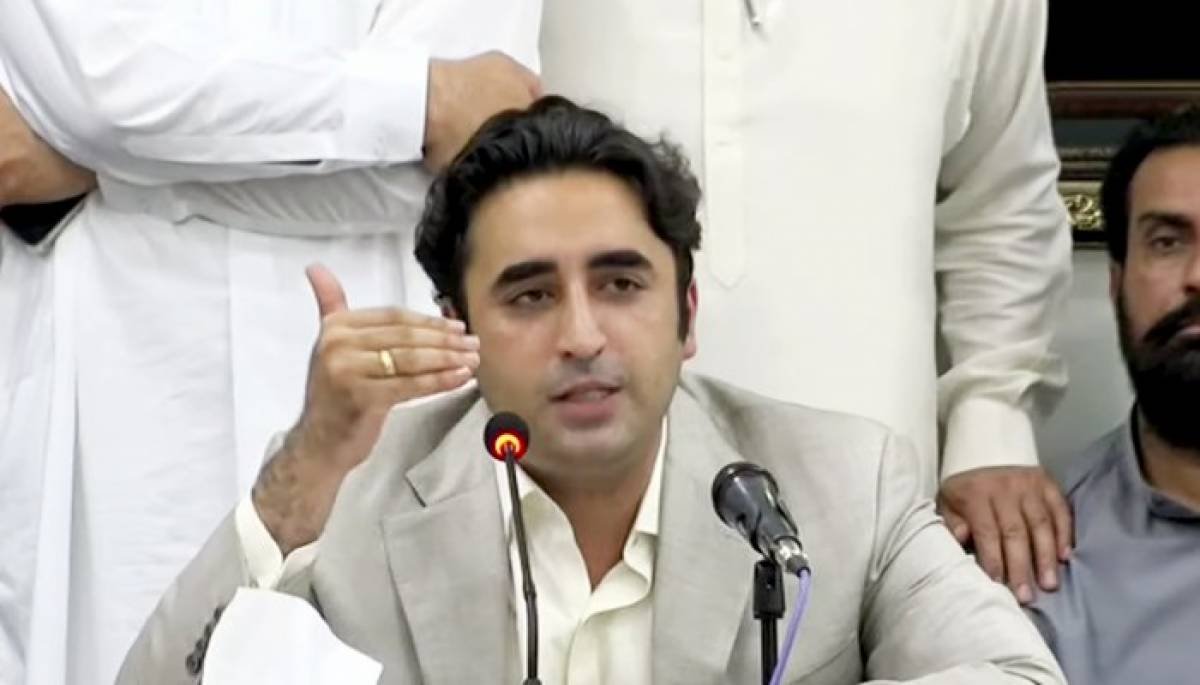
    Pakistan People’s Party (PPP) Chairperson Bilawal Bhutto-Zardari on Friday took to Twitter to express his disapproval of the Pakistan Tehreek-e-Insaf (PTI) government for offering to pardon Tehreek-i-Taliban Pakistan (TTP) members if they renounce violence and respect the nation’s Constitution.

    Bilawal tweeted, “The unilateral decision to offer amnesty to terrorist groups within Pakistan is an insult to the thousands of victims of terrorism.”

    “Imran’s policy of appeasement to religious fascism within Pakistan as well as on our eastern & western borders will haunt us in-times to come,” added Bilawal.

    Pakistan Muslim League-Nawaz (PML-N) leader, Khurram Dastgir Khan, while speaking on Dawn News programme “News Eye”, said, “It is shameful and reprehensible of the President and the Foreign Minister to hint at a general amnesty for the TTP.”

    “Terrorists in Pakistan have martyred children, women, the elderly, young and our soldiers. We cannot forget this,” said Dastgir.

    Foreign Minister Shah Mahmood Qureshi in an interview with The Independent said that the government would be “open to giving” a pardon to members of the banned TTP if they promise not to get involved in terrorism and follow the Constitution of Pakistan.

    The minister’s comments came after President Arif Alvi said, if anyone wants to leave the ideology of the banned TTP and work as per the Constitution of Pakistan, the government may consider a general amnesty.

  • ‘Talk about business, poetry for another time’: PM Khan shuts a man for criticising govt

    ‘Talk about business, poetry for another time’: PM Khan shuts a man for criticising govt

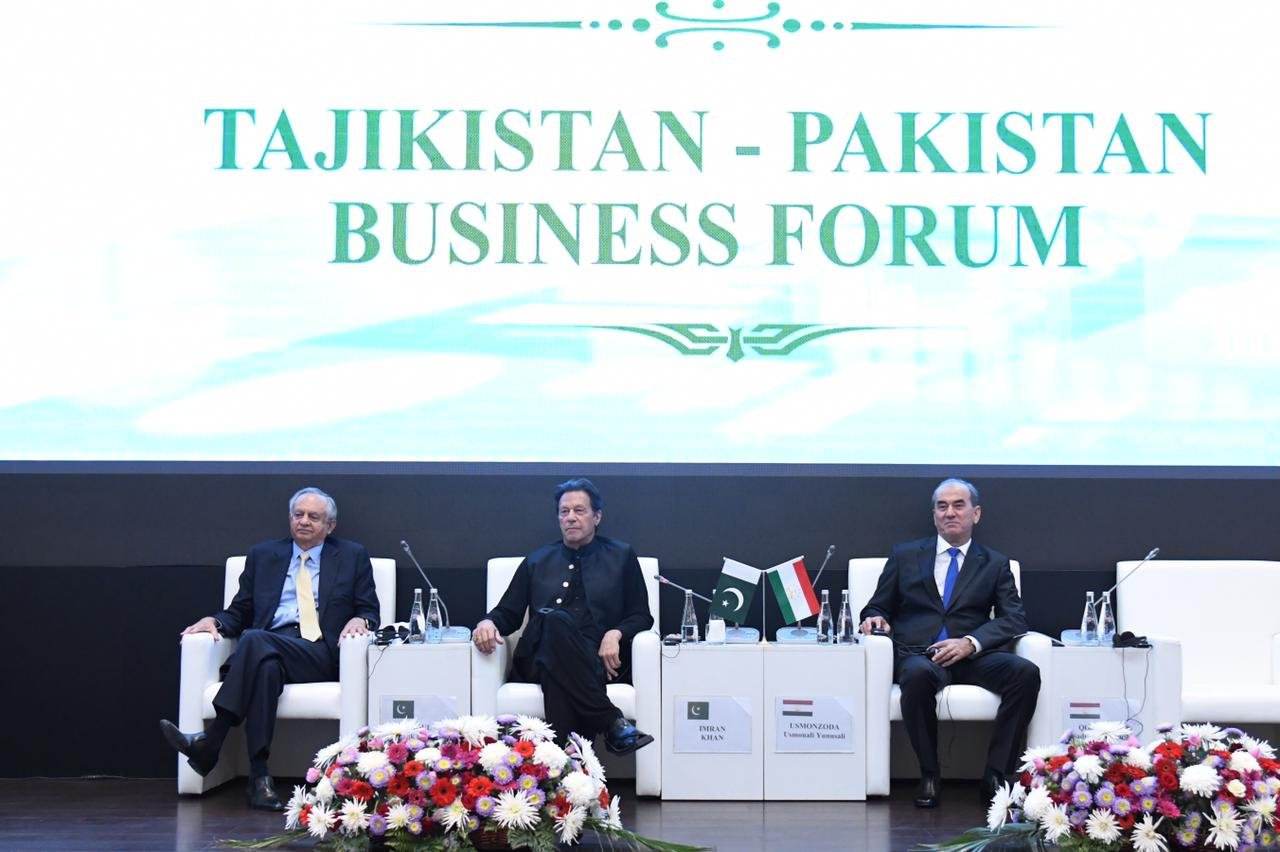
    Prime Minister Imran Khan asked a man to stick to business matters instead of poetry when a man from the audience recited a critical poem targeting the premier after his address to the Pakistan-Tajikistan Business Forum.

    First the state-run TV muted his voice, and then the prime minister stopped him before he could complete his poem. 

    “I have a verse for you, [which goes like] Itne zaalim na bano [don’t be unjust]. Imran Bhai, this is for you,” said the man in the audience.

    “You have become a prisoner now. You used to be great when you were [protesting] on the container. Right now, we aren’t sure what you’ve gotten yourself involved in,” said the man. 

    The man went on to recite part of the verse, “Zaalim na bano, kuch toh murawwat seekho…” before he was cut off. 

    “Speak about matters related to business. We can make time for poetry later as well, Insha’Allah,” said the prime minister. 

    Twitterati reacted to PM Khan not letting the man complete his poem.

    Journalist Absar Alam tweeted, “Fear of criticism did not allow Khan Sahib to listen to the whole poem even though he was probably trying to complain through the poem.”

    Journalist Raza Rumi posted a tongue-in-cheek tweet and asked who was this brash man asking PM such questions.

  • ‘Pakistan open to pardoning banned TTP’: Shah Mahmood Qureshi

    ‘Pakistan open to pardoning banned TTP’: Shah Mahmood Qureshi

    Foreign Minister Shah Mahmood Qureshi in an interview with The Independent has said that the government would be “open to giving” a pardon to members of the banned Tehreek-i-Taliban Pakistan (TTP) if they promise not to get involved in terrorism and follow the Constitution of Pakistan.

    Qureshi said Pakistan was concerned about the reports of TTP figures being released from prisons in the wake of the Taliban takeover of Afghanistan.

    “If those guys come and start creating problems for us over here, it will affect innocent lives and we don’t want that,” he said while referring to the TTP.

    Qureshi added, “If [the TTP] are willing to mend fences and not take the law into their hands and not get involved in terrorist activities and they submit and surrender to the writ of the government and the Constitution of Pakistan, we are even open to giving them a pardon.”

    “But as long as they do not come and start undertaking terrorist activities [in Pakistan]. That is our concern,” the minister stressed.

    The minister’s comments come days after President Arif Alvi while speaking on Dawn News programme, ‘Khabar se Khabar’, said, if anyone wants to leave the ideology of the banned Tehreek-e-Taliban Pakistan (TTP) and work as per the Constitution of Pakistan, the government may consider a general amnesty.

  • Twitter reacts to hike in petroleum prices, Fawad defends

    Twitterati reacted to the hike in petroleum prices in Pakistan, using the hashtag #PTIPetrolBomb, which is currently in the top trends.

    Musician and politician Jawad Ahmad tweeted: ”Petrol price is up by Rs 5/litre.It won’t affect the elite & ruling class whichever party they belong to. Youth of Pakistan! These people have so much money that their next many generations would live comfortably with it. They fight on TV & social media but actually, they’re all one.”

    Former anchorperson Gulmeenay tweeted, “My husband and I run a small food delivery service. We cannot currently afford a rider so he does the deliveries himself. This petrol price increase (and all the previous increases) literally impacts our income and our ability to pay bills and feed ourselves.”

    Apart from this, some people had hilarious responses to the petrol price hike.

    Senior journalist Mansoor Ali Khan quote-tweeted Punjab Police’s tweet about abandoned cars picture and said, “As petrol becomes more expensive, you will find most cars have been abandoned.”

    A parody news page tweeted: “The PM could not sleep all night as petrol was increased by Rs 5 per litre, say sources.”

    Minister for Information and Broadcasting Fawad Chaudhry, while responding to a journalist on Twitter, has defended the hike in petroleum prices by the government.

    “Oil prices in Pakistan are still the lowest in the region. If we had oil wells, things would have been different but we have to buy it from abroad, so the price is bound to go up if it increases in the oil market. This is the case for the rest of the imports. The real achievement is that the income of 75 per cent of the population has also increased significantly,” tweeted Chaudhry.

    The government on Wednesday notified an increase in the price of petrol by Rs 5 per litre and diesel by Rs 5.1 per litre.

  • ‘Trump administration enabled Taliban takeover, not Pak’: US Senator

    ‘Trump administration enabled Taliban takeover, not Pak’: US Senator

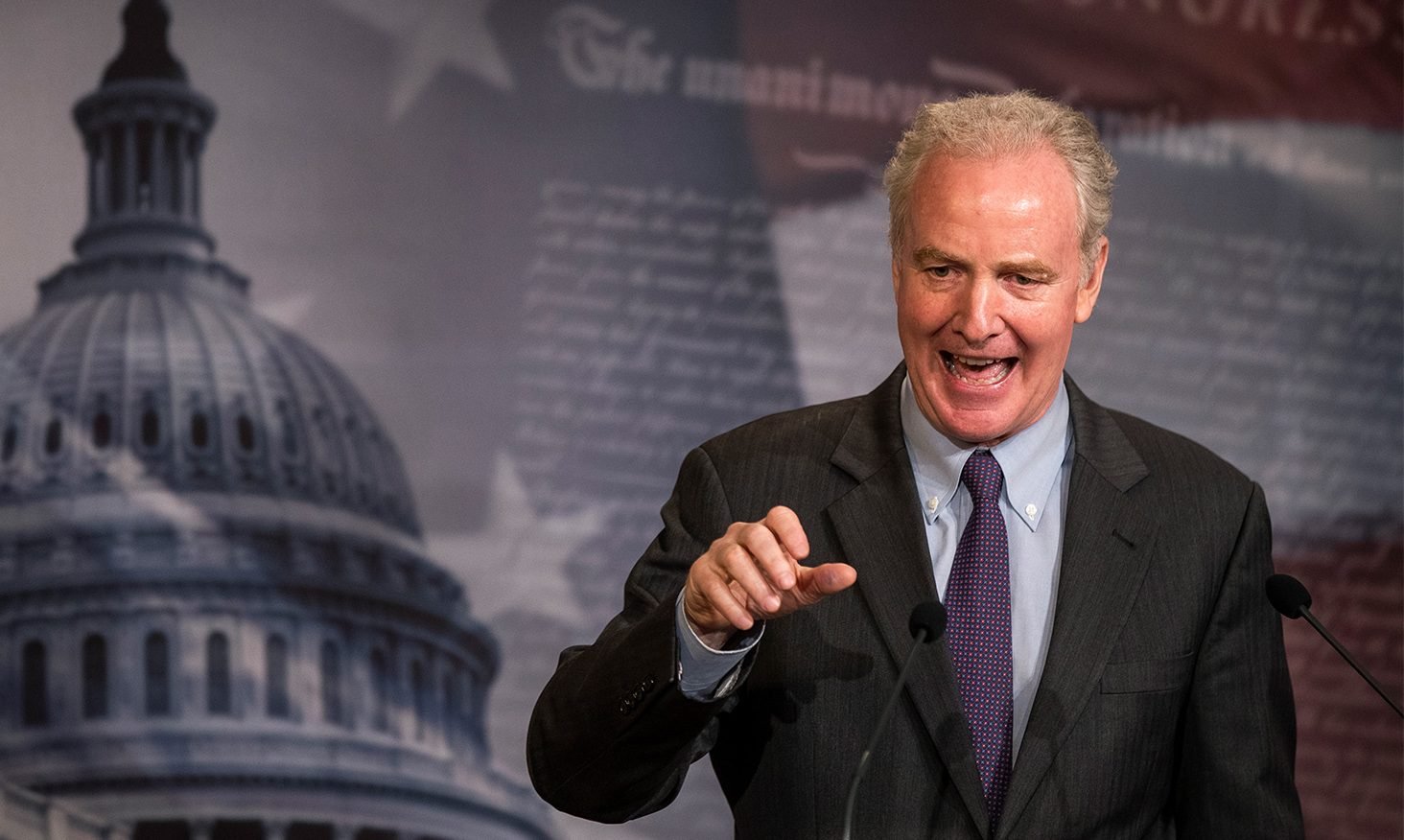
    United States (US) Senator Chris Van Hollen said on Tuesday that former US President Donald Trump’s administration had enabled the Taliban’s takeover of Afghanistan, reports Dawn.

    The senator, a Maryland Democrat, argued at the first Senate hearing on the US withdrawal from Afghan soil that it was in Pakistan’s interest to “prevent chaos and civil war” in its neighbourhood.

    Responding to allegations that President Joe Biden’s administration was responsible for the chaos and the Taliban takeover, Senator Van Hollen engaged in a dialogue with Secretary of State Antony Blinken, who was the main witness.

    “Is it not the fact that the Trump administration asked the Pakistani government to release three top Taliban commanders as part of that process?” he asked.

    “That’s correct,” Blinken responded.

    Van Hollen asked Blinken that the former Afghan government was not included in the Doha talks and was pressurised to release 5,000 Taliban prisoners who were later involved in Kabul’s takeover, to which Blinken responded: “That’s correct.”

    The US senator also raised the agreement reached that said US forces would leave by May and would not be attacked but there was no such restriction on attacking Afghan forces, to which Blinken said he was correct.

    “And so, we pick a date. We say to the Taliban you can attack Afghan forces and then we say, now let’s negotiate the future of Afghanistan. Isn’t the way it was set up when you walked in?” the senator asked. “That’s essentially, yes,” Blinken replied.

    “There is a saying in Afghanistan, partners have watches, we have the time. So, the Trump administration, with this negotiation, set it up perfectly for the Taliban. Greenlight to attack the Afghan forces. No discussions going forward,” Van Hollen said.

    Blinken responded: “I believe that’s accurate.”

    Senator Van Hollen reminded Secretary Blinken that Trump even criticised Biden for not withdrawing the forces by May, as agreed in the US-Taliban agreement.

    He noted that the Biden administration now had both Pakistan and India on the table because the Afghan dispute could not be resolved without involving regional players.

    “I think a number of those countries, at least Pakistan — like India, like the others — have an interest in preventing chaos and civil war in Afghanistan,” he added.

    Then returning to Pakistan, he said: “Obviously, we asked them to release prisoners that they had locked up, Taliban prisoners. So, obviously, we have to keep an eye on the ISI (Inter-Services Intelligence), [I] get that, but let’s all work together to achieve the goal of a stable Afghanistan that protects the rights of its people.”

    On the other hand, National Security Adviser (NSA) Moeed Yusuf on Wednesday said that the US should listen to Pakistan’s message as it reassesses its relationship with the country.

    “If there has to be a reassessment, the reassessment has to conclude that what Pakistan was saying made sense. So now what Pakistan is saying we should give a fair hearing to,” he said.

    On Monday, Antony Blinken said the US would be looking at its relationship with Pakistan in the coming weeks to formulate what role Washington would want it to play in the future of Afghanistan.
  • Senior Afghan Taliban leader named among Time’s 100 most influential people of 2021

    Senior Afghan Taliban leader named among Time’s 100 most influential people of 2021

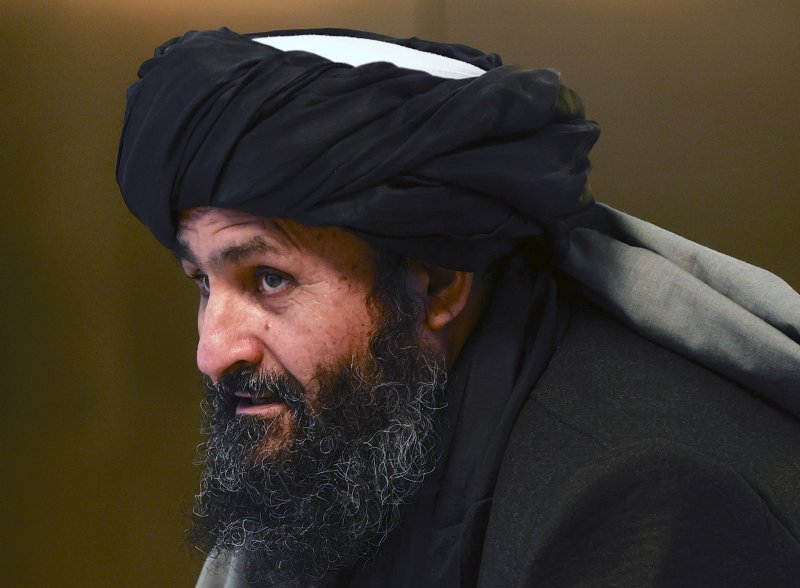
    Taliban co-founder and now Deputy Prime Minister of Afghanistan, Abdul Ghani Baradar, has been named among the “100 Most Influential People” of 2021 by Time magazine, reports Dawn.

    Veteran journalist Ahmed Rashid wrote Baradar’s profile for Time’s list.

    Rashid mentions Baradar as having “a charismatic military leader and a deeply pious figure”, who “is revered” among the Afghan Taliban as a founding member of the movement in 1994.

    “A quiet, secretive man who rarely gives public statements or interviews, Baradar nonetheless represents a more moderate current within the Taliban, the one that will be thrust into the limelight to win Western support and desperately needed financial aid. The question is whether the man who coaxed the Americans out of Afghanistan can sway his own movement,” the profile said.

    “When the Taliban swept to victory in August in Afghanistan, it was on the terms Baradar negotiated. He was said to be making all the major decisions, including the amnesty offered to members of the former regime, the lack of bloodshed when the Taliban entered Kabul and the regime’s contacts and visits with neighboring states, especially China and Pakistan,” read the profile.

    “Now he stands as the fulcrum for the future of Afghanistan. In the interim Taliban government, he was made a Deputy Prime Minister, the top role given to another leader more acceptable to the younger, more hard-line generation of Taliban commanders.”

    Baradar appears to be the first Taliban leader to make it to the list.

    In 2004, Al Qaeda founder Osama bin Laden was included in the list, with the magazine noting that he “galvanised disparate organisations in dozens of countries into one network, sharing a vision, logistics, and Afghan training camps”.

    “The malcontented son of a wealthy Saudi construction magnate, bin Laden found meaning in the Afghan war,” wrote Richard Clarke, the former head of counterterrorism for America’s National Security Council.