Category: Tech

The Current’s tech news keeps you upto date with news of new gadgets, tech updates, information about tech startups and technology reviews.

  • Massive data breach: 2.2 million Pakistani citizens’ personal information for sale online

    Massive data breach: 2.2 million Pakistani citizens’ personal information for sale online

    According to a report from Geo News, the personal data of 2.2 million Pakistani citizens has been compromised and put up for sale online. This breach occurred when hackers gained unauthorised access to a private company-made database that is utilised by hundreds of restaurants. 

    The hackers have even gone so far as to display some citizens’ data as samples in their online sale advertisement. In their claim, the hackers asserted, “We have hacked the databases of over 250 restaurants,” and they listed numerous food outlets. 

    The compromised citizen data includes contact numbers and credit card details. The affected software is widely used by many restaurants across the country. Furthermore, details such as the number of transactions and the amounts paid by citizens are available for purchase online. 

    The hackers are demanding 2 Bitcoins in exchange for the compromised citizen data, which equates to approximately $54,000, considering that one Bitcoin is valued at $27,000 based on market sources. In Pakistani rupees, this amounts to over Rs15 million. 

    As of now, the Federal Investigation Agency’s (FBR) cybercrime circle has not received any complaints regarding this incident. 

    It is worth noting that the federal government recently issued a directive advising all information technology (IT) and financial institutions, including regulators, to avoid collaborating with, installing, or using Indian-origin artificial intelligence (AI) and information and communication technology (ICT) products.  

    This advisory was issued due to concerns that these products could pose a constant, concealed, and force multiplier threat to Pakistan’s critical information infrastructure (CII). 

    The government shared this cybersecurity advisory with federal and provincial ministries and sectoral regulators. The advisory highlighted that globally, AI products and services are widely employed by various industries, including the financial and banking sectors, to accelerate their growth. 

    The document also noted that the fintech sector in Pakistan, along with some banks, was engaged with Indian-origin companies that offered IT products, cybersecurity solutions, and AI solutions.  

    The use of Indian security products and solutions was considered a potential threat to Pakistan’s CII, particularly the banking sector, due to the possibility of backdoors or malware collecting logs, data traffic analysis, and personal identifiable information (PII).  

    Additionally, it pointed out the risk of direct Indian ingress into Pakistan’s CII through technical means and access control with passive monitoring capability. 

  • Six easy tips to keep your laptop cool and prevent overheating  

    Six easy tips to keep your laptop cool and prevent overheating  

    Overheating in laptops is pretty common, and many laptop owners have experienced it. Sometimes aging laptops may be overheating due to internal hardware problems that most people may not be able to fix.

    However, the most common type of overheating is caused by lack of adequate airflow within the machine. Overheating can cause your laptop to slow down, crash, or even suffer permanent damage. 

    If you want to keep your laptop running cool and healthy, there are a few things you can do: 

    1. Use your laptop on a flat surface. This will help to ensure that the air vents on the bottom of your laptop are not blocked. 
    1. Elevate your laptop. If you’re using your laptop on a soft surface, such as a bed or your lap, the air vents may be getting blocked. To improve airflow, try placing your laptop on a book or a lap desk. 
    1. Invest in a laptop cooling pad. Laptop cooling pads use fans to help draw heat away from your laptop. If you use your laptop for demanding tasks, such as gaming or video editing, a laptop cooling pad can be a great way to prevent overheating. 
    1. Clean your laptop’s vents regularly. Over time, dust and debris can build up in your laptop’s vents, blocking airflow. To clean your laptop’s vents, you can use a can of compressed air or a vacuum cleaner with a soft brush attachment. 
    1. Monitor your laptop’s temperature. There are a number of different programs that you can use to monitor your laptop’s temperature. If you notice that your laptop is getting too hot, you can take steps to cool it down, such as closing unnecessary programs or taking a break from using your laptop. 
    1. Keep your laptop’s software up to date. Software updates often include performance improvements and bug fixes that can help to reduce overheating. 

    If you’ve tried all of the above tips and your laptop is still overheating, there may be a problem with the hardware. In this case, you may need to take your laptop to a qualified technician to have it repaired. 

    Here are some additional tips to help you prevent your laptop from overheating: 

    • Avoid using your laptop in hot environments
    • Close any programs that you’re not using
    • Reduce the brightness of your laptop’s screen
    • Put your laptop on sleep mode when you’re not using it
    • Don’t overclock your laptop

    By following these tips, you can help to keep your laptop running cool and healthy for many years to come. 

    Why is it important to prevent laptop overheating? 

    Overheating can cause a number of problems for your laptop, including: 

    • Reduced performance: When your laptop overheats, it will throttle its performance in order to protect itself from damage. This can lead to slower performance and lag. 
    • Crashes: If your laptop overheats too much, it may crash or even shut down completely. 
    • Permanent damage: Over time, overheating can damage your laptop’s internal components. This can lead to costly repairs or even replacement. 

    By taking steps to prevent overheating, you can help to keep your laptop running smoothly and efficiently for longer. 

  • Govt issues warning to be cautious with Indian tech products 

    Govt issues warning to be cautious with Indian tech products 

    The government has warned information technology (IT) and financial institutions, including regulators, to avoid using artificial intelligence (AI) and information and communication technology (ICT) products from India. They say these products could pose a serious threat to Pakistan’s critical information systems. 

    According to Geo News, this warning came through a cybersecurity advisory shared with federal and provincial ministries and regulators. The advisory noted that AI and ICT products from India are used worldwide, especially in the financial industry, to help businesses grow. 

    However, it pointed out that some Pakistani fintech companies and banks are working with Indian firms that offer IT, cybersecurity, and AI solutions. The government is concerned for two main reasons: 

    Indian products could have hidden “backdoors” or malicious software that collects data, including personal information. 

    There might be direct access to Pakistan’s critical systems by Indian entities, allowing them to monitor and control these systems. 

    Read more:

    The government has asked all ministries and regulators to make sure their affiliated organisations and licensees understand the risks of using Indian products. Instead, they suggest consulting with the Pakistan Software House Association (P@SHA) to find affordable alternatives from local tech companies. 

    Two years ago, a US company called Exodus Intelligence claimed that India used its software vulnerabilities to spy on Pakistan and China. 

  • X considers monthly fee for all users as a countermeasure against fake accounts 

    X considers monthly fee for all users as a countermeasure against fake accounts 

    Renowned technology billionaire Elon Musk hinted on Tuesday that users of the social media platform X, formerly known as Twitter, may face a monthly fee. Musk stated, “We’re moving to having a small monthly payment for use of the system,” during a conversation with Israeli Prime Minister Benjamin Netanyahu. 

    Musk’s proposal is driven by the need to combat the issue of bots and fake accounts on social media, with the idea of charging for verification. However, it remains unclear whether this was a spontaneous comment or a signal of more concrete plans. 

    The new owner of the social media giant X, who assumed control last year, is encouraging users to subscribe to X Premium, which offers paid subscribers additional features like longer posts and increased visibility. Currently, users can still access X for free. 

    While Musk insists that the primary objective is to combat bots, it is apparent that there is a financial interest for the company in charging users, according to the BBC. Musk explained, “A bot costs a fraction of a penny to make. But if somebody even has to pay a few dollars or something, some minor amount, the effective cost to bots is very high.” 

    Read more: iOS 17 update is here: Try these fun features today

    The world’s richest person is also exploring options for lower pricing tiers for X Premium, which currently costs $8 (£6.50) per month in the US, with variations depending on the subscriber’s location. He stated, “We’re actually going to come up with lower-tier pricing. So we just want it to be a small amount of money.” 

    Musk emphasised, “This is a longer discussion, but in my view, this is actually the only defence against vast armies of bots.” 

    However, there is a concern that placing X behind a paywall could result in a significant loss of users, potentially affecting the company’s primary source of income, advertising revenue. 

  • WhatsApp to introduce animated avatars for video calls soon

    WhatsApp to introduce animated avatars for video calls soon

    Meta’s messaging application, WhatsApp, is reportedly gearing up to introduce animated avatars for video calls. This anticipated feature, reminiscent of Apple’s Memoji, has been in development since the previous year.

    According to WABetaInfo, an independent source for real-time WhatsApp updates, the Messenger app has now unveiled the capability to use animated avatars during video calls in its latest Android beta version 2.23.19.14.

    WhatsApp is actively informing its users about this innovation through a pop-up notification. This notification provides the option to “utilise your avatar during calls,” offering the choice to either “switch to avatar” or defer the decision with a “not now” button.

    To employ this new video call avatar feature, users must select the “Switch to avatar” option. This function will replicate their facial movements and expressions in real-time through the use of an avatar character. Importantly, users retain the flexibility to disable this feature at any time through the settings, allowing them to reveal their true selves. Crucially, the introduction of the avatar feature will not compromise WhatsApp’s end-to-end encryption, ensuring the preservation of user safety and privacy.

    It’s worth noting that some data usage will be necessary to enhance the Avatar experience on the app. Additionally, WhatsApp is actively developing avatars for status updates, although there is no official information regarding their release at this time.

  • iOS 17 update is here: Try these fun features today 

    iOS 17 update is here: Try these fun features today 

    In June, Apple unveiled its latest iOS update, iOS 17, packed with a multitude of enhancements and changes for the iPhone. Following an extensive three-month beta testing period, this highly anticipated software update is set to hit iPhones, specifically those iPhone XS or newer, on Monday, 18th September. 

    Here, we present an overview of the ten standout features that iOS 17 brings to the iPhone, along with a glimpse of additional forthcoming features. To get your hands on this update, keep an eye out for its release on Monday, accessible via your iPhone’s Settings app under General > Software Update. 

    1. StandBy: Glanceable charging screen 

    Apple introduces StandBy, a new full-screen view tailored for iPhones during charging, especially when placed on a nightstand, kitchen counter, or desk. It features customizable elements like clock styles, calendars, photos, weather forecasts, music controls, widgets, and more. This feature supports Live Activities, Siri, incoming calls, and larger notifications, and is compatible with the iPhone 14 Pro’s always-on display. 

    2. Personalised contact poster 

    iOS 17 empowers users to craft a personalised Contact Poster, visible when they receive an incoming call on someone else’s iPhone. This poster can showcase photos or Memojis, and users can personalise the font and background colours. The feature is accessible in the built-in Phone app and will extend to third-party calling apps. 

    3. NameDrop: Seamless contact sharing 

    NameDrop simplifies contact sharing by allowing users to exchange phone numbers or email addresses by merely bringing their iPhones close together. Additionally, Contact Posters can be shared during this process. 

    4. Live voicemail with real-time transcription 

    Live Voicemail offers real-time transcription on the screen as callers leave voicemails. Users can choose to answer calls while the message is being recorded. Notably, spam calls identified by carriers are instantly declined and not transcribed. 

    5. Inline replies in Messages app 

    In the Messages app, iOS 17 enables users to swipe right on any message for an inline reply, streamlining the conversation experience. 

    6. Interactive widgets for enhanced functionality 

    Interactive widgets are now available across the Home Screen, Lock Screen, and the new StandBy view. These widgets allow actions like marking reminders as completed, controlling media playback, and managing Home app accessories. As third-party apps adopt this feature, the possibilities will expand. 

    7. Advanced language model for word prediction 

    iOS 17 introduces a cutting-edge language model for word prediction, significantly improving autocorrection on iPhones. Users receive inline text recommendations as they type, facilitating quick word or sentence additions by tapping the space bar. 

    8. Enhanced Autocorrection design 

    Autocorrection in iOS 17 briefly underlines corrected words, simplifying the process of reverting changes. The system adapts to users’ typing habits over time, preventing some corrections for a smoother typing experience. 

    9. Offline maps in Apple Maps 

    Apple Maps now matches Google Maps with the ability to download maps for offline use. This feature permits turn-by-turn navigation, estimated arrival times, and finding locations without needing a cellular or Wi-Fi connection. 

    10. Stickers drawer for easy access 

    A new stickers drawer in iOS 17 provides convenient access to all stickers, including Live Stickers, emojis, Memojis, and iMessage sticker packs. Live Stickers can be created by touching and holding objects in photos. 

    11. Effortless Siri activation 

    Apple has simplified Siri activation across various Apple devices, including iPhones, iPads, Macs, HomePods, and AirPods Pro. Now, instead of saying “Hey Siri,” users can simply say “Siri” to activate the voice assistant and issue multiple consecutive commands without repeating “Siri.” 

    With these exciting features, iOS 17 promises an enhanced and efficient iPhone experience, addressing user needs and preferences. 

  • Cracked iPhone 15 Pro’s glass? Here’s how much you’ll pay for repairs 

    Cracked iPhone 15 Pro’s glass? Here’s how much you’ll pay for repairs 

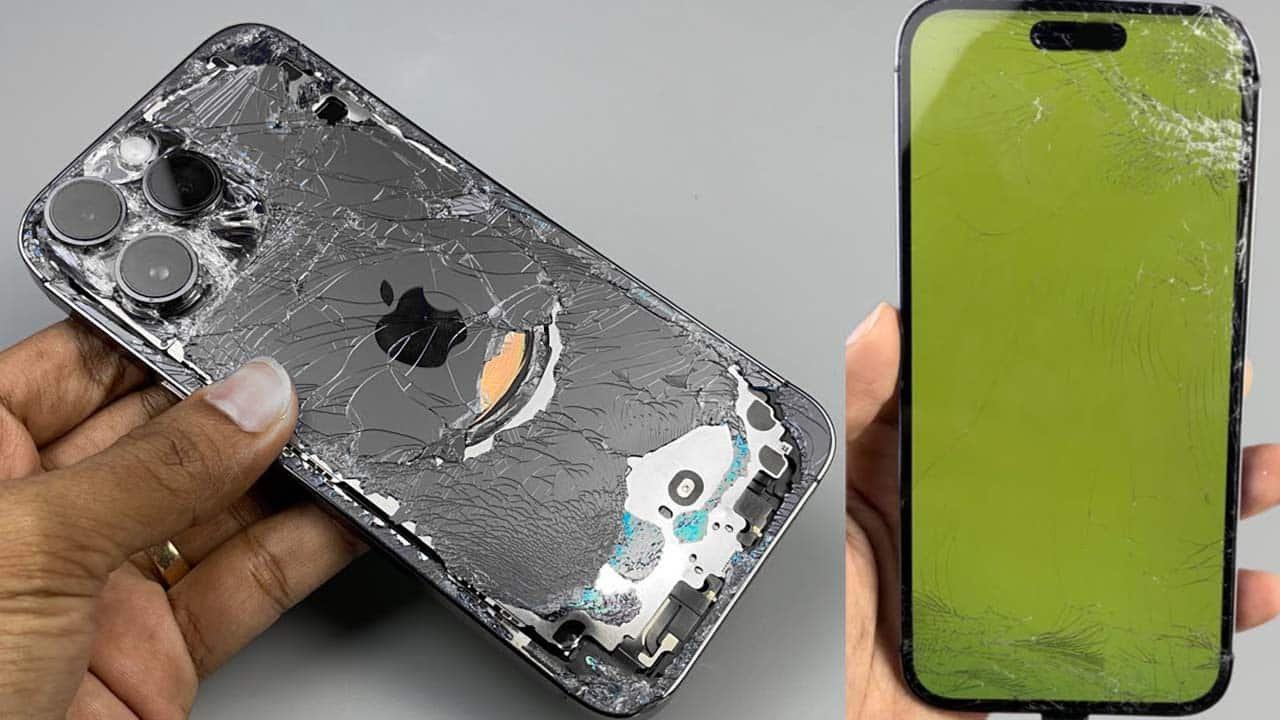
    The Apple iPhone 15 Pro and iPhone 15 Pro Max now boast a more repair-friendly internal design, featuring a redesigned frame that facilitates easy removal of the back glass panel from the devices. This modification initially debuted with the iPhone 14 and iPhone 14 Plus last year and has now been extended to this year’s Pro models. 

    At that time, reports indicated that the ability to remove the back glass would likely lead to significantly reduced repair costs for iPhone 15 Pro models with cracked back glass, particularly for customers without AppleCare+ coverage. This information has now been confirmed. 

    As reported by Ian Zelbo, Apple has updated its US website with the repair fees for iPhone 15 models, revealing that it will charge $169 (PKR 51,000) to $199 (PKR 59,000) to repair an iPhone 15 Pro or iPhone 15 Pro Max with back glass damage. In comparison, these fees were set at $499 or $549 for the iPhone 14 Pro or iPhone 14 Pro Max. 

    Read more: Top 10 high-paying online jobs for introverts with anxiety

    These lower fees have also been confirmed by 9to5Mac. Customers who have AppleCare+ coverage for their iPhone can have their back glass damaged for just $29 (PKR 8,600). 

    In the US, Apple’s battery replacement fee remains unchanged at $99 for all four iPhone 15 models, consistent with the pricing for the iPhone 14 series. For additional iPhone 15 repair fees, such as for the rear camera or other types of damage, you can visit Apple’s website. 

  • Increase in organised retail robberies feared as iPhone 15 hits shelves

    Increase in organised retail robberies feared as iPhone 15 hits shelves

    As the highly anticipated release of Apple’s iPhone 15 approaches, mobile phone retailers are bracing themselves for a potential surge in organised robberies.

    Thefts involving groups of individuals targeting telecom stores, a phenomenon sometimes referred to as “steaming,” have become a growing concern in recent years. Shockingly, there were over 300 reported incidents of such robberies in telecom stores last year alone, with half of them occurring in the last three months of 2022, directly following an iPhone launch.

    Data published by the Crime Communications Strategy Group (CCSG) highlights this alarming trend. In response, Three UK is taking proactive steps to combat the rise in robberies by implementing watermarking technology in partnership with Selecta DNA and the National Business Crime Centre. This innovative approach involves placing unique codes on high-value products, enabling law enforcement to track stolen items more effectively.

    Mark Ward, Chair of CCSG, emphasises their commitment to this crime-fighting initiative, stating, “It’s a deterrent. We are going to have signs in our stores, and we are hoping that will deter people from taking them in the first place.”

    Read more: Here’s why you should think twice before buying the Apple iPhone 15

    Apple’s iPhone 15 is scheduled to hit the shelves on Friday, September 22, with the most expensive version carrying a hefty price tag of £1,199. The high value and desirability of these devices make them prime targets for thieves.

    Joel Thompson, store manager for Three UK’s flagship store in London’s Oxford Circus, shares a chilling experience: “The worst experience I had was when about four people came into the store, and you could see them really aggressively taking the phones.” He adds that this incident occurred while customers were browsing and that the thieves even threatened staff to step back and not intervene. Thompson also notes a concerning shift in the behaviour of these criminals, stating that they have become “more aggressive” over the years.

    Thompson raises a poignant question, wondering if the increase in these crimes could be connected to the broader cost of living crisis affecting many communities.

    According to Sky News, Paul Fagg, a police inspector with the National Business Crime Centre, sheds light on the impact of such incidents on victims and staff: “You have got a group of sometimes grown adults running into a store, threatening and intimidating [people]. We know firsthand the effect that has on the victim and the staff in that store. So we are very much trying to change the message and the mentality around the idea that business crime is   victimless crime.”

    Read more: Top 10 high-paying online jobs for introverts with anxiety

    While Three UK staff have been advised to step back during steaming incidents, smaller, independent phone shop owners are grappling with significant losses they cannot afford. Muhammad Fahad, the proprietor of Fone City Shop in St. Albans, experienced this firsthand when armed men entered his store earlier this year. He tried to resist but ultimately had to yield. “Basically, they took everything.”More than £10,000 worth of products,” Fahad recounts. He is still coping with the emotional and financial fallout, calling for increased police support to protect small businesses like his.

    As the launch of the iPhone 15 looms, retailers and law enforcement agencies are working together to deter and combat organised robberies. The watermarking technology, coupled with increased vigilance, aims to make these high-value products less appealing to thieves. However, it remains a challenging battle for businesses, especially smaller ones, to protect themselves from the growing threat of steaming incidents.

  • Here’s why you should think twice before buying the Apple iPhone 15

    Here’s why you should think twice before buying the Apple iPhone 15

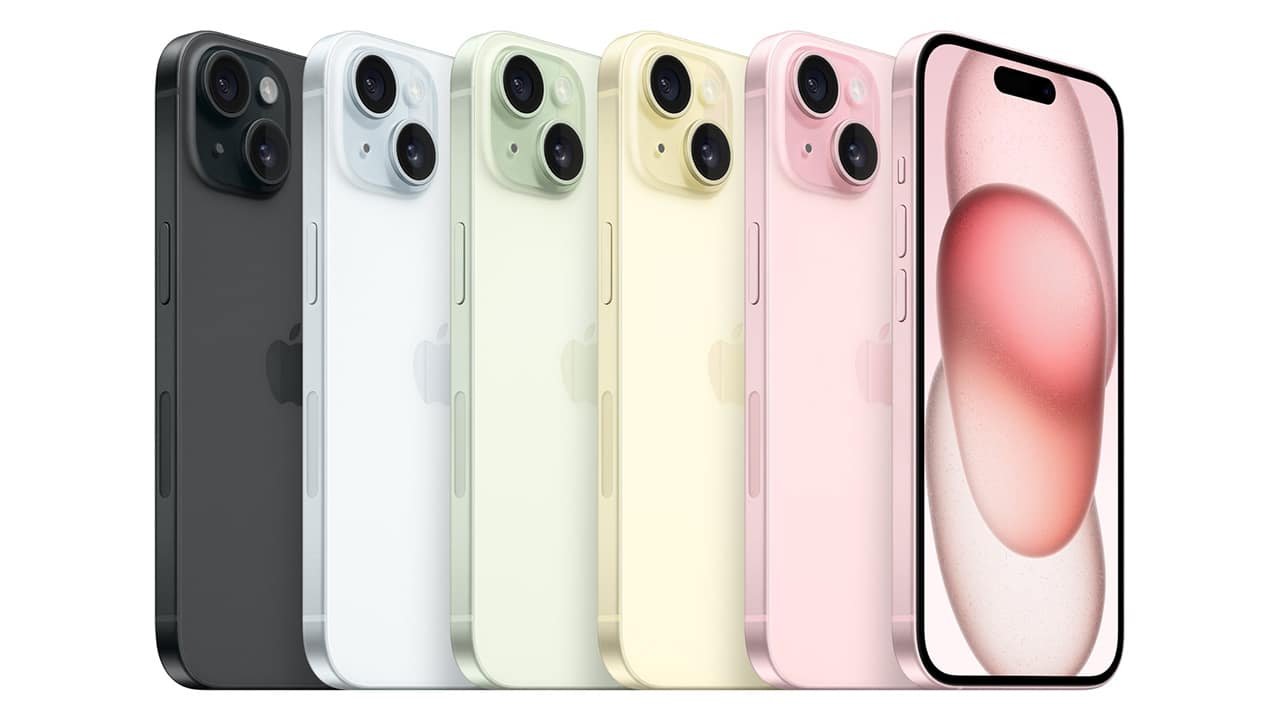
    In 2023, Apple’s iPhone 15 lineup presents consumers with a challenging decision. Despite Apple’s claims of the iPhone 15 being a “significant leap,” the improvements over the iPhone 14 are subtle, and the iPhone 14 itself closely resembled the iPhone 13. 

    With a $200 (PKR 59,300), price difference between the iPhone 15 and the iPhone 15 Pro, recommending the base iPhone 15 becomes a tough call. Here’s why:

    Display difference

    The iPhone 15 features a slightly updated display with a dynamic island cutout and improved brightness. However, the core display remains unchanged—it’s a 6.1-inch Super Retina XDR OLED screen with the same resolution and a standard 60 Hz refresh rate. 

    This becomes a noteworthy drawback when compared to the 15 Pro’s impressive 120Hz LTPO OLED display, which also retains the exclusive Always-On Display (AOD) feature. Additionally, the 15 Pro sports slimmer bezels, enhancing its overall sleekness compared to the vanilla 15.

    Performance gap

    Under the hood, the iPhone 15 is powered by the A16 chipset, which is an evolutionary update over the A15 found in the previous two generations. It includes a 6-core CPU (2 performance and 4 efficiency cores), a 5-core GPU, and a 16-core neural engine. While it’s manufactured using a more advanced 4nm process compared to the older 5nm A15 in the iPhone 14, real-world performance gains, as seen in last year’s iPhone 14 Pro, are subtle at best.

    On the flip side, the 15 Pro introduces the groundbreaking 3nm Apple A17 Pro chip, a first in the market. It promises a 10% boost in CPU performance and a 20% improvement in GPU capabilities. Apple also aims to enhance gaming on the 15 Pro series with titles like Resident Evil Village and Assassin’s Creed Mirage, benefiting from hardware-accelerated Ray Tracing.

    RAM matters

    Notably, there’s a 2GB RAM difference between the base iPhone 15 and the Pro models. The iPhone 15 is equipped with 6GB of RAM, while the 15 Pro boasts 8GB. This discrepancy should result in better long-term support and multitasking capabilities for the Pro models.

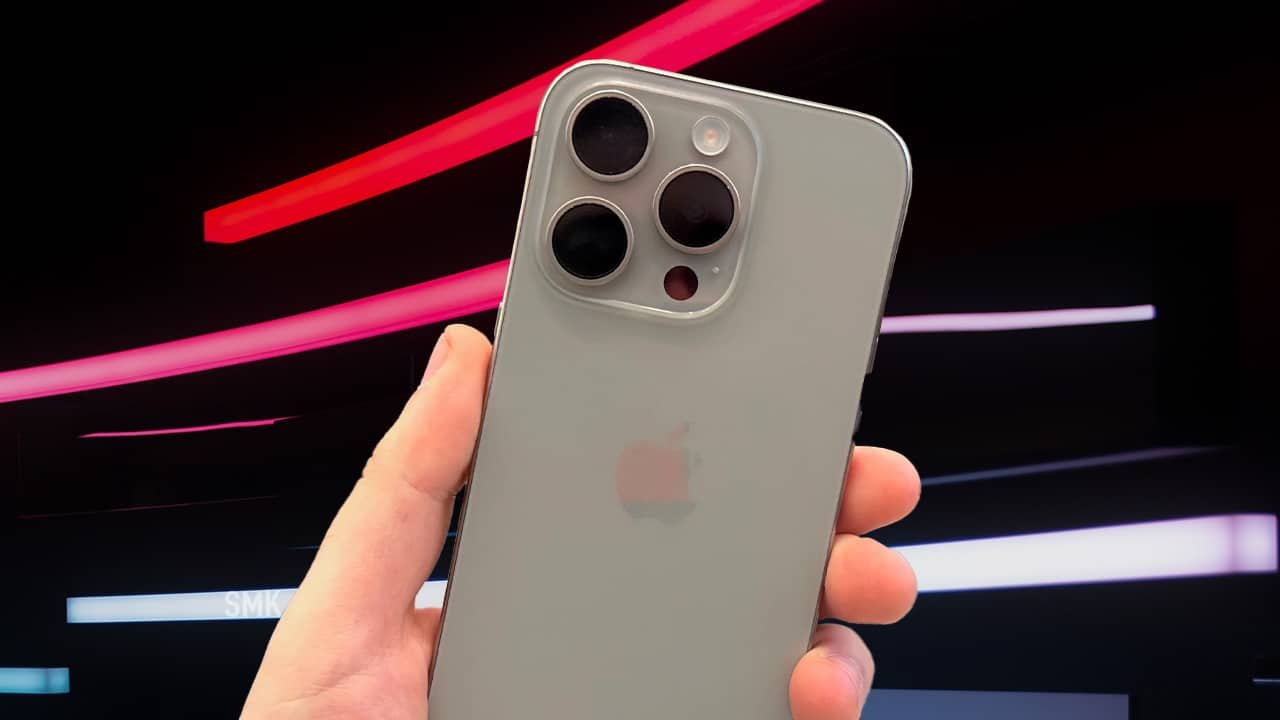
    While the iPhone 15 enjoys a 48MP main camera sensor upgrade, the best camera features are reserved for the Pro models. The 15 Pro features a larger 48MP main sensor with advanced features like pre-binned pixels, a wider aperture, and superior stabilization. It also exclusively supports ProRAW image capture, maximising the sensor’s potential with Apple’s computational photography enhancements.

    Furthermore, the 15 Pro includes a telephoto module with 3x optical zoom, a feature missing from the vanilla iPhone 15. The Pro also offers versatile digital zoom modes for portrait shots, with the option to choose a default focal length. Selfies on the 15 Pro benefit from OIS on the 12 MP front-facing camera.

    Advanced capabilities

    The new A17 chip equips the 15 Pro models to capture impressive 4K 60fps video in ProRes RAW, along with support for the ACES colour profile and 3D spatial videos, enhancing compatibility with the Vision Pro headset.

    USB-C speed disparity

    Both models embrace USB-C, but the base iPhone 15 disappointingly retains USB 2.0 speeds, offering a maximum transfer rate of 480 Mbit/s. In contrast, the 15 Pro features a USB Type-C 3.0 connector, delivering speeds of up to 10 Gbps, more than 20 times faster. 

    This becomes particularly significant for transferring large video files and shooting 4K 60 fps ProRes videos directly onto an external SSD, a valuable addition for videographers. However, it’s worth noting that Apple supplies USB 2.0 Type-C cables with all new iPhone 15 models.

    If price plays a pivotal role in your decision, you can still opt for the iPhone 13, available from Apple at a reduced starting price of $599.

  • Indian-made iPhone 15 units expected to reach Pakistan soon

    Indian-made iPhone 15 units expected to reach Pakistan soon

    Apple is expected to release iPhone 15 units manufactured in India for sale in India and other countries. This means that we might also see these made in India iPhones in Pakistan, as Pakistani mobile sellers import iPhones from various countries like China, Japan, Hong Kong, and the US. While these Indian-made iPhones may not arrive in Pakistan directly from India, they are likely to become available as they enter international markets.

    Unfortunately, there are no official Apple stores in Pakistan, and there are limited authorised Apple product sellers. It remains uncertain how many iPhones made in India will be available in Pakistan in the future, but as Indian iPhone production increases, we can expect to see more of them.

    Although the majority of iPhone 15 units will still come from China, Apple’s efforts to scale production in India are making progress, reducing its reliance on Chinese manufacturing. Apple began assembling previous iPhone generations in India in 2017 and has been producing flagship iPhones there since 2020. The company aims to increase its production in India from 7 per cent to 25 per cent by 2025. However, there may still be some delays due to logistical challenges.

    Closing the production gap between China and India is crucial for Apple, as it provides a reliable manufacturing alternative and helps the company comply with India’s Make in India law to avoid steep tariffs. This move also aligns with Apple’s strategy to navigate geopolitical issues and local labour disputes.

    Given recent Chinese nationalism, which encourages the use of domestic brands like Huawei, this shift in production location is timely. Despite their high cost and the requirement for PTA approval in Pakistan, Apple iPhones remain popular among those who can afford them.