Category: Tech

The Current’s tech news keeps you upto date with news of new gadgets, tech updates, information about tech startups and technology reviews.

  • PS5 goes portable: Sony introduces PlayStation Portal for on-the-go gaming

    PS5 goes portable: Sony introduces PlayStation Portal for on-the-go gaming

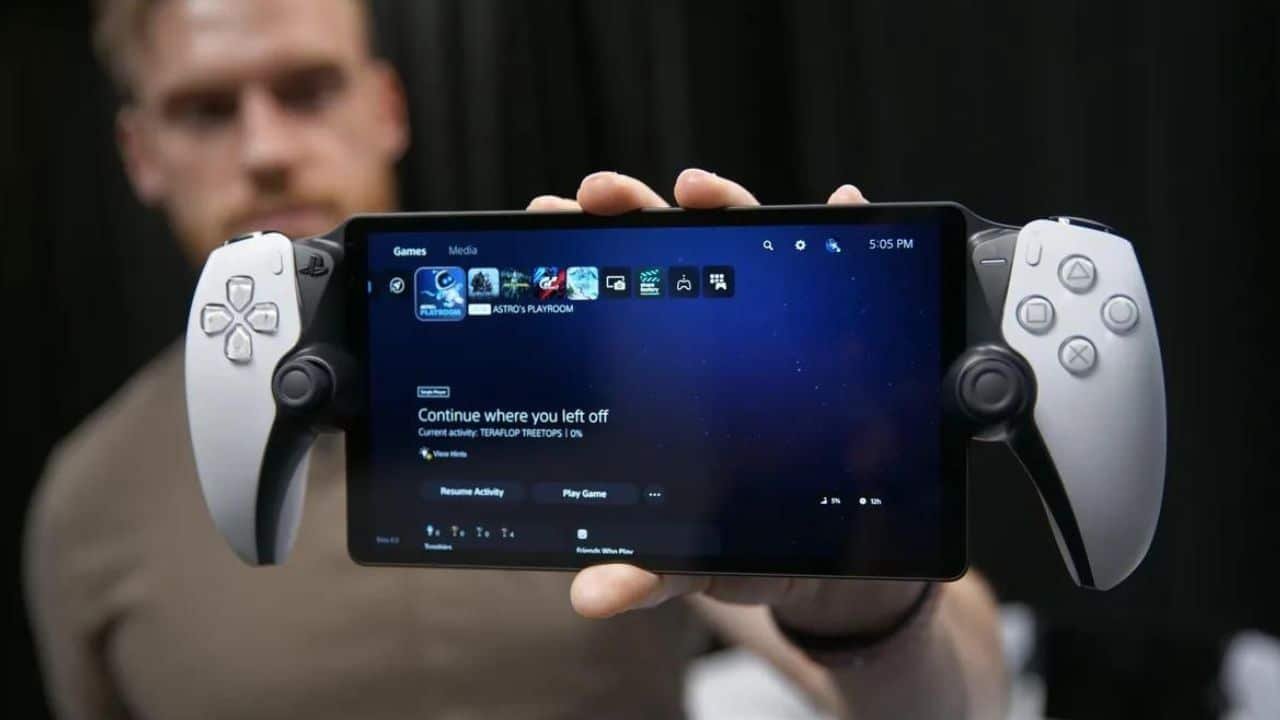
    Sony is set to introduce a new addition to its gaming lineup later this year with the official launch of the portable PlayStation device, the PlayStation Portal remote player.

    This handheld gadget is designed to enable seamless streaming of PS5 games over Wi-Fi, boasting an impressive eight-inch LCD screen that supports a crystal-clear 1080p resolution at a smooth 60 frames per second. For eager gamers, the PlayStation Portal is anticipated to hit the market later this year, accompanied by a price tag of $199.99.

    Hideaki Nishino, the senior vice president of platform experience at Sony Interactive Entertainment, elaborated on the innovative features of the PlayStation Portal. He emphasised that the device will facilitate a remote connection to the PS5 through Wi-Fi, granting players the convenience of swiftly transitioning between gaming on their PS5 and the PlayStation Portal.

    With compatibility to play supported games installed on the PS5 console and the utilisation of the DualSense controller, the PlayStation Portal promises an immersive gaming experience beyond traditional boundaries.

    Drawing design inspiration from Sony’s acclaimed PS5 DualSense controllers, the PlayStation Portal showcases prominent controllers on both sides. These controllers boast adaptive triggers and haptic feedback, ensuring that the gameplay experience mirrors the sensation of using a dedicated DualSense controller.

    Beyond gaming, the PlayStation Portal extends its capabilities to media playback, offering a dedicated section on the homescreen that mirrors content from the PS5. However, it’s important to note that local execution of applications is not supported, making a Wi-Fi connection a prerequisite for usage.

    Regrettably, the PlayStation Portal lacks Bluetooth functionality, which means that wireless headphones and Sony’s Pulse 3D headset cannot be paired with it. Instead, Sony has introduced the proprietary PlayStation Link wireless technology, designed to provide low-latency, lossless audio transmission. In response to this, Sony is also launching a range of wireless headsets and earbuds that are compatible with PlayStation Link technology.

    Although these can be used with a PS5 through a USB adapter, there are indications that future PS5 models, potentially including a rumoured “Slim” version, could seamlessly integrate the PlayStation Link standard. Notably, third-party manufacturers will also have the opportunity to incorporate the PlayStation Link standard into their products. As a nod to versatility, the PlayStation Portal features a 3.5mm headphone jack to accommodate wired audio preferences.

    Intriguingly, details regarding the battery size of the PlayStation Portal remain unconfirmed. This leaves us eagerly anticipating the announcement of its battery life, which is projected to be in the ballpark of the DualSense controller’s runtime—approximately seven to nine hours, according to sources.

    The PlayStation Portal, previously codenamed Project Q, was unveiled under its official name in May. Although a specific release date remains undisclosed, the device is rumoured to make its market debut in November. As the anticipation builds, the PlayStation community can look forward to the upcoming launch of the PlayStation Portal, available at a competitive price of $199.99.
  • Intel set to unveil 14th-Gen Core ‘Raptor Lake Refresh’ CPUs: What’s new?

    Intel set to unveil 14th-Gen Core ‘Raptor Lake Refresh’ CPUs: What’s new?

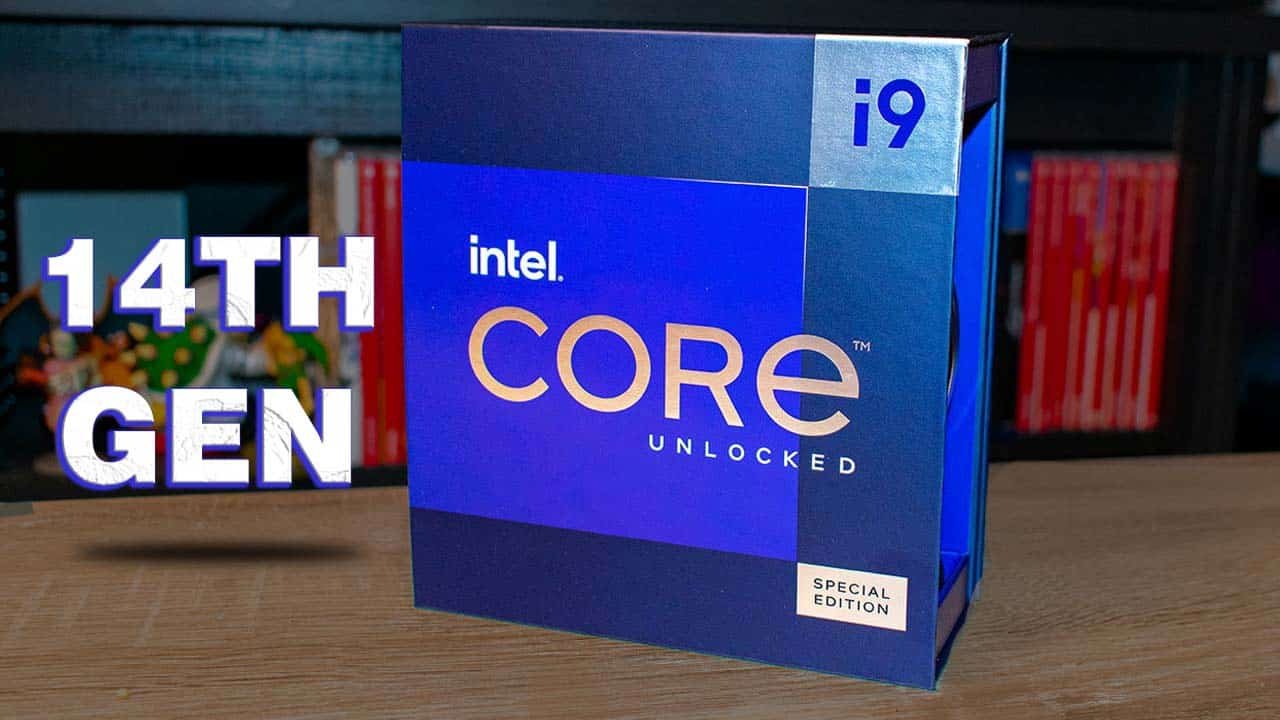
    Intel is gearing up for a significant announcement this year regarding its 14th-generation Core processors, the ‘Raptor Lake Refresh’ series. This follows the footsteps of last year’s Raptor Lake lineup. Over the past few months, several leaks have illuminated key details about these upcoming processors.

    The most recent information comes directly from MSI, a prominent Taiwanese motherboard manufacturer. Their leaked details confirm crucial aspects, including the names and core configurations of multiple chips within the forthcoming next-gen family.

    The source of this leaked information is an unlisted video posted by MSI on YouTube (via @DarkmontTech). Though the video has been made private since then, it initially revealed key insights about Intel’s upcoming CPU lineup.

    According to the video, the Raptor Lake Refresh series will utilise the Intel 7 (10nm) process node and offer support for higher DDR5 frequencies. Notably, these next-gen chips are projected to exhibit a mere 3 per cent increase in performance compared to their predecessors. For instance, the i7-14700K is anticipated to deliver an average performance improvement of up to 17 per cent in multi-threaded applications over the i7-13700K.

    This performance enhancement in the 14700K model can be attributed to the inclusion of four additional efficient cores in the new chip’s design. Reports suggest that this chip will sport 8 performance cores and 12 efficient cores, deviating from the 8P+8E configuration seen in the 13700K.

    On the other hand, the i5-14600K and the i9-14900K are expected to maintain the same core counts as their predecessors. The former is likely to continue with the 6P+8E configuration of the i5-13600K, while the latter is rumoured to retain 8 performance cores and 16 efficient cores, mirroring the i9-13900K.

    Earlier leaks have indicated that the new processors will adhere to the architectural framework of the Raptor Lake lineup. This means they will feature the same configuration of Raptor Cove P-Cores and Gracemont E-Cores as their predecessors. The manufacturing process will be based on the 10nm++ node, and at least one of the higher-tier chips is anticipated to achieve frequencies exceeding 6 GHz.

    However, this enhanced performance may come at the expense of higher power consumption, with top-tier Raptor Lake Refresh chips potentially reaching a TDP exceeding 300W. Fortunately, these chips will maintain compatibility with existing LGA 1700 and 1800 motherboards, enabling users to seamlessly upgrade their processors without necessitating an entire system overhaul.

  • Payouts approved for iPhone owners who alleged that Apple intentionally slowed down older models

    Payouts approved for iPhone owners who alleged that Apple intentionally slowed down older models

    iPhone owners who were participants in a class action lawsuit against Apple, claiming that the company intentionally reduced the speed of their older iPhones to encourage them to upgrade to the latest model, are finally on the verge of receiving their compensation. Recently, a judge has given the green light for the payment process to proceed, as stated in a report from SiliconValley.com last week.

    The settlement obtained preliminary approval in March 2020. Although the opportunity to be included in the settlement has since expired, approximately 3 million claims were submitted, according to information from SiliconValley.com. These individuals are now anticipating the arrival of their $65 checks, over three years after the initial settlement.

    The distribution of payments faced delays due to objections raised by two iPhone owners who disagreed with certain aspects of the settlement. However, these objectors have now lost their appeal in the 9th US Circuit Court of Appeals, as detailed in the report.

    Apple encountered this lawsuit after confessing in 2017 that its iOS software intentionally slowed down the performance of older iPhones. During that period, the technology giant issued an apology, updated its software, and also offered replacement batteries.

  • Fortnite Chapter 4 Season 4: Map changes, weapons, and release date revealed

    The conclusion of Fortnite Chapter 4 Season 3 is on the horizon, marking the end of this exhilarating “wild” season. As fans prepare to bid farewell to the current season, anticipation grows for the upcoming Season 4.

    Expectations are high for Chapter 4 of Season 4, with promises of significant changes to the map, new weapons, captivating skins, and various exciting additions to the immensely popular battle royale game, Fortnite.

    However, this exciting transition also comes with a downside. Epic Games, the developer, is preparing for the grand unveiling of the new season, which means an extended period of server downtime.

    In the lead-up to the new season, Epic has been teasing its dedicated fan base. The latest hint strongly suggests that TikTok sensation Khaby Lame will be receiving his very own unique Fortnite skin, marking an unexpected crossover between the gaming world and social media.

    This revelation was cleverly teased across Fortnite’s official Twitter account and Khaby Lame’s social media profiles.

    For those eagerly anticipating the start of the next Fortnite era, we have meticulously crafted a comprehensive guide that covers key details about the new season’s launch. This guide includes the confirmed launch date, start time, server maintenance schedule, and more.

    Epic Games has officially announced that the server downtime for the Fortnite: Chapter 4 Season 4 update will begin on Friday, August 25th, at 2 AM ET, 6 AM UTC, and 7 AM BST.

    During this downtime, players will be prompted to download and install a fresh patch update specifically designed for Chapter 4 of Season 4.

    As is their tradition, Epic Games has not disclosed the exact duration of the server downtime for new Fortnite updates. The length of time can vary depending on the scope of the update and any unforeseen challenges that may arise during the maintenance process.

    Based on historical patterns, Fortnite servers are typically restored within a span of 2 to 3 hours. Assuming this holds true, the curtain will likely rise on Fortnite Chapter 4 Season 4 around 5 AM ET, 9 AM UTC, and 10 AM BST on Friday, August 25th.

    However, it’s important to note that the downtime period could be extended if unexpected issues arise.

  • X fixes ‘glitch’ causing disappearance of pre-2014 images and media

    X fixes ‘glitch’ causing disappearance of pre-2014 images and media

    The social media giant X, previously known as Twitter, has acknowledged a significant glitch that led to the disappearance of images and other media links dating back to before 2014. The company has confirmed that the bug has been rectified, and the issue is expected to be completely resolved in the upcoming days.

    In a recent communication, X Support stated, “During the weekend, we encountered a bug that prevented the display of images from the period preceding 2014. It’s important to note that no images or data were permanently lost due to this issue. We have successfully addressed the bug, and its full resolution is anticipated shortly.”

    While no official confirmation has been provided, there is speculation that the bug could be attributed to the transition of domains from Twitter.com to X.com.

    The glitch on the X platform also had an impact on one of the most iconic tweets shared on the platform by Ellen DeGeneres, the host of the 2014 Oscars. This particular tweet, captured after the Oscars, featured a star-studded selfie including personalities like Bradley Cooper, Jennifer Lawrence, Brad Pitt, and Meryl Streep, among others. The comedian accompanied the 2014 Oscars selfie with the caption, “If only Bradley’s arm was longer. Best photo ever.”

    Interestingly, amid the ‘bug’ issue, one of the few posts that remained unaffected was the well-known tweet by Barack Obama following his victory in the 2012 election. The post featured an image of Obama and his wife Michelle, accompanied by the caption, “Four more years.”

    Initial reports suggest that the glitch appears to be linked to tweets posted after December 2014. This timing coincides with changes made by the social media platform in 2016, when it introduced ‘enhanced URL enrichment’ to enable previews for linked websites and native attachments, a feature that extended beyond the platform’s original 140-character limit.

  • Meta set to unveil web version of Threads, challenging X

    Meta set to unveil web version of Threads, challenging X

    Meta is getting ready to launch the web version of Threads, which is its rival to X (previously known as Twitter). This launch is expected to happen early this week, according to a report from The Wall Street Journal. Threads, which offers short-form posts, has been missing a web version since its start.

    Mark Zuckerberg, who is the CEO of Meta, mentioned that they’re working on adding this feature along with a better search function. Right now, the search function is quite limited; you can only search for usernames. These changes are expected to be ready in a few weeks.

    However, The Wall Street Journal’s sources say that the exact launch plans are not set in stone and could change. Adam Mosseri, who posted on Threads, shared that they’ve been testing an early version internally for a short time. But before it’s released widely, some more work is needed.

    Threads started as a basic version similar to Twitter just about a month and a half ago. Surprisingly, it quickly gained over 100 million users and attracted celebrities and brands. However, it has been missing some important features. The company has been slowly adding improvements, like a follow feed and the ability to verify a link using a Mastodon profile. This suggests that Meta might be considering integrating with the decentralised social network protocol Activity Pub.

  • X starts deleting Tweets including photos and links shared before 2014

    X starts deleting Tweets including photos and links shared before 2014

    Twitter seems to have removed a bunch of pictures uploaded on the platform between 2011 and 2014. This was noticed by a user named Tom Coates last Saturday. Not only did the images vanish, but links made using Twitter’s link shortening service during the same time don’t work anymore.

    Tom Coates updated his tweet to explain that pictures are gone and links are broken, but the data still exists on Twitter’s servers.

    Famous images like Ellen DeGeneres’ Oscars selfie, which got over 2.8 million retweets and is the most retweeted post ever, were affected. Luckily, this image was restored on Saturday, along with a tweet of Barack Obama hugging the First Lady after his re-election in 2012.

    It seems that photos and links added from 2016 onward are working fine. This suggests there might be a cutoff related to this issue. This also lines up with when Twitter added “enhanced URL enrichment” for link previews and “native attachments” that let you add photos without using up the 140-character limit.

  • YouTube to remove any ‘totka’ cancer remedies that can be harmful and ineffective

    YouTube to remove any ‘totka’ cancer remedies that can be harmful and ineffective

    YouTube is set to remove content that promotes ineffective or harmful cancer treatments and discourages professional medical care-seeking. The decision is part of YouTube’s effort to refine its medical moderation guidelines, following experiences combating misinformation on subjects like COVID-19, vaccines, and reproductive health.

    In the future, Google’s video platform will apply medical misinformation policies when addressing high public health risks, relying on established health authority guidance, and countering potential misinformation-prone topics. This approach aims to cover a broad range of medical subjects while maintaining a balance between harm reduction and open debate.

    YouTube clarified its stance in a recent blog post, emphasising action against both harmful treatments and unproven alternatives presented as substitutes for established options. Notably, promoting vitamin C supplements as a replacement for radiation therapy would be prohibited.

    These policy updates come over three years after YouTube collaborated with major tech platforms to combat COVID-19 misinformation. While the platform previously acted against vaccine misinformation, it intensified efforts during the pandemic, eventually banning all vaccine misinformation by late 2021.

    YouTube also took steps against other videos violating its medical misinformation policy, including those endorsing “unsafe abortion methods” or spreading “false claims about abortion safety.”

    Divergence among major tech platforms’ approaches to COVID-19 misinformation emerged after their initial united front in early 2020. Twitter stopped enforcing its COVID misinformation policy in late 2022 due to an acquisition by Elon Musk. Meta also recently relaxed its moderation approach, particularly in countries like the US, where COVID-19 is no longer a national emergency.

  • From streaming to gaming: Netflix starts testing games on TVs and computers

    From streaming to gaming: Netflix starts testing games on TVs and computers

    Netflix is expanding its gaming initiative by testing games on a wider range of devices, including TVs and computers, in addition to mobile phones. The initial testing is starting in Canada and the United Kingdom, with select subscribers getting to try out games on their TVs. Two games, “Oxenfree” and “Molehew’s Mining Adventure,” will be part of this test phase.

    For TV gaming, the games will be available on devices from partners like Amazon Fire TV, Chromecast, LG, Nvidia Shield, Roku, and Samsung Smart TVs. Notably absent is the Apple TV. More devices will be supported in the future.

    Netflix recently launched an iPhone game controller app that connects to TV-based games through a QR code displayed on the Netflix app.

    Gaming on PCs and Macs will use keyboard and mouse controls.

    During the beta phase, Netflix aims to refine its game-streaming technology and improve the user experience.

    According to Tech Crunch, Mike Verdu, Netflix’s VP of Games, emphasises the company’s excitement about expanding gaming to more devices while acknowledging the early stage of their gaming journey.

    Netflix’s move into gaming was hinted at last year, along with the establishment of a gaming studio in Southern California.

    Verdu clarifies that Netflix’s gaming approach differs from traditional platforms like PlayStation and Xbox, focusing on a unique business model for seamless gaming.

    In the upcoming year, Netflix plans to launch a total of 40 games, with 16 from their in-house studios and 70 more in partnership with developers. Since starting in gaming in 2021, Netflix has already released 70 mobile titles.