Category: Tech

The Current’s tech news keeps you upto date with news of new gadgets, tech updates, information about tech startups and technology reviews.

  • Suzuki Motor Corp teams up with SkyDrive to manufacture ‘flying cars’

    Suzuki Motor Corp teams up with SkyDrive to manufacture ‘flying cars’

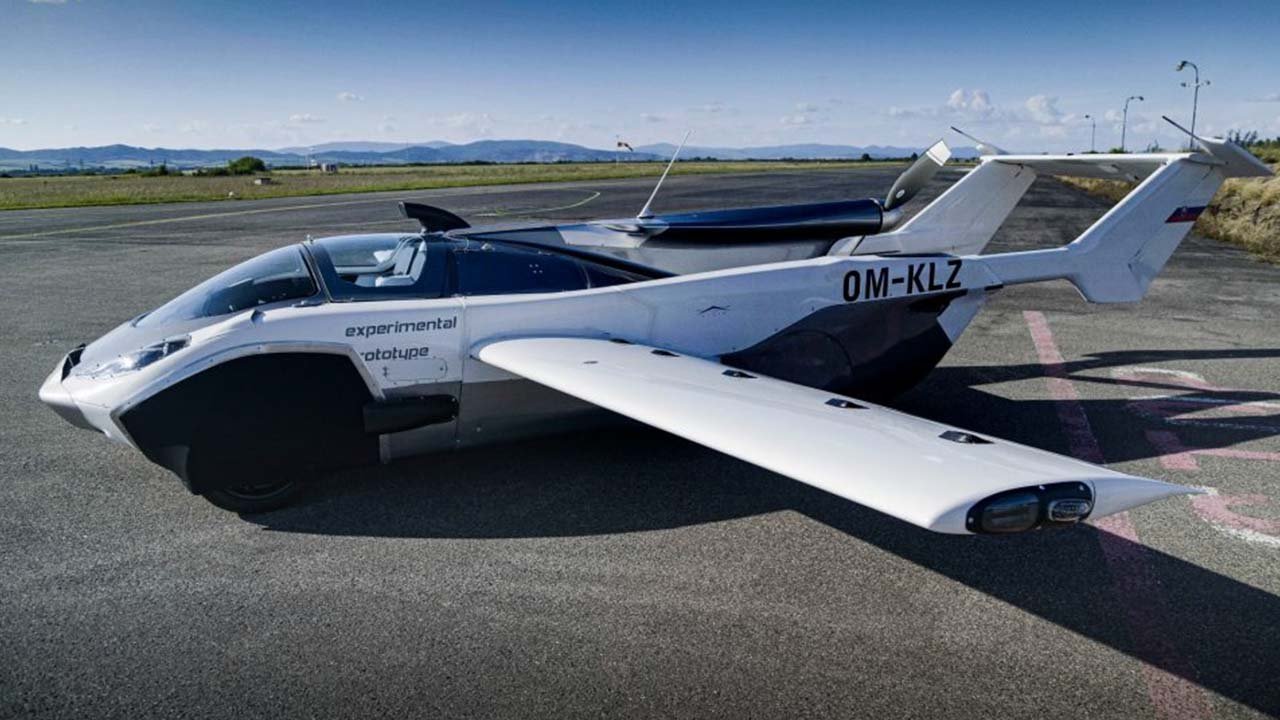
    In an exciting development for the automotive industry, Suzuki Motor Corp, the renowned Japanese automaker, has announced its partnership with SkyDrive Inc to produce “flying cars.” The collaboration aims to utilise a Suzuki Group factory located in central Japan to manufacture electric vertical take-off and landing (eVTOL) aircraft, with production set to commence by spring next year.

    Suzuki Motor Corp released a statement detailing the agreement with SkyDrive, highlighting their shared vision for the future of transportation. The company plans to establish a wholly owned subsidiary focused on the production of these innovative aircraft. Suzuki will play a crucial role in facilitating the manufacturing process by assisting in talent acquisition and other necessary preparations.

    Headquartered in Toyota, central Japan, SkyDrive boasts an impressive list of shareholders, including trading house Itochu Corp, tech firm NEC Corp, and a subsidiary of energy company Eneos Holdings Inc. This collaboration builds upon a previous agreement signed by the two companies in March of the previous year, which outlined their commitment to jointly explore research, development, and marketing opportunities in the field of flying cars.

    The emergence of eVTOL aircraft represents a significant leap forward in the realm of urban air mobility. These vehicles are designed to take off and land vertically, enabling efficient transportation in congested urban areas and reducing travel times significantly. By harnessing electric propulsion, eVTOL aircraft offer the potential for zero-emission travel, making them environmentally friendly alternatives to traditional modes of transportation.

    Suzuki’s entry into the flying car market signifies the company’s dedication to staying at the forefront of technological advancements in the automotive sector. With a rich history of producing high-quality vehicles, Suzuki’s involvement in the manufacturing process will undoubtedly contribute to the production of reliable and efficient flying cars.

    The partnership with SkyDrive aligns with Suzuki’s commitment to sustainable practices and innovative solutions. By exploring the possibilities of aerial mobility, the company aims to revolutionise transportation and redefine the way people commute within and between cities. The combination of Suzuki’s manufacturing expertise and SkyDrive’s pioneering technology is expected to result in cutting-edge eVTOL aircraft that meet the highest safety and performance standards.

    As the collaboration progresses, it is likely that Suzuki and SkyDrive will continue to leverage their respective strengths to overcome the unique challenges associated with manufacturing flying cars. These challenges include regulatory hurdles, infrastructure requirements, and public acceptance. However, with the commitment and resources of both companies, they are well-positioned to overcome these obstacles and drive the development of this exciting new industry forward.

    The successful implementation of flying cars has the potential to revolutionise urban transportation, alleviating congestion on the ground and opening up new possibilities for efficient, eco-friendly travel. It represents a significant step towards a future where aerial mobility is a viable and sustainable mode of transportation.

    As Suzuki and SkyDrive embark on this joint venture, the automotive industry eagerly anticipates the first batch of eVTOL aircraft to roll off the production line. Their collaboration serves as a testament to the boundless potential of human ingenuity and highlights the relentless pursuit of technological advancements that continue to shape our world.

  • Indian inventor introduces futuristic one-wheel self-balancing electric scooter

    Indian inventor introduces futuristic one-wheel self-balancing electric scooter

    A visionary Indian man has ingeniously crafted a remarkable electric scooter that defies convention by featuring only a single wheel, embodying his innovative approach to transportation.

    The entire captivating journey of building this extraordinary self-balancing electric scooter has been meticulously chronicled in a captivating video shared on the Creative Science YouTube channel.

    The video commences with the creator sketching the initial blueprint of the scooter on cardboard, meticulously refining the design and making necessary adjustments before commencing work with durable metal sheets. Transferring the meticulously finalised cardboard design onto a substantial metal sheet, the skilled individual deftly cuts out the required components, which are then skillfully welded together, culminating in the creation of the wheel’s arch.

    To ensure optimal stability, the scooter boasts a wider wheel embedded with a cutting-edge hub motor. Additionally, the ingenious inventor fabricates a comfortable seat using sturdy metal sheets, ingeniously incorporating a cleverly concealed storage compartment beneath it to house the scooter’s vital battery pack.

    Drawing inspiration from the vintage designs of yesteryears, an exquisite metal fairing is meticulously fashioned. Complementing the ensemble, the handlebar and headlamp unit are borrowed from an existing scooter, while a robust bracket ensures the wheel’s secure placement, and a custom-fabricated metal pipe serves as the elegant rod for the handlebar.

    Once the meticulous structural work reaches its completion, a crucial self-balancer sensor is meticulously integrated into the scooter. This sophisticated sensor plays an indispensable role in maintaining optimal stability, enabling the audacious scooter to effortlessly remain upright, defying expectations with its singular wheel.

    Precise installation of the sensor is of utmost importance, ensuring accurate calibration and steadfast security. The wires from the wheel are diligently connected to the sensor, while an additional set of wires establish a vital link between the sensor and the throttle cable.

    With the technical aspects artfully completed, the protective panels are deftly removed, and the entire scooter embarks on a transformative painting process. Beginning with a meticulous primer, the scooter is then adorned with a radiant yellow hue, instantly captivating attention.

    To ensure safety and comfort, any sharp metal edges on the scooter are conscientiously concealed with carefully placed piping. Despite its unconventional appearance, this remarkable scooter functions with remarkable finesse, thanks to the flawlessly integrated sensor that effectively safeguards against any untoward tipping forward or backward.

    It is worth noting that the creator’s exceptional achievement was accomplished without relying on advanced modern technologies, proudly showcasing their remarkable ingenuity in crafting this awe-inspiring, home-built marvel.

  • iPhone manufacturer Foxconn shifts focus to electric cars amidst US-China strained relations

    iPhone manufacturer Foxconn shifts focus to electric cars amidst US-China strained relations

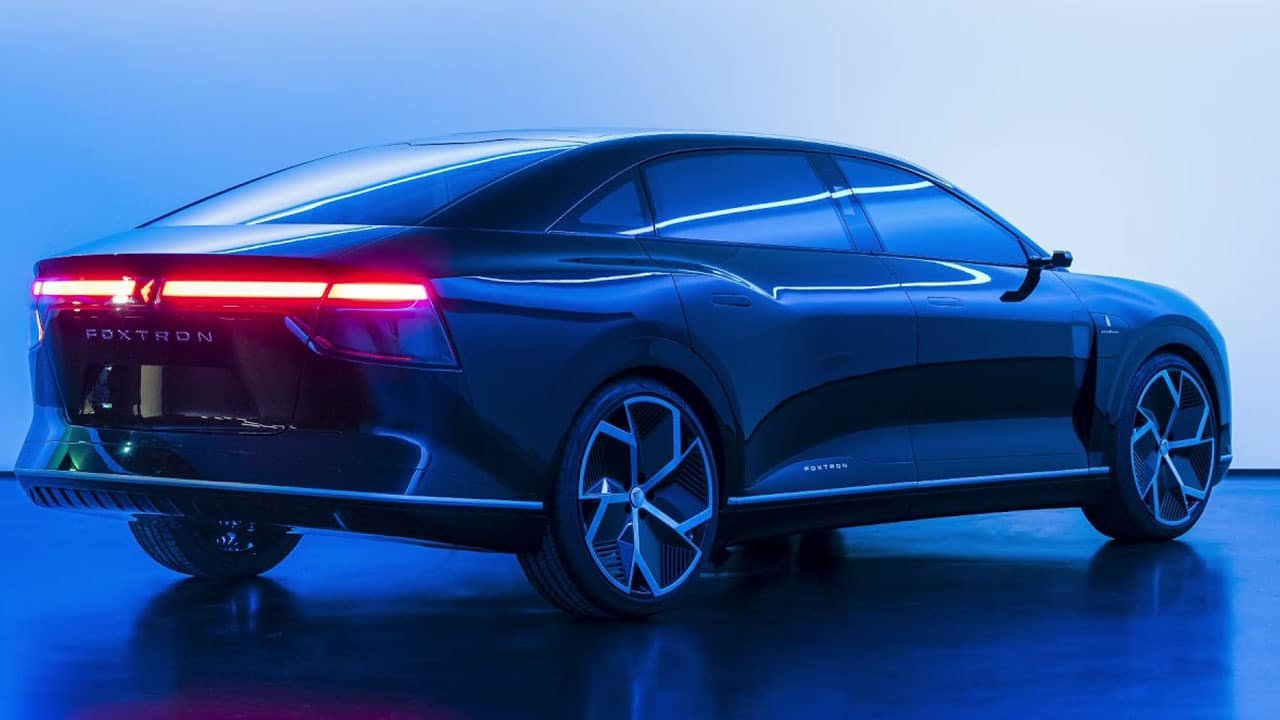
    Taiwanese manufacturer Foxconn, renowned for its production of iPhones, has announced a strategic shift towards electric vehicles (EVs) amidst the strained relations between the United States and China.

    In an interview with the BBC, Chairman Young Liu conveyed the company’s intent to make substantial investments in the EV sector while concurrently diversifying its supply chains away from China.

    Liu acknowledged the importance of peace and stability between the two nations but emphasised the necessity, from a business standpoint, to consider contingency plans for adverse scenarios.

    In response to the prevailing geopolitical tensions, Foxconn has already commenced the relocation of certain production lines from China to alternative locations in Mexico and Vietnam.

    This decision comes as Foxconn finds itself embroiled in a contentious dispute, with Beijing claiming Taiwan as part of China and President Xi Jingping reiterating commitments to “reunification.” Meanwhile, the United States has expressed unequivocal support for Taiwan’s independence, with the looming specter of invasion having cast a shadow over the island nation for years.

    Having originated in 1974 as a manufacturer of television dials, Foxconn has emerged as a global technology powerhouse, amassing revenues of $200 billion. Responsible for over half of Apple’s product output, including iPhones and iMacs, the company also serves an array of esteemed clients such as Microsoft, Dell, and Amazon.

    Foxconn’s unique position as a company that designs products in the United States while predominantly manufacturing them in China has left it navigating a delicate equilibrium between the two global superpowers.

    Chairman Liu articulated his vision of capturing approximately 5 per cent of the global electric vehicle market within the coming years. He outlined plans for establishing Foxconn EV manufacturing facilities in Ohio, United States, as well as in Thailand, Indonesia, and potentially India.

    By pivoting toward electric cars, Foxconn seeks to leverage its technological prowess and industry influence to secure a significant stake in the evolving EV landscape.

  • WhatsApp revolutionizes messaging experience with real-time message editing feature

    WhatsApp revolutionizes messaging experience with real-time message editing feature

    WhatsApp, owned by Meta, is finally introducing a highly anticipated feature that allows users to edit their messages even after they’ve been sent, as reported by WaBetaInfo.

    The feature, known as ‘edit messages’ is currently available to some beta testers and will be gradually rolled out to more users in the coming days.

    Mark Zuckerberg announced the feature through Meta’s official channel on Instagram. It provides users with the ability to quickly fix any typos or make changes to their messages, even after sending them.

    The feature is accessible through the Microsoft Store and can be found in the message menu within 15 minutes of sending a message. To check if you have access to this feature, simply try editing a sent message.

    However, it’s important to note that messages sent from a different device cannot be edited. The WhatsApp watcher stated, “This may be a wider rollout, so some users on certain previous updates may also gain access to the same feature starting today.”

    We often find ourselves making typos or sharing incorrect information when conversing with someone. Thankfully, this much-needed and impressive feature now allows us to rectify those mistakes.

    According to WaBetaInfo, WhatsApp has plans to further enhance the message editing feature in order to provide users with an even better experience while using the application.

  • Google’s skin search app to be launched in 2023

    Google’s skin search app to be launched in 2023

    In its 2023 Keynote, Google announced its CE marked Class 1 Medical Device DermAssist. It is a guided skin search app that helps users find personalized information about skin concerns through a fast and simple process.

    After receiving billions of skin-related searches each other, Google used its expertise in organizing information, artificial intelligence, and collaboration with partners to build DermAssist.

    How does it work?

    The process is simple: you upload up to three photos of your skin, hair or nail condition from different angles. Then you answer a few short questions about your symptoms, and DermAssist does the rest.

    Trained using millions of skin images, DermAssist can identify 288 skin, hair, and nail conditions and can identify more than 90% of the most commonly searched-for skin conditions. Furthermore, Google assures that DermAssist is being developed to work accurately across all skin tones, skin types, and more.

    Google’s research demonstrates that the underlying technology can help clinicians better identify skin conditions across all populations.

    DermAssist is the culmination of years of machine learning research, dermatologist-reviewed content, user testing, and product development.

    Would you keep going to a dermatologist once DermAssist is available on your Google browser?

  • Artificial Intelligence could destroy humanity within 10 years, CEOs warn

    Artificial Intelligence could destroy humanity within 10 years, CEOs warn

    At its annual CEO Summit, Yale School of Management conducted a survey amongst 119 CEOs from a varying range of sectors. 42% of candidates believe Artificial Intelligence (AI) could destroy humanity in the next 5-10 years.

    The survey breakdown is as follows: 34% of CEOs said AI could potentially destroy humanity in ten years, 8% said it could happen in five, and 58% said it could never happen and that they are ‘not worried’.

    In an interview with CNN business, Yale professor Jeffrey Sonnenfeld expressed the findings as “pretty dark and alarming.”

    The survey comes shortly after monumental announcements from big players in the field. The ‘Godfather of AI’, Geoffrey Hinton, who oversaw the development of technology at the heart of chatbots like ChatGPT for 50 years, left his job at Google to “blow the whistle”, warning people of the serious harm that could potentially be caused by AI.

    In a television interview, Hinton explains how he suddenly realized AI is smarter than humans and warns that, since it knows how to program, it could bypass restrictions set by humans. Moreover, he expressed fears that AI could manipulate humans to do its bidding.

    When questioned about solutions and regulations, Hinton countered, “It’s not clear to me that we can solve the problem. You can’t stop the progress.” However, he stressed that it is of utmost importance for governments and scientists to prioritise discovering a solution.

    Hinton is joined by the likes of Sam Altman, who was one of the hundreds of signatories of a joint statement calling for society to take the necessary steps to guard against the dangers of AI. Altman is the CEO of OpenAI, the site that introduced AI-powered tools like ChatGPT and Dall-E.

    Top executives from Google and Microsoft also signed the statement.

    The CEOs present at the Yale Summit indicated that AI will have the most transformative impact in three key industries: healthcare, professional services/IT, and media/digital. More immediate impacts of AI would pertain to risks of misinformation and the loss of jobs.

  • Bykea ride-hailing app hacked in Pakistan

    Bykea ride-hailing app hacked in Pakistan

    The popular ride-hailing app Bykea was recently hacked in Pakistan, resulting in the official application sending inappropriate messages to Bykea app users. At present, it remains unclear how and by whom the app was hacked.

    The recent security breach in Bykea has made users worried. They depend on the app for their everyday transportation needs, and this breach not only puts their privacy at risk but also shakes their trust in the app’s ability to keep their personal information safe.

    Considering this incident, it is extremely important for both users and service providers to understand the increasing significance of strong cybersecurity measures. As the digital world continues to advance, companies must actively protect their platforms from potential threats. At the same time, users need to stay informed and follow best practices to safeguard their personal data.

    Bykea operates as a platform that connects motorbike owners with people and parcels in need of transportation. This arrangement allows motorbike owners to earn extra money while offering affordable logistics solutions. Bykea’s cash-on-delivery technology enables instant transactions in a developing payments market, playing a pioneering role in the growth of e-commerce in Pakistan.

    Currently, over two hundred thousand motorbike owners have installed the partner app, connecting with more than two million users in Karachi, Rawalpindi/Islamabad, and Lahore.

  • Apple may launch a cheaper version of Vision Pro next year

    Apple may launch a cheaper version of Vision Pro next year

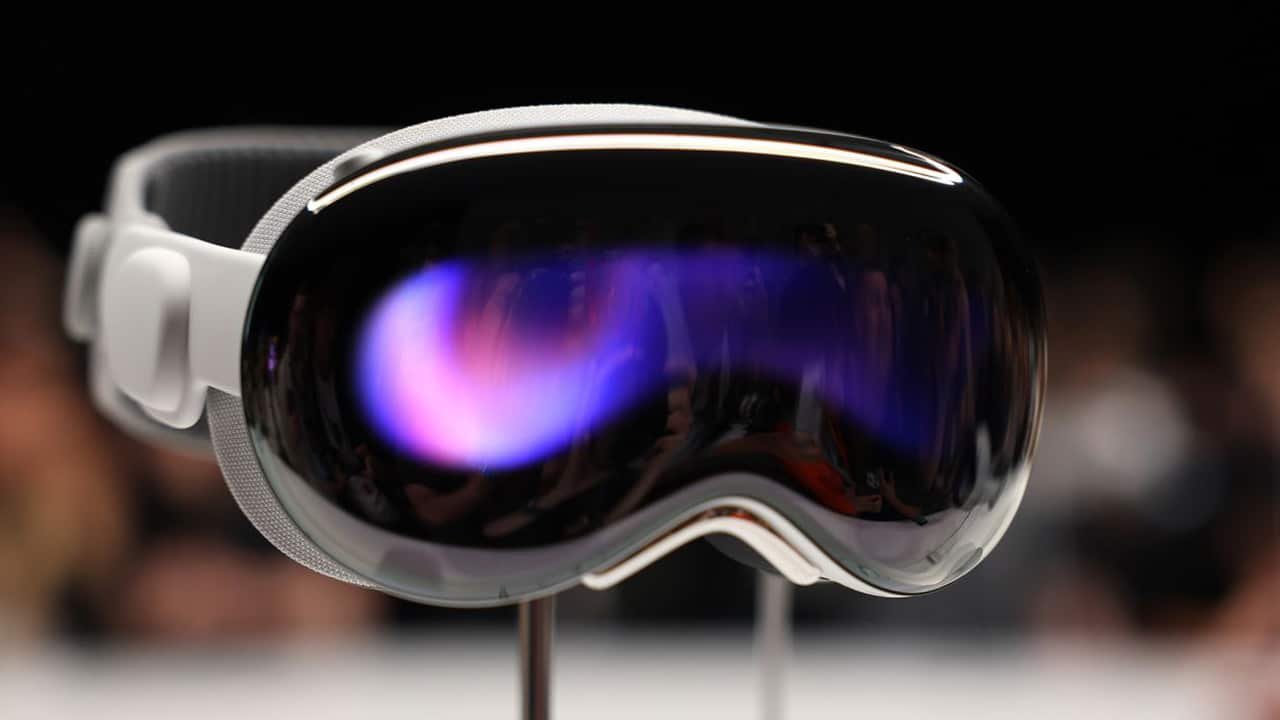
    Apple made a grand announcement at WWDC this week, unveiling their revolutionary Vision Pro spatial computer. With a hefty price tag of $3,500, this cutting-edge device won’t hit the shelves until early 2024. However, Apple isn’t stopping there; they’re actively developing a more affordable version of this futuristic product.

    According to Mark Gurman, Apple has set its sights on releasing an affordable AR/VR spatial computer by the end of 2024. As expected, Apple is simultaneously working on an upgraded version of the Vision Pro, promising an even faster processor for mind-boggling performance.

    Now that the Vision Pro name is out in the open, speculation runs wild about the potential name for its cheaper counterpart. Gurman suggests “Apple Vision” or perhaps “Apple Vision One.” But the burning question remains: how will Apple manage to slash the price? Gurman’s got a few intriguing ideas up his sleeve.

    In the initial Vision Pro model, the costliest components are the M2 and R1 chips, the remarkable 4K micro-LED displays, and the advanced camera and sensor hardware. To trim costs, Apple might opt for lower-quality screens, a slightly less powerful processor, and a reduced number of cameras and sensors. Additionally, the spatial audio speakers within the headset could be omitted, with users encouraged to rely on their trusty AirPods Pro for an immersive audio experience.

    But that’s not all. Apple could also simplify the headband design, insist on AirPods for spatial audio instead of including speakers within the Vision Pro strap, switch to a physical adjustment mechanism for IPD (the distance between eye pupils), and even eliminate features like the 3D camera. When combined with refined production methods, economies of scale, and a more cost-effective frame, one can imagine Apple knocking off a significant chunk from the price tag.

    Yet, Gurman astutely points out that there are certain aspects where Apple won’t compromise. The external EyeSight screen, responsible for showcasing the wearer’s eyes, along with the essential eye- and hand-tracking system, are intrinsic to the Apple Vision experience—akin to how a touchscreen is inseparable from an iPhone. So, it’s highly likely that these captivating features will be retained in the more affordable model, ensuring a mesmerizing and immersive journey for users.

  • Budget 2023-24: Finance Minister announces tax relief measures for IT sector and freelancers

    Budget 2023-24: Finance Minister announces tax relief measures for IT sector and freelancers

    In a recent announcement, the federal government has unveiled a series of measures aimed at fostering growth and investment in the freelancing and information technology (IT) sectors. The government has decided to implement a reduction in tax rates for investments in the IT sector, provide tax breaks to freelancers, and establish a favorable environment for investment by normalizing duty-free equipment provisions.

    During the budget presentation for the fiscal year 2023-24, Finance Minister Ishaq Dar highlighted the importance of the IT sector and its immense talent pool within the country. To support the growth of IT exports, the government plans to extend the current 0.25 per cent discounted income tax rate for the next three years.

    Recognizing the significance of banks in facilitating investment in the IT sector, the finance minister proposed a reduced tax rate of 20 per cent for banks involved in lending to this sector. This reduction aims to alleviate the burden on banks, as the existing tax rate for investments stands at 39 per cent.

    Additionally, the government has recommended providing Duty-Free Equipment privileges to incentivize investment in the IT sector. Moreover, the minister has suggested granting the industry the status of Small and Medium Enterprises (SMEs), enabling individuals to avail themselves of special and exclusive discounted income tax rates applicable to this sector.

    In a move to streamline processes for IT and IT-related services exporters, Minister Dar proposed the issuance of Automated Exemption Certificates to non-residents within 30 days. Furthermore, the government plans to reduce the Goods and Services Tax (GST) from 15 per cent to 5 per cent specifically for IT and ITeS services in the Islamabad Capital Territory (ICT).

    To support the freelancing community, Minister Dar recommended exempting individuals from the obligation of filing a sales tax return in order to benefit from the concessional rate of 0.25 per cent. Emphasizing the vital contribution of freelancers to the country’s foreign exchange earnings, the minister suggested that those whose IT and IT-enabled services exports were less than $24,000 in the previous fiscal year should be exempted from sales tax registration and allowed to file a simplified single-page income tax return.

    These measures underscore the government’s commitment to fostering a conducive business environment and encouraging investment in the freelancing and IT sectors, thereby facilitating economic growth and job creation.

  • You will regret if you don’t do these 7 best online courses offered by Harvard

    You will regret if you don’t do these 7 best online courses offered by Harvard

    Participating in Harvard University’s free online courses offers a myriad of benefits. As one of the most prestigious institutions in the world, Harvard provides a seal of excellence that can enhance your credibility and demonstrate a commitment to lifelong learning.

    By enrolling in these courses, you gain access to a diverse range of subjects across multiple disciplines, allowing you to explore areas of interest, deepen your knowledge, or venture into new fields of study.

    With expert instruction from experienced faculty members and industry professionals, you can learn from some of the brightest minds in their respective fields, gaining valuable insights and perspectives.

    The flexibility and accessibility of Harvard’s online courses are additional advantages. These courses offer a convenient learning experience, as you can access lectures and course materials at your own pace and according to your schedule.

    The elimination of geographical barriers allows learners from around the world to participate, providing opportunities for individuals who may not have access to traditional education. Moreover, the online platform fosters interactive learning environments, enabling engagement with fellow learners through discussion forums and collaborative projects.

    This facilitates networking opportunities, connecting you with like-minded individuals globally, which can be valuable for professional growth, knowledge sharing, and potential future collaborations.

    Here are the seven best of 600 online courses Harvard University is offering.

    CS50’s Introduction to Game Development

    Learn about the development of 2D and 3D interactive games in this hands-on course, as you explore the design of games such as Super Mario Bros., Pokémon, Angry Birds, and more.

    Course Duration: 12 weeks
    Fee: free online
    Difficulty: Medium

    CS50: Introduction to Computer Science

    An introduction to the intellectual enterprises of computer science and the art of programming.

    Course Duration: 11 weeks
    Fee: free (fees of certificate included)
    Difficulty: Advanced

    4P Model for Strategic Leadership Podcasts

    A Free Podcast Series

    Course Duration: NA (self-paced)
    Fee: free
    CS50’s Introduction to Programming with Scratch

    A gentle introduction to programming that prepares you for subsequent courses in coding. difficulty: Introductory
    Course Duration: 3 weeks
    Fee: free
    Pricing Strategy

    Learn how to evaluate and make economic decisions based on demand in this 15-minute Harvard Business School (HBS) Online lesson.

    Course Duration: NA
    Fee: free

    Understanding Customer Needs

    Learn how to identify customer needs through this 15-minute Harvard Business School (HBS) Online lesson.
    Course duration: self-Paced

    Fee: free
    Difficulty: Normal

    The Health Effects of Climate Change

    Learn how global warming impacts human health, and the ways we can diminish those impacts.

    Course Duration: 7 weeks’ long
    Fee: free
    Difficulty: medium

    Engaging in Harvard’s online courses also promotes skill development and personal growth. By enrolling in these courses, you can acquire new skills, broaden your understanding of various subjects, and stay updated on the latest advancements in your field. This commitment to continuous learning and self-improvement not only enhances your knowledge base but also showcases your dedication to professional development. Furthermore, the opportunity to learn from Harvard’s renowned faculty and interact with a diverse group of learners can foster personal growth, expanding your perspectives and fostering a lifelong love for learning.

    In conclusion, participating in Harvard University’s free online courses offers numerous advantages. It provides access to a prestigious institution, diverse course offerings, expert instruction, flexibility, networking opportunities, skill development, and personal growth. By taking part in these courses, you can expand your knowledge, improve your credentials, and demonstrate a commitment to lifelong learning.