Category: Tech

The Current’s tech news keeps you upto date with news of new gadgets, tech updates, information about tech startups and technology reviews.

  • Airlift’s investment reaches 24.1 million USD, marks biggest investment in region

    Airlift, app-based urban mass transit startup that allows consumers to books rides on fixed-rate, announced a new venture in partnership with existing investors that lead their total investment to USD 24.1m. At the time when the risk for global recession is high, Airlift marks one of the largest capital investments in the region.

    Airlift paused its transit operations due to the threat of Covid-19. But they have introduced Airlift Grocer, an offshoot of the same company, that enables the delivery of all household essentials within 45 minutes.

    Consumers in Lahore can now order groceries and other household essentials through their mobile apps via the Google PlayStore, the Apple App Store or using their website via www.airliftgrocer.com.

    Airlift wants to create a positive impact in the region by establishing a decentralized logistics platform. Local and foreign companies invested in Airlift to support their vision and improve the ecosystem of the startups in Pakistan.

    Quiet Capital and First Round Capital based in San Francisco, TrueSight Ventures (London, RT Ventures (London), Shorooq Partners (Abu Dhabi), and ACE Capital (Taiwan) are the foreign venture capital (VC) companies that participated in recent series A-1 financing round.

    Fatima Gobi Ventures (Pakistan) and Indus Valley Capital (Pakistan) are the local investors who continued their support for Airlift in financing.

    Airlift is serving the community in new and innovative ways, and they are also committed to supporting the government income substitution program by creating new employment opportunities for riders on their platform.

  • India bans TikTok, Twitter floods with memes

    India bans TikTok, Twitter floods with memes

    India on Monday banned 59 — mostly Chinese — mobile apps, including TikTok and WeChat over national security and privacy concerns just weeks after a deadly border clash between the two nuclear-armed neighbours.

    India’s Ministry of Information Technology said it was banning the apps after receiving “many complaints from various sources” about apps that were “stealing and transmitting users data” in an unauthorised manner.

    The apps “are engaged in activities that can be a threat to sovereignty and integrity of India, defence of India, security of the state and public order,” the Ministry of Electronics and Information Technology (MEIT) said in a statement.

    India is TikTok’s biggest foreign market, with an estimated 120 million users.

    TikTok’s parent company, ByteDance, is headquartered in Beijing. The parent company faced accusations for its involvement in data sharing with the Chinese government.

    “TikTok continues to comply with all data privacy and security requirements under Indian law and have not shared any information of our users in India with any foreign government, including the Chinese Government,” said the company on Tuesday.

    In the United States, strong critics, including some senators have called for an investigation into the Chinese company.

    The list of apps banned by India also includes the microblogging platform Weino, the strategy game Clash of Kings, Alibaba’s UC browser, and e-commerce apps Club Factory and Shein.

    https://twitter.com/GureshC/status/1277642946431475712?s=20

    https://twitter.com/zaynanxari/status/1277650472711716864?s=20

    The banning of TikTok invites a flood of hilarious tweets on Twitter and users are wondering why PUBG is not being banned by the government which is an extremely popular Chinese gaming app.

    China says it is concerned about India’s decision to ban Chinese mobile apps and was making checks to verify the situation. Chinese foreign ministry spokesman Zhao Lijian told reporters on Tuesday that India has a responsibility to uphold the rights of Chinese businesses.

    “We want to stress that the Chinese government always asks the Chinese businesses to abide by international and local laws and regulations,” he said.

  • LUMS distributes free internet devices amongst students on financial aid

    LUMS distributes free internet devices amongst students on financial aid

    The Lahore University of Management and Sciences (LUMS) has sent internet devices to those students who are studying at the university on need-based scholarship.

    Wardah Noor, a student of LUMS shared the news, which went viral on social media.

    Noor shared: “LUMS sent internet devices with free data of (75GB/ month) to the students on full financial aid.”

    She shared that she was concerned about the internet package given that she doesn’t have a job and her father’s pension is Rs 25,000.

    This initiative is being appreciated because the university — LUMS — has identified a major issue and took action without any requests from deserving students. People are also urging the administration of other universities to learn from this initiative and facilitate their students.

    This development has come when a large number of students across the country were protesting against online classes due to internet connectivity issues.

    Many students from far-flung and remote areas like Gilgit Baltistan (GB), Kashmir, Sindh and Balochistan have been protesting because they do not have an internet connection. In some cases, students have to travel more than 25 kilometres to take online classes.

    Furthermore, more than 60 students were arrested by police in Quetta for a peaceful demonstration against internet connectivity issue. Later on, they were released on the same day.

  • Former eBay director arrested for shipping live cockroaches, fly larvae, spiders to a journalist

    Former eBay director arrested for shipping live cockroaches, fly larvae, spiders to a journalist

    Six former eBay employees have been charged for an “aggressive cyber-stalking campaign” targeting a couple that published the newsletter for their negative eBay coverage — sending the couple online threats, abuses, mailing live insects and bloody pig face masks, and driving to their Massachusetts home to surveil them.

    The Department of Justice alleges that James Baugh, David Harville, Stephanie Popp, Brian Gilbert, Stephanie Stockwell and Veronica Zea were involved in the harassment campaign.

    The accused created an anonymous account to send insults and threats to the editor of the newsletter and her husband. Later on, the harassment escalated into in-person harassment.

    They shipped pig masks, a box of cockroaches, another box of fly larvae and live spiders, pornography, a book on “surviving the loss of a spouse”, a sympathy wreath from a local florist and a “preserved fetal pig” — although the pig fetus was never delivered.

    The team also allegedly spied on the couple to find evidence that they were collaborating with troll commentators. At one point, they planned to break into their garage and install a tracking device in their car.

    Texts between an unnamed eBay executive and Baugh.

    eBay’s leadership supposedly didn’t know about the harassment campaign until being notified by law enforcement in August 2019. 

    The company posted a statement saying that they have terminated all the employees involved in the case and “eBay does not tolerate this kind of behavior”.

    “eBay apologises to the affected individuals and is sorry that they were subjected to this. eBay holds its employees to high standards of conduct and ethics and will continue to take appropriate action to ensure these standards are followed.”

    Baugh was eBays global security and resiliency director, Harville was director of global resiliency, Popp was senior manager of global intelligence and Gilbert was a former police captain who handled security and safety at eBay’s North American offices.

  • Twitter slammed in China, Turkey, Russia after removing ‘manipulative’ accounts

    Twitter has removed over 200,000 handles for spreading pro-China and Russia messages while also boosting support for Turkish President Recep Tayyip Erdogan.

    https://twitter.com/TwitterSafety/status/1271186240323432452?s=20

    The company said “a core network” of 23,750 highly active Chinese accounts had been removed, along with another 150,000 “amplifier accounts”.

    Amplifier accounts share content to increase engagement that increases word-of-mouth exposure.

    Twitter said the Chinese network had links to an earlier state-backed operation dismantled last year by Twitter, Facebook and Google’s YouTube, which had been pushing misleading narratives about political dynamics in Hong Kong.

    Twitter said 23,750 accounts were the main focus while other accounts were identified as helping to boost the messages.

    Twitter also revealed it has shut down more than a thousand Russian-based misinformation accounts.

    In an official statement on fake Turkish Twitter accounts, they said that “those accounts were fake profiles designed to support the president and were single-handedly managed by a central authority”.

    However, Erdogan’s Communications Director Fahrettin Altun denied the allegations through his official Twitter handle while stating that it was an “attempt to smear the Turkish government and a popular political movement, which was unacceptable”.

    In general, the entire network was involved in a range of manipulative and coordinated activities. They were tweeting predominantly in Chinese, Russian and Turkish languages and spreading geopolitical narratives for political agendas.

    Last week, Twitter also accused United States (US) President Donald Trump of making false claims in some of his posts, although the platform has come under fire for not removing coronavirus misinformation.

    Earlier this week, the company said it was trialing a new “read before you retweet” pop-up aimed to promote “informed discussions”.

    A message will appear on articles that users share without actually following the link to the article.

  • People mock the design of PS5

    People mock the design of PS5

    Yesterday, Sony launched the outstanding design of the PlayStation 5. Whether you buy it or not that is up to you, but the launch ceremony wasn’t even over when Twitter was flooded with memes, mocking the design of PS5.

    https://twitter.com/reckless/status/1271192778719006722?s=20
    https://twitter.com/chillmage/status/1271198780516335617?s=20
    https://twitter.com/xenokizu/status/1271191521245696000?s=20

    https://twitter.com/bytesized_ERA/status/1271206265671254016?s=20
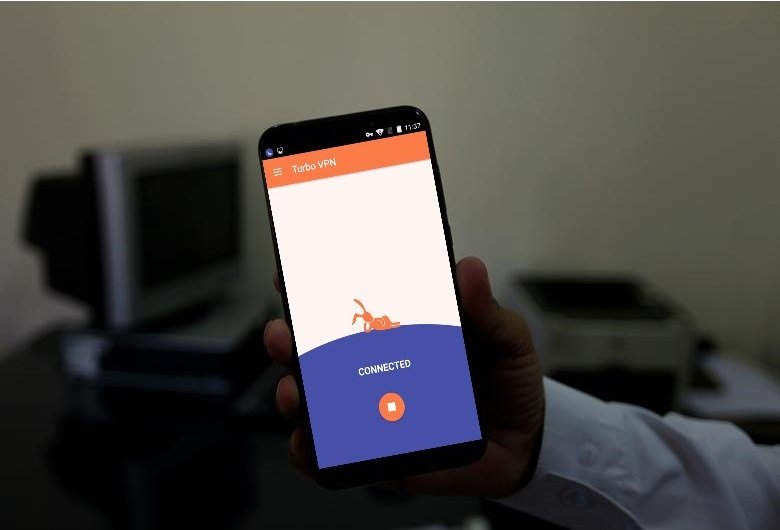
  • Register your VPN with PTA by June 30 or face legal action besides disconnection of services

    Register your VPN with PTA by June 30 or face legal action besides disconnection of services

    In a bid to promote legal information and communications technology (ICT) services in Pakistan and for the safety of telecom users, the Pakistan Telecommunication Authority (PTA) is continuing with the long-pending process of registration of Virtual Private Networks (VPNs), the use of which has significantly increased across the country over the past few years.

    A VPN extends a private network across a public network and enables users to send and receive data across shared or public networks as if their computing devices were directly connected to the private network. It is programming that creates a safe, encrypted connection over a less secure network, using tunneling protocols to encrypt data at the sending end and decrypt it at the receiving end.

    Through a public notice, the PTA has declared the use of any mode of communication such as VPN, by means of which communication becomes hidden or encrypted, a violation of its regulations.

    “Users, which are required to use VPN for their legitimate purposes, must register their VPN with [the] PTA through their respective internet service providers [ISPs] till 30-06-2020,” read the notice.

    On top of interruption of services, legal action may also be initiated against those found in illegal use of unregistered VPNs, it added.

    “The step is being taken to eliminate all grey traffic [the use of illegal telephone exchanges for making international calls bypassing the legal routes and exchanges] from Pakistan. It is the case with many companies running call centre services in the country using VPN or unregistered Voice over Internet Protocol (VoIP) services to make international calls appearing as if they’re located somewhere, in most cases, the United States (US),” sources told The Current.

    The authority wants to eliminate grey traffic after registration of VPNs and has already started to blacklist internet protocol (IP) addresses of corporate clients of several ISPs, they said.

    ‘NOT THE FIRST TIME’:

    “It isn’t the first time that the PTA has directed registering VPNs as the process was long-pending,” an official told The Current on the condition of anonymity.

    “Through a similar public notice in 2014, the authority had announced that all unregistered VPNs will be blocked in its continuous efforts against grey traffic. All such users were required to apply to PTA for registration of their VPN connections through their respective service providers latest by May,” they said, adding that not much had, however, followed the announcement back then.

    Speaking to The Current, Digital Rights Foundation (DRF) founder Nighat Dad also said it wasn’t the first time such an announcement had been made by the PTA, but it was very important for the authority to clarify the notice.

    “They need to make it clear if the notice is only for financial institutions and software companies using VPNs or if it applies to individuals as well,” she said while seeking a better interpretation of the announcement.

    Dad also said the authority should be asked as to which provision was invoked for the process to continue. “There is one regulation on grey traffic from 2010 which included a provision on VPN registration, but the PTA should clarify the law and its provision under which the said notification was issued.”

    ‘VPNS ARE NOT PERMITTED’:

    When contacted, PTA Public Relations Director Khurram Mehran said that under applicable rules and regulations, appropriate registration from the authority was required for any mode of communication in which it becomes hidden or encrypted.

    “The process for registration of VPNs is not new and has been in vogue since 2010. Authorised users can register their VPNs with the authority through a swift process initiated through their service provider,” he said, adding that action would be taken only against unauthorised VPNs for terminating illegal traffic, which causes loss to the national exchequer.

    PTA remains committed to serve as per its vision in ensuring that high quality ICT services are available to telecom users in Pakistan, Mehran said.

    “VPNs are not permitted and so are blocked whenever reported or detected. Whoever wants to use one can do so after registration under regulation,” he said when asked if the announcement also applied to individuals.


  • Sony PS5 to be launched Thursday

    Sony PS5 to be launched Thursday

    Sony has announced that the launch event for its upcoming PlayStation (PS) 5 will be held on Thursday (June 11) at 8 pm, GMT+5.

    The event was originally scheduled for June 4 but it was postponed due to the death of George Floyd and subsequent protests against police brutality and racism around the world.

    Sony also plans to show PS5 games during the event, and it will run for “a bit more than an hour,” Sony Interactive Chief Executive Officer (CEO) Jim Ryan had said while announcing the original event.

    The event will be broadcasted at 1080p and 30 fps because it will be easier to produce while several Sony staffers work from home during the COVID-19 pandemic, said Sid Shuman, senior director for Sony Interactive’s Content Communication.

    Sony has revealed the name, logo, specs and its news DualSense controller, but hasn’t revealed the design of the console.

    The PS5 will have a custom eight-core AMD Zen 2 CPU, a custom AMD RDNA 2-based GPU, 16GB of GDDR6 RAM, and a proprietary SSD with 825GB of storage and 5.5GB/s of performance.

    The DualSense controller will have haptic feedback, adaptive triggers, an integrated microphone, and a USB-C port. The controller’s share button has also been renamed to the “create” button, but Sony hasn’t shared much about what it will let players do just yet.

  • Google faces $5 billion lawsuit for tracking users’ incognito browsing data

    Google faces $5 billion lawsuit for tracking users’ incognito browsing data

    Google has been sued for allegedly tracking users’ internet searches of browsers set on ‘incognito mode.’

    The lawsuit has accused the Alphabet unit of secretly collecting information about what people search online and seeks at least $5 billion in damages.

    According to the complaint, filed in the federal court in San Jose, California, Google gathers data through Google marketing tools which include Google Analytics, Google Ad Manager, and other applications and website plug-ins, including smartphone apps. 

    “The data collection helps Google learn about users’ friends, hobbies, shopping habits, favourite foods, and even the most intimate and potentially embarrassing things they search online,” said the complaint.

    “Google cannot continue to engage in the covert and unauthorised data collection from virtually every American with a computer or phone,” the complaint added.

    Google’s spokesman, Jose Castaneda said that the company will defend itself against the claims. 

    “As we clearly state each time you open a new incognito tab, websites might be able to collect information about your browsing activity,” he said. 

    The complaint seeks at least $5,000 of damages per user for violations of federal wiretapping and California privacy laws.

  • Pakistan deploys militant-tracking technology to trace coronavirus patients

    Pakistan deploys militant-tracking technology to trace coronavirus patients

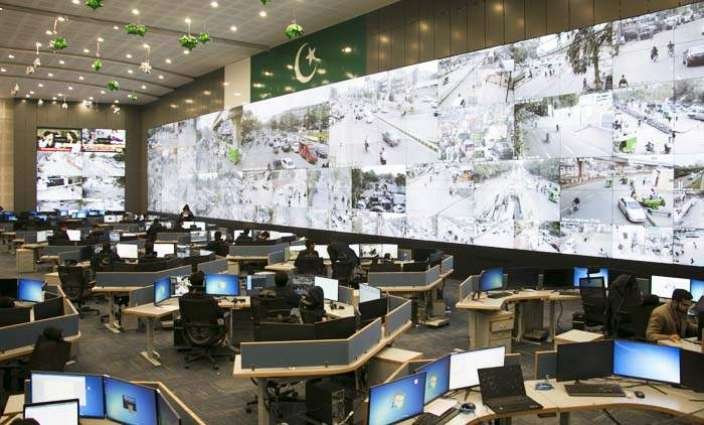
    Pakistani intelligence service is deploying surveillance technology to track suspected and confirmed patients of coronavirus, which is usually used to locate high-value militants.

    The development came after Prime Minister (PM) Imran Khan announced seeking assistance from the Inter-Services Intelligence (ISI) for tackling the virus.

    Details of the project have not yet been made public but two officials told AFP that the spy agency was using geo-fencing and phone-monitoring systems for monitoring.

    Geo-fencing, a strategic tracking system alerts authorities when a suspect leaves a specific geographic area. This tool is also helping officials to monitor neighbourhoods during the lockdown.

    Authorities are also tapping phone calls of COVID-19 patients to check, whether their contacts are talking about having symptoms.

    Speaking on conditions of anonymity, a senior security official said that the trace-and-track system helped authorities track the mobile phones of coronavirus patients as well as anyone they get in touch with before or after their disappearance.

    “The government has been successful in tracing even those who tested positive but went into hiding,” added the official.

    “It was originally used against terrorism, but now they can be used effectively to trace-and-track corona patients,” they maintained.

    Rights groups, on the other hand, are concerned that institutions with such power can abuse their sweeping surveillance to curb political dissidents.

    Countries across the world have employed track-and-trace methods to control the virus spread, raising privacy concerns.

    More than 61,000 people in Pakistan have tested positive and more than 1,200 patients have died.