Category: Uncategorized

  • Tips to minimize water damage from a flood

    Tips to minimize water damage from a flood

    As
    monsoon season is in full swing and there is also a flood alert after India
    releases water in River Sutlej.  Most of us are mostly worried that water
    is going to get into our houses.

    Here are the ways you
    can protect your home.

    Before the flood: Prevent

    Clean the drains and
    gutters

    Seal the cracks (if
    any) in your house with plaster of Paris.

    Don’t dispose of fats,
    oil, grease or other objects in your sinks or toilets as they block the
    drainage systems.

    Electrical equipment
    should be at least one foot above flood level to help reduce the risk of
    electrical damage.

    Moving your valuables
    items and documents to the first or second floor will help to protect them. Or
    try to put them on higher places if you live on the ground floor.

    During
    the flood: Protect

    If the flood is imminent then these are the ways that might help to minimize the damage

    Open up windows and
    door (if it is not raining) to allow air to circulate through your home and dry
    things out

    Shut off all the
    electrical appliances if safe.

    Try to place handy electrical appliances to wooden or cement blocks.

    After a flood: Restore

    Remove the water and
    damaged material.

    Disinfect and dry
    every flood-contaminated room.

    Keep fans running. Make sure switches are dry and safe to touch.

    Most
    importantly follow all the instructions by the official departments of the
    government.

  • The Laddoo Diet

    The Laddoo Diet

    There is a new diet in town. It’s called the ‘Laddoo Diet’. We all love laddoos — especially the moti-choor variety — but we thought it only piles up pounds! Well, maybe that’s not the only thing it does. The Laddoo Diet can also lead to divorce.

    An Indian man from Uttar Pradesh has sought divorce on the grounds that his wife was feeding him laddoos every day.

    The couple has been married for 10 years and they have three children. Unfortunately, due to the advice of a tantric (shaman), the UP man’s wife was giving him four laddoos to eat in the morning and four laddoos in the evening. He was not allowed to eat anything else in between. The man approached a family court and said that he wasn’t feeling well for some time and his wife approached the ‘tantrik’ who asked her to make her husband eat only laddoos.

    Officials at the family counselling centre don’t know what to do about the wife’s superstitions.

    “We can call the couple for counselling, but we cannot treat the woman for being superstitious. She firmly believes that laddoos will cure her husband and is unwilling to accept otherwise,” said a counsellor.

    Well, who thought yummy sweets can actually lead to divorce!

  • Rain damages ancient Buddhist heritage site in Taxila

    Rain damages ancient Buddhist heritage site in Taxila

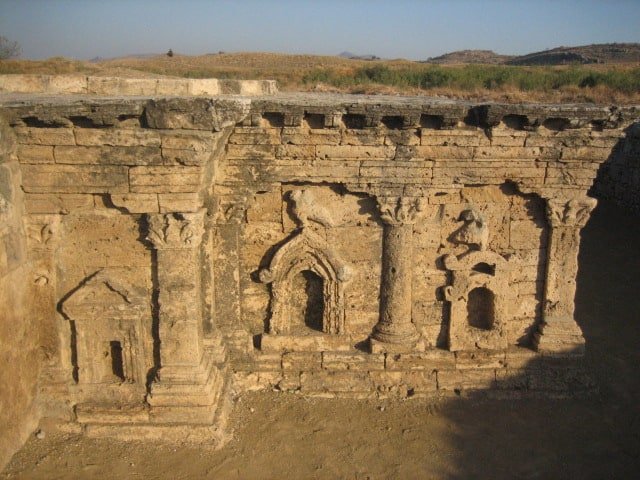
    Recent rains in the country have not only created hurdles for human life, but old heritage sites are also being affected by the storms. First, the small wooden entrance gate to the Shahi Qila in Lahore was damaged due to the rain and now the rains have damaged an ancient Buddhist heritage site in Taxila.

    As per details, the double-headed eagle Stupa located at Sirkap is crumbling fast. An architectural marvel, the double-headed eagle Stupa is made of Kanjur stone and was originally plastered with lime.

    The second city of ancient Taxila, Sirkap is significant in the archaeological history of Pakistan as it is among three of the 18 Buddhist sites of the Taxila valley with intact sculptures. The site which has relics dating back to the Achaemenid, Greek and Kushan periods has been classified as World Heritage Site by the Unesco.

    According to the curator of Taxila Museum, Sirkap was founded by the Bactrian King Demetrius, who conquered the region in the 180s BCE. The city was expanded by Gondophares who also built the famous double-headed eagle Stupa and the Temple of the Sun.

    Apart from the double-headed eagle Stupa, the recent torrential rains have also caused severe damages to scores of priceless stucco sculptures of the Buddhist period (2–5th century AD).

    The government and others responsible have not taken the necessary measures to preserve and protect these heritage sites, which these sites may soon cease to exist if things continue to be like this.

    Irshad Hussain, the deputy director of the archaeology department, said the department was facing a shortage of staff from the last 15 years as no recruitment has been made and employees were retiring every year after reaching their age limits. He said after the 18th amendment the site had been handed over to the provincial government. However, he added that the department had planned to erect a protective roof over such endangered stupas to save them from natural elements such as rain.

  • Breaking all records, Railways generates revenue of Rs54.60 billion

    Breaking all records, Railways generates revenue of Rs54.60 billion

    Pakistan Railways (PR) has registered over a 10 per cent increase in its annual revenue during the first year of the Pakistan Tehreek-e-Insaf (PTI) government by generating record Rs54.60 billion.

    According to the one-year performance report of the PTI released Monday, PR has generated the highest-ever revenue during the fiscal year 2018-19 against last financial year’s Rs49.5 billion.

    The government claims that through special initiatives, PR has managed to generate additional revenue of Rs10 billion that helped reduce its annual deficit by Rs4 billion.

    The report further said that PR has added 24 new passenger trains — refurbished locally at PR installations in Lahore and Islamabad — besides increasing the number of rail passengers to 70 million (travelling by trains in a year) and retrieving 383 acres of encroached land worth Rs30 billion among other reforms.

  • All you need to know about Congo virus

    All you need to know about Congo virus

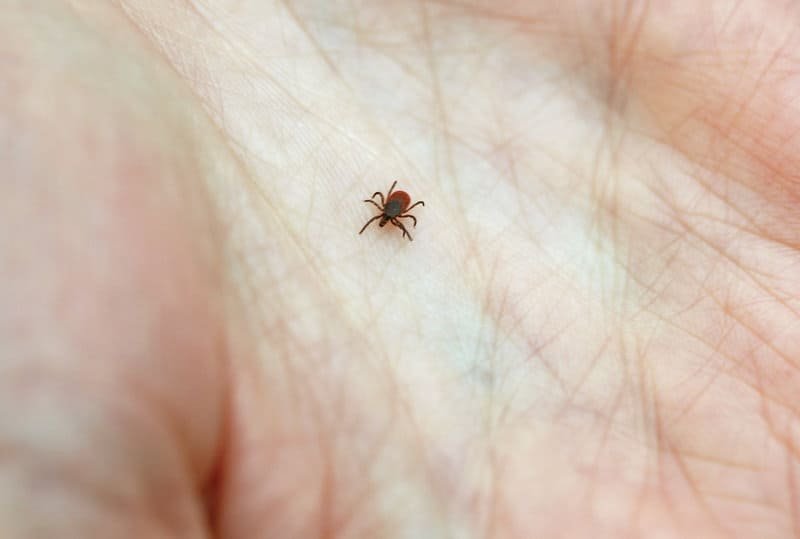
    Crimean-Congo Hemorrhagic fever, commonly known as Congo fever, is a viral disease that spreads through tick bites. The virus infects wild as well as domestic animals like sheep and cattle.

    Humans are infected when they come in direct contact with blood or tissues from infected animals or bites of infected ticks. Crushing of infected tick could also result in infection. The infection spreads to other people if they come in contact with the patient’s infected blood or body fluids.

    According to Agha Khan Hospital, Congo virus does not survive high temperatures, and well-cooked meat does not pose any risk of transmission of the virus.

    What are ticks?

    Ticks are scientifically classified as Arachnida (a classification that includes spiders). Ticks require blood meals to complete their complex life cycles.

    Tick

    Symptoms

    A person infected with the virus may show general symptoms like high fever, headache, joint and muscle aches, nausea, stomach pain, sore eyes and loose motions. He may suffer from severe bleeding, jaundice, and photophobia (sensitivity to light).

    If you experience any of the above symptoms and suspect that you may have been exposed to, or if you work in an environment where Congo virus is likely present, seek medical advice immediately.

    Prevention

    • Reducing the risk of tick-to-human transmission:
      • Wear protective clothing (long sleeves, long trousers)
      • Wear light-colored clothing to allow easy detection of ticks on the clothes
      • Use approved repellent on the skin and clothing
      • Regularly examine clothing and skin for ticks; if found, remove them safely
      • Avoid areas where ticks are abundant and seasons when they are most active.
    • Reducing the risk of animal-to-human transmission:
      • Wear gloves and other protective clothing while handling animals notably during slaughtering and butchering procedures.
      • Routinely treat animals with pesticides two weeks prior to slaughter.
    • Reducing the risk of human-to-human transmission in the community:
      • Avoid close physical contact with CCHF-infected people;
      • Wear gloves and protective equipment when taking care of ill people;
      • Wash hands regularly after caring for or visiting ill people.
  • Army chief dismisses serving major for misusing authority

    Army chief dismisses serving major for misusing authority

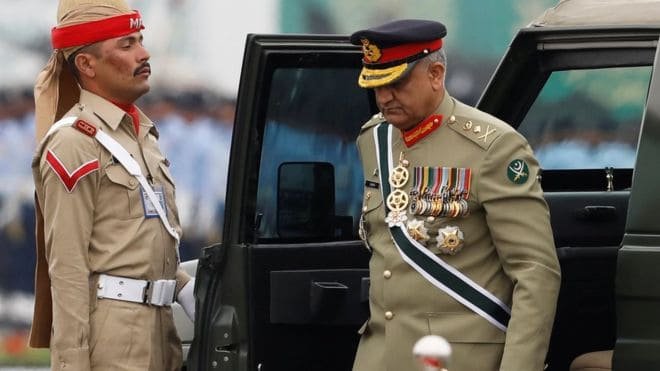
    Chief of Army Staff (COAS) General Qamar Javed Bajwa has dismissed a Pakistan Army major from service for misusing authority, the Inter-Services Public Relations (ISPR) said in a statement issued Tuesday.

    “The court adjudged the accused officer guilty of misusing his authority. Pakistan Army, alive to its institutional accountability system has dismissed the officer from service and sent him to jail  for life,” the statement read.

    The sentence, passed after the officer was tried by a field general court-martial, was confirmed by COAS Gen Bajwa.

    Earlier, a three-star retired general had been sentenced to 14 years in jail and a retired brigadier awarded the death sentence by field general courts-martial on charges of espionage and leaking “sensitive information” to foreign agencies.

  • Over 40 Azad Kashmir residents stranded in India after authorities ‘refuse to open border’

    Over 40 Azad Kashmir residents stranded in India after authorities ‘refuse to open border’

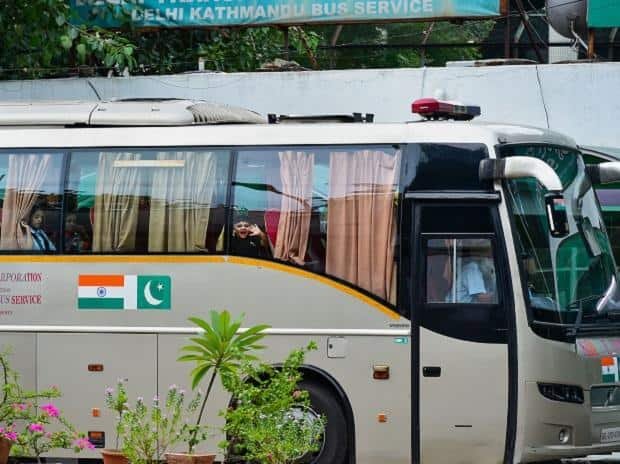
    As many as 42 residents of Pakistan’s Azad Jammu and Kashmir (AJK) region have been left stranded in India after authorities reportedly refused to open “Rah-e-Milan” gate on the Line of Control (LoC) for the weekly bus service.

    The bus service that runs across the LoC — between AJK’s Rawalakot and Indian occupied Kashmir’s (IoK) Poonch district — is the brainchild of former IoK chief minister (CM) Mufti Mohammed Sayeed.

    “Every Monday the weekly bus service operates between Rawalakot and Poonch via Chakan da Bagh, but this week it didn’t,” Indian media reports quoted an Indian official as saying.

    Out of 42 AJK residents left stranded in Poonch, 27 were due for their return today and taken to the gates at the LoC around 11 am on Monday, but Pakistani authorities didn’t let them pass forcing their return to Chakan da Bagh crossing point.

    “We conveyed the message to Pakistani authorities but they didn’t respond and hence the bus service could not operate,” the official said.

    Tensions are running high on either side of the border ever since New Delhi abrogated Article 370 of its constitution to rob the disputed valley of its autonomy.

    The disruption in cross border travel follows Pakistan’s decision to suspend operations of Samjhauta Express between Wagah in Pakistan and Attari in India along with Thar Express that used to connect Khokhrapar in Pakistan with Munabao in India’s Rajasthan state.

    Earlier this month, the Lahore-Delhi bus service was also suspended.

  • 2.5M polythene bags confiscated in Islamabad

    2.5M polythene bags confiscated in Islamabad

    Special teams of the Ministry of Environment have made raids in different areas of Islamabad and removed 2.5 million polythene bags during the operation.

    Since 14th August polythene bags have been completely banned in Islamabad under the Clean and Green Pakistan campaign. Teams are visiting different areas of Islamabad daily and checking stores if they are still using polythene bags.

    The ban on the use of polythene bags in Islamabad involves a permanent ban on its manufacturing, trading, and sale. The Ministry of Climate Change has introduced cotton bags as an alternative.

    The
    Sindh government has also announced plans to make the province a plastic
    bag-free by October 2019. On the other hand, Chief Minister Punjab Usman Buzdar
    has also said that the approval to ban plastic bags in the province will be
    accorded in the next meeting of the provincial cabinet.

  • Punjab government announces monthly stipend for acid attack survivors

    Punjab government announces monthly stipend for acid attack survivors

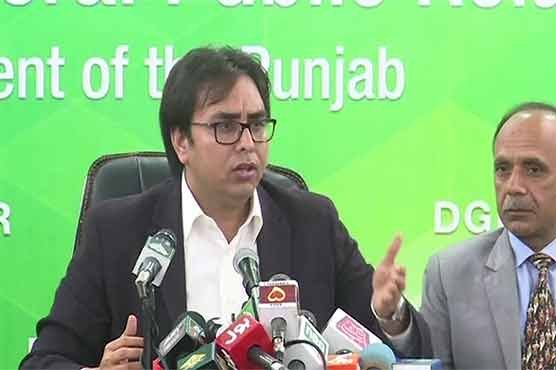
    Spokesperson to Chief Minister Punjab Shahbaz Gill has announced a monthly stipend for girls and women who have survived an acid attack. 

    Gill made this announcement during while visiting an acid attack survivor in Gujrat. He also gave a cheque of Rs 500,000 to the victim’s family.

    Speaking on the matter, the spokesperson said, “We’ve paid more attention to paying off the country’s debt. For one year, we applied the policy of human welfare and will focus on it more in the coming years.”

    Along with announcing a monthly stipend for acid victims, Gill assured families that culprits will be punished for their crimes. He asserted that the government stands with the survivors, adding that the government has also legislated on the matter of abolishing the practice of acid attacks.

  • VIDEO: Indian cops beat each other up for front seat in patrol vehicle

    VIDEO: Indian cops beat each other up for front seat in patrol vehicle

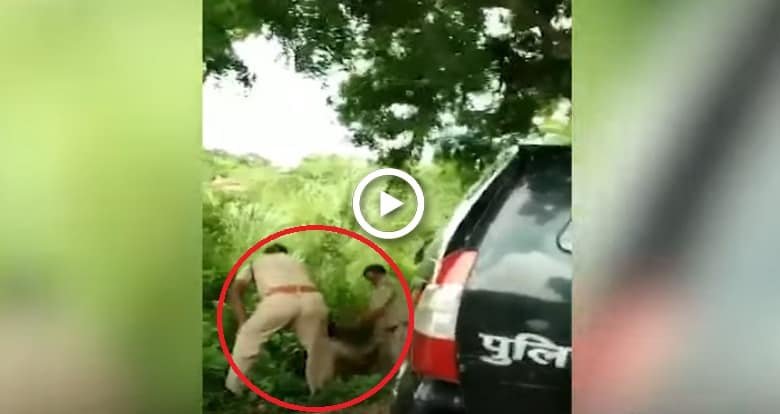
    A video of two Indian cops in the Uttar Pradesh (UP) state of the country, which shows them beating each other up “for the front seat of the patrol vehicle”, has gone viral over the internet.

    According to Times of India, the video was shot as the two Police Response Vehicle (PRV) constables fought for the front seat in the vehicle that was to patrol around the Bithoor town of UP’s Kanpur district.

    WATCH VIDEO:

    https://www.youtube.com/watch?v=XvBDWl8PKao

    The footage, shot by a passerby on August 18, also shows a third cop trying to bring his colleagues to peace.

    The UP police have reportedly suspended the constables for their inappropriate behaviour on duty.