Category: Uncategorized

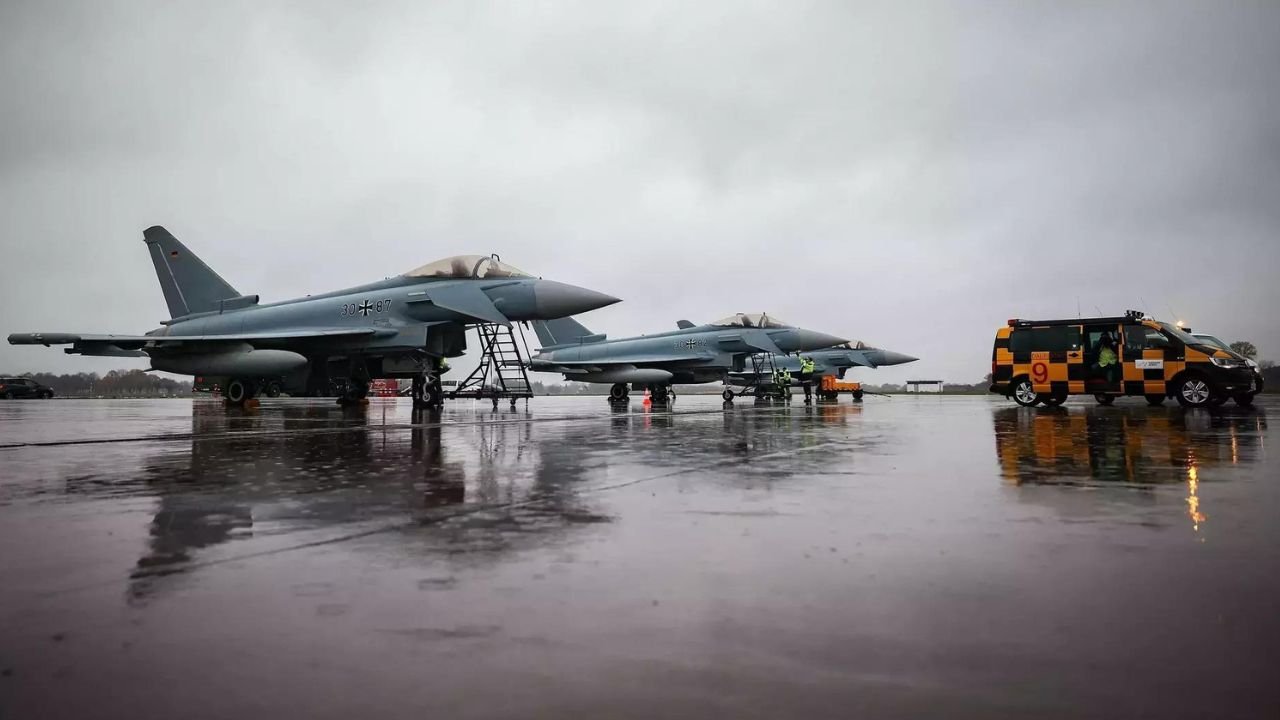
  • Germany Ready To Sell Eurofighter Jets To Saudi Arabia

    Germany Ready To Sell Eurofighter Jets To Saudi Arabia

    Chancellor Olaf Scholz’s government on Monday defended plans to lift Germany’s longstanding veto on sales of Eurofighter jets to Saudi Arabia, saying Riyadh has adopted a “constructive approach” in the Israel-Hamas war.

    Germany, Britain, Italy and Spain jointly build the jet and each can veto deals.

    Berlin has blocked one deal, sought by London, since 2018.

    But German Foreign Minister Annalena Baerbock, on a visit to Israel on Sunday, signalled that Berlin was ready to lift its blockade.

    “We do not see ourselves, as the German federal government, opposing British considerations on other Eurofighter (sales),” Baerbock told journalists, as she underlined the Saudi role in the Middle East security crisis since the eruption of the Israel-Hamas war on October 7.

    Scholz “shares this assessment,” his spokesman Steffen Hebestreit said on Monday at a press conference, noting that “it is an open secret that Saudi Arabia’s airforce has used Eurofighters to shoot down rockets launched by the Huthis on the way to Israel”.

    Germany has blocked arms sales to Riyadh since the 2018 murder of dissident journalist Jamal Khashoggi in the Saudi consulate in Istanbul.

    That includes blocking a deal for 48 Eurofighter jets signed by Saudi Crown Prince Mohammed bin Salman in London.

    Baerbock noted that Saudi Arabia and Israel had “not renounced their policy of normalisation” since the war broke out.

    “The fact that Saudi Arabia is now intercepting missiles fired by the Huthis at Israel underlines this, and we are grateful for that,” she added.

    “The fact that the Saudi air force also uses Eurofighters in this context is an open secret,” the minister continued.

    “Saudi Arabia is a key contributor to Israel’s security, even these days, and is helping to stem the risk of a regional conflagration.”

    Germany’s previous position against deliveries to the kingdom had put itself at odds with key partners, with Airbus chief Guillaume Faury saying in November that it was “damaging to Germany’s reputation as an exporting nation”.

    “This raises the question of confidence and the credibility of Germany as a country participating in international programmes,” he added.

    Berlin’s U-turn, however, risks opening up a new political row domestically, with Baerbock’s Greens already uneasy about the move.

    Co-chair of the Greens, Ricarda Lang, on Monday insisted that “with a view on the human rights situation, including Saudi Arabia’s domestic constitution, I think as before that it is wrong to deliver Eurofighters” to the kingdom.

  • Winning streak: Pakistani rupee appreciates 0.04% in fourth consecutive session

    Winning streak: Pakistani rupee appreciates 0.04% in fourth consecutive session

    In a resilient display, the Pakistani rupee continued its upward trajectory against the US dollar, marking gains for the fourth consecutive session in the interbank market on Monday. 

    The State Bank of Pakistan (SBP) reported a noteworthy appreciation of 0.04 per cent, with the rupee settling at Rs281.28 after a rise of Re0.12.

    This positive trend extends the rupee’s recent performance, as it achieved a 0.16 per cent appreciation during the preceding week, settling at Rs281.40 against the US dollar in the inter-bank market. 

    Impressively, this marks the eighth consecutive week of the local currency advancing against the greenback.

    The momentum driving the rupee’s strength can be attributed to the recent announcement of a staff-level agreement (SLA) between Pakistan and the International Monetary Fund (IMF). 

    This agreement pertains to the first review of the $3 billion standby arrangement (SBA), reinforcing investor confidence in Pakistan’s economic stability.

    A significant development contributing to this positive outlook is the notable increase in foreign exchange reserves held by the State Bank of Pakistan. 

    According to SBP data from the previous week, the central bank’s reserves surged by $464 million on a weekly basis, reaching $8.2 billion as of December 29.

    Internationally, the US dollar maintained stability on Monday, with investors eagerly awaiting a crucial US inflation report later in the week. This report is expected to provide clarity on the Federal Reserve’s monetary policy outlook. 

    The greenback’s recent rally was supported by a rebound in US Treasury yields as traders adjusted their expectations regarding the pace and scale of potential Fed cuts this year. 

    This cautious optimism globally has complemented Pakistan’s positive economic indicators, contributing to the sustained strength of the Pakistani rupee against the US dollar.

  • ‘Sky will not fall if polls are deferred’: Maulana Fazlur Rehman 

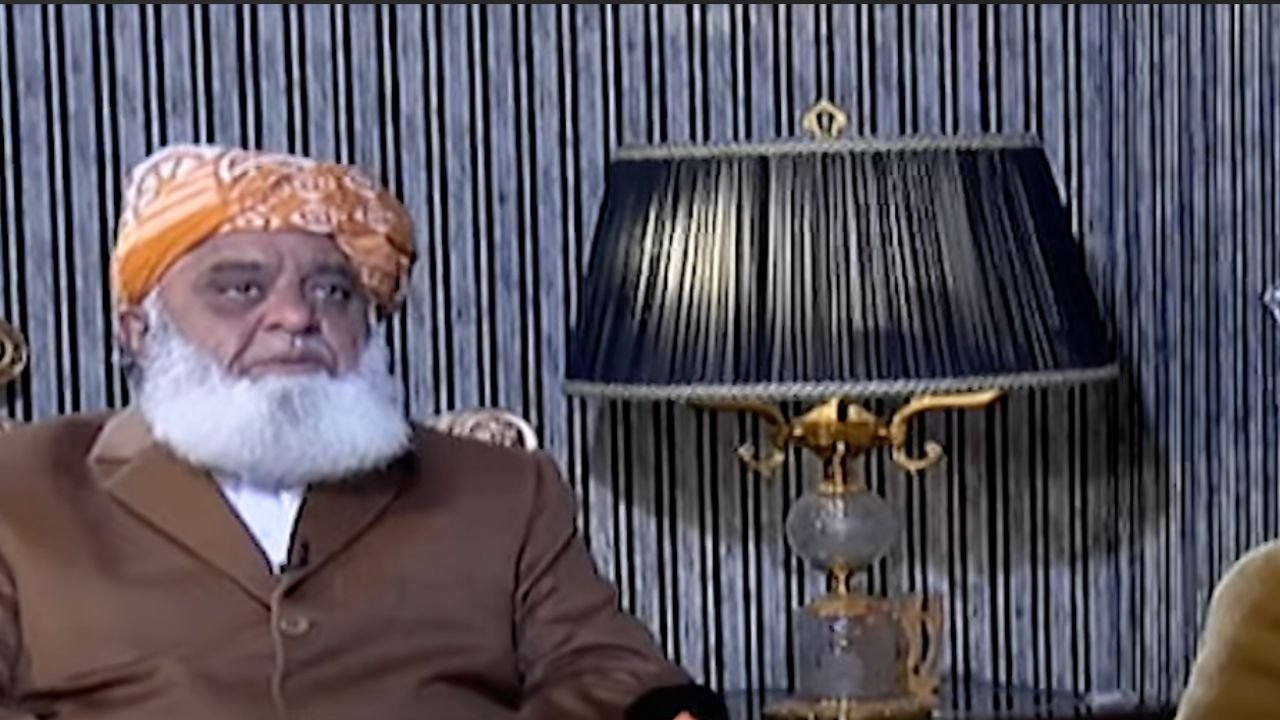
    ‘Sky will not fall if polls are deferred’: Maulana Fazlur Rehman 

    Amid the ongoing controversy about the general elections scheduled for February 8, Jamiat Ulema-e-Islam-Fazl (JUI-F) chief Maulana Fazlur Rehman said that the Senate’s resolution advocating the postponement of the electoral process aligns with his party’s stance.

    The resolution, proposed by an independent lawmaker in the upper house of parliament on Friday amid concerns about extreme weather conditions and the security situation in the country.

    Maulana Fazlur Rehman, speaking on Geo News‘ program ‘Jirga’ before embarking on his visit to Afghanistan on Sunday, emphasised the need for a deferral of polls for the betterment of the security situation. 

    “Sky will not fall if polls are deferred for the betterment of the [security] situation,” Fazl said. He has continued to raise concerns about the security situation in the country, especially in Khyber Pakhtunkhwa (KP) and Balochistan.

    The JUI-F chief’s visit to Kabul comes at a delicate juncture, marked by strained relations between Pakistan and Afghanistan due to a surge in terror incidents, primarily attributed to the Tehreek-e-Taliban Pakistan (TTP), a banned outfit.

    Maulana Fazlur Rehman has consistently asserted that the current situation in the country is not conducive to holding elections, citing multiple attacks on his party in the last six months. The most recent incident was a gun attack on the JUI-F’s convoy in Dera Ismail Khan, where fortunately, he remained unharmed.

    The controversy surrounding the postponement of elections, which have already been delayed, intensified following the Senate’s approval of a resolution seeking to defer polls.

    However, a fresh resolution was tabled on Saturday in favour of conducting elections on February 8 as originally scheduled, leading to the initiation of contempt proceedings against senators involved in the delay resolution.

    Speaking about the motion to postpone polls, Maulana Fazlur Rehman stated in an interview that the Senate resolution supported the JUI-F’s stance on the threats of terrorism, although he claimed to have no prior information about the resolution.

    Expressing concerns about the electoral environment, especially in KP and Balochistan, the seasoned politician urged stakeholders to grasp the gravity of the situation. “People are being threatened through pamphlets warning them against attending JUI-F rallies.”

    Despite the challenging circumstances, Maulana Fazlur Rehman expressed hope for improvement and emphasised that his party would participate in elections. He stated, “We are not the ones running away from the elections,” underscoring the importance of talks and mediation while assessing ground realities for discussions with the TTP.

    Addressing the issue of a level-playing field, the JUI-F leader criticised the use of the term for a single party, alluding to shifts in political support. 

    “Yesterday’s blue-eyed boy is also being supported today,” he said without naming anyone.

    The year 2023 witnessed Pakistan grappling with terrorism, internal conflicts, socioeconomic disparities, regional instability and heightened tensions with militant groups along the Afghanistan border.

    Maulana Fazlur Rehman, consistently voicing grave concerns over the peace and security situation, recalled previous attacks on his party members. Notably, in September, a blast in Mastung injured senior JUI-F leader Hafiz Hamdullah, while in July, a suicide blast targeted a JUI-F workers’ convention in Bajaur’s Khar, resulting in the death of at least 40 party workers.

    In contrast to the JUI-F’s position, almost all major political parties have rejected the resolution to defer polls, insisting that the general elections must proceed as scheduled on February 8.

  • No extension in school holidays in Punjab but timings have been changed

    No extension in school holidays in Punjab but timings have been changed

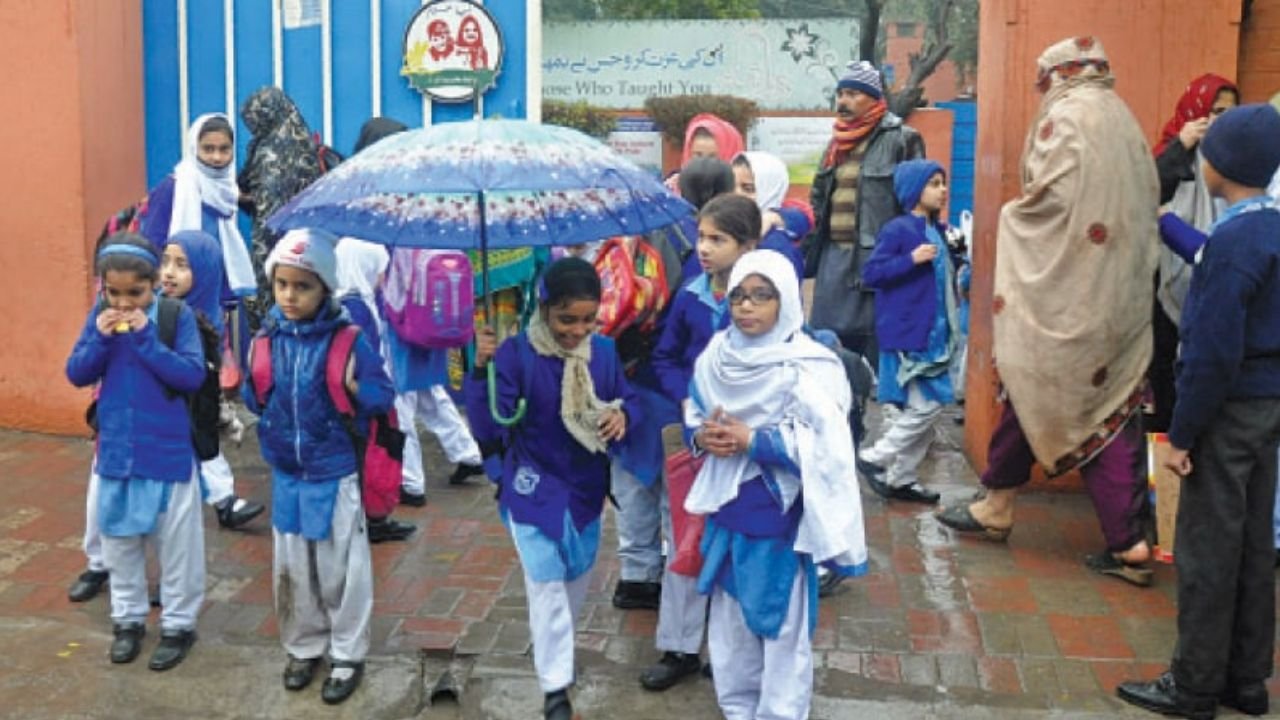
    Caretaker Chief Minister Punjab, Mohsin Naqvi has announced on X that school will resume on January 10, 2024, as planned.

    However, considering the ongoing winter wave, schools will start at 9:30 am from January 10 to 22nd. After the 22nd, it is expected that they will resume their regular school timings.

  • Daughter’s burnt body found in father’s Gujranwala furniture showroom

    Daughter’s burnt body found in father’s Gujranwala furniture showroom

    The burnt body of a married young woman was found in her father’s furniture showroom in Gujranwala, reports Geo News.

    While the reason for the murder is unknown as yet, the husband of the victim is absconding and according to the preliminary investigation of the police, he is the prime suspect.

    According to further details, 24-year-old Maryam, a resident of Dhariwal, was first married to her cousin. After the marriage ended in a divorce, Maryam’s second marriage took place with Sajid, a resident of Kot Ishaq.

    Sajid and Maryam used to fight often. About six months ago, Maryam’s parents brought their daughter and son-in-law to their village and offered them a room adjacent to her father’s furniture showroom to live in.

    Maryam’s father told the police that he had gone to a nearby mosque for Fajr prayers in the morning and came back to see the burnt body.

    The police say that the search for the woman’s husband is going on.

  • Supreme Court not running anyone’s campaign: Qazi Faez Isa

    Supreme Court not running anyone’s campaign: Qazi Faez Isa

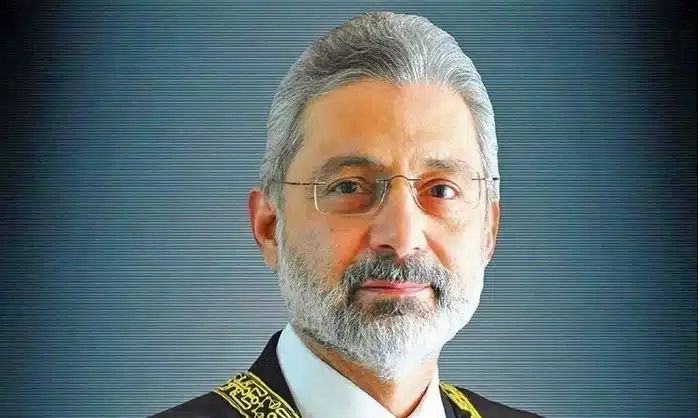
    Chief Justice of Pakistan (CJP) Qazi Faez Isa stated on Monday that the Supreme Court (SC) is not running anyone’s election campaign while hearing Pakistan Tehreek-e-Insaf’s (PTI) plea seeking contempt charges against the Election Commission of Pakistan (ECP) for allegedly not providing a level-playing field to the party in the upcoming general elections set to take place on February 8, 2024.

    PTI lawyer and leader, Sardar Latif Khosa said that party leaders are facing political victimisation, on which CJP Isa responded, “We are the Supreme Court, not the government. We are not running anyone’s campaign.”

    A three-member bench, including CJP Isa, Justice Muhammad Ali Mazhar, and Justice Musrat Hilali heard the case.

    At the last hearing, the SC issued notices on Wednesday to the Inspector General of Police Punjab (IGP), chief secretary, and advocate general in response to the PTI plea.

    Sardar Latif Khosa presented arguments on behalf of party leader Shoaib Shaheen.

  • Rotten food and cat hunting as famine hits Gaza

    Rotten food and cat hunting as famine hits Gaza

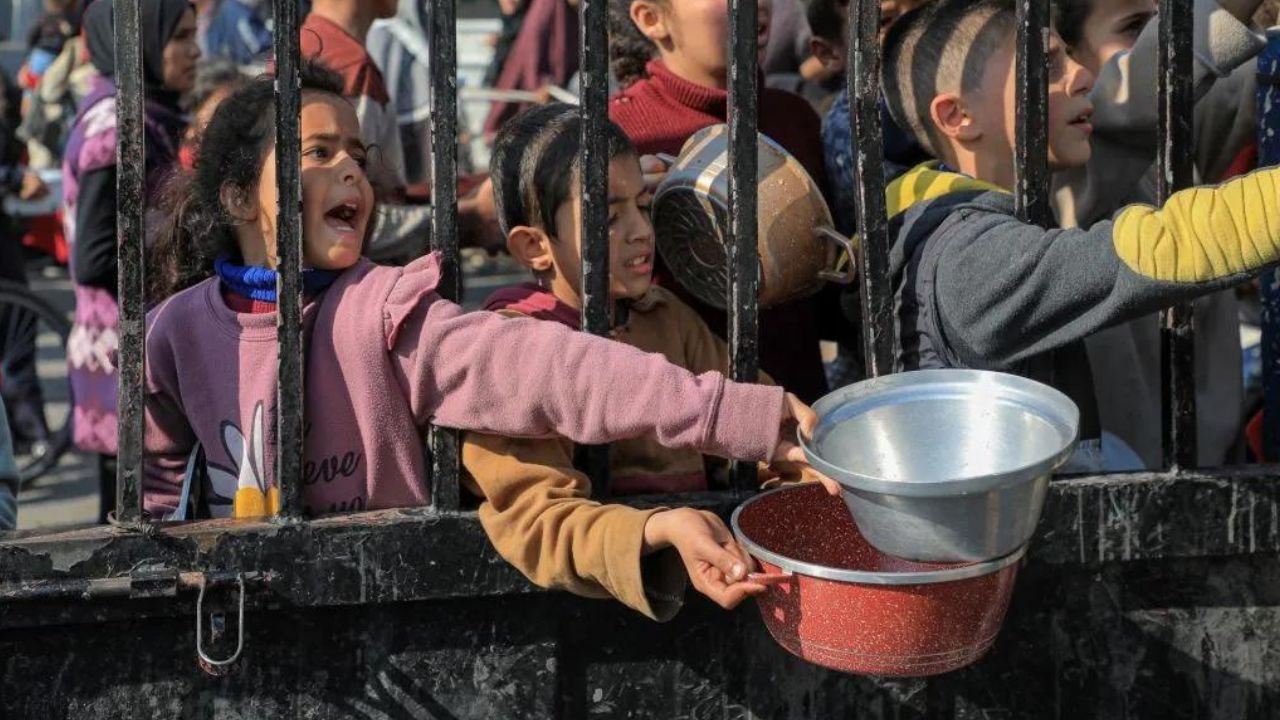
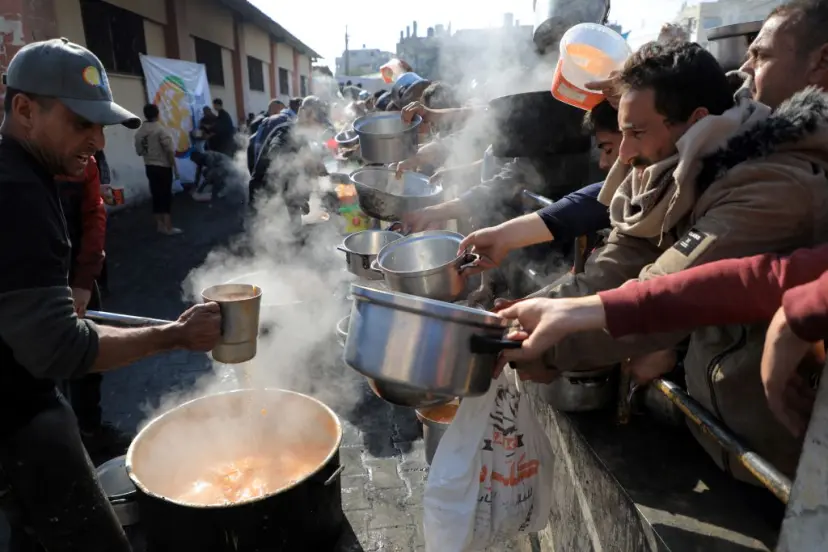
    As the war on Gaza extends into its 90th day, impending famine and starvation are haunting the besieged strip.

    According to an assessment of the integrated food security phase classification initiative, a UN-backed body that sets the international standard that determines the severity of the food crisis, food shortage in Gaza is solely a consequence of war. Before it began, about 150 to 180 food lorries entered Gaza every day. Since, the end of the “humanitarian pause” a month ago, only about 30 do so. They are blocked by Israeli bombardment, fighting on the ground, and by restrictions and inspections on the border with Egypt, imposed by the Israeli and Egyptian authorities, cites The Times.

    More than a million people are displaced in Gaza but none is safe from hunger. It is rampant in Gaza, it is in the wasteland of al-Mawasi encampment in Gaza where handfuls of dirty flour are kneaded by mothers to make bread for their children. It is in the fires, stoked with plastic bottles, which produce nothing but choking black smoke. Children in Gaza no longer play but lie around, exhausted by hunger. It is in food that is rotten and makes you sick but is eaten just the same.

    Camellia Subeh talked to The Times who stated that her breasts no longer produce milk for her baby son.⁠ “My other sons keep saying, ‘Mum, I’m dizzy, I have a headache,” said the mother of five, sitting outside a shelter she built on the mud from scraps of plastic and wood. Subeh and her children left their home in northern Gaza weeks ago on the instructions of the Israel Defence Forces (IDF). They said this is a safe area. Perhaps it is safe from the bombs that have destroyed Gaza’s cities and towns but not from hunger, diseases, or thirst that will kill just the same as a bullet will. “This place is like a desert, all sand,” Subeh said. “We are so tired.” The Palestinian death toll in the Gaza Strip after nearly three months of war stands at 21,672, with more than 55,000 wounded, the territory’s health ministry said on Saturday.

    A 13-year-old, Muhammad al-Yaziji, told The Times, “I feel that this burden is very heavy for us. We became like beggars. We were not like that.”

    In an interview with the New Yorker, Arif Hussain, the chief economist at the United Nations World Food Program explains that according to a consensus-based analysis by Integrated Phase Classification, the entire population of 2.2 million people is in a food-security crisis or a worse situation implying a famine is coming because the conditions are “catastrophic”.

    Human Rights Watch drew from Israeli officials’ statements, interviews with people in the territory about the lack of food, and evidence of bombardment that has destroyed infrastructure and resources to accuse Israel in a December report of starvation as a war crime.

  • Bangladesh’s Hasina wins re-election after polls without opposition

    Bangladesh’s Hasina wins re-election after polls without opposition

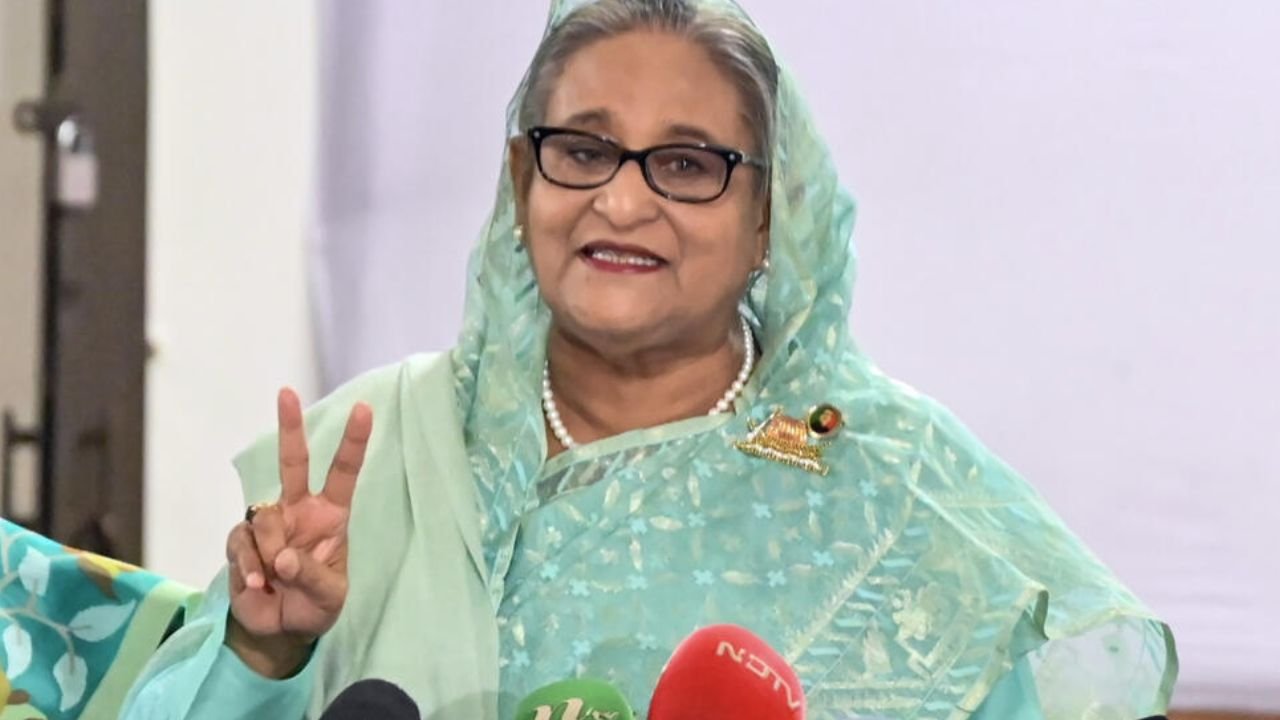
    Bangladesh’s Prime Minister Sheikh Hasina won re-election for a fifth term Sunday, officials said, following a boycott led by an opposition party she branded a “terrorist organisation”.

    Hasina’s ruling Awami League “has won the election”, an Election Commission spokesman told AFP in the early hours of Monday morning, after a vote that initial reports suggested had a meagre turnout of some 40 percent.

    She has presided over breakneck economic growth in a country once beset by grinding poverty, but her government has been accused of rampant human rights abuses and a ruthless opposition crackdown.

    Her party faced almost no effective rivals in the seats it contested, but it avoided fielding candidates in a few constituencies, in an apparent effort to avoid the legislature being branded a one-party institution.

    The opposition Bangladesh Nationalist Party (BNP), whose ranks have been decimated by mass arrests, called a general strike and, along with dozens of others, refused to participate in a “sham election”.

    While the final result and exact figures will be formally announced at a ceremony later on Monday, election commission officials said Hasina’s party had won around three-quarters of seats, at least 220 of the total 300.

    But support of other lawmakers including from allied parties could push Hasina’s control over parliament even higher.

    ‘Disgrace’

    Hasina, 76, had called for citizens to show faith in the democratic process.

    “The BNP is a terrorist organisation,” she told reporters after casting her vote. “I am trying my best to ensure that democracy should continue in this country.” 

    First-time voter Amit Bose, 21, said he had cast his ballot for his “favourite candidate”, but others said they had not bothered because the outcome was assured.

    “When one party is participating and another is not, why would I go to vote?” said rickshaw-puller Mohammad Saidur, 31.

    BNP head Tarique Rahman, speaking from Britain where he lives in exile, told AFP he feared “fake votes” would be used to boost voter turnout.

    “What unfolded was not an election, but rather a disgrace to the democratic aspirations of Bangladesh,” he wrote on social media, alleging he had seen “disturbing pictures and videos” backing his claims.

    Among the victors was Shakib Al Hasan, the Bangladesh cricket team captain, who won his seat for Hasina’s party in a landslide, local officials said.

    Fear of ‘further crackdown’

    The BNP and other parties staged months of protests last year, demanding Hasina step down ahead of the vote. Officers in the port city of Chittagong broke up an opposition protest Sunday, firing shotguns and tear gas canisters.

    But election officials said voting was largely peaceful, with nearly 800,000 police officers and soldiers deployed countrywide.

    Meenakshi Ganguly, from Human Rights Watch, said Sunday that the government had failed to reassure opposition supporters that the polls would be fair, warning that “many fear a further crackdown”.

    Politics in the country of 170 million people was long dominated by the rivalry between Hasina, the daughter of the country’s founding leader, and two-time premier Khaleda Zia, wife of a former military ruler.

    Hasina has been the decisive victor since returning to power in a 2009 landslide, with two subsequent polls accompanied by widespread irregularities and accusations of rigging.

    Zia, 78, was convicted of graft in 2018 and is now in ailing health at a hospital in Dhaka. BNP head Rahman is her son.

    ‘Dangerous combination’

    Hasina has accused the BNP of arson and sabotage during last year’s protest campaign, which was mostly peaceful but saw several people killed in police confrontations.

    The government’s security forces have been dogged by allegations of extrajudicial killings and enforced disappearances — charges it rejects.

    Economic headwinds have left many dissatisfied with Hasina’s government, after sharp spikes in food costs and months of chronic blackouts in 2022.

    Pierre Prakash of the International Crisis Group said before the vote that Hasina’s government was clearly “less popular than it was a few years ago, yet Bangladeshis have little real outlet at the ballot box.”

    “That is a potentially dangerous combination.”

  • Bilawal to contest on two, Zardari on one NA seat

    Bilawal to contest on two, Zardari on one NA seat

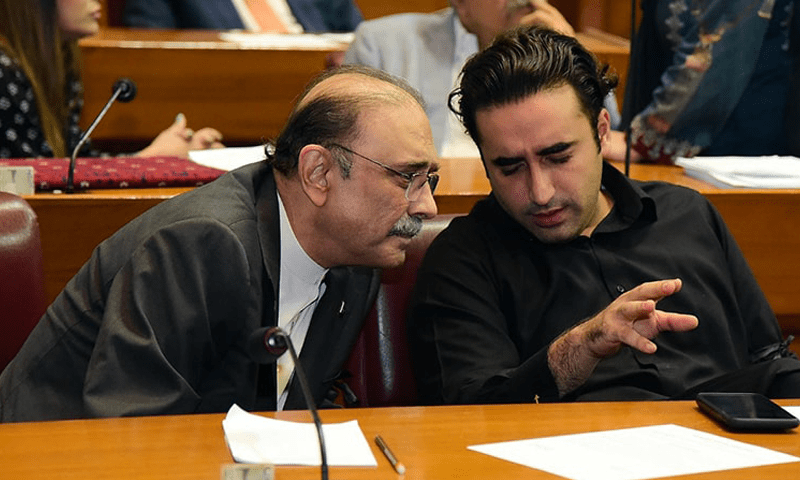
    Bilawal Bhutto-Zardari, the Chairman of the Pakistan Peoples Party (PPP), is set to run for two National Assembly seats in the upcoming general elections, while his father, co-chairman, Asif Ali Zardari will contest from one National Assembly seat from Sindh, as reported by The News on Saturday.

    According to a list of participating candidates from Sindh and Balochistan announced by the PPP (Parliamentarians), the former foreign minister will run for NA-194 in Larkana-I and NA-196 in Qambar Shahdadkot-I, while former president Zardari will contest elections from NA-207 in Shaheed Benazirabad-I.

    The party released its list a day earlier, revealing the candidates’ names and constituencies in Sindh who are going to participate in a significant political competition scheduled for the upcoming month, aiming to secure positions in both the National and Sindh assemblies.

    Other prominent names that the party has fielded for contesting the much-awaited elections for a seat in the lower house from the southern province, include Syed Khursheed Ahmed Shah from NA-201 (Sukkur-II), Nafisa Shah from NA-202 (Khairpur-I), Shazia Atta Marri from NA-209 (Sanghar-I), Pir Aftab Shah Jeelani from NA-211 (Mirpurkhas-I), Mir Munawar Ali Talpur from NA-212 (Mirpurkhas-II), Syed Naveed Qamar from NA-221 (Tando Muhammad Khan), Nabeel Gabol from NA-239 (Karachi South-I) and Abdul Qadir Patel from NA-243 (Karachi Keamari-II), among others.

  • India-settled Pakistani Seema’s husband has not seen his children in seven months, asks government for justice

    India-settled Pakistani Seema’s husband has not seen his children in seven months, asks government for justice

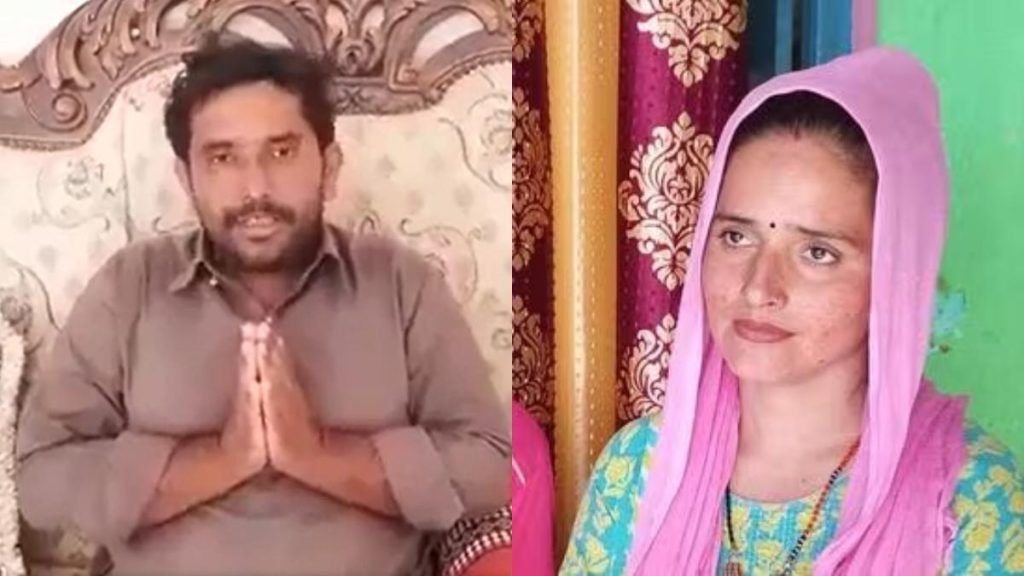
    Pakistani woman Seema Haider, who went viral last year for illegally crossing the border to marry an Indian PUBG friend, is now expecting her fifth child, her first with her cross-border paramour.

    Seema made headlines last year when she took her four children and crossed the border to marry Noida-based Sachin Meena, got arrested but still managed to officiate the marriage by converting to Hinduism.

    Recently, while speaking at a YouTube show, Seema said she would welcome the newborn soon. When the reporter asked if 2024 would bring new happiness, Seema said, “Definitely,” adding, “2023 also brought a lot of joy”.

    The Pakistani national, who lives with Sachin and her four other children in Greater Noida, said that her husband’s birthday was also approaching, “and it would be great to have another member around the same time.”

    Asked about the delivery date, Seema said, “It’s impossible before Holi but the good news will come soon.”

    Meanwhile, Sachin’s father, a palmist, had a look at Seema’s palm and predicted the newborn would be a baby boy.

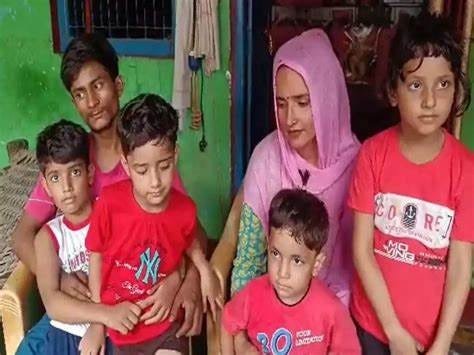
    Seema moved to India via Nepal with her four children. Her eight-year-old son, Farhan Ali was named Raj after the family arrived here. Her three daughters Farva, 6, Fariha Batool, 4, and Farha, are now Priyanka, Munni, and Pari respectively.

    Ghulam Haider, Seema’s Pakistani husband, has approached the Pakistani Foreign Office and the Indian High Commission seeking the return of his children to Pakistan.

    His lawyer says that the children were taken there illegally without the consent of the biological father.

    Haider hasn’t spoken to his four children in seven months, says his legal team.

    Haider plans to pursue legal actions in Indian courts and the UN Human Rights Council (UNHRC).