Category: Uncategorized

  • PKR ends week in green, settles at Rs281.4 vs USD

    PKR ends week in green, settles at Rs281.4 vs USD

    The Pakistani rupee demonstrated resilience, marking its third consecutive session of gains against the US dollar with a 0.1 per cent appreciation in the inter-bank market on Friday. 

    According to the State Bank of Pakistan (SBP), the rupee concluded at Rs281.4, reflecting an increase of Re0.27.

    In a noteworthy development, the SBP’s foreign exchange reserves experienced a significant boost of $1.3 billion over a two-week period, attributed to official inflows from international financial institutions facilitated by the government of Pakistan. 

    The upward trajectory in the SBP’s foreign exchange reserves was evident in the final weeks of December. Inflows totaling $852 million were reported for the week ending December 22, 2023, followed by an additional $464 million by December 29, 2023. 

    Cumulatively, an impressive $1.316 billion contributed to the SBP’s reserves during this fortnight.

  • Israeli Minister Lays Out Post-war Gaza Plan As Fighting Rages

    Israeli Minister Lays Out Post-war Gaza Plan As Fighting Rages

    Israel’s defence minister has publicly presented for the first time proposals for the post-war administration of Gaza, where officials said Friday unrelenting bombardment has killed dozens over 24 hours.

    Defence Minister Yoav Gallant’s plan for the “day after”, shared with the media late Thursday but not yet adopted by Israel’s war cabinet, says that neither Israel nor Hamas will govern Gaza and rejects future Jewish settlements there.

    The minister’s broad outline was unveiled on the eve of US Secretary of State Antony Blinken’s fourth trip to the region since October 7.

    Questions over the future of the besieged Palestinian territory have multiplied as Israel insists it will continue with its military operations despite international calls for a ceasefire.

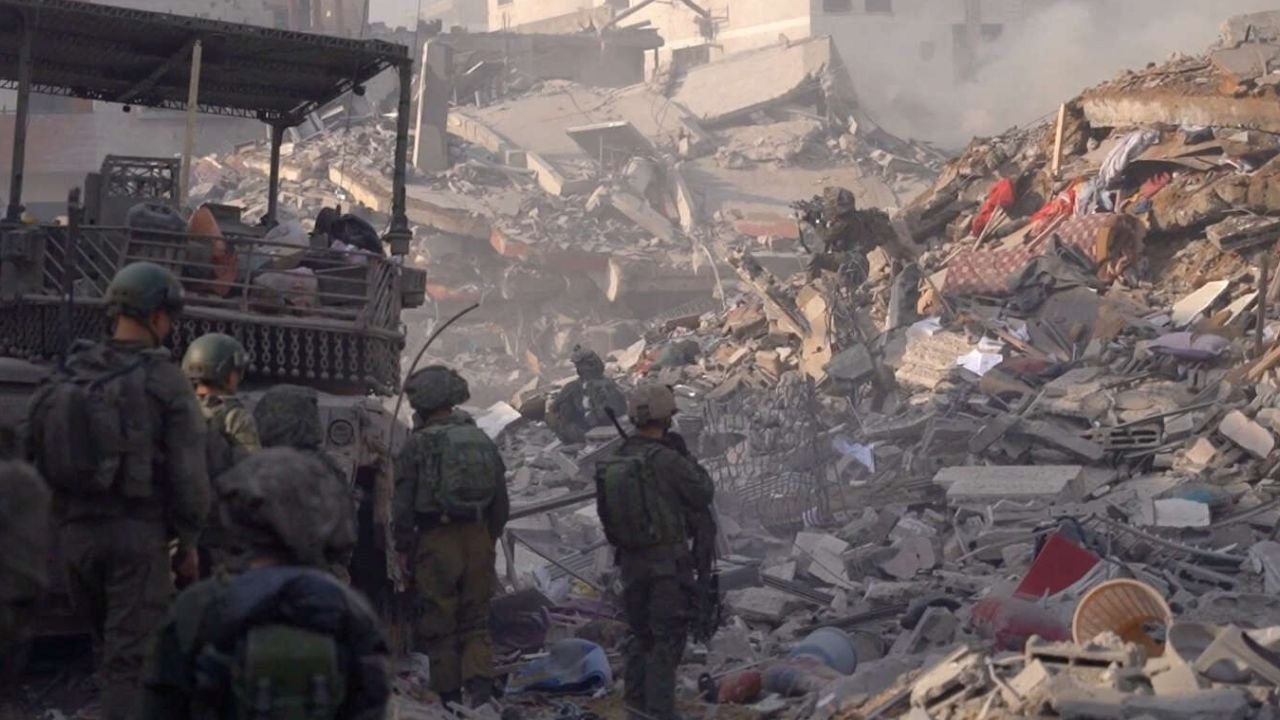
    Much of the Gaza Strip has been reduced to rubble, while civilian deaths have soared and the UN has warned of a humanitarian crisis that has left hundreds of thousands displaced, facing famine and disease.

    Bombing continued through the night in the southern areas of Khan Yunis and Rafah as well as parts of central Gaza, according to AFP correspondents.

    The Israeli army said its forces had “struck over 100 targets” across Gaza over the past 24 hours, including military positions, rocket launch sites and weapons depots.

    The health ministry said it had recorded 162 deaths also over the past 24 hours.

    A fighter jet hit the central area of Bureij overnight, killing “an armed terrorist cell”, the army said, after what it described in a statement as an attempted attack on an Israeli tank.

    And “a number” of Palestinian militants were killed in clashes in Khan Yunis, a major city in southern Gaza that has become the focus of the fighting, the army said.

    According to Gallant’s proposed outline, the war will continue until Israel has dismantled Hamas’s “military and governing capabilities” and secured the return of hostages.

    After Israel achieves its objectives — for which the proposal sets no timeline — Palestinian “civil committees” will begin assuming control of the territory’s governance, it said.

    “Hamas will not govern Gaza, (and) Israel will not govern Gaza’s civilians,” the plan said, while offering little concrete detail.

    “Palestinian bodies will be in charge, with the condition that there will be no hostile actions or threats against the State of Israel.”

    Israel launched its campaign against Hamas after the militant group’s October 7 attack, which resulted in the deaths of around 1,140 people, most of them civilians, according to an AFP tally based on official Israeli figures.

    The militants also took around 250 hostages, 132 of whom remain in captivity, according to Israel, including at least 24 believed to have been killed.

    Israel’s relentless bombardment and ground invasion have killed at least 22,600 people, most of them women and children, according to the Gaza health ministry.

    Conditions for Gaza’s civilians are precarious, with the United Nations estimating 1.9 million people are displaced.

    AFPTV footage showed entire families, seeking safety from the violence, arriving in the southern border city of Rafah in overloaded cars and on foot, pushing handcarts stacked with possessions.

    “We fled Jabalia camp to Maan (in Khan Yunis) and now we are fleeing from Maan to Rafah,” said one woman who declined to give her name. “(We have) no water, no electricity and no food.”

    A spokesman for the UN agency for Palestinian refugees, UNRWA, told AFP that Rafah is overwhelmed by the influx.

    “The city is usually home to only 250,000 persons. And now, it’s more than 1.3 million,” said Adnan Abu Hasna.

    “We have recently noticed a major collapse in health conditions” and a “significant spread” of disease, he added.

    Ahmad al-Sufi, head of the Rafah emergency committee said there was an urgent need for 50,000 tents to house the refugees.

    At Al-Amal hospital in Khan Yunis, one of Gaza’s few medical facilities still operating, the Palestinian Red Crescent Society said seven displaced people, including a five-day-old baby, were killed while sheltering in the compound.

    Dozens more were killed in nearby strikes during three days of bombardment, the Red Crescent said, reporting renewed artillery shelling and drone fire in the area on Friday.

    During his visit, Blinken plans to discuss with Israeli leaders “immediate measures to increase substantially humanitarian assistance to Gaza”, State Department spokesman Matthew Miller said.

    Germany’s top diplomat Annalena Baerbock will also travel to the region, foreign ministry spokesman said, beginning Sunday in Israel and also meeting with Palestinian leaders.

    She plans to discuss “the dramatic humanitarian situation in Gaza” and tensions on the Israel-Lebanon border, spokesman Sebastian Fischer said.

    Aid entering the besieged territory has slowed to a trickle during the war.

    The UN’s humanitarian office OCHA said on Thursday that it had been unable to deliver “urgently needed life-saving” aid north of Wadi Gaza — an area including Gaza City — for four days “due to access delays and denials” and active fighting.

    The war in Gaza and almost daily exchanges of fire across the border since October 7 have threatened to draw Israel’s northern neighbour into a regional conflagration.

    A strike on Tuesday in Lebanon, widely assumed to have been carried out by Israel, killed Hamas deputy leader Saleh al-Aruri.

    It hit the south Beirut stronghold of the powerful Iran-backed Hezbollah movement.

    Hezbollah has vowed that the killing on its home turf will not go unpunished, while Israeli army chief Herzi Halevi said troops on the border were “in very high readiness”.

    Israel’s military said on Friday its fighter jets had conducted fresh strikes against Hezbollah targets just across the border in Lebanon.

    The frequent bombardments has driven 76,000 people from their homes on the Lebanese side of the border, the UN’s migration agency said on Thursday. Israel evacuated thousands of its civilians from the border area in the early weeks of the war.
  • ICC has changed the law of stumping review

    ICC has changed the law of stumping review

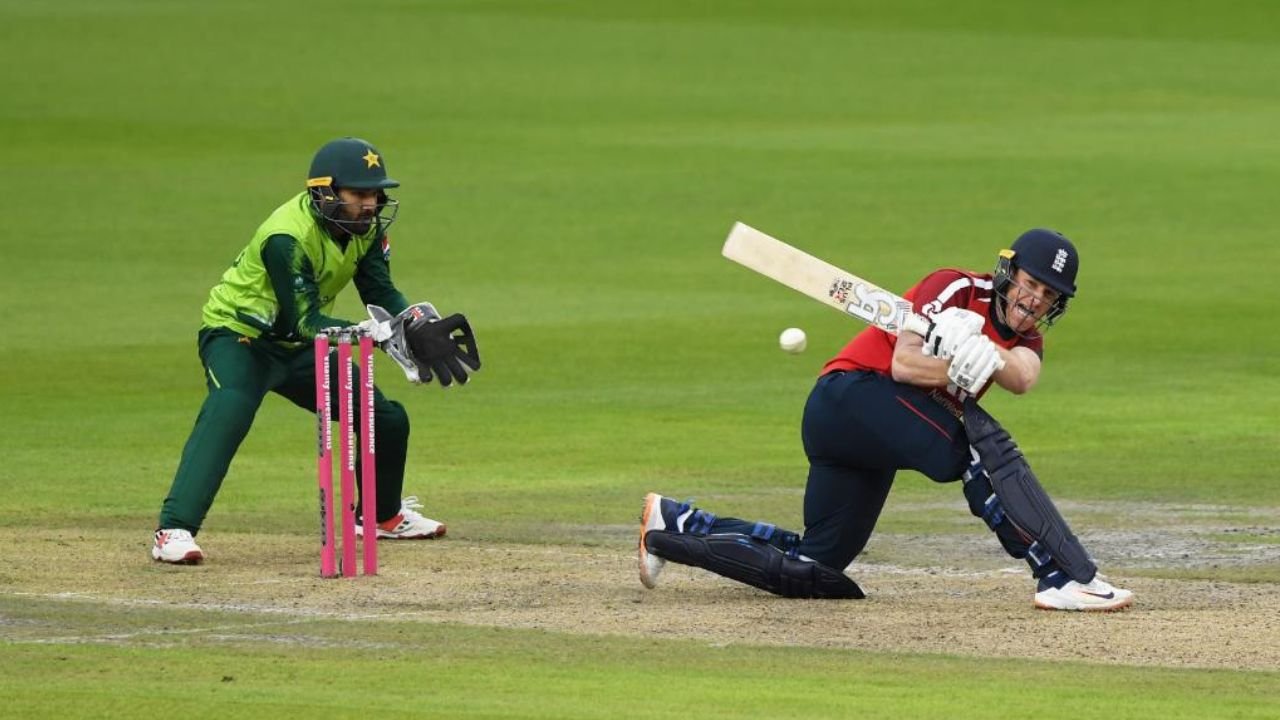
    The International Cricket Council (ICC) has changed the law of stumping review, according to which ‘the field umpire can only check the batter’s crease position’.

    Old Rule:

    According to the media report, if the off-field umpire had approached the third umpire to clear his doubts about the appeal of stumping by the fielding side in cricket, other types of outs including catches behind the wickets would have been checked and there would have been a chance to get a wicket, but this law has been changed since December 1.

    If the on-field umpire had checked the stumping, the bowling side would have got a free review. Now a straight and clear law has been introduced in this regard, in which it will be seen only from the side angles whether the batter was outside the crease at the time of stumping or not.

    New Rule:

    If the field umpire seeks the opinion of the third umpire, then he will make a decision only regarding stumping, even if there is any other type of dismissal, the decision will not be given in favor of the bowling side, for this a review will have to be taken.

    Another law change made it clear that if a player suffering from a concussion is currently suspended from bowling, his replacement will not be allowed to bowl. Only 4 minutes will be given to decide whether to assist or take off the field, the TV umpire will now be able to check all types of no balls, not just front foot.

  • Finally, some good news for PTI

    Finally, some good news for PTI

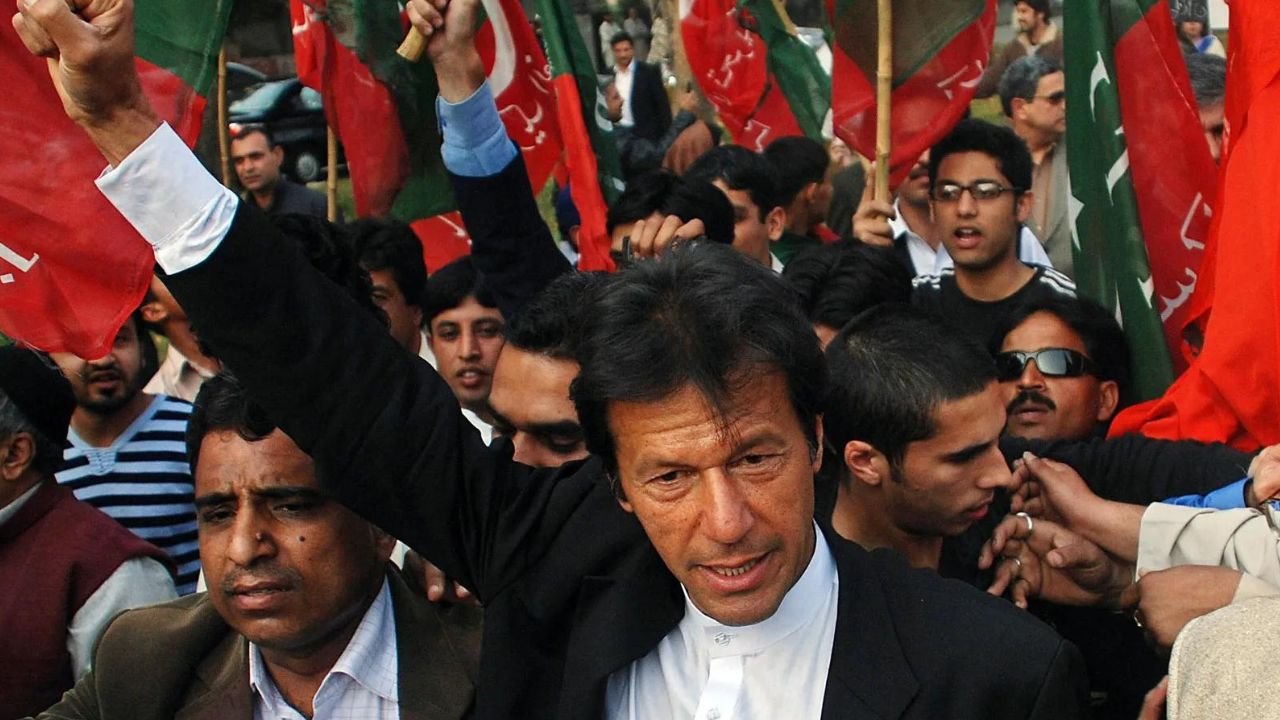
    Several Pakistan Tehreek-e-Insaf (PTI) aspirants, along with their allies, re-entered the electoral fray on Thursday following successful appeals against the rejection of their nomination papers by Returning Officers (ROs) during the scrutiny process last week.

    The appellate tribunals, responsible for reviewing appeals against ROs’ decisions, swung into action a day after the deadline for filing appeals expired.

    Rulings were issued on many appeals, while notices were dispatched to the Election Commission of Pakistan (ECP) and other relevant parties for further cases.

    Numerous PTI candidates, facing rejection of their nomination papers, took up the challenge against RO decisions. Simultaneously, objections were raised against the acceptance of Pakistan Muslim League-Nawaz (PML-N) President Shehbaz Sharif’s papers in Karachi.

    According to the election schedule, nomination papers were accepted until December 22, scrutinized by December 30, and the appeal window extended until January 3. The tribunals are expected to conclude all appeals by January 10.

    Among those approved by the appellate tribunals are PTI Central Vice President Firdous Shamim Naqvi for NA-236, Karachi, and party ally Sheikh Rashid and his nephew Sheikh Rashid Shafiq for NA 56 and 57, Rawalpindi. Additionally, several other candidates from various parties, including Ijazul Haq and Punjab Assembly Speaker Sabatin Khan, received the green light to contest elections.

    Firdous Shamim Naqvi took to Twitter (former X) and wrote, “Jibran, Andaleeb and Shiraz, the team that batted for me to get my nomination cleared by the tribunal. My thanks to all those who prayed for my success. I hope to contest with your support and bat for Pakistan. Inshallah we will all succeed on the 8th of February 24.”

    In Rawalpindi, two election tribunals continued hearings on Thursday, deciding a total of 26 appeals—approving 20 and rejecting six. Notably, the tribunals accepted appeals from prominent figures such as PTI founder Imran Khan, former Punjab chief minister Parvez Elahi, and former minister Fawad Chaudhary, prompting notices to the ECP and relevant returning officers.

    Justice Chaudhry Abdul Aziz, a tribunal judge, emphasized the need to adhere to the Constitution and the law during appeal hearings, discouraging the discussion of political matters in court.

    In Islamabad, an appellate tribunal issued notices on appeals from 51 candidates whose nomination papers were rejected, including PTI’s Ilyas Mehrban, Aamir Mughal, Shiraz Kayani, and Zubair Farooq. Tribunal Judge Arbab Muhammad Tahir also sought responses on the appeal against the acceptance of the transgender candidate Nayab Ali’s nomination papers for NA-46 and NA-47.

    Meanwhile, in Karachi, the appellate tribunal at the Sindh High Court accepted the nomination papers of PTI Central Vice President Firdous Naqvi for NA-236, Karachi, declaring objections to his papers as “illegal.”

    The election process is currently undergoing a thorough review, with various candidates and parties actively participating in the appeal process to ensure fair representation in the upcoming elections. The tribunals are expected to play a crucial role in shaping the final candidate list for the upcoming polls.

  • Japan quake death toll rises to 92, missing 242

    Japan quake death toll rises to 92, missing 242

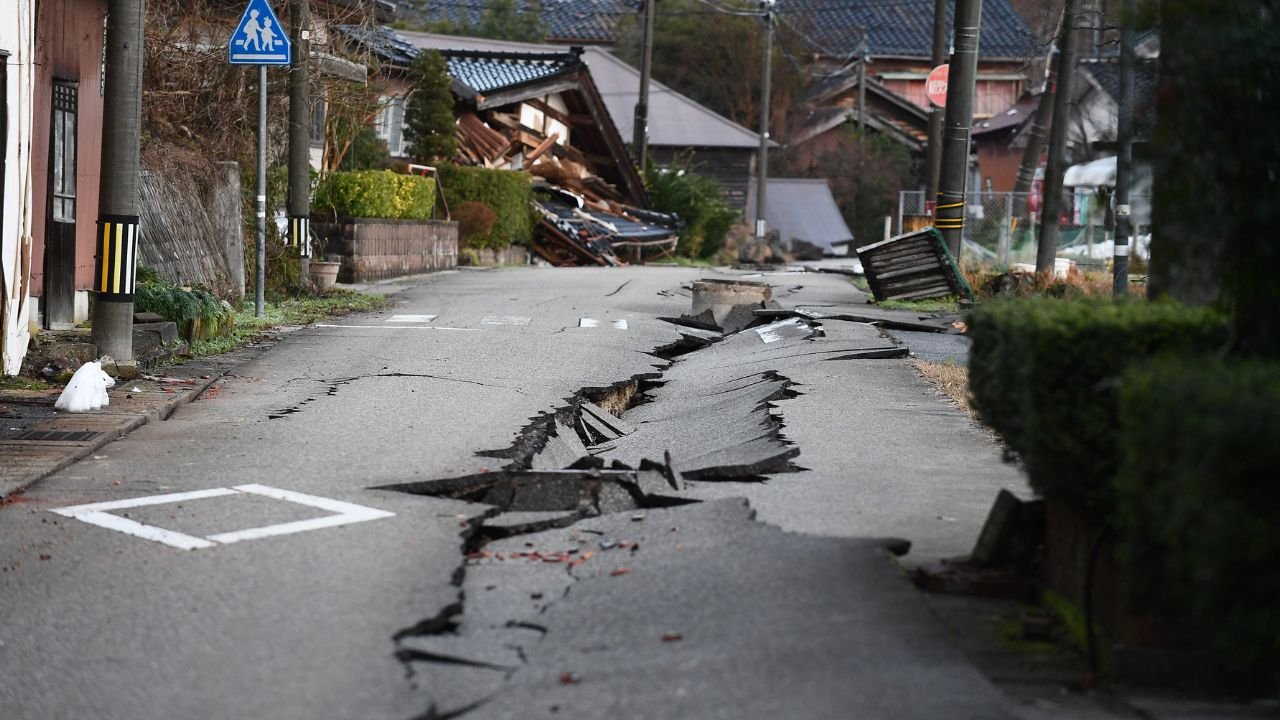
    Anamizu (Japan) (AFP) – The death toll from a devastating earthquake in central Japan rose to 92 on Friday, regional authorities said, with the number of missing jumping to 242.

    Two elderly women were pulled from the rubble, but hopes of finding other survivors faded as thousands of rescuers raced against the clock four days after the 7.5-magnitude quake on New Year’s Day.

    Thousands of rescuers from all over Japan have been battling aftershocks and roads littered with gaping holes and blocked by frequent landslides in the Ishikawa region to reach hundreds of people in stranded communities.

    On Thursday afternoon, 72 hours after the quake, the two older women were miraculously pulled alive from the remains of their homes in Wajima, one of them thanks to a sniffer dog called Jennifer.

    The port city of Wajima on the Noto Peninsula was one of the worst hit, with a pungent smell of soot still in the air and faint columns of smoke visible from a huge fire that destroyed hundreds of structures on the first day.

    “I was relaxing on New Year’s Day when the quake happened. My relatives were all there and we were having fun,” Hiroyuki Hamatani, 53, told AFP amid the burnt-out cars, wrecked buildings and fallen telegraph poles.

    “The house itself is standing but it’s far from livable now… I don’t have the space in my mind to think about the future,” he told AFP.

    Grief

    The powerful main tremor, followed by hundreds of aftershocks, injured at least 330 people, local authorities said.

    Around 30,000 households were without electricity in the Ishikawa region, and 89,800 homes there and in two neighbouring regions had no water.

    Hundreds of people were in government shelters.

    The Suzu area was also devastated, with fishing boats sunk or lifted like toys onto the shore by tsunami waves that also reportedly swept one person away.

    Noriaki Yachi, 79, fought back tears after his wife was pulled from the rubble there and confirmed dead, the Asahi Shimbun daily reported.

    “My life with her was a happy one,” Yachi said.

    Earthquakes have hit the Noto region with intensifying strength and frequency over the past five years.

    The country is haunted by a massive 9.0-magnitude undersea quake in 2011, which triggered a tsunami that left around 18,500 people dead or missing.

    It also swamped the Fukushima atomic plant, causing one of the worst nuclear disasters in history

  • Faiz Hameed denies ‘conspiracy’ against government in Faizabad commission case

    Faiz Hameed denies ‘conspiracy’ against government in Faizabad commission case

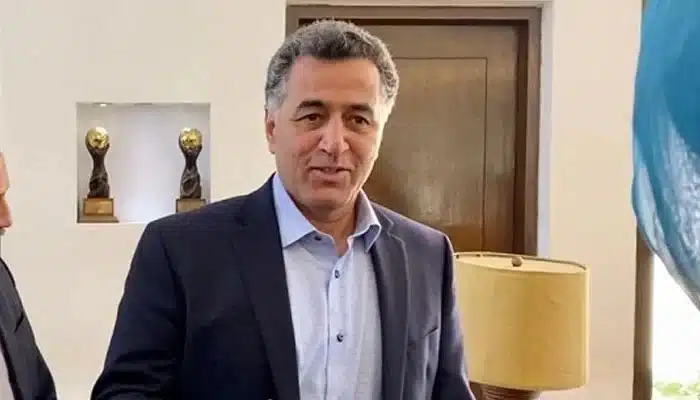
    Former Director General of Inter-Service Intelligence (ISI), General (retd) Faiz Hameed, recorded his statement before the Faizabad sit-in commission on Thursday. The former spymaster denied allegations that he conspired against the government.

    Faiz Hameed was called three times by the committee investigating the 2017 sit-in organised by Tehreek-e-Labaik Pakistan (TLP), but the former DG ISI did not do so.

    After that, the commission sent him a questionnaire, to which he responded that he held negotiations with TLP on the directions of the government.

    Sources told Geo News that the commission called the former spymaster on January 2, but he did not appear before the panel.

    Earlier last year, the panel summoned him in the second week of December and then on December 29th.

    In November last year, the caretaker federal government constituted the inquiry commission for the implementation of the Supreme Court’s 2019 Faizabad verdict.

  • Pakistani rupee strengthens by 5 paisa, closes at PKR 281.67 against US dollar

    Pakistani rupee strengthens by 5 paisa, closes at PKR 281.67 against US dollar

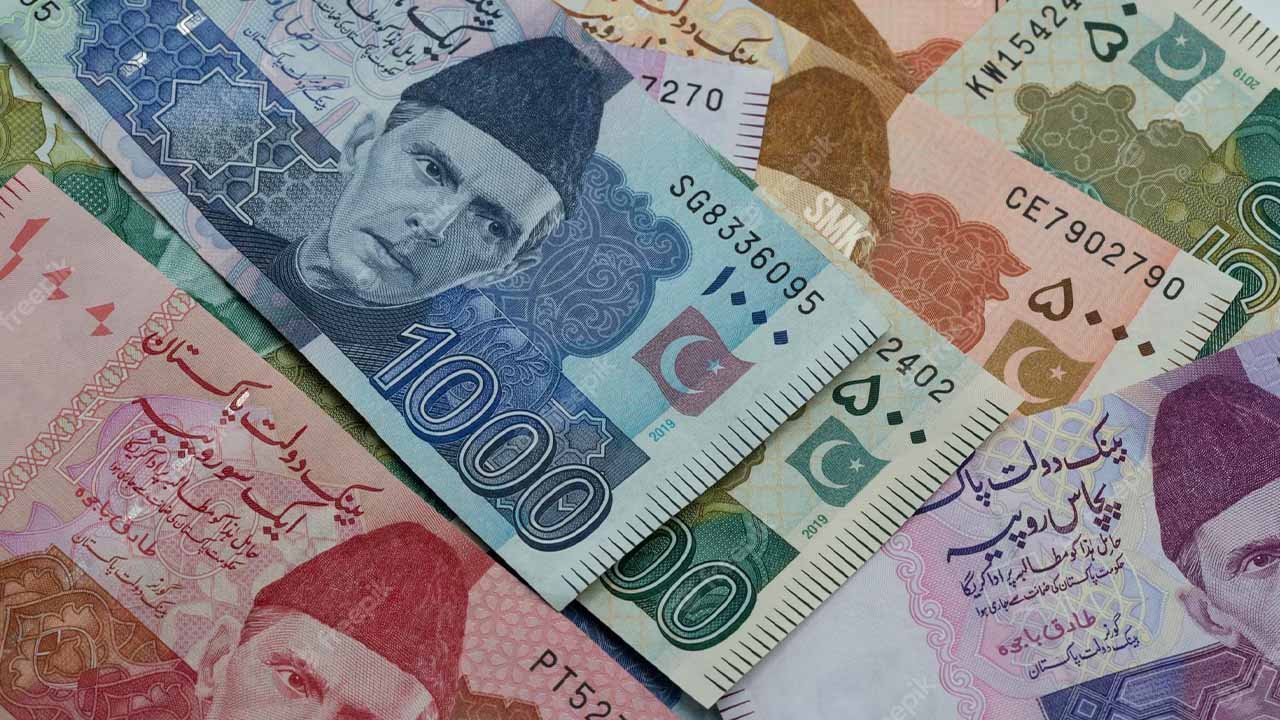
    The Pakistani rupee (PKR) demonstrated a 5.08 paisa appreciation against the US dollar during Thursday’s interbank session, concluding at PKR 281.67 per USD, compared to the previous closing at PKR 281.72 per US dollar (USD).

    Throughout the day, the currency reached an intraday high (bid) of Rs281.84 and a low (ask) of Ra281.8. In the open market, Exchange Companies quoted the dollar at Rs281 for buying and Rs283 for selling.

    It’s noteworthy that the local unit concluded its 13-day historic winning streak against the greenback in the first trading session of 2024, experiencing a modest depreciation of 3.37 paisa against the US dollar.

    In contrast to major currencies, PKR gained 56.27 paisa against the Euro, closing at Rs308.07 compared to the previous value of Rs308.63. 

    The British Pound saw an increase of Rs1.25, concluding at Rs357.49 compared to Rs356.24 from the previous day.

    The Swiss franc recorded gains of 75.99 paisa, closing at Ra332.01 compared to Rs331.25 from the previous session. 

    Against the Japanese Yen, PKR gained 1.18 paisa, closing at 1.964 versus 1.9758 a day ago. The Chinese Yuan lost 4.96 paisa, closing at 39.38 against 39.43 from the previous session. 

    The Saudi Riyal closed at 75.1 with a loss of 1.75 paisa from its values of 75.12 a day ago, and the U.A.E Dirham decreased by 1.28 paisa from 76.69 to 76.71.

    In the current financial year, PKR has appreciated against the Dollar by 4.32 rupees or 1.53 per cent, while the current calendar year has seen PKR appreciate by 18.73 paisa or 0.07 per cent. 

    In the money market, the benchmark 6 Month Karachi Interbank Bid and Offer rates decreased by 6 bps to 21.16 and 21.41 per cent.

  • Iran blames Israel, US for deadly blasts near grave of Guards general Soleimani

    Iran blames Israel, US for deadly blasts near grave of Guards general Soleimani

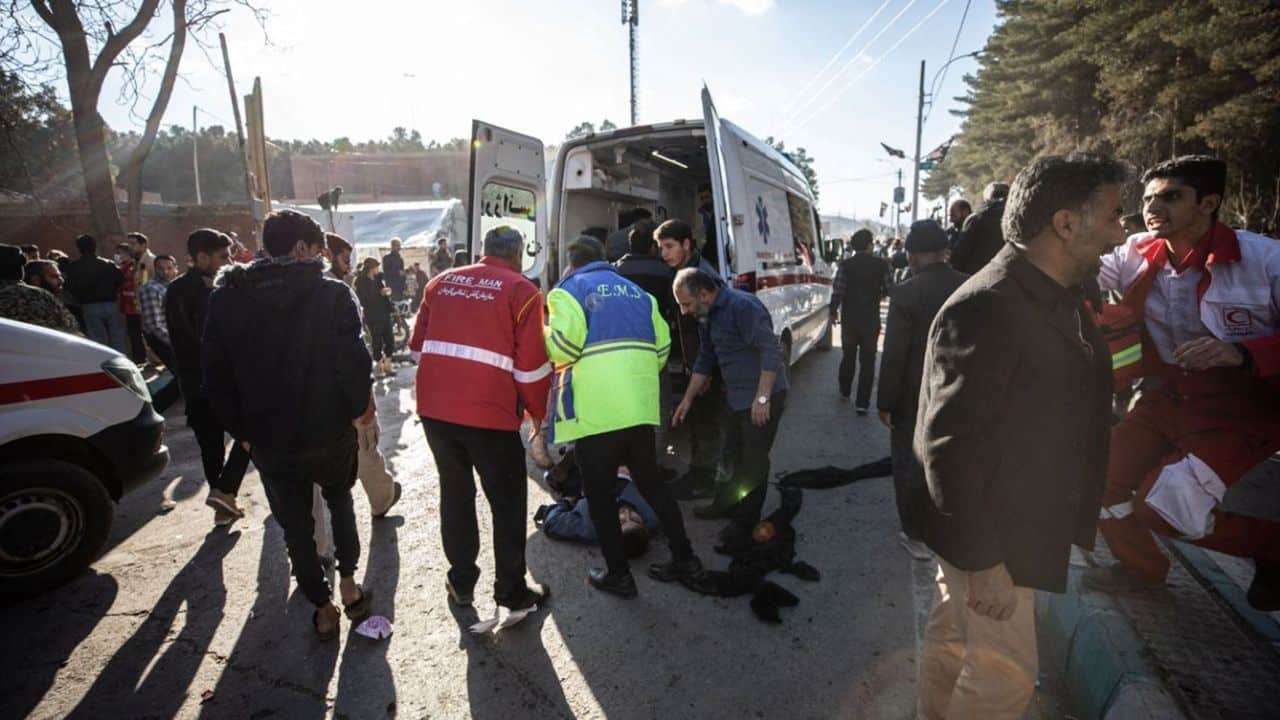
    Iran blamed Israel and the United States on Wednesday for twin bomb blasts that killed more than 100 people in the country’s south, ripping through a crowd commemorating Revolutionary Guards general Qassem Soleimani four years after his death in a US strike.

    The two explosions – labelled a “terrorist attack” by state media and regional authorities – came amid high Middle East tensions over the Israel-Hamas war in Gaza and the killing of a Hamas senior leader in Lebanon on Tuesday.

    The unclaimed attacks, which sparked fears of a widening conflict in the region, rattled global markets, where oil prices jumped more than three percent and sparked global condemnation.

    “Washington says USA and Israel had no role in terrorist attack in Kerman, Iran. Really? A fox smells its own lair first,” the Iranian president’s political deputy, Mohammad Jamshidi, wrote on X, formerly Twitter.

    “Make no mistake. The responsibility for this crime lies with the US and Zionist regimes (Israel) and terrorism is just a tool,” he added.

    The United States had earlier rejected any suggestions that it or ally Israel were involved while Israel declined to comment.

    “The United States was not involved in any way … We have no reason to believe that Israel was involved in this explosion,” State Department spokesman Matthew Miller said.

    Asked about the blasts, Israeli army spokesman Daniel Hagari said: “We are focused on the combat with Hamas”.

    Iran’s supreme leader Ayatollah Ali Khamenei blamed “evil and criminal enemies” of the country for the attack and vowed a “harsh response”.

    President Ebrahim Raisi, who scrapped a visit to Turkey on Thursday, condemned the “heinous” crime as Iran declared Thursday a national day of mourning.

    The blasts, about 15 minutes apart, struck near the Martyrs Cemetery at the Saheb al-Zaman Mosque in Kerman, Soleimani’s southern hometown, as supporters gathered to mark his killing in a 2020 US drone strike in Baghdad.

    Tehran’s official news agency IRNA quoted Interior Minister Ahmad Vahidi as saying that “according to forensic statistics, the number of martyrs from this incident has been announced as 84 so far”.

    The death toll was also confirmed by the head of Iran’s emergency services, Jafar Miadfar, who said an earlier tally of 95 was due to the fact that some bodies had been dismembered and counted “several times”.

    Miadfar said 284 people had been injured and “195 are still hospitalised”.

    Three paramedics who rushed to the scene after the first explosion were among those killed, said Iran’s Red Crescent.

    IRNA said the first explosion took place around 700 metres from Soleimani’s grave while the other was around 1 kilometre away.

    Tasnim news agency, quoting what it called informed sources, said that “two bags carrying bombs went off” and “the perpetrators … apparently detonated the bombs by remote control”.

    Online footage showed panicked crowds scrambling to flee as security personnel cordoned off the area.

    ‘Shocking cruelty’ 

    State television showed bloodied victims lying on the ground and ambulances and rescue personnel racing to help them.

    “We were walking towards the cemetery when a car suddenly stopped behind us and a waste bin containing a bomb exploded,” an eyewitness was quoted as saying by the ISNA news agency.

    “We only heard the explosion and saw people falling.”

    By nightfall, crowds returned to the Martyrs Cemetery in Kerman chanting: “Death to Israel” and “Death to America”.

    In Tehran, thousands gathered at the Grand Mosalla Mosque to pay tribute to Soleimani.

    “We condemn today’s bitter terrorist incident … I hope the perpetrators of the crime will be identified and punished for their actions,” Soleimani’s daughter, Zeinab, said.

    Soleimani headed the Quds Force, the foreign operations arm of the Islamic Revolutionary Guards Corps, overseeing military operations across the Middle East.

    The United Nations, European Union, and several countries including Saudi Arabia, Jordan, Germany and Iraq denounced the blasts.

    UN chief Antonio Guterres “strongly condemns” the blasts, his office said, and the EU said: “This act of terror has exacted a shocking toll of civilian deaths and injuries.”

    The EU’s top diplomat, Josep Borrell, said that he spoke to Iranian Foreign Minister Hossein Amir-Abdollahian to “convey condolences” and “condemned this terrorist attack in the strongest terms and expressed solidarity with the Iranian people”.

    Russian President Vladimir Putin wrote to Raisi and Khamenei that “the killing of peaceful people visiting the cemetery is shocking in its cruelty and cynicism”.

    Iran ally Hamas denounced the “criminal attack” while the Saudi foreign ministry in Riyadh voiced “solidarity with Iran in this painful event”.

    The blasts came a day after Hamas deputy leader Saleh al-Arouri – an Iran ally – was killed in a strike, which Lebanese officials blamed on Israel, in a southern Beirut suburb that is a stronghold of Iran-backed armed group Hezbollah.

    Wednesday’s bomb blasts were Iran’s deadliest since a 1978 arson attack at the Cinema Rex in the southwestern city of Abadan, which killed at least 377 people, according to AFP archives.

    Previous plots 

    Iran has long fought a shadow war of killings and sabotage with archenemy Israel while also battling various jihadist and other militant groups.

    In September, the Fars news agency reported that a key “operative” affiliated with the Islamic State (IS) group, in charge of carrying out “terrorist operations” in Iran, had been arrested in Kerman.

    In July, Iran’s intelligence ministry said it had disbanded a network “linked to Israel’s spy organisation” that had been plotting “terrorist operations” across Iran, IRNA reported.

    The alleged plots included “planning an explosion at the grave” of Soleimani, it said.

    Soleimani, whom Khamenei years ago declared a “living martyr”, was widely regarded as a hero in Iran for his role in defeating IS in both Iraq and Syria.

    Long seen as a deadly adversary by the United States and its allies, Soleimani was one of the most important powerbrokers across the region, setting Iran’s political and military agenda in Syria, Iraq and Yemen.

  • Imam shot dead outside mosque in New Jersey, suspect still at large

    Imam shot dead outside mosque in New Jersey, suspect still at large

    An imam who was shot Wednesday outside a mosque in New Jersey has died, the US state’s attorney general said, adding that the killing did not initially appear to be driven by “bias” or domestic terrorism.

    The shooting was reported at Masjid Muhammad-Newark at South Orange Avenue.

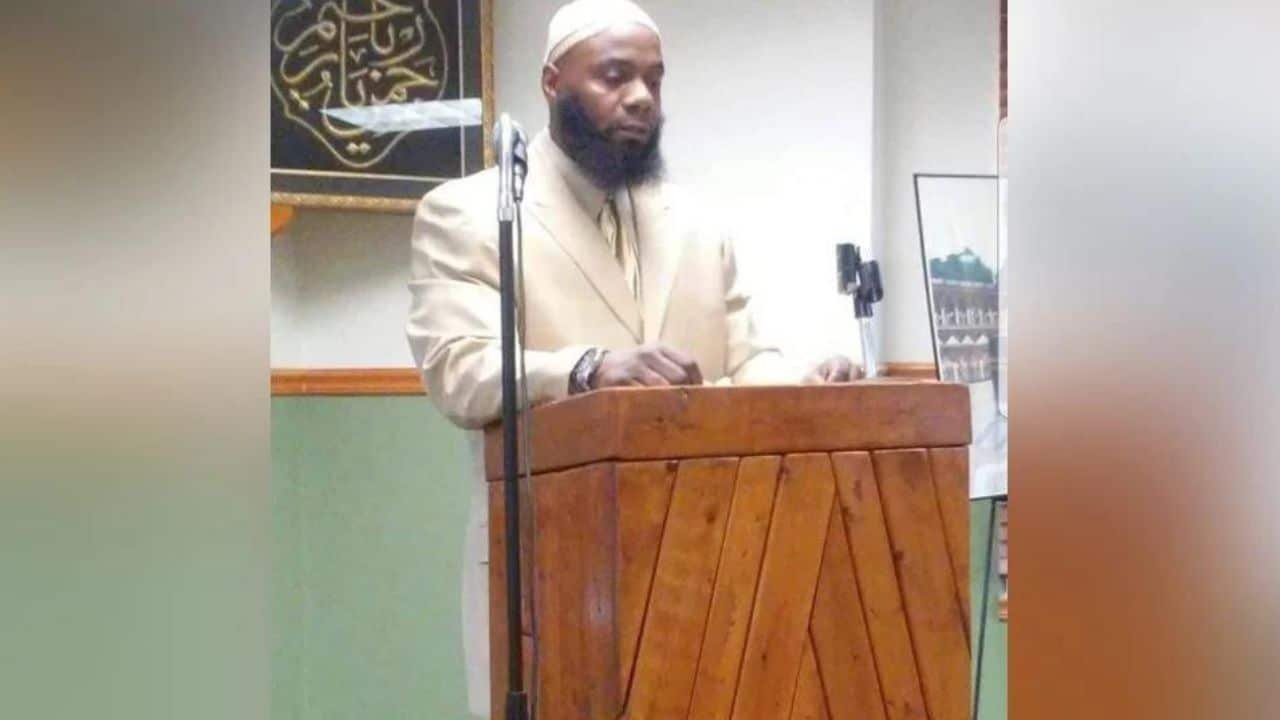
    Imam Hassan Sharif was shot multiple times near a mosque in Newark, just west of New York, before being taken to hospital where he later died, New Jersey Attorney General Matt Platkin said.

    “We do not yet know the motivation for this crime (but) the evidence collected thus far does not indicate that this was an act motivated by bias, or an act of domestic terrorism,” said Platkin.

    He added that “in light of global events, and with a rise in bias that many communities are experiencing across our state — particularly the Muslim community — there are many in New Jersey right now who are feeling a heightened sense of fear.”

    The state is home to 300,000 Muslim Americans, he said.

    Since the outbreak of the War on Gaza, there has been an increase in Islamophobic and anti-Semitic attacks across the United States.

    The Essex County prosecutor, Ted Stephens, confirmed Sharif was shot more than once, and that “it does not appear the imam was the victim of a bias crime or that this is related to terrorism.”

    “We are dedicated to bringing justice for the imam’s family,” said Stephens, who called it a “dastardly crime.”

    Famous Muslim scholar Dr. Omar Suleiman posted about the death of the Imam and paid tribute to him as a beloved Imam of the Newark Community.

    The United States Transportation Security Administration (TSA) earlier confirmed that Sharif had worked as a security screener at Newark airport since 2016.

    “We are deeply saddened to learn of his passing and send our condolences to his family, friends and colleagues,” said Lisa Farbstein, a TSA spokeswoman.

    Images published by the New Jersey chapter of the Council on American-Islamic Relations (CAIR) showed police vehicles deployed outside the Masjid Muhammad-Newark, a two-story yellow and green complex.

    In a statement, CAIR described Sharif as “a beacon of leadership and excellence.”

    “As always, and irrespective of this specific incident, we advise all mosques to keep their doors open but remain cautious, especially given the recent spike in anti-Muslim bigotry,” the organization said.

  • PPP nominates Bilawal as party’s candidate for prime ministership

    Pakistan People’s Party (PPP) has nominated its Chairman Bilawal Bhutto Zardari as the party’s candidate for the position of prime minister in the upcoming general election set to take place on February 8, The News reported on Thursday.

    The PPP’s top decision-making body took a decision in the meeting of the Central Executive Committee (CEC) on Wednesday at Bilawal House in Lahore.

    The former foreign minister is also contesting the election from NA-127 Lahore, where he will be in competition with Pakistan Muslim League-Nawaz (PML-N) Shaista Pervaiz Malik.

    The CEC meeting also discussed the party election manifesto, where it was determined that jobs, health, education, and the empowerment of women and youth will be prioritised.

    All party leaders in the CEC meeting showed confidence in the leadership of Bilawal Bhutto Zardari and former president Asif Ali Zardari.

    PPP leaders, including Secretary General Taj Haider, Syed Khursheed Shah, Rana Farooq Saeed Khan, Qamar Zaman Kaira, Samina Khalid Ghurki, Murad Ali Shah, Chaudhry Aslam Gill and Zulfikar Ali Bader were present at the meeting.