Category: Uncategorized

  • How much does the wedding dress of Imam-ul-Haq’s bride-to-be cost?

    How much does the wedding dress of Imam-ul-Haq’s bride-to-be cost?

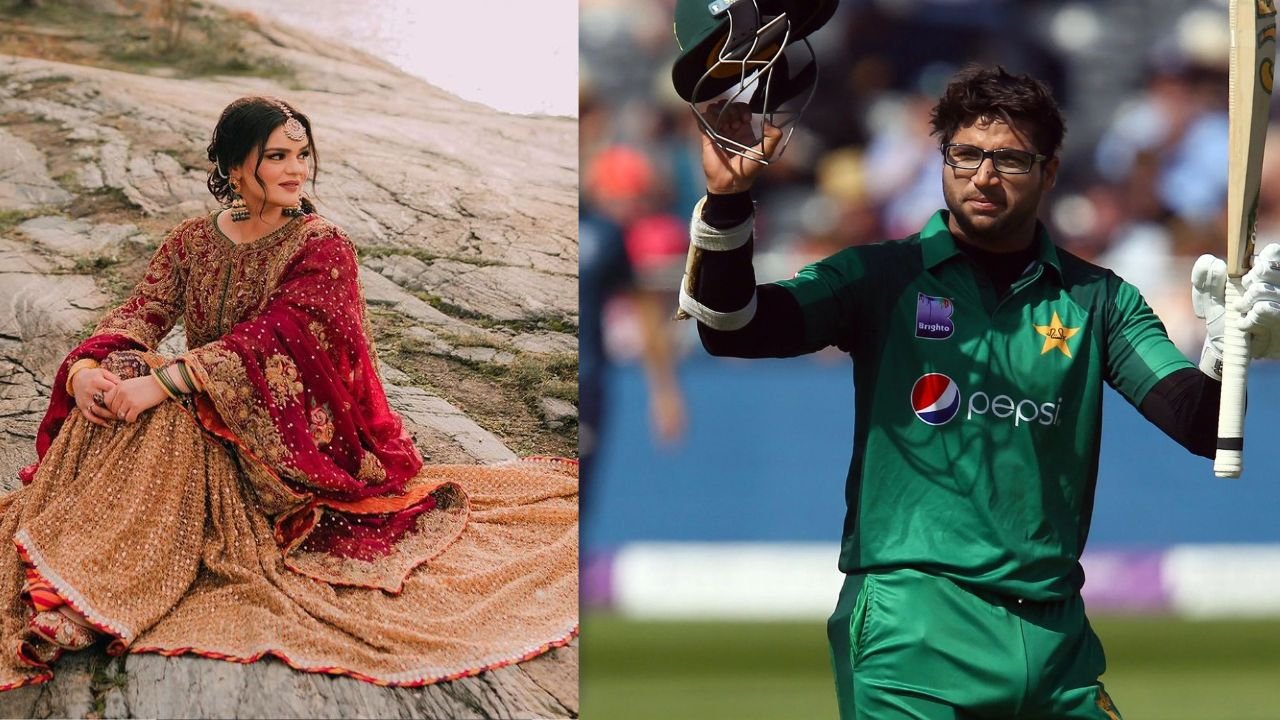
    Imam ul Haq is the next cricketer in line to sign off bachelorhood and get married. Yesterday, social media went wild when pictures posted by fashion designing giant HSY revealed the gorgeous bride Anmol Mehmood, who is set to tie the knot with the cricketer in Norway this month.

    Anmol looked dazzling in maroon bridal attire adorned with gold patterns, and a pinch of green to pop off the look Her jewellery comprised of a manga tikka and heavy jhumkay, along with green bangles to top off her look.

    Samaa has revealed that HSY charges around Rs1.5 million for a custom made dress. The bride’s jewellery is from Opal by Madiha Ihsan.

    Social media users were also provided a sneak peek to the elaborately crafted Mehndi celebrations held in Norway which were set up by Tailor Made Vision.

    Wedding festivities are set to commence from November 23 with a Qawalli night in Lahore, and the Nikkah is to be held on November 25. It is reported that cricket stars including Babar Azam, Haris Rauf, Shaheen Afridi and Shadab Khan will be present during the joyous occasions.

    Previously, HSY had crafted the bridal outfit for veteran actress Reema Khan for her wedding.

    HSY also won hearts when he revealed the gorgeous pink and gold bridal outfit he designed for actress Madiha Imam

  • Qatar confirms Israel, Hamas reach deal on four-day truce, hostage release

    Qatar confirms Israel, Hamas reach deal on four-day truce, hostage release

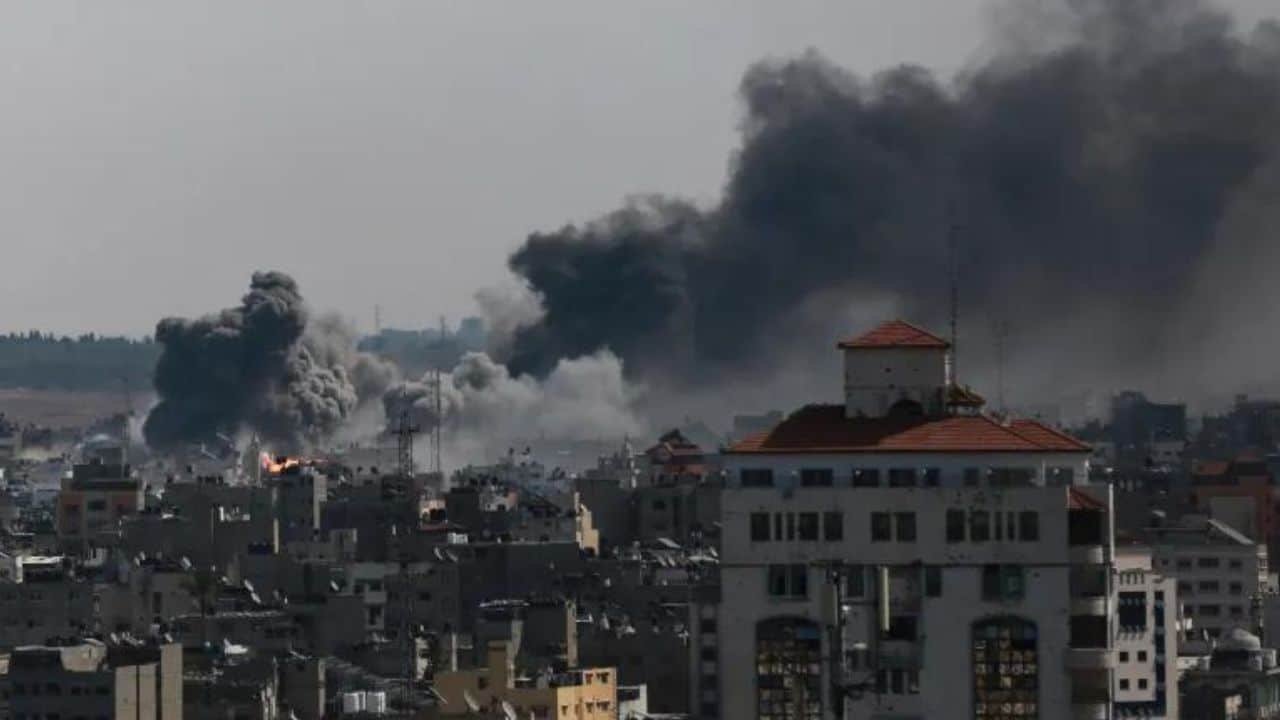
    AFP – Doha, Qatar: Qatar confirmed on Wednesday that Israel and Hamas had reached an agreement on a four-day humanitarian pause, to begin in the next 24 hours, in exchange for the release of 50 hostages in Gaza.

    “The starting time of the pause will be announced within the next 24 hours and last for four days, subject to extension,” Qatar’s Ministry of Foreign Affairs said in a statement.

    “The agreement includes the release of 50 civilian women and children hostages currently held in the Gaza Strip in exchange for the release of a number of Palestinian women and children detained in Israeli prisons, the number of those released will be increased in later stages of implementing the agreement,” it added.

    Qatar has been engaged in weeks of intense, behind-the-scenes negotiations aimed at freeing some of the 240 hostages held in Gaza in return for temporary ceasefire and access for humanitarian aid.

    The number agreed for release by the militants is by far the largest since Hamas gunmen stormed over Gaza’s militarised border on October 7, seizing the hostages and killing 1,200 people, according to Israeli authorities.

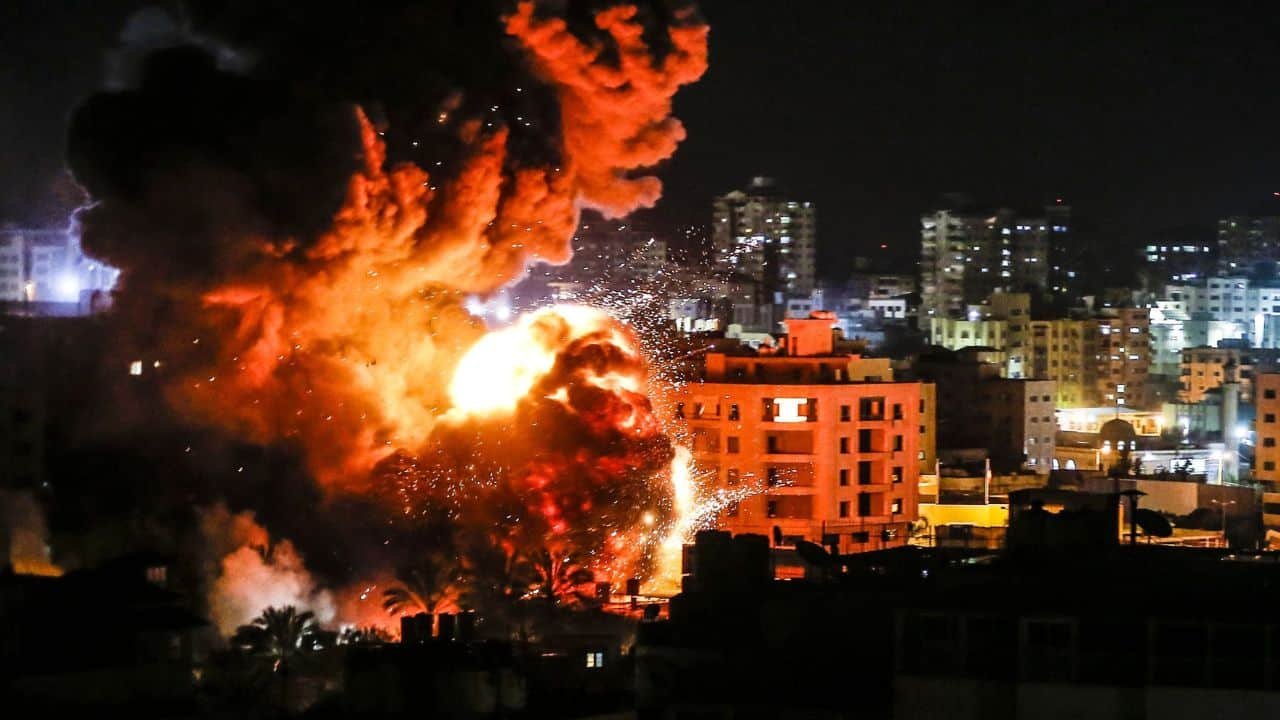
    In response, Israel has launched a relentless bombing campaign and subsequent ground invasion in Hamas-ruled Gaza, killing more than 14,100 people — two thirds of them women or children — according to the territory’s health ministry.

    Qatar said the deal had been undertaken with Egypt and the United States as well as Hamas and Israel and would include “the entry of a larger number of humanitarian convoys and relief aid, including fuel designated for humanitarian needs”.

  • How did Imran Khan meet Bushra Bibi?

    How did Imran Khan meet Bushra Bibi?

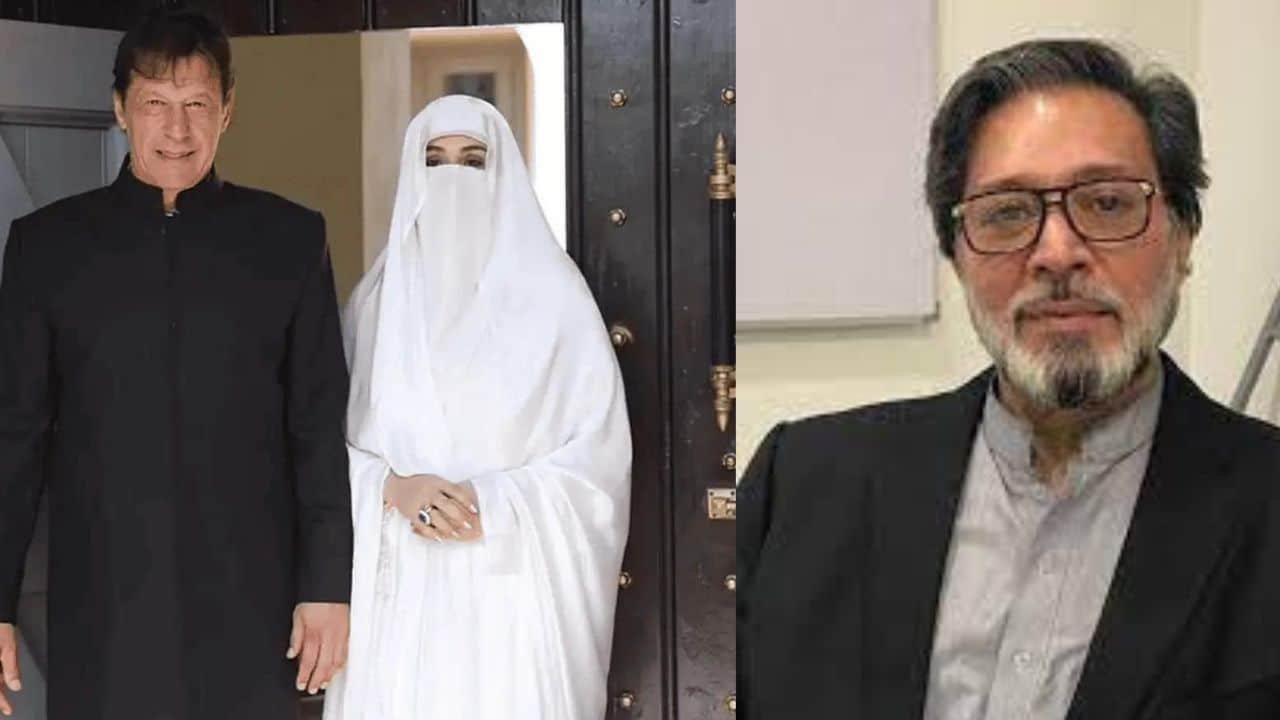
    Khawar Maneka, the ex-husband of Bushra Bibi, gave an interview on Geo News’ show ‘Aaj Shahzeb Khanzada Kay Saath’, where he revealed details of the beginning of Imran Khan’s relationship with his ex-wife.

    He said that Bushra Bibi’s sister Maryam Watto arranged a meeting between the two for the first time in 2014. A few months later, Khan married his second wife Reham Khan.

    In 2016, former model Qandeel Baloch revealed that Bushra Bibi used to meet Imran Khan.

    Khawar Maneka then stated that he has a residence in Islamabad’s Bani Gala area, while Bushra Bibi met Imran Khan at his residence in the same area.

    Revealing that he and Bushra got separated in 2017, six months before Khan and Bushra’s wedding, Maneka said that Bushra Bibi went to her house in Pakpattan city and didn’t come back even though he tried to get her back.

    One day he received a text message from Bushra Bibi’s friend Farah Gogi asking him to divorce ‘Pinky’ (alias of Bushra Bibi), he said.

    After that, Khawar Maneka said that he sent divorce papers to Bushra through Farah Gogi on November 14, 2017.

    According to a report filed by journalist Umar Cheema, Bushra Bibi and Imran Khan’s nikah took place on January 1, 2018. This puts the period of iddat in doubt.

    On the other hand, Bushra Bibi’s son and Khawar Maneka deny reports claiming Imran Khan’s nikah took place on January 1, 2018.

    Nikahkhwan Mufti Saeed said in his statement that the first nikah of Imran Khan and Bushra Bibi was illegal, which took place in January1, 2018 as Bushra Bibi had not completed her iddat.

    Mufti said Imran Khan contacted him again a month later, requesting him to solemnise the nikah for the second time with Bushra Bibi, saying her iddat was not completed at the time of the nikah.

  • Awam ka kitna paisa laga hai Mohsin Naqvi ki publicity par?

    Awam ka kitna paisa laga hai Mohsin Naqvi ki publicity par?

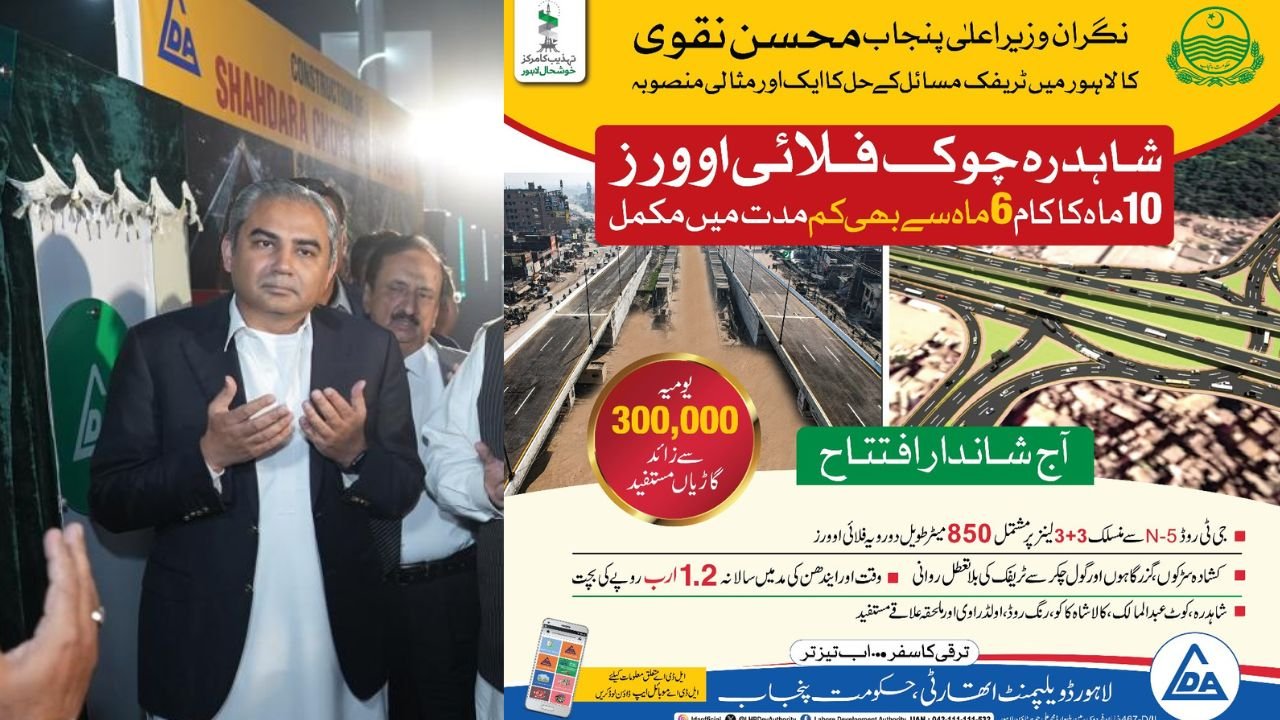
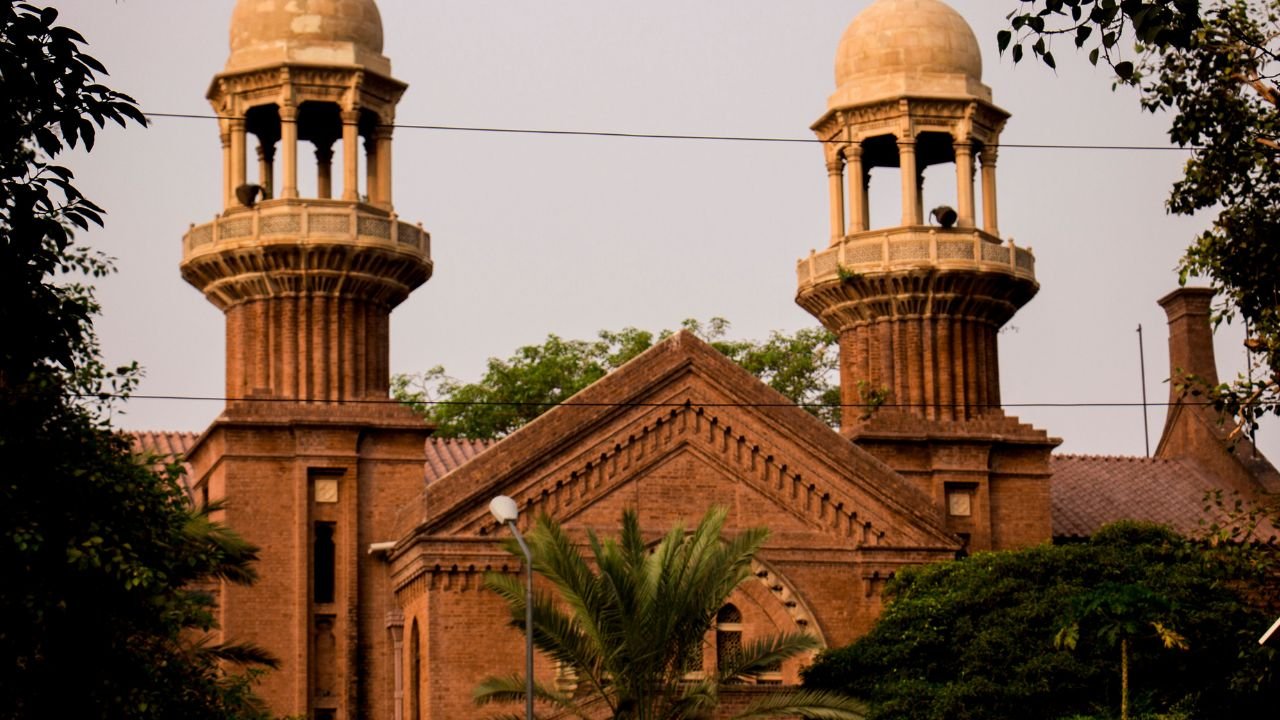
    The Lahore High Court on Monday expressed concerns about the utilization of public funds in advertisement campaigns showcasing caretaker Chief Minister Mohsin Naqvi for various development projects.

    Justice Sultan Tanvir Ahmad, while presiding over the case, voiced concerns that taxes collected from the public should be spent judiciously and not misused for self-promotion.

    A citizen, Hafiz Israrul Haq, filed a writ petition on November 17, challenging the actions taken to promote the caretaker chief minister on the construction of flyovers in the city.

    The judge declared that those who promoted themselves with public money would be held accountable.

    The petition stated, “The Govt. of Punjab designed a plan in order to construct a flyover at Shahdara Chowk to facilitate the public and started to construct the Fly over at Shahdara Chowk Lahore to make smooth flow of traffic as it is the duty of the Govt. to create easiness in the life of the inhabitants and to facilitate them but the Govt. of Punjab after completion of Construction of project of Fly Over started to advertise on electronic, Print Media and by displaying flexes/ sign board to make publicity with the name and style of “MUHSIN SPEED” which they are not authorized as if they have completed the work before time it is not permitted to advertise the same from the public exchequer rather they may advertise for publicity from their pockets not form the public money.”

    The judge summoned a complete record of the expenses incurred for an advertisement campaign for the construction of flyovers featuring the caretaker chief minister.

    Additionally, the Court directed the Lahore Development Authority (LDA) to present a thorough record of the construction of the flyovers at the upcoming hearing.

    The move underscores the court’s commitment to ensuring transparency and accountability in the expenditure of public funds.

    A similar issue arose in 2018 when then Chief Justice of Pakistan, Mian Saqib Nisar, took suo motu notice against media advertisements by the provincial government featuring images of then Chief Minister Shehbaz Sharif in the lead-up to the general elections.

    Subsequently, the Supreme Court ordered Punjab Chief Minister Shahbaz Sharif to reimburse the national exchequer Rs5.5 million on March 8, 2018.

    A Punjab government newspaper advertisement carrying his photograph was displayed in court during the hearing.

  • ‘We are close to reaching a deal on a truce’, claims Hamas

    ‘We are close to reaching a deal on a truce’, claims Hamas

    In a significant development in Israel’s ongoing attacks on Gaza that has killed over 13,000 people, Hamas has reportedly claimed a possible ceasefire might be achieved today.

    Israel has not yet confirmed the deal which is said to be mediated by Qatar.

    According to Al Jazeera, Hamas official Izzat al-Rishq said the agreement will include a ceasefire, supply of aid into Gaza and shifting the injured to other countries for treatment.

    The deal is also said to include exchange of captives in efforts to release Palestinian women and children in Israeli prisons.

    Al-Rishq adds that the talks have been going on for weeks but PM Netanyahu “was stalling”, further stating that all the brigades in the Palestinian resistance approved of the deal.

    Previously, on Sunday, the Qatari PM said a deal to free some of the captives in return for a temporary ceasefire hinged on “minor” practical issues

    On the contrary, Israel’s Channel 12 reported the country’s war cabinet had discussed on Sunday that it is eager to negotiate on the hostages and wants to send a message to Qatar that it is ready to reach a deal.

    Israeli captives under Hamas

    Israel claims at least 237 people were taken hostage by Hamas during the October 7 attacks.

    Among the hostages are nationals from more than 40 countries including at least 20 Thai farm workers and allegedly 33 children.

    Hamas has released four hostages – two Israeli citizens and two US citizens, while one was recovered during an operation in Gaza.

    Israel also claims that the bodies of two female hostages were recovered near the Al-Shifa Hospital complex.

    Palestinians captives under Israel

    About 5,200 Palestinians are held in Israeli prisons before October 7 attacks.

    Since the attacks, Israel has arrested at least 2,960 more Palestinians during raids across the occupied West Bank and occupied East Jerusalem.

    These include at least 95 women and 37 journalists.

    Most of the people being held under laws and military orders that allow detention without trial or charge.

    Rights and monitoring groups report that at least 145 of them are reportedly children.

    While other reports claim that currently more than 200 children are held in Israeli prisons, including 26 on administrative detention.

  • Resolution supporting military trials against civilians is unconstitutional, says Raza Rabbani

    Resolution supporting military trials against civilians is unconstitutional, says Raza Rabbani

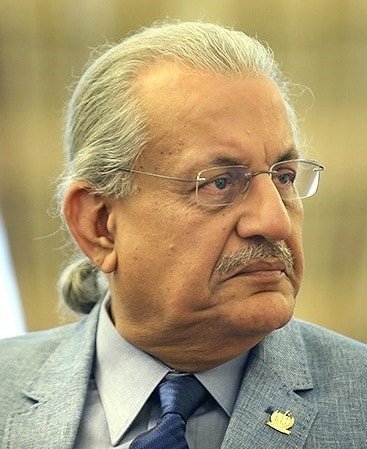
    Pakistan People’s Party (PPP) senior leader Raza Rabbani said on Monday that a resolution in favour of military trials against civilians is unconstitutional, promising that he will continue opposing it.

    Last week, the Senate passed a resolution against the Supreme Court’s (SC) decision on civilian trials in military courts, calling for halting implementation of the judgment “unless it is considered by a larger bench”. 

    Jamaat-e-Islami’s Mushtaq Ahmed and PPP’s Rabbani opposed the resolution against the apex court’s decision.

    Speaking in the Senate on Monday, Raza Rabbani said that he voted for setting up military courts in the country in 2015 as he was bound by his party’s discipline.

    He also said that he voted in support of the resolution at the time on behalf of PPP. “I was ashamed for voting for the bill,” he said, adding that he, even today, was ashamed.

    After voting in favour of setting up military courts in January 2015, the senator was in tears.

    Rabbani said that he “never felt as ashamed” as he was on that day.

  • Pakistan’s climate problems partially due to world’s richest one per cent: Report

    Pakistan’s climate problems partially due to world’s richest one per cent: Report

    Oxfam has released a new report, “Climate Equality: A Planet for the 99%”, revealing that “The richest one per cent of the world’s population produced as much carbon pollution in 2019 as the five billion people who made up the poorest two-thirds of humanity.”

    While fighting the climate crisis is a shared challenge, not everyone is equally responsible and government policies must be tailored accordingly, Max Lawson, who co-authored the report, told AFP.

    “The richer you are, the easier it is to cut both your personal and your investment emissions,” he said. “You don’t need that third car, or that fourth holiday, or you don’t need to be invested in the cement industry.”

    Among the key findings of this study are that the richest one percent globally—77 million people—were responsible for 16 percent of global emissions related to their consumption.

    That is the same share as the bottom 66 percent of the global population by income, or 5.11 billion people.

    Pakistan

    The difference in recent floodings in Germany and Pakistan unveils how a country’s wealth can “enable or hinder its ability to respond to a climate emergency”.

    German floods affected a population of 40,000 people, resulting in damage and economic costs of 40 billion dollars. They were able to mobilise funding through federal and state government flood relief funds for reconstruction of 35 billion dollars within weeks.

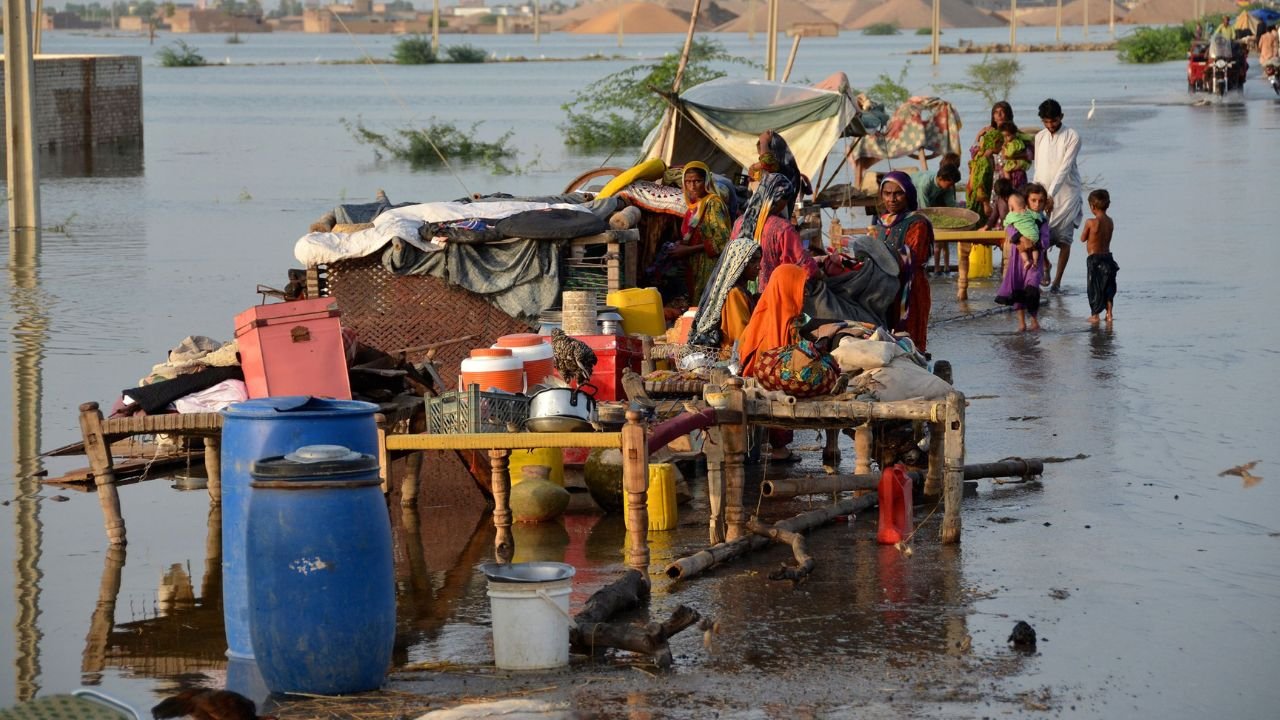
    On the contrary, Pakistan floods affected a population of 33 million people, leading to damage and economic costs of 30 billion dollars. International donors pledged a funding of 8.57 billion dollars as of January 2023 for the next three years.

    While Germany could easily manage the financial and technical resources required, debt-troddened Pakistan was unable to allocate the necessary resources resulting in suffering from “the lasting impacts of the floods”.

    The report explains that this comparison between the two countries shows “a common double standard practised by many Global North countries: they rapidly find the funds needed when disasters hit within their borders, but fail to do so when they occur in the Global South”.

  • Supreme Court will hear petition against deportation of Afghan refugees

    Supreme Court will hear petition against deportation of Afghan refugees

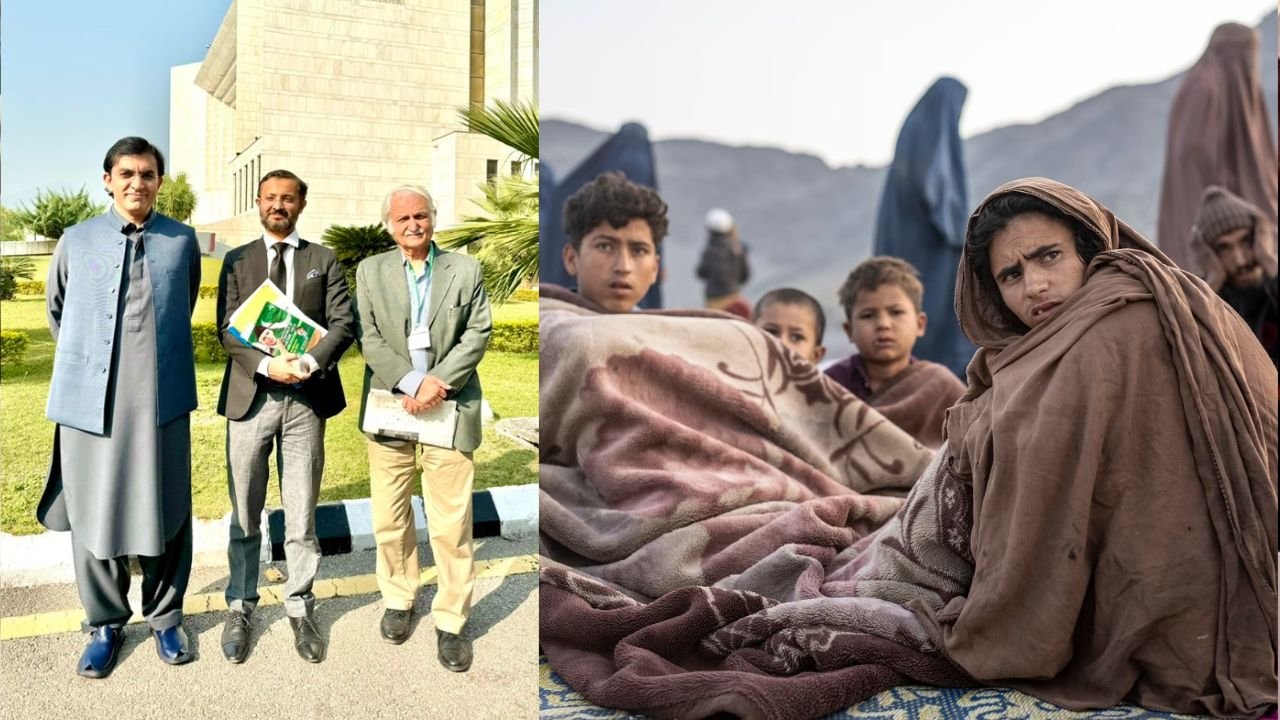
    In a significant development on Monday, the Supreme Court decided to entertain a petition challenging the government’s move to force out Afghan refugees from the country. The decision comes after the Supreme Court Registrar’s Office initially raised objections to the petition’s maintainability, putting a temporary halt on its progress.

    Despite the decision to entertain the petition, a specific date for the hearing is yet to be announced. According to sources, Justice Yahya Afridi of the Supreme Court heard the appeal against the objections in his chamber on Monday, as confirmed by a counsel for the petitioners.

    Mohsin Dawar took to X (former Twitter) and said, “We appeared before Justice Yahya Afridi for the Chamber Appeal against the Registrar’s objection on our petition against the mass deportation of Afghan Refugees. Our appeal has been accepted and the petition will be heard by the Supreme Court.”

    The petition, returned by the Supreme Court Registrar’s Office on November 8, faced objections related to its maintainability. One notable objection was the absence of a specific question of public importance regarding the enforcement of fundamental rights as guaranteed under the Constitution, warranting the invocation of Article 184(3).

    In response to the objections, the petitioners contended that their case raised critical issues pertaining to fundamental rights enshrined in the Constitution. The appeal, filed by Umer Ijaz Gillani on behalf of human rights activists and politicians, argued that the issues presented in the petition are essential for safeguarding the rights guaranteed in the Constitution.

    “The issues raised in the petition are critical for securing the fundamental rights enshrined in the Constitution,” stated the appeal. It emphasized the need to prevent constitutional promises from becoming mere rhetoric, asserting, “The promises contained in the Constitution must never be allowed to become mere verbiage, the harbingers of false hope.”

    The petitioners include prominent figures such as Jamaat-i-Islami Pakistan Senator Mushtaq Ahmed, Human rights activist Amina Masood Janjua, National Democratic Movement Chairman Mohsin Dawar, lawyer Jibran Nasir, Rohail Kasi, Syed Muaz Shah, Pastor Ghazala Parveen, lawyer Iman Zainab Mazari, Ahmad Shabbar, Advocate Imran Shafiq, Luke Victor, and Sijal Shafiq.

    The petitioners stated in their press release on Sunday, “After 18 days of eager wait and continuous legal struggle, the Supreme Court has finally fixed our Case against the Caretaker Government’s Mass Deportation drive for a preliminary hearing. The hearing will be conducted by a 1-member bench comprising Mr. Justice Yahya Afridi inside his Chamber. It is scheduled for 1:00 pm on Monday, 20th November, 2023.

    Needless to say that under Article 184(3), the principal responsibility for taking charge of the situation and preventing systemic violation of fundamental rights vests in the Court itself. The petitioners’ role is that of informants who apprise the Court about what is happening and prick its judicial conscience.

    What has been happening to scores of people since October 3, when this draconian Deportation Drive was launched by a government lacking all mandate, is clear to all and sundry. However, in order to assist the Court in discharge of its sacred duty, the counsel for the Petitioners will appear before the bench.”

    The government of Pakistan decided to deport all the illegal aliens from the country early in October.

    A vast majority of them are Afghans who were given a deadline of November 1 to leave the country voluntarily or else there would be a crackdown.

    The government has identified phases in which these Afghan immigrants will be repatriated under the Illegal Foreigners Repatriation Plan.

    There is a large number of 1.7 million Afgan refugees which the government aims to repatriate in the first phase of the plan. More than 200,000 of them have been repatriated until now.

    Aurat March protests

    Aurat March Lahore reiterated its demand that the Government of Pakistan immediately halt deportations of Afghan refugees, during a protest on Saturday.

    The protestors further stated that the hastily imposed 1 November expulsion deadline is an authoritarian decision that exceeds the caretaker government’s limited constitutional mandate. It effectively overturned decades of refugee policy overnight without accountability or transparency.

    Furthermore, the ill-thought-out decision has resulted in the denial of Afghan refugees’ rights to liberty,due process, and, in many cases, citizenship.

    On 29 October 2023, Aurat March chapters from across the country marked their protest and addressed an open letter urging the caretaker Prime Minister, Anwar ul Haq Kakar, to reverse his decision.

    However, this caretaker government has failed to yield to these demands and has since doubled down on its decision by announcing that the second phase of deportations will be of “documented” refugees.

    Aurat March stated, “We refuse this insidious distinction between “documented” and “undocumented” refugees; all refugees have the non-derogable right to non-refoulement and deserve support, not persecution.”
  • 29 premature babies evacuated from Gaza arrive in Egypt: media

    29 premature babies evacuated from Gaza arrive in Egypt: media

    AFP – Cairo, Egypt: Twenty-nine premature babies arrived in Egypt on Monday, Egyptian media said, after they were evacuated from Gaza’s largest hospital which has become a focal point of Israel’s war with Hamas.

    The infants were evacuated Sunday from the Al-Shifa hospital, which the World Health Organization has described as a “death zone” as Israel seeks to uncover what it says are Hamas bases in tunnels underneath the facility.

    An initial 31 babies were reported evacuated from Al-Shifa to another Gaza clinic and it was not immediately clear why only 29 arrived in Egypt.

  • Lahore High Court orders two-day work-from-home policy for private sector

    Lahore High Court orders two-day work-from-home policy for private sector

    Lahore High Court has directed the caretaker Punjab government to implement two days weekly off for all educational institutions till January next year, along with a two-day work-from-home policy for the private sector.

    In reply to a plea seeking the court’s intervention in tackling smog in the province, the court released a three-page long order.

    In a bid to counter deteriorating quality in Punjab, the caretaker government on Sunday made it mandatory for all citizens to wear a face mask for a week in the smog-hit districts of the province.