Category: Uncategorized

  • By-polls being held across country; suspension of cellular services in ‘specific districts’

    By-polls being held across country; suspension of cellular services in ‘specific districts’

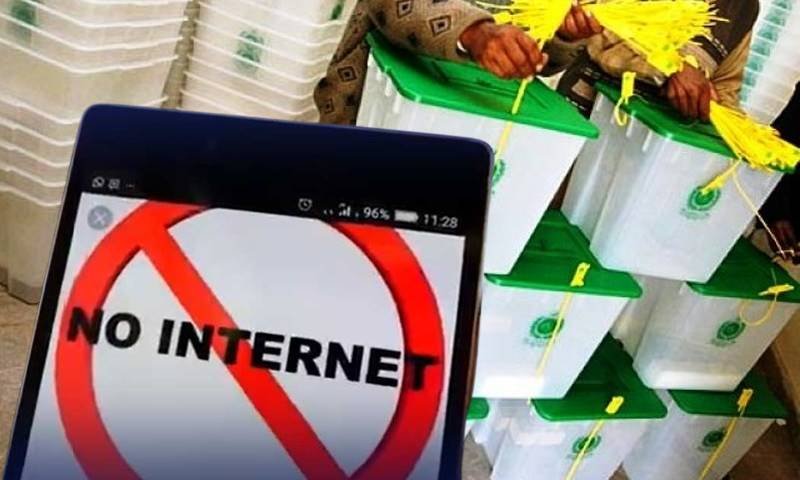
    Polling is underway, across the country, on 21 national assembly and provincial assembly seats amidst the suspension of cellular and internet services in “specific districts” of Punjab and Balochistan in order to maintain law and order situation during the electoral process.

    This is the fist major by-poll since February 8 general elections in the country. The polling started at 8am and will end at 5pm today without any delays.

    The elections are being held on five NA seats, 12 Punjab Assembly seats, two each in Khyber Pakhtunkhwa and Balochistan Assemblies and one in Sindh Assembly.

    The PTA said the decision had been taken on the directives of the interior ministry to “safeguard the integrity and security of the electoral process”.

    It should be noted that cellular and internet services were suspended throughout the country during the February 8 elections as well.

    And access to social media website X, formerly Twitter, has also been blocked since February 17 this year.

  • Government approves deployment of Army during by-elections

    On Saturday, the federal government approved the deployment of Army and civil armed forces to maintain the law and order situation during by-polls set to take place in multiple districts tomorrow.

    Pakistan Army and Civil Armed Forces troops will perform duties as a rapid response force, Geo reported on Saturday.

  • ‘Conspiracy theorist’ sets self on fire outside Trump trial

    ‘Conspiracy theorist’ sets self on fire outside Trump trial

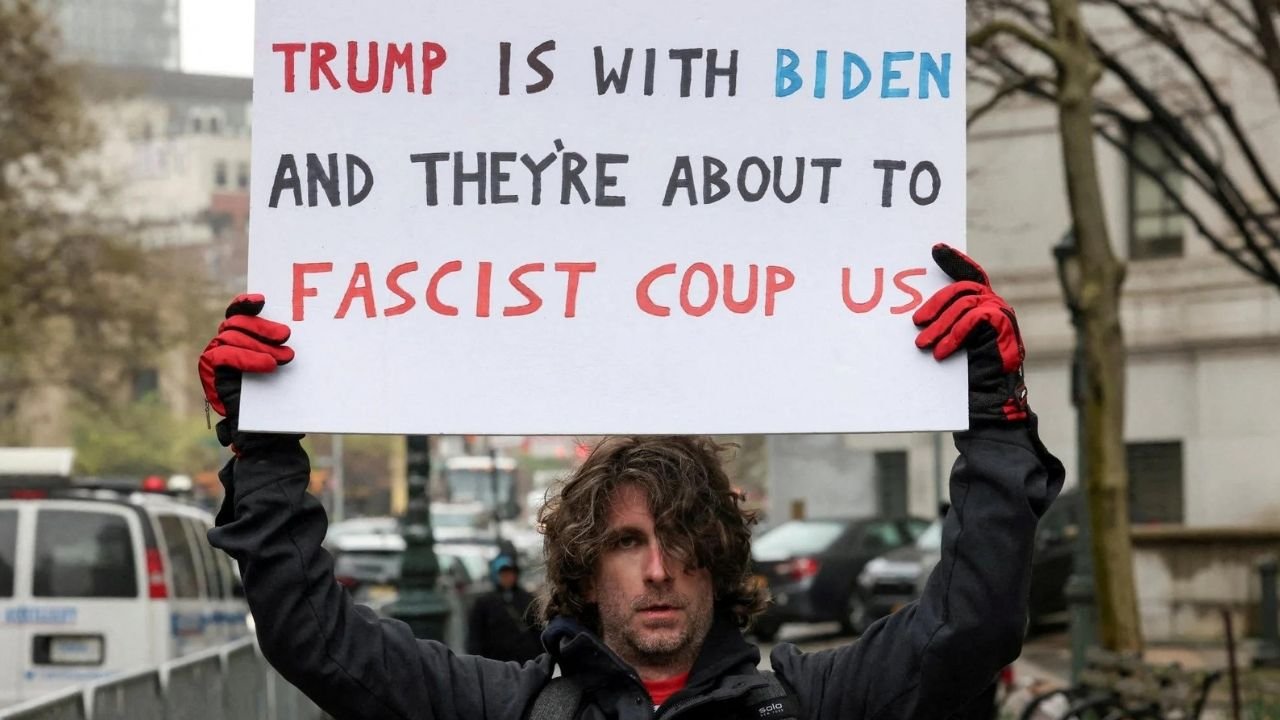
    A man set himself ablaze Friday outside the court where Donald Trump is standing trial, throwing pamphlets that police said contained conspiracy theories before he was taken to a hospital in critical condition.

    Police named the man as Maxwell Azzarello from St Augustine, Florida and said the pamphlets he sought to disseminate “seem to be propaganda-based.”

    “(They were) almost like a conspiracy theory type of pamphlet, some information in regards to Ponzi schemes, and the fact that some of our local educational institutes are a front for the mob,” NYPD chief of detectives Joseph Kenny told reporters.

    “His condition is not good, but as of now he is still alive.”

    Deputy police commissioner Tarik Sheppard said “we just right now labelled (him) a sort of conspiracy theorist, and we’re going from there.”

    Burning clothes were strewn in the park, which was locked down by authorities, while ambulances lined up nearby on standby, an AFP correspondent at the scene saw, describing a strong smell of burning chemicals.

    Laura Kavanagh, the New York City fire commissioner, said four officers were lightly injured in the incident. She described Azzarello’s condition as “critical.”

    Video seemingly taken by witnesses and posted on social media showed a person standing engulfed in flames, then falling to the ground as police officers, including one with a fire extinguisher, rushed to beat out the blaze.

    A witness who gave his name as Dave, 73, told AFP he saw a man throwing pamphlets before dousing himself with an unspecified liquid and lighting himself on fire.

    TV reporters described the incident unfolding moments after the full panel of 12 jurors and six alternates was selected for the trial of the former president in a hush money cover-up case.

    A CNN reporter described a heavy stench of burning flesh in the aftermath of the blaze.

    Hearings in the case resumed after lunch despite the incident. Trump declined to respond to questions about Azzarello as he returned to court after the break.

    The self-immolation happened in a park opposite the 100 Centre Street courthouse, which has been used by authorities to corral protesters, both pro-Trump and anti-Trump, as well as well as by some members of the media.

    Trump’s criminal trial, the first of a former president, is being conducted amid tight security in a 15th floor courtroom swarming with Secret Service officers as well as court police.

  • Israeli professor in America gets slammed by internet for Islamophobia

    Israeli professor in America gets slammed by internet for Islamophobia

    A professor in the Management Division of Columbia Business School, Shai Davidai, has been under fire by the academia and students who have been vocal against the Zionist narrative at American universities as Israel’s genocide in Gaza continues to get condemned.

    In a recent post on his social media pages, he uploaded a video of a Muslim leading Jummah prayer at Columbia University, saying, “Let the world know”, in an effort to portray the act as regressive or extreme.

    Here is how people responded

Twitter embed code generator

Twitter embed code generator

Twitter embed code generator

Twitter embed code generator

Background

Supporters of professor Davidai, led by the #EndJewHatred movement, staged a protest on Wednesday urging University President Minouche Shafik to resign, alleging insufficient protection for Jewish students.

The protest followed Shafik’s testimony at a House Committee hearing titled “Columbia in Crisis: Columbia University’s Response to Antisemitism.”

Davidai, in his address, has accused Shafik of dishonesty and called for her resignation, pledging to ensure the safety of Jewish and non-Jewish communities in collaboration with future university leadership.

On the other hand, hundreds of students from Columbia University and outsiders have been demonstrating and have set up and an encampment.

Shafik authorised police to clear tents, stating that they have breached the university’s rules and policies by holding unauthorised demonstrations as well as not engaging with administrators.

The police have arrested more than 100 pro-Palestinian student protesters at New York’s Columbia University Thursday, a day after the president of the prestigious school was grilled in Congress over accusations of anti-Semitism on campus.

  • Pakistan Eyes $10-15 Billion in Mobile Phone Exports After Strategic Meeting Between PM and Airlink CEO

    Pakistan Eyes $10-15 Billion in Mobile Phone Exports After Strategic Meeting Between PM and Airlink CEO

    PM Shehbaz Sharif and Airlink CEO Project $15 Billion Export Potential in Mobile Phone Sector

    Airlink CEO Presents Mobile Phone Export Vision to Prime Minister, Aims for $15 Billion

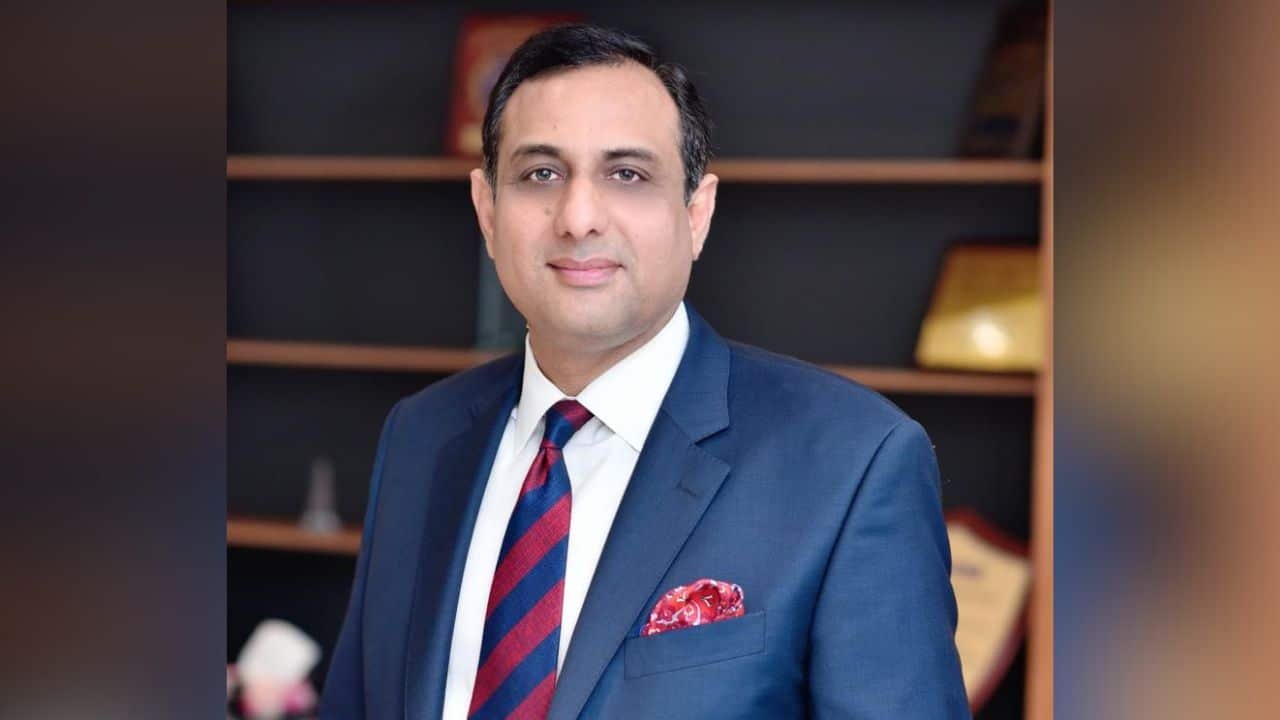
    Mr. Muzzaffar Hayat Piracha, CEO of Airlink Communication Limited, held a one-on-one meeting with the Prime Minister of Pakistan, Mr. Muhammad Shehbaz Sharif, to discuss the overall layout of the mobile phone industry and its export potential.

    During the meeting, Mr. Piracha highlighted Pakistan’s potential to become an export hub of mobile phones. He said: “This is an industry, if properly focused on, can yield a minimum of 10 to 15 billion dollars in exports for Pakistan over the next four years.”

    View this post on Instagram

    A post shared by Air Link Communication Ltd (@airlinkcommunication)

    The Prime Minister expressed his keen interest in the growth of the mobile phone industry and asked for a comprehensive plan to achieve this target. Mr. Piracha assured the Prime Minister that a detailed plan would be presented for his consideration, and he requested the Prime Minister’s support in creating an enabling environment for the growth of the mobile phone industry.

    The Prime Minister assured Mr. Piracha of the government’s full support and emphasized the importance of the mobile phone industry in Pakistan’s economic development. He also highlighted the potential of the mobile phone industry to generate employment opportunities and contribute to the country’s exports.

    The mobile phone industry in Pakistan has been growing rapidly, with several local and international companies investing in the sector. According to the Pakistan Telecommunication Authority (PTA), almost 26 companies have been issued MDM authorization, enabling them to manufacture mobile devices in Pakistan. These companies include renowned brands such as Samsung, Nokia, Oppo, TECNO, Infinix, Vgotel, and Q-mobile.

    The government of Pakistan has been taking several initiatives to promote the growth of the mobile phone industry. In 2021, the government launched the Mobile Device Manufacturing Policy, which aims to attract investment in the sector and promote exports. The policy has been successful in attracting investment, with local companies investing USD 200 million in the sector.

    The mobile phone industry in Pakistan has the potential to generate approximately USD 14 billion for the national exchequer if it can meet the local demand of 36 million units annually. The Engineering Development Board (EDB) held a summit last year in 2023 to showcase the industry’s potential, which was attended by 31 local manufacturers, including renowned brands such as Samsung, Xiaomi, ZTE, Realme, Vivo, Oppo, Tecno, Infinix, Itel, G’FIVE, VNUS, Mobo Mobile, Digit, Dcode, Nokia, VgoTel, Qmobile, E-TACHI, Club, Calme, MeMobile, Hello Tech, Gresso, Emarat, Oukitel, MaxFone, Spice Mobile, Go Mobile, Faywa, Kechaoda, Pritel, SEGO, Sparx, and Xmobile.

    The mobile phone industry in Pakistan has the potential to become a significant contributor to the country’s exports and economic development. As the government and private sector align their efforts, the potential to transform Pakistan into a major export hub for mobile phones looks increasingly feasible. With a comprehensive plan in place and continued governmental support, Pakistan aims to capture a significant share of the global market, potentially generating up to $15 billion in exports. This collaboration not only promises substantial economic benefits but also positions Pakistan on the map as a key player in the international mobile phone market.

  • A hundred pro-Palestinian protesters arrested at New York’s Columbia University

    A hundred pro-Palestinian protesters arrested at New York’s Columbia University

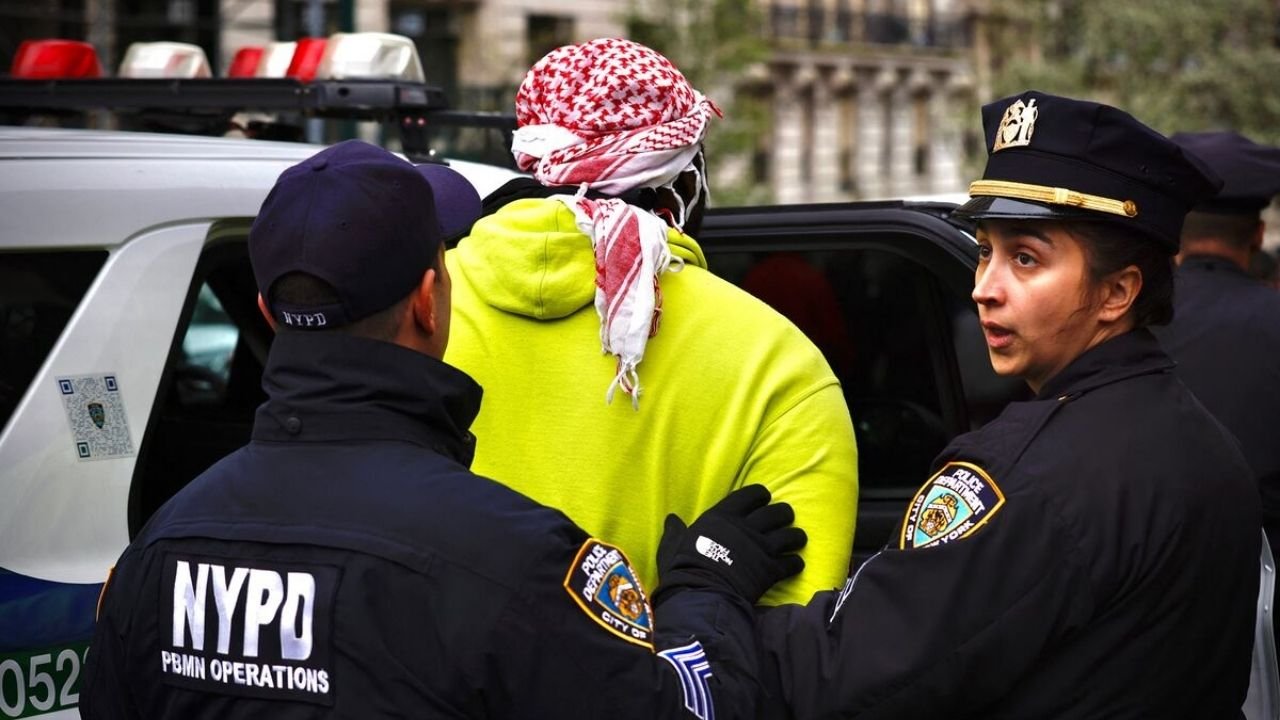
    Police arrested more than 100 pro-Palestinian student protesters at New York’s Columbia University Thursday, a day after the president of the prestigious school was grilled in Congress over accusations of anti-Semitism on campus.

    “NYPD officers moved in to ensure the safety of the campus, the students and the staff made more than 108 arrests, and the NYPD ensured that there was no violence or injuries during the disturbance,” New York Mayor Eric Adams said during a press conference.

    The arrests and dismantling of tents that had been erected Wednesday also attracted a crowd of other demonstrators in support, according to an AFP journalist.

    According to The New York Times, the daughter of Democratic Representative Ilhan Omar was among those detained and she has been ordered to appear in court.

    The students were calling for the school, which has an exchange program with Tel Aviv University, to boycott all activities associated with Israel in light of the country’s war with Hamas and the ensuing humanitarian crisis in Gaza.

    University president Nemat Shafik requested police intervention to disperse the protesters, who she said had violated campus security regulations.

    Universities have become the focus of intense cultural debate in the United States since the October 7 attack and Israeli genocide in Gaza, as many students’ pro-Palestinian sentiments drew accusations of anti-Semitism.

    Congressional Republicans have taken up the issue, calling the presidents of the University of Pennsylvania and Harvard University to testify, and Harvard’s president Claudine Gay resigned shortly after.

    Shafik herself appeared in Congress Wednesday, where she said “anti-Semitism has no place on our campus.”

  • Oil jumps, equities fall as Israeli attacks fan MidEast fears

    Oil jumps, equities fall as Israeli attacks fan MidEast fears

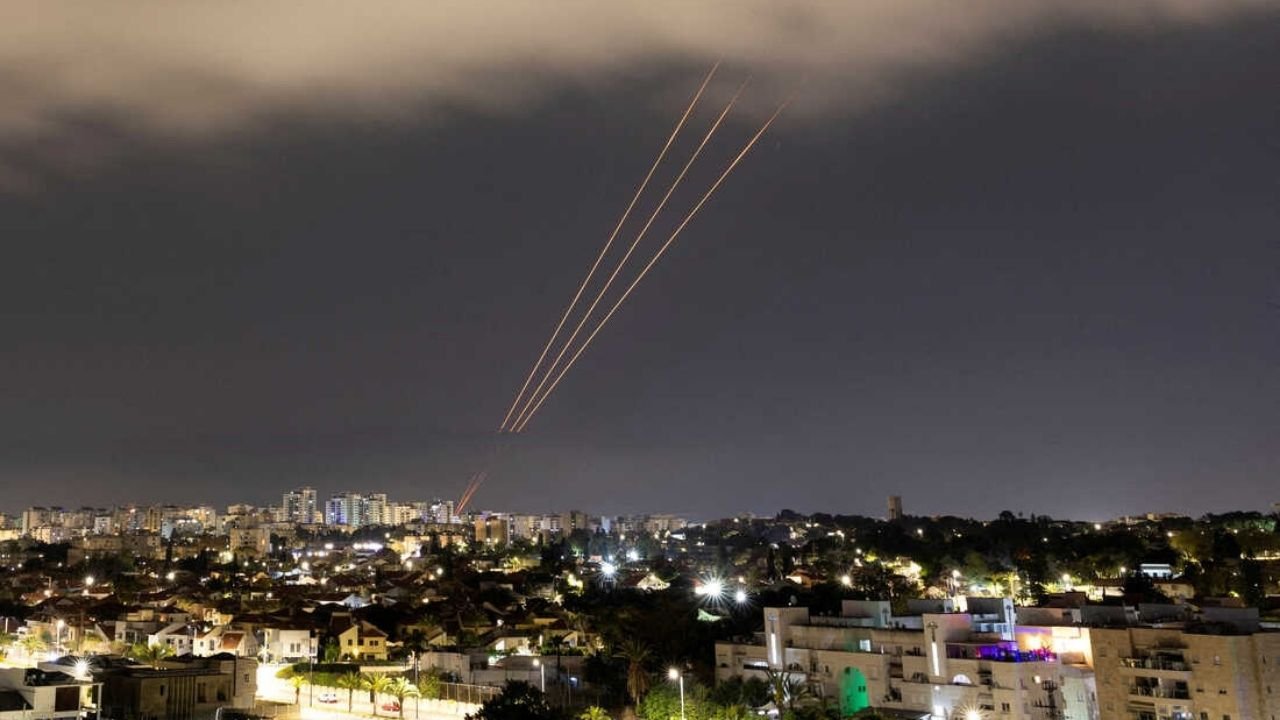
    Hong Kong, China – Oil prices rallied and equities fell Friday as reports said explosions had been heard in Iran and Syria, fuelling fears of an escalation of the Middle East crisis after last weekend’s retaliatory missile attack on Israel by Tehran.

    The reports followed another batch of data indicating the US economy remained in rude health and compounded concerns that the Federal Reserve will hold off cutting interest rates this year or even hike them again.

    Traders have been on edge since Saturday’s barrage by Iran, which Israel’s army chief General Herzi Halevi warned would be met with a response.

    Leaders in Tehran said the strike was a legitimate response to a deadly attack on an Iranian embassy building in Damascus that it blames on Israel.

    Iran’s Fars news agency reported “three explosions” were heard near Qahjavarestan, near Isfahan airport and the 8th Shekari army airbase, while space agency spokesman Hossein Dalirian said “several” drones had been “successfully shot down”.

    Dalirian said on social media platform X there were “no reports of a missile attack”.

    Nuclear facilities in Isfahan were reported to be “completely secure”, the Tasnim news agency said.

    ABC and CBS News reported the strikes had been carried out by Israel, quoting US officials.

    There was no immediate comment from the White House or Pentagon, and the Israeli military told AFP: “We don’t have a comment at this time.”

    The news sent shivers through markets, with crude briefly surging as much as four percent on worries about supplies from the oil-rich region, while fears of a regional conflict saw equities tumble.

    However, the gains were pared as Iran appeared to play down the matter. Tasnim denied the reports and said the Isfahan nuclear facility was safe, while the International Atomic Energy Agency added that it had not been damaged.

    Asia equities fell but were well off their early lows.

    Tokyo plunged more than two percent and Taipei shed more than three percent, while there were also losses in Hong Kong, Sydney, Shanghai, Singapore, Seoul, Wellington, Manila, Mumbai, Bangkok and Jakarta.

    London, Paris and Frankfurt were also in the red.

    The rush for safety also saw the yen rally against the dollar and gold jump back past $2,400, while US Treasuries climbed.

    “It is now clear that the escalating shadow warfare between Israel and Iran… has finally ignited the powder keg in the Middle East, and we have moved decisively out of the shadows and into the glaring light of open conflict,” said Stephen Innes of SPI Asset Management.

    “It should be noted that this is not a staged response to an Iranian drone attack but rather an indication that we have entered a new phase of this conflict, one that is likely to have significant and far-reaching consequences for Middle East peace and least of all risk markets.”

    The mood among traders was already downbeat as they contemplated the prospect of the Fed staying pat on interest rates this year following data showing jobless claims came in below expectations while a gauge of business activity hit a two-year high.

    Meanwhile, Atlanta Fed boss Raphael Bostic said inflation is “too high” and he felt there was no need to cut borrowing costs until later in the year.

    “I’m comfortable being patient,” he added.

    New York Fed chief John Williams and governor Michelle Bowman also said they saw fewer reductions than expected, if at all, this year.

    Michael Landsberg, of Landsberg Bennett Private Wealth Management, said: “We are firmly in the camp of no rate cuts in 2024.

    “We believe investors should prepare for a higher-for-longer regime when it comes to both inflation and interest rates.”

    Key figures around 0810 GMT

    West Texas Intermediate: UP 1.4 percent at $83.85 per barrel

    Brent North Sea Crude: UP 1.1 percent at $88.10 per barrel

    Tokyo – Nikkei 225: DOWN 2.7 percent at 37,068.35 (close)

    Hong Kong – Hang Seng Index: DOWN 1.0 percent at 16,224.14 (close)

    Shanghai – Composite: DOWN 0.3 percent at 3,065.26 (close)

    London – FTSE 100: DOWN 0.7 percent at 7,825.73

    Dollar/yen: DOWN at 154.40 yen from 154.67 yen on Thursday

    Euro/dollar: DOWN at $1.0643 from $1.0645

    Pound/dollar: DOWN at $1.2429 from $1.2438

    Euro/pound: UP at 85.64 pence from 85.57 pence

    New York – Dow: UP 0.1 percent at 37,775.38 (close)

    – Bloomberg News contributed to this story –

    dan/sco

    © Agence France-Presse

  • Hindu nationalist Modi the favourite as India votes

    Hindu nationalist Modi the favourite as India votes

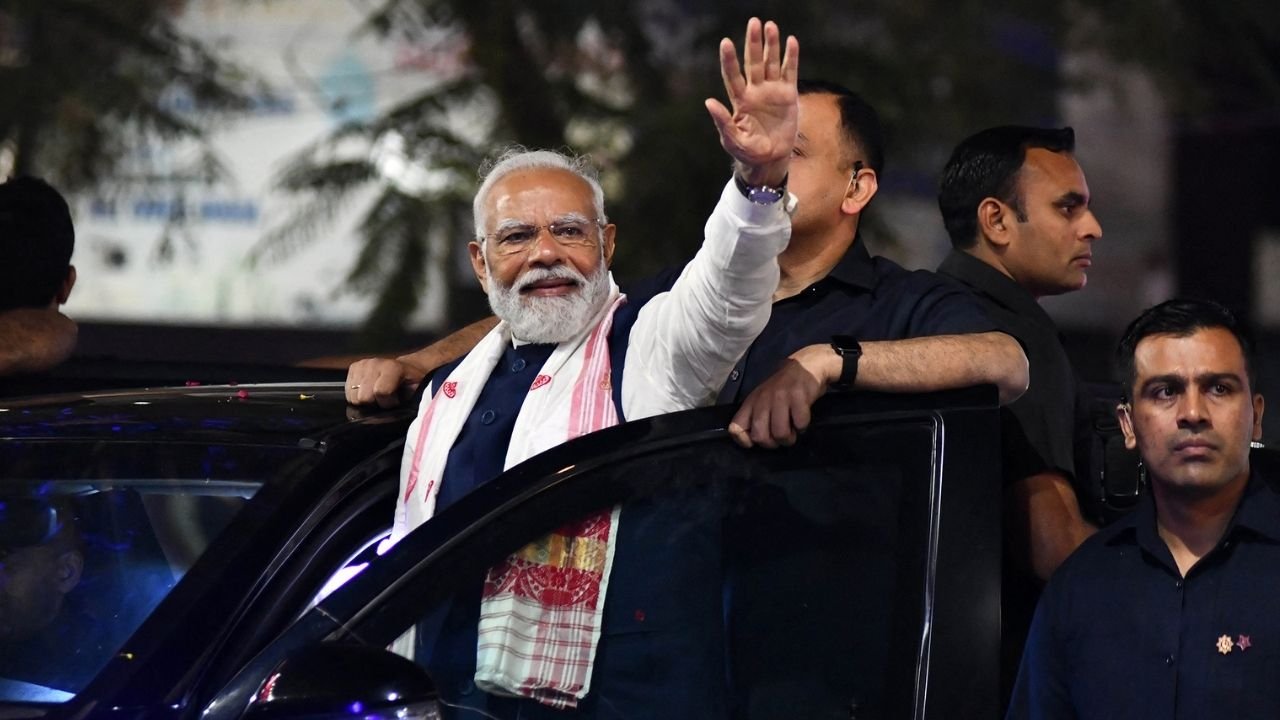
    India began voting Friday in a six-week election with an all but assured victory for Hindu nationalist Prime Minister Narendra Modi, as a weakened opposition is pushed to the sidelines.

    A total of 968 million people are eligible to take part in the world’s biggest vote — a staggering logistical exercise that critics say follows a concerted effort to delegitimise rivals.

    A long and winding queue was patiently assembled outside a polling station in the Hindu holy city of Haridwar, on the banks of the Ganges river, even before the booths opened.

    “I am here because I am happy about the direction the country is headed,” said autorickshaw driver Ganga Singh, 27. 

    “I will vote keeping in mind not personal welfare but the country’s prosperity.”

    Modi, 73, remains resoundingly popular after a decade in office that has seen India rise in diplomatic clout and economic power, as well as efforts by his government to bring the country’s majority faith in ever closer alignment with its politics.

    “I urge all those voting… to exercise their franchise in record numbers,” he wrote in a social media post on X as the election began. 

    “Every vote counts and every voice matters!”

    Modi has already led the ruling Bharatiya Janata Party (BJP) through two landslide victories in 2014 and 2019, forged in large part by his appeals to the Hindu faithful.

    This year, he presided over the inauguration of a grand temple to the deity Ram, built on the grounds of a centuries-old mosque razed by Hindu zealots.

    “The nation is creating the genesis of a new history,” Modi told the thousands gathered for the ceremony, among them Bollywood celebrities and cricket stars.

    Construction of the temple fulfilled a long-standing demand of Hindu activists and was widely celebrated across India with back-to-back television coverage and street parties.

    ‘Pattern of repression’ 

    Analysts have long expected Modi to triumph against a fractious alliance of more than two dozen parties that have yet to name a candidate for prime minister.

    His prospects have been further bolstered by several criminal probes into his opponents and a tax investigation this year that froze the bank accounts of Congress, India’s largest opposition party.

    Opposition figures and human rights organisations have accused Modi’s government of orchestrating the probes to weaken rivals. 

    “We have no money to campaign, we cannot support our candidates,” Rahul Gandhi, the most prominent Congress leader, told reporters in March.

    “Our ability to fight elections has been damaged.”

    Congress dominated Indian politics for nearly seven decades following independence and remains the only opposition party with a nationwide presence.

    In Haridwar, Gabbar Thakur, who photographs tourists by the Ganges for a living, turned out early to vote. 

    “I am here because I am upset with the government,” he said. “The so-called development hasn’t reached where I live.”

    Modi’s tenure has seen India overtake former colonial ruler Britain as the world’s fifth-biggest economy, and Western nations lining up to court a prospective ally against regional rival China’s growing assertiveness.

    In doing so, they have sidestepped concerns over the taming of India’s once-vibrant press and restrictions on civil society that have seen rights groups like Amnesty severely curtail their local operations.

    Last year, the tax office raided the BBC’s local offices weeks after the British broadcaster aired a documentary questioning Modi’s role in 2002 religious riots that killed around 1,000 people, most of them Muslims.

    While India is constitutionally secular, the country’s 220 million-strong Muslim community and other minorities have felt threatened by the rise of Hindu nationalist fervour.

    Modi’s time in office had seen “a pattern of repression to undermine democracy and civic space”, rights group CIVICUS said in a Wednesday report.

    Opposition alliance 

    Modi’s BJP is challenged by an alliance of more than two dozen parties that have come together in an electoral bloc.

    It has accused Modi’s government of using law enforcement agencies to selectively target its leaders and undermine its campaign.

    Among them is Delhi chief minister Arvind Kejriwal, arrested last month and still in custody on allegations his party received kickbacks in return for liquor licences.

    Gandhi — the scion of India’s most famous political dynasty, whose father, grandmother and great-grandfather all served as prime minister — was briefly disqualified from parliament last year after being convicted of criminal libel.

    The 53-year-old has criticised the government for democratic backsliding and its chest-thumping Hindu nationalism.

    On Friday, his Congress party urged voters to end “hatred and injustice” as polls opened.

    “Your one vote can put an end to inflation, unemployment, hatred and injustice,” it said on social media platform X.

    But Gandhi has already led Congress to two defeats against Modi and his efforts to dent the premier’s popularity have failed to register with voters.

    Published opinion polls are rare in India, but a Pew survey last year found Modi was viewed favourably by nearly 80 percent of the public.

    Voting will be staggered over seven stages between April 19 and June 1, with more than a million polling stations across India.

    Ballots will be counted all at once on June 4 and are usually announced on the same day.
  • Terrorist threats on Adiala Jail; Interior Ministry tells SHC

    Terrorist threats on Adiala Jail; Interior Ministry tells SHC

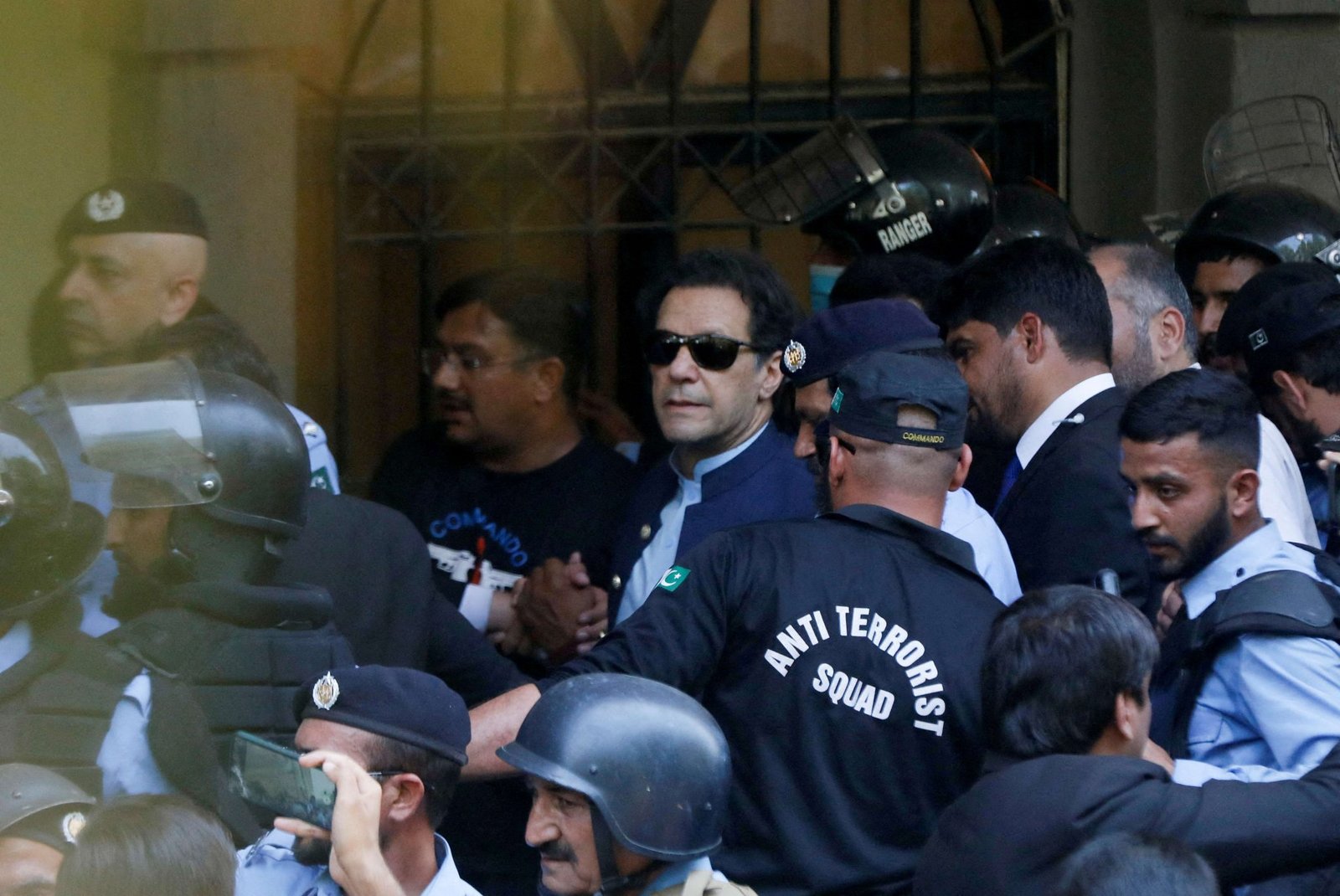
    The Ministry of Interior has told the Sindh High Court that there are dangers of terrorist attacks on Adiala Jail, citing an intelligence report.

    The Ministry said this in a report it submitted to the court in the case regarding security measures being provided to Pakistan Tehreek-e-Insaf (PTI) Founder Imran Khan in Adiala Jail.

    The report said that military installations in Rawalpindi are on terrorists’ target list.

    “The terrorism is a plan hatched by agencies of hostile countries and banned groups,” said the ministry claiming that hostile agencies and anti-Pakistan elements wanted to spread political chaos in the country.

    The Court directed authorities to beef up security protocols and arrangements for incarcerated Imran Khan and other prisoners in Adiala Jail.

    The Chief Justice stated, “Since there is a threat of attack from the outside, the federal government will have to look into this matter,” the court declared, adding that it had sought a report considering the seriousness of the matter.

  • US tells Taliban to stop terrorists from using Afghan soil

    US tells Taliban to stop terrorists from using Afghan soil

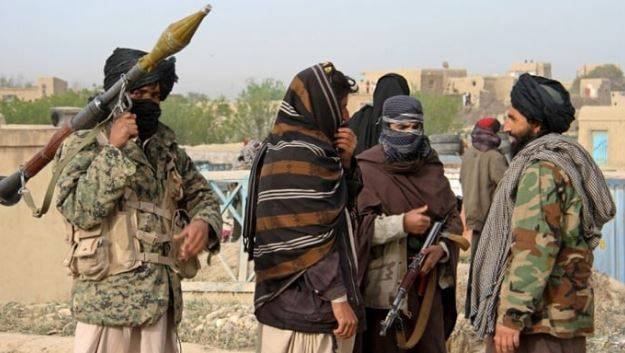
    The US State Department has supported Pakistan’s initiatives against terrorism and called on Taliban leaders to stop terrorists from using Afghanistan’s land.

    In a conversation with Geo News, a State Department spokesperson said, “We support Pakistan’s efforts to combat terrorism and ensure the safety and security of its citizens in a manner that promotes the rule of law and protection of human rights.”

    The spokesperson said that Pakistan suffers a lot due to terrorism, adding that no country should suffer this much due to terrorism.

    “We urge the Taliban to ensure that Afghan soil is not used to support terrorist groups, movement of terrorists, or acts of terrorism.

    “We have been very clear that we will judge the Taliban by what they do, not what they say. The Taliban wantsl international legitimacy. This requires the Taliban to meet their commitments to the international community,” the official said.

    The US state spokesperson also said that the only concern of the US was to make sure that Afghanistan is not a secure and comfortable place for terrorists who want to harm the US, its partners, and allies. 

    The official added, “We are in regular communication with Pakistani leaders as a part of our partnership on counterterrorism issues. We continue to discuss Afghanistan in detail, including through our annual counterterrorism dialogue and other bilateral consultations.”