Blog

  • Remittances to Pakistan decline by 19.3% to $2 billion in first month of fiscal year

    Remittances to Pakistan decline by 19.3% to $2 billion in first month of fiscal year

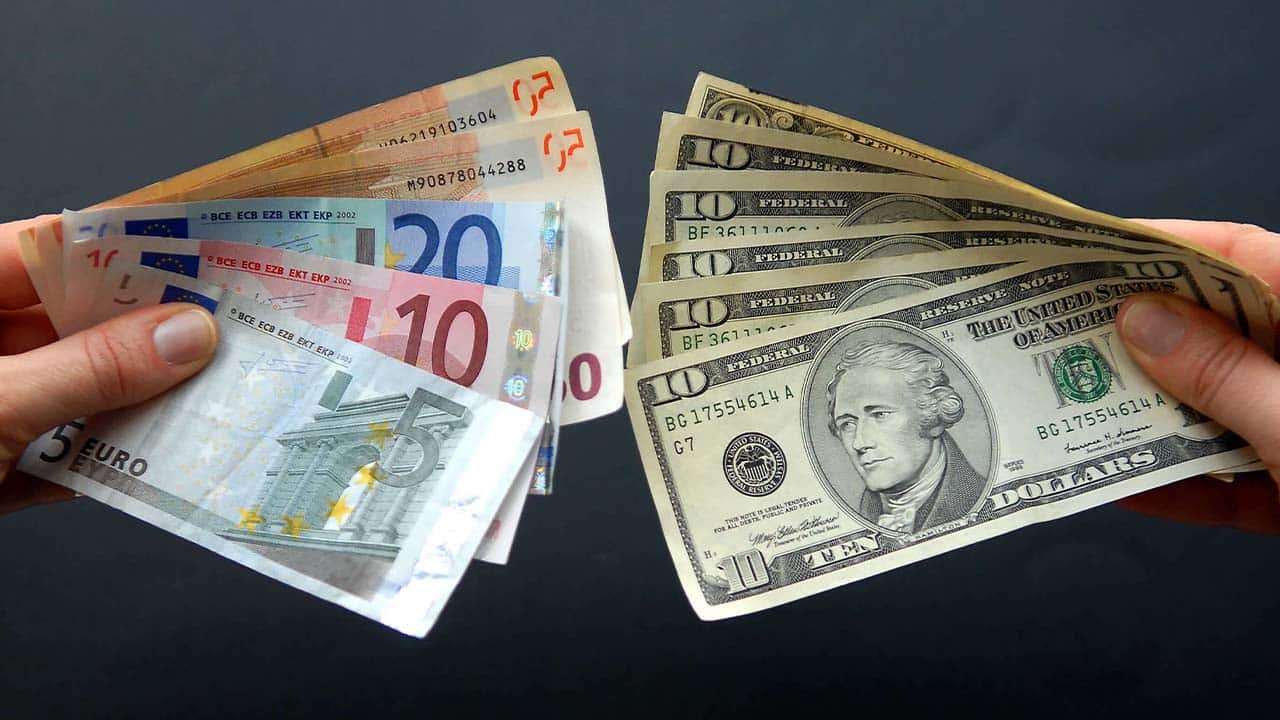
    Pakistan has experienced a notable decline in remittances during the first month of the current fiscal year, as data released by the central bank reveals a year-on-year drop of 19.3 per cent, amounting to $2 billion. This concerning trend was further accentuated by a month-on-month reduction of 7.3 per cent.

    In the month of July, remittance inflows from Pakistanis residing abroad amounted to $2.2 billion. The distribution of these remittances showed that Saudi Arabia held the top spot with a contribution of $486.7 million, followed by the United Arab Emirates with $315.1 million. The United Kingdom and the United States of America followed closely with $305.7 million and $238.1 million, respectively.

    Economic analysts anticipated this decline in remittances for the month of July, given the post-Eid ul Adha period. The reduction was expected, as Pakistani expatriates tend to increase their cash transfers back home during festive seasons. Interestingly, it seems that some of these remittance inflows have been diverted to the grey market due to more favourable exchange rates for dollars.

    Samiullah Tariq, the head of research at Pak-Kuwait Investment Company, shed light on this shift: “In my view, as this was the month after Eid ul Adha, flows were relatively subdued. Some Pakistanis are opting for unofficial channels to transfer money.” The continuous devaluation of the Pakistani currency is also impacting investment sentiment among overseas Pakistanis, discouraging them from contributing more significantly to the economy.

    The recent release of these remittance statistics coincides with the International Monetary Fund’s (IMF) approval of a $3 billion bailout package for Pakistan. The nation’s economy had been teetering on the edge of default due to mounting debt obligations. Governor Jameel Ahmad of the State Bank of Pakistan (SBP) reassured that the SBP remains committed to upholding its obligations, including maintaining a controlled difference between the interbank and open market exchange rates, as specified in the agreement with the IMF.

    Fahad Rauf, the head of research at Ismail Iqbal Securities, voiced his concern over the decline in remittances: “The extent to which remittances have declined is indeed worrying. Unofficial channels offering higher rates have played a role in this scenario.” He also highlighted the SBP’s efforts to attract more remittances through proposed changes in incentive schemes, including a 50 per cent increase in the reimbursement rate for Saudi Riyal conversions.

    The SBP’s latest monetary policy statement forecasts the current account deficit for fiscal year 2024 to range between 0.5 per cent and 1.5 per cent of the gross domestic product. This projection takes into account both evolving domestic and global economic conditions. The SBP remains optimistic about the prospects of multilateral and bilateral inflows following the IMF’s stand-by arrangement, which is expected to bolster external buffers and address short-term external financing requirements.

    As the nation navigates through these challenges, the market-determined exchange rate will continue to play a pivotal role as the first line of defence against external shocks, further supporting the buildup of reserves. With a cautious eye on global commodity prices and a moderate domestic economic recovery, Pakistan aims to manage its imports and strengthen its economic stability.
  • Pakistan seeks economic stability through multi-billion dollar Gulf investments

    Pakistan seeks economic stability through multi-billion dollar Gulf investments

    Pakistan is engaged in high-stakes negotiations with Gulf nations to secure billions of dollars in investments. These discussions come as Islamabad strives to stabilise its economy by attracting much-needed foreign currency, while the oil-rich Gulf monarchies seek to diversify their economies and extend their influence.

    According to a report by Saeed Shah published on the Wall Street Journal, a significant development on the horizon involves Saudi Arabia’s potential involvement in a massive copper mining project. Canada’s Barrick Gold is spearheading the development of this colossal mine, located in western Pakistan, at an estimated cost of $7 billion. Sources familiar with the project reveal that Saudi officials are in talks about acquiring a stake in this ambitious venture.

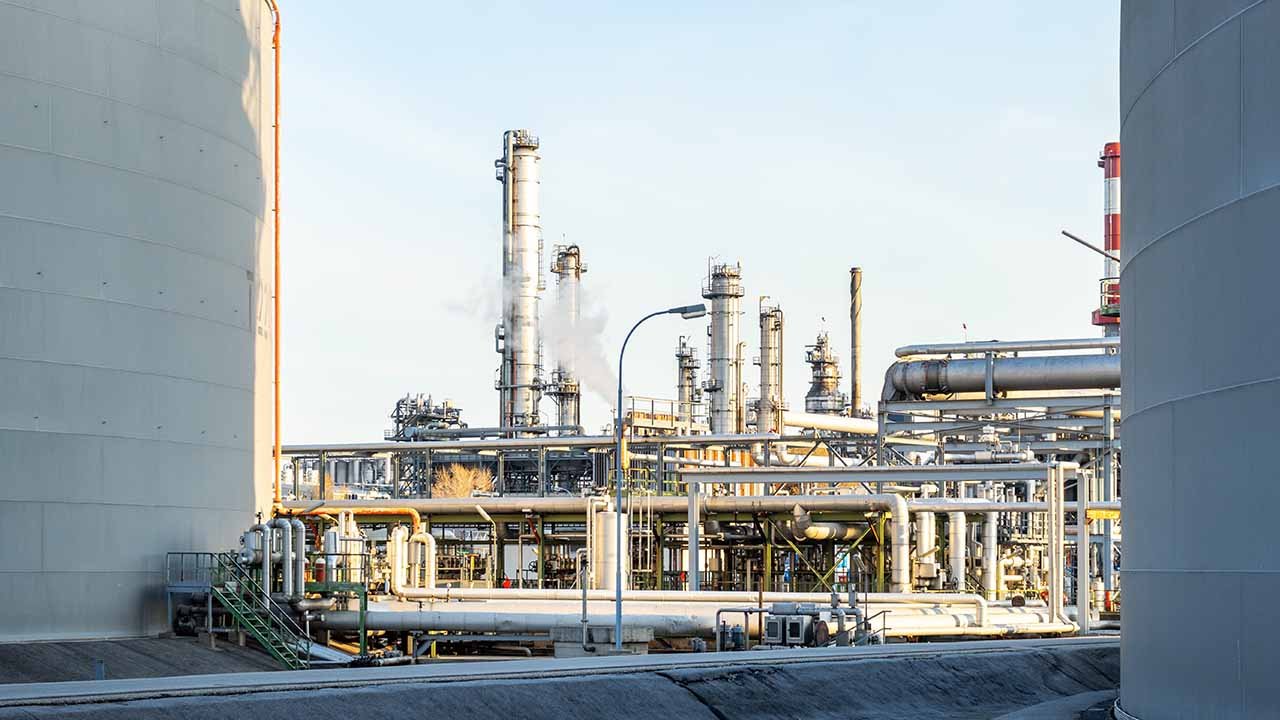
    Furthermore, advanced negotiations are underway for the establishment of a Saudi oil refinery within Pakistan’s borders. This ambitious project, estimated to cost up to $14 billion, has garnered the attention of both Islamabad and Gulf officials.

    This marks a notable shift for the Gulf states, moving away from traditional loans and grants to a strategic focus on acquiring assets to bolster their sovereign wealth funds.

    For Pakistan, these investments come at a critical juncture. The nation, home to a population of 240 million and armed with nuclear capabilities, has been grappling with economic turmoil and political instability. In June, an agreement was reached with the International Monetary Fund for another bailout, reflecting the urgency of the situation.

    To pave the way for these investments, Pakistan’s military, a dominant institution within the country, is taking measures to streamline the deal-making process. This initiative aims to address previous concerns raised by Gulf investors regarding bureaucratic hurdles and political uncertainties.

    The potential investments span a wide range of sectors, including mining, energy infrastructure, farmland, and the privatisation of government businesses. Notably, Pakistan’s newly established Special Investment Facilitation Council, which includes the army chief, has been designed to expedite the bureaucratic procedures associated with Gulf investment.

    Ahsan Iqbal, Pakistan’s outgoing planning minister and head of the executive committee of the Special Investment Facilitation Council, emphasised the strategic positioning of Pakistan as a gateway to growth in Asia. He stressed the importance of providing investors with the assurance of policy continuity for their investments.

    The Saudi deputy mining and foreign ministers have recently visited Islamabad to discuss this significant investment endeavour. These discussions align with Pakistan Prime Minister Shehbaz Sharif’s announcement that parliament will dissolve, potentially paving the way for a nonpolitical caretaker government and facilitating economic decisions.

    Pakistan’s relationship with its military is pivotal, with the army wielding considerable influence in the country. The Gulf has maintained direct ties with Pakistan’s military for decades, underscoring the military’s role as a key facilitator in these negotiations.

    The scope of the potential deals is substantial, with Pakistan hoping to secure around $25 billion in investments. Key areas of interest include solar energy, information technology, and the defence industry. Furthermore, Pakistan is prepared to offer uncultivated government land on long leases for agriculture, aiming to attract diverse investments.

    While concrete figures from the Gulf nations have yet to be disclosed, the prospect of significant investments has generated substantial interest. In this context, the ongoing economic challenges faced by Egypt and Pakistan have presented an opportunity for asset acquisition on favourable terms.

    Efforts to secure investments will likely see competition between Gulf nations, particularly Saudi Arabia and the United Arab Emirates (U.A.E.). Both nations have expressed keen interest in various sectors, including infrastructure and logistics.

    Amidst these negotiations, Islamabad has announced a tender for terminal services at Islamabad airport, a contract that is expected to draw interest from both the U.A.E. and Qatar. Pakistan’s transition to a nonpolitical caretaker government is anticipated to catalyse these investment deals.

    At the heart of the negotiations lies the prospect of a Saudi oil refinery, a deal that is reportedly on the cusp of realisation. The potential partnership with Saudi Aramco for this project underscores Pakistan’s strategic significance in the region.

    The mining sector also offers a lucrative opportunity, particularly in copper, a critical resource for the transition to cleaner energy. The joint venture between Barrick Gold and the Pakistani government in the Reko Diq mine has attracted Saudi interest, with the Saudi sovereign wealth fund, the Public Investment Fund, and Saudi mining company Ma’aden reportedly eyeing a stake in the mine.

    While challenges and security concerns persist, these negotiations mark a pivotal moment for Pakistan. With the potential for substantial investments across various sectors, the country seeks to harness its untapped potential and forge strategic partnerships in the Gulf region.

  • Mountaineers in pursuit of records accused by climbers of ignoring dying Pakistani sherpa on K2

    Mohammad Hassan, a 27-year-old Pakistani porter, lay severely injured just 1,300 feet from K2’s summit, a peak known for its unforgiving nature. Shockingly, as he battled for survival, fellow climbers allegedly chose to prioritize their ascent records over extending a helping hand. Drone footage captured at the grim scene reveals climbers navigating around Hassan on the precarious ledge, effectively leaving him to his fate.

    The incident has ignited controversy, centering on Norwegian climber Kristin Harila and her team, who were captured passing by the injured porter. Accusations have been leveled against them, claiming that their pursuit of a new world record took precedence over providing aid to Hassan. Adding to the outrage, reports said that a celebratory party followed shortly after the team achieved the record of conquering 14 of the world’s highest peaks in just over three months—despite the tragic loss of Hassan’s life, Daily Mail has reported.

    Kristin Harila has defended her actions, stating that she and her team attempted to assist Hassan. However, the treacherous conditions on K2 made any rescue attempts perilous.

    Austrian mountaineer Philip Flämig, who was climbing alongside Wilhelm Steindl, has drawn attention to footage captured by their drone. The footage allegedly depicts a grim sequence of climbers stepping over the stricken body of Mohammad Hassan rather than offering assistance.

    Flämig described the scene in Austria’s Standard newspaper, highlighting the heart-wrenching footage. He expressed dismay, pointing out that while one person tended to Hassan, others surged onward toward the summit. Flämig criticized the absence of an organized rescue operation despite the presence of Sherpas and guides who could have acted.

    Flämig denounced the incident as a “disgrace” and compared the stark contrast to practices in the Alps, highlighting the ongoing debate regarding the treatment of Sherpas in the Himalayas. He asserted that if Hassan were a Westerner, immediate rescue efforts would likely have been deployed. The tragedy, he lamented, highlighted the callous disregard for human life in favor of record-breaking pursuits.

    In response to these claims, Harila defended her actions and decisions, countering accusations of inaction. She refuted the notion that no effort was made to help Hassan, stating that her team attempted to lift him for over an hour. She also explained the hazardous conditions on the mountain, particularly on the treacherous part where Hassan fell.

    Drone footage of the incident revealed individuals climbing over Hassan as he lay helpless in the deep snow. The video offered a glimpse of the thin air at such high elevations, as climbers wore oxygen masks to combat the thin atmosphere.

    Despite differing accounts of the incident, the unsettling scene has prompted renewed debate about the ethics of mountaineering and the value of human life in extreme circumstances. Steindl, who had to retreat to base camp due to perilous conditions, expressed his disgust at fellow climbers’ inaction, stressing the importance of lending aid.

  • TW: Policeman sets his 14-year-old wife on fire over dowry

    TW: Policeman sets his 14-year-old wife on fire over dowry

    TRIGGER WARNING: abuse, domestic violence

    A 14-year-old girl married to a policeman in Sialkot has been set on fire after her husband became unhappy with the dowry provided to him.

    According to the complaint filed with the Sialkot police by labourer Tariq Mahmood, his daughter Muneeb Fatima, was married to Constable Waqas Nazir, who was posted at the Satrah Police Station, of Pasrur Tehsil. The marriage took place five months ago, however , when he went to visit their home, he was told by his daughter’s in-laws that she was happy and did not want to meet him.

    Speaking to DAWN, Mahmood elaborated that when Fatima came back to visit him after five months, she revealed details of torture, including being burnt by a clothing iron and being kept in chains.

    Mahmood further reported that his daughter was set on fire by her husband after he sprinkled petrol on her. When the labourer confronted Waqas, he was shot at and given death threats.

    Mahmood said his daughter was tortured by both her husband and his sister, Sadaf.

    Muneeb Fatima is receiving treatment at Tehsil Headquaters Hospital, Pasrur.

    The abuser, according to Dawn, made calls to a journalist and threatened to have him killed. The police, under the orders of the DPO, made several threatening calls to the journalist.

    According to the a spokesperson for the Sialkot district police, Waqas Nazir has been suspended by the DPO, while an inquiry has been launched against him.

  • ECP awaits census data to determine election schedule

    ECP awaits census data to determine election schedule

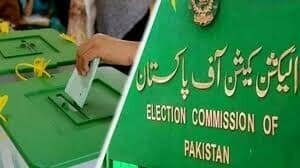
    Following the dissolution of the National Assembly, the Election Commission of Pakistan (ECP) has been granted a 90-day window to organize general elections. Within this period, the ECP is also required to carry out the process of constituency delimitation based on the digital census. However, census results necessary for this task have not yet been provided to the ECP.

    Sources within the ECP have confirmed to geo.tv that they are still awaiting data for 186,509 census blocs and are yet to establish a timeline for the constitutionally mandated delimitation process. Although they have already received district-wise data from the Pakistan Bureau of Statistics, the data required for delimitation is still pending.

    It has been revealed that the Pakistan Bureau of Statistics (PBS) is expected to compile and share the data of these blocs with the ECP in the coming week. Following this, the ECP will need a minimum of four months to carry out the delimitation process and address any complaints that may arise.

    The Council of Common Interests (CCI), a constitutional body, approved the digital census results on August 5, which marked a significant step. The ECP held its inaugural formal meeting on this matter. With the census phase now complete, the focus shifts to the subsequent step of delimitation.

    While the ECP has already consulted its legal team and received a briefing, the completion of data provision from the bureau is awaited. This data is essential for the ECP to establish a timeline for fulfilling its legal obligations prior to conducting the elections.

    The passage of the census results has sparked speculation, particularly within political and constitutional circles. In relation to the National Assembly, officially dissolved on August 10, triggering the countdown for the constitutional requirement of delimitation. This process encompasses 90 days, with an additional 30 days allocated for addressing related complaints and objections.

    A senior official stressed the significance of time, stating that if the complete census results are provided to the Election Commission by August 15 or 16 (Tuesday or Wednesday), the commission would be left with 85 or 86 days to carry out the delimitation process.

    Originally reported by Mumtaz Alvi

  • Nawaz Sharif is coming to Pakistan next month, Shehbaz confirms

    Nawaz Sharif is coming to Pakistan next month, Shehbaz confirms

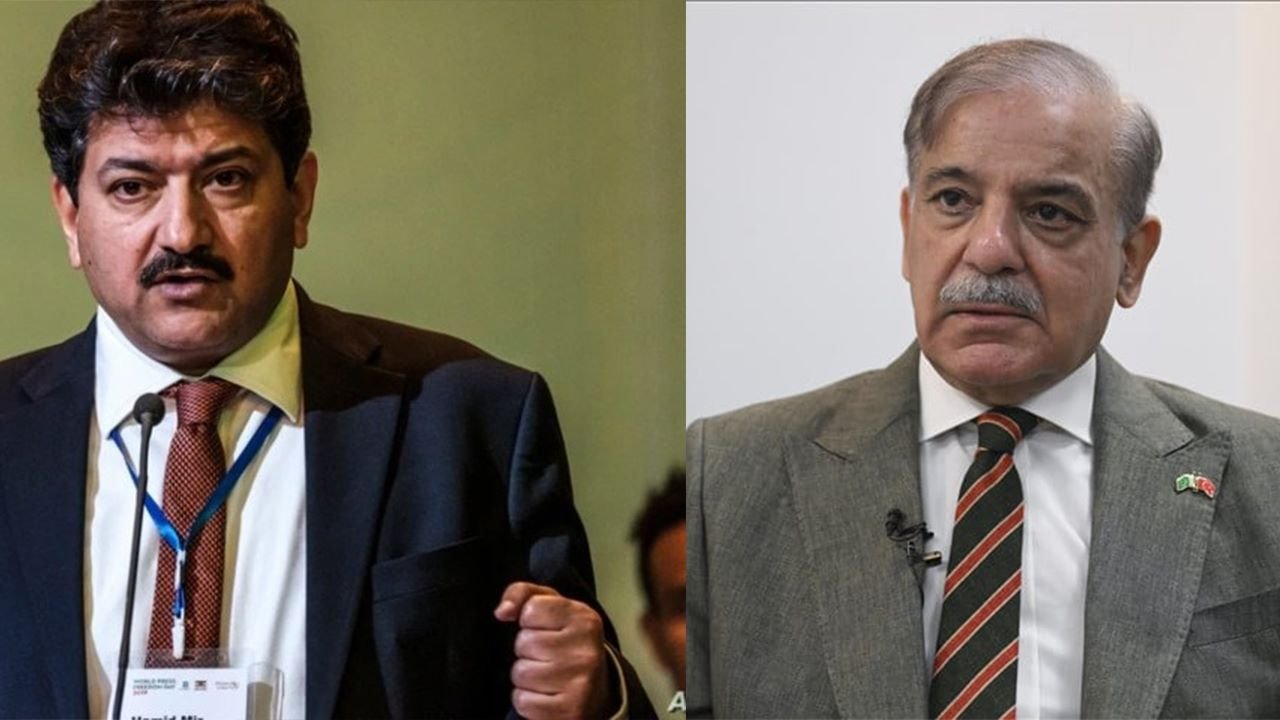
    Prime Minister Shehbaz Sharif has said on Thursday that his elder brother, former Prime Minister Nawaz Sharif, will return to Pakistan next month and face the law. It will be a major development if Nawaz Sharif comes back, as the upcoming elections are going to be held very soon.

    Shehbaz Sharif has also said in an interview with Geo News’ Capital Talk that he will visit London and meet the Pakistan Muslim League-Nawaz (PML-N) head after the caretaker government takes charge.

    “Nawaz Sharif will come back to Pakistan next month and will face the law and lead the election campaign,” Shehbaz Sharif said, however, he did not mention a specific date.

    “He [Nawaz] will neither wear a hat nor a bucket”, the outgoing PM said, criticising former Prime Minister Imran Khan, who is arrested and in Attock jail currently.

    Shehbaz Sharif, who is also the PML-N president, expressed hope that his party would win the upcoming general elections and that he would work as a party activist under the leadership of Nawaz Sharif.

  • Suspect arrested for harassing Srha Asghar released on bail due to non-cooperation of complainant

    Suspect arrested for harassing Srha Asghar released on bail due to non-cooperation of complainant

    Update: According to the police, the man who was arrested for harassing actress Srha Asghar has walked free while the FIR against him will be dismissed due to non-cooperation of the complainant.

    Geo News reports that Inspector Javed Babar has said that when the harasser was produced in court on Friday, he denied the allegations. The actress was summoned to appear in court by the female judge, but she didnt arrive, nor was any evidence of the incident produced.

    “Even the clothes torn during the incident or eyewitnesses of the incident requested by the police and the court were not produced,” he said.

    TRIGGER WARNING: discussion of harassment

    In a horrifying case, actress Srha Asghar reportedly filed a First Information Report (FIR) against a man, Asim, when he allegedly tried sexually assaulting her outside her home in Karachi. The FIR was registered at Shah Faisal Police Station on the complaint of Srha’s husband, Umar Murtaza.

    According to Police officials, the incident took place in August when the actress left her house to go to the nearby market to get groceries. A man kept following her back home and cat-called her. Asghar’s statement further revealed the man tried groping her which resulted in her clothes getting torn.

    The actress then rung the doorbell after which her husband came outside, which led to a fight between him and the assaulter. After which, the assaulter was taken to the police station by Umar and their neighbors.

    Srha and her husband have refused to give comments to media, but the actress did post a note on her Instagram stories where she slammed media organisations for including personal information on their news to get ratings, telling them to stop calling her:

    “I want every media person to stop messaging me about the incident, shame on them for calling me and my husband continuously for an interview for your ratings! And shame on the news channel who attached all the personal info with the incident! We ae safe Alhumdulillah!”

  • ‘Mayi Ri’ drama targets child marriage issues

    ‘Mayi Ri’ drama targets child marriage issues

    Mayi Ri looks to be an exceptional project, with a strong female lead in which women empowerment and the importance of education for girls will be highlighted.
    Aina Asif is a talented up-and-coming star who at a young age has already starred in dramas with big storylines.

    We are brilliantly reintroduced to the frightening reality of child marriages in the recently released drama. ‘Mayi Ri’ urges us to consider the terrible effects of this deeply ingrained practice through its striking images and compelling storytelling.

    This drama video bravely illuminates the mental, physical, and psychological hardships faced by kids forced into young adulthood who have to cope with an environment for which they are unprepared.

    The drama aims to question the accepted beliefs about child marriage and highlight the value of empowerment, especially for young girls.
    The Pakistani entertainment sector is a change catalyst because of its wide impact. It has the potential to increase public awareness of and motivate group initiatives to address problems like child marriage. “Mayi Ri” seeks to start a constructive society reform by bringing such issues to light.

    The two actors appearing in the trailer are child actor Aina Asif and Samar Jaffri, a brand-new face in the industry. This will be his debut role. The rest of the cast consists of Nauman Ejaz, Haniya Ahmed, Maria Wasti, Rimha Ahmed, Saad Zameer Faridi, Sajida Syed, Paras Masroor, Amna Malik, Diya Mughal, Usman Mazhar, Faham Usman, Sameena Nazir, and Bisma Babar, among others.

  • PIA offers 14% ‘Azadi Offer Discount’ on all domestic flights on Independence Day

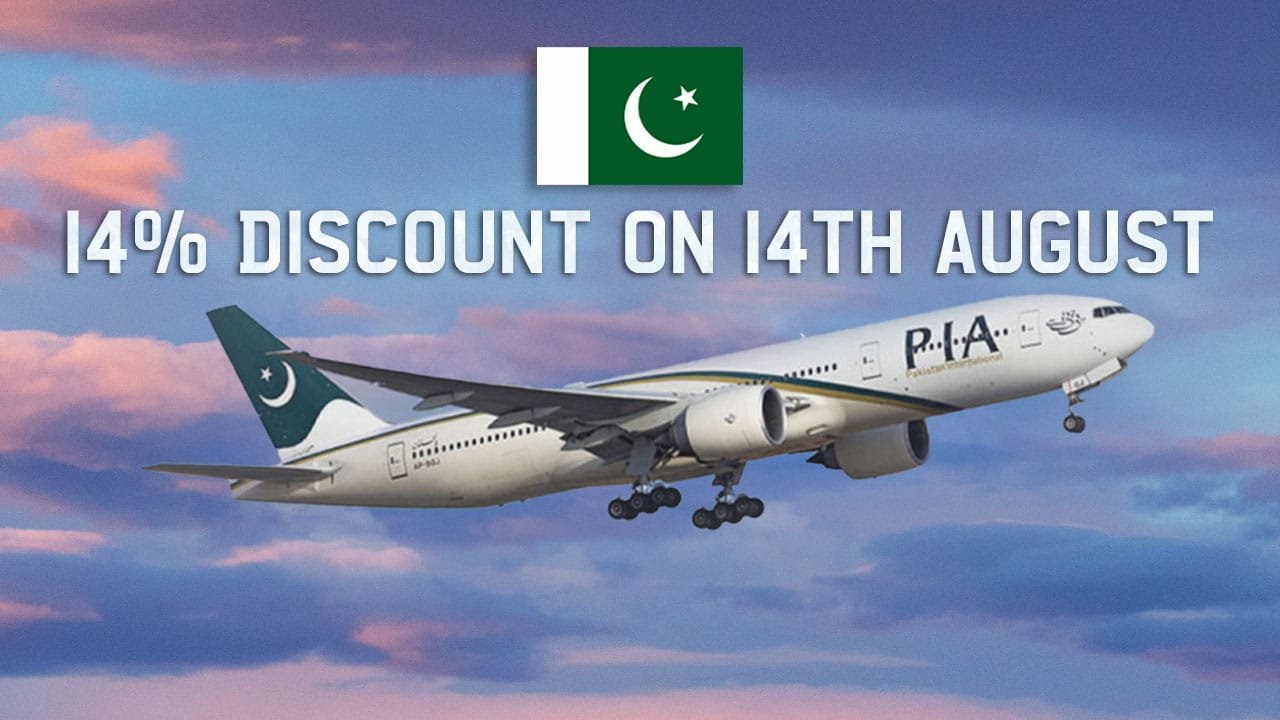
    PIA offers 14% ‘Azadi Offer Discount’ on all domestic flights on Independence Day

    On the occasion of the 76th Independence Day, Pakistan International Airlines (PIA) has extended a generous gesture to its passengers by announcing a significant discount.

    According to ARY News, the national carrier has declared a 14 per cent price reduction on all domestic flights, bringing forth a unique opportunity for citizens to travel within the country at a more affordable cost.

    In an official statement released on Thursday via their Twitter handle, the PIA spokesperson elaborated on the offer, stating that travellers would be able to avail themselves of this limited-time promotion on August 14.

    This special Independence Day discount is being offered as a token of appreciation to fellow compatriots for their unwavering support and patriotism.

    “The discount is a gift from the national carrier to the compatriots for Independence Day,” the spokesperson affirmed, highlighting the airline’s dedication to celebrating the nation’s sovereignty.

    As the nation prepares to commemorate the 76th Independence Day, citizens are set to rally around the ideals of the Pakistan Movement. This annual celebration, which falls on August 14, marks a pivotal moment in Pakistan’s history and provides an occasion for citizens to renew their commitment to building a robust Islamic welfare state.

    With the PIA’s gracious discount offer, many citizens are expected to capitalise on the opportunity to explore the diverse landscapes and cultures that Pakistan has to offer, fostering a sense of unity and connectivity as the nation celebrates its journey towards progress and development.

  • Utility Stores hike sugar, ghee, and flour prices following subsidy withdrawal

    In a surprising move, the Utility Stores Corporation (USC) has raised the prices of crucial commodities such as sugar, ghee, and flour, affecting consumers across the board, including those enrolled in the Benazir Income Support Programme (BISP). This price increase comes in the wake of the outgoing government’s decision to eliminate subsidies on these essential items.

    Among the notable price hikes, a 10-kg bag of flour has witnessed a substantial increase of Rs200; sugar prices have surged by Rs30; and ghee prices have risen by Rs53 per kilogramme. This unforeseen surge in prices has left many consumers bewildered, especially considering that the government recently augmented the subsidy allocation for the USC from Rs30 billion to Rs35 billion in the ongoing fiscal year’s budget.

    In a bid to alleviate the burden on consumers, the Prime Minister’s Azadi package for BISP beneficiaries is set to launch on August 11. This relief package aims to cushion the impact of the price hikes by offering a 10-kg bag of flour at a reduced price of Rs648. Additionally, a discount of Rs25 per kilogramme will be applied to rice and pulses for eligible beneficiaries.

    However, the plight of consumers has been compounded by widespread shortages of essential goods at utility stores. Frustration among citizens has mounted as they endure long lines for houRsin the hope of purchasing subsidised items, only to be met with empty shelves and disappointment. The lack of availability has further exacerbated the challenges posed by the recent price increases.

    Curiously, authorities at the utility stores have refrained from commenting on the escalating situation. This silence has left consumers and observers alike wondering about the root causes of these unexpected developments and the potential implications for the broader economic landscape.