Blog

  • FBR freezes PIA’s bank accounts for not paying Rs2.8 billion in taxes

    FBR freezes PIA’s bank accounts for not paying Rs2.8 billion in taxes

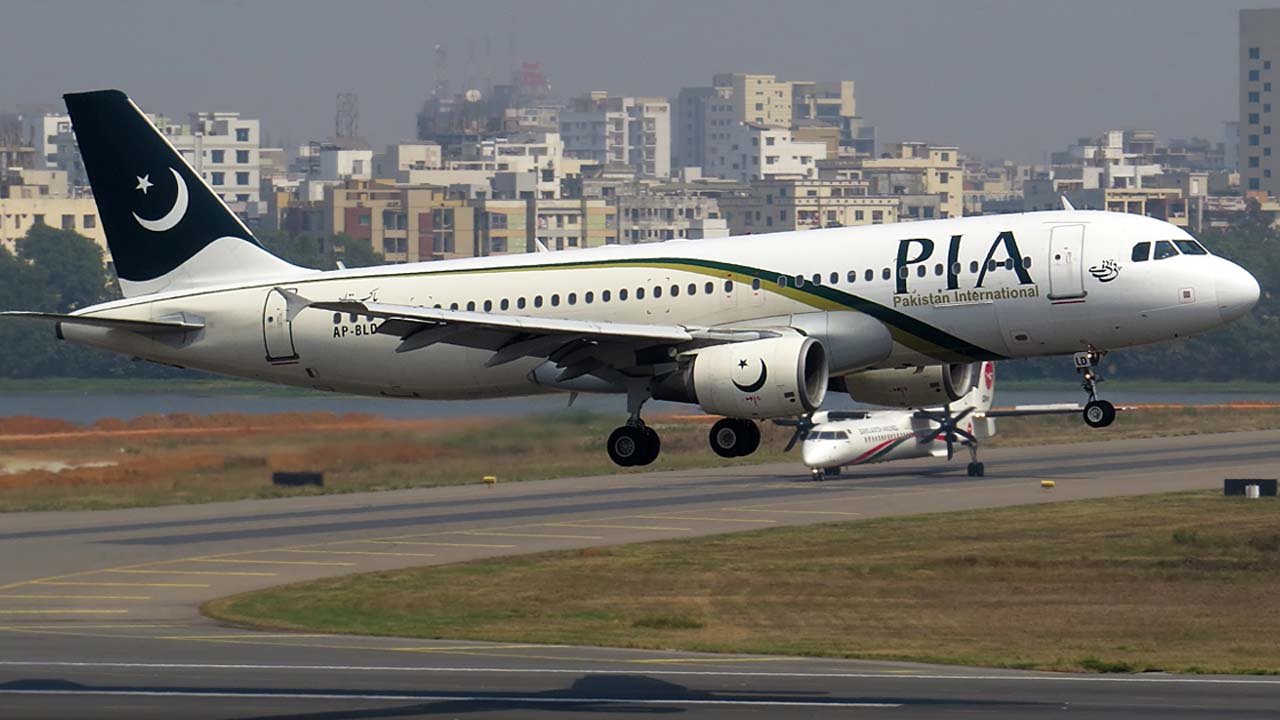
    Pakistan International Airlines (PIA), the national flag carrier, has found itself embroiled in a tax dispute as the Federal Board of Revenue (FBR) took the drastic step of freezing the airline’s bank accounts. This move comes at a critical time when the government has shifted the burden of revenue generation onto the general public, leading to growing concerns about the fairness of the taxation system.

    According to the FBR, PIA owes approximately Rs2.8 billion in taxes. However, the airline disputes this figure, claiming that the amount owed stands around Rs1.3 billion. A PIA spokesperson confirmed the ongoing communication between the airline’s management and the FBR, expressing hope that the bank accounts would be unblocked in the near future.

    Despite the harsh measure taken by the FBR, the PIA spokesperson reassured the public that the airline’s flight operations and other activities were continuing to function smoothly.

    The situation with PIA not paying taxes raises questions about the government’s tax collection policies. A recent report from the Finance Division revealed that government expenditure was on the rise in FY23, largely due to increased revenue collection through non-tax measures and indirect taxes. This indicates a failure to effectively broaden the tax base and implement direct taxation for various sectors.

    Critics argue that the government’s approach seems to focus on imposing indirect taxes on the masses, while offering some protection to the wealthier classes, even amid the current financial crunch. The freezing of PIA’s bank accounts further reinforces this perception, leaving the public questioning the fairness of the taxation system.

    Meanwhile, the report also highlighted that the government’s interest rate hikes policy is facing opposition, particularly from the business community. The State Bank of Pakistan has been unwilling to reverse the rate hikes, despite continuous protests and grave consequences faced by the public.

    As the PIA tax dispute continues, the government is under pressure to address the broader issues surrounding taxation and revenue generation to create a more equitable and sustainable financial framework.
  • ‘Necktie is a cross’: senior Taliban official says bow ties are Christian symbol, wants ban

    ‘Necktie is a cross’: senior Taliban official says bow ties are Christian symbol, wants ban

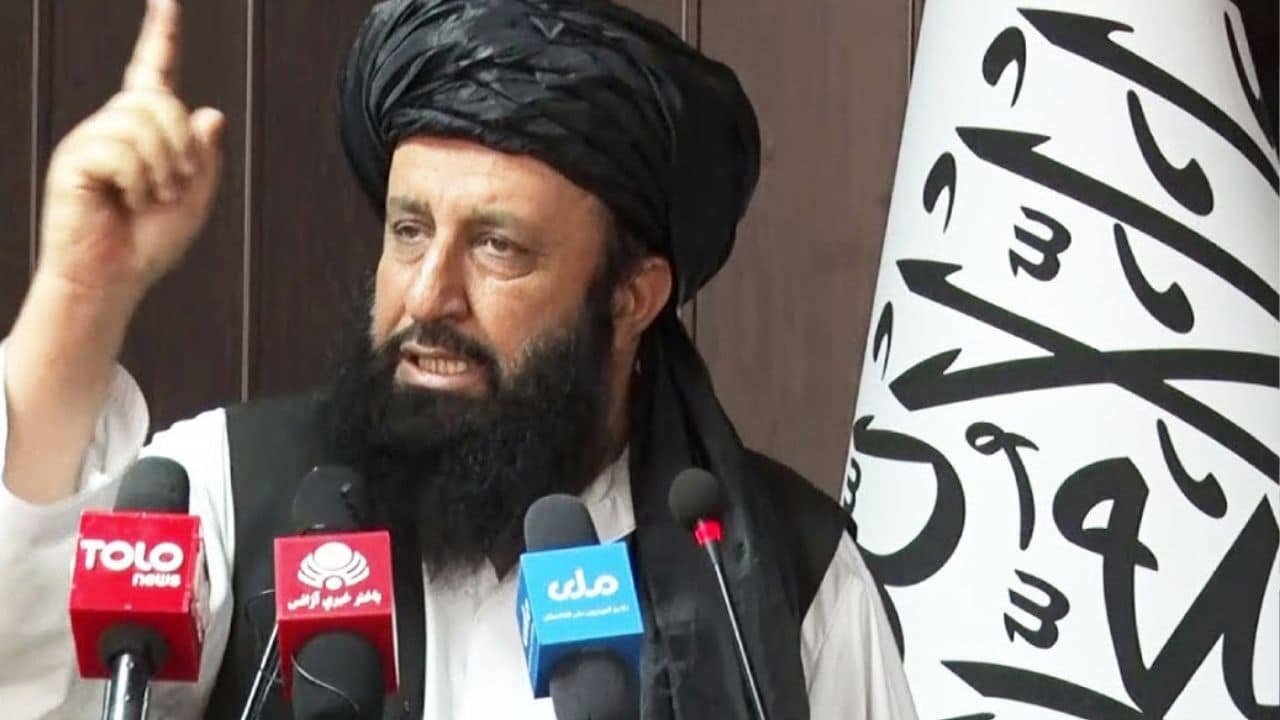
    In a recent announcement, a prominent Afghan Taliban official has declared neckties to be representative of the Christian cross, calling for their removal from public realm.

    Mohammad Hashim Shaheed Wror, the head of the Invitation and Guidance Directorate—an organization dedicated to directing individuals towards ‘proper’ Islamic paths—expressed his disapproval of Afghan Muslims, particularly professionals such as doctors and engineers, who wear neckties.

    During his speech broadcasted by Tolo TV, Wror stated, “Sometimes, when I go to hospitals and other areas, an Afghan Muslim engineer or doctor wears a necktie.” He proceeded to emphasize the religious implications of the accessory, declaring, “What is a tie? It is the cross. It is ordered in Sharia that you should break it and eliminate it.”

    Neckties, a Christian symbol or merely official garb?

    Neckties have a long and complex history, dating back to the 17th century. Originating from a piece of cloth worn around the necks of Croatian soldiers hired by King Louise XIII of France, neckties soon became a fashion staple at royal gatherings.

    As the trend was adopted by the French elite, it quickly spread throughout Europe. Over the years, the design and style of ties have seen many transformations. Today, ties come in various fabrics, cuts, widths, and patterns, enabling wearers to express their personal style.

    The typical attire for Taliban officials consists of shalwar kameez, a waistcoat, and a turban. While Western fashion has become increasingly rare following the Taliban’s ascension to power, neckties can still be spotted occasionally, especially among professionals.

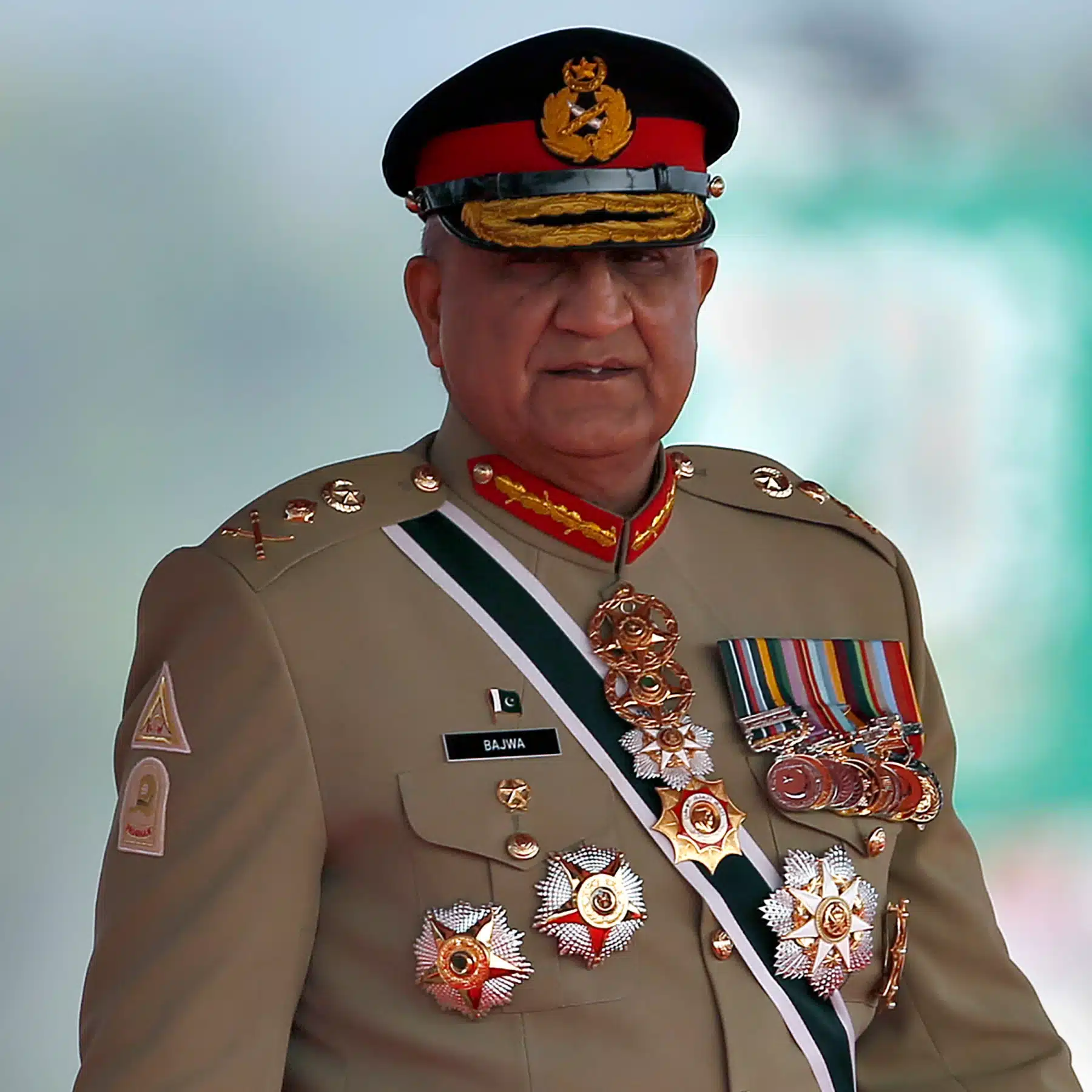
  • ‘This is not Punjab Police’; When Gen Bajwa resigned in anger

    ‘This is not Punjab Police’; When Gen Bajwa resigned in anger

    Since the removal of former Prime Minister Imran Khan through a Vote of No Confidence in April 2022, political analysts have wondered what led to a falling out between the Chairman of Pakistan Tehreek-e-Insaf (PTI) and the then-Army Chief, General (retd) Qamar Javed Bajwa.

    Kamran Yousaf has unveiled new details of the falling-out between the two. In a report for Express Tribune, Yousaf has revealed that at one point in the growing chasm between the two, General Bajwa resigned from the post of Chief of Army Staff (COAS).

    On the morning of October 7, 2021, General Bajwa informed Azam Khan, the Principal Secretary to the Prime Minister, that he was resigning, giving the Premier one week to appoint a new Chief.

    The information, conveyed on a phone call, left the government in panic. Within the hour, top military officials reached out to General Bajwa, pleading with him to not resign.

    How had matters reached this point? The fallout begun when Imran Khan secured a vote of confidence after his candidate for senate, Hafeez Sheikh, was defeated by the opposition’s candidate, Syed Yousaf Raza Gillani. General Bajwa told Imran Khan that after securing members for his vote, the establishment will no longer manage political maneuvering for his government.
    He was also told that General Faiz Hameed, Director-General of Inter-Serviced Intelligence (DG ISI) will be transferred from his post, in line with army procedures. Imran asked for a month, then more time.

    In October, General Bajwa informed the Prime Minister that the transfer cannot be delayed further, to which Imran replied by asking for changes in the procedure. This led to a heated argument between the two former proponents of ‘same page’.

    “This is not the Punjab Police, Mr Prime Minister,” Bajwa told Imran bluntly.

    Imran agreed to the change, leading to ISPR issuing a notification.

    The very next morning, Information Minister Fawad Chaudhry issued a statement that the appointment was the Prime Minister’s domain, hinting that the appointment was not done with his approval.

    A furious General Bajwa conveyed to the PM office his decision to resign. Convinced to not do so by military officials, he again met Imran Khan where the two reached a compromise.

    General Faiz would serve for a few more weeks while Imran would then agree to Bajwa’s candidate.

    The relationship between the two was, however, damaged and would never be the same again.

  • FBR hikes motor vehicle tax by 200% for non-filers

    FBR hikes motor vehicle tax by 200% for non-filers

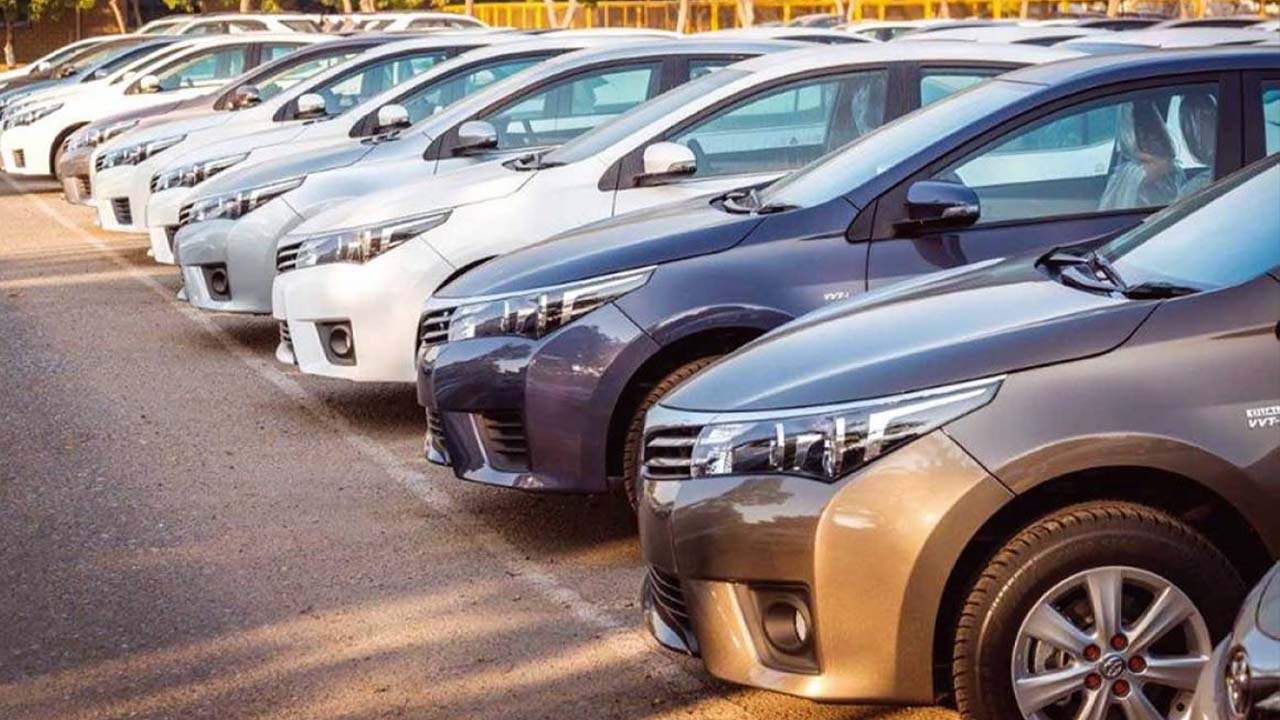
    The Federal Board of Revenue (FBR) has implemented significant changes to the tax structure for motor vehicles in an effort to boost government revenue and encourage tax compliance. The new regulations apply to both Active Taxpayers List (ATL) filers and non-filers.

    For individuals not on the ATL, the tax rates on motor vehicles have been increased by a substantial 200 per cent. This means that non-filers will now be subject to fixed tax rates of 18 per cent, 24 per cent, and 30 per cent, based on the engine capacity of their vehicles, specifically 2001cc to 2500cc, 2501cc to 3000cc, and above 3000cc, respectively.

    On the other hand, ATL filers will experience a different taxation structure. Instead of fixed tax amounts, they will be required to pay tax at a rate of 6 per cent, 8 per cent, and 10 per cent, depending on the engine capacity of their motor vehicles, namely 2001cc to 2500cc, 2501cc to 3000cc, and above 3000cc, respectively.

    In cases where the engine capacity is not applicable, and the value of the vehicle exceeds Rs5,000,000, the tax rate will be 3 per cent of the import value (including customs duty, sales tax, and federal excise duty for imported vehicles, and invoice value for locally manufactured or assembled vehicles).

    It is worth noting that certain exemptions have been made. Pakistan’s government agencies and foreign diplomats will not be subject to these revised tax rates.

    Furthermore, the circular introduced tax implications for bank withdrawals based on the withdrawn amount. Non-ATL filers will be taxed Rs303 for withdrawals of Rs50,500 and taxed Rs450 for withdrawals ranging from Rs55,000 to Rs75,000.

    Additionally, to curb unnecessary foreign exchange outflows via credit/debit card transactions, the withholding tax rates for ATL persons have been increased from 1 per cent to 5 per cent, while non-ATL persons will face a higher rate of 10 per cent, up from the previous 2 per cent.

    These adjustments in the tax policy aim to strengthen the country’s revenue generation while encouraging citizens to become active taxpayers.

  • Upto 2-years imprisonment, fines for defaming the Army; Senate approves Army Act amendments

    Upto 2-years imprisonment, fines for defaming the Army; Senate approves Army Act amendments

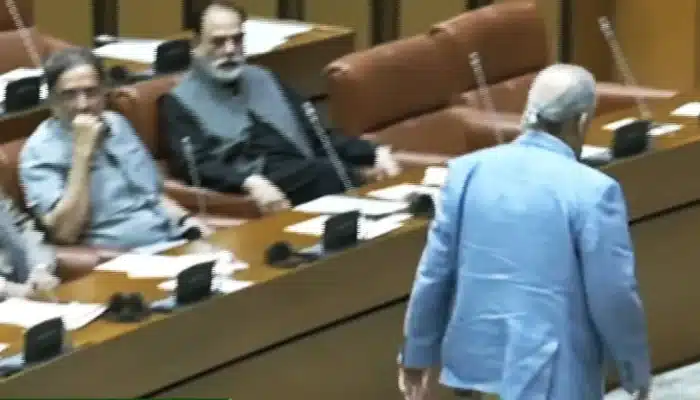
    The Army Act Amendment Bill has sailed through the Senate on Thursday after Defence Minister Khwaja Asif presented it in the Upper House. The Senate session was chaired by the Chairman of the Senate, Sadiq Sanjrani.

    According to the bill, the disclosure of official information obtained in national interest will be punished by up to 5 years in jail, while anyone who discloses information against the interests of Pakistan or the Pakistan Army will be dealt with under the Secrets Act or Army Act.

    According to the bill, a person on sensitive duty will not become involved in any political activity. Violation of the rule can be sentenced by up to 2 years of imprisonment.

    Any person involved in electronic crimes whose aim is to defame the Army will be prosecuted under Electronic Crimes. It is further stated in the bill that a person involved in defaming the Army or spreading hatred against it will also be sentenced with to up to 2 years imprisonment and fines.

    While this was happening, Senator Mian Raza Rabbani of the Pakistan People’s Party (PPP) staged a walkout from the Senate, calling the passage of several bills in one day “blind legislation.”

  • PPP’s Sherry didn’t stop Khawaja Asif’s sexist remarks in Parliament and Twitter is refusing to accept her explanation

    PPP’s Sherry didn’t stop Khawaja Asif’s sexist remarks in Parliament and Twitter is refusing to accept her explanation

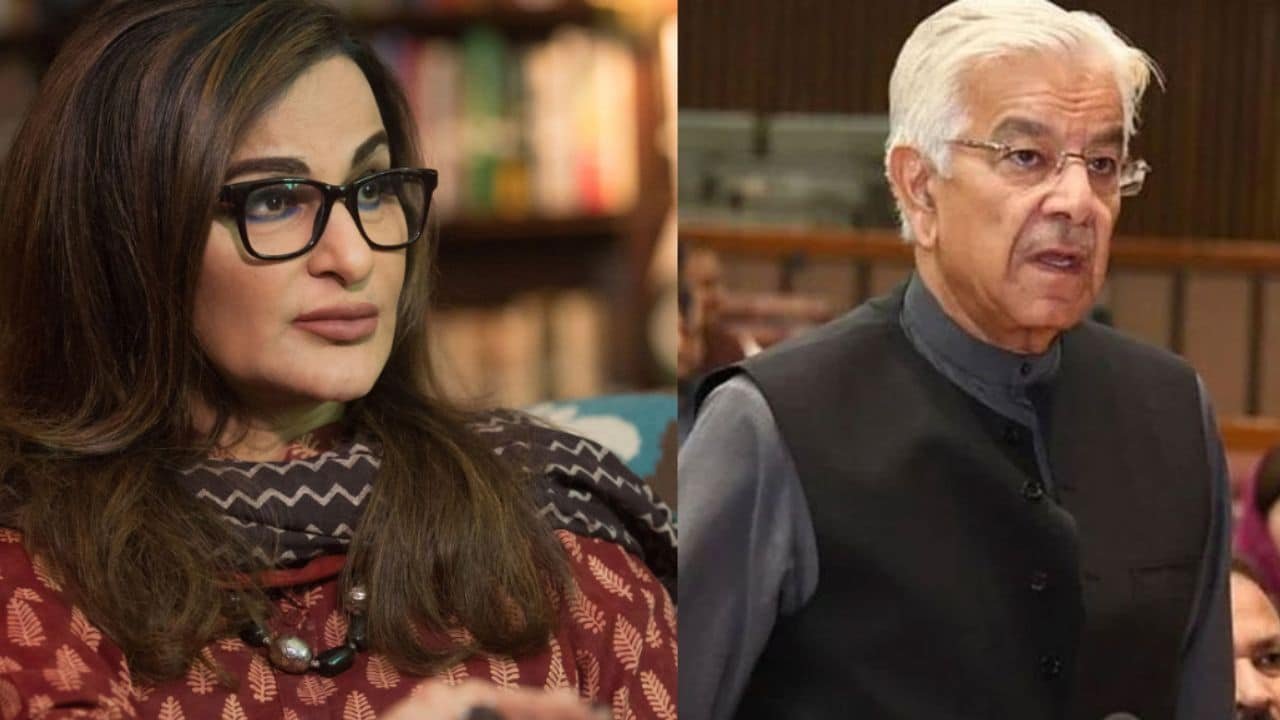
    Minister of Defence Khawaja Asif once again went on a misogynistic rant in the National Assembly earlier this week. The Pakistan Muslim League-Nawaz (PML-N) leader passed degrading and sexist comments about women from Pakistan Tehreek-e-Insaf (PTI), calling the party’s senators Sania Nishtar, Zarqa Suharwardy Taimur, Falak Naz Chitrali and Fawzia Arshad “leftover garbage” and implying that they are depraved women.

    Twitter rightfully criticised the 73-year-old for using sexist and gross jokes to put down women, but they also noticed that when this happened, female politicians from PML-N and Pakistan People’s Party (PPP), were present, including Climate Minister Sherry Rehman.

    Rehman has on Thursday posted a tweet explaining her silence over Khawaja Asif’s sexist speech, but despite her best efforts, you can’t ever ‘woman-splain’ overlooking misogyny.

    “Honestly, I’m sorry,” she wrote. “I was sharing some points on the passage of our National Adaptation Plan with a colleague in the National Assembly yesterday instead of listening to the noise outside House business in Parliament. I would have intervened to stop women Parliamentarians from being insulted. I did hear a tail end, but thought it was the usual political match against each other, not specific to women at all. Of COURSE I was not smiling at the remarks. That was about how pleased I was at the consensus I got in cabinet for the climate plan, which took many nights to get done. Had I heard the remarks of course I would have intervened. My bad.”

    For many Twitter users, this apology was incredibly late and did not send solidarity to the women subjected to Khawaja Asif’s disgusting remarks, which they pointed out to the PPP minister.

  • Veer-Zara Chinese version? Woman travels to KP to marry Pakistani lover

    Veer-Zara Chinese version? Woman travels to KP to marry Pakistani lover

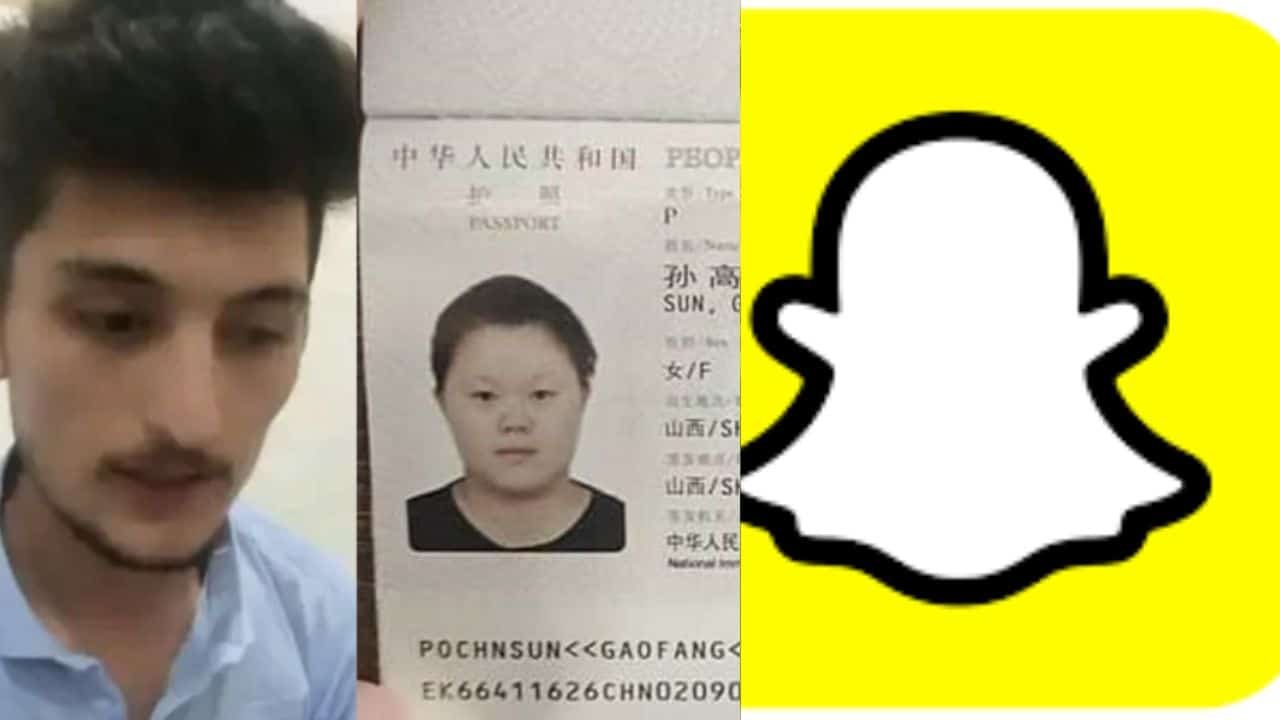
    After Anju from India, a woman from China, Gao Fang, 20, has travelled to Pakistan to marry her lover Javed, 18, who lives in Khyber Pakhtunkhwa.

    According to the Lower Dir District Police Officer, the two met on Snapchat and remained in contact for three years. The woman travelled on a tourist visa to the Samar Bagh area. Currently, the police has provided Fang with security and restricted her movement due to security concerns.

    The Pakistani man, Javed, lived in Bajaur district, but had shifted to live with his uncle in Lower Dir.

    According to Aaj News, Fang converted to Islam, taking up the Muslim name, Kiswa. Javed also had plans to visit China in the near future.

    This is the second case this week where a foreign woman has travelled to Pakistan to marry a man here.

    Read more: Indian woman marries Pakistani lover from KPK

  • Man buys more than £12,000 dog costume, ventures out to make friends as a dog

    Man buys more than £12,000 dog costume, ventures out to make friends as a dog

    In an unconventional bid to fulfill a lifelong dream of ‘becoming an animal’, an individual known only as Toco recently stepped out donned in an intricately designed collie costume, valued at over £12,480 ($16,500).

    The story of the dedicated dog lover was covered by Mail Online. Toco enjoys a following of almost 30,000 YouTube subscribers, becoming an internet sensation due to his peculiar pursuit.

    Hailing from Japan, Toco spent approximately two million Yen on his lifelike dog outfit. Regular updates on his YouTube channel, ‘I want to be an animal’, showcase Toco frolicking in his backyard, enthusiastically performing tricks for pretend dog food, all while maintaining a quadrupedal stance.

    Toco has now taken his unique hobby a step further by venturing out into public spaces to meet both people and other dogs. The internet personality can be seen in recent videos exploring a park, sniffing at other dogs, and rolling around on the grass, all while leashed.

    The public reaction to Toco’s antics, ranges from amused inquisitiveness to mild bewilderment. Despite his newfound fame and a burgeoning fan base, Toco prefers to keep his real identity concealed.

  • Pakistan Stock Exchange surges to 21-month high as KSE-100 index crosses 47,000 mark

    Pakistan Stock Exchange surges to 21-month high as KSE-100 index crosses 47,000 mark

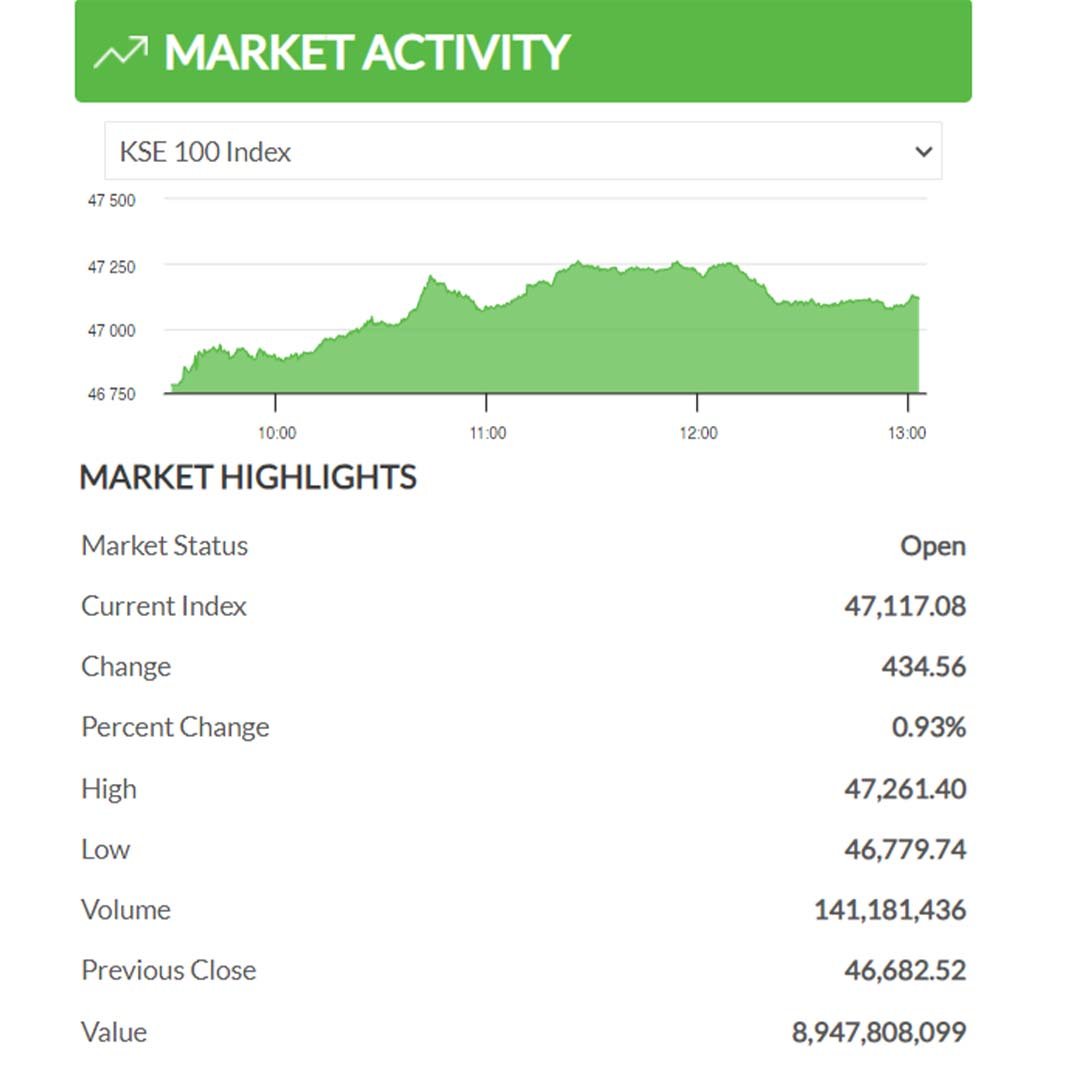
    The Pakistan Stock Exchange witnessed a significant surge as the benchmark KSE-100 index surpassed the 47,000 milestone on Thursday, reaching its highest point in 21 months. This remarkable upswing was fueled by positive market sentiment following the recent International Monetary Fund (IMF) deal.

    Notably, the bullish position was further fortified by impressive corporate performance, particularly within the index-heavy sectors. At 12:10 pm, the benchmark index surged by 560 points, settling at 47,242.9 points, marking its peak since November 8, 2021, as reported by Arif Habib Limited (AHL), a prominent brokerage firm.

    AHL emphasized that the market had recorded a noteworthy gain of 5,751 points (13.9 per cent) since the staff-level agreement with the IMF for the $3 billion Standby Agreement (SBA).

    This positive momentum was attributed to increased valuations after securing the IMF SBA facility, as explained by Tahir Abbas, AHL’s Head of Research, in an interview with Geo.tv. He highlighted that the current Price-Earnings Ratio (PER) of the KSE-100 stands at 3.7x, which is relatively lower compared to the lowest recorded during the previous financial crisis in 2008 (3.9x).

    Abbas asserted that the market remains attractive, and as a result, the positive momentum is expected to continue. Analyst Saad Ali, an expert in the capital market, attributed the market’s favorable performance to the combination of IMF optimism and the outlook for enhanced macro stability, which has been complemented by strong corporate results during the present result season. Despite facing challenging macroeconomic conditions, several banks and companies have managed to surpass expectations in terms of earnings and payouts.

    Last month, Pakistan signed a short-term deal with the IMF, a crucial step that helped the country avert a potential default and bolster its foreign exchange reserves. This move has played a pivotal role in supporting the current bullish trend in the stock market.

    In conclusion, with the positive impact of the IMF deal and encouraging corporate results, the Pakistan Stock Exchange’s benchmark KSE-100 index has achieved substantial growth, positioning itself at a 21-month high. The market outlook remains promising, and experts predict further gains ahead.

  • PM meets Fazal and MQM-P to discuss caretaker set-up

    PM meets Fazal and MQM-P to discuss caretaker set-up

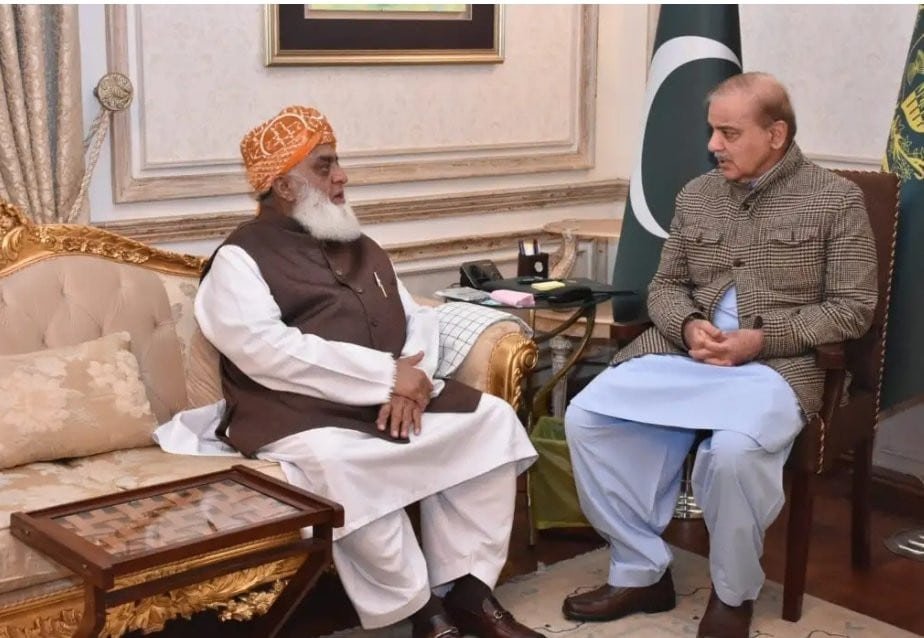
    Prime Minister Shehbaz Sharif met Pakistan Democratic Movement (PDM) chief Maulana Fazlur Rehman on Wednesday to discuss the upcoming caretaker set-up in the country.

    According to the sources of Geo News, the PM will conduct a final meeting with all the political parties in the ruling alliance after Muharram 10 (Ashura).

    PM Shehbaz will meet with the leader of the opposition, Raja Riaz, at the beginning of next month in the National Assembly. The opposition leader will present three names for the position of caretaker PM.

    The PM also held a meeting with the MQM-P leaders at the Governor’s House, where the latter lodged a “strong protest” against the performance of K-Electric and the recent increase in power tariff.

    The PM also met with MQM-P leaders at the Governor House in Karachi. Shehbaz Sharif assured the MQM-P delegation that the final decision regarding the caretaker PM would be made after consulting all the coalition partners in the government.

    Asif Ali Zardari and Bilawal Bhutto-Zardari of the PPP, Akhtar Mengal of the BNP-M, and Nawabzada Shahzain Bugti of the Jamhoori Watan Party had all already met with PM Shehbaz.