Blog

  • Fawad Chaudhry apologises to ECP in contempt case

    Fawad Chaudhry apologises to ECP in contempt case

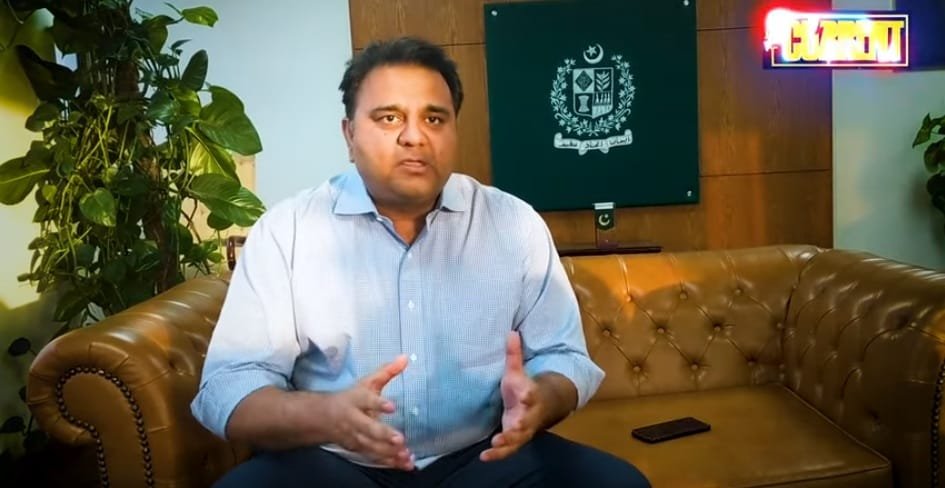
    Former Pakistan Tehreek-e-Insaf (PTI) leader Fawad Chaudhry, now associated with the Istehkam-e-Pakistan Party (IPP), has rendered an apology to the Election Commission of Pakistan (ECP) in a contempt case filed against him, Geo News has reported.

    The case against Fawad Chaudhry was initiated last year in August, for using inappropriate language against the ECP and Chief Election Commissioner (CEC) Sikandar Sultan Raja.

    The ECP, a constitutional body, issued notices to Fawad Chaudhry and other members of the PTI, including Imran Khan and Asad Umar, for using foul language against the CEC and ECP.

    A four-member commission headed by the CEC heard the contempt case against Fawad Chaudhry and others on Thursday.

    Fawad Chaudhry appeared before the ECP and apologised to the commission. He further requested it to withdraw the show-cause notice issued to him.

    Fawad Chaudhry said that whatever he said at that time was the party’s narrative.

    “It was the party’s position that I described. I respect institutions, including the ECP,” the former information minister said.

    The ECP asked him to submit a written apology, adjourning the hearing till August 1.

  • FBR increases ‘green channel’ clearance to 66% for imports and exports

    In a significant advancement in trade facilitation, the Federal Board of Revenue (FBR) has decided to increase the clearance of imports and exports through the “green channel” facility from 35 per cent to 66 per cent.

    A meeting was convened at the FBR Headquarters on Thursday to assess the progress of the Pakistan Raises Revenue Program during the previous financial year.

    The meeting recognised the significant achievements made in the past four years under the Pakistan Raises Revenue Program, particularly in the areas of sustainable revenue mobilisation, taxpayer facilitation, and cost reduction for businesses. A major milestone was achieved through the harmonisation of Sales Tax laws and procedures among provinces and the federal government, benefiting taxpayers and all revenue authorities.

    Other notable achievements included reducing the cost of doing business by streamlining withholding lines from 58 to 33, elevating the share of imports and exports processed through the green channel from 35 per cent to 66 per cent, and expanding the tax base.

    Emphasising the importance of the next objective, the meeting highlighted the need to launch a Single Portal to facilitate Sales Tax Return filing. It was acknowledged that FBR’s commitment to transparency had led to the publication of detailed tax expenditure reports.

    Both parties agreed to sustain their focus on upgrading the IT infrastructure and automating FBR processes to ensure timely completion of project targets. Mr Asim Ahmad commended the dedication and contributions of both teams involved in the initiative.

    The meeting was attended by Najy Benhassine, Country Director of the World Bank, and Mr Asim Ahmad, Chairman of the Federal Board of Revenue. Also present were members of the World Bank team, including Gailius Draugelis, Operations Manager; Tobias Haque, Lead Country Economist; Lucy Pan, Senior Economist; Irum Touqeer, Public Sector Specialist; and Shabih Ali Mohib, Manager. Additionally, Member Reforms of FBR, Ardesher Tariq, and other project team members participated in the discussion.

    The Country Director of the World Bank expressed appreciation for the progress made and regarded the harmonisation of the Goods and Services Tax (GST) as a flagship achievement of FBR. A mutual commitment to continued cooperation in pursuing the reform agenda under the project was reaffirmed by the FBR and World Bank.

  • Fahima Awan opens up after husband’s sudden death

    Fahima Awan opens up after husband’s sudden death

    Losing a loved one is one of the most difficult and painful in the world. This is one loss that can never be fulfilled. Actress Fahima Awan tragically went through this grief recently and it was a shock for her, her family as well as her fans.

    During an appearance on Nida Yasir’s show,Fahima Awan revealed that she has recently lost her husband. Fahima Awan is very young herself. She shared that she was in Makkah when she got a call that her husband had passed away, leaving her so shocked that she felt she couldn’t breathe. Moreover, she could not find a flight back to Pakistan.

    She shared that she believes it was Allah’s will that she was present in Haram Sharif at that time where Allah gave her the strength to move forward.

    Fahima also revealed that once her husband was kidnapped in the year 2012. It was a very tough time for her and she had to negotiate with the kidnappers. Her husband luckily came back then but she decided that she needs to become stronger and she joined the industry again to restart her career.

    Her husband got rheumatoid arthritis after that and then had a heart attack due to the trauma. The trauma of kidnapping led to depression

    May Allah bless the departed’s soul and may Fahima Awan have strength to negotiate this grief.

  • Govt adds new radio fee and increases TV charges in electricity bills

    Govt adds new radio fee and increases TV charges in electricity bills

    The government has recently made a decision to introduce additional charges for the public in their electricity bills. These charges will include a fee for both television and radio services. This resolution was reached during a meeting of the Senate Standing Committee on Finance, with Salim Mandviwala as the chair.

    Finance Ministry officials presented a briefing, outlining that the electricity bills will now include a fee of Rs50 for television and radio services combined. Specifically, Rs35 will be allocated for the Pakistan Television (PTV) fee, while Rs15 will be directed towards the radio fee. The Ministry of Information has prepared a summary in support of this initiative, and the funds collected from users will be utilised to cover the salaries of radio employees.

    The motivation behind this decision stems from the federal government’s efforts to address the financial crisis faced by Radio Pakistan. To support the struggling Pakistan Broadcasting Corporation (PBC), commonly known as Radio Pakistan, additional charges will be imposed on electricity consumers. The Ministry of Information has proposed an extra Rs15 levy on consumers’ electricity bills, with Rs35 allocated to the state TV fee and the remaining Rs15 to assist Radio Pakistan.

    The Senate Standing Committee’s recommendation for this course of action was based on the urgent need to alleviate the financial difficulties experienced by current and retired PBC employees.

    This issue has been a longstanding challenge for over a decade. In fact, an earlier proposal in February sought a separate “radio fee” of Rs500 for all vehicles (excluding motorcycles) during their registration, with the intention of generating an annual additional revenue of Rs15 billion to support Radio Pakistan financially. The proposal was discussed during a sub-committee meeting led by Irfan Siddiqui from the ruling PML-N.

  • Afghan women protest beauty parlour ban, Taliban hit protestors with tasers

    Afghan women protest beauty parlour ban, Taliban hit protestors with tasers

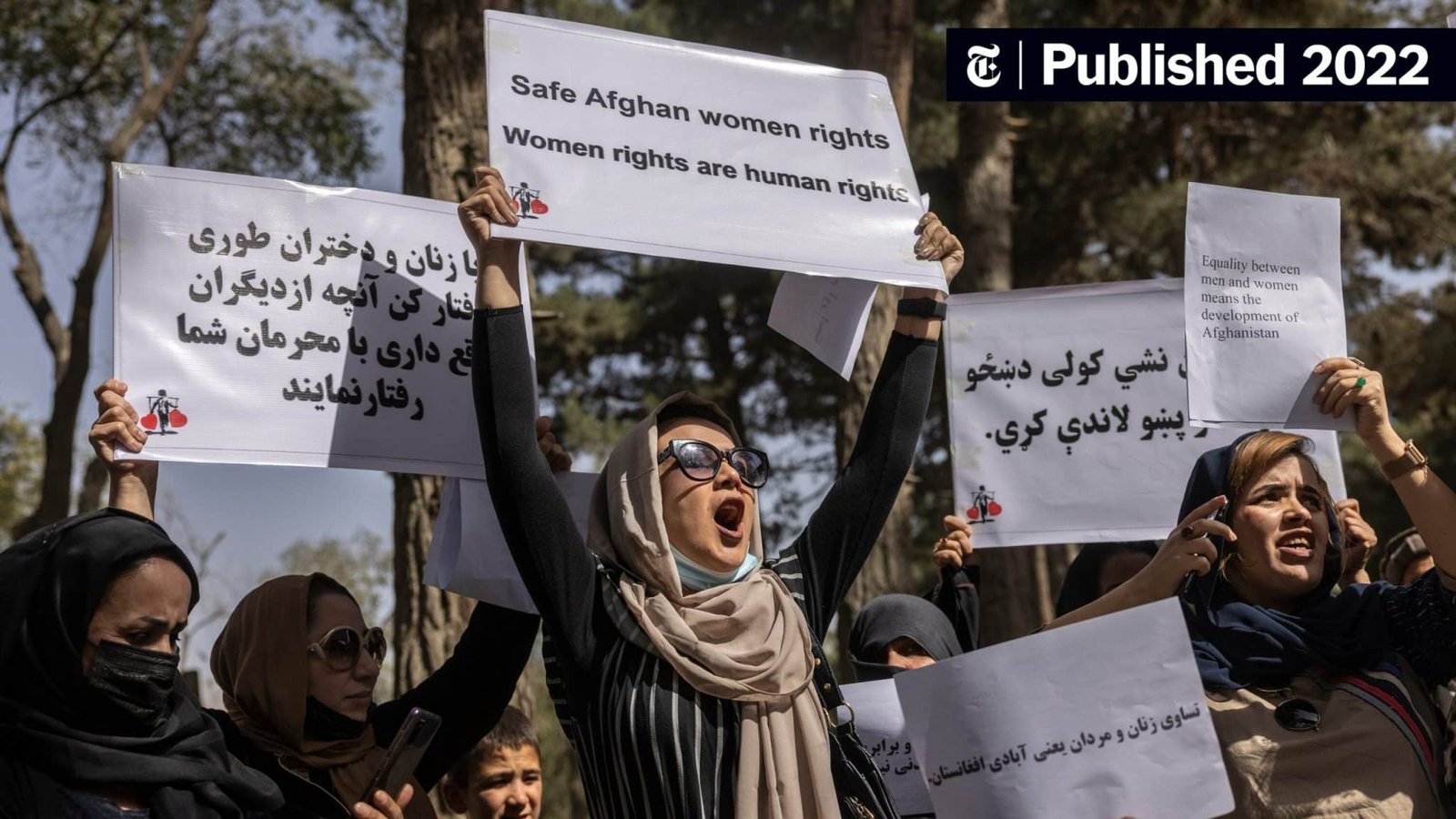
    In a rare occurrence, Afghan women took to the streets in Kabul to protest another draconian law imposed on the demographic by the ruling Taliban. Earlier this month, the Taliban banned women’s beauty parlours in Afghanistan, another decisive step in slashing women’s rights in the country. 

    Women shouted “work, bread and justice” while they were gathered in the capital city, Kabul. Around 50 women took part in the protest on Wednesday, BBC reports. Security forces dispersed the demonstration by using fire hoses, tasers, and shooting their guns into the air. Some protestors told Al-Jazeera that stun guns were also used against them.

    The Taliban have given beauty parlours one month from the 2nd of July to shut down operations completely, and the order has been sent across the country. According to BBC, they said the wearing of wigs and the practice of eyebrow-plucking were against Islamic values, further stating that beauty parlours are a ‘waste of money’ when couples are getting married. 

    The closure of all beauty salons will lead to the loss of 60,000 jobs, Afghanistan’s Chamber of Commerce said. 

    Women’s rights and access to public spaces have been systematically struck down since the Taliban returned to power in 2021. Afghan women were already barred from attending secondary school and college, from entering gyms or parks, and now they are unable to continue their predominantly female-run beauty parlour businesses.

    The Taliban continue to impose restrictions on women, despite widespread international condemnation. They have prohibited women from working for the United Nations (UN), in spite of the UN having a commission in Kabul.

    There have been minor sporadic protests against measures introduced by the Taliban, but any form of dissent is being crushed, BBC reports.

  • Islamabad High Court deems super-tax on high-income businesses unconstitutional

    Islamabad High Court deems super-tax on high-income businesses unconstitutional

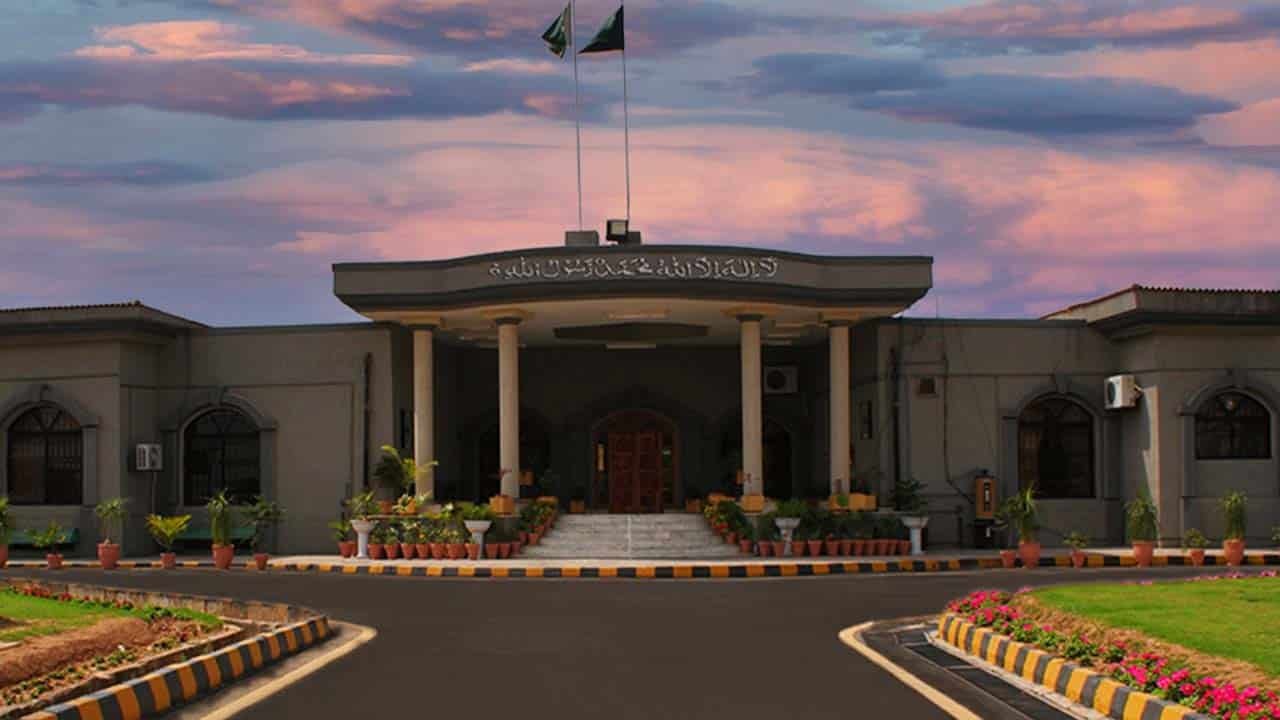
    The Islamabad High Court (IHC) has invalidated the imposition of a super-tax on high-income businesses, ruling it as unconstitutional. Justice Sardar Ejaz Ishaq Khan delivered the verdict on Thursday after a reserved decision. The court declared all notices of demand and recovery associated with the controversial tax null and void, providing relief to the affected businesses.

    Furthermore, the court struck down Section 4C of the Income Tax Ordinance, effectively negating the legal basis for the super-tax. The petitioners, who challenged the validity of this tax, were represented by prominent legal counsel, including Salman Akram Raja and Adnan Haider Randhawa, among others. They argued that the imposition of such a tax was unjust and detrimental to the growth of high-income businesses.

    The origin of this tax can be traced back to the budget speech of Finance Minister Ishaq Dar, wherein he announced the implementation of the super tax last month. Initially, the tax was proposed to be levied on individuals earning Rs500 million annually or more, but the conditions were later relaxed from the original proposal, which targeted those earning Rs300 million per annum.

    It is worth noting that the Supreme Court had previously approved the imposition of the super-tax, setting it at 4 per cent for all industries in February. The government had initially imposed a 10 per cent rate for some industries and 4 per cent for others.

    While the Lahore High Court also approved the tax, it added a caveat that the rules did not allow a tax rate higher than 4 per cent. However, the recent ruling by the Islamabad High Court has effectively struck down the super-tax altogether, providing significant relief to high-income businesses affected by the proposed tax.

  • If you loved ‘Gunah’, here are some Pakistani crime-thrillers you should watch

    If you loved ‘Gunah’, here are some Pakistani crime-thrillers you should watch

    ‘Gunah’ was a long-awaited drama, hailed by critics and fans of Sarmad Khoosat alike. Featuring powerful performances by Saba Qamar, Rabia Butt and Juggun Kazim in her comeback debut, the series revolved around the sudden disappearance of Gul Noor (played by Kazzim), who leaves her two children and husband, the powerful landlord Malik Hayat Khan (played by Khoosat) in agony. To help him deal with his grief, his in-laws suggest he marry their younger daughter Gul Meher (played by Saba Qamar). But when a new SHO Sabiha (played by Rabia Butt) begins investigating the disappearance, the clues she picks up prove that there is a lot more to the story than what she has been told.

    As the drama ends today with the final episode airing on Express TV, we know how disappointed fans will be with one more spectacular television show coming to an end. But if your ‘Gunah’ nostalgia is going to hit a bit too hard, there have been some well-written crime-thriller dramas that you could rewatch this weekend. Here are some of our best recommendations.

    1. Jurm

    Starring the starry-eyed Wahaj Ali with Dur-e-Fishaan Saleem and Tooba Siddiqui in a supporting role, this is the kind of dark, chaotic drama that keeps you hooked through the twists and turns, and completely blows your mind away with the ending. The casting is absolutely well-chosen, with Wahaj playing the humble and warm-hearted husband Daniyal who is grieving the sudden kidnapping of his wife, but a twist later reveals he is not who he appears to be. What more do you need to pull you in to watching the drama than the fact that it was directed by Mehreen Jabbar, who was behind ‘Daam’ and ‘Jackson Heights’?

    1. Ye Dil Mera

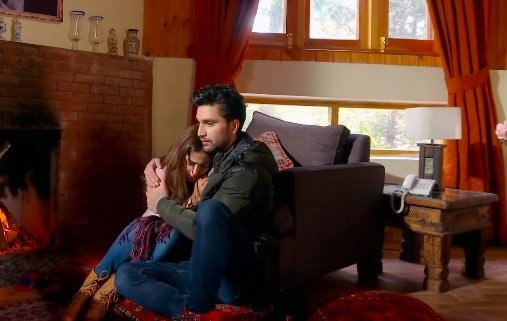
    If you are chronically online then you must have seen on several occasions how this drama was consistently mentioned as the rare, few occasions the Pakistani entertainment industry managed to hit it out of the park. We have to agree with Twitter that its true, this drama lives up to its hype with a gripping storyline, as well as powerful performances by Sajal Aly and Ahad Raza Mir. Sajal stars as Aina, the sheltered daughter of an industrialist who bags a coveted internship with Aman-Ullah Khan. As the two grow closer together, the trauma Aman suffered in his childhood and its link to someone special in Aina’s life threatens to tear apart their relationship.

    1. Cheekh

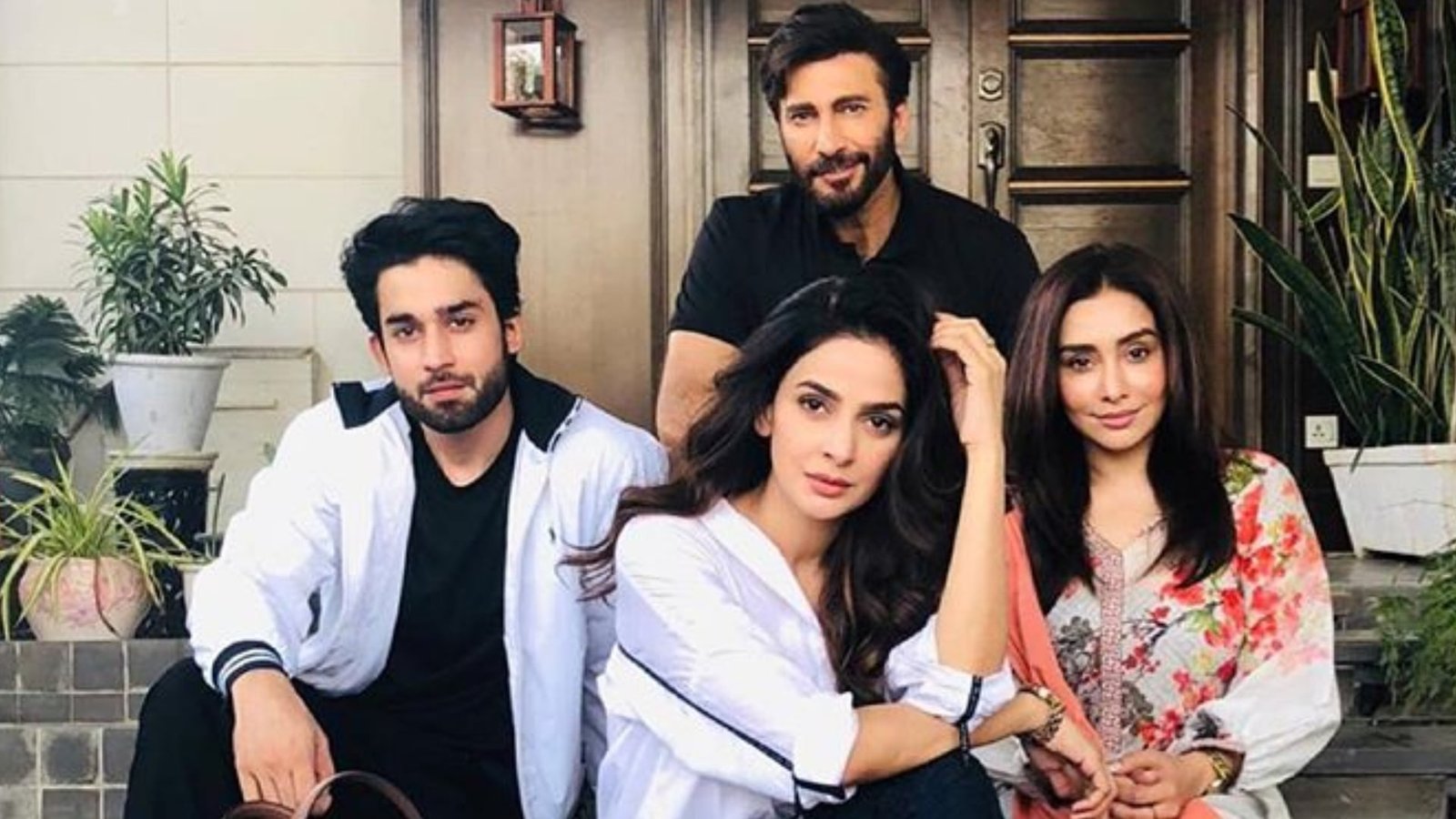
    If you’re not over Saba Qamar’s dizzying, seductive performance in ‘Gunah’ then we can’t blame you because neither are we. She could walk in a room dressed as a sack and will manage to outshine everyone. If you’re looking for more of her capitivating performances, then we recommend you watch ‘Cheekh’ starring Bilal Abbas Khan, Emmad Irfani and Ushna Shah. After the brutal murder and rape of her closest friend, Mannat (played by Qamar) pursues the murderer through court and explores the struggles she must overcome to ensure her friend is given justice.

  • ‘Put my abbu’s life in danger’: Bilal Maqsood slams fake social media accounts of Anwar Maqsood

    ‘Put my abbu’s life in danger’: Bilal Maqsood slams fake social media accounts of Anwar Maqsood

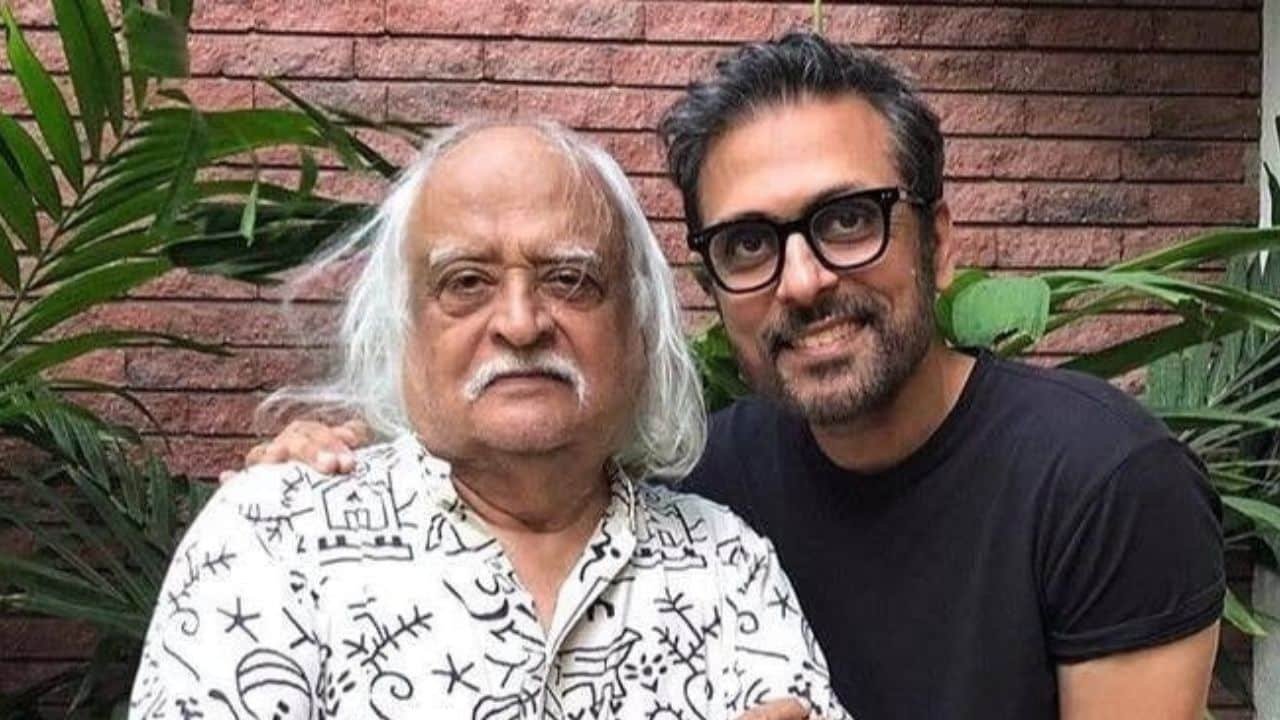
    Former ‘String’s singer Bilal Maqsood had taken to Twitter today to slam users for making social media accounts of his father, veteran playwright and host Anwar Maqsood. He requested his followers to block such accounts as they could put his father’s life in danger.

    “These kinds of fake tweets only put my Abbu’s life in danger. This guy has already blocked me. Please can you all report this account. Abbu does not post anything on social media. His actual account has only 3 posts. We made that account so we can report all the fake ones.”

    The celebrated screenwriter had clarified in 2020 with a video to prove that he only had one Twitter account.

    “My name is Anwar Maqsood and because of circumstances, I had to make this video to tell you that this is my official Twitter account,” he was seen saying in the video.

  • List of illegal, unrecognised universities across Pakistan made public

    List of illegal, unrecognised universities across Pakistan made public

    The Higher Education Commission (HEC) of Pakistan recently released a list of illegal and ‘fake’ campuses of universities and higher education institutions across the country. According to the HEC, degrees obtained from these institutions will not be recognised by the commission. To ensure students across the country obtain valid degrees, the HEC has urged students to avoid seeking admission to these institutions.

    Colleges on the list range from local sounding institutions (for instance, the Quaid-e-Azam College of Information Technology), while others seem to present themselves as branches of international universities, such as the American University of London. Though funnily enough, no such university actually exists in London.

    The HEC is responsible for recognising degrees from both private and public chartered universities and higher education institutions in Pakistan. HEC also extends recognition to affiliated campuses. 

    The general public are advised to exercise caution and refrain from enrolling in any fake, illegal, or unrecognised universities/colleges. The HEC has published, and regularly updates, its list of accredited institutions, so if the institution you are enrolling for is not mentioned on the website, you will likely acquire an invalid degree by the end of it. 

    View the entire list of illegal universities and colleges on HEC’s website.

  • New record: Naila Kayani scales all five ‘8,000 m’ peaks in Pakistan

    New record: Naila Kayani scales all five ‘8,000 m’ peaks in Pakistan

    Naila Kayani, a female mountaineer from Pakistan, has successfully climbed all five of Pakistan’s ‘8000 m’ peaks. She successfully summited the 12th highest peak in the world, Broad Peak, today [Thursday].

    After successfully climbing the 8,051 meters high Broad Peak today, Kayani has become the first Pakistani woman to achieve this feat.

    Naila Kayani hails from a conservative family in the Gujar Khan area of Rawalpindi, Punjab. She studied Aerospace Engineering in the UK and worked in the field before pursuing her passion for mountaineering.

    In addition to climbing all five ‘8000 m’ peaks in Pakistan, Naila Kayani has also summited Mount Everest, Lhotse, and Annapurna, among other impressive accomplishments.

    She is the first Pakistani woman to summit Nanga Parbat, Lhotse, Annapurna, and Gasherbrum Two, and the second Pakistani woman to climb Everest. Furthermore, she is the first Pakistani woman to summit eight of the 14 peaks that are over 8,000 meters in height.

    Her achievements have not gone unrecognised — she was awarded the Sitara-i-Imtiaz by Prime Minister Shehbaz Sharif for climbing Mount Everest, and later received an award from President Dr Arif Alvi in December 2021 for her remarkable accomplishments in mountaineering.