Actress Juvaria Abbasi has embarked on a new journey in her life, finding love with Adeel Haider after her first marriage did not work out.
Adeel and Juvaria appeared as guests on Gup Shup with Fuchsia where both talked about their first meeting.
“We met over dinner at a common friend’s place and obviously, I had seen Juvaria first,” Adeel told host Rabia Mughni.
“So, it was nice. We had a good conversation, and it started well,” Juvaria added.
“We spent a little extra time with each other to get to know each other better, because, obviously, it was difficult for her to decide, especially with the comments coming in and everything happening around us. So, naturally, there were concerns, you know, about how society perceives these things. Her daughter is growing up, and the time for her marriage is approaching.”
The host asked, “You didn’t know who she was when you met her?”
Haider said, “When we met for the first time, I had no idea who you were. I had no clue at all because I don’t watch TV or Pakistani dramas. No one around me even mentioned it to me. We never discussed what’s happening in the dramas. So, since I didn’t watch them, I never discussed it either. So, I knew her, but when we spoke, we had a lot of conversations, and I really found her to be a very interesting person. That was the starting point, I just wanted to know more about her. Then the entire night went by, and for the next two nights, I kept trying to find out on Google who she was. Then I realized, oh, she is someone.”
Juvaria Abbasi and Adeel Haider tied the knot on March 15, 2024.
Blog
-

How did Juvaria Abbasi meet Adeel Haider?
-
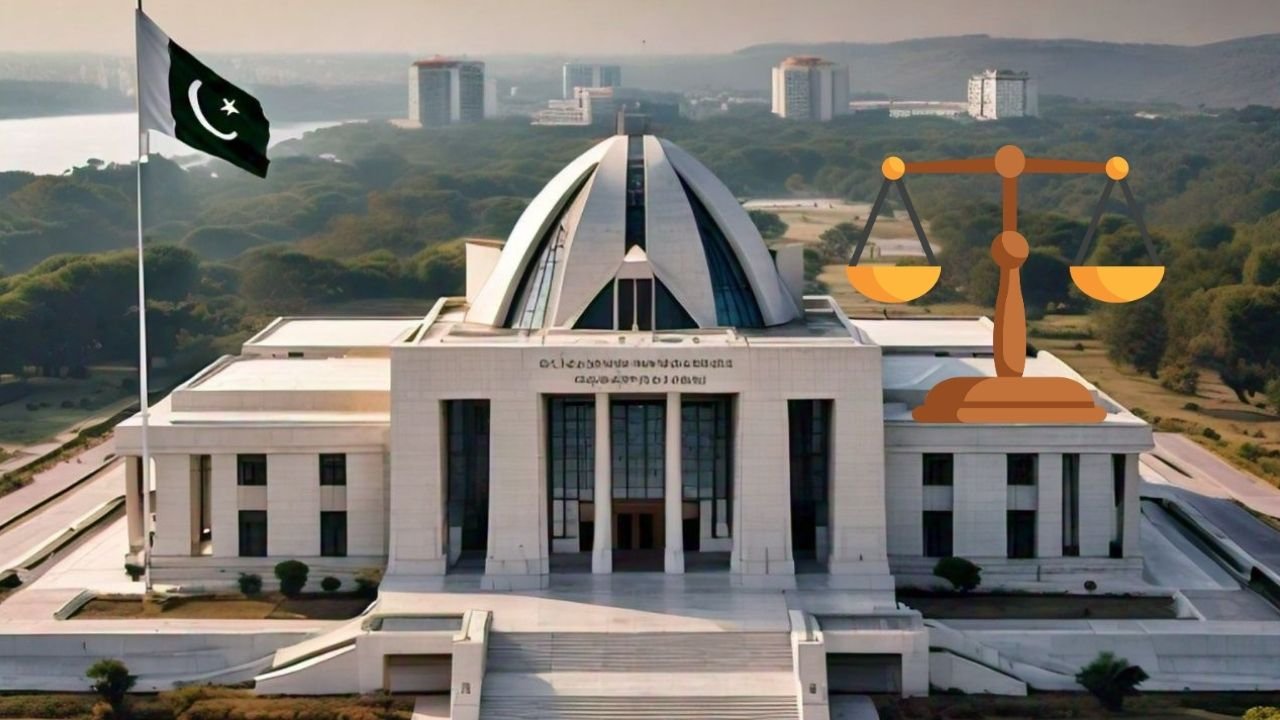
What are the pros and cons of the newly proposed constitutional court?
After the coalition government failed to pass the much-discussed secret constitutional amendments last month, lawyers, journalists, and social media have been busy debating what the proposed amendments mean.
Pakistan Peoples Party (PPP) Chairman Bilawal Bhutto has aggressively campaigned for judicial reforms and the establishment of a new constitutional court.
On the other hand, many lawyers have called the proposed judicial reforms a travesty of justice, terming them draconian. Pakistan Tehreek-e-Insaf (PTI) has strongly condemned the amendments, alleging that the government wants to extend the tenure of CJP Qazi Faez Isa, who is set to retire on October 25 this year.
In order to better understand the two sides, we’ve listed pros and cons of the proposed new constitutional court based on the analysis of legal experts: Advocate Hafiz Ahsaan Ahmad Khokhar, Advocate Salahuddin Ahmad, Barrister Asad Rahim Khan.
Pros of FCC
The proposed Federal Constitutional Court could ease up the burden on the Supreme Court. The apex court is swamped with pending cases, which means justice is delayed for the common citizens.
Pakistan’s Supreme Court and high courts have become overburdened with increasing ‘constitutional cases’, according to the coalition government.
There is a lower chance of a constitutional crisis as FCC rulings would be the final authority according to the leaked amendments bill.
The proposed constitutional court could help ease political tensions as it would be the impartial arbiter in any federal-provincial disputes.
In August 2023, the Civil Society of Pakistan published a report in which it expressed the need to establish a federal constitutional court in Pakistan.
Cons
Salahuddin argues that most backlogs in pending cases exist in lower courts, i.e. 58,000 pending cases in the Supreme Court, 400,000 cases in the High Courts and around 1.8 million pending cases in the lower courts
The litigation time in the Supreme Court is the shortest as compared to lower courts because it has final authority.
Reforms then, theoretically, should begin in lower courts, but politicians are concerned with reforming the Supreme Court.
Advocate Salahuddin Ahmad argues that under the proposed amendments, the burden of constitutional cases would shift from one court (Supreme Court) to another court (Federal Constitutional Court), which would be meaningless.
If politicisation of the Supreme Court is the issue, then under the proposed amendments, politicians having a greater role in the appointments of judges would only increase this problem.
Transfers of High Court judges, proposed under the constitutional amendments, from province to province would cast serious doubts on impartiality and dispensation of justice.
The First Chief Justice of the proposed FCC would be handpicked by the Prime Minister.
Lawyer and activist Jibran Nasir has claimed that the government is trying to set up its own executive-judicial branch.
-

Nadia Afgan thinks THIS one thing is crucial for marriage
Actress Nadia Afgan gave an interview to Zabardast hosted by Wasi Shah, where she talked about an important aspect of marriage.
“You can’t suffocate anyone; everyone has their own space, and as long as they are in that space, they will grow and flourish, and they will be happy too. If you start intruding into that space, whether it’s a personal boundary or any other, it creates discomfort. For example, in my home, I have a designated time where I spend time with my book, or I spend it in silence, or I spend it with my cup of tea. When someone interferes in that space, it bothers me. People then start to retaliate, and it turns into frustration. That’s when I’ve noticed that relationships begin to weaken. You have to give space, even to husbands and wives. I often talk about this and say, ‘Please, give each other space’,” the actress said.
Sharing her personal example about her husband, she commented:
“My husband Jawad really loves playing Call of Duty on PlayStation, he works the entire week. He goes to work in the morning and comes back at six in the evening. He works for PSO. Saturday is his only relaxed day. Everyone asks me, ‘Why don’t we get this kind of relaxation?’ So, on Saturdays, he has his gaming night.”
-
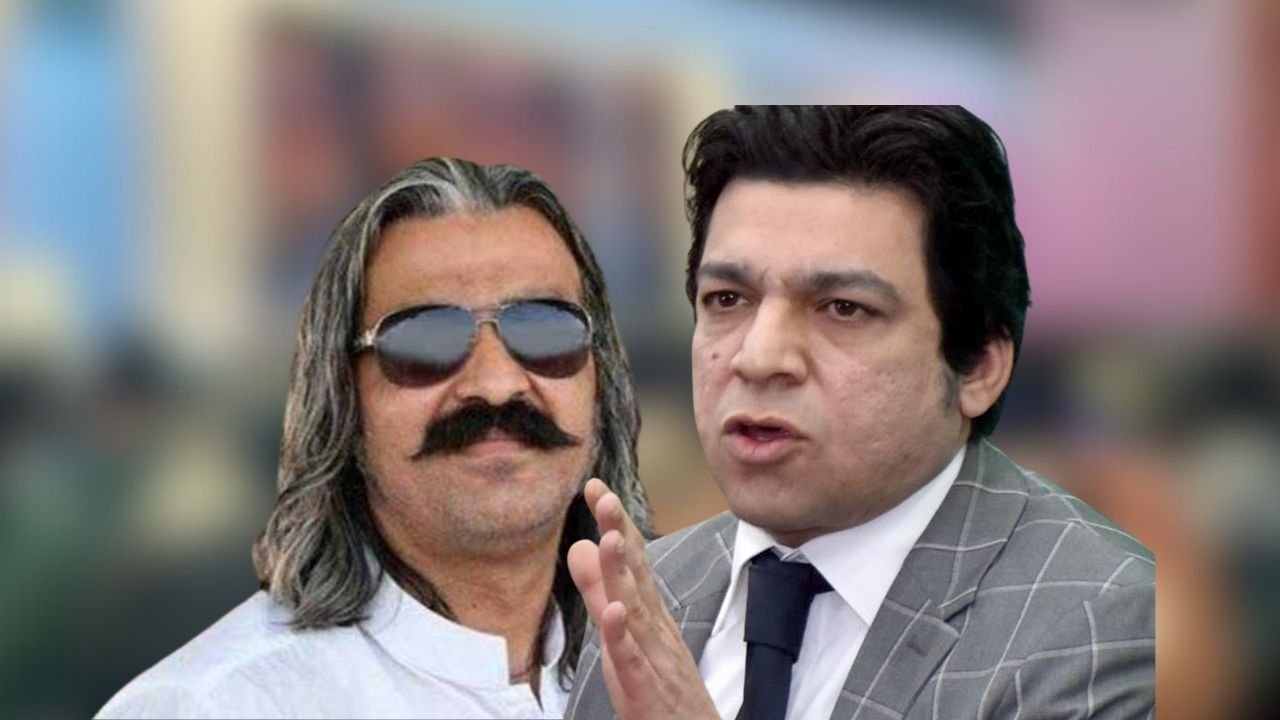
Ali Amin Gandapur kay baal katnay ka waqt aa chukka hai: Faisal Vawda
Chief Minister (CM) Khyber Pakhtunkhwa (KP) Ali Amin Gandapur’s recent statement of answering a bullet with a bullet has been met with criticism, including former Senator Faisal Vawda who has said, “Gandapur kay baal katnay ka waqt agya hai.”
Appearing on the ARY News programme OFF THE RECORD, Vawda said, “Courts ko Ali Amin Gandapur kay controversial bayanat par intervene karna chahiye thaa. (Courts should have intervened on his controversial statements.)”
Lambasting the controversial conduct of former judges of Pakistan, he said, “It’s not the job of the judges to regulate vegetable prices and to demolish Nasla Tower.”
“The impression that the division among Supreme Court judges benefitting the PTI is also incorrect,” Vawda added.
In the same show, former Senator Mustafa Nawaz Khokhar maintained that CM KP Ali Amin Gandapur’s statement regarding the direct talk of the KP province with the Afghanistan government was baseless.
Responding to the proposed constitutional amendments regarding the formation of the Federal Constitution Court (FCC), he emphasised the need for reforms in session courts, as the majority of cases are pending in lower courts.
-
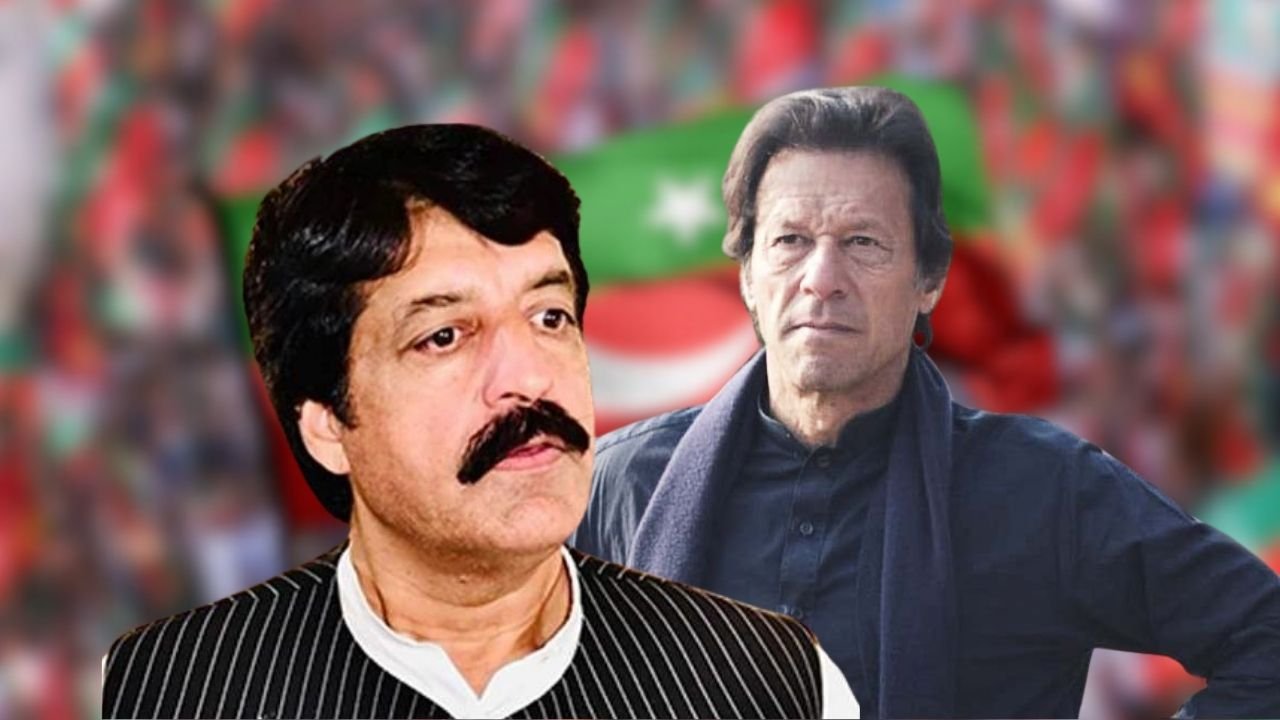
Governor Punjab advises Imran Khan to work under Zardari’s leadership
Punjab Governor Sardar Salim Haider Khan has advised Pakistan Tehreek-e-Insaf (PTI) head Imran Khan to shake hands with President Asif Ali Zardari for the betterment of Pakistan.
Speaking at the first convocation of Rawalpindi Women’s University, Haider advised former Prime Minister (PM) Imran Khan that working under Zardari’s leadership would settle political unrest, Tribune has reported.
The Punjab Governor stated, “Imran Khan needs to step out of his stubbornness. My advice is to sit under Zardari’s leadership, and everything will improve.”
He also urged PTI leadership to put off protests until after the upcoming Shanghai Cooperation Organisation (SCO) summit, which is to be scheduled on October 15-16 in Islamabad and added, “Revolutions don’t happen with ministers, convoys, and official resources.”
Citing the past disrupted diplomatic events by PTI protests during the visit of President of China Xi Jinping and Saudi Crown Prince Muhammad Bin Salman to Pakistan, Haider said, “They (PTI) send the wrong message to the world, discouraging foreign leaders from engaging with Pakistan.”
-

Reasons behind Babar’s resignation from captaincy revealed
Have you been curious too? Well, we now know why Pakistan cricket team captain Babar Azam left captaincy.
The head coach of the white ball team, Gary Kirsten, wanted Babar Azam to continue as captain only for the ODI format, and for this purpose, he had mentioned in his report after the T20 World Cup to remove the star cricketer from the captaincy of the T20 format.
Gary also mentioned his strategy in the meetings with Babar Azam, what he wants from him, and what his thoughts are for the next T20 World Cup.
Babar was not in favour of becoming the captain of any format; he was not even being consulted in important matters. Babar Azam complained to a Pakistan Cricket Board (PCB) official that the attitude of the board to him was not the same as before.
Gary Kirsten is keen to bring in young cricketers in T20 cricket, and the preference for the T20 format could be Muhammad Haris, while there is a strong possibility that Muhammad Rizwan will be given the lead in the ODI format after the resignation of Babar Azam.
Rizwan will be part of the team’s consultation for the first phase of the tour of Australia. The Pakistani team will tour Australia in November, in which they have to play 3 ODIs and three T20 matches from November 4 to November 18.
-

New Zealand’s Tim Southee resigns from red ball captaincy
New Zealand Test captain Tim Southee has resigned from captaincy after the team’s embarrassing performance in Sri Lanka.
The 35-year-old fast bowler took over the captaincy after Kane Williamson in 2022 and led the team in 14 Test matches.
“I have taken this decision in the interest of the national team. It is an honour and a matter of pride for me to lead the Black Caps. I have always put my team first, and I believe this decision is best for the team. I think I can serve the team better by focusing on my performance on the field to keep taking wickets and help New Zealand win Test matches,” he said in a statement.The fast bowler has announced his decision to step down as New Zealand’s Test captain following a whitewash in the two-Test series against Sri Lanka.
Opening batsman Tom Latham will lead black caps in the three-Test series against India starting October 16.
-
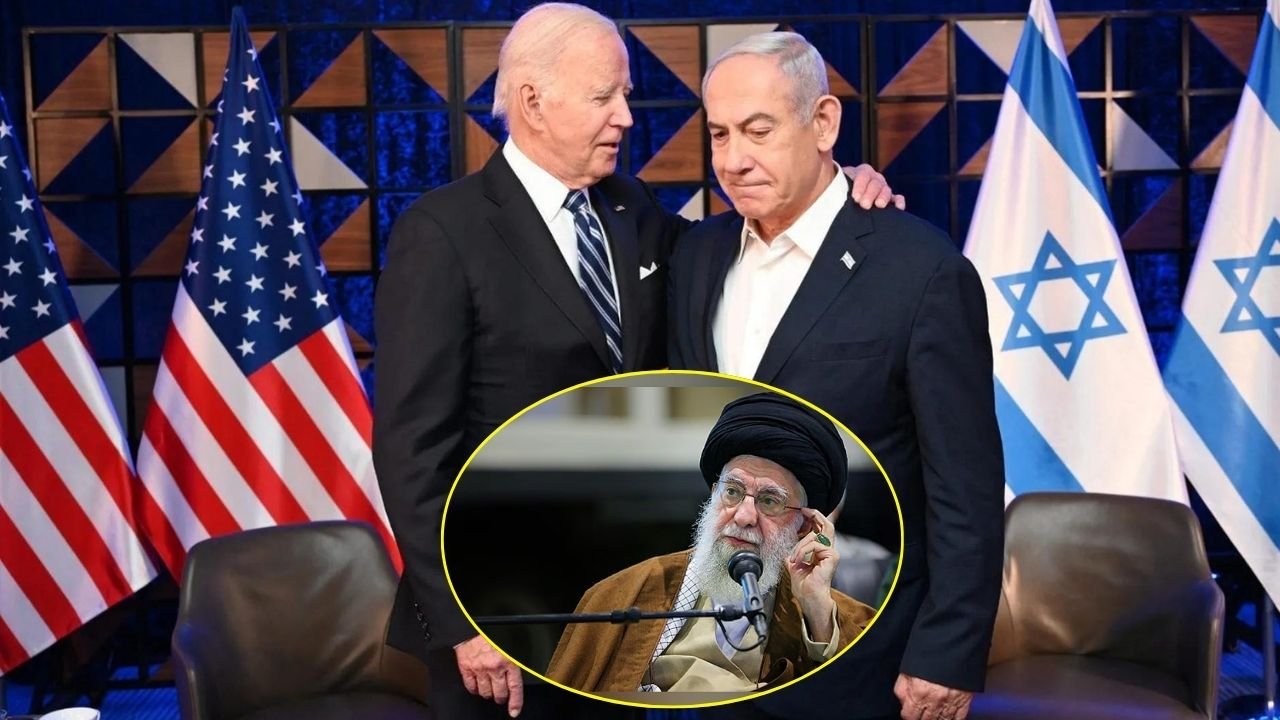
US, Israel warn of response to Iranian missile attack
The United States said it was discussing a joint response after Iran fired a barrage of missiles at Israel, warning Tehran of “severe consequences”.
Israel vowed it would make Iran “pay” after the attack late Tuesday, with most of the missiles intercepted, and pledged to immediately strike “the Middle East powerfully”.
Tehran, in turn, threatened to strike infrastructure across Israel if its territory was attacked.
President Joe Biden said the United States was “fully supportive” of Israel after the missile attack, adding that he would discuss a response with Israeli Prime Minister Benjamin Netanyahu.
Asked by reporters what the response towards Iran would be, Biden replied: “That’s in active discussion right now.”
Missiles shot down
Sirens sounded across Israel after Iran unleashed the missiles, most of which were intercepted by Israeli air defences or by allied air forces.
Iranian state media reported 200 missiles were fired at Israel, including hypersonic weapons for the first time, which the Revolutionary Guards said had targeted “three military bases” around Tel Aviv and others elsewhere.
Iran’s Foreign Minister Abbas Araghchi posted on social media platform X that Tehran’s “action is concluded unless the Israeli regime decides to invite further retaliation”.
The Revolutionary Guards earlier said the attack was in response to Israel’s killing of Hezbollah leader Hassan Nasrallah last week, as well as the death of Hamas leader Ismail Haniyeh in a Tehran bombing widely blamed on Israel.
Israeli medics reported two people lightly injured by shrapnel. In the occupied West Bank, a Palestinian was killed in Jericho “when pieces of a rocket fell from the sky and hit him”, the city’s governor, Hussein Hamayel, told AFP.
It was Iran’s second direct attack on Israel after a missile and drone attack in April in response to a deadly Israeli air strike on the Iranian consulate in Damascus.
‘Severe consequences’
US Defense Secretary Lloyd Austin slammed an “outrageous act of aggression” by Iran, while Biden’s National Security Advisor Jake Sullivan told reporters there would be “severe consequences”.
Netanyahu said, “Iran made a big mistake tonight and will pay for it.”
Iran reacted by threatening to fire “with bigger intensity” if its territory is attacked, with Major General Mohammad Bagheri warning Tehran would target “all infrastructure” in Israel.
Following the missile barrage, Israeli military spokesman Rear Admiral Daniel Hagari vowed the air force “will continue to strike (tonight) in the Middle East powerfully”.
The military subsequently announced it was bombarding Hezbollah targets in Beirut, with a Lebanese security source telling AFP that Israel had hit the city’s southern suburbs at least five times overnight.
UN chief Antonio Guterres led international calls to stem the “broadening conflict in the Middle East”, saying in a statement: “This must stop. We absolutely need a ceasefire.”
While Iran-backed groups across the region had already been drawn into the Gaza genocide, sparked after October 7, Tehran had largely refrained from direct attacks on its regional enemy.
Iranian President Masoud Pezeshkian said his country had exercised its “legitimate rights” and dealt “a decisive response… to the Zionist regime’s aggression”.
Israel, Iraq and Jordan — which lie between Iran and Israel — closed their airspace, as did Lebanon before reopening.
US boosts forces
The escalation came after the Israeli military said early Tuesday that troops had started “targeted ground raids” in south Lebanon, across Israel’s northern border.
The move came despite growing calls for de-escalation after a week of air strikes that killed hundreds in Lebanon.
Lebanon’s health ministry said later that the latest Israeli strikes had killed a further 55 people on Tuesday.
Lebanon’s disaster management agency said 1,873 people had been killed since Israel and Hezbollah began trading cross-border fire after the Gaza genocide started a year ago.
Iran has said Nasrallah’s killing would bring about Israel’s “destruction”, though its foreign ministry said Monday that Tehran would not deploy any troops to confront Israel.
The Pentagon said Washington was boosting its forces in the Middle East by a “few thousand” troops.
Deadly strikes on Gaza
In Lebanon, the UN peacekeeping mission said the Israeli offensive did not amount to a “ground incursion”, and Hezbollah denied that any troops had crossed the border.
There was no way to immediately verify the claims, which came as Israel struck south Beirut, Damascus and Gaza.
Israel says it seeks to dismantle Hezbollah’s military capabilities and restore security to northern Israel, where tens of thousands have been displaced by nearly a year of cross-border fire.
Hezbollah, which suffered heavy losses in a spate of attacks last month, said it targeted Israeli military bases on Tuesday.
In Gaza, the civil defence agency said Israeli bombings killed 19 people on Tuesday.
The Israeli military said troops opened fire Tuesday on “dozens” of Palestinians in central Gaza they saw as an “immediate threat”. At least some were hit, it added.
While the death toll in Israel stands at 1205, more than 41,638 people in Gaza have been killed so far since last year.
‘Lost my home’
Hezbollah began low-intensity strikes on Israeli troops a day after October 7, which triggered Israel’s devastating assault on Gaza.
The escalating violence in Lebanon has killed more than 1,000 people since September 17, Health Minister Firass Abiad said.
Lebanese Prime Minister Najib Mikati said there could be as many as one million people displaced from their homes in the country, with authorities registering almost 240,000 crossings into Syria since September 23.
In central Beirut, Youssef Amir, displaced from southern Lebanon, said: “I have lost my home and relatives in this war, but all of that is a sacrifice for Lebanon, for Hezbollah”.
Beirut resident Elie Jabour, 27, told AFP that despite opposing Hezbollah “politically… I support them defending the border”.
-

England cricket team reaches Pakistan for Test series
England’s cricket team has reached Pakistan for the two-match Test series.
Under the leadership of Ben Stokes, the England team reached Multan Airport, where they will start their practice on October 4 after two days of rest.
The first Test match between Pakistan and England will be played at the Multan Cricket Stadium from October 7. The second Test will also be played in Multan from October 15, while the third Test will be played in Rawalpindi from October 24.
-

Babar Azam resigns as Pakistan cricket team captain
Pakistan cricket team’s white ball captain, Babar Azam, has stepped down from the captaincy.
He announced this on his Instagram account, stating, ” Dear Fans, I’m sharing some news with you today. I have decided to resign as captain of the Pakistan men’s cricket team, effective as of my notification to the PCB and Team Management last month. It’s been an honour to lead this team, but it’s time for me to step down and focus on my playing role.”
“Captaincy has been a rewarding experience, but it’s added a significant workload. I want to prioritize my performance, enjoy my batting, and spend quality time with my family, which brings me joy.”
“By stepping down, I will gain clarity moving forward and focus more energy on my game and personal growth. I’m grateful for your unwavering support and belief in me. Your enthusiasm has meant the world to me. I’m proud of what we’ve achieved together and excited to continue contributing to the team as a player. Thank you for your love and support.”
Babar has resigned after consulting his family and close friends; he had been consulting his close friends regarding the captaincy for many days.
Babar Azam resigned from the captaincy of all three formats in November after the defeat in the World Cup last year. After that, PCB appointed Shaheen Afridi as T20 and Shan Masood as Test captain. No decision was made regarding Day’s captain.
But then, in March this year, Babar Azam was once again made the captain of Pakistan’s white ball cricket.
Under the leadership of Babar Azam, Pakistan played 43 ODIs, winning 26 and losing 15. Apart from this, under the leadership of Babar, Pakistan won 48 and lost 29 in 85 T20 International matches.