Blog

  • Loneliness as dangerous to health as smoking 15 cigarettes a day: US Surgeon General

    Loneliness as dangerous to health as smoking 15 cigarettes a day: US Surgeon General

    The Surgeon General of the United States of America (USA), Vivek Murthy, has said that loneliness poses a health risk equivalent to smoking 15 cigarettes a day. He made the comments while talking to the BBC regarding the prevalence of loneliness in the US.

    Murthy – one of the highest ranking health officials in the country-said that the problem affects nearly half of all Americans and he has also experienced it himself.

    He urged US health authorities to treat loneliness as seriously as they treat obesity or drug abuse.

    “I had neglected my family and my friends during that time, thinking that it was too hard to focus on work, and focus on family and friends,” said Murthy while talking about his own experience.

    “I was really suffering from the consequences of that, which were a profound sense of loneliness that followed me for weeks, which stretched into months,” he added.
    Experiencing loneliness has been linked to a significant increase in the chances of premature death, by up to almost 30 per cent. This increased risk is associated with various health problems such as diabetes, hearts attacks, insomnia, and dementia.

  • ICC ODI rankings; Pakistan just two wins away from becoming Number 1

    ICC ODI rankings; Pakistan just two wins away from becoming Number 1

    Pakistan beat New Zealand in the third encounter of One-Day International ternational (ODI) series against New Zealand last night and is now aiming to win the next two thrillers on Friday and Sunday so that they can vault from third to first spot on the ICC ODI Team Rankings.

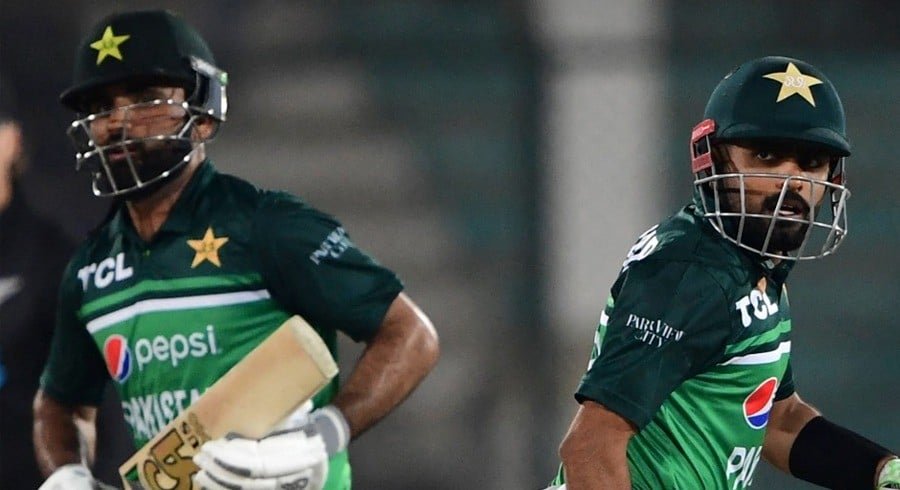
    Imam-ul-Haq and Babar Azam stitched together a ninth century-partnership, also breaking the famous record of Muhammad Yousuf and Younis Khan’s partnership as Pakistan defeated New Zealand by 26 runs to take an unassailable 3-0 lead in the five-match series. At this time Pakistan is on number three in the rankings and just two wins away from the number one position.

    The two lads added 108 runs for the second wicket off 121 balls as Pakistan, put into bat, posted 287 for six on a slow surface. New Zealand capitulated after a solid and positive 83-run first wicket stand to be bowled out for 261 in 49.1 overs.

    With the series in their pocket 3-0 their first against New Zealand after 12 years Pakistan is super charge all eyes on Imam, Babar and Fakhar to take the team on the top of the ODI rankings now Pakistan have 3,133 points with 112 ratings in ODI rankings after the remaining Two wins they will white wash New Zealand first time and also make the history by becoming number 1 ODI team first time ever.

    Imam and Babar were dismissed in identical ways – both dragging Matt Henry and Adam Milne’s deliveries onto their stumps. Imam was the fourth batter dismissed after scoring a watchful 90 from 107 balls with seven fours and six, while Babar struck three fours and a six in his 62-ball 54.

    The two had joined hands after Fakhar Zaman, who earlier in the day was named as the number-two ranked ODI batter in the world, was back in the hut after scoring a 26-ball 19 with four fours.

    Mohammad Rizwan (32) and Salman Ali Agha (31) added 54 runs off 48 balls for the fifth wicket to give an impetus to the innings, which ended with a 10-ball 21 not out by Shadab Khan. The Pakistan vice-captain hit a four and two sixes, including a last-ball six.

    Pakistan scored 82 runs for the loss of two wickets in the last 10 overs, including 46 runs for two wickets in five overs.

    In their run-chase, New Zealand raced to 99 for one after 20 overs before Pakistan bowlers put the brakes on the scoring-rate, allowing New Zealand to score 92 runs in the next 20 overs. This meant the visitors needed 97 runs in the last 10 overs and despite fielding lapses. They managed only 70 runs to be dismissed for 261 in 49.1 overs.

    Opener Tom Blundell struck 78-ball 65 with seven fours featured in three useful partnerships. After adding 83 runs for the first wicket with Will Young (33), he added 30 runs from 40 balls for the second wicket with Daryl Mitchell (21) and 14 runs for the third wicket in 21 balls with Tom Latham (45).

    Debutant Cole McConchie scored 64 not out (45 balls, six fours, two sixes) and put on 25 runs (34 balls) for the sixth wicket with Latham, 31 runs (21 balls) for the seventh wicket with Adam Milne, 19 runs (14 balls) for the eighth wicket with Henry Shipley and 12 runs (9 balls) for the ninth wicket with Ish Sodhi.

    For Pakistan, Naseem Shah, Mohammad Wasim Junior and Shaheen Shah Afridi took two wickets apiece.

    Match Highlights

    Pakistan won by 26 runs, 3rd ODI.

    Pakistan 287-6, 50 overs (Imam-ul-Haq 90, Babar Azam 54, Mohammad Rizwan 32, Salman Ali Agha 31, Shadab Khan 21 not out; Matt Henry 3-54)

    New Zealand 261 all-out, 49.1 overs (Tom Blundell 65, Cole McConchie 64 not out, Tom Latham 45, Will Young 33, Daryl Mitchell 21; Naseem Shah 2-42, Mohammad Wasim Junior 2-50, Shaheen Shah Afridi 2-53)

    Player of the match – Imam-ul-Haq (Pakistan)

  • Bilawal leaving for India today to attend SCO Foreign Ministers meeting

    Foreign Minister Bilawal Bhutto Zardari is leaving for India today to attend a moot of the Foreign Ministers of the Shanghai Cooperation Organization (SCO) being held in Goa today (Thursday).

    The foreign minister shared a video message on Twitter in which he said that his attendance in the meeting will give a clear message on how much importance Pakistan gives to SCO.

    He added that he is looking forward to engaging bilaterally with the member countries.

    Alongside the CFM meeting, the Foreign Minister will also hold meetings with counterparts from friendly nations. Pakistan became a member of SCO after joining the body in 2017.

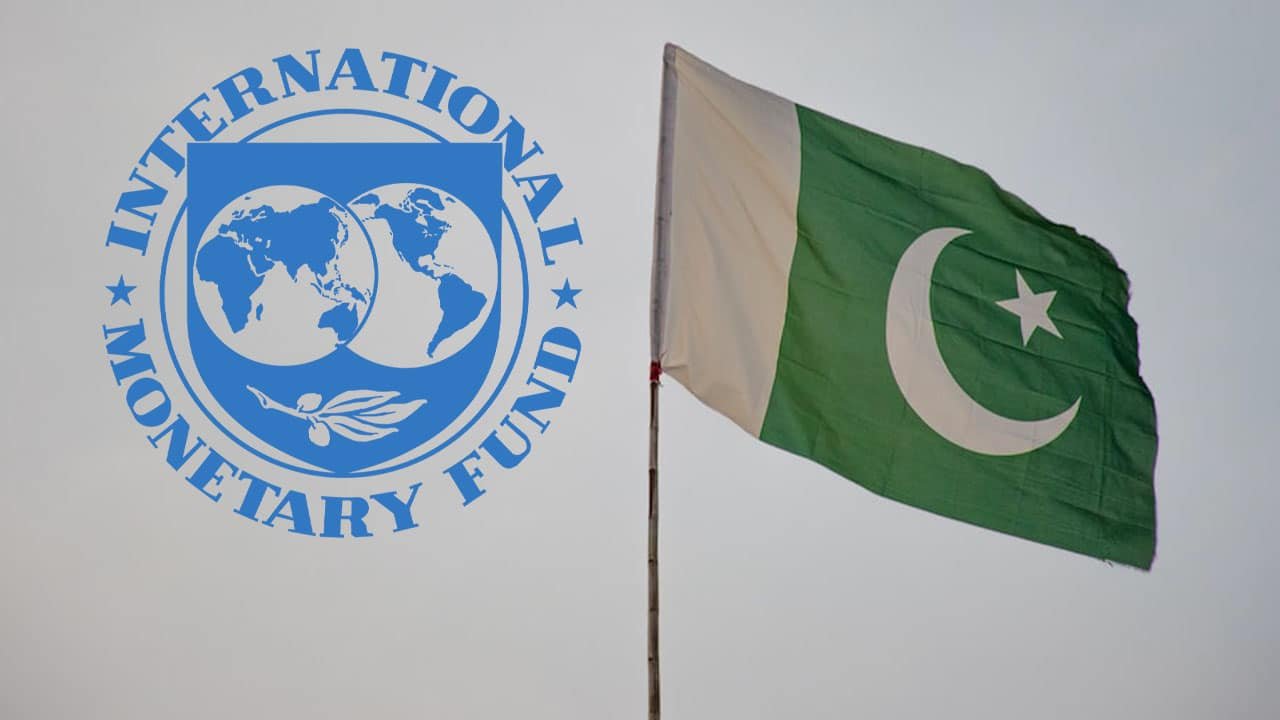
  • Pakistan’s history of IMF bailouts: A look at 75 years of economic challenges

    Pakistan’s history of IMF bailouts: A look at 75 years of economic challenges

    Pakistan is currently facing yet another economic crisis, a recurring issue that has caused the country to repeatedly seek help from the International Monetary Fund (IMF) for financial assistance.

    Unfortunately, most of the previous 13 bailouts granted since the late 1980s were left unfinished, as Pakistan failed to implement any meaningful structural changes to rein in government spending or boost revenue.

    The country’s current government, led by Prime Minister Shehbaz Sharif, is currently in talks to revive its latest $6.5 billion loan programme as a result of the ongoing economic downturn, exacerbated by last year’s devastating floods and continued political instability. However, the implementation of the necessary belt-tightening measures may prove to be challenging, given the upcoming national elections planned for later this year.

    Pakistan and the IMF had agreed to a $6 billion bailout program in 2019, but disputes over monetary policies have prevented the release of over $1 billion. Furthermore, donors and lenders have demanded structural reforms before providing any further financial aid to Pakistan.

    Pakistan’s traditional partners have made it clear that their assistance is conditional upon the revival of the IMF program and the successful implementation of reforms, including the expansion of tax collection.

    Based on the prevailing Special Drawing Rights (SDR), also known as XDR, rates, the International Monetary Fund (IMF) has approved loans totaling $31.629 billion for Pakistan.

    It is worth noting, however, that not all of the approved funds have been disbursed, with only one out of 22 loans having been fully transferred to Pakistan. This highlights the complex political and economic dynamics that underlie IMF programs.

    Pakistan’s history of borrowing from the IMF

    Pakistan has a history of borrowing from the International Monetary Fund (IMF), which can be divided into four distinct periods. The early years of borrowing spanned from 1950 to 1988, followed by the Benazir and Nawaz Sharif era from 1988 to 1999. The third period was marked by the Musharraf and Zardari administrations from 2000 to 2013. The current period is led by Nawaz Sharif and Imran Khan.

    During these periods, each government worked with the IMF differently, especially in the past two decades. While the Benazir and Nawaz Sharif administrations alternated in seeking IMF programs in the 1990s, the Musharraf government, despite experiencing substantial foreign currency inflows, also had to turn to Washington for financial assistance.

    The Zardari administration, on the other hand, abandoned the largest-ever IMF program when it deemed it expedient to do so. This trend illustrates how Pakistan’s borrowing from the IMF has been characterised by inconsistency and shifting priorities.

    2013-2022

    Pakistan’s recent history of borrowing from the IMF has been marked by different governments seeking assistance in their own unique ways. While the Imran Khan government initially refused to seek assistance from the IMF, it eventually sought an Extended Fund Facility (EFF) loan worth SDR4.268 billion in July 2019. This was due to the country’s financial deterioration and instability, which had eroded the stability gains made since late 2016.

    Under Imran Khan’s government, the IMF disbursed a total of SDR3,159.5 million to Pakistan in four tranches. However, talks for the fourth tranche proved challenging and the government sought help from the US Assistant Secretary of State Donald Lu. Despite receiving SDR750 million in February 2022, then-Prime Minister Imran Khan announced a subsidy on petrol and diesel, effectively breaking the agreement with the IMF. As a result, the IMF suspended Pakistan’s $6 billion loan programme in March 2022.

    Negotiations for the revival of the fund facility did not commence until May, when Shehbaz Sharif of the PML-N took over the government. Talks on reviving the fund facility were concluded in late June, but only after the government took some harsh decisions, including withdrawing tax relief for salaried individuals. The next tranche will only be released after the IMF Executive Board takes up the combined 7th and 8th reviews.

    2000-2013

    During Pervez Musharraf’s government, Pakistan received significant foreign aid in the form of military and civil assistance, resulting in a low reliance on IMF loans for financial support. However, Pakistan did receive two IMF loans in the first two years of Musharraf’s regime, totaling SDR520 million. The first loan was a stand-by arrangement of SDR465 million, of which SDR150 million were disbursed, and the second was an extended credit facility of SDR1.033 billion, of which only SDR315 million were disbursed. Pakistan did not require IMF assistance from 2001 to 2008, as foreign aid prevented a balance of payment crisis.

    However, the aid failed to boost Pakistan’s forex reserves, which experienced a sharp decline between 2006 and 2008. In 2008, the Pakistan Peoples Party government negotiated with the IMF for the largest-ever loan of SDR7.235 billion, also the largest stand-by arrangement. Only SDR5.2 billion were disbursed between 2008 and 2010 in three tranches. Afterward, the PPP government did not complete the program as it received funds under the Kerry-Lugar program until 2013, when the United States ceased funding. The PPP government was unable to implement tough reforms demanded by the IMF due to impending elections.

    1989-1999

    During the 1990s, Benazir Bhutto and Nawaz Sharif sought eight bailouts from the IMF due to the consequences of the Soviet-Afghan war and political instability in Pakistan. In 1988, Bhutto signed up for two IMF packages, totaling SDR655 million. The IMF made two payments of SDR122.4 million and SDR189.5 million in 1991 and 1992. In 1993, Nawaz Sharif negotiated a loan of SDR265.4 million, with the IMF paying SDR88 million that year.

    Bhutto’s government signed three IMF programs of SDR379 million, SDR606 million, and SDR562 million between 1994 and 1995, with lower disbursements of SDR123 million, SDR133 million, and SDR107 million before being removed in 1996. Sharif then negotiated two loans in 1997 of SDR682.4 million and SDR454.9 million, respectively, with SDR250 million disbursed before his government was toppled in 1999. Bhutto negotiated a total of five programs of SDR2.2 billion, receiving SDR676.26 million, while Sharif signed up for three programs of SDR1.4 billion, with Pakistan receiving only SDR608 million. The instability of the government prevented the implementation of IMF reforms, which often led to increased tariffs and taxes, causing a negative perception of the IMF in the country.

    1958-1988

    The Zia-ul-Haq government received the largest amount of foreign aid from the International Monetary Fund in Pakistan’s history, surpassing the sum of all seven previous programs approved since 1958. In 1980, the IMF granted SDR1.268 billion to the government, followed by another program of SDR919 million in 1981. The Zia-ul-Haq administration received SDR1.079 billion out of the total SDR2.187 billion approved by the IMF.

    Before that, Zulfikar Ali Bhutto signed four loan programs with the IMF between 1972 and 1977 for a total of SDR330 million, of which SDR314 million was withdrawn. In 1958, Ayub Khan initiated Pakistan’s first loan from the IMF, seeking only SDR25 million, and in 1968 and 1969, two more programs of SDR37.5 million and SDR75 million were approved, respectively. The Ayub government received SDR112 million of the total SDR137.5 million approved.

    Pakistan has received a total of SDR23.656 billion in IMF-approved programs, of which SDR14.189 billion was disbursed. Pakistan was offered three long-term Extended Credit Facilities, five medium-term Extended Fund Facilities, at least 12 short-term Standby Arrangement loans, and one Structural Adjustment Facility over 63 years.

    This news story was created by compiling information from various news platforms as well as the IMF website.

  • World War 3? Russia says Ukraine tried to kill Putin with drone attack

    World War 3? Russia says Ukraine tried to kill Putin with drone attack

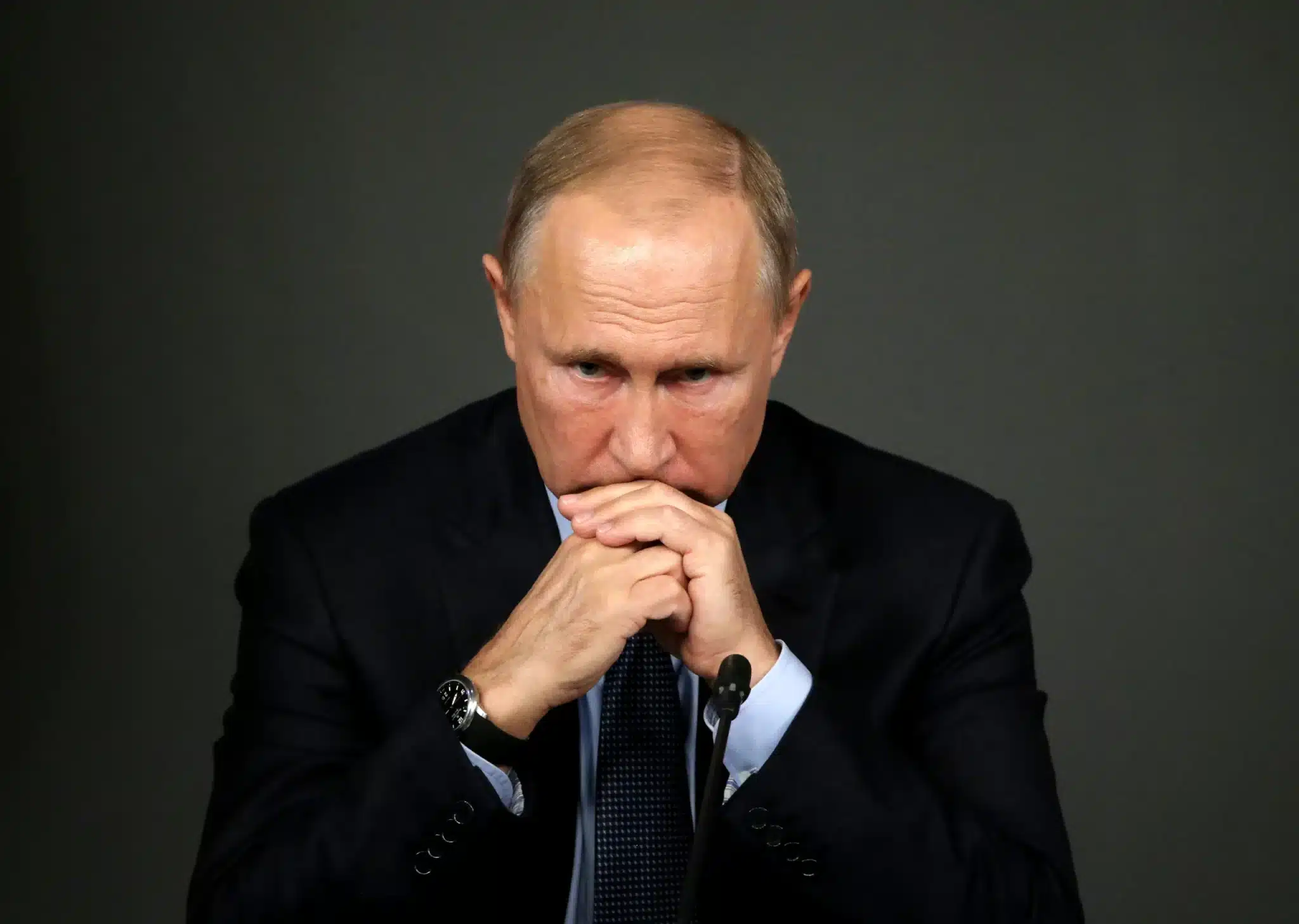
    Russia has accused Ukraine of trying to assassinate President Vladimir Putin by attacking Kremlin with drones.

    The two countries are at war since February 2022.

    In a statement, Russia said that Ukraine attempted to carry out a strike on the Kremlin residence of the President. Kremlin is a large government complex in central Moscow.

    It said it regarded this “as a planned terrorist act and an assassination attempt on the president”.

    Putin himself was not present at the location at the time.

    Ukraine’s President Volodymyr Zelensky denied his country was behind it.

    “We don’t attack Putin or Moscow. We fight on our territory. We are defending our villages and cities,” he said, speaking on a visit to Finland.

    Meanwhile, senior Ukrainian Presidential official Mykhailo Podolyak said the reported incident indicates that “Russia is clearly preparing a large-scale terrorist attack”.

    Last year, despite immense backlash, Russia invaded Ukraine, leading to a bloody war that shows no signs of abating.

  • US expresses confidence in Pakistan’s economic policies and offers support for bilateral relations

    US expresses confidence in Pakistan’s economic policies and offers support for bilateral relations

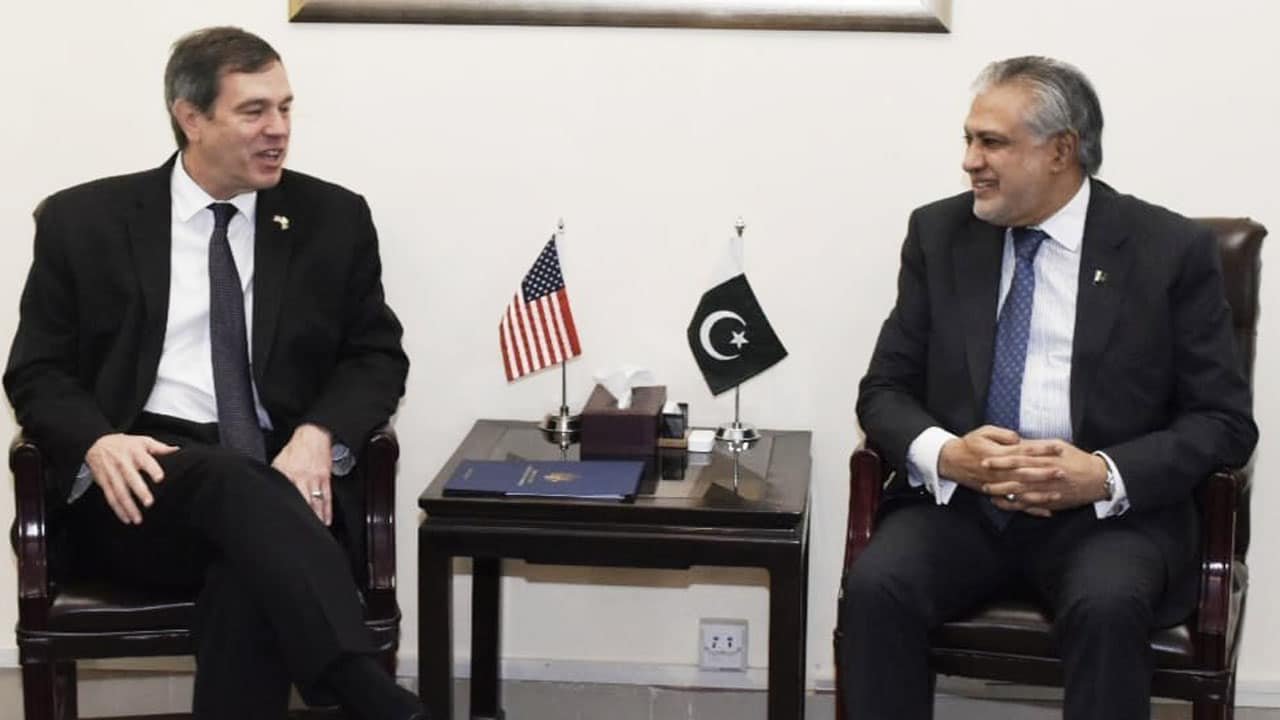
    On Wednesday, Finance Minister Senator Ishaq Dar reaffirmed the federal government’s commitment to the International Monetary Fund (IMF) programme during a meeting with US Embassy Charge’d Affaires Andrew Schofer at the Finance Division.

    Dar informed Schofer about the ongoing programme and assured him that the government was dedicated to completing it. Schofer expressed his confidence in Pakistan’s economic policies and programs and offered his support to strengthen economic and trade relations between the two nations.

    The finance minister also discussed the current economic challenges and policy decisions taken by the government to stabilize and promote sustainable and inclusive growth. Both parties exchanged their views on the notable bilateral relations between the US and Pakistan.

    Dar thanked the US Charge’d Affaires and reiterated the government’s desire to expand bilateral trade and investment ties. The meeting followed a report published by The News that stated the IMF and Pakistani authorities were holding each other responsible for the delay in reviving the stalled programme.

    It is still uncertain how Pakistan will proceed to accomplish the current IMF programme, which expires on June 30, 2023.

  • Serena William’s second pregnancy, Jared Leto in a cat costume: Here is all the drama that went down at this year’s Met Gala

    Serena William’s second pregnancy, Jared Leto in a cat costume: Here is all the drama that went down at this year’s Met Gala

    Met Gala is considered as fashion’s biggest night of the year, with celebrities coming out in droves wearing the most elaborate costumes.

    The event is hosted by the Editor-in-Chief of Vogue, Anna Wintour, and is actually a fundraiser benefit for the Metropolitan Museum Of Art’s Costume Institute. Each year a new theme is decided upon for invitees to adhere to.

    This year, the Met Gala theme was ‘Karl Lagerfeld: A Line Of Beauty’ which was a celebration of the life and career of the late German fashion designer, who was the head of Chanel.

    Celebrities from all over the world came to celebrate the occasion with wild and creative choices that definitely ensured that the biggest night of fashion lives up to its name. We had some old faces making a comeback, Bollywood stars who graced the red carpet and even some of Lagerfeld’s own muses who made an appearance.

    Let’s go through all the biggest stars of the night and what they had worn to celebrate the occasion:

    Bollywood starlet Alia Bhatt made her debut wearing a dreamy white gown designed by Prabal Gurung, which was embroidered with pearls. In her Instagram post, the ‘Gangubai’ actor wrote that her look was inspired by supermodel Claudia Schiffer’s 1992 Chanel bridal look.

    The ruler of the fictional lanf of Genovia and queen of our hearts, Anne Hathaway, was the star of the evening with a stunning Versace gown, which was decorated with swarovski crystals and paired with a coin necklace by Bulgari.

    But what makes the Met Gala live up to it’s name is that there is no strict dress code demanding beautiful gowns and polished appearances, with attendees allowed to go as wild as they want with the theme.

    Actor Jared Leto decided to wear a full animal suit, honoring Lagerfeld’s beloved cat, Choupette.

    Rapper Lil Nas X took a creative spin on the theme with his bold look: wearing a metallic colored thong and covering his body with silver paint, along with embellished jewels and pearls on his face and neck.

    Among the A-listers were also some of the iconic super models of the 90’s, who had opened and closed for the late German designer’s fashion shows. Super model Naomi Campbell, who had began working with the late German designer when she was 16 years old, chose to wear a salmon pink silk sari from Chanel’s spring/summer 2010 collection.

    Iconic 90’s supermodel and actresss Devon Aoki made her debut at the Met Gala along side with designer Jeremy Scott, wearing a custom Moschino designed by him.

    Aoki had been famously hand-picked by Lagerfeld to be the ‘Chanel bride’, his choice ‘it girl’ who would close out Chanel couture shows.

    Famous sports figures had also shown up dressed to the nines to celebrate the glamorous night.

    Tennis legend Serena Williams attended the Met Gala alongside her husband Alex Ohanian, wearing a custom Gucci gown, where she also announced that she was expecting her second baby.

    Tennis champion Roger Federer, who was also one of the co-hosts of the night, made a stunning comeback after attending last in 2017. He had worn a sleek black tuxedo paired with black sunglasses, and posed at the event with his wife, Mirka.

  • Taliban refuse to let women work and go to school

    Afghan Taliban have once again rejected international calls to lift the ban they imposed on women’s work and education, after the United Nations sanctions committee concluded in Doha without formally recognising the administration in Afghanistan.

    Suhail Shaheen, head of the Taliban political office in Doha pointed out that the meeting’s decisions cannot be accepted or implemented when the government in Afghanistan is not part of the process.

    In a meeting where over 20 countries’ representatives were present, the Taliban administration was not invited.

    When asked by a journalist if there will ever be a situation when he will meet the Taliban directly, UN Chief António Guterres said: “If the time is right, I will not deny the possibility.”

    Afghan Foreign Minister (FM) Amir Khan Muttaqi will reportedly visit Pakistan in a couple of days.

  • Fakhar Zaman moves up in ICC rankings; Babar still on top

    Fakhar Zaman moves up in ICC rankings; Babar still on top

    Pakistan opener Fakhar Zaman has become Babar Azam’s closest rankings challenger after he was rewarded for his recent form with massive gains on the latest ICC Men’s ODI Batting Rankings.

    Fakhar had commenced Pakistan’s ongoing ODI series at home against New Zealand in a blaze of glory, with the 33-year-old scoring back-to-back centuries to put his side in control of the five-match series.

    The left-hander scored 117 in the series opener in Rawalpindi and then backed it up with a magnificent 180* in the second match at the same venue and was duly rewarded with an eight-spot jump to second behind Babar on the latest rankings update.

    Fakhar has scored three ODI centuries on the trot, rising to a career-best rating of 784 rating points and is now the closest challenger to his skipper despite trailing by 103 rating points.

    It means Pakistan now have three players in the top five on the latest ODI batting charts ahead of the ICC Men’s Cricket World Cup later this year, with Imam-ul-Haq remaining in fifth place behind his two teammates and South Africa’s Rassie van der Dussen and India’s Shubman Gill.

  • Fact Check: Is Asia Cup getting delayed?

    Fact Check: Is Asia Cup getting delayed?

    There is no possibility of postponing the Asia Cup or shifting the tournament to a neutral venue, Asian Cricket Council (ACC) sources have confirmed to Dawn News, stating that it did not send any notification to the member countries.

    Pakistani media reports have claimed that if the Pakistan Cricket Board (PCB) does not agree to play the Asia Cup at a neutral venue, the tournament may be out of the hands of the country.

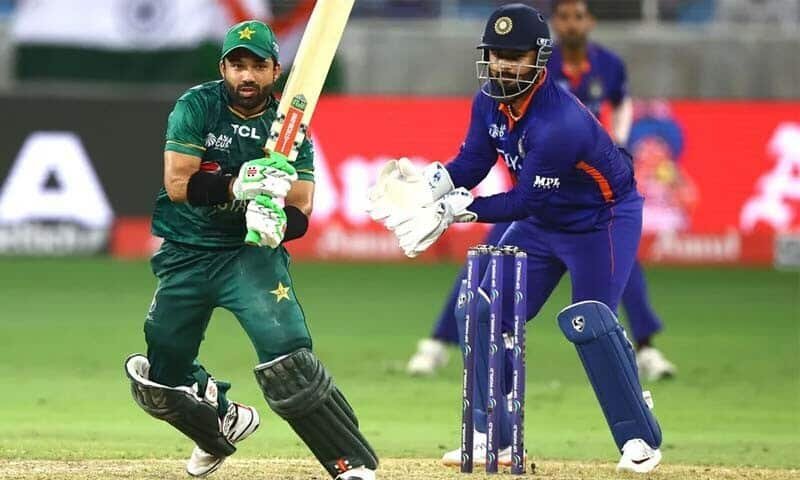
    Board of Control for Cricket in India (BCCI) secretary Jay Shah and the Chairman Asian Cricket Council (ACC) have stated that India will not travel to Pakistan for Asia Cup 2023. The tournament is scheduled to be hosted by Pakistan but BCCI continuously threatens PCB that they will not send their team to the host country and force the Cup to shifted to a neutral venue.

    Asia Cup 2023 is scheduled to be played in September but the final date has not been announced yet.

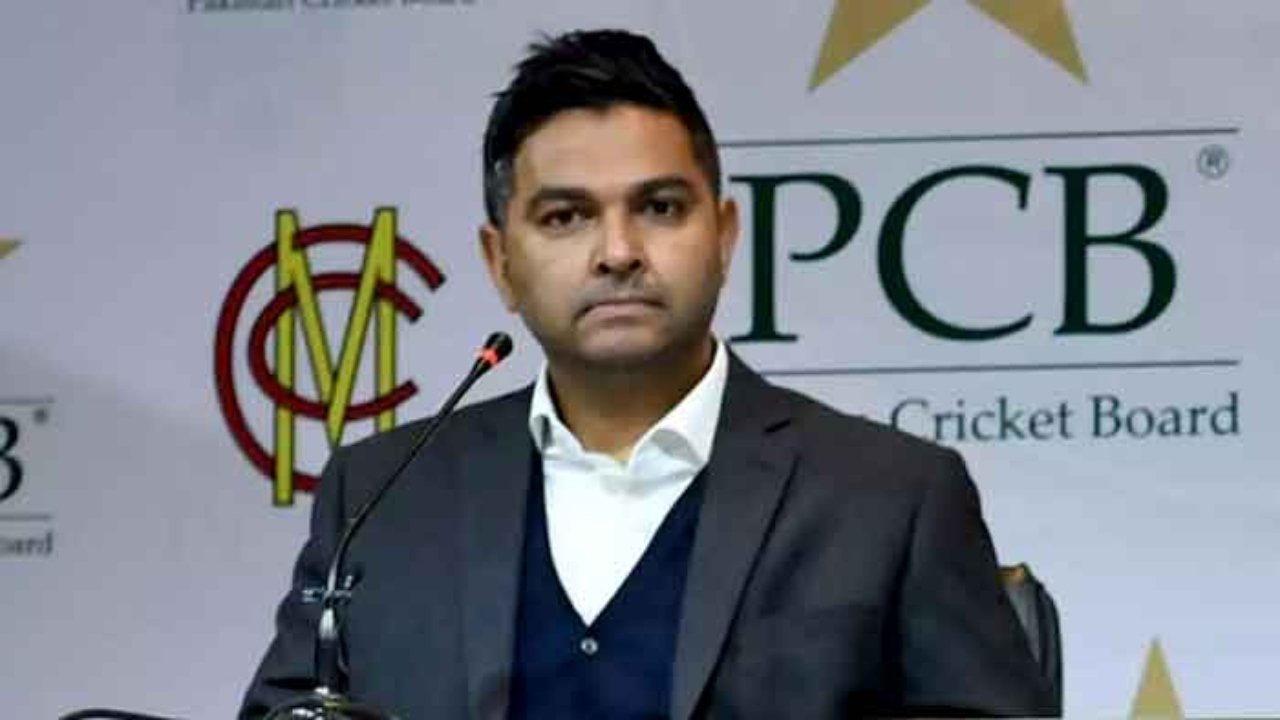
    PCB management committee has proposed a hybrid model in which Pakistan will play their matches in Pakistan but India will play their matches in Dubai. Najam Sethi had clarified that “We will decide where the Indian team will play their matches, not them. We have the right to decide and we will not back off from the hosting”

    The Indian cricket board is believed to want the entire tournament to be shifted to the UAE, as was done in 2018 and 2022 when India and Sri Lanka hosted the tournament.

    A member of the ACC board said on condition of anonymity that “messages have been exchanged but no discussion or proposal has been made to postpone the Asia Cup”.

    He further said that if the Asia Cup is canceled, the PCB will be informed first, but nothing has happened so far.

    According to him, the ACC will have to convene an executive board meeting to postpone or cancel the event.
    Sources further said that Chairman Jay Shah can call a meeting (virtual or physical) in 7 days, but so far there is no information about any such meeting.

    ACC sources said that to the best of their knowledge, the last official exchange of mail between the PCB, ACC and BCCI was an invitation to assure the Indian team of maximum security and best hospitality.

    He said that however, obviously, it is difficult for India to travel to Pakistan in the current sensitive political environment.

    Another issue is how much money the official broadcaster has promised on contracts, which include at least two guaranteed Pak-India matches and a bonus third match if both teams reach the final.

    “We should remember the media rights and the deal with Star Sports who have paid crores of rupees for at least two Pak-India matches in the Asia Cup,” he said.

    Sources are clear that if the board meeting of ACC will decide to cancel the tournament so it will not only effect the participation of Pakistan in World Cup 2023 but will be a dangerous thing for the bilateral relationships of Pakistan with other countries.