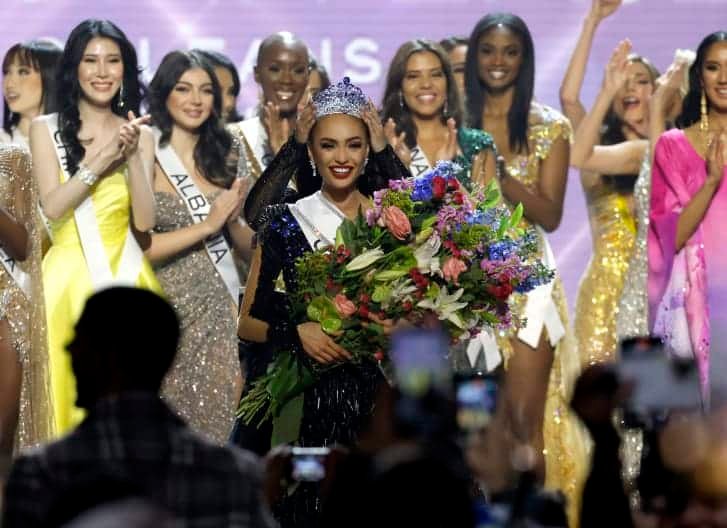
The Miss Universe pagaent officially wrapped up on Saturday night, with Miss R’Bonney Gabriel from USA being crowned as the winner. Gabriel marks the first time a Filipino-American has won the pagaent. At the Q&A stage of competition for the finalists, Gabriel was asked what would she do to show that Miss Universe is an ’empowering and progressive organization’ if she were to win. Miss USA responded by saying that she would use her work as a fashion designer to teach sewing to survivors of domestic violence and human trafficking.
“I teach sewing classes to women that have survived from human trafficking and domestic violence. And I say that because it is so important to invest in others, invest in our community, and use your unique talent to make a difference. We all have something special, and when we plant those seeds to other people in our life, we transform them, and we use that as a vehicle for change.”
Former Senator Mustafa Nawaz Khokhar has announced that he along with a group of politicians and bureaucrats, will be organising a series of seminars across Pakistan aimed at bringing about a “political consensus for restructuring the governance structures of Pakistan”.
Former Prime Minister Shahid Khaqan Abbasi, former Finance Minister Miftah Ismail, Fawad Hasan Fawad, Asad Ali Shah, Haji Lashkari Raisini, Mir Humayun Kurd, Khawaja Mohammad Hoti, along with others, will be part of this effort to create political consensus.
Khokhar tweeted, “In a nonpartisan effort, I have been talking to friends & colleagues about the current economic, political and social crisis of Pakistan which are now striking at the core foundations of the state and the society.”
In a nonpartisan effort, I have been talking to friends & colleagues about the current economic, political and social crisis of Pakistan which are now striking at the core foundations of the state and the society. 1/5
“At the same time individual and collective rights are under severe stress causing a widespread dissatisfaction of people across the regional and ethnic divides in Pakistan. These trying times require us to “rethink” or “reimagine” Pakistan.”
At the same time individual and collective rights are under severe stress causing a widespread dissatisfaction of people across the regional and ethnic divides in Pakistan. These trying times require us to “rethink” or “reimagine” Pakistan. Therefore, a few of us…2/5
Talking to The News, Khokar said, “From political uncertainty to economic meltdown to polarisation in society that has reached dangerous levels of intolerance, Pakistan is not facing just one crisis but multiple crises at the same time. Today we are at a juncture where we are actually at a ‘naazuk morr’ — a phrase that we always hear but only when powerful quarters don’t want something to be talked about”.
Ismail too took to Twitter and said, ” I and many other colleagues are trying to bring about a national consensus on major issues. Thus we are starting with holding seminars across Pakistan.”
Friends, @SKhaqanAbbasi. @mustafa_nawazk, @fawadhasanpk, Khawaja Mohammad Hoti, Haji Lashkari Raisani, @Asad_Ashah & I and many other colleagues are trying to bring about a national consensus on major issues. Thus we are starting with holding seminars across Pakistan 1/3
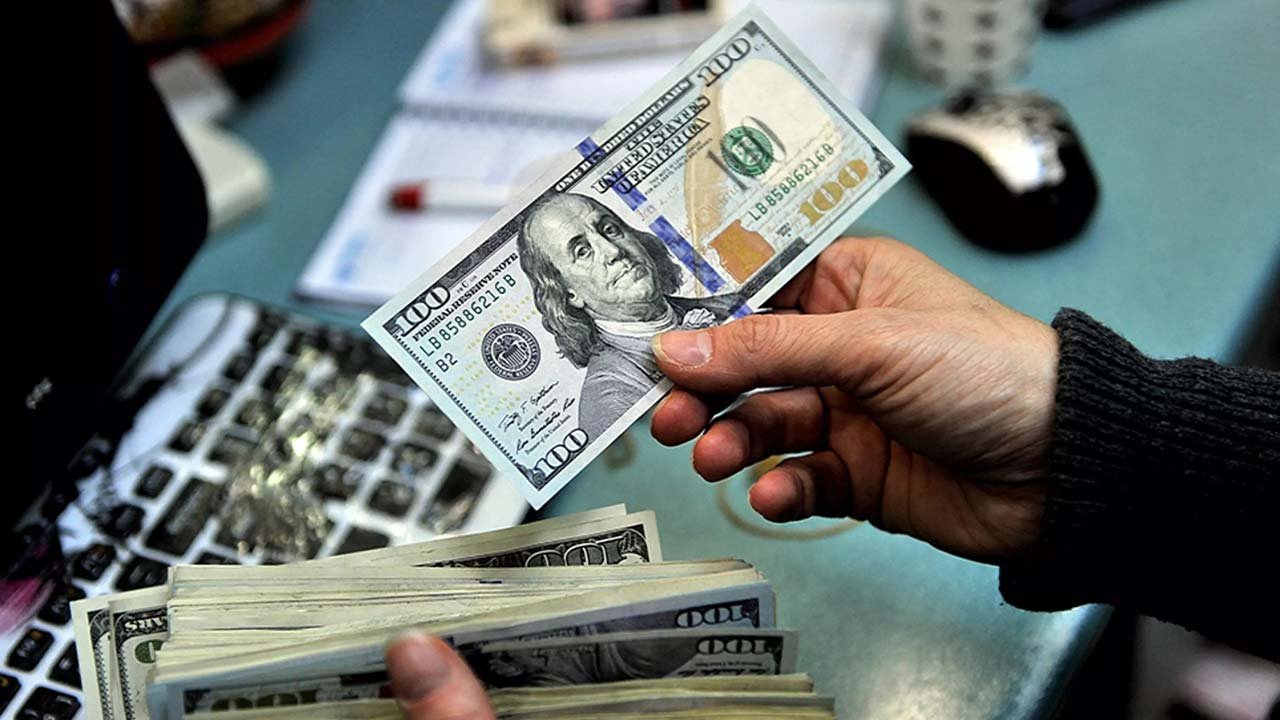
The government has been advised by the Exchange Companies Association of Pakistan (ECAP) to “set” the dollar rate to lessen currency market volatility as the country fights a severe economic crisis and declining foreign exchange reserves.
The general secretary of ECAP Zafar Paracha said in a statement on Monday, “It is advised to fix the rupee/dollar exchange rate for export-import bills and remittances”. He further said these remittance proceeds could be received by banks and money changers at a fixed rate of Rs240 per dollar.
Pakistani rupee closed at Rs228.34 per US dollar, compared with the previous close of Rs228.15 in the interbank market. In the open market, the local unit was trading at Rs238.75 against the greenback.
Paracha suggested the government to set the rate of Rs240 per dollar for overseas Pakistanis and for inward remittance.
He expects that by making the change, the official channel would be strengthened, remittances would increase, Hundi/Hawala would decline, and eventually, the grey market would vanish.
According to Paracha, the exchange rate between the dollar and the local currency has hit Rs267 to Rs270. The offer could be made at Rs228 against/ the dollar in order to obtain exporters’ revenues. Additionally, the rate for importers would be determined by the weighted average of the exporter and home remittance rates. He said that it would help remittances and exporters.
It will boost the nation’s foreign exchange reserve, encourage exporters to bring dollars, and strengthen the exchange companies’ remittances division.
The country received $14.1 billion in remittances during the first six months (July-December) of the current fiscal year, a decline of 11.1 per cent from a year earlier.
As of January 6, Pakistan’s foreign exchange reserves at the State Bank of Pakistan fell by $1.2 billion to $4.3 billion, just enough to fund three weeks’ worth of imports.
Due to significant repayments of foreign debt and a lack of external funding, which have severely reduced Pakistan’s foreign reserves and resulted in ongoing dollar shortages, the country is currently facing a balance of payments crisis.
Thousands of people participated in a march on Monday in Strasbourg, France, to show support for the Iranian opposition movement in favour of women’s rights.
The famous Eiffel Tower became part of the demonstration as well as the landmark was illuminated with pro-Iranian demonstrators and pro-women activists’ messages.
“Woman. Life. Freedom” and “StopExecutionsInIran,” were displayed on the tower.
The protests in Iran were triggered after Mahsa Amini, died on September 16, 2022, while being held by the morality police for allegedly breaking a rigorously adhered-to Islamic clothing code. This incident served as the impetus for the protests in Iran. Despite widespread criticism, Iran has arrested many people for crimes connected to the uprising started by Mahsa Amini’s killing..
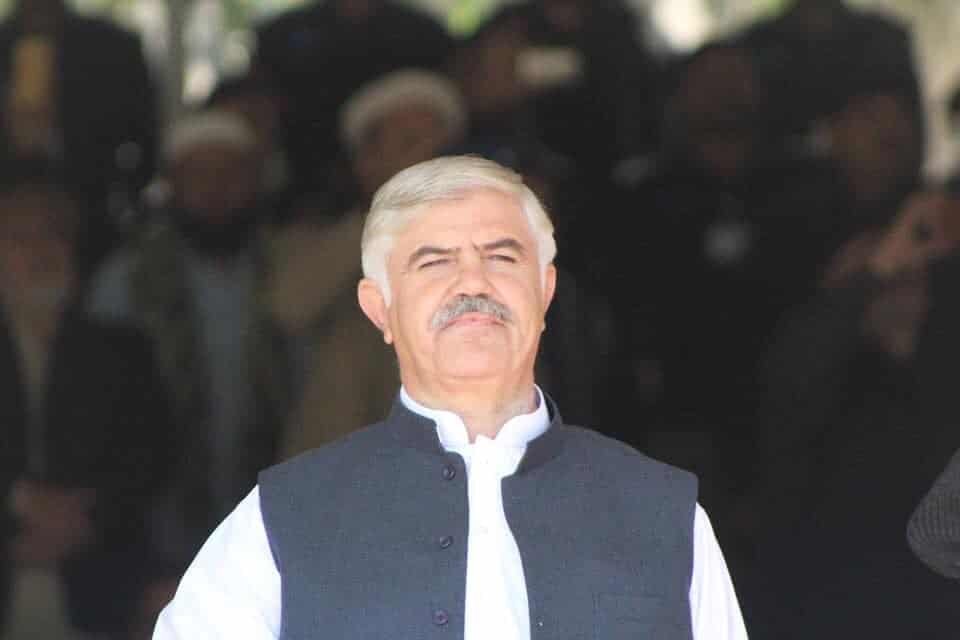
Khyber Pakhtunkhwa (KP) Chief Minister (CM) Mahmood Khan has said on Tuesday that he will sign the summary for the dissolution of the provincial assembly by tonight.
Pakistan Tehreek-e-Insaf (PTI) Chairman Imran Khan has asked the CM to send the summary for the assembly’s dissolution to the KP governor, Haji Ghulam Ali.
“The last four years were very pleasant, and I thank all the members, government and Opposition members and bureaucracy,” said the KP chief minister.
Mahmood said that his party will form the government by winning two-thirds of the majority in the general elections.
He blamed the incumbent government for instability in the country, saying that getting rid of the “corrupt group” has become necessary.
Last week, Punjab CM Pervaiz Elahi had sent the summary to the governor, Baligh Ur Rehman, for the Punjab Assembly’s dissolution. However, Rehman refused to sign it, and the legislative was automatically dissolved after 48 hours.
By Anum Hanif, Lubna Jerar Naqvi, Shreya Pareek, Zeba Warsi
Sara Zafar Mir, a social media entrepreneur from Karachi, Pakistan, is busy making her own money. She specializes in premium baby products and Facebook is her social media platform of choice. Every day, she reaches more than 150,000 followers who are all potential buyers, bringing to them customized baby clothes and postpartum care packages at the click of a button. She leads this while also raising two young pre-teens.
Mir said: “I am blessed to have a supportive husband and in-laws, who go out of their way to help me in my work. Both my kids help me in my business. It is great to be able to lean on family when needed.”
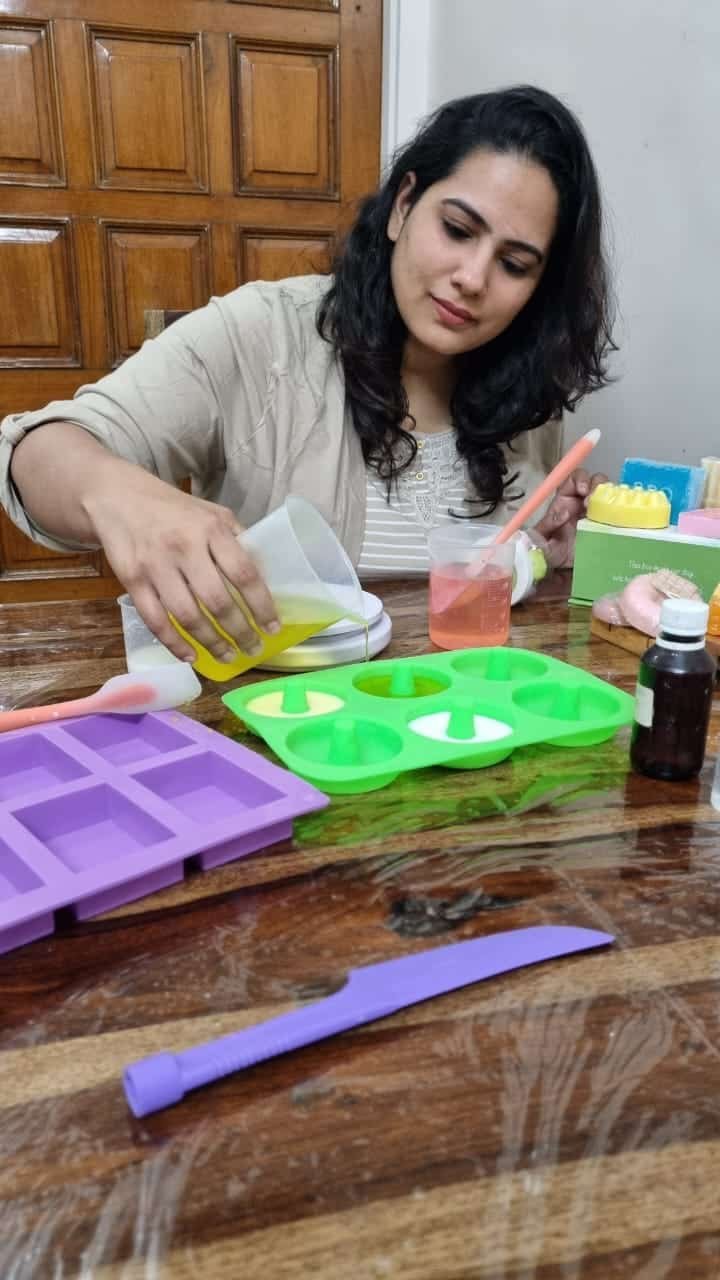
Nearly 500 miles away, in Jaipur, India, thirty-one-year-old Kriti Gupta has a busy morning ahead. She needs to get her daughter ready for school while her toddler demands her attention. Amid this hustle, Gupta’s phone chimes. It’s an Instagram notification. One of her clients has left a thank-you message for the timely delivery and premium quality of soap she sold on the social networking app. Like Mir, Gupta is also a social media entrepreneur who has built a credible brand of customized soaps and toiletries.
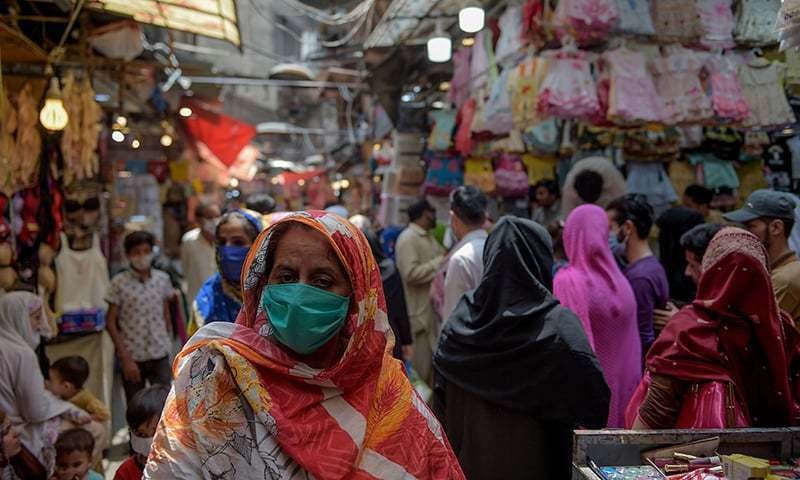
Both Mir and Gupta may be separated by the India-Pakistan border, but their similarities far outweigh their differences. They both belong to a new generation of South Asian boss ladies who are taking social media by storm. They’re creating unique online businesses. They use Instagram, WhatsApp, and Facebook, not just to post selfies, or share pictures of their baby showers and family dinners but to earn a livelihood, chase their dreams, and be financially independent.
Over 4.26 billion people use social media worldwide, a number projected to increase to almost six billion in 2027. That’s where a new, dynamic market is emerging, and South Asian women entrepreneurs are here to reach that whole new world of consumers. They are breaking stereotypes and patriarchal norms which had long been dominant in South Asian communities.
Mir, a Kashmiri, was married off at a very young age, moving to Karachi with her new husband. As a young mother in Karachi in 2013, Mir found herself searching for premium baby products and felt that there was a void to be filled. That led her to start Mummy and MiniMe, which is almost like her third baby.
Mir was a teacher before she got married. She left her job when she moved to Karachi. After her son was born, she was ready to start something but didn’t quite know what and how.
“At the time my son was young, so I would always be looking for baby clothes, shoes and products,” Mir said, “so I had some experiences (laughs). I realized that Karachi has some very good quality products which you don’t find in other cities.”
She explored the internet and found that there were not a lot of people in Pakistan who offered quality products at affordable prices. “We began with PKR 25,000 at the time, which is not a lot of investment,” she added. And so, Mother and MiniMe was born on Facebook and then expanded to Instagram. After the launch of her business, Mir was joined by her sister-in-law Nauwarah, who was studying at the time. Mummy and MiniMe currently has 157,673 people following on Facebook and 4,782 followers on Instagram.
“My goal as a young mother was to provide affordability and uniqueness. When I used to shop for my son, I realized there were so many options and I thought to help mothers to get quality stuff in one place,” Sara said. Apart from baby products she also began curating wooden toys. With time, the online space started becoming saturated. Many new businesses popped up online and the online market became competitive.
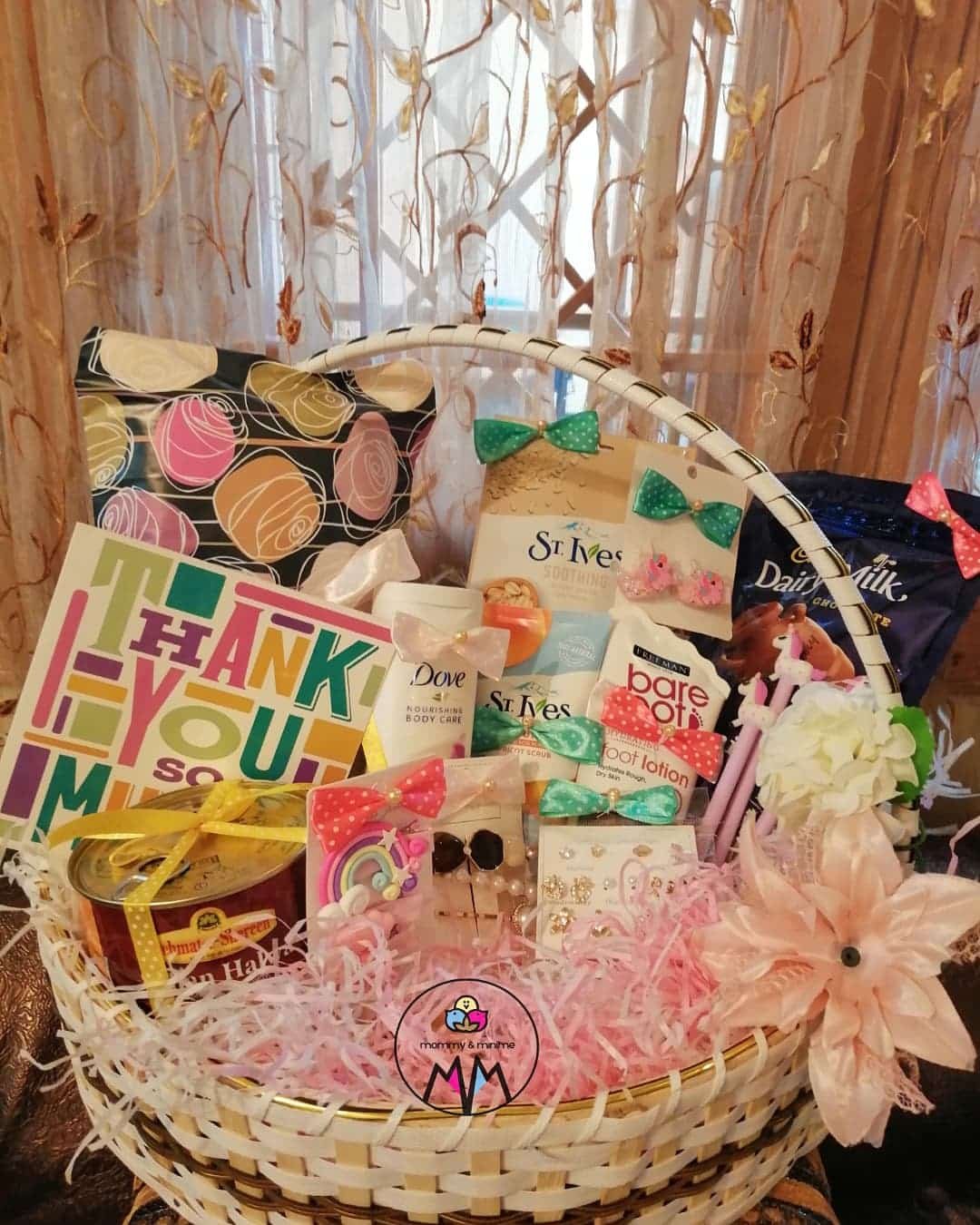
“In 2017, I realized that we need a new strategy. So, we began offering baby gift baskets for new-borns. This is now a favorite among our customers. Mostly grandmothers, aunts, and friends are ordering these.” Mir then started collaborating with bloggers on social media to promote her products.
“I sent a basket with panjeeri (nutritious mixture) to this blogger who had lost her mother and had just had a baby. When I sent her a PR basket, she called me crying saying that my mother used to send her this,” Mir said.
On the other side of the border, Gupta is running her own little online empire with the support of her family.
Gupta said: “My Insta-shop never shuts down. It is open 24×7. Living in a joint family I have realized that everything is manageable if you have a good mother-in-law. And I am blessed in that department,” Gupta said. Living in a three-storey home in Jaipur in northwestern India, she cradles her toddler in one arm, while updating her Instagram business account with the other. The festive season is upon her, she has an order of more than 50 exclusive bath hampers in the pipeline. But she knows she can make it with the support of her family.
Born and brought up in Bangkok, Gupta was 21 years old when she moved to India to get married. Initially, it was a culture shock to settle down in a rich but conservative Marwari (an Indian ethnic group from Rajasthan) family. She dropped out of journalism school to have her dream wedding. Soon, she had her first child, and her career took a back seat. It was on her daughter’s fifth birthday in 2020 that she kickstarted her entrepreneurial journey by starting Bath and Bubble Co, a brand that sells handmade, natural, artisan soaps and bath products.
The business model
In Pakistan, Mir’s business has now reached a stage where she earns a decent living since she first began in 2013. The revenue spikes during Eid but even otherwise her business is consistent and is doing good. She receives around 10-15 queries a week. And a good 80 percent of those convert to sales.
Since it takes time to build trust among customers online, many first-time buyers pay through cash on delivery but the majority of her customers make online payments. Due to her regular and direct engagement with customers online, Mir’s business rarely sees any returns or exchanges.
“It is hard work. You have to be consistent and patient. With time, we can get an idea who is going to continue ordering products and who is there just to window shop, just like a regular retail shop,” Mir said.
There are thousands of such women who use social media exclusively as their main marketplace, especially in South Asian countries.
In India, Gupta exclusively uses Instagram to sell her products. Despite her humble 760 followers on Instagram, she has already found some dedicated and returning customers. Gupta offers over 25 varieties of exclusive, natural soaps. Currently shipping across India, Gupta’s products are favorite among children due to their quirky and colorful designs. Her personalized hampers are a huge hit and are often ordered in bulk through Instagram and WhatsApp for special occasions. Since creating a website or an offline store would require a huge investment of money and time, she decided to stick to Instagram in the beginning.
Gupta manages to get four-to-five queries each day through Instagram. A majority of her buyers use Instagram DMs and WhatsApp to place orders and use online modes of payments like Google Pay or PayTm. Gupta also mentioned how using the right hashtags and trending reels has helped her reach her target audience. The visual format on Instagram has helped business owners like Gupta to connect with her customers in a better way. She claims it is easier to track her customers on a real-time basis on social media and immediately find out what is working for them. Instagram trends also help in boosting the sales.
“You never know what clicks. You have to constantly keep thinking of new ideas. I am currently manufacturing the soaps myself at home after I send my daughter off to school. I soon plan to set up a separate space for my business. The first person I plan to hire is someone who can handle our social media,” she said.
The rise and rise of social media
Economies worldwide have been disrupted by the pandemic, but it has also created new opportunities to do business through social media. Women-owned businesses have received a big boost in recent years. And with a second income coming in, the standard of living of most families has improved. This means the women are not only being empowered financially, but are also getting family support and acceptance for their role as working women.
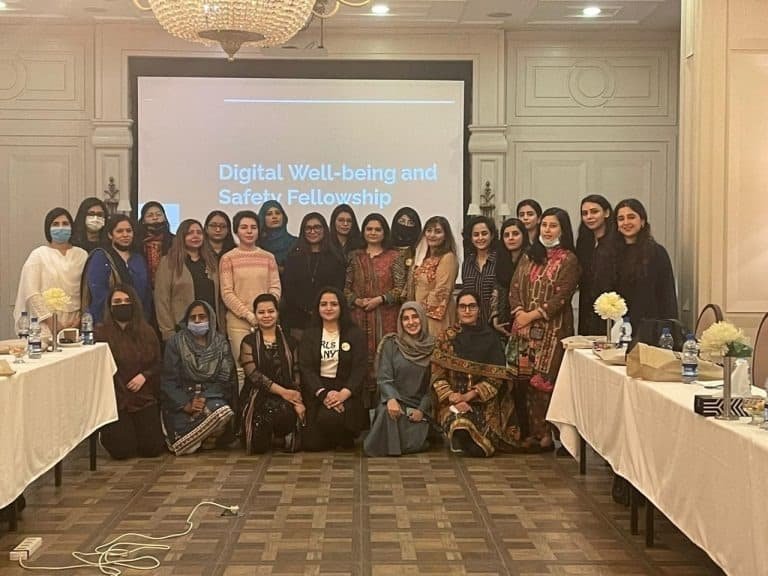
Nighat Dad from Lahore, Pakistan, a lawyer, internet activist and founder and executive director of Digital Rights Foundation has closely tracked the trend of women using social media for their growing businesses in recent years. “I have so many examples of women who started online businesses and they have grown over the years. They started to have an online presence. A couple of years back, women were really not confident about using these platforms (social media) for their businesses not only in terms of what to do and how to use these platforms but also not having knowledge of financial gains and opportunities,” Dad said.
In Pakistan, Instagram has gradually become the preferred choice to run businesses replacing Facebook as the most popular platform. In 2019, Facebook signed a Memorandum of Understanding of its #SheMeansBusiness with Lahore Chamber of Commerce and industry to provide support in hands on training, skills enhancement and resources to women. This was a major step towards empowering women to become entrepreneurs. It is estimated that women’s earnings in Pakistan have increased by four percent compared to previous year. One of the reasons is start-ups owned by women, and social media has played a pivotal role in helping them grow their businesses.
In India, Sairee Chahal, founder of “Sheroes”, India’s first women-only social media network, has also looked into the changing trends of how women are using social media.
Chahal said: “When I started Sheroes, there were maybe 10 million women online in India. Today, there are 350 million women who are online, who have tasted the internet at least once and there’s an increasing number of women who are using this to their advantage.”
Chahal, who started her first company in 1999 as a first-generation entrepreneur shares her insights on how digital platforms have helped many women entrepreneurs grow: “The mobile phone in a very patriarchal society is a personal device, it has your name on it. And once you have it, there’s no looking back.”
For women in a patriarchal setup, running a business requires much more than entrepreneurial skills. There are many family dynamics that women are expected to navigate and balance.
“Women are invisible in their societal setups, whether it’s families or the work that they do both at home and outside. It’s this recognition that is driving women online. Look on the internet, everybody’s somebody you know. You’re the handler, you are handling your content. So, this recognition more than other things is what makes a difference,” Chahal said. She also said that only 9 percent of women are in the formal workforce. That means that most women are left to fend for themselves.
Thanks to social media, women are now getting a fair chance to establish their businesses and sustain a balanced personal and professional life.
Not all’s well in the digital universe
Although social media has played a pivotal role in helping women become financially independent, it also has its share of challenges. The major issue that entrepreneurs like Gupta and Mir face is developing a sense of trust among customers since it is difficult to showcase the quality of products through just pictures and videos. Another concern shared by various women was the easy imitation of handcrafted products at lower prices. This makes it difficult for micro-entrepreneurs to compete in the vast market.
The digital world can also be intimidating for some entrepreneurs who belong to a different generation. So, while it is a blessing for some women who have grown up with technology, it might not work for others who are still trying to get used to it.
“Social media can be very demanding and takes a toll on one’s life. We have to constantly think of the next reel, next trend, and next viral post,” Gupta said. At the same time, there is a serious threat to cyber security. Several entrepreneurs have found their accounts to be hacked causing them not just financial but also immense emotional loss.
“Sometimes I feel it is easier to make soaps as compared to making an Instagram reel,” Gupta said.
Dad from Pakistan believes there are serious challenges and risks associated with online entrepreneurship.
“All kinds of challenges these women face in terms of harassment, finances, and stumbling upon bad actors online and trusting them. In offline spaces, sometimes they are earning but sometimes they don’t own what they are earning due to having a patriarchal society. Even if you are earning, you really don’t have ownership of your income,” she added.
She also emphasized how women who work online should be aware of their rights. “How safe their devices are, how safe their platforms are, how much women know about digital security, and how strong are their passwords,” she added. Dad’s foundation has a toll-free number on its website to help women entrepreneurs in need.
While Dad is providing much-needed help to the women entrepreneurs of Pakistan, Chahal is filling this gap in India. She uses her platform ‘Sheroes not only provide livelihood and financial support to women but also the offer crucial mental support to them. Over three million women have benefited from Sheroes’ counseling services. During the pandemic, Sheroes launched a digital bank called Mahila Money. The platform exclusively serves women who are not served by microfinance. Sheroes also acts as a marketplace for women where they can sell a range of items online.
Is this the beginning of a new revolution?
This rise of women entrepreneurs on social media is not just restricted to South Asia. It is a global phenomenon attracting millions of dollars of investment.
In 2020 Facebook COO Sheryl Sandberg announced that the social media giant is investing $100 million to help 30,000 small businesses in over 30 countries. According to the latest statistics, there are 252 million female business owners in the world.
In 2021, Instamojo saw a 14.83 per cent spike in new female users in comparison to a five per cent drop in male new users. This shows that women are more eager to start their own businesses now and want to go online. Social media has enabled women to connect across boundaries, cultures, genders and has shown a positive trend where many women are comfortable establishing their businesses in a male-dominated society.
“I never got a chance to look back and see how far I have come. I can’t believe that something which was just an idea or a dream is now a fully functional business. It has not just made me financially independent but has also given my life a new purpose,” Gupta said.
Mir, who started her business with a small investment of 25000 Pakistani rupees, is always looking for innovative ideas to continually grow her business.
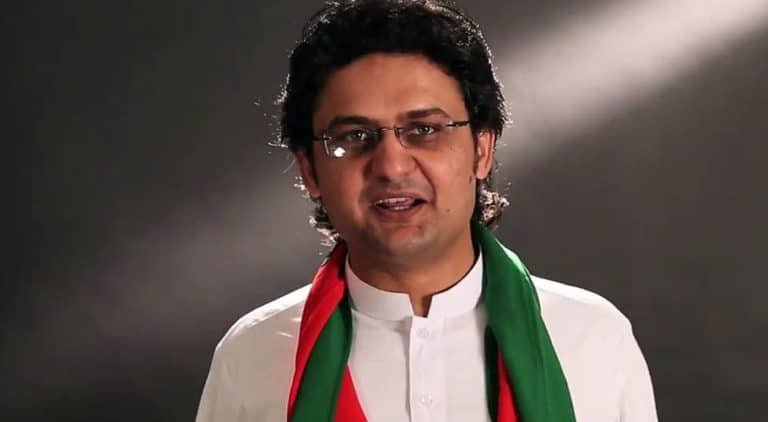
Pakistan Tehreek-e-Insaf (PTI) Senator Faisal Javed Khan has put forward a bill to ensure royalties for artists. Taking to Twitter on Monday, the senator wrote that last year, a lot of awareness was raised about the need to ensure royalties for artists. He therefore was putting forward a bill in the Senate, ensuring creative people are prioritized. Royalties are payments made to artists when a show that they have worked on is re-run on television. “After getting the resolution passed unanimously last year. Glad to announce that today it was indeed a pleasure tabling the much needed royalties bill especially for the poor creative people of our country. #RoyaltiesForArtists Hoping to get it passed soon Insha’ALLAH”
After getting the resolution passed unanimously last year. Glad to announce that today it was indeed a pleasure tabling the much needed royalties bill especially for the poor creative people of our country. #RoyaltiesForArtists Hoping to get it passed soon Insha’ALLAH
“Artists have been facing the issue of rightful & just royalties for a long time due to redundant and out-dated provisions of relevant laws. The amendment in copyright ordinance 1962 aims at empowering copyright board to fix the royalties for licencing & assignment of work”
Artists have been facing the issue of rightful & just royalties for a long time due to redundant and out-dated provisions of relevant laws. The amendment in copyright ordinance 1962 aims at empowering copyright board to fix the royalties for licencing & assignment of work
Actors like Vasay Chaudhry applauded the bill, and marked it as an important decision to protect creative people in Pakistan, as he pointed out how shows are consistently aired on television shows, but actors or writers whose efforts led to the show’s success, are not given proper compensation.
Thank you @FaisalJavedKhan for sticking to this. NO Royalties are given to Pakistani actors,writers,Producers where as their work is run again n again n again on different platforms,without being given a single penny for those Rerun. https://t.co/1FlkOXHiX4
Last year, the hashtag #giveroyaltiestoartists began trending on Twitter as celebrities like Ushna Shah and Mansha Pasha used their twitter accounts to shed awareness on the limited support creative artists have to remain financially secure for their remaining life, after veteran actress Naila Jafri passed away battling cancer.
Royalties are meant to feed artists for life but in PK we are heartbreakingly forsaken. #NailaJafri shouldn’t have had to publicly request for what is hers on her cancer bed. Many artists have relied on the kindness of samaritan fans once their distress was made public. 1/2
When can we expect proper policies for artists and technicians in this country so that they dont have to make a video from a hospital bed in order to ask for that which would have been guaranteed in another country? @shiblifarazhttps://t.co/305RyjXvNo
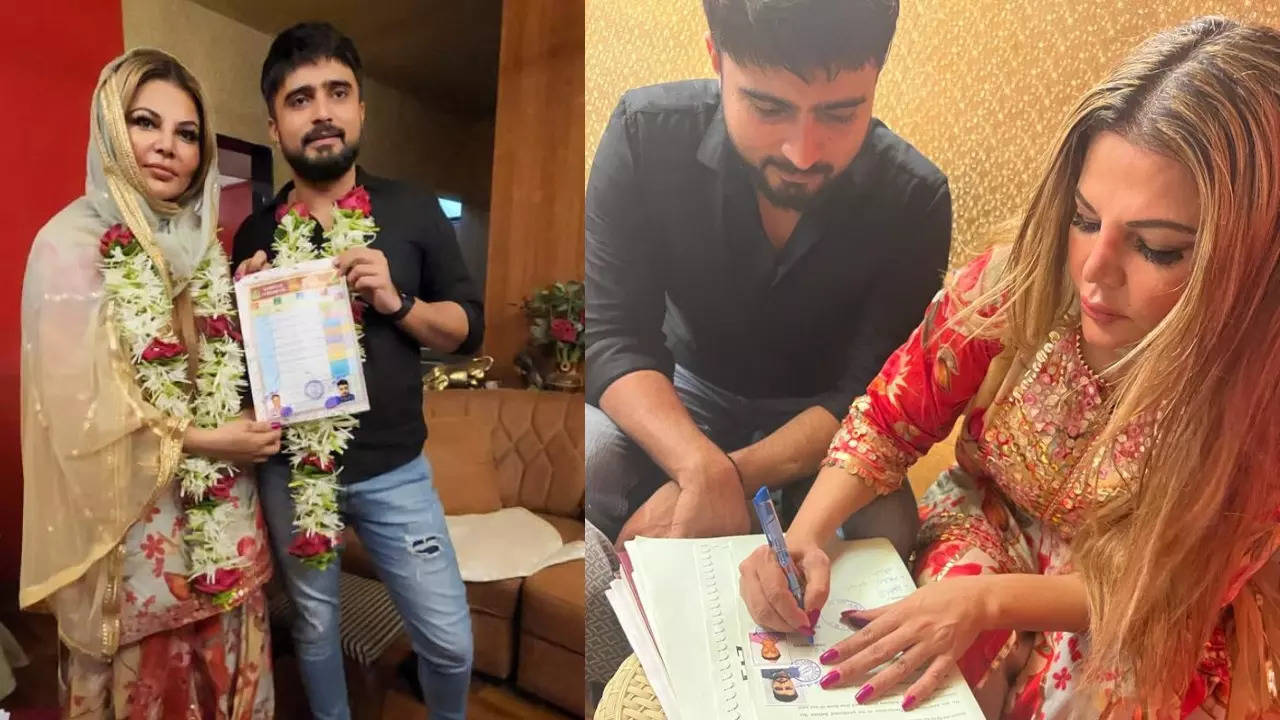
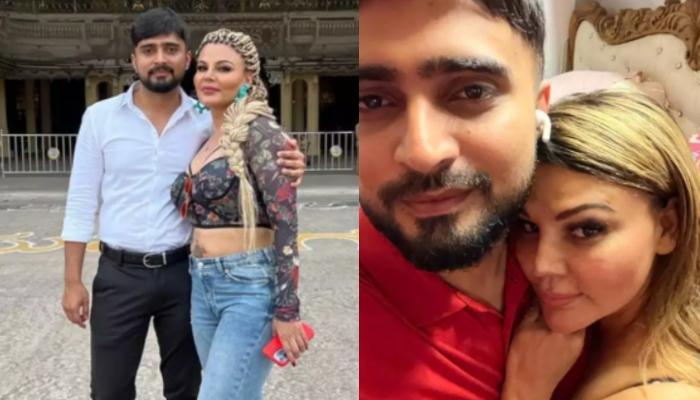
Bollywood dancer and reality television star Rakhi Sawant recently announced her marriage with Bangalorean Muslim entrepreneur and model Adil Khan, which was ritually performed in May 2022.
The actress got married to her boyfriend as per Muslim customs. However, when the media contacted Adil, he called the marriage ‘fake’ and denied the reports. After learning about his reaction, Rakhi was left heartbroken and started crying in an interview.
“He asked me not to reveal the marriage for a year because of his sister’s wedding. I trusted him and went to Bigg Boss Marathi 4 house.”
“When I was in the Bigg Boss house, many incidents happened outside the house, which were unacceptable for me. Hence, I shared pictures of our wedding on social media. I was very scared. He loves me a lot but why is he denying my marriage? He must be getting pressure from his family,” Rakhi added.
She further added, “I did halal instead of haraam. Many people do ‘haraam’ but I did ‘halal’. I am not wrong.”
Sawant started crying and said, “My mother is hospitalised. She has brain cancer. I am worried for her. Adil has not been speaking with me since morning. You can ask him why he is not speaking with me. I don’t why such bad things are happening to me. Why why why?”
Adil’s Announcement
After days of silence, Adil Khan has now confirmed that they, in fact, have been married since last year and that he had maintained silence on the matter as he had some issues to take care of. Now, sharing a wedding photo of the couple, Adil said: “So here’s an announcement finally,I never said I am not married to you, Rakhi. Just had to handle a few things so had to be quiet, happy married life to us Rakhi (pappudi). “ Rakhi Sawant replied to the post saying: “Thanks jaan lots of love.”
Actresses Devoleena Bhattacharjee and Ankita Lokhande congratulated the couple.
While Rakhi Sawant shared the news of her wedding last week, no such confirmation came from Adil’s side, leading to rumours that there may be trouble in paradise. After days of silence, Adil to ETimes, “Well, yes, Rakhi and I are married. We are living together and happy.” However, when asked whether his family had accepted Rakhi, he said, “Woh process ab bhi chal rahi hai (it is an ongoing process). It will take some time.”
Rakhi’s Response To Adil’s Acceptance
After Durrani confirmed his marriage to the reality TV queen on Monday, the couple was papped recently in Mumbai where she claimed that her ‘bhai’ Salman Khan called Adil when the latter reportedly refused to accept her.
During her latest interaction with the media, Rakhi thanked Salman for helping her. “Bhai ka phone aaya tha inko… Mere bhai Salman ne mera ghar basa diya (Salman Bhai called him, he saved my marriage)”, she said.
The Krazzy 4 star was earlier captured behind the scenes of a photoshoot, during which Sawant said that she will completely stop wearing revealing dresses because it’s not allowed in Islam.
Rakhi previously converted to Christianity from Hinduism in the mid-2000s.
Earlier in an interview, the dancing diva revealed that Adil has gifted her a BMW car and a lavish home in Dubai. “Adil has bought a house in Dubai in my name. The other day, he’d gifted me a BMW. But frankly, my treasure is his love. His love is true. He is a loyalist. He is very serious about me, else which guy introduces his love so early to his family?”,
She recently traveled to Dubai to meet Adil’s family members, which signals the fact that their relationship is just getting more serious by the day.
Last year she announced her separation from her ex-husband Ritesh Singh via social media post. In her statement, the actor had said that she was ‘really sad and heartbroken’. It was during Bigg Boss 15 show when Rakhi introduced Ritesh for the first time on national television.
Ever since the news of her wedding came into the picture fans were quite excited to see who her husband is. Later when Ritesh and Rakhi entered Bigg Boss 15, fans could not keep calm as finally the mystery around her husband was lifted. But after being together and facing so many ups and downs the couple has parted ways. Today in an Instagram post, Rakhi shared a long note announcing her separation.
In a press interaction, Sawant stated that she is munching on sweet delicacies in depression after her husband left her.
Taking to her Instagram handle, Rakhi Sawant shared a post and wrote, “Dear fans and well-wishers, Just wanted to say that Ritesh and I have decided to part ways. After the Bigg Bos show a lot happened and I was unaware of certain things which were out of my control. We have tried to work out our differences and tried to make things work but I think it’s best we both move on amicably and we both enjoy our lives separately. I’m really sad and heartbroken that this had to happen before Valentine’s Day but the decision had to be made. I wish Ritesh the best in life at this stage in life I have to focus on my work and my life and keep myself happy and healthy. Thank you for understanding and supporting me always!”
Speaking with Times of India, Rakhi said crying, “He left me! I loved him so much and he left me. After Bigg Boss a few weeks ago, we started living together in my house in Mumbai, but yesterday he packed his bags and left. He said that he is in legal trouble because he didn’t divorce her first wife and now he doesn’t want to live with me anymore. He said that he lost an of money also in his business as he had to go through a lot of scrutiny after he entered the Bigg Boss house with me.” She added that her heart broke as after coming out of the Bigg Boss house she got to know that he already has a wife and a kid. Rakhi further said the she is trying to come to terms with the fact that everything has ended.
Leader of the Opposition in the Punjab Assembly, Hamza Shehbaz, has instructed Pakistan Muslim League-Nawaz (PML-N) leader Malik Ahmed Khan to consult and contact Chief Minister (CM) Pervaiz Elahi over the appointment of a caretaker setup in Punjab.
Governor Punjab Baligh Ur Rehman while forwarding the names sent by Pervez Elahi to Hamza Shehbaz tweeted, “I have received three names from Chief Minister Pervaiz Elahi, which are being forwarded to Opposition Leader Hamza Shehbaz Sharif. I would like to see both of the leaders jointly agree on any name within the stipulated period.”
I have received three names from Chief Minister Parvez Ilahi which are being forwarded to Opposition Leader Hamza Shahbaz Sharif. I would like to see both of the leaders jointly agree on any name within stipulated time. pic.twitter.com/MK7Ey6Jqg7
One of Elahi’s nominees, former civil servant Nasir Mehmood Khosa, when contacted by the PML-N, excused himself from accepting the post of caretaker CM.
Defence Minister Khawaja Asif took to Twitter and confirmed that Nasir Khosa excused himself from the offer and declined to take the chair.
ناصر کھوسہ صاحب کی قابلیت اصول پسندی اور دیانت داری مسلمہ ھے. بحیثیت بیوروکریٹ انکا کردار قابل فخر ھے. ھم نے ان سے رابطہ کیا کی فرہقین کی طرف سےمتفقہ کیئرٹیکر وزیر اعلیٰ کاعہدہ قبول کریں. انہوں نے اس تجویز سے اتفاق نہیں کیا اور معزرت کی ھے..
It is pertinent to mention that if both Elahi and Hamza CM fail to reach a consensus, then the Punjab Assembly speaker would constitute a parliamentary committee, finalising the name within three days.
If the committee also fails to reach an accord then the Election Commission will decide the name for the interim CM from the names forwarded by the government and Opposition.
The most contagious COVID subvariant, XBB.1.5, has been found in Pakistan through genome sequencing, according to the Aga Khan University Hospital (AKUH), The News has reported.
“Yes, we have found the XBB.1.5 sub-variant of Omicron variant of SARS-CoV-2 (Coronavirus) through genome sequencing of the virus from an infected patient”, The News has stated while quoting an expert associated with AKU.
A very small number of COVID-19 cases were reported from the country, the expert, who asked to remain anonymous, claimed. The expert also believed that the majority of those infected with the new sub-variant of the Coronavirus were not getting themselves tested despite having upper respiratory tract infections.
Infectious diseases expert Dr Rana Jawad Asghar while talking to The News said that genome sequencing of only 0.5 per cent of COVID-19 positive cases was being carried out in Pakistan, which is a relatively small and adhoc proportion when compared to the rest of the globe.