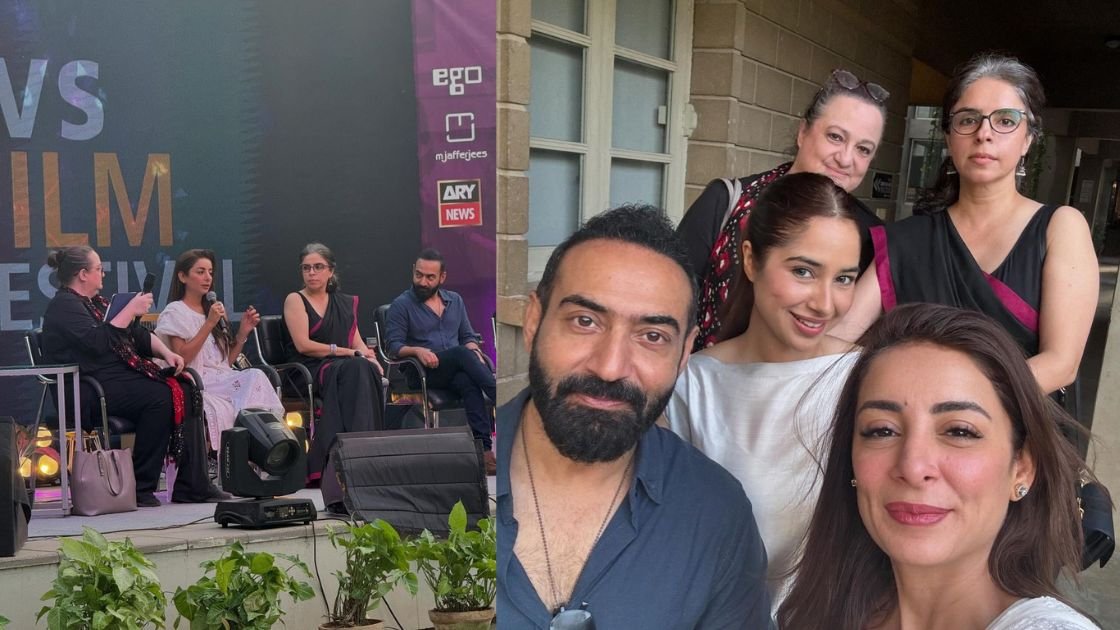
The three-day Indus Valley School (IVS) Film Festival wrapped up on Sunday with an engaging panel discussion on the creation of characters in mainstream dramas and films.
The panel, titled ‘Heroes and Villains – Stereotypes and Nuances in Film and TV’, included drama writer Bee Gul, director Nadeem Baig, and actors Sarwat Gillani and Sabeena Farooq.
The discussion was moderated by famed journalist Fifi Haroon, who discussed fixing the concept of heroes and villains.
Gul stated, “I feel a villain is way more liberated, free of fear of judgment, as compared to a hero…because he is not cautious of what people will say about him.”
“In Pakistan, we create kind of ‘cardboard’ villains…we never get to refer to the back story or the psychology behind even the characters,” Gul added.
Haroon then asked Gul if there was enough space for impactful heroes. “There is not a lot of space, but as an artist, you have to create the space. For example, in Raqeeb Se, I have created a villain who is a domestic abuser. However, the audience couldn’t hate him completely because there is a backstory, so in the same way, we can create heroes with human elements,” she responded.
Sabeena Farooq shared her experience from the drama Tere Bin, in which she couldn’t relate to the character she played: Haya. She noted that while some characters might not resonate with actresses, that doesn’t mean they don’t exist.
“My director and co-actors told me that such characters exist, and then I went to research on my own. That is how I was able to manufacture this character the way the audience saw it,” she added.
When asked about the lack of ambitious female heroes in Pakistani media, Farooq expressed hope for more layered female characters in the future.
“I wish that someday we progress enough to show layers of ambitious characters the way we unwrap characters in love because we need it.” She acknowledged the presence of strong female leads but noted that “there are not enough; however, we’re trying.”
Baig also shared the challenge of writing and directing multiple female characters in a show. He emphasised the importance of believable writing and the creative process of making different characters’ stories fit together.
“The major craft lies in writing, and then it is up to the director how they weave these multiple characters with different backstories together,” he explained. He shared that during Sinf-i-Aahan, he asked Umera Ahmed, the writer, “to change the approaches of a few scenes.”
“One person’s protagonist can be another person’s antagonist,” Gillani said.
The discussion concluded with a call for more female-led films in Pakistan and characters that drive change. The festival ended with an award ceremony for aspiring filmmakers and a musical performance.
Portuguese football star Cristiano Ronaldo was asked to choose between his long-time teammate and French sensation Kylian Mbappe and French footballer Karim Benzema.
All three footballers have played for Real Madrid, while Karim and Ronaldo have been on the team for nine years.
On his YouTube channel, when asked to choose between the two, Ronaldo picked Mbappe over Benzema.
Ronlado’s choice has sparked debate among fans of both stars.
Trigger Warning: The details of the story could be painful to read.
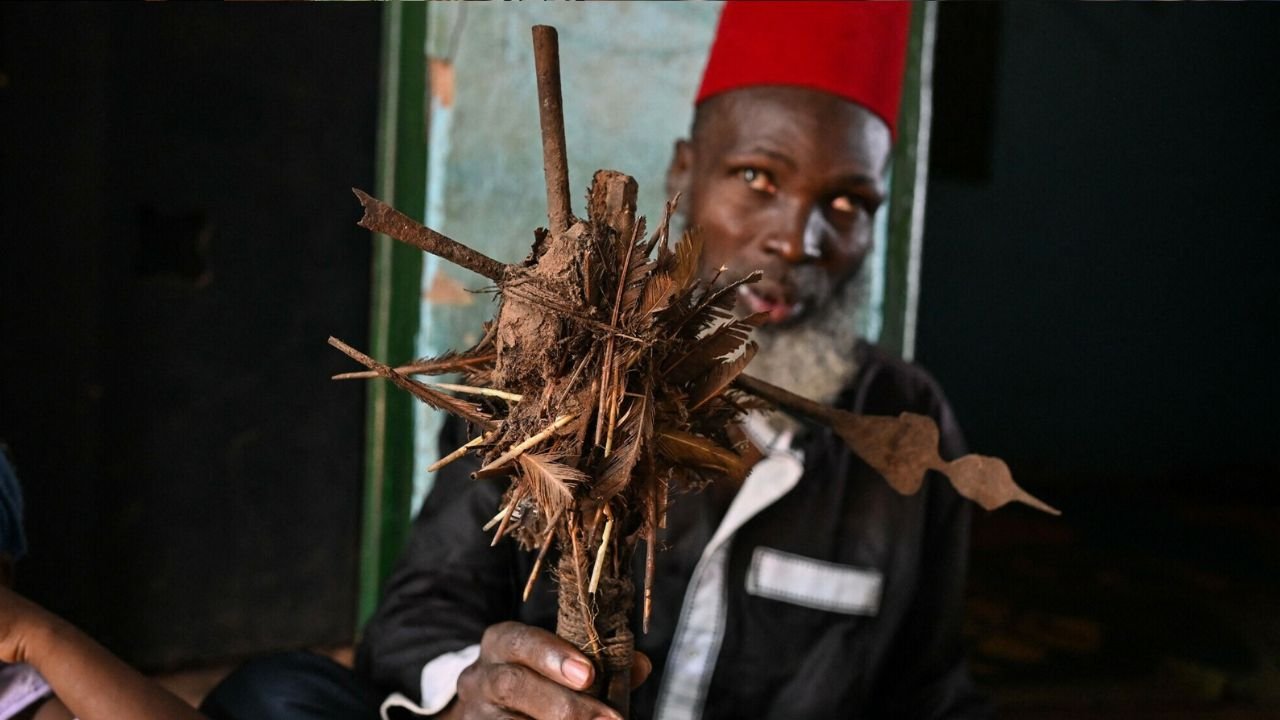
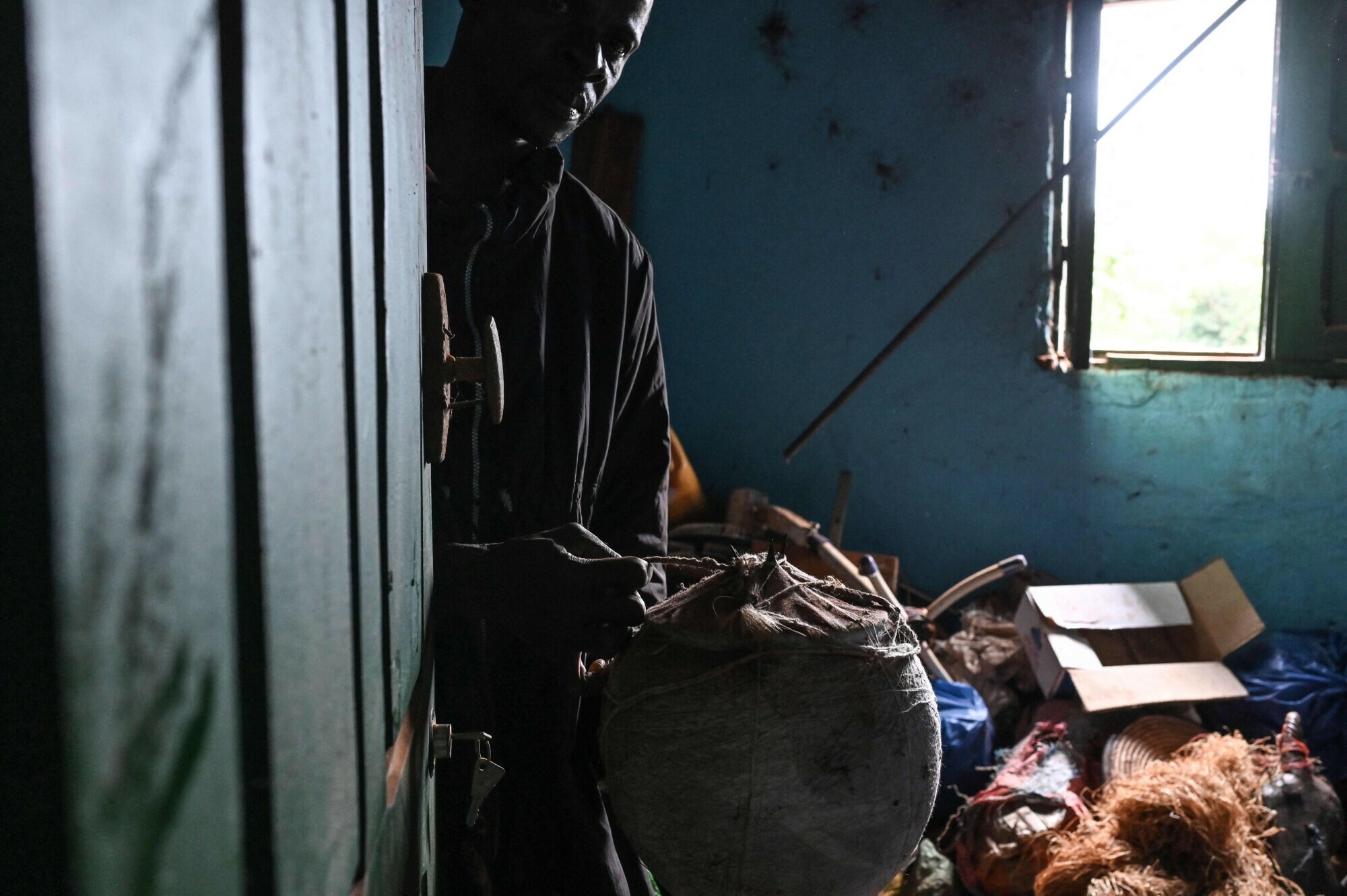
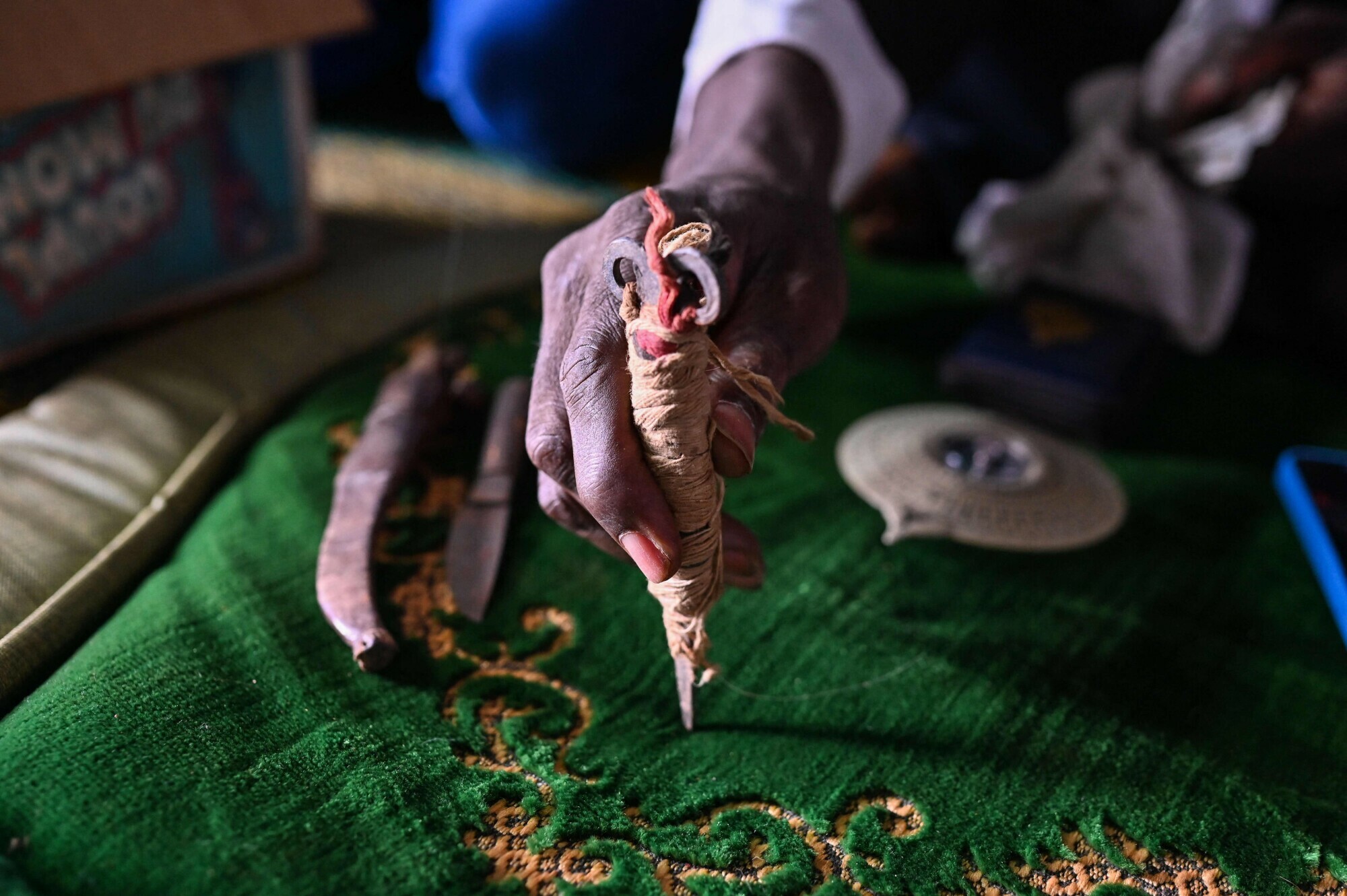
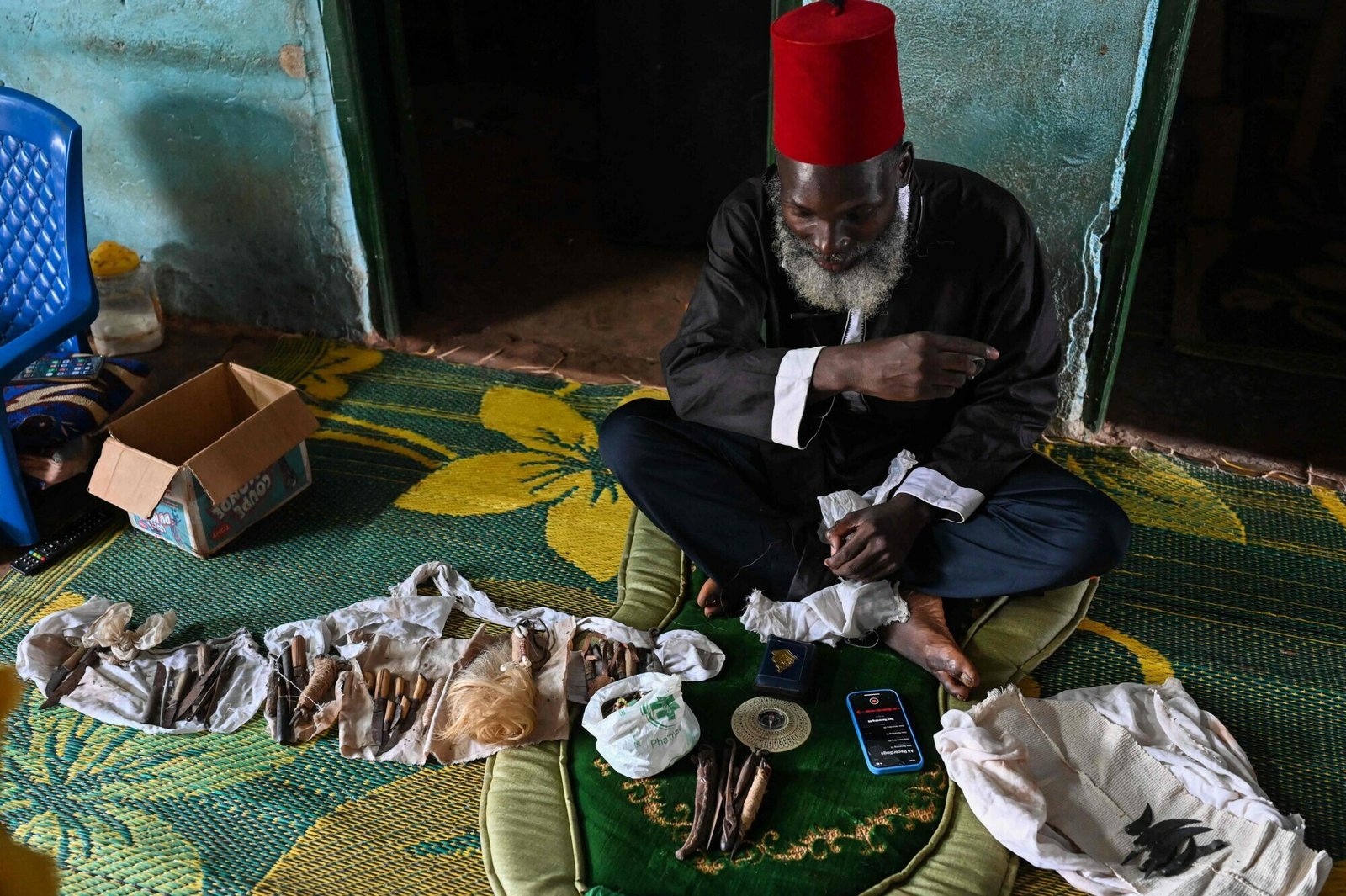
When he was a witch doctor, Moussa Diallo would regularly smear himself in a lotion made from a clitoris cut from a girl subjected to female genital mutilation.
“I wanted to be a big chief, I wanted to dominate,” said the small but charismatic fiftysomething from northwest Ivory Coast.
“I put it on my face and body” every three months or so “for about three years”, said Diallo, who asked AFP not to use his real name.
Genitalia cut from girls in illegal “circumcision” ceremonies is used in several regions of the West African country to “make love potions” or magic ointments that some believe will help them “make money or reach high political office”, said Labe Gneble, head of the National Organisation for Women, Children and the Family (ONEF).
A ground-down clitoris can sell for up to around $170, the equivalent of what many in Ivory Coast earn in a month.
Diallo stopped using the unctions a decade ago, but regional police chief Lieutenant N’Guessan Yosso confirmed to AFP that dried clitorises are still “very sought after for mystical practices”.
And it is clear from extensive interviews AFP conducted with former faith healers, circumcisers, social workers, researchers and NGOs, that there is a thriving traffic in female genitalia for the powers they supposedly impart.
Many are convinced the trade is hampering the fight against female genital mutilation (FGM), which has been banned in the religiously diverse nation for more than a quarter of a century.
Despite that, one in five Ivorian women are still being cut, according to the OECD, with one in two being mutilated in parts of the north.
Cut and mixed with plants
Before he had a crisis of conscience and decided to campaign against FGM, Diallo said he was often asked by the women who performed excisions around the small town of Touba to use his powers to protect them from evil spells.
Female circumcision has been practised by different religions in West Africa for centuries, with most girls cut between childhood and adolescence.
Many families consider it a rite of passage or a way to control and repress female sexuality, according to the UN Children’s Agency UNICEF, which condemns cutting as a dangerous violation of girls’ fundamental rights.
Beyond the physical and psychological pain, cutting can be fatal and lead to sterility, birth complications, chronic infections and bleeding, not to mention the loss of sexual pleasure.
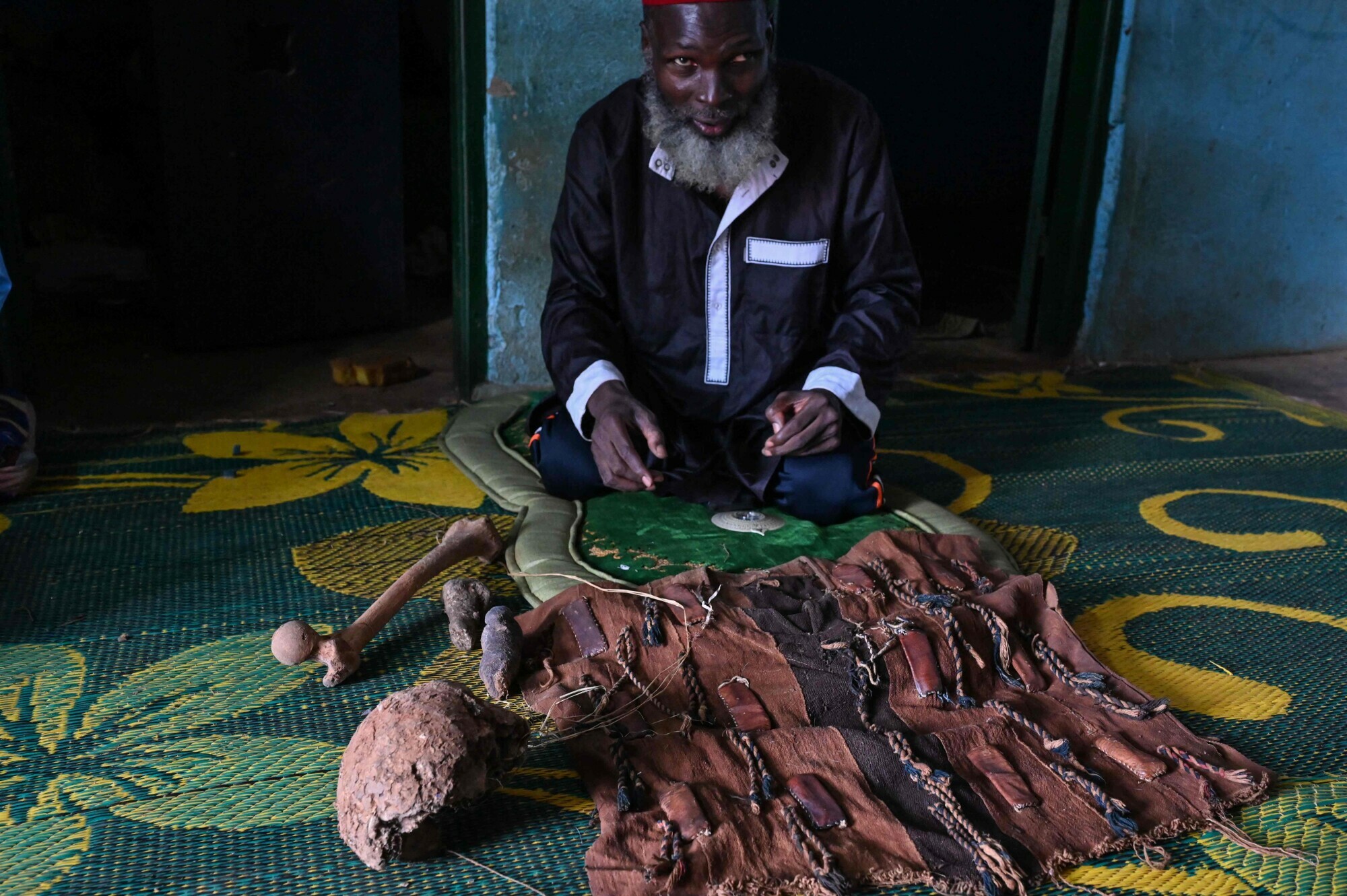
Diallo would often accompany the women who do the cutting out into the forest or to a home where dozens of girls would be circumcised, often surrounded by fetishes and sacred objects. So it was relatively easy for the former faith healer to obtain the precious powder.
“When they would cut the clitorises they would dry them for a month or two then pound them with stones,” he said.
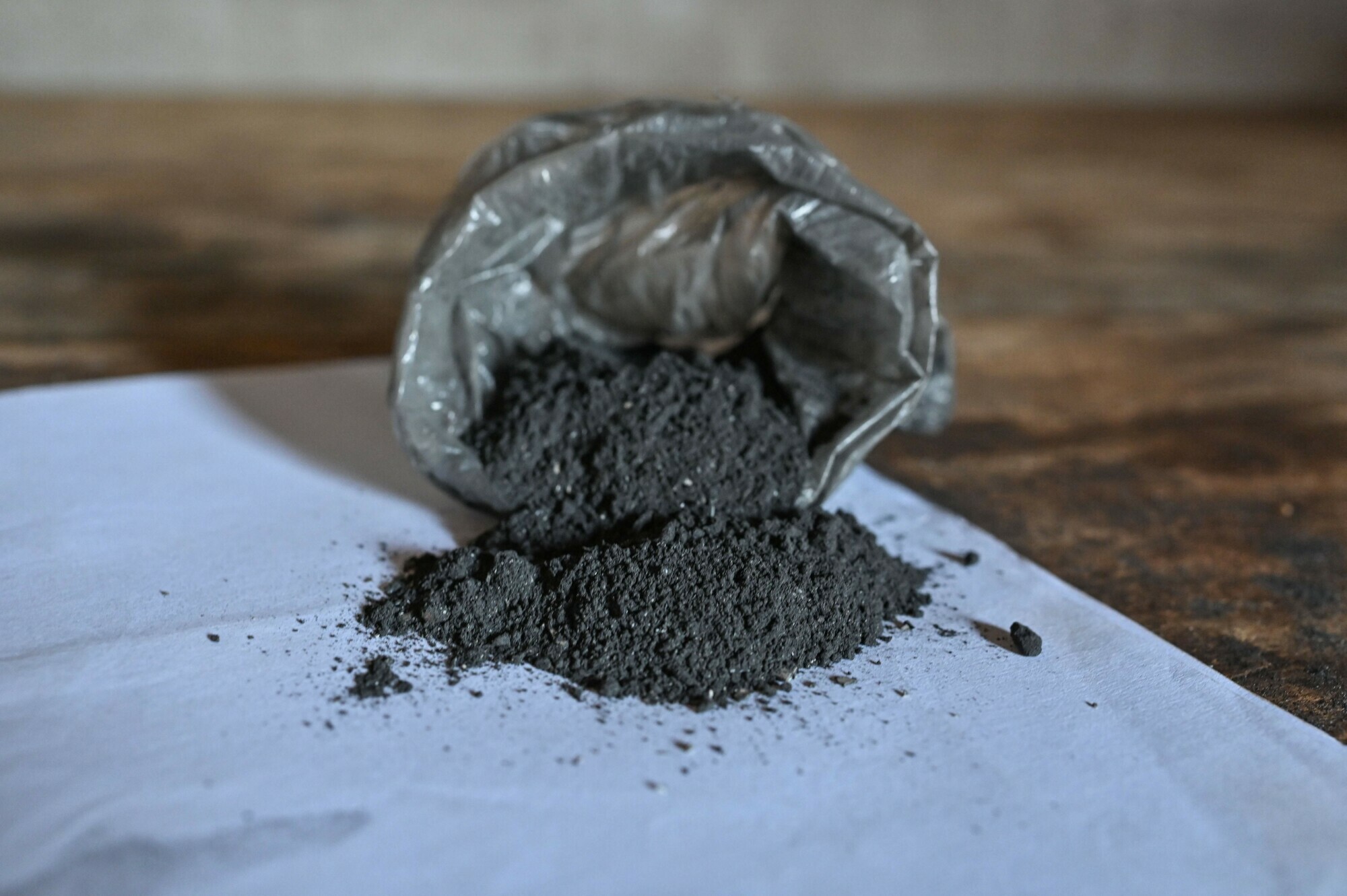
The result was a “black powder” which was then sometimes mixed with “leaves, roots and bark” or shea butter that is often used in cosmetics.
They could then sell it for around “100,000 CFA Francs (152 euros) if the girl was a virgin” or “65,000 (99 euros) if she already had a child” or barter it for goods and services, Diallo added.
The ex-witch doctor said he was able to get some of the powder recently — a mix of human flesh and plants, he believes — from a cutter in his village.
AFP was shown the powder but was unable to analyse it without buying it.
‘Organ trafficking’
Former circumcisers interviewed by AFP insisted that clitorises cut from girls are either buried, thrown into a river or given to the parents, depending on local custom.
But one in the west of the country admitted some end up being used for magic.
“Some people pretend they are the girls’ parents and go off with the clitoris,” she said.
Witch doctors use them for “incantations” and sell them afterwards, she claimed.
Another circumciser said some of her colleagues were complicit in the trade, “giving (genitalia) to people who are up to no good” for occult purposes.
Mutilated when she was still a child, one victim told AFP that her mother warned her to bring home the flesh that had been cut.
The trade is regarded as “organ trafficking” in Ivorian law and is punishable — like FGM — with fines and several years in prison, said lawyer Marie Laurence Didier Zeze.
But police in Odienne, who are in charge of five regions in the country’s northwest, said no one has ever been indicted for trafficking.
“People won’t say anything about sacred practices,” lamented Lieutenant N’Guessan Yosso.
The cutters themselves are both feared and respected, locals told AFP, often seen as prisoners of evil spirits.
‘Just nuts’
“A clitoris cannot give you magical powers, it’s just nuts,” said gynaecologist Jacqueline Chanine based in the country’s commercial capital Abidjan.
Even so, the practice is still stubbornly widespread in some parts of the country, according to researchers.
Dieudonne Kouadio, an anthropologist specialising in health, was presented with a box of the powder in the town of Odienne, 150 kilometres north of Touba.
“It contained a dried cut organ in the form of a blackish powder,” he said.
His discovery was included in a 2021 report for the Djigui foundation, whose conclusions were accepted by the Ministry for Women.
Farmers in Denguele district, of which Odienne is a part, “buy clitorises and mix the powder with their seeds to increase the fertility of their fields”, said Nouho Konate, a Djigui foundation member who has been fighting FGM in the area for 16 years.
He said parents of young girls were “gutted” when he told them of the trafficking.
Further south and in the centre west of the country, women use clitoris powder as an aphrodisiac, hoping to prevent their husbands straying, said criminologist Safie Roseline N’da, author of a 2023 study on FGM which also pointed to the trade.
She and her two co-authors discovered that blood from cut women was also being used to honour traditional gods.
They are far from the only Ivorian folk remedies that use body parts, according to lawyer Didier Zeze.
Mystic beliefs keeps it going
“The mystic has a central place in daily life” in the Ivory Coast — where Islam, Christianity and traditional animist beliefs co-exist — said the Canadian anthropologist Boris Koenig, a specialist in occult practices there.
“It touches every sphere of people’s social, professional, family and love lives,” he said, and there is generally nothing illegal about it.
The trade, however, is “one of the reasons that FGM survives” in the Ivory Coast, NGOs argue, where the rate of cutting is generally falling and is below the West African average of 28 per cent, according to the OECD.
Back near Touba, the former witch doctor Diallo recalled how up to 30 women would be cut in a day in the places his magic protected.
The dry season between January to March was the favoured period for circumcisions when the hot Harmattan wind from the Sahara helps scars heal, he said.
Staff at the region’s only social work centre say the cutting is still going on but hard to quantify because it never happens in the open.
Instead, it goes on in secret, hidden behind traditional festivals which have nothing to do with the practice, kept going, they say, by circumcisers from neighbouring Guinea — only a few kilometres away — where FGM rates are over 90pc.
Prime Minister Shehbaz Sharif’s Special Assistant for Political Affairs Rana Sanaullah has declared that Chief Minister (CM) Khyber Pakhtunkhwa (KP) Ali Amin Gandapur’s controversial speech at Sunday’s Sangjani rally was intended to spread anarchy in the country.
Speaking at the ‘Naya Pakistan’ talk show, Sanaullah dismissed Gandapur’s statements by saying, “It was not a political speech” and advised the political parties to remain within constitutional limits.
“These types of rallies should not be permitted,” Sanaullah stated.
Responding to Gandapur’s remarks about the two-week ultimatum to free founder Pakistan Tehreek-e-Insaf (PTI) Imran Khan from prison, Sanaullah questioned, “In which rally did the Pakistan Muslim League Nawaz (PML-N) give an ultimatum?”
Sanaullah challenged Gandapur’s claims to hold a rally in Punjab, saying, “He won’t even cross the Attock bridge for a rally in Lahore; the government will answer in the same language that the CM KP understands.”
On September 8, at a rally in Sangjani, CM KP remarked, citing former Prime Minister (PM) Imran Khan’s military trial speculation, “Not even your father can do a military trial of Khan.”
“Tumhara wo haal karenge kay tum Bangladesh bhool jao gay,” Gandapur remarked while challenging CM Punjab Maryam Nawaz that he will hold PTI’s next rally at Lahore.
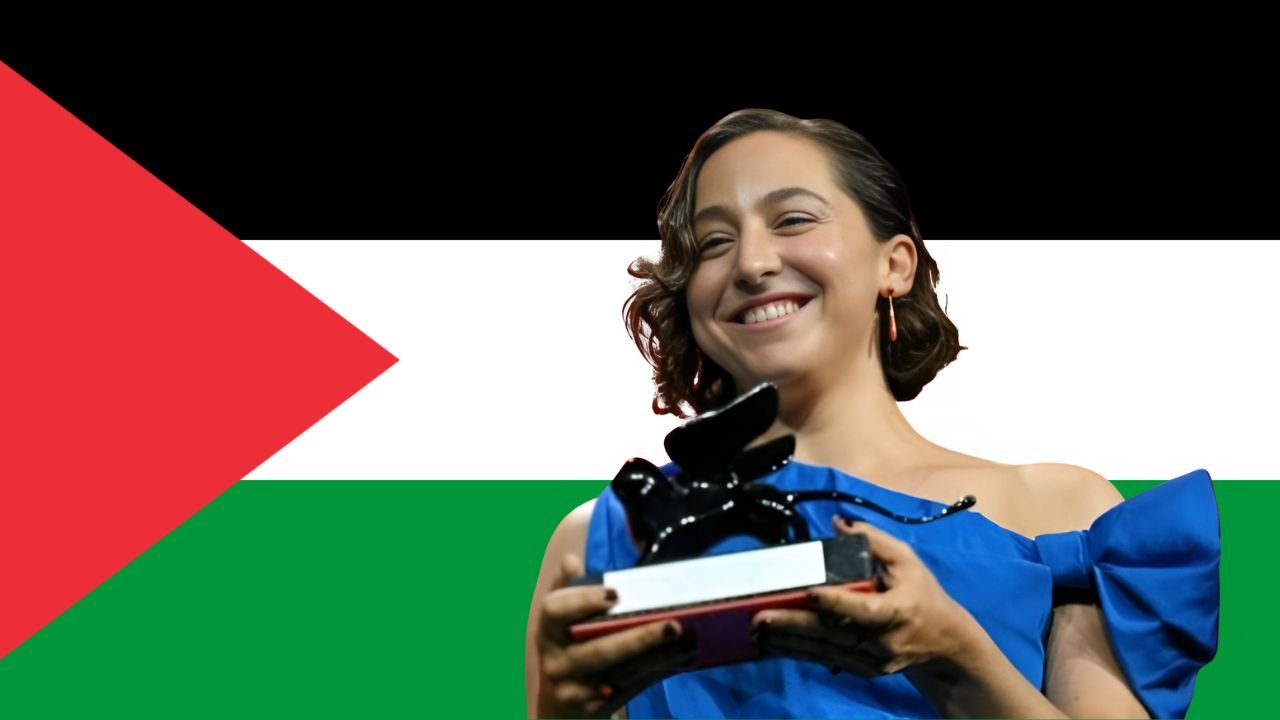
Jewish- American filmmaker Sarah Friedland spoke out against Israel’s genocide of Gaza during an awards ceremony at the Venice Film Festival on Saturday. While accepting the Luigi de Laurentiis prize for best first film for ‘Familiar Touch,’ Sarah Friedland said, “I’m accepting this award on the 336th day of Israel’s genocide in Gaza and 76th year of occupation,” as loud applause broke out in the packed hall.
“I believe it is our responsibility as filmmakers to use the institutional platforms through which we work to redress Israel’s impunity on the global stage. I stand in solidarity with the people of Palestine and their struggle for liberation,” Friedland stressed as the applause continued.
Israel’s genocide in Gaza has now entered its 12th month, with over 40,939 people killed and 94,619 wounded since October 7, 2023.
Pakistan Telecommunication Authority (PTA) plans to block all unregistered Virtual Private Networks (VPNs) in Pakistan, ARY has reported.
The matter of VPNs was discussed during a Senate committee meeting on Information Technology (IT) and Telecom, chaired by Senator Palwasha Khan.
Chairman PTA Hafeezur Rehman stated, “We’re receiving complaints against social media apps including TikTok (95 percent), Meta (65 percent), and X (formerly Twitter) (22 percent ).
Senator Humayun Mohmand questioned whether using a VPN as an assembly member would go against the rules.
Chairman PTA responded, “We are working to manage internet restrictions like Dubai and China.”
“More than 20,500 individuals have registered their VPNs with PTA, and a campaign is underway to collect more registrations. Unregisted VPNs will be blocked later,” he warned.
PTA has launched a one-window operation to whitelist IP addresses and register VPNs. You can register your VPN on the official website of the PTA Pakistan Software Export Board (PSEB).
The internet slowed down in Pakistan in July, and many digital businesses and freelancers faced issues and financial loss.
According to a report, Pakistan’s IT industry lost over $300 million due to internet disruption.
Fiverr, one of the most popular platforms for freelancers, also listed Pakistanis as ‘Unavailable’ for a few days.
Actress Humaima Malik gave a quick-witted answer to a question about Bollywood actor Emraan Hashmi’s visit to Pakistan.
Famous Indian journalist Shehryar Faridoon interviewed Feroze Khan and her sister Humaima Malik online.
Faridoon asked Humaima what she would do if Emraan Hashmi visited Pakistan, giving he two hypothetical options: Would she make him wear a burqa at the airport so he is protected from women, or would she ask all the women to stay home so she (Humaima) can spend some time with him alone?
The actress did not choose any options and replied, “I will tell all the girls to go that Emraan Hashmi is coming, and Emi (Emraan Hashmi) will also be happy about it.”
Humaima Malik said, “The option of bringing him from the airport wearing a burqa is an exciting option, but he likes to show off; he enjoys his stardom.”
When asked what she would question Hashimi about in a podcast, she said, “How can you be so full of yourself? How do you do it?”
She also said she would like to work with Bollywood director Sanjay Leela Bhansali if given the option.
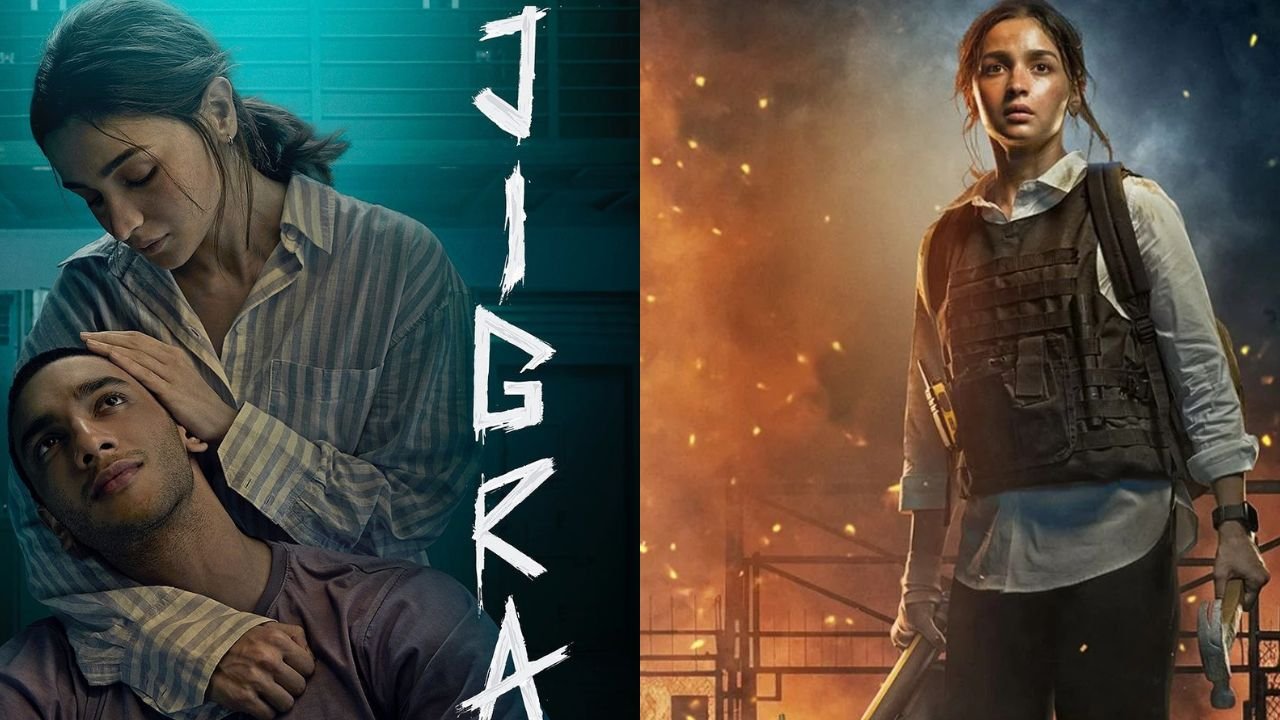
Bollywood actress Alia Bhatt is back with an intense, thrilling role in her upcoming film Jigra.
The short trailer released yesterday shows Bhatt in all her intensity as she takes off on a rescue mission to free her brother. The teaser is set to a cover of the old classic song ‘Phoolon Ka Taaro Ka’ and promises intense action and emotional depth.
After their parents’ deaths, Bhatt and her brother, played by Vedang Raina, had to survive on their own. Due to their father’s suicide leaving a long shadow over their lives, Alia Bhatt’s character is determined to save her brother from everybody.The film, produced by Karan Johar and written and directed by Vasan Bala Jigra, will be released in cinemas on October 11.
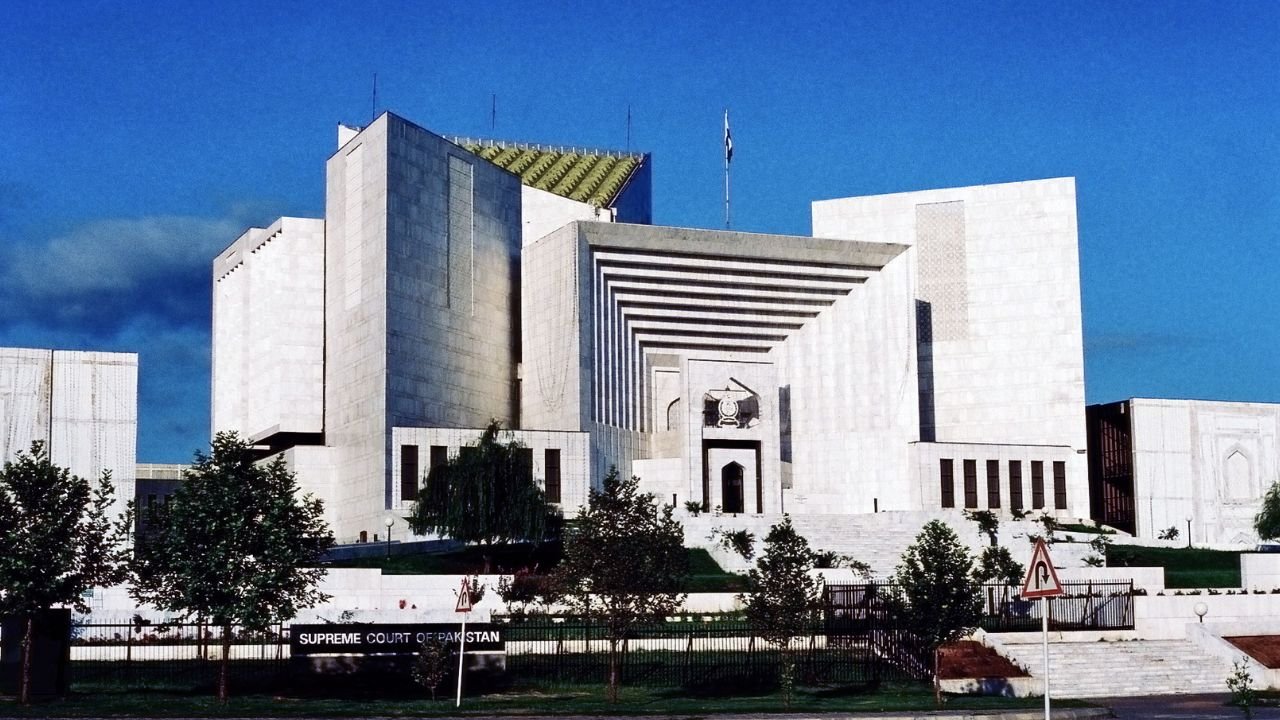
Two computers have been stolen from the Supreme Court of Pakistan, the topmost court in the country.
Geo News’ Arfa Feroz Zaki reported that an FIR of the incident has been registered upon the request of the director of IT department in Supreme Court in the police station of the Secretariat.
The FIR states that the two computers were shifted to a room on the third floor of the building of the court.
The Senior Deputy Director also shed light on the situation as he said that the two new computer systems comprising of a CPU and LCD were found missing from the room. The total cost of these two systems is said to be PKR 600,000.
CCTV examination of the building has led to suspicion towards two employees, namely Faisal Khan and Zahid Iqbal.
Geo’s sources say that Zahid Iqbal is serving as a driver for the Chief Justice of Pakistan whereas Faisal Khan is appointed as Naiq Qasid in the court.
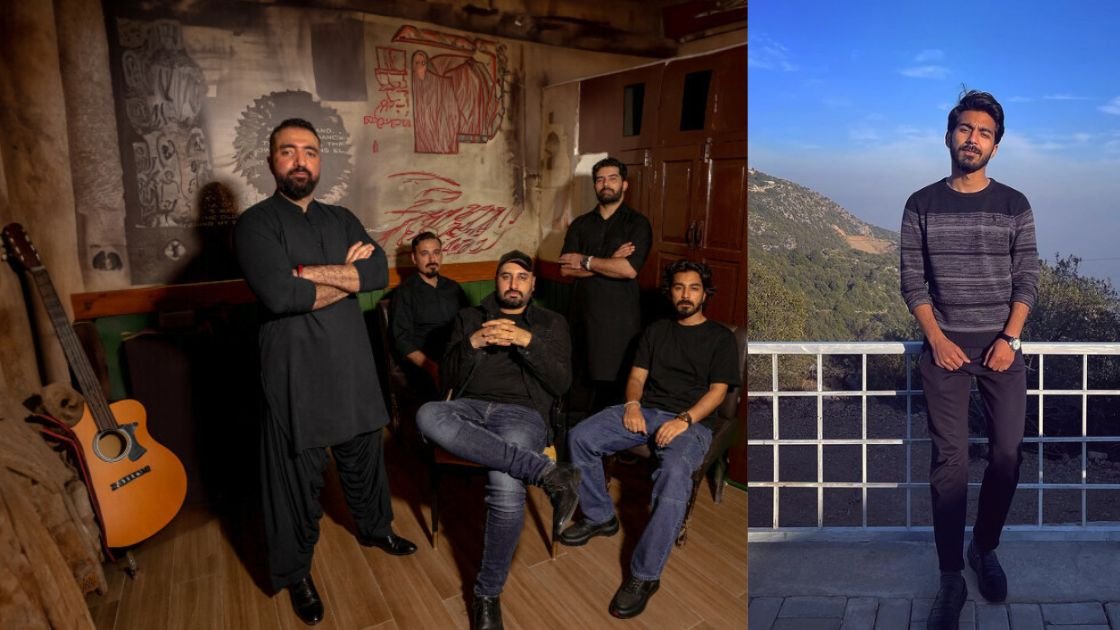
Khumariyaan recently took to Instagram to announce that they have added a new Pakhtun vocalist, Obaid Khan, to their music band. The news was met with support by many fans.
In the same Instagram post, the band shared that they aim to include “languages of our land”, i.e. languages of Pakistan, in their music.
Khumariyaan, known for being an instrumental band, was founded by rubab player Farhan ‘Bogey’ Bogra in 2005 and officially became a band in 2009. Bogra has always emphasised that the band belongs equally to all its members, each playing a vital role.
The group includes Bogra on the rubab, Shiraz Khan on the zerbaghali, Sparlay Rawail on lead guitar, and Aamer Shafiq on rhythm guitar.
Over the years, Khumariyaan has represented Pakistan at international platforms, including the South by Southwest (SXSW) Festival in Texas.
After over a decade of promoting music from Khyber Pakhtunkhwa, Bogra believes the band is ready to focus on promoting different languages.
Obaid Khan, a 28-year-old artist and anthropologist, is the perfect fit because of his multi-lingual abilities.
“Obaid has done his master’s in anthropology and has been singing and playing in KP for years. With him, we plan to promote Pashto, Kohistani, Hindko, and eventually even languages from Sindh and Punjab,” said Bogra.