Blog

  • ‘CJP Qazi Faez Isa has rejected extension,’ claims Rana Sanaullah

    ‘CJP Qazi Faez Isa has rejected extension,’ claims Rana Sanaullah

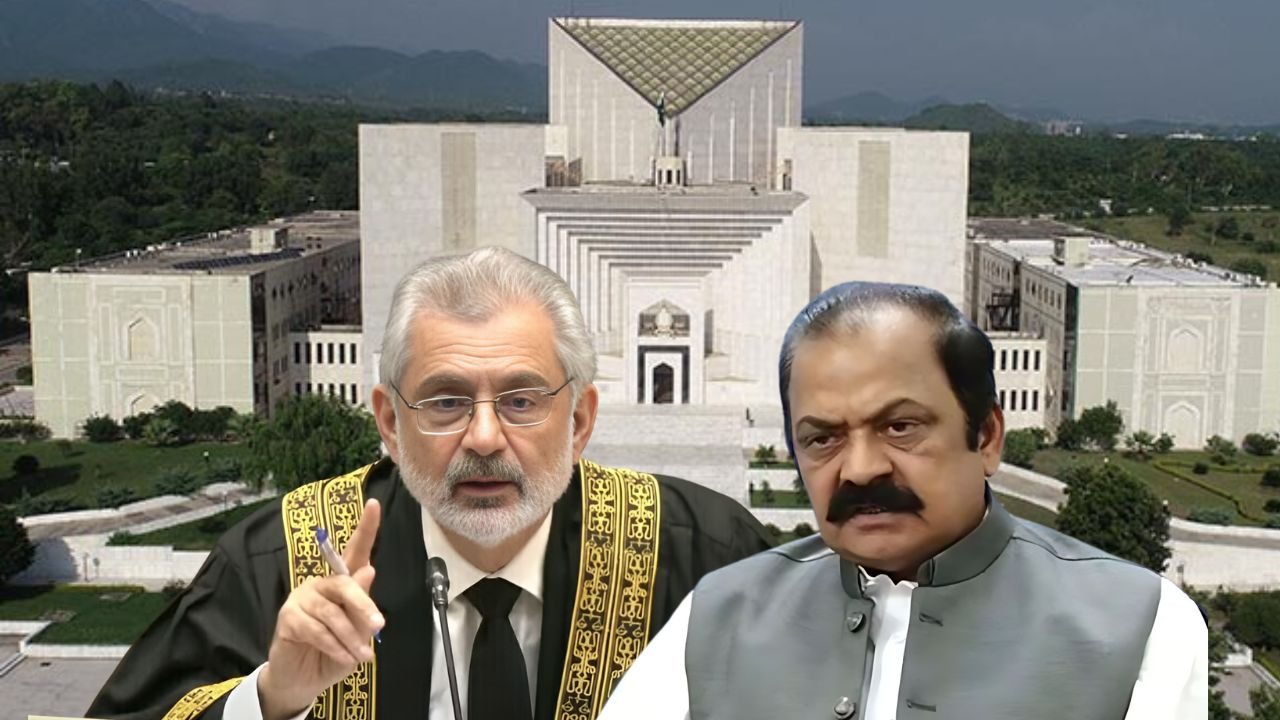
    Prime Minister’s Special Assistant for Political Affairs, Rana Sanaullah, claimed in an interview with ARY News that Chief Justice of Pakistan (CJP) Qazi Faez Isa has rejected any possibility of an extension to his tenure.

    “CJP Isa is an honourable judge; an age limit extension for everyone is acceptable,” he said.

    “The government is short of the required number of constitutional amendments in parliament. It is the privilege of parliament to amend the constitution,” he added.

    Commenting on the previous extension of former Chief of Army Staff (COAS) General Qamar Javed Bajwa, Sanaullah said that Prime Minister Shehbaz Sharif never hinted at an extension for Bajwa.

    “It is possible that after Isa’s retirement, WhatsApp messages may surface regarding communications between the founder of Pakistan Tehreek-e-Insaf (PTI) and former spymaster General Faiz Hameed on May 9th, and those who facilitated their communication may speak out later,” he concluded.

  • Bollywood actress Seema Pahwa is also a fan of Pakistani dramas

    Bollywood actress Seema Pahwa is also a fan of Pakistani dramas

    Indian actress and director Seema Bhargava Pahwa has added her voice to the growing praise for Pakistani dramas.

    Pahwa appeared as a guest on the ‘Hindi Rushi Podcast’ along with her husband, Manoj Pahwa. The host, Neha Singh, asked Seema about her views on Pakistani dramas, asserting that the Pakistani drama industry is doing much better than films, the proof being the Indian platform Zee TV’s collaboration with Pakistani artists.

    Seema Pahwa replied, “Web series or serials, whatever you want to call them, I feel that their stories are exceptional. Besides that, the language they use is something my ears long to hear, the Urdu language, which has become so rare these days.”

    “The way they use the language there [in Pakistan] and the level of detail in relationships is incredible. We can’t even imagine such detailing in our films or our serials. The small, intricate details. They create these characters with such beauty, layer upon layer, and I wish we could perform something like that. My heart aches for the kind of writing that would allow us to produce such beautiful work if we had it here,” she elaborated.

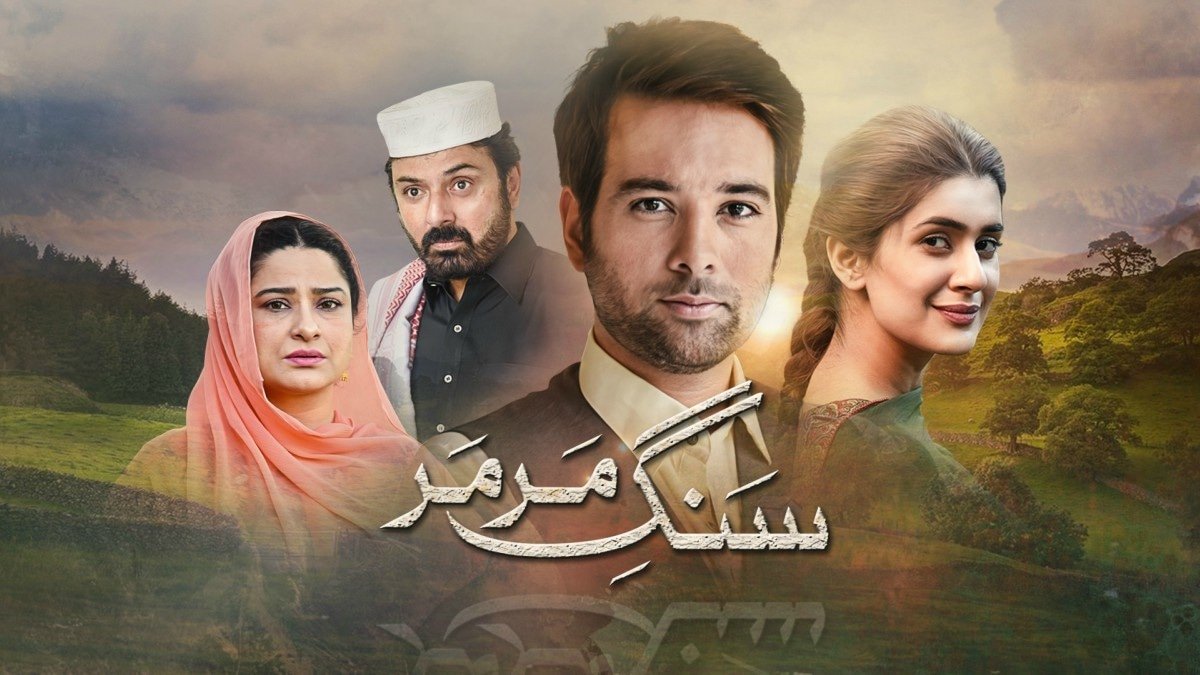
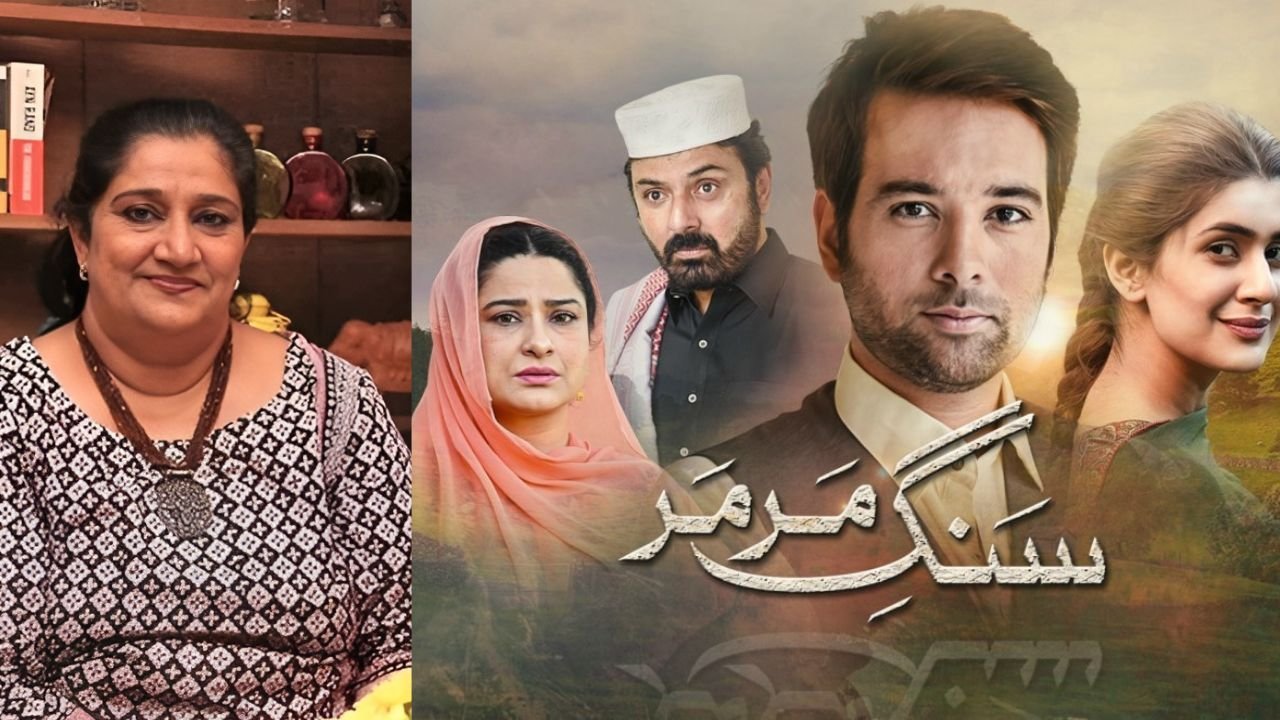
    The host asked about her favourite Pakistani drama, which she named ‘Sang-e-Mar Mar’.

    “The most beautiful aspect of it was the negative character, the daughter-in-law. I have never seen a song for a negative character before. I’ve always seen songs for heroines or positive characters, not for negative characters. They showed that even a negative character has pain”, she said.

    “If you think about it, nobody wants to be negative. It’s often circumstances that make them that way or some grudge. But the character is still a person. When her child dies, and she imagines the child with a piece of cloth and sleeps with it, the song they gave her makes you cry. Even though she has done terrible things, when her mother’s love makes her cry, you start crying too. That’s the beauty of writing and making: you can add emotion even to a negative character. You can’t get more detailed than this; it’s amazing,” she added.

  • PTA to block SIMs for holders of expired CNICs

    PTA to block SIMs for holders of expired CNICs

    The Pakistan Telecommunication Authority (PTA) will begin suspending mobile SIMs of users with expired Computerised National Identity Cards (CNIC).

    PTA has also started the second phase of its operation to stop the illegal use of SIM cards across the country.

    A statement issued by the PTA on Monday read, “Those whose ID cards expired before 2017 and have not been renewed will have their SIMs suspended. ” The statement also urged users to renew their ID cards to avoid blocking their SIMs.

    Results from the first phase

    Notably, the PTA blocked fake SIMs and cancelled the CNICs during the first phase of the operation.

    “Since August 16, more than 69,000 illegal SIMs have been blocked,” the statement read, adding that the illegal SIMs are being blocked based on data obtained from the National Database and Registration Authority (NADRA).

    Goals for the third phase

    PTA will terminate SIMs registered in the name of deceased persons during the third phase.

    Awareness messages were sent to users before the blocking of mobile SIMs, asking them to update relevant data.

    PTA, however, maintains that fake SIMs are being used in various illegal activities, including terrorism, financial fraud and other scams.

    Blocking illegal URLs

    The authorities have blocked more than 363,000 URLs in the category of illegal content in the last three and a half years.

    From January 2021 to June 2024, defamatory or impersonating content had the lowest blocking rate. Social media platforms blocked 307,610 of these URLs. The overall blocking rate was 84.72%.

    Blocking URLs involved in contempt of court

    The PTA is taking action on 2,480 URLs related to contempt of court, and social media platforms blocked 1,496. The blocking rate is 60.32 per cent.

    The rate of blocking content against security and defence is slightly higher.

    Blocking un-Islamic content

    The rate of blocking un-Islamic content is also high, with action taken against 46,103 URLs and 37,479 blocked.

    34,673 URLs were examined, and 28,922 were blocked for sectarianism and hate speech content.

    Blocking proxy-related content

    The unethical category has documented the highest blocking rate, with 158,054 URLs examined and 152,646 blocked. Its content blocking rate is 96.46 per cent, with all 51 URLs related to proxy content blocked.

  • I have not ended any relationship, says Jawed Sheikh after two failed marriages

    Veteran actor Jawed Sheikh revealed that he has not ended any relationship.

    Recently, he appeared as a guest on a private TV program ‘Zabardast With Wasi Shah’ expressing his views on various issues.

    He said, “I have never ended his relationships by myself, nor has I initiated any relationship. I never opened up about my two failed marriages, when and whose fault it was.”

    The actor has reputation for flirtatious behavior at the height of his career in film industry.

  • Police collect 1.2 billion rupees in traffic fines from Karachiites

    Police collect 1.2 billion rupees in traffic fines from Karachiites

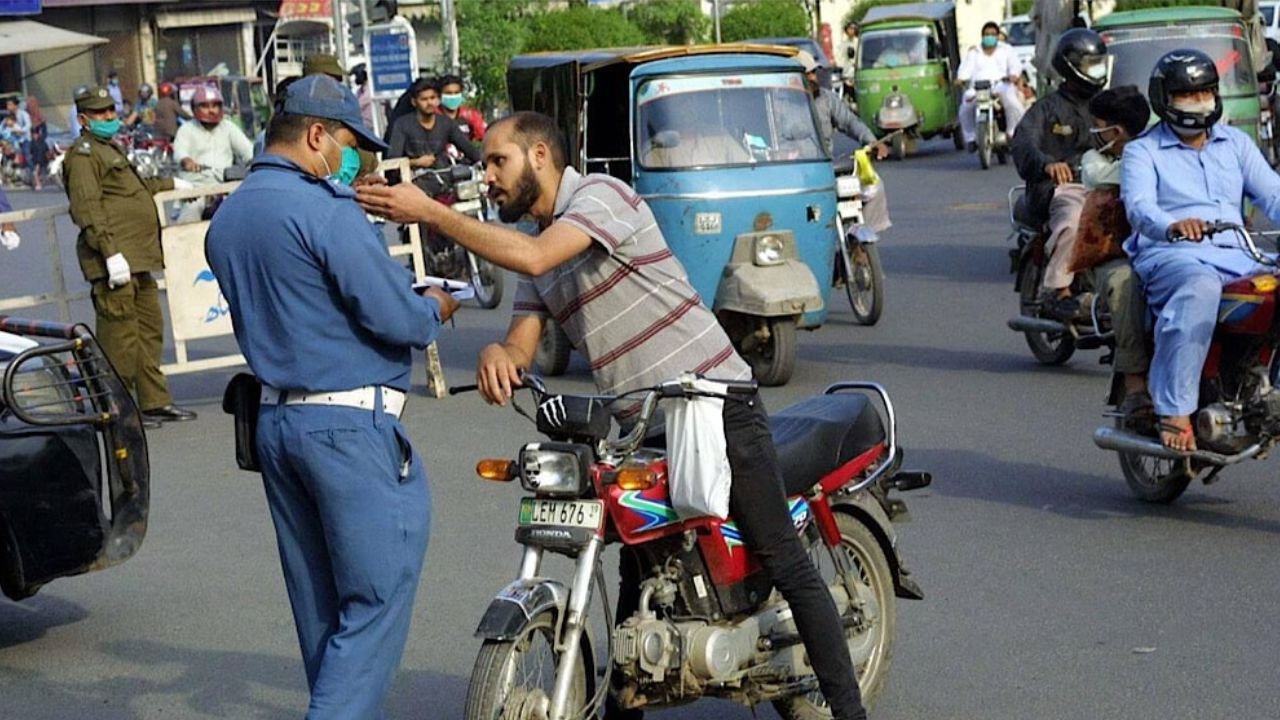
    Karachi traffic police have extracted Rs1.2 billion from citizens as fines over different traffic violations during the past one year, official data reveals.

    3.5 million worth of tickets issued per day

    Over the past year, from July 1, 2023, to the end of July 2024, over two million Karachiites were issued tickets, and the total fine stood at Rs1,294,886,450—which is around Rs3.5 million per day.

    Fines of 100 million are yet to be paid

    Of the total Rs1.2bn fine amount, citizens have paid Rs1.19bn, while 114,142 traffic rule violators have yet to pay over Rs100m in fines.

    This year alone, from January to July, traffic police issued 992,576 challans, which amount to Rs699,813,650 (over Rs699m).

    While incumbent Sindh Inspector General of Police Ghulam Nabi Memon have time and again made it clear that the traffic police were not a revenue-generating agency, the huge number of fines and challan amount shows that this might not be the case as traffic police is entitled to 30 per cent of the challan’s total amount and the remaining 70 percent goes to the provincial government. This means the traffic cops could get a Rs360m share from the Rs1.2bn amount.

    On the contrary, DIG-Traffic Ahmed Nawaz Cheema said that the traffic police had not been paid their “due amount” for the past four to five years.

    “Of the 30 percent amount, 15 percent is for [cash] rewards for traffic police officers, while the remaining amount is for the procurement of equipment,” he said.

    He said that it was a clear policy of the IGP-Sindh and Karachi police chief Javed Odho that the traffic police should mainly issue challans for moving traffic violations like wrong-way, one-way driving, violation of traffic lights, vehicles without number plates, etc.

    He claimed that, after the IGP’s direction, the traffic challan rate had dropped to one-third of what it was before his fresh stint.

    District-wise details

    District East tops the chart with a fine amounting to Rs240,260,100 (over Rs240m) against 357,374 tickets, followed by District West with a fine worth Rs224,790,700 (over Rs224m) against 309,170 tickets and District Malir Rs207,635,350 (over Rs207m) against 317,310 tickets.

  • Pervez Musharaf Was One Of Pakistani’s Better Dictators

    Pervez Musharaf Was One Of Pakistani’s Better Dictators

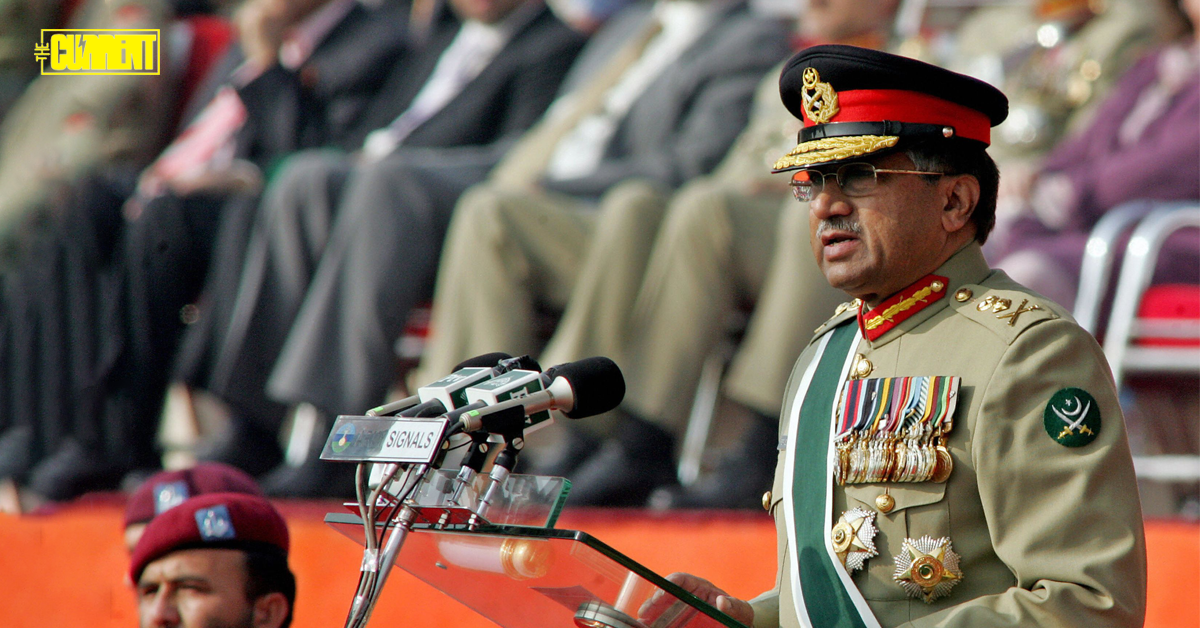
    Pervez Musharraf was the prime minister of Pakistan. He ruled the country from 1999 to 2008. He was one of the most influential figures in Pakistan’s history.  His tenure as President and Chief of Army Staff was marked by significant developments and controversies. These are some traits of his personality that make him a figure of intense debate.

    While some argue that Musharraf was among Pakistan’s more effective and pragmatic dictators, his legacy is complex and multifaceted.

    A Brief Overview of Musharraf’s Rule

    General Pervez Musharaf was the only man who remained president of Pakistan for 10 years. He was the master of combining military power with politics hence his reign was a period of both accomplishment and conflict.

    Musharraf came to power by removing from office the Prime Minister Nawaz Sharif. His first term was mainly devoted to managing Pakistan’s economy. This was in a rather ill state due to a high inflation rate as well as a low growth rate. During Mushraf’s rule, Pakistan enjoyed a mild economic boom with the annual growth rate of GDP ranging between 5-7 percent. 

    He was able to show his government towards the process of economic liberalization; lift some of the barriers to foreign investment, and embark on a process of modernization of some key sectors of the economy. He did it by embarking on infrastructural development; such as enhancement of telecommunication and transport systems.

    Socially, he wanted to reform the country. For this purpose, he promoted women’s rights, increased female representation in parliament, and decentralized power through local government elections. These are some efforts that represent his goal to modernize Pakistan’s political landscape.

    Gen Pervez Musharraf aimed to align Pakistan with the United States. This cooperation provided more military assistance as well as financial contributions. This also created negative public opinion in Pakistan about sovereignty as well as the position in the war on terrorism.

    However, several controversies were recorded during Musharraf’s rule of the country. He therefore declared a state of emergency in 2007. He suspended the constitution suppressed political opposition, and was widely criticized. But again his regime also witnessed more hostile relations with the Judiciary and conditional political freedom.

    Mushraf’s rule is still an object of controversy as the tyrannical outcome of the policies conducted during his administration overlaps with the economic growth of Pakistan.

    Economic And Developmental Achievements

    Different economic or development advancements took place during Pakistan General Musharraf’s tenure. It was a time when Pakistan experienced a period of different transformations. The main focus of his administration was the stability or modernization of Pakistan’s economy. 

    Pakistan’s economic growth increased during his tenure. This was the significance of his economic success. In the early years of his administration, the annual growth rate of the country was 5-7% which later marked improvement over previous periods of economic stagnation. liberalizing trade policies, encouraging foreign investment, and implementing deregulation measures were the reasons for economic growth.

    There was another reason that gave a boost to the economy of Pakistan during Pervez Musharraf’s tenure was infrastructure development. The government invested heavily in different projects which may include road construction, urban development, and energy generation. expansion of the motorway network and improvements in public transportation are also some of the projects that can’t be neglected. These projects were also the reason for economic growth. 

    Advancement of Telecommunication Department

    The telecommunication department also grew under Mushraf’s rule. He used up-to-date techniques that gave a rapid boost to mobile phone services or internet services. This boost increased the Digital connectivity or technological progress. As a result, communication pr economic growth increased.

    These were not only works, Gen Pervez Musharraf brought revolutionary changes everywhere. He also worked on social development. He introduced different programs that improved healthcare and education. increase female literacy rates and best healthcare services were a proof of his social upliftment.

    Despite these achievements, he faced strong criticism. The reason behind this criticism was income inequality and persistent poverty. Pakistan general Pervez Musharraf is still remembered for his significant services which he brought for the reformation of the country. 

    Political And Social Reforms

    The tenure of General Pervez Musharraf was from 1999 to 2008. His tenure was marked by different political and social reform series. modernizing Pakistan’s governance and societal structures was one of his services. He was the only prime minister that worked hard for the reformation of Pakistan. While his tenure was characterized by significant advancements, it was also full of substantial controversies.

    When you talk about politics, the different reforms he used to decentralize power. His initiative was the promotion of local governance. 

    Improve Administrative Efficiency

    He aimed to empower local authorities and improve administrative efficiency. He took this step to bring the governance or people closer. He also wanted to increase political participation at the grassroots level.

    Pakistan general Musharraf also tried his best to establish the administration to tackle different corruption activities and bureaucracy inefficiency of the political institutions. 

    His government made efforts to rationalize bureaucratic procedures as well as increase the measures of accountability. However, these attempts were seen under the prism of suspicion as the military dominated the government under his dictatorship in Pakistan.

    Social Aspect And Freedom

    As far as the social aspect and freedom and rights of the people were concerned, there were marked improvements, especially women’s rights during the rule of Musharraf. The government tried to enhance the position of females in politics and every field of life. He also empowered the social sectors during Mushraf’s presidency through the implementation of different policies. 

    All policies gave support to the rights and opportunities of females regarding education and healthcare services. All these were in a program to transform Pakistan’s society and elevate the status of women in the society.

    However, these reforms aimed at accomplishing its objectives did not go without controversies. The politics during the rule of Gen Musharraf was quite restricted in essence, there were some restrictions to the freedom of media and political parties. 

    The discharge of the judiciary and declaring a state of emergency in 2007. This also demonstrated the contradictory nature of the reformist agenda along with the authoritarian measures.

    It is possible to note that Musharraf’s presidency was indeed progressive in terms of decentralization of power and social liberalization. At the same time introduced certain troubles and controversies in Pakistan, proving the concept of the path of modernization being intertwined with authoritarianism.

    Relations with the International Community

    Strategic location, economic needs, and geopolitical challenges are some basics that build a country’s relations with the international community. Pervez Mushraf had introduced a military dictatorship in Pakistan. He introduced different nuclear power projects in Pakistan. 

    These projects had a certain responsibility for regional stability, especially in the South Asian area. It primarily focused on the two-sided relationships that still exist with most of the world powers such as the United States, China, and Russia in its foreign policy.

    Relationship With China

    Out of all these countries, Pakistan built an especially close relationship with China in his tenure. The China-Pakistan Economic Corridor was an important project of the Belt and Road Initiative. By financializing this partnership, it had brought about hefty investment in the country that enhanced the growth of the economy. 

    Strategies Of Pervez

    The strategies of the late Pervez Musaraf are still alive. Pakistan’s external affairs continue to be shaped with the help of the most powerful dictators today. They desire to secure economic cooperation and foster a stable environment for the growth of their industries. They even want to balance the disturbances posed by security threats by following the strategies of Pervez. 

    Criticisms and Controversies

    Significant figures, institutions, and events cover the Criticisms and controversies. In politics, Gen Musharraf also faced different criticism over policy decisions., governance, and ethical conduct. 

    For example, he faced allegations of corruption, human rights violations, or mismanagement. Above all, he didn’t let these criticisms or controversies affect his plan for the welfare of Pakistan.  

    Conclusion

    A complex story can be told about Pervez Musharraf’s time as a leader of Pakistan. The economic pyramid that he headed did have some measure of positive development, many progressive reforms, and some social overtone expertise. It also claimed its stake in authoritarianism and rather politically charged controversies. 

    It must be noted that categorizing Pervez Mushraf as one of Pakistan’s ‘lesser’ evils is an easily arguable opinion. It depends on one’s point of view when addressing the president’s achievements and follies. It is still a subject of discussion today because governance is still an issue in a country that is struggling to be democratic yet is constantly influenced by the military dictatorship in Pakistan.

    People May Ask

    Was Musharraf’s rule considered successful in terms of economic performance?

    Yes, Pakistan General Musharraf’s services for economic growth can’t be neglected. The infrastructure, increased foreign investment, and better economic stability are some of the evidence of his successful economic situation as compared to previous periods. This is the first reason why He is still alive in Pakistan dictatorship world. 

    What were the major criticisms of Musharraf’s rule?

    There were different criticisms Mushraf faced during his political tenure. Major criticisms of his rule included:

    • Authoritarianism
    • Legal and Human Rights Issues
    • Political Corruption
  • Who Are The Biggest Billionaire Philanthropists Richest Pakistani?

    Who Are The Biggest Billionaire Philanthropists Richest Pakistani?

    Philanthropy in Pakistan follows Islamic teachings that include performing tasks for the welfare of human beings. Richest Pakistani philanthropists are the persons who become the helping hand for needy people. 

    It is difficult to find who is the first billionaire because several billionaires have emerged in Pakistan as philanthropists. These people take part in charitable activities. They contribute vast amounts of their wealth to social causes. 

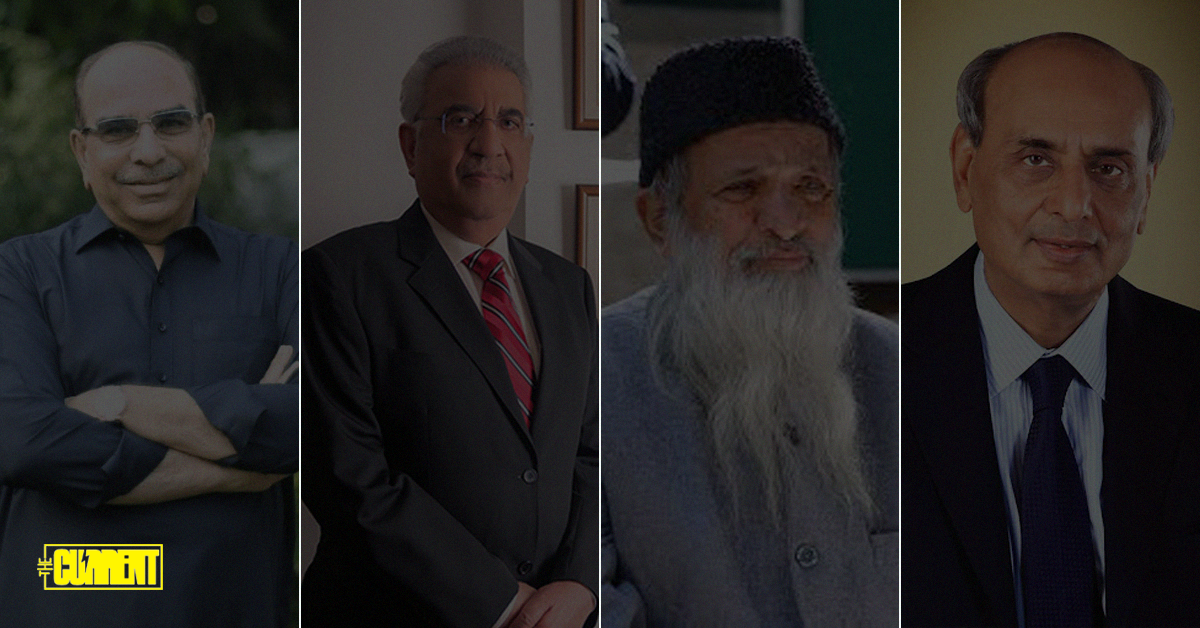
    This article explores some of the most prominent Pakistani billionaires and philanthropists in Pakistan, highlighting their contributions and their impact on society.

    The Impact of Philanthropy In Pakistan

    There are several impacts of philanthropy present in the country. Here are some of them that define how the richest businessmen in Pakistan are playing their role in reforming the country.

    • Poverty Alleviation: The richest Pakistani philanthropists have the main initiative to fight against poverty. For this purpose, they introduce different educational courses or scholarships for youth and financial aid. 
    • Healthcare Improvement: The richest businessmen in Pakistan always take part in social work. They give funds to hospitals, clinics, and health programs. These philanthropists want to improve quality healthcare for underdeveloped areas of the country.
    • Educational Advancement: The philanthropic efforts of the richest Pakistani billionaires have led to the establishment of schools, universities, and scholarship programs. In this way, they increase access to education and raise educational standards.
    • Disaster Relief and Rehabilitation: The wealthiest person in Pakistan is playing his role, especially in disastrous relief campaigns.He provides immediate aid and long-term rehabilitation for victims of natural calamities like floods and earthquakes

    Malik Riaz Hussain

    Malik Riaz Hussain the richest Pakistani is the owner of Bahria town. He is a prominent figure in the billionaire world but still, it is hard to know about the net worth of Malik Riaz. Despite being a controversial figure, He has a distinguished personality in the philanthropic world as he always contributed to humanity’s welfare. His charitable activities are limitless. This sphere may include healthcare, education, and housing, particularly for the underprivileged.

    There are millions of his efforts for needy people but his efforts which he performed for disaster relief people is the most notable action of his social works. Whenever any natural disaster such as floods and earthquakes hits Pakistan, he always steps forward to save the country by giving shelter, food, healthcare facilities, or money to the affected people. He always built homes for the homeless, he aims to improve the living conditions of the poorest segments of society.

    • In the healthcare sector, Malik Riaz has initiated and provided different hospitals and medical centers. The healthcare centers provide good healthcare services to those people who cannot afford to get proper treatment facilities. 
    • His input to education also extended to the provision of schools and scholarships to enable needy students to access education.

    From his philanthropy, this Pakistan wealthiest person is a man with a genuine passion for reducing inequalities in society, especially in Pakistan. He has established himself as one of the largest charitable billionaires in the country today touching the lives of millions positively.

    Sadruddin Hashwani

    The chairman of the Hashoo Group Sadruddin Hashwani is another richest person in Pakistan. He is one of the most influential billionaire philanthropists in Pakistan. At first, he was just a businessman but later he started contributing to Pakistanis welfare. He knows that the majority of people in Pakistan are homeless or they can’t afford medical treatments or good food. 

    Here he became a helping for these people. At the time of any calamity, he also showcases his commitment to uplifting society, particularly in the areas of education, healthcare, and poverty relief.

    The Hashoo Foundation takes care of these all charitable activities. There is a proper channel this foundation follows to regulate these activities without any pause. The purpose of this foundation is to address all the socio-economic challenges Pakistan’s community may face. 

    He offers educational, vocational training, and microfinance services to young women so they can stand in hard times using their educational skills. This is good for them and for the overall country’s growth. Being the richest Pakistani Hashwani has enabled individuals to break the cycle of poverty and achieve financial independence.

    Hashwani has made an immense contribution, especially in the field of healthcare delivery. He has contributed towards the creation of and funding for expensive hospital and clinic facilities in hard-to-reach areas. The reason is to bring health care closer to those who require its services. These have taken health care services to many a neglected corner of the country hence enhancing the quality of many Pakistanis ‘lives greatly.

    Besides, healthcare, Hashwani had his partnerships with schools and scholarships to mark his interest in the education sector. He has focused his philanthropy on the educational sector and mentioned that education holds the future of Pakistan where millions are still out of schools. 

    The benefits he has given have not only opened access to education but have also improved the quality of education in the country.

    Being a billionaire from Pakistan he always serves the country like his responsibilities. Moreover, he has true dedication to helping the needy without any expectations in return. Through his ongoing efforts, Hashwani continues to inspire others to contribute to the betterment of society.

    Abdul Sattar Edhi

    Abdul Satar Edhi was not Pakistan most richest man but his humanitarian work has made him a top philanthropist. He built the Edhi foundation for those who are homeless, and sick. Edhi is a true example of philanthropy as he always served humanity genuinely. 

    He started his welfare work with a small dispensary in Karachi. Later his compassion for serving humanity grew into a nationwide network of services. The edhi foundation later introduced the facility of edhi ambulance in Pakistan which works for free. 

    Moreover, this foundation has also opened orphanages, homeless shelters, clinics, and rehabilitation centers across Pakistan. 

    Edhi gathered fame by contributing his services to the world but he always led a simple life. He always used all his resources for the betterment of humanity. His philosophy was centered on the unity of humanity and his foundation as a result offered assistance to anyone irrespective of their faith, origin, or race.

    Abdul Sattar Edhi had devoted as much of his life to the welfare of fellow human beings and the needy. His dedication to the goal of helping people in need has indeed set a very brilliant precedent to change the lives of the helpless in the country.

    Mian Muhammad Mansha

    Mian Muhammad Mansha is one of the richest men in Pakistan. He has done good business as well as involved in social causes. However, through his wealth acquired from the Nishat Group Mansha has been able to support and fund different social causes, especially in the field of education and health.

    In Mansha’s case, philanthropy is as a rule aimed at the enhancement of the outcomes that can be sustainable in the long run. He has funded a lot of education projects, to assist schools and scholarships for those students who cannot afford to pay education fees. 

    For this reason, his works are generally focused on helping the succeeding generations become enlightened and responsible individuals to help out in society.

    In terms of healthcare, Mian Mansha has extended beneficial contribution in uplifting the standards of medical services in Pakistan. He has financially backed the provision and development of hospitals and other healthcare centers. 

    The purpose of these healthcare centers is to guarantee that the increased segment of the population will be capable of receiving quality healthcare. He has been more concerned with offering health care to those who have not easy access to them namely the rural and marginalized groups.

    The case shows this Pakistani richest person wanted to become a nobleman who wanted to help society whenever he had the resources to do so. In targeting his contributions, he has proved to be one of the key billionaire philanthropists in Pakistan who impact society positively.

    Shoaib Sultan Khan

    He is not a billionaire in traditional financial terms but is still considered one of the richest Pakistani influential philanthropists. Shoaib Sultan Khan is the founder of the Rural Support Programmes Network (RSPN). He dedicated his whole life to improving the socio-economic conditions of rural communities or relieving poverty.

    Khan worked hard to make the people able to enhance their livelihood by providing them with tools, resources, and training. His services and works have made The RSPN one of the top successful rural development initiatives in the country. 

    This network has always helped people to raise their living standards with the help of their community-driven development projects, including microfinance, education, healthcare, and infrastructure development.  

    Shoaib Sultan Khan believes that sustainable development starts with empowering individuals to take control of their own lives. For this purpose, he worked hard day and night and his efforts have transformed countless communities and enabled them to break the cycle of poverty and achieve long-term prosperity.

    Although he is not one of Pakistani billionaires by wealth, he is no less than a billionaire philanthropist. His contributions to Pakistan’s development are immeasurable. His humanitarian services have made him a towering figure in the country’s philanthropic landscape. His legacy inspires those who want to do some social work.

    Hussain Dawood

    Hussain Dawood is the CEO of the Dawood Hercules Corporation and Engro Corporation together which makes him one of the richest people in Pakistan. Dawood has focused on philanthropic activities operated by the Dawood Foundation & Engro Foundation. 

    He concentrates on Education, Health & Social uplift in Pakistan. No one knows about Hussain Dawood net worth because he has infinite sources of income.

    Concerning the cause and support of schools, Dawood supports several schools and has demonstrated a commitment to education. He has played a key role in the formation of Lahore University of Management Sciences (LUMS). It is one of the renowned universities of Pakistan in which he is still involved in improving educational quality. He strongly believes in education as key to youth transformation resulting in many scholarships and educational programs meant to prepare the future leaders of Pakistan.

    Concluding Remarks

    The richest Pakistani philanthropists are a testament to the power of giving back to society. Many people have positively benefited from their efforts for they offered their work to help those in need. While such people still hold their positions as examples. 

    More young Pakistani millionaires should copy these trends consequently boosting the tradition of philanthropy back in the country.
  • Objectionable material found on Orya Maqbool’s phone, claims Umar Cheema

    Objectionable material found on Orya Maqbool’s phone, claims Umar Cheema

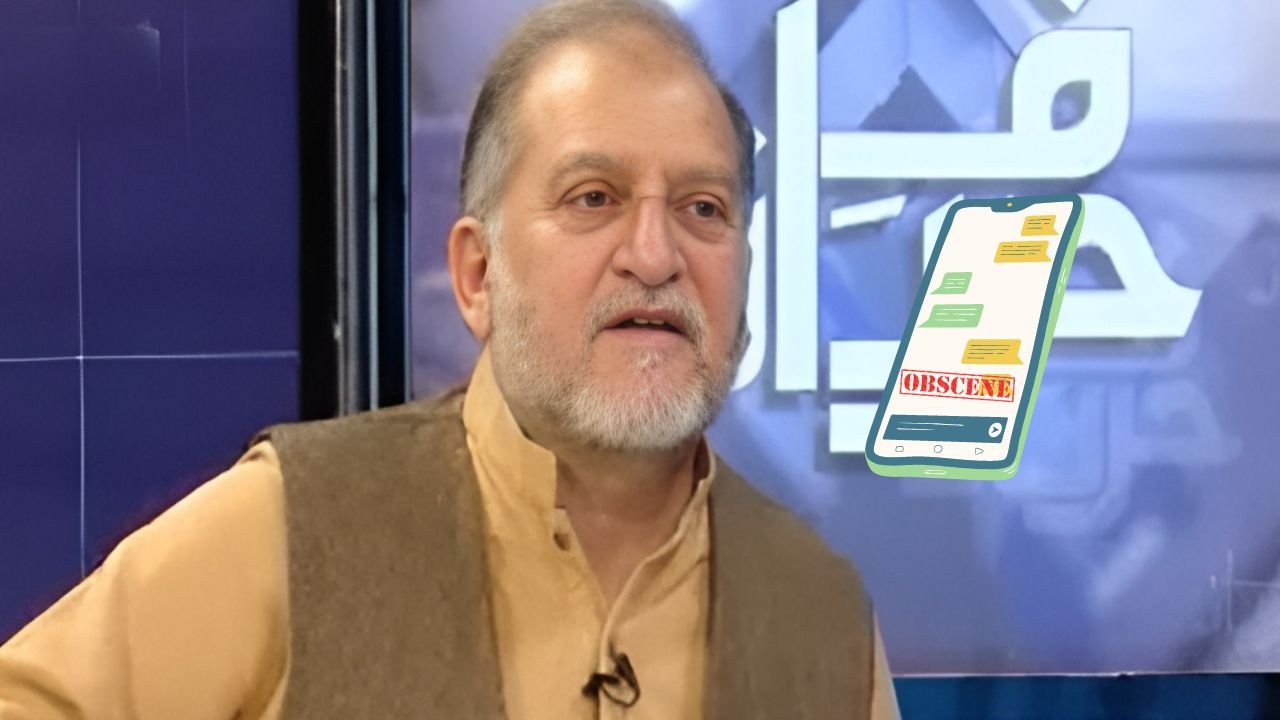
    In a short clip that has gone viral on X (formerly Twitter), journalist Umar Cheema alleged that police have found objectionable material on Orya Maqbool Jan’s mobile phone while in custody.

    YouTuber Orya Maqbool Jan, known for his right-wing religious views, was arrested on August 22 by the FIA’s cybercrime wing in Lahore for alleged hateful social media posts regarding the Mubarak Sani case.

    “Charges brought up against him include sharing of vulgar and nude media in some drinking party where Orya Maqbool Jan is present.”

    He also alleged that the authorities have found evidence that indicates Orya’s team was involved in creating trends against Army Chief Gen Asim Munir.

    Umar opined that the coming days will tell how the case unfolds.

  • Rana Sanaullah wants Mohsin Naqvi to choose between Interior Ministry, PCB

    Federal Minister for Inter-Provincial Coordination (IPC) and Advisor to Prime Minister Rana Sanaullah says that Mohsin Naqvi should choose between the Interior Ministry or Chairman of the Pakistan Cricket Board (PCB).

    In a special interview with ARY News, he said, “The positions of the Ministry of Interior and Chairman PCB are full-time jobs; it is up to him to decide which position he wants to hold.”

    Expressing his helplessness, he said, “The bad condition of sports in Pakistan is because an influential person is sitting on every sports body against merit, and he is also not on merit. Whoever does not get a place, he comes to a good sports body with his strength. They are so strong that I can not take any stand.”

    The Pakistan cricket team is struggling against a team like Bangladesh on their home ground. Many think that this is all because of Mohsin Naqvi, who doesn’t have the ability to run the cricket board.

    In the T20 World Cup 2024, Pakistan faced an early exit from the group stage.

  • How many people are married in Pakistan? Gallup report reveals

    How many people are married in Pakistan? Gallup report reveals

    Gallup Pakistan, an opinion poll agency, has released a new survey on marital status in the country.

    The survey was conducted via telephone from June 28 to July 10, and 755 men and women from all four provinces participated.

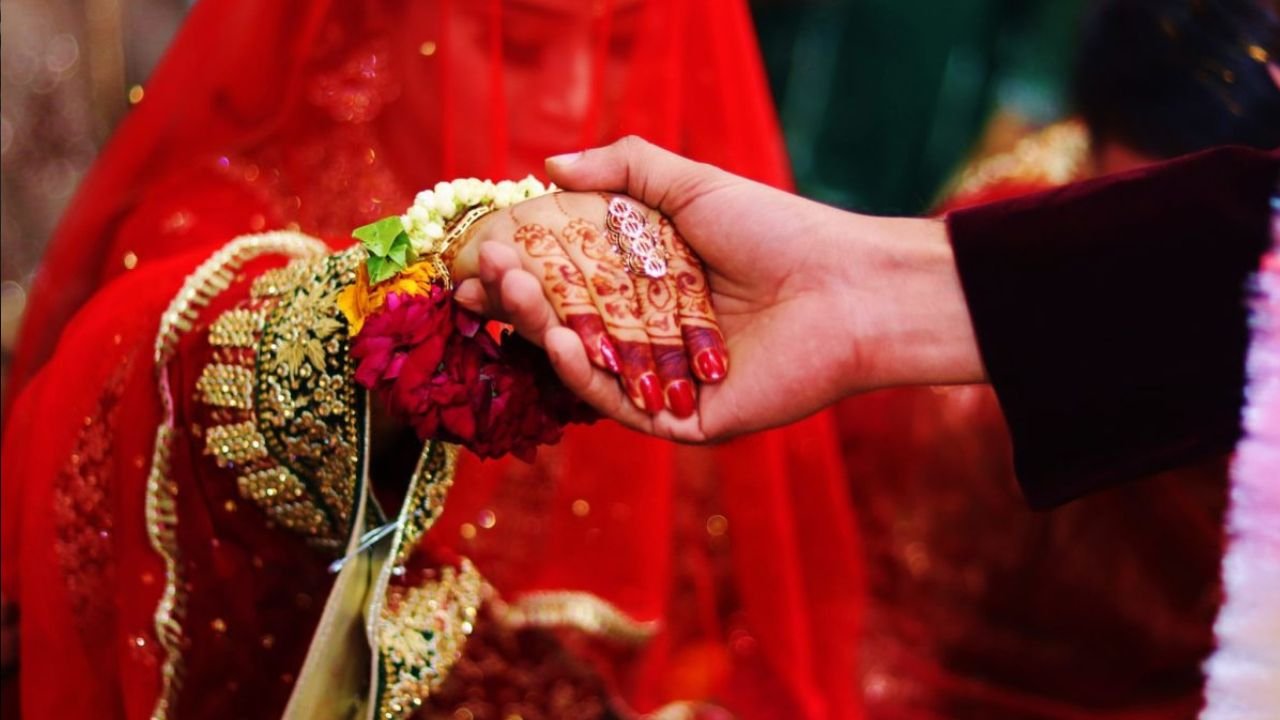
    Four out of every five Pakistanis, i.e. 80 per cent, are married, while 20 per cent are unmarried.

    The rate of married Pakistanis is higher among women and the rural population, with the rate of married women being 12 per cent higher than that of men.

    75 per cent of urban and 83 per cent of rural women were identified as married.

    Notably, in the survey, 56 per cent of Pakistanis aged 30 and 96 per cent of Pakistanis above 50 said they were married.

    As for the duration of marriages, 30 per cent have been married for five to 10 years, 17 per cent fall between two to five years, 17 per cent were married for 10 to 15 years, and 13 per cent have been together for more than 25 years of marriage.