Blog

  • UK’s Emma Raducanu wins US Open in historic final

    UK’s Emma Raducanu wins US Open in historic final

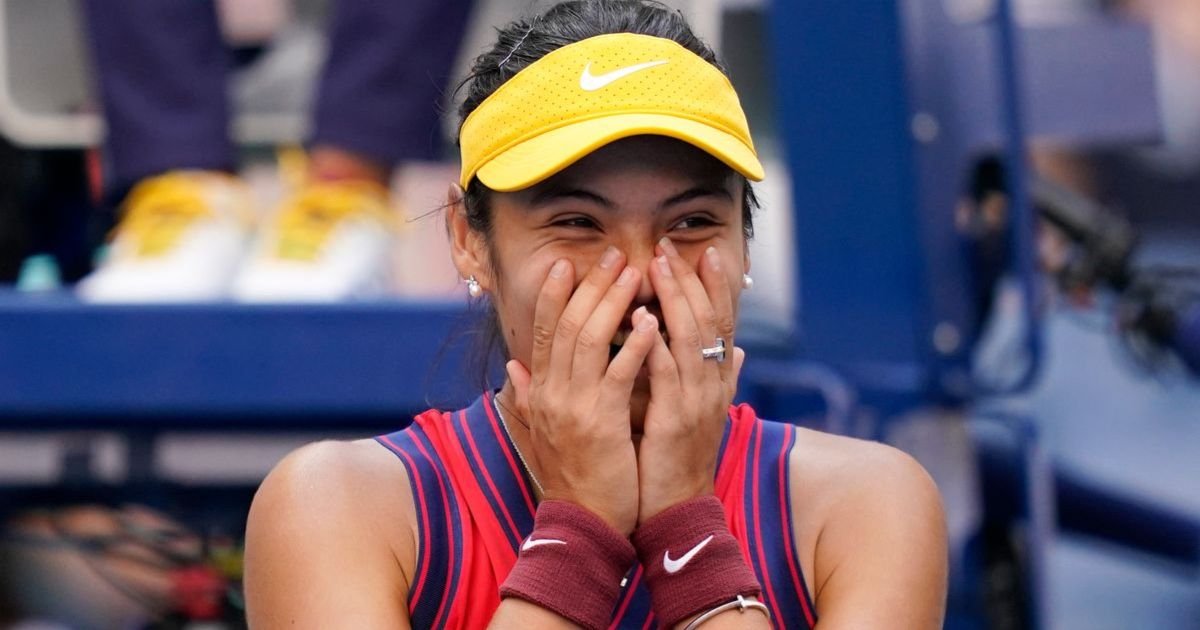
    United Kingdom’s (UK) Emma Raducanu’s extraordinary run at the US Open finished in glorious fashion in New York as the 18-year-old became Britain’s first female singles Grand Slam champion after 44 years.

    According to details, Raducanu, the first qualifier ever to reach a Grand Slam final, once again rose to the occasion, beating the 19-year-old Canadian Leylah Fernandez 6-4, 6-3 with a remarkable display of big hitting and composure. Just three months after making her debut on the main women’s tour, Raducanu became the youngest Grand Slam singles champion since 17-year-old Maria Sharapova won Wimbledon in 2004.

    She is also the first woman ever to win the title in only her second Grand Slam tournament.

    Raducanu had made her Grand Slam debut at Wimbledon, where she became the youngest British woman in the open era to reach the fourth round. As the world No 150, she is the lowest ranked player ever to win the US Open, though Kim Clijsters did not even have a world ranking when she won the title in 2009, having just returned to competition after having a baby. Raducanu will now climb to No 24 in next week’s updated world rankings list.

    Having come through qualifying, she lifted the title by winning nine matches in the space of 17 days and without dropping a set in any of them.

  • Judicial reforms and the question of representation

    What could have been a historic moment in the history of Pakistan was lost to politics of deflection by the Bar and the placement of arbitrary power for the process of judicial appointments in the hands of the Chief Justice(s) and the members of the Judicial Commission of Pakistan (JCP) on September 9, 2021, when the possibility of Judicial Commission of Pakistan (JCP appointing its first-ever female to the apex court in the 74 years since Pakistan’s independence failed to achieve the requisite majority for Justice Ayesha A. Malik’s nomination as a judge of the Supreme Court. As a result, Pakistan to date has had no female representation or voice at the highest forum of justice in the country and remains the only country in the region to hold this unfortunate record.

    Given that the courts invariably deal with matters of public policy and adjudicate on fundamental rights that are to be accessed by the most marginalised groups, communities, and persons, including women and minorities, it is vital for there to be more inclusion, transparency, and representation to promote access to justice and build public confidence and trust in the justice system of the country.

    What transpired on September 9, however, must be viewed in the context of the historical issues surrounding the judicial nominations and appointments process, the rather unhelpful digression into the seniority versus merit, junior versus senior debate, and the overall state of representation of women and minorities in the justice sector. The larger socio-political concerns and overarching considerations of patriarchal structures can also not be divorced from the controversy the system and its stakeholders find themselves in.

    Every few years, the question of judicial appointments goes through a similar cycle of division and deflection and is placed within the larger political context of its time. Prior to the 18th Amendment, the process of judicial nominations was centered around the recommendation of a panel by the Chief Justice to the president who selected a suitable candidate from therein. Even though the president had immense discretion to select a candidate from the panel, the central role, however, remained of the Chief Justice of a given court who alone had the power to recommend the panel up to the president for such appointments. This was further cemented in the Al-Jehad Trust Case 1996 in which the courts held that the recommendations of the Chief Justice would ordinarily be binding on the president, except where the president departed from the recommendations, in which case the reasons for his decision would be justiciable. The executive discretion of the president was, therefore, curtailed to a point where it was rendered practically ineffectual. This was done on the grounds of maintaining the independence of the judiciary from political influence.

    After the 18th Amendment to the Constitution of Pakistan, the process for appointments of the higher judiciary was further amended and appointments via a Judicial Commission plus Parliamentary Committee was envisaged instead. The Commission, it was believed, would have a wider composition and representation of stakeholders from both Bench and Bar, including ex-officio members such as the Attorney General of Pakistan, Federal Minister for Law and Justice, senior judges, former judges, and senior advocate of the Supreme Court nominated by the Pakistan Bar Council to promote greater consensus among the stakeholders within the legal profession.  However, no criteria or principles were formulated to base the nominations on. Instead, Rule 3 of Judicial Commission of Pakistan Rules, 2010, placed the power to initiate nominations for consideration by the JCP in the hands of the Chief Justice of the respective court in what is critiqued to be an absolute discretion devoid of any content and objective standards making the entire exercise an arbitrary and non-transparent exercise of power. Even the deliberations within the JCP and the eventual reasons of decision for accepting or rejecting a given nominee are not disclosed.

    Over the years, this lack of transparency in the process on the whole and arbitrary power to initiate nominations has resulted in increased speculation and tension between the Bench and the Bar, especially within the circles that find themselves underrepresented within the current structure and system.

    The calls for greater democratisation of the process once again became louder and relevant when Justice Muhammad Ali Mazhar, the then judge of the Sindh High Court, was nominated for appointment as a judge of the Supreme Court in July 2021. Being fifth in seniority, the assertions for ‘overlooking’ the senior-most judges, i.e. the then Chief Justice of the Sindh High Court, Justice Ahmed Sheikh, came to the fore by the Sindh Bar. Whilst critiquing the process as arbitrary and calling for its reform, they also persisted in demanding that seniority be applied as an interim measure until an objective criterion was formulated. Implications of ethnic tensions were also raised as was the possibility of judicial engineering for political engineering, which led to a massive and organised campaign of the bar against the JCP. The situation on the ground became more complicated when the Chief Justice of Pakistan put forth the name of a female judge, fourth in seniority from the Lahore High Court, for appointment as a judge of the Supreme Court. It was alleged that her gender was being used to neutralise the sentiment against the appointment of junior judges and to justify the earlier nomination of the then Justice Ali Mazhar of Sindh High Court, which was being resisted.

    Several distinct issues appear to have been conflated, which is what led to one of the most intensive and intellectually vigorous legal debates within the community in years. Several notable scholars, and senior lawyers including Salman Akram Raja, Feisal Naqvi, Salahuddin Ahmed, Hamid Khan, and Justice (R) Nasira Iqbal, engaged with this debate in public and shared their respective and divided opinions on the matter.

    The division appeared to be more in relation to specific strategies and interim solutions that the Bar had proposed re-adopting the seniority principle as opposed to the actual need for reform in the process on which there was largely a consensus. Most stakeholders — even with an alternative point of view — agreed that the arbitrary process needs to be retired in favour of greater transparency but disagreed that the seniority principle is that measure of transparency even in the interim. They based this on the grounds that there was no seniority principle that was being violated, to begin with, because the Constitution under Articles 177 and 193 and the Supreme Court judgement PLD 2002 939 SC makes no reference to the right of senior-most judge for such nominations. The appointments to the Supreme Court are in any case to be viewed as fresh appointments and not as ‘elevations’ — therefore, the question of continuing on basis of age and seniority does not arise. They were also of the view that while the process needed reforms to promote transparency and representation, the seniority principle would still not be the guarantee of representation or inclusion. They highlighted the dangers of entrenching seniority as a principle as that would make ‘elevation’ to the Supreme Court a matter of right for senior-most judges which, once established, would be very difficult to reform in favour of inclusion and representation at the Bench. In this way, insistence on seniority could self-defeat the entire ethos and momentum for actual reforms that were supposed to be based on the objective of achieving greater transparency and representation.

    The bar eventually organised to create pressure on the JCP and held several meetings to adopt a collective way forward to challenge the arbitrary exercise of power and to insist the stakeholders work towards developing the criteria for nominations. Strangely, they also held a primarily all-male lawyers convention in Karachi in August to collectively oppose the existing nominees even though there was no irregularity as they had been nominated in line with the existing process in place at the time.

    Justice Ali Mazhar, fifth in seniority, was nevertheless appointed as a judge of the Supreme Court. Justice Ayesha A. Malik’s nomination, fourth in seniority, however, could not be so approved as the JCP also remained divided.

    This dichotomy further brought to fore the need for developing the criteria for judicial nominations as Justice Ayesha Malik’s loss was pinned on the unfettered discretion of the JCP to appoint or not to appoint judges as per their whims in absence of clearly defined and scrutable criteria.

    The issue, however, was never as simple as a matter of seniority versus merit. The lack of representation in the profession at both Bench and Bar is a much more complex challenge that requires a complete overhaul of the entire system. Reforms are required at multiple levels.

    For instance, the JCP itself lacks the inclusivity and representation in its composition, as do the Bar Councils, the Attorney General office, the office of Federal Ministry of Law and Justice, senior and former judges and advocates of Supreme Court that have the support of the Pakistan Bar Council. This lack of diversity is indicative of the structural barriers that have led to the marginalisation of women and minorities in the justice system. It is a lot like the pot calling the kettle black.

    With only 4 women out of 205 members represented in the provincial Bar Councils with none at the Pakistan Bar Council, the Bar needs to do better to be more inclusive — at least when arranging conferences on matters that impact all members of the legal community, including women. However, we do not see a similar rage for reforms in that case. In fact, the years of practice for eligibility to run as candidates was increased by five years via the Legal Practitioners and Bar Councils Amendment in 2018, which had a disproportionate impact on women and their prospect of candidacy in Bar elections held in 2020. This, in turn, had an impact on eligibility for candidacy as members of the Pakistan Bar Council, the apex body of lawyers with a say in the JCP as the candidates are elected indirectly by the electoral college composed of members of provincial Bar Councils. There has been no female Attorney General or a female Federal Minister of Law and Justice since 2010 when the JCP was first established. Despite there being seats for appointing former judges to JCP, in the past 10 years, none of the former female judges have been a part of the composition of JCP in that capacity either and neither has any female advocate Supreme Court been supported by the Pakistan Bar Council as their representative at the JCP.

    If we take an even larger spectrum, the marginalisation of women begins much earlier. It could start as early as from homes, to law schools where female students have been discouraged from pursuing litigation and other ‘hard’ fields citing the non-suitability of those areas for their gender. Most female law graduates were not encouraged to go to courts even though this is now changing and so it would often be years before they would obtain their license to practice. This delay had an impact on their seniority as well as in the time it takes to complete the list of cases in which the counsel has represented clients, which is needed for advancement in the profession for instance, as an advocate of the Supreme Court.

    Any reforms based on the underlying objective of transparency and restoring public confidence in the legal system must, therefore, be holistic and representative at all levels. In this regard, the letter by Attorney General for Pakistan dated September 9, 2021, is a welcome initiative as he has expressed willingness to engage with the legal community on the issue of developing the criteria for judicial appointments and has proposed that affirmative action be taken for representation of women at the Supreme Court. This would be a welcome first step and be in line with Article 25 of the Constitution of Pakistan.
  • Pakistan judiciary’s missed moment

    September 9, 2021, could have been a historic day for Pakistan had Justice Ayesha Malik of the Lahore High Court (LHC) been elevated to the Supreme Court (SC). Unfortunately, the Judicial Commission of Pakistan (JCP) could not elevate the first woman judge to the country’s highest court due to an equal split in voting with four votes in her favour and four against her elevation. An elevation requires a majority vote by JCP members. Justice Qazi Faez Isa, who is also part of the JCP, could not attend the meeting as he was out of the country for his wife’s medical treatment. He could have voted in writing or through a video link.

    According to the Human Rights Watch (HRW), Pakistan is the only nation in South Asia to have never had a female Supreme Court judge. HRW also says that only about four percent of Pakistan’s High Court judges are women. “Of the 3,005 Pakistani judges in the lower and higher courts, only 519 – or 17 percent – are women.”

    It just shows how — like other professions in the country — the legal fraternity, too, suffers from gender imbalance and gender inequality. It is unfortunate that an institution that has to dispense justice to society is bereft of doing justice to the women in the legal fraternity. If a woman judge cannot make it to our top court, how are we to expect a just system for women who face extensive abuse in the country? When there is so much sexism in the country, so much misogyny all around us, a woman making it to our top court would have given us some confidence in our systems, in our institutions. It is a sad reflection of our society that when it comes to equal participation of women in courts, men get to decide their fate. Not one single member of the JCP is a woman. The decision-making for such high offices is left in the hands of a few men. 
    Some in the legal fraternity say that the process of judges’ appointments is problematic and should be more transparent instead of a pick and choose a principle that is being applied at the moment. We hope that the judiciary and bars and the legal fraternity will address these issues, resolve them and also make sure that women are equally represented in Bars as well as the judiciary. And we hope that Justice Ayesha Malik will be nominated again to the apex court. It is the 21st century and our judiciary should not be seen as a boy’s club. More power to Justice Ayesha Malik!

  • Pakistan lowers Covid vaccination eligibility age to 15

    Pakistan lowers Covid vaccination eligibility age to 15

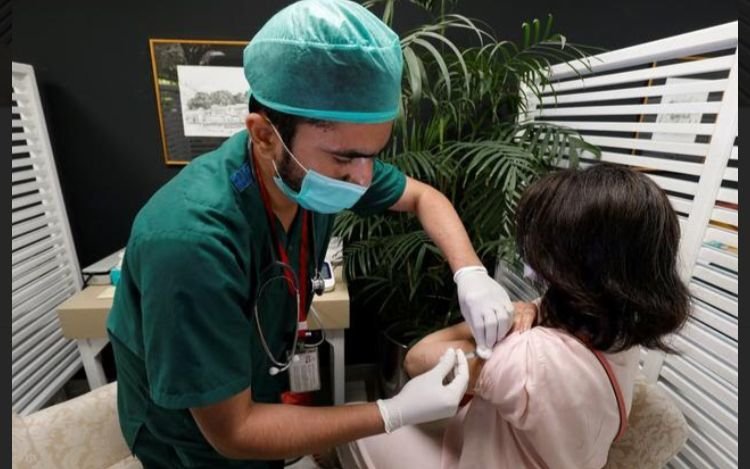
    The government has officially decided to further lower the Covid vaccination eligibility age to 15 years, reported Geo News.

    Children between the ages of 15 and 18 will be vaccinated with the Pfizer vaccine, the National Command and Operations Centre (NCOC) said.

    According to the NCOC, Pfizer vaccine will be available at all central vaccination centres across the country. Moreover a registration certificate will be required for children up to the age of 18 to be vaccinated.

    In combating the pandemic, the NCOC has also taken another step by sending mobile vaccination teams to visit schools and colleges for vaccination.

    Meanwhile, NCOC has said that all those people whose second dose against Covid-19 has become due are not required to wait for the sms message and can visit any vaccination centre throughout the week.

    A day earlier, NCOC head Asad Umar had announced on Twitter that more than 20 million people in Pakistan are now fully vaccinated against coronavirus.

    Pakistan has administered at least 66,456,245 doses of Covid vaccines so far. Assuming every person needs two doses, that’s enough to have vaccinated about 15.3 per cent of the country’s population.

  • VIDEO: Horse all smiles after eating his favourite chips

    VIDEO: Horse all smiles after eating his favourite chips

    A video made rounds on social media where a horse can be seen grinning while treating himself to some chips from a woman’s plate.

    The video was uploaded on Twitter by ‘Viral Hog’, with the caption: “This happy horse can’t stop grinning at salt and vinegar chips .”

    https://twitter.com/ViralHog/status/1433565403943292929

    In the video, a woman wearing a pink T-shirt is seen sitting in a field, accompanied by a few other people. She is holding a plate of salt and vinegar chips.

    A horse, who happens to be standing right beside her, keeps munching the chips in delight from her plate.

    Each time the horse bends his neck, he takes a snack from the plate and ends up smiling after each bite. Everyone present at the scene can be heard roaring with laughter when they see the horse smile.

    The person making the video happens to be the woman’s son and can be heard saying, “Oh he likes mom’s chips.”

    Later, two dogs appear in the video and look intrigued by the happenings and the laughter. They too begin to eat the pieces that dropped from the animal’s mouth.

  • HRW releases report on 9/11 calling US to end global war on terror

    Human Rights Watch (HRW) has released a report on September 11, 2001, attacks in the United States titled, ‘9/11 Unleashed a Global Storm of Human Rights Abuses’.

    The report says, “The brutal rulers [US leaders] figured out that the best way to get away with mass abuse was to label it a fight against terrorism.”

    Furthermore it states, “The war paradigm was also used to justify killing suspects wherever they were found, often on the flimsiest of evidence. However, international human rights law requires law enforcement officials to arrest suspects whenever possible and to use lethal force only as a last resort to stop an imminent threat to life.”

    “They [US] not only mistreated the people of Afghanistan but its citizens also had to face discrimination. Globally, Muslims are the primary victims of terrorism. The US has always treated ‘presumed terrorists’ as combatants,” the report reads.

    HRW also has discussed the ill-treatment of one million Uyghurs in Xinjiang, China and the bombings on Gaza by Israel.

    “It is a time to condemn the evil of terrorism. It is also the time to close Guantanamo, by releasing all of the 39 aging detainees still there, who have not been charged and giving the rest a fair trial in a proper court,” the report concluded.

    People from all over the world remembered the horrifying episode today on social media, while some of them share their stories.

    Since 2001, the notorious military prison at Guantanamo has become a symbol of US human rights abuses. Many detainees — mostly Muslim men — were tortured or held for years and even decades without charges, trials, or basic legal rights.

    The 9/11 attacks are the deadliest terrorist attacks on American soil in US history. It was a series of airline hijackings and suicide attacks committed by 19 militants associated with al-Qaeda.

  • ‘A female fan grabbed me outside of a toilet’: Feroze Khan shares a crazy fan experience

    ‘A female fan grabbed me outside of a toilet’: Feroze Khan shares a crazy fan experience

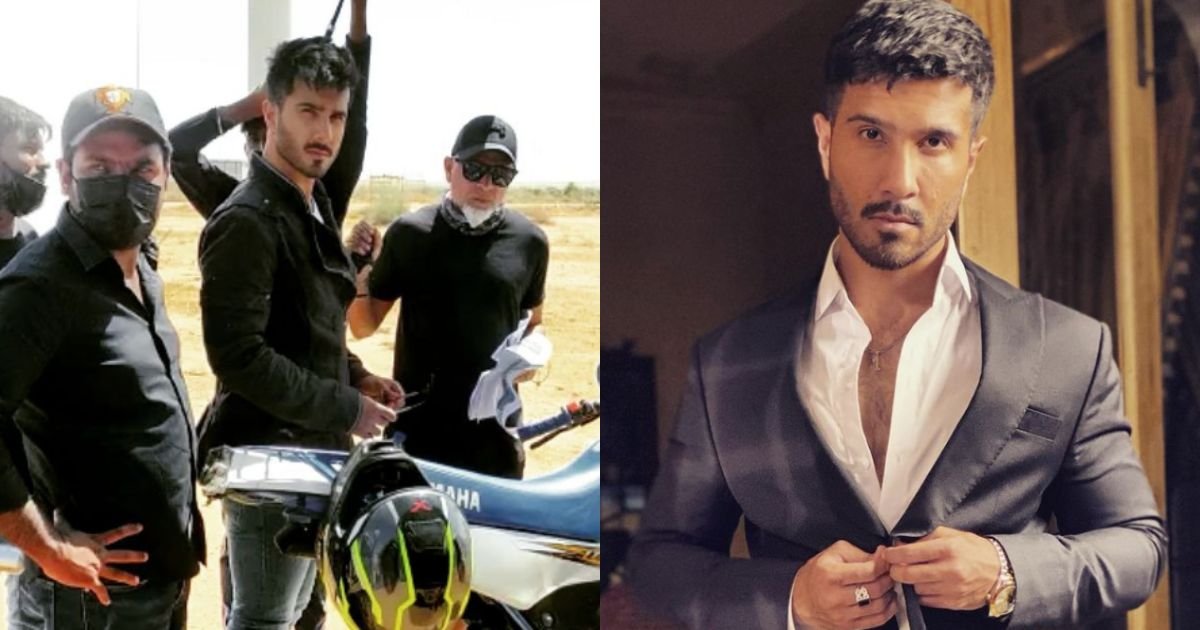
    Actor Feroze Khan recently appeared on Tabish Hashmi’s show TBH (To Be Honest) and he talked about his one insane female fan.

    The Ishqiya star said that while he was the VJ for a show, he had an experience with a female fan when he had to use the washroom in the middle of the show.

    The Dil Tera Hogaya actor added: “I was going to the washroom with my team, they were escorting me to the place , later on, I sent the team back and went to the washroom, while I got back , I noticed the sound of someone walking behind me, when I saw around, it was the girl’s face whom I was watching for many months, the face was already fixed in my mind because I saw her a lot on my sets, she just used to come & watch me.”

    He kept on saying, “I asked to her, Yes ?, she said that she needs my number, she grabbed me from my collar and asked for it “, “I then gave my uncle’s number because I was stuck in a weird situation at that time, also I thought how can someone be so aggressive for number”, said Feroze.

    “My uncle then called me and said someone called and asked about you, uncle smiled too”. Feroze further said that then another day he called and said “please settle this thing, it’s getting out of hands, she is desperately asking for your number from me.”

    Feroze stated that he loves the appreciation that his followers shower him with, but that devotion may be dangerous.

    On the work front, Feroze can be seen in Khuda Aur Mohabbat 3 opposite Iqra Aziz.

  • Sami Khan opens up on Ayeza, Sajal and Sonya, spills Kinza’s secrets

    Sami Khan opens up on Ayeza, Sajal and Sonya, spills Kinza’s secrets

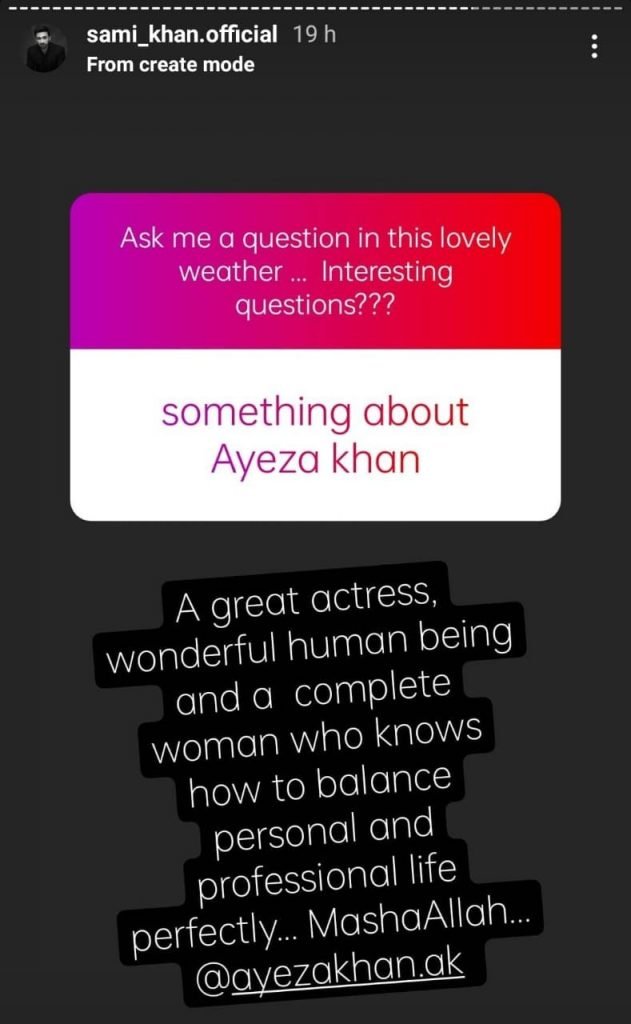
    Actor Sami Khan indulged in a question and answer session on his Instagram account recently, the Saraab actor praised his co-stars and leading female Pakistani actors including Ayeza Khan, Saboor Aly, Yumna Zaidi, Sonya Hussyn and Kinza Hashmi.

    The Khudgarz star was asked by a netizen to say something about renowned actor Ayeza Khan.

    He said: “A great actress, wonderful human being and a complete woman who knows how to balance personal and professional life perfectly. MashaAllah!”

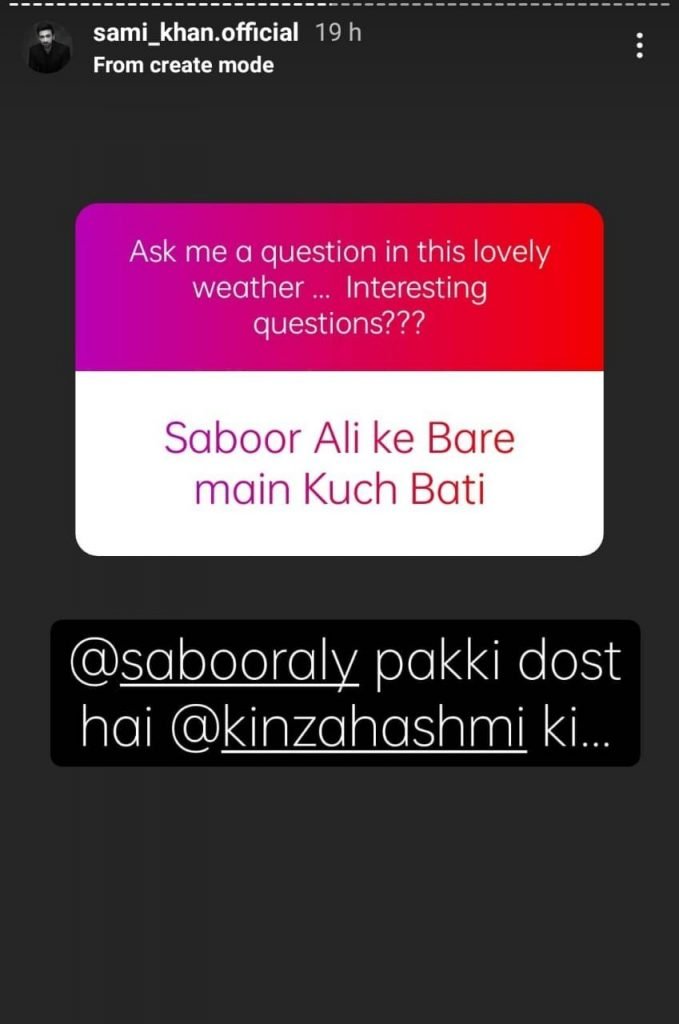
    While talking about Saboor, he said: “Pakki dost hai @Kinzahashmi ki.”

    Replying to a fan about his Aisi Hai Tanhai co-star, he said: “Bestie.”

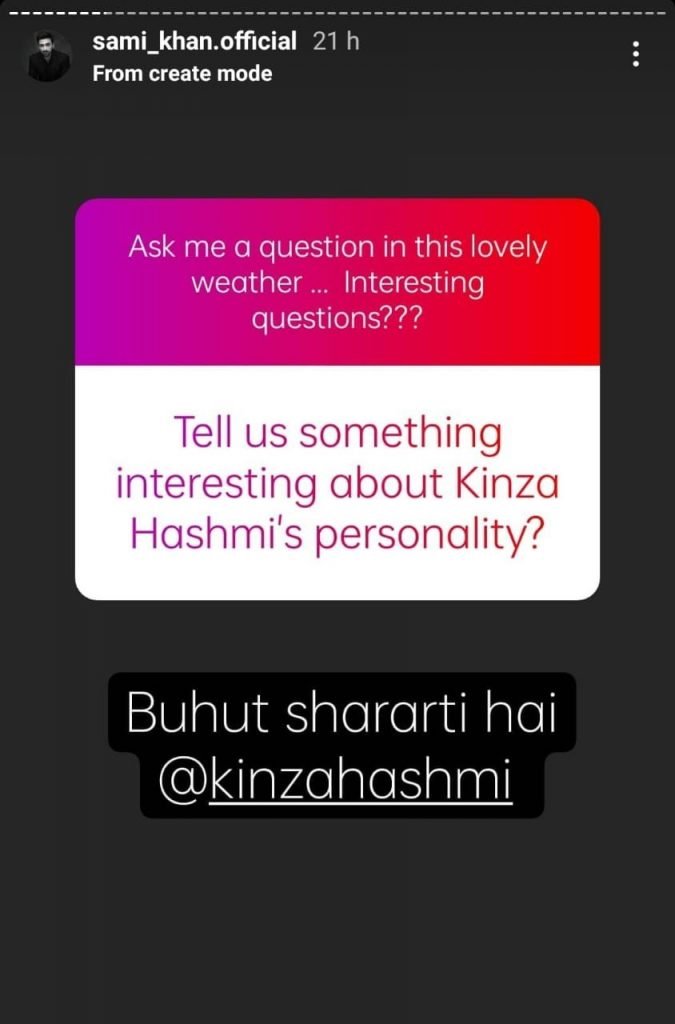
    Sami while telling something interesting about co-star Kinza said: “Buhut shararti hai @KinzaHashmi.”

    One of the netizens asked him about Sajal Aly and he said that she is “one of the best performers.”

    While talking about Yumna. he said: “Great actress and a great human being.”

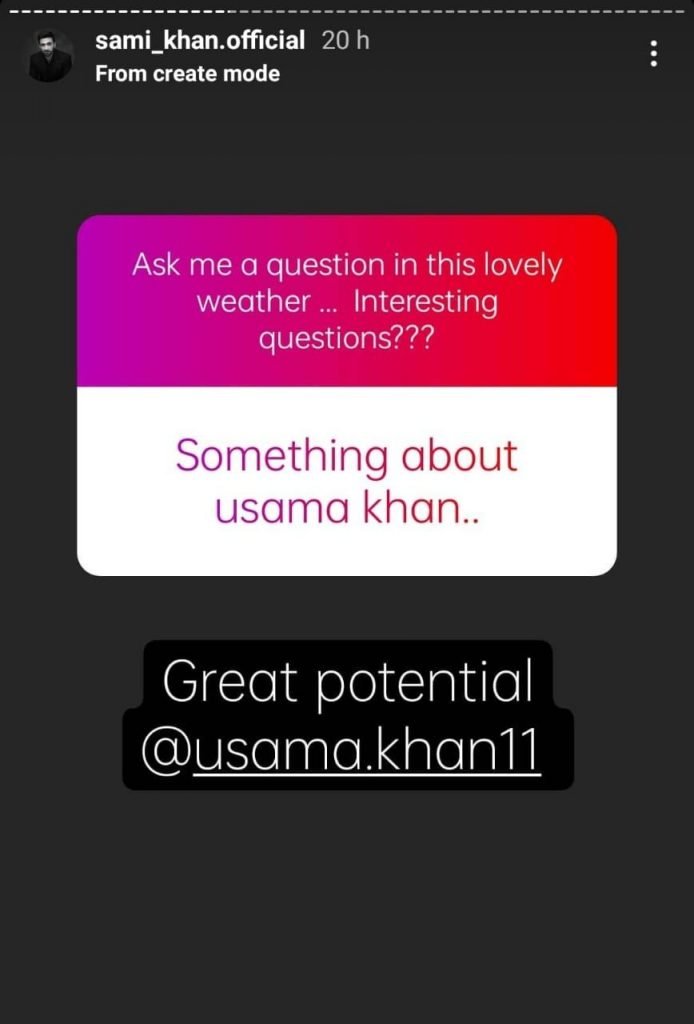
    He also praised budding actor Usama Khan and said that he has “great potential.”

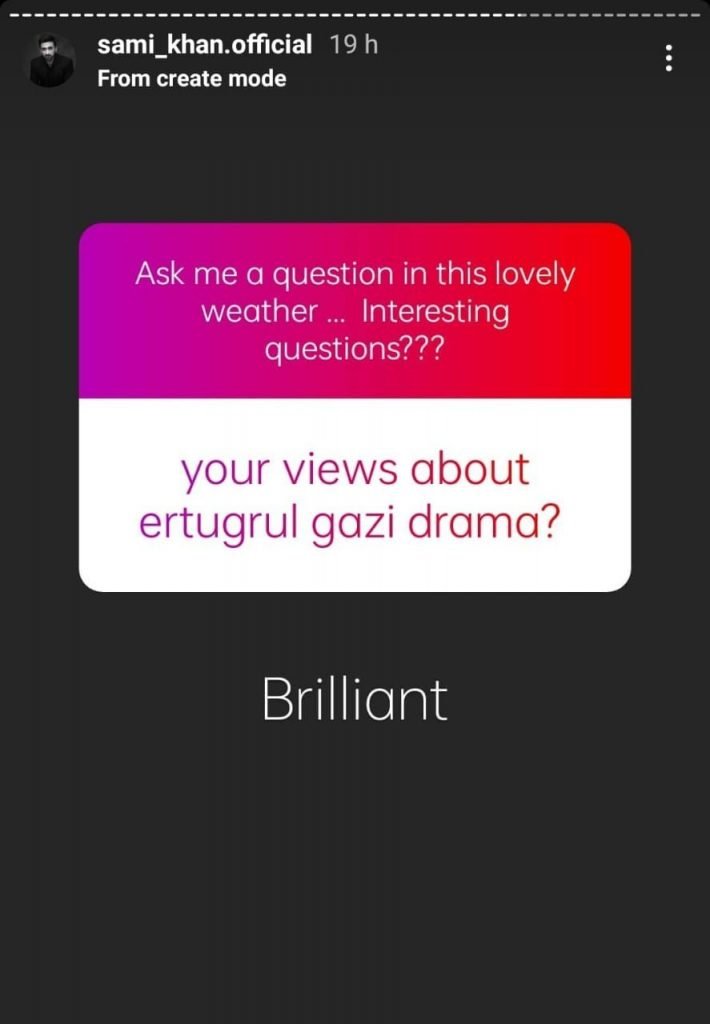
    One of the fans asked him about his views on Ertuğrul and he said that its “Brilliant.”

    On the work front, Sami will be seen next in Main Hari Piya opposite Hira Mani and Sumbul Iqbal.

  • Humayun, Faysal, Momal and others pen heartfelt wishes for Imran Ashraf on his birthday

    Actor Imran Ashraf is celebrating his birthday today and the Raqs-e-Bismil star got showered with wishes by his industry fellows who took to their social media handles to wish him.

    Here’s a look at all the heartfelt birthday messages for the Ranjha Ranjha Kardi lead.

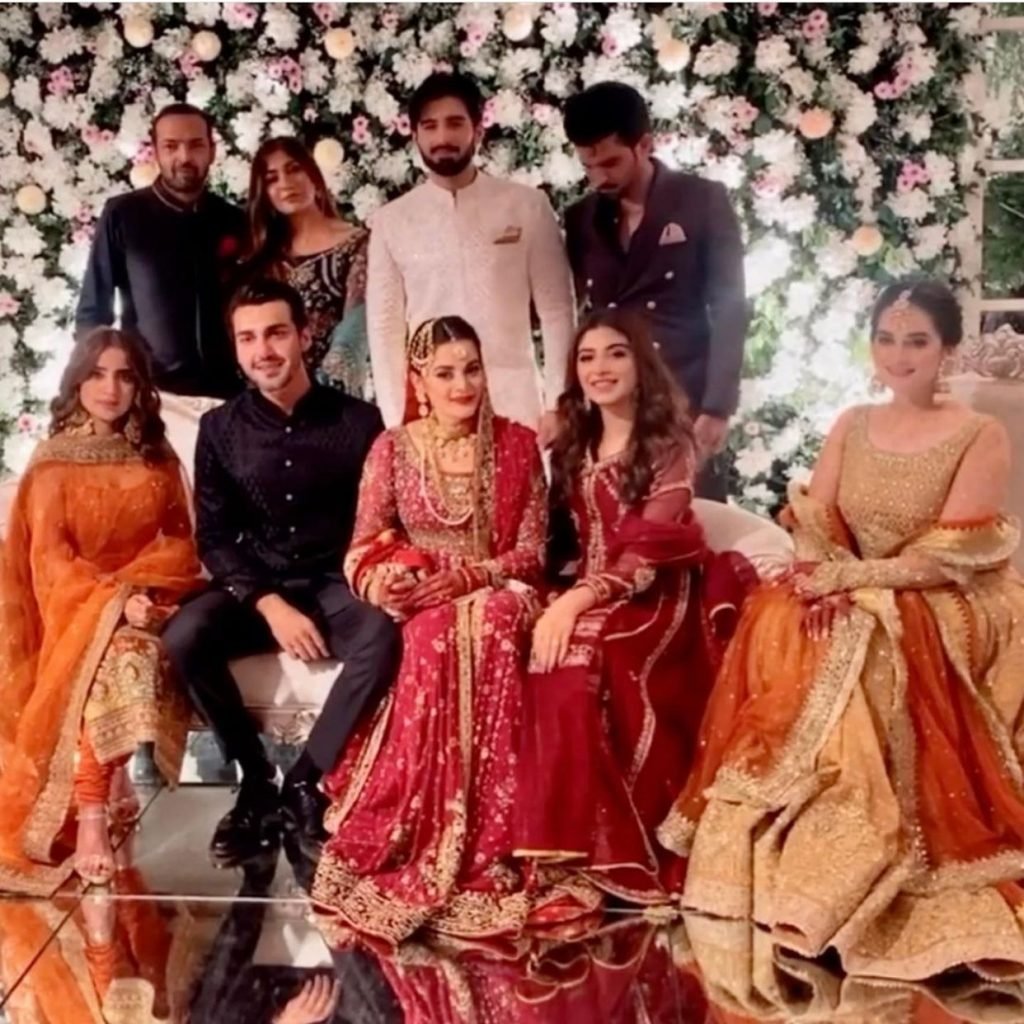
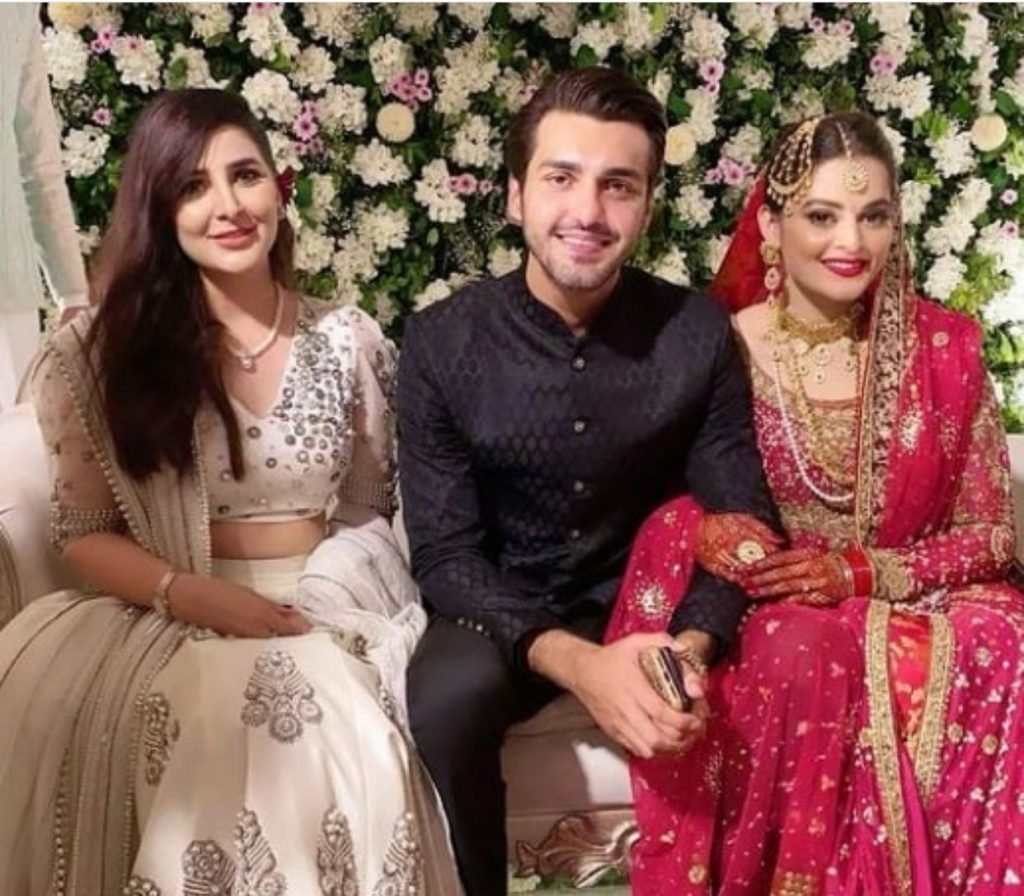
  • Minal, Ahsan’s wedding: A star-studded affair, celebrities ooze fashion goals

    Minal, Ahsan’s wedding: A star-studded affair, celebrities ooze fashion goals

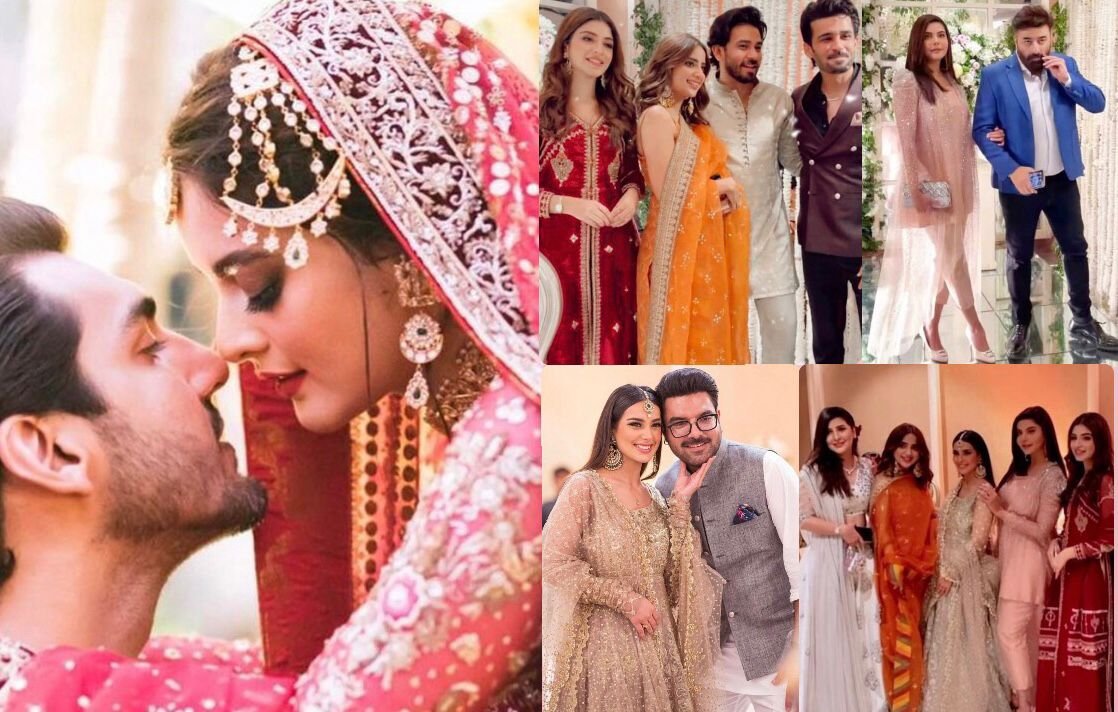
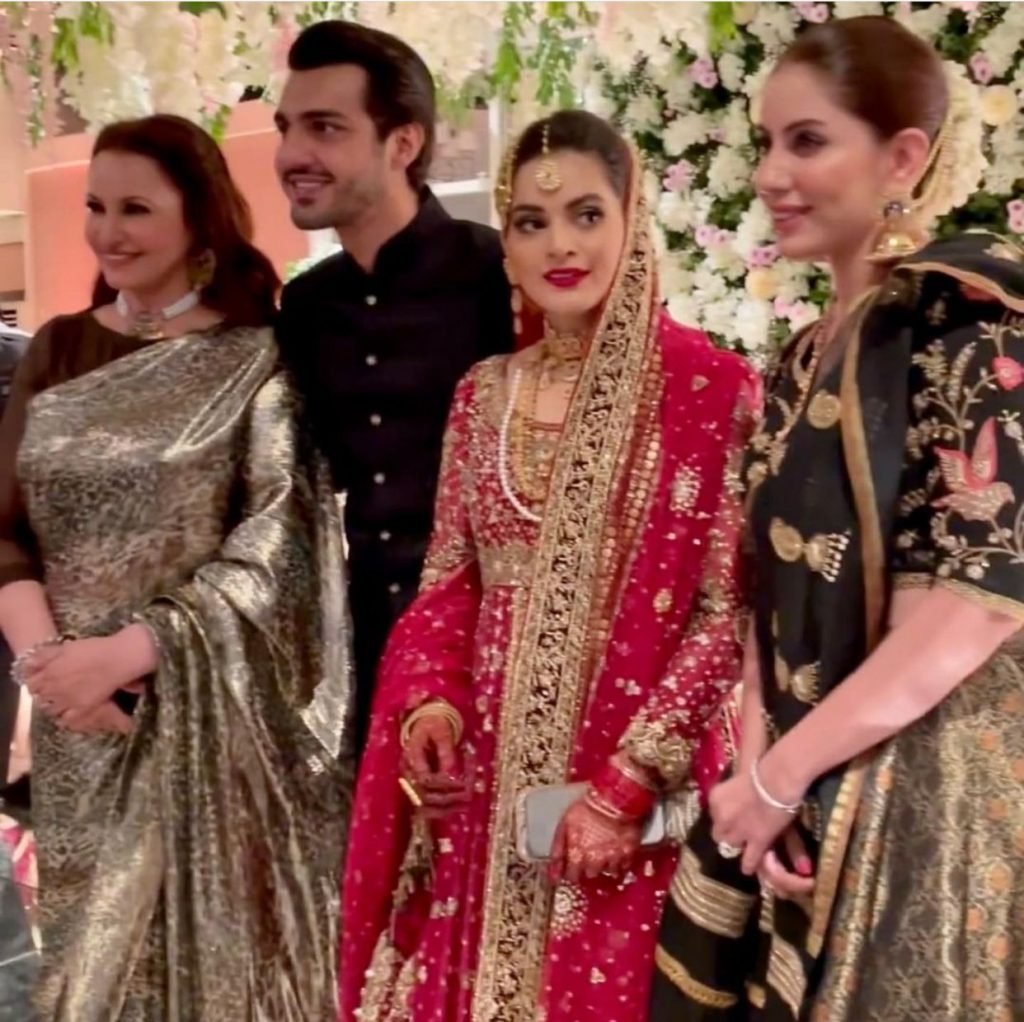
    Actors Minal Khan and Ahsan Mohsin Ikram tied the knot in a lavish ceremony in Karachi on Friday. The duo made a stunning pair together in designer attires.

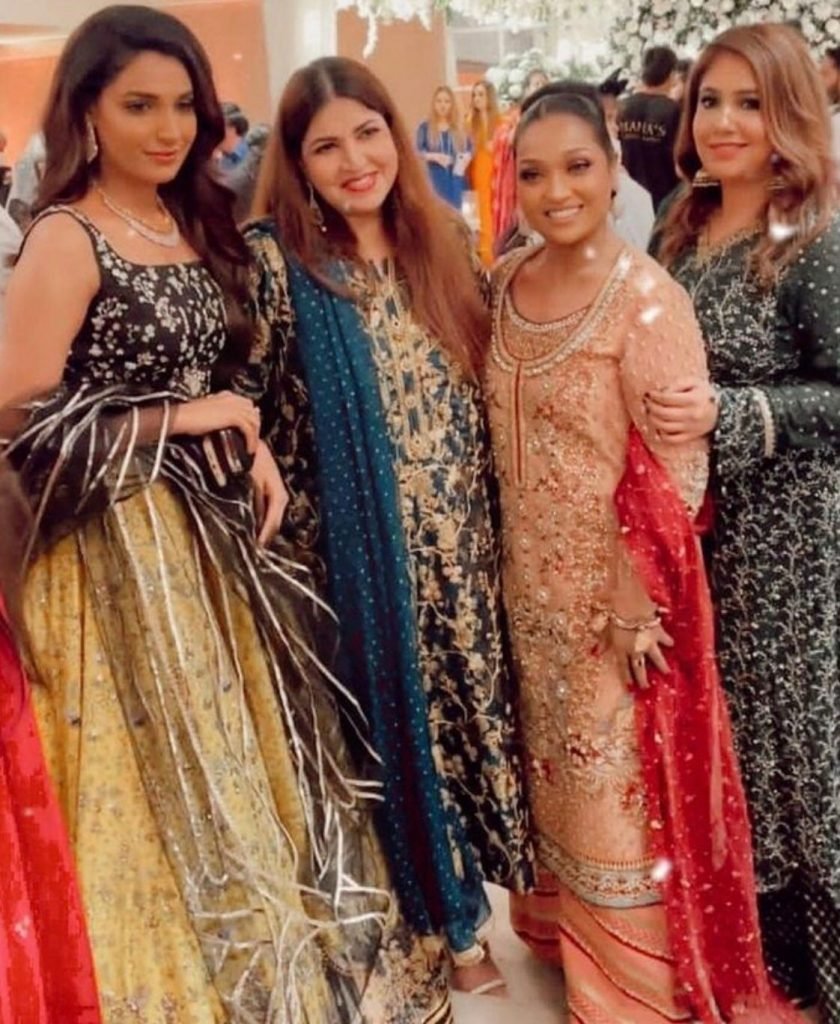
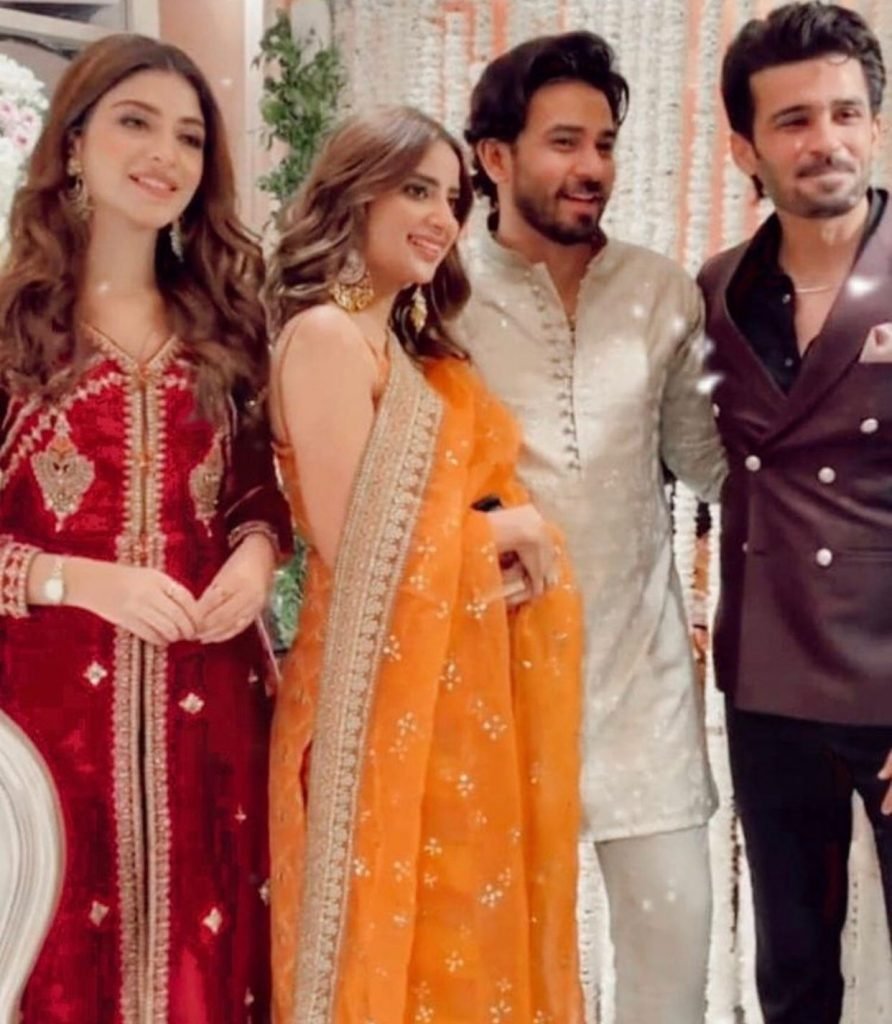
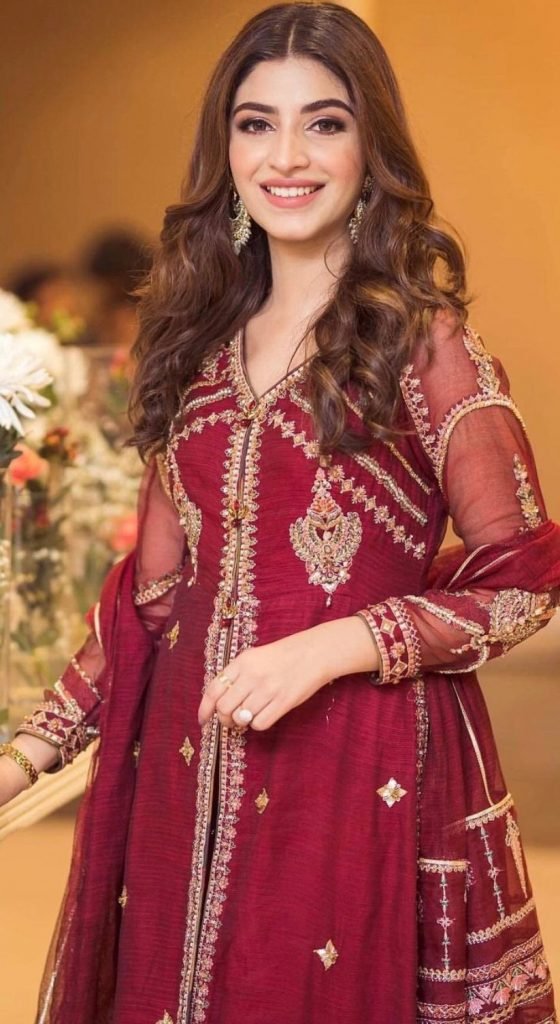
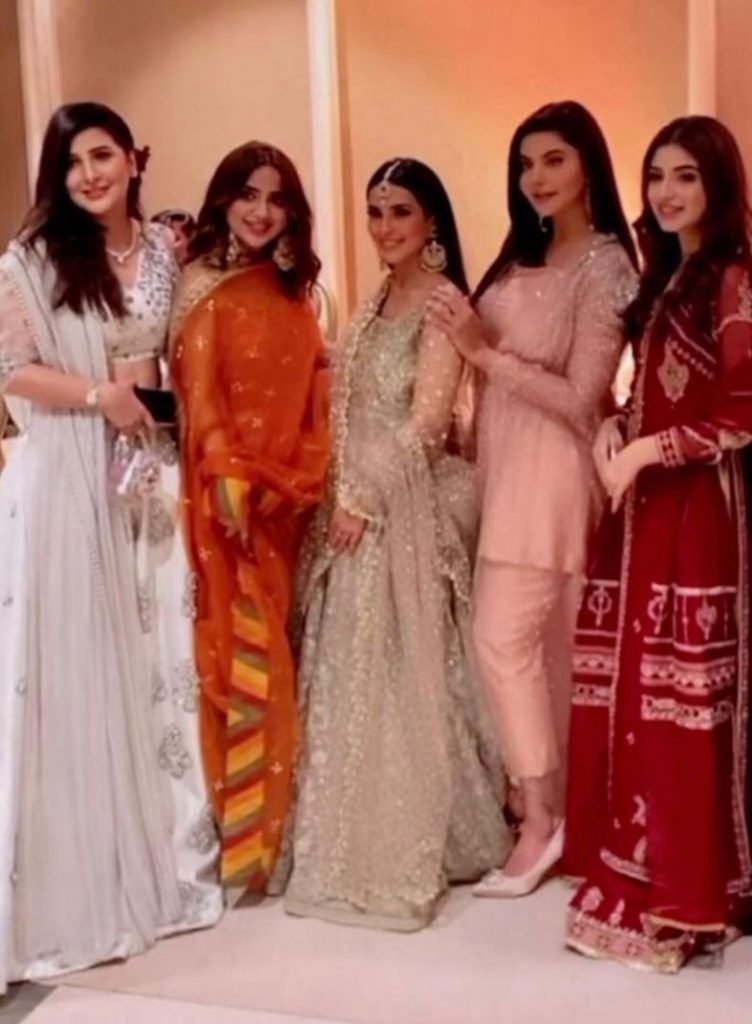
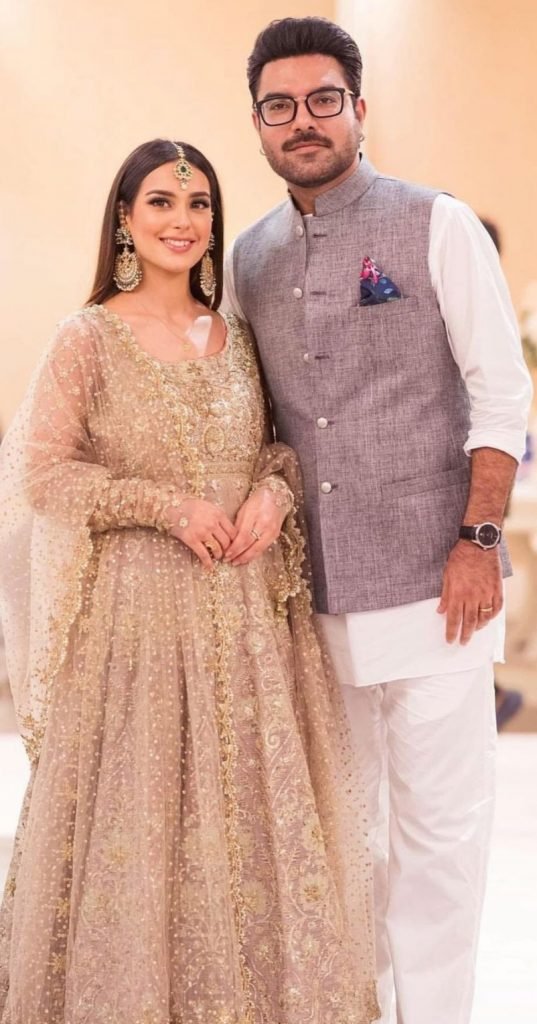
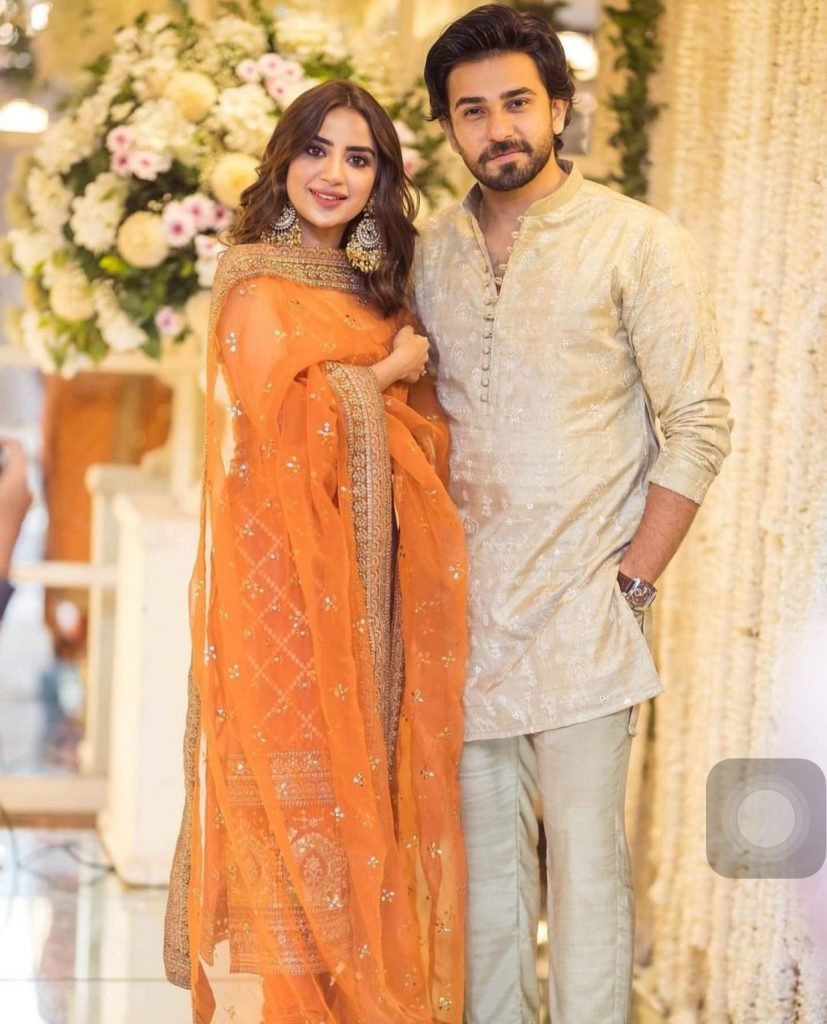
    The event turned out to be a star-studded affair with leading actors being present on the function. The industry guests donned stylish outfits and oozed fashion goals.