Blog

  • Interior Ministry to launch e-passport system by June

    Interior Ministry to launch e-passport system by June

    Federal Minister for Interior Sheikh Rasheed Ahmed has announced the launch of the e-passport system by June 2021. The minister made the announcement when he visited Jinnah International Airport, Karachi.

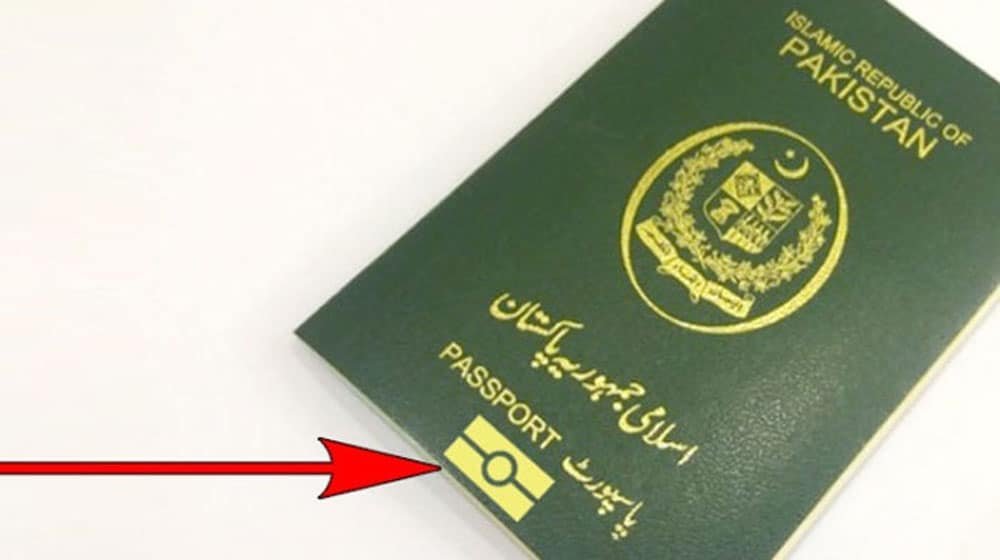
    The e-passport will have an embedded chip that will contain all the biometric information of travellers. It will be used to authenticate the identities of the passport bearers. Along with the chip, the passport will have two pictures of the passport holder.

    The minister had inspected the immigration counters at the airport and ordered to increase the number of immigration counters to facilitate the overseas Pakistanis. He said that the role of overseas Pakistanis is crucial for the economic development of our country.

    The immigration officials also briefed the minister on immigration procedures. The minister instructed the director of the FIA-Sindh to install new counters in a maximum of two months.

    “Promotion of tourism and trade are key aspects of the Prime Minister (PM) Imran Khan vision, and online visas will boost the tourism sector. The government is taking steps in this direction, and it will also benefit the country’s economy,” the Interior Minister said.

    Along with e-passports, Sheikh Rasheed Ahmed also announced the opening of more NADRA and passport offices in Karachi.

  • Traffic situation heads towards normalcy while hardliner TLP continues protests

    The traffic situation across country is continuing to head towards normalcy despite countrywide protests by hardliner Tehreek-e-Labbaik Pakistan (TLP).

    According to reports, while the sit-ins are likely to continue even today and maybe later, the protests will be confined to certain areas in every city.

    It may be noted that the protests come amid the third wave of COVID-19, however, authorities remain reluctant to calm the hardliners down.

    WHY ARE PROTESTS BEING HELD?

    Countrywide protests erupted on Monday after security forces detained TLP chief Saad Hussain Rizvi in Lahore.

    According to a news outlet, a senior police official also confirmed that Rizvi had been taken into custody as a “pre-emptive measure” ahead of the party’s April 20 deadline. However, no first information report (FIR) against Saad Rizvi has been registered so far.

    TLP leader Syed Zaheerul Hassan Shah, in a video message, confirmed Saad’s arrest and said the government had “completely deviated from” the agreement it had reached with his party regarding Namoos-i-Risalat. “The government has resorted to thuggery (gunda gardi) and is restoring its past practices.”

    Shah called upon party leaders and workers to “come out on the roads” in their areas in protest against the government action.

    “Carry out protest demonstrations on roads and wherever you are, jam the entire country,” he told them in the message.

    Following the development, protests erupted in multiple cities of the country.

    It bears mentioning that, last year, TLP supporters had brought Islamabad to a standstill for three days with a series of anti-France rallies.

    Police blocked the demonstrators as they attempted to enter the capital. Some chanted that the only punishment for a blasphemer was beheading, police official Tauqeer Shah said.

    The protesters attacked the police with bricks, stones and sticks, he added. They were pictured blocking the road into Pakistan’s capital.

    “Several of our officers were injured,” he said, adding that nearly 2,000 protesters had camped at the main entrance to the city, refusing to leave.

    KARACHI:

    Karachi’s II Chundrigar Road, MA Jinnah Road and their surrounding areas, including the road connecting Tower to the Governor House, was left jam-packed with vehicles due to the protest.

    Other roads were also blocked in the port city, including Baldia No. 4 Hub River Road, Northern Bypass, Orangi Town No. 5, Jinnah Bridge (traffic blocked from ICI towards Jinnah Bridge), Star Gate.

    Police dispersed protesters from Star Gate to allow the flow of traffic to return to normal.

    Moreover, it emerged that at least one officer was injured in Orangi Town No. 5 after the protesters began pelting stones at the police.

    ISLAMABAD & RAWALPINDI:

    In Islamabad, Athal Chowk was forced into closing, which created problems for citizens. Protests also broke out in Bhara Kahu and roads leading to Murree and Azad Kashmir from the federal capital were also blocked for traffic.

    Protesters were also seen chanting slogans on Murree Road.

    Moreover, the entry points for the twin cities were closed down, leading to more problems.

    TLP workers were seen stone-pelting and forcing travellers to stop their cars at Committee Chowk in Rawalpindi.

    Workers of the party also climbed atop the Liaquat Bagh metro bus station, while traffic blockages were reported from across the city.

    LAHORE:

    In Lahore, the traffic flow was disrupted in several areas and on multiple roads.

    The roads blocked by TLP workers included the following: Faletti Chowk towards Faisal Chowk; High Court Chowk towards Regal Chowk; Avari Chowk towards Governor House Chowk (now opened); Corporation Chowk Outfall Road; Yateem Khana Chowk; Khayaban Chowk; Muhafiz Town towards Thokkar Chowk EME Road; Darogawala Chowk towards Quaid-e-Azam Interchange (both sides); Chungi Amarsadhu towards Kasur (both sides); Shahdara Chowk from all four sides; Shadbagh; Joray Pul Zarar Shaheed Road; Barki Road; Bhatta Chowk Bedian Road; Walton Road; Canal Road; Cup store Misrishah; Harbanspura Interchange (slip roads); Shalimar Chowk towards Ghas Mandi; Quaid-e-Azam Interchange to Niazi Shaheed Interchange on Ring Road; Bagriyan Chowk; and Sundar Road.

    Protests in Multan led to beefing up of the security as the TLP workers blocked the road link between Multan and different cities of southern Punjab.

    Reports of protests from Jhelum and Naushahro Feroze were also received.

    TLP member Khalid Awan told a local news outlet that the government had “turned back on its promise” to expel the French ambassador by April 20 and took Rizvi into custody.

    “We will not step back from our mission because of Saad Rizvi’s arrest,” he said.

    In Feburary, the federal government and TLP had agreed to table the TLP demands in the Parliament, which would decide the matter. At the time, the TLP had extended its deadline from February to April 20.

    According to the document signed on January 11, 2021, the TLP had signed an agreement with the PTI government on November 16, 2020, which could not be implemented.

    “The government and TLP were in talks for the past one month as the government resolved to implement it. It has been agreed that the federal government would table the agreement in the Parliament by April 20 and decisions would be taken with a nod of the parliament,” the agreement said.

    The agreement had said that those TLP leaders whose names had been registered in the fourth schedule would be absolved. The agreement had said that the agreement would stand cancelled if any clause of the agreement is violated. The document had said that the prime minister would formally announce the deal which would be implemented amicably.

    Meanwhile, Prime Minister Imran Khan also announced the agreement on Thursday during a TV interview, saying that the government negotiators had successful talks with the leadership of TLP and it had been agreed to extend its deadline of February to April 20.

  • Man digs tunnel to capture ‘jinns, churails’

    Man digs tunnel to capture ‘jinns, churails’

    A resident in Multan dug a long tunnel to capture jinn and witches.

    As per reports, the man identified as Asif is a government employee. Police arrested him on Monday from the Multan government quarter area after he illegally dug a 15 feet deep tunnel at his house.

    Read more – Minor spotted driving SUV ‘again’ in Multan

    In a statement recorded to police, the suspect said that he dug a tunnel to capture jinn and witches.

    The police has shifted the accused to an unknown place and an investigation is under way.

  • South Africa outclass Pakistan in second T20I

    South Africa outclassed Pakistan with six wickets in the second T20I, equalling the four-match series.

    After opting to bat first, Pakistan managed to score 140 for nine in their allotted 20 overs. Babar Azam top-scored with run-a-ball 50, hitting five fours. Mohammad Hafeez contributed 32 off 23, striking six boundaries. The pair knitted 58 runs for the third wicket.

    For South Africa, George Linde and Lizaad Williams picked three wickets apiece. Linde with his left-arm spin accounted for Mohammad Rizwan (naught), Hafeez and Sharjeel Khan (eight off 12, one six).

    The hosts chased down the target in the 14th over for the loss of four wickets. Aiden Markram top-scored with a 30-ball 54, smashing seven fours and three sixes. Wicketkeeper-batsman Heinrich Klaasen returned undefeated on 36 off 21 balls. His innings included four fours and a six.

    For the visitors, Usman Qadir was the most successful bowler with two wickets for 26 runs in three overs.

    In an after-match discussion, Babar said: “Early wickets which we lost cost us the game. We didn’t have partnerships. Credit to the South Africa bowlers. The aggression cost us the game. The players were not complacent. It was a new wicket and they bowled well. I have confidence in my team and we will do well in the next match.”

    The visitors have 48 hours to bounce back for the third match of this series, scheduled to take place on Wednesday.

  • ‘Govt working to introduce royalty payments for artists’

    The federal government is working to introduce a comprehensive bill to ensure that artists are given financial credit for their work, PTI Senator Faisal Javed Khan has announced.

    “Most countries around the world give royalties to artists every time a show, their work is re-run, a second time or more,” wrote Faisal on Twitter. “Sadly in Pakistan where many artists are already underpaid, there is no policy or law ensuring that artists be given financial credit for their work.”

    The Senator further said that it is “very critical to fill the gaps and bring proper framework via amendments in legislation to ensure that our producers [and] artists get their rights to royalties.”

    Khan added that he is in touch with all stakeholders and is looking to introduce a comprehensive bill to address the matter.

    Speaking exclusively to The Current on the matter, Senator Faisal said: “Royalty is very important and I am working on this bill to ensure our artists get their due right. I am hoping to get it passed soon without any further delays.”

    Asserting that the government is committed to addressing this issue, Senator Faisal said: “Actors, musicians, singers – all artists must be supported,” adding that they will soon be entitled to royalties.

    Responding to Senator Faisal’s announcement, several artists including Mikaal Zulfiqar, Ali Zafar, Ali Safina and Sakina Samo lauded the initiative and hoped that it would resolve artists’ concerns.

    https://twitter.com/SakinaSamo/status/1381551181483413504?s=20

    Ever since Naila Jaffery appealed to producers and the government to pay royalties to actors for the work and content that is re-run, the conversation around royalty payments for artists has gained momentum with several actors demanding it.

    “Why is it even a matter of discussion?” Siddiqui had questioned. “Artists rightfully deserve to be paid royalty.”

    “So many producers and channels rake in copious amount of money through reruns. It is only ethical to pay actors their due,” he added.

    “We as a community of artists, singers, actors, writers, producers, directors, composer, editors and so on, need to be recognised by our government as an industry,” asserted Ahmed Ali Butt had.

    Zulfiqar was the first one to demand payment for reruns and after Jaffery’s appeal, several artists including Yasir Hussain, Sabeeka Imam, Ayesha Omar and Mansha Pasha had demanded TV channels for royalties.

    Earlier in July 2020, the government had announced that it will be creating a film task force to promote the entertainment industry and resolve its issues. Members of the government including Senator Shibli Faraz had held a virtual meeting with artists and stakeholders involved and shared the government’s intentions. They also discussed issues being faced by the film industry and their proposed solutions. Among those present during the meeting included Humayun Saeed, Vasay Chaudhry, Ali Zafar, Fizza Ali Meerza and Nadeem Mandviwala.

    Chaudhry, while speaking to The Current, had said that Senator Shibli had shown a “keen interest in the issues of royalties when it was brought up by me.”

    “He told us that the issue of royalties of artistes is very close to his heart and he will make sure to do something about it,” shared Vasay.

  • Which Dating App Do You Use?‍‍

    Which Dating App Do You Use?‍‍


    *|MC:SUBJECT|*


    It’s Monday again, *|MERGE1|*! And April 12. Ramzan starts this week! I hope you had a great weekend and got to enjoy the glorious sunshine. Today will be sunny as well.

    This weekend, I decided to step into the new territory of online dating. I downloaded this application, and what I like most about the app is that men cannot initiate a conversation with women. In the app, women always have to make the first move. It’s cool but found it very shallow to judge people based on their pictures alone. Have you ever tried a dating app? 

    Have a great week! 


    Laila-The Current 

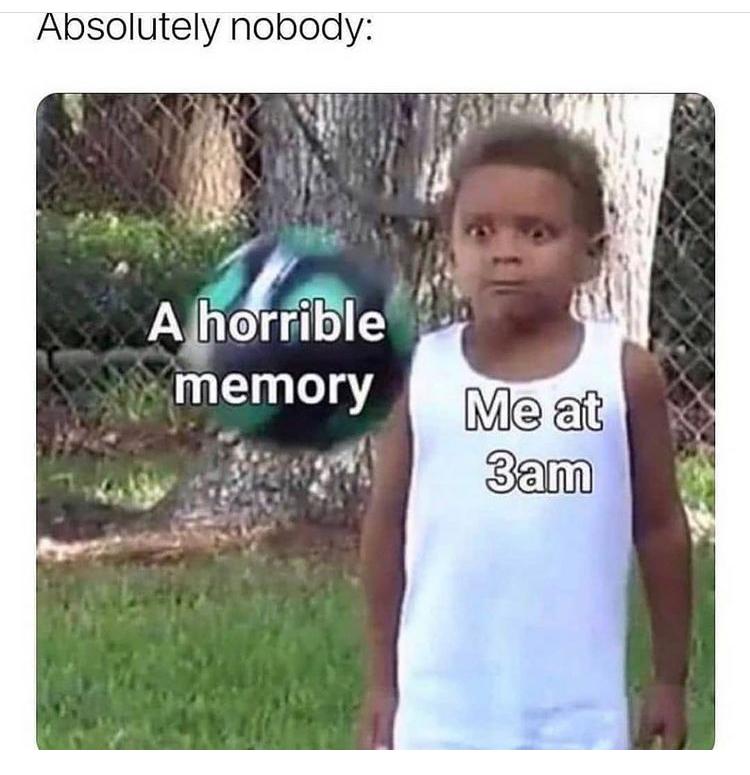
    MORNING MEME
     

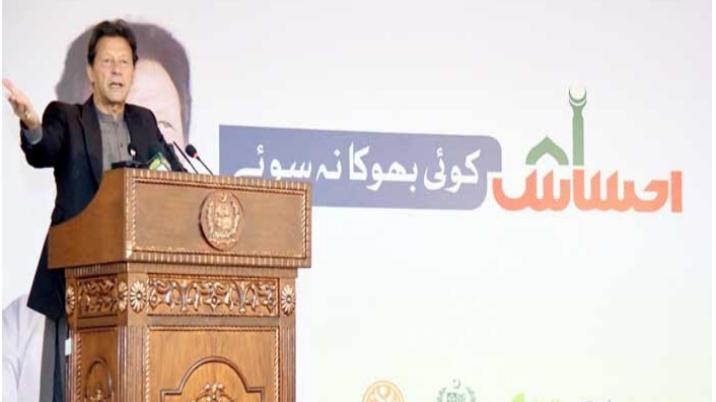
    PM Imran expands ‘Koi Bhooka Na Soye’ programme to three more cities ?

    In a virtual ceremony in Islamabad yesterday, PM Khan launched the ‘Ehsaas Koi Bhooka Na Soye’ programme in Peshawar, Lahore and Faisalabad. Under the new scheme, free meals will be served to labourers,  daily wage earners, and piece-rate workers via food trucks. 

     The PM remarked that the pilot project was first launched in Islamabad to understand the challenges that the government may face in the implementation of the new scheme. 

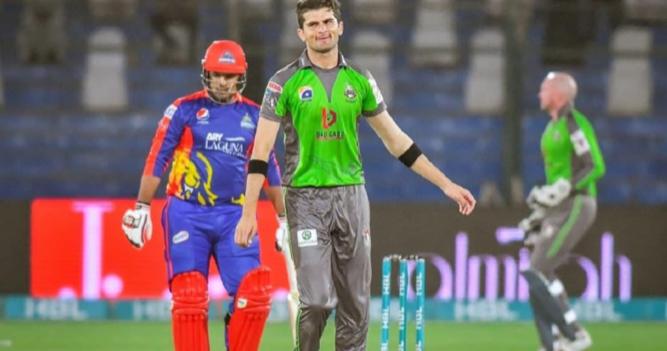
    Remaining matches of PSL 2021 to be held from June 1

    The remaining matches of PSL 6 will be held from June 1, said the Pakistan Cricket Board.  

    The PCB announced that the tournament will resume after the players and officials undergo a seven-day quarantine stay at one hotel and another following three training sessions, PSL will resume from June 1. 

    You can check the schedule of the remaining matches on PCB’s website.

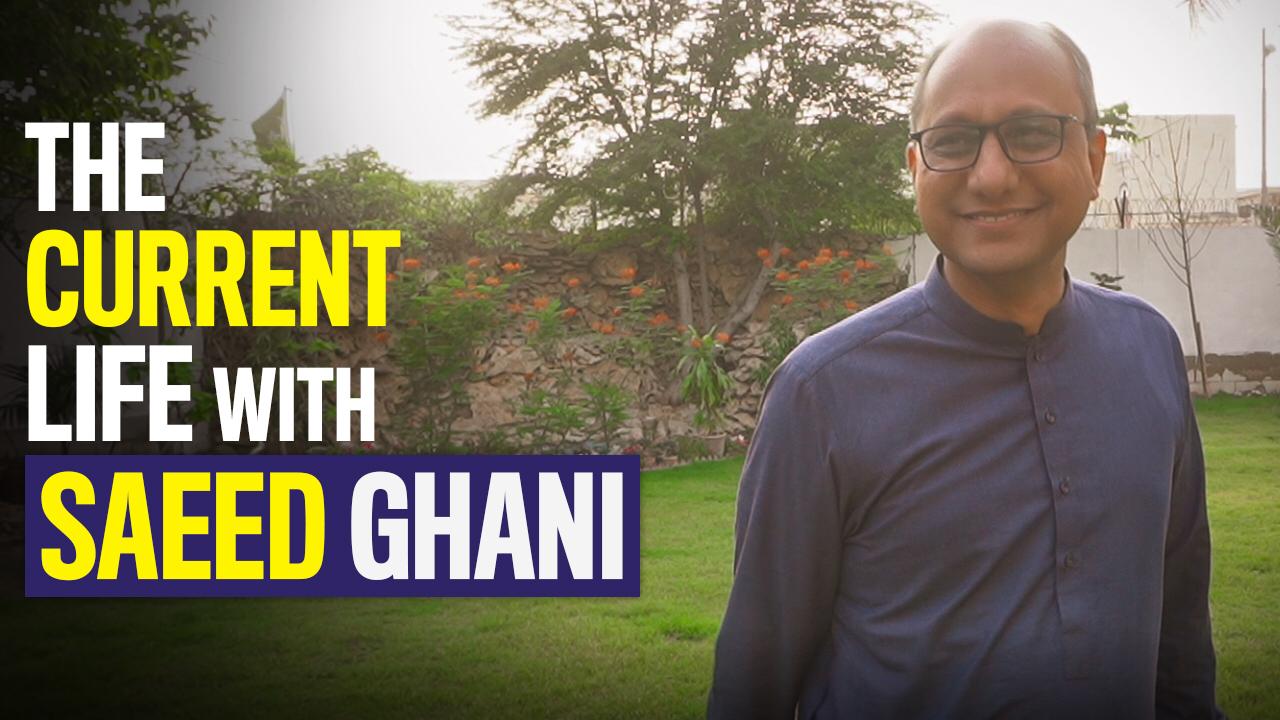
     Saeed Ghani | The Current Life

    One of PPP’s faces in Sindh, Saeed Ghani is a man of the people. A dog lover and the holder of many ministries, we ask him about the rumour that he hangs out with murderers and hitmen and ask him about the photo with Bilawal Bhutto-Zardari in his office — where Ghani has a big smile on his face. Catch it in this week’s The Current Life.   

    Watch

    On this day: 12 April INTERNATIONAL DAY OF HUMAN SPACE FLIGHT 

     On this day, we celebrate the start of the space era for humankind, reaffirming the important contribution of space science and technology in today’s world. Also, today is remembered as the first human space flight, carried out by Russian Cosmonaut Yuri Gagarin. This historic event opened the way for space exploration.

    Current Baba’s prediction

     Go easy on yourself today, don’t overstress, things will work out! ?

    HEY, WAIT A SECOND PLEASE. 
     
    If you like the newsletter, make sure that this email doesn’t get lost in promotions or spam.

    Here’s how: 

    • Through your phone, add us by hitting the “Kabob,” (the three dots in upper right-hand corner). Then click “move to,” and select “primary inbox.”
    • If you’re using a desktop just drag and drop the email into primary as shown in the video below. (You can also do this on your phone if you open your email in your browser). Easy.

    And don’t forget to send us your feedback. We would love to hear from you 

    Twitter

    Facebook

    Instagram

    Website

    Copyright © 2020 Instant Morning Current, All rights reserved.


    This email was sent to *|EMAIL|*

    why did I get this?    unsubscribe from this list    update subscription preferences

    *|LIST:ADDRESSLINE|*


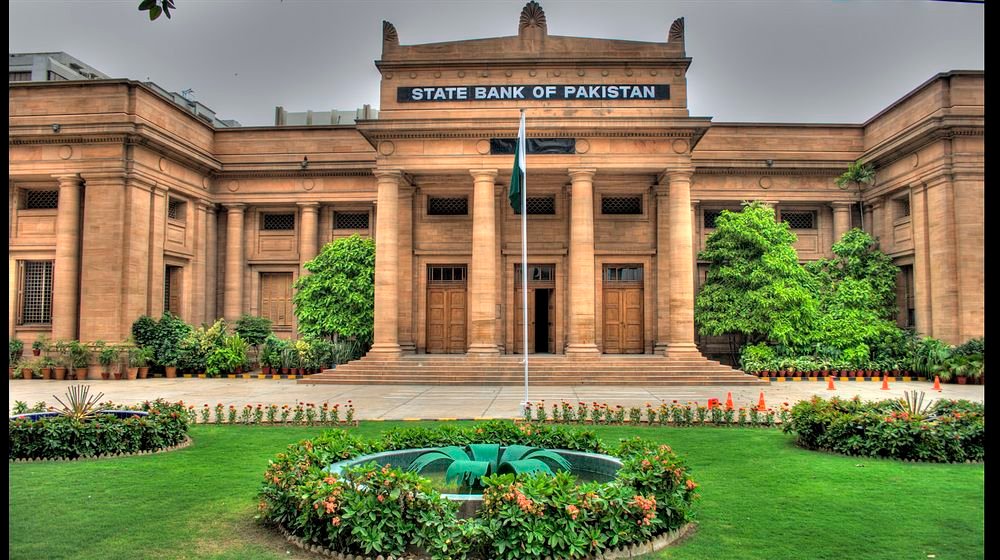
  • The great debate on State Bank autonomy

    The great debate on State Bank autonomy

    “We must understand that we do need to make SBP autonomous, or else it would continue to get exploited by the government to gain political advantages through expansionary fiscal policies.”

    If you have wondered in recent days what’s the real deal with the proposed changes in the State Bank of Pakistan law but have failed to understand the issue, perhaps this is just the right piece for you.

    Lately, there has been a lot of noise in the media about this issue. Many leading economists have claimed that this would mean compromising on government’s independence. Others have equated it to a deep conspiracy against Pakistan. But there are many contrarian voices as well, claiming that these amendments are justified and well needed. It’s time to put this debate to rest. Let’s objectively look at both sides of the argument and come to an independent conclusion.

    Firstly, why is there so much mistrust about the proposed amendments in the SBP Act?

    While there is always noise in the media, motivated by vested interests, it is hard to attribute all criticism to political motivations when it’s coming from multiple credible economists. There has to be a deeper reason for why so many people are apprehensive about it. There are a few cogent reasons. Pakistan is facing a fifth-generation war, and anything out of the ordinary is bound to raise eyebrows. Given our geostrategic location, it is not a farfetched idea that international powers could have a clandestine agenda. The fact that the current Governor State Bank is a former IMF employee has also not helped, given our eternal mistrust about the Bretton Woods institutions. People have confused two different issues: choice of the Governor and autonomy of the State Bank. Merely because the current governor is a former IMF employee, it’s a bit of a stretch to say that the proposed law will make the SBP subservient to the IMF. Lastly and most importantly, many economists have taken a clue from the recent past, when there was a hyper-reaction by the SBP to the headline inflation, which slowed down the economy. A legitimate question is what would prevent the State Bank from over-reacting in the future if Pakistan were to face similar circumstances.

    The second question is that where these amendments came from and why they are required.

    Pakistan has witnessed repeated boom-and-bust cycles that have taken a toll on national economic health. Many previous governments have spent generously to appease their voters and then got the State Bank to finance the ballooning budget deficits (by literally printing money). Under the government’s pressure, the central bank had kept the interest rates low and exchange rate overvalued to stimulate demand and drive growth. By the time the import-led consumption led to a crisis, it was the next government’s turn to run to the IMF yet again.  No one can deny that this pattern had to break.

    How can this cycle be broken?

    The IMF reports from 2008, 2013 and 2018 all highlighted SBP’s continued financing of large fiscal deficits and currency support operations draining external reserves and recommended enhanced autonomy for SBP with domestic price stability as the primary objective, flexible exchange rate policies and an end to direct lending to the government. Those who criticise the proposed amendments, unfortunately, have not come up with a better practical alternative.

    But the devil is always in the details. So what exactly has the IMF proposed?

    The IMF ran a safeguards assessment, which recommended ensuring full operational independence of SBP, making price stability the primary objective of the central bank, prohibiting monetary financing of public sector debt, and removing quasi-fiscal operations. It also suggested improving SBP’s governance, including creating a firewall between management and oversight functions, establishment of the Executive Board and protecting personal autonomy of members of SBP Board and Monetary Policy Committee. In addition, IMF also proposed strengthening legal provisions for audit and statutory mechanisms for sufficient capitalisation and profit retention.

    Let’s translate these proposed changes into simpler terms. What is the change that we actually need, which should not be unduly criticised?

    Putting an end to government’s direct borrowing from SBP, dissolution of Monetary and Fiscal Policies Coordination Board and removal of Secretary Finance from SBP’s Board, all aimed at cutting the cord between MoF and SBP. This is essential if we intend to remove the government’s influence on the State Bank to take politically motivated decisions.

    The tenure of the Governor also needs to be increased to delink his appointment from electoral cycle, depoliticise the Governor’s role and ensure policy continuity. The proposed tenure of five years is in line with other central banks including India. Some have criticised the provision for reappointment of the Governor, which is actually not new and was also present in the previous draft, albeit with a shorter tenure of three years.

    Then there has been a lot of criticism on proposing domestic price stability as the primary objective and ‘supporting general economic policies’ as a tertiary objective. No one has bothered to check that even the existing law does not mention supporting economic policies or growth as objectives of the SBP, and instead focuses on supporting the regulation and growth of monetary and credit systems. Moreover, putting price stability as a primary objective is not a novel concept and has been embraced by many countries. In fact, macro-economic stabilisation is critical for sustained economic growth and for preventing the boom-and-bust cycles – the kind we have repeatedly experienced.

    Nevertheless, the new law should mention sustainable growth as the ultimate objective. The Indian Reserve Bank Act also mentions price stability as its primary objective but keeping in view the objective of growth. But this would be a semantic change. The central bank cannot operate in isolation from the rest of the economy and ignore the growth considerations altogether.

    The proposed amendments also have a provision for the SBP to support growth. The end to quasi-fiscal operations would not mean the discontinuation of re-financing facilities, at least in the foreseeable future. These schemes have much lesser risk since the credit allocation decisions rest with the commercial banks, which in turn remain accountable for asset quality indicators, like non-performing loans, while the SBP steers clear of the credit risk.

    Another misunderstanding is about inflation targeting. Inflation targeting does not necessarily mean that SBP alone would be able to control inflation, especially if the country is facing supply-driven and cost-pushed inflation, and in the wake of weak monetary policy transmission mechanisms. But even in that situation, SBP’s interventions are required to mitigate the second-round effects of supply-driven inflation. However, given the track record, the SBP will also have to be cautious and not get carried away by inflationary concerns.

    There has also been much criticism about the new accountability clauses, especially the provision of getting prior permission of the SBP Board before NAB or FIA can initiate an investigation. But this is not an unusual concept in Pakistan. Securities and Exchange Commission enjoys the exact same protection under Section 41 (b) of the SECP Act. Why then fear it for the SBP?

    Moreover, a new accountability clause has been proposed to be added whereby the Governor will have to appear in person before the parliament, which wasn’t there earlier. Other than these, no accountability provision has been taken out from the existing law. 

    Furthermore, all SBP officials continue to be considered public servants and therefore subjected to Pakistan Penal Code’s stipulated offences for public servants (sections 161-171) including corruption. Similarly, the SBP’s accounts will continue to be audited by the Auditor General of Pakistan, besides two external auditors. In addition, the law now includes a conflict-of-interest clause, which will ensure transparency.

    Does this mean that all the proposed amendments are good, and nothing really needs to change? Not really. There are a number of proposed amendments that need reconsideration.

    For instance, the new law is not clear on who will set the inflation target. It should be made clear that National Economic Council is the legitimate forum to provide the target range.

    Similarly, the independent directors will now be appointed by the President, but on recommendation of the federal government. The only problem here is that the government will need to base its recommendations on list of candidates proposed by SBP’s Board itself, which seems cyclical and does not make sense. The federal government should be free to propose members who meet the requisite criteria.

    The section on removal of Governor has also been diluted, where previously they could be removed on breach of trust, but not anymore. Even the ground of serious misconduct has to be determined now by the court, which is ridiculous and needs to be fixed.

    Lastly, if the SECP Act is to be considered a benchmark for accountability clauses, then it should also be followed for other provisions. One can see that the newly inserted conflict of interest provision and the amended provision for removal of governor in the SBP Act are quite weak and must be strengthened in light of how these have been provisioned in the SECP Act.

    Most importantly, the question that we all need to ask is if there is anything for us to worry about the new SBP Act. Perhaps not as much as the media has portrayed.

    Many are confusing the issue of who occupies the seat of the governor with whether the central bank should be autonomous. The current governor might be from IMF, but that’s not always the case. So autonomy should not mean IMF controlling the central bank.

    Then, no matter what we write in the law, the parliament will always have the right to amend it. If we can change it once, we can always do that again. The President can even change it overnight through an ordinance if the parliament is not in session.

    Most importantly, there is a big difference between de jure and de facto power. By merely amending the law, the SBP cannot ignore the Prime Minister, the cabinet and the whole federal government.

    Lastly, before criticising the change and fearing the ‘new’, we must ask how the ‘old’ has delivered. We do know that it has not worked in the past, given our economic situation. So something must change.

    In short, we must understand that we do need to make SBP autonomous, or else it would continue to get exploited by the government to gain political advantages through expansionary fiscal policies. But we should not do it in a hush-hush manner and instead debate the proposed amendments in the parliament and only then pass them into law.
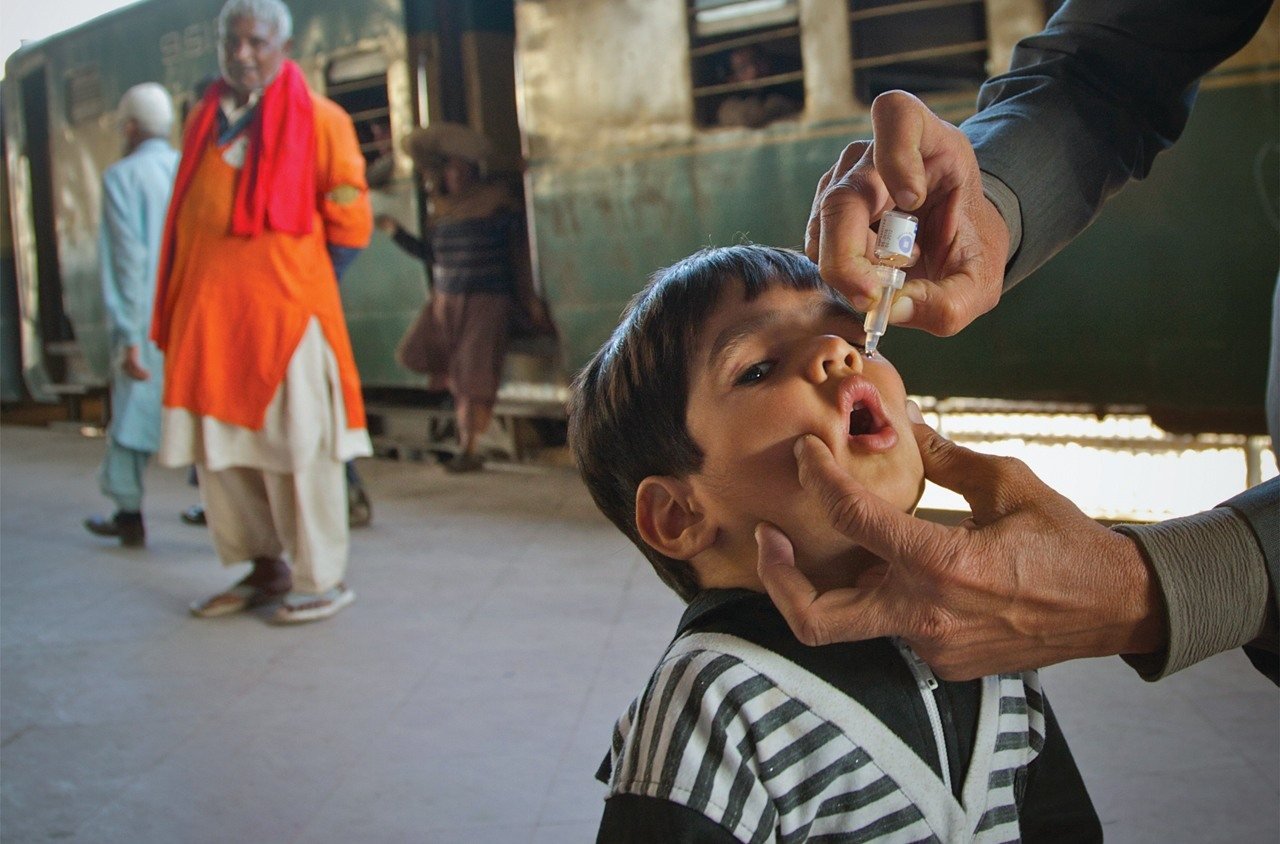
  • Lahore declared Pakistan’s first ‘polio-free city’

    Lahore declared Pakistan’s first ‘polio-free city’

    Lahore has become the first polio-free city in the country.

    According to details, the Lahore deputy commissioner said that the fifth environmental sample taken from the city for the poliovirus tested negative. Earlier four environmental samples for the virus had tested negative, he added.

    He credited the achievement to the doctors, polio workers, and the parents for making the city polio-free.

    Earlier on April 3, around 3.5 million children got vaccinated during the first four days of the nationwide polio campaign in the country.

    Read more – Here’s where you can find COVID-19 vaccine in Karachi, Lahore

    A five-day polio vaccination campaign commenced across the country on March 29 to vaccinate over 40.1 million children under the age of five.

    As many as 290,000 polio workers were administering anti-polio drops across the country while following COVID-19 standard operating procedures (SOPs). Security forces were providing foolproof security to the teams to avoid any unpleasant situation.

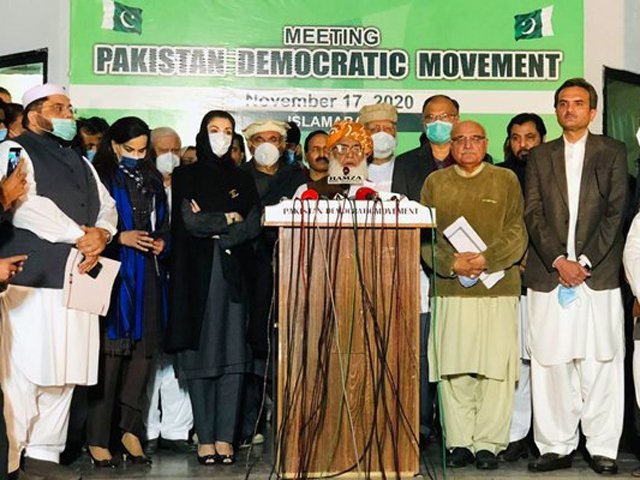
  • PDM: Done and dusted?

    PDM: Done and dusted?

    PPP chairperson Bilawal Bhutto Zardari on Monday announced that the party’s Central Executive Committee (CEC) has called upon its members to resign from all positions of the Pakistan Democratic Movement (PDM). 

    Flanked by party leaders, Bilawal held a news conference to speak about the matters that came under discussion during the recently-held Central Executive Committee meeting of the party. 

    He said the CEC had come to the conclusion that resignations from the national and provincial assemblies should be “like an atom bomb”.

    Bilawal said the PPP’s stance that the Opposition should not “abandon the Parliament and the Senate battleground” had been vindicated.

    He said if the PPP had listened to other political parties in the Opposition and boycotted the Senate elections and by-elections, then it would have harmed democracy.

    “We did not give the PTI government an open field to form a two-thirds majority in the Senate,” he said, adding that the government lost on its “own pitch” when the PDM candidate won from the Nowshera by-election.

    “We will not undermine these gains that the PPP has achieved after giving many sacrifices,” he said. “When the PML-N was in power, we protected the Parliament then and we will protect the Parliament today.”

    He said those who wanted to resign from the Parliament, should do so.

    “But, no one should try to impose their will or their dictation on any other political party,” he said. “And the Pakistan Peoples Party will continue in its firm, consistent Opposition to the selected government that has been ongoing since day one and has not broken for a single day,” stressed the PPP chairperson.

    “The Pakistan Peoples Party rejects the so-called show-cause notice,” he said. “Politics is done with equality and respect,” he added.

    “The PPP demands an unconditional apology to the ANP and to the PPP for this obnoxious attitude,” he said.

    Bilawal said the PPP stands by the ANP and would not abandon them under any circumstances. “There is no concept of show-cause notices in democratic alliances,” he said.

    He recounted the PPP’s participation in the Movement for the Restoration of Democracy and the Alliance for the Restoration of Democracy.

    “We condemn the politics of Opposition against members of the Opposition,” he said.

    The PPP chairperson said his party’s doors were open for all other parties, adding that there should be a “working relationship” among them.

  • Punjab govt launches mobile lungar for travellers, labourers

    Punjab govt launches mobile lungar for travellers, labourers

    Punjab government has launched a mobile lungar scheme in Lahore and Faisalabad in line with Prime Minister (PM) Imran Khan’s Ehsaas Koi Bhooka Na Soye Programme.

    Chief Minister (CM) Usman Buzdar inaugurated the programme in two cities, and food trucks are operating on four different routes in Lahore since.

    The following are the routes of the food trucks in Lahore:

    1. Thokar Niaz Baig to Data Darbar to cater to Multan Chungi, Mandi Stop, Chowk Yateem Khana and Chauburji
    2. Circular Road, Railway Station, Do Moria Pul, Badami Bagh Auto Parts Market, Masti Gate, General Bus Stand, Sabzi Mandi and Niazi Chowk
    3. Garrhi Shahu, Co-op Store, Shalamar, Darogay Wala and Shadipura
    4. Lakshmi Chowk, Mayo Hospital Chowk, Shah Aalam Market, Dalgaraan Chowk and Dehli Gate

    CM Buzdar has announced that 10,000 boxes will be distributed regularly on these routes to provide meals to labourers and travellers.

    In various areas of Faisalabad, two trucks will distribute almost 10,000 lunch boxes regularly.

    CM Buzdar remarked that feeding the needy is Prophet Muhammad (PBUH)’s Sunnah and is also in line with PM Imran’s vision of a welfare state.

    He added that the project will be launched in other cities of Punjab as well.