Amid reports of a delay in the procurement of vaccine, senior journalist Sohail Warraich has claimed that the government is in no hurry to order the coronavirus vaccine as most of the senior government members have already been vaccinated against the deadly disease.
In an article published in Jang, Warraich implied the bigwigs of this country are in no hurry to inoculate the masses as they now consider themselves safe following the administration of the vaccine. His article was shared by former Pakistan Muslim League-Nawaz (PML-N) minister Miftah Ismail, who retweeted the column on his Twitter handle.
In his column @suhailswarraich implies that all the bigwigs of the government have already got a vaccine and therefore there is no hurry for a vaccine for the rest of us. The President, PM and ministers should tell us whether they have already gotten vaccinated against Covid. pic.twitter.com/gwT4kHRu6a
A similar claim was made by journalist Saleem Safi as well. He tweeted that the senior government officials and aides of the prime minister have already been vaccinated. “These people are now distributing the vaccine to their near and dear ones,” he alleged.
نااہل ہونےکےساتھ ساتھ یہ حکومت ظالم بھی ہے۔اہم حکومتی اوروزیراعظم کےقریبی افرادچین سے ویکسین لےکرچوری چھپےلگا بھی چکے۔ قریبی لوگوں میں بھی بھانٹ رہے ہیں لیکن قوم کے لئے ابھی تک ویکسین کا آرڈر بھی نہیں دیا۔ایک طرف “ریاست مدینہ” کا نام اور دوسری طرف یہ سنگدلی؟ https://t.co/gmSmrtL8Xr
Federal Minister for Information Shibli Faraz rejected these claims. Talking to The Current, Faraz said he hasn’t heard anything like this to the best of his knowledge.
Asad Umar, who heads the National Command Operations Centre to fight the virus, also denied these reports while talking to a media outlet.
He said a proposal for the earliest vaccination of strategic leadership was presented earlier, but it was rejected by the government. “I, however, do not know if someone got themselves vaccinated in secret,” he added.
As the pharmaceutical companies, such as Pfizer, started to roll out vaccines, the government announced that Pakistan will have the vaccine by March 2020. However, a recent report revealed that the government has not even placed the final order for the procurement nor has any manufacturer agreed to sell it to Pakistan as of yet.
PM’s aide on health Dr Faisal Sultan was quoted by The News saying that Pakistan has yet to place a final order and strike a deal with a manufacturer.
On Dec 31, it was reported that the government had decided to purchase 1.2million doses of a Chinese vaccine, Sinopharm, amid a worsening coronavirus outbreak across the world.
Pakistan had planned to vaccinate its population in three phases: In the first phase, frontline health workers will be inoculated; the second phase will be focused on the elderly; the third phase will be for the general populace.
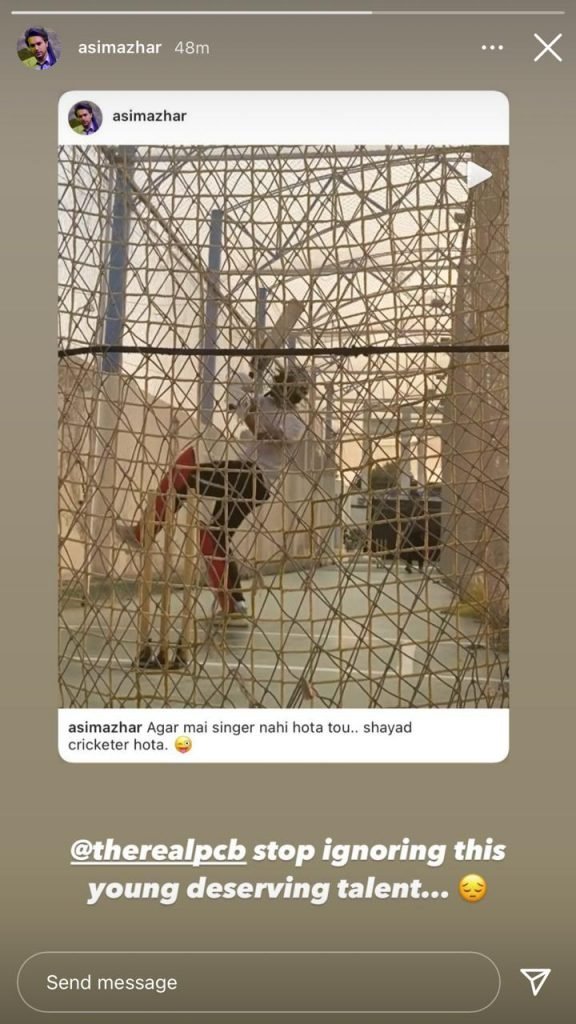
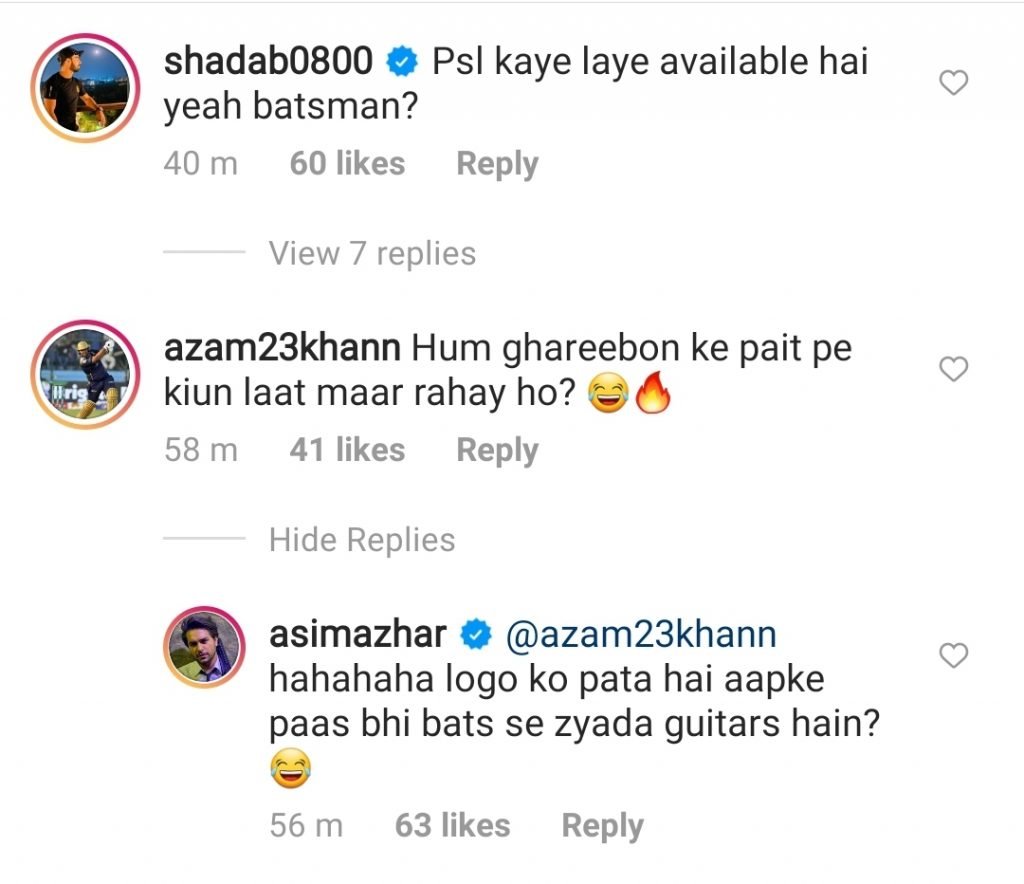
Meanwhile, Shadab Khan and Azam Khan were concerned about Asim’s revelation, with Shadab asking if “this batsman is available for PSL” and Khan asking Azhar to stop stealing his job.
However, Azhar Ali gave Asim’s batting a thumbs up.
Researchers from Shah Abdul Latif University’s Department of Archeology have found traces of a third-century settlement in Brahmanabad, Sindh. Brahmanabad is believed to have been set up in the eighth-century by Muhammad Bin Qasim. The area was the historical capital of the Muslim Caliphate in Sindh during the eighth century, under the Umayyad Caliphate and then under the Abbasid Caliphate from the year 750 AD to 1006 AD.
According to a report in Arab News, a team of around 20 archaeologists started excavation on the site in December as part of a joint project of the Sindh culture department and Shah Abdul Latif University in Khairpur. The supervision was led by Dr Ghulam Muhiuddin Veesar.
Speaking to the publication, Veesar said: “Through [the] material we got, we can say that this settlement of Brahmanabad also existed in the third century AD and people lived here, proving that the settlement is of a pre-Islamic era.”
“We have done both vertical and horizontal excavations so that we may know its cultural phases to determine when the settlement started, how long people were living there,” said Dr Veesar, adding: “Another important feature we found is that the whole settlement is established on a riverbed. They formed the settlement on mounds of natural silt sand dunes of river bed.”
Sindh Minister for Culture, Syed Sardar Ali Shah referred to the findings as of “high importance”.
“It is a great achievement,” he said. “The detailed report is awaited, but in the future, these findings can be helpful in connecting the linkage with other archaeological sites like Mohenjo Daro.”
This is the third such excavation on the archaeological site in the last 180 years. The first one took place in 1854 during British rule and the second one was in 1962 by a government of Pakistan team.
یہ کہنا مبالغہ آرائی نہ ہوگی کہ میں نے اپنی 70 فیصد زندگی “پتا نہیں ” کہہ کر گزاری ہی ۔ کوئی پوچھے کہ کیا کھانا ہے، میرا جواب ہوتا ہے ” پتا نہیں ” کوئی پوچھے کہ جانا کہاں ہے ،میرا جواب ہوتا ہے ” پتا نہیں ” ،کیا پہننا ہے ،کس سے رابطہ کرنا ہے، کیا دیکھنا ہے، کیا پڑھنا ہے، زندگی کا کوئی بھی کام ہو ، میری کوشش ہوتی ہے کہ ” پتا نہیں ” کہہ کر ہی مسئلے کا حل نکل آئے گا ۔ مسئلے کا اگر حل نہ بھی نکلے تو کم از کم میرے فیصلے سے مسئلہ نہ ذیادہ خراب اور نہ ہی سہی ہوتا ہے۔
یہ تو خیر میری نجی زندگی کی روداد ہے ،لیکن یہ ” پتا نہیں ” کی عادت تو ہماری موجودہ حکومت نے بھی اپنا لی ہوئی ہے۔ بے نیازی اپنے محبوب میں تو اچھی لگتی ہے لیکن اپنی حکومت میں اس قدر بے نیازی دیکھ کر میرا پتا نہیں بھی ” لگ پتا گیا ” بن چکا ہے ۔ میں یہ پورے وسوق سے کہہ سکتی ہوں کہ اس ” پتا نہیں ” نے زندگی میں مجھے کچھ خاص آگے نہیں پہنچایا ۔لیکن موجودہ حکومت کو شاید یہ پہلے سے ہی معلوم ہے کہ وہ شاید عمر بھر اب شہرِ اقتدار سے نہیں جائے گی ۔ میرے وزیر اعظم عمران خان ،جو ذرائع کے مطابق اس ملک کو چلانے کے ذمہ دار ہیں ، نے اپنے دور حکومت میں اکثر و بیشتر بڑے خوبصورت انداز سے اپنی بے نیازی کا اظہار کیا ہے ۔ کبھی وہ بڑی معصومیت سے کہتے ہیں ” مجھے تو پتا ہی نہیں تھا ” ، اور کبھی کہتے ہیں “مجھے تو ٹی وی سے پتا چلا ” اور کبھی وہ کہتے ہیں ” مجھے تو میری بیوی بشریٰ نے بتایا ” ۔ مجھے ان کی بے نیازی پر ہمیشہ عمر اکمل یاد آ جاتے ہیں جنہوں نے ایک بار کہا تھا ” مجھے نہیں پتا وہاں کیا ہو رہا تھا” ۔ یہ جملہ شاید عمر اکمل نے بھی اس حکومت کے لیے ہی کہا تھا۔
ہمارے وزیرِ اعظم ایک نجی ٹی وی کو انٹرویو دے رہے تھے جس میں میزبان کی جانب سے مہنگائی پر سوال اٹھایا گیا ۔ سوال میں پوچھا گیا عوام کیا کرے کیسے گزارا کرے ۔ میزبان کا کہنا تھا کہ لوگ خود کشیا ں کرنا شروع کر دیں گے ۔ جس پر ہمارے وزیر اعظم نے کہا ” تو پھر کیا کریں؟ ” میں نے یہ جملہ کافی بار سنا تا کہ مجھے یقین آ سکے کہ کوئی ایسا بھی ہے دنیا میں جس کو مجھ سے ذیادہ ” نہیں پتا ” ۔ ابھی اس ” پتا نہیں ” سے شناسائی بڑھ ہی رہی تھی کہ وزیرِ اعظم عمران خان نے کہا ” ہم 5 سال کے لیے آتے ہیں ، کچھ سمجھ نہیں آتا اور وقت گزر جاتا ہے ” ۔ پھر وزیراعظم نے ایک محفل میں یہ بھی کہ ڈالا کہ “ہمیں حکومت میں نہیں تھے تو کچھ نظر نہیں آتا تھا”۔ لیکن عمران خان صاحب! آپ کو تو اب بھی کچھ پتا نہیں چل رہا! یہ ایسے ہی جیسے آپ کسی ایسی شادی میں جائیں جہاں نہ آپ کسی کو جانتے ہوں ، نہ کوئی آپ کو جانتا ہو ۔ اور ادھر ادھر دیکھنے میں ہی وقت بیت جائے۔ ملک میں کورونا اسی طرح پھیل رہا ہے جیسے وفاقی حکومت کی کیبنٹ پھیل رہی ہے ۔ہم جو رو رہے تھے کہ چین کی ویکسین سے خاص فرق نہیں پڑنا، اسی دوران وزیر اعظم کے معاون خصوصی ڈاکٹر فیصل نے بتایا کہ پاکستانی حکومت نے تو ویکسین کا آرڈر ہی نہیں دیا ۔اور شاید حکومت کو یہ بھی نہیں پتا ویکسین کون سی خریدنی ہے ۔ عمران خان کہتے تھے کہ باہر سے لوگ پاکستان آئیں گے نوکریاں کرنے ۔فالحال تو باہر سے صرف کورونا آیا ہے، اور وہ شاید کہیں جانے بھی نہیں والا ۔اسی “پتا نہیں ” کے سحر میں دو دن پہلے کپتان نے کہا کہ مہنگائی پر جلد ہی قابو پا لیں گے ۔اور آج میں نے پٹرول سے لے کر میری جینے کی تمنا تک کو مہنگا ہوتے دیکھا ۔ مزے کی بات یہ ہے کہ وزیر اعظم اپنے ہر خطاب میں ہمیشہ کہتے پائے گئے ہیں کہ ان کو سب پتا ہے ۔ ہم ان کی بات سے متفق ہیں۔ لیکن جو ہمارے کپتان کو پتا ہے وہ نہ کہنے کے لائق ہے اور نہ سننے کے لائق ہے۔ جس کی سب سے بڑی مثال شیعہ ہزارہ کا دلخراش واقعہ ہے ۔کپتان کو یہ کہیں سے پتا چل گیا کہ لواحقین ان کو بلیک میل کر رہے ہیں۔نا صرف یہ،بلکہ جیسے جرمنی اور جاپان کی سرحدیں ملائی تھیں، اسی طرح ہزارہ شیعہ کو ڈاکو مافیا سے بھی ملا دیا ۔ میرے پیارے وزیرِ اعظم ، اگر آپ کے پتا نہیں کہنے کا ایک ڈالر ملتا ہوتا تو آج آپ کی قوم لاکھوں کروڑوں کی مالک ہوتی ۔آپ کے ” پتا نہیں ” کی وجہ سے عوام یہ سوچنے پر مجبور ہو گئی ہے یا تو آپ کے پاس اسمارٹ فون کے بجائے نوکیا 3310 فون ہے یا پھر آپ کے پاس سگنل ہی نہیں آرہے ؟ آپ کے اس پتا نہیں کی وجہ سے ہم سب ایک بے یقینی کے عالم یہی سوچتے رہتے ہیں کہ پتا نہیں بجلی آئے گی کہ نہیں، پتا نہیں گیس آئے گی کہ نہیں ، پتا نہیں پٹرول سستا ہوگا کہ نہیں، پتا نہیں آٹا ملتا رہے گا کہ نہیں ، پتا نہیں چینی ملے گی یا نہیں ،پتا نہیں ہم رہیں گے کہ نہیں؟
اب خود ہی بتائیے جب آپ ہی کو کچھ پتا نہیں ہوگا ، کچھ خبر نہ ہوگی ، تو ہمارا کیا ہوگا ؟
وہ میر تقی میر نے شاید یہ شعر ہماری موجودہ حکومت کے لیے ہی کہا تھا:
پتۤہ پتۤہ بوٹا بوٹا حال ہمارا جانے ہے جانے نہ جانے گل ہی نہ جانے باغ تو سارا جانے ہے
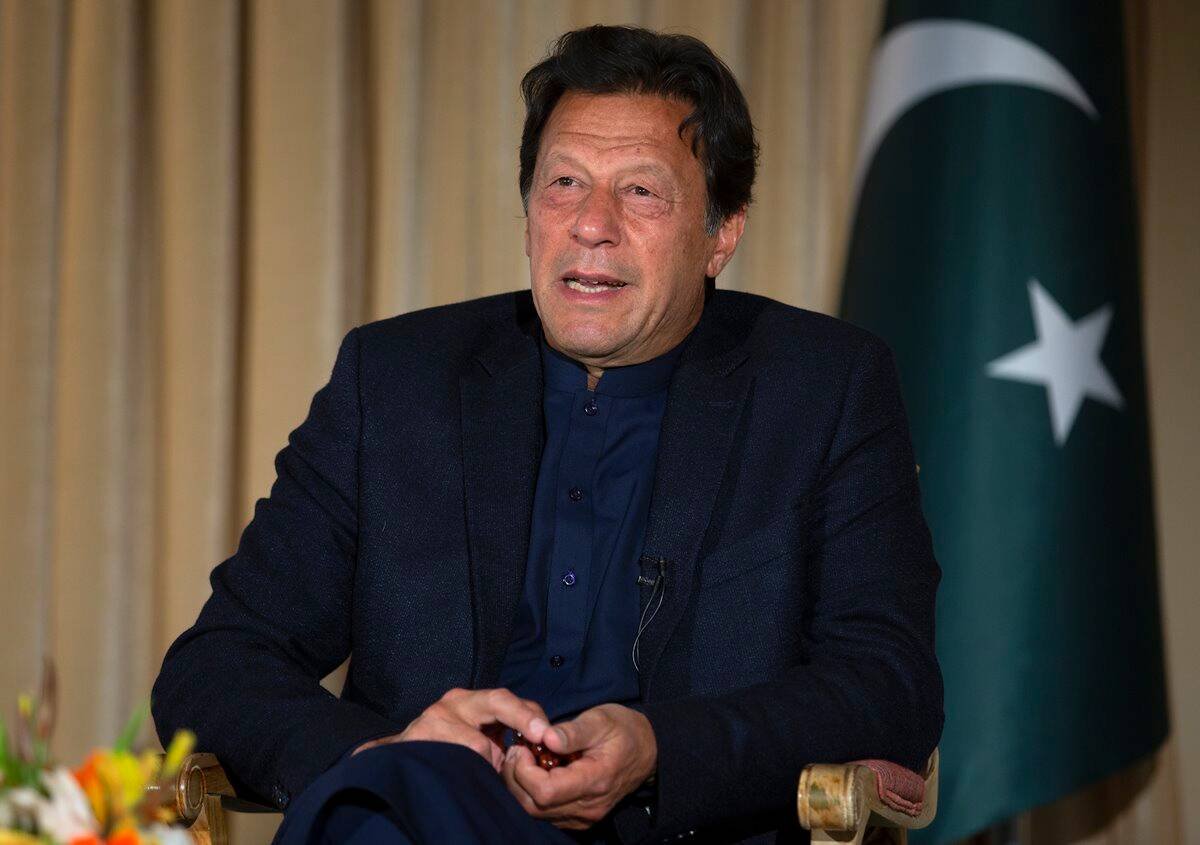
Prime Minister Imran Khan has stopped the Pakistan Tehreek-e-Insaf (PTI) spokespersons from sharing the details of the party meetings with after details of a spokesperson meeting were released to the media.
According to reports, the PM is not happy with the fact that the details of the party spokespersons meetings, organised on a regular basis to discuss the internal affairs and future strategy, make it to the newspapers even though there pertain to the internal affairs of the party.
According to the PM, the meetings of the party spokespersons are held to strengthen the party narrative and these decisions should not be made public. He said the details of the meeting have been “misreported” on multiple occasions while directing the party spokesperson to keep these details under wraps.
Recently, a news about PM aide Nadeem Afzal Chan’s resignation was being reported in the media before the resignation reached the PM, prompting a stern response from Imran. Recently, PM Imran Khan had also expressed annoyance with his ministers, saying if someone had a problem with the government narrative, they should step down from the cabinet.
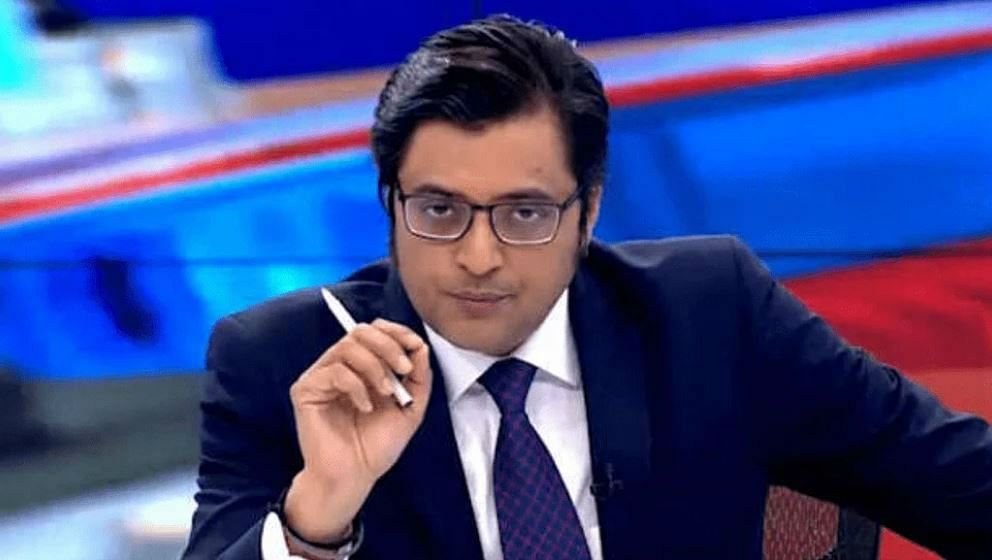
Republic TV Editor Arnab Goswami knew about the Balakot strikes three days before the Indian air force bombed an alleged militant camp inside the Pakistani territory, revealed a Whatsapp chat between Goswami and Partho Dasgupta, the former head of India’s Broadcast Audience Research Council (BRAC).
According to Indian media reports, the purported chat is mentioned in a transcript that is part of a 3,400-page supplementary chargesheet filed by the Mumbai Police in their investigation into the alleged Television Ratings Point scam.
In the conversation on Feb 23, 2019, Goswami said that ‘something big will happen’ and three days later, the IAF planes carried out a strike in Pakistan, bringing the two countries on the brink of a full-fledged war. The conversation also suggested that the strikes were conducted to boost ruling Bharatiya Janata Party (BJP) popularity ahead of the national elections.
There are also many instances in the transcripts that show Goswami boasting about his proximity to the Prime Minister’s Office and the Ministry of Information and Broadcasting. There is another instance where he says that “all the ministers are with us”, reported The Hindu.
In other conversations, Goswami also complained about other news channels getting better ratings than his (Republic TV) and Dasgupta assures him that necessary steps will be taken to “clean the data”, it reported.
Following the release of these Whatsapp conversations, #ArnabGoswamiExposed started trending on Twitter, with Indian users demanding accountability of those involved in the episode.
Official secrets act 1923.
‘Expressions referring to communicating or receiving include ANY communicating or receiving, whether in whole or in PART. Expressions referring to OBTAINING any plan or MODEL.
Arnab Goswami knew about the air strikes on Balakot, three days before they happened? Worse, he shared it on chat? Secrecy of military operations in India aren’t sacrosanct any more? https://t.co/Q1KgDdTjLh
Arnab’s Whatsapp chats reveal that he rejoiced at the Pulwama bombing which killed 40 jawans, saying “We won big”; & had advance info on the Balakote strikes. He says, “people will be elated” by strikes. In light of this, read:17 facts on Pulwama & Balakothttps://t.co/58huLeP6p9
#ArnabGoswami, by all accounts, had prior information about the Balakot airstrikes, 3 days before it happened. The BJP govt has apparently been communicating crucial National Security decisions to Arnab so that he can prepare in advance to boost his channel’s TRPs. Despicable!
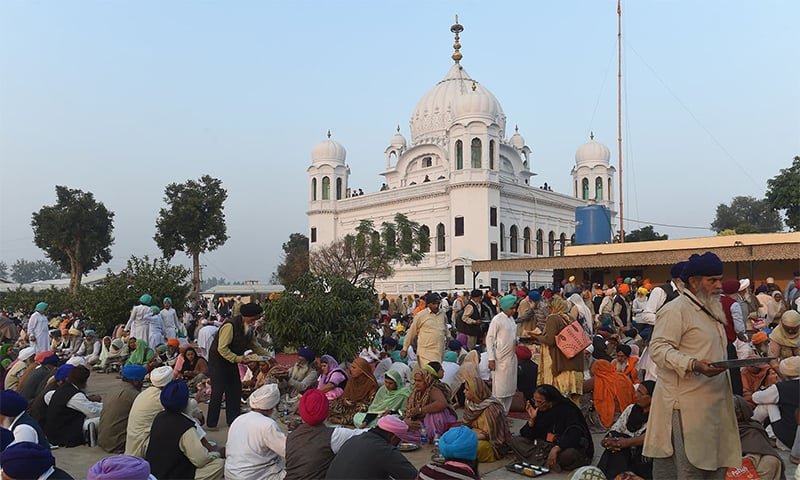
After the inauguration of the Kartarpur Corridor in November 2019, Pakistan has repositioned itself as an attractive destination for the global Sikh community for religious tourism. The numbers so far have not reached the expectations because of many reasons including among others the spread of the coronavirus and the heightened tension between India and Pakistan.
Despite many hurdles, the history of the land of Pakistan retains a rich potential for the Sikh diaspora to relive and reclaim their religious heritage. As an effort to highlight and elaborate the religious memorials, Gurdwara, and history of the important religious figures, we find an impressive effort of Dr Dalvir S. Pannu as, The Sikh Heritage: Beyond Borders of India and Pakistan.
The book is both a culmination of the writer’s ten years journey to explore the present condition of the memorial sites, also beautifully presented pictorially in it and a search for the authentic Sikh history with the help of archival and contemporary sources. The book also engages with the historical interaction between Muslims and Sikhs before 1947.
The book also engages with the historical interaction between Muslims and Sikhs before 1947.
To tell the story of eighty-four memorials in six districts of Punjab, the book sets off from the description of the Gurdwara Janam Asthan (the birthplace of Guru Nanak, the first of the ten Sikh Gurus), in the Nankana district.
Locating 13 more in Nankana, 03 in Sheikhupura and six in Sialkot, the book highlights the importance of Guru Nanak’s life to understand the development of Sikhism. One finds that Gurdwara Sacha Sauda in Sheikhupura commemorates the moment in Guru Nanak’s life when he gave twenty rupees to a group of hungry mendicants instead of using them for personal business purpose. The Gurdwara Babe Di Ber in Sialkot the meeting of Guru Nanak with a Muslim mystic whose anger with the locality was resolved by Guru by pointing out the importance of being forgiving.
Dr Pannu could locate the dilapidated remains of 17 memorials in the Kasur district. The remains of the memorials still exhibit dimly the frescoes on the walls and ceilings, paintings of the saints, dilapidating arches, inscriptions in Gurmukhi, and weakened parapets.
The book surprises its local Muslim reader with the recollection of the story of Baba Bulle Shah (1680-1757) taking refuge in a Gurdwara Sahib of Daftuh, the Union Council of the Kasur district. The famous poet, and later Sufi saint of the Muslims, took refuge in the Gurdwara to save his life from the angry Muslim mob of village Pandoke, his ancestral village.
The shared communal traditions engulf the reader further once the book ferrets out the shrines and memorials in Lahore. The half of the total number of Sikh shrines, the book mines them in Lahore highlighting the importance of the city not only as a center stage for the development of the Sikh religion but also for being a witness to a long history of mutual engagement, strife, and coexistence of Sikhs and Muslims.
One comes to know that Lahore is the birthplace of the sister of Guru Nanak and first GurSikh Bebe Nanki (1464-1518) in a village Chahal memorialized as Dera Chahal, and Guru Ram Das (1534-1581), the fourth of the ten Sikh Gurus, memorialized as Gurdwara Janam Asthan Guru Ram Das.
Lahore also became a place where a Mughal ruler martyred Guru Arjan (1563-1606), the fifth of the ten Sikh Gurus, and the site is memorialized as Gurdwara Dehra Sahib. The city has the site of Gurdwara Shaheed Ganj, memorialized as a site of a painful memory of Sikhs killed in hundreds during the period of Mughal Viceroys of Lahore, including Abdul Samad Khan (1713-1726), Zakariya Khan (1726-1745), and Mir Mannu (1748-1753).
The same city is also important for the shrines of figures including Pir Sheikh Abdul Qadir Jilani Sani (d. 1560), Wazir Khan (Sheikh Il mud Din Ansari, famous for making a grand mosque) and Hazrat Mian Mir (1550-1635), radiating the cheerful memories of friendly and intellectual interaction with Sikh Gurus.
The book ends its journey in the Narowal district at the Gurdwara Darbar Sahib, Kartarpur (God’s dwelling). The story of Gurdwara Darbar Sahib is also the story of the last eighteen years of the life of Guru Nanak who finally settled in this village and favored the life of the household instead of Udasis or life as a Divine Mission.
As the book collected its data before 2019, the story of the Gurdwara Darbar Sahib does not include the development of the site as a Gurdwara Kartarpur Corridor inaugurated in November 2019. However, the details of Guru Nanak’s household life introduce the reader with interesting anecdotes coloring Sikhism with the teachings of Guru in a more practical fashion.
The book is an outcome of the authentic and deep-seated urge to find one’s own identity in the communally divided region.
In the backdrop of the birth of Pakistan that entailed violent communal clashes resulted in the uprooting of almost 2 million Sikhs from the region of Pakistan and constant tension on the borders between India and Pakistan since then, there has been seldom space, especially during the whole twentieth century for conducting such a study.
This book is a witness to the beginning of a new turn in the history of Pakistan, when, instead of bracketing with the victims or perpetrators communally, the painful memories of violence can be commemorated from the humanistic perspective. The search of the Global Sikh community for the Sikhism within this region may become an opportunity for Pakistan to embrace its own heritage truly.
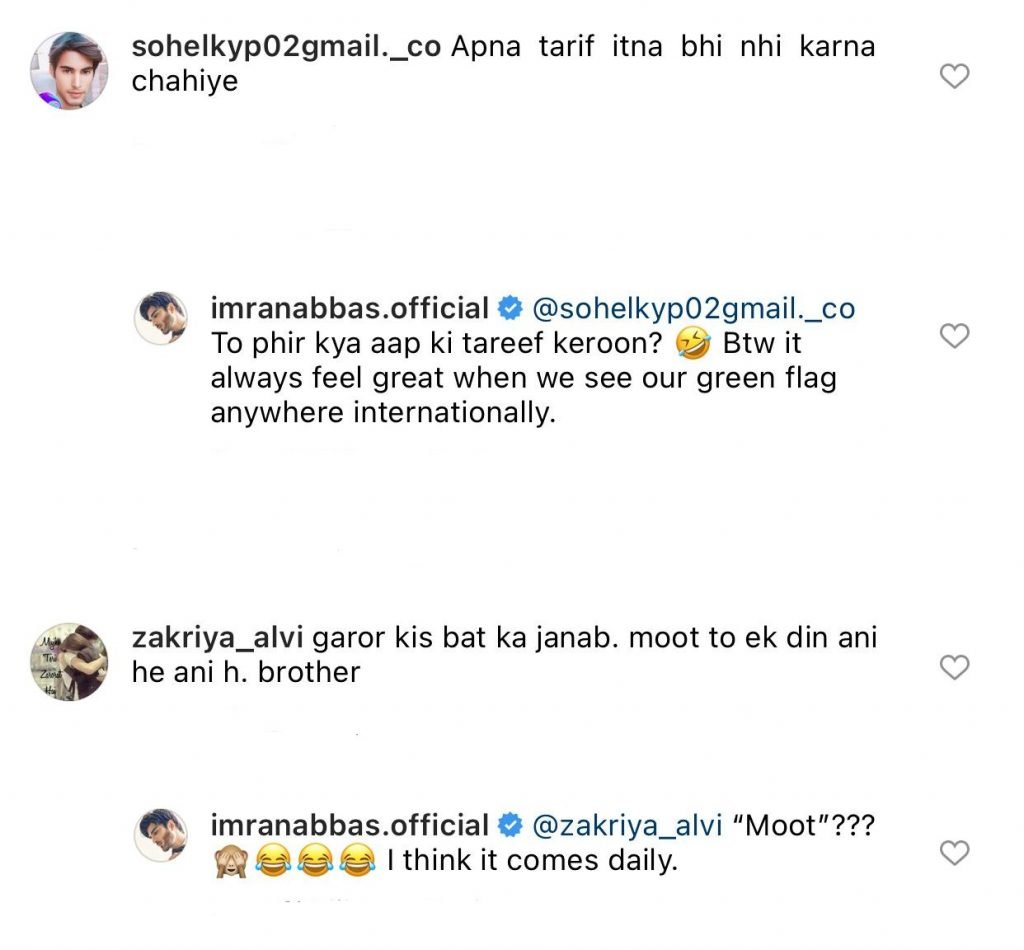
While some followers congratulated the actor for his feat, others felt he was showing off. However, Abbas was quick to respond to them telling them that he was proud to represent his country internationally. However, he later turned off the comments section of his post.
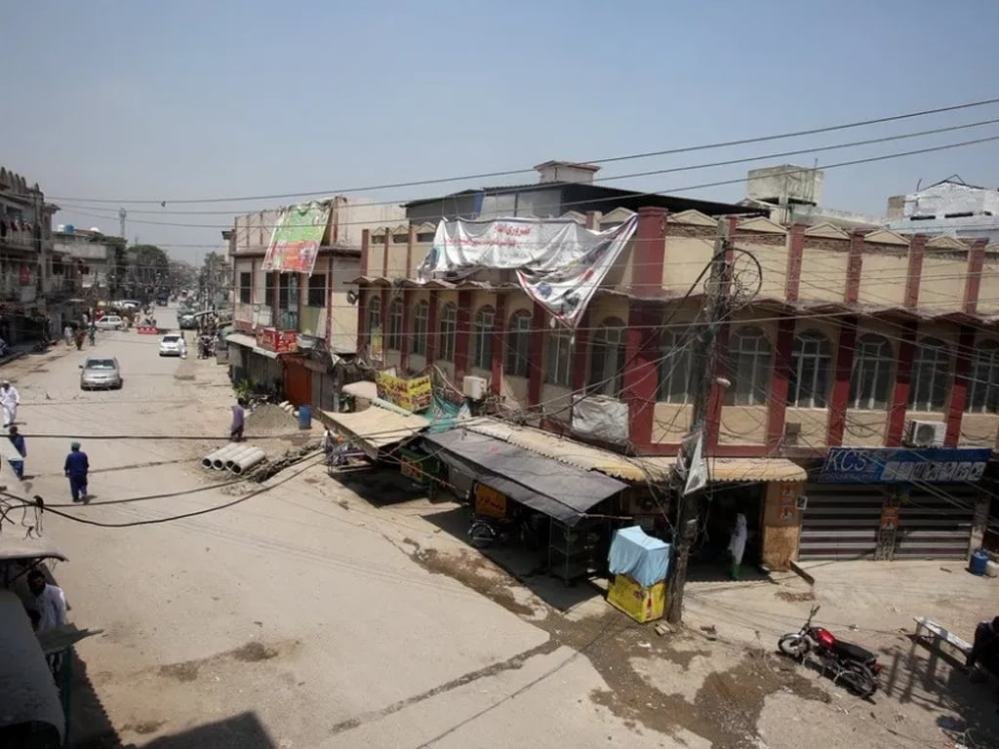
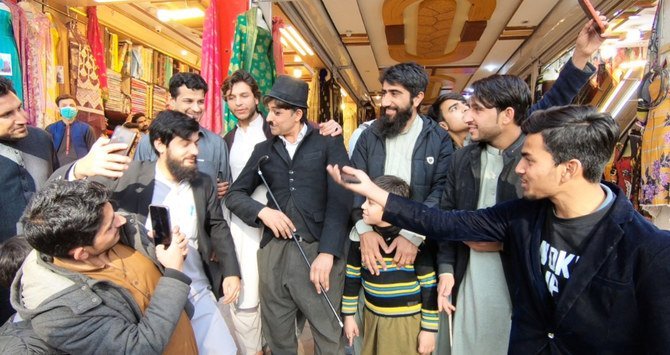
A man from Peshawar, Usman Khan has taken the initiative of spreading smiles after the area where he has lived has witnessed decades of suicide attacks, explosions, and threats from hardline militant groups.
The stand-up comedian wears Charlie Chaplin’s trademark oversized shoes, baggy pants, cane and black bowler hat and performs across the city.
“The sole purpose of this art is to bring a smile to the faces of people,” 30-year-old Khan told Arab News while walking on the streets of Peshawar.
“For the past decades, Peshawar and Khyber Pakhtunkhwa have faced terrible times. I know I can’t perform as well as the great Charlie Chaplin, but with limited resources, I am doing my best to spread happiness,” said Khan.
He added: “I have adopted Chaplin’s character and style in such a deep way that I perform even when I am sleeping. My wife has complained about this.”
Khan shared he started watching Chaplin’s films from childhood and was soon able to copy his iconic walk.
Now, when he travels through Peshawar imitating the famous actor, crowd around him claps for him and ask for selfies.
“This man has been among the few sources of smiles during the toughest times,” local shopkeeper Wali Afridi said. “Khan is now a kind of star in this area; he comes to our shops and takes what he wants and performs a few comic sketches.”
Four friends of Khan help him with his routine. The team is now recreating many of Chaplin’s old routines on video. They are hopeful that social media will help them gain larger audiences and turn their passion for comedy into an earning profession.
“Cheerful faces and crowds around us encourage us to do more funny videos,” Khan said, posing with a local for a selfie.