The vehicle comes with a three-year/100,000km warranty, whichever comes first, and will be available in multiple colours, including Steller White, Lunar Silver, Galaxy Black, Cosmic Red, Nebula Blue and Space Gray.
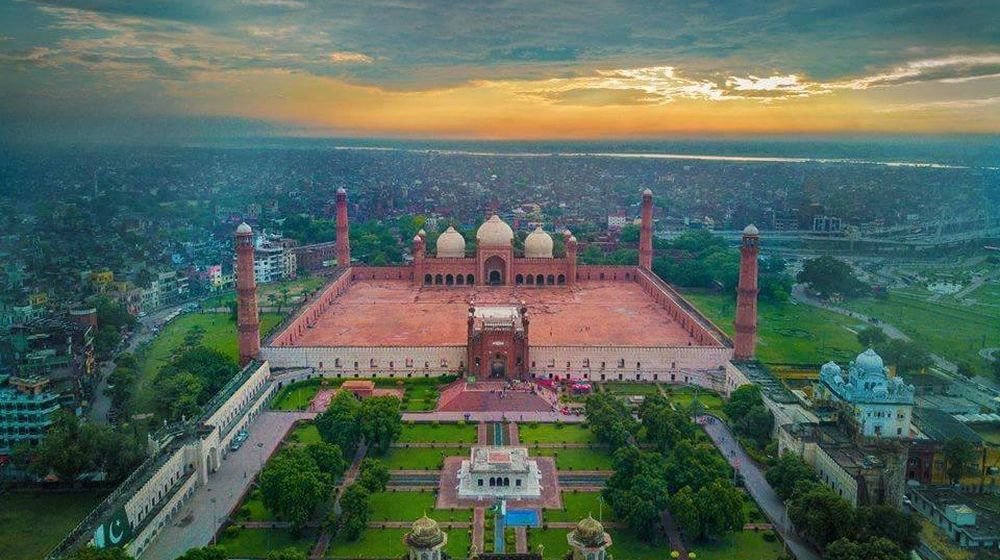
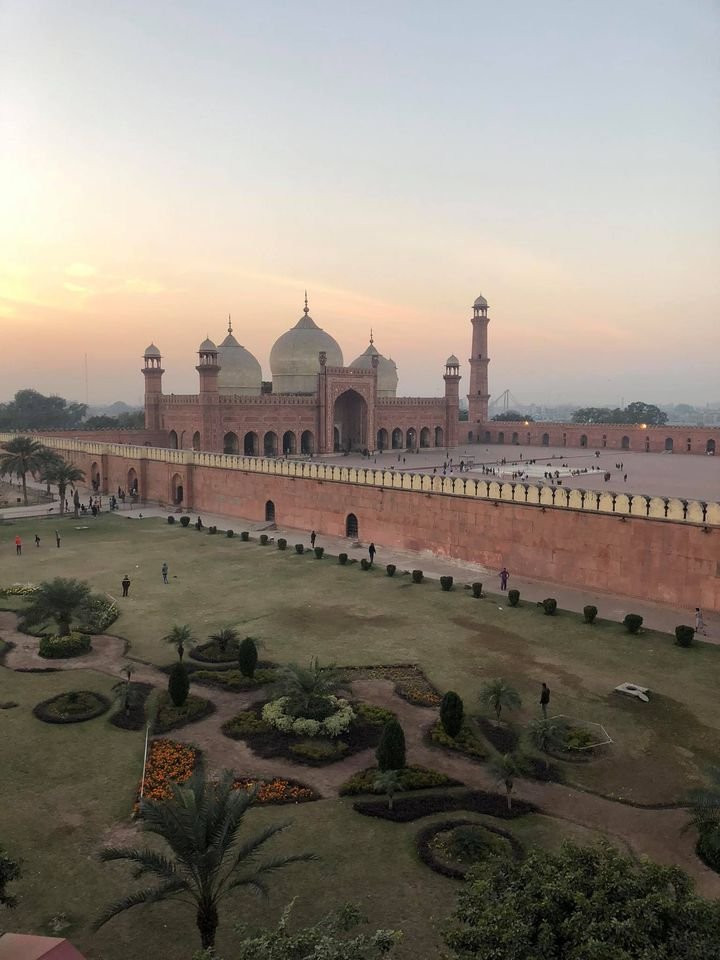
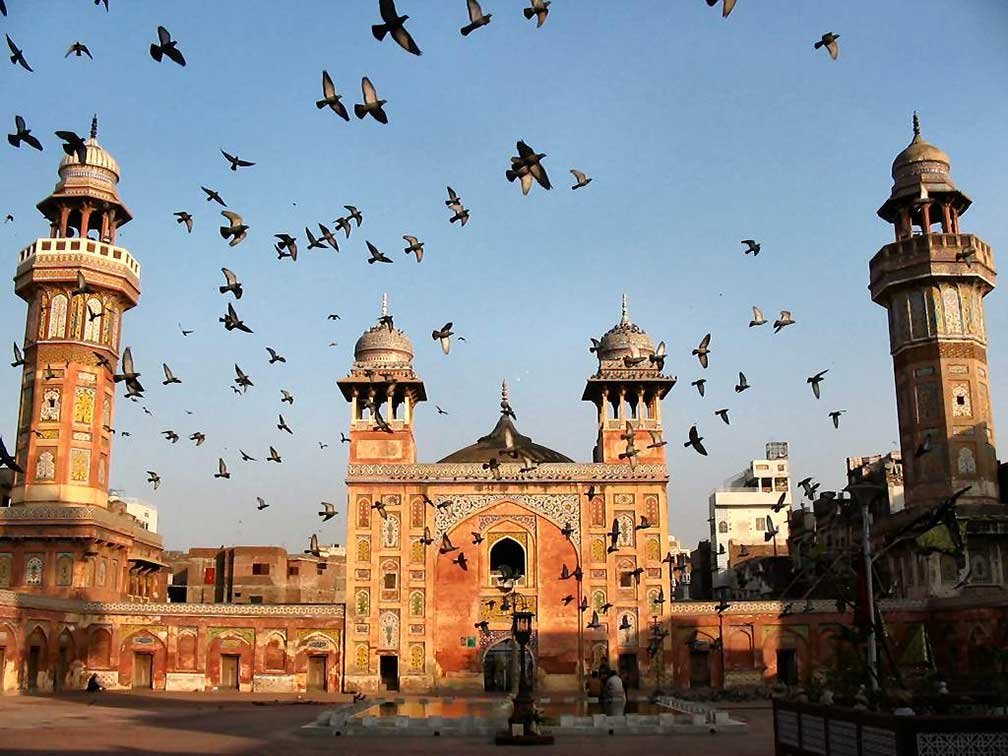
Lahore has been listed among the world’s most-loved cities by the New York Times.
The New York Times recently published a piece in which the publication asked people about the places that delighted or comforted them in 2020. While it received more than 2000 suggestions, only 52 of them got the chance to be featured in the publication’s article. According to the American daily, Lahore is among the most-loved cities for its food, culture, and historical architecture.
“Especially in winter, this city nourishes you. It opens its arms to you, then feeds you and wraps you in a hug,” wrote the author while expressing the beauty of the city.
Lahoris are admired for their hospitality and the city is loved for its rich historical architecture.
Other tourist spots on the list include Andros of Greece, Lebanon’s Beirut, Romania, Siberia, Jordan’s Wadi Rum and Kaliya Dhrow, India.
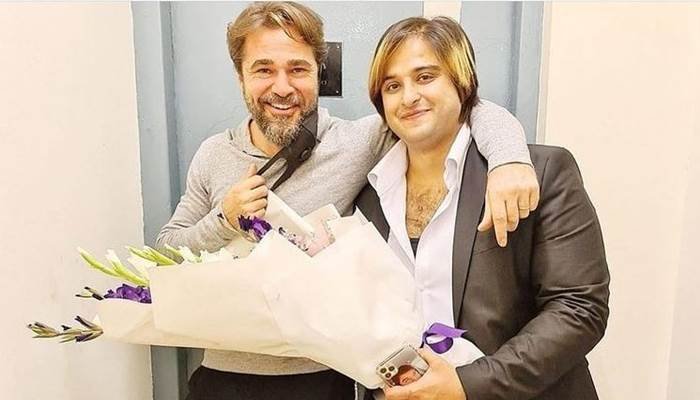
It is pertinent to add there that even Turkish actor Engin Altan Düzyatan couldn’t resist saying “Lahore, Lahore hai” during his visit to the city.
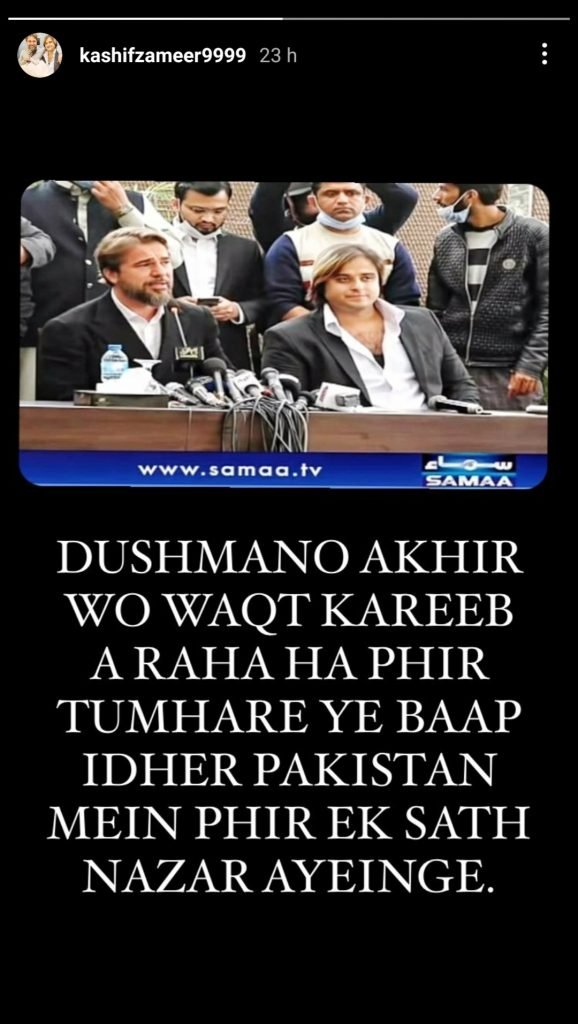
Engin Altan Düzyatan’s Pakistani host Kashif Zameer has claimed that the Diriliş: Ertuğrul star will be visiting Pakistan again in three days.
“Get ready for the Engin Kashif friendship blast,” said Kashif in an Instagram post.
Earlier, in an Instagram story, Kashif said that haters will be silenced soon once he and Engin are seen together.
It was earlier rumoured that Engin has cancelled his contract worth $1 million with Zameer’s Chaudhry Textiles after it was reported that the police have arrested Kashif for having a criminal record. Zameer, later trashed the rumours saying that Engin had assured him that the deal will not be disbanded.
Meanwhile, Engin has not yet commented on the matter or confirmed whether he will be coming to Pakistan.
Former prime minister Nawaz Sharif offered a bribe to Broadsheet for abandoning probe against his foreign assets, claimed Broadsheet Chief Executive Officer (CEO) Kaveh Moussavi in an interview on Sunday.
In an interview published on YouTube, he said the assets recovery firm “had flatly refused the deal offered by a person claiming himself as the nephew of Nawaz Sharif in 2012”.
According to APP, Moussavi said the firm refused the deal because it did not “negotiate with the crooks”.
The Broadsheet CEO also criticised Nawaz for claiming that the firm hired by military dictator Gen Pervez Musharraf to identify assets of Pakistanis, mainly politicians, had exonerated him and his family.
According to Moussavi, the Sharif family has assets not only in the United Kingdom (UK) but across the globe, claiming he still has evidence against the Sharifs.
The Sharif family required plenty of explanation about their resources of amassing these assets, he added. He said his firm was ready to probe the Avenfield Apartments’ purchase by the Sharifs on the request of the Pakistan government.
He said the process of accountability was continuing but after President Musharraf left the office, his successors started hampering the process by not giving them access to information and termination of Broadsheet’s contract.
Broadsheet was asked to go after the Sharif family at start, but it told Gen Musharraf that it would not become a part of a witch-hunt, the CEO said, adding that the probe was subsequently expanded to the previous governments as well.
The payment to Broadsheet under the asset recovery agreement was contracted at 20 per cent of the recovery from each ‘target’, the term used for those being probed. However, the agreement was revoked in 2003.
According to Moussavi, the former president had told him in 2007 about the cancellation of the agreement, saying: “You know Mr Moussavi the Supreme Court told us to have an election and we did so. They came back to power and gutted NAB.”
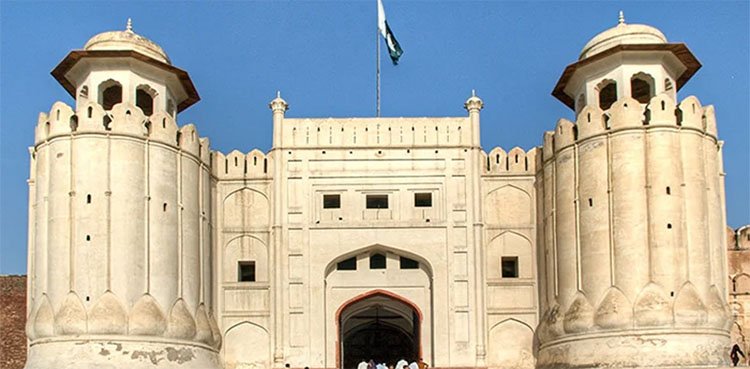
A 50-year-old man died after falling from a 200 feet high wall of the Lahore Fort.
The deceased, identified as Munir was seriously injured after falling from the Lahore Fort wall while trying to take a selfie on Saturday. He was taken to a nearby medical facility where he succumbed to his wounds.
A spokesman for the walled citysaid that the deceased was from Sheikhupura. He fell from wall while trying to take a picture.
“The administration of the fort warned him multiple times to refrain from climbing up the wall but he did not listen to their warnings that lead to this incident,” the spokesperson added.
According to media reports, WhatsApp has issued a statement about its new privacy policy. According to the new privacy policy, WhatsApp will share account registration information, phone numbers, transaction data, service-related information, interactions on the platform, mobile device information, IP address, and other data collected based on users’ consent, a new update says.
To address the privacy concerns, WhatsApp issues a statement on 8th January, which states that the new update “does not change WhatsApp’s data-sharing practices with Facebook”.
A spokesperson from WhatApp spoke to Quint about the new update, “For users who do not agree with the new WhatsApp terms of service, they will not be able to use the app after February 8. However, contrary to the general held perception, the user’s account will not be deleted after February 8.”
WhatsApp also issued a public statement regarding the privacy matter :
“As we announced in October, WhatsApp wants to make it easier for people to both make a purchase and get help from a business directly on WhatsApp. While most people use WhatsApp to chat with friends and family, increasingly people are reaching out to businesses as well.”
“To further increase transparency, we updated the privacy policy to describe that going forward businesses can choose to receive secure hosting services from our parent company Facebook to help manage their communications with their customers on WhatsApp. Though of course, it remains up to the user whether or not they want to message with a business on WhatsApp”.
“We are communicating directly with users through WhatsApp about these changes so they have time to review the new policy over the course of the next month,” the statement added.
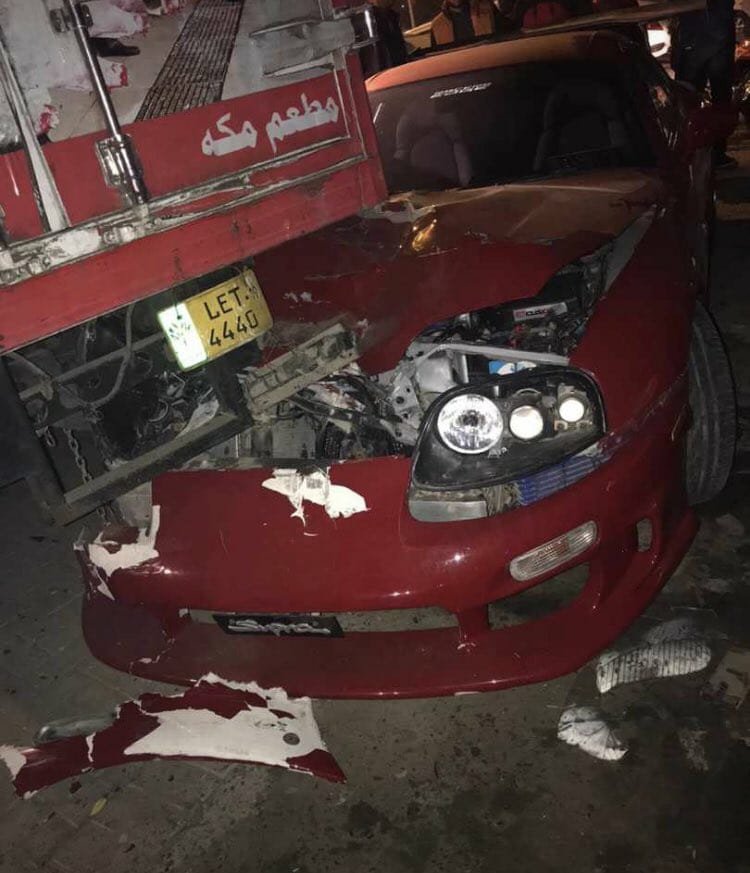
Shoaib Malik’s car reportedly met with an accident after Pakistan Super League (PSL) Drafts 2021 at Qaddafi Stadium, Lahore. The cricketer, fortunately, escaped unhurt and is safe.
According to details, Malik left the National High-Performance Centre at high speed and hit a truck, parked on the roadside outside Qaddafi Stadium. Eye witnesses claim that the cricketer was unable to control his car, which ended up skidding on the road and hitting the truck.
Shoaib Malik perfectly fine, Car accident but thank God he is fine, Car badly damaged. pic.twitter.com/iU4NtumKxY
While Malik is safe and unhurt, his car has been badly damaged due to the high speed. He was returning to his hotel after attending the PSL 2021 drafts in Lahore.
He was later taken to the hotel where he staying by fielding coach Abdul Majeed.
Later, in a tweet, the all-rounder said that he is perfectly fine.
“It was just a happenstance accident and Almighty has been extremely Benevolent. Thank you to each one of you who’ve reached out. I am deeply grateful for all the love and care,” wrote Malik.
I asked my daughter yesterday, what I should be. A journalist, a baker (we love to bake) or a teacher. And she said she would just like me to be her mother, and nothing more.
The Hazara community buried their 11 dead today after seven days of extreme devastation. They needed their Prime Minister to be their solace and he only arrived after they buried their murdered dead, and after calling them blackmailers. How does one continue their lives after such utter devastation? To never see a member of your family, your brother, father, child? Has to be the most difficult feeling in the world.
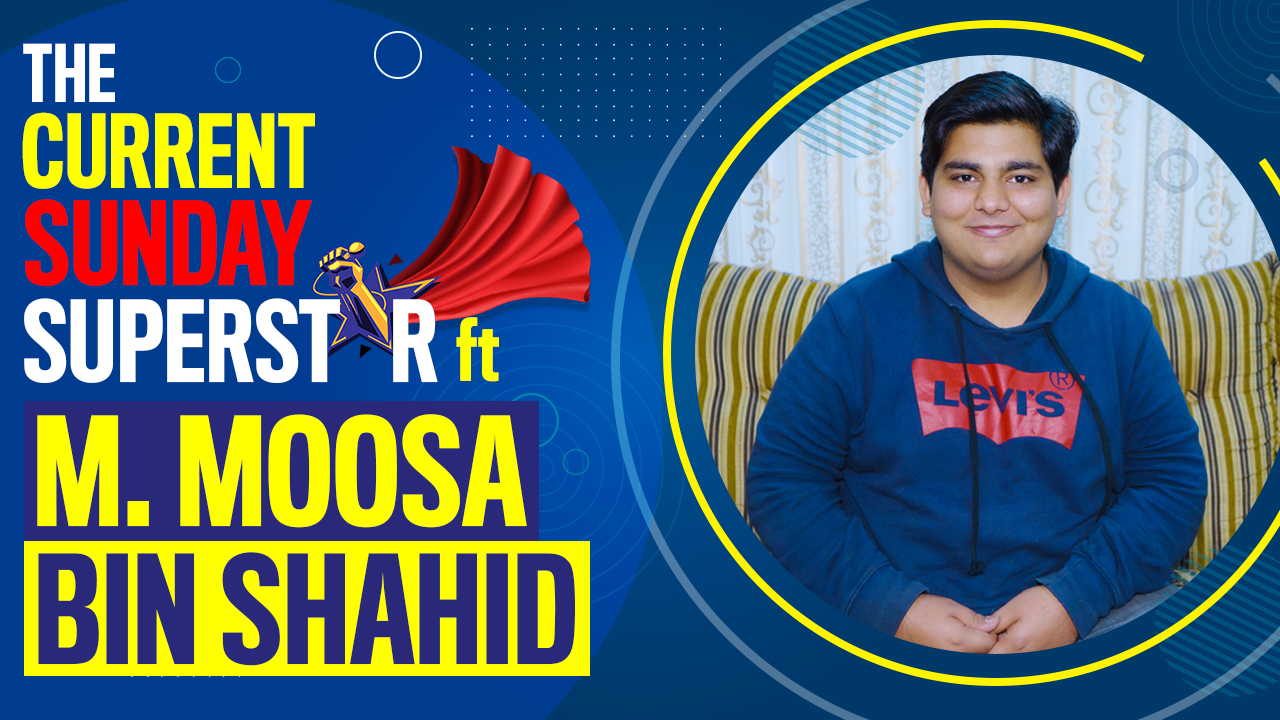
What makes things easier is meeting people like Moosa Bin Shahid. A boy so young, who speaks beyond his years, spoke so strongly in a viral video after the motorway rape case, one that shook people. But his way of speaking and what he says is not the only reason why he is our Sunday Superstar. Find out how big a role his family has to play in making him a strong and independent thinker – ones we desperately need.
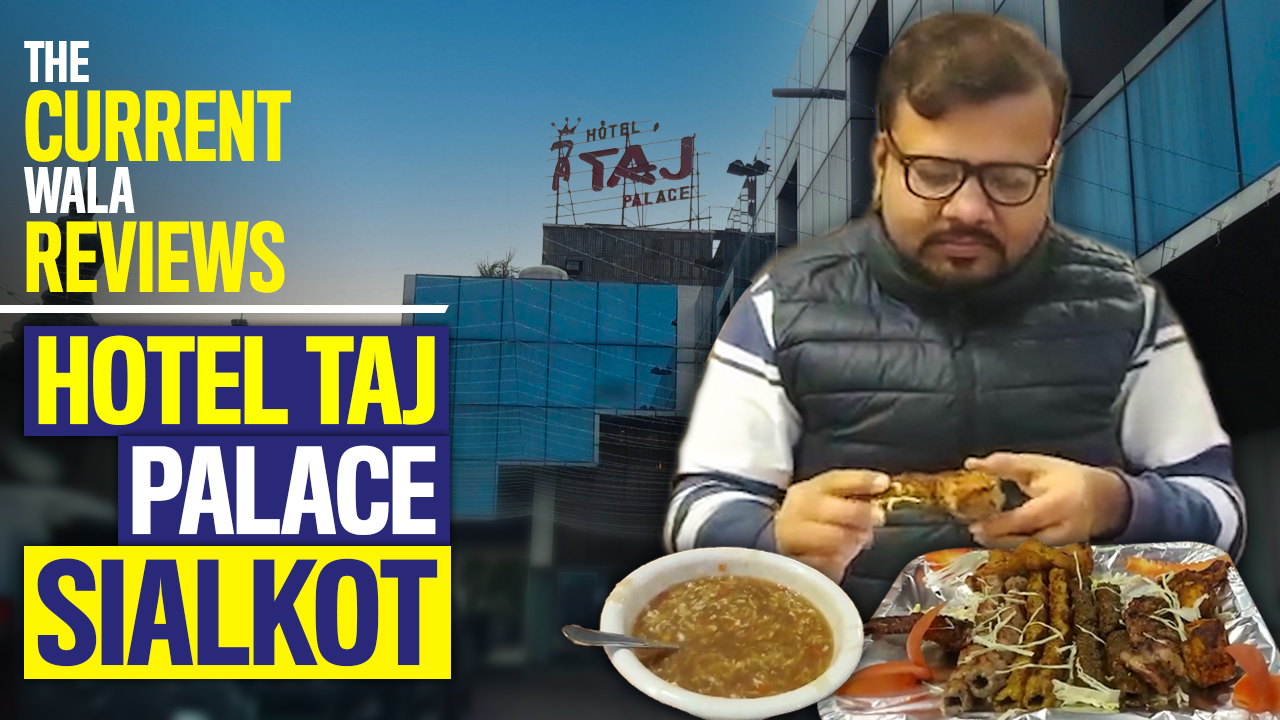
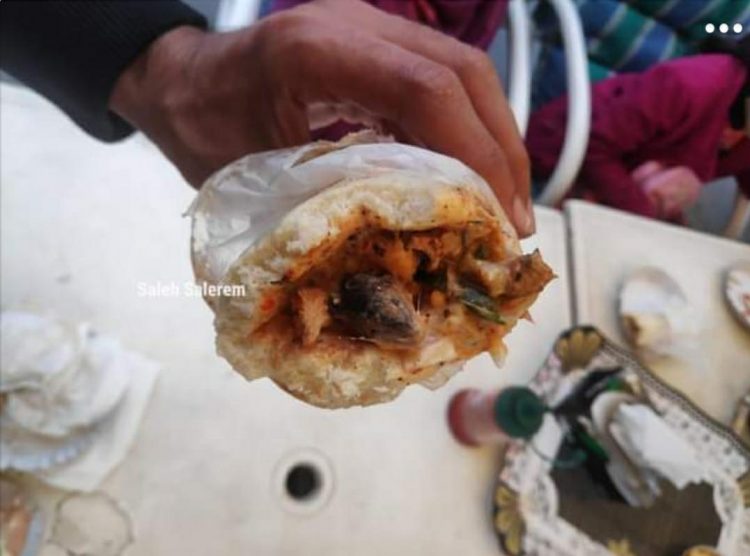
And food. Food always makes one happy right? Ashar went to Sialkot this week (without telling me) and ate at the Taj Palace Hotel where he had BBQ and fell in love. And I’m so sorry to completely gross you out, but did you hear about the dead rat found in a shawarma in a restaurant in Lahore? An 11-year-old girl was about to eat it. The restaurant has been sealed and the video is so disturbing. The worst part is that, according to the affected family, the restaurant tried to say it was fake and they had done nothing wrong.
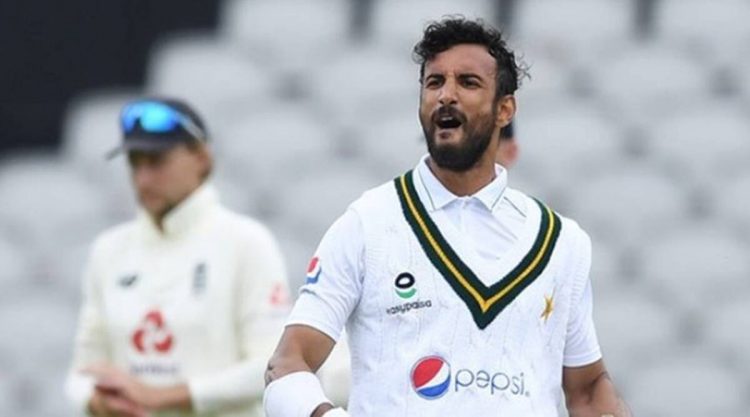
With a series win against Pakistan, the New Zealand cricket team is now the top test team of the world. Pakistani cricket fans are obviously heartbroken at our cricket team’s dismal performance. Who was the most disappointing of the lot? Our op-ed writer Zahoor Reza asks the core question: if Shan Masood 2.0 was a hoax or whether he can get his act together.
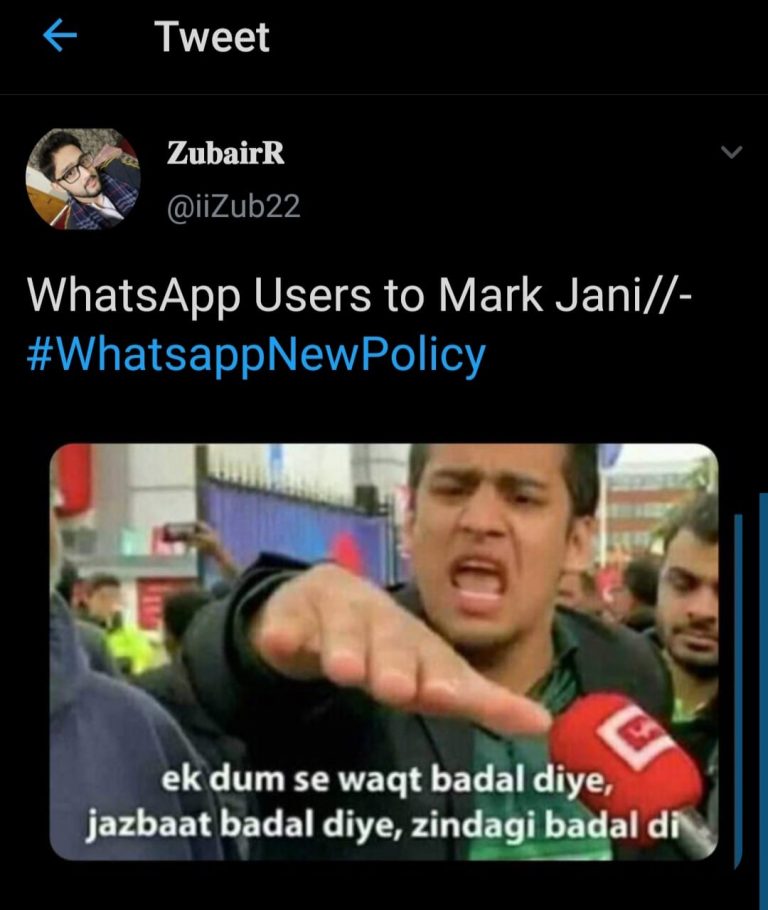
Did I say the end was happy? Well here comes one not-so-happy and rather anxiety inducing news. WhatsApp has updated its privacy policy. The company will now be sharing the customer data with Facebook and it is mandatory for the users to accept the privacy if they want to continue using the app, which is grossly unfair. And the memes on the subject shows that the internet has no chill.It’s only sunny in Quetta and all other major cities, will have clouds disturbing their clear day. Speaking of disturbing, wasn’t it strange when the whole country’s electricity went out at the same time? Conspiracy theories abound!
If you like the newsletter, make sure that this email doesn’t get lost in promotions or spam.
Here’s how:
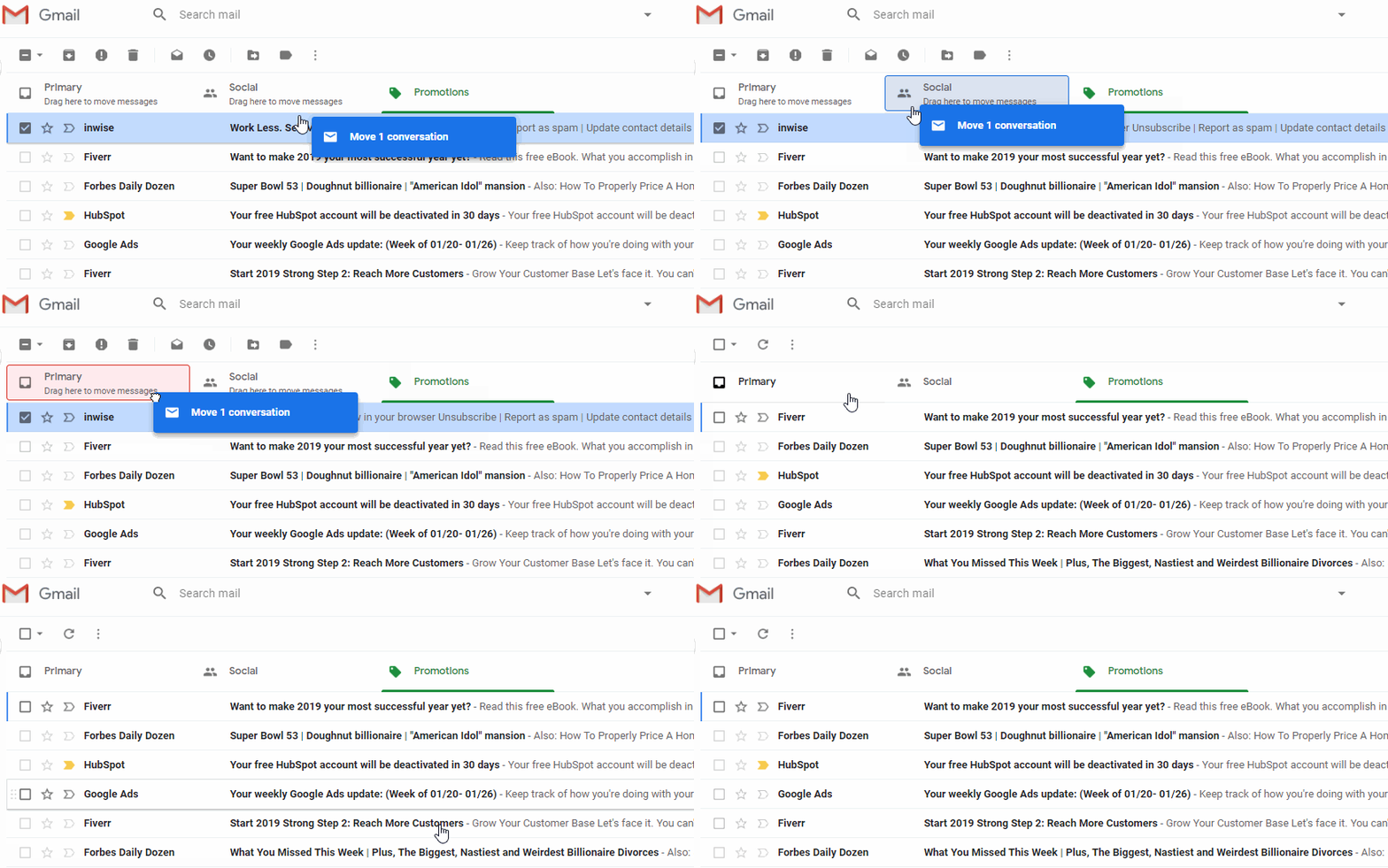
Through your phone, add us by hitting the “Kabob,” (the three dots in upper right-hand corner). Then click “move to,” and select “primary inbox.”
If you’re using a desktop just drag and drop the email into primary as shown in the video below. (You can also do this on your phone if you open your email in your browser). Easy.
And don’t forget to send us your feedback. We would love to hear from you ❤️
Imagine the pain of those families who not just lost their loved ones to a gruesome terrorist attack but also kept waiting for the state to show empathy towards them.
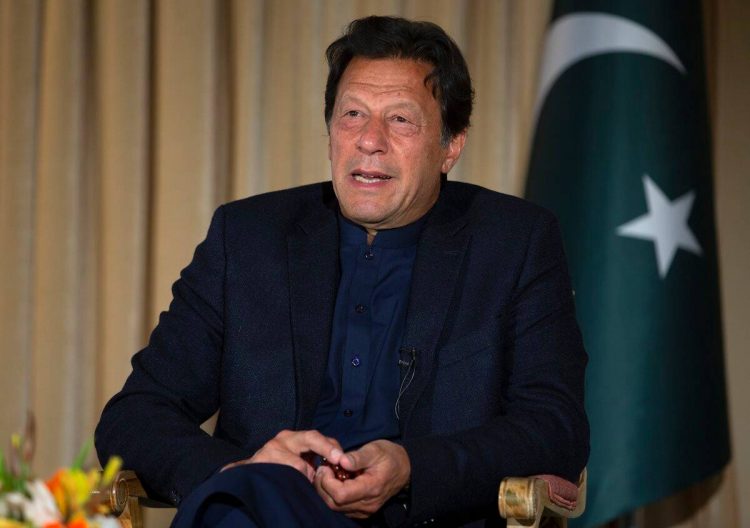
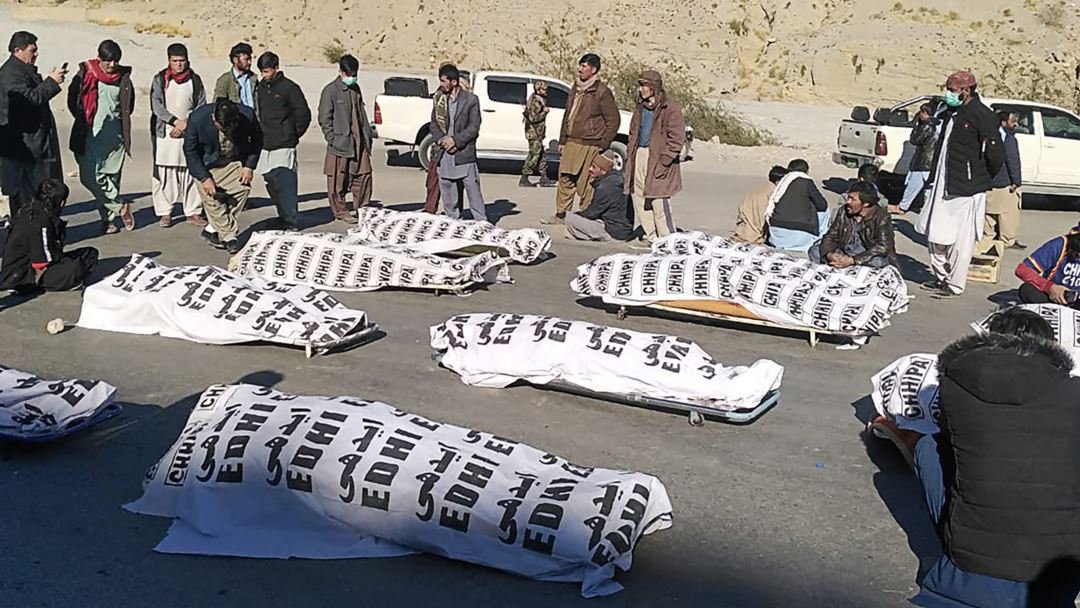
11 Hazara coal miners were target killed in Balochistan last week. Their families staged a protest in the freezing cold of Quetta for a week and said they would not bury their dead till they meet Prime Minister Imran Khan. But the PM asked them to bury their dead first. He said he wouldn’t be ‘blackmailed’.
At last, the Hazara mourners had to bury their dead and only then did PM Imran visit Quetta to meet them. No words can make us imagine the pain of the mourners. And to even think that they could blackmail anyone — those who are a marginalised community, those who have been relegated to a designated area, those who cannot even roam their area freely, those who cannot even get justice for their dead. There are Hazara families that have no male members left as they have all been target-killed.
In a 2014 report by the Human Rights Watch (HRW), the Hazara Shias were described as ‘The Walking Dead’. They have continued to suffer at the hands of sectarian terrorist outfits committing genocide of the Hazara community. Thus the state should not have shown apathy towards their demand of meeting the PM. A powerful state cannot put conditions on its marginalised and beleaguered people. It is callous. Period.
It is also important that the state safeguards the lives of all citizens, especially a marginalised community like the Hazaras. Pakistan made a lot of gains in its fights against terrorism in the last few years. The government should have consolidated those gains and made a proper strategy to counter terrorism and extremism.
It is also important to empower the local police in Balochistan just like it was done in Khyber Pakhtunkhwa. We hope that the Hazaras will get justice as well as protection. They have suffered enough.
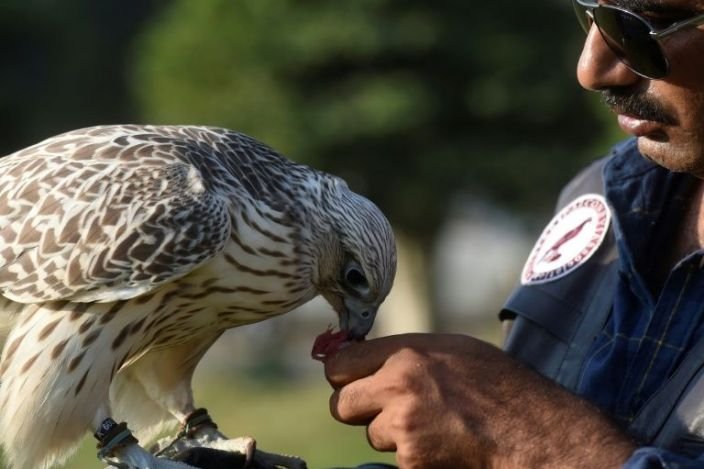
Since learning to capture birds as a teen, Muhammad Rafiq has amassed a small fortune in Pakistan trapping and trafficking falcons — including some endangered species — for wealthy Gulf Arabs.
A single falcon can fetch up to tens of thousands of dollars on the black market, which allowed Rafiq to renovate his family home.
“Every season, dealers come from Karachi and leave their contacts with us, and we call them back if we catch something,” said the 32-year-old, from a nearby coastal village.
He recently trapped a peregrine falcon on a one-week hunting mission.
“I desperately needed money,” he told AFP. “And God has listened to me.”
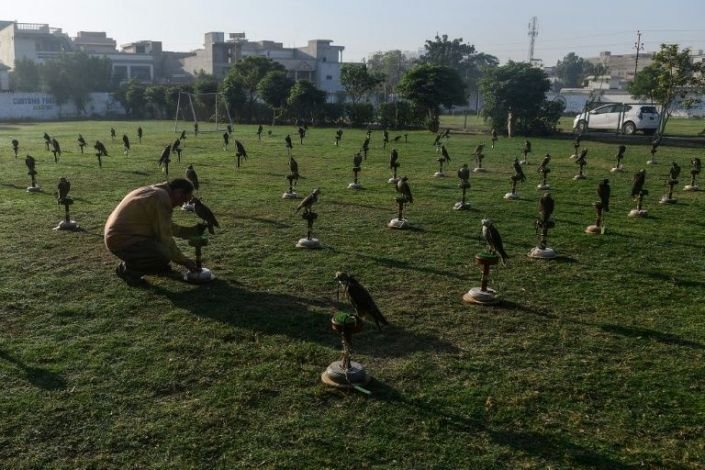
For years, Pakistan has stood at the nexus of the falcon trade, both as a source of the birds of prey, and then as a destination to hunt with them.
Falcon poaching is officially banned, but demand for the birds is rising, according to the World Wildlife Fund in Pakistan.
It estimates that up to 700 falcons were illegally smuggled out of the country last year alone, often by organised criminal networks.
Their destination is normally Gulf countries, where falconry is a treasured tradition.
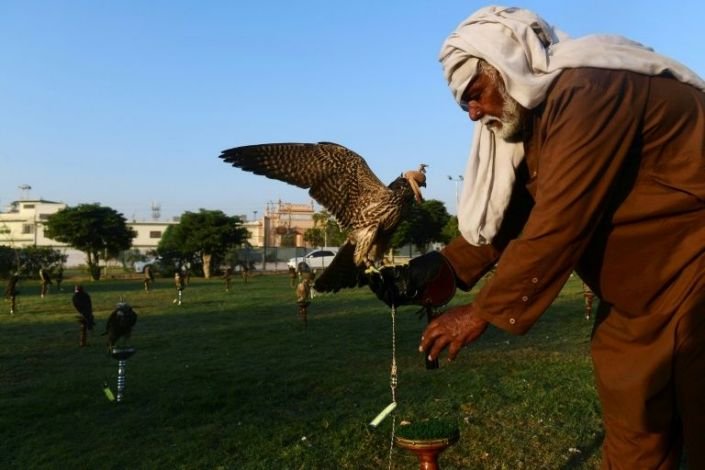
Owners treat the birds “like their own children”, said Margit Muller, the director of Abu Dhabi’s falcon hospital, which treats 11,000 falcons annually, a number that has more than doubled in the past 10 years.
One conservationist told AFP an Arab falconer usually owns around five to six hundred birds, most of which will be captured in the wild in Pakistan or Mongolia.
Wild birds are prized over those bred in captivity because they are believed to be better hunters, though there is no evidence to support those claims.
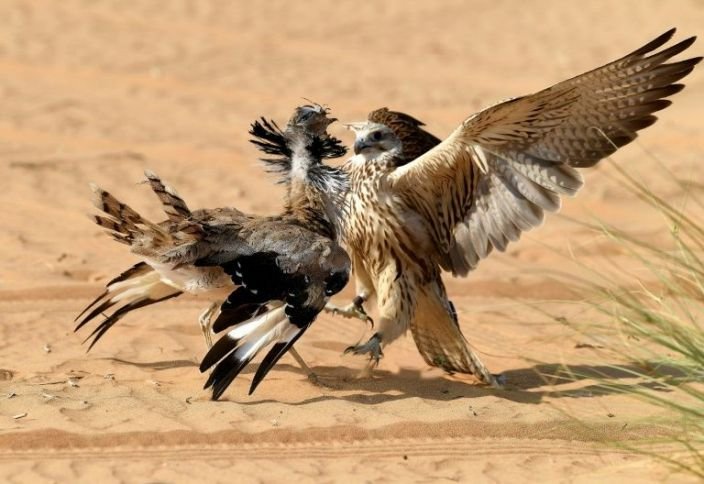
Every winter, lavish hunting parties from the Gulf flock to Pakistan’s sprawling deserts, where they are given permits to use their falcons to hunt the houbara bustards, a migratory bird wrongly prized as an aphrodisiac and classified as vulnerable by conservationists.
These excursions have cast a spotlight on the deep ties between Pakistan and its allies in the Gulf. For decades, the Gulf states have propped up Islamabad’s ramshackle finances with generous loans, with one of the expectations being that they can continue to use Pakistan as a hunting playground.
Saudi Crown Prince Mohammed bin Salman and two other royals were granted permission to catch bustards by Prime Minister Imran Khan’s government in December last year, a soft diplomacy tactic that Khan had openly disagreed with when he was in the opposition.
The government also presents falcons as gifts to world leaders.
“Our officials are working like pimps for the Arabs,” a government official requesting anonymity told AFP.
A brief ban on the bustard hunts was overturned in 2016 by the Supreme Court, but conservationists are now pushing for the export of falcons to be regulated in an ongoing case at the Islamabad High Court.
Every year, falcons escape the harsh Siberian winter and fly thousands of miles to warmer regions, including southern Pakistan.
During the migratory season, wildlife traffickers descend on villages along the Arabian Sea coastline, offering fishermen cash to briefly abandon their boats and try their hand at poaching.
“We pay them in advance, send food to their families and if they catch a bird that is precious, we happily give them motorbikes,” said one trafficker who spoke to AFP on the condition of anonymity.
A range of tactics can be employed — sticky liquids, net traps or, most commonly, using smaller birds as bait.
Poachers especially target the peregrine falcon, whose populations remain stable — but also the saker, which is endangered.
Bob Dalton, a veteran falcon conservationist, helped oversee the rehabilitation of dozens of falcons seized by Pakistani authorities in October, with officials estimating the cache to be worth well over $1 million.
“The illegal trade is growing, there is more money being spent, more pursuit from the Gulf,” he told AFP.
“With the exception of one or two species, most falcon populations are in decline or on the point of being unstable.”
With ongoing efforts to curtail rampant poaching failing, some officials in Pakistan have suggested regulating the falcon trapping market, inspired by a scheme involving another rare native species, the markhor — an elusive mountain goat with striking twisted horns found in Pakistan’s mountainous north.
Every year, foreigners shell out tens of thousands of dollars for a handful of trophy hunting permits, providing a financial incentive for communities to prevent poaching. Naeem Ashraf Raja, the director of the biodiversity at the ministry of climate change, said markhor numbers have rebounded as a result of this controversial conservation method.
With hunting parties set to descend on Pakistan again over the next few months, Kamran Khan Yousafzai, the president of Pakistan’s Falconry Association, said the country desperately needs to implement a sustainable wildlife programme.
“Arab falconers can’t resist coming to Pakistan. They have been coming to these hunting grounds for generations, and unless they face any real problems, they are not going to search for new destinations.”