Blog

  • Indian comedian duo Bharti and Harsh arrested in drugs case

    Indian television comedian Bharti Singh was taken into custody by the Narcotics Control Bureau (NCB) on Saturday for alleged possession and consumption of the banned drug marijuana after the department conducted a raid at her house. A day after her arrest, her husband Harsh Limbachiya, who is also a popular television comedian, was arrested on the same charges.

    According to a NCB official, 86.5 grams of marijuana (ganja) was seized from Singh and Limbachiyaa’s home and office.

    “Both Singh and her husband accepted the consumption of ganja,” confirmed the NCB official.

    The arrest of the popular television comedian stunned the entertainment world. Fellow comedian Raju Shrivastava shared, “I am really shocked and hurt and because of her the entire fraternity gets defamed.”

    Meanwhile another comedian Ehsaan Qureshi said,“ I have worked with Bharti on shows and live events but I have never seen her doing drugs in front of people or during shoots maybe she did it on the sly. I am really shocked to know that she has confessed to doing Drugs.”

    He added: “The industry has still not been able to come to terms with Sushant Singh Rajput case who died due to drugs or maybe depression.”

    The couples’ arrest comes as a part of the ongoing probe by the NCB into alleged drug use in Bollywood, after the death of actor Sushant Singh Rajput from alleged suicide in June. The central agency had earlier arrested Rajput’s girlfriend, actress Rhea Chakraborty, her brother, some employees of the late film star, and a few others during investigation. Moreover, top Bollywood actors including Deepika Padukone, Shraddha Kapoor, Sara Ali Khan and Arjun Rampal have also been questioned by the NCB.

    The agency has said this is part of its attempt to unravel a network of supply of drugs to Bollywood celebrities.

  • Pakistan’s new social media rules

    Pakistan’s new social media rules

    Pakistan’s new social media rules have ‘alarmed’ the Asia Internet Coalition (AIC), an industry association that promotes the understanding and resolution of Internet policy issues in the Asia Pacific region. It comprises leading internet and technology companies such as Amazon, Airbnb, Apple, Facebook, Google, LinkedIn, Twitter, and Yahoo, among others.

    AIC issued a statement on Thursday about the Removal and Blocking of Unlawful Online Content (Procedure, Oversight and Safeguards) Rules 2020. As per the AIC statement, “The Rules would make it extremely difficult for AIC Members to make their services available to Pakistani users and businesses. If Pakistan wants to be an attractive destination for technology investment and realise its goal of digital transformation, we urge the Government to work with industry on practical, clear rules that protect the benefits of the internet and keep people safe from harm.”

    Digital rights activists in Pakistan have also condemned the move.

    In a world that is now all about technology, Pakistan should be embracing the digital spaces instead of alienating tech giants. Not only will it be a huge blow to everyone in Pakistan who uses the internet but it also means that leading tech companies will not consider investing in Pakistan.

    During the corona pandemic, we saw how tech companies were successful and also made life easier for people during lockdown. It is thus baffling to see a government that always talks about Digital Pakistan and has actually used social media and digital media to its advantage now come up with rules that are draconian and not practical.

    Such shortsighted moves could lead to consequences that we can ill afford. With a struggling economy, we should ideally be more open and welcoming to tech companies. Instead, these companies are now expressing alarm at the new rules.

    If we just look at countries around us, including China and India, they have taken full advantage of the digital world. The US economy is helped immensely by technology companies. Pakistan’s new rules make it almost impossible for international tech companies to even consider opening their offices in the country.

    In the past, the ban on Facebook and YouTube pushed Pakistan back digitally by several years according to digital rights experts. The new rules, if not improved, could have far-reaching consequences. While these companies have not given an inkling of their next move, what if they stop providing these services in Pakistan? We need to factor in that there can be such a possibility and how it will affect hundreds of thousands of users.

    Why is it that we want to ban games or apps or even bring in new rules that take away fundamental freedoms when we are a democratic country and not an autocratic state. It is hoped that the government would rethink this strategy and make Pakistan a more open and tech-savvy country that is on par with the digital world.

  • ‘Ludo’ is delightfully entertaining

    ‘Ludo’ is delightfully entertaining

    Just when I thought I was done with Bollywood films for this year, given how terrible this year’s releases have been, Ludo popped up as I was scrolling through Netflix. The film had just released and was already trending in the top ten on Netflix Pakistan.

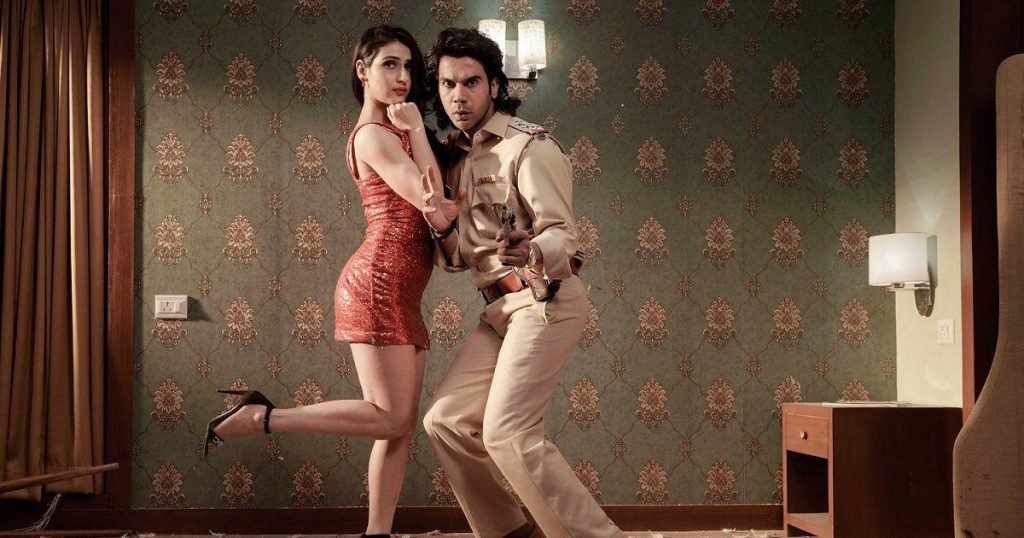
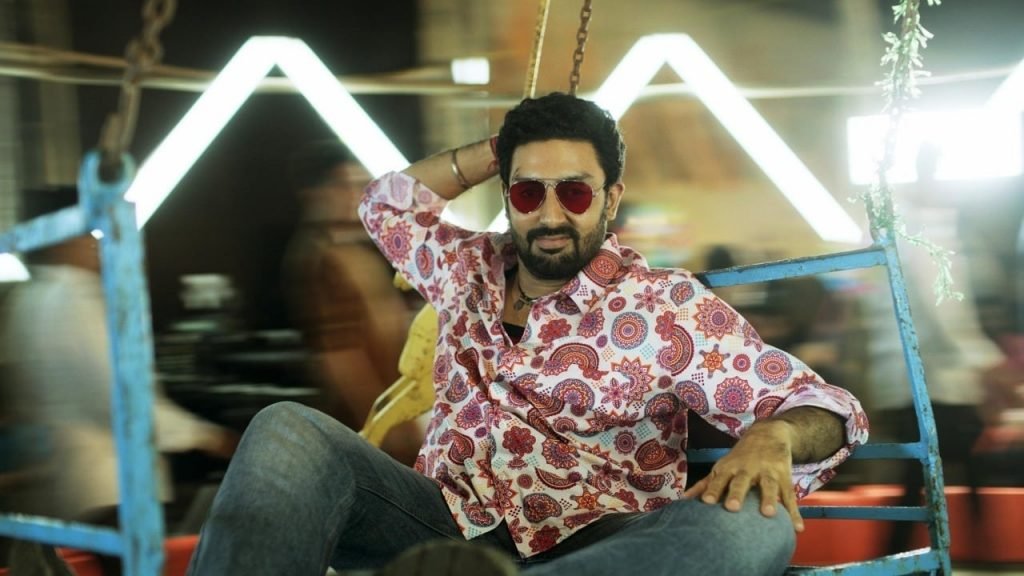
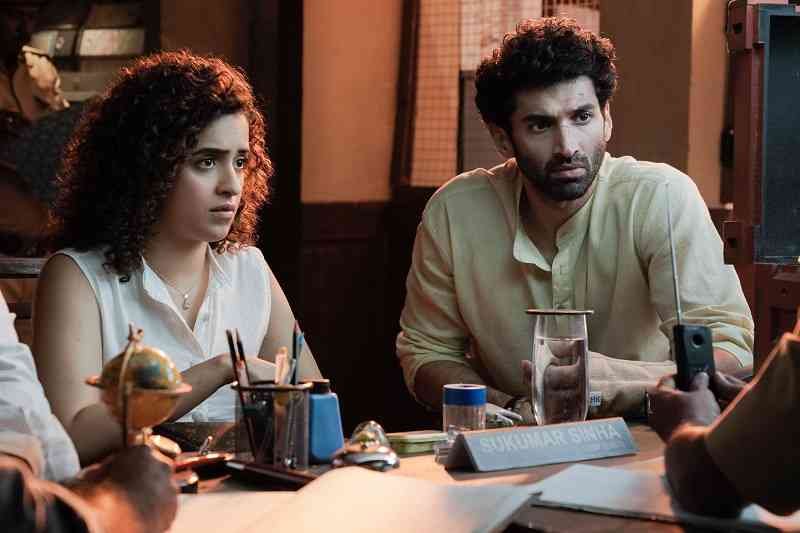
    Featuring an ensemble cast of Pankaj Tripathi, Aditya Roy Kapur, Abhishek Bachchan, Fatima Sana Shaikh, Rajkummar Rao, Sanya Malhotra, Rohit Suresh Saraf and Pearle Maaney, Ludo is a tough film to describe considering the multiple storylines running side by side. On one hand, you have Akash (Kapur) and Shruti (Malhotra), who are trying to cover up a sex tape before Sanya gets married to the man of her dreams, while on the other you have Bittu (Bachchan), who just came out of jail and ends up running into a little girl who kidnapped herself so her parents would pay attention to her. Then you have Alu (Rao), who runs a restaurant and dances to Mithun’s disco moves when he is stressed. He deeply loves his childhood crush Pinky (Shaikh), though she is married with a baby.

    Akash and Shruti

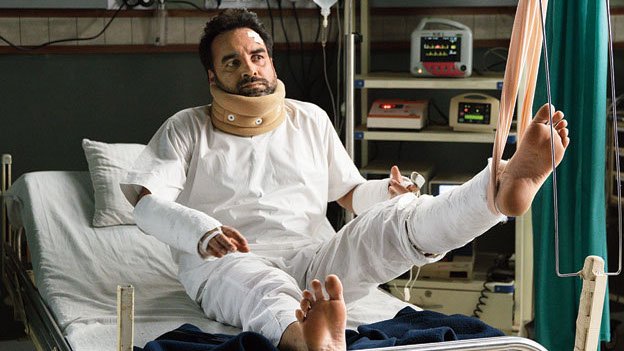
    On the surface, the characters have nothing to do with one another but their fates are all connected through Sattu Bhaiya (Pankaj) who is the resident gangster. As the leads try to sort out the problems in their lives, they end up getting entangled with one another in a very messy web controlled by Sattu Bhaiya. He manages to run everyone’s lives even while lying on a hospital bed.

    Sattu Bhaiya

    Written and directed by Anurag Basu, Ludo is a highly entertaining and enthralling watch. It keeps you gripped with its twists and turns and has been masterfully directed. A movie like this, which has multiple plotlines and characters, each with a different, distinct story, running side by side, could have easily fallen apart. But Basu holds it all together skilfully.

    Though it is slightly longer than average films these days, you will not feel yourself getting bored at any point – there is enough drama, comedy and romance to keep you hooked.

    Alu and Pinky

    All the leads gave brilliant performances though it was Pankaj who blew me away with his acting and expressions. Despite being a gangster, you couldn’t help but like his character all because of how Tripathi brought it to life.

    Bittu

    The cherry on top was the songs and background music, which perfectly complemented the theme and mood of the film. I have been listening to Aabaad Barbaad and Hardum Humdum on repeat.

    Read more – All single Pakistanis will relate to trending rom-com ‘Holidate’

    While Ludo may not be a cinematic marvel or an extraordinary film, it makes a fun, cosy watch especially on a chilly winter evening.

  • IN PICTURES: Pakistan goes blue to celebrate Children’s Day

    IN PICTURES: Pakistan goes blue to celebrate Children’s Day

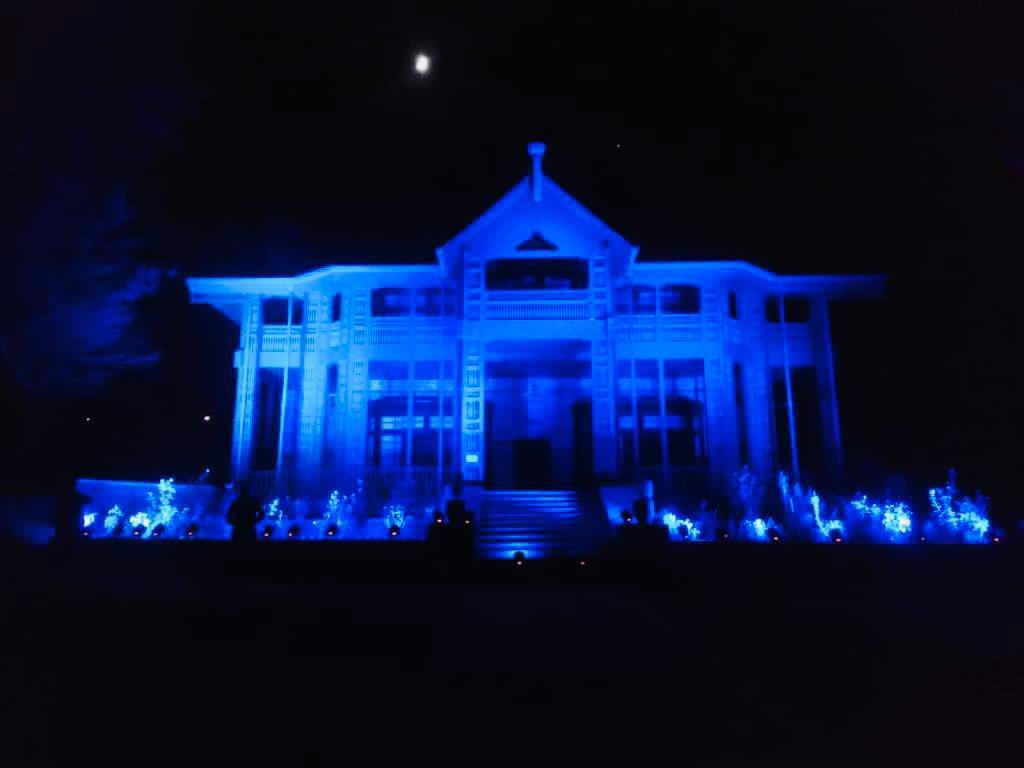
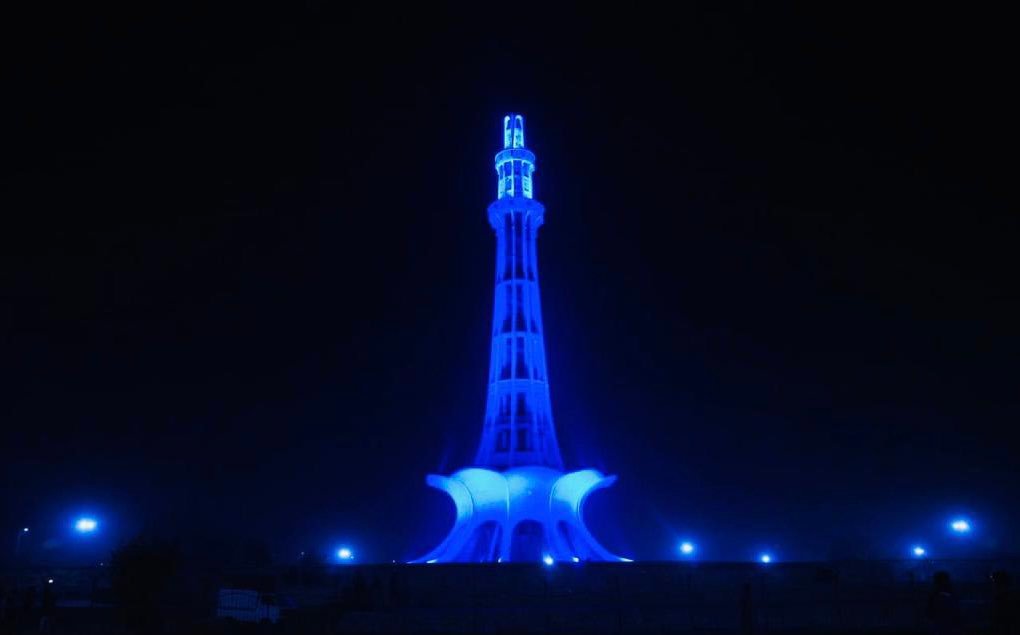
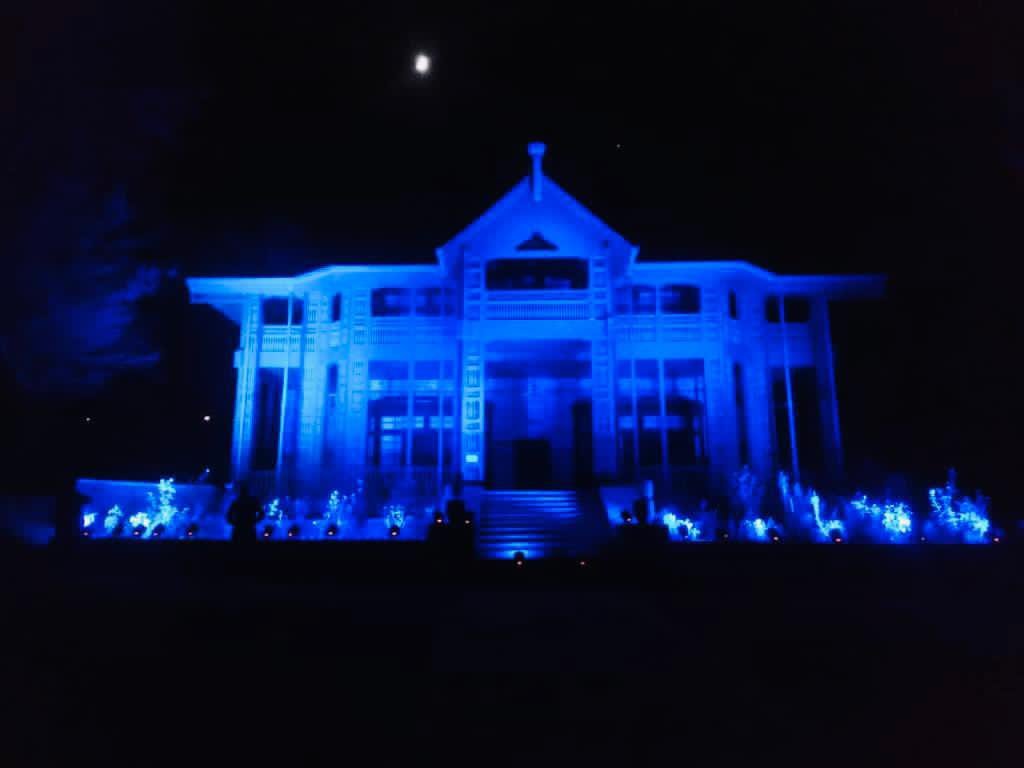
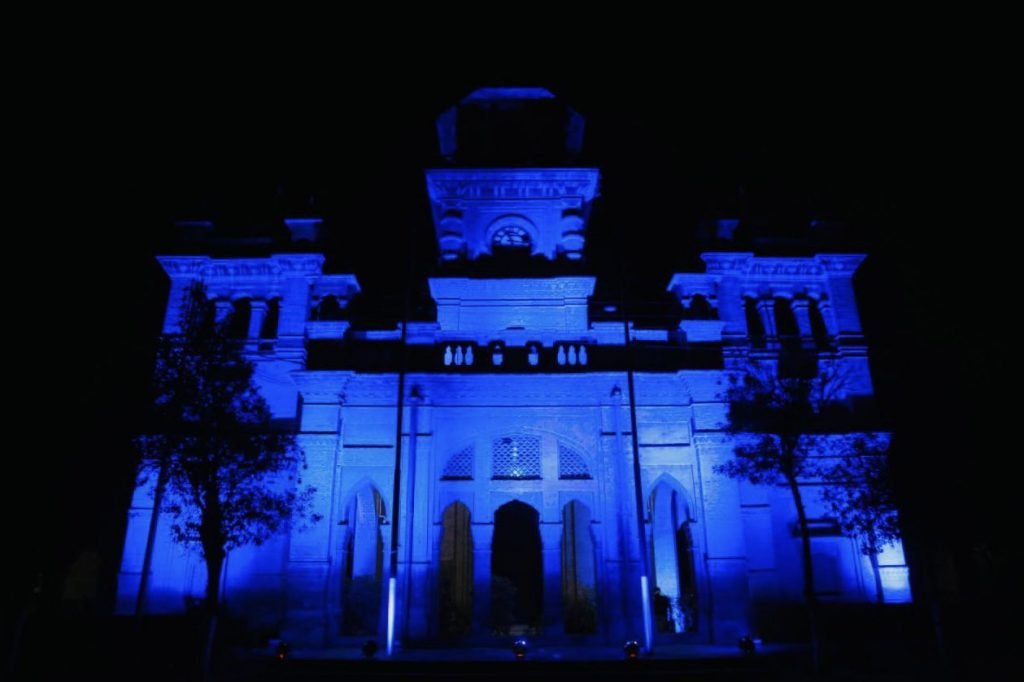
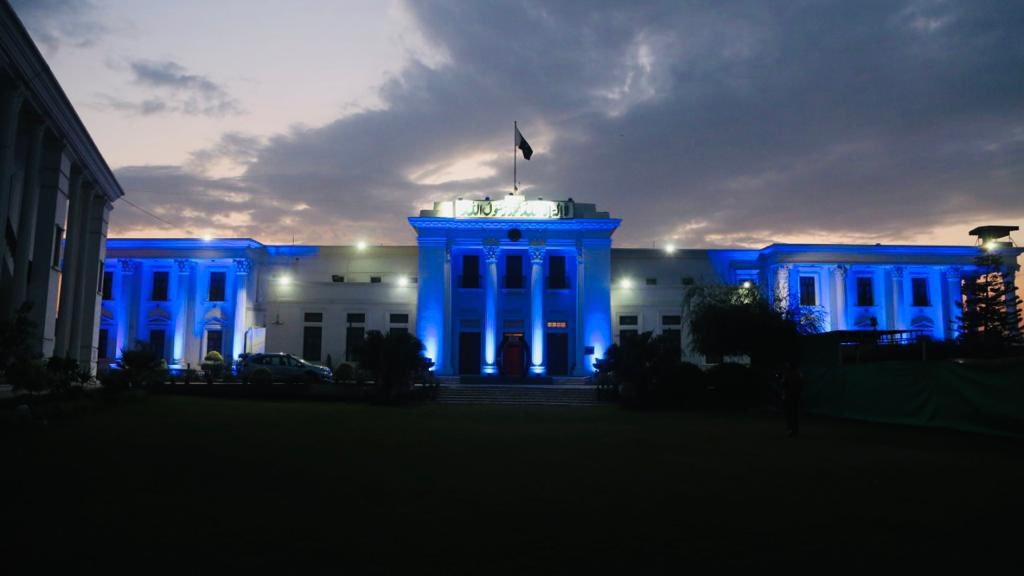
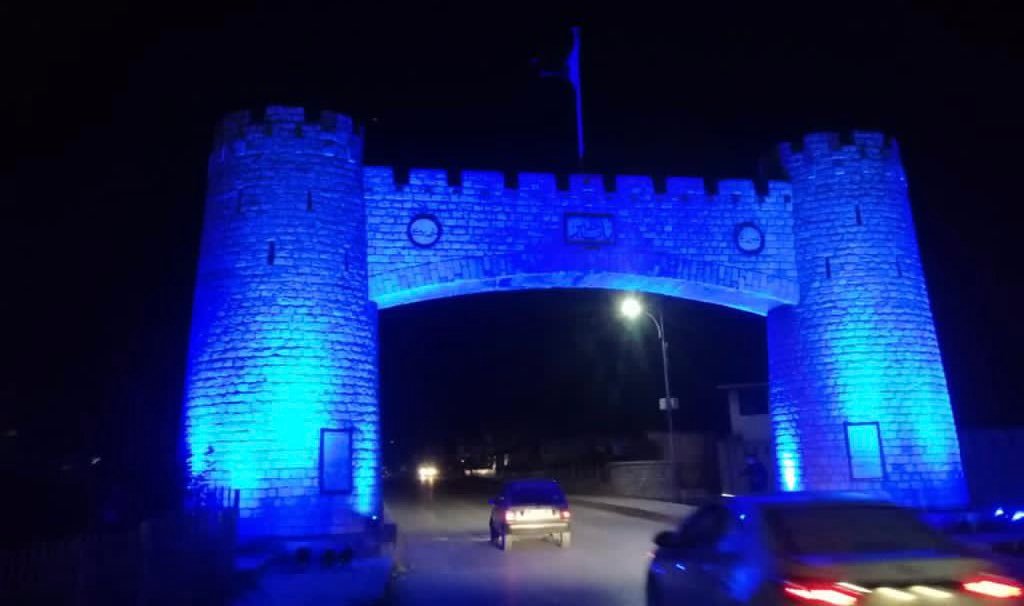
    As part of the initiative launched by UNICEF Pakistan and the Human Rights Ministry of Pakistan, 30 monuments across the country turned blue to commemorate World Children’s Day on November 20, 2020.

    Monuments in six cities including Islamabad, Peshawar, Quetta, Ziarat, Karachi and Lahore were illuminated with blue lights. Minar-e-Pakistan, the Ministry of Human Rights, Prime Minister’s Office, Ministry of Foreign Affairs and the Saudi-Pak Tower in Islamabad were among the buildings that turned blue.

    Minar-e-Pakistan, Lahore
    Delhi Gate, Lahore
    Quaid-e-Azam House, Karachi
    Ziarat
    Quaid-e-Azam Library, Lahore
    Karachi Port
    National Assembly
    Prime Minister office, Islamabad
    Islamia College, Peshawar
    Khyber Pakhtunkhwa Assembly
    Khyber Pass, Peshawar
    Pakistan Telecommunication Authority, Islamabad
    Punjab Assembly, Lahore.
    Saudi Pak Tower, Islamabad

    This the third year in a row that buildings across the country and globe were lit up to call for a world in which the vision of the CRC of the Child becomes a reality. World Children’s Day marks the adoption of the Convention on Nov 20, 1989. Pakistan ratified the convention the following year.

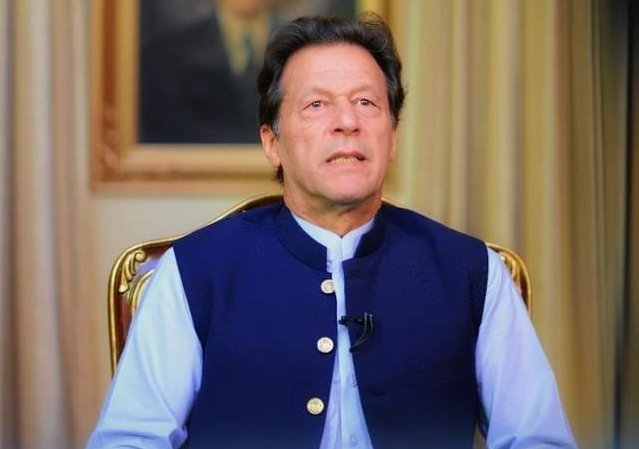
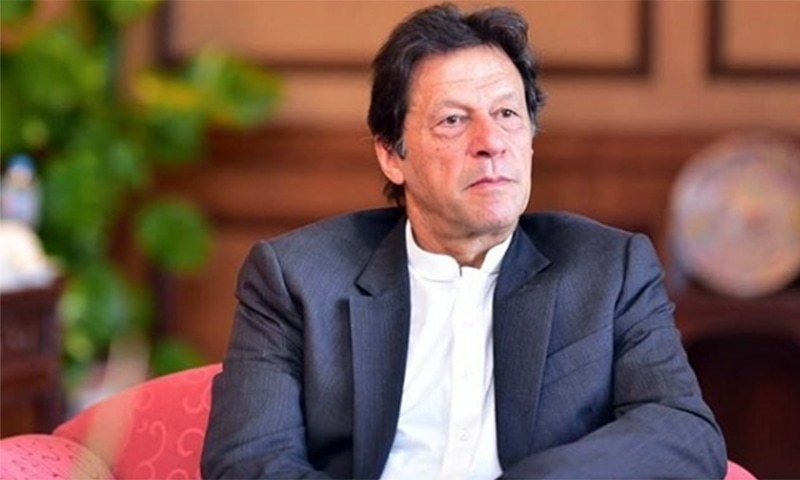
    Meanwhile, Prime Minister Imran Khan, while commemorating Children’s Day said: “Children are the most precious resource of any nation and the sole guarantee for its future.”

  • Women’s T20 championship offers hefty incentives to players

    The National Triangular T20 Women’s Cricket championship is scheduled to kick off on Sunday at the Pindi Cricket Stadium. The championship will run from November 22 to December 1.

    Read more – Women cricketers travel to Karachi ‘in bags’

    As per details, 42 players will take part in the championship, which will be played on a double-league basis with the top two teams competing in the final on December 1.

    Following a 100 percent increase in their domestic match-fee, women cricketers will have an added incentive to bring out the best performances as the Pakistan Cricket Board (PCB) has doubled the prize money for the event from the last season.

    The top-run getter and player of the tournament in the last edition will be eager to defend the title with Rs 1million up for grabs for the championship winners. The runner-up will pocket Rs 500,000.

    Rs 50,000 will be awarded to the player of the championship, while player of the match will get Rs 20,000.

    Aliya Riaz , Ramin Shamim and Muneeba Ali will captain PCB Blasters , PCB Dynamites and PCB Challengers respectively.

    The championship will be live streamed on PCB’s YouTube channel through a nine-camera production. Keeping in view the COVID-19 situation special guidelines for media have also been issued by PCB.

  • Lahoris, find out if your area is under smart lockdown

    Following a sharp increase in cases of coronavirus, the Punjab Primary and Secondary Healthcare Department has enforced a smart lockdown in six cities in the province including Lahore to control the spread of the disease.

    According to a notification issued by the department, hotspot areas of district Lahore included Block F1, Valencia Town, Nishtar Town; Blocks E1, E2, F1, F2, G2, G4, G5 Johar Town; Boys’ Hostel No. 11, Superintendent House, PU, Allama lqbal Town; Sector AA, Sector BB, Sector CC, Sector FF, Phase 4, DHA; Sector XX, Phase 3, DHA; Sector N, DHA Phase 1; Paragon City, Lahore Cantt; and Block A, Block B, FCC, Gulberg-4, Gulberg Town. Other areas of Lahore shall remain open.

    In the closed areas, the following shall be exempted from this order: grocery stores, general/karyana stores, atta chakkis, fruit & vegetable shops, tondoors & petrol pumps shall be open from 9am to 7 pm for seven days a week; all medical services and pharmacies/medical stores, laboratories and collection points, hospitals and clinics for 24 hours a day, seven days a week; and milk shops, chicken & meat/fish shops, and bakeries shall remain open from 7am to 7pm seven days a week. Large departmental stores will only keep their grocery/pharmacy sections open while all others sections will remain closed.  

  • ‘Jalan’ continues to be a cringefest

    ‘Jalan’ continues to be a cringefest

    Every season, there is at least one, if not more, drama which creates a stir and causes an uproar on social media. This season, it is Jalan, with its twisted and very problematic storyline.

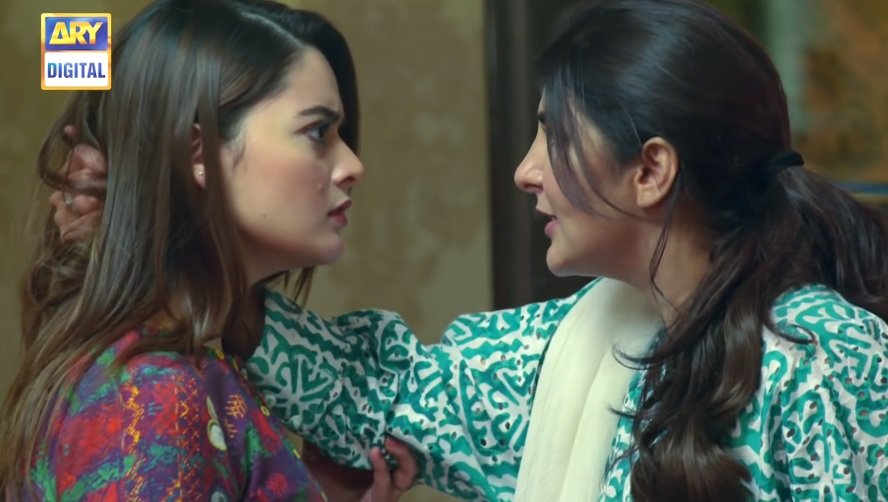
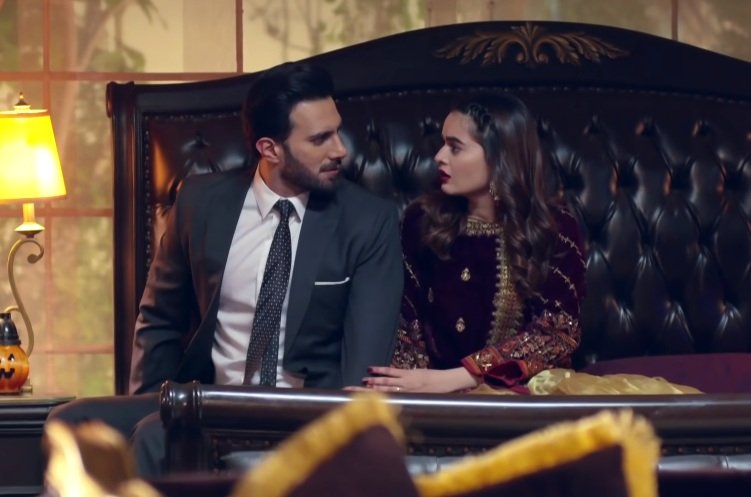
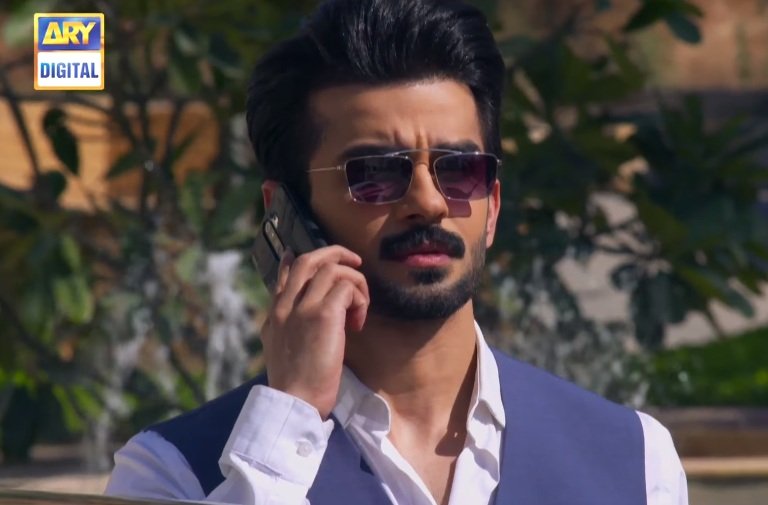
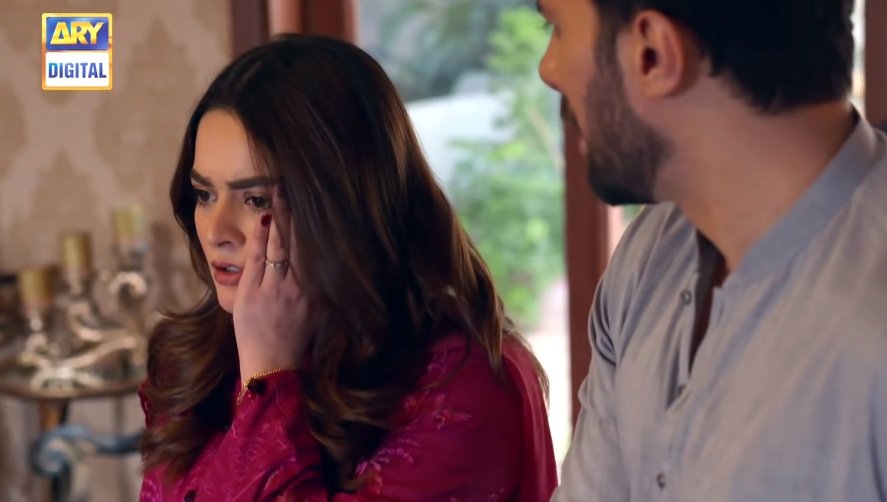
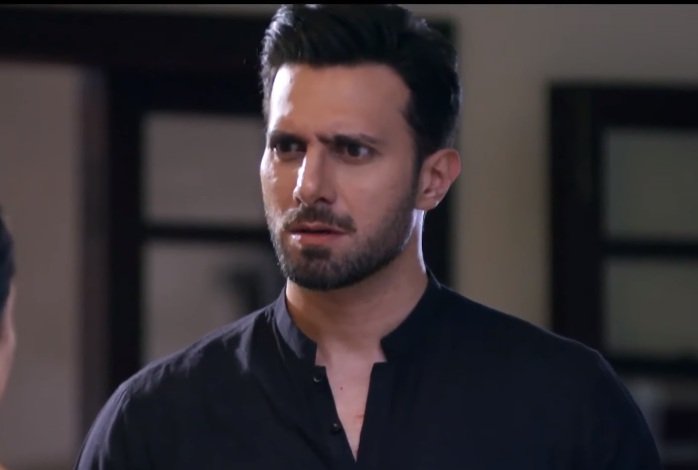
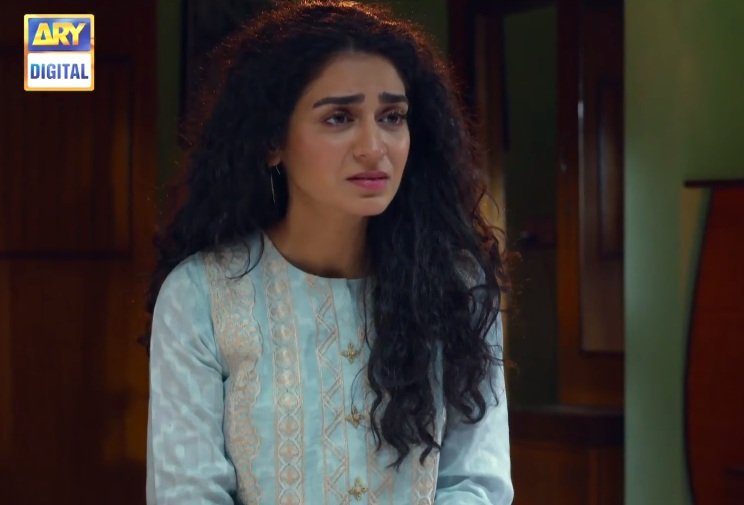
    For those who have been oblivious to the drama and PEMRA’s short-lived ban on it, Jalan is about two sisters Nisha (Minal Khan) and Misha (Areeba Habib) who are after the same guy. While Misha is the sweet and obedient sister, Nisha is a spoiled brat and wants to be better than her sister, so she sets her sights on her brother-in-law Asfandyar (Emmad Irfani) because he’s rich and good-looking. Ignoring the fact that her sister is married to Asfandyar (Asfi) and pregnant with his child, Nisha openly flirts with him and urges him to divorce his wife. Nisha eventually gets her way and Asfi not only divorces his wife but also pushes her as a result of which she falls to the floor and ends up delivering their baby prematurely. Nisha’s parents throw her out of the house and she seeks refuge with Asfi pushing him to marry her as soon as possible. As Nisha and Asfi get married, Meenu, who cannot bear the heartbreak and humiliation sets herself on fire and eventually dies leaving behind her infant child.

    Asfi and Nisha’s marital bliss doesn’t last long and the cracks become wider when Nisha’s ex-fiance Ahmer (Fahad Sheikh), makes a dramatic re-entry into her life richer and better-dressed. Nisha then sets her sights on him, straight-up asking him to marry her the second time they meet after their breakup.

    If the entire situation wasn’t bizarre enough, it’s execution is even more mind-boggling. The script is weak and the characters terribly developed. It’s as if the writer after every scene forgot what she had written in the previous scene and started the new chapter afresh – there is no flow in scenes. Even though Nisha is the protagonist, her character and callous actions are incomprehensible and beyond basic understanding. The drama’s writer Sidra Sehar Imran, in a recent interview, said that the drama is a true story but I’m finding that a little hard to believe. In the past (I’m looking at you Meray Paas Tum Ho), several writers have used the ‘true story’ trope as a marketing gimmick in an attempt to hype up their dramas and push up ratings. This time round I am not definitely not buying it.

    If we thought Nisha was messed up, Asfi is even worse. He barely has any dialogues and mostly just moves around with either a sullen expression on his face or screaming his head off. While Irfani does a decent job with the role, Asfi’s one-dimensional personality is irritating, to say the least.

    I am unable to fathom what the makers of the drama are trying to show with this plot and storyline. A few words simply cannot sum up the disaster this drama is. It is quite clear that ARY just wanted to create a stir with this and they have gotten exactly that. Substance and content do not matter. It appears that with Jalan, we’ve hit a new low.

    Jalan is one of those dramas which are so bad that they don’t even qualify as a guilty pleasure. Every time you tune into it, you are bound to get your blood pressure high.

  • Anti-democracy rules

    Anti-democracy rules

    “Our democratic dispensation now rests on the courts to strike these draconian rules down, on the Parliament and especially the opposition parties to walk the talk of protecting democracy, and on the government to prove its sincerity to its digital dreams. Or should we stop pretending?”

    If the internet offers an open space for citizens to freely express themselves, the newly notified internet rules seek to clampdown on those very freedoms in an autocratic manner. Whether one considers the process by which they were drafted, or the substantive matter of the tules, they flout democracy.

    In a democracy, rules relating to the internet would at the very least be well-informed in terms of the functioning of technology; take input of the technology sector, human rights experts, the companies that these rules would impact, students, as well citizen groups; and follow a consultative process where multiple drafts were shared with stakeholders and discussed and revised before being notified.

    What we saw instead was surprise news early on in the year that rules had been notified by the federal cabinet. No consultation was held or stakeholder input sought.

    After national and international outcry by human rights groups, consortium of technology companies such as the Asia Internet Coalition (AIC), and multistakeholder forums such as the Global Network Initiative (GNI), the PM said he will “suspend” the rules and hold more consultations. Except legally, a cabinet notification can only be “taken back” — denotified — by the cabinet itself, and not the PM, as held in the Mustafa Impex case in the Supreme Court, as well as the rules of business.

    However, the cabinet never denotified the previous set of rules, and has recently notified yet another set.

    For the new set of rules, consultations were an eyewash as expected, as not only are the new ones any less draconian than the last, but also make several additions that raise several questions.

    For one, in an attempt to include safeguards and protections, they give the powers of judge, jury, and executioner to the PTA where the authority, which is clearly not above pressure of the federal government, has the power to order social media companies to block or restrict content on the internet, decide what content is unlawful, and also review appeals against such a decision. The stipulation for appeal at high court comes after all of these steps. This goes against the separation of powers that the Constitution outlines and forms the basis of democratic governance.

    “The important question is who is making these decisions? Is the PM sincere in his wishes for a Digital Pakistan?”

    That is all the more problematic when one sees the exceptions to freedom of speech that the rules stipulate. They empower the PTA to not only interpret Articles of the Constitution but also sections of the Pakistan Penal Code (PPC) relating to the blasphemy laws for defining “glory of Islam”, “obscenity and decency”, and “public order” where powers under section 144 are cited as the yardstick for determining what online content can be deemed illegal.

    Most problematic is the rule regarding “integrity, security and defence of Pakistan” whereby it goes on to not only give PTA the powers to interpret Article 260 of the Constitution with regards to defining these terms – which is a function of the higher judiciary – but also expands it to “also mean and include the dissemination of an information which intimidates or harms the reputation of federal or provincial government or any person holding public office” and “brings or attempts to bring into hatred or contempt, or excites or attempts to excite disaffection towards the federal or provincial government”, effectively covering any criticism of the government on the internet to be restricted or blocked on the orders of the PTA as it wishes.     

    Additionally, the rules also go against the parent legislation – PECA – by making intermediaries, i.e. internet companies and internet service providers liable for content regulation and data sharing, hence privatising censorship. Section 38 of PECA explicitly limits intermediary liability. No company is going to agree to implementing a government’s rules over its own detailed community standards, as obvious form the AIC statement that signaled that internet companies may exit Pakistan if these rules are to remain. Rules also expect the companies in face of these orders to open an office in Pakistan, establish local databases, and offer the FIA unrestricted access to user data.     

    The important question is who is making these decisions? Is the PM sincere in his wishes for a Digital Pakistan? Or is the vision to make it like China where the country is cut off from the rest of the world, capacity for which is lacking here exactly because of years of similar shortsighted policymaking mistakes, lack of state investment in encouraging a robust IT ecosystem, and ad-hoc policy of censorship and privacy violations that discourage potential investment and growth?

    Our democratic dispensation now rests on the courts to strike these draconian rules down, on the parliament and especially the opposition parties to walk the talk of protecting democracy, and on the government to prove its sincerity to its digital dreams. Or should we stop pretending?
  • 1,300-year-old Hindu temple discovered in KP

    1,300-year-old Hindu temple discovered in KP

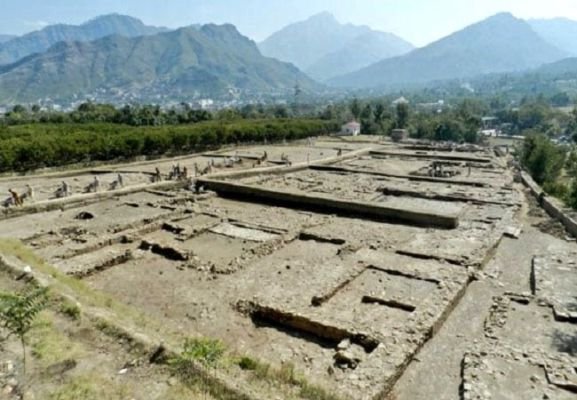
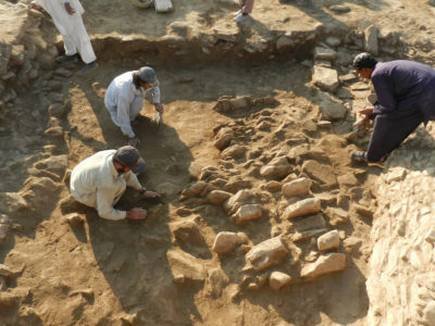
    A Hindu temple, believed to be 1,300 years ago, has been discovered by Pakistani and Italian archaeological experts at a mountain in Swat district. The discovery was reportedly made during an excavation at Barikot Ghundai.

    According to Fazle Khaliq of Khyber Pakhtunkhwa Department of Archaeology, the temple discovered is of Lord Vishnu. It was built by the Hindus 1,300 years ago during the Hindu Shahi period, he said.

    The Hindu Shahis or Kabul Shahis (850-1026 CE) was a Hindu dynasty that ruled the Kabul Valley (eastern Afghanistan), Gandhara (modern-day Pakistan), and present-day northwestern India.

    During their excavation, archaeologists also found traces of a cantonment and watchtowers near the temple site. Experts also found a water tank near the temple site which they assume was used by the Hindus for bathing before worship.

    Khaliq said that the Swat district is home to numerous ancient archaeological sites, some of which are thousands of years old, but traces of the Hindu Shahi period have been found for the first time in the area.

    Dr Luka, the head of the Italian archaeological mission, said this was the first temple of the Ghandhara Civilisation discovered in Swat district.

    Swat district is among the top 20 sites in Pakistan which is home to every kind of tourism such as natural beauty, religious tourism, cultural tourism and archaeological sites.

    Several places of worship of Buddhism are also situated in Swat district.

    Read more – KP Police arrest offenders involved in vandalising ancient Buddha statue

    Last year in October, archaeologists and historians discovered another temple, reportedly built in the 7th century, during the Turki Shahi period, on the top of Ghwandai mount at Bazira in Barikot Swat.

  • Guess who is Pakistan’s favourite anchor, Tiktoker

    Guess who is Pakistan’s favourite anchor, Tiktoker

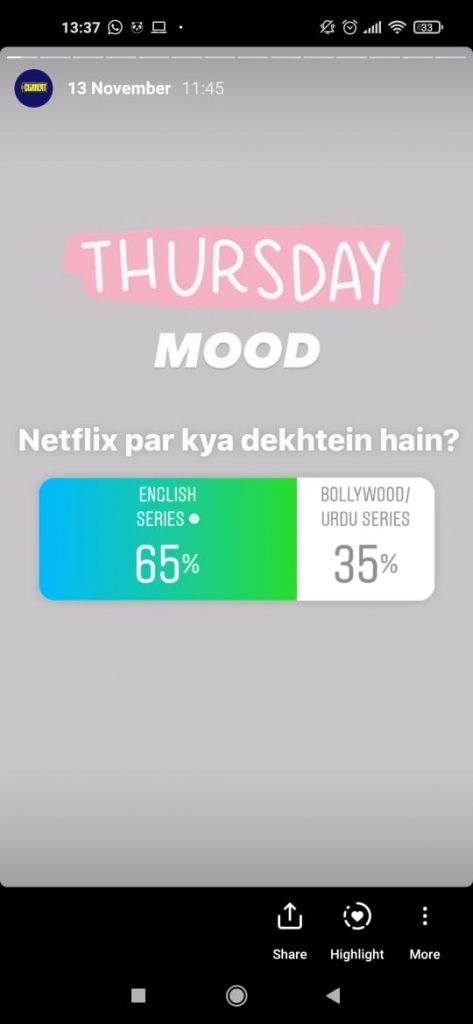
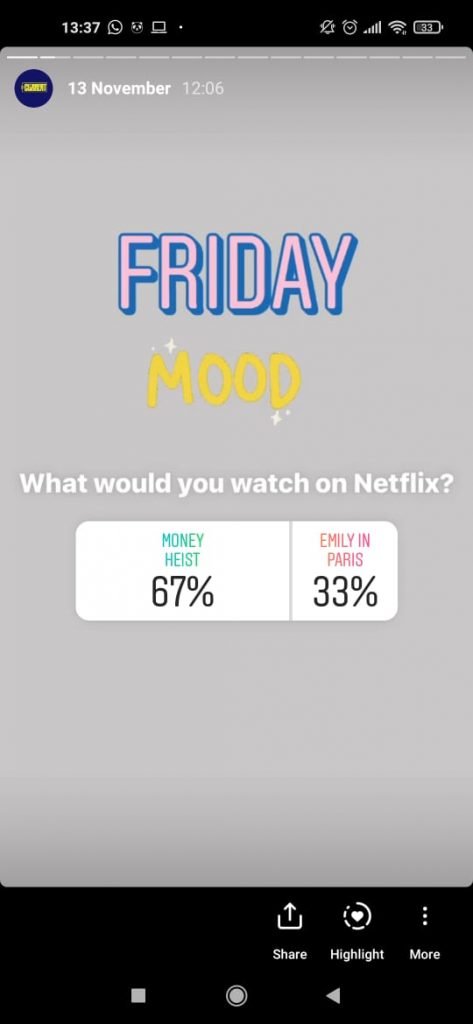
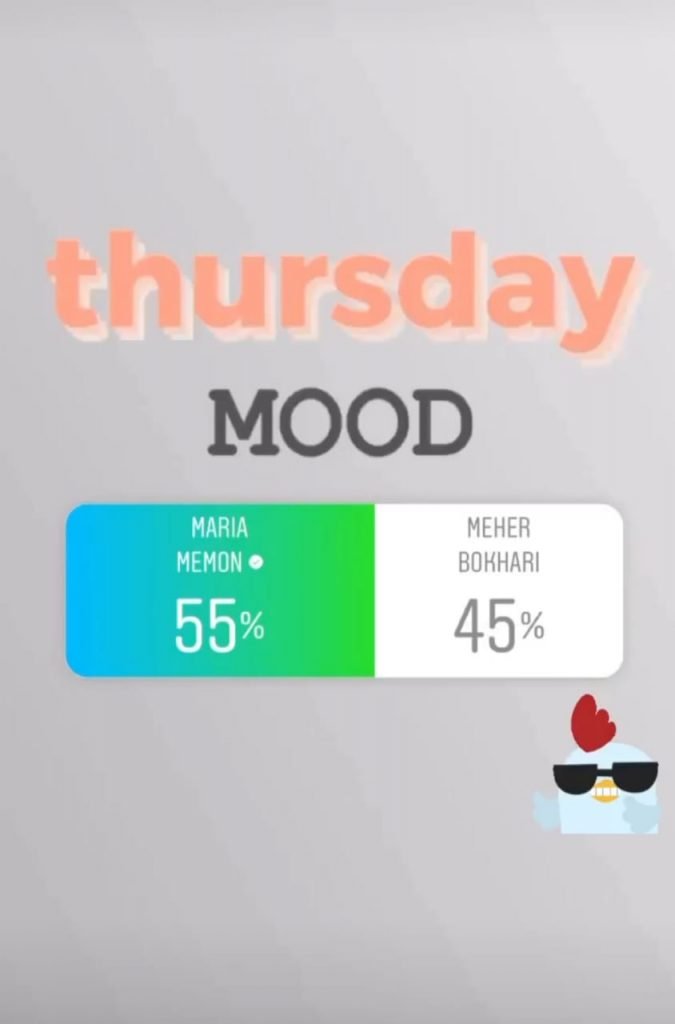
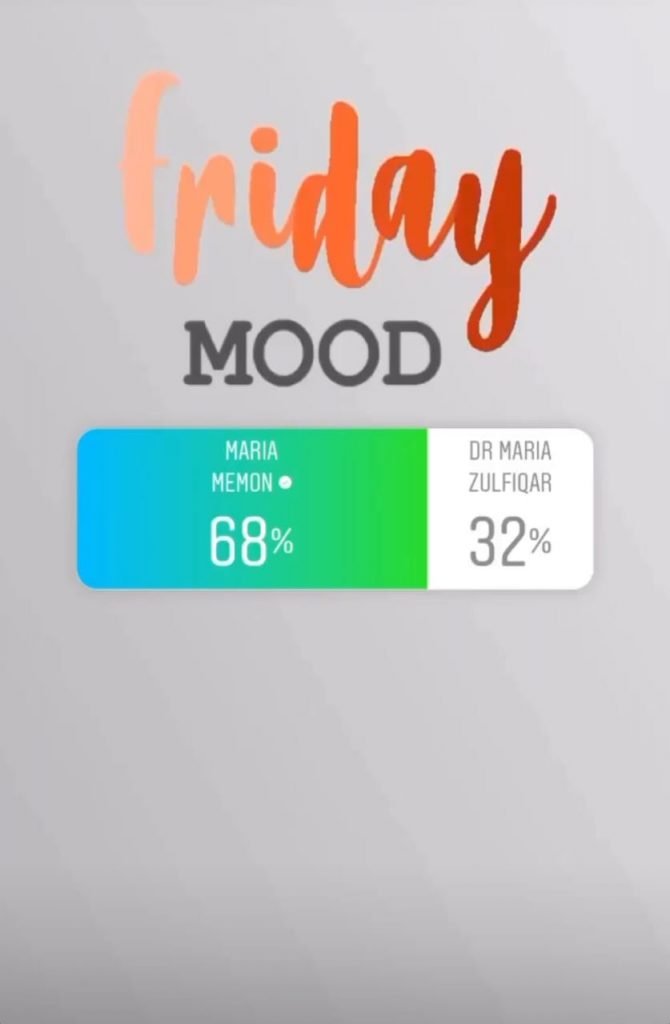
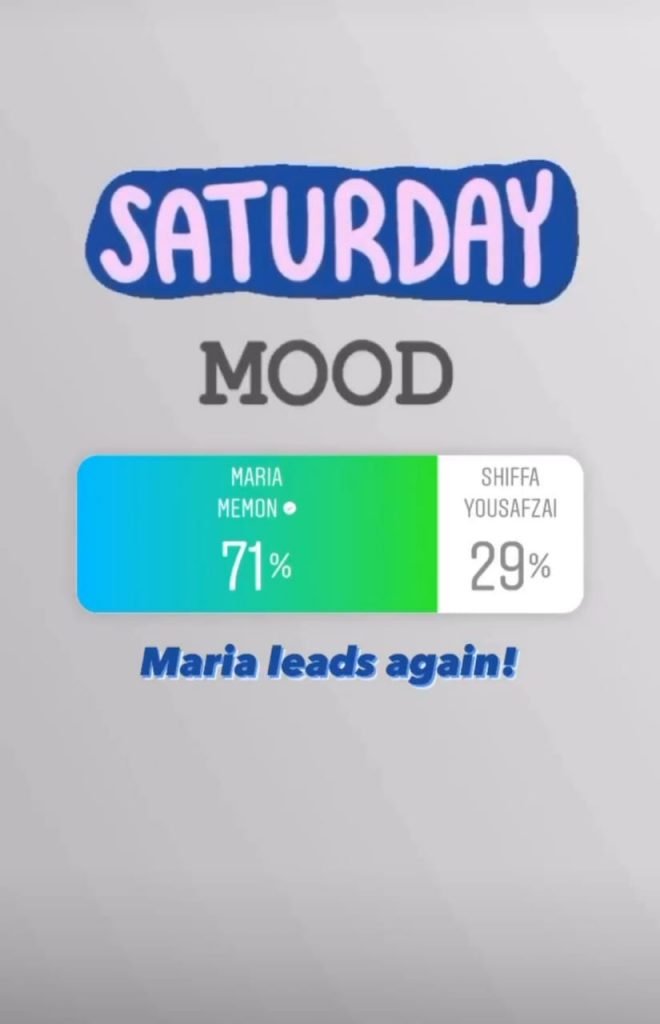
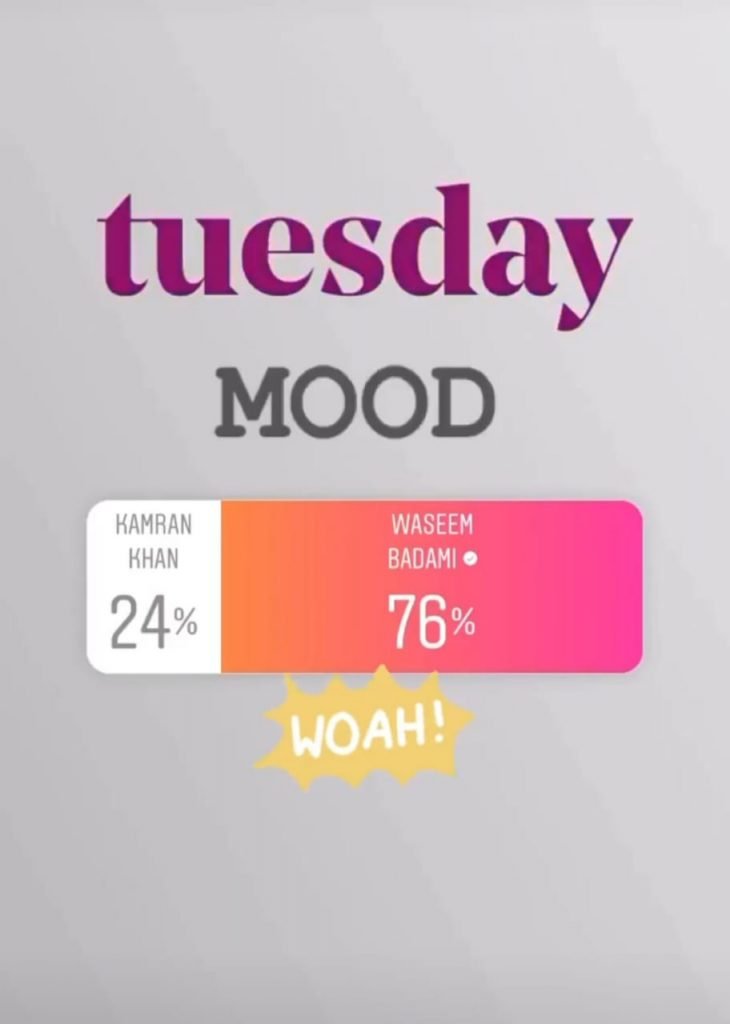
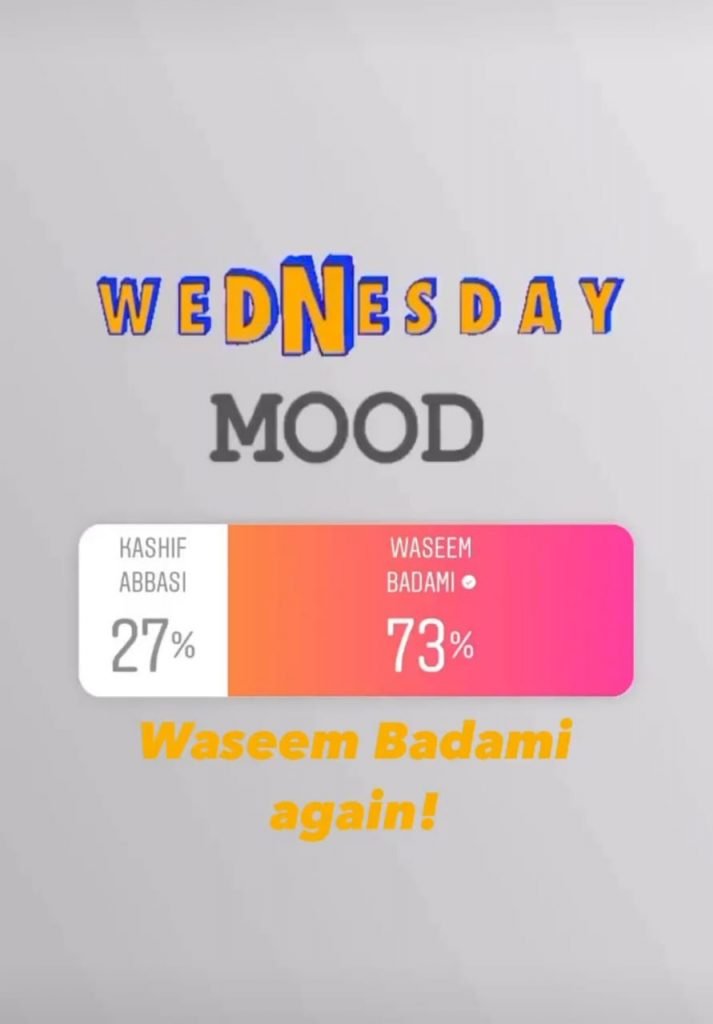
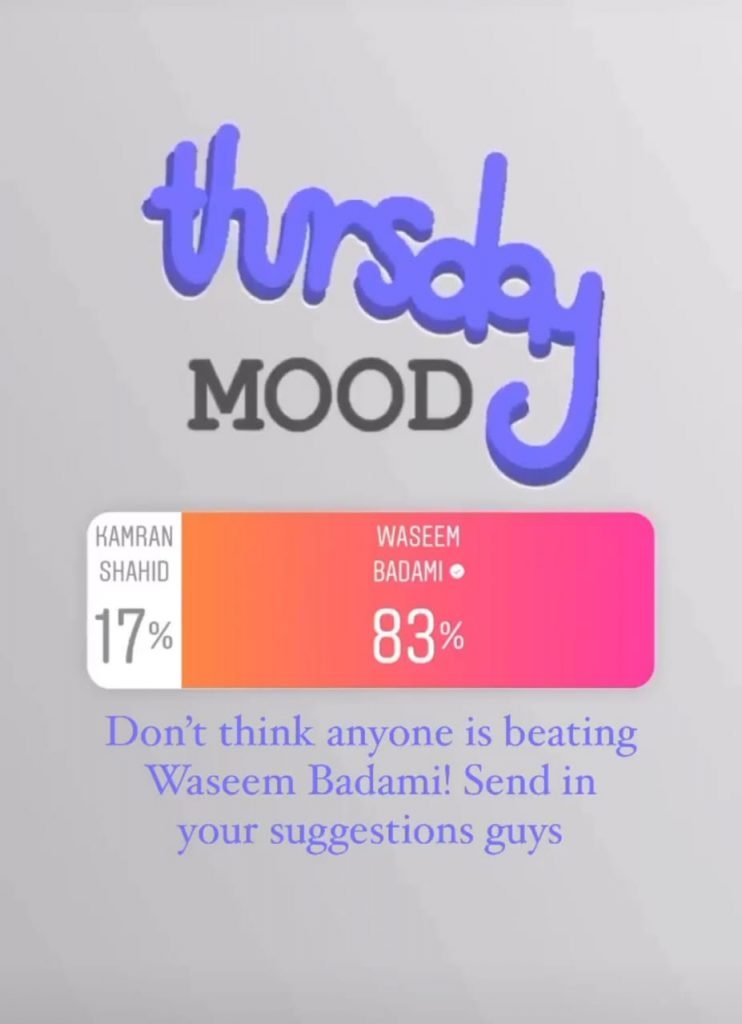
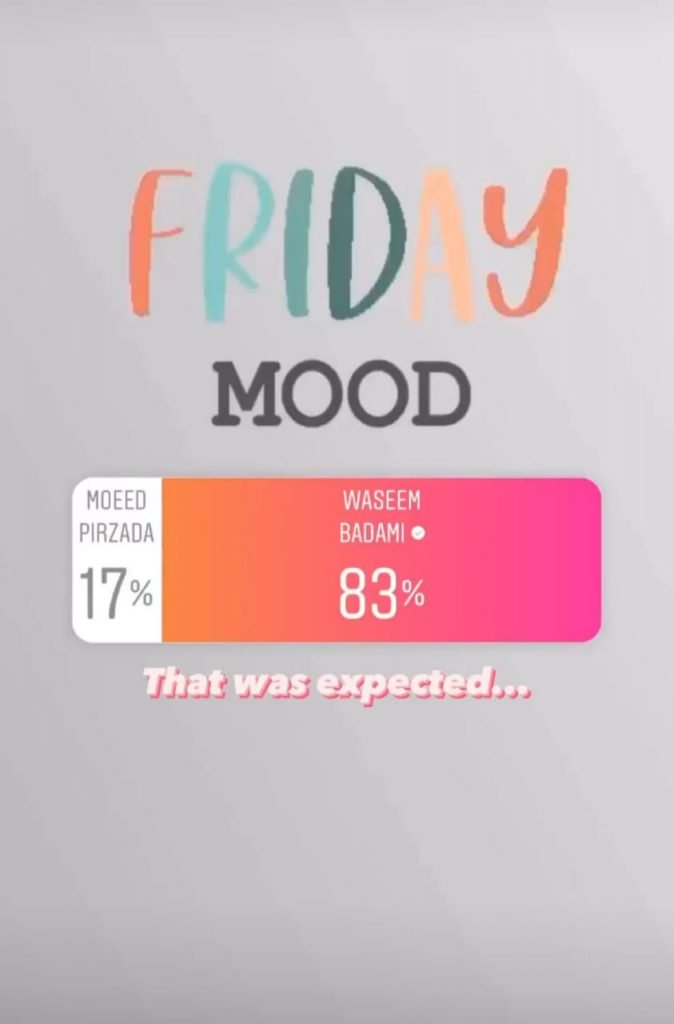
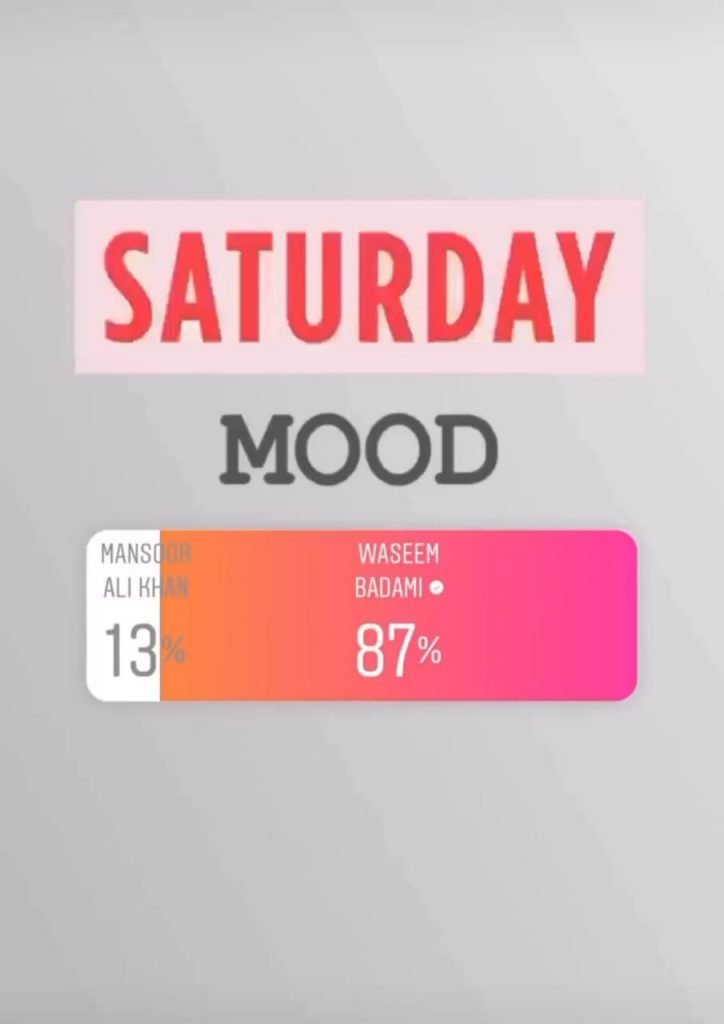
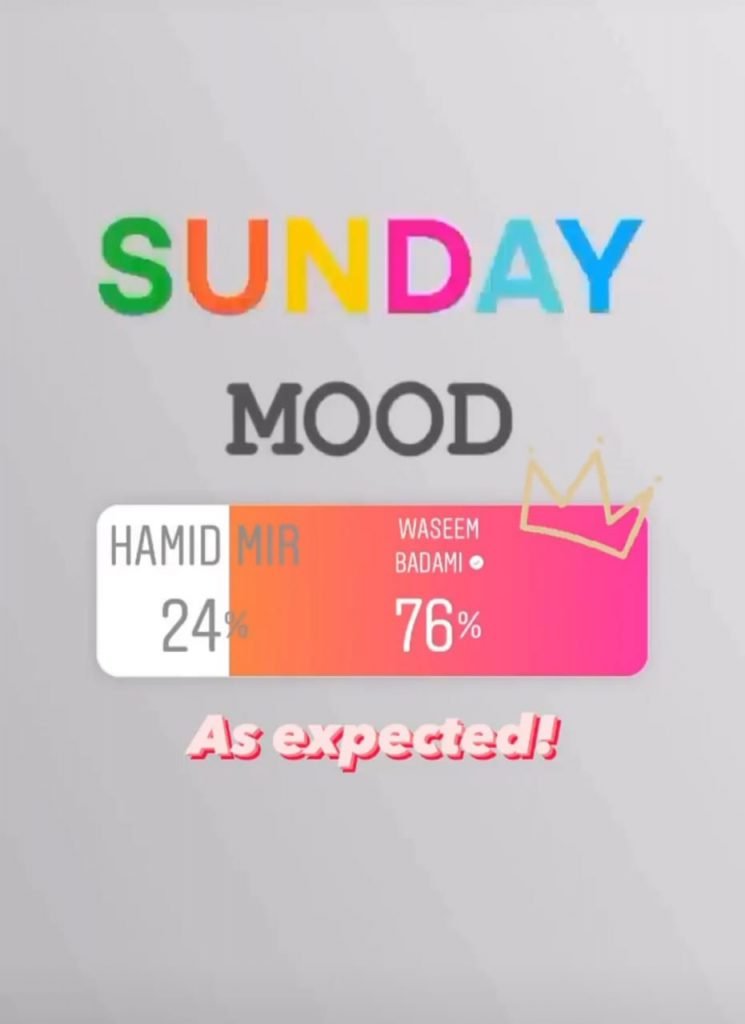
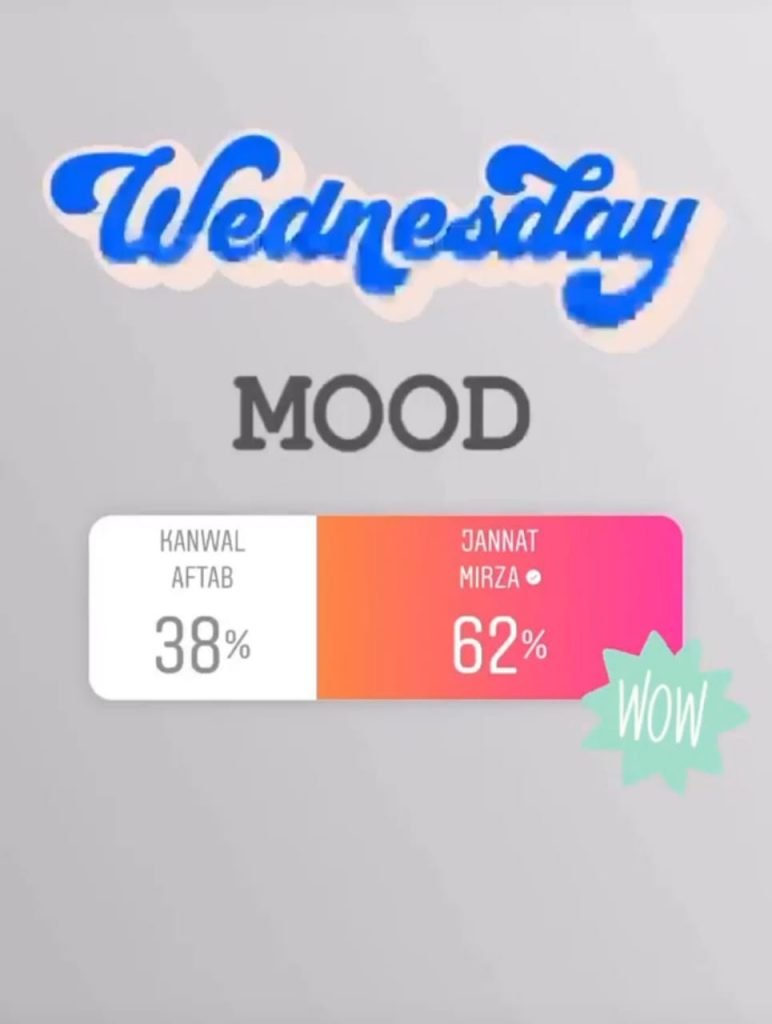
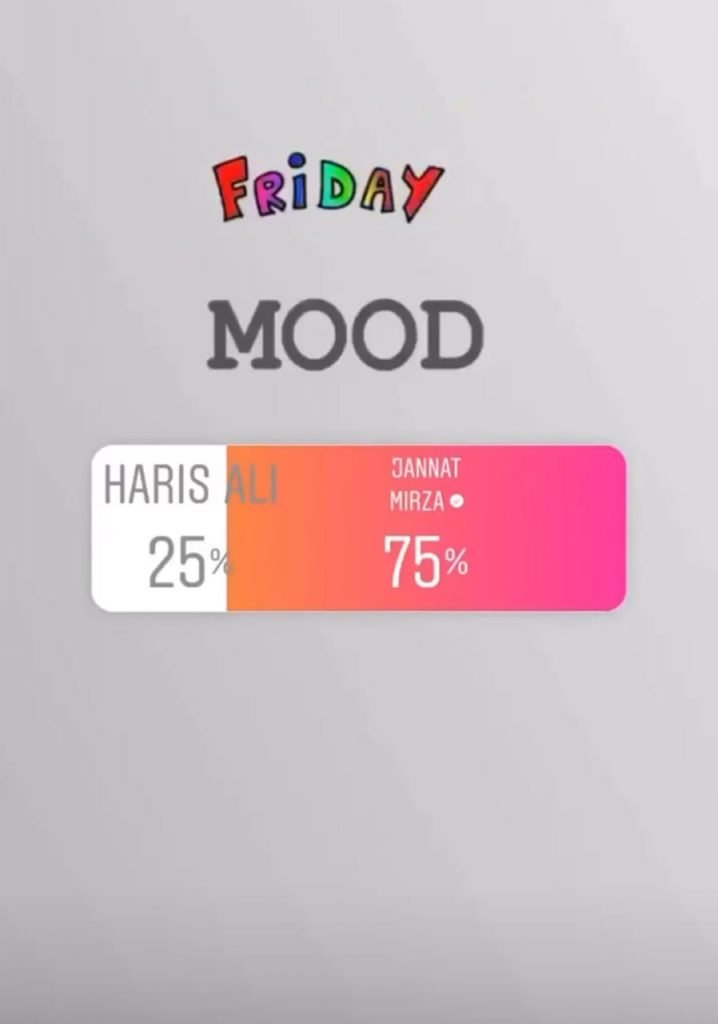
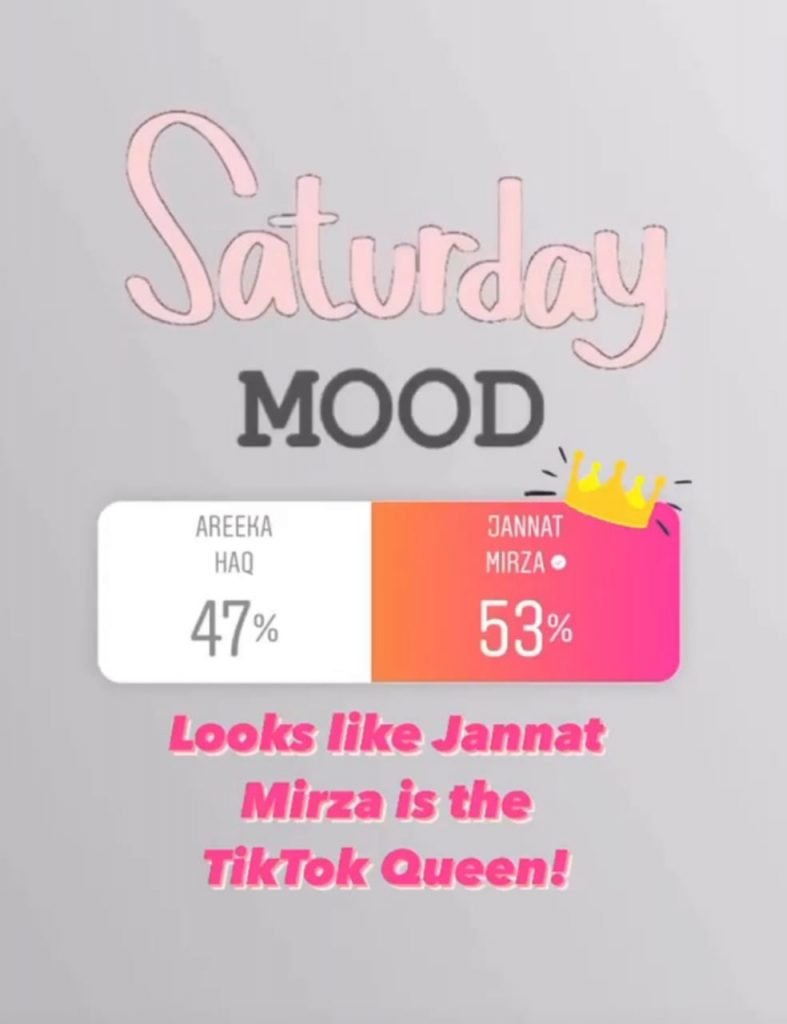
    The Current starts its day with a morning mood to engage followers and find out what they are interested in. This is done via a ‘This or That’ poll and the winner has to compete in the same category the next day. It is mostly done over a week’s time and we found out a lot about our followers – and Pakistanis – based on what they vote for.

    The Current has compiled a few fun polls it did on its Instagram account.

    Professor VS Berlin: What would you like to be?
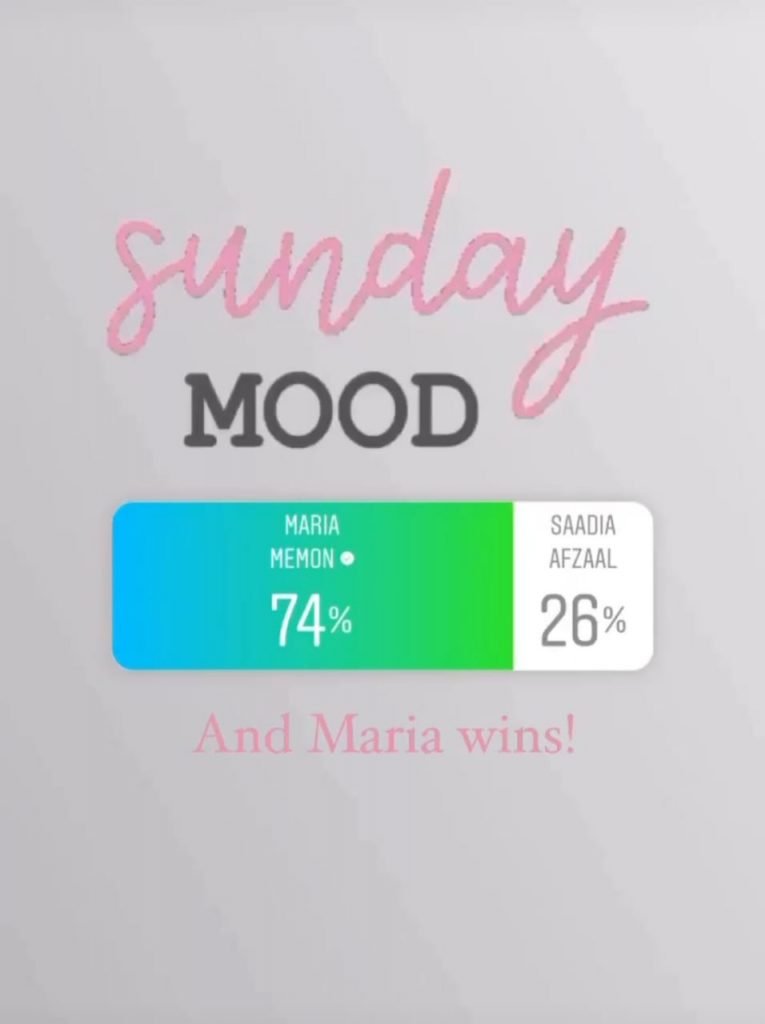
    Professor wins with 67%.

    Who is your favourite female anchor?

    We put this poll the whole week and got our winner. Can you guess who that was?

    ARY’s Maria Memon won the vote beating the likes of Sana Bucha, Meher Bokhari and Asma Shirazi.

    Favourite male anchor

    Waseem Badami is clearly the winner beating all prominent news anchors of Pakistan.

    Your favourite TikToker

    Again this one was not surprising.