Blog

  • An ordinary budget in extraordinary times

    An ordinary budget in extraordinary times

    The federal budget for 2020-21 has been approved amid protests by the opposition and criticism by economic analysts. Is it really that bad a budget? Not at all. In fact, if anything, it might be incrementally better than the previous years’ budgets in many ways.

    For instance, budget 2020-21 can be termed as pro-business as it did not introduce any new taxation measures and instead included a reduction in custom and regulatory duties in a number of areas. In addition, there is no provision for any foreign loan repayment on the account of debt moratorium granted to us by our international lenders. Power and petroleum subsidies have been reduced by more than Rs100 billion, which, if reflected in energy pricing, can very well reduce the financial pressure on the government.

    “Despite all the talk of ‘corona budget’, ‘structural reforms’ and an ‘expansionary fiscal policy’, this was truly an ordinary budget but in extraordinary times, falling short of people’s expectations and exhibiting a meek response to the enormous challenge at hand.”

    Most importantly, for the very first time, the budget included statements on contingent liabilities, fiscal risks and tax expenditure, setting a new standard of information disclosure and budget transparency. These statements might not be perfect and may need substantial improvements, but nevertheless it is the first time any government has opted for such measures in Pakistan.

    The government also restrained from financing its deficit from the State Bank of Pakistan (SBP), albeit under IMF pressure. The development budget does not exhibit the kind of cuts that one would have expected, and last but not the least, the Public Sector Development Programme (PSDP) did not include any unapproved projects, setting a good practice for public investment management.

    If all this is true, then what is the fuss really about? Why are people not appreciating government’s efforts?

    First and foremost, despite all the talk of ‘corona budget’, ‘structural reforms’ and an ‘expansionary fiscal policy’, this was truly an ordinary budget but in extraordinary times, falling short of people’s expectations and exhibiting a meek response to the enormous challenge at hand.

    At a time when the country truly needed a fiscal push through ambitious development spending, the budget ended up sticking to fiscal discipline that is usually required under the International Monetary Fund (IMF) programmes. Perhaps the government could not communicate its domestic priorities to the IMF well. But it is quite clear that in the contest of balancing the preferences, appeasing the IMF won by a wide margin over the goal of stimulating the economy.

    “When history would be written, budget 2020-21 would not be criticised for any excesses but for not doing enough to revive the economy in the wake of COVID-19.”

    Secondly, and even more importantly, it is an unrealistic budget. The Rs4.9 trillion revenue target for the Federal Board of Revenue (FBR) can never be achieved without new taxation measures and is likely to fall short by at least Rs500-600 billion. The Rs242 billion provincial surplus is also quite unrealistic, especially considering that both Sindh and Balochistan have posted a cumulative deficit of more than Rs100 billion. Notwithstanding the windfall gains on the account of interest rate cut leading to reduced markup payments and an increase in fuel prices resulting in an increase in petroleum levy, the overall revenue receipts will fall short of targets, and when that happens, it will happen at the cost of development expenditure.

    READ:Twitter loses it over Rs1.29 trillion budget for defence, Rs83.63 billion for education

    Lastly, a crisis generally brings in the appetite for bold and difficult decisions and a crisis of this unprecedented proportion should have led to a paradigm in our priorities. The next few years are going to be tough, leaving little room for fiscal leakages. If there was ever a time to fix the state-owned enterprises and to privatise them, to take decisions on circular debt and power sector reforms, to put a stop on the relentless expansion in government size, to manage the ballooning pension liabilities, or to create a balance between civil and military spending, that time was now. But unfortunately, none of this could be traced in the budget documents.

    When history would be written, budget 2020-21 would not be criticised for any excesses but for not doing enough to revive the economy in the wake of COVID-19.
  • FBR chief replaced again

    FBR chief replaced again

    The federal government has removed Nausheen Amjad from the post of Federal Board of Revenue (FBR) chairperson, replacing her with Javed Ghani.

    Amjad, a BS-22 officer of Inland Revenue Service (IRS), had in April been appointed as FBR chairperson after then chief Shabbar Zaidi could not continue his duties due to health conditions.

    Prime Minister (PM) Imran Khan had handpicked Zaidi as his man to achieve the goal of collecting Rs5.5 trillion in taxes during the previous fiscal year and Rs8 trillion by the end of his term.

    Zaidi was good in policymaking but he could not handle the FBR’s operations well. The former chairman also could not appoint competent members at the top and transferred thousands of people of low ranks without replacing the top hierarchy.

    His successor, Nausheen was the second woman to lead the organisation of 25,000 people and the fourth chairperson in the past 20 months.

    The government had approved her appointment by having the federal cabinet circulate a summary instead of bringing the matter in a regular cabinet meeting.

    Nausheen faced and her successor faces a gigantic task of stopping the nosediving tax revenues, restructuring the top FBR hierarchy and improving the tainted image of the tax machinery.

    Ghani will also have to address the issue of rampant corruption, particularly fresh reports regarding some officers receiving kickbacks from taxpayers for putting their names on the list of those who will receive tax refunds on a priority basis under the PM’s COVID-19 relief package, and achieve targets set by the government in the new budget.

  • ‘A glimpse of death’: Hasnain Lehri shares harrowing experience of turbulent flight

    ‘A glimpse of death’: Hasnain Lehri shares harrowing experience of turbulent flight

    Following the tragic PIA plane crash in Karachi and the controversy around the alleged fake licences of hundreds of Pakistani pilots, Pakistanis have become fearful when it comes to air travel. While COVID-19 lockdowns across the world have limited movements, some people are forced to travel due to various reasons.

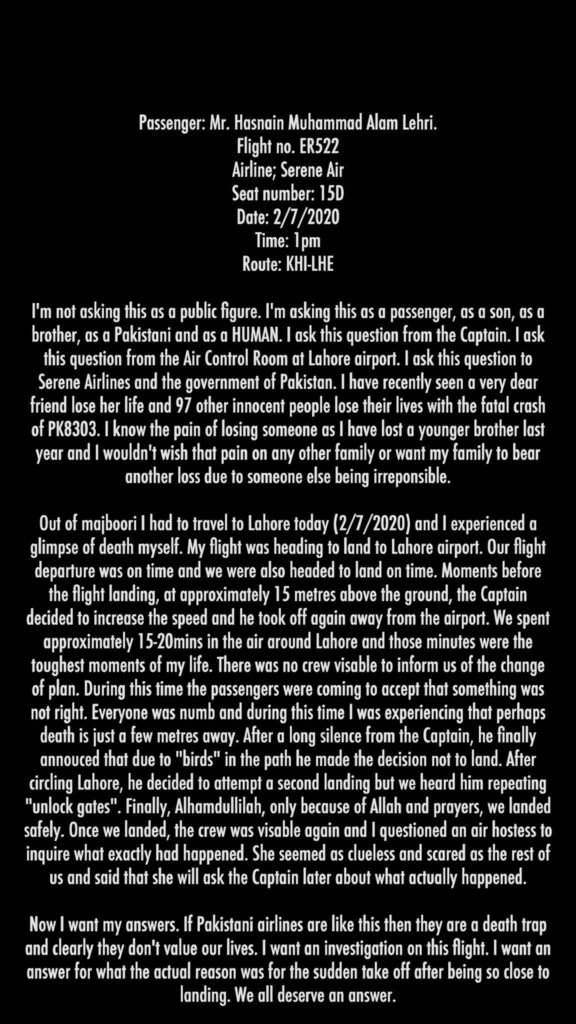
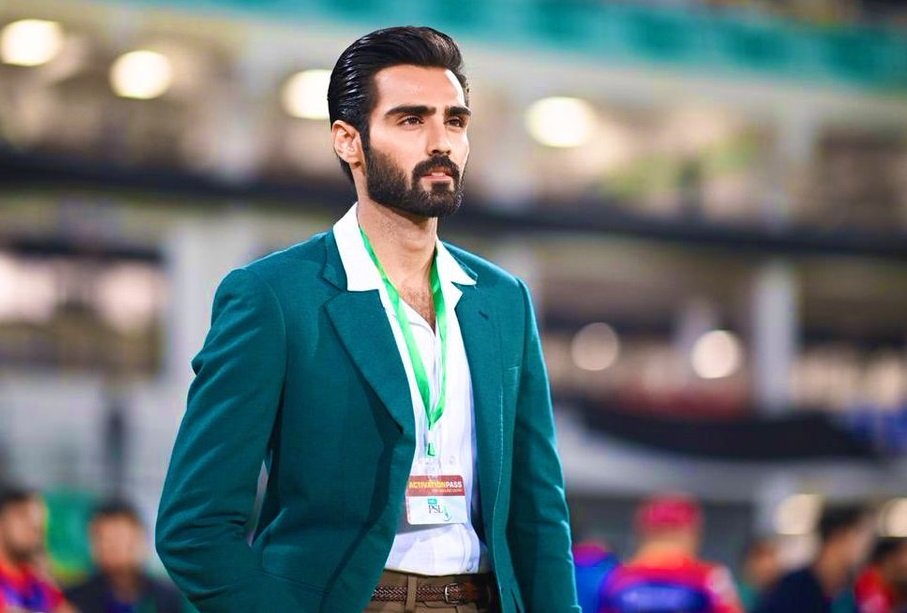
    Renowned model Hasnain Lehri, in a Twitter post, shared a harrowing flight experience with Serene Airlines and demanded that he wants answers as to why the pilot decided to increase speed and take off again moments before landing. Detailing his ordeal, Lehri said that he experienced “a glimpse of death”.

    Hasnain recounted that just as the plane was about to land at Lahore Airport, the pilot increased the speed of the plane and took off again following which the plane circled around Lahore for a few minutes before he finally attempted to land again. Lehri shared that those 15-20 minutes were the longest of his life and he was not sure if he would come out of this alive.

    The model added that the pilot said that he did not land due to “birds in the path”. However, neither he nor the fellow passengers were convinced with this excuse and demanded a more detailed answer on the matter.

    Meanwhile, in response to Lehri’s tweet, Serene Airlines said that the complaint has been forwarded to the relevant department.

    Lehri’s colleague Zara Abid was on the ill-fated Pakistan International Airlines (PIA) flight which crashed in Karachi on May 22.

  • Channel boasts getting construction of first Hindu temple in Islamabad stopped, backtracks later

    Channel boasts getting construction of first Hindu temple in Islamabad stopped, backtracks later

    A private media outlet that had claimed credit for getting stopped the construction of Islamabad’s first Hindu temple later retracted its story amid severe backlash.

    As per the details, the construction of the first Hindu temple in the federal capital has been stopped by the authorities after fierce opposition from religious hardliners as well as an ally of the ruling party, Chaudhrys of Gujrat’s Pakistan Muslim League (PML).

    The Capital Development Authority (CDA) on Friday stopped construction of the boundary wall on the plot meant for the temple citing legal reasons.

    A joint team of the CDA’s enforcement and building control departments reached the site of the temple in Sector H-9/2 and directed workers to stop constructing the boundary wall.

    According to reports, a CDA official said that the building control laws of the civic authority clearly stated that no activity could take place on a plot until the building plan was approved.

    However, according to another CDA official, it was possibly the first time that this clause had been enforced as all owners were allowed to construct boundary walls and ensure possession of their plot while formalities regarding approval of the map continue.

    READ: Islamabad to get its first Hindu temple

    Meanwhile, a private media outlet, 92 News, claimed the credit for stopping the construction of the temple.

    “Owing to successful efforts of 92 News, the CDA stopped the construction of a temple in Islamabad on Friday,” the news channel said in a report titled “92 News Efforts Bear Fruit As CDA Stops Construction Of Temple In Islamabad“, which has now been retracted.

    Earlier, the construction of the temple had been opposed by religio-political among other right-wing organisations.

    A leading religious school had issued a fatwa against construction of the temple, calling it “un-Islamic”, while parties like Jamiat Ulemae Islam-Fazl (JUI-F) had voiced their concerns over the same for they said it was “against Pakistan’s ideology”.

    PML leader and Punjab Assembly Speaker Pervaiz Elahi had also said that Pakistan was created in the name of Islam and construction of a temple on its soil “was against the very spirit of Islam”.

  • Low testing rate bigger a reason for drop in coronavirus cases than govt efforts

    Low testing rate bigger a reason for drop in coronavirus cases than govt efforts

    Federal Minister for Planning, Development, Reforms and Special Initiatives Asad Umar has said that the coronavirus situation in the country is improving as the number of COVID-19 cases “decrease owing to effective measures taken by the government and a majority of people following social distancing guidelines”.

    But the statement the minister made while addressing a press conference at the National Command and Operation Centre (NCOC) last Friday, has been contradicted by the government itself as its data suggests that COVID-19 cases have declined over the past one week because of low testing rate.

    READ: Govt is grossly under-reporting coronavirus deaths and infections: PM’s task force head

    As many as 5,000 to 6,000 cases were being reported on a daily basis in Pakistan by mid-June, which had prompted the government to impose selective lockdowns in different parts of the country, especially Punjab and Sindh, and the number of daily infections has now dropped to 3,000 to 4,000.

    While data from June 15 to June 29 shows that the number of cases reported in the country after June 19 has comparatively been lower, contrary to Umar’s claims, a major reason behind the drop has been that the number of tests performed to diagnose COVID-19 across the country also dropped significantly during the said period.

    The rate of testing came down from 31,000 to 20,000 while the target set by the government to achieve in July was the enhancement of Pakistan’s testing capacity to 100,000.

    LIVE BLOG: COVID-19 pandemic

    If you look at the statistics, it is clear that Pakistan has conducted 1,327,638 (1.3 million) tests so far, while according to Worldometers, Pakistan ranks 32nd out of 49 Asian countries in terms of testing capacity. Countries including Iraq, Bhutan, Iran and Maldives have a higher testing capacity than that of Pakistan.

    According to Punjab health officials, the government is continuing to enhance testing capacity in the country but the testing rate has dropped because patients are less exposed to the virus amid lockdowns.

    “A test is conducted when a suspected patient comes forward after complaining of symptoms or as part of a random testing drive in hotspots,” they said, adding that both instances had seen a significant drop amid lockdown restrictions

  • Netizens are calling for unpaid internships to be cancelled

    Netizens are calling for unpaid internships to be cancelled

    Though we’re not living in normal times or circumstances currently, summertime for students studying in colleges and universities usually means internships. Proper internship programs in Pakistan are limited and most interns are required to work free of cost and are promised “exposure and experience” in return. Recently, Pakistani Twitter was lit with a debate on unpaid internships with netizens demanding a ban on them.

    The debate started when an old tweet resurfaced in which a Twitter user had called out a prominent influencer for promoting unpaid internships and had mocked them.

    The internship advertisement posted by Syed Muzammil Hasan Zaidi stated that he needed an intern/assistant to work on several projects with him. He clarified that the position is unpaid and that the successful candidate will get no leaves for three months. Incentives included getting a chance to work with top government officials and top creators in the digital media industry.

    Following that, Twitter users began to slam the influencer for promoting this and called for the culture of unpaid internships to be cancelled.

    https://twitter.com/theD_inDNA/status/1278712145866301441?s=20

    https://twitter.com/MeshalMalikk/status/1279026695920631809?s=20

    The debate is not just limited to Pakistan. People across the world are calling for a ban on this practise and are urging workplaces to be more inclusive.

    https://twitter.com/awkward_duck/status/1278000313581088769?s=20
  • ‘Tum Tum’: Asim Azhar releases the ‘biggest collaboration of the year’

    ‘Tum Tum’: Asim Azhar releases the ‘biggest collaboration of the year’

    Asim Azhar’s latest song Tum Tum, which had received a lot of hate for featuring Tiktoker Areeka Haq, has finally released.

    Touted as the “biggest collaboration of the year”, the song features Asim, Areeka, Shamoon Ismail, Mooroo, Talha Anjum and Talha Yunus. Hania Aamir and Asad Siddiqui have a guest appearance in the song.

    While the song garnered more than a million views within hours of being released, the storyline is not so impressive and shows Areeka as a heartless gold-digger who gets together with boys and fleeces them of their money.

    Even the music video begins with the quote: “If you choose money over love, you will always be poor.”

    Watch it here:

    Despite the views, the song did not resonate well with the audiences who took to social media to voice their criticism.

    https://twitter.com/bhaibutnotyours/status/1278738716480147457?s=20
    https://twitter.com/Iam_Mian1/status/1278722463262785536?s=20

    https://twitter.com/Farisal06709906/status/1278868522173636614?s=20

    Some people even said that Taher Shah’s Farishta was better than this.

  • EU arrests 746 organised criminals:  murderers, assassins, money launders, hitman

    EU arrests 746 organised criminals: murderers, assassins, money launders, hitman

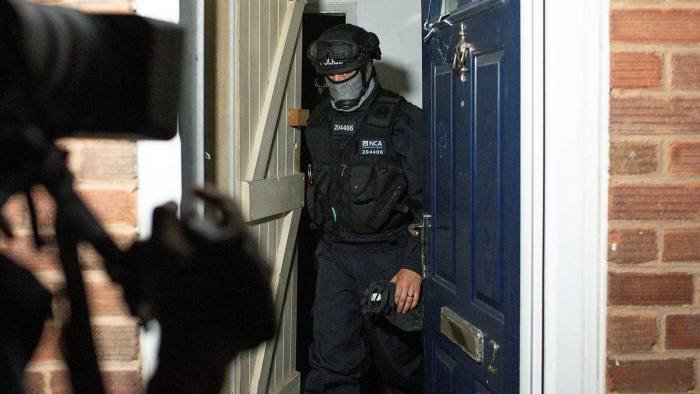
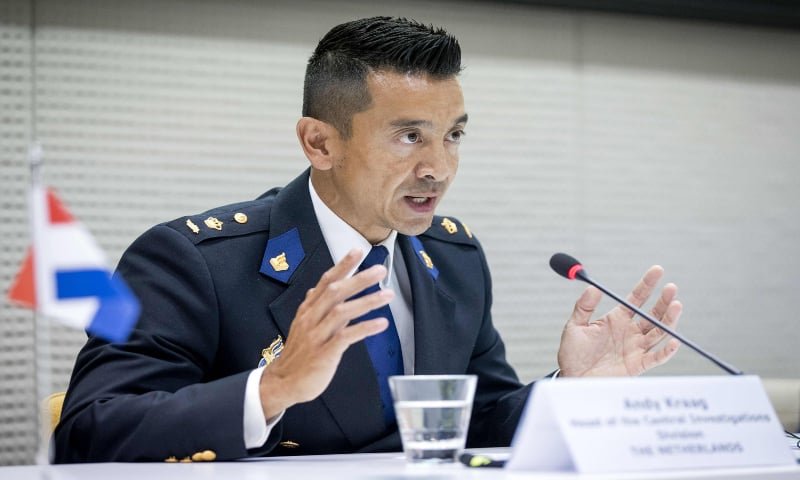
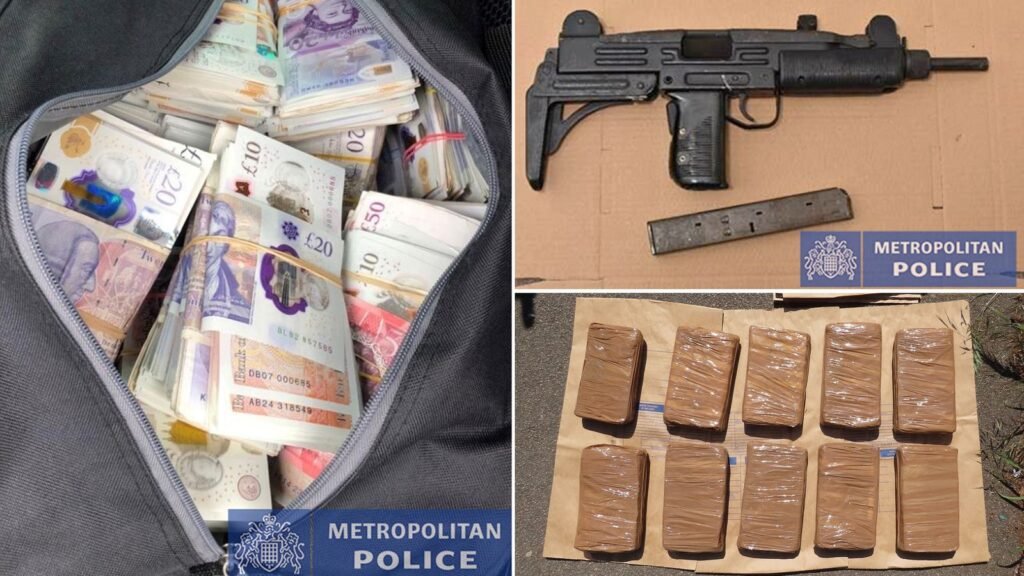
    European Union (EU) police agency, Europol, has arrested at least 746 criminals after decrypting a phone network of 60,000 organised criminals, including murderers, cartels, hitmen, assassins and money launders.

    French police first hacked the network of EncroChat by deploying a “technical device” to penetrate so that they could read millions of messages “over the shoulders” of suspects as they communicated with custom-made devices.

    “This is an unprecedented look into the heart of organised crime groups that led us to foil violent attacks, corruption, attempted murders and large-scale drug transports,” said Wil Van Gemert, deputy director of Europol, during a press conference in The Hague.

    According to Van Den Berg, chief constable of the Dutch police’s central unit, some of the encrypted messages were so worrying that it went “far beyond the authorities’ imagination”.

    In 2017, French authorities launched an investigation after finding that EncroChat phones were regularly found in operations of criminal groups and the company was operating from servers in France.

    EncroChat sells customised Android handsets with GPS, camera and microphone functionalities removed. These devices are loaded with encrypted messaging apps as well as a secured secondary operating system, in addition to Android.

    The phones also come with a self-destruct feature that wipes the devices after a PIN code is entered.

    EncroChat had in June sent a message to its estimated 60,000 users to throw away their 1,000 euro devices as its servers had been “seized illegally by government entities”. The company has also been shut down.

    EncroChat had customers in 140 countries globally. More than 90 per cent of EncroChat clients were linked to organised crime as between 50,000 to 60,000 of the phones were being used by hardened criminals.

    The Dutch police have busted 19 crystal meth labs, seized 10 tonnes of cocaine and thousands of kilos of crystal meth, said Andy Kraagm, head of Dutch police’s central investigation division at the press conference.

    After this massive operation, some users are throwing away their phones; some have gone offline completely while others are attempting to flee their countries.

  • LHC sacks controversial judge who convicted Nawaz Sharif

    LHC sacks controversial judge who convicted Nawaz Sharif

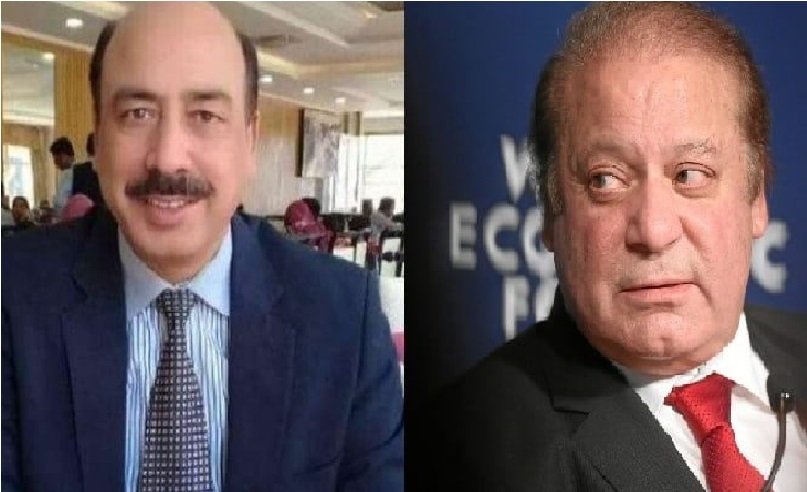
    Lahore High Court (LHC) Chief Justice (CJ) Muhammad Qasim Khan on Friday dismissed controversial judge Arshad Malik from his post, Geo reported.

    According to reports, the decision was taken by the administration committee of the LHC, which was chaired by LHC CJ and attended by seven other senior judges, including justices Ameer Bhatti, Malik Shahzad Khan, Ayesha Malik, Shahid Waheed and Ali Baqar Najafi.

    The career of the accountability court judge, who had sentenced former prime minister (PM) Nawaz Sharif to seven years in prison in the Al-Azizia Steel Mills reference, went down the hill after Pakistan Muslim League-Nawaz (PML-N) in 2019 released a video clip purportedly showing him admitting to a lack of evidence against the ousted former premier in the same case.

    READ: ‘Judge who convicted Nawaz to be removed from post’

    PML-N Vice President Maryam Nawaz had showed the video and read out its transcript at a press conference lasting more than an hour.

    PML-N President Shehbaz Sharif, former PM Shahid Khaqan Abbasi, and other senior party leaders had accompanied Maryam at the press conference at the time.

    The video purportedly showed the accountability court judge speaking to a PML-N worker named Nasir Butt and claiming that he was coerced to hand down the prison sentence against Nawaz despite there being no proof of corruption against the deposed premier.

    READ: ‘Maryam distances herself from NAB judge’s scandalous video’

    PML-N leadership has since been demanding that Nawaz’s sentence be nullified. The convicted ex-PM is already out of prison to seek medical treatment in London.

  • Legendary Bollywood choreographer Saroj Khan passes away

    Another blow for Bollywoood. Renowned choreographer Saroj Khan died of cardiac arrest in a Mumbai hospital early Friday. She was 71.

    According to reports, the three-time National Award winner was hospitalized last Saturday after she complained of breathlessness. She tested negative for COVID-19.

    Khan choreographed more than 2,000 songs in her career spanning more than 40 years. Leading actresses including Madhuri Dixit and Sridevi danced to some of the most popular songs Khan had produced.

    Khan started her acting career at the age of 3 in a Bollywood film. She later shifted to choreography and got her break in 1974. She never looked back and created some of Bollywood’s most popular film songs.

    She won acclaim for songs in movies Mr India, Chandni, Beta, Tezaab, Don, Dilwale Dulhaniya Le Jayenge, Baazigar, Hum Dil De Chuke Sanam and Gulab Gang. Some of her most noted works include Hawa Hawai, Dola Re and Yeh Ishq Hai.

    Khan was buried in a Mumbai cemetery on Friday, her nephew Manish Jagwani told reporters.

    She is survived by her husband and three children.

    Read more – Sushant Singh Rajput’s death exposes the toxic side of Bollywood

    Soon after the news of her death was announced, Bollywood mourned her death and celebrities including Kareena Kapoor Khan, Madhuri Dixit, Akshay Kumar, Kajol and Amitabh Bachchan recalled their fondest memories of her.

    https://www.instagram.com/p/CCKvjDRJcQs/
    https://www.instagram.com/p/CCKsrQRnEHL/
    https://www.instagram.com/p/CCKyb1QhLyv/?utm_source=ig_embed
    https://www.instagram.com/p/CCK23xxJNwW/