Blog

  • Rubina Ashraf reportedly hospitalised after testing positive for COVID-19

    Rubina Ashraf reportedly hospitalised after testing positive for COVID-19

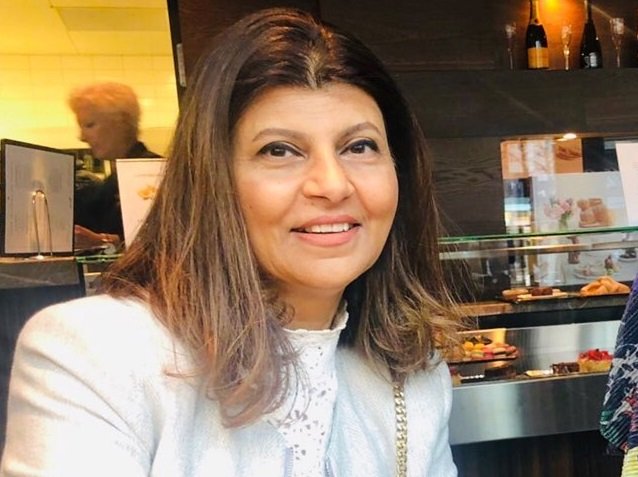
    Veteran actor Rubina Ashraf, who tested positive for COVID-19, a few days back has reportedly been hospitalised after her condition became critical. She had been isolating at home ever since her test came back positive.

    According to reports, a source close to the family has revealed that the actor is in a critical condition and has been admitted to a private hospital.

    Meanwhile, members of the industry have requested her fans to pray for her quick recovery.

    https://www.instagram.com/p/CBIGOQJJ7ze/

    https://www.instagram.com/p/CBJKNSOpczv/

    https://www.instagram.com/p/CBJIY-mp6wj/?igshid=1xdyep34uriac

    Other actors who have tested positive for the virus include Nida Yasir, Yasir Nawaz, Alizeh Shah, Naveed Raza and Abrar ul Haq.

  • Trending on Netflix Pakistan: ‘Malang’, ‘The Lovebirds’

    Trending on Netflix Pakistan: ‘Malang’, ‘The Lovebirds’

    Despite a blanket ban on Indian films in Pakistan, our love affair with Bollywood films continues. Because every time a new Bolly film releases on Netflix, it instantly starts trending. And I don’t understand that because as of late, Bollywood films have become trashy, for lack of a better word. I can’t remember the last time I saw a decent Bollywood film and thought to myself, ‘Oh this was nice’.

    Read more – ‘Extraction’ & ‘Love Aaj Kal’ are trending on Netflix Pakistan but not worth the watch

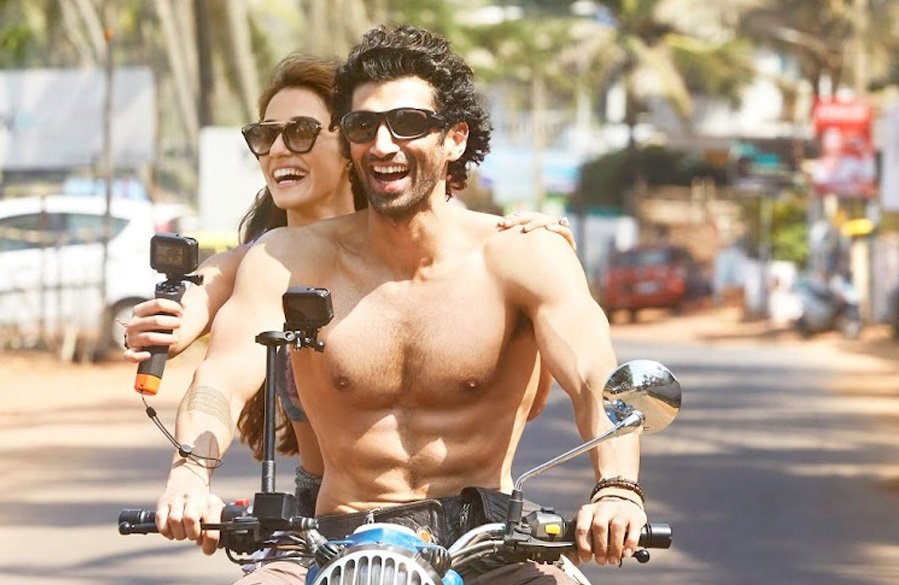
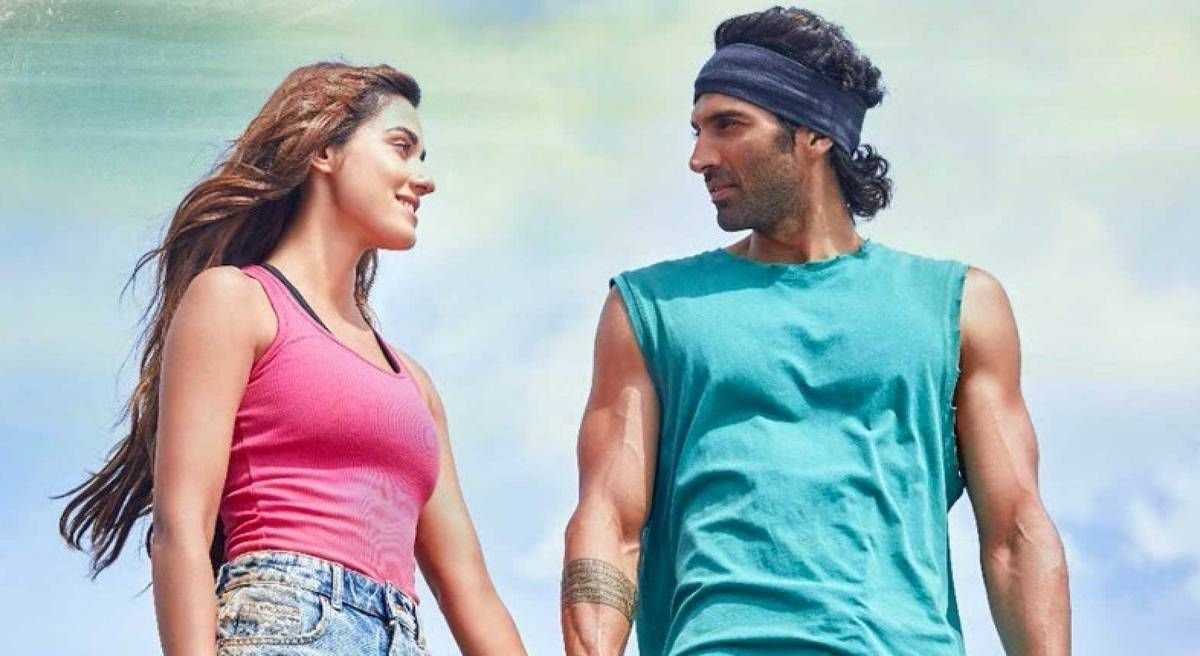
    Nevertheless, this weekend, the top film on Netflix Pakistan is Aditya Roy Kapur and Disha Patani’s Malang – a story about love and revenge. Advait Thakur (Kapur) and Sara (Patani) are two free-spirited (read: aimless) souls who meet in Goa and instantly hit it off. They spend their days enjoying the beachside and their nights attending rave parties featuring a lot of drugs. From ecstasy to cocaine, the film has it all. When I initially saw the scenes involving drugs, I found them to be a bit strange because audiences across the world are calling filmmakers to be more careful about the message they give out to the world. However, the makers of Malang really don’t give a s*** about that because there are no warnings or disclaimers either.

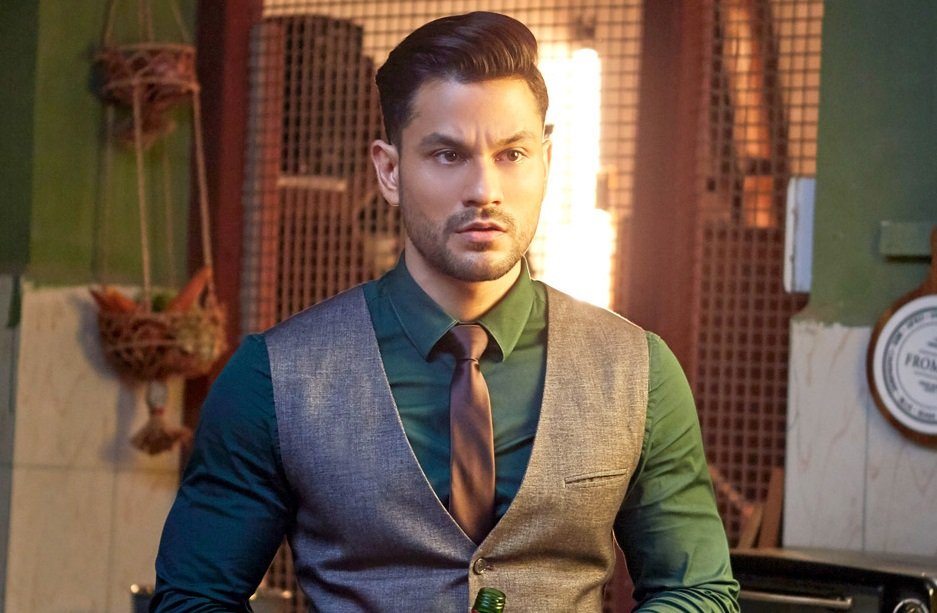
    Soon enough Disha gets pregnant, bringing an unexpected twist into the couple’s life. While Advait runs away, Sara chooses to stay in Goa and raise her child. However, Advait soon realises his mistake and comes back to Goa only to discover that a police officer Micheal (Kunal Khemu) is attempting to rape Sara, thinking she is someone else. After a lot of bloodshed and marr dhaar (fighting) – which also seems to be a central theme in the film – Advait is sent to jail while Sara is killed. The rest of the film follows Advait get revenge from the police officers who covered up their colleague’s crime and assisted Micheal in Sara’s murder.

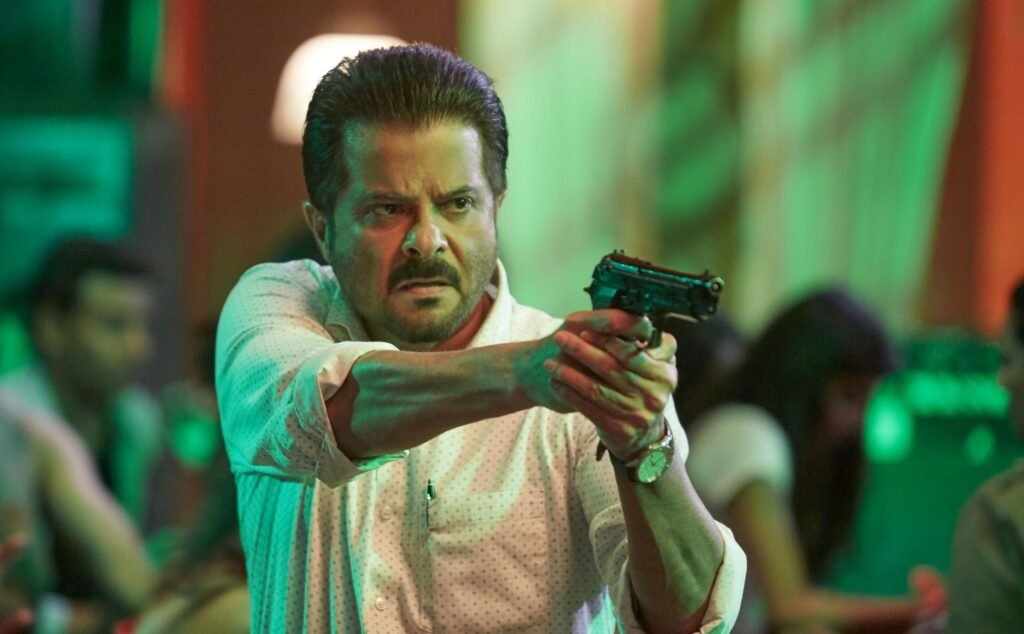
    Meanwhile, Anil Kapoor plays a crazy cop Agashte with a tragic past who only knows how to serve justice by killing criminals in encounters. Think the Bollywood version of Rao Anwar. Despite a solid performance, Kapoor’s character is poorly written and there is not much he can do with it except laugh creepily in an attempt to provide comic relief.

    To be very honest, a lot of the scenes in Malang reminded me of Siddharth Malhotra and Shraddha Kapoor’s Ek Villian. The plot was not original and the film had nothing new to offer in terms of content. But to ensure that his audiences leave the cinema halls satisfied and forget about the nonsense the rest of the film was, the film’s makers added a twist in the end to give that shock and thriller factor.

    Malang has been directed by Mohit Suri of Aashiqui 2 fame, which means that the music of the film is definitely satisfactory. The songs are soulful and melodious and you will catch yourself humming them long after the film ends. In case you missed it, our very own Asim Azhar composed one of the songs Humraah, though it does not feature in his voice in the film.

    Read more – Asim Azhar releases his Bollywood song ‘Humraah’

    The only good thing the film had to offer was lots of eye candy and spectacular views of the beach. Aditya Roy Kapur has toned his abs to perfect and missed no opportunity to show them off. Add to that an incredibly good-looking face and that is probably what will get you through the almost three-hour-long film.

    The Lovebirds

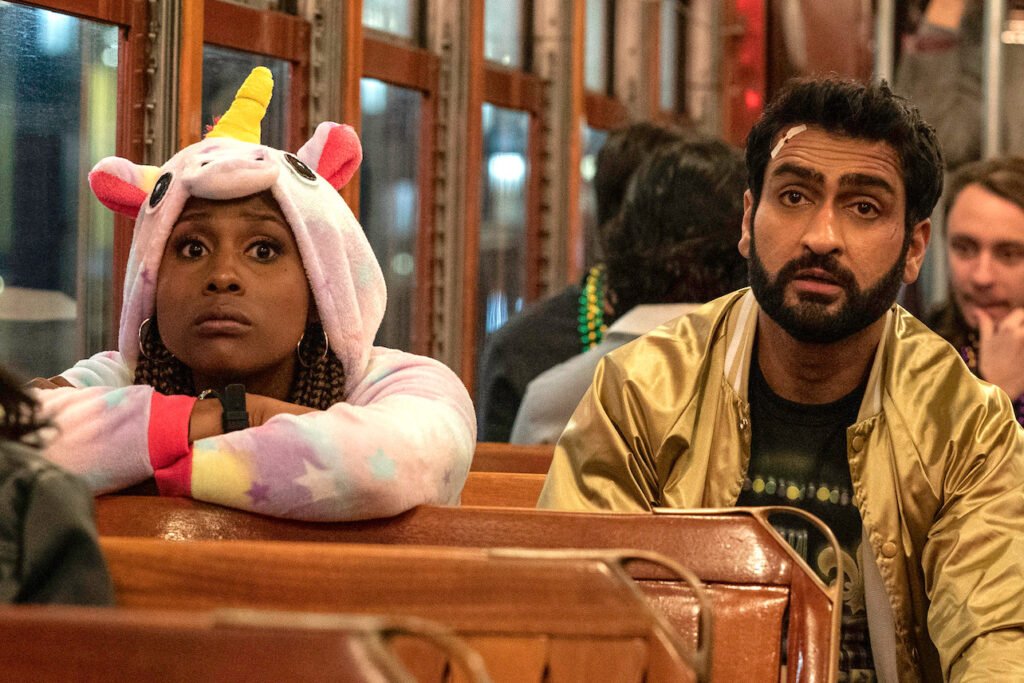
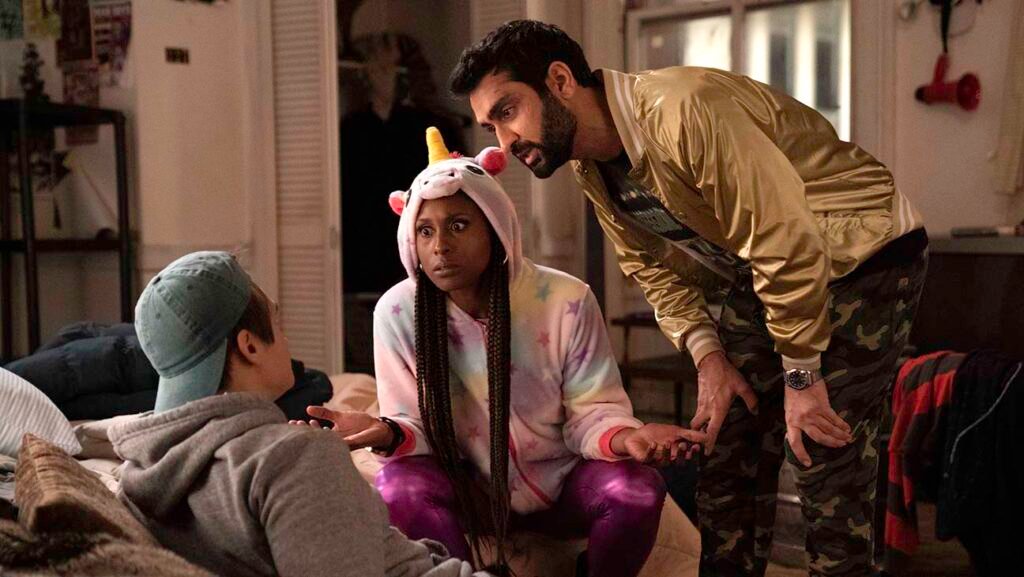
    Similarly, The Lovebirds, starring Issa Rae and Kumail Nanjiani has nothing new to offer in terms of an original plot or storyline. However, it will keep you entertained throughout its 90-minute run-time.

    Jibran (Nanjiani) and Leilani (Rae) are a couple, who are on the brink of a breakup when they are unintentionally embroiled in a murder mystery. The two spend the night dodging the police and trying to find evidence to prove their innocence. Along the way they get into hilarious messes, which can get a little lame and cliched, but Rae and Nanjiani’s comic timing, charm and chemistry more than makeup for that. This is the first time I’ve seen either of their work and I thoroughly enjoyed their performance.

    The film is a light, mindless comedy, something you can watch with your family or on Netflix Party with your friends. It’s easy, doesn’t require much thinking and offers that break from reality we so need in these testing times. If you’ve enjoyed watching comic capers like Date Night or Game Night, chances are that you will enjoy this film as well. You might even catch yourself laughing out loud at some points.

  • Zafraan – Iranian cuisine at its finest

    Zafraan – Iranian cuisine at its finest

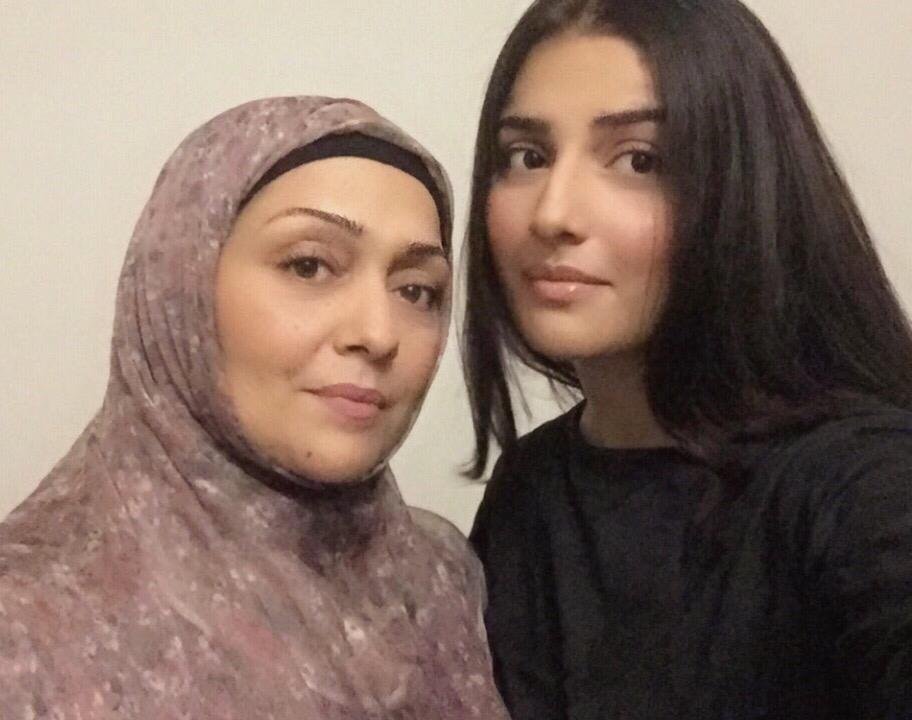
    With COVID-19 lockdowns, restaurants across the city (and country) have remained closed for over 3 months now. As a hard-core foodie, I have been missing going out to try out different yet delicious cuisines. This prompted me to look up some home-based food delivery outlets in the city and that’s when I came across a mother-daughter startup. What intrigued me was their Iranian cuisine, something which my husband and I always enjoy eating. And lo and behold I just discovered a gem.

    Read more – The quest for the perfect French Toast in Lahore

    Born in Tehran, in the heart of Iran, Elham learned the craft of Afghani and Iranian cuisine from a generation of exceptional cooks whilst spending a majority of her pre-marriage life in the Middle East. After moving to Karachi back in 1992, she won the hearts of many of her family and friends with her authentic Iranian food. When the lockdown was imposed and everyone went into quarantine, Elham discovered that she had a lot of free time on her hands now, allowing her to work on an idea that had been lingering on her and her daughter Mahum’s minds for a while. Free time along with the wish to be financially independent, gave Elham and Mahum the motivation to use their free time to do something productive. That’s when Zafraan came into being with the vision to spread the joys of Iranian flavours to the people of Pakistan.

    Zafraan’s menu is simple yet authentic and prices very reasonable. They offer home delivery, which is a blessing in the current situation, and pay special attention to hygiene and taste.

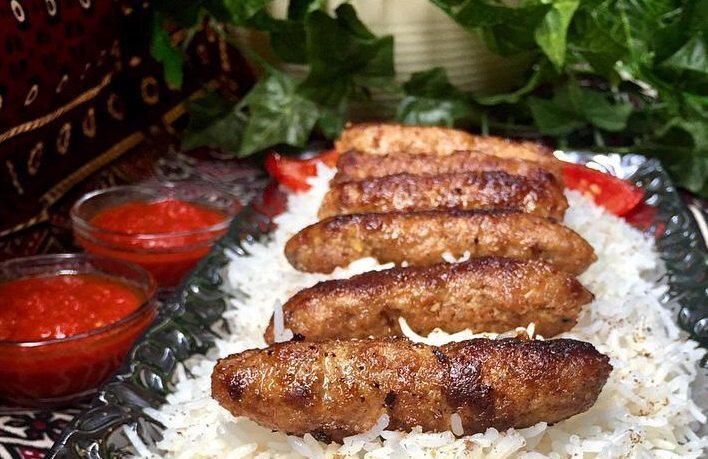
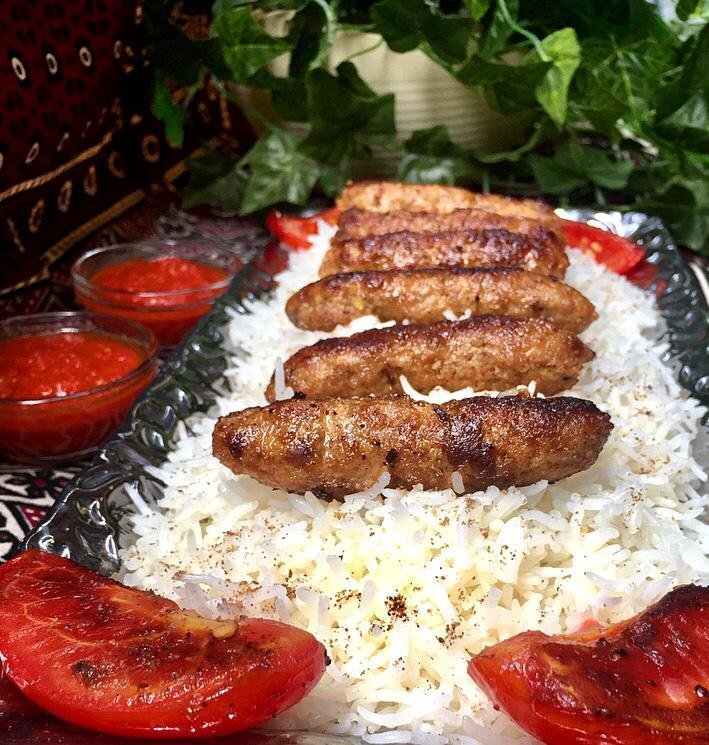
    Let’s begin with Chullu Kebabs which literally means ‘rice and kebab’ in Persian. It is the national dish of Iran and also the most popular. These legendary kebabs are a fan favourite and Zafraan’s ace of spade. The dish consists of buttery saffron rice and top quality minced beef kebabs served with grilled tomato and tomato sauce. The tenderness of the kebabs along with a combination of tomato sauce and buttery rice bring together an abundance of flavour that pays a rich tribute to the culture of Iran.

    Chelow Kebabs

    Next up, we have the Afghani Aush sometimes spelt ‘Aash’ meaning ‘noodle’ in Afghani. Aush is comfort food at its best. It’s a noodle soup consisting of tomato-based broth, filled with chicken chunks and mixed herbs and spices. The flavour is distinct and nothing like any other soup served in Pakistan.

    Afghani Aush

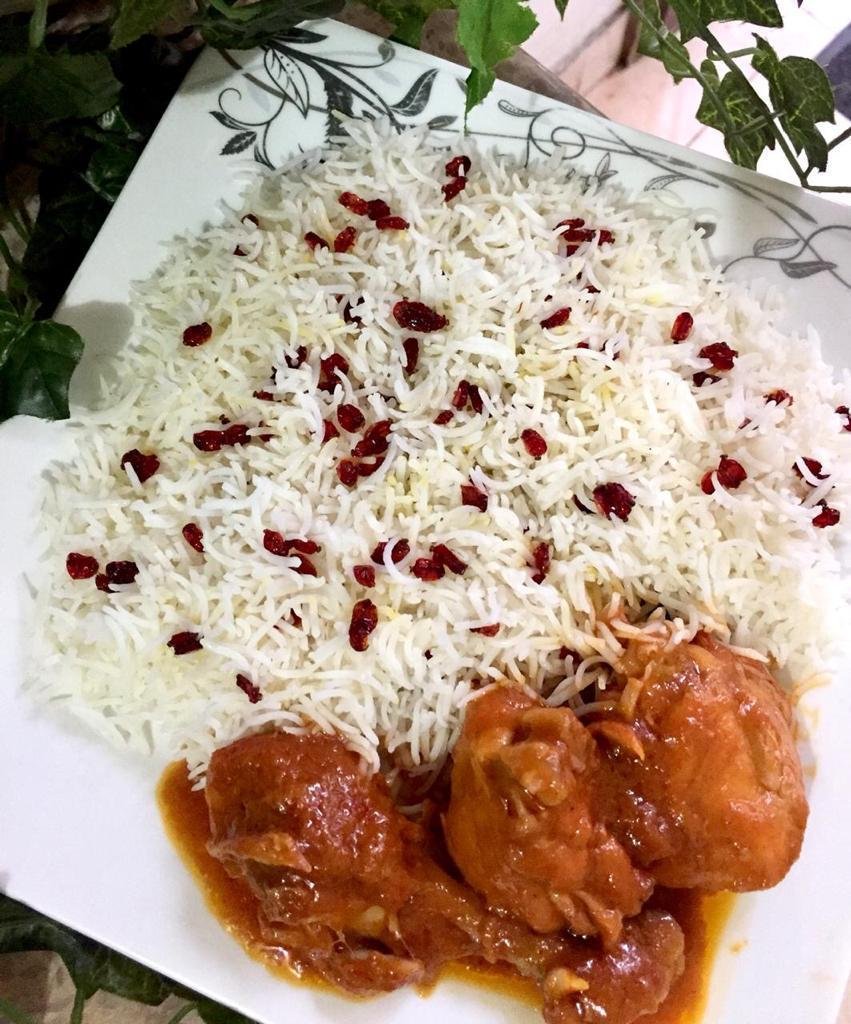
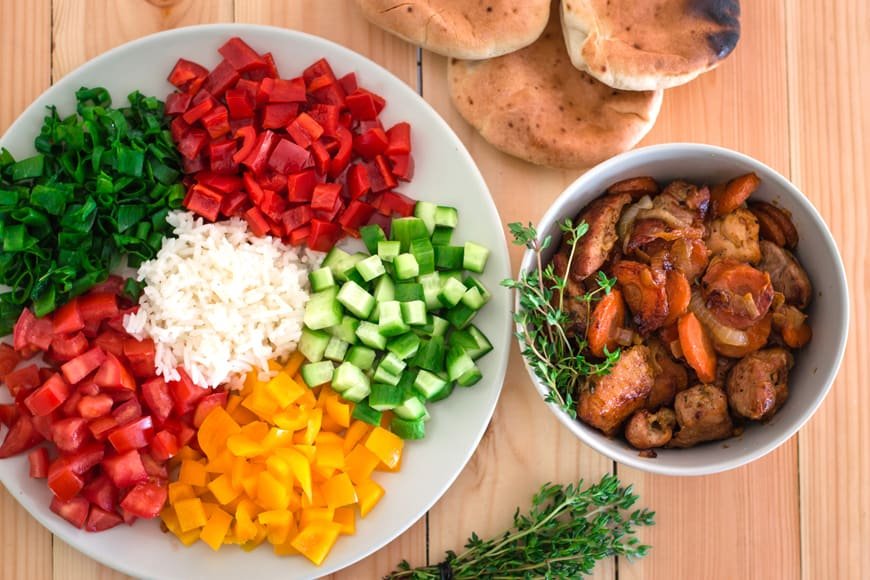
    Then comes the classic Zereshk Pulao, also known as “jewelled rice” because of the red barberries in it. The dish is balanced with a hint of sweetness for the perfect taste. The rice is served with Persian chicken gravy. This dish is exotic and simple at the same time and a must-try if you are a fan of any type of rice and chicken gravy.

    Zereshk Pulao

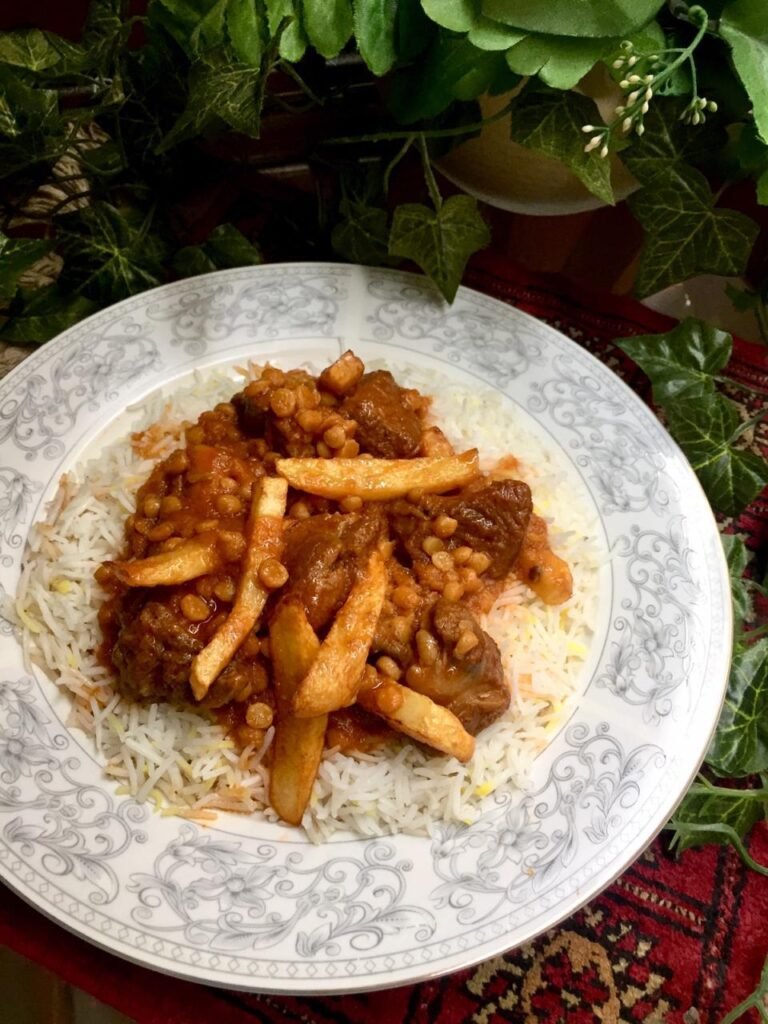
    Last but not least is my favourite Khoresh Gheymeh, which is mutton and split pea stew – a traditional and popular Iranian stew – topped with fried potatoes and served with aromatic white rice. If this doesn’t tickle your taste buds, I would be quite surprised.

    Khoresh Gheymeh

    Though quarantine and lockdowns have snatched the livelihoods of so many across Pakistan, the silver lining is where courageous women like Elham and Mahum have started their own business with an intent to not only serve classic, authentic Irani/ Afghani food but also the desire to be financially independent.

  • Caged children

    Caged children

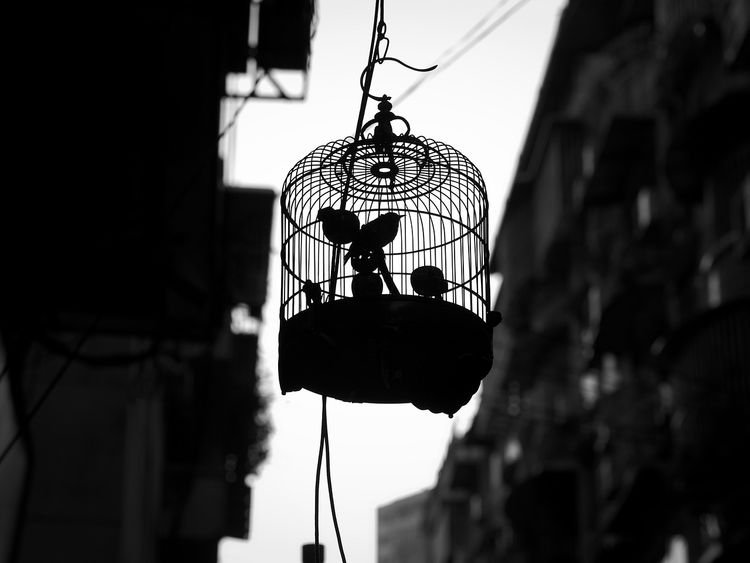
    The year is 2020. We have rules. We have laws. Yet we have children who live in cages — who are enslaved. The news of a minor domestic worker’s death after being beaten and tortured by her employers for letting “expensive pet parrots escape from their cage” sent chills down everyone’s spine. It also made one’s blood boil over the callousness of the employers who had employed an eight-year-old girl at their house to ‘take care’ of their infant. And then they killed her over a small mistake. Is the cost of a poor minor ‘housemaid’ worth nothing compared to pet parrots no matter how ‘expensive’ they may be?

    Zohra Shah’s employers – who were arrested soon afterwards – did not just kill the child but also recorded the girl being tortured on cell phones recovered by the authorities. One video reportedly shows the minor girl locked up in a large birdcage as a form of punishment. Did the couple think locking up a child in a cage was okay at some level? Are we human beings or barbarians?

    It shows another side of our society as well: we all know someone who has employed minors at their homes. We usually turn a blind eye to this ‘slavery’ because they are not our own children. They are children of the poor – people who have no choice but to let their children work for strangers just so they can make ends meet. Even if we don’t condone such practices, we don’t condemn them either – at least not vocally. We outrage at the latest incident of a minor domestic worker but soon we will forget her name. Until the next incident. And the cycle continues.

    Minister for Human Rights Dr Shireen Mazari says that domestic child labour should be declared hazardous under the Employment of Children Act 1991, as this is “the quickest way to protect children in the absence of a proper law to protect domestic labour”. This is a short-term solution. We need proper child labour reforms. Declaring domestic child labour ‘hazardous occupation’ may help to some extent but when the law already says that children under 14 years of age cannot be employed and we see children younger than that working around us, how will it benefit the children? How will it ensure that children are not losing their childhood because the state failed to ensure their rights?

    Pakistan is a signatory to the UN Convention on the Rights of the Child but children from lower-income groups have no rights whatsoever it seems. The impunity with which Zohra Shah was tortured and subsequently killed by her employers shows that the rich and powerful think they can get away with anything, even if it’s taking away someone’s life. How will we ensure justice for an eight-year-old girl who was born to a family so poor that they did not have the money for an ambulance that could take the body back to their village and to arrange a funeral?

    ‘Justice for Zohra’ does not mean punishing the couple who beat her to a pulp, subsequently leading to her death, but it means that we make sure there are no more Zohras in Pakistan. That we make sure an end to the practice of minors being employed in private households, that we ensure children get their basic right to education and do not lose their childhoods enslaved in cages, both literally and metaphorically.

  • Racism at home

    Racism at home

    Being away from my country, I am having a difficult time processing world affairs, especially the killing of George Floyd, which has left many around the world, including me, speechless, angry and stunned. To all the black people who have long and continue to suffer the systematic oppression in Western countries, especially in the United States (US), I stand with all of you.

    I don’t understand or can gauge your pain, but in silence, words, and action, I am with you.

    Respecting the suffering of African-Americans, I would like to bring to limelight the racial stigmas related to being black or a dark-toned person in Pakistan.  For hundreds of years, having a dark complexion has been looked down upon in South Asian countries. Pakistanis are no less, where a dark skin shade is culturally wired in our brains as synonymous with poverty, illiteracy, and slavery.

    I won’t be overstating that all of us have been racist at some point in our life, be it casually, unintentionally, or knowingly. To me, it seems that we are in a race to be whiter than white people. For us, our sense of pride is skyrocketed when someone compliments our facial colour and delivery of the English language. As a result, we adopt practices that corrupt society at large and infuses it with just not racism but injustice too.   

    “It is just not the educational system, but this racism is systematic and deep-rooted in our societies, for which we are equally responsible. There are racial slurs pretty standard such as “Kalia,” “Kali,” or “Kalu” to disrespectfully address someone with a dark skin tone. As if their measurement of respect comes with the shade of your body.”

    I am sure, like many others, I had a strange experience of unintentional racism through our education system. We were repeatedly lectured on how Islam treats everyone equally. The guiding example of Prophet Muhammad (PUBH) was quoted now and then, on how despite resistance from Arab society, he (PUBH) appointed Bilal ibn Rabah to call the first prayers, but in the same breath, our very teachers favour kids with a fairer skin tone. Those kids were likely to become your teachers’ favorite students. I also heard remarks such as, “OMG! You are so beautiful because you are white” or rejoining the classes after the summer break; one teacher unforgivingly remarked, “What have you done during your summer break, you have become so black!”

    It is just not the educational system, but this racism is systematic and deep-rooted in our societies, for which we are equally responsible. There are racial slurs pretty standard such as “Kalia,” “Kali,” or “Kalu” to disrespectfully address someone with a dark skin tone. As if their measurement of respect comes with the shade of your body. It doesn’t stop there; brown parents want a fairer daughter-in-law for their son, which helps them boost their societal pride as if she is a commodity or a showpiece.  In the same bid, women are obliged to use fairness creams so that they can wed their prince charming.

    I have always had a difficult time coping with advertisements prescribing color change possibility with-in 20 days of regular use. To add further, I knew someone who went to the US for higher education and wanted to marry an African-American. The family back in Pakistan didn’t approve of the marriage, objecting to her appearance. Similarly, I think of all women in Pakistan whose wedding proposals are causally rejected, on being dark. The amount of trauma and stress it leaves the person with, is unexplainable.

    “I can write a long speech about how I support the black lives movement in the US, but my head continues to bow down in shame because the ones in Pakistan are treated far worse.”

    I, however, am still speaking from a privileged position of being a man and can hardly relate to the suffering of women in Pakistan. 

    We often criticise US authorities for the handling of black people, but it is worse here in Pakistan. From security guards to cab drivers, the initial mental framework of respect is proportional to someone’s fairness. These and many other instances add up to racism at all levels in Pakistan. I can write a long speech about how I support the black lives movement in the US, but my head continues to bow down in shame because the ones in Pakistan are treated far worse. I, therefore, pick to criticise my own country and culture, with an ambition to change myself and the people around me in understanding that somebody’s colour should not be a measurement of their ability, intelligence, worth or respect.

    Please remember when you lash out at white people with #blacklivesmatter hashtags on your digital channels. Use your presence to be the voice of those who are unheard or racially abused in Pakistan. Whatever inspires you in your life, be it religion, science, or culture, let’s reform our vocabulary and lifestyle, and celebrate people beyond their color, ethnicity, race or gender.
  • Twitter calls ‘Chhota Bheem’ gold-digger as he marries rani Indumati over long time BFF Chutki

    Twitter calls ‘Chhota Bheem’ gold-digger as he marries rani Indumati over long time BFF Chutki

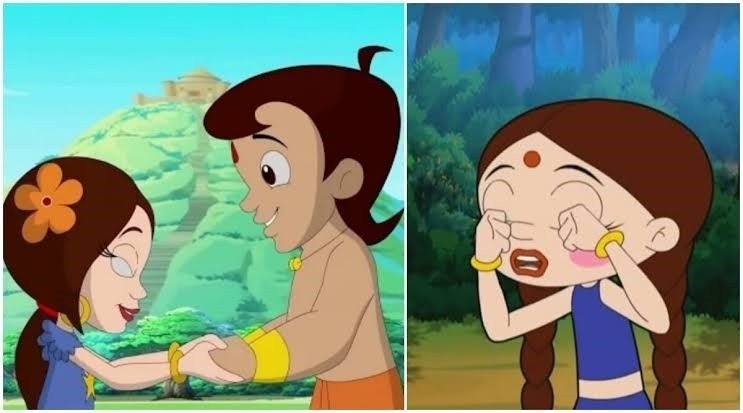
    Chhota Bheem is one of the most popular cartoon series that was once very popular in Pakistan also. People who have watched the series would be well aware of the main characters of Chota bheem, Chutki and the Princess Indumatti. News is doing the rounds on social media that ‘Chhota Bheem’ married Princess Indumati, and ditched best friend and laddoo supplier – Chutki.

    In the show, it was often seen Bheem sidelined his best friend Chutki whenever Princess Indumati, walks into the frame. People started making memes and called Bheem ‘Dhokebaaz’ for ditching Chutki.

    https://twitter.com/Hijabezahra6/status/1268275805056049154?s=20
    https://twitter.com/Jaydevmishra16/status/1268454921231269888?s=20

    https://twitter.com/Qaafirana_/status/1268171354106445825?s=20

    After the memes started circulating on social media, an official statement was released on Chhota Bheem’s Facebook page in which makers Green Gold Animation clarified that it is fake news.

  • From misinformation to targetting opponents: Uncanny similarities between Imran and Trump’s coronavirus statements

    From misinformation to targetting opponents: Uncanny similarities between Imran and Trump’s coronavirus statements

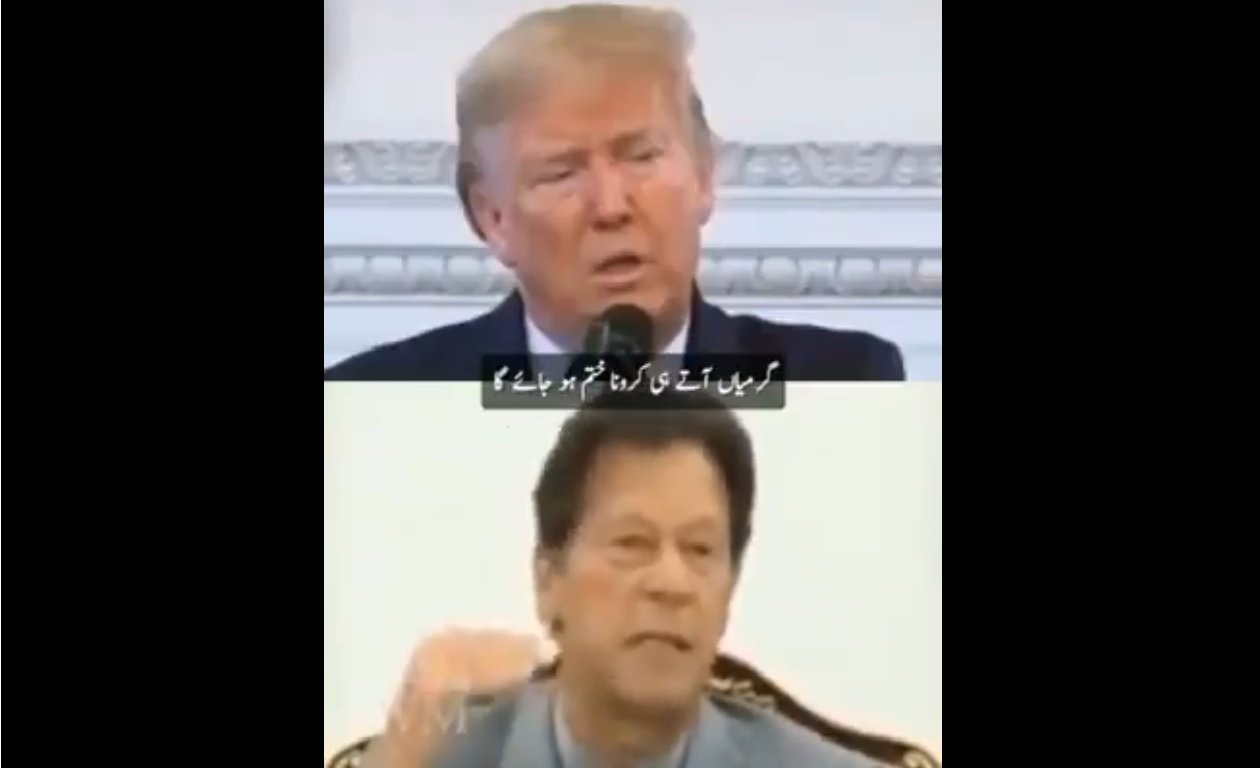
    As the global coronavirus pandemic continues to take toll across the globe, a video highlighting the uncanny similarities between statements by Prime Minister (PM) Imran Khan and United States (US) President Donald Trump — two leaders accused of “failing to deal with the outbreak” — regarding the novel virus, has gone viral over the internet.

    From spreading misinformation regarding the virus to saying things like “summers can heat kill coronavirus”, “there are no local cases”, “political opponents know nothing”, “our country is safer than others” and urging people “not to worry”, the video highlighting the similarities between the two leaders’ coronavirus statements has left many wondering “if they only translate each other’s statements”.

    WATCH VIDEO:

    This isn’t the first time that the two global leaders have been trolled for being similar.

    Soon after the 2018 general election, US-based South African comedian Trevor Noah had branded Imran and Trump as ‘twins’, stressing that the Pakistan Tehreek-e-Insaf (PTI) chief’s background story was “unnervingly similar” to that of Trump’s, wherein the two belonged to privileged families and were known for their good looks.

    Comedy Central’s “The Daily Show” famed television host, who is known for never shying away from calling out world politics and the hypocrisy that it brings along, in an episode, had called Imran an “even more tan version of Trump”.

    The 34-year-old comedian had said that media also portrayed Imran and Trump similarly. A clip from the show featured a political commentator stating that Imran seemed to contradict himself during speeches just like the US president had also often been accused of.

    Among other things, Noah had also pointed out the similarities between Imran and Trunp’s speeches.

  • Celebrities who refused to endorse skin-lightening products

    Celebrities who refused to endorse skin-lightening products

    The murder of a black man George Floyd, allegedly by a police officer, in Minneapolis has sparked protests and outrage all over the world. While in the United States, people are taking to the streets to protest, in other parts of the world people are expressing their anger on social media. Celebrities and prominent personalities across the world are also raising their voice on the matter.

    Read more – Zara Noor Abbas defends her decision to promote fairness products

    The incident has also started a debate on the obsession with fair skin, especially in South Asia and the use of skin lightening products. Celebrities who have endorsed fairness products – like Sajal Aly, Mawra Hocane, Priyanka Chopra, Disha Patani – are being called out for doing so.

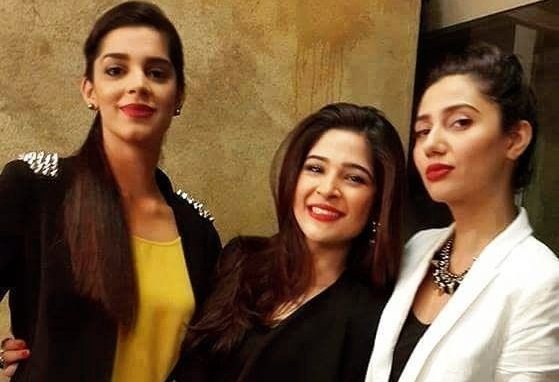
    Following the debate, journalist Haroon Rashid asked his followers to name “Pakistani/Bollywood celebrities who have never endorsed a skin lightening product.” Several Pakistani female actors, including Mahira Khan, Hareem Farooq, Sanam Saeed, Ayesha Omar and Momina Mustehsan responded to Rashid’s tweet and said that they had never endorsed skin lightening products, despite multiple offers.

    Long before this debate, Yasir Hussain had publicly lauded his wife Iqra Aziz for rejecting an advertisement for a whitening cream. He said that even though a lot of money was being offered, Iqra stood her ground and rejected the offer.

    https://www.instagram.com/p/B2yBgr2jhsk/?utm_source=ig_embed

    Later when Haroon asked if those, who have in the past endorsed such products and later apologised for doing so, should be used as examples in a bad light, Mahira said they shouldn’t be.

    “We are quick to cancel, not to converse,” said Mahira.

  • US blogger accuses PPP leadership of raping her in Islamabad: Here’s what we know so far

    US blogger accuses PPP leadership of raping her in Islamabad: Here’s what we know so far

    In a shocking development, a former prime minister (PM) and two of his cabinet members have been accused of manhandling and sexually assaulting Islamabad-based United States (US) blogger nine years ago.

    As per the details, Cynthia Dawn Ritchie has accused some of the top Pakistan People’s Party (PPP) leaders of subjecting her to the treatment during the party’s third tenure in Centre from 2008 to 2013, also alleging that PPP stalwart and then federal minister for interior Rehman Malik raped her — an accusation denied by both Malik and then PM Syed Yousaf Raza Gillani.

    The accusation comes a week after the blogger posted some controversial tweets involving slain former PM Benazir Bhutto which attracted a load of criticism and cyberharassment both from party’s local leadership and its support base.

    READ: PPP writes to ISI chief for action against Pakistan-based US blogger over tweet about Benazir Bhutto

    “In 2011, I was raped by the former interior minister Rehman Malik. That’s right, I’ll say it again. I was raped by the then interior minister Rehman Malik,” Ritchie said in the live video on her Facebook page.

    She also accused former prime minister Yousaf Raza Gillani and former federal minister Makhdoom Shahabuddin of “physically manhandling” her while the former was staying at the “President’s House”.

    Ritchie said she was reserving “some of the more graphic details” because her audience could include children, but added that she would be “happy to go into more detail” with neutral investigative journalists.

    The blogger alleged that she has endured harassment “primarily from the PPP” for a number of years now. “I have received countless threats against my life, rape threats, claims that PPP has my father,” she claimed, adding that she has “evidentiary support” of everything she has been posting.

    Ritchie also said she had informed about the incident to “someone” at the US Embassy in 2011, “but due to ‘fluid’ situation and ‘complex’ relations between US and Pakistan, [the] response was less than adequate”.

    The US embassy in Pakistan has not reacted to the claims as of yet.

    ACCUSED DENY CLAIMS:

    In their responses, both Gillani and Malik strongly denied the accusations.

    Gilani said that he even considered responding to such allegations “humiliation and disgrace”.

    Talking to a private news channel on Friday, the former premier questioned as to what Richie was doing at the Presidency when she was allegedly manhandled, and why she had been staying in Pakistan.

    Interestingly, it was Gillani himself who in 2010, through the Ministry of Interior which was then headed by Malik, empowered then Pakistan ambassador in Washington Hussain Haqqani to directly issue diplomatic visas to Americans without clearance of relevant authorities.

    The former premier further alleged that the blogger had come to Pakistan as part of a campaign to malign politicians.

    Gillani claimed that Ritchie was maligning him because his two sons had filed a defamation case against her for her allegedly defamatory tweet against Benazir.

    The PPP has also lodged a complaint with the cybercrime wing of the Federal Investigation Agency (FIA) against her for making “extremely derogatory and slanderous remarks” against Benazir.

    Malik, in his response, called the allegations “baseless, shameful, and inappropriate”.

    READ: Imran’s ex-aide called out for showing up at Cynthia’s party uninvited

    In a statement issued by his spokesperson, the former minister said that the purpose behind the allegations was to damage the reputation of the PPP leader.

    While support pours in for the US blogger, a number of people are also engaging in war of words over social media over the validity of her claims.

  • Girl climbs rooftop to get better signals to attend online classes

    Girl climbs rooftop to get better signals to attend online classes

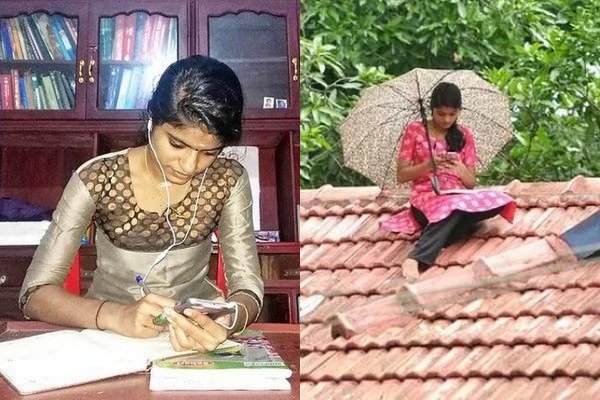
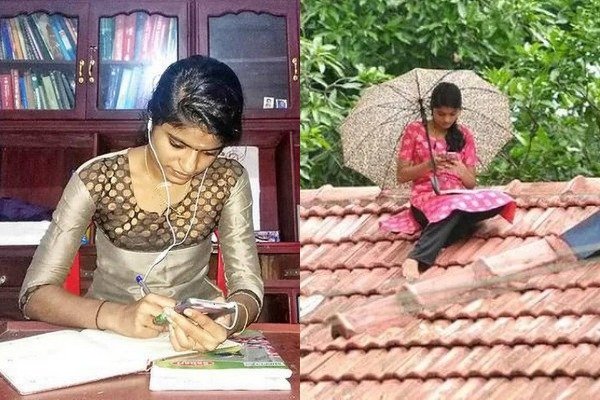
    A girl in Kerala, India broke the internet for her tireless dedication to studies against all odds. Namitha who is taking online classes during lockdown could only found find manageable signal strength for mobile data on the rooftop. She climbed the rooftop to get better signals to attend her online classes.

    As per reports, Namitha is a student of fifth semester BA English. Namitha Narayana was seeking better connectivity at her home near Kottakkal, Kerala, to attend online classes. Due to poor signal in her room, she climbed up and sat on the tiled rooftop of her house to study without a disturbance.

    Explaining why she chose the rooftop space for study, Namitha said, “We tried all places in my house, including verandas and roofs. And finally, I got fairly good signal strength on the top of our two-storey house.”

    After the pictures did rounds on social media the technical staff of the company came to her home and installed a better internet connection.

    “I am happy I can now learn from the comforts of my house,” said Namitha.

    Her elder sister Nayana too praised the positive response from the network operators and how quickly they worked it out.

    Syed Abid Husain Thangal, MLA of Kottakkal reached out to the family and said, “Namitha’s photo studying from the rooftop has become a symbol of the state’s connectivity. She is also a symbol of the perseverance displayed by the state’s student community. By setting herself an example, Namitha has become an inspiration for others.”