Blog

  • Dubai set to open drive-in cinema

    Dubai set to open drive-in cinema

    After the World Health Organisation (WHO) warned that coronavirus may never go away and we will have to learn to live with it, Dubai came up with a solution to entertain people amid the pandemic crisis. People in Dubai will soon be able to watch films on the big screen but only from their own cars at a new drive-in cinema created on the roof of one of the world’s largest shopping malls.

    With social distancing essential in the United Arab Emirates to control the spread of the virus, VOX Cinemas says that only two viewers per car will be allowed at the open-air venue, which opens on Sunday and can accommodate up to 75 cars at a time. Tickets cost 180 dirhams ($50) per vehicle inclusive of popcorn, snacks and drinks.

    Dubai, the UAE’s business and tourism hub, has been easing coronavirus restrictions since the Ramzan began three weeks ago, allowing malls and dine-in restaurants to reopen at limited capacity.

    However, children aged 3-12 and people over 60 are still barred from such venues, including the outdoor cinema, which sits on the roof of Majid Al Futtaim’s Mall of the Emirates. The screen stands under the peak of the mall’s indoor ski slope.

    Dubai, a major shopping and entertainment destination, has been hit hard by the coronavirus pandemic due to travel troubles and closures to curb the spread of the disease.

    The UAE has so far recorded 20,386 coronavirus infections and 206 deaths.

  • Couple arrested for ‘Bollywood style’ robberies

    Couple arrested for ‘Bollywood style’ robberies

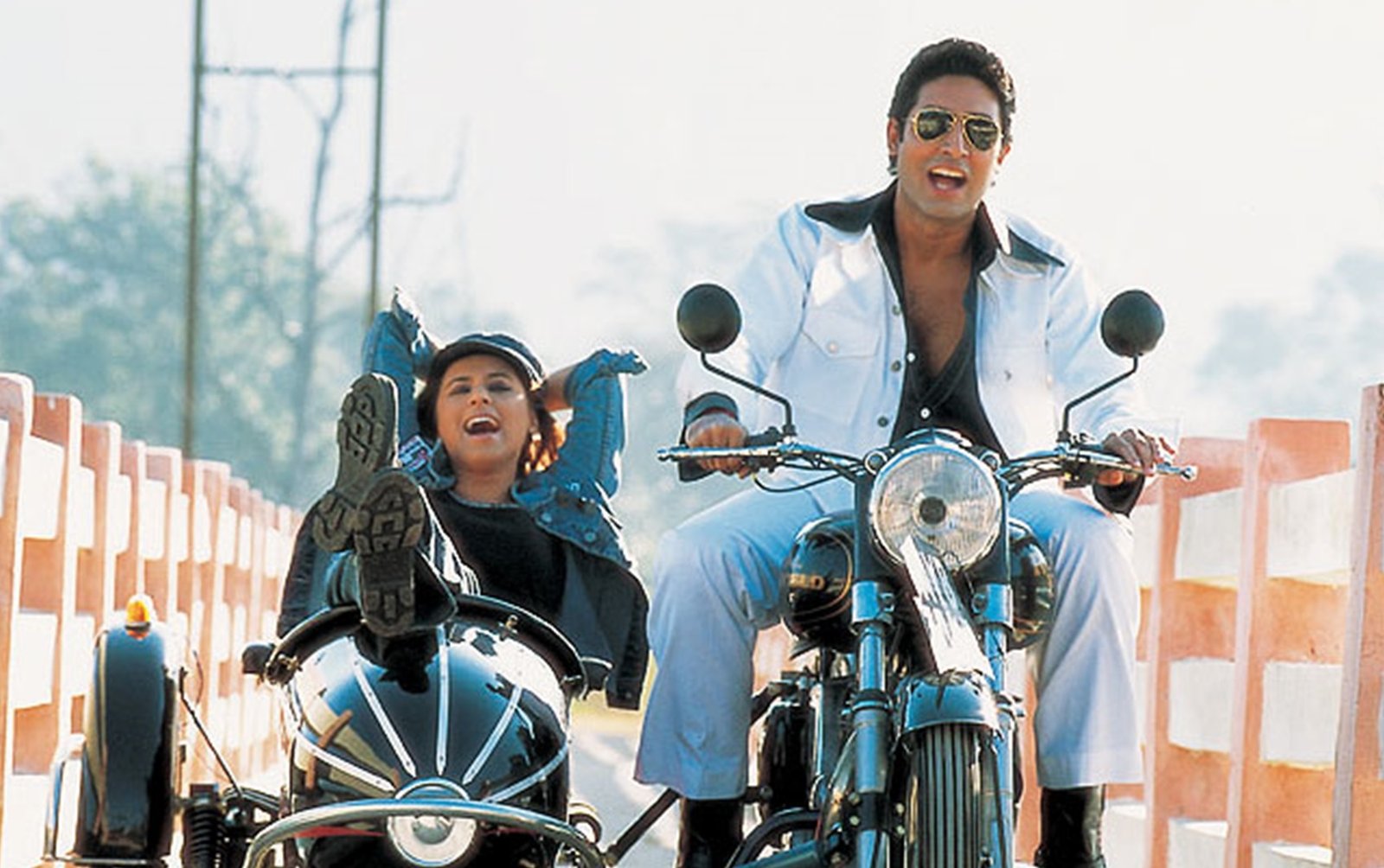
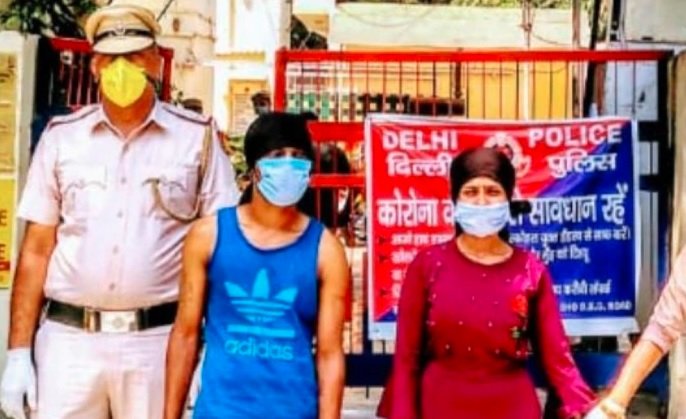
    The Delhi Police arrested a couple for committing ‘Bollywood style’ robberies. The duo, who is being dubbed ‘Bunty-Babli’ in reference to Rani Mukherjee and Abhishek Bachchan’s superhit film, reportedly committed dozens of snatchings in the city.

    Read more – ‘Death by massage’: police arrest serial killer masseur

    According to a report in India Today, the couple rode a white-coloured scooty and while the man would drive the scooter, the woman would snatch phones and other belongings as a pillion rider.

    After the robberies became common, an investigation team was constituted to look into the matter. Hundreds of reports with same modus operandi were searched but nothing could be substantiated. After that, the team started to collect and analyse CCTV footage of the crime scenes as well as the escape route used by the duo. While the CCTV footage had poor resolution and the police were unable to identify the criminals through it, it was enough to give the team the couple’s physical structure.

    After a tedious investigation process, the team finally managed to nab the criminals and arrest them while they were at the market to sell the stolen mobile phones. They recovered four mobile phones and one scooty from their possession.

    Read more – Mother sends son to buy groceries, he returns with bride

    The police revealed that the man, identified as Arjun alias Karan, was is an active criminal of central Delhi. He was involved in 31 cases and is a drug addict. Meanwhile his wife, Vaishali Kaushal is a tattoo artist and also a drug addict. The two had tied the knot a few months back and have been carrying out snatchings ever since.

  • Shahid Afridi buys Mushfiqur Rahim’s bat auctioned for coronavirus relief

    Shahid Afridi buys Mushfiqur Rahim’s bat auctioned for coronavirus relief

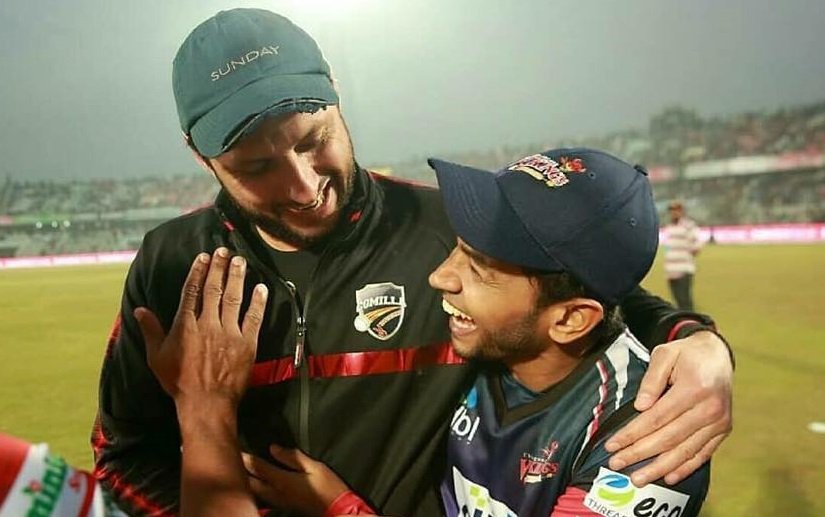
    Shahid Afridi has contributed to Bangladesh’s COVID-19 relief efforts by buying a cricket bat put up on auction by Bangladeshi batsman Mushfiqur Rahim for $20,000.

    The bat had been used by Rahim during his maiden double hundred in Test cricket. Rahim had made this score in Bangladesh’s match against Sri Lanka in the Galle Test of 2013.

    Rahim made the announcement on social media and thanked Afridi for purchasing the bat and helping him raise money for his fellow countrymen.

    Afridi also shared the news and said that he and his foundation Shahid Afridi Foundation “believe that human suffering and empathy is beyond borders” and that he “hopes this small token will help build bigger bridges”.

    https://twitter.com/SAfridiOfficial/status/1261380200836878338?s=20

    In a video message shared by Rahim, Lala also appreciated Mushfiq for “doing wonderful work” for his people.

    “Only real heroes undertake such efforts. We’re all experiencing unprecedented times, in which we need each other. I’ll always remember the love I received from Bangladesh,” said Afridi. “Buying your cricket bat on behalf of the Pakistani people, I wish to become a part of your journey.”

    Cricketers and sportsmen around the world are auctioning their memorabilia to raise funds for coronavirus relief drives.

  • Why do businesses not grow in Pakistan?

    Why do businesses not grow in Pakistan?

    CEO Maple Leaf Capital, Waleed Saigol, has said that businesses grow in Pakistan but at a slow pace, and the problem lies within the policies and mindset of the country’s power groups.

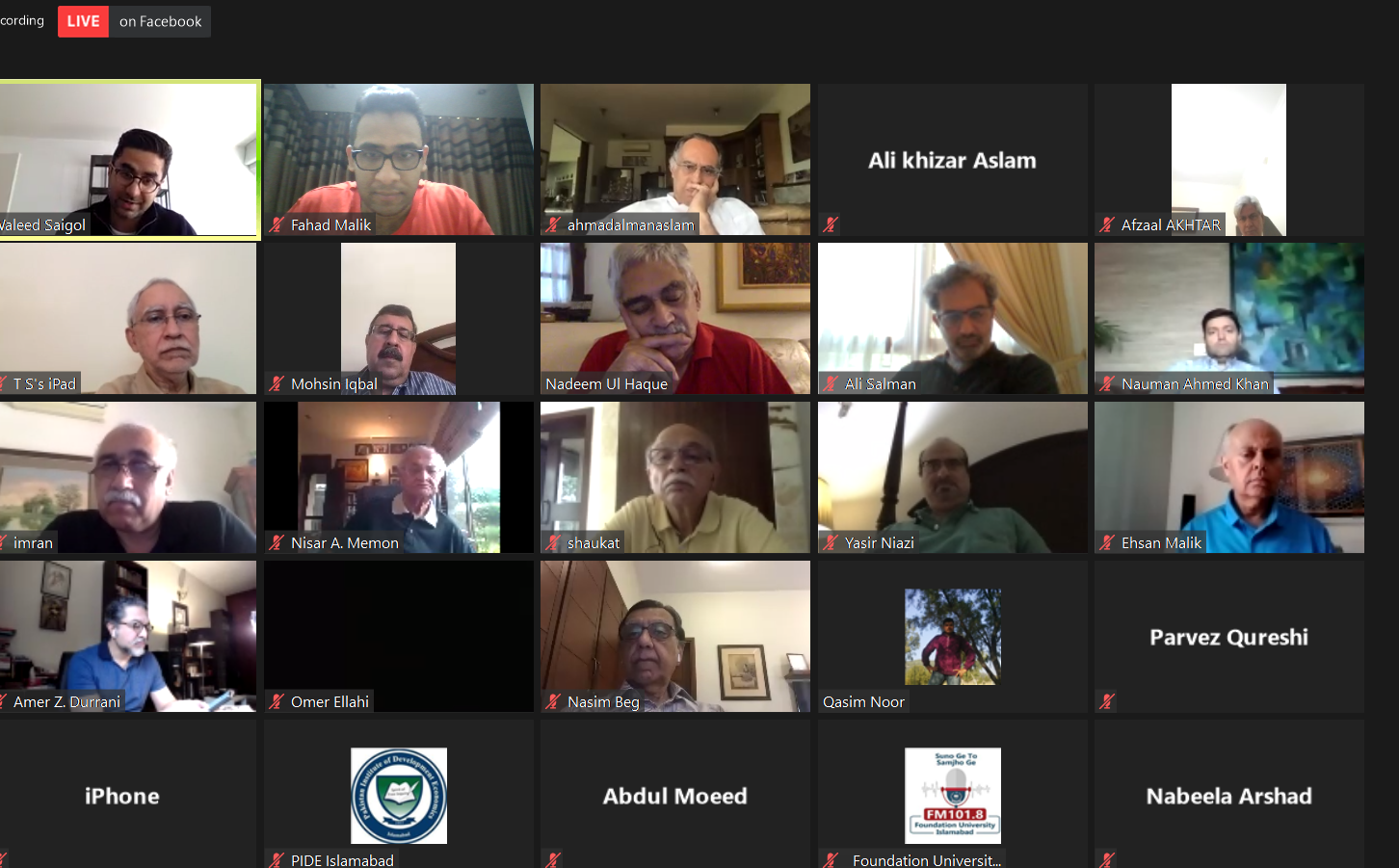
    Speaking at a virtual conference hosted by Pakistan Institute of Development Economics (PIDE) on Thursday, with prominent businessmen, including over a hundred chief executive officers (CEOs) and leaders of the business community, in attendance to discuss “Why Businesses Do Not Grow in Pakistan?”, he said that ironically, Pakistan had developed nuclear bombs under pressure, however, state institutions “didn’t prioritise economic and business growth”.

    “The role of media is also questionable… our news anchors do not bring these issues to the public, besides, we as a nation like to discuss controversies to malign each other. If we want to see business growth in Pakistan, we have to sort out interference by the country’s institutions,” Saigol maintained.

    In response to Saigol, Dr Nadeemul Haq, the vice chancellor of PIDE, said, “Undoubtedly, Pakistan is a talent-repellent state. All our talented people go and serve in big companies around the world rather than working here.”

    While moderating the conference, Dr Haq took the conversation to Alman Aslam, who is a business advisor to local and foreign companies.

    “We need to understand why all this is happening in Pakistan. A businessperson here has to do many things that have nothing to do with business growth, but for the mere survival of his or her company,” Aslam said.

    “Company owners are harassed by corrupt tax collection authorities of Pakistan,” he alleged, adding that it reminded him of centuries-old tax collection practices.

    “The court system is flawed, take a matter to court and you will not get justice in 20 years. Besides, how can private companies excel when the government is intervening in every business? We have authorities like the Lahore Development Authority (LDA) that bully and interfere in the matters of private companies. If you want companies to grow, just allow them to grow.”

    An argument was raised in the discussion that Pakistani businessmen cannot think globally, in response to which Saigol said, “We cannot think globally because we are not allowed to think globally.”

    “The illogical policies of the government don’t let businessmen make viable investments here in Pakistan or anywhere abroad. Similarly, no foreign company will come here to invest. It took Lucky Cement Group two years to send $50 million to Africa to set up their plant,” Saigol added, lamenting that to transfer $1 million, you needed an approval from the State Bank of Pakistan (SBP), and to make a payment of more than $10 million, you needed an approval from the Economic Corridor Committee (ECC).

    “Just imagine the level of regulations here,” he concluded.

  • Anwar Masqood gets emotional while talking about Moin Akhtar

    Anwar Masqood gets emotional while talking about Moin Akhtar

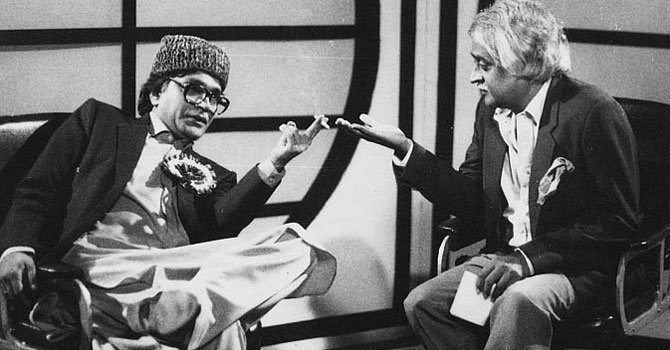
    Anwar Maqsood, in a Q&A session hosted by his son Bilal Maqsood, got emotional while discussing the late Moin Akhtar. The renowned writer remarked that the two were inseparable, adding that people like him tend to live in the hearts forever.

    “Moin is like a vine wrapped around my heart,” said Maqsood when asked if he misses Moin. “32 years I wrote for Moin.”

    He went onto say, “Big people [like him] they might leave [our] sight but are here… Moin is here. He’s in every house, he’s in every heart.”

    “Often times when I’m writing something like Loose Talk, I write my name and instinctively start writing Moin’s,” he sighed.

    https://www.instagram.com/p/CALM7JElI6t/

    In the Q&A session, Bilal asked his father ten questions sent in to him by his fans.

    Apart from his thoughts on Moin, Maqsood was also asked what advice he would give to young people to which the writer said, “Don’t chase money but goals.”

    He also didn’t leave a chance to criticise morning shows, which he has often spoken up against. When asked when Pakistan as a nation will ‘wake up’, Maqsood replied: “When all these morning shows will end, the nation will wake up from its sleep.”

  • Fans spot ‘Virat Kohli’, ‘Usman Shinwari’ in Ertuğrul

    Fans spot ‘Virat Kohli’, ‘Usman Shinwari’ in Ertuğrul

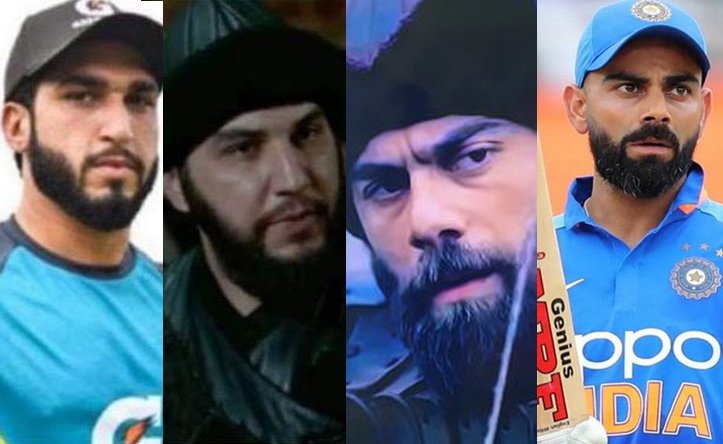
    As Diriliş: Ertuğrul fever continues to grip Pakistanis, fans have now started pointing out how two of the show’s characters look a bit too much like two South Asian cricketing stars… and to be honest, the resemblance is truly uncanny!

    READ: Pakistanis lose it over ‘un-Islamic’ Instagram of ‘Diriliş: Ertuğrul’ star

    While many took to Twitter to point out how much a character from the show resembled Pakistan’s left-arm fast bowler Usman Shinwari…

    …another cricketing star, Mohammad Amir, cannot seem to help but wonder if Indian skipper Virat Kohli is also there in the series.

    While the Indian batsman is yet to respond, here’s what Twitterati are saying:

    Turkish historic drama series Diriliş: Ertuğrul has been trending ever since its first episode aired on PTV Home. Pakistanis are loving the drama series and it has become a sensation in the country to the point that PTV is now aiming to set a new record with the series.

    In an exclusive interview with The Current, Pakistan Tehreek-e-Insaf (PTI) Senator Faisal Javed Khan revealed that Turkish President Recep Tayyip Erdoğan had gifted the drama series to Pakistan as a goodwill gesture.

  • Child pornographer released on bail

    Child pornographer released on bail

    The Lahore High Court (LHC) has released a man, arrested for selling child pornography to an international child pornography ring, on bail.

    According to reports, a judicial magistrate on April 26, 2018, had awarded seven-years imprisonment to Saadat Amin of Sargodha under Section 22 of Prevention of Electronic Crime Act 2016 and imposed a fine of Rs1.2 million on him.

    Federal Investigation Agency’s (FIA) cybercrime cell had arrested Amin on the complaint of the Norwegian embassy during 2017.

    Saadat was an active member of an international group, operating online from Pakistan. He used to engage children between the age of 10-12 years and transmit their pornographic pictures/videos outside the country for monetary benefits. 650,000 pictures and video related to child pornography were reportedly recovered from the convict’s possession.

    In an appeal before the high court, the Sadaat’s lawyer Rana Nadeem Ahmad argued that the investigation held by the agency was faulty as it failed to arrest or investigate the alleged foreign agent in Norway. Besides, the appellant had been languishing behind the bars since his arrest in 2017, while his main appeal against the sentence had not been decided by the high court.

    He asked the court to suspend the sentence and release the appellant on bail as he was ready to furnish surety bonds. Justice Farooq Haider suspended the sentence and released the convict on bail against bonds of Rs200,000.

  • COVID-19 & industry: Current situation and the way forward

    In the previous two years, Pakistan had started to pick its pace at a slightly high point and the economy had started to improve.  Both the current account along with the non-oil current account had continued to improve after exchange rate reforms while sectors with the highest forward linkages i.e cement, iron and steel, had started to show an upward spike in production.

    The fiscal side also seemed to strengthen over a period of time while growth in revenue collections at all levels, especially direct taxes, was also witnessed.

    However, with the ongoing coronavirus pandemic raising its ugly head, the meager growth achieved is now threatened.

    According to a World Bank (WB) assessment, the global impact of COVID-19 can reach $347 billion (0.4 per cent of Global GDP). Nearly all regions suffer a double-digit decline in trade volumes in 2020, with exports from North America and Asia hitting the hardest. But it is important to note that this hit was majorly experienced by countries with sizable exports due to trade problems while Pakistan has a low global value chains (GVC) exposure to the world, especially to People’s Republic of China (PRC), which means it has suffered lesser trade disruptions so far.

    Trades have fallen steeper in sectors with complex value chains, particularly electronics and automotive products.

    According to Urban Unit’s spatial industrial data, currently, 18 per cent of the industries in Pakistan are operational. These include the fertilizer industry, agriculture, agriculture spare parts and export industry, all of which are operating under conditions of following certain standard operating procedures (SOPs) developed by the Punjab government. However, strict monitoring from the government will also be required as an exemplary practice of these SOPs which will further encourage the authorities to open up other capital-intensive sectors.

    On the monetary side, there are several efforts made by the government. Under a federal package, a Rs100 billion relief package has been provided to small and medium-sized enterprises (SMEs) and the agriculture sector along with concessional loans. Money is allocated to lower the input cost for farmers along with a Rs12,000 monthly package with facilities of panagahs [shelter homes] and langar centers [soup kitchens].

    The Punjab government has also implemented tax reductions as all forms of GST have been removed from online platforms, businesses and services related to HR; deferment of tax has been implied for properties and CVT & stamp duties have been reduced to 2 per cent on property transactions, construction industries, hospitals and medical consultants. In addition to these, the State Bank of Pakistan (SBP) has provided relaxation in export schemes (EFS & LTFF) and has enhanced liquidity for exporters while providing extensions in the time period to ship and import goods against advance payment.

    The central bank has also reduced its interest rate from 13.5 per cent to 9 per cent.

    However, there are some further actions that the government can take in order to improve the current economic situation. A regulatory framework can be adopted keeping in view some of the best international practices from where many risk management practices can be learnt to determine the best price discovery (for example, the United States has dropped the interest rate to 0 per cent).

    Secondly, allowing ease of entry for institutional capital in order to broaden the depth of the market i.e. attracting FDIs in newly established special economic zones in Faisalabad, Bhalwal, Vehari and Rahim Yar Khan by simplifying provincial and federal procedures. Thirdly, the role of aggregators, producers and organisations can be improved for better price negotiations for SME’s.

    Fourth, access to foreign capital should be made easier and distortions should be minimised by developing linkages with the international markets. That means ease of doing business index, logistic performance index and reduced lead time for exports should be commenced. Lastly, e-markets should be developed where participants can access both international and domestic markets. An e-commerce policy at the provincial level must be put in place with incentives to increase documentation of economy and online trade at B2B B2C and C2C levels.

    It is to be noted that Pakistan is not alone in this economic downfall. It is vital to have a positive outlook on the situation and prepare for the future with better resilience. Effective policies and active preparedness can give impetus to the post-pandemic industrial revival.

  • ‘Khush Raho Pakistan’: Indian comedian Bharti Singh sends prayers amid pandemic

    ‘Khush Raho Pakistan’: Indian comedian Bharti Singh sends prayers amid pandemic

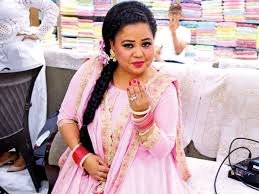
    Popular Indian standup comedian Bharti Singh sent all Pakistanis her well wishes and prayers. In a video message, she wished all Pakistanis who are a part of a global comedy family to live happily.

    https://www.instagram.com/p/CAGOnWoHYJm/?utm_source=ig_web_copy_link

    She wished her favorite team lead by a Pakistani comedian Rauf Lala in a game show ‘Khush Raho Pakistan’. The show is hosted by Faysal Qureishi on Bol TV.  

  • Pakistani pharmaceutical company to manufacture Remdesivir, only drug approved to treat coronavirus

    Pakistani pharmaceutical company to manufacture Remdesivir, only drug approved to treat coronavirus

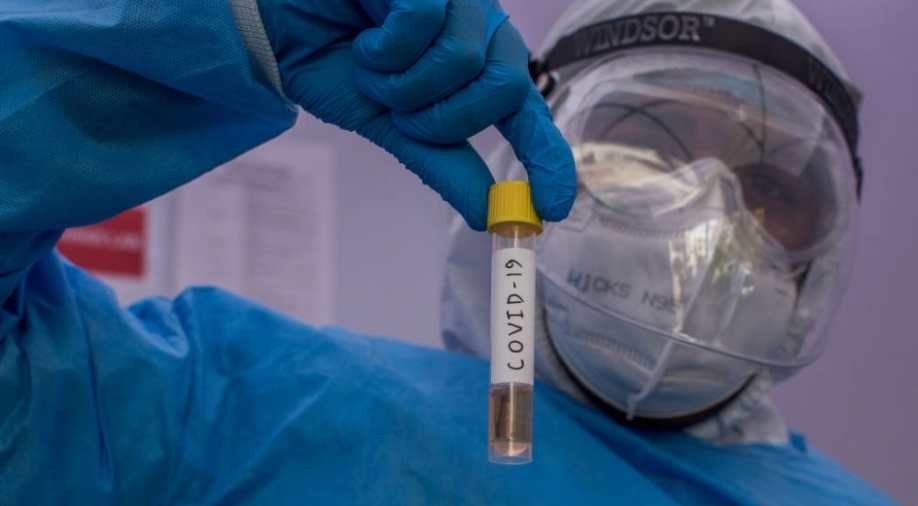
    A local Pakistani company will manufacture Remdesivir, an international drug being used to treat coronavirus patients, in less than two months, Special Assistant to Prime Minister (SAPM) on Health Dr Zafar Mirza announced as five companies in the world were granted the license to manufacture the medicine.

    “American company Gilead has manufactured this drug and it has proven effective in treating coronavirus patients,” he said during a press conference. “It is said that the use of the drug has reduced the intensity of the virus by 30%.”

    “Among the five companies [granted the license to manufacture the drug] one of them is a Pakistani company,” he said, referring to it as a “breakthrough news”.

    He said that the medicine will be available for COVID-19 patients in Pakistan after it is registered within six to eight weeks and manufactured in the country.

    “It will not only be available for patients in Pakistan but the plan is to export this drug to 127 countries,” he said. “Pakistan will be among three countries in the world to produce and export this to 127 countries. This is a big breakthrough and this is big news for coronavirus patients in Pakistan, who are increasing by the day and are expected to increase more.”

    Ferozsons Laboratories Limited CEO Osman Khalid Waheed said that it would be the company’s aim to sell the drug at the least cost, The News reported.

    Adviser to the PM for Commerce, Textile and Investment Abdul Razzak Dawood said that it was a proud moment for Pakistan and the country’s pharmaceutical industry that a Pakistani company had been made the licensee of the coronavirus drug.

    He said that it was the government’s aim to diversify exports and that included pharmaceuticals. “It is not only good news for the people of Pakistan but for countries around the world.”

    ‘FREE CORONAVIRUS VACCINE’:

    Meanwhile, PM Imran Khan has joined the more than 140 signatories of a letter saying any vaccine for COVID-19 should not be patented and the science should be shared among nations.

    The World Health Assembly, the policy-setting body of the UN’s World Health Organisation (WHO), holds its annual general meeting next week.

    The signatories, which include incumbent and former world leaders, called on the World Health Assembly (WHA) to rally behind the cause.

    “Governments and international partners must unite around a global guarantee which ensures that, when a safe and effective vaccine is developed, it is produced rapidly at scale and made available for all people, in all countries, free of charge,” the letter said.

    “The same applies to all treatments, diagnostics, and other technologies for COVID-19.”

    The letter was signed by Senegalese President Macky Sall and Ghanaian President Nana Akufo-Addo. Former presidents and premiers among the signatories included Shaukat Aziz, Jan Peter Balkenende, Jose Manuel Barroso, Gordon Brown, Helen Clark, Felipe Gonzalez, Ellen Johnson Sirleaf, Aleksander Kwasniewski, Mary McAleese, Olusegun Obasanjo and Juan Manuel Santos.

    The letter comes amid fury in France after French pharmaceutical giant Sanofi said it would reserve the first shipments of any COVID-19 vaccine for the United States (US).

    The multinational’s chief executive Paul Hudson said the US would get first dibs because its government was helping to fund the vaccine research, drawing outrage from officials and health experts.

    The letter ahead of the WHA said it was not the time to leave the task of resolving the pandemic to market forces or let the interests of wealthy companies and governments come before the need to save lives.