Blog

  • Hamas announces ‘national unity’ deal with Palestinian rivals

    Hamas announces ‘national unity’ deal with Palestinian rivals

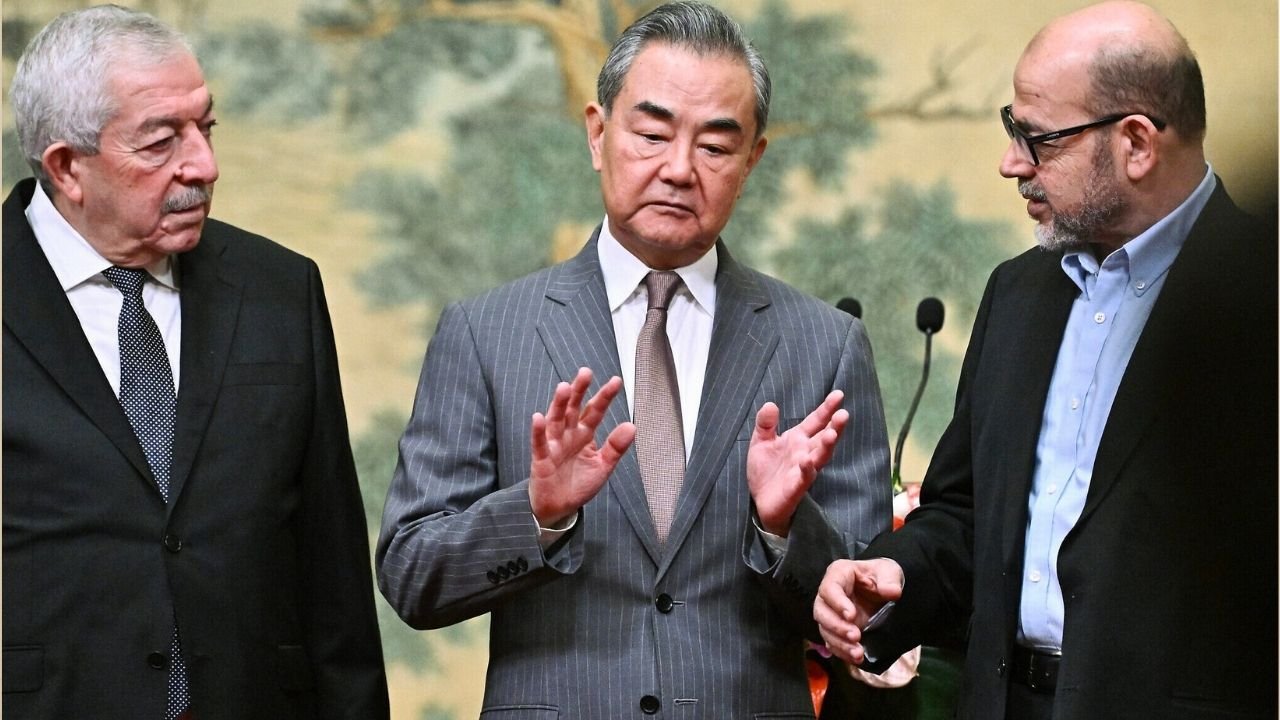
    Hamas announced Tuesday it had signed an agreement in Beijing with other Palestinian organizations, including rivals Fatah, to work together for “national unity”, with China describing it as a deal to rule Gaza together once the war ends.

    Chinese Foreign Minister Wang Yi, who hosted senior Hamas official Musa Abu Marzuk, Fatah envoy Mahmud al-Aloul and emissaries from 12 other Palestinian groups, said they had agreed to set up an “interim national reconciliation government” to govern post-war Gaza. “Today we sign an agreement for national unity and we say that the path to completing this journey is national unity. We are committed to national unity and we call for it,”

    Abu Marzuk said after meeting Wang and the other envoys. The announcement comes more than nine months into the genocide.

    Israel’s retaliatory military campaign in Gaza has killed more than 39,000 people, also mostly civilians, according to data from the health ministry in Gaza.

    The relentless fighting has plunged Gaza into a severe humanitarian crisis. China has sought to play a mediator role in the conflict, which has been rendered even more complex due to the intense rivalry between Hamas, which rules the Gaza Strip, and Fatah, which partially governs the occupied West Bank.

    Israel has vowed to keep fighting until it destroys Hamas, and world powers, including key Israeli backer the United States, have scrambled to imagine scenarios for the governance of Gaza once the war ends. As Tuesday’s meeting wrapped up in Beijing, Wang said the groups had committed to “reconciliation”.

    “The most prominent highlight is the agreement to form an interim national reconciliation government around the governance of post-war Gaza,” Wang said following the signing of the “Beijing Declaration” by the factions in the Chinese capital.

    “Reconciliation is an internal matter for the Palestinian factions, but at the same time, it cannot be achieved without the support of the international community,” Wang said. China, he added, was keen to “play a constructive role in safeguarding peace and stability in the Middle East”. Beijing, Wang said, called for a “comprehensive, lasting and sustainable ceasefire”, as well as efforts to promote Palestinian self-governance and full recognition of a Palestinian state at the UN.

    Hamas and Fatah have been bitter rivals since Hamas fighters ejected Fatah from the Gaza Strip after deadly clashes that followed Hamas’s resounding victory in a 2006 election.

    Fatah controls the Palestinian Authority, which has partial administrative control in the Israeli-occupied West Bank. Several reconciliation bids have failed, but calls have grown since October 7, with violence also soaring in the West Bank, where Fatah is based.

    China hosted Fatah and Hamas in April, but a meeting scheduled for June was postponed. China has historically been sympathetic to the Palestinian cause and supportive of a two-state solution to the Israeli-Palestinian conflict.
  • What is ‘Firewall’, and how does it threaten freedom of expression?

    What is ‘Firewall’, and how does it threaten freedom of expression?

    Since the beginning of 2024, there has been an increase in the targeted killing of journalists in Pakistan, where eight journalists have lost their lives so far. Four journalists were killed in May alone, which, according to the Committee to Protect Journalists (CPJ), is the highest number of journalists killed in a single month since 1992.

    The topic of discussion in Pakistan is not how to protect those who convey information to the people, but restrictions are being imposed on the sources of information.

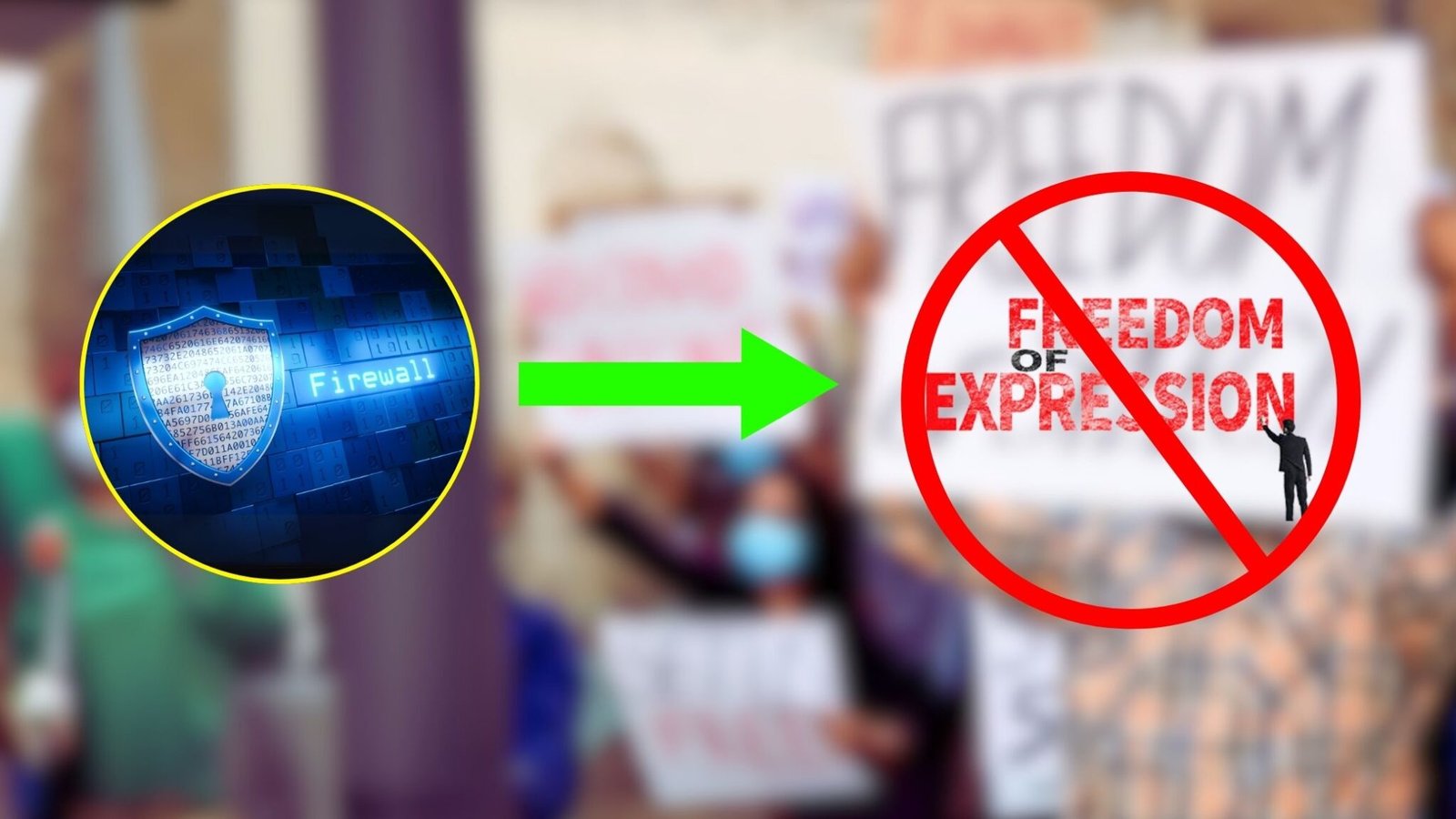
    Here, we are talking about implementing a system similar to China’s ‘Firewall’ in Pakistan, which will monitor all online traffic.

    Details regarding this firewall are kept secret, and authorities are refusing to comment on the matter. Limited data is being made available to the public, so the information regarding the functioning of this system is very limited.

    Why is the government of Pakistan implementing the ‘Firewall’?

    According to several news reports, the firewall will use Deep Packet Inspection (DPI) and block IP. DPI can monitor objectionable content through online data packets and track the sender’s IP address as soon as such content is found. This will help the authorities determine the location where the controversial content was created and disseminated.

    In other countries, such technology is used to prevent serious crimes such as child pornography. In Pakistan, this technology is likely to be used to suppress ‘anti-state sentiments’.

    Use of VPN (Virtual private network)

    No one was surprised by this latest attack on human rights in Pakistan. After all, we belong to a country that has a long history of violating human rights in the name of ‘national security’.

    However, it is surprising that our policymakers lack knowledge of the digital world. The recent ban on social media platform X is the best example.

    Although access to X is restricted in the country, many ordinary citizens and almost all government officials access it through VPNs. This has failed the efforts to ban the social media platform.

    The ban has significantly increased the business of VPN service providers internationally. According to a Forbes report, the use of VPN services in Pakistan has increased by more than 100 per cent since the ban, while some reports have seen a 400 per cent increase in the number of new VPN users in Pakistan.

    According to a report by Technopedia, a leading digital technology platform, the number of VPN users in China has seen a sharp increase of more than 90 percent since 2022. The report said that VPNs have mainly been successful in “crossing the Great Firewall of China”, similar to the type of technology being speculated to be implemented in Pakistan.

    How is this technology a threat to freedom of expression?

    If we have evidence of how VPNs bypassed the Chinese firewall, why are Pakistani authorities still investing in such technology?

    Freedom of expression has historically been a constant issue for the ruling forces in Pakistan, even though it is an integral part of any developing society. They believe the firewall plan is part of the government’s efforts to stifle dissenting voices.

    Although it is too early to say how effective this firewall will be, users will crack it. Pakistan’s civil society has a long history of resisting restrictions on freedom of expression. However, such actions will further undermine public confidence in the government.

    Now, the question is why the state is moving in a circle, where instead of devoting its energy to taking action for its people, it is creating conflicts with the subjects.

    Ultimately, the current government will make the final decision, but these policies will lead to its downfall.

  • SBP to introduce digital currency in Pakistan with technical support from IMF, World Bank

    SBP to introduce digital currency in Pakistan with technical support from IMF, World Bank

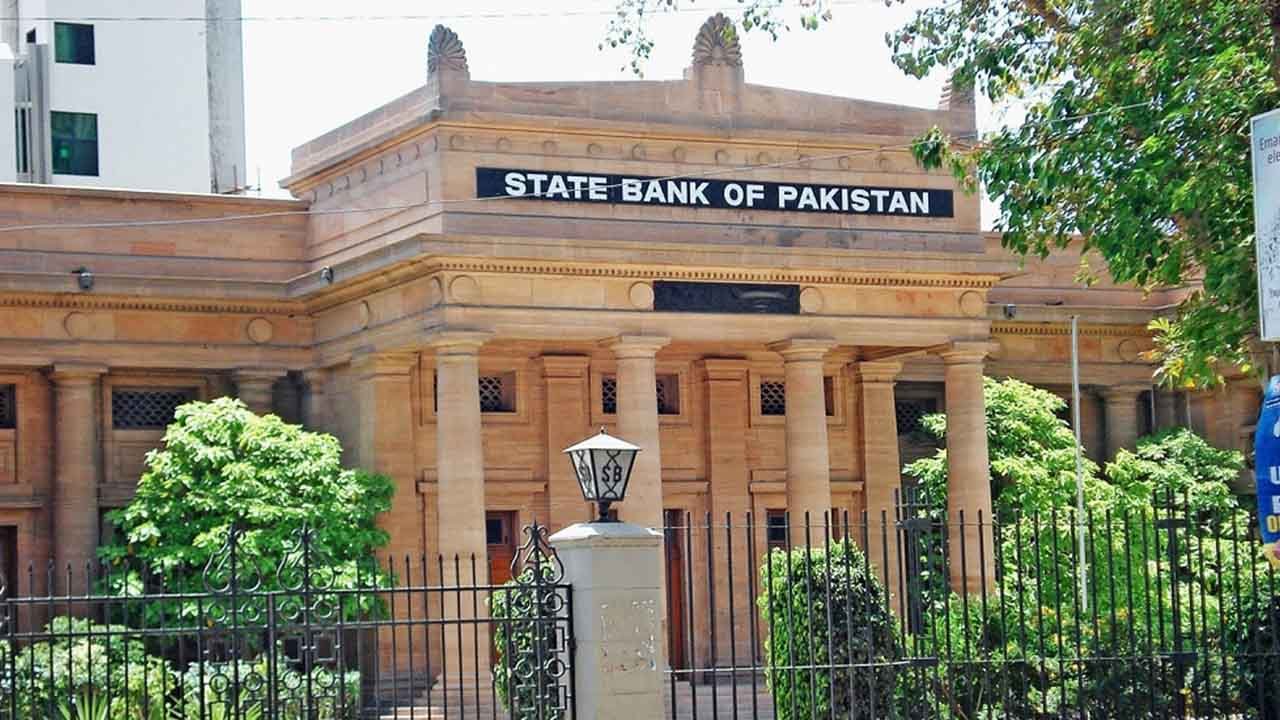
    In a media briefing held today in Karachi, Deputy Governor of the State Bank of Pakistan (SBP), Salimullah, announced that the central bank is currently evaluating the introduction of a digital currency.

    This project is being pursued with technical support from the World Bank, in collaboration with the International Monetary Fund (IMF).

    Salimullah highlighted that efforts are underway to link Pakistan with 60 countries, including those in the Middle East, to enhance remittance flows.

    Looking ahead, the governor revealed that the Raast payment system will be integrated with the Arab Monetary Fund’s cross-border payment platform, Buna, by next year.

    Buna facilitates secure, cost-effective, and transparent transactions for financial institutions and central banks across the Arab region and beyond, enabling payments in both Arab and major international currencies.

    The integration with Buna is expected to provide 60 million Pakistanis living abroad with the capability to transfer funds instantly and at minimal costs, significantly boosting economic and financial connectivity.

  • ‘Pray to be wealthy’; Naumaan Ijaz defends lavish Ambani wedding

    ‘Pray to be wealthy’; Naumaan Ijaz defends lavish Ambani wedding

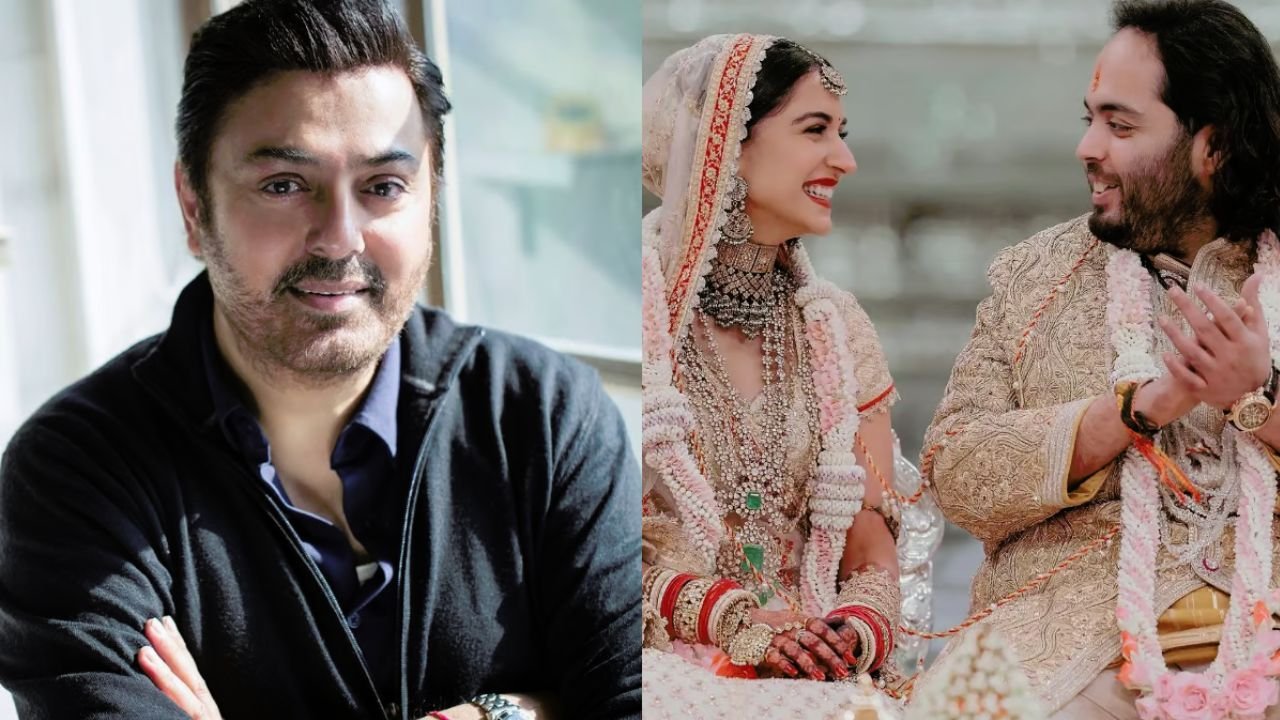
    Veteran Pakistani actor Nauman Ijaz has responded strongly to critics of Anant Ambani and Radhika Merchant’s lavish wedding.

    Nauman took to Instagram to defend Mukesh Ambani and his family. Sharing a smiling picture of himself, the actor addressed the critics directly. “I don’t understand why people are criticizing Anant Ambani and Radhika Merchant’s wedding,” Ijaz wrote.

    He urged people to stop criticizing the wedding, saying that it is the Ambani family’s money, happiness, and life, and they should be allowed to enjoy it.
    Ijaz advised critics to ignore the wedding if they cannot be happy for the Ambanis. He stressed that giving negative opinions is not appropriate.

    The actor also suggested that critics should “pray to become wealthy enough to afford such a wedding.”

  • What we know about the Paris Olympics opening ceremony

    What we know about the Paris Olympics opening ceremony

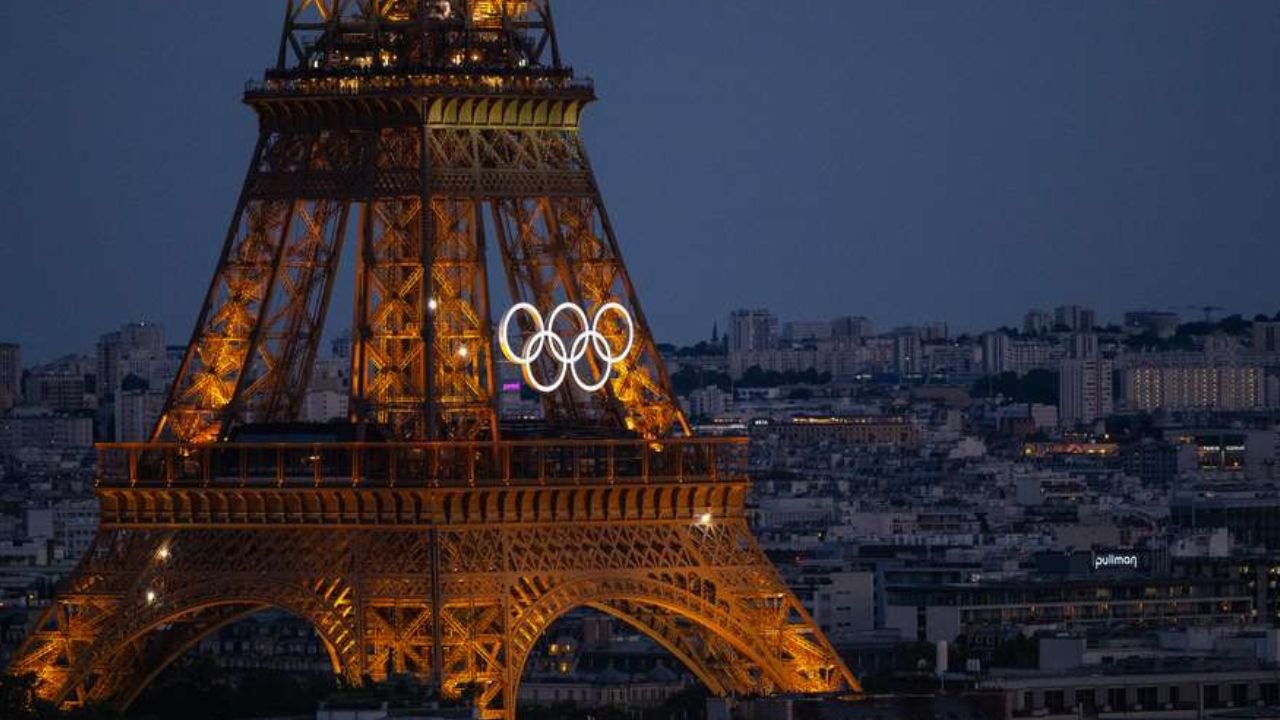
    Organisers of Friday’s opening ceremony for the Paris Olympics — the first time it will be held outside a stadium — have provided teasers for their spectacular plans but refused to give specifics.

    Here is what we know about the concept, the artists and music based on public statements over the last few months and press leaks:

    – What’s the concept? –

    Instead of using the main athletics stadium for the opening parade, as is customary, organisers have moved the event outside and into the heart of the capital — in keeping with their motto “Games Wide Open”.

    Around 6,000-7,000 athletes are set to sail down a six-kilometre (four-mile) stretch of the river Seine from the Austerlitz bridge in the east to the Eiffel Tower, on 85 barges and boats.

    Up to 500,000 people are set to watch in person from specially built stands, where tickets have sold for up to 2,700 euros ($2,900), on the river banks for free and from the overlooking balconies and apartments.

    “Organising a ceremony on the Seine is not easier than doing it in a stadium… but it has more punch,” chief organiser Tony Estanguet told AFP earlier this month.

    Because of the size and complexity of the parade, it has never been rehearsed in full.

    – What about the entertainment? –

    The show has been designed by prodigious theatre director Thomas Jolly, a 42-year-old known for hit rock-opera musical “Starmania”.

    He brought on board a creative team that includes the writer of French TV series “Call My Agent”, Fanny Herrero, as well as best-selling author Leila Slimani and renowned historian Patrick Boucheron.

    The show has been split into 12 different sections, with around 3,000 dancers, singers and entertainers positioned on both banks of the river, the bridges and nearby monuments.

    A tribute to Notre-Dame cathedral, in the process of being renovated after a devastating fire in 2019, is guaranteed, possibly with dancers on its scaffolding.

    Starting at 07:30pm (1730 GMT), two thirds of the ceremony will take place in daylight, then dusk — Jolly is hoping for one of Paris’s stunning summer sunsets — and will end with a light show.

    The music will be a mix of classical, traditional ‘chanson francaise’, as well as rap and electro.

    Franco-Malian R&B star Aya Nakamura is widely tipped to perform despite criticism from far-right politicians, including Marine Le Pen who suggested an appearance by her would “humiliate” France.

    French electro superstars Daft Punk said they had turned down an invitation to play, while globe-trotting French DJ David Guetta has been overlooked — much to his irritation.

    – What’s the message? –

    Asked to sum up his message last week, Jolly said it was “love.”

    Despite the risk of irking conservatives, he said his work would be a celebration of cultural, linguistic, religious and sexual diversity in France and around the world.

    “I think the people who want to live together in this diversity, this otherness, are much more numerous, but we make less noise,” he told AFP.

    It is fair to assume it will be nothing like the widely panned retro-styled opening ceremony of last year’s rugby World Cup, which featured a succession of French cliches from baguettes to berets and the Eiffel Tower.

    Jolly’s team is also wary of over-emphasising France’s historic contribution to the development of democracy and the concept of universal human rights thanks to its Enlightenment philosophers and 1789 Revolution.

    “We wanted to avoid our natural tendency to lecture people,” Herrero told Le Monde newspaper recently.

    And don’t expect a three-hour tribute to French greatness to rival the nationalistic pageantry seen at the Beijing Games in 2008.

    “The opening ceremony in Beijing in 2008 was exactly what we did not want to do,” Boucheron told Le Monde.

    – What will be the big moments? –

    With so much still under wraps, it’s hard to predict.

    A performance by Aya Nakamura, after so much controversy about her role, would be a major moment so soon after parliamentary elections that saw the anti-immigration far-right gain a historic 143 seats in the national parliament.

    Jolly has strongly hinted that a submersible or submarine could emerge from the waters of the Seine at some point.

    “You have the sky, you have bridges, you have water, you have banks, you have so much space to make poetry,” Jolly told reporters last week. “So why not under the river also?”

    The biggest moment of all might simply be the end if everyone gets home safely.

    The ceremony has given French police cold sweats ever since it was unveiled in 2021 because of the difficulty of securing so many people over such a vast urban area.

    Around 45,000 members of the security forces will be on duty.

  • Syeda Aliza gives essential advice to young girls on selecting life partner

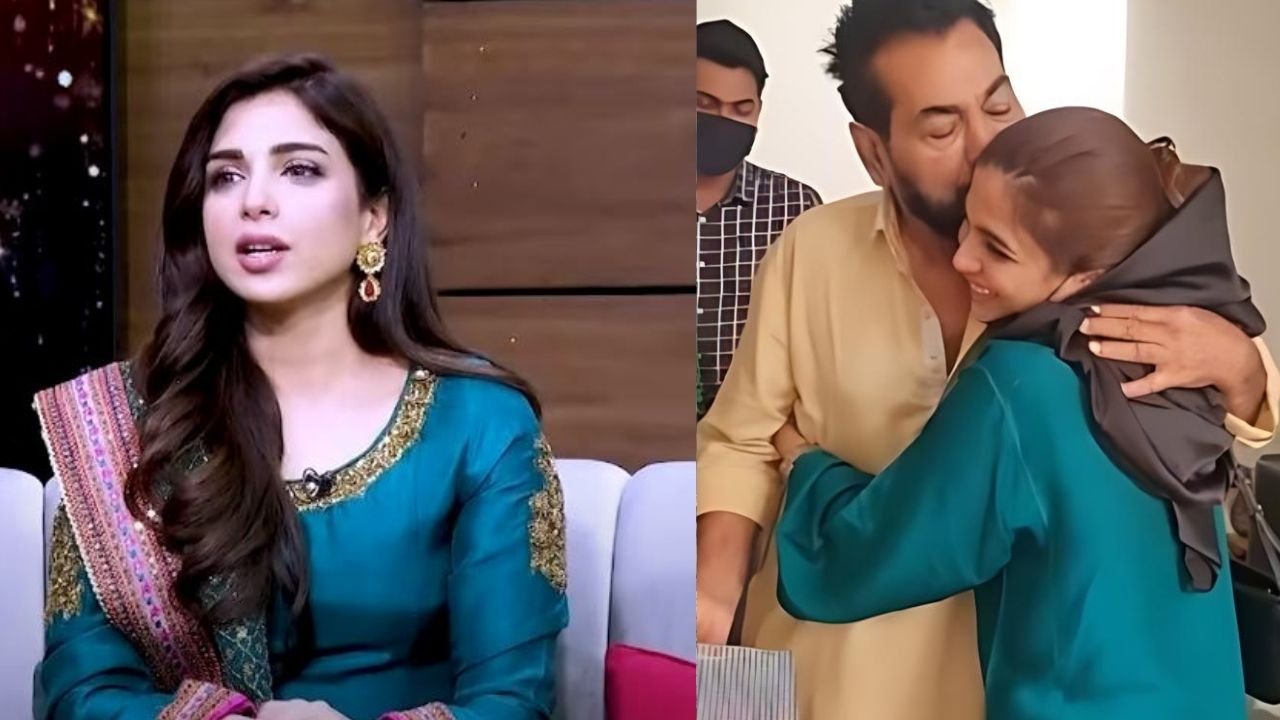
    In a recent Q&A video, Syeda Aliza Sultan shared valuable advice for young girls getting married on choosing the right partner.

    In a recent Q&A video, Syeda Aliza, ex-wife of actor Feroze Khan, was asked by a fan to give advice to young girls on how to choose the right partner for marriage.

    “Be careful while choosing a man and understand the person thoroughly before committing to marriage,” Aliza replied.

    She went on to elaborate, “The person should be soft-hearted and responsible, and the most important thing is to take your responsibilities. And he should not be the one that abandons you in difficult times.”

    Aliza got married to Feroze when she was 22. The ex-couple have two children. She accused Khan of physical abuse and filed a case in court but later, the case was withdrawn. Aliza is now a social media content creator and influencer.

  • Fiza Ali gives tough love to teen seeking relationship advice on live show

    Fiza Ali gives tough love to teen seeking relationship advice on live show

    Fiza Ali is known for being outspoken but did she recently cross lines with a girl who asked her for advice?

    During a live show, the television host got angry at a young caller who asked for love advice. This heated exchange is now trending on social media.
    The viral video shows a teenaged girl calling into Fiza’s show, sharing that she has feelings for a boy and asking for advice and a spiritual solution to win his love.

    The 18-year-old caller said that although she has strong feelings for the boy, he doesn’t show any interest in her.

    Fiza Ali, clearly frustrated, asked the girl her age and then lost her temper.

    Turning to the religious scholar on the show, she questioned the moral values of society and why such issues need to be discussed. The scholar responded that proper upbringing is crucial and parents must pay more attention.

    Fiza did not hold back, calling the girl shameless for bringing up such a topic on live television.

    “There should be a limit to shamelessness,” she said, adding that the girl’s parents should be embarrassed.

    After calming down, Fiza advised the girl to focus on her education and make her parents proud instead of getting into a relationship.
    She also emphasized the importance of being a good role model for younger siblings.

    The intense moment has sparked a conversation online, with people divided over Fiza’s reaction and the girl’s request for advice.

  • How did therapy help Sonya Hussyn heal her bond with her father?

    How did therapy help Sonya Hussyn heal her bond with her father?

     
    Actress and model Sonya Hussyn has captivated audiences with her talent and beauty, but her journey to stardom was not without its challenges.
    During an interview with ‘Zarbardast’, Sonya Hussyn was asked by the host, Wasi Shah, “Any regrets in life?”
     
    Talking about her hard childhood and her strained relationship with her father, Sonya Hussyn said, “I didn’t realize the impact of my parents’ troubled marriage on my relationship with my dad until much later. Growing up, their problems affected my bond with him, and our relationship was always rocky. It wasn’t until I got into a relationship years later that my ex pointed out that I was seeking the protection and comfort that a girl typically finds in her father. It was a psychological phenomenon that I didn’t understand at the time, but it’s very common. I had to seek help to work through it.”
     
    “I decided to tell my father I loved him as an adult, and it was a really touching moment for both of us. He cried a lot, and I could see the depth of his feelings.” Hussyn added.
     
    Talking about her reconciliation with her father, Sonya said that since then, she has been trying to make up for lost time and strengthen the bond as much as possible. “Although my father isn’t very expressive, he shows his pride and support for me and my accomplishments in his own ways, and that means the world to me.”

  • Marketing done right; Mukesh Ambani’s net worth increases after son’s lavish wedding

    Marketing done right; Mukesh Ambani’s net worth increases after son’s lavish wedding

    Marketing done right! Asia’s richest man, Mukesh Ambani, saw his net worth boost up by ₹25,000 crore in 10 days after his son Anant Ambani’s lavish wedding.

    According to media reports, Mukesh Ambani’s total wealth has increased by ₹25,000 crores after he invested billions of rupees in his son Anant Ambani’s lavish wedding celebrations. Some social media users claim that he promoted his business through the extravagant wedding and that was the main reason he invited globally famous business tycoons, celebrities, influencers, journalists and politicians to the wedding.

    Despite spending so much, the Ambani Family’s wealth has not been impacted and has actually increased even more.

    Moreover, some users added that international recognition caused potential growth in their business. According to the Bloomberg Billionaire Index, Ambani’s net worth increased from $118 billion to $125 billion between July 5 and July 12. Now, he has become the eleventh richest man in the world and is still the richest man in Asia.

  • Time for nation to stand against ‘digital terrorists’, says DG ISPR

    Time for nation to stand against ‘digital terrorists’, says DG ISPR

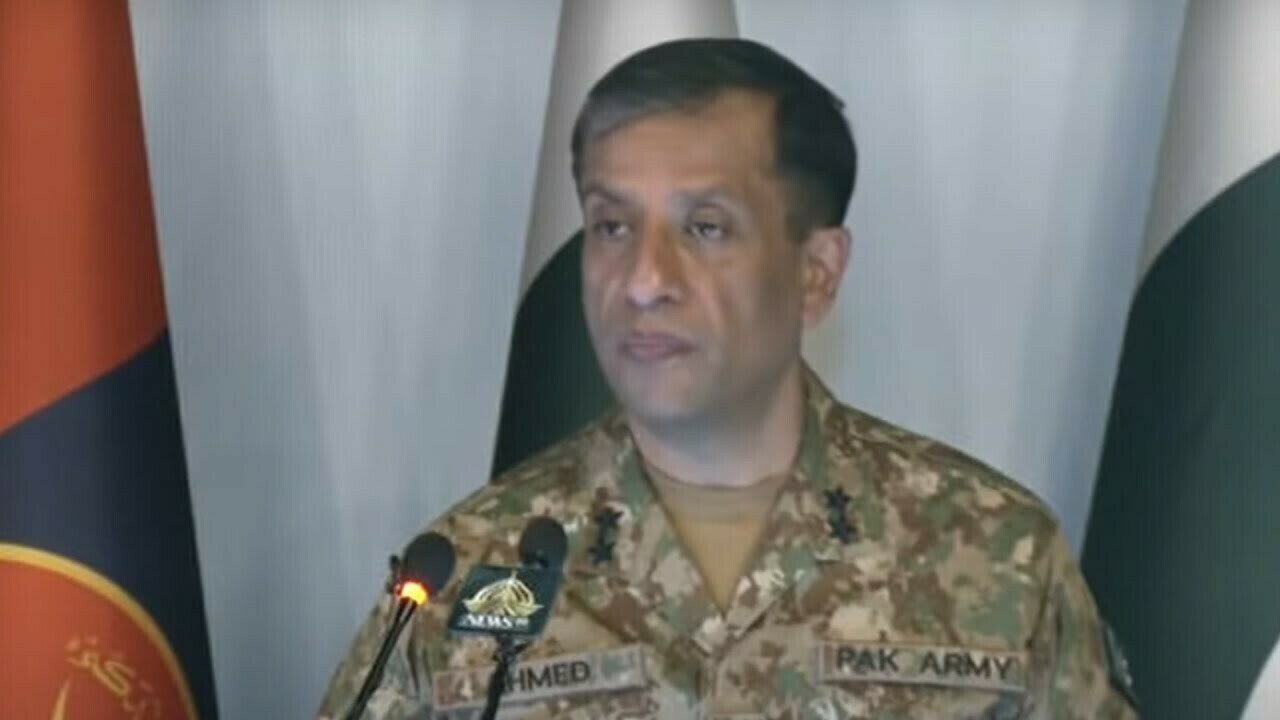
    Director General Inter-Services Public Relations (DG ISPR) addressed a press conference today, stating that the entire nation needs to stand up against “digital terrorists.”

    “Digital terrorism is being carried out on social media. The army is standing up against terrorists and digital terrorists. The time has come for the entire nation to stand up against them,” he stated.

    He underscored that critical national issues were being politicized in the country, referring to Azm-e-Istehkam as an example.

    “Azm-e-Istehkam is a comprehensive and integrated counter-terrorism campaign, not a military operation per se as it is being presented,” the DG ISPR said during a press conference in Rawalpindi.

    He further said, “Azm-e-Istehkam is not a military operation. Why is Azm-e-Istehkam being made controversial? There’s a strong lobby which wants the objectives of Azm-e-Istehkam not to be fulfilled. It is being politicized.”

    Meanwhile, the military spokesman also dismissed rumours that the establishment had no role in the recent Tehreek-e-Labbaik Pakistan’s (TLP) protest: “There’s so much fake news that people keep saying whatever they want to. Since the protesters cleared the area peacefully, it was being claimed that there’s ‘someone’s hand’ behind it.”