Blog

  • Crackdown begins on anti-state content on social media

    Crackdown begins on anti-state content on social media

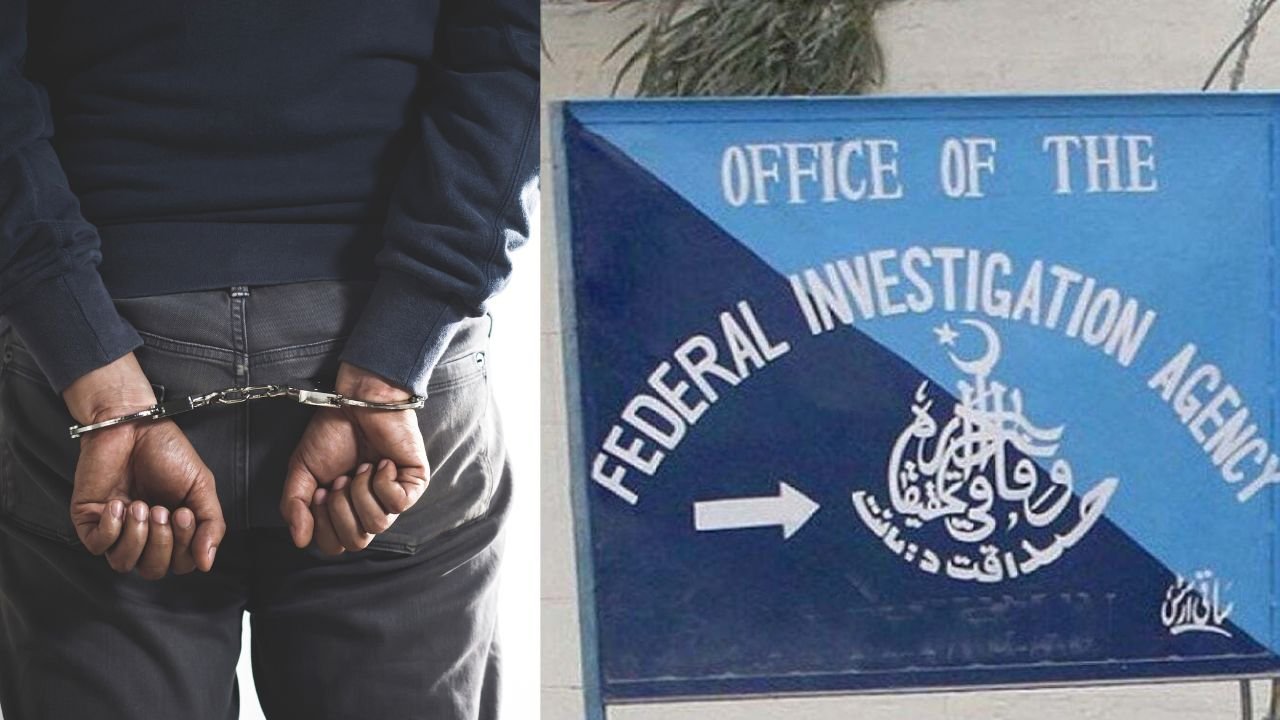
    A crackdown has been launched against people sharing anti-state content on social media. So far, the Federal Investigation Agency (FIA) has arrested two suspects from Rawalpindi.

    The FIA inquiry is aimed at people involved in propaganda against Pakistan’s military institutions and important personalities.

    FIA teams conducted raids at various locations in Rawalpindi and arrested two suspects, stating that the accused were involved in spreading fabricated and fake news against the armed forces.

    Among the arrested suspects are Yasir Arafat and Irfan Abbas who were taken into custody from Rawat and Gujar Khan areas.

  • NAB raids Bahria Town office Rawalpindi

    NAB raids Bahria Town office Rawalpindi

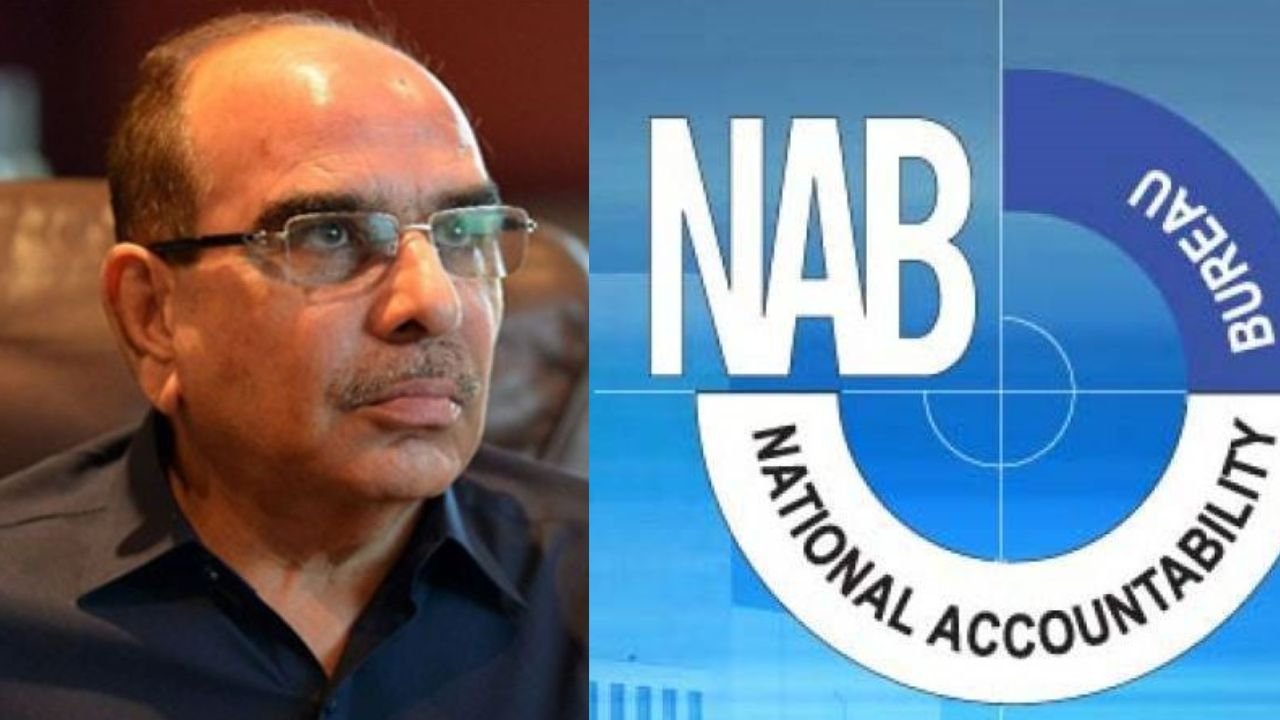
    A team of the National Accountability Bureau (NAB) has raided Bahria Town’s Rawalpindi office on Tuesday, initiating an investigation into irregularities in the property conglomerate.

    SAMAA TV reported that an investigation has been initiated on Bahria Enclave land, and the land, which was given by the Capital Development Authority (CDA) for a zoo, is now under inspection. The anti-graft watchdog team raided the Bahria Town office in Rawalpindi to take records into custody.

    Informed sources told SAMAA that the NAB team stayed at the Bahria Town office for more than two hours, confiscating crucial data, including files of multiple housing projects and other important records.

    During the raid, the anti-graft watchdog team retrieved digital evidence and data from computers.

    Police officials and elite personnel were also with the NAB team during the raid.

    The NAB team will investigate the land of Bahria Enclave and wrongdoings in the attainment of all the lands of Bahria Town.

  • I value time more as a mom: Zara Noor Abbas

    I value time more as a mom: Zara Noor Abbas

    Actress Zara Noor Abbas recently gave an interview to Political Insight YouTube channel, where she discussed how accepting parenthood has changed her.

    Zara Noor said, “Becoming a mother has completely eliminated my anger. Now, I value time and get my things done before time. Motherhood has also made me more empathetic towards others, especially fellow mothers, and I’ve become more loving and compassionate.”

    Talking about parenting she said, “Parenting is a learning process, and my goal is to raise my daughter to be a good person and a responsible citizen. Instead of pressuring her to excel academically, I’ll focus on nurturing her kindness and empathy, helping her grow into a caring and understanding individual.”

  • ASP Shehar Bano appointed personal security officer of Mohsin Naqvi

    ASP Shehar Bano appointed personal security officer of Mohsin Naqvi

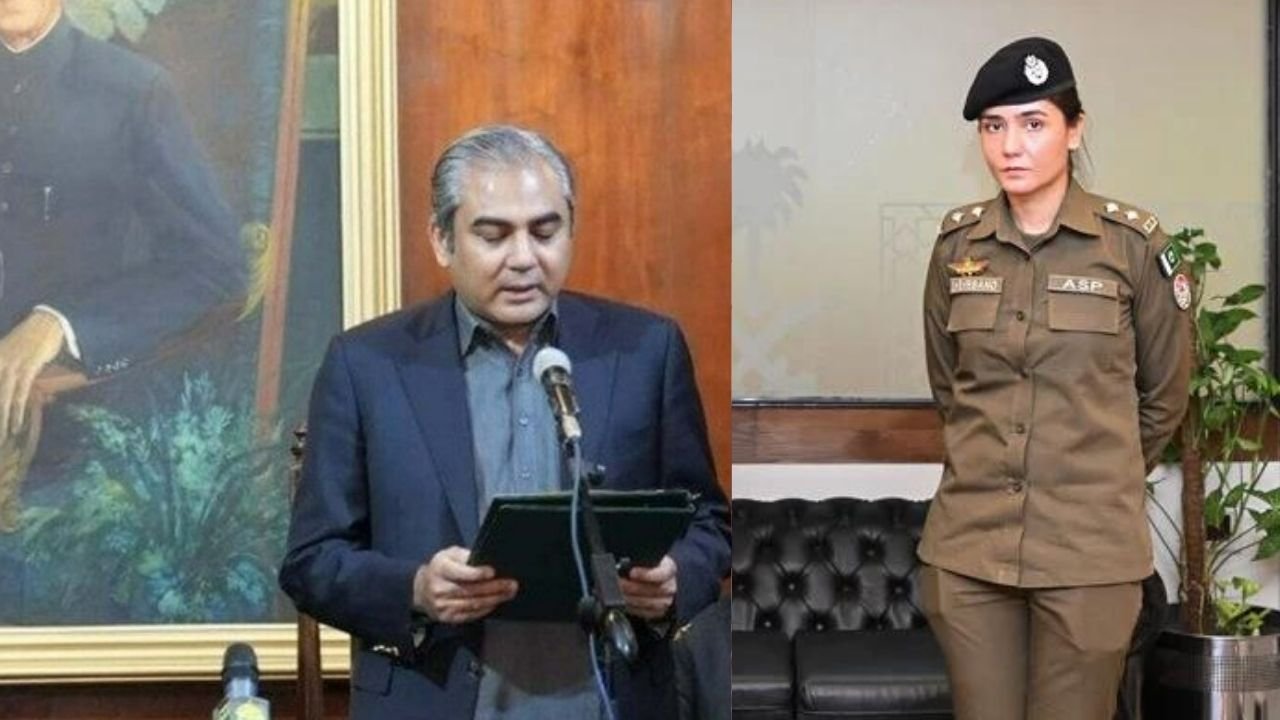
    ASP Shehar Bano has been appointed as the personal security officer of Federal Interior Minister Mohsin Naqvi.

    Naqvi will perform duties as PSO of Mohsin Naqvi, says the notification issued by the Ministry of Interior.

    She was previously working as Assistant Director of the Intelligence Bureau.

    In February 2024, Shahar Bano Naqvi came to the limelight by saving a woman from an angry mob in Lahore for which she garnered praise from public and governmental quarters.

    Shehar Bano Naqvi joined the police service after clearing the CSS exam in 2019.

  • Pakistan bus crash kills at least 27 people: hospital

    Pakistan bus crash kills at least 27 people: hospital

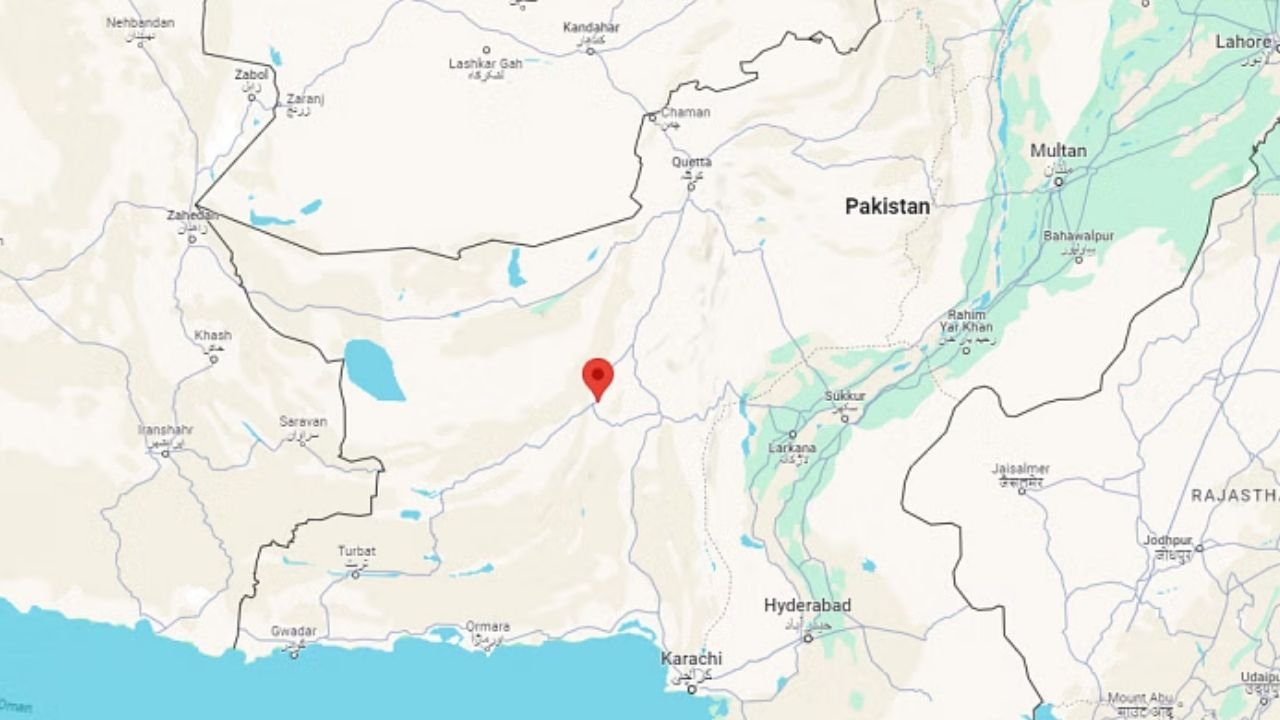
    Quetta, Pakistan – At least 27 people were killed on Wednesday when a bus plunged off the road into a deep ravine in southwestern Pakistan, hospital and government officials said.

    The crash happened around dawn in Basima town in Balochistan province while the bus was travelling from Turbat city to Quetta.

    “The driver was navigating a turn in a mountainous area when the vehicle lost control and fell into a ravine,” Ismail Mengal, a local government official said, giving a toll of 27 dead.

    “We are still investigating the cause of the incident. It could be that the driver fell asleep or was speeding, which led to the accident.”

    More than 25 others, including the driver, were injured.

    Noor Ullah, chief doctor at Civil Hospital Basima, told AFP that 27 bodies were taken there, including three women and two children.

    Prime Minister Shehbaz Sharif has “expressed deep sorrow and grief over the tragic traffic accident”, his office said in a statement.

    Road accidents with high fatalities are common in Pakistan, where safety measures are lax, driver training is poor and transport infrastructure often decrepit.

    At least 17 pilgrims were killed and 41 injured in a crash in April as they travelled to a shrine in Balochistan’s Hub district.

    In January last year, 41 people were killed when their bus, which was also loaded with containers of flammable oil, careered off the road into a valley and burst into flames.

    mak-zz/ecl/pbt

    © Agence France-Presse

  • PTI distances itself from Khan’s 1971 breakup of Pakistan post

    PTI distances itself from Khan’s 1971 breakup of Pakistan post

    Pakistan Tehreek-e-Insaf (PTI) Chairman Barrister Gohar Ali Khan distanced the party from former Prime Minister Imran Khan’s controversial social media post on the 1971 civil war and the Hamoodur Rahman Commission Report, saying the post should be seen in a “political context”.

    “The context and comparison that we drew with 1971 was in a political context and not otherwise — nothing about the army,” said Barrister Gohar in an interview with digital news outlet Azaad Urdu.

    On May 26, Imran Khan’s account on X shared a video about the separation of East Pakistan along with a quote attributed to him: “Every Pakistani should study the Hamoodur Rahman Commission Report and get to know who was the true traitor, General Yahya Khan or Sheikh Mujibur Rahman.”

    PTI Chairman said Khan was in prison and “does not approve every video or context”.

    In the video, it was argued that the people’s mandate was not respected and the former military dictator was the one responsible for the country’s breakup.

    The footage also showed the atrocities committed by the Pakistani military during the civil war when it conducted Operation Searchlight in 1971.

    The post garnered backlash from fellow political leaders. PPP Senator Sherry Rehman had said the post was “alarming” and the PTI was “continuously fueling the narrative of hatred and incitement” by comparing Imran to Sheikh Mujibur Rehman.

    Netizens also discovered an old tweet in which Imran Khan had disparagingly compared Nawaz Sharif to Mujib, a complete contradiction of his latest tweet.

  • Indian capital records highest-ever temperature of 49.9 Celsius

    Indian capital records highest-ever temperature of 49.9 Celsius

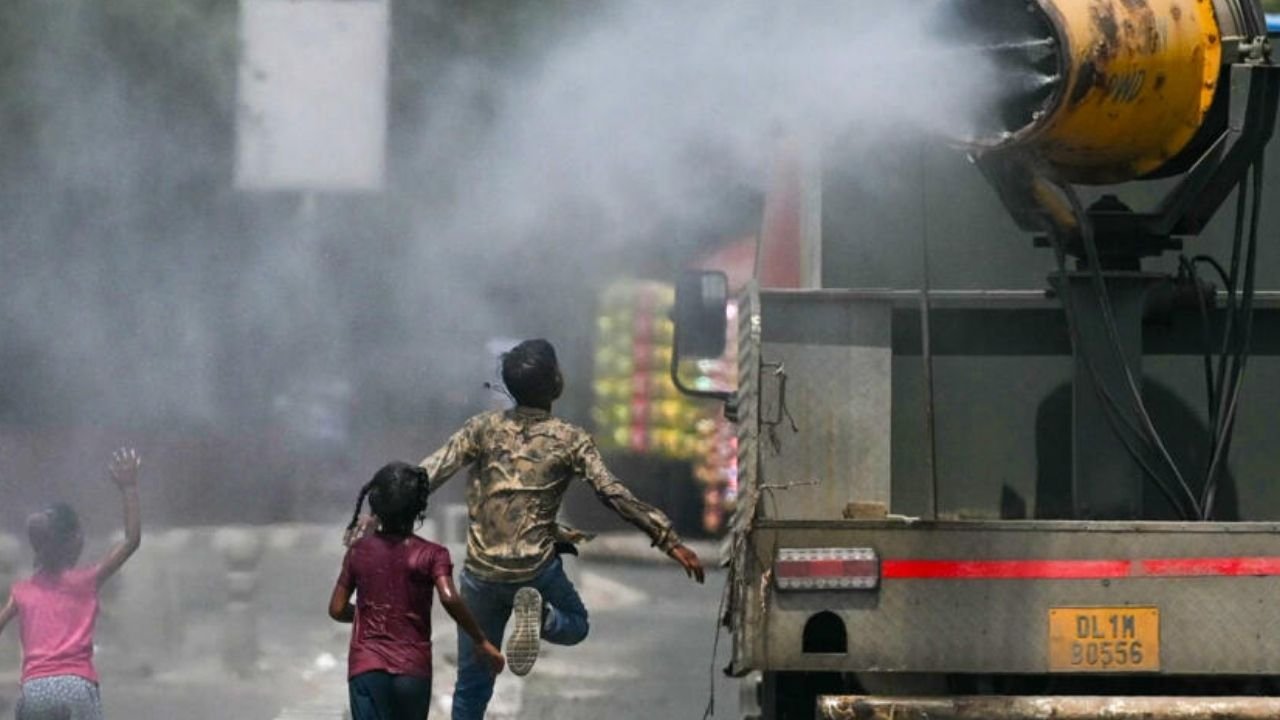
    New Delhi (AFP) – Temperatures in India’s capital have soared to a record-high 49.9 degrees Celsius (121.8 Fahrenheit) as authorities warn of water shortages in the sprawling mega-city.

    The India Meteorological Department (IMD), which reported “severe heat-wave conditions”, recorded the temperatures on Tuesday at two Delhi suburbs stations at Narela and Mungeshpur.

    The weather bureau said the temperatures were nine degrees higher than expected.

    Forecasters predict similar temperatures Wednesday for the city of more than 30 million people, issuing a red alert warning notice for people to take care.

    In May 2022, parts of Delhi hit 49.2 degrees Celsius (120.5 Fahrenheit), Indian media reported at the time.

    India is no stranger to searing summer temperatures.

    But years of scientific research have found climate change is causing heatwaves to become longer, more frequent and more intense.

    ‘Water scarcity’

    New Delhi authorities have also warned of the risk of water shortages as the capital swelters in headache-inducing heat — cutting supplies to some areas.

    Water Minister Atishi Marlena has called for “collective responsibility” in stopping wasteful water use, the Times of India newspaper reported Wednesday.

    “To address the problem of water scarcity, we have taken a slew of measures such as reducing water supply from twice a day to once a day in many areas,” Atishi said, the Indian Express reported.

    “The water thus saved will be rationed and supplied to the water-deficient areas where supply lasts only 15 to 20 minutes a day,” she added.

    The IMD warned of the heat’s impact on health, especially for infants, the elderly and those with chronic diseases.

    Many blame the soaring temperatures on scorching winds from Rajasthan state, where temperatures on Tuesday were the hottest in the country, at 50.5 degrees Celsius.

    Rajasthan’s desert region of Phalodi holds the country’s all-time heat record, hitting 51 degrees Celsius in 2016.

    At the same time, West Bengal state and the northeastern state of Mizoram have been struck by gales and lashing rains from Cyclone Remal, which hit India and Bangladesh on Sunday, killing more than 38 people.

    Bangladesh’s Meteorological Department said the cyclone was “one of longest in the country’s history”, blaming climate change for the shift.

  • Five Pakistani dramas that left viewers disappointed with their endings

    Five Pakistani dramas that left viewers disappointed with their endings

    Pakistani dramas have a huge fanbase at home and abroad, but lately, there’s been debate about the scripts. TV dramas still attract massive viewership, however, the endings can make or break the whole experience. Unfortunately, many recent dramas have left viewers disappointed with their conclusions, tarnishing their otherwise strong narratives.

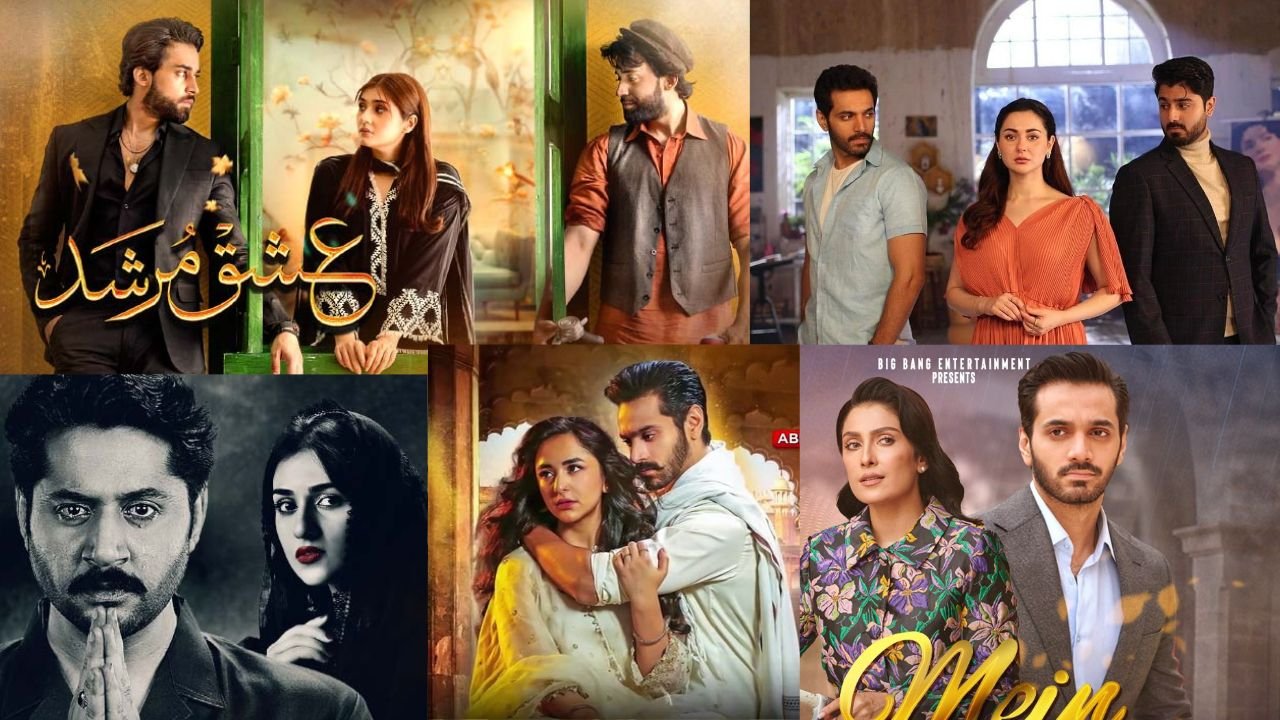
    Here are some popular Pakistani dramas that aired recently but disappointed viewers with unsatisfying endings.

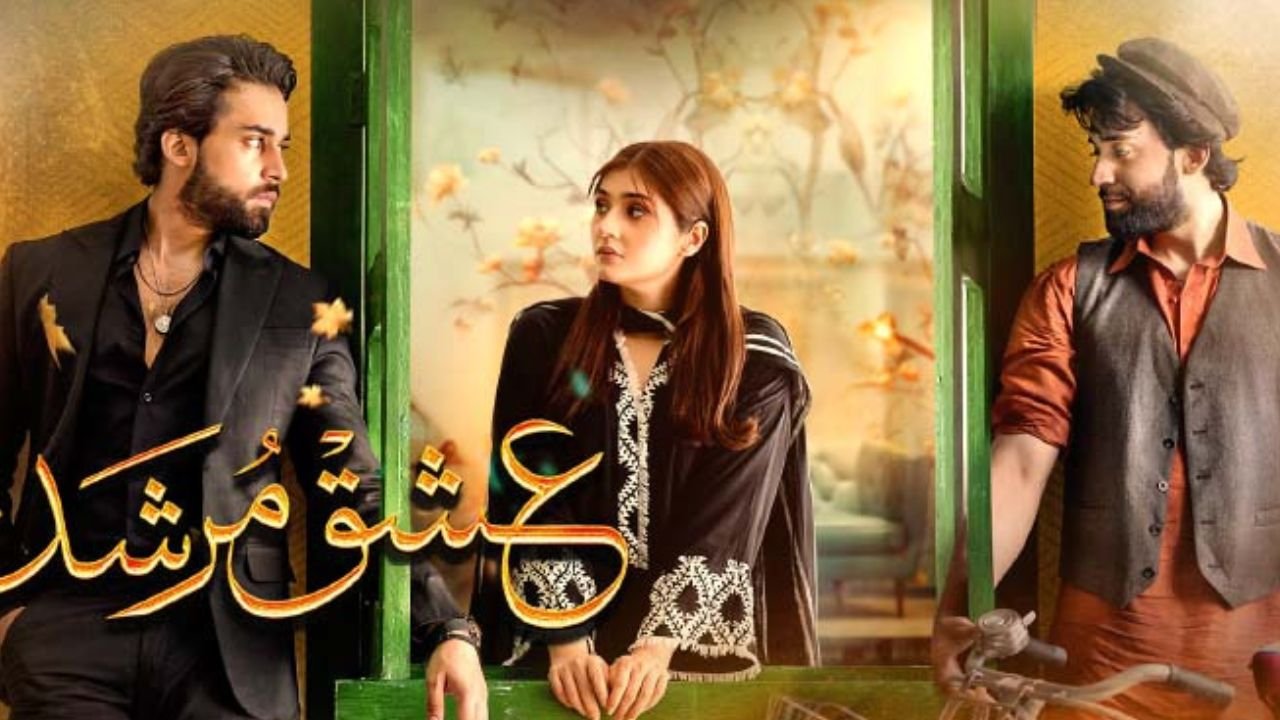
    Ishq Murshid

    ‘Ishq Murshid,’ a hugely successful drama, faced a similar fate with its ending. The storyline, centered around Shibra and Shahmeer, started off promising but ended in confusion. The rushed wedding and the addition of another cultural ceremony felt unnecessary. Shahmeer’s character, portrayed as a killer in the end, lacked development and failed to contribute positively. Meanwhile, Shibra’s naivety, despite knowing she was marrying a politician, seemed unrealistic. The drama, which initially had a strong plot, concluded poorly, leaving viewers puzzled. Despite this, the makers profited from cinema screenings.

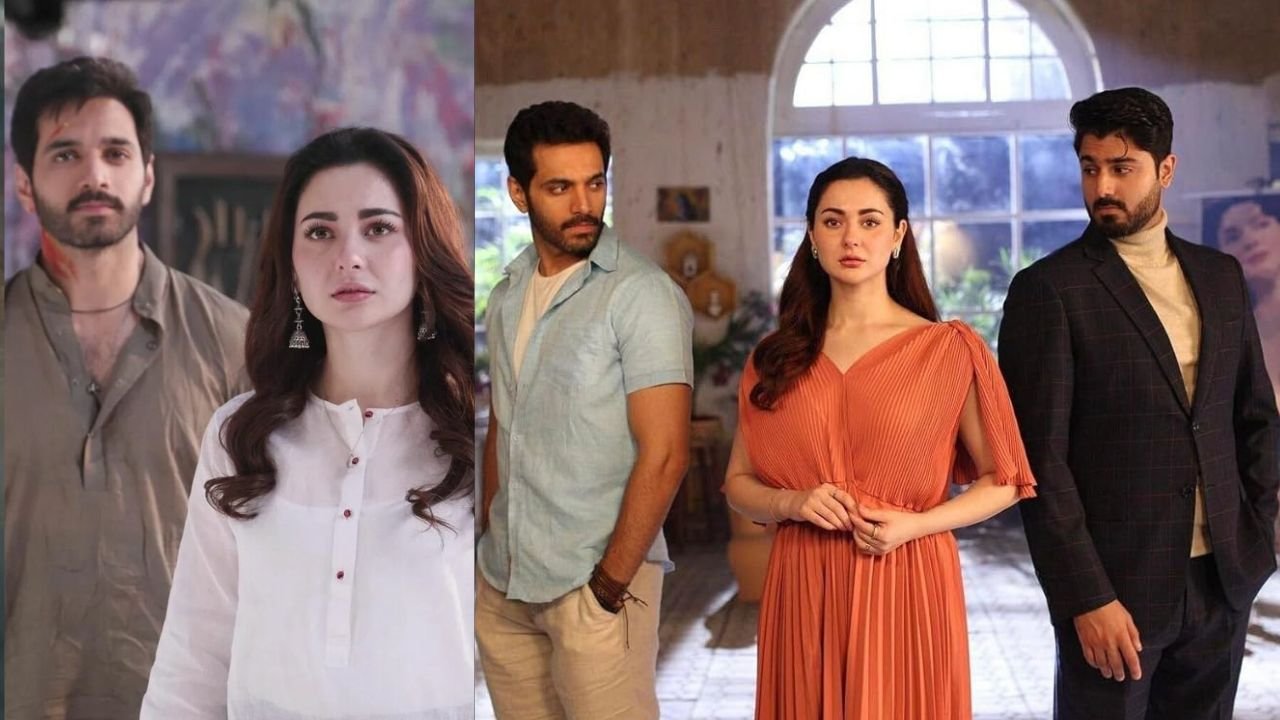
    Mujhe Pyaar Hua Tha

    ‘Mujhe Pyaar Hua Tha’ starred Wahaj Ali from ‘Tere Bin’ and Hania Aamir from ‘Mere Humsafar.’ It aimed to be a love story featuring Kaifi Khalil’s famous song, ‘Kahani Suno.’ However, despite high hopes, the chemistry between the leads never clicked with the audience. The drama ended suddenly, with Hania accepting Wahaj’s love, while Zaviyar Nauman Ijaz found himself in another controversy caused by his cousin, leaving viewers puzzled.

    Namak Haaram

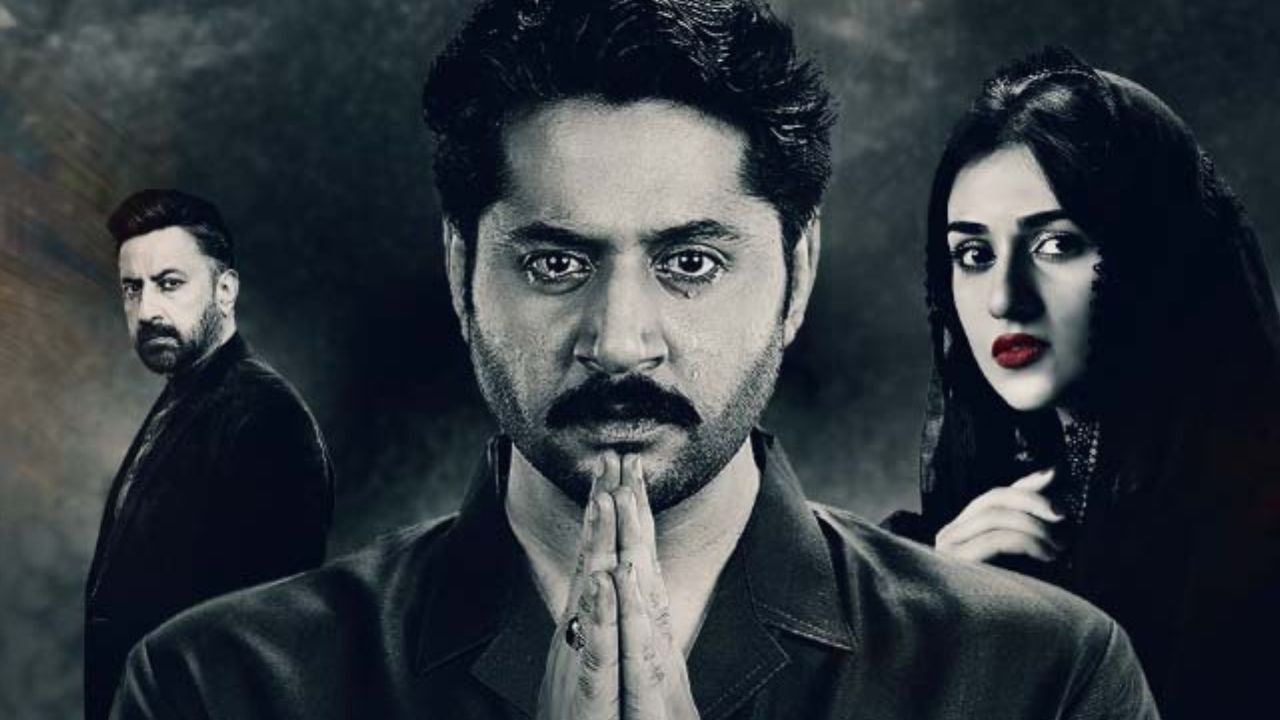
    The drama promised us a thrilling murder mystery and a tale of revenge, starring the popular duo Imran Ashraf and Sarah Khan. However, what unfolded was disappointing. By the fifth or sixth episode, the plot became predictable, with unnecessary characters hogging too much screen time. In the end, the hero was killed without achieving anything significant. The heroine, on the other hand, fell into a deep depression, living a life in servant quarters and raising her child alone. It was a letdown for the audience, wasting their time and energy.

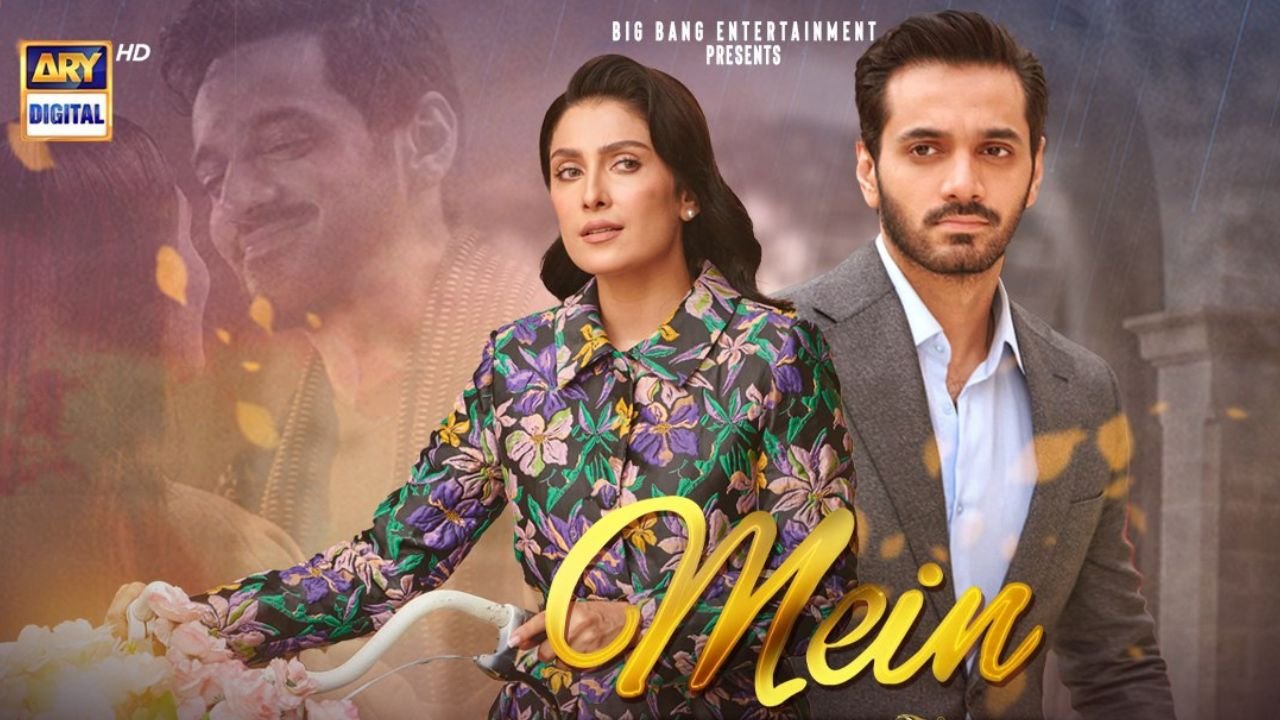
    Mein

    ‘Mein’ was a highly anticipated drama, boasting a big budget and starring Ayeza Khan and Wahaj Ali. However, the outcome was disappointing. Despite having Ayeza and Wahaj as leads, the focus shifted to Asif Uncle’s character, overshadowing the hero. The ending was unsatisfactory, with no character finding happiness. Wahaj Ali’s character was portrayed as foolish and lacking control over life’s circumstances. It was a letdown for viewers who expected more from the drama.

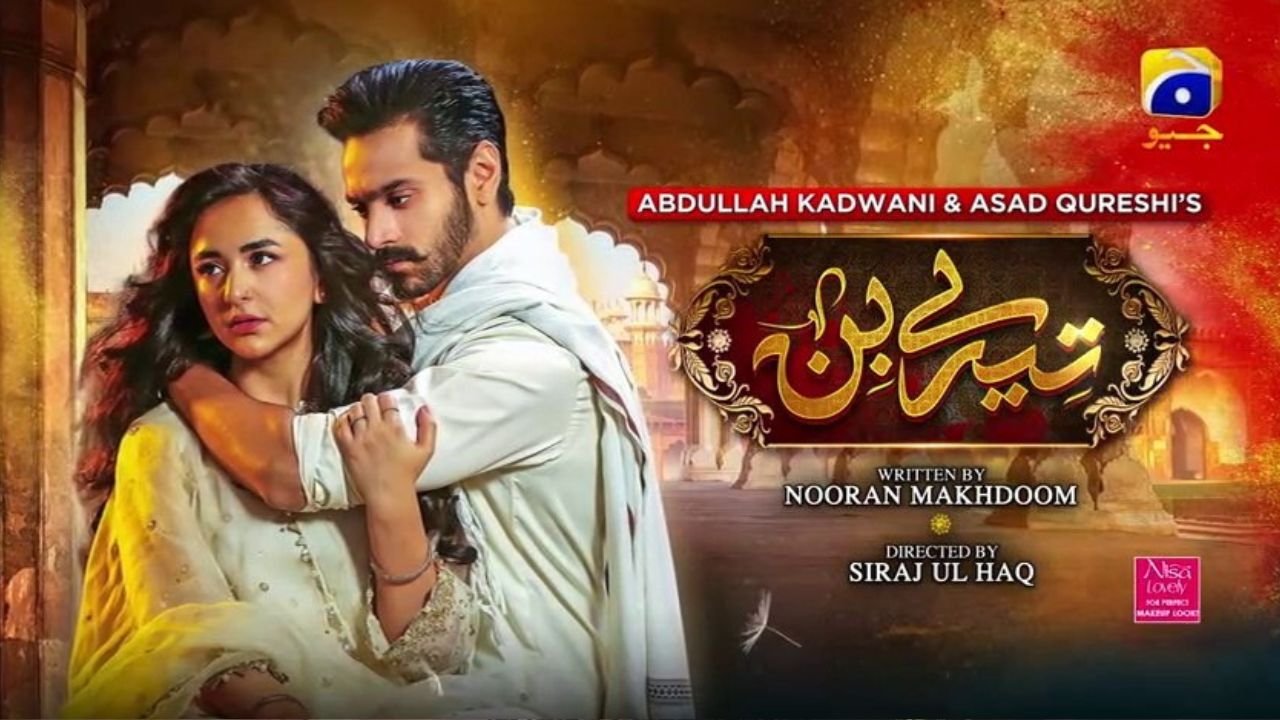
    Tere Bin

    ‘Tere Bin’ was a huge hit among Pakistani dramas, thanks to the amazing chemistry between Yumna Zaidi and Wahaj Ali. However, the ending left much to be desired. The original story involved Meerab experiencing marital rape and leaving her husband, Murtasim, eventually giving birth to their daughter. However, due to public pressure, the makers changed this plot. Unfortunately, this decision left the story feeling disjointed, with Meerab’s actions seeming illogical. Despite its success, many viewers were unhappy with how the drama ended, feeling that the sensitive issue of marital rape was mishandled.

  • Dallas cricket stadium damaged just before T20 World Cup: Reports

    Dallas cricket stadium damaged just before T20 World Cup: Reports

    Dallas cricket stadium which was to host the opening match of T20 World Cup has been damaged by stormy weather on Tuesday. According to reports, a scoreboard screen, recently installed in the stadium, was uprooted.

    A warm-up match between USA and Bangladesh was canceled due to stormy weather in Dallas. Several parts of the USA have been hit by thunderstorms and tornadoes in the last week, resulting in the deaths of at least 23 people.

  • Pakistan’s Sufi festivals reclaim spirit after violence

    Pakistan’s Sufi festivals reclaim spirit after violence

    Shah Jiwana (Pakistan) (AFP) – Rhythmic drums and spirited dancing are once again bringing life to the shrines of Pakistan’s saints, where festivals were long stifled by jihadist violence.

    As the harvest season ends and schools finish for the summer, villagers climb atop tractor trolleys, buses and rickshaws to head to the annual celebrations at Sufi shrines dotted across the country.

    “Those who cannot meet during the rest of the year reunite at the fair,” said Muhammad Nawaz, a farmer from Punjab province at the annual “mela” to honour saint Shah Jiwana in Jhang city in May.

    “These fairs and Punjab’s culture share a profound connection, one of love and brotherhood.”

    Fairgrounds, musicians, traditional wrestlers and motorcycle acrobats delight pilgrims lit by lanterns of all colours — but always under the watchful eye of hundreds of police officers.

    Centuries-old Sufi orders across the Islamic world have millions of followers, from Turkey to South Asia, and their beliefs are rooted in mysticism and a devotion to saints.

    Many orthodox hardliners consider Sufi beliefs heretical, however, and Sunni militant groups such as the Pakistani Taliban and Islamic State have carried out bloody attacks at shrines and festivals.

    In Pakistan, the attacks led authorities to ban festivals or limit their activities until recently.

    “The goal was to avoid risking public lives,” said Alloudin Mehmood, a government official at Bari Imam shrine in Islamabad, targeted by a 2005 suicide bombing that killed 19 people.

    Security has dramatically improved after several military operations, allowing celebrations to slowly return.

    “Only after receiving security clearance was the festival permitted last year, ending a 16-year hiatus,” Mehmood added.

    The event was shortened from five days to three, with mobile phone signals suspended for security reasons.

    ‘Culture is resilient’

    The landscape of rural Pakistan is adorned with thousands of Sufi shrines, varying in size from grand edifices to modest structures, each steeped in a tapestry of associated legends.

    Particularly in Punjab and Sindh, saints, commonly referred to as “Pirs,” are revered and miracles attributed to their spiritual presence.

    “These shrines have endured threats and persecution,” said anthropologist and author Zulfiqar Ali Kalhoro.

    “Culture always has a remarkable resilience, capable of absorbing shocks and persevering through challenging times.”

    The annual celebrations commemorate the anniversaries of a saint’s death and symbolise the spiritual union between devotees and the divine.

    “Pilgrims find solace, healing, release and entertainment at these events that celebrate the ‘friends of God’,” said Carl W. Ernst, who has authored several books on Sufism.

    Sufism has inspired some of Pakistan’s most beloved artists, writers and musicians.

    Sufi shrines often attract marginalised groups, including transgender women and drug addicts.

    “We are never as well-received as at festivals,” Khusbhoo, a transgender woman, told AFP.

    Come to the fair

    At the Shah Jiwana shrine, devotion gives way to entertainment in the late afternoon.

    A juice seller belts out a famous Punjabi song: “Forget about your responsibilities for a while; let’s head to the fair instead.”

    Thousands turn to the fields to witness traditional games such as Kabaddi, a rough contact sport where opponents slap each other around the face, and tent pegging, a more graceful display of horsemanship.

    Against the neon background of the fairgrounds, 16-year-old stunt girl Fatima Noor prepares her motorbike.

    Defying both gravity and social taboos, she circles the “wall of death” to the amazement of the crowd — a chance to earn some money for her family.

    “These fairs must be held, because we do not have any other employment opportunities,” she said.

    Eighteen-year-old Hamid Ijaz delighted in the celebrations, disrupted for much of his childhood.

    “Because of how widespread hate and sectarianism are in our country, it’s crucial to organise events like these where people can come together and foster love,” he told AFP.