Blog

  • All-rounder Aliya Riaz gets engaged to commentator Ali Younis

    Pakistan women cricket team all-rounder Aliya Riaz and Waqar Younis’ younger brother and commentator Ali Younis are engaged.

    The engagement ceremony was held in Wah Cantt with close relatives and friends joining in.

    Aliya Riaz has represented Pakistan in 62 ODIs and 83 T20Is. She has scored 1209 runs and 10 wickets in ODI matches, 938 runs in T20 matches and dismissed 20 players.

  • ‘Workload management’; PCB’s reason for removing Shaheen Afridi

    Pakistan Cricket Board (PCB) has given it’s reasons for removing Shaheen Shah Afridi from captaincy.

    In a statement, PCB has said, “Removing Shaheen Afridi from the leadership and handing over the responsibility to Babar Azam was a strategic step, which was aimed at ensuring high performance of the players considering the workload.”

    “Shaheen Afridi has undoubtedly proven himself to be a star fast bowler, he has led Pakistan’s pace attack for many years, the board understands the importance of rotation and rest to maintain his best performance” the statement said.

    The PCB said the decision was taken keeping in mind “workload management” to ensure that key bowlers remain at the top of their game.

    “The board does not want the national team to suffer from an injury crisis in terms of bowling resources like Shaheen Afridi was injured before the ICC T20 World Cup 2022 and Naseem Shah before the ICC One Day Cricket World Cup 2023.”

    The decision to change the captain shows the board’s determination to protect the players’ long careers and fast bowlers from injuries.

  • Petrol price increased by Rs9.66 to Rs289.41 per litre for next fortnight

    Petrol price increased by Rs9.66 to Rs289.41 per litre for next fortnight

    The already strained Pakistani populace, grappling with soaring inflation and costly transportation, faces yet another blow as the price of petrol in Pakistan has been increased by Rs9.66 per litre for the upcoming fortnight, driven by an uptick in international crude rates.

    In contrast, the price of high-speed diesel (HSD) has witnessed a reduction of Rs3.32 per litre.

    Following these adjustments, petrol now stands at Rs289.41 per litre, while diesel is priced at Rs282.24 per litre.

    These fluctuations adhere to the government’s strategy of reflecting international market price variations in the domestic market.

    This move also marks another decrease in the consumer price of HSD, following a prior reduction in mid-March 2024.

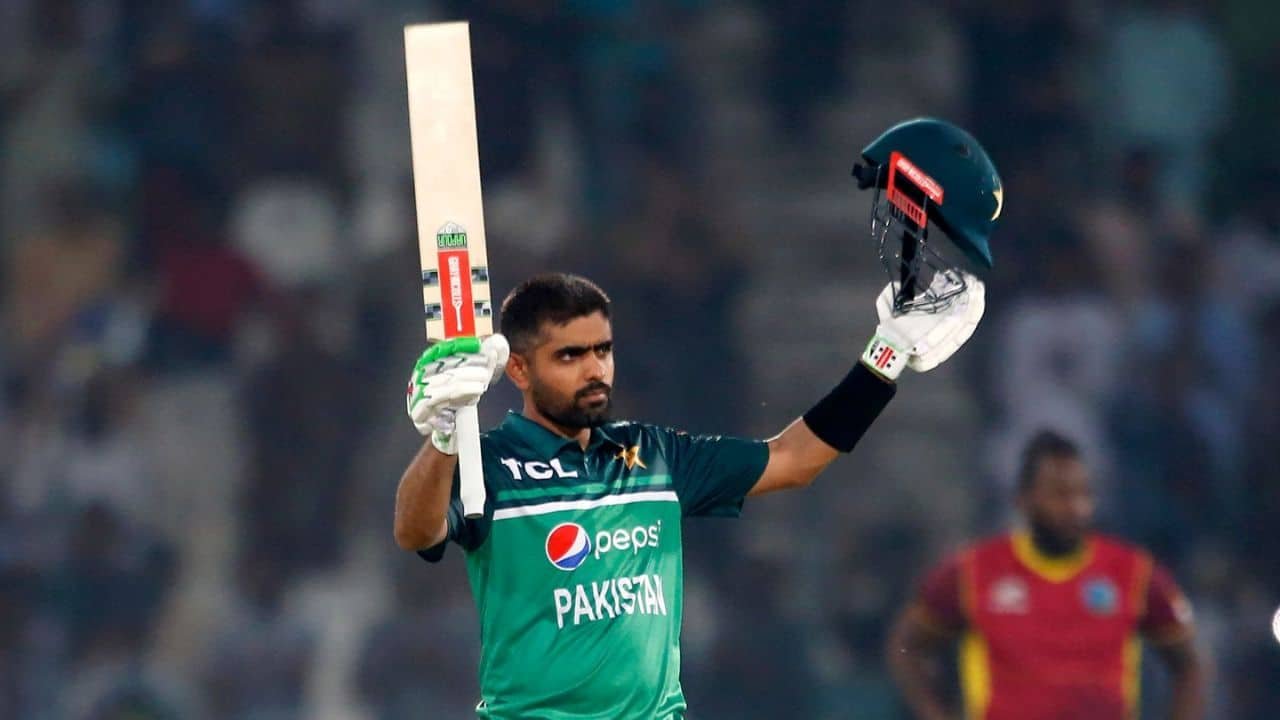
  • Babar Azam appointed ODI, T20 captain

    Pakistan Cricket Board has appointed Babar Azam the captain of Pakistan ODI and T20 Cricket Team once again.

    In a statement issued by PCB said that the selection committee of Pakistan Cricket Board also reached Kakul last night and took Shaheen Shah Afridi into confidence on the board’s decision and also informed him about the future plan of the cricket board.

    According to the sources, the selection committee of the Pakistan Cricket Board also removed the reservations Shaheen Afridi had regarding Babar Azam Azam and then after the unanimous opinion of the committee, proposed to make Babar Azam the captain again.

    On the other hand, such news is also circulating on social media that Babar Azam has expressed his desire to captain all three formats, however, PCB sources say that Babar Azam has not imposed any such conditions.

    Babar Azam has represented Pakistan in 52 Tests, 117 ODIs and 109 T20Is.

    Babar Azam has led the Pakistani team in 71 T20 matches including the T20 World Cup. Under the captaincy of Babar Azam, Pakistan won 42 matches and the Green Shirts faced defeat in 23.

  • Bulgaria, Romania take first steps into Europe’s visa-free zone

    Bucharest, Romania – Bulgaria and Romania joined Europe’s vast Schengen area of free movement on Sunday, opening up travel by air and sea without border checks after a 13-year wait.

    A veto by Austria however means the new status will not apply to land routes, after Vienna expressed concerns over a potential influx of asylum seekers.

    Despite the partial membership, the lifting of controls at the two countries’ air and sea borders is of significant symbolic value.

    Admission to Schengen is an “important milestone” for Bulgaria and Romania, symbolising a “question of dignity, of belonging to the European Union”, according to foreign policy analyst Stefan Popescu.

    “Any Romanian who had to walk down a lane separate from other European citizens felt being treated differently,” he told AFP.

    Ivan Petrov, a 35-year-old Bulgarian marketing executive who lives in France, said he was enthusiastic about less stressful travelling and the time he would be able to save.

    “This is a great success for both countries, and a historic moment for the Schengen area — the largest area of free movement in the world,” EU chief Ursula von der Leyen said in a statement Saturday.

    “Together, we are building a stronger, more united Europe for all our citizens.”

    And they were 29

    With Bulgaria and Romania arriving joining Sunday, the Schengen zone will comprise 29 members — 25 of the 27 European Union member states as well as Switzerland, Norway, Iceland and Liechtenstein.

    Romania’s government said Schengen rules would apply to four sea ports and 17 airports, with the country’s Otopeni airport near the capital Bucharest serving as the biggest hub for Schengen flights.

    More staff including border police and immigration officers will be deployed to airports to “support passengers and detect those who want to take advantage to leave Romania illegally”, it added.

    Random checks will also be carried out to catch people with false documents and to combat human trafficking.

    Bulgaria and Romania both hope to fully integrate into Schengen by the end of the year, but Austria has so far relented only on air and sea routes.

    Croatia, which joined the EU after Romania and Bulgaria, beat them to becoming Schengen’s 27th member in January 2023.

    Created in 1985, the Schengen area allows more than 400 million people to travel freely without internal border controls.

    ‘Irreversible process’

    While some have reason to celebrate, truck drivers, faced with endless queues at the borders with their European neighbours, feel left out.

    Earlier this month, one of Romania’s main road transport unions the UNTRR called for “urgent measures” to get full Schengen integration, deploring the huge financial losses caused by the long waits.

    “Romanian hauliers have lost billions of euros every year, just because of long waiting times at borders,” secretary general Radu Dinescu said.

    According to the union, truckers usually wait eight to 16 hours at the border with Hungary, and from 20 to 30 hours at the Bulgarian border, with peaks of three days.

    Bulgarian businesses have also voiced their anger over the slow progress.

    “Only three percent of Bulgarian goods are transported by air and sea, the remaining 97 percent by land,” said Vasil Velev, president of the Bulgarian Industrial Capital Association (BICA).

    “So we’re at three percent in Schengen and we don’t know when we’ll be there with the other 97 percent,” he told AFP.

    Bucharest and Sofia have both said that there will be no going back.

    “There is no doubt that this process is irreversible,” Romanian Interior Minister Catalin Predoiu said this month, adding it “must be completed by 2024 with the extension to land borders”.

    ani-vs-anb/jj/js

    © Agence France-Presse

  • Stop the war on Gaza; thousands in Israel call for end to war on Palestinian Land Day

    The protesters, led by Arab members of the Israeli parliament, marched through the northern town of Deir Hanna waving Palestinian flags and carrying banners reading: “Stop the war on Gaza”.

    Most of the demonstrators were Arab citizens of Israel-Palestinians who evaded displacement during the 1948 war that led to Israel’s creation and who, with their descendants, now constitute around 21 percent of its population.

    A smaller contingent of Jewish Israelis joined the rally, some carrying signs reading: “Jews and Arabs refuse to be enemies”.

    Land Day commemorates protests and a strike on March 30, 1976 against a decision by the Israeli authorities to seize large swathes of land in the northern Galilee region.

    Israeli police fired at demonstrators, killing six people, and the government plan was subsequently dropped.

    “On this day 48 years ago, our people thwarted the project to confiscate our lands with their protests… and they embodied an important and prominent milestone in history,” Deir Hanna town council chief Saeed Hussein said in a speech in its main square.

    “48 years have passed, yet the machine of death and displacement persists… the attempt to erase our national identity and seize our lands continues.”

    Israel’s Arab citizens suffer higher rates of unemployment, poverty, and crime than Jewish Israelis.

    Community leader and former lawmaker Mohammed Barakeh said Israeli Arabs were still facing “displacement and repression”.

    “This flesh that burns in Gaza is ours and the women murdered in Gaza are our sisters,” he said, denouncing what he described as a “genocide” in the Palestinian territory.

    Since the war broke out nearly six months ago, Israel’s Arab citizens say they have experienced growing hostility from the government and from other Israelis.

    The war began on October 7 resulted in 1,160 deaths in Israel, mostly civilians, according to an AFP tally of Israeli official figures.

    Israel’s retaliatory campaign has killed at least 32,705 people, mostly women and children, according to Gaza’s health ministry.

    Eyal, a 33-year-old Jewish Israeli activist, said he joined the rally in solidarity with Arabs.

    “We demand an end to the massacres by the Israeli government in Gaza and an end to the war on Gaza,” he said, asking to be identified by his first name only.

  • Here’s why Samsung is not making displays for the new iPhone SE

    Apple is currently in the development phase of the iPhone SE (4th generation), with reports indicating that the tech giant intends to utilise the same display technology found in the iPhone 13 for its upcoming model.

    In recent developments, it was revealed last month that three major companies—BOE, Samsung Display, and Tianma—were competing to secure contracts for supplying display panels for the iPhone SE 4.

    Initial bids for the panel prices were submitted, with Samsung Display proposing the lowest price at USD 30 per unit, followed by BOE at USD 35 and Tianma at USD 40. However, Apple remained firm on its budget, not willing to exceed USD 20 per unit.

    Recent reports from IT Home suggest that Samsung Display has opted out of the negotiations due to pricing issues.

    Consequently, Apple has forged a partnership with BOE, the second-largest supplier among the contenders, to procure display panels for the iPhone SE (4th generation) at a rate of USD 25 per unit.

    It’s noteworthy that, despite Samsung Display initially offering the lowest price, it was unable to further reduce its price point.

    On the other hand, BOE, which initially quoted USD 5 higher than Samsung Display, managed to undercut the South Korean company’s proposed price.

    This development marks a significant loss for Samsung Display, as it will not be providing display panels for the iPhone SE 4.

    Speculations arise as to why Samsung Display withdrew from negotiations.

    It is possible that the company recognised the potential for higher profits by focusing on supplying displays for the iPhone 15 series rather than pursuing contracts for the iPhone SE 4, where profit margins would be significantly narrower.

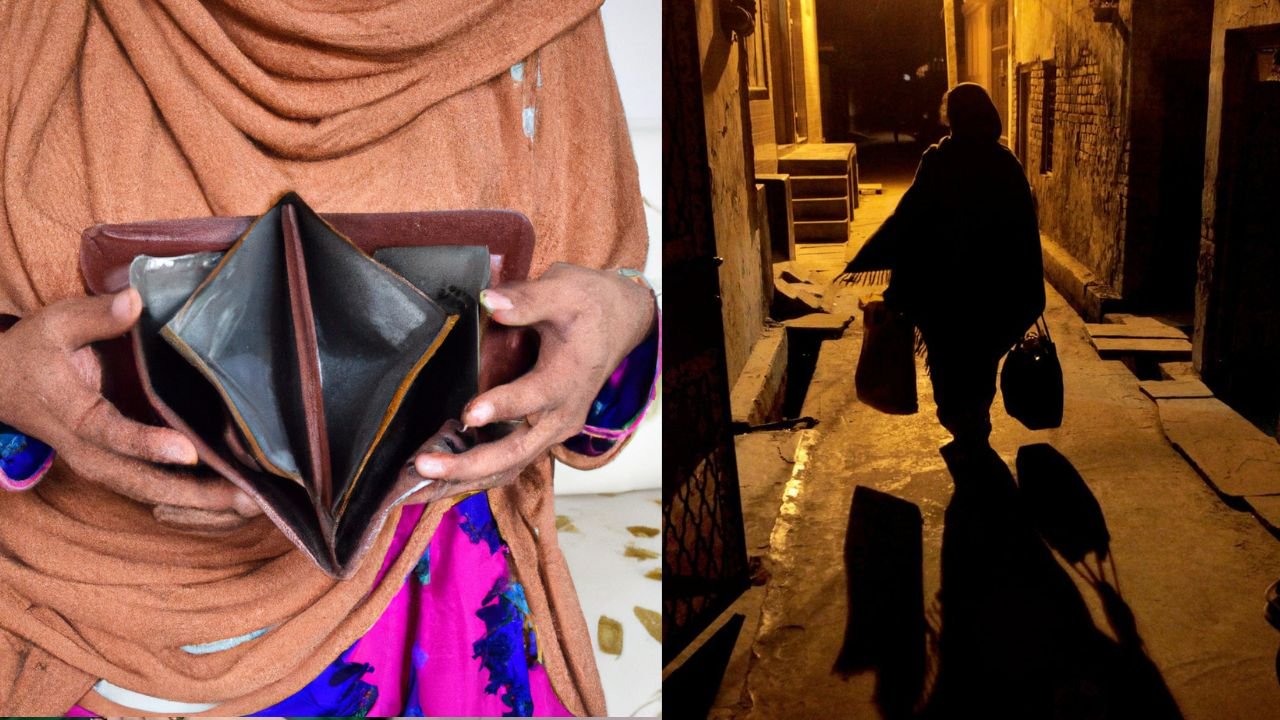
  • Behind closed wallets; The cycle of financial abuse of house help in Pakistan

    Behind closed wallets; The cycle of financial abuse of house help in Pakistan

    Sonia, a 27-year-old woman, and mother of a 5-year-old daughter works as a house help. In eight years of married life, her husband has never had a stable job, nor does he bother to find work on a daily wage basis.

    Sonia has been paying off loans taken by her husband, Afzal, and her in-laws. In the initial months of her marriage, she sold whatever she had to buy a motor rickshaw for her husband so that they could have a source of daily income. Within no time Afzal sold the vehicle, taking additional loans to marry off Sonia’s sister-in-law.

    The debt piled up to 150,000 rupees. Sonia was working in two homes at that point, earning Rs20,000 from one for cooking food twice a day and Rs5,000 from the other for cleaning and washing the dishes. This was their sole family income in which they had to do grocery, pay the bills, feed their daughter and themselves, and look after the in-laws in addition to buying medicine for her mother-in-law.

    When she reminded her husband that he was supposed to work too if they wanted to get rid of the loans, she was beaten not only by Afzal but by his family too. From here started a never-ending cycle of financial exploitation and physical abuse. She endured two miscarriages due to the beatings and excessive work. She sometimes thinks that things would’ve been different if her father was alive.

    “I don’t blame my parents. This is what happens to people in our class. I just think that maybe if my father was alive, I would’ve had the option to tell him everything and he might have allowed me to take divorce and go back to my home. I don’t have that option anymore. I must live and survive here. I have a kid now. I can’t leave her,” she said while sobbing.

    Sonia is not the only one who goes through this cycle. I called up as many people as I could in different parts of Pakistan, family, friends, colleagues, acquaintances, and strangers to ask about their house help. Every woman had a similar story. A drug-addicted husband, an abusive husband, a husband who doesn’t work and keeps taking loans which the wife must pay. A never-ending circle of exploitation, harassment, and abuse.

    “There are very few people who respect us. It is not easy to clean someone’s dirt or wash their dishes with days-old rotten food. It is embarrassing to ask them for additional money to pay off loans. Sometimes I even have to take a loan from one person to pay off the previous one and the cycle goes on,” Sonia elaborated while talking about how draining her routine is as she does all the house chores and then works in the homes of other people too.

    She doesn’t want her daughter to end up like her. Instead she desires an education for her child, better career options. But whenever she brings the topic up, Afzal doesn’t take it seriously. He even spent the money they were given by different people to help finance their daughter’s education. Sometimes it was Eid gifts for sisters, other times it was a loan given to a friend. Sonia never got her money back.

    Doctor Ramish Fatima, who works in the periphery of Multan, details how such cases are quite normal and how these women suffer especially during their pregnancies. “These women keep working till the last month of their pregnancy and they must go back to work a few days after giving birth because they must pay off loans. If they fail to do so, they are beaten by their in-laws. In some cases, husbands work on minimum wages, but mostly don’t as they are drug addicts, and they physically abuse their wives after being intoxicated,” she explained.

    Ramish has been working in the periphery for over seven years now and most of the time she has dealt with such emergency cases. As a feminist and human rights activist, she believes that the solution to these problems is education and financial independence. She further emphasizes the importance of systemic upgrades and overall behavioral change in society towards women.

    Punjab Domestic Workers Act was enacted in 2019 throughout the province to regulate their terms of employment and working conditions of service, to provide them social protection and ensure their welfare, and to provide for the matters ancillary.
    The act states that “No child under the age of 15 years shall be allowed to work in a household in any capacity” while every other day we see cases of severe physical abuse and sexual exploitation against underage domestic workers.

    In the same manner, this act requires every employer to issue a letter of employment showing the terms and conditions of employment including nature of work and amount of wages.

    Regarding registration of Domestic Workers and Employers, this act states, “Every domestic worker, to benefit from the fund, shall make an application for registration in a manner as prescribed by the Governing Body, and every such domestic worker shall be provided by the Governing Body with a security number and identity card, which shall be renewable after completion of every three years. Provided that none of the domestic workers shall be eligible to get more than one security number and identity card. Every employer shall make an application for registration in a manner as prescribed by the Governing Body, and every such employer shall be provided with a registration number, which shall be renewable after completion of every three years.”

    Hiba Akbar, a lawyer who teaches at LMUS, believes that such laws are made to just get done with the binding of international treaties without any intention of implementing it.

    “Every time we see a shocking case of abuse of domestic workers we talk about laws but a law already exists. How many domestic workers are paid minimum wage? How many workers and employers are registered? Does anyone even know where they can register,” she questions. If the government was serious about implementation, she stresses, they would’ve made all the information public and ensured the safety and security of domestic workers.

    She further argues that financial abuse comes from employers too who believe that giving their house help food and clothes once in a while, that too of substandard quality, won’t help them in breaking the cycle of financial abuse and recurring loans.

    In 2023, Kashf Foundation, a registered Non-Banking Microfinance Company regulated by the Securities and Exchange Commission of Pakistan which started in 1996, gave 140,572 Easy Loans ranging from 10,000 to 35,000 rupees for short periods, as per their annual report.

    Their research in 2023 on low-income households highlighted that income spent on meeting food expenses has increased from 30% of their income in 2018 to 45% of their income in 2023 while earnings didn’t keep pace with the increase in food prices in real terms.

    Gender and Financial Inclusion expert Zainab Saeed explains that Pakistan has one of the lowest rates of financial inclusion in the world and only 7 percent of Pakistani women are financially included.

    She further says that most of the loans by microfinance institutions aren’t interest-free but have a service charge. Most microfinance institutions borrow money to lend money in addition to the cost of funds and running operations. Akhuwat, an interest-free loan program usually for small businesses, doesn’t solely focus on women but caters to women clients as well.

    “Turnaround times vary across institutions- for example Kashf is two days, you get the loan in two days. Other institutions have different turnarounds, like for Akhuwat, it is 10 to 30 days depending on what the set date for disbursement is in the month. Instant credit or nano loans like Jazz Cash have higher interest rates,” she says while emphasizing that a lot of women don’t even know how to use apps like Jazz Cash.

    As far as requirements are concerned, most of these institutions lend money to those who have their computerized national identity cards (CNIC), some require guarantors while others might demand post-dated cheques.

    When asked about how surety regarding on-time paybacks is made, Zainab said, “It is a trust-based environment so most people tend to pay back their loans on time. People don’t want to be blacklisted from Credit Information Bureau. Some institutions also go for appraisals like Kashf did a very detailed credit appraisal with household cash flows and that helped them to turn in the credibility of the loan.”

    For defaulters, there is legal recourse available but tending to civil courts given the judicial system of Pakistan is not the best solution. Generally, there are very few non-performing loans in the world of microfinance banks, as per Zainab. People end up paying back, some institutes take action to make an example out of it but they usually don’t end up taking that route.

    As these are not interest-free loans, ‘interest rate may vary from flat 25 to 30 percent’ which might seem high but, “the way the repayment is structured allows people to repay,” explains Zainab. “They Usually do monthly repayments. For instance, for a 10 thousand rupees loan, they are paying back 12 thousand 500 rupees. It is then 1000 to 1100 rupees a month. With microfinance institutions, there is a lot of transparency regarding installment dates and amounts which is lacking in other places,” she added.

    As a country with a low literacy rate and even lower financial inclusion of women in Pakistan, the path of loans, financial independence, and empowerment still seems like a far-fetched dream.

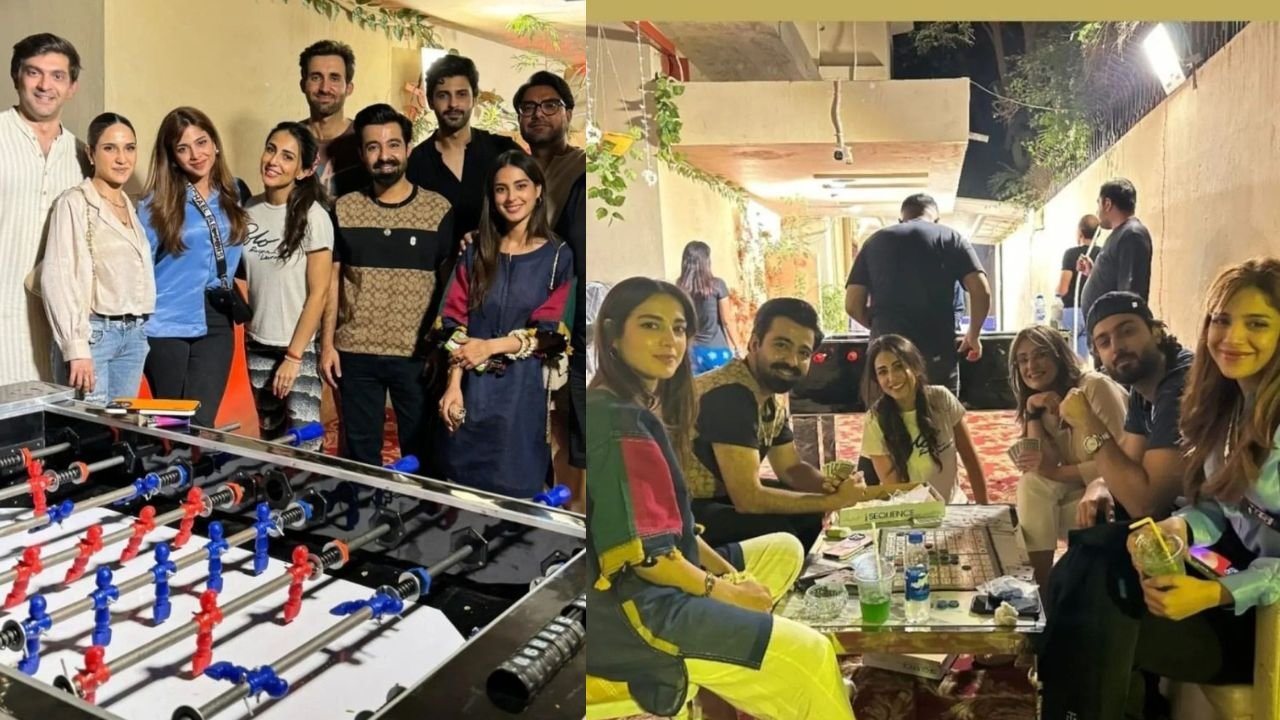
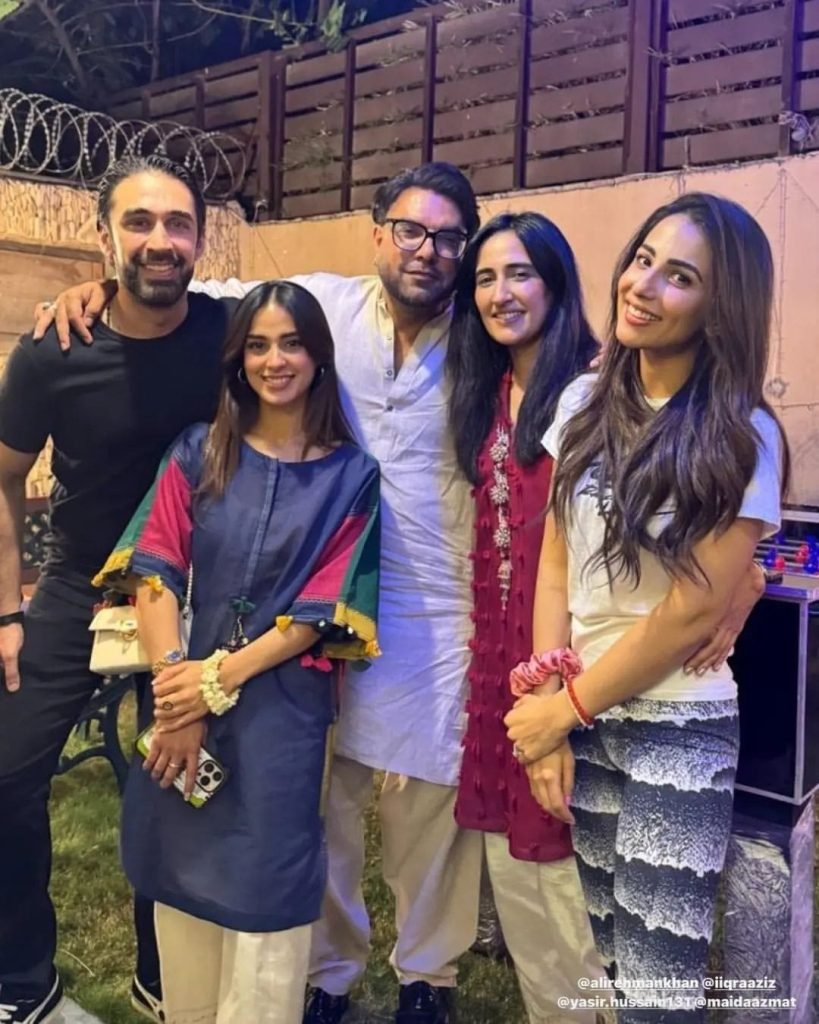
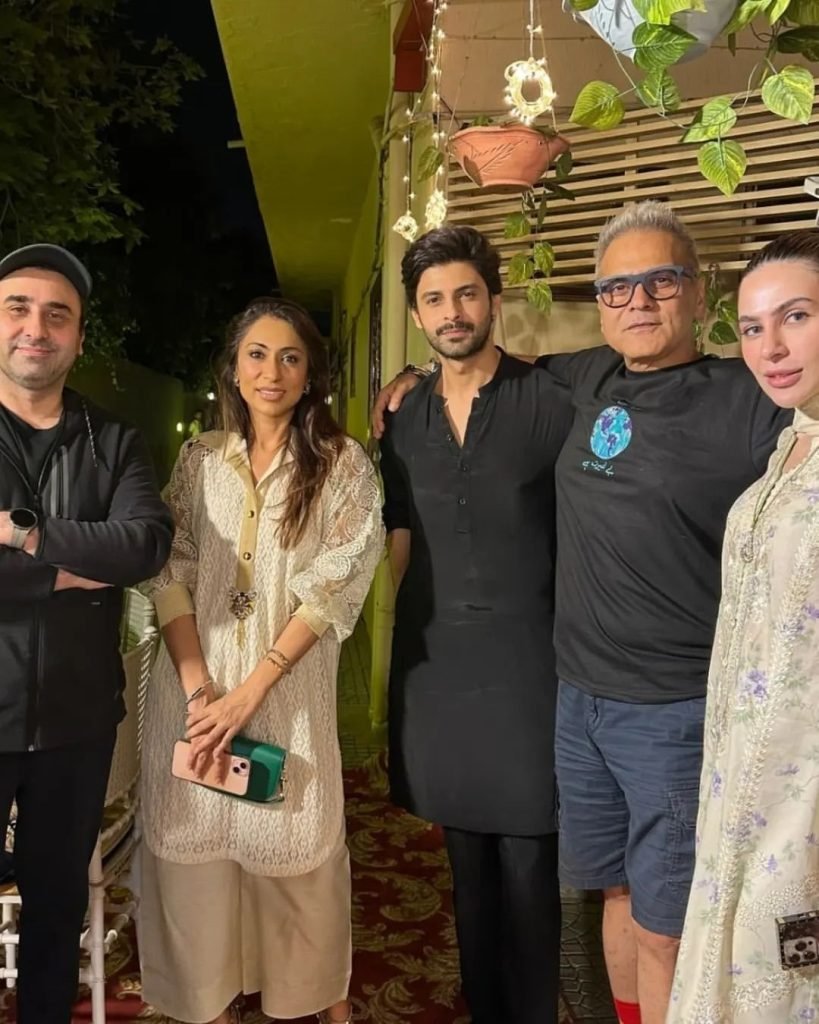
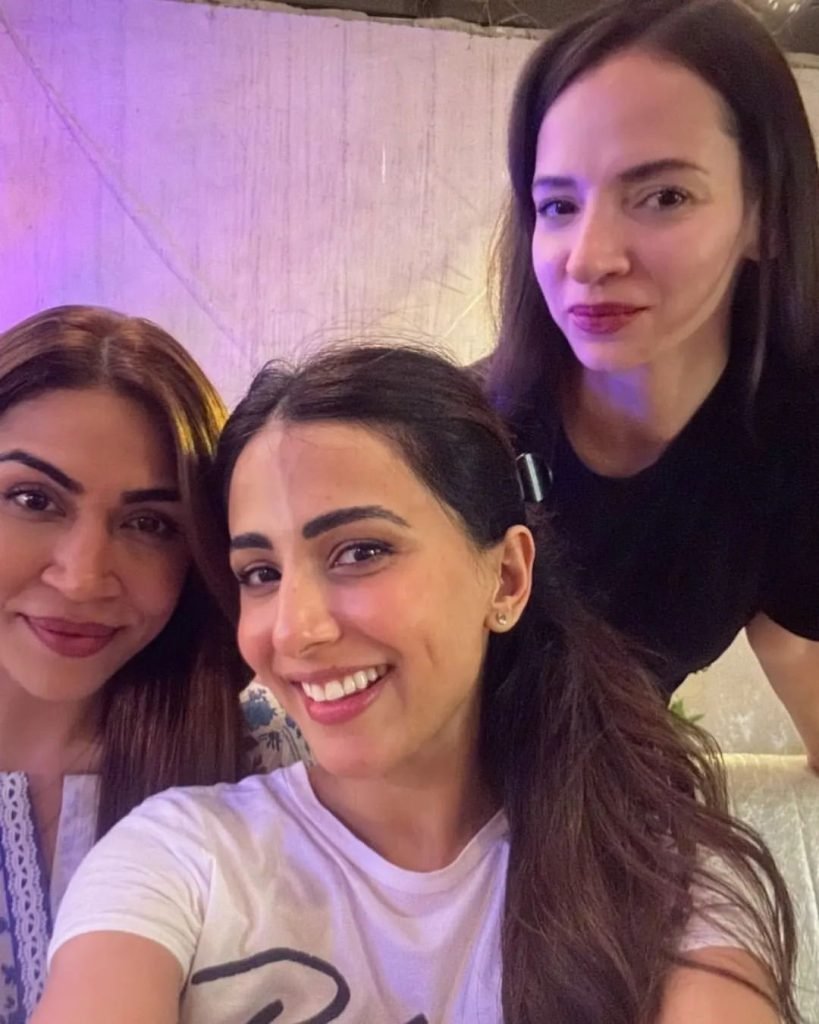
  • Ushna Shah hosts fun game night with celeb friends

    Ushna Shah hosts fun game night with celeb friends

    Ramadan brings people together, turning schedules upside down. Ushna Shah and her husband Hamza Amin are celebrating in Karachi, inviting industry friends over for a special game night. It’s a tradition to gather before Suhoor for fun and bonding.

    Stars like Iqra Aziz, Yasir Hussain, and Ali Rehman Khan joined the festivities. The event was a star-studded affair, filled with laughter and games.

    Check out some snapshots below:

  • Fiza Ali becomes emotional talking about the loss of her mother

    Fiza Ali becomes emotional talking about the loss of her mother

    Fiza Ali is so composed while acting, singing and hosting that it becomes difficult to remember that she is just as vulnerable as anyone of us when it comes to grief and loss.

    Fiza and Faraal appeared as guests on Wasi Shah’s show, where Fiza opened up about the losses she has experienced in life. Raised by a single parent, she saw her mother face numerous challenges to bring her up. The host asked what she misses most about her mom.

    Fiza Ali said, “I miss my mother the most. When my mother cried, I felt like hitting myself. She used to tell me, ‘It’s just a small injury, don’t cry.’ But I can’t help but cry. The kind of crying I need to do is in front of my mother. I miss her so much that I wish she was standing in front of me, and before I could express love or affection, I would cry for my mother first. I miss her a lot. What I couldn’t do, I need to do now by shedding tears over my mother’s complaints. That’s when I find comfort, by feeling close to my mother and crying.”