Indus Motor Company, the manufacturer of Toyota vehicles in Pakistan, has revealed its latest offerings for consumers.
On Friday, the company announced the introduction of two petrol variants of the Corolla Cross. Bookings for these models are set to commence from March 23, with deliveries tentatively scheduled to begin on April 15.
The Corolla Cross 1.8X, positioned as the high-end gasoline model, is priced at Rs8.899 million, while its basic counterpart, the 1.8 (Low), comes with a price tag of Rs8.199 million.
In comparison, the hybrid variants are priced slightly higher, with the mid-level category priced at Rs9,399,000 and the high-end category at Rs9,849,000. It’s important to note that the company has labeled these prices as ‘introductory’ during the launch event.
Despite this announcement, market experts suggest that the hybrid models of the Corolla Cross may remain more appealing to consumers, especially in light of rising fuel prices.
However, experts in the auto sector note that the gasoline variants are competitively priced within the range of other compact SUVs such as the Kia Sportage, Hyundai Tucson, and MG-HS, indicating potential competition within this segment.
The auto industry in Pakistan has witnessed intensified competition, with companies offering various discounts to attract customers.
Toyota Corolla Cross, Corolla Cross price, Toyota car prices, Toyota cars latest prices,
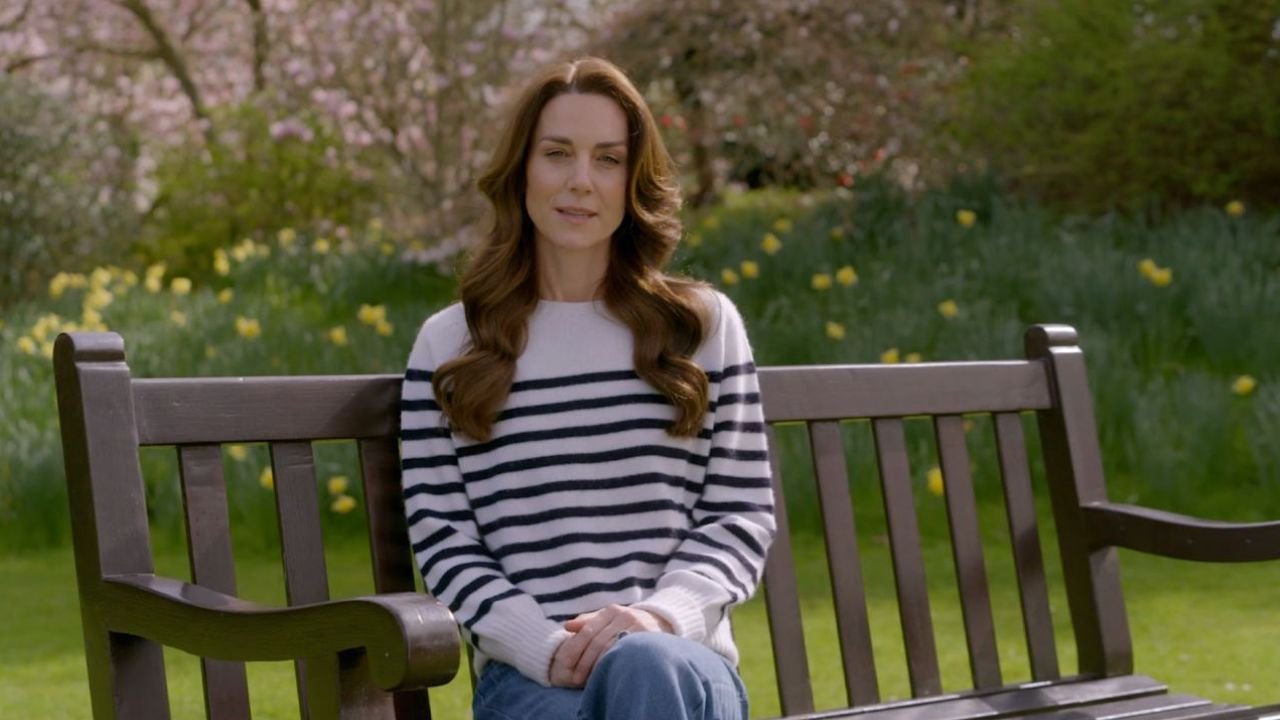
In a shocking turn of events, Catherine, Princess of Wales, revealed on Friday, via a video message, that she has been diagnosed with cancer and is in the “early stages” of treatment.
The announcement was described by the princess as a “huge shock”. It has been two months after she had stepped away from public life, following what Kensington Palace stated at the time was surgery for an abdominal condition.
“In January, I underwent major abdominal surgery in London and at the time, it was thought that my condition was non-cancerous,” she said, laying to rest all rumours about her disappearance from public life.
Apparently, the surgery was successful. However, tests after the operation found cancer was present. “My medical team therefore advised that I should undergo a course of preventative chemotherapy and I am now in the early stages of that treatment.”
Kate explained that her diagnosis was “a huge shock” and that “William and I have been doing everything we can to process and manage this privately for the sake of our young family.”
The princess added, “As you can imagine, this has taken time. It has taken me time to recover from major surgery in order to start my treatment. But, most importantly, it has taken us time to explain everything to George, Charlotte and Louis in a way that is appropriate for them, and to reassure them that I am going to be ok.”
Kate said that she had told them she is “well and getting stronger every day by focusing on the things that will help me heal; in my mind, body and spirits.”
She praised her husband, Prince William for being by her side as “a great source of comfort and reassurance” as well as the support she has received from the public.
“We hope that you will understand that, as a family, we now need some time, space and privacy while I complete my treatment. My work has always brought me a deep sense of joy and I look forward to being back when I am able, but for now I must focus on making a full recovery,” she said.
She ended her heartfelt message by saying that she was also keeping “all those whose lives have been affected by cancer” in her thoughts.
“For everyone facing this disease, in whatever form, please do not lose faith or hope. You are not alone,” Kate concluded.
Recently, King Charles has also been diagnosed for cancer and is also in chemotherapy.
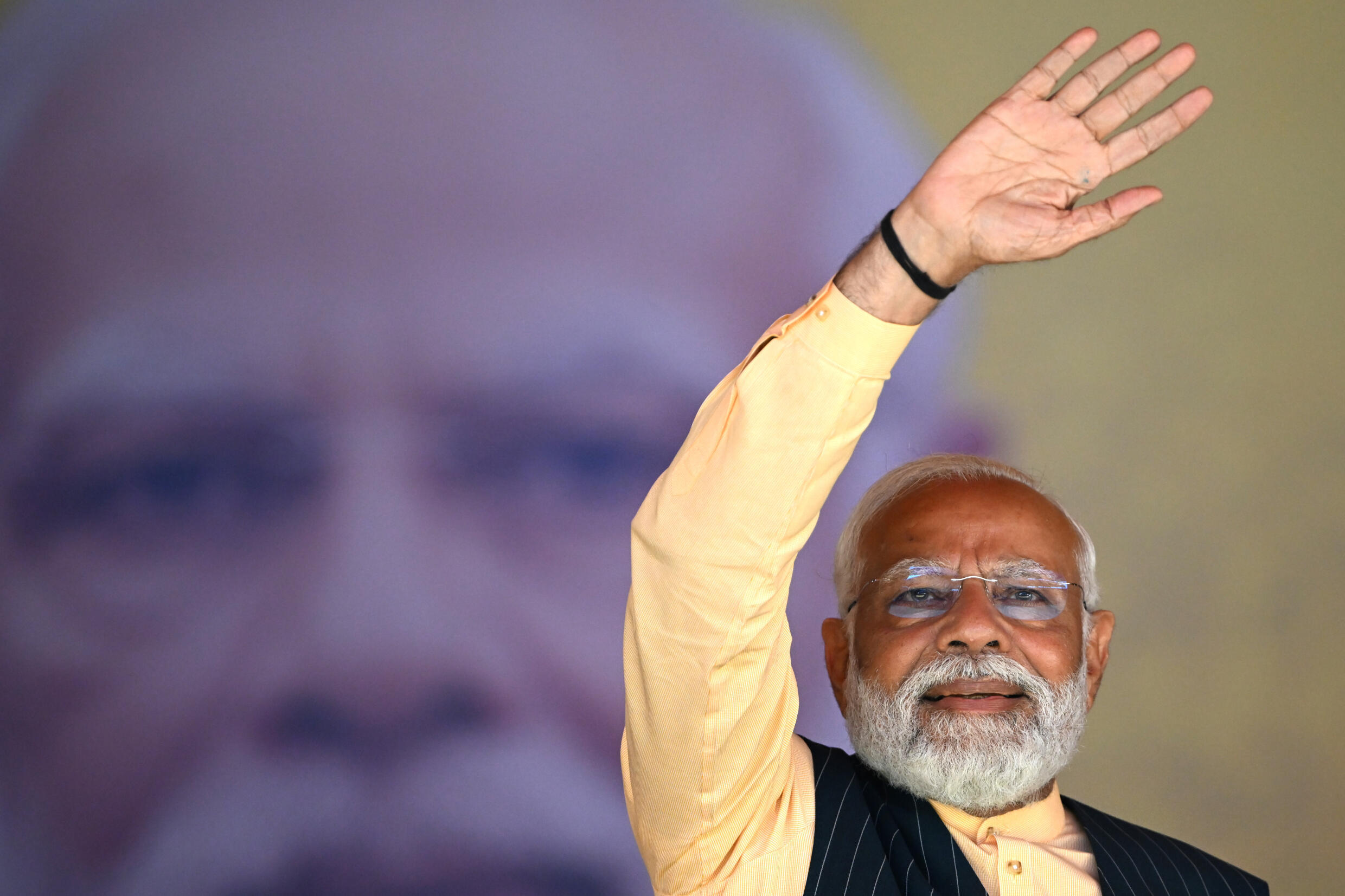
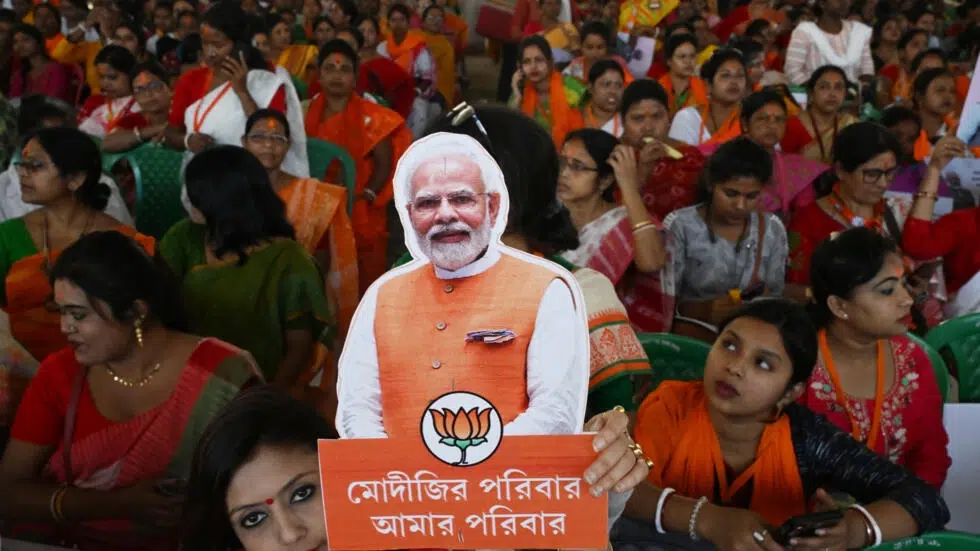
Last week, India’s election commission published a list detailing buyers of electoral bonds, a contentious funding scheme that has helped Prime Minister Narendra Modi’s party build an immense campaign war chest dwarfing rivals.
Electoral bonds account for more than half of all political donations and were anonymous until India’s top court ruled them illegal weeks before the start of national elections next month.
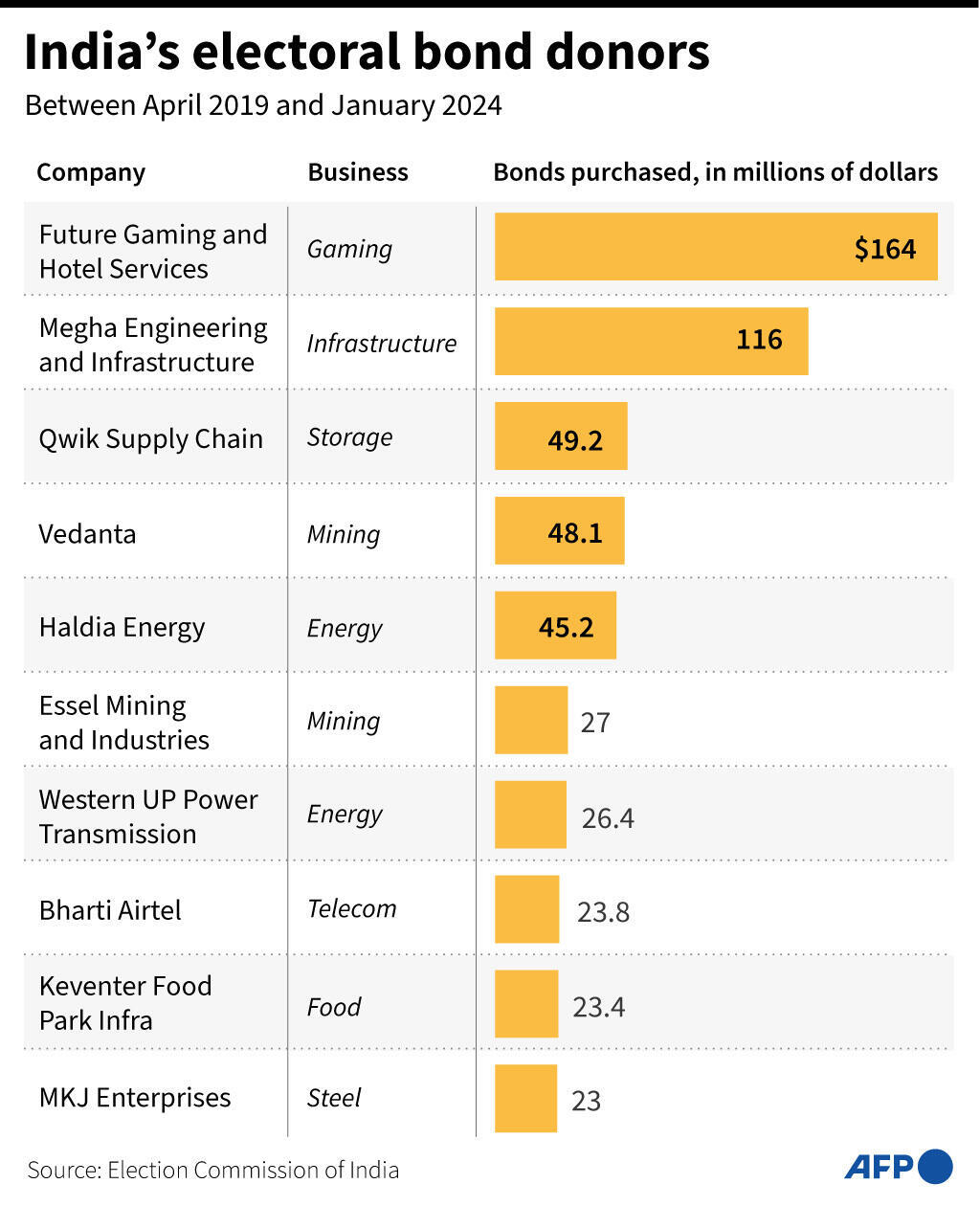
An AFP review of the list found that of the $1.5 billion donated through the scheme, at least $94 million was donated by 17 companies after they faced — either directly or through their subsidiaries — investigations for tax evasion, fraud or other corporate malfeasance.
“The electoral bond scheme was sinful in conception, faulty in design and intended to prevent transparency,” lawmaker Abhishek Singhvi of the opposition Congress party told AFP.
“Each of these vices stand exposed… by the huge disclosures tumbling out of the closets.”
‘Knocked at their doors’
Opposition party lawmakers claim the electoral bonds list shows that firms were donating to Modi’s ruling Bharatiya Janata Party (BJP) in the hopes of influencing the outcome of criminal probes.
The BJP was far and away the single biggest beneficiary of the scheme, receiving $730 million or around 47 percent of total bonds cashed since April 2019.
Its main competitor Congress received around $171 million over the same period.
Among the companies named as donors are Hero MotoCorp, the country’s biggest motorbike maker by sales. It donated $2.4 million to the BJP seven months after confirming its finances were being investigated by the tax department.
Glenmark Pharmaceuticals, a top drug firm, bought $1.17 million worth of electoral bonds for the BJP eight months after Indian media reported an investigation for alleged tax evasion.
Indian miner Vedanta, whose parent company was once listed on the London Stock Exchange, donated more than $40 million spread across half a dozen parties over the past five years.
Local media reported in 2022 that the country’s main financial crime agency began investigating the company in 2018 for allegedly paying bribes to facilitate Indian visas for Chinese technicians.
Hero, Glenmark and Vedanta did not respond to requests for comment.
No definitive proof of such a quid pro quo has surfaced. Authorities have also not publicly announced whether investigations against donor companies have been closed or withdrawn.
Nirmala Sitharaman, Modi’s finance minister, said last week that any allegation of a link between criminal investigations and political donations was based on “huge assumptions”.
“What if the companies gave the money, and after that, we still went and knocked at their doors?” she told a panel hosted by television channel India Today.
The BJP was not the only party to receive electoral bonds from companies facing legal investigation.
Among the several parties funded by lottery company Future Gaming — the biggest single donor under the scheme with a spend of $164 million — were the government and opposition of southern Tamil Nadu state.
Future Gaming has since 2011 been the subject of several investigations on suspicion of unpaid income tax, money laundering and fraud, according to media reports.
‘Black money’
Ties between corporate India and the country’s political class have previously blown up into public scandal — including to the benefit of Modi, who was swept to office a decade ago on a wave of public discontent over corruption.
Modi made hay from a number of corporate bribery accusations directed against his opponents, including allegations that ministers and bureaucrats had taken money from telecom companies in return for favourable licensing deals.
His government introduced electoral bonds in 2017, pledging the scheme would clear up the illicit “black money” donated to parties in return for political favours.
But the new scheme did not close off other avenues of funding, including anonymous cash donations or tax-deductible electoral trusts in which multiple companies can pool money together for parties without public scrutiny.
Indian media also identified several other irregularities with the electoral bond scheme, reporting that several companies donated amounts far in excess of their annual profit or revenue.
Others were loss-making or had been freshly incorporated, suggesting they had been used as front companies to make donations on behalf of an unidentified third party.
Milan Vaishnav, of the Carnegie Endowment for International Peace, said the donation list vindicated the election commission’s objections to the scheme when it was first unveiled.
“This is precisely what the EC had warned, (that) the creation of this opaque instrument could allow for shell companies, foreign firms, and unknown third parties to give to parties without detection or outside scrutiny.”
Ottawa, Canada – Canada for the first time is planning to curb the number of temporary foreign workers it welcomes, officials announced Thursday, after years of lofty immigration levels.
Ottawa is proposing to reduce the number of temporary residents to five percent of the population over the next three years, down from the current 6.2 percent (2.5 million people).
That target will be firmed up after consultations with Canada’s provinces, some of which have been pushing back on large migrant inflows amid a housing crunch and soaring demands for services.
Restrictions on temporary foreign worker permits will start on May 1.
This follows a recently announced cap on new permits for international students and visa requirements for some Mexican travellers.
“Canada has seen a sharp increase in the volume of temporary residents in recent years, from a rise of international students to more foreign workers filling job vacancies to those fleeing wars and natural disasters,” Immigration Minister Marc Miller told a news conference.
However, Canada’s labour market is now much tighter, with its population growth, fueled by massive immigration, outpacing job creation.
According to government data, job vacancies fell 3.6 percent to 678,500 in the last three months of 2023, marking the sixth straight quarterly decline from a record high of 983,600 reached in the second quarter of 2022.
“Changes are needed to make the system more efficient and more sustainable,” Miller said.
Employment Minister Randy Boissonnault urged employers to consider hiring refugees before seeking to bring in temporary foreign workers.
He said businesses that are currently allowed to have temporary foreign workers make up to 30 percent of their workforce will see that proportion drop to 20 percent, except in the health care and construction sectors.
Canada’s immigration department, meanwhile, has been ordered by Miller to conduct a review of existing programs that bring in temporary labourers to better align them with labour needs and weed out abuses.
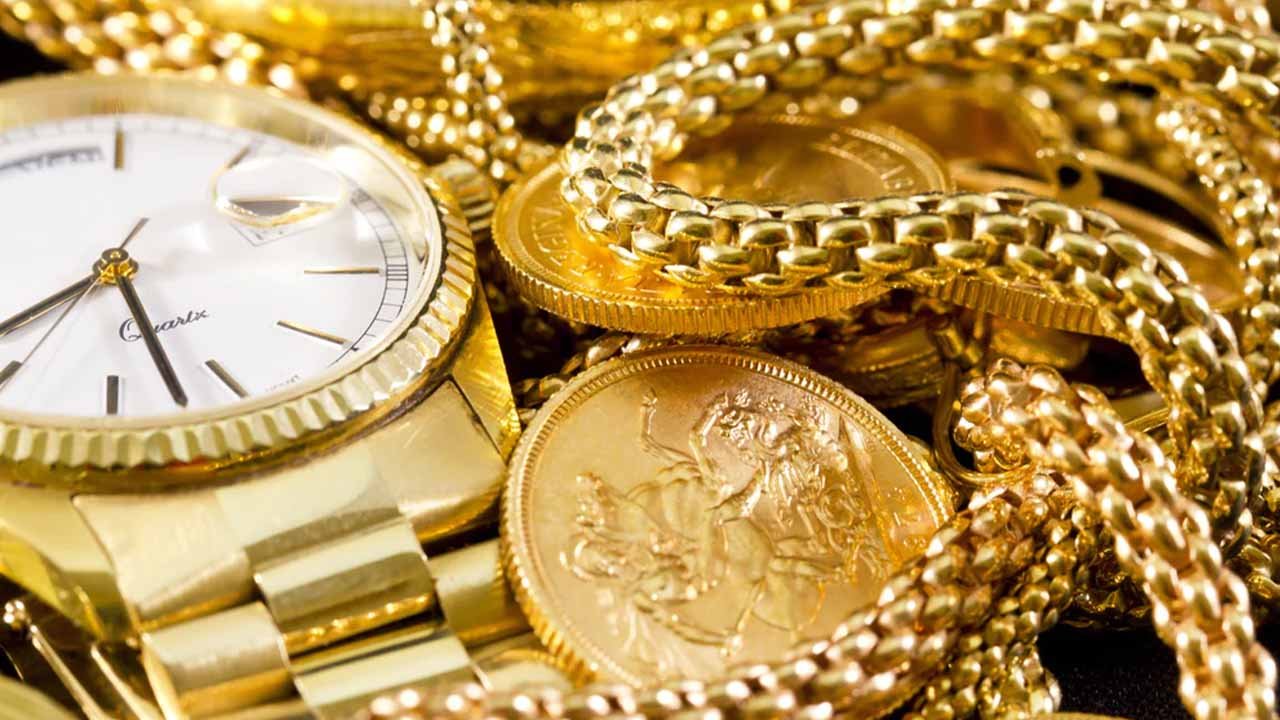
Gold prices experienced a downturn in the domestic market on Friday, aligning with the global trend.
The price of 24-karat gold dropped by Rs4,200 to reach Rs228,200 per tola, reflecting fluctuations in international gold prices.
Notably, the previous day saw a significant increase of Rs4,600 per tola in gold prices in Pakistan.
According to the Karachi Sarafa Association, the price of 24-karat gold per 10 grammes fell to Rs195,645, marking a decrease of Rs3,600.
Similarly, the price of 22-karat gold also saw a decline, reaching Rs179,341 per 10 grammes.
In addition to gold, silver prices also saw a decrease. 24-karat silver was sold at Rs2,580 per tola and Rs2,211.93 per 10 grammes, indicating a decrease of Rs20 per tola and Rs17.15 per 10 grammes, respectively.
Internationally, spot gold prices retreated after reaching a milestone of over $2,200 an ounce for the first time.
This drop followed the Federal Reserve’s indication of maintaining its trajectory for three interest-rate cuts this year. Spot gold traded near $2,166.81, showing a decrease of $14.65 or 0.68 per cent for the day.
The correction in gold prices was influenced by the strengthening of the dollar, which rose by 0.8 per cent after hitting a one-week low.
The government, as confirmed by sources within the Prime Minister’s Office, has formally commenced the privatisation procedure for Pakistan International Airlines Corp (PIA) by issuing a gazette notification.
This notification delineates the transition of the national airline into a government holding company.
Notably, PIA has experienced a persistent surge surpassing its previous peak performances. Despite being a loss-making entity, the airline has encountered fluctuations in recent trading sessions.
Its stock price has escalated by 2.37 times this month alone and an astounding 7.6 times within the current fiscal year.
This rally can be attributed to the new government’s endeavors aimed at restructuring and privatising the airline.
New Delhi, India – A top Indian opposition politician appeared in court Friday to fight his arrest in a case supporters say is aimed at sidelining challengers to Prime Minister Narendra Modi before next month’s election.
Arvind Kejriwal, chief minister of the capital Delhi and a key leader in an opposition alliance formed to compete against Modi in the polls, was detained on Thursday in connection with a long-running corruption probe.
He is among several leaders of the bloc under criminal investigation and one of his colleagues described his arrest as a “political conspiracy” orchestrated by the ruling Bharatiya Janata Party (BJP).
Kejriwal was escorted into a courtroom in the capital by officers from the Enforcement Directorate, India’s main financial crimes agency, to petition for bail while the case proceeds.
His legal team had originally sought to challenge the legality of his detention in the Supreme Court but Shadan Farasat, a lawyer for Kejriwal, told AFP they would instead contest his remand in a lower court.
Hundreds of supporters from Kejriwal’s Aam Aadmi Party (AAP) took to the streets on Friday to condemn the leader’s arrest, with police breaking up one crowd of protesters who attempted to block a busy traffic intersection.
Several demonstrators were detained including Delhi education minister Atishi Marlena Singh and health minister Saurabh Bhardwaj, according to an AFP journalist at the scene.
Small rallies in support of Kejriwal were held in several other cities around India.
Kejriwal’s government was accused of corruption when it implemented a policy to liberalise the sale of liquor in 2021 and give up a lucrative government stake in the sector.
The policy was withdrawn the following year, but the resulting probe into the alleged corrupt allocation of licences has since seen the jailing of two top Kejriwal allies.
Kejriwal, 55, has been chief minister for nearly a decade and first came to office as a staunch anti-corruption crusader. He had resisted multiple summons from the Enforcement Directorate to be interrogated as part of the probe.
Singh, the education minister, said Thursday that Kejriwal had not resigned from his office.
“We made it clear from the beginning that if needed, Arvind Kejriwal will run the government from jail,” she told reporters.
‘Decay of democracy’
Tamil Nadu chief minister M.K. Stalin, a fellow member of the opposition bloc, said Kejriwal’s arrest “smacks of a desperate witch-hunt”.
“Not a single BJP leader faces scrutiny or arrest, laying bare their abuse of power and the decay of democracy,” he said.
Modi’s political opponents and international rights groups have long sounded the alarm on India’s shrinking democratic space.
US democracy think-tank Freedom House said this year that the BJP had “increasingly used government institutions to target political opponents”.
Rahul Gandhi, the most prominent member of the opposition Congress party and scion of a dynasty that dominated Indian politics for decades, was convicted of criminal libel last year after a complaint by a member of Modi’s party.
His two-year prison sentence saw him disqualified from parliament for a time until the verdict was suspended by a higher court, but raised further concerns over democratic norms in the world’s most populous country.
Kejriwal and Gandhi are both members of an opposition alliance composed of more than two dozen parties that is jointly contesting India’s national election running from April to June.
But even without the criminal investigations targeting its most prominent leaders, few expect the bloc to make inroads against Modi, who remains popular a decade after first taking office.
Many analysts see Modi’s reelection as a foregone conclusion, partly due to the resonance of his assertive Hindu-nationalist politics with the members of the country’s majority faith.
Get ready for a thrilling new drama as Sheheryar Munawar and Hiba Bukhari are appearing in upcoming drama, ‘Radd.’ With suspense and love in the mix, this exciting drama will keep you engaged to your screens.
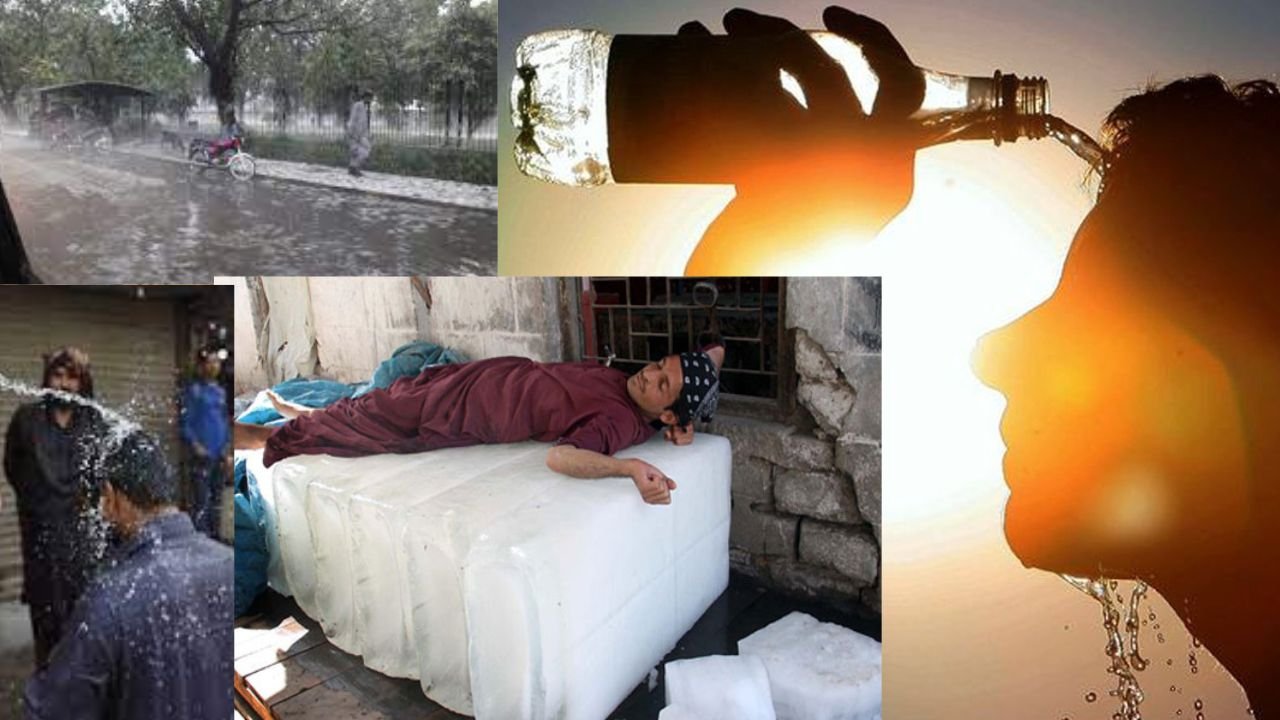
The Department of Meteorology has indicated the possibility of an increase in hot temperatures in Sindh and Balochistan while hailstorms are expected in some parts of Punjab, reports Geo News.
There is a possibility of a gradual increase in temperature during the day in the southern districts of Sindh and Balochistan, as per the Meteorological Department.
However, in Karachi, there is a chance of clear weather in the upcoming weekend. The minimum temperature recorded was 24.4 degree celsius in the last 24 hours.
The minimum temperature is expected to be 21 to 23 degrees Celsius and the maximum temperature is expected to be 33 to 35 degrees during the next 24 hours. Humidity is 76 percent while winds are blowing at a speed of 15 km per hour.
Simultaneously, heavy rain was reported in Muzaffarabad city and its surroundings and snowfall on the mountains made the weather beautiful.
The Meteorological Department says that there is a possibility of rain in various cities of Punjab, including Khushab, Jhelum Murree, Guliyat, Rawalpindi, Chakwal, Gujarat, Sialkot and Hafizabad. Meanwhile, there is a possibility of hailstorm in a few places.
In Khyber Pakhtunkhwa, Chitral, Dir, Swat, Kohistan, Shangla, Buner, Malakand, Abbottabad, Mansehra and Haripur will experience thunder and lightning along with the rain.
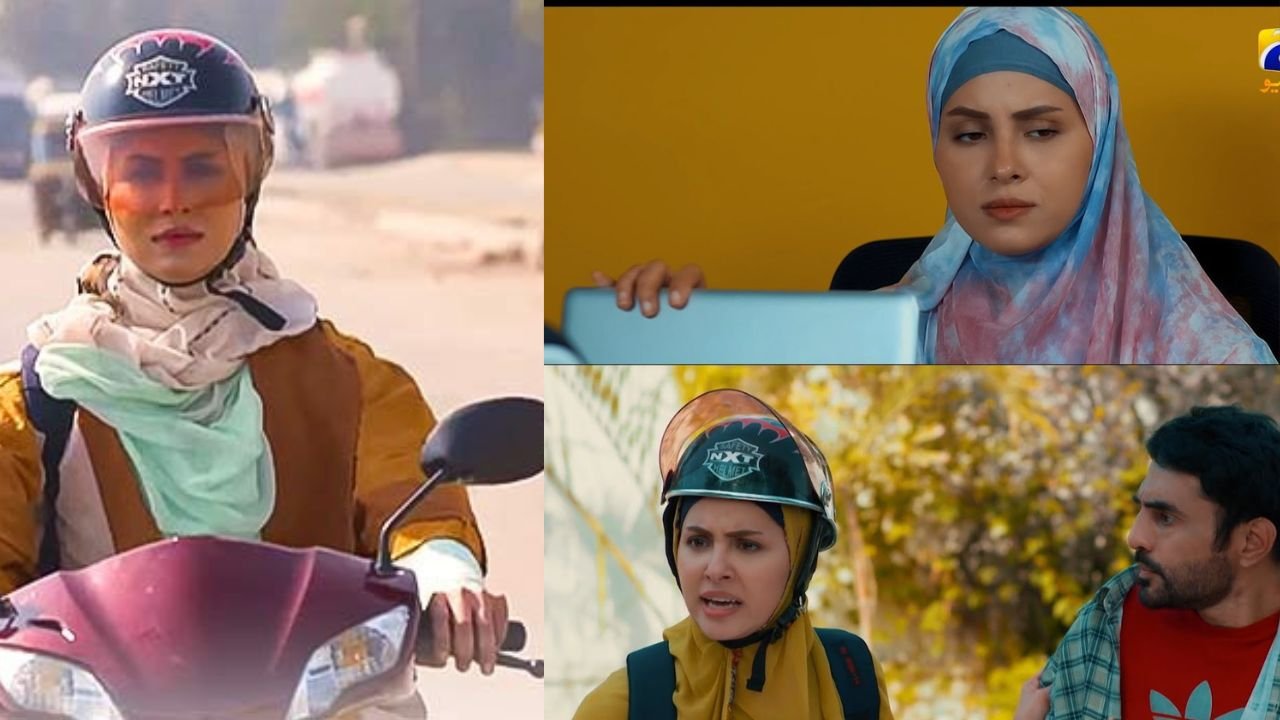
‘Umm-e-Ayesha’ is a TV show made by 7th Sky Entertainment for Ramzan. It’s on Geo channel every evening at 6 pm, starting on the first day of Ramzan. The show tells a story meant to inspire young girls who want to follow their faith and also achieve their dreams in real life.
The story is about a girl named Ayesha, played by Nimra Khan. Saleem Ghanchi directed the serial, and Hina Huma Nafees wrote it. The cast includes Omer Shahzad, Mehmood Akhtar, Nida Mumtaz, Tara Mahmood, and others.
The drama serial focuses on the teachings of Islam while keeping the dreams, lifestyle and challenges of the new generation in perspective. No doubt Umm-e-Ayesha is a notable effort in that direction.
Here’s why you should watch the show:
Normalising girls wearing hijab driving scooters
Ayesha wears a hijab and drives a scooter. Seeing a young girl do both might seem unusual in shows, but this drama aims to make it normal. While we’ve seen girls driving scooters in dramas before, seeing a girl in a hijab do it is refreshing.
Breaking old tropes
When Ayesha’s father gives her a scooter for her birthday, her mother doesn’t like it. She thinks it would’ve been better if he gave her gold jewelry instead. This happens a lot in our communities. People often think it’s better to invest in property or gold for a girl’s future, rather than giving her the chance to get an education or live independently.
Father standing up for his daughters
It’s heartwarming to see the show portray the bond between fathers and daughters without the usual restrictions we often see. Ayesha’s father is her biggest supporter. Even though their relationship is made up, it reflects the real-life stories of many women who have succeeded with the help of a supportive male family member. ‘Umm-e-Ayesha’ shows these kinds of relationships and changes the way father-daughter relationships are usually shown on TV.
Girls working while wearing hijab
Ayesha gets treated unfairly because of her hijab. She almost doesn’t get a job because of it, and later, she faces criticism for it too. Ayesha represents many girls who struggle to keep wearing their hijab despite facing bias at work or pressure to look modern. But Ayesha doesn’t give up. She shows that girls can wear hijab and still do well at work. She dresses neatly and professionally, proving that her hijab doesn’t stop her from fitting in or doing her job well.
In ‘Umm-e-Ayesha,’ we see a girl who has to prove herself not just outside her family, but also within it. Her mother wishes she was married and wants her to dress up nicely when there’s a potential match visiting. There’s also pressure on her to send pictures without her hijab to impress potential husbands’ families.
What’s interesting is that her sister doesn’t wear hijab, which many families can relate to. Despite their differences, they have a good relationship and don’t force each other to change.
In summary, ‘Umm-e-Ayesha’ is worth watching during Ramzan, especially if you’re tired of regular Ramzan dramas. Its messages are relevant to both young and old viewers.Top of Form