Blog

  • PSL 9: Karachi kings defeats Quetta Gladiators by 7 wickets

    PSL 9: Karachi kings defeats Quetta Gladiators by 7 wickets

    In the 22nd match of Pakistan Super League Karachi kings defeats Quetta Gladiators by 7 wickets in Rawalpindi Cricket Stadium.

    Karachi Kings captain Shan Masood won the toss and decided to bowl first.

    Quetta Gladiators inning

    Quetta’s openers gave the team a 20-run start, but Jason Roy scored 15 runs. Saud Shakeel formed a 47-run partnership with Khawaja Nafay, but Hasan Ali dismissed both of them and broke the back of the Gladiator batting.

    After that, the wickets of Quetta kept falling like dry leaves and the team could not even play complete 20 overs. The entire team was bowled out for 118 runs in 19.1 overs. Vice-captain Saud Shakeel was the top scorer with 33 runs.

    On behalf of Karachi, Hasan Ali dismissed four players by giving only 15 runs, Mazrabani and Zahid Mehmood took two, while Mir Hamza got one wicket.

    Karachi Kings inning

    Chasing the target of Quetta, Karachi lost thier first wicket on 13 runs but Tim Seiert and James Vince scored a prtnership of 50 runs. Tim Seifert scored 49 runs while Shoaib Malik and James Vince scored 27 runs each.

    From Quetta Akeel Husain, Muhammad Amir and Abrar Ahmed took one wicket each.

  • Kangana Ranaut criticizes celebs for performing at Ambani party

    Kangana Ranaut criticizes celebs for performing at Ambani party

    Billionaire Indian family Ambanis have thrown a huge party worth more than a thousand crores INR, to celebrate Anant Ambani and Radhika Merchant’s pre-wedding ceremonies. Many important people from various fields around the world attended. Famous Bollywood stars like Shah Rukh Khan, Kareena Kapoor Khan, Salman Khan, and Deepika Padukone performed at the event.

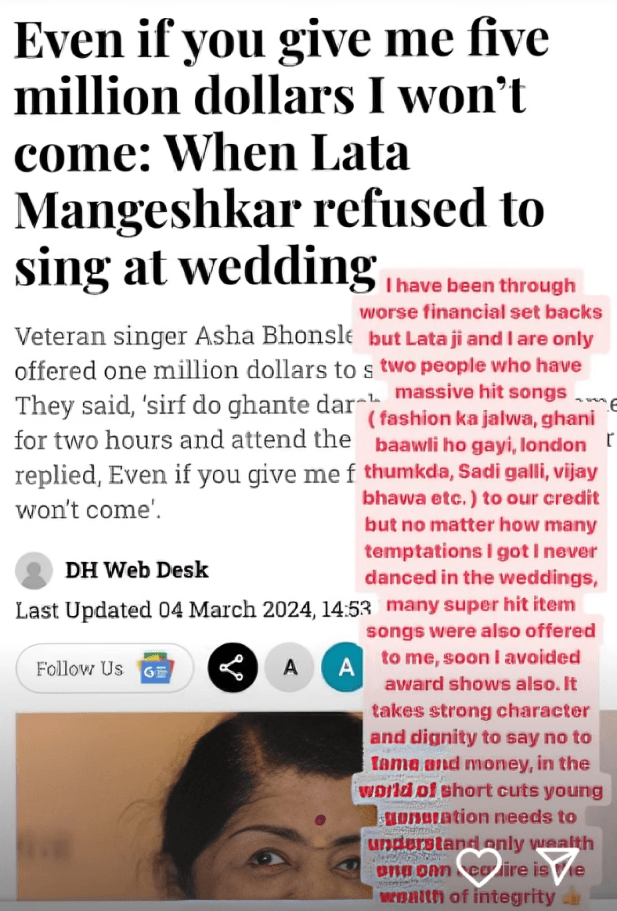
    Kangana Ranaut, who is known as the queen of controversy, indirectly criticized those who performed at the Ambani bash. She shared a screenshot of an article on the late singer, Lata Mangeshkar, on her Instagram stories.The headline read, “Even if you give me five million dollars I won’t come:When Lata Mangeshkar refused to sing at wedding.”

    Kangana compared herself to the late legendary singer, saying, “I have been through worse financial setbacks, but Lata ji and I are only two people who have massive hit songs (fashion ka jalwa, ghani baawli ho gayi, London thumkda, Sadi galli, Vijay bhawa etc.) to our credit.”
    She talked about facing financial struggles but never dancing at various weddings. Kangana mentioned the importance of solid willpower and dignity in a person’s character.

    She added, “But no matter how many temptations I got I never danced in the weddings, many super hit item songs were also offered to me, soon I avoided award shows also. It takes strong character and dignity to say no to fame and money, in the world of short cuts young generation needs to understand only wealth one can acquire is the wealth of integrity (thumbs up emoji).”

  • Yemen faces ‘environmental disaster’ as sunken ship threatens Red Sea

    Yemen faces ‘environmental disaster’ as sunken ship threatens Red Sea

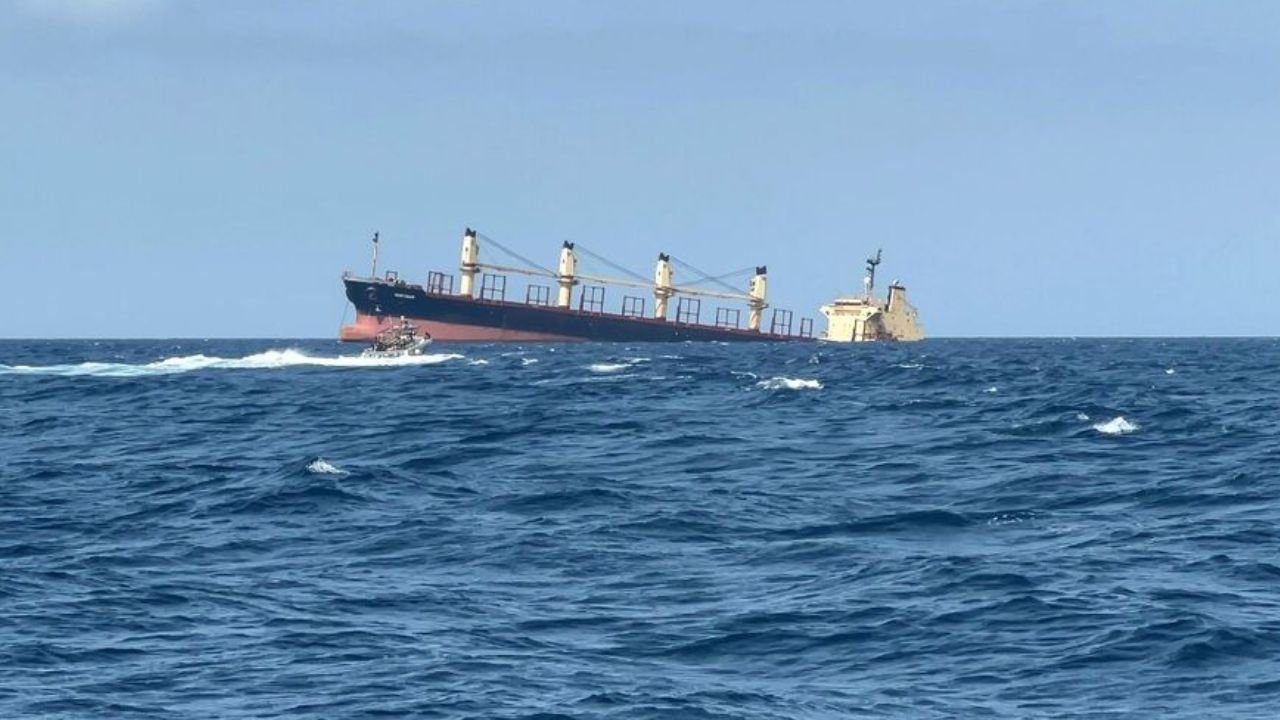
    The sinking of a bulk carrier off Yemen after a Houthi missile attack poses grave environmental risks as thousands of tonnes of fertilizer threaten to spill into the Red Sea, officials and experts warn.

    Leaking fuel and the chemical pollutant could harm marine life, including coral reefs, and impact coastal communities that rely on fishing for their livelihoods, they said.

    The Belize-flagged, Lebanese-operated Rubymar sank on Saturday with 21,000 metric tons of ammonium phosphate sulfate fertilizer on board, according to U.S. Central Command (CENTCOM).

    It had been taking in water since a Houthi missile strike on Feb. 18 damaged its hull, marking the most significant impact on a commercial ship since the rebels started targeting vessels in November.

    After already leaving a slick from leaking fuel while it was still afloat, the Rubymar now poses a new set of environmental threats underwater.

    Abdulsalam al-Jaabi of the Yemeni government’s environmental protection agency warned of “double pollution” that could impact 78,000 fishermen and their families — up to half a million people.

    “The first pollution is oil pollution resulting from the large amount of fuel oil on board,” he said, estimating the quantity to be over 200 metric tons.

    The second risk is posed by the fertilizer, which is highly soluble and could harm “fish and living organisms such as coral reefs and seaweed” if released into the sea, Jaabi added.

    The overall contamination could incur “significant economic costs,” especially on coastal communities that depend on fishing for survival, the official warned.

    Yemen’s Houthi rebels seized the capital Sanaa in 2014, pushing the internationally recognized government south to Aden and prompting Saudi Arabia to lead a military coalition to help prop it up the following year.

    A cease-fire since April 2022 has largely held.

    The Rubymar is the first ship to sink since the Houthis started their Red Sea campaign that they say is in solidarity with Palestinians in the Gaza Strip amid Israeli genocide.

    Plans to tow the vessel failed after port authorities in Aden, Djibouti and Saudi Arabia refused to receive the ship, according to Roy Khoury, the chief executive of Blue Fleet Group, the ship’s Lebanese operator.

    The Yemeni government’s transport minister, Abdulsalam Humaid, said Aden’s “refusal comes out of fear of an environmental disaster.”

    Djibouti also refused the ship over “environmental risks,” said an official close to the country’s presidency.

    Saudi authorities were not immediately available for comment.

    “Without immediate action, this situation could escalate into a major environmental crisis,” warned Julien Jreissati, Middle East and North Africa program director at Greenpeace.

    “The sinking of the vessel could further breach the hull, allowing water to contact with the thousands of tonnes of fertilizer,” he added.

    This would “disrupt the balance of the marine ecosystems, triggering cascading effects throughout the food web,” Jreissati said.

    U.N. Special Envoy Hans Grundberg said five experts from the United Nations Environment Programme were due in Yemen this week to conduct an assessment in coordination with the Yemeni environment ministry.

    George Wikoff, the head of the U.S. Navy’s Bahrain-based Fifth Fleet, warned that the “tonnes of chemicals carried on the sinking vessel Rubymar presents environmental risk to the Red Sea in the form of algae blooms and damaged coral.”

    Speaking during a conference in Doha on Tuesday, Wikoff said the ship also poses a threat to Red Sea navigation as it “presents a subsurface impact risk” to other ships transiting the critical waterway that normally carries around 12% of global trade.

    It remains unclear who is ultimately responsible for the Rubymar, which was sailing from the United Arab Emirates to Bulgaria.

    CENTCOM and maritime security firm Ambrey said the vessel was registered in Britain but its Lebanese operator said the ship was registered in the Marshall Islands.

    Yemeni official Faisal al-Thalabi, a member of a crisis cell tasked with dealing with the Rubymar, said Yemen has been in contact with both the owner and operator but noted that the outreach “made no difference.”

    The owner “is part of the problem … as he did not respond to official messages issued from Yemen,” Thalabi said, without disclosing the owner’s identity.

    To contain a potential environmental crisis, Yemeni authorities will dispatch teams to collect water samples and survey beaches for pollution, Thalabi said.

    Water sources and seawater desalination plants in coastal communities may also be affected, he cautioned.

    “We have special containment booms and we are ready to place them in environmentally sensitive areas such as damaged islands” if they are contaminated, he said.

    The “worst-case scenario is contamination,” Thalabi said.

  • Diners in India spit blood after being served ‘dry ice’

    Diners in India spit blood after being served ‘dry ice’

    Diners at Gurugram City, India, were allegedly served ‘dry ice’ as mouth freshener by a hotel manager leading them to throw up blood.

    The unfortunate incident happened on Saturday when five people started vomiting, while also bleeding from the mouth, after they consumed the sugar and spice mix, traditionally served after a meal, reports BBC. The police arrested the manager of the hotel.

    As per the initial investigation, it was revealed that the packet contained dry ice, a solid form of carbon dioxide used as a cooling agent (especially in refrigerators for the preservation of food).

    The customers were hospitalized after the incident.

    However, the police in Gurugram City, where the restaurant is located, arrested its manager on charges of poisoning “with the intent to cause hurt or harm” on Tuesday.

    A search is underway for the owner of the food joint, who is currently absconding.

    In their complaint, the customers have also accused the restaurant staff of refusing to help them.

    A doctor later examined the contents of the packet of mouth freshener and confirmed it contained dry ice.
    The case is under investigation and the police have said they were conducting a forensic analysis of the contents of the mouth freshener.

  • Bilal and Uroosa Qureshi’s family dance at wedding is absolutely adorable

    Bilal and Uroosa Qureshi’s family dance at wedding is absolutely adorable

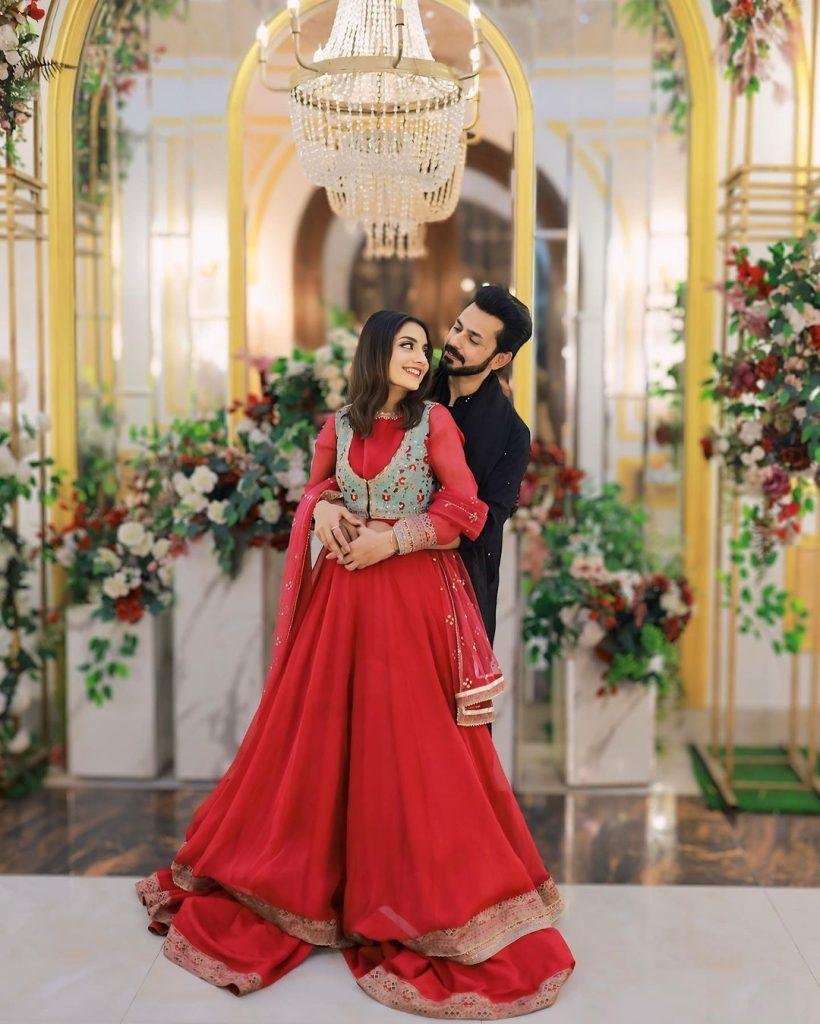
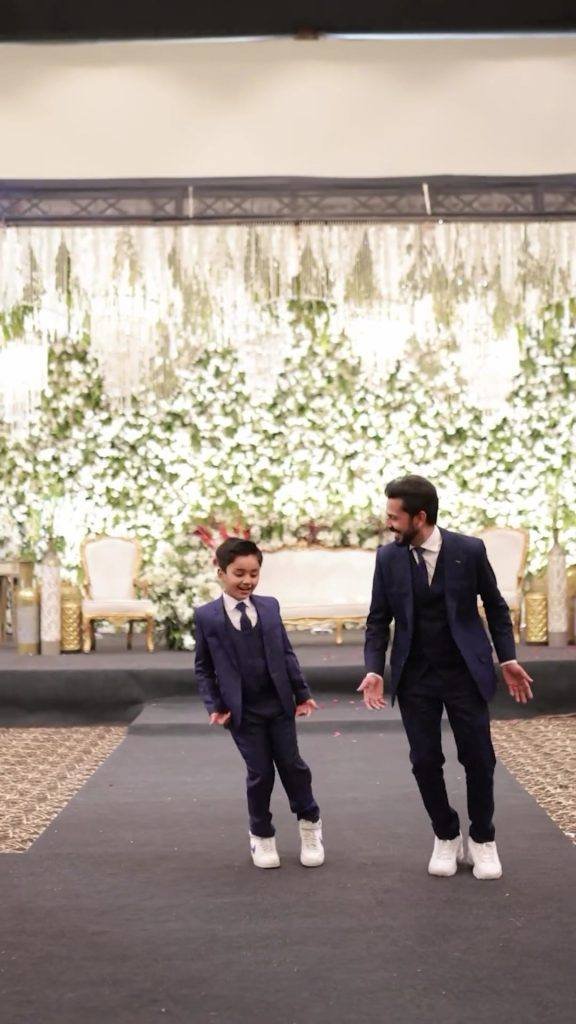
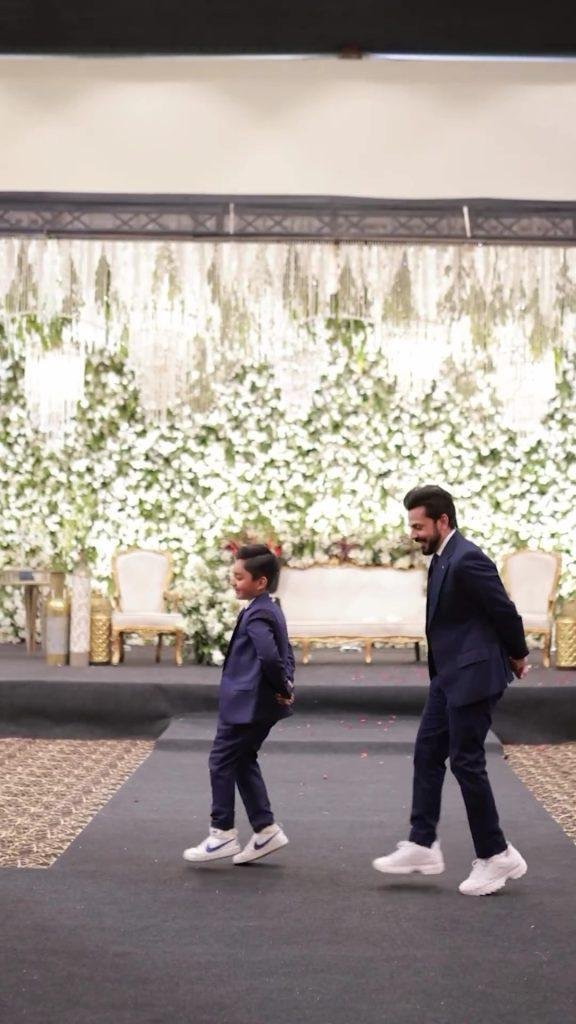
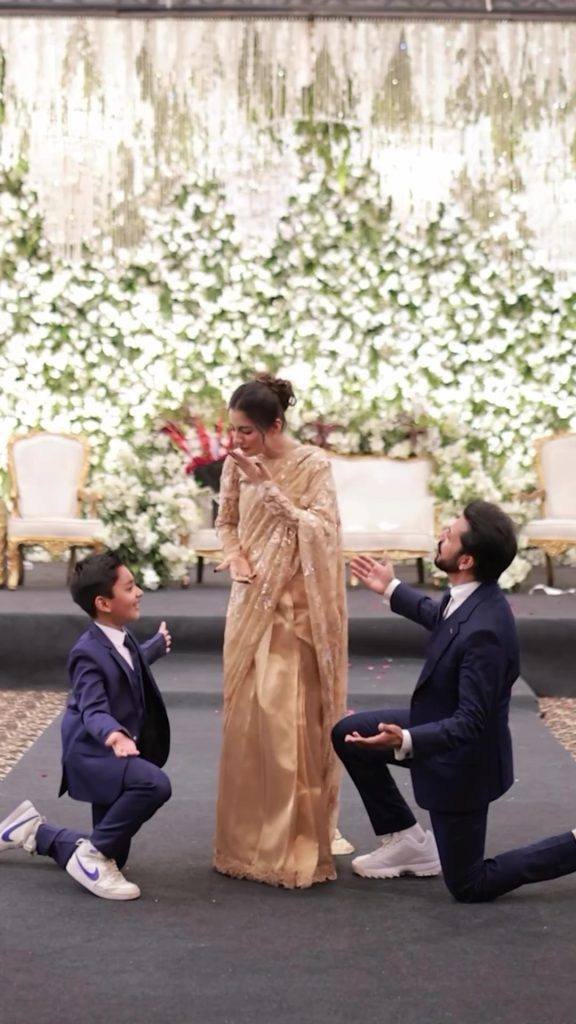
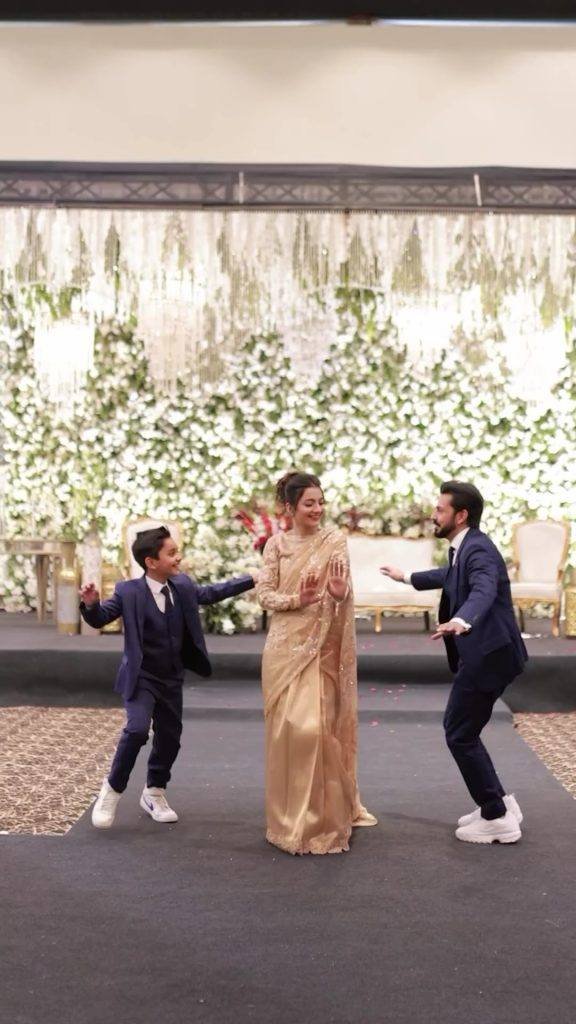
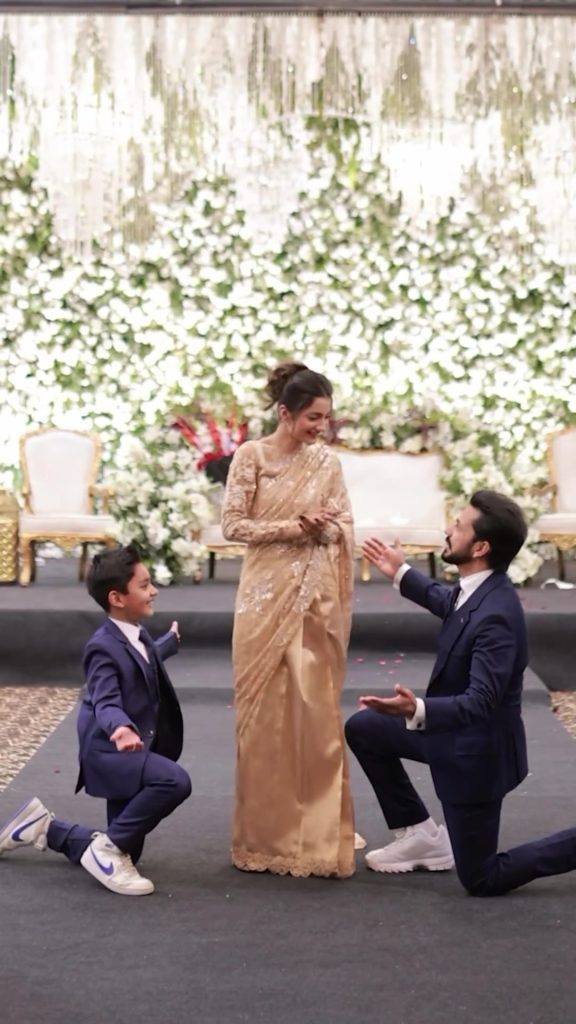
    Popular Pakistani showbiz couple, Bilal and Uroosa Qureshi, known for their wholesome moments together both on and off screen, recently brought smiles to a wedding celebration with a charming family dance.
    At the event, Bilal and his eldest son Sohan showcased their smooth moves, drawing cheers from the crowd. Their joyful performance soon included Uroosa, making it a heartwarming family affair.
    The Qureshi family’s dance to the upbeat tune of “Lutt Putt Gaya” was a highlight of the evening, spreading happiness and creating lasting memories for all.

    Check the pictures below:

  • Akbar S Babar challenges fresh PTI’s intra-party polls in ECP

    Akbar S Babar challenges fresh PTI’s intra-party polls in ECP

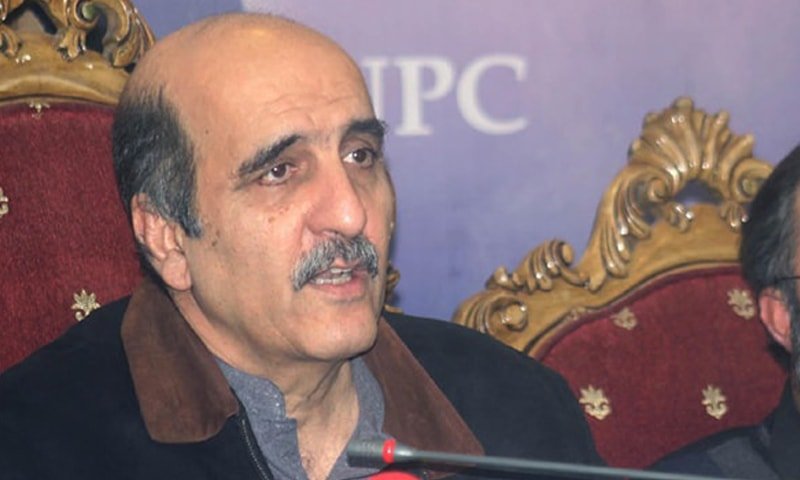
    Disgruntled Pakistan Tehreek-e-Insaf (PTI) founding member Akbar S Babar filed two separate petitions with the Election Commission of Pakistan (ECP) to challenge the party’s intra-party elections for the second time.

    The Supreme Court (SC) on January 13 upheld the ECP’s verdict regarding the party’s intra-party elections as invalid, leading the party to lose its ‘bat’ electoral symbol.

    A five-member ECP bench headed by Chief Election Commissioner (CEC) Sikandar Sultan Raja declared the PTI’s internal polls unlawful.

    In the fresh petition, Babar has requested the ECP to declare the recent intra-party polls invalid too.

    PTI’s fresh intra-party elections were held on March 3.

    The beleaguered party’s federal election commissioner Raoof Hasan formally announced last Sunday that Barrister Gohar Ali Khan and Omar Ayub Khan had been elected as the party’s chairman and secretary general unopposed, respectively, in the intra-party polls.

    Taking to journalists, Babar said that he moved the ECP against the “fresh fraud” of the PTI, adding that he was kept away from the intra-party elections.

  • The Hundred draft: Hasan Ali and Naseem Shah most expensive Pakistani players

    The Hundred draft: Hasan Ali and Naseem Shah most expensive Pakistani players

    Hassan Ali and Naseem Shah have become Pakistan’s most expensive players with the reserve price of GBP 100,000 in the British league’s draft ‘The Hundred’.

    65 Pakistani players have been registered in the players’ draft held on March 20 for the fourth edition of ‘The Hundred’, including 60 men and five women while only two Pakistani players have been retained by their teams in the squad. Manchester Original have Usama Mir and Welsh Fire have retained Haris Rauf.

    Among Pakistani players, the reserve price of Shadab Khan and Iftikhar Ahmed is GBP 75,000, the base price of Muhammad Amir, Saim Ayub, Aamir Jamal and Abdullah Shafiq is GBP 60,000, while the reserve price of Fakhar Zaman, Muhammad Haris and Imad Wasim in the draft is GBP 50,000.

    Pakistani players Mir Hamza, Muhammad Hasnain and Azam Khan were registered with a reserve price of GBP 40,000, while the other 46 Pakistani players registered for the Men’s Hundred are included without a reserve price.

    Among the players registered without reserve price are Salman Ali Agha, Abrar Ahmed, Umar Akmal, Asif Ali, Haider Ali, Umar Amin, Faheem Ashraf and Shahnawaz Dahani.

    The names of Zaman Khan, Shaan Masood, Mohammad Nawaz, Ruman Raees, Saud Shakeel, Haneen Shah and Wasim Junior are also included in the list of unreserved Pakistani players.

    Among women, Iram Javed, Nida Dar and Fatima Sana are registered with a reserve price of GBP 17,500, while Alia Riaz and Jawaria Rauf are included in the draft without a reserve price.

    The fourth edition of The Hundred will start in July this year featuring eight teams each of men and women. The first match of the event will be played between Birmingham Phoenix and Oval Invincibles at Lord’s Cricket Ground on July 23.

  • India arrests BJP worker for chanting ‘Pakistan Zindabad’ one year ago

    India arrests BJP worker for chanting ‘Pakistan Zindabad’ one year ago

    The police in the Indian state of Karnataka has arrested a Bharatiya Janata Party (BJP) worker for raising ‘Pakistan Zindabad’ slogans over a year ago. The man was taken into custody one day after the arrest of three Congress workers on similar charges, reports Indian media.

    The BJP worker, identified as Ravi, 40, in a case registered against him for raising a pro-Pakistan slogan during a December 2022 protest, when the BJP was in government in the state.

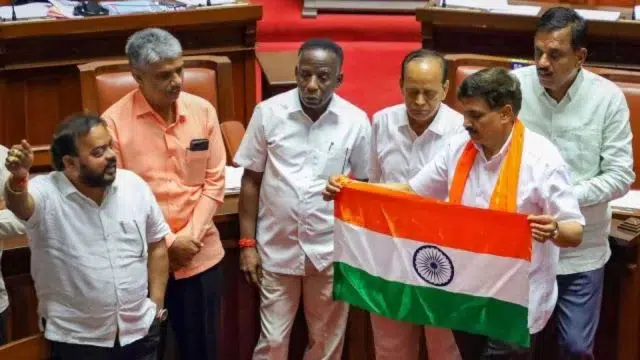
    BJP and JD(S) MLCs protest over the alleged sloganeering of ‘Pakistan Zindabad’ after Congress leader Naseer Hussain won the Rajya Sabha election, in Council hall during the Budget session of Karnataka Assembly, in Bengaluru. (PTI)

    The Indian Express has reported that the BJP protest was called against the remarks of the then Pakistani foreign minister Bilawal Bhutto Zardari against Indian Prime Minister Narendra Modi. While at the United Nations, Bilawal had called Modi the ‘Butcher of Gujarat’ – a reference to 2002 killing of Muslims when he was Chief Minister of the state. A video of the protest showed Ravi saying “Pakistan Zindabad” even as another person behind him attempted to close his mouth, it added. However, the local chapter of the BJP criticised Ravi’s arrest as “political vendetta”.

    The president of BJP’s Mandya district unit was quoted by the Indian Express as saying that Ravi was a farmer and he did not know any language other than his native Kannada and did not know the meaning of the words he spoke.

    The arrest came a day after three Congress workers were arrested for raising pro-Pakistan slogans in the Karnataka assembly on February 27 when party candidate Syed Naseer Hussain was elected to the Rajya Sabha. In a video shared by India Today, many congress leaders in the assembly have claimed that the exact words were actually Nasir Hussain Zindabad and not Pakistan Zindabad.

    Karnataka Home Minister G. Parameshwara said on Tuesday that pro-Pakistan slogans were raised twice. “We identified the suspects and arrested them. The law will take its course,” he said, according to the Indian Express report.

    The police said that the three Congress workers have been identified as Iltaz, from Delhi, Mohammad Nashipuri, a native of Haveri district of Karnataka and Munnawar, a resident of the state capital of Bengaluru on Monday. They remain in police custody, they added.

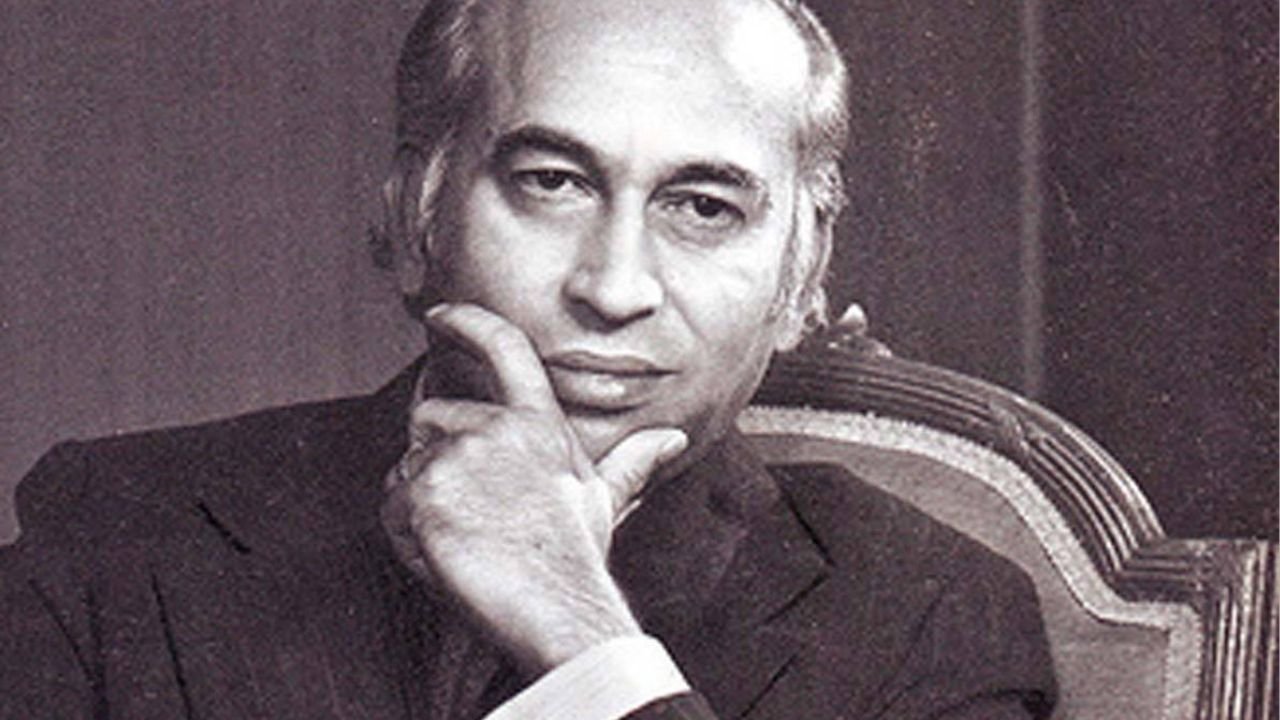
  • Zulfiqar Ali Bhutto was not given a fair trial: Supreme Court

    Zulfiqar Ali Bhutto was not given a fair trial: Supreme Court

    A nine-member bench of the Supreme Court has reserved its verdict on the murder trial of PPP founder and former Prime Minister Zulfiqar Ali Bhutto.

    The Chief Justice of Pakistan, Qazi Faez Isa, has said on Wednesday, “The proceedings of the Lahore High Court and of the appeal by the Supreme Court of Pakistan don’t meet the requirement of the fundamental right to fair trial and due process enshrined in the articles 4 and 9 of the constitution.”

    “This court can’t reappraise the evidence and undo the decision of the case. However, in a detailed reason, we shall identify the major Constitutional and legal lapses that occurred with regard to fair trial and due process.”

    Talking to media outside the court, Bhutto’s grandson, PPP Chairman Bilawal Bhutto Zardari said that the court has acknowledged that his grandfather was not given a fair trial.

    What is the Zulfiqar Ali Bhutto case?

    Zulfiqar Ali Bhutto, the leader who saw his elected government toppled by General Zia-ul-Haq in 1977, faced a controversial trial resulting in his execution.
    Former president Asif Ali Zardari brought back the long-dormant presidential reference on the death sentence of the late Prime Minister Zulfikar Ali Bhutto.

    The reference, filed in 2011 under Article 186 of the Constitution of Pakistan, resurfaced as a 9-member Supreme Court bench, led by Chief Justice Qazi Faez Isa, took up the case on December 12.

    The reference is based on the assertion by former Supreme Court Chief Justice Naseem Hasan Shah that the trial bench was influenced by the Zia-ul-Haq government.

    It also questions the constitutionality of conducting the murder case in the Lahore High Court instead of the Sessions Court.

    Article 186 and the President’s right

    Article 186 of the National Constitution empowers the President to seek the Supreme Court’s opinion on matters of public importance.

    The current hearing revolves around five crucial questions posed by Asif Zardari, aiming to address issues related to human rights, judicial precedent, fairness of the death sentence, adherence to Quranic orders, and the sufficiency of evidence.
    Questions from presidential reference

    Asif Ali Zardari’s reference poses pivotal questions, challenging the legality and fairness of Bhutto’s trial:

    1. Were Bhutto’s human rights, as enshrined in the constitution, respected during the trial?
    2. Will the Supreme Court’s decision set a precedent for all high courts, as per Article 189?
    3. Was the death sentence impartial and free from bias?
    4. Does the death penalty align with Quranic principles?
    5. Was the evidence and testimony presented during the trial sufficient for conviction?

    What was the case?

    Bhutto, who served as President of Pakistan from 1971 to 1973 and later as Prime Minister until 1977, was at the center of a storm of controversy that ultimately cost him his life.

    The narrative begins with the fall of Dhaka in December 1971, which marked a significant turning point in Pakistan’s history. Following this, Bhutto rose to power, first as President and later as Prime Minister under the newly established 1973 Constitution.

    However, his reign was short-lived as General Zia-ul-Haq seized control through a martial law imposition on July 5, 1977.

    Bhutto’s troubles escalated when he was arrested on September 3, 1977, in connection with the murder of political opponent Nawab Muhammad Ahmad Khan Kasuri in March 1974.

    Despite being released just ten days later due to “contradictory and incomplete” charges, Bhutto found himself back behind bars, this time under martial law. His trial commenced on October 24, 1977, with allegations of conspiracy to murder hanging over his head.

    Masood Mahmood, the Director General of the Federal Investigation Agency, testified against Bhutto, claiming he had ordered Kasuri’s assassination.

    The trial was marred by interruptions and allegations of bias, culminating in Bhutto’s conviction for murder on March 18, 1978. Despite appeals and pleas for clemency, Bhutto’s fate was sealed when the Supreme Court upheld the verdict on February 6, 1979.

    The final blow came on March 24, 1979, when the Supreme Court dismissed Bhutto’s appeal, clearing the way for his execution. Bhutto’s appeal in the Supreme Court in front of a seven-member bench was dismissed with a 4-3 verdict against him in February 1979.

    General Zia-ul-Haq, who had been calling Bhutto a murderer throughout the trial, ordered his hanging on April 4, 1979, sparking widespread condemnation and accusations of judicial misconduct.

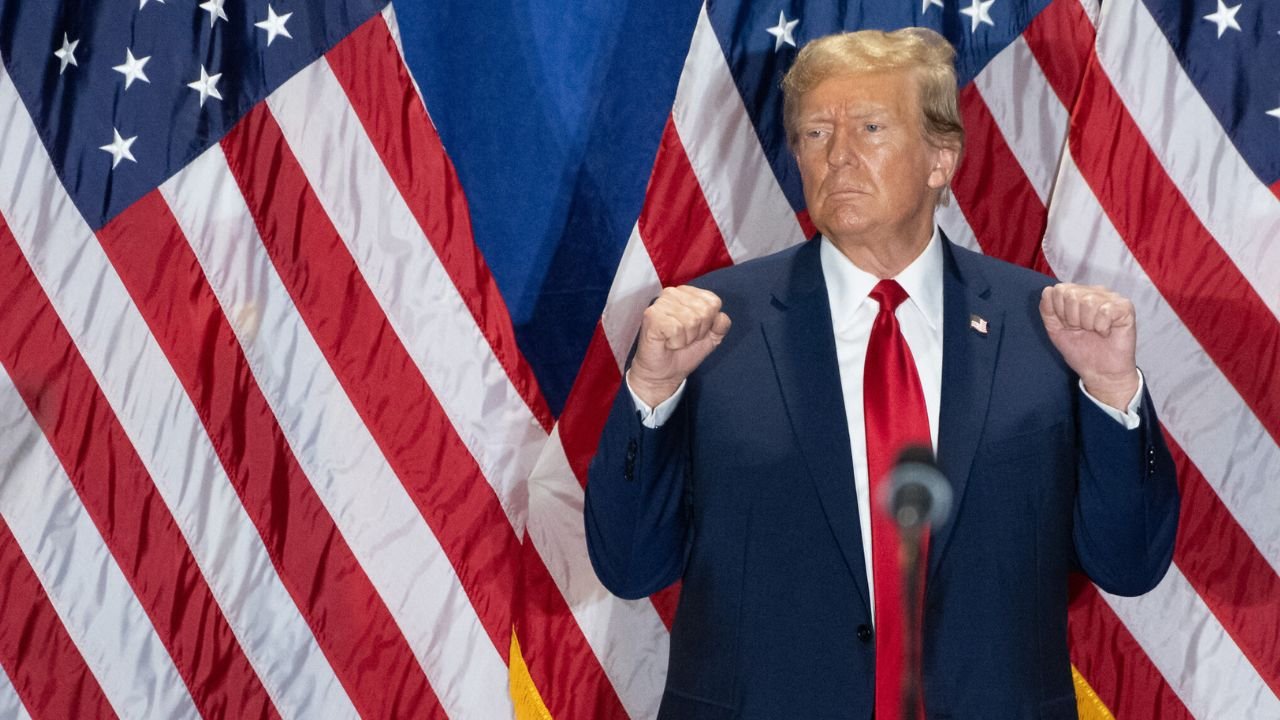
  • Trump backs Israel’s military operations in Gaza

    Trump backs Israel’s military operations in Gaza

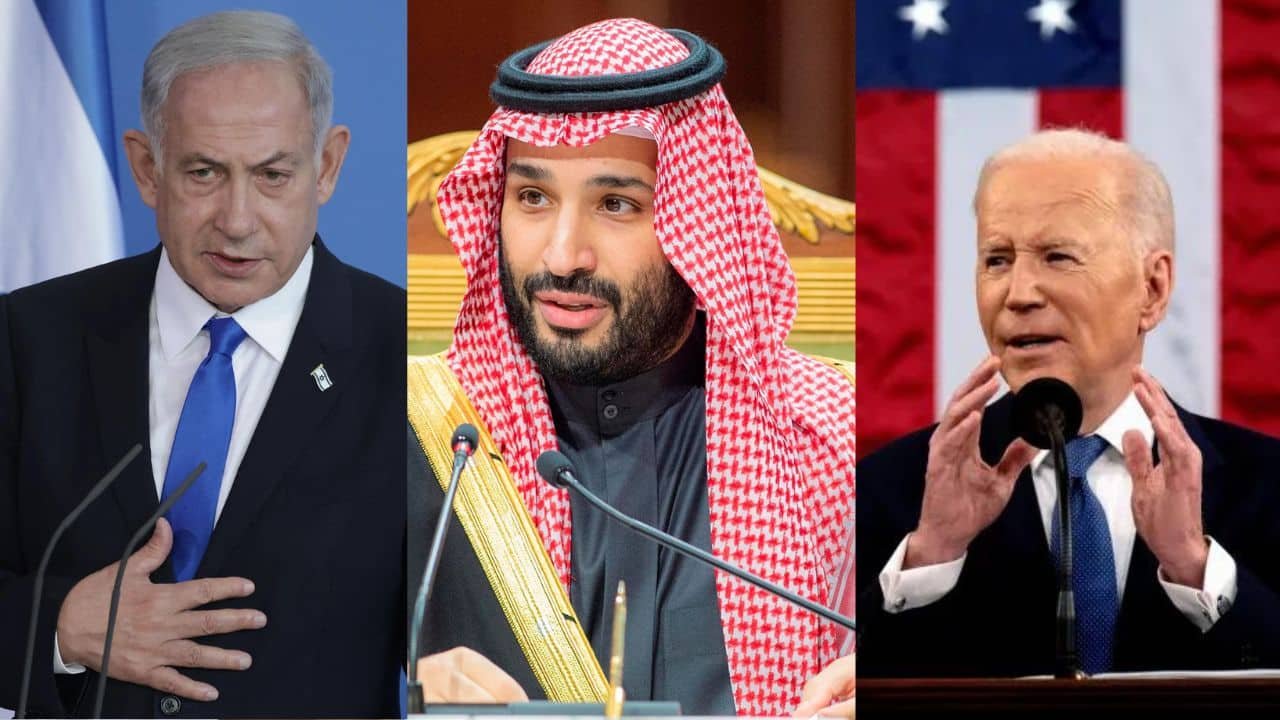
    Washington (AFP) – Republican presidential frontrunner Donald Trump expressed his support for Israel’s military operations in Gaza Tuesday, in his most explicit comments yet on the fighting, as international pressure grows on the United States to rein in its ally.

    “Yes,” Trump responded, when asked during an interview on Fox News if he was “in Israel’s camp.”

    The interviewer then asked if the former president was “on board” with the way Israel was executing its offensive in Gaza.

    “You’ve got to finish the problem,” Trump responded.

    President Joe Biden, whom Trump is set to challenge for the White House in November, has come under increasing fire both internationally and from his own Democratic base over his backing for Israel as the death toll in Gaza soars and the specter of famine looms.

    Israel’s disproportionate retaliatory offensive in the Gaza Strip has killed 30,534 people, mostly women and children, according to the health ministry.

    US protest movements have urged voters to punish Biden at the polls over his support for Israel. More than 100,000 people in Michigan voted “uncommitted” rather than cast their ballot for him in the US swing state’s Democratic primary last week.

    As conditions deteriorate, Israel is facing an increasingly sharp rebuke from its top ally the United States.

    Vice President Kamala Harris expressed “deep concern about the humanitarian conditions in Gaza” during talks in Washington on Monday with Israeli war cabinet member Benny Gantz.