Blog

  • ‘We will vote for PML-N on our own terms’: Bilawal Bhutto

    ‘We will vote for PML-N on our own terms’: Bilawal Bhutto

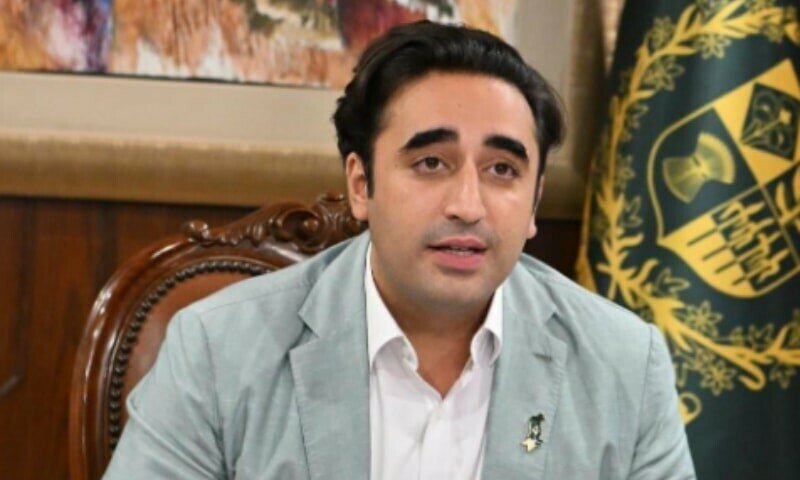
    Pakistan Peoples Party (PPP) Chairman Bilawal Bhutto Zardari has said that his party will vote for Pakistan Muslim League-Nawaz (PML-N) “on our own terms.”
    “Progress [in talks] can only be made if ‘someone’ is willing to change their position […] We stand by our position and will not change it,” Bilawal said without naming PML-N.

    He spoke to the media outside the Supreme Court (SC) on Tuesday afternoon after attending the hearing of a presidential reference challenging the death sentence of his grandfather, former Prime Minister Zulfikar Ali Bhutto.

    Bilawal’s remarks come as the coordination committees of the PML-N and PPP are set to hold a sixth meeting today to reach an agreement over the formation of the future government after both parties failed to secure National Assembly (NA) seats in sufficient numbers to form their government in the Centre.

  • Are populism & cults detrimental to democracy?

    Are populism & cults detrimental to democracy?

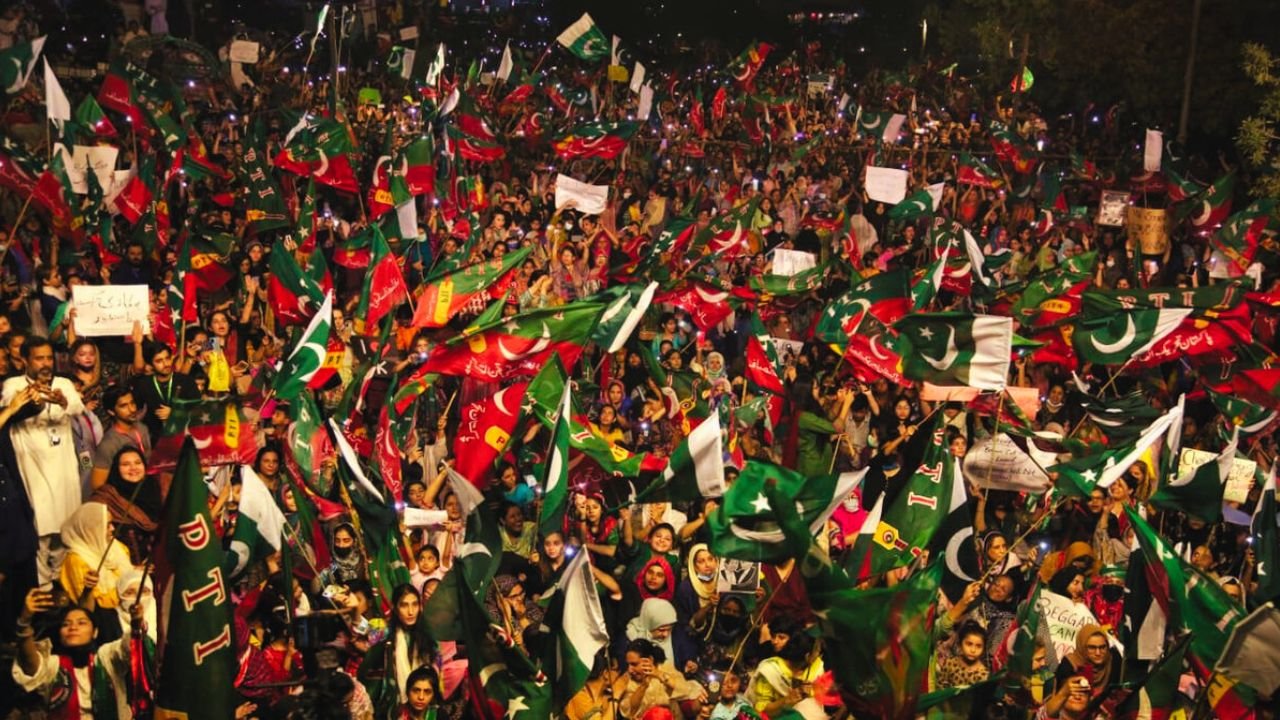
    Pakistani elections have proved to be an interesting study as we see the party that was unable to campaign come out strong even in a splintered state. Election results have once again hit false narratives of traditional parties as voters voted for a leaderless group of independents only because Imran Khan’s PTI supported them. This has revealed the will of the majority that are a direct hit at Pakistan’s political dynasties giving them a wakeup call to change what they are doing.

    Given a chance, the voter actually wants a change, and not necessarily Imran Khan and PTI which are the only options from the traditional parties. There are many reasons why voters opted for the independents but could cult following be one of them?

    Has Pakistan voted on populism, due to cult mentality or because they want a change?

    Most voters might feel offended and declare that their votes were cast to change the status quo and for a better future. But can they answer why they made the choice – really made the choices they did in 2024?

    If you ask voters why they didn’t vote for the major parties, some will say so and so party didn’t deliver in the past despite being in power for X number of years and they want to bring change. A logical reason. Why should voters vote for someone they know may probably not do anything if put back into power again?

    However, other voters will keep voting for the same parties they have been for decades based on a personality or family name. These voters are not concerned about what the party or leader has delivered; they are loyal no matter what.
    So, is Pakistani politics a form of political cult?

    It would seem so, as most parties are based around personalities and/or family names. Each one has a major poster personality without which the party loses its importance. For example, PMLN is Nawaz Sharif; PTI is Imran Khan; MQM was Altaf Hussain; PPP is Bhutto and Bibi.

    Remove any of these people or in PPP’s case the Bhutto name, will these parties survive? Well, recently we have seen the once formidable MQM crumble after its leader Altaf Hussain was removed. Similar predictions were made when Imran Khan was jailed, and we did see the party lose its momentum in the initial days of the PTI’s leader’s imprisonment.

    It was too early to extract Imran Khan from the political scenario since his ‘legacy’ was still strong among the followers who were grieving the loss of their party and the treatment of their beloved leader. Certain ill-timed decisions and steps by the powers that be right before elections didn’t help their efforts to make PTI and its leader redundant and instead backfired, ending up motivating his already devoted voters.

    Cult politics is a dangerous trend in a vulnerable country like Pakistan where democracy hasn’t been allowed to take root properly. Political cults are as dangerous as dictatorships. These cults revolve around the same orbit no matter what and continue to support the status quo without considering the short and long-term consequences.

    In his 2021 Oped “Why personality cults and democracy don’t mix” in The Washington Post, Brian Klaas – associate professor of global politics at University College London and the host of the award-winning Power Corrupts podcast – wrote:

    “At the extreme end, cults of personality are not just dangerous; they’re also absurd. As strange as they might seem, however, cults of personality are a rational mechanism to enforce control. They serve as loyalty tests that sort zealots from dissenters. Sometimes, they can be reasonably innocuous. But they morph into a dangerously authoritarian phenomenon when two criteria are met. First, if party members are required to publicly idolize a single political figure to be fully accepted, you have a problem. Second, if party members are punished for refusing to publicly parrot lies on behalf of that figure, things have gotten out of control.”

    Cults are defined as a “usually small group devoted to a person, idea, or philosophy” (Britannica). It is a movement based usually on religious beliefs opposing the dominant party or ideology however some studies show that the cults were integrated into the society. Sometimes other factors apart from religion are the driving force in cults.

    Other definitions explain cults as a group that has come together by a common ideological system based on a ‘we-they’ philosophy that has been developed and encouraged by a charismatic leader. The followers are in an echo chamber to drown out all other opinions and voices, they may be socially isolated from non-members including family to ingrain the cult’s doctrine into minds and the cult leader may be seen as a parental figure.

    It is interesting to know that “one of the most prominent Roman cults was the imperial cult, which was dedicated to the worship of deceased and deified Roman emperors and their deified family members. Imperial cult worship reinforced the power of the dominant political system, and most or all of pre-Christian Roman society had some degree of membership in it”.

    In an article published in The New York Times (1982 by Glenn Collins) ‘The Psychology of the Cult Experience’ Margaret T. Singer a professor of psychology at the University of California, Berkeley said: ”The techniques of many cults fall under the general rubric of brainwashing. Consciously and manipulatively cult leaders and their trainers exert a systematic social influence that can produce great behavioural changes.”

    Experts outline some signs of cultic behaviour which may lead to or are shared by autocratic leaders. Cults may propagate concentration in a single person, the leader of the party or group using constant propaganda that resonates with the many people who eventually become followers. The cults develop rallies or festivals to keep the followers devoted to the leader and engaged through discussions (or speeches) of simple solutions that may or may not be practical and workable. These cults identify someone to blame and keep repeating this until this becomes the mantra and then the belief of the followers.

    The followers believe only their leader is the one who can save them and others, and despite demanding democracy and rights, they are in danger of crossing the invisible line and accepting authoritarianism.

    Populism and political and religious cults have done more damage to the country’s democracy hence the stability and economic prosperity. Democracy which is still in its nascent stage as the country sweeps through one nazuk dor (delicate time) after another, will survive and hopefully prosper as the country achieves some form of stability in the future.

    Pakistan still needs to experience real democracy despite its dictators, autocrats, and democrats and although this is a long and arduous journey it will hopefully achieve this goal as the few but strong democratic voices keep speaking up for basic human rights regardless of a person’s affiliation.
  • UN experts urge probe of Israeli abuses of Palestinian women, girls

    UN experts urge probe of Israeli abuses of Palestinian women, girls

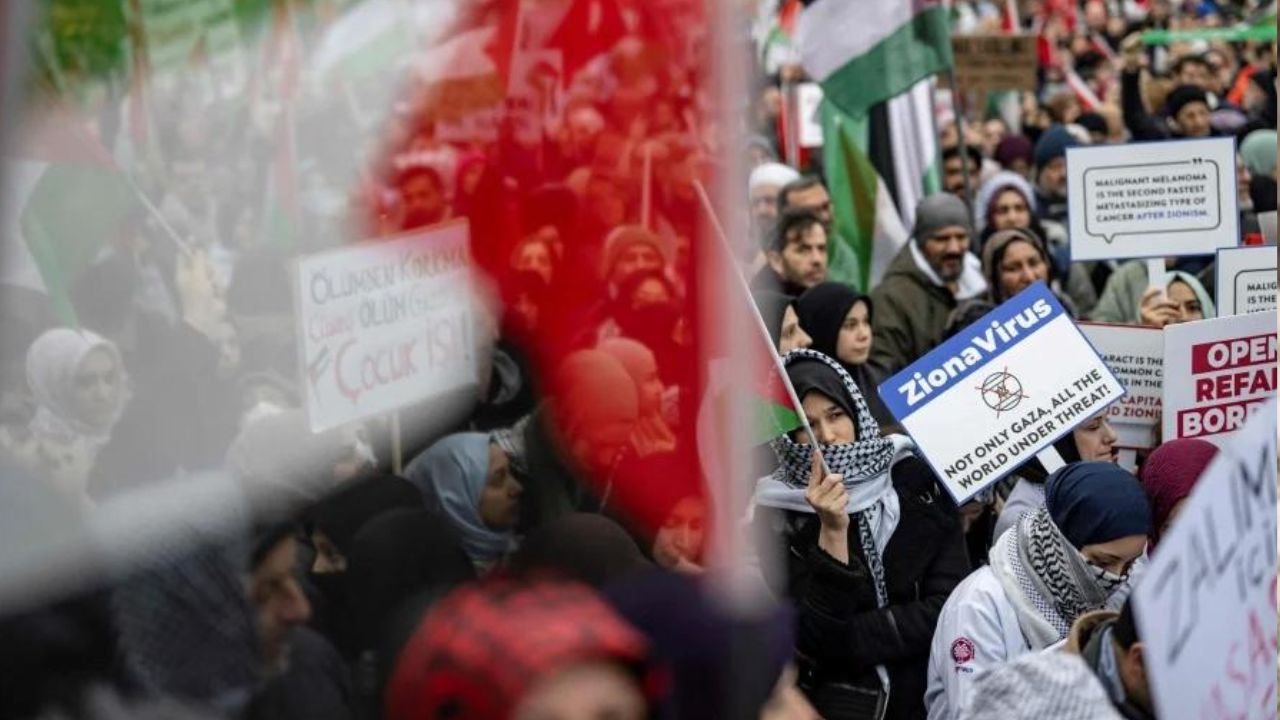
    Geneva, Switzerland – UN rights experts called Monday for an independent probe into alleged Israeli abuses against Palestinian women and girls, including killings, rapes and sexual assault.

    The statement by the seven independent UN experts prompted an angry reaction from Israel, which rejected the “despicable and unfounded claims”.

    The experts voiced alarm at “credible allegations of egregious human rights violations” targeting women and girls in the Gaza Strip and the West Bank.

    They cited reports of women and girls reportedly being “arbitrarily executed in Gaza, often together with family members, including their children”.

    “We are shocked by reports of the deliberate targeting and extrajudicial killing of Palestinian women and children in places where they sought refuge, or while fleeing,” they said.

    The independent experts, who are appointed by the UN Human Rights Council but who do not represent the United Nations, also pointed to the “arbitrary detention of hundreds of Palestinian women and girls”, including human rights defenders, journalists and humanitarians.

    They said many of those detained had reported been subjected to “inhuman and degrading treatment”, including severe beatings and being denied menstrual pads, food and medicine.

    They voiced particular alarm at reports of “multiple forms of sexual assault”, including reports of rapes of at least two female detainees, while others were “stripped naked and searched by male Israeli army officers”.

    Israel’s assault on Gaza has killed more than 29,000 people, mostly women and children, according to the health ministry.

    The experts called for an “independent, impartial, prompt, thorough and effective investigation” into the allegations, urging Israel to cooperate.

    The Israeli mission in Geneva dismissed the statement saying the experts were “motivated by their hatred for Israel, not by the truth”.

    It said Israeli authorities had received no complaints, but stood ready to investigate any “concrete claims of misconduct by its security forces when presented with credible allegations and evidence”.

  • UC Chairman shot dead in Karachi over children dispute

    UC Chairman shot dead in Karachi over children dispute

    A UC Chairman was killed as a result of firing between two groups over the issue of children in Bhitaiabad, Karachi.

    The incident followed a fight among children in Bhataiabad Street No. 19, during which people from two groups fired at each other, as a result of which one person was killed and six people were injured, reports Geo News.

    According to the police, the deceased person was identified as Sabir Magsi, chairman of UC-9 from Pakistan Peoples Party.

    As soon as the incident was reported, a heavy contingent of police and rescue personnel reached the spot and shifted the injured to the hospital.

    Counselor Shaukat Nazir told the media that the victim was a businessman and had left behind a widow and two children. “The victim was with me sometime before the incident and was killed by a bullet in the neck,” he said.

    Shaukat Nazir further elaborated that the incident took place during a children’s fight. He asserted that the administration will take legal action after the burial.

  • Palestinian mother allowed to bring daughter to Canada two weeks after death

    Palestinian mother allowed to bring daughter to Canada two weeks after death

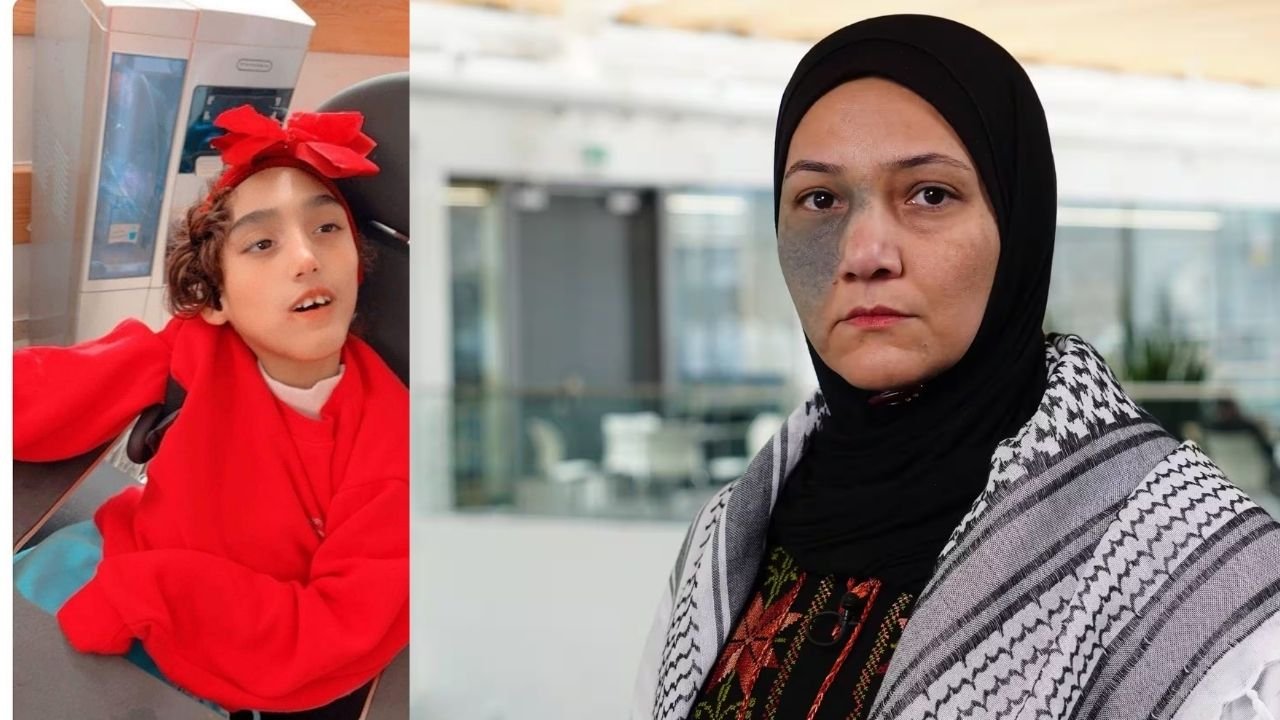
    Samar Elkhadour, a Palestinian woman who had been trying to get her daughter Jana out of Gaza, for the past several years. She finally got the call from Global Affairs Department of Canada allowing her daughter with special needs to immigrate to Canada, two weeks after her death. The news was featured in CBC Montreal News.

    Jana was born with severe cerebral palsy and was living with Samar’s in-laws in Gaza. Samar was living in Canada and was trying to get her daughter to join her as she dealt with Jana’s immigration process. Jana died on January 8 – four days after her 13th birthday – in Gaza, due to malnutrition and lack of medicine and two weeks later, Samar got the green light from the Canadian government to bring her but it was too late.

    Samar talked to host Debra Arbec in a show and spoke her heart out. She shared how she had hoped to give her daughter the comfort she deserved had she been allowed to move in with her family. She along with her husband and other children left Gaza back in 2017 as a refugee but the immigration bureaucracy in Canada did not help them at all. Back then, her daughter was relatively safe because the escalation was not spiking. However, after October 7, she decided to move her to a church because she thought she’d be safe there under international law. “What happened after that, the Church was surrounded by tanks and snipers and there were restrictions on the entry of food,” Samar related with teary eyes, “Jana could only have soft food and since it is a war, this is a privilege”. Her health deteriorated and because she was not given proper medication she passed away.

    When the interviewer asked about the time she got to know about the green light to bring her daughter to Canada, Samar replied, “I laughed, because it’s ridiculous. It was a child’s life at stake.”

    The two then went on to discuss the immigration process in Canada and Samar highlighted the double standards of the process especially with Palestinians. She stressed the immediate need of a ceasefire.

  • Senator Mushtaq Ahmed demands resignation from Chief Election Commissioner Sikandar Raja

    Senator Mushtaq Ahmed demands resignation from Chief Election Commissioner Sikandar Raja

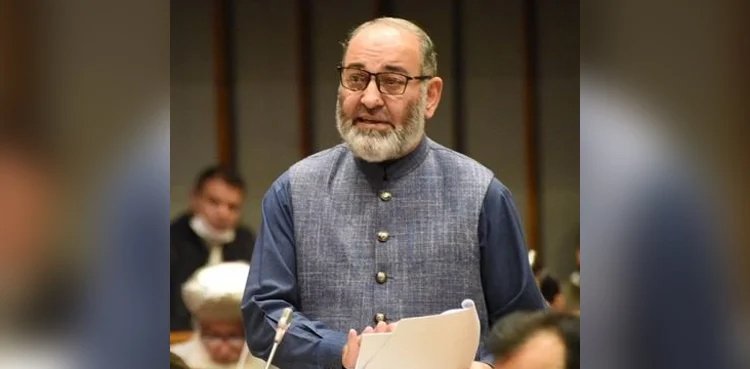
    Jamaat-e-Islami (JI) Senator Mushtaq Ahmed has demanded that Chief Election Commissioner (CEC) Sikandar Sultan Raja resign from his post as he didn’t fulfil his responsibility to conduct free and fair elections in the country.

    While addressing the senate, he said that the February 8 elections were fake and that they will not accept the fake government as the result of these rigged elections.

    Senator Mushtaq Ahmed then accused the Election Commission of Pakistan (ECP) of committing treason and suggested that the electoral body should apologise to the nation for its actions.

    “Legal proceeding should be carried out against the CEC under Article 6 of the constitution, for the ECP was given Rs 50 billion from the national exchequer but it failed to hold transparent polls,” he alleged.

    The JI senator also said that the money wasted in the name of elections should be returned and a case should be lodged against CEC Sikandar Sultan Raja.

  • Pakistan grapples with 23% surge in power generation costs amidst economic woes

    Pakistan grapples with 23% surge in power generation costs amidst economic woes

    In a startling development, the cost of power generation in Pakistan has surged by a staggering 23 per cent in January 2024, compared to the same period last year, reports the brokerage house Topline Securities.

    The average cost per kilowatt-hour (KWh) soared to Rs13.8, marking a significant increase from Rs11.20/KWh recorded in January 2023.

    The substantial hike in costs is attributed primarily to elevated expenses in power generation from gas and nuclear sources, which witnessed a spike of 43 per cent and 24 per cent, respectively, on a yearly basis. Moreover, the fuel cost for furnace oil (FO) also surged by 22 per cent year-on-year, according to data from Topline Securities.

    This surge comes as a severe blow to the populace, which is already grappling with high inflation and sluggish economic activity. Rising electricity bills have compounded the financial burden on citizens.

    In terms of power generation, Pakistan witnessed a marginal decline of over 2 per cent in January 2024 compared to the same period last year, with total generation amounting to 8,313 GWh (11,175 MW).

    The decline in power generation was predominantly due to a decrease in coal-based generation, which plummeted by 20 per cent year-on-year. Gas and wind power generation also witnessed declines of 10 per cent and 55 per cent, respectively.

    However, there was a 9 per cent increase in power generation on a monthly basis, indicating some fluctuation in the generation patterns.

    Coal emerged as the primary source of power generation in January 2024, constituting 23.4 per cent of the total generation mix, surpassing nuclear and RLNG (re-gasified liquid natural gas). Nuclear energy accounted for 20.8 per cent of the overall generation, while RLNG contributed 18.2 per cent.

    Renewable sources like wind, bagasse, and solar collectively made up a modest portion of the generation mix, indicating a potential for further development and investment in sustainable energy solutions.

    Overall, the surge in power generation costs coupled with a slight decline in generation highlights the challenges facing Pakistan’s energy sector and underscores the need for strategic measures to ensure an affordable and sustainable power supply in the country.

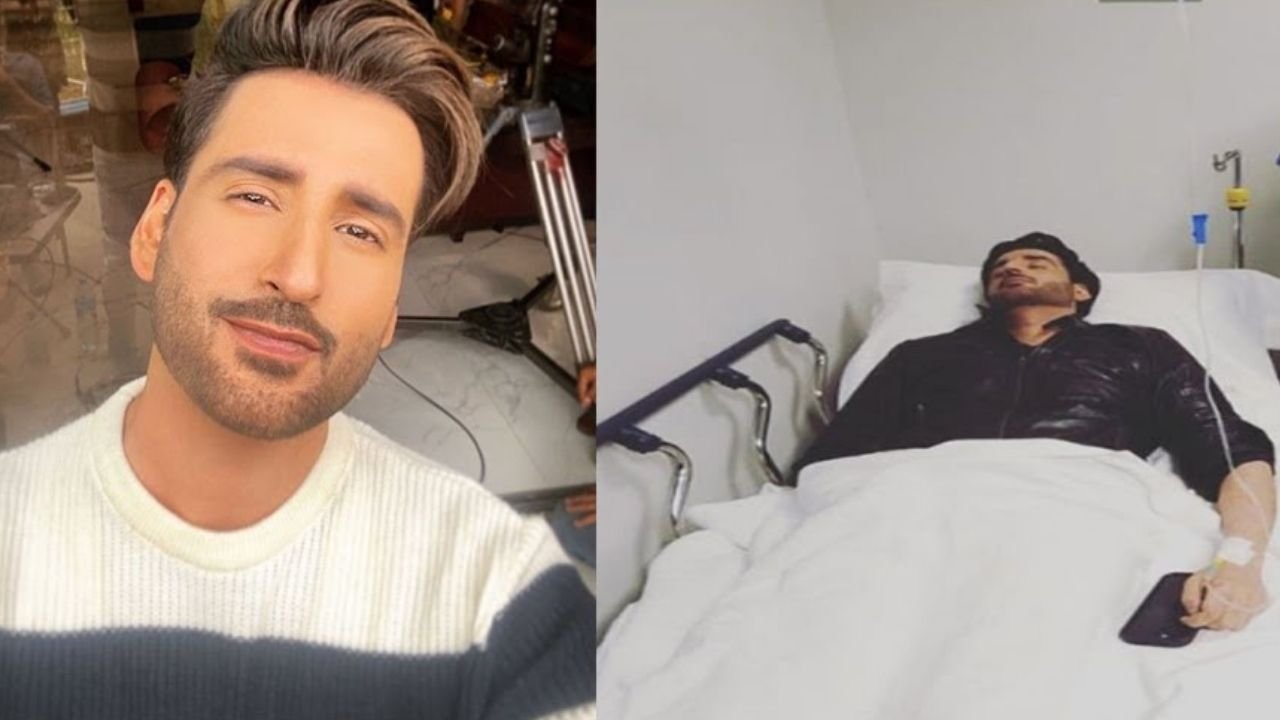
  • Agha Ali rushed to hospital after wrapping up show

    Agha Ali rushed to hospital after wrapping up show

    Well-known actor Agha Ali has appealed to his fans to pray for his recovery.

    He put up a photo on his Instagram story where he can be seen lying in a hospital bed with a drip hooked onto his arm. In the caption he wrote, “I finished the show even though I had a high fever, and then I went directly to the hospital.”
    He addressed his fans, saying, “I need your prayers.” Lastly, he thanked his fans and said, “No matter what, I’ll always do my best to improve.”

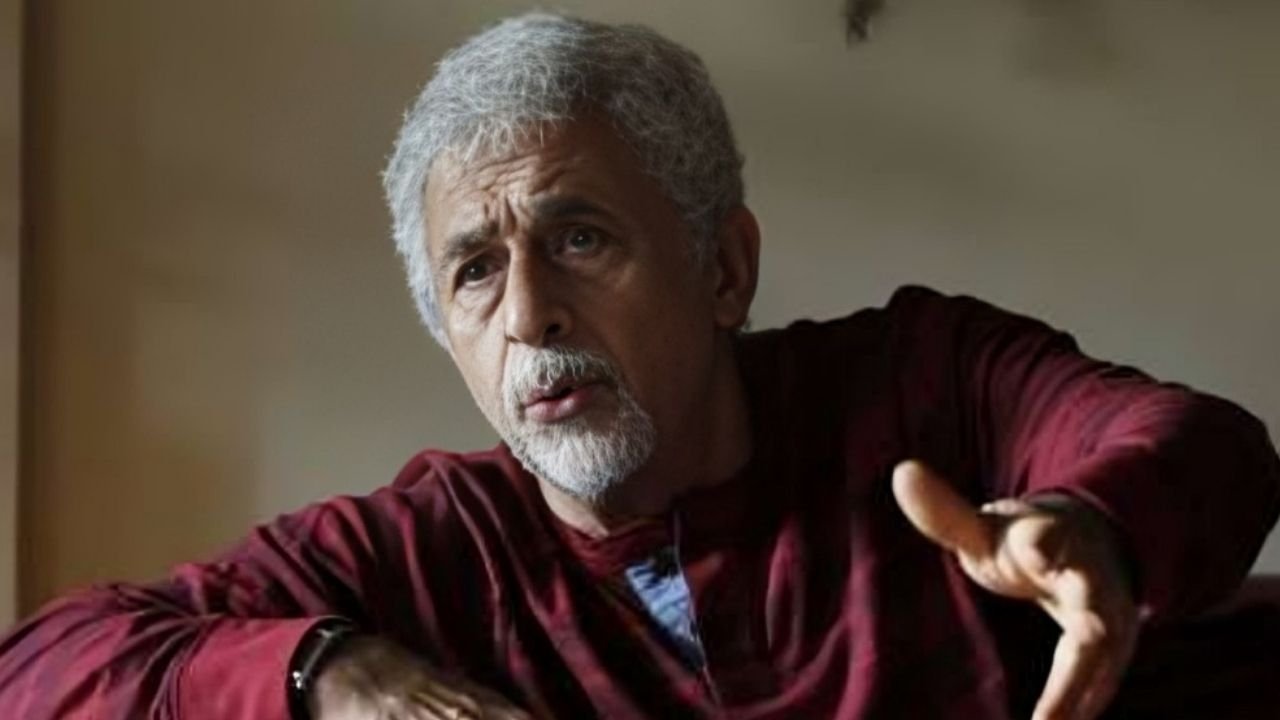
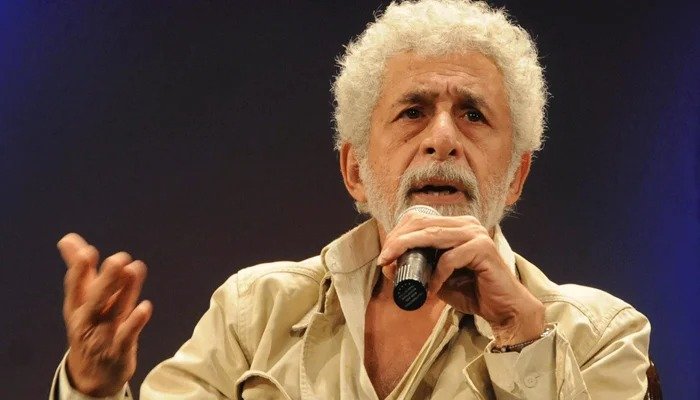
  • Why has Nasiruddin Shah stopped watching Bollywood movies?

    Why has Nasiruddin Shah stopped watching Bollywood movies?

    Veteran Bollywood actor Naseeruddin Shah recently shared that he’s stopped watching Bollywood movies, expressing disappointment with the repetitiveness of the stories.

    “I don’t like the same old stories at all, that’s why I stopped watching Hindi films,” he said in an interview. He pointed out that while Indian food is widely loved for its rich content, the same cannot be said for Hindi films. According to him, Indian films lack good content, causing even Indians living abroad to tire of them quickly.
    Shah advised Indian filmmakers to tackle serious topics responsibly, ensuring they reflect contemporary realities without facing censorship or bans. He cited examples of Iranian filmmakers and Indian cartoonist RK Laxman, who continued their work despite challenges from authorities. He emphasized the need for Bollywood to learn from such examples and elevate its storytelling.

  • ‘Meri Age, Meri Marzi’; Iffat Omar has had enough

    ‘Meri Age, Meri Marzi’; Iffat Omar has had enough

    In the entertainment world, women often get treated unfairly because of their age. Now, model Iffat Omar is speaking out against ageism, posting a video on Instagram wearing a lovely pink saree.
    In the caption, she wrote, “I’ll do what I want at my age, so you do your thing and stop telling me how to behave.” Known for her independence, she’s showing that it’s perfectly fine to be yourself, no matter your age.

    Iffat has also shared her views on feminism and politics in Pakistan, as well as her experiences in the media industry.
    She has also talked about the culture surrounding Urdu dramas in Pakistan. The ‘Berukhi’ actor mentioned facing criticism in Karachi for her Punjabi accent, limited Urdu skills, and not being fluent in English.