Blog

  • Sahiba opens up about life without her father

    Sahiba opens up about life without her father

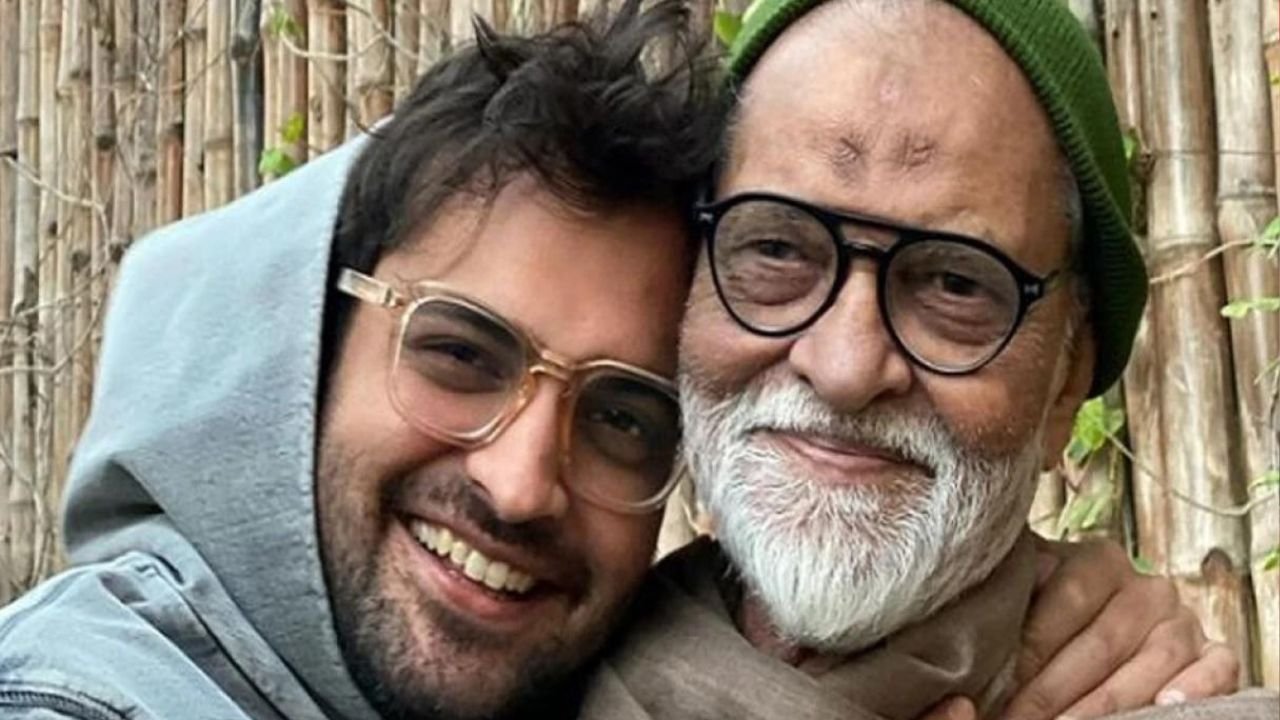
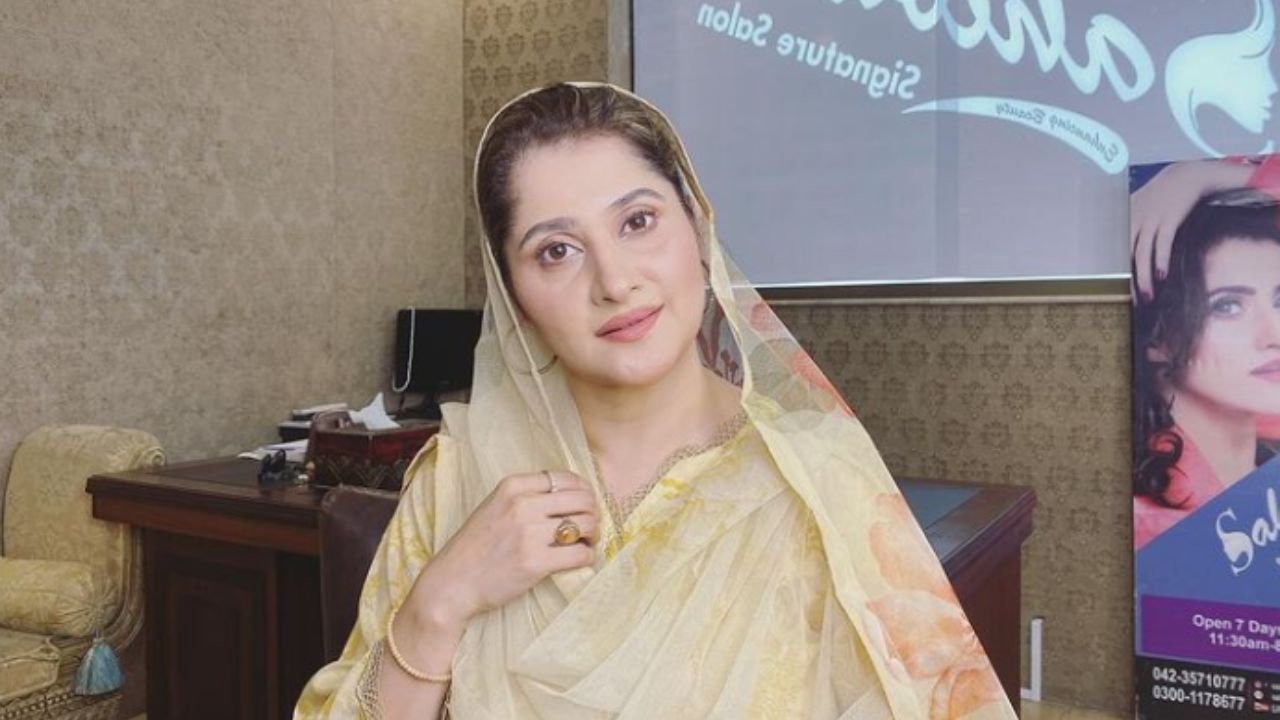
    Former actress and television host Sahiba Afzal, daughter of yesteryears’ superstar Nisho, has recently shared surprising details about her life.

    The star admitted that she has never seen or met her biological father.

    During an episode of Meri Maa, hosted by veteran actor Sajid Hasan, Sahiba said that although she never had the chance to meet her real father, she had a wonderful relationship with her step-father until he passed away.
    The ‘Kanpain Tang Rahi Hain’ actor said, “I’ve never seen or met my real father. My mother had split up with him before I was born. My step-father, who I don’t even like to call ‘step,’ because he means more to me than my biological father, gave me a lot of love and affection.”

    She added that it’s been five years since her beloved step-father passed away, and until his very last moment, she had a strong connection with him. “He was like a friend to me, someone I confided in with all my secrets, even ones I didn’t share with my mother. Because of him, I never felt the absence of a father in my life.”

    “His name was Jamal Pasha, and he used to be a pilot. He also worked for TV channels,” Sahiba explained.

    The setback of not knowing her biological father has not stopped Sahiba from enjoying success. Not only did she become an A-list star in films but also went on to have a happy marriage with Jan Rambo, and raising two sons.

  • Nawaz, Shehbaz, Hamza sher ko vote nahin dein gay

    Nawaz, Shehbaz, Hamza sher ko vote nahin dein gay

    After a hectic election campaign, prominent leaders of the Pakistan Muslim League-Nawaz (PML-N) find themselves in an a quandary, as they gear up for the upcoming general elections.

    Despite urging voters to support the party’s ‘sher’ electoral symbol, key figures within the PML-N will be unable to cast their votes for the animal on the National Assembly seat. Instead, they might vote for another animal.

    Nawaz Sharif, Shehbaz Sharif and Hamza Shehbaz, all integral figures within the PML-N, are registered to vote in NA-128, where the party has entered into a seat adjustment agreement with the Istehkam-e-Pakistan (IPP) party.

    Interestingly, in NA-128, the PML-N has decided not to field a candidate for the National Assembly seat, instead throwing their support behind IPP leader Aun Chaudhry, whose symbol is an eagle.

    However, despite this alliance, the three PML-N leaders will still exercise their voting rights for PML-N candidate,Umar Sohail in PP-161.

    The PML-N’s election strategy spans across the country, with the party contesting 212 NA constituencies on February 8, while leaving 51 NA seats open for rivals or allies.

    Notable among their candidates are Nawaz Sharif, who will be contesting in NA-15 (Mansehra) and NA-130 (Lahore), Maryam Nawaz in NA-119 (Lahore), and Hamza Shehbaz in NA-118 (Lahore). Shehbaz Sharif is set to participate in the elections from NA-123 (Lahore) and NA-132(Kasur).

    However, there are several constituencies where the PML-N has chosen not to field candidates, including NA-4 (Swat-III), NA-19 (Swabi-I), and NA-117 (Lahore-I), among others, as part of their strategic alliances and considerations for bolstering their position in the province.

    The constituencies where the PML-N has not fielded its candidates are: NA-4 (Swat-III), NA-19 (Swabi-I), NA-20 (Swabi-II), NA-21 (Mardan-I), NA-22 (Mardan-III), NA-44 (Dera Ismail Khan-I), NA-45 (Dera Ismail Khan-II), NA-48 (Islamabad-III), NA-54 (Islamabad-III), NA-64 (Gujrat-III), NA-88 (Khushab-II), NA-92 (Bhakkar-II), NA-117 (Lahore-I), NA-128 (Lahore-XII), NA-143 (Sahiwal-III), NA-149 (Multan-II).

    Moreover, the candidates are also not contesting on NA-165, NA-185, NA-190 to NA-204, NA-206 to NA-210, NA-212, NA-214, NA-215, NA-217, NA-218, NA-221, NA-223, NA-224, NA-228, NA-239, NA-245, NA-264 and NA-266.

    The former ruling party, in its bid to strengthen its position in the province ahead of the upcoming elections, had entered a seat adjustment agreement with Jahangir Tareen’s IPP.

  • Azerbaijan’s president contesting for fifth term in re-election

    Azerbaijan’s president contesting for fifth term in re-election

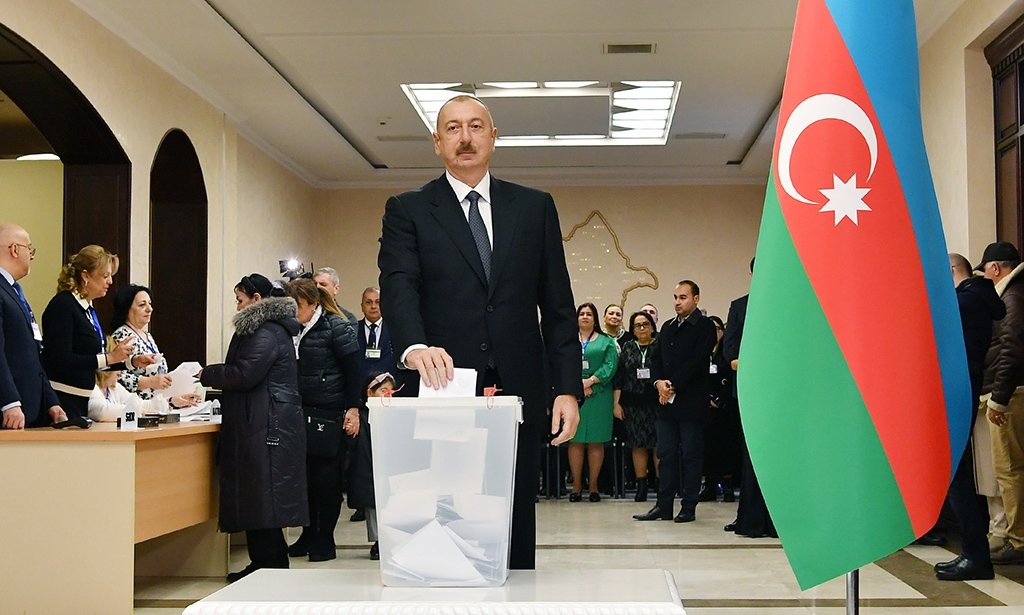
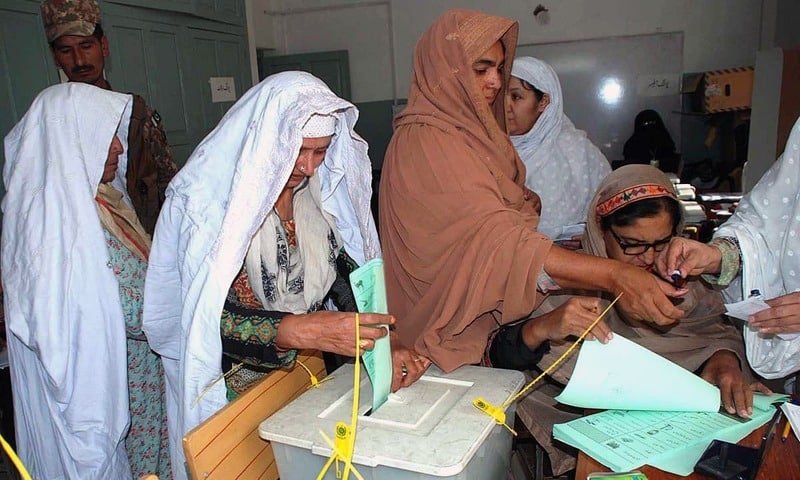
    Azerbaijanis were voting in snap presidential elections on Wednesday, with a fifth term for Ilham Aliyev seen as a foregone conclusion after Baku’s historic victory over Armenian separatists.

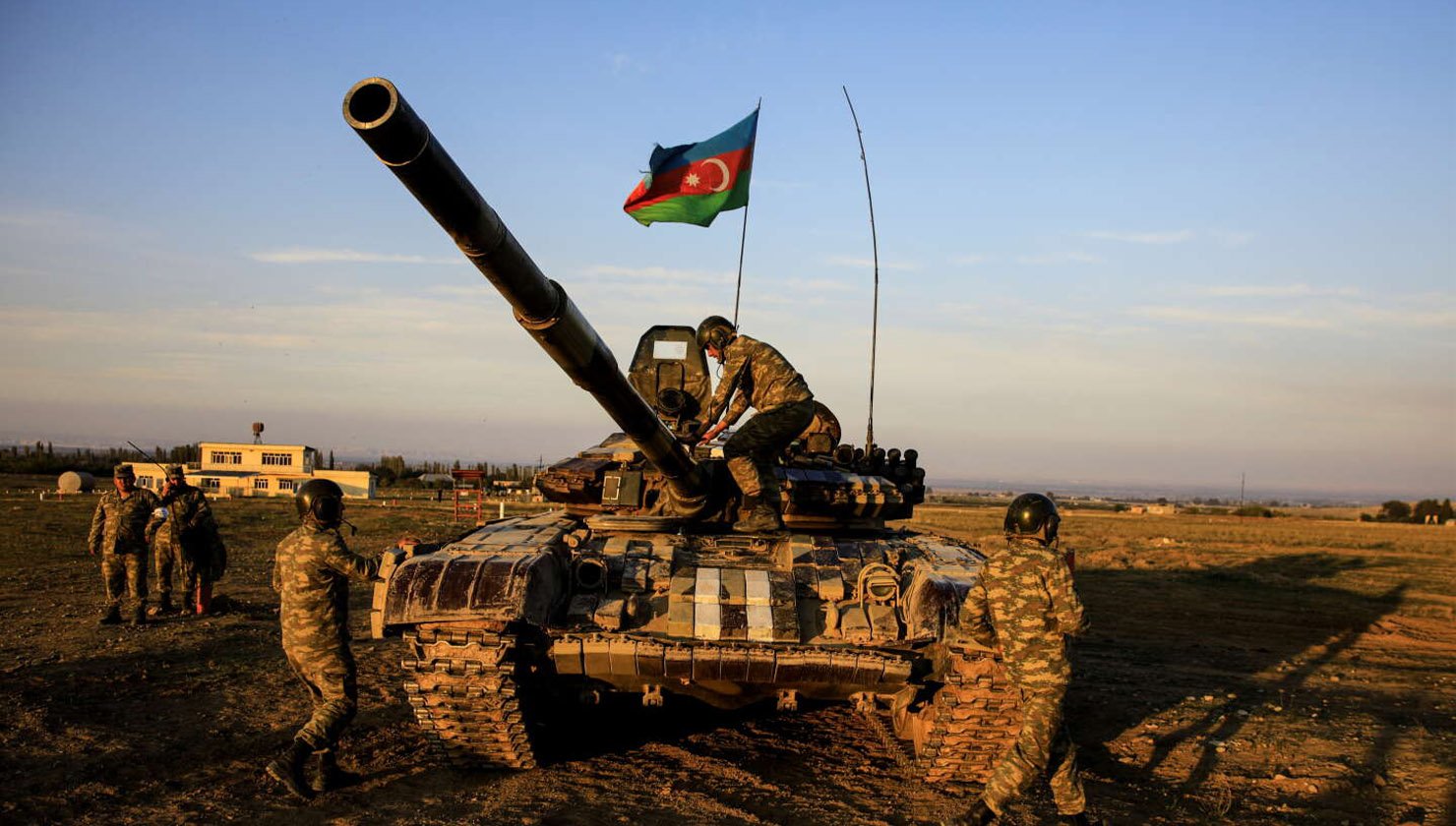
    A crackdown on independent media and the absence of any real opposition have boosted the certainty of an easy win for Aliyev, whose troops recaptured the Nagorno-Karabakh enclave in September.

    The oil-rich nation’s main opposition parties are boycotting the vote, which one opposition leader, Ali Kerimli of the National Front party, called an “imitation of democracy.”

    “There are no conditions in the country for the conduct of free and fair elections,” he said.

    The six other candidates who are running are little-known and have been busy praising Aliyev as a great statesman and a victorious commander-in-chief since he announced the elections in December, a year ahead of schedule.

    The country’s Central Election Commission said turnout stood at 38.6 percent by noon, four hours after polls opened.

    In a symbolic gesture, the president and first lady Mehriban Aliyeva went to Karabakh to cast their ballots in the region’s main city of Khankendi.

    For the first time in Azerbaijan’s post-Soviet history, 26 polling stations opened in Karabakh, which has been largely deserted after its entire ethnic-Armenian population — more than 100,000 people — fled to Armenia after Baku’s takeover.

    At a polling station in central Baku, pensioner Shalalya Abbasova, 68, said she cast her ballot for Aliyev because he “did what seemed impossible — accomplished our dream, liberated the occupied territories.”

    ‘Escalating crackdown’

    But another Baku resident, 32-year-old IT specialist Ismet Bagirov, said he decided not to vote as “there is nobody to vote for, there are no alternative candidates”.

    “I know many will vote for Aliyev today because he liberated Karabakh. I thank him for this, but there are fundamental issues in the country that remain unresolved.”

    Last month, Aliyev called the Karabakh victory “an epochal event unparallelled in Azerbaijan’s history”.

    “The elections will mark the beginning of a new era” for the country, he said, adding that the country would hold presidential elections on all its territory for the first time.

    “The outcome of Wednesday’s elections in Azerbaijan is known beforehand, Aliyev is set to win,” said independent analyst Ghia Nodia of the Caucasus Center for Strategic and International Studies.

    “There is no suspense whatsoever in these elections without a slightest sign of competitiveness.”

    Supporters have praised Aliyev for turning a country once thought of as a Soviet backwater into a flourishing energy supplier to Europe.

    But critics say he has crushed opposition groups and suffocated independent media.

    “All fundamental rights are being violated in the country, opposition parties can’t function normally, freedom of assembly is restricted, media are under government pressure, and political dissent is being suppressed,” said Kerimli of the National Front.

    In recent months, Azerbaijani authorities have intensified pressure on independent media outlets, arresting several critical journalists who have exposed graft at high levels.

    “The escalating crackdown by Azerbaijani authorities ahead of the elections is not just an attack on individual rights, it’s a widespread, coordinated assault on civil society and the rule of law,” Amnesty International said on Tuesday.

    Dynastic rule

    Aliyev, 62, was first elected president in 2003 after the death of his father Heydar Aliyev, a former KGB officer who had ruled Azerbaijan since 1993.

    He was re-elected in 2008, 2013 and in 2018, with 86 percent of the votes.

    All the elections were denounced by opposition parties as rigged.

    In 2009, Aliyev amended the country’s constitution so he could run for an unlimited number of presidential terms, a move criticised by rights advocates who say he could become president for life.

    In 2016, Azerbaijan adopted controversial constitutional amendments that extended the president’s term in office to seven years from five.

    Cementing the decades-long dynastic grip on power, the president has appointed his wife Mehriban Aliyeva as first vice president.

    Around six million voters are registered for the election monitored by observers from the Organisation for Security and Cooperation in Europe (OSCE).

  • Actor Asad Siddiqui’s father passes away

    Actor Asad Siddiqui’s father passes away

    Actor Asad Siddiqui’s father and father-in-law of actress Zara Noor Abbas, passed away last night at the age of 85.

    The star took to his Instagram and shared the sad news. “Last night (February 6) I dug up my canopy, my courage, my strength and my everything. We have lost our father, the most powerful pillar of our family.”

    He wrote, “It is with great regret that we are telling you that Abu is no longer with us. His departure has created a huge void in our lives and we are deeply saddened.”

    Asad wrote that his father’s presence was a beacon for the family, calling him “an unconditional pillar of love, wisdom and courage for us.”

    Sharing another Instagram story, he wrote that the funeral prayers will be offered in the local mosque of DHA area of Karachi tomorrow (Thursday) after noon prayer.

    He requested his fans to pray for his father and his family during this difficult time.

    On the other hand, actress Zara Noor Abbas also expressed her grief by sharing a post on Instagram.

  • Salman Akram Raja’s request to show party affiliation rejected

    Salman Akram Raja’s request to show party affiliation rejected

    The Election Commission of Pakistan (ECP) has rejected the application of independent candidate Salman Akram Raja to declare his party, Pakistan Tehreek-e-Insaf (PTI) on Form 33, reports Geo.

    ECP passed a reserved decision on Salman Akram Raja’s request to declare his party on Form 33.

    Election Commission Deputy Director Law Saima Janjua announced the verdict.

    The Commission has said in its decision that Salman Akram Raja has been given the symbol of an independent candidate, but the party he belongs to cannot be given one.

  • Every man does not look at women with lust: Hira Tareen

    Every man does not look at women with lust: Hira Tareen

    Pakistani actress and model Hira Tareen has said that its not necessary that every man only looks at women with lust.
    Recently, Hira Tareen participated in the FHM, where she openly discussed various issues.

    During the program, the actress confessed, “I am a feminist, but being a feminist does not mean that women’s rights are spoken of in one tone. I was invited to participate in the women’s march but did not participate because the march serves many purposes, it is not solely for women’s rights and autonomy.”
    She said that while there is talk of equal rights for women in the country, there is also a discussion of superiority over men.
    “Violence against women is condemnable in every way, but it is also a reality that the pleasures enjoyed by women in Pakistan are nowhere to be found.”
    She clarified her point by saying that women are respected in Pakistan. “Now, if a woman goes out in bold clothes, people will definitely see her, but men looking does not always mean they see women with lust and dirty thoughts.”

    She stressed that men who leer at womenbwill also see women in a veil, hijab, or shalwar kameez in the same light.

  • Luxury Redefined: One Homes Brings Haagia Sophia Istanbul Designer ZKLD Studio to Pakistan

    Luxury Redefined: One Homes Brings Haagia Sophia Istanbul Designer ZKLD Studio to Pakistan

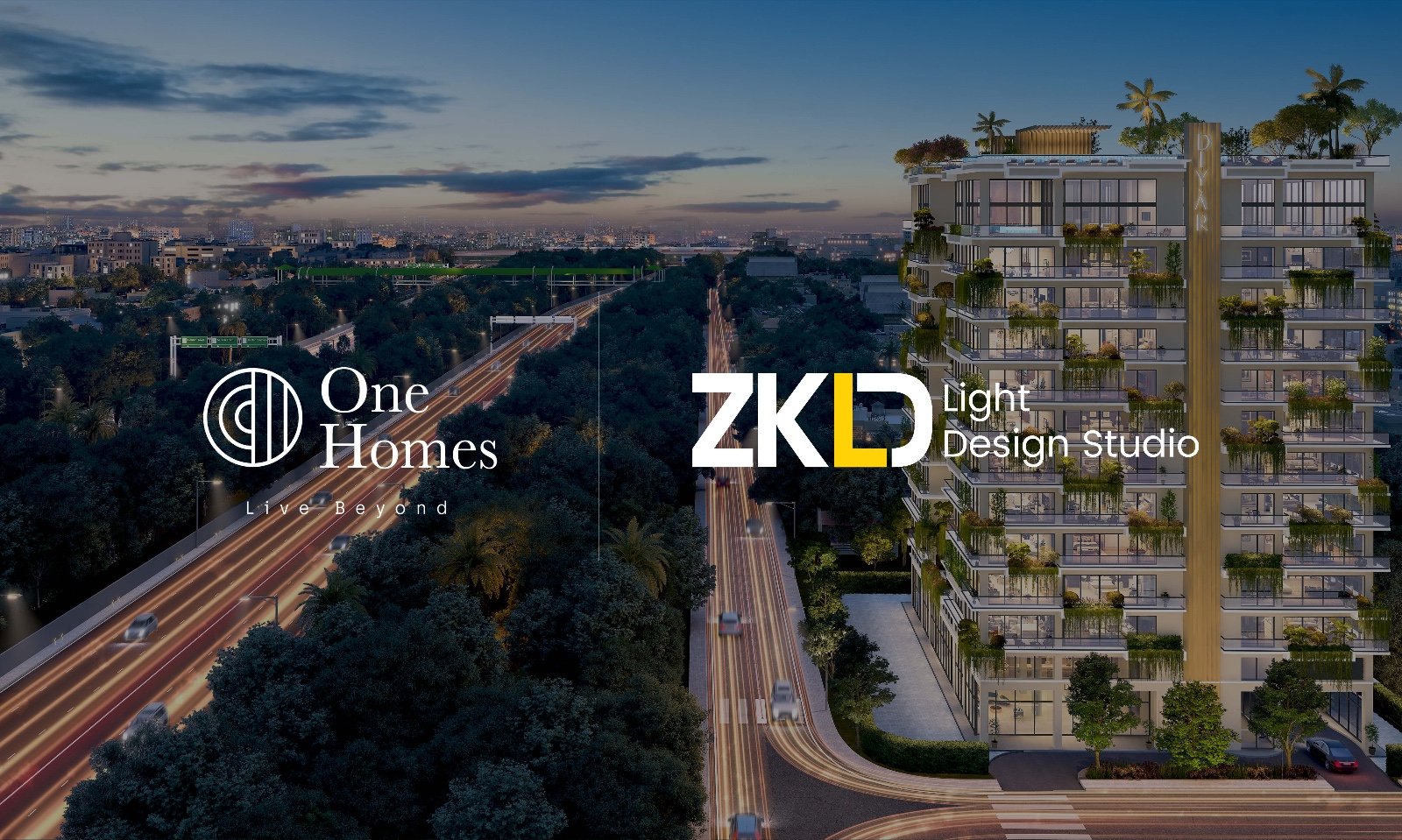
    Luxury Redefined: One Homes appoint world leading lighting design consultant ZKLD Studio for One Canal Road

    Lahore’s New Icon: One Homes bring world leading lighting designer ZKLD Studio to Pakistan. 

    Lahore, January 15, 2024: One Homes, Pakistan’s leading luxury real estate developer, in a first for Pakistan is bringing internationally acclaimed light design consultants ZKLD Studio for their landmark Lahore development, One Canal Road.

    ZKLD Studio is a world-leading design practice celebrated for its innovative use of light and darkness to enhance visual environments. With an illustrious three-decade legacy, they have completed a myriad of projects globally, from illuminating grand civic structures to creating intimate community spaces, leaving an indelible mark on the world of design. ZKLD’s collaboration with Hagia Sophia, an icon of political power, highlights their mastery in enhancing architectural marvels with lighting expertise.

    With a clientele that includes prestigious names like Rixos Hotels, Emaar, Foster + Partner, and Al-Fattan Properties, ZKLD has proven its expertise in creating captivating visual experiences, making it the perfect partner for One Homes’ ambitious vision to deliver Lahore’s new icon.

    One Homes, a pioneer in lifestyle-centric living spaces, is guided by a commitment to excellence and a customer-centric ethos. The international real estate group started their journey in Pakistan in 2017 and since then have consistently set new standards by bringing world-leading brands to Pakistan including Versace Ceramics, The Haute Interiors, Varabyeu Partners, and Savills. 

    One Homes currently has over 11.7 Million square feet of projects completed and under development across Pakistan with a Gross Development Value exceeding $500 Million.

    Mr. Aqib Hassan, Chief Commercial Officer of One Homes, expressed enthusiasm about the collaboration, stating, “While any lighting could adorn a building, we have chosen to appoint a world-leading consultant in ZKLD Studio. This decision goes beyond our initial commitment to our clients; it reflects our promise to leave no stone unturned in delivering the best. We believe that the difference between good and extraordinary lies in attention to detail, and this partnership exemplifies our dedication to exceeding expectations.”

    This exciting collaboration between One Homes and ZKLD Studio promises to infuse One Canal Road, Lahore, with a unique visual language, where light becomes an integral part of the architectural narrative. Together, they aim to create a living space that transcends the ordinary, fusing cutting-edge design with international standards to deliver an iconic landmark that captivates and inspires. Get ready for a luminous transformation that will redefine luxury living in the heart of Lahore.

    The One Group is founded by Chairman and CEO Zeeshaan Shah.

    For Further Information:https://onehomes.com/
    https://zkldstudio.com/

  • 28 killed, 40 injured in two separate blasts in Balochistan

    28 killed, 40 injured in two separate blasts in Balochistan

    At least 28 people have been killed and 40 injured in two separate blasts in Balochistan on Wednesday afternoon, just a few short hours before polling starts on election day.

    The first attack claimed at least 15 people’s lives while over 30 were injured after an explosion took place outside an independent candidate’s office in Balochistan’s Pishin. The second blast took place outside a Jamiat Ulema-e-Islam Fazl (JUI-F) office in the Killa Saifullah district.
    The Pishin blast happened outside the political office of independent candidate Asfand Yar Khan Kakar in the Khanozai area.

    Injured people have been shifted to the Tehsil Hospital Khanozai, while the bodies have also been transferred, the hospital’s MS Dr Habib told Geo News.

  • The ever-looming threat of disinformation in Pakistan

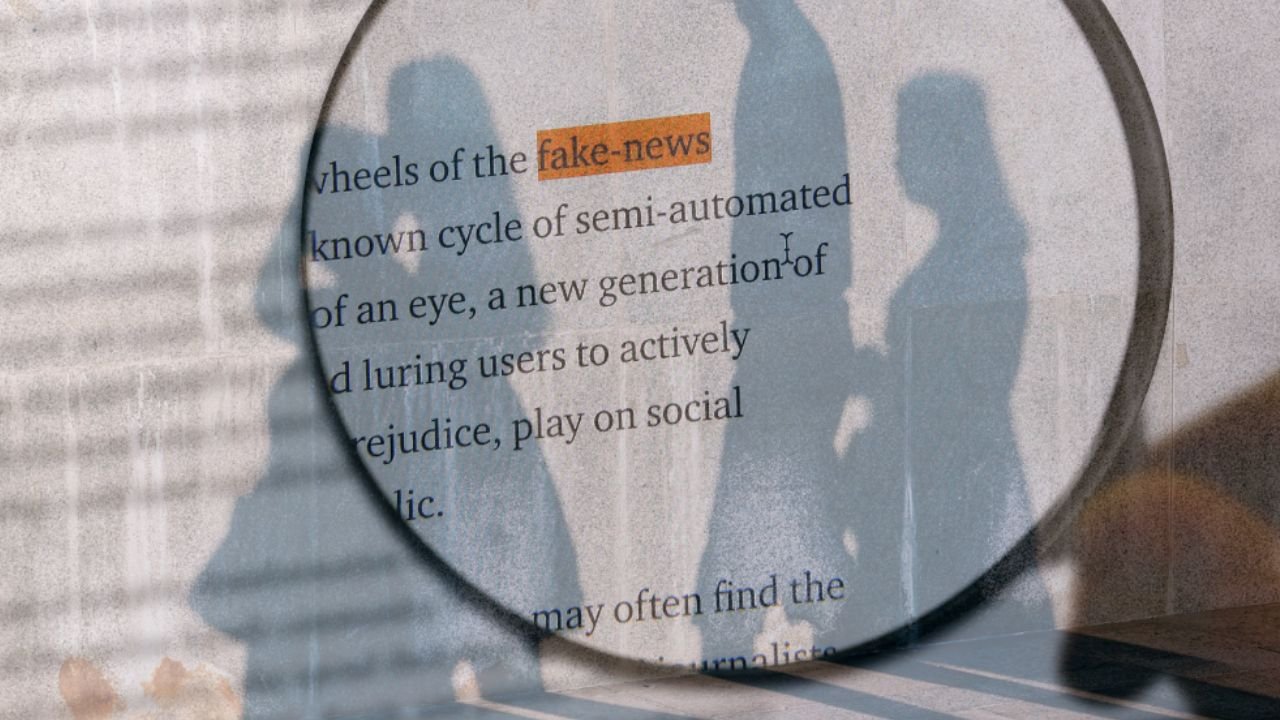
    The ever-looming threat of disinformation in Pakistan

    2024 is surely the most significant global election year in history so far as about 60 countries around the world will hold elections.

    Eyes are on major economies like Russia, India, USA, United Kingdom, and European Union that will also determine the alteration of the geopolitics of the next decade.

    But looming over the polls like a dark cloud is one danger that democracies are, or should be, wary of.

    The World Economic Forum (WEF) recently warned that misinformation and disinformation is a grave threat to the democratic process. This challenge cannot only mislead and influence the opinions of potential voters in already polarised societies, but also “disrupt” economies and even “trigger civil unrest and confrontation”.

    Additionally, with access to Artificial Intelligence (AI), deep fake videos, photoshopped images, voice cloning and illegitimate internet websites are a major hindrance in ensuring free elections and security.

    While AI is meant to serve in public’s advantage, it has been exploited in the worst possible ways.

    To give the most recent example, the Financial Times revealed in a report that a number of AI-generated videos were used during the days leading to the election day in Bangladesh to spread disinformation against the opposition Bangladesh Nationalist Party (BNP) and the U.S. This put in question the integrity of the Bangladeshi government in ensuring free and fair elections.

    Disinformation and Pakistan

    Since the ouster of former prime minister Imran Khan in April 2022 through a vote of no confidence, he has been in and out of court due to cases related to the diplomatic cipher, toshakhana gifts, his marriage to Bushra Bibi and more. Now jailed for 14 years, Khan and his party Pakistan Tehreek-e-Insaf are out of the election however, his party members are independently bearing the flag and have been campaigning for votes.

    Always being ahead of the campaigning game, PTI has conducted virtual jalsas after getting banned from holding in-person assemblies. The party went a step further by putting up an AI generated speech in the voice of Imran Khan.

    So while PTI has been “innovative” in their use of social media since the party has not been allowed to fully carry out their political activities, editor at Geo Fact Check, Benazir Shah, believes that with the lack of regulation in the use of AI, it poses a serious threat in a weak democracy like Pakistan.

    According to DataReportal, with a population of 238.1 million (as of January 2023), and 87.35 million internet users at the start of 2023, Pakistan has been home to 71.70 million social media users i.e. 30.1 percent of the total population.

    Considering the large number of users residing in the country, Hyra Basit, Cyber Harassment Lead at Digital Rights Foundation, asserts that widespread disinformation is primarily linked with lack of digital literacy among the general public. She explains that while media usage is seeped into people’s daily lives, there is no concept of double checking.

    In the recent past, posts on social media circulated with videos from Aurat March 2021 falsely transcripted to blasphemous slogans, deeming the movement as sacrilegious. FIRs were filed against the officials while some women went into hiding due to threats.

    By the time the misleading videos were countered and fact-checked, disinformation had already spread to a wide audience since disinformation tends to spread more quickly than facts.

    Responsibility and Solution

    Journalist Umar Cheema believes that when it comes to countering disinformation, the responsibility largely falls on media as fact-checking is considered one of its domains. Over and above, whenever the state has brought about laws in countering disinformation, it has directly affected journalists in the shape of censorship.

    “We need a paradigm shift in thinking”, he states. “[As journalists] We have learned to question and speak, but we do not know how to find a solution — because it is not considered a part of our duty. However, we must also learn to bring about solutions since disinformation as well as censorship affects us directly.”

    He also points at media platforms and independent journalists who report information without verifying and counter questioning interviewees, and how the use of click-baits also fall in the ambit of disinformation.

    “Our journalism should move beyond this [cursory journalism] or else there is no difference between a layperson and a journalist”, he says.

    However, along with media platforms and fact-checkers, Benzair Shah considers the civil society responsible for ensuring truth in information sharing.

    “When I say “collective effort”, it doesn’t only include journalists, state, and the civil society but especially young people who actively use social media and need to use it more responsibly.

    “The question arises with fact-checking is that how do we pre-bunk disinformation — to ensure [it beforehand] that there is authentic information out there,” she points out.

    She highlights easily available and accessible tools like Google reverse image search that can be used to verify videos and images circulating social media apps.

    Similarly, Hyra Basit asserts that if disinformation in Pakistan is to be countered, “you have to educate and equip people receiving information so they can accept to reject mis/disinformation, question and verify the information they receive.

    Over and above, users need to understand what disinformation is and how they can protect themselves from it.”

    Executive director for Media Matters for Democracy, Asad Baig, underlines that while there are organisations actively countering disinformation in Pakistan, they are not enough and will take a while to establish their footprint on the internet.

    “We need to take a holistic approach towards solving problems around disinformation. Initiatives taken for, for example, elections are temporary and act like a bandaid for a short while.

    “It is important to realise that the challenges for the media in countering disinformation will remain the same before and after the elections as they are right now”.
  • OGRA approves massive gas tariff hike for SNGPL, SSGC consumers

    OGRA approves massive gas tariff hike for SNGPL, SSGC consumers

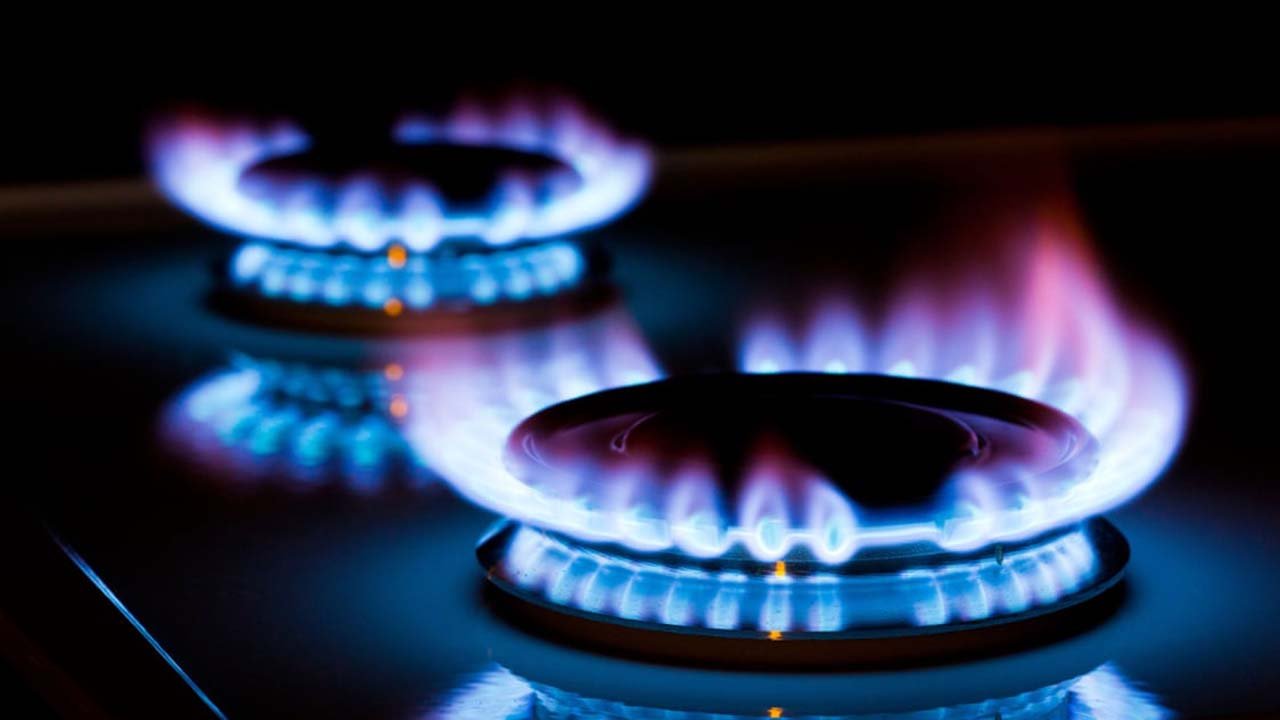
    In a move to address the fiscal challenges faced by Sui Northern Gas Pipelines Limited (SNGPL) and Sui Southern Gas Company Limited (SSGC), the Oil and Gas Regulatory Authority (OGRA) has granted approval for a noteworthy increase in gas tariffs.

    Effective January 1, 2024, consumers of SNGPL will experience a 35.13 per cent surge, while SSGC customers will witness an 8.57 per cent rise.

    This marks the second adjustment in gas prices within the current fiscal year, following a substantial 193 per cent increase announced by OGRA, effective November 1, 2023. The decision to implement these changes is aimed at bridging the Rs98 billion shortfall collectively faced by both gas companies.

    The interim government’s initial projections aimed to collect Rs980 billion, intending to cover the estimated revenue requirements of Rs700 billion for both SNGPL and SSGC.

    The recommended average increase in the prescribed gas price is set at 23 per cent, reaching Rs1,590 per mmbtu, compared to the previous average of Rs1,291 per mmbtu determined on June 2, 2023.

    Specifically, OGRA has outlined a 50 per cent increase (Rs415.11 per mmbtu) for SNGPL, elevating the gas price to Rs1,238.68 per mmbtu, effective July 1, 2023.

    Simultaneously, the gas price for SSGC has been raised by 45 per cent (Rs417.23 per mmbtu) to reach Rs1,350.68 per mmbtu.

    The decision to increase gas prices aligns with the interim government’s commitment to the International Monetary Fund (IMF), with an agreement to announce a raise in gas sale prices by February 18, 2024.

    However, the OGRA Ordinance stipulates that if the government remains unresponsive to OGRA’s notification within 40 days, the determined tariff by the regulator will be automatically enforced.

    The recent approval underscores the ongoing efforts to address financial challenges and ensure the sustainability of the gas sector in Pakistan.