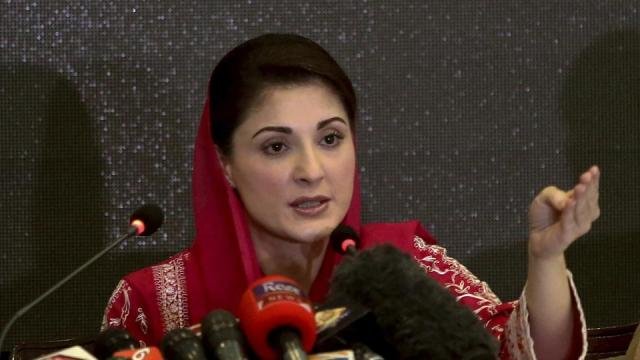
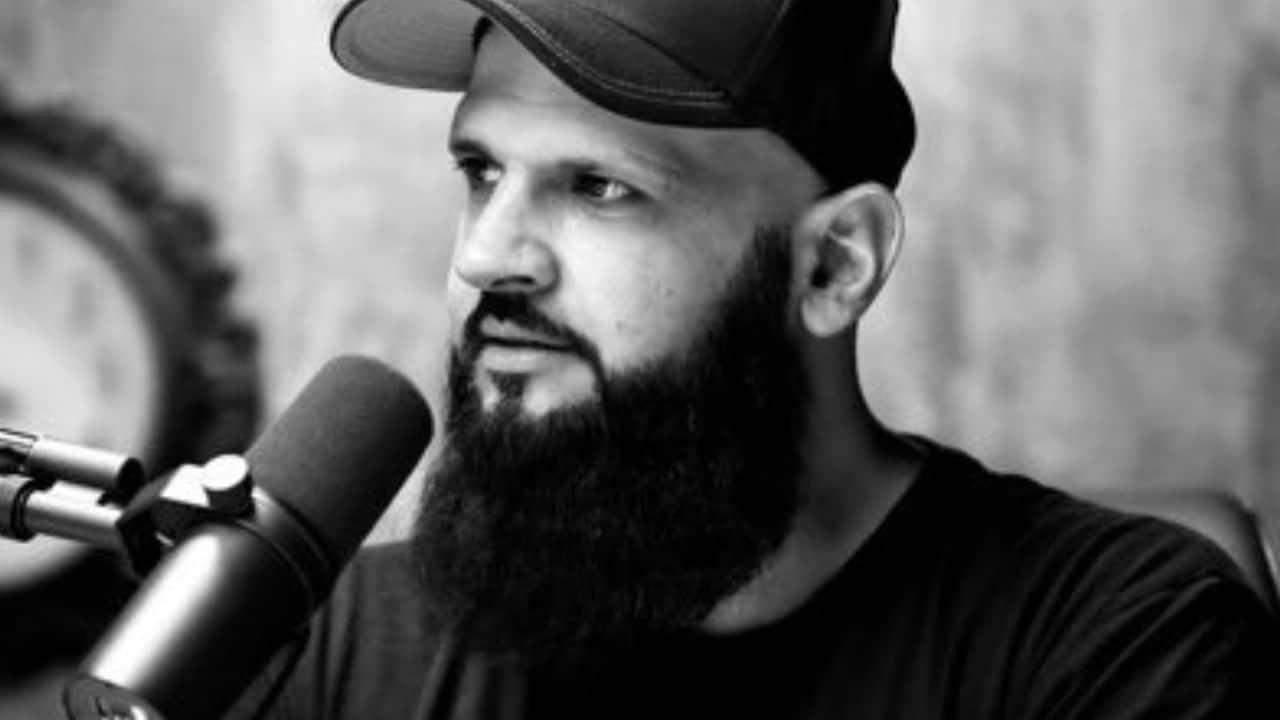
Maryam Noor, the well-known actress in the Pakistan showbiz industry, shared details of a tough experience of living in a shared apartment. In a recent appearance on a private TV show, Maryam discussed various topics, including her past challenges.
She recounted, “When I moved to Karachi, I initially lived in a shared apartment. Many people who relocate from Lahore to Karachi desire a beautiful and clean place, but not everyone can afford expensive accommodation. I met a seemingly neat and honest girl who offered me a shared apartment.” Maryam shared her family’s concerns when she informed them about the offer. “My family suggested renting a cheaper apartment instead of sharing. However, I reassured them that the girl was good and nothing bad would happen.”
As time passed, Maryam realized that the girl, who initially seemed straight and decent, changed after getting a boyfriend. Maryam began feeling like she was treated as if she were the maid, not an equal tenant.
Maryam explained, “Her behavior worsened over time. When my family visited, she behaved strangely with them. I decided to distance myself from her, but when I went to Lahore, she called me, claiming she had bought a house and demanded the deposit for the apartment.”
Reminding the girl of the two-month contract, Maryam insisted on waiting for the agreed period. Upon returning to Karachi, she discovered that the girl had stolen her belongings, thrown dead prawns in her room, and even placed spoiled food among her possessions.
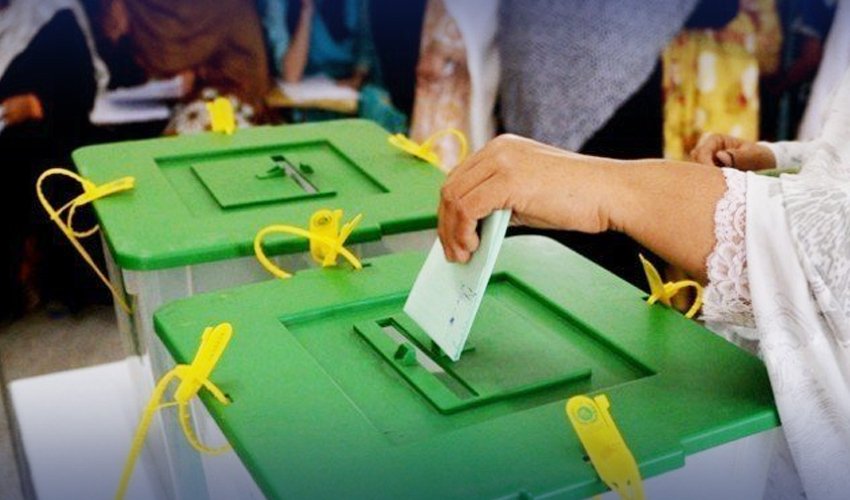
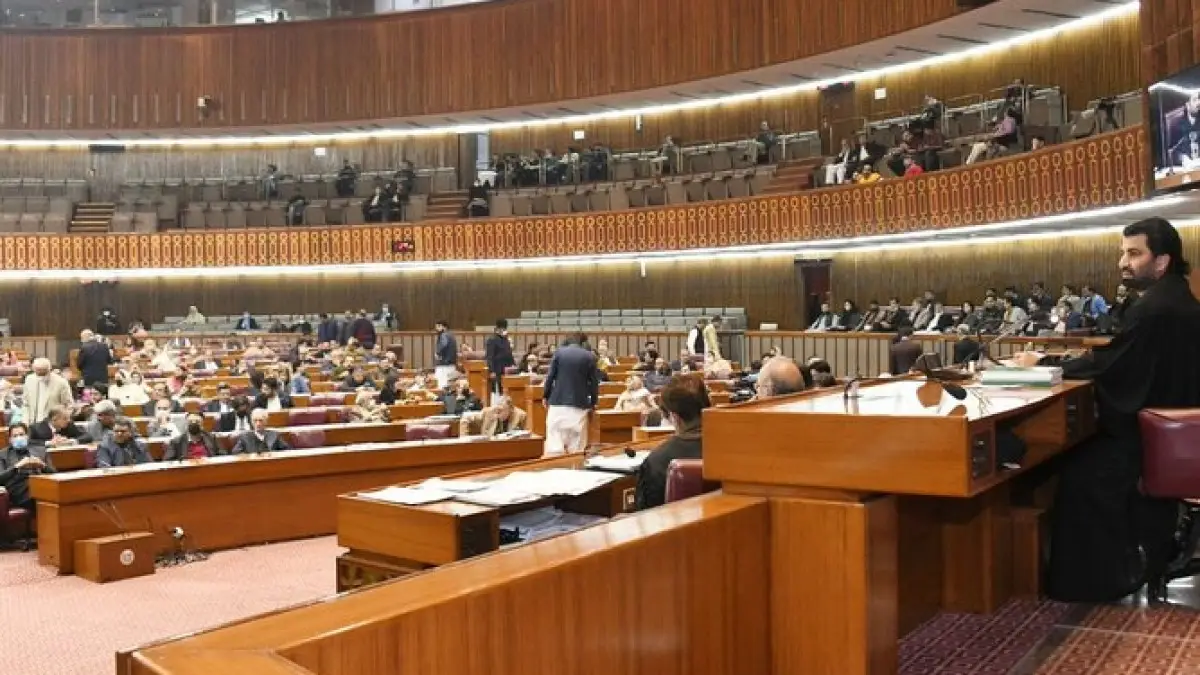
The Election Commission of Pakistan (ECP) has declared on Thursday that it is determined and ready to conduct upcoming elections on February 8 as per schedule, despite facing security challenges in Khyber Pakhtunkhwa and Balochistan provinces.
With only one week remaining until the February 8 polls, election preparations and campaigns are in full swing. However, the country is grappling with a series of violent incidents that have led to multiple deaths, particularly at political party rallies in the two provinces most affected by terrorism.
Law enforcers have tightened security across the country to maintain law and order during the upcoming general elections.
“The February 8 polls will take place on time. Though the security challenges exist but the election commission is fully ready [to hold the elections], and with the help of Law Enforcement Agencies (LEAs) and Pakistan Army, the elements involved in hindering the electoral process and disrupting security situation will be dealt strictly,” Chief Election Commissioner (CEC) Sikandar Sultan Raja said during the ECP’s security meeting.
On Thursday evening, the electoral body held an important meeting on the worsening law and order situation in two provinces.
After the meeting ended, the ECP released a statement saying that the CEC voiced concerns about the worsening security situation in KP and Balochistan. However, he emphasised that the electoral process will continue despite the challenges.
A pigeon that spent eight months in Indian police custody has been released after it was finally cleared of being a suspected Chinese spy.
The bird was caught at a port in the financial capital Mumbai with “messages written in a Chinese-like script” on its wings, the Times of India newspaper reported.
“Initially, the police had registered a case of spying against the bird, but after completing their inquiry, they dropped the charge,” the report added.
The unnamed bird was held under lock and key at a city hospital while police carried out an investigation.
That probe took an “astonishing eight months”, the India office of the People for the Ethical Treatment of Animals (PETA) said in a Thursday statement.
PETA India said police had granted “formal permission for the hospital to release the pigeon” on Wednesday.
Local media reports said the bird fluttered away in good health.
The pigeon is the latest of several detained by Indian authorities on suspicion of espionage.
Border security officers took a pigeon into custody in 2016 after it was found carrying a threatening message to Prime Minister Narendra Modi close to India’s border with arch-rival Pakistan.
In 2020, police in Indian-controlled Kashmir released a pigeon belonging to a Pakistani fisherman after a probe found that the bird, which had flown across the heavily militarized border between the nuclear-armed nations, was not a spy.
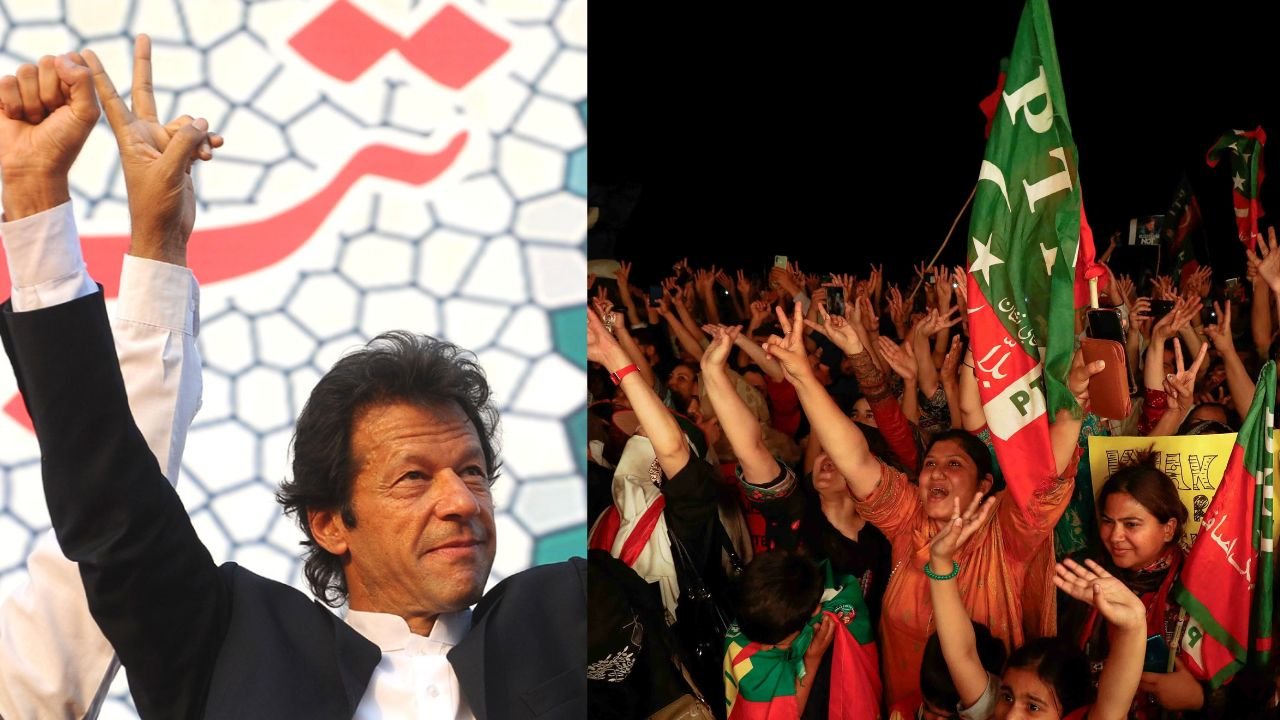
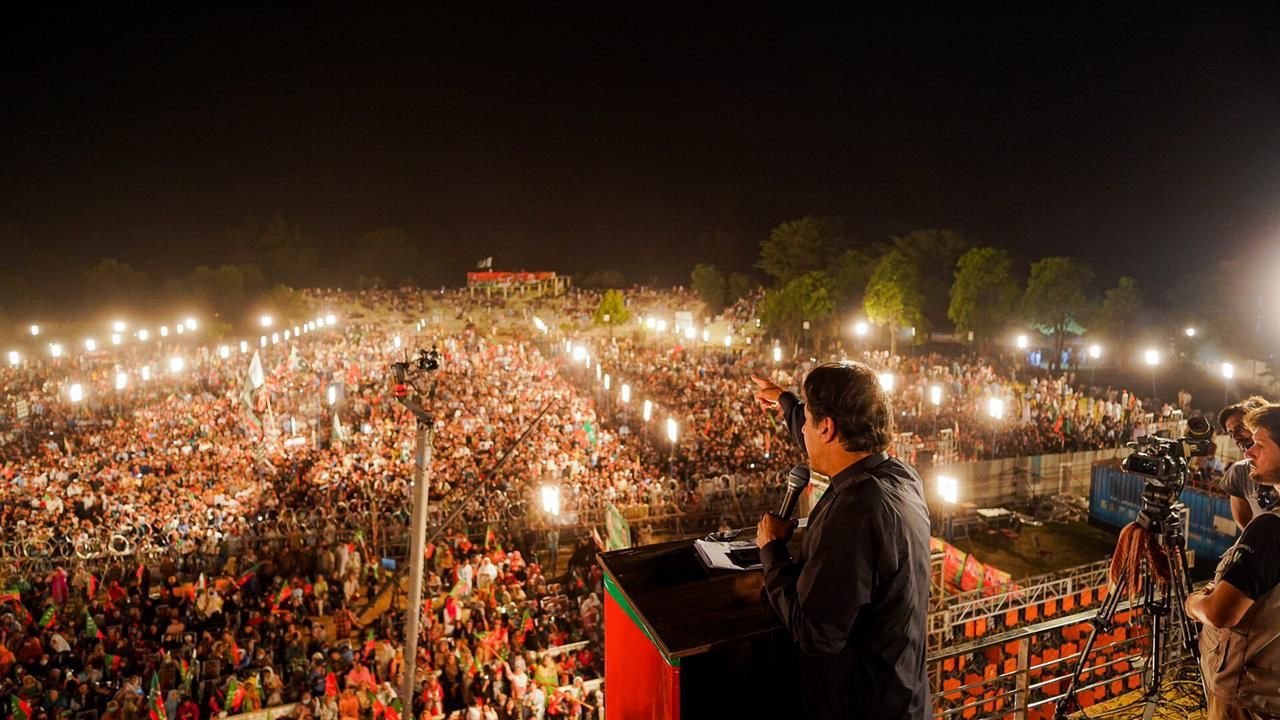
Being young adults, we never participated actively in politics. PTI’s election 2018 campaign was so effective that it captivated the attention of young people and encouraged them to get involved in politics.
The voter turnout among young people was incredibly high, with an estimated 20 to 30 percent of people voting for the first time in the 2018 elections. Imran Khan and his team ensured that the youth became the driving force of his campaign.
The 2018 manifesto’s major part was dedicated to youth. Another element for targeting the youth was the ratio of youth in Pakistan and how they actively use digital platforms, and Khan and his team, made sure to persuade us to make the most of it.
In 2018, Pakistan was filled with excitement and hope for a new political tradition, with new leadership promising a better Pakistan. PTI’s anti-corruption narrative inspired young people to participate in the election. The urban middle class, which had historically been excluded from family dynasties, saw an opportunity to rebuild the country’s political structure through a merit-based reward system.
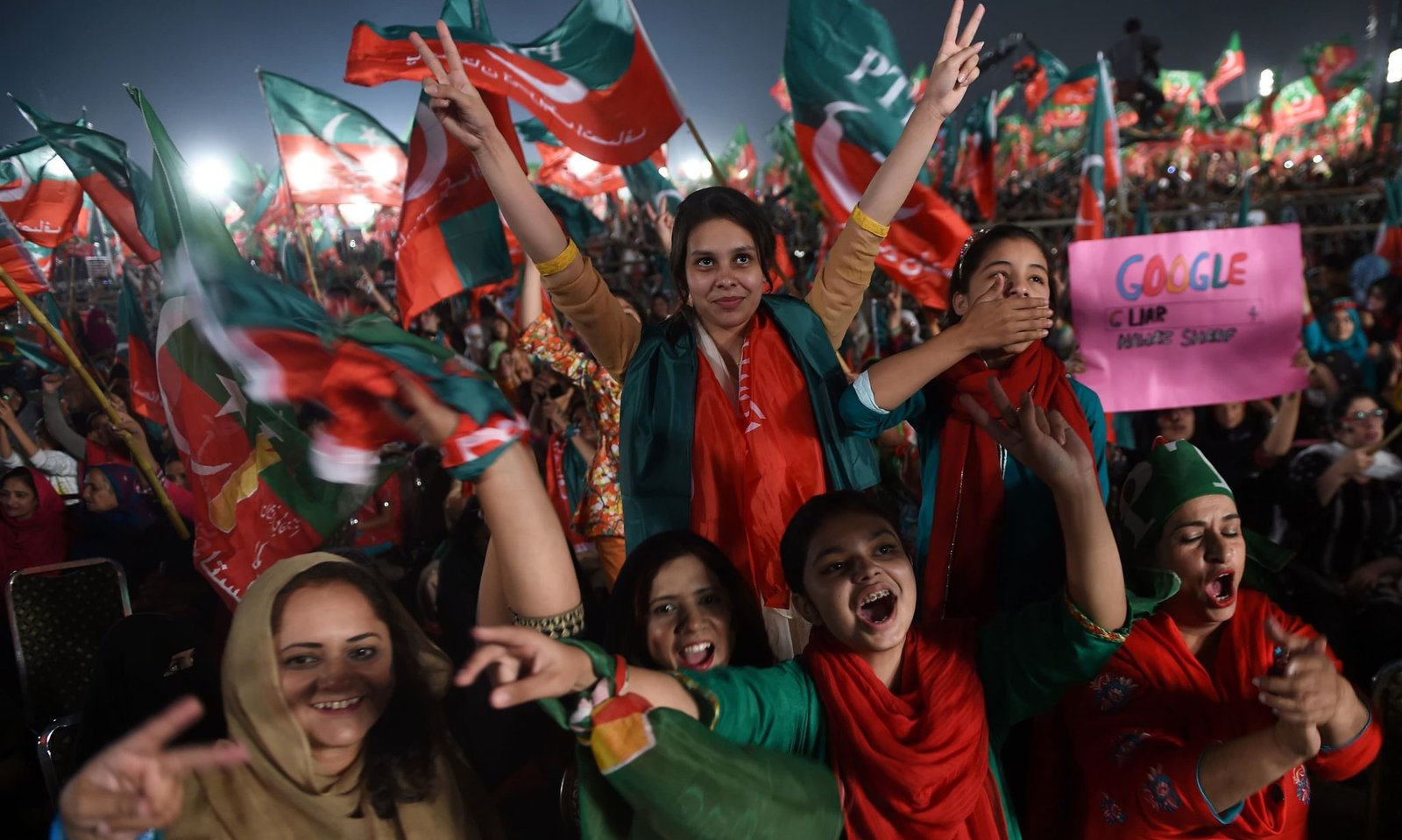
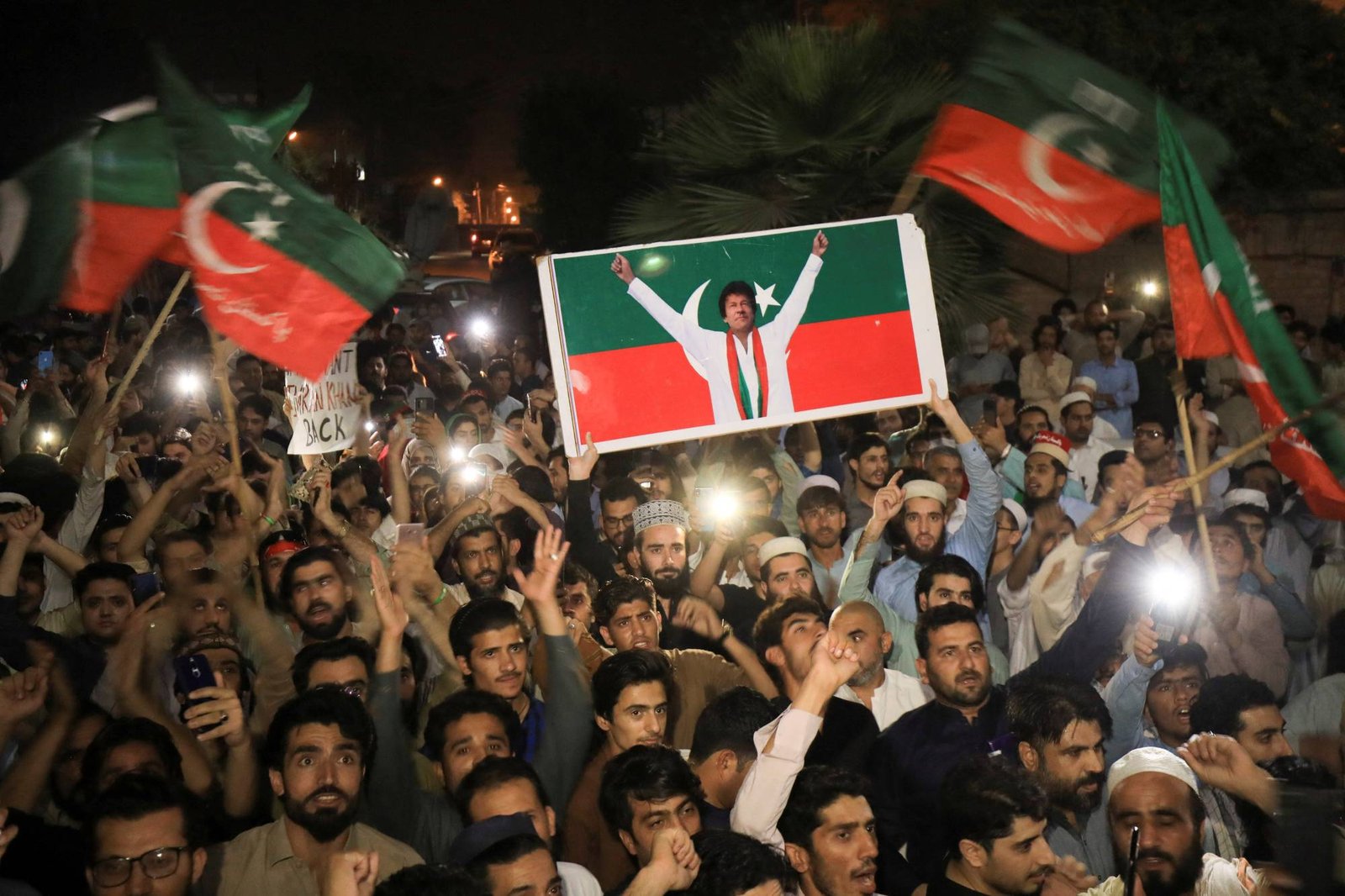
Activists of Imran Khan party Pakistan Tehreek-i-Insaf (PTI) enjoy at the thanksgiving day rally in Islamabad on November 2, 2016.
A Pakistani opposition party has abruptly called off a planned “lockdown” of the capital after the Supreme Court paved the way for an investigation into allegations of corruption against the prime minister’s family.
A Pakistani opposition party has abruptly called off a planned “lockdown” of the capital after the Supreme Court paved the way for an investigation into allegations of corruption against the prime minister’s family. / AFP PHOTO / ASIF HASSAN
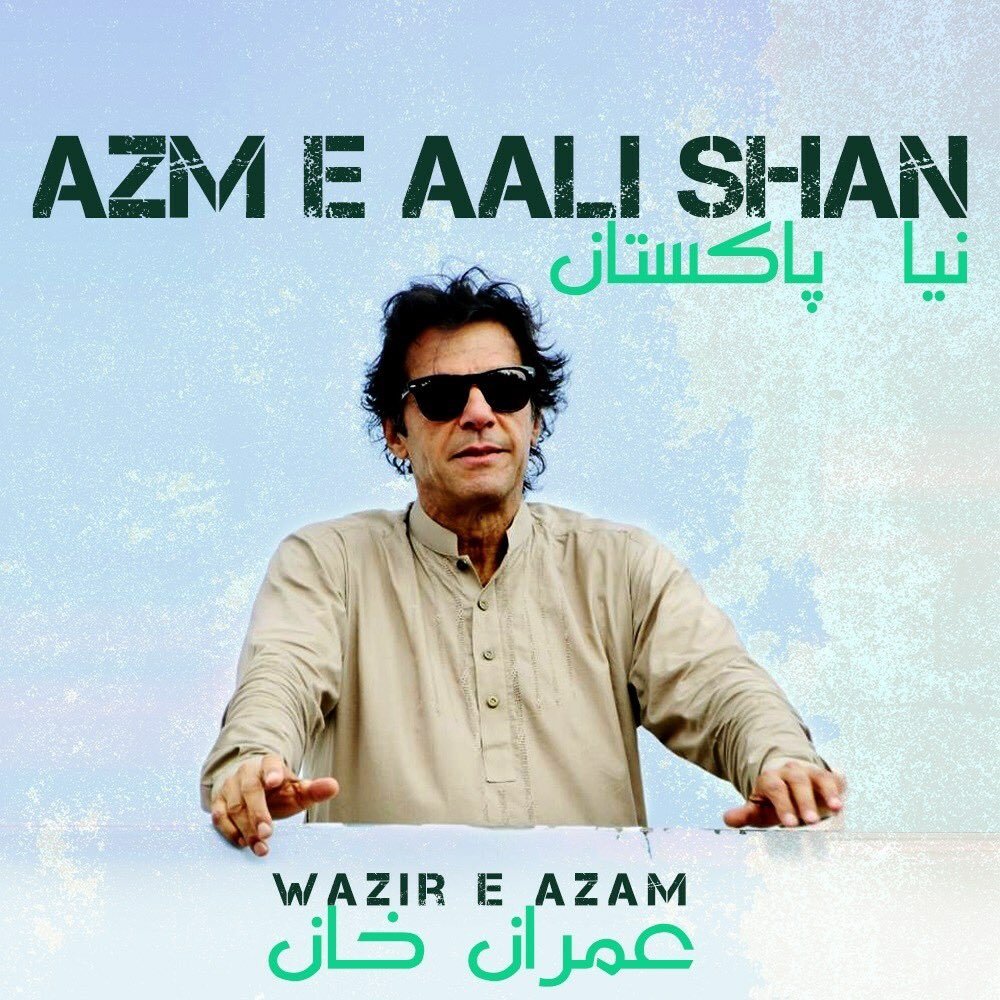
The phrase ‘Naya Pakistan’ resonated with educated youth. There were two categories of people who joined the PTI: those who wanted a meritocratic, inclusive, and successful Pakistan, and those who were disillusioned with previous leaders.
After winning in 2018, Khan announced big plans for the benefit of the youth. PTI’s government launched various revolutionary projects to empower and advance the youth.
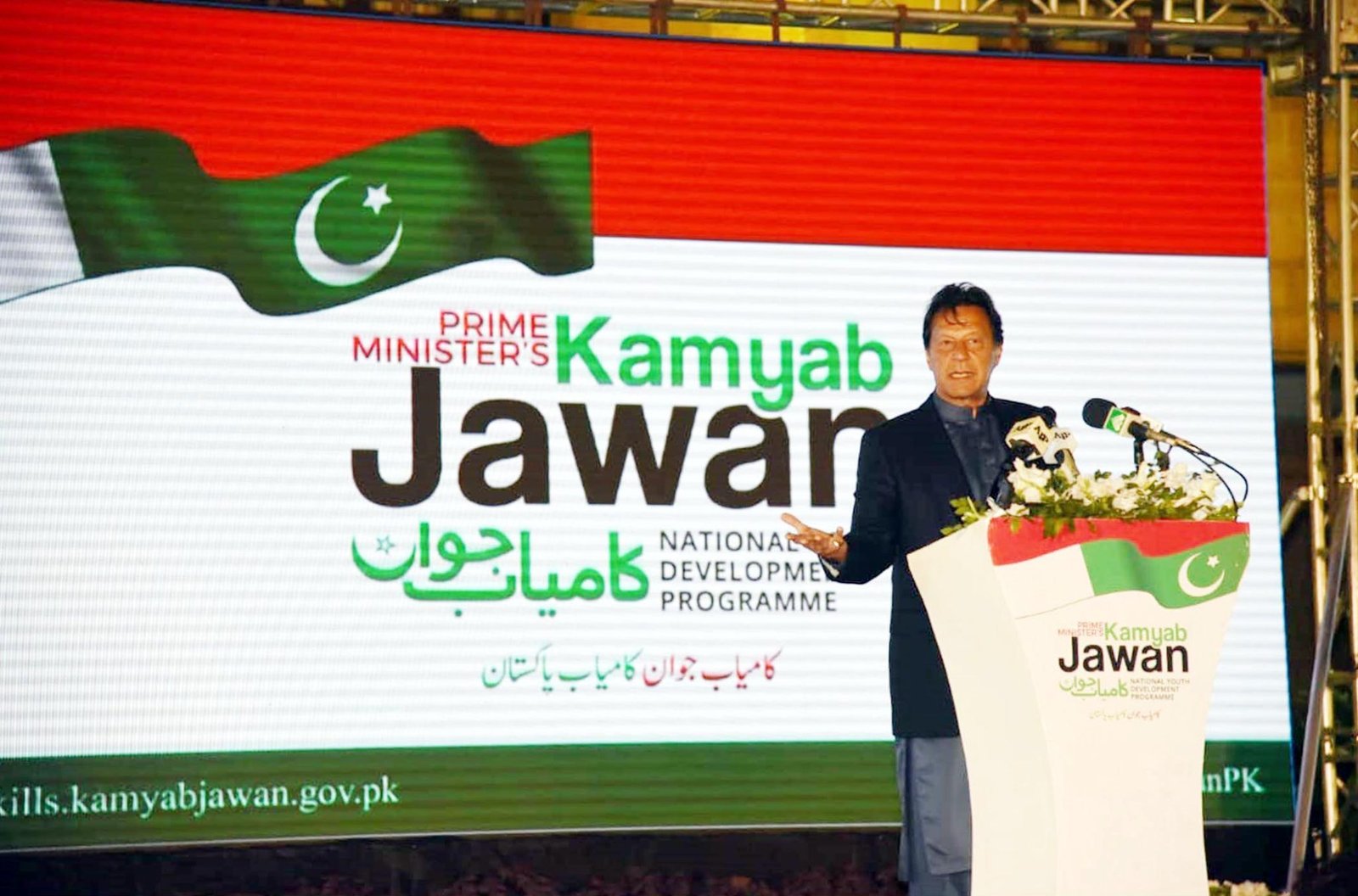
Khan initiated the “Kamiyaab Jawan” Program on 11th July 2019 for the youth’s betterment and another initiative was the inclusion of vulnerable groups in the “Ehsaas Programme.”
Prime Minister Imran Khan addressing after distribution of Cheques at a Ceremony under “Kamyab Jawan Program” in Karachi on January 27, 2020
From 2018 to 2022, Khan actively worked for the welfare and involvement of the youth and the poor. He never surrendered his state’s sovereignty, and when a no-confidence motion was launched against him, he became extremely active on social media, encouraging youth involvement and participation to support him on digital platforms.
After the no-confidence motion, the youth were devastated and out on the streets for their leader.
Imran Khan received widespread support, both nationally and internationally. Digital campaigns were launched to support the injustices committed against the PTI. PTI launched campaigns involving peaceful protests around the country. But the opposition was outraged by the enormous support for the PTI and launched a crackdown.
In spite of all the cases and propaganda against Khan, we are still standing behind him. The youth continue to provide him with unmatched support. His youth-oriented ideology is the motivation behind his support. Despite the chaos, supporters do not back down or fear anything.
We, as young adults, continue to support Imran Khan and will always do so. No matter what happens, we will vote for him.
When asked, ‘tootay huay dil jaein kahan’, Babar responded, “Doctor kay pas”.
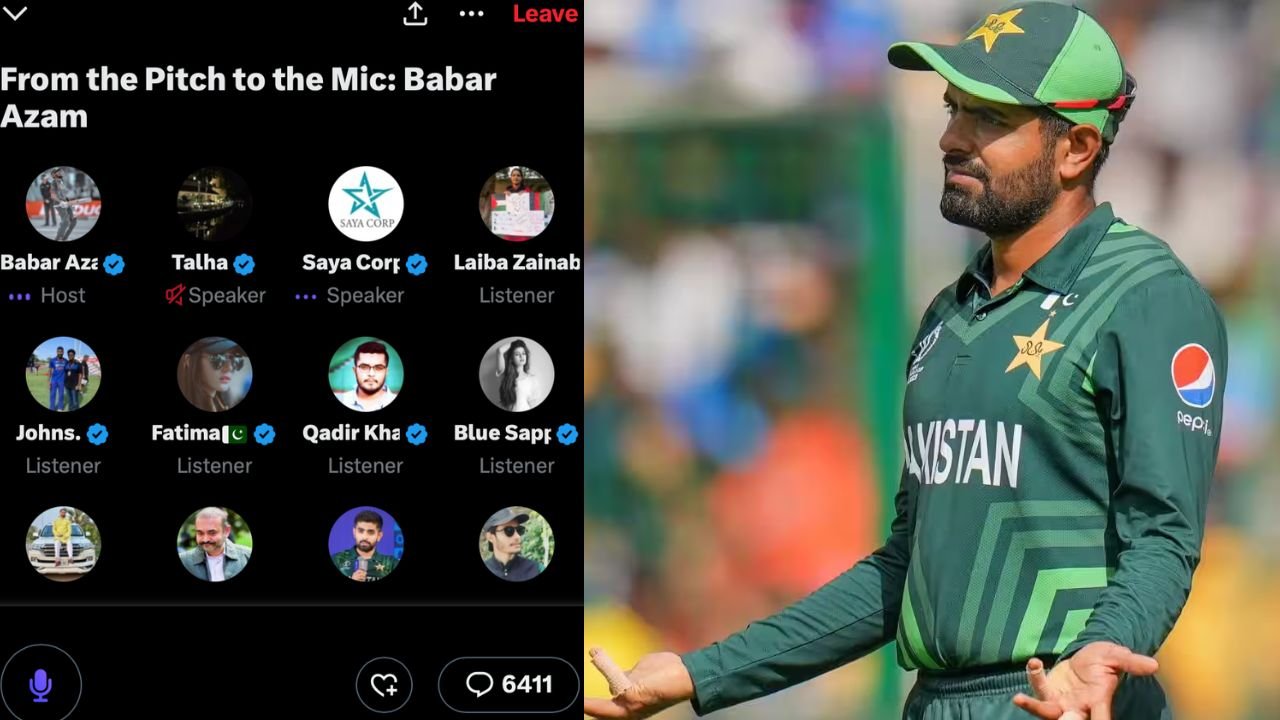
Babar Azam is currently in an X (Former Twitter) space titled ‘From the Pitch to the Mic: Babar Azam’ where he was responding to questions asked by his fans under #AskBabar.
He announced on January 31 on his X account, “Are you as excited as I am for the live Twitter Space? I’ll be answering questions already submitted using #AskBabar. Send your questions and tune in. I will answer as many questions as possible. ✨ ”
Are you as excited as I am for the live Twitter Space? I’ll be answering questions already submitted using #AskBabar. Send your questions and tune in. I will answer as many questions as possible. ✨
Babar was asked by a fan about his skin care routine for his glowing skin and he said, “I sleep on time and nothing else. It is thanks to Allah that I have such beauty”.
Cricketer Muhammad Rizwan came to the space and asked him, “Shadi kab ho rahi hai” to which Babar said, “Murshid main aapko akelay mein bataun ga”. Rizwan and Babar started laughing and then Rizwan mentioned how his wife kept asking him daily when Babar would get married.
Nadeem Umar, owner of PSL franchise Quetta Gladiators, has demanded that a separate board be formed for the Pakistan Super League (PSL).
Regional Cricket Association President Nadeem Umar came to watch the final of the Inter-Department Cricket League, during which he awarded the captain of the winning team, Umar Associate, with a trophy and cash prize of Rs 200,000.
Talking about PSL, Nadeem Umar said, “The chairman and setup of the Pakistan Super League should be completely different, their working method should also be different, and how the rights of the matches work and sell. It must be different”.
He continued: “We sleep for 11 months of the year, there is no activity plan, and the setup of the exercise of the separate boards of other leagues like the Indian Premier League (IPL) and many other leagues has been going on for a long time.”
Nadeem Umar emphasized that PSL is the most powerful brand in the country. “But we have to fight with the board for some improvement. Not representing Karachi and Lahore in the PCB Governing Board is unfair, who will be the chairman, and what will be the role of the game, the input of big cities is necessary for these challenges”.
In a significant move aimed at promoting democratic participation, the Election Commission of Pakistan (ECP) has officially declared a public holiday on February 8, coinciding with scheduled general elections in the country. The decision, made under the powers vested in the ECP by Article 218 of the Constitution, aims to facilitate and encourage voters to exercise their right to franchise without any hindrance.
A notification released by the Election Commission of Pakistan states, ” In exercise of powers conferred under Article 218 of the Constitution read with Section (4) and 8(c) of the Elections Act, 2017 (Act No. XXXIII of 2017), and all other powers enabling it in that behalf, the Election Commission of Pakistan is pleased to declare public holiday on 08th February, 2024 in the country in order to enable the voters to exercise their right of franchise freely and conveniently.”
The strategic move aligns with the democratic principles of the nation, emphasizing the importance of every eligible voter’s participation in shaping the country’s future. By designating February 8 as a public holiday, the Election Commission aims to eliminate potential obstacles that might deter individuals from partaking in the electoral process.
It has been decided to keep all educational institutions closed from February 6 to 9 in Sindh.
According to Sindh Education Department, all private and commercial schools, colleges, and universities will remain closed from February 6 to 9 due to general elections in the country.
The Education Department said that February 5 has already been announced as Kashmir Day holiday in the province.
A vacation summary has been sent to the Chief Minister House, while the notification will be issued after approval.
On Wednesday, the Punjab Cabinet decided to keep all schools, colleges and universities closed from February 6 to 9 as general elections, scheduled for February 8, approach.
In alignment with the surge in the global market, gold rates in Pakistan experienced an upward trajectory on Thursday.
The precious metal, often viewed as a barometer for economic sentiment, reached Rs216,300 per tola, marking an increase of Rs800 over the course of the day.
As reported by the All Pakistan Gems and Jewellers Sarafa Association (APGJSA), the 10-gramme gold bar was traded at Rs185,442 following a notable rise of Rs686.
This shift in prices follows a contrasting trend from the preceding day, when gold prices in Pakistan had seen a decline of Rs600 per tola.
The international gold rate exhibited a similar positive movement on Thursday, reaching $2,060 per ounce with a $20 premium.
This uptick of $5 in the global market, as highlighted by APGJSA, contributed to the buoyancy in the local gold prices.
Conversely, silver rates remained steadfast at Rs2,600 per tola, maintaining stability in the precious metals market.
This fluctuation in gold prices can be attributed to the intricate interplay of various global economic factors.
Analysts suggest that investors and traders should closely monitor these trends to make informed decisions in the ever-evolving market.
The Pakistan Bureau of Statistics (PBS) reported that the country’s headline inflation for January stood at 28.3 per cent on a year-on-year basis, marking a slight decrease from the December figure of 29.7 per cent. The month-on-month reading recorded a 1.8 per cent increase.
This latest data brings the average inflation for the period of July to January to 28.73 per cent, up from 25.40 per cent in the corresponding period of the previous year. Despite this surge, the inflation rate aligns with the government’s expectations.
The Ministry of Finance, in its ‘Monthly Economic Update and Outlook’ report released on Wednesday, projected a CPI-based inflation rate of 27.5-28.5 per cent for January 2024. The report attributed the inflationary pressure to elevated prices of perishables and vegetables, along with increased utility costs for electricity and gas.
A contributing factor to the rising prices has been a surge in onion export orders following the Indian ban, straining local supply and causing domestic prices to escalate.
Severe weather disruptions led to supply shortages of tomatoes, resulting in price hikes, while reduced chicken supply, especially from controlled sheds facing higher input costs, contributed to increased chicken prices.
JS Global, in a report from last week, anticipated that inflation would remain elevated, particularly in the food segment. The report predicted a 1.8 per cent month-on-month uptick in food prices, resulting in an overall January 2024 YoY CPI estimate of 27.9 per cent.
The brokerage house noted that the CPI inflation in the coming months is expected to remain on the lower side amid the decline in local fuel prices and the high base effect of last year.
Breaking down the inflation figures, urban areas recorded a year-on-year CPI inflation of 30.2 per cent in January 2024, slightly lower than the previous month’s 30.9 per cent and higher than January 2023’s 24.4 per cent. On a month-on-month basis, urban inflation increased by 1.8 per cent in January 2024.
In rural areas, year-on-year CPI inflation for January 2024 was 25.7 per cent, down from the previous month’s 27.9 per cent but higher than January 2023’s 32.3 per cent. On a month-on-month basis, rural inflation increased by 1.9 per cent in January 2024.
The PBS data indicates a nuanced inflationary landscape in Pakistan, with both urban and rural areas experiencing fluctuations in prices across various commodities. The government’s focus on addressing these challenges remains critical as it navigates the economic impact of inflation on citizens and businesses.