Blog

  • Historic first: man booked for torturing birds

    For the first time, a case has been registered against a man in Lahore for keeping birds hungry and thirsty.

    According to the police, a case of animal cruelty has been registered in Township police station.

    Incharge Police Animal Rescue Center, Aroosa Hussain, has said that Shakeel kept birds on a rooftop, however, they were found starving and thirsty.

    There were bones and remains of dead animals on the roof which the hungry birds were forced to eat.

    The police have rescued eight partridges, 12 chickens and two ducks. The birds were then transferred to the Police Animal Rescue Center.

  • Pakistan and Gulf Cooperation Council sign historic free trade agreement 

    Pakistan and Gulf Cooperation Council sign historic free trade agreement 

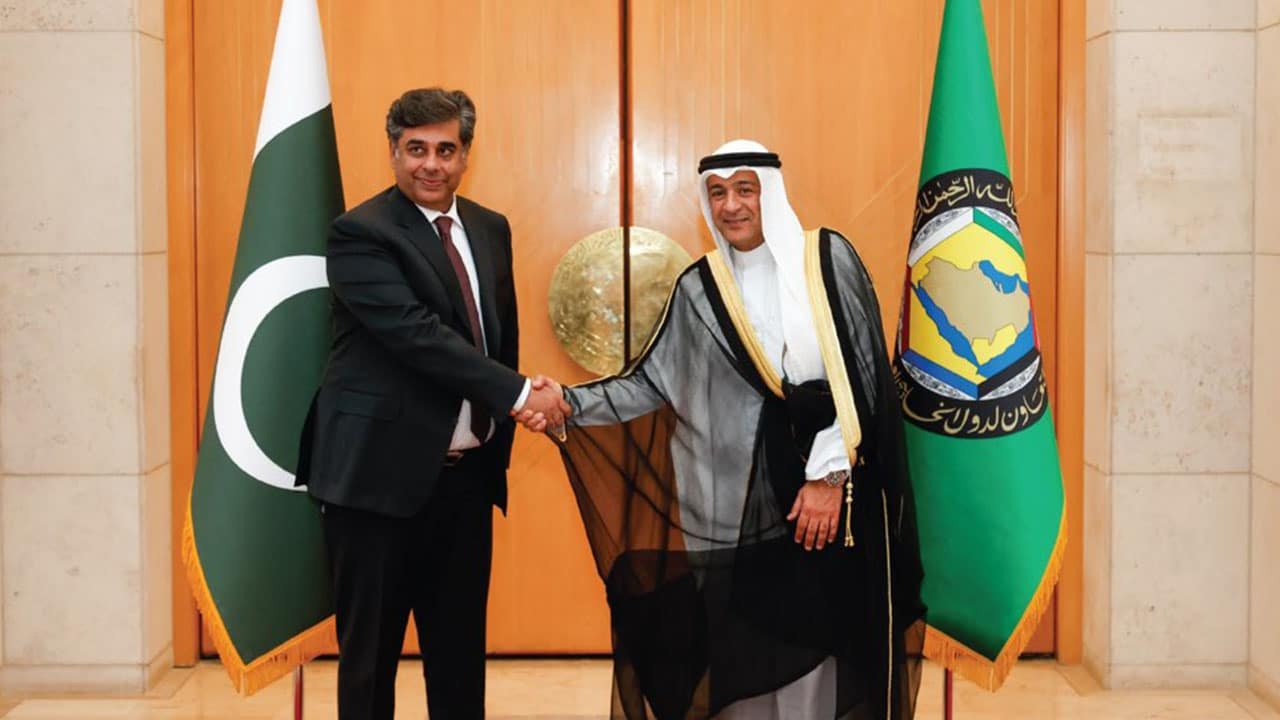
    Pakistan and the Gulf Cooperation Council (GCC) have officially initiated a comprehensive free trade agreement, as announced by the GCC through its communication platform, X. 

    The formal signing ceremony was conducted with the participation of GCC Secretary-General Jasem al-Budaiwi and Pakistan’s Minister of Trade, Gohar Ejaz. 

    In his remarks, Secretary-General Al-Budaiwi underscored the historic significance of this economic accord, characterising it as a pivotal moment in bilateral cooperation. He emphasised that this agreement would play a vital role in fostering mutual growth and prosperity, aligning with the shared interests of both parties, as conveyed in the GCC’s official statement. 

    Additionally, Al-Budaiwi highlighted the GCC’s commitment to advancing the cause of free trade by actively pursuing similar agreements with other nations, as indicated in the statement. 

    Both leaders expressed optimism about the agreement’s potential to significantly enhance trade relations between Pakistan and the Arab nations. 

    It’s worth noting that Pakistan and the GCC initially laid the groundwork for discussions on a free trade agreement back in August 2004. However, progress had been limited to only a few rounds of talks. The negotiations were reignited in 2021, leading to the formalisation of this momentous trade pact. 

  • PIA’s Boeing 777 planes encounter more technical issues due to lack of maintenance 

    PIA’s Boeing 777 planes encounter more technical issues due to lack of maintenance 

    Due to a serious lack of maintenance and repair work, numerous Boeing 777 aircraft operated by Pakistan International Airlines (PIA), the country’s national flag carrier, have experienced technical problems during international flights, according to reliable sources. 

    These technical issues within PIA’s aircraft have been steadily increasing due to the neglect of essential maintenance and repair tasks by the airline’s engineering department, as disclosed by insiders interviewed by ARY News. This unfortunate trend not only puts the safety of PIA flights at risk but also causes significant inconveniences for passengers and financial difficulties for the airline. 

    Sources have revealed that several Boeing 777 aircraft faced technical problems during flights to Saudi Arabia, resulting in substantial expenses for their repair and upkeep. In a recent incident, during the boarding process for Jeddah-Lahore flight PK-760, the auxiliary power unit (APU) exhaust malfunctioned, requiring the pilot to activate an emergency brake and initiate a fire control procedure. 

    The consequences of this incident were significant, leading to a delay of over a day for the affected flight as the aircraft had to be grounded due to the fault. Interestingly, this was the second such incident reported in a single day. Prior to this incident, another PIA plane flying from Sialkot to Jeddah experienced smog warnings within the cockpit. 

    In response to these events, the PIA spokesperson issued a statement reassuring passengers aboard the grounded plane that arrangements were being made for their prompt departure from Lahore to Jeddah. 

  • Japanese researchers discover microplastics in clouds

    Japanese researchers discover microplastics in clouds

    Researchers in Japan have claimed they have discovered the presence of microplastics in clouds. These small particles of plastic are believed to be affecting the climate in ways that scientists still do not fully understand.

    According to Al Jazeera’s report, a study published in the journal ‘Environmental Chemistry Letters’ details that Japanses scientists researched the collection of water from the fog covering Mount Fuji and Mount Aoyama.

    The research team found nine different types of polymers and one type of rubber in the samples, with particles ranging in size from 7.1 to 94.6 micrometers.

    The amount of plastic particles found in each liter (0.26 gallon) of cloud water ranged from 6.7 to 13.9.

    Lead author of the study from Waseda University, Hiroshi Okuchi, has warned that if the issue is not taken into account, climate change and environmental threats could cause serious environmental damage in the future.

    What is microplastic?
    Microplastics are small plastic particles measuring less than 5 mm which come from industrial waste, textiles, synthetic car tires, and similar products.

    These microplastics have also been found inside fish in the Arctic Ocean and in frozen snow in the Pyrenees mountains between France and Spain.

    In the research report, the author said that “according to our knowledge, this is the first report of the presence of microplastics in clouds.”

    Researchers have stated that humans and animals are ingesting and/or inhaling microplastics, and these small particles of plastic have been found in various human organs, including the lungs, heart, blood and faeces.

    One million tonnes of tiny plastic particles accumulate in the ocean which are often released into the air and then into the atmosphere. Hence, microplastics have also seemingly become an integral part of clouds, potentially contaminating several things including our food and drink.

    Recent findings also show that microplastics are linked to health problems, including effects on heart and lung, as well as cancer.

  • Former FIA chief joins PML-N

    The ex-Director General (DG) of the Federal Investigation Agency (FIA), Bashir Memon joined Pakistan Muslim League- Nawaz (PML-N) on Friday.
    The former FIA chief has assumed the role of convener for the 12-member committee established by Senior Vice President Maryam Nawaz within the PML-N Sindh. This committee’s purpose is to facilitate Nawaz Sharif’s welcome arrangements upon his return home next month.

    Apart from Memon, the committee tasked with ensuring the attendance of party workers in welcoming the PML-N leader includes Muhammad Zubair, Nehal Hashmi, and Kheeal Das Kohistani.

    The party is preparing for a grand reception for Nawaz — who is set to return to Pakistan on October 21 — and plans to hold a massive rally of one million people in their stronghold — Lahore.
    The development comes after Raja Riaz, who was formerly the leader of the opposition in the National Assembly (NA), made the decision to join the Nawaz-led party, after meeting the former Prime Minister in London.

  • You can’t get 100-page passports now

    You can’t get 100-page passports now

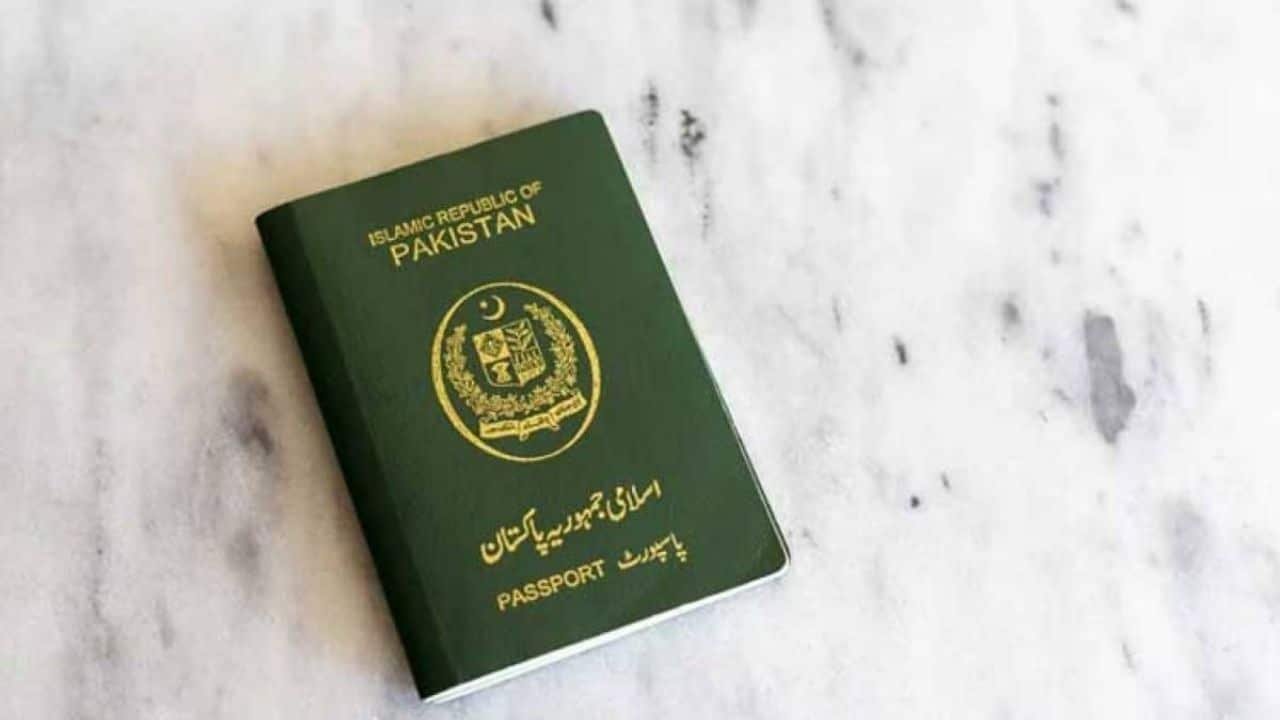
    The government has announced a temporary suspension on the issuance of passports with 100 pages. A statement issued by the Passport office expresses regret for the inconvenience and clarifies that this decision is part of the Directorate General (DG) of Immigration and Passports’ plan to introduce electronic passports (e-passports) nationwide.

    The transition initially began in Islamabad and has since been extended to all passport offices across the country following the federal government’s introduction of e-passports in June.

    As of August 16, 2023, new fee schedules have been implemented for e-passports, while fees for standard passports will remain unchanged.

    Here are the updated fee details for e-passports:

    1. For a standard 36-page passport valid for 5 years, the cost is set at Rs. 9,000.
    2. An urgent e-passport option is available for Rs. 15,000.
    3. A 72-page e-passport for regular processing will cost Rs. 16,500.
    4. Urgent service for the 72-page e-passport is priced at Rs. 27,000.
    5. If you opt for a 36-page passport with a 10-year validity, the normal fee is Rs. 13,500.
    6. The urgent service for this passport type costs Rs. 22,500.
    7. Additionally, a 72-page passport with a 10-year validity will incur a standard fee of Rs. 24,750, with an urgent processing fee of Rs. 40,500.

    The government’s decision to temporarily suspend the issuance of 100-page passports is in line with their efforts to streamline passport services and introduce more secure electronic passports to enhance the travel experience for Pakistani citizens.

  • Risk of another poliovirus outbreak

    Risk of another poliovirus outbreak

    More evidence of poliovirus was found in five samples in Peshawar and Karachi and so, the chances of a poliovirus outbreak in the country have now increased.

    According to the Ministry of Health, polio virus found in the five samples in Karachi are genetically linked to the virus in Afghanistan. Whereas, the genetic testing of the virus found in the positive sample from Peshawar is ongoing.

    Previously, five Union Councils of Karachi have been declared at high risk of polio virus.Other places of detection include Hangu and Pishin.

    Earlier this week, Egyptian authorities made it mandatory for travellers from Pakistan, Afghanistan, and other countries to provide a polio vaccination certificate.“

    As informed by the Egyptian Authorities, passengers travelling to Egypt from Pakistan, Afghanistan, Malawi, Mozambique and Congo are requested to provide an international certificate of vaccination specifically polio vaccine, OPV or IPV (both are acceptable),” Pakistan’s Civil Aviation Authority (CAA) said in an advisory on its website on Monday.

    Additionally, last month, the International Health Regulations (2005) Emergency Committee as well as the World Health Organisation (WHO) expressed concerns over Pakistan’s efforts in eliminating polio virus.

  • ‘I once found pornographic pictures of myself when I was a teenager’: Janhvi Kapoor

    ‘I once found pornographic pictures of myself when I was a teenager’: Janhvi Kapoor

    Bollywood star Janhvi Kapoor gave an interview to Indian publication Newslaundry where she opened up about how as the daughter of celebrity parents, there were several occasions where her privacy was breached. She talked about an incident where pictures of her as a teenager were uploaded on the internet, taking a toll on her mental health.

    The ‘Mili’ actress revealed she came across pictures of her face morphed on inappropriate photographs on pornographic websites, stressing that she was concerned about the rise of AI technology.

    “People see these manipulated images and assume they’re real. It deeply concerns me.”

    The actress shared how as a ten year old, she searched her name on a school’s computer lab and found pictures taken by the paparazzi on Yahoo, where she looked “very uncomfortable” and not “groomed”. The headlines claimed she was being launched in the industry. Such gossip tabloids further alienated Janhvi from her peers:

    “I don’t think they understood it so they started disliking me. I didn’t understand what was happening. My friends looked at me differently, they poked fun at me for not getting waxed… Many insinuated that I don’t have to work as I was famous anyway, weird taunts that I wouldn’t understand. Everyone kept asking me when I was leaving school and why I was on Yahoo. There was a lot of judgement, a lot of questioning of one’s self-worth from a very young age.”

  • Pak Suzuki CEO reveals plan to export upgraded cars meeting WP-29 standards 

    Pak Suzuki CEO reveals plan to export upgraded cars meeting WP-29 standards 

    Hiroshi Kawamura, the Chief Executive of Pak Suzuki Motor Company Ltd. (PSMCL), recently shared insights into the company’s endeavours to enhance the export capabilities of their cars, aligning them with numerous WP-29 standards. This significant development was reported by The News on Friday. 

    During the second round of interactive meetings with key decision-makers, conducted under the Suzuki Motors banner, Kawamura underscored the transient nature of economic challenges. He reaffirmed the company’s unwavering commitment to delivering cost-effective vehicles to the ordinary citizens of Pakistan. Furthermore, he disclosed that the company was actively engaged in the development of hybrid vehicle variants. 

    In attendance at the meeting were prominent part manufacturers, and they unanimously advocated for the promotion of localization within the automotive industry while simultaneously pursuing global market expansion. In a call for collaborative efforts, Kawamura emphasised the vital need for collective action in addressing the mounting crises faced by the automotive sector, stating, “It is imperative to take stock of the escalating crisis collectively for the automotive industry. Nothing can be achieved without local partners.” 

    During the meeting, Usman Aslam Malik, Senior Vice Chairman of the Pakistan Association of Automotive Parts and Accessories Manufacturers (PAAPAM), expressed unwavering support for original equipment manufacturers (OEMs) in their endeavours to export auto components. 

    It is important to note that WP-29 standards represent a distinctive global regulatory forum operating under the auspices of the UNECE Inland Transport Committee. Three UN Agreements, adopted in 1958, 1997, and 1998, provide the legal foundation enabling contracting parties (member countries) participating in WP-29 sessions to establish regulatory frameworks governing motor vehicles and their equipment.

    These encompass UN Regulations, appended to the 1958 Agreement; United Nations Global Technical Regulations (UN GTRs), linked to the 1998 Agreement; and UN Rules, annexed to the 1997 Agreement. 

  • IMF spokesperson urges fair taxation and protection for vulnerable in Pakistan

    IMF spokesperson urges fair taxation and protection for vulnerable in Pakistan

    The International Monetary Fund (IMF) has emphasised that its $3 billion Standby Arrangement (SBA) programme with Pakistan serves as a critical policy framework. This framework addresses both domestic and international economic imbalances while also facilitating financial support from various donors, including the refinancing of outstanding debts.

    According to Geo, during a recent press conference held at the IMF headquarters in Washington, DC, Julie Kozack, the spokesperson for the global lender, fielded questions regarding the IMF’s engagement with Pakistan. These inquiries encompassed Pakistan’s request for relief and permissions within the existing agreement, specifically in relation to rising energy costs, notably electricity bills.

    In response to concerns about potential human rights implications, particularly for minority populations and the vast number of people living below the poverty line (an estimated 92 to 95 million), the IMF spokesperson emphasised that the programme received approval on July 12. It is a nine-month standby arrangement amounting to $3 billion, designed to support the economic stabilisation programme of the Pakistani government.

    The core objectives of this programme revolve around providing a policy framework to address both domestic and external economic imbalances, along with establishing a structure to secure financial support from various donors, both multilateral and bilateral. This includes securing fresh financing and addressing upcoming debt obligations.

    The IMF outlined that policy efforts are focused on implementing the fiscal year 2024 budget, formulating appropriate monetary policies to combat inflation, and continuing reforms to enhance the sustainability of the energy sector.

    These reforms are ultimately geared towards fostering higher, more inclusive, and more resilient economic growth. They also aim to bolster social development and climate resilience by strengthening public financial management, improving tax administration, and enhancing the prioritisation of public investments.

    Furthermore, these efforts are conducted in collaboration with partner institutions, not only the IMF but also the World Bank and the Asian Development Bank, underscoring a collective commitment to Pakistan’s economic stability and development.

    Kozack also highlighted IMF Managing Director Kristalina Georgieva’s strong stance on poverty and inequality. She emphasised the importance of wealthier segments of society bearing a fair tax burden, particularly in a context where Pakistan’s tax-to-GDP ratio is notably low.

    The IMF’s commitment extends to safeguarding the interests of the poor and vulnerable members of society within the programme’s framework, aligning with the goal of achieving a more equitable and inclusive society.