Tag: Abortion

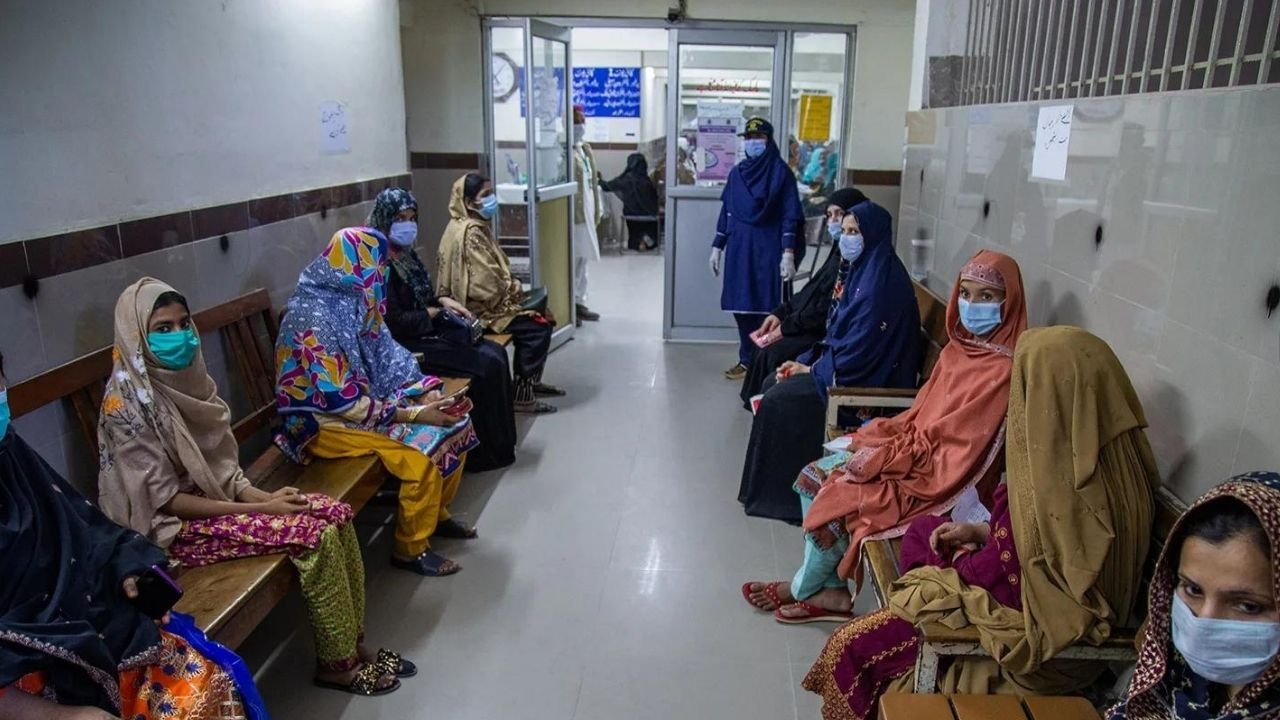
  • Pakistan records 2.5 million deliberate abortions annually

    Pakistan records 2.5 million deliberate abortions annually

    The federal government has established targets to reduce population growth as part of its five-year plan. According to sources, the goal is to decrease the annual population growth rate to 1.1 percent by 2030.

    Sources within the Ministry of Planning indicate that the population growth rate was 2.55 percent according to the 2023 census. The new target aims to lower the total fertility rate to 2.2 percent by 2030.

    In the fiscal year 2024, the total fertility rate was reported at 3.32 percent, as stated by Ministry of Planning sources.

    Additionally, Ministry of Planning sources report that the adoption rate of modern contraceptive methods was 39.36 percent in fiscal year 2024. The target is to increase this rate to 60 percent by 2030.

    It’s reported that 2.5 million intentional abortions in Pakistan annually result from the lack of adoption of modern contraceptive methods.

    According to the 2023 census, Pakistan’s population reached 24,149,000. The Prime Minister approved the Ministry of Planning’s plan during the NEC meeting.

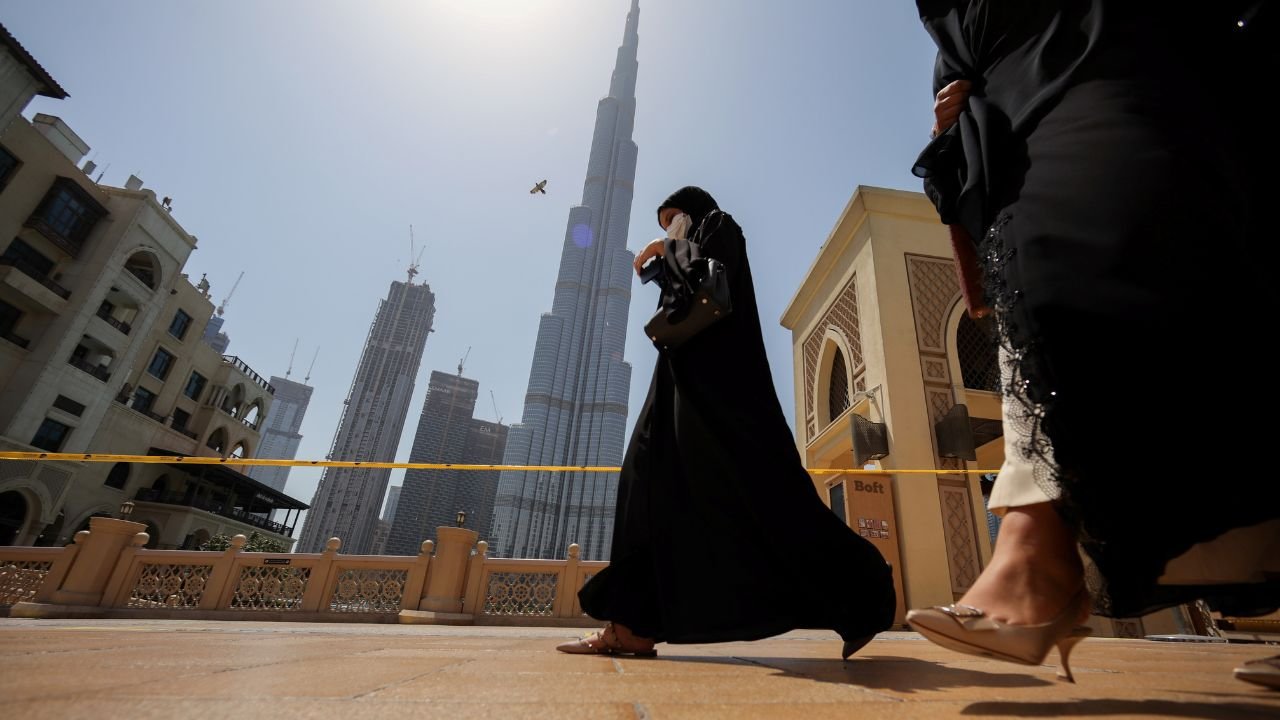
  • UAE to allow abortion in cases of rape, incest

    UAE to allow abortion in cases of rape, incest

    The United Arab Emirates (UAE) will now legally permit abortion in cases of rape and incest for the first time.

    Under a cabinet resolution, abortions will be permissible in cases where pregnancy stems from rape or incest, contingent upon the incident being reported and validated by public prosecution, and if the fetus is under 120 days old.

    The new resolution states that abortion will be allowed “if the pregnancy is the result of intercourse with a female against her will, without her consent, or without adequate volition” or “if the person who caused the pregnancy is an ancestor of the woman or one of her mahram [ineligible for marriage] relatives”.

    The aims of the new legislation is to safeguard women’s health and well-being, legally tackling the handling of the aftermath of these incidents and allowing abortions to be conducted without endangering the woman’s life.

    Under current UAE law, abortions are only allowed when there is a risk to the mother’s life or serious abnormalities in the fetus.

    The new changes to the UAE’s abortion laws includes permitting emergency abortions without requiring spousal consent.

  • Britney Spears reveals she had an abortion after Justin Timberlake got her pregnant

    Britney Spears reveals she had an abortion after Justin Timberlake got her pregnant

    Pop singer Britney Spears has released excerpts of her upcoming memoir ‘The Woman In Me’ which will explore some of the most controversial moments of her career, including the conservatorship she was placed under by father James Spears.

    A clip from the extracts is going viral on social media where the singer talks about her high-profile relationship with singer Justin Timberlake which lasted from 1999 to 2002. The ‘Womanizer’ singer revealed that she got pregnant by Justin, but was later forced to get an abortion as he was “not happy” about the announcement, believing they weren’t ready to become parents yet.

    Spears wrote that had the choice been up to her, she would not have had the abortion at all.

    “For me, [the pregnancy] wasn’t a tragedy. I loved Justin so much. I always expected us to have a family together one day. This would just be much earlier than I’d anticipated. But Justin definitely wasn’t happy about the pregnancy. He said we weren’t ready to have a baby in our lives, that we were way too young … I don’t know if that was the right decision. If it had been left up to me alone, I never would have done it. And yet Justin was so sure that he didn’t want to be a father.”

    Britney also addressed the conservatorship by writing: “Thirteen years went by with me feeling like a shadow of myself. I think back now on my father and his associates having control over my body and my money for that long and it makes me feel sick … I became a robot. But not just a robot – a sort of child-robot. I had been so infantilized that I was losing pieces of what made me feel like myself … The woman in me was pushed down for a long time. They wanted me to be wild onstage, the way they told me to be, and to be a robot the rest of the time.”

    ‘The Woman In Me’ is set to release on October 24.

  • In Pakistan, is abortion just a word or choice?

    ‘Woman of bad character’ is one of the phrases we often hear when the word ‘abortion’ is mentioned in our country. Abortion means the deliberate termination of a human pregnancy, most often performed during the first 28 weeks of pregnancy. Abortion sparked a debate after the United States (US) Supreme Court overturned Roe v Wade, a landmark ruling that granted the right to abortion. The court determined that there is no constitutional right to an abortion, leaving it up to the states to decide whether or not to allow abortions.

    According to a 2020 article in ‘Soch writing’, Pakistan has an annual abortion rate of 50 per 1,000 women as per a 2012 survey, the highest in South Asia and one of the highest in the world. (A previous study estimated a rate of 27 per 1,000 women in 2002).

    So at present, we understand the meaning of abortion but what we don’t understand is why is it required. A woman conceives a child, but somehow her circumstances lead her to the “choice” of not having the child anymore, and “she ends up deciding of quitting the will to bring a child into this world”. What happens next? She decides to “abort” the baby. Will she be “allowed” to do so? What if the woman was raped and conceived the child as a result of sexual assault? What if she is in an abusive marriage and doesn’t want to risk another life at the hands of her partner? What if the child conceived is a serious threat to the mother’s health? What if both parents are drug addicts? What if they don’t have the financial means to nurture a child? What if both parents carry childhood traumas that they haven’t fully recovered from? What if they are simply not ready? The situations are plenty but they all lead to one word, “choice”. A choice that a woman and her partner must have. A choice to decide when to bring another life into this world and their lives.

    Women in Pakistan are no different. They are clearly seeking abortions, and medical practitioners often refuse to perform them or do so only in secret, which are very risky and at times, very expensive —in general, both seekers and providers of abortions tend to believe the procedure is against religion or Pakistani law, or both. So where does it lead us? Education on abortion must be taken up as a priority by the health practitioners and by the individuals involved. Yes, abortion is a big step and comes with its own weight and worries but one’s mind and body should be allowed to make a choice. A choice that doesn’t lead to a judgement about a woman’s character but will only be considered a choice which she freely made for herself. Her body, her choice.